
The automotive industry operates under relentless pressure. Manufacturers face demanding timelines, competitive markets, and shareholders expecting quarterly profits.
Yet somehow, amid this chaos, certain vehicles emerge that feel genuinely considered cars where you sense someone cared deeply about every switch, every sight line, every detail.
Then there are the others: vehicles that feel like they were designed by committee, rushed to market to meet a deadline, with compromises visible in every corner.
The difference between thoughtful and rushed isn’t always about price or brand prestige. A thoughtful vehicle reveals itself in subtle ways the satisfying click of a door handle, the logical placement of controls, the coherence of design language from front fascia to tail light.
These cars feel like complete thoughts, fully realized visions where engineering and design worked in harmony rather than conflict.
They’re the result of teams who were given time to iterate, refine, and perfect. You can sense the care in the weight of the gear selector, the damping of the glove box, the integration of technology that enhances rather than distracts.
Rushed vehicles, conversely, betray their hurried development through inconsistency. Hard plastics sit adjacent to soft-touch materials without rhyme or reason. Infotainment systems feel grafted on rather than integrated.
Ergonomics seem like an afterthought, with controls placed where they fit rather than where they’re needed.
These aren’t necessarily bad vehicles many rushed cars are mechanically sound and serve their purpose adequately but they lack soul, coherence, and attention to detail.
Understanding what separates these two categories offers insight into the automotive development process and helps consumers make more informed decisions.
It’s about recognizing the difference between a vehicle designed holistically and one assembled from parts bin components to hit a price point and launch date.
The thoughtful cars endure as classics or at least as vehicles their owners genuinely enjoy. The rushed ones become forgettable appliances, serving their function without inspiring any emotional connection.
Let’s examine five examples from each category to understand what thoughtful design looks like and what happens when time and care are sacrificed for expediency.
5 Thoughtful Vehicles
These exceptionally refined vehicles feature cohesive design execution and meticulous attention to detail perfectly demonstrating years of careful development, providing satisfying ownership experiences where quality shines through in countless small touches that reveal genuine engineering care rather than cost-cutting compromises.
Their careful construction includes solid panel gaps and damped controls that resist the cheapness found in hastily developed vehicles while delivering doors that close with satisfying thuds, switchgear operating with precise tactile feedback, and interior materials maintaining quality appearance throughout ownership without premature wear.
1. Mazda MX-5 Miata (Current Generation)
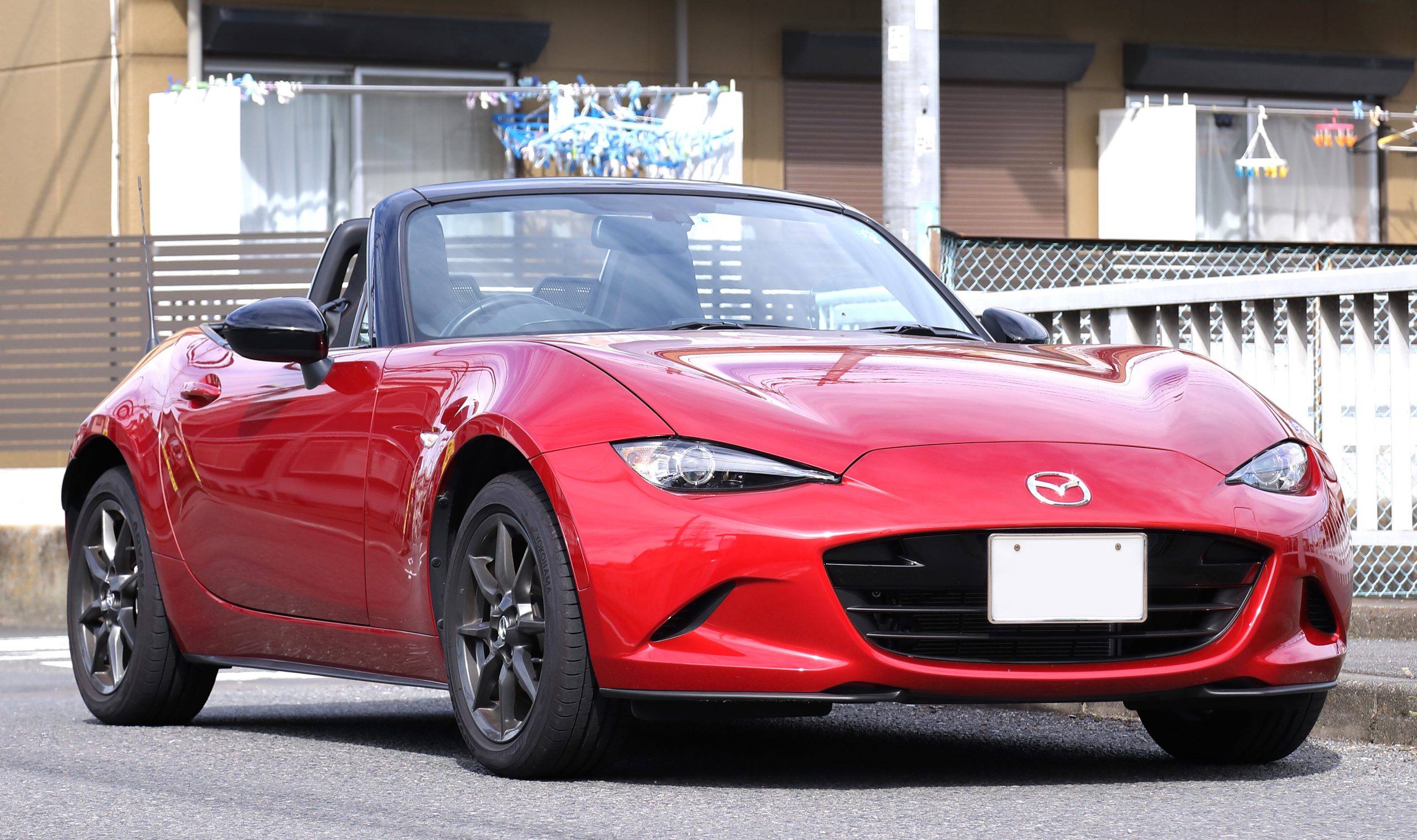
The Mazda MX-5 Miata stands as perhaps the automotive industry’s best example of thoughtful, purposeful design. Now in its fourth generation, this roadster demonstrates what happens when a manufacturer remains committed to a singular vision across decades.
Mazda’s “Jinba Ittai” philosophy, the unity of horse and rider, isn’t marketing speak but a genuine engineering principle evident in every aspect of the vehicle.
The Miata’s thoughtfulness begins with weight. In an era when vehicles balloon with each redesign, Mazda obsessively shed pounds from the MX-5, making the current generation lighter than its predecessor.
This wasn’t cost-cutting but intentional engineering, requiring expensive aluminum components and creative problem-solving. The result is a car weighing barely 2,300 pounds, delivering responsiveness that heavy grand tourers cannot replicate, regardless of horsepower.
Interior ergonomics reveal similar care. The driving position is near-perfect, with the steering wheel, pedals, and shifter aligned naturally. The dashboard sweeps toward the driver, every control falling intuitively to hand.
Mazda resisted the temptation to fill the cabin with unnecessary technology, understanding that simplicity serves the driving experience. The infotainment screen sits unobtrusively atop the dash rather than dominating it, and physical buttons control climate functions a detail appreciated during spirited driving.
The engineering philosophy extends to the powertrain. Rather than chasing horsepower numbers, Mazda prioritized throttle response and linear power delivery.
The naturally aspirated four-cylinder produces modest output but revs eagerly to redline, paired with one of automotive’s finest manual transmissions. The shifter action short-throw, precisely notched exemplifies thoughtful engineering. This component alone likely saw hundreds of hours of refinement to achieve its mechanical poetry.
Suspension tuning demonstrates extraordinary balance. The Miata rides firmly but never harshly, communicating road texture without pummeling occupants. Body control inspires confidence in corners while remaining compliant enough for daily driving.
This calibration requires extensive testing and iteration, adjusting damping rates, spring rates, and anti-roll bar stiffness until achieving that elusive sweet spot.
Even styling feels considered rather than trendy. The proportions long hood, cabin pushed rearward, compact overhangs honor traditional roadster architecture while incorporating contemporary surfacing.
Details like the headlight design and rear haunches suggest muscularity without aggression. The design will age gracefully precisely because it doesn’t chase momentary fashion.
2. Porsche 911 (992 Generation)
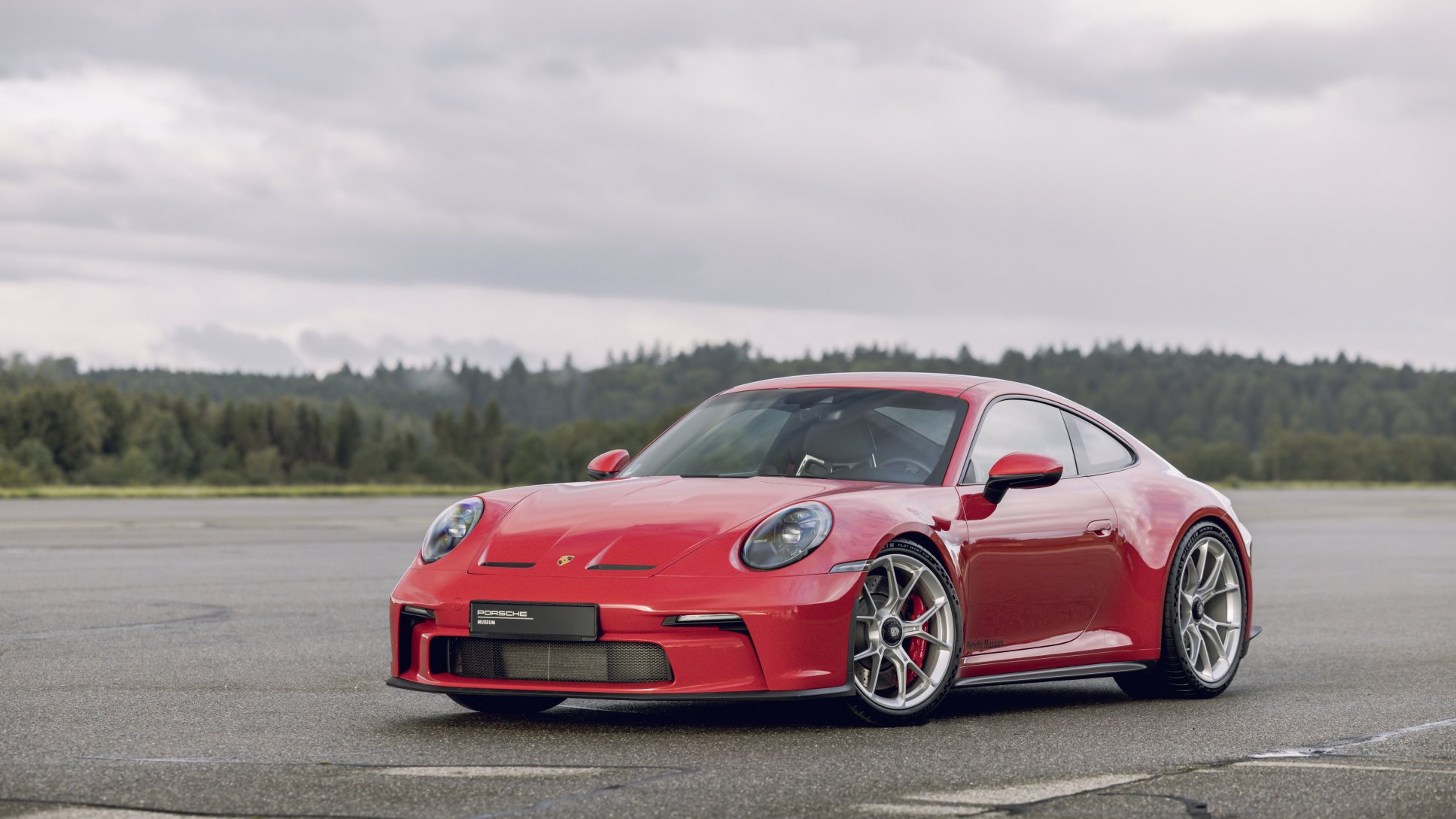
The Porsche 911 represents evolutionary perfection, each generation building thoughtfully upon decades of development. The current 992 iteration showcases what’s possible when manufacturers enjoy both substantial budgets and institutional knowledge spanning over fifty years. Every component reflects consideration born from racing heritage and engineering obsession.
Porsche’s commitment to the rear-engine layout objectively compromised from a pure physics standpoint demonstrates thoughtful problem-solving rather than rushing toward conventional solutions.
Engineers have refined this configuration through generations, developing sophisticated all-wheel-drive systems, rear-axle steering, and electronic stability management that transforms potential liabilities into character-defining strengths. The 911 handles with supernatural ability precisely because Porsche dedicated resources to perfecting an unconventional approach.
Interior quality exemplifies German thoroughness. Materials selection shows restraint and purpose leather, metal, and quality plastics assembled with precision.
The dashboard architecture honors 911 heritage with its five-gauge cluster while integrating modern digital displays seamlessly.
Controls operate with mechanical precision; the window switches click decisively, the air vent adjusters move with smooth resistance, and the door handles engage with satisfying weight. These details cost money and require supplier relationships built over decades.
The driving experience reveals layers of sophistication. Porsche calibrated the steering to communicate precisely what the front wheels encounter while filtering out harshness.
The brake pedal offers consistent resistance and stopping power whether cold or track-hot. The PDK transmission Porsche’s dual-clutch system shifts with such speed and intelligence that it’s genuinely superior to manual operation for performance, yet Porsche still offers a manual transmission for purists, acknowledging that enthusiasm transcends pure performance metrics.
Engine development showcases iterative refinement. The turbocharged flat-six produces tremendous power while maintaining the character that defines 911 identity.
Porsche resisted the industry trend toward characterless turbocharged engines by carefully tuning exhaust systems, throttle mapping, and turbo lag profiles. The result sounds right, revs eagerly, and delivers power progressively rather than in abrupt surges.
3. Honda Civic (11th Generation)
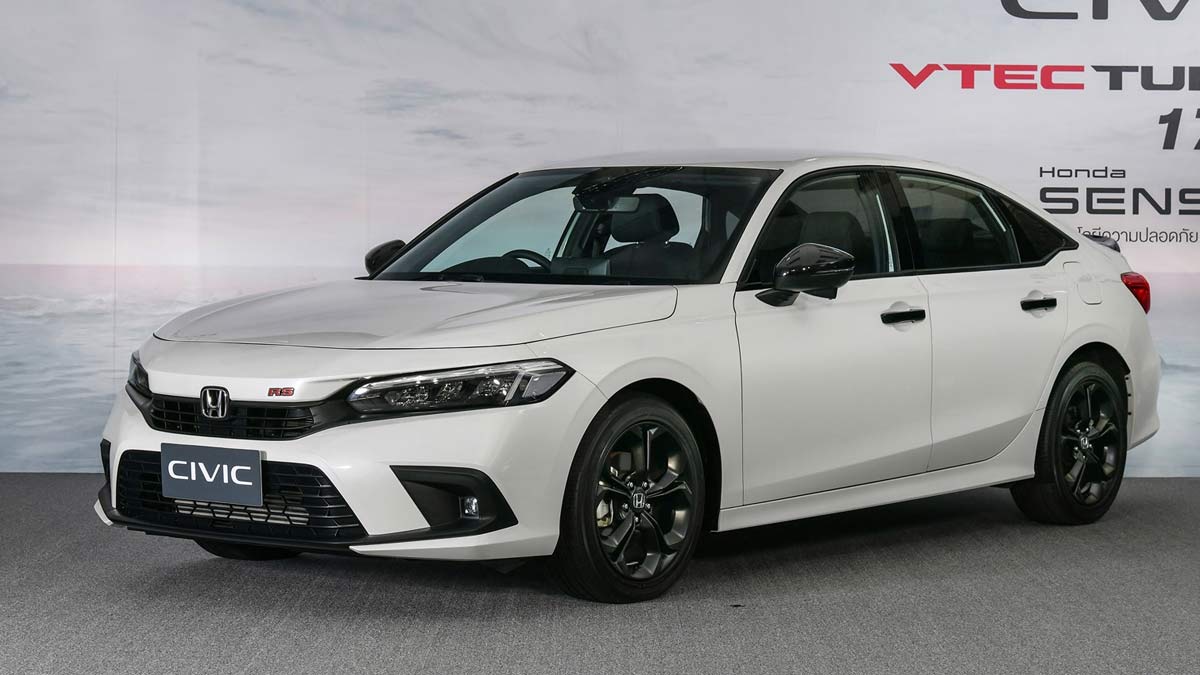
Honda’s latest Civic demonstrates that thoughtful design isn’t exclusive to luxury segments. After the controversial styling of the previous generation, Honda returned to foundational principles, creating a compact sedan that feels exceptionally well-resolved.
The Civic proves that mainstream manufacturers can deliver genuinely considered vehicles when they prioritize substance over flash.
The interior represents a masterclass in ergonomic design. Honda positioned the dashboard low, maximizing visibility in all directions a detail many manufacturers sacrifice for styling drama.
The greenhouse offers exceptional sight lines, making the Civic feel smaller and more manageable than its actual dimensions.
Controls are logically organized, with physical buttons and knobs for essential functions rather than burying everything in touchscreen menus. The climate control interface, positioned in a honeycomb mesh panel, combines aesthetic appeal with functional clarity.
Material quality impresses for the segment. While Honda uses hard plastics in areas that occupants rarely touch, frequently contacted surfaces feature appropriate materials and textures.
The result feels cohesive rather than presenting jarring transitions between cost-saving measures and quality touches. This balance requires careful planning about where to allocate resources for maximum perceived quality.
The driving dynamics reveal Honda’s engineering heritage. The Civic’s chassis feels rigid and well-damped, absorbing imperfections without feeling floaty or disconnected. Steering weight and ratio suit the vehicle’s character light enough for easy parking yet weighted sufficiently for highway confidence.
The suspension manages the difficult balance between comfort and engagement, making the Civic genuinely pleasant to drive rather than merely adequate transportation.
Powertrain development shows similar consideration. The base engine delivers adequate power with excellent fuel efficiency, while the available turbocharged unit provides genuine performance.
Both engines pair with transmissions calibrated to each powerplant’s characteristics, the CVT programmed to mimic traditional shifting rather than droning at constant RPM, the manual offering pleasing shift action. These details require extensive development time and testing across diverse conditions.
4. Toyota Land Cruiser (300 Series)
Toyota’s Land Cruiser, particularly in markets outside North America where the true 300 series is available, exemplifies thoughtful engineering focused on durability and capability rather than luxury or performance.
This vehicle represents decades of institutional knowledge about building vehicles that survive extreme conditions while remaining civilized enough for daily use.
The thoughtfulness appears in component selection and system redundancy. Toyota engineers the Land Cruiser for worst-case scenarios, desert heat, arctic cold, high altitude, deep water crossings, corrugated roads, and complete isolation from support infrastructure.
This requires conservative ratings, overbuilt components, and extensive testing in conditions most vehicles never encounter. The result costs more and weighs more than vehicles engineered for typical use cases, but delivers unmatched reliability.
The body-on-frame construction, while old-fashioned by unibody standards, was deliberately retained because it offers advantages for serious off-road use, easier repair in remote locations, better tolerance for flexing during extreme articulation, and the ability to mount recovery points to a separate frame. This wasn’t rushed conservatism but thoughtful retention of appropriate technology.
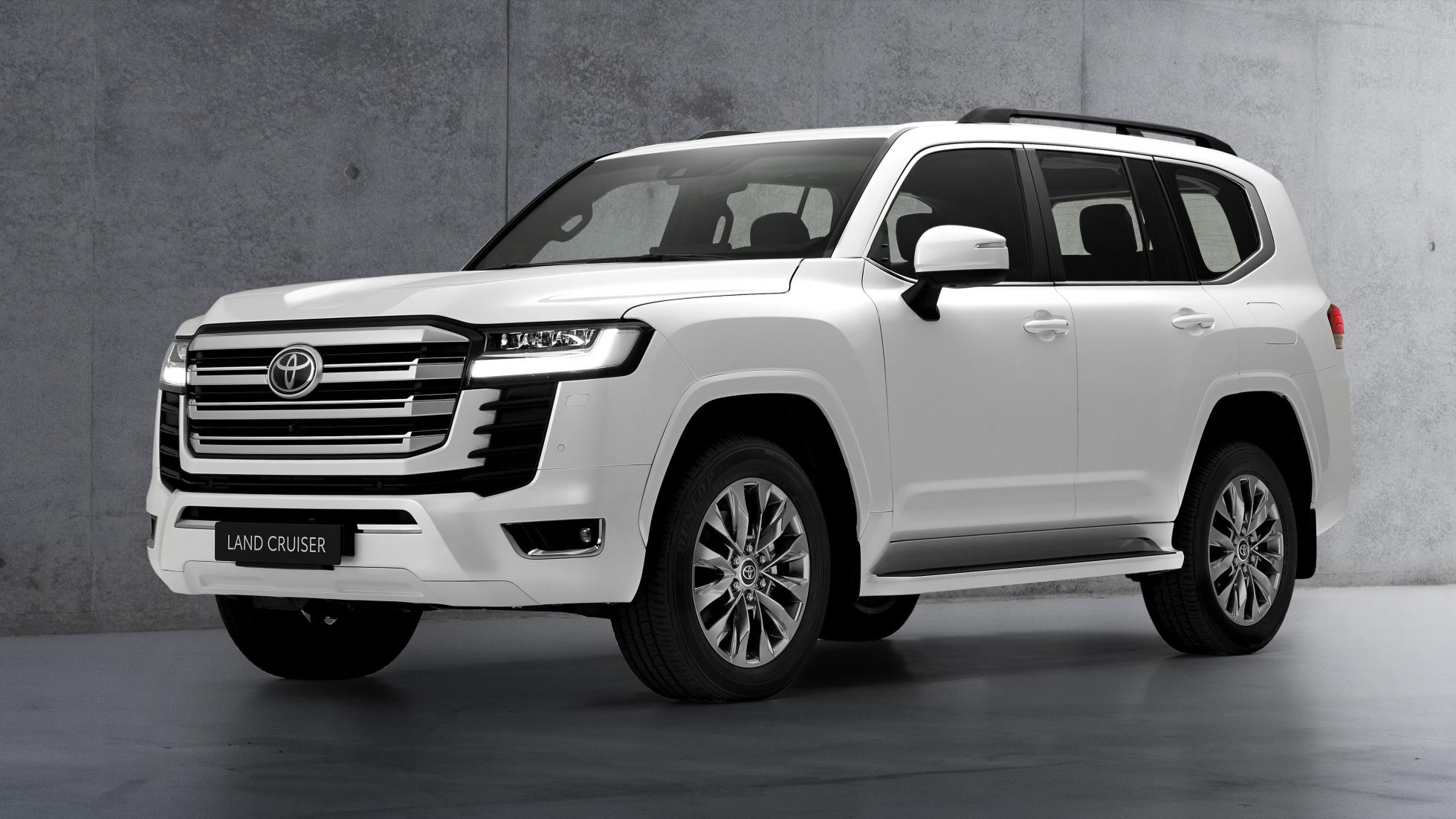
Interior design prioritizes function and durability over fashion. Materials are selected for cleaning ease and temperature stability rather than luxury feel. Controls are large enough for operation with gloves, positioned where they’re accessible during off-road maneuvering.
The infotainment system, while not cutting-edge, operates reliably in temperature extremes and doesn’t require constant software updates. These decisions reflect understanding of how customers actually use these vehicles.
The engineering extends to serviceability. Toyota designed the Land Cruiser for maintenance in developing markets, meaning components are accessible, service procedures are straightforward, and parts are globally available.
This consideration for the complete ownership experience, not just the showroom experience, demonstrates long-term thinking, increasingly rare in modern automotive development.
Also Read: 5 Cars With Supportive Seats for Daily Driving vs 5 That Aren’t
5. Volkswagen GTI (Mk8)
Despite initial criticism of its touch-sensitive controls, the Mk8 Golf GTI represents a thoughtful evolution of the hot hatch formula.
Volkswagen invested heavily in chassis development, powertrain refinement, and the integration of performance technology that genuinely enhances the driving experience rather than existing primarily for specification sheet bragging rights.
The GTI’s chassis tuning required extensive development to balance front-wheel-drive dynamics with genuine performance capability.
Volkswagen engineers calibrated the limited-slip differential, suspension geometry, and electronic stability systems to work harmoniously, managing torque steer while maintaining the engagement that defines GTI character.
This balance allowing spirited driving without constant electronic interference while providing safety nets when needed requires sophisticated programming and extensive real-world testing.
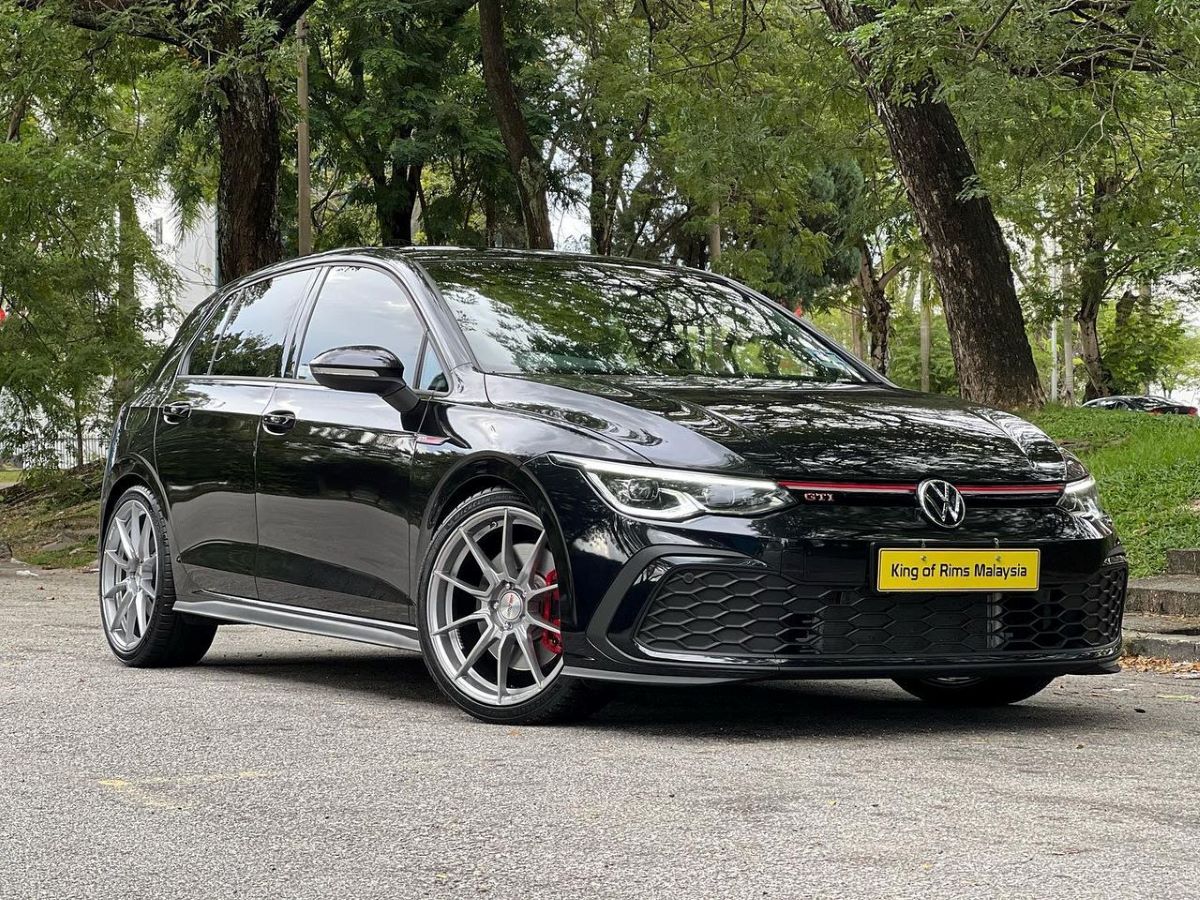
The powertrain showcases iterative refinement spanning decades. The turbocharged four-cylinder descends directly from engines powering previous GTI generations, with each iteration improving power delivery, efficiency, and reliability.
The dual-clutch transmission offers quick shifts and intelligent programming, while the manual transmission option (in markets where available) maintains mechanical engagement. Both transmissions are properly calibrated to the engine’s characteristics rather than feeling like generic components.
Interior quality, touch controls notwithstanding, demonstrates Volkswagen’s attention to detail. The seats offer excellent support during spirited driving while remaining comfortable for long journeys. Materials feel substantial, with proper damping in moving components and quality surface textures.
The driving position is excellent, with natural ergonomics and good visibility fundamentals that require no technology yet demand careful design work.
5 Rushed Vehicles
These disappointingly crude vehicles suffer from obvious cost-cutting and inadequate development time, creating constant reminders of compromised engineering, transforming daily ownership into exercises in tolerating flaws as misaligned panels, cheap materials, and poorly sorted systems reveal products rushed to market before achieving proper refinement.
Their problematic execution includes inconsistent panel gaps and flimsy switchgear that demonstrate inadequate quality control, leading to doors requiring multiple closing attempts, trim pieces developing annoying rattles within months, and interior plastics feeling hollow and cheap while developing squeaks over every pavement irregularity.
1. Jeep Compass (Current Generation)
The Jeep Compass exemplifies what happens when product planners prioritize market presence over development time. While mechanically competent, the Compass feels like a vehicle designed to fill a price point and segment gap rather than to be genuinely excellent at anything specific.
The interior reveals the most obvious signs of rushed development and cost optimization. Material quality varies wildly throughout the cabin, suggesting decisions made to hit a target price rather than to create cohesive quality.
Hard plastics dominate areas where competitors offer soft-touch surfaces, and the transitions between materials feel arbitrary.
The infotainment system, while featuring a large screen, suffers from laggy response times and unintuitive menu structures symptoms of insufficient software development time or inadequate processing power to run the interface smoothly.
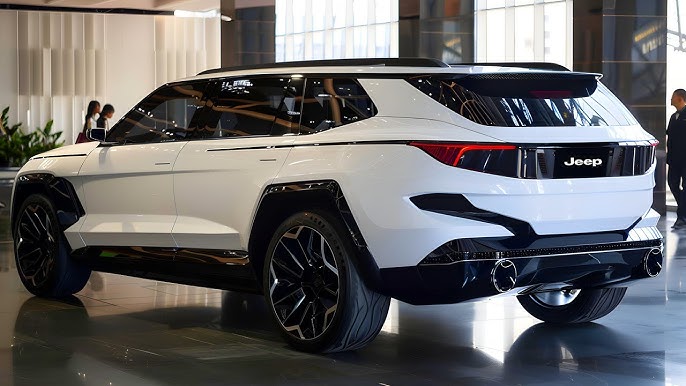
The driving experience feels similarly compromised. The powertrain options seem selected from existing corporate bins rather than developed specifically for this vehicle’s character.
The base engine feels underpowered, the upgraded engine’s power delivery lacks refinement, and the nine-speed automatic transmission exhibits indecisive shifting, hunting between gears during moderate acceleration and sometimes hesitating during downshifts.
These issues suggest insufficient calibration time to optimize the transmission’s complex programming for real-world driving patterns.
Chassis dynamics lack the cohesion found in thoughtfully developed vehicles. The ride quality oscillates between too soft and too firm without finding a sweet spot, and the steering offers little feedback or consistency.
Body control feels loose during direction changes, suggesting suspension components selected more for cost than for dynamic performance. The impression is of systems working independently rather than as an integrated whole.
Interior ergonomics reveal similar inattention. Control placement seems dictated by packaging constraints rather than user needs, with some frequently used buttons positioned awkwardly. The climate control interface mixes physical and touchscreen controls without clear logic.
Storage solutions feel like afterthoughts, with oddly sized cup holders and door pockets that don’t accommodate common items efficiently. These details suggest design teams working under compressed timelines without opportunity for refinement.
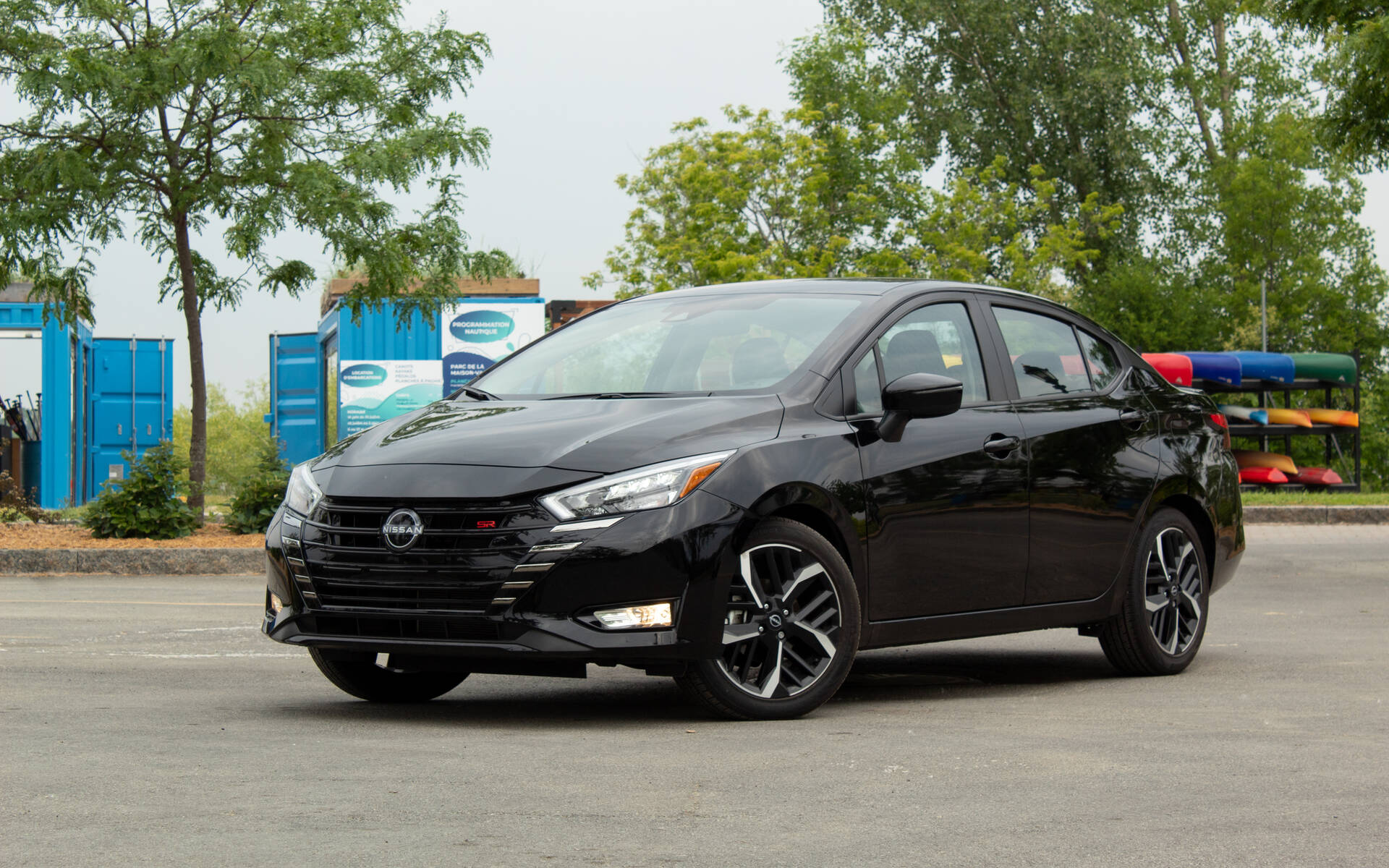
2. Nissan Versa (Current Generation)
The Nissan Versa represents cost-conscious transportation, and while that’s a legitimate market segment, the execution feels rushed and minimal.
Nissan clearly prioritized achieving the lowest possible transaction price rather than creating a compelling entry-level vehicle that might inspire brand loyalty. The result is a car that functions adequately but inspires no enthusiasm or emotional connection.
Interior quality is aggressively budget-oriented, with hard plastics dominating every surface. Unlike thoughtful economy cars that use texture and design to make modest materials feel acceptable, the Versa’s interior feels unfinished and cheap.
Panel gaps are inconsistent, and many components feel flimsy the sun visor, glove box, and center console lid all operate with hollow, tinny sounds, suggesting minimal structural reinforcement.
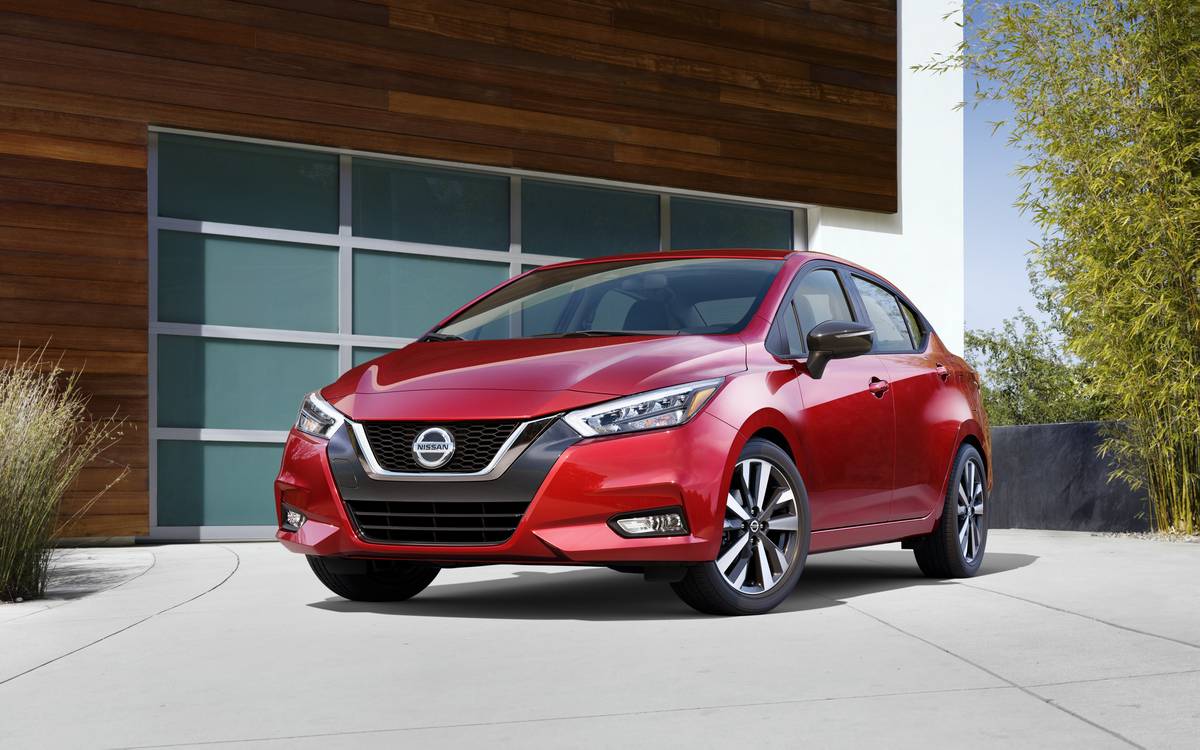
The infotainment system, while including modern connectivity features, operates on hardware that feels several generations old. Screen resolution is poor, response times are slow, and the interface design appears dated. The backup camera provides such low image quality that it barely improves safety over using mirrors.
These compromises suggest Nissan selected the cheapest components meeting minimum feature requirements rather than investing in quality user experience.
Driving dynamics are merely adequate, lacking any sense of engagement or refinement. The CVT transmission exhibits the worst characteristics of the technology droning engine noise during acceleration, rubber-band power delivery, and a general sense of disconnection from driver inputs.
The suspension crashes over larger impacts rather than absorbing them, and wind and road noise intrude at highway speeds. The steering is vague and over-assisted, requiring constant correction.
The impression is of a vehicle engineered to a price point with little consideration for how it feels to own and operate daily. While the Versa provides basic transportation and reliability, it does so without any of the character or attention to detail that might make owners appreciate the vehicle beyond its utility.
This approach may achieve initial sales through low pricing but fails to create satisfied customers who return to the brand for their next purchase.
3. Mitsubishi Mirage
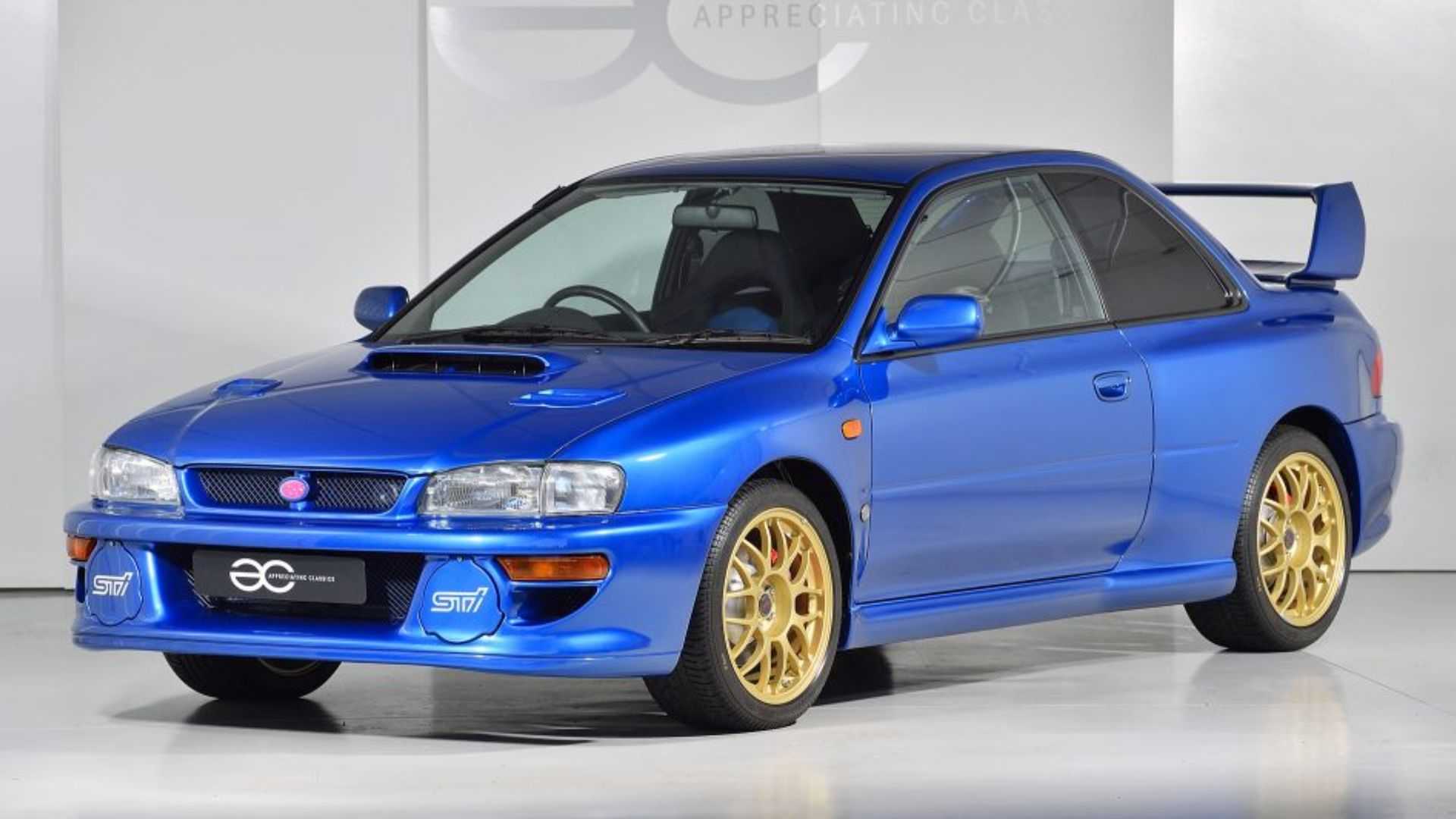
The Mitsubishi Mirage represents perhaps the automotive industry’s most extreme example of rushed, cost-optimized development.
While positioned as basic transportation, the Mirage’s numerous compromises suggest a vehicle rushed to market without adequate development time or resources. The result is a car that technically functions but feels outdated and unpleasant in nearly every aspect.
The powertrain is woefully inadequate for modern traffic conditions. The tiny three-cylinder engine produces minimal power, requiring full throttle for highway merging and struggling on moderate grades.
Paired with a CVT that emphasizes efficiency over drivability, acceleration feels labored and noisy. The engine note is harsh and unrefined, dominating the cabin during any acceleration. These issues suggest minimal investment in noise-isolation engineering or powertrain refinement.
Interior quality is shockingly poor even by budget standards. Hard, hollow-feeling plastics cover every surface, many controls feel as though they might break with normal use, and the seats offer minimal support or comfort.
The dashboard design looks dated, with awkward proportions and cheap-looking gauge graphics. Climate controls are weak, struggling to heat or cool the cabin efficiently. These symptoms indicate a vehicle developed with an absolute minimum investment in materials and component quality.
The driving dynamics are crude. The suspension crashes over bumps, transmitting harsh impacts directly to occupants. Steering is numb and imprecise, providing no feedback about road conditions or available traction.
Body roll is excessive in corners, and the tires provide minimal grip. Wind noise is substantial at highway speeds, and the refinement is decades behind competitive offerings. This suggests minimal investment in chassis development, aerodynamics, or noise-vibration-harshness engineering.
Safety equipment, while meeting minimum regulatory requirements, feels like an afterthought. The structure feels light and insubstantial, and active safety features are either absent or primitive compared to competitors.
This represents the most concerning aspect of rushed development compromises in areas critical to occupant protection suggest prioritizing cost savings over comprehensive safety engineering.
4. Chrysler 200 (Final Generation, Now Discontinued)
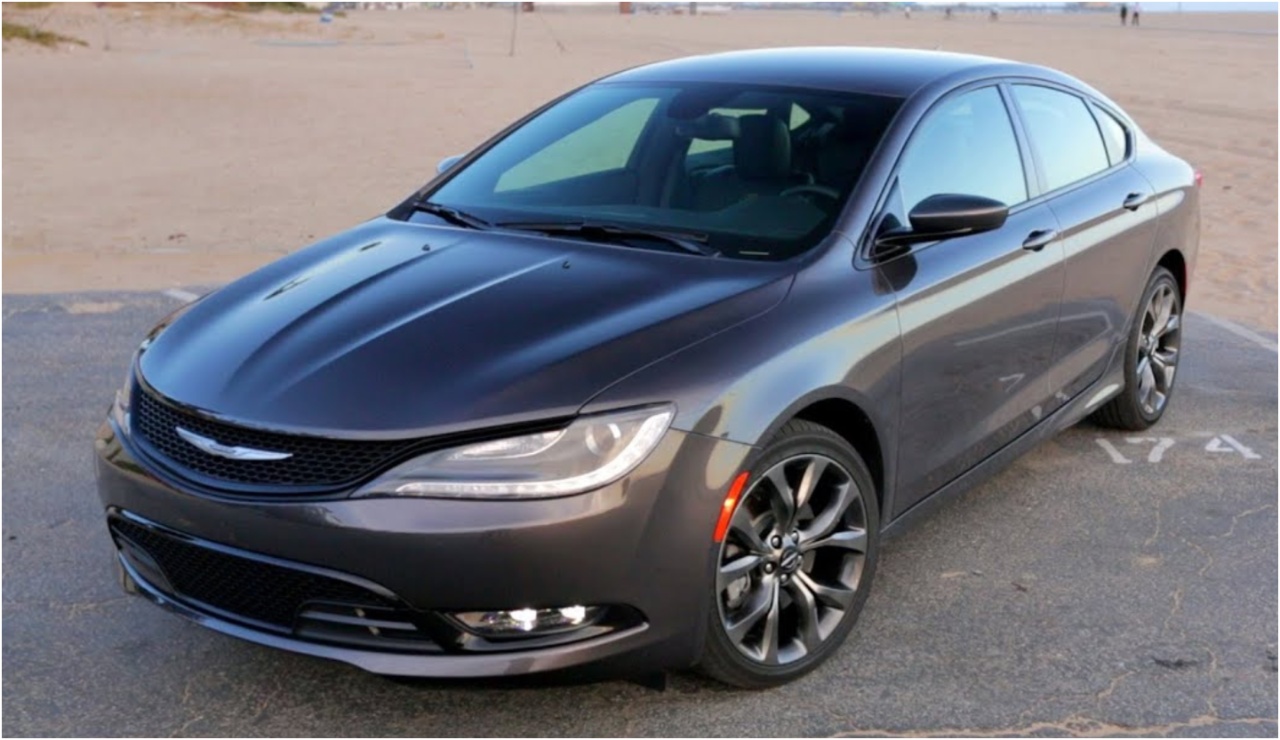
Though now discontinued, the Chrysler 200’s final generation perfectly illustrates what happens when attractive styling masks rushed underlying development.
The 200 looked appealing in photographs, featuring dramatic proportions and an upscale-appearing interior, but ownership revealed numerous compromises and shortcomings that ultimately doomed the model to failure and cancellation.
The exterior design created packaging problems that suggested insufficient integration between styling and engineering teams. The dramatic roofline compromised rear headroom and visibility, while the small windows and thick pillars created significant blind spots.
These issues indicate styling decisions finalized before engineering could optimize functionality a hallmark of rushed development where teams work in silos rather than collaboratively.
Interior quality appeared competitive initially, but revealed problems with extended use. Electronic systems exhibited reliability problems, and the rotary gear selector, a distinctive design element, proved confusing and problematic for many users.
The touch-sensitive climate controls, housed in an attractive panel, responded inconsistently and distracted from driving. These issues suggest insufficient user testing and validation before production launch.
The driving experience revealed fundamental dynamic shortcomings. The platform, shared with the Dodge Dart, never felt properly refined for either sporty or luxury applications the ride was simultaneously firm and poorly controlled, steering was numb, and the driving character lacked cohesion.
The available all-wheel-drive system added weight without delivering corresponding capability or refinement. Powertrain options felt mismatched to the vehicle’s positioning.
The base four-cylinder struggled to move the heavy sedan, while the V6, though powerful, exhibited mediocre fuel economy without delivering engaging performance.
The nine-speed automatic transmission, shared across FCA products, shifted unpredictably and sometimes harshly a symptom of insufficient calibration for this specific application.
5. Infiniti QX55
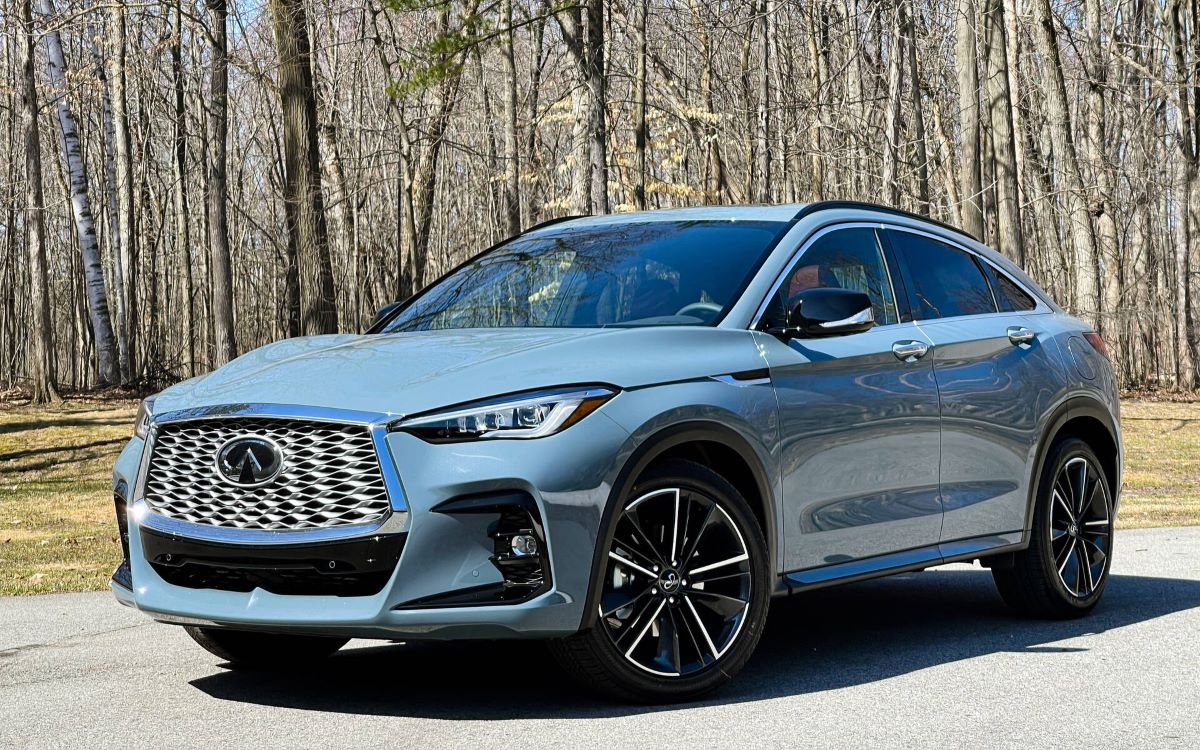
The Infiniti QX55 represents a particularly cynical form of rushed development a mildly restyled version of an existing vehicle marketed as new and distinct.
Based heavily on the QX50, the QX55 adds a sloping roofline to chase the coupe-SUV trend but brings little else to justify its existence. The result feels like a marketing exercise rather than a genuinely developed product.
The modified roofline creates the same problems seen in many rushed coupe-SUV derivatives, compromised rear headroom, reduced cargo space, worse visibility without offering any compensating advantages in driving dynamics or emotional appeal.
The styling itself feels derivative rather than distinctive, suggesting design work completed quickly to capitalize on a trend rather than creating something genuinely compelling.
Interior changes from the QX50 are minimal, making the QX55 feel like a trim level rather than a distinct model. The cabin materials and design, while acceptable, aren’t differentiated enough to justify the QX55’s price premium over the more practical QX50. This lack of interior distinction suggests minimal investment in creating a unique product identity.
The driving experience is nearly identical to the QX50, which itself exhibits the compromised dynamics common to Infiniti’s recent products. The variable-compression-ratio engine, while technologically interesting, delivers power without particular character or refinement.
The CVT transmission, despite Infiniti’s attempts at programming step-shifts, still exhibits typical CVT characteristics, droning and disconnection during acceleration. Chassis tuning prioritizes comfort over engagement, resulting in vague steering and excessive body motion.
The impression is of a vehicle rushed to market to capitalize on segment trends without adequate consideration of whether it offers compelling advantages over existing alternatives, including Infiniti’s own QX50.
This represents perhaps the most frustrating form of rushed development: unnecessary products that dilute brand identity and waste resources better invested in genuinely improving core models or developing innovative new vehicles that advance the brand’s competitive position in meaningful ways.
Also Read: 5 Vehicles That Feel Well-Designed vs 5 That Don’t
