
The automotive world is a fascinating study in longevity and relevance. Some vehicles manage to attract drivers year after year, maintaining their desirability through timeless design, legendary reliability, or simply by doing everything exceptionally well.
These are the cars that remain conversation starters at gatherings, that hold their value remarkably well, and that owners genuinely miss when they finally part ways with them.
They transcend their role as mere transportation and become automotive icons that enthusiasts actively seek out, even years after production has ended.
On the flip side, some vehicles arrive with fanfare but quickly fade from collective memory. These cars might have seemed appealing in the showroom, perhaps offering competitive specifications or attractive pricing, but they fail to create lasting emotional connections with drivers.
Whether due to reliability issues, uninspired design, poor execution, or simply being forgettable appliances on wheels, these vehicles depreciate rapidly in both monetary value and cultural relevance.
They become the cars people trade in without a second thought, the ones that blend into traffic without turning a single head.
Understanding what separates these two categories offers valuable insights into what truly matters in automotive excellence.
It’s rarely about raw specifications alone instead, it’s about character, execution, and creating experiences that resonate with drivers long after the initial purchase excitement fades. Let’s explore five vehicles that have stood the test of time and five that have quickly fallen into automotive obscurity.
5 Cars That Hold Their Appeal
These exceptionally enduring vehicles feature timeless styling and lasting quality that maintain owner satisfaction throughout extended ownership periods, providing continued enjoyment where initial excitement doesn’t fade but deepens as reliable performance and thoughtful design details reveal themselves through years of daily use.
Their thoughtful execution includes classic proportions and durable materials that resist the visual aging found in trend-chasing designs while delivering performance that remains engaging, interiors that age gracefully without looking dated, and ownership experiences where the honeymoon period never truly ends because fundamental qualities transcend temporary trends.
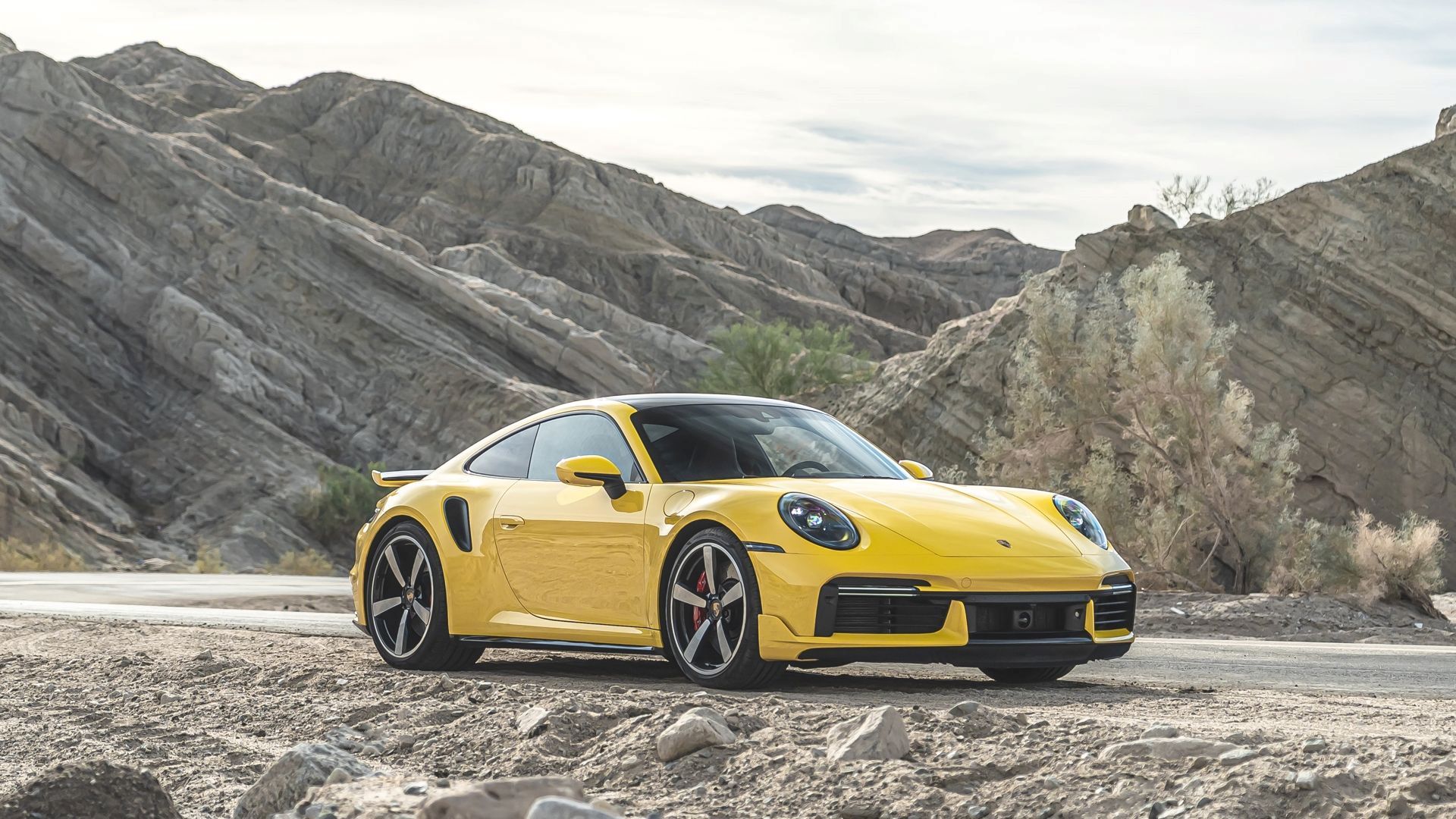
1. Porsche 911
The Porsche 911 stands as perhaps the ultimate example of enduring automotive appeal, with a lineage stretching back to 1964 that has only grown stronger with each passing decade.
This iconic sports car has achieved something truly remarkable in the automotive industry: remaining fundamentally true to its original concept while continuously evolving to meet modern performance and luxury standards.
The rear-engine layout that engineers once considered a liability has become the 911’s defining characteristic, creating a driving experience unlike anything else on the road.
What makes the 911 truly special is its ability to be multiple cars in one. It serves equally well as a daily driver, a weekend canyon carver, a track weapon, or a cross-country grand tourer.
This versatility is extraordinarily rare in the sports car world, where most vehicles require significant compromises. The build quality is exceptional, with interiors that age gracefully and mechanical components engineered for longevity. Owners routinely accumulate hundreds of thousands of miles on these cars without major issues.
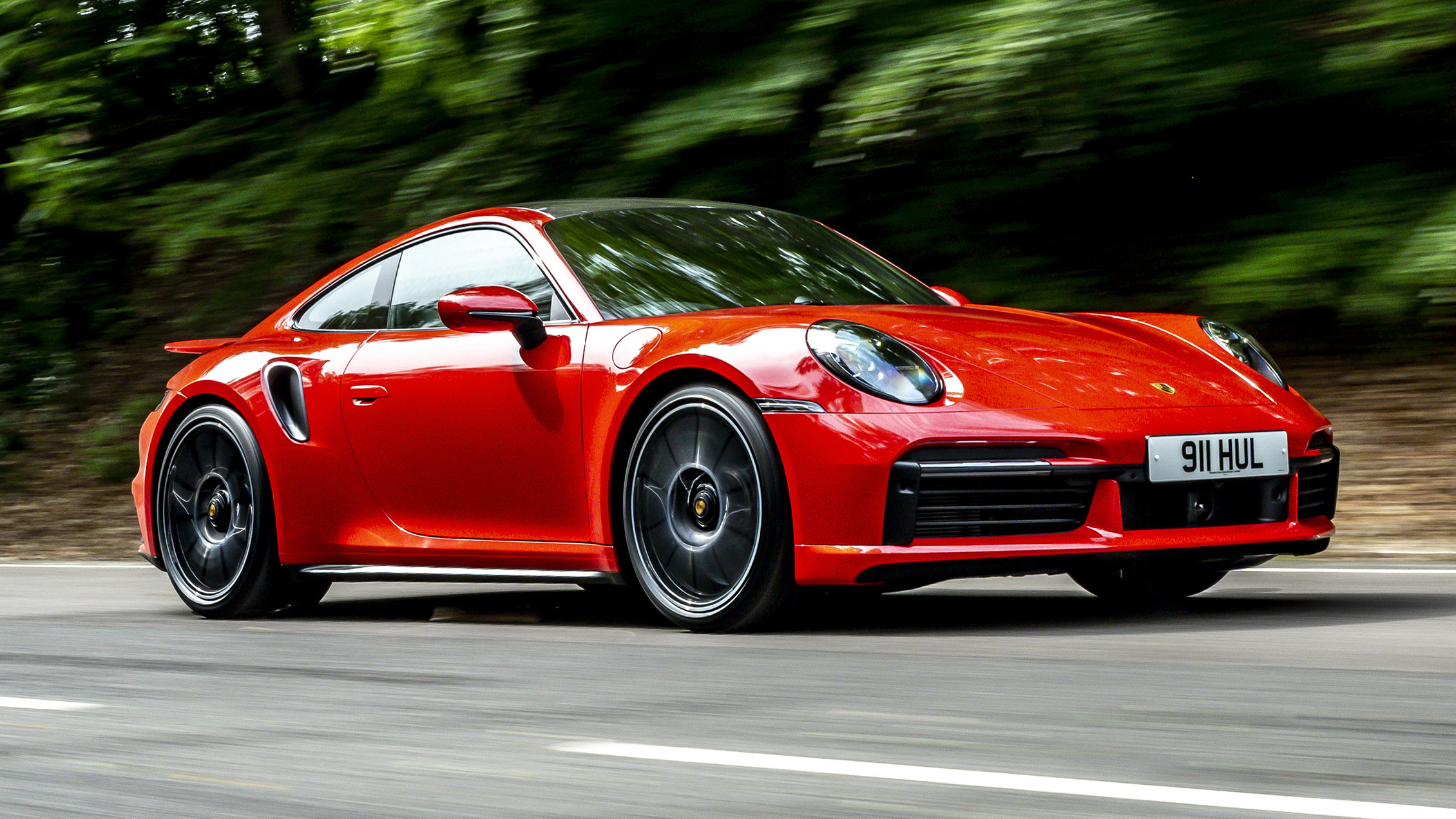
The 911’s appeal transcends mere transportation or even performance. It represents achievement, taste, and an understanding of automotive excellence.
The distinctive silhouette is instantly recognizable from any angle, and the flat-six engine note is unmistakable. Values for well-maintained examples remain remarkably strong, with certain models like the 993-generation air-cooled cars actually appreciating significantly.
The enthusiast community surrounding the 911 is passionate and knowledgeable, creating a sense of belonging that adds to ownership satisfaction. Whether it’s a vintage 1970s example or the latest turbocharged iteration, the 911 continues to represent the pinnacle of what a sports car should be.
2. Toyota Land Cruiser
The Toyota Land Cruiser has cultivated a legendary reputation built on one simple principle: unstoppable reliability in the harshest conditions.
Since its introduction in 1951, the Land Cruiser has proven itself across every continent, from Australian outback expeditions to African safaris, from Middle Eastern deserts to Arctic exploration routes. This vehicle doesn’t just hold its appeal it strengthens over time as owners discover the depths of its capability and durability.
What sets the Land Cruiser apart is Toyota’s engineering philosophy for this vehicle. While many manufacturers cut costs or prioritize features over fundamentals, Toyota engineers the Land Cruiser to standards that seem almost excessive by modern automotive norms.
Components are over-engineered, tested to extremes, and built to last multiple decades. It’s not uncommon to see Land Cruisers with 300,000, 400,000, or even 500,000 miles still running strong. In many developing nations, the Land Cruiser is the vehicle of choice for the United Nations, medical organizations, and anyone who absolutely cannot afford a breakdown.
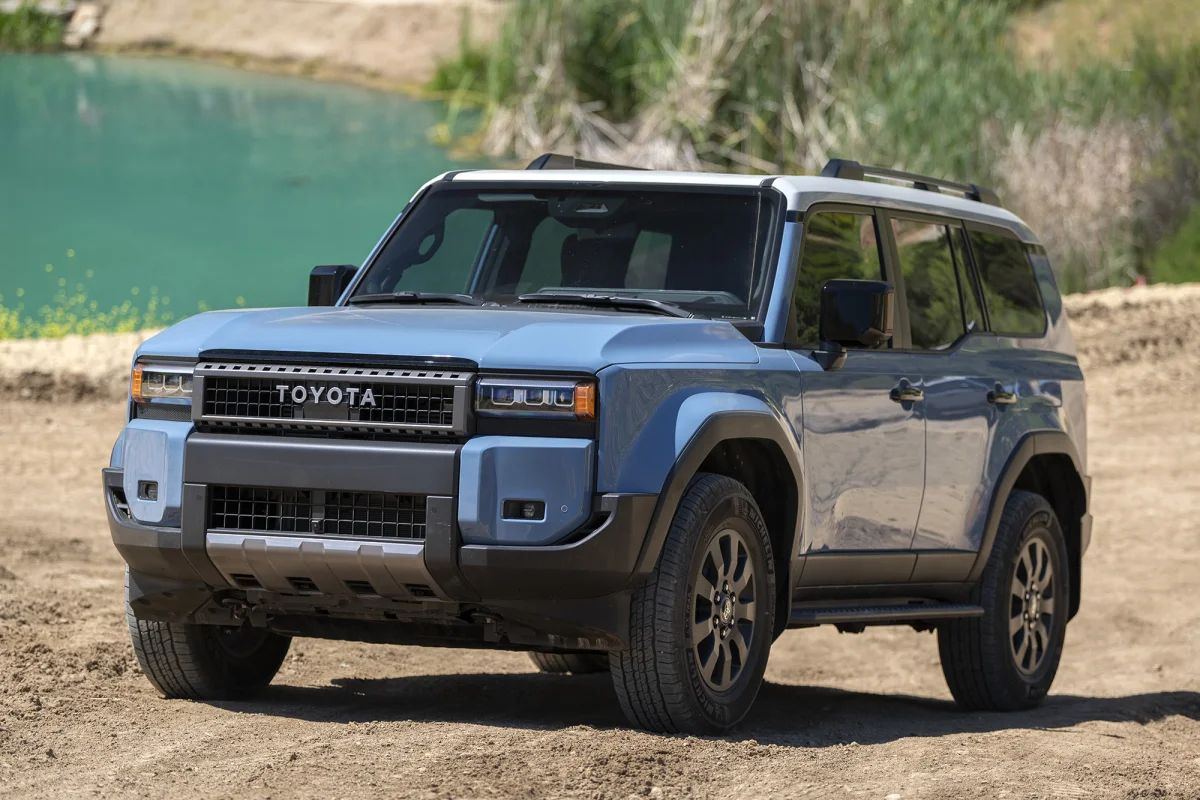
The appeal extends beyond pure reliability to capability that feels limitless. The four-wheel-drive system, robust suspension, and powerful engines tackle obstacles that would stop lesser vehicles.
Yet despite its rugged nature, modern Land Cruisers offer luxury appointments that rival premium SUVs, with leather interiors, advanced technology, and surprising refinement on paved roads.
The resale values reflect this enduring appeal Land Cruisers depreciate more slowly than virtually any other vehicle in their class. Owners develop deep loyalty to the nameplate, often replacing their Land Cruiser with another Land Cruiser. This isn’t just a vehicle; it’s an investment in capability and peace of mind that proves its worth year after year.
3. Honda Civic Type R
The Honda Civic Type R represents the pinnacle of affordable performance engineering, maintaining fervent enthusiasm among driving purists despite evolving through multiple generations.
This hot hatchback demonstrates that appeal isn’t solely about luxury or exotic credentials, it’s about delivering an engaging, rewarding driving experience that connects driver to machine. The Type R has cultivated a devoted following precisely because it prioritizes driving enjoyment over everything else.
At the heart of the Type R’s appeal is Honda’s commitment to naturally aspirated performance at least until the most recent generation, and front-wheel-drive dynamics that seem to defy physics.
The engineering team has extracted extraordinary performance from relatively modest displacement, creating engines that rev enthusiastically and deliver power in a linear, predictable manner.
The chassis tuning is masterful, with suspension geometry and limited-slip differential technology that manages to put tremendous power to the ground through the front wheels without excessive torque steer or drama.
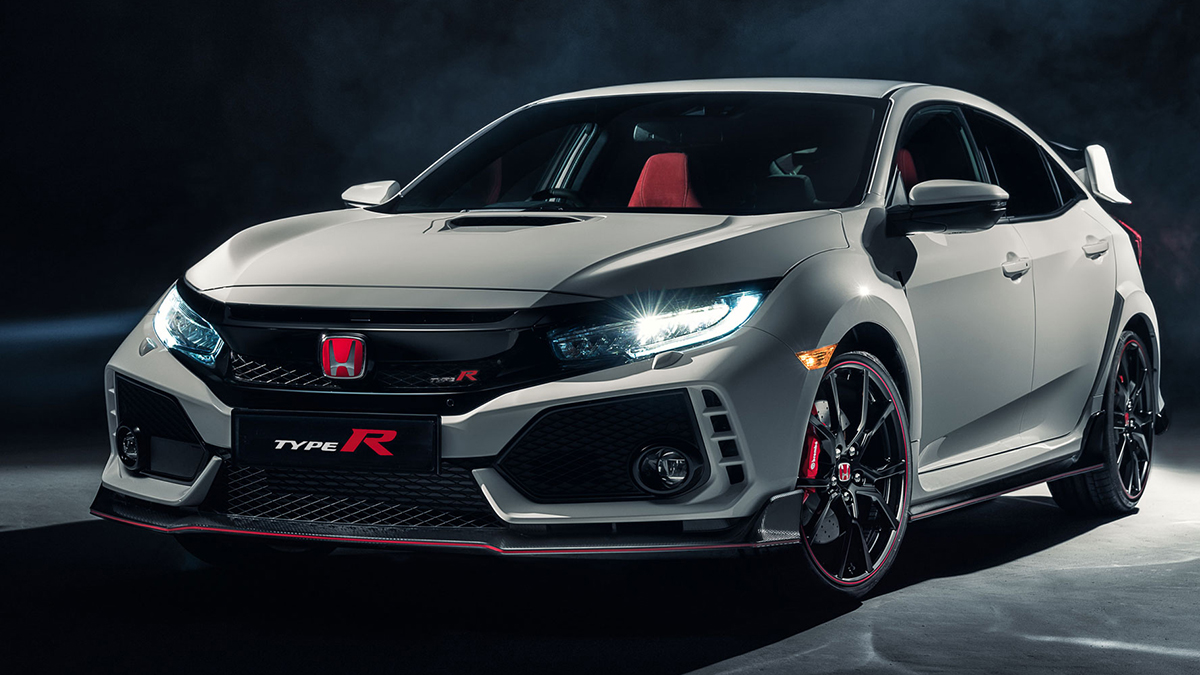
What really sustains the Type R’s appeal is its everyday usability combined with track-ready capability. Unlike many performance cars that force owners to choose between comfort and speed, the Type R genuinely excels at both.
It navigates urban traffic without complaint, offers reasonable fuel economy, and provides practical hatchback cargo space. Then, on a winding road or at a track day, it transforms into a focused performance machine capable of embarrassing much more expensive sports cars.
The interior, while not luxurious, is perfectly suited to its mission with supportive seats, excellent visibility, and intuitive controls. The Type R community is remarkably passionate, sharing modifications, track times, and maintenance tips.
Values remain strong even for used examples, particularly for special editions. This is a car that delivers genuine driving satisfaction every time you turn the key, making it easy to understand why owners remain enthusiastic long after the new-car excitement fades.
4. Mazda MX-5 Miata
The Mazda MX-5 Miata has achieved something extraordinary in modern automotive history: it single-handedly revived and sustained the affordable roadster segment while maintaining an almost cult-like following across four distinct generations.
Since its 1989 debut, the Miata has proven that driving joy doesn’t require horsepower wars or technological complexity. Instead, it embraces a simpler philosophy lightweight construction, perfect balance, and open-air motoring create smiles per mile that expensive supercars struggle to match.
The Miata’s enduring appeal stems from Mazda’s disciplined adherence to the original concept. Each generation has improved refinement, safety, and performance while carefully preserving the lightweight, tossable character that made the first generation special.
The car weighs less than many compact sedans, allowing even modest power outputs to feel energetic and engaging. The steering communicates road surface details with clarity that modern electric power steering systems rarely achieve.
The manual transmission still standard on most models features one of the best shifters in the automotive world, with short throws and mechanical precision that make every gear change satisfying.
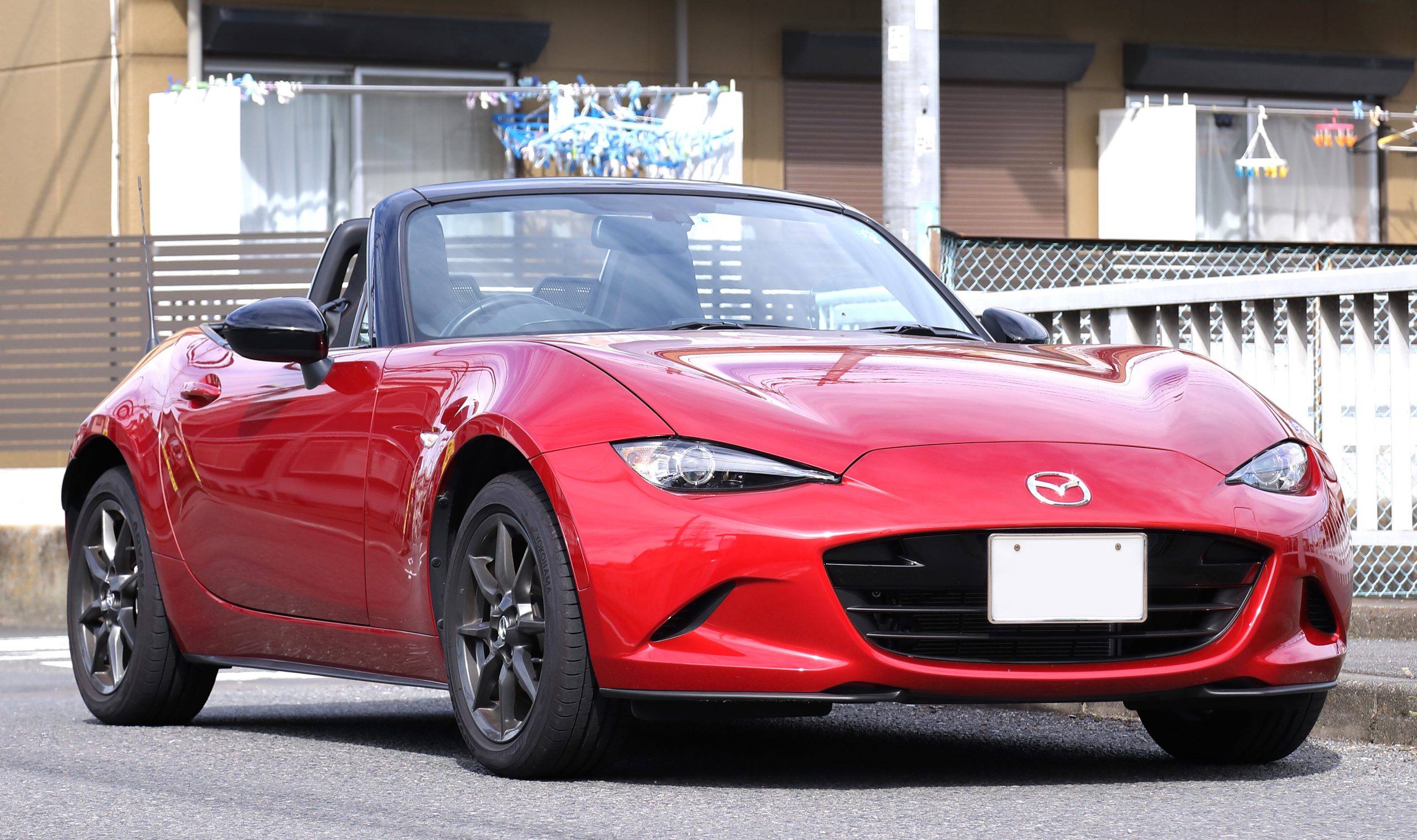
Beyond the driving dynamics, the Miata community contributes significantly to the car’s lasting appeal. Owners organize drives, track events, and meetups that create social connections around the shared appreciation for these little roadsters.
The aftermarket support is extensive, with countless companies offering everything from performance upgrades to aesthetic modifications. Values remain remarkably stable, with well-maintained examples commanding strong prices.
Perhaps most telling is how many automotive journalists and industry professionals own Miatas personally, even while having access to far more expensive vehicles.
The Miata proves that automotive appeal isn’t about impressive specifications; it’s about creating an emotional connection between car and driver that strengthens with every mile traveled together.
Also Read: Top 9 SUVs With Designs That Refuse To Blend In
5. Jeep Wrangler
The Jeep Wrangler occupies a unique position in the automotive world as a vehicle that seems almost immune to the forces that make most cars feel dated.
Its appeal is rooted in authenticity and capability that resonates with buyers seeking genuine adventure potential rather than merely the appearance of ruggedness.
The Wrangler traces its lineage directly back to the original military Jeeps of World War II, and this heritage informs every aspect of its character.
What makes the Wrangler remarkably appealing is its honest, purpose-driven design. The removable doors and roof aren’t gimmicks, they’re functional features that transform the driving experience, creating a connection to the environment that sealed, climate-controlled vehicles simply cannot match.
The solid front and rear axles, high ground clearance, and sophisticated four-wheel-drive systems deliver off-road capability that leaves most “SUVs” embarrassed. Wranglers routinely tackle terrain that would be impassable for vehicles costing twice as much.
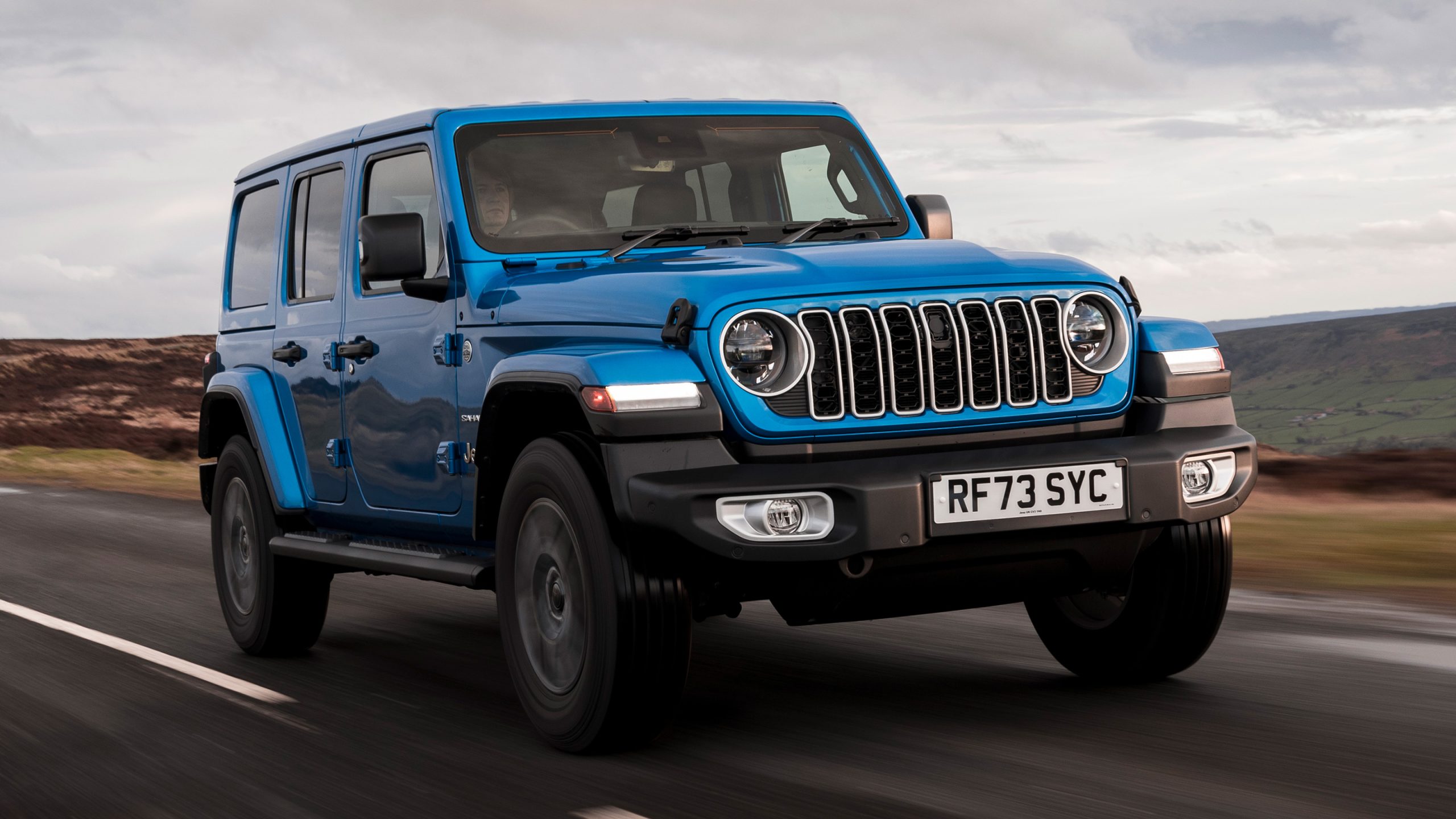
The appeal extends well beyond hardcore off-roaders. The Wrangler has become a lifestyle vehicle, equally at home on beach access roads, ski resort parking lots, and urban streets.
The iconic styling those round headlights and seven-slot grille makes every Wrangler instantly recognizable regardless of generation. Modern iterations have added considerable comfort and technology while maintaining the core Wrangler character, making them genuinely viable as daily drivers.
Resale values for Wranglers are legendary, often retaining 60-70% of their original value after three years. The aftermarket accessory industry for Wranglers is massive, allowing owners to personalize their vehicles extensively.
The Jeep community is welcoming and active, with “Jeep waves” between owners and numerous clubs organizing trail runs and events. This isn’t just a vehicle it’s an identity and a gateway to adventures that create lasting memories, ensuring the Wrangler’s appeal remains strong year after year.
5 Cars That Don’t Hold Their Appeal
These disappointingly fleeting vehicles suffer from trendy styling and superficial appeal that fade rapidly once initial excitement wears off, transforming showroom attraction into ownership regret as design gimmicks become tiresome, quality shortcuts reveal themselves, and daily reality exposes the gap between marketing promises and actual satisfaction.
Their problematic characteristics include attention-seeking styling that quickly dates and cost-reduced interiors that cannot maintain appeal, leading to buyer’s remorse as aggressive front ends look cartoonish after the novelty fades, flashy trim pieces develop wear showing cheap construction, and initially impressive technology becomes frustratingly slow compared to smartphones.
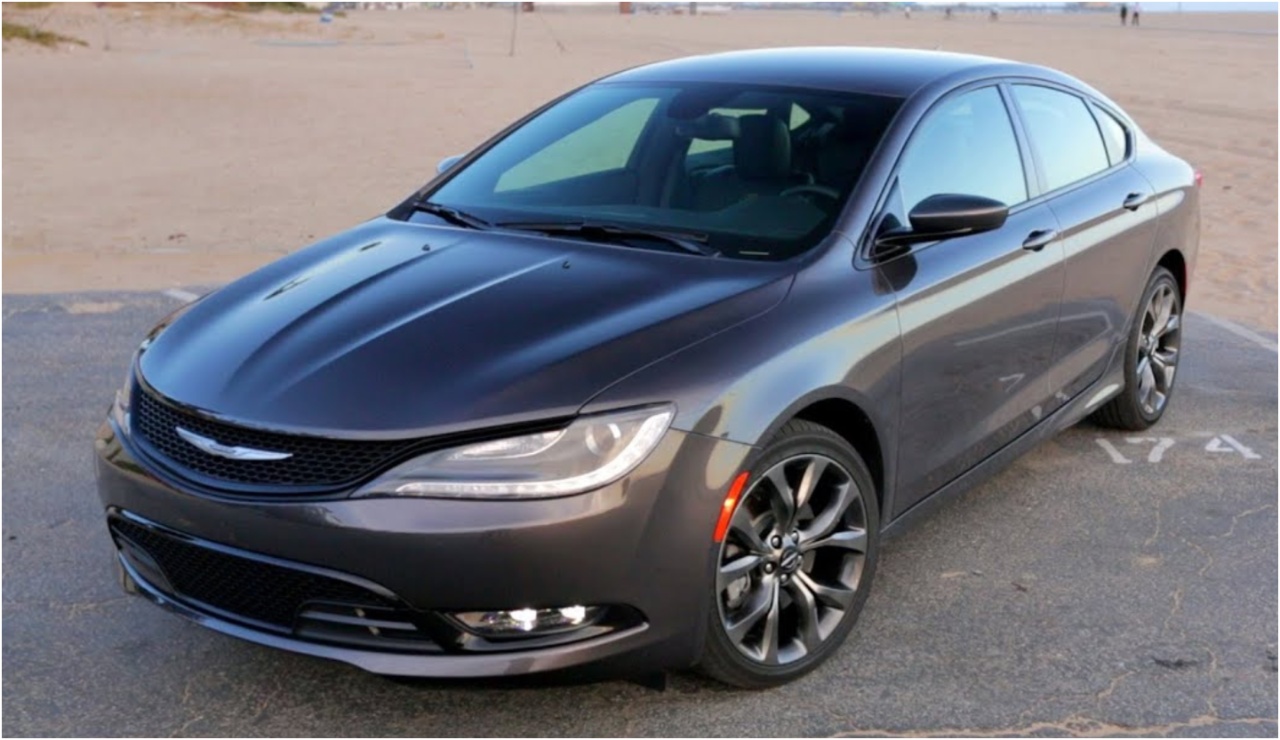
1. Chrysler 200
The Chrysler 200 arrived in 2015 with genuine promise, featuring attractive styling penned by design chief Ralph Gilles and a Super Bowl advertisement narrated by rapper Eminem celebrating Detroit’s resilience.
The sleek sedan looked competitive in the crowded midsize segment, offering features like a rotary gear selector and available all-wheel drive. However, the 200 quickly demonstrated that appealing marketing and decent initial impressions don’t translate to lasting desirability.
The fundamental problem was that the 200 failed to excel at anything particularly well. The base four-cylinder engine felt underpowered and coarse, struggling to move the vehicle with any enthusiasm.
The available V6 offered better performance but at the cost of poor fuel economy, which negated one of the primary reasons buyers choose midsize sedans.
The much-touted nine-speed automatic transmission, shared with several other Chrysler products, proved problematic with hesitant shifts, confusion during acceleration, and reliability issues that resulted in technical service bulletins and owner frustration.
Interior quality, while improved over previous Chrysler efforts, still felt a step behind segment leaders like the Honda Accord and Toyota Camry. Materials that looked acceptable in the showroom revealed their cheapness through daily use, with plastics that squeaked, scratched easily, and felt hollow.
The rotary shifter, intended as a premium feature, struck many owners as a solution to a problem that didn’t exist, adding complexity without meaningful benefit.
Perhaps most damning was the 200’s reliability record. Consumer Reports and J.D. Power surveys revealed problems significantly above average, with issues ranging from electrical gremlins to transmission failures to premature wear of interior components.
These reliability concerns, combined with mediocre driving dynamics and uninspiring ownership experience, meant that resale values plummeted. Three-year-old examples lost 60-70% of their original value, making them among the fastest-depreciating vehicles on the market.
Chrysler discontinued the 200 after just six model years, tacit admission that the vehicle had failed to capture lasting market interest.
Today, the 200 represents exactly the kind of car people forget exists competent on paper but forgettable in practice, lacking the character, reliability, or excellence in any particular area that creates loyal owners and sustained appeal.
2. Nissan Murano CrossCabriolet
The Nissan Murano CrossCabriolet stands as a fascinating case study in misunderstanding market desires, a vehicle that seemed to answer a question absolutely nobody was asking.
When Nissan revealed this convertible crossover SUV in 2011, the automotive world responded with collective bewilderment. The concept of removing the roof from a mid-size SUV platform struck most observers as solving a problem that didn’t exist while creating numerous new ones.
The fundamental issue was that the CrossCabriolet combined the worst aspects of both convertibles and SUVs while failing to deliver the benefits of either category.
Convertible enthusiasts want lightweight, agile vehicles that feel liberating with the top down. The CrossCabriolet weighed over 4,400 pounds and handled with all the grace of the SUV it was based upon. SUV buyers prioritize practicality, cargo space, and utility.
The CrossCabriolet sacrificed the useful rear seats and cargo area of the standard Murano, reducing it to a four-seater with minimal trunk space when the top was stowed.
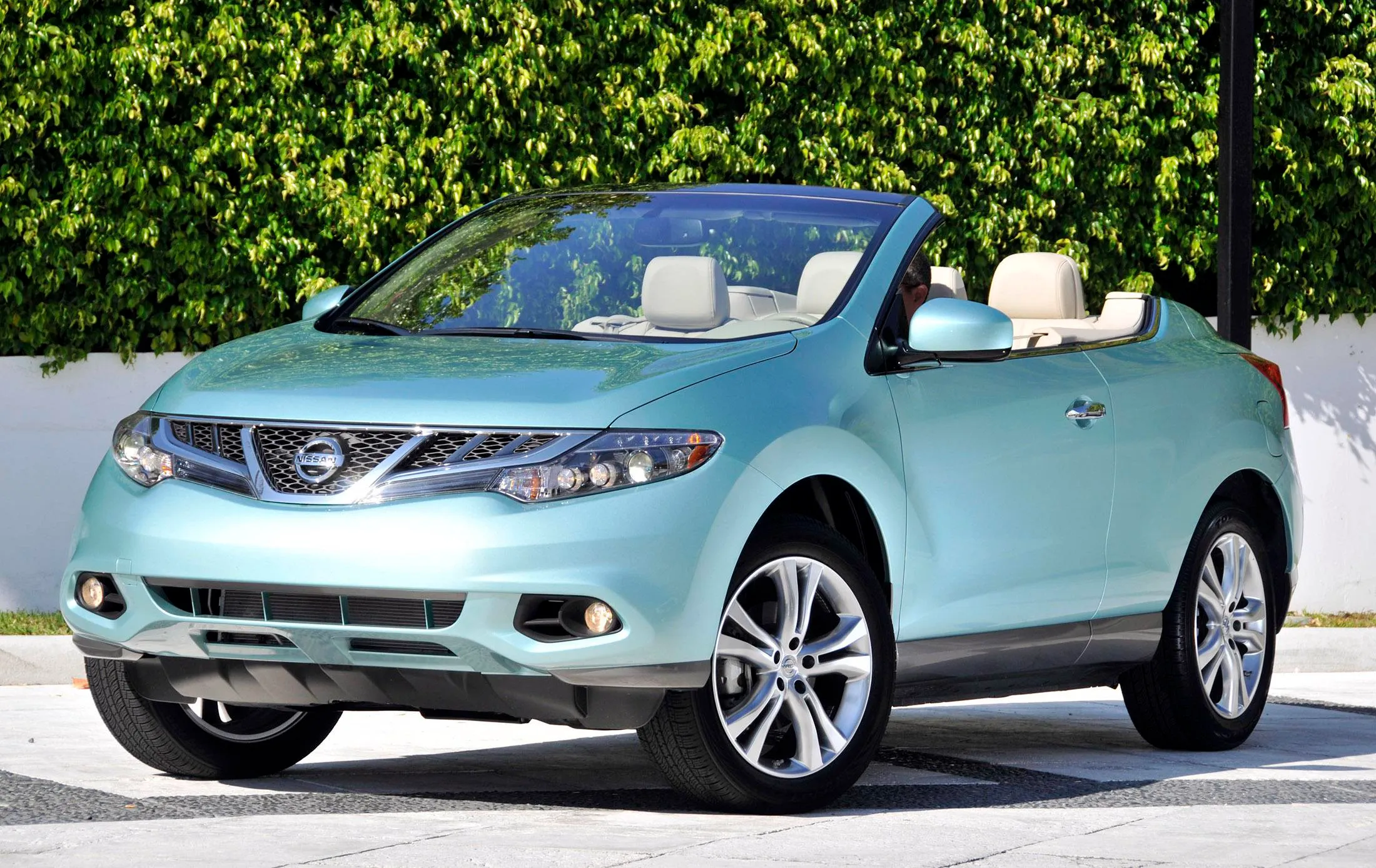
Aesthetically, the vehicle was polarizing at best. The high beltline necessary for structural rigidity with the roof removed created awkward proportions that many critics described as ungainly or even ugly.
With the top up, the large convertible mechanism created a bulbous appearance that lacked the sleek lines of the standard Murano. The styling seemed to target no particular demographic, too unconventional for conservative luxury buyers yet not distinctive enough to appeal to those seeking genuine uniqueness.
Performance and efficiency suffered as well. The additional weight from structural reinforcements necessary for a roofless design meant the V6 engine worked harder, delivering fuel economy worse than the already-thirsty standard Murano. The driving experience felt disconnected, with numb steering and a floaty ride quality that failed to engage drivers.
Sales reflected the market’s indifference. Nissan sold fewer than 3,000 units in the best year, catastrophically low numbers that couldn’t justify continued production.
The CrossCabriolet was discontinued after just three model years. Today, these vehicles have become automotive curiosities, depreciating to a fraction of their original $45,000+ price tags, representing a bold experiment that definitively proved some vehicle concepts should remain as design sketches rather than production realities.
3. Cadillac Cimarron
Though production ended decades ago, the Cadillac Cimarron remains an instructive example of how quickly a vehicle can lose appeal when fundamental authenticity is lacking.
Introduced in 1982 as Cadillac’s response to European luxury compacts, the Cimarron was transparently a rebadged Chevrolet Cavalier with leather seats, minor styling tweaks, and a Cadillac price premium. This cynical badge-engineering exercise damaged Cadillac’s reputation for years and created a vehicle that lost appeal almost immediately upon purchase.
The Cimarron’s problems were immediately obvious to anyone who looked beyond the wreath-and-crest emblem. The base engine was a wheezing 1.8-liter four-cylinder producing just 88 horsepower, barely adequate for the economy car it was designed for and completely inadequate for a vehicle wearing a Cadillac badge.
The interior, while featuring nicer materials than the Cavalier, couldn’t disguise its humble origins, with the same basic dashboard, controls, and packaging.
Driving dynamics were econobox-level, with vague steering, a choppy ride, and handling characteristics that felt nothing like the European competitors it supposedly targeted.
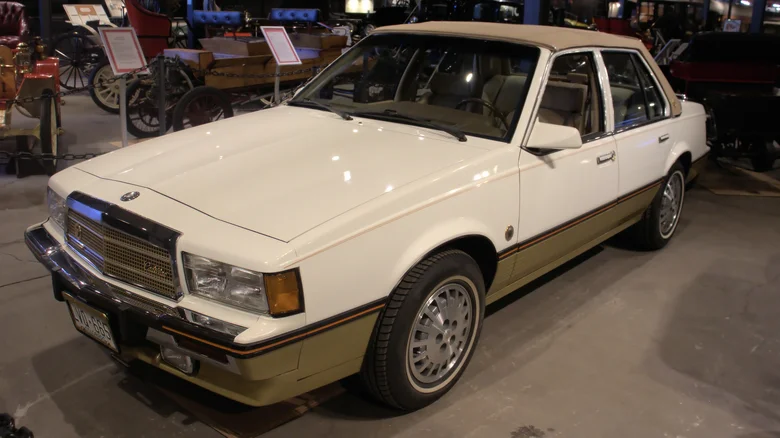
Buyers weren’t fooled. The Cimarron entered a market where customers could purchase a BMW 318i, Mercedes-Benz 190E, or Audi 4000 for similar money vehicles engineered from the ground up as premium compact cars.
The Cimarron, by contrast, was obviously a Chevrolet wearing expensive cologne, a facade that collapsed under any scrutiny. Automotive journalists savaged it, with some calling it the worst car of the decade.
The damage extended beyond poor sales. The Cimarron undermined Cadillac’s carefully cultivated image of American luxury, suggesting that the brand viewed its customers as marks who would pay premium prices for ordinary products with different badges.
Trust, once broken, takes years to rebuild. The Cimarron became automotive shorthand for cynical corporate decision-making that prioritizes short-term profits over brand integrity.
Values collapsed immediately, with depreciation that made even the worst modern vehicles look like investment opportunities. Today, Cimarrons are rarely seen on the road, having been scrapped or forgotten in driveways. Collector interest remains virtually nonexistent except among those fascinated by automotive failures.
The Cimarron’s legacy endures not as a desirable classic but as a cautionary tale about what happens when a manufacturer betrays customer trust and its own heritage.
4. Mitsubishi Mirage
The Mitsubishi Mirage represents modern automotive mediocrity taken to its logical extreme a vehicle engineered not to excel at anything but merely to meet the absolute minimum requirements of personal transportation at the lowest possible price point.
Reintroduced to the American market in 2014 after a decade’s absence, the Mirage quickly established itself as the answer to a question modern car buyers weren’t asking: what’s the cheapest new car available?
The problems begin immediately upon driving a Mirage. The 1.2-liter three-cylinder engine produces just 78 horsepower, a figure that might be adequate in a lightweight sports car but feels desperately inadequate in a modern vehicle tasked with highway merging or hill climbing.
Acceleration is not just slow but genuinely concerning, with the continuously variable transmission (CVT) allowing the engine to drone loudly without producing commensurate forward motion.
The experience is neither efficient nor economical enough to justify the compromises competitors offer better fuel economy with significantly better performance.
Interior quality represents perhaps the most dramatic illustration of cost-cutting. The plastics feel thin and cheap, the seats provide minimal support, and the ambiance suggests a vehicle designed by accountants rather than people who enjoy driving.
Road noise intrudes at all speeds, with inadequate sound deadening creating a cacophonous cabin environment on highways. The infotainment system, when equipped, feels a generation behind competitors, with slow responses and interfaces that frustrate rather than assist.
Driving dynamics are similarly compromised. The suspension crashes over bumps, the steering provides virtually no feedback, and the brakes require excessive pedal pressure.
The Mirage feels less like a car designed for driving pleasure and more like a penalty box with wheels, transportation that consistently reminds you that you should probably be driving something, anything else.
Resale values reflect the Mirage’s fundamental lack of appeal. These vehicles depreciate precipitously, with three-year-old examples selling for 40-50% of original MSRP, and even at those reduced prices, struggling to find buyers.
The appeal evaporates almost instantly as owners realize that the initial savings were a false economy, costing them in resale value, enjoyment, and the psychological toll of driving something so profoundly uninspiring. The Mirage demonstrates that cheapness alone isn’t a viable long-term automotive strategy.
5. Lincoln MKT
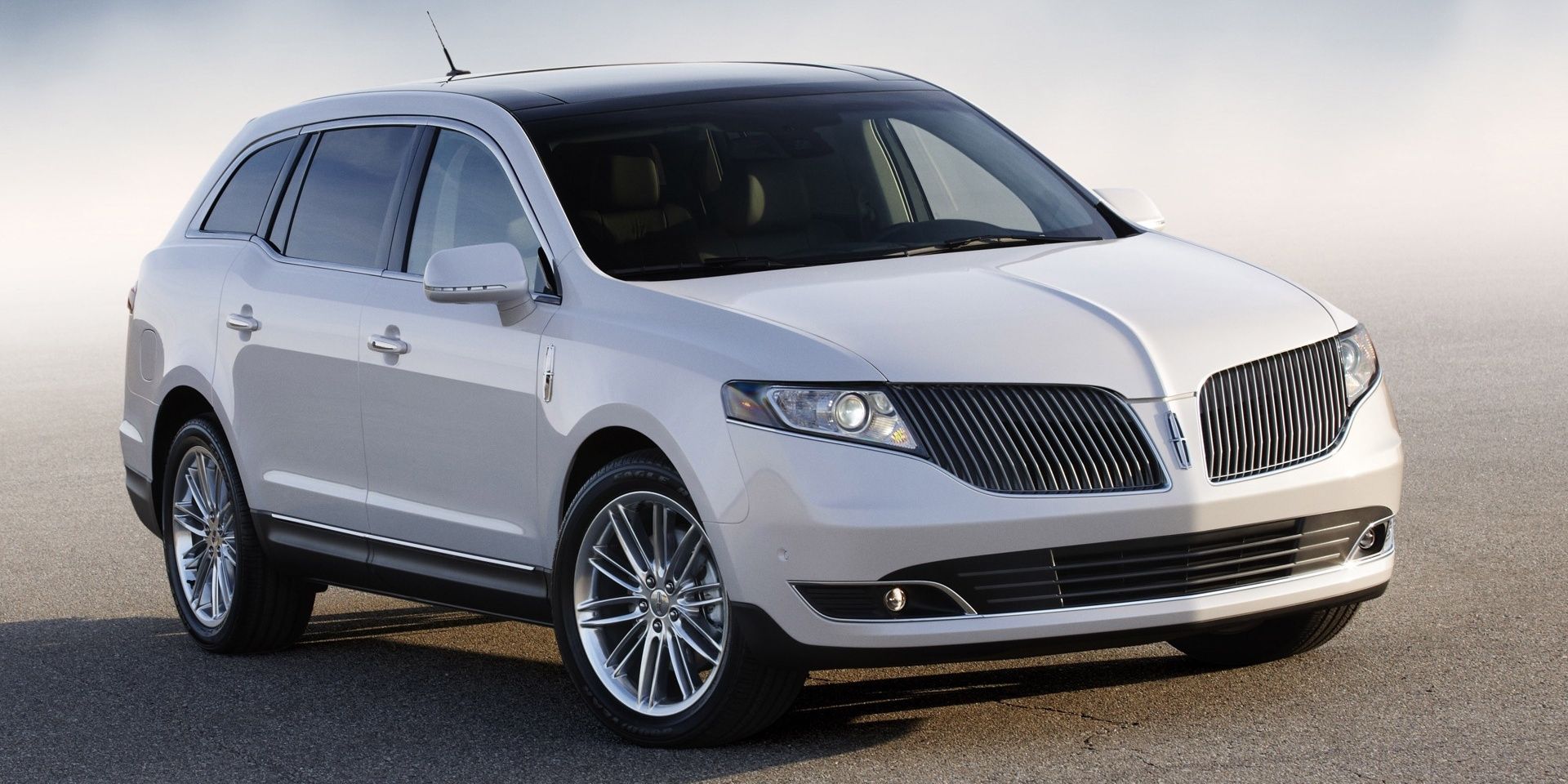
The Lincoln MKT exemplifies how a lack of clear identity and purpose can doom even a competent vehicle to irrelevance. Introduced in 2010 as Lincoln’s three-row luxury crossover, the MKT shared its platform with the Ford Flex and offered genuine capability, space, and features.
However, it failed to establish any meaningful connection with luxury buyers, quickly fading into automotive obscurity despite remaining in production for a decade.
The styling represented the MKT’s most controversial element. Lincoln’s design language at the time featured a split-wing grille and bulbous proportions that many critics found awkward or even ugly.
The MKT looked particularly ungainly from certain angles, lacking the elegant presence that luxury buyers expect. Where competitors like the Acura MDX or Audi Q7 projected sophistication, the MKT looked uncomfortable in its own skin, as though unsure whether it was a wagon, SUV, or something else entirely.
The interior, while spacious and reasonably well-appointed, failed to differentiate itself adequately from Ford products. Many buyers recognized components, switches, and design elements shared with vehicles costing $20,000 less.
The value proposition became questionable when a well-equipped Ford Flex or Explorer offered similar functionality, space, and even comfort at significantly lower prices. Lincoln struggled to articulate why buyers should pay the premium.
Performance was adequate but uninspiring. The standard V6 and available EcoBoost V6 provided reasonable power, but the driving experience felt more appliance than luxurious.
Competitors offered more engaging dynamics, more refinement, or more distinctive character. The MKT was simply competent, which proves insufficient in the luxury market where emotion and aspiration matter as much as specification sheets.
Sales numbers told the story of a vehicle nobody particularly wanted. Lincoln sold fewer than 5,000 MKTs in its final year, catastrophically low for a major manufacturer’s flagship three-row vehicle.
The MKT was quietly discontinued in 2019, replaced by the Aviator that finally gave Lincoln a competitive three-row crossover. Today, MKTs depreciate dramatically, with used examples selling for fractions of their original $45,000-50,000 prices.
The MKT demonstrates that competence without character or clear identity creates vehicles that people forget almost immediately, unable to inspire loyalty, passion, or lasting appeal in an automotive market that increasingly rewards distinctiveness.
Also Read: Top 8 Electric SUVs Quick Enough To Beat A Mustang
