
When it comes to SUVs and crossovers, cabin quietness can make or break the driving experience. Some vehicles transform daily commutes and long road trips into serene escapes, using advanced soundproofing, acoustic glass, and suspension tuning to keep road, wind, and engine noise at bay.
The BMW X7, Mercedes-Benz G-Class EV, Bentley Bentayga, Lexus RX 350, and Hyundai Ioniq 5 exemplify how thoughtful engineering creates a calm, refined cabin, making every journey a relaxed experience. On the flip side, not every SUV prioritizes tranquility.
Models like the Toyota RAV4 gas variant, Jeep Wrangler, Mitsubishi Mirage, Honda HR-V, and Toyota 4Runner emphasize ruggedness, affordability, or off-road capability, often at the expense of interior quietness. Understanding these differences helps buyers choose a vehicle suited to their lifestyle, whether they value hushed sophistication or embrace a louder, utilitarian ride.
5 Vehicles With Quiet Cabins
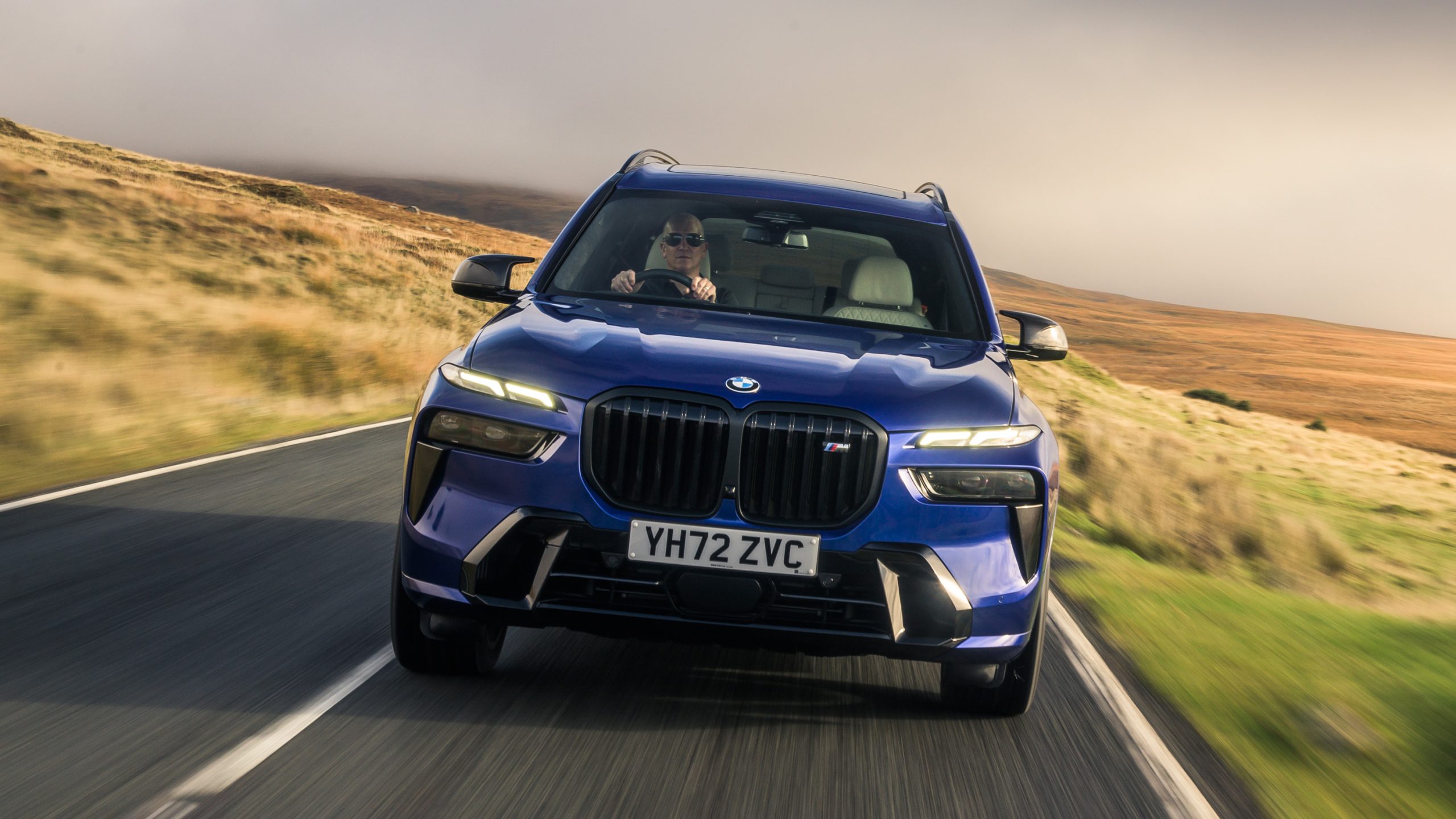
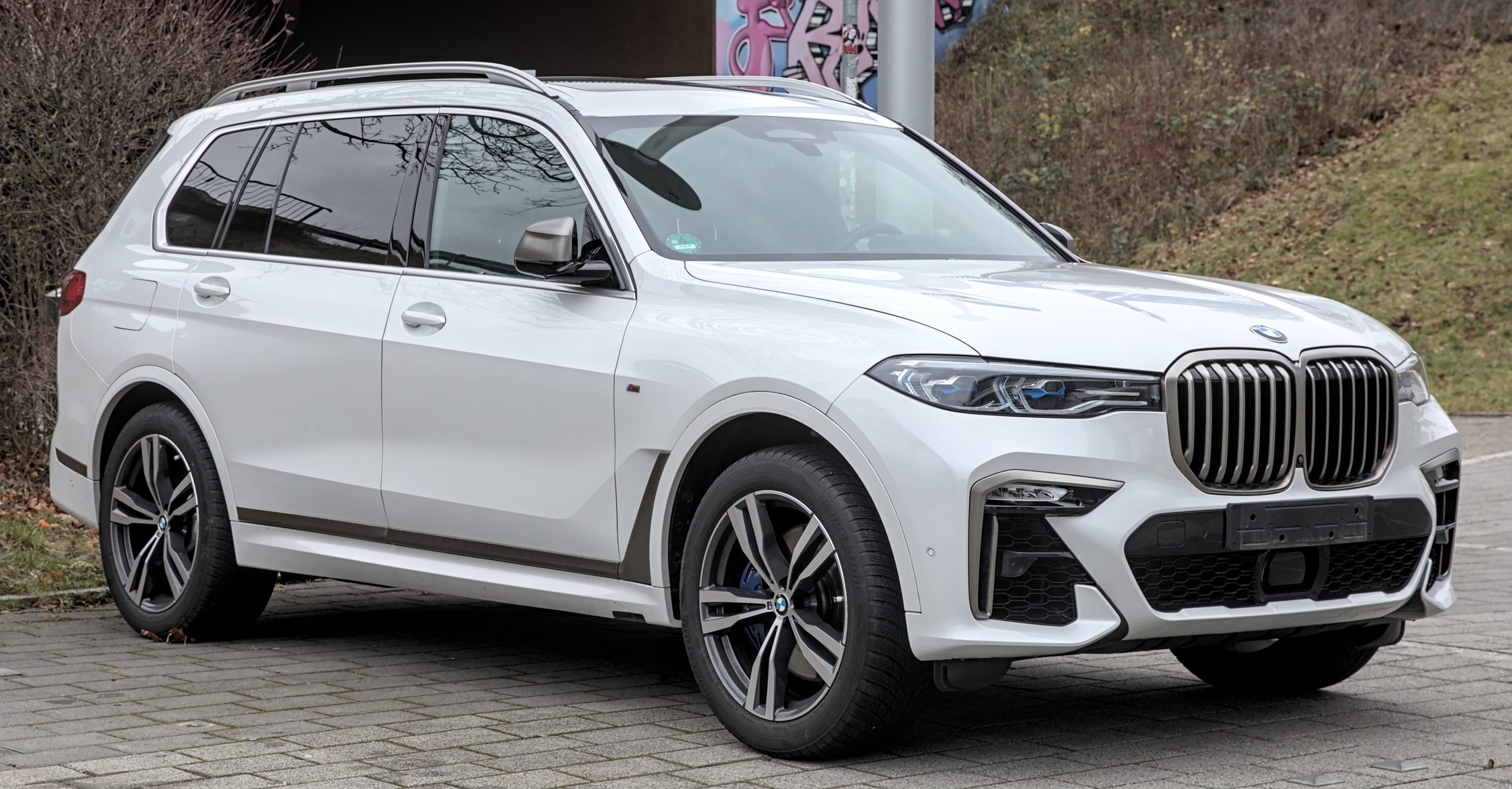
1. BMW X7: A Quiet, Comfortable Luxury SUV
The BMW X7 stands out in the large luxury SUV segment for its exceptional cabin tranquility and comfort-focused engineering. Measuring a remarkably low 58.5 dB at 70 mph, the X7 creates a serene driving environment through a combination of double-pane acoustic glass, extensive insulation, and air suspension.
These features work together to minimize road and wind noise, while high-quality tires, a stiff chassis, and soft-close doors help maintain a hushed interior even at highway speeds.
Refined powertrains further contribute to the quiet ride, ensuring engine and mechanical sounds are kept to a minimum. The SUV’s aerodynamic design also reduces wind interference, reinforcing its reputation as a calm, composed vehicle for long journeys.
Power comes from a range of engines suited to different driving preferences. The xDrive40i uses a turbocharged 375-hp inline-six, while the M60i offers a twin-turbo 4.4-liter V8 producing 523 hp. The Alpina XB7 pushes output to 630 hp. All models feature an eight-speed automatic transmission, standard air suspension with adaptive dampers, and available rear-axle steering for improved handling.
Despite its size, the X7 offers precise steering, and ride quality remains smooth, though larger 23-inch wheels can reduce comfort over rough pavement. Acceleration is impressive, with the xDrive40i reaching 60 mph in 4.6 seconds and the M60i in just 3.8 seconds. The SUV is capable of towing up to 7,500 pounds, making it practical as well as powerful.
Inside, the X7 blends technology and luxury. The dashboard includes a 12.3-inch digital gauge cluster and a 14.9-inch curved infotainment touchscreen with iDrive control. Optional premium audio packages, a panoramic sunroof, heated front seats, and ambient lighting enhance the interior experience.
Cargo capacity is flexible, with 33 carry-on suitcases accommodated when the rear seats are stowed, though third-row space is best suited for shorter trips. Standard safety technology includes forward-collision warning, automated emergency braking, blind-spot monitoring, and lane-departure warning.
BMW supports the X7 with a four-year/50,000-mile limited and powertrain warranty, along with three years or 36,000 miles of complimentary scheduled maintenance. With its blend of quietness, comfort, refined performance, and luxury amenities, the BMW X7 offers a compelling choice for drivers seeking a capable, serene, and high-end SUV.
2. Mercedes-Benz G-Class EV: Quiet Luxury Meets Iconic Off-Road Capability
The 2025 Mercedes-Benz G-Class EV (G 580) redefines the classic G-Wagen experience by combining electric performance with a remarkably quiet cabin. Despite the vehicle’s traditionally boxy and un-aerodynamic design, the EV version benefits from extensive soundproofing that significantly reduces road and wind noise.
Key contributors to the serene interior include the absence of a combustion engine, specialized acoustic insulation materials, and aerodynamic refinements such as a slightly raised hood, new A-pillar covers, a roof spoiler lip, and redesigned rear wheel arches.
Pressure management through rear fender vents enhances door closure feel while minimizing noise, and optional synthetic “G-Roar” sound technology can simulate the V8 experience or remain off for silent driving.
The G-Class EV delivers impressive performance with four independent electric motors, one per wheel, providing instant torque and a 0–100 km/h time of 4.7 seconds. Its lower center of gravity improves handling compared with gas-powered models, offering a stable and refined ride on-road.
Off-road capability remains exceptional, with 33.5-inch water-fording depth, 9.8 inches of ground clearance, and advanced features like G-Turn (tank turn) and torque vectoring, making it one of the most capable off-road electric SUVs.
Interior design preserves the classic G-Class aesthetic while integrating modern technology, including transparent hood views and high-end materials. Front seats are luxurious and supportive, though rear legroom and folding options are limited. Cargo storage is also less practical than in some competitors.
Despite its strengths, the G-Class EV faces drawbacks. Its heavy weight and energy-intensive powertrain reduce efficiency and range, and its premium pricing makes it one of the most expensive electric SUVs on the market. Some interior practicality details, such as limited rear storage, may frustrate daily users.
The 2025 G580 maintains the iconic G-Class character while offering a quieter, more refined driving experience and exceptional off-road performance. It blends heritage and innovation for drivers seeking a luxurious, capable, and technologically advanced electric SUV, though it comes at a high financial and efficiency cost.

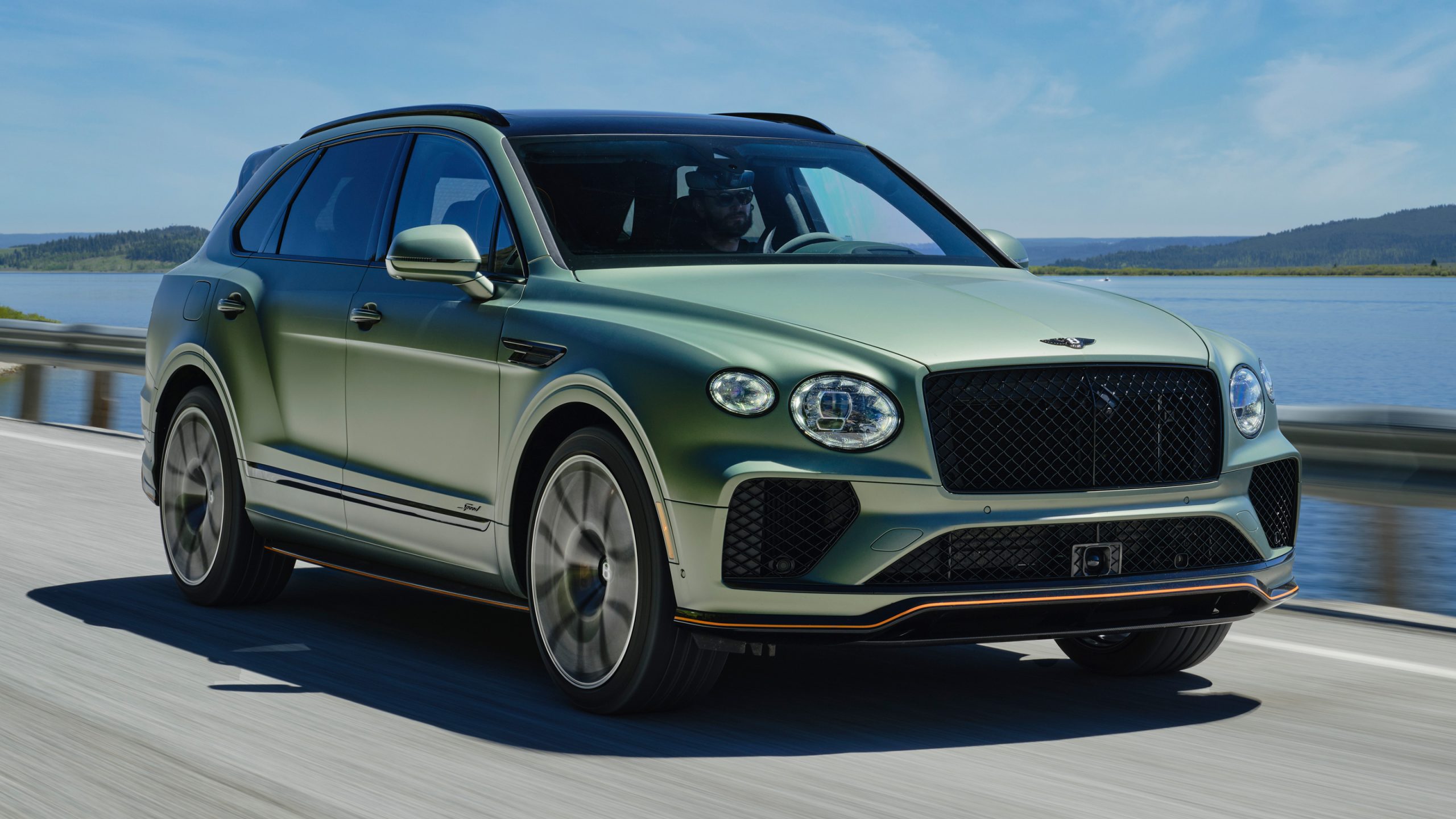
3. Bentley Bentayga: The Pinnacle of Luxury and Serenity in an SUV
The Bentley Bentayga sets the benchmark for quiet, refined, and indulgent SUV experiences. Its cabin achieves an astonishingly serene 58.1 dB at highway speeds, rivaling the quietness of a countryside estate. This tranquility is the result of meticulous soundproofing, including double-glazed acoustic glass and up to eight layers of noise insulation.
Extensive sealing, high-quality build materials, and advanced air suspension with active anti-roll technology further minimize road and wind noise, while delivering a smooth, balanced ride. The Bentayga’s engine note remains subdued, contributing to the “whispering ghost” driving sensation that defines its premium character.
Since its introduction in 2015 and the 2020 facelift, the Bentayga has undergone significant refinement. Updates include a wider rear track for improved handling, new alloy wheels, dynamic headlights, and the 2022 Extended Wheelbase (EWB) version, which adds rear legroom and four-wheel steering for better maneuverability.
The Mulliner edition enhances luxury, featuring bespoke craftsmanship including perforated leather, Airline Seats, and custom interior details that can bring a fully equipped Extended Wheelbase (EWB) model close to $360,000. Engine options have evolved from the W12 to a 4.0-liter twin-turbo V8 or hybrid six-cylinder units, with the Bentayga Speed producing 641 horsepower for a more dynamic driving experience.
The Bentayga excels in ride comfort and refinement rather than outright sportiness. Its substantial mass is well-managed by roll-control technology, providing stability around corners, while the Speed variant adds a more athletic edge with Sport Mode.
Inside, materials, craftsmanship, and attention to detail create a sense of indulgence, though the SUV naturally offers less bespoke intimacy than Bentley’s saloon models. Practicality remains thoughtful, with seven-seat options on standard models and luxurious four-seat layouts in the EWB, complemented by extensive storage capacity.
More than just a luxury SUV, the Bentayga embodies Bentley’s ethos of solidity, refinement, and timeless craftsmanship. It combines hushed, smooth driving, high-quality materials, and advanced engineering to create an experience that appeals to both traditional Bentley enthusiasts and new buyers seeking high-rise luxury with unrivaled serenity.
Whether in base, EWB, or Speed trim, the Bentayga demonstrates Bentley’s mastery in transforming a large SUV into a sanctuary on wheels.
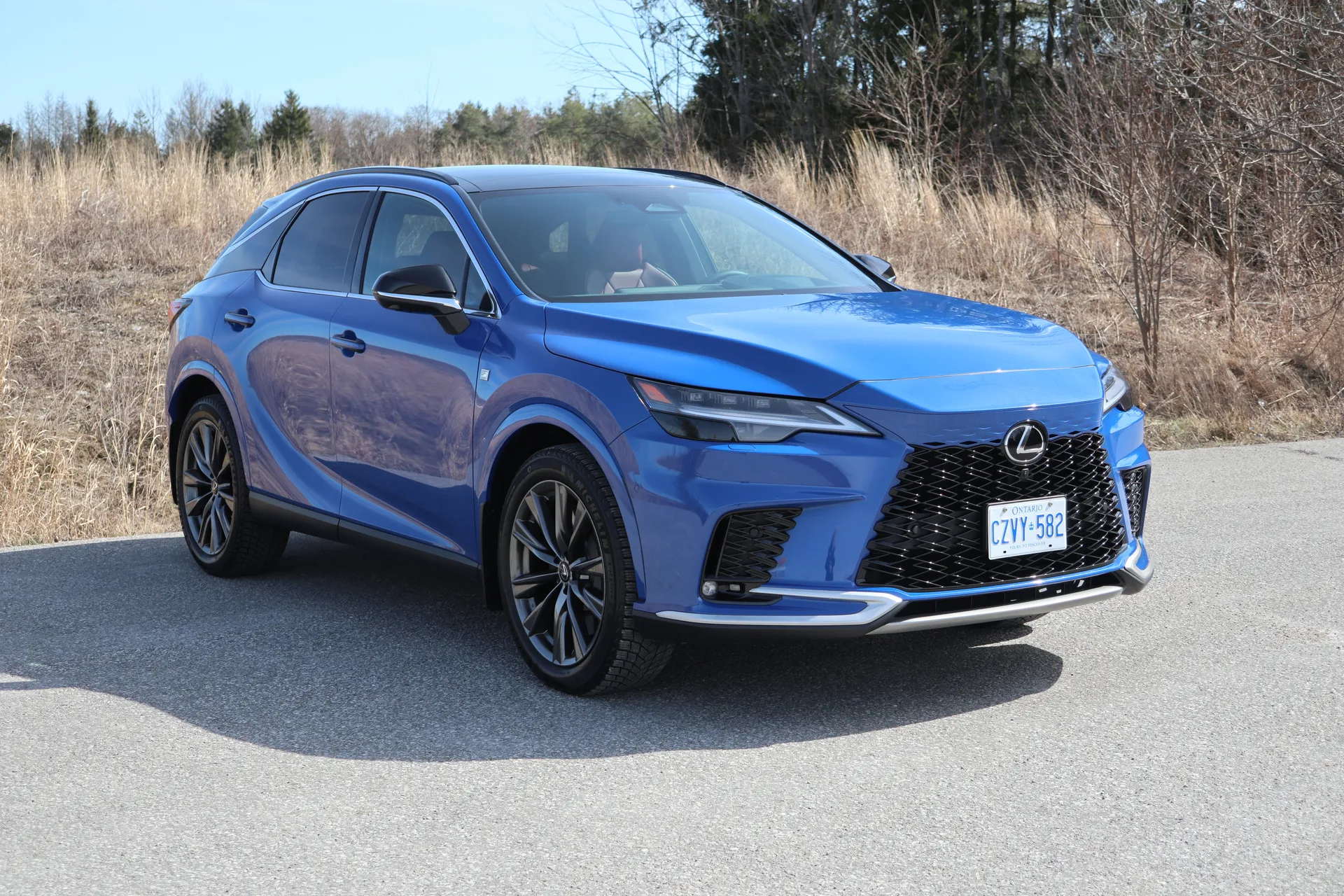
4. Lexus RX 350: Quiet Comfort and Everyday Luxury
The Lexus RX 350 has long been a benchmark for serene, comfortable driving, and the 2026 model continues that tradition with a cabin engineered for exceptional quietness. Lexus achieves this through a multi-layered approach to noise, vibration, and harshness (NVH) reduction.
Acoustic-laminated glass, precise door and window sealing, and strategically placed sound-absorbing insulation throughout the floor, roof, and panels minimize wind and road noise. Active Noise Control (ANC) further enhances serenity by generating opposing sound waves to counteract low-frequency engine and road sounds.
The turbocharged four-cylinder engine is refined for smooth operation, while aerodynamic details such as a rear spoiler and optimized front pillars reduce turbulence and wind intrusion. The suspension is tuned to absorb imperfections, preventing vibrations from reaching the cabin. Collectively, these measures create a tranquil environment that reduces fatigue and amplifies the sense of luxury.
The RX 350 emphasizes subtle evolution rather than dramatic reinvention. Its exterior design conveys calm confidence, with smooth lines, balanced proportions, and refined lighting that projects understated elegance. The SUV fits seamlessly into city streets, office environments, and residential areas, appealing to drivers who prefer quiet sophistication over flash.
Inside, the cabin prioritizes comfort with high-quality, durable materials and thoughtfully designed seating. Front seats offer strong support for long journeys, while rear passengers benefit from generous legroom. Storage is practical and accessible, and cargo space is adaptable, making the RX 350 suitable for daily errands as well as weekend trips.
Technology and infotainment are designed to support rather than distract. The responsive interface, clear digital displays, and seamless smartphone integration allow drivers to focus on the road. Driver-assistance features operate unobtrusively, enhancing safety without constant alerts.
On the road, the RX 350 delivers smooth, predictable handling with light, precise steering and suspension tuned for comfort over sportiness. Acceleration is linear and controlled, complementing the quiet, composed driving character. Fuel efficiency is competitive for the segment, reinforcing the SUV’s practicality for daily use.
The 2026 Lexus RX 350 is ideal for drivers seeking a refined, reliable, and easy-to-live-with luxury SUV. Its combination of quiet engineering, thoughtful comfort, practical usability, and intuitive technology ensures a relaxed driving experience that fits effortlessly into daily routines. For buyers prioritizing calm, dependable luxury over performance thrills, the RX 350 remains a compelling choice.
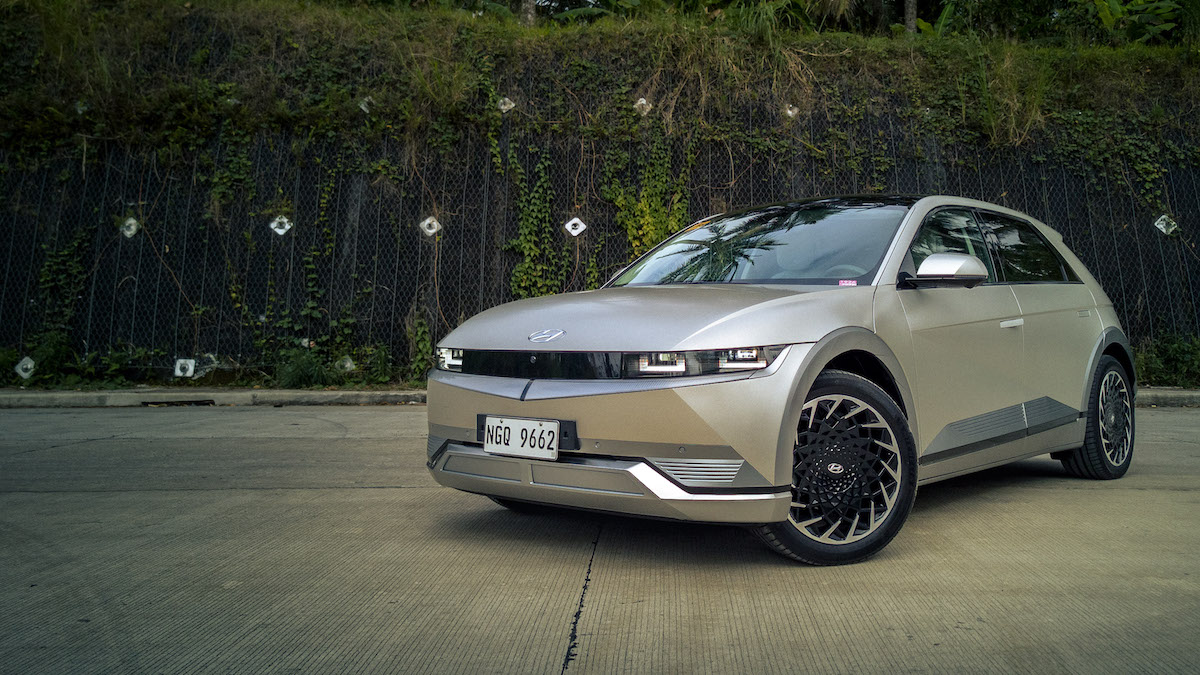
5. Hyundai Ioniq 5: Quiet, Practical, and Surprisingly Refined
The Hyundai Ioniq 5 defies the notion that affordable EVs compromise on cabin refinement. With interior noise measured at just 60.4 dB, it surpasses some luxury competitors like the Mercedes-Maybach EQS in quietness.
This is achieved through a combination of its inherently silent electric powertrain, acoustic glass, targeted insulation, and frequency-sensitive shock absorbers that minimize road vibration. A rigid, aerodynamic body further reduces wind intrusion, ensuring a serene environment for occupants.
Sound-absorbing materials are concentrated around the rear motor, while the suspension setup absorbs rough-road vibrations, making even long drives calm and fatigue-free. Performance-focused variants like the Ioniq 5 N may allow more road noise due to stickier tires, but the standard models maintain an impressively hushed cabin.
The Ioniq 5 offers multiple powertrain configurations. The base single-motor rear-wheel-drive model produces 168 hp, while the long-range RWD version delivers 225 hp. The all-wheel-drive dual-motor variant generates 320 hp, allowing the Ioniq 5 SEL AWD to sprint to 60 mph in just 4.4 seconds.
Steering feedback is adequate, though slightly muted, and the wide tires combined with a low center of gravity give the EV a poised, athletic feel. The off-road-oriented XRT trim, with taller sidewalls and extra suspension travel, prioritizes comfort over sporty handling. Maximum towing capacity reaches 2,700 pounds, though Hyundai recommends this only for AWD trims.
Range and charging are strong points. The standard 63 kWh battery offers 245 miles EPA-estimated, while the 84 kWh long-range pack delivers up to 318 miles in single-motor RWD form and 259–290 miles with AWD.
DC fast charging can replenish 10–80% in around 20 minutes, with approximately 68 miles of range added in just five minutes. Efficiency ratings are competitive, with the RWD standard-range model achieving 131 MPGe city and 101 MPGe highway, while the heavier XRT trim is less efficient at 103 MPGe city and 85 MPGe highway.
Interior space is generous. Front passengers enjoy ample head- and shoulder room, while the rear seats offer three-across comfort thanks to the long wheelbase.
Cargo capacity ranges from 30 cubic feet behind the rear seats to 59 cubic feet with them folded. The cabin integrates a 12.3-inch infotainment touchscreen and digital cluster, along with wireless Apple CarPlay, Android Auto, multiple USB ports, and optional Bose audio.
Safety and convenience are well-covered, with standard adaptive cruise control, lane-keeping assist, and automated emergency braking. Optional features include blind-spot monitoring and a surround-view camera. Hyundai backs the Ioniq 5 with an impressive warranty: four years/60,000 miles limited coverage, four years/70,000 miles powertrain, and three years/45,000 miles of complimentary maintenance.
The Ioniq 5 stands out as a quiet, practical, and well-rounded EV. It combines serene cabin refinement, strong performance, competitive range, and thoughtful interior design, making it a compelling option for daily driving and long trips without breaking the bank.
Also Read: 5 Cars With Supportive Seats for Daily Driving vs 5 That Aren’t
5 With Road Noise Issues
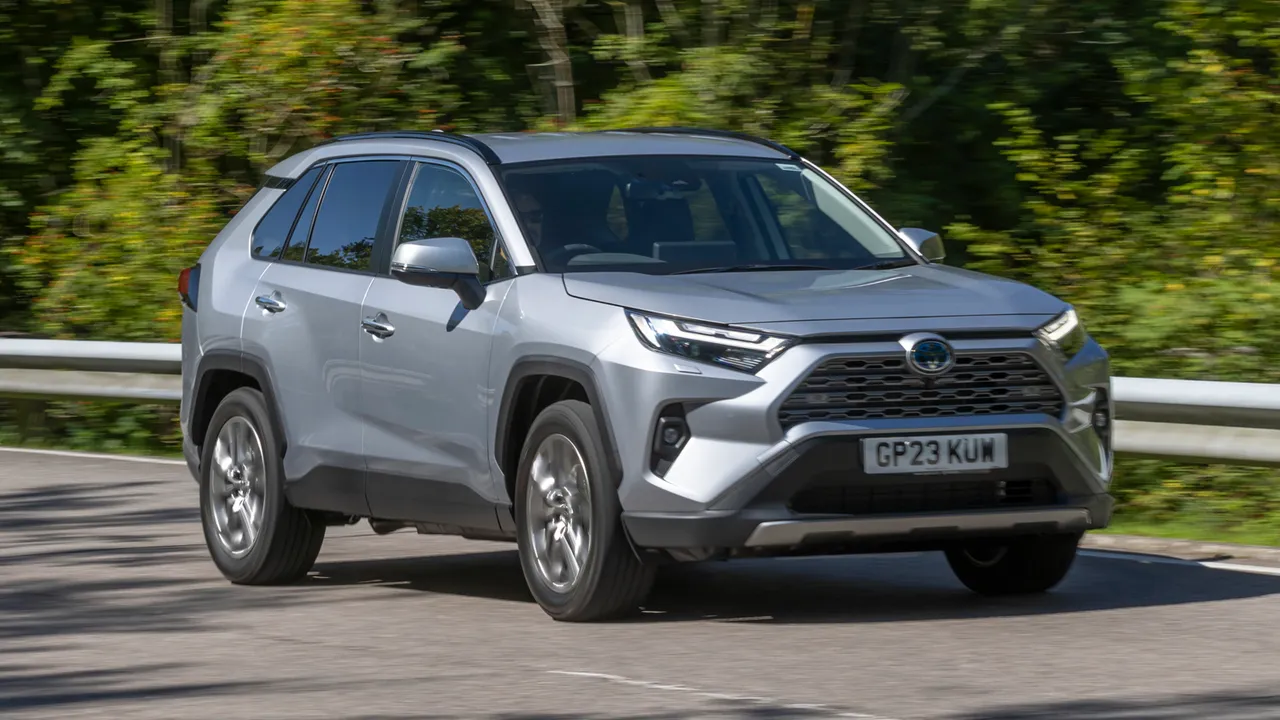
1. Toyota RAV4 Gas Model: Noise and Cabin Refinement Challenges
The standard gasoline Toyota RAV4 is a practical and reliable compact SUV, but it struggles with cabin quietness and refinement compared to rivals and even its own plug-in hybrid, the RAV4 Prime. While praised for ruggedness and utility, the gas-powered RAV4 exhibits higher noise, vibration, and harshness (NVH) levels, which many owners and reviewers find intrusive during everyday driving.
One key factor is sparse sound insulation. To keep weight and production costs down, Toyota uses relatively thin sound-dampening materials in the floor pans, doors, and wheel wells. Unlike the Lexus NX, which shares the TNGA-K platform and benefits from heavy acoustic insulation, the RAV4 allows considerable road and tire noise to penetrate the cabin.
Drivetrain characteristics also contribute. The 2.5L Dynamic Force engine prioritizes thermal efficiency over smooth, quiet operation. Under acceleration, especially on highways, it produces a coarse, buzzy drone. Paired with the 8-speed automatic transmission, some drivers report gear “hunting” and vibrations that further amplify cabin noise, whereas the RAV4 Hybrid’s eCVT delivers smoother, quieter power delivery.
Another contributor is OEM tire selection. Factory tires, typically Dunlop or Firestone, focus on durability and fuel economy rather than comfort. On rough asphalt, these tires transmit high-frequency vibrations that the minimal insulation fails to block.
The RAV4’s aerodynamic design and wind sealing are additional factors. Its boxy profile and side mirror design create more wind resistance, producing whistling sounds at highway speeds. Gaps in door seals and trim can exacerbate wind intrusion, despite Toyota addressing some rattles through service bulletins.
Finally, platform rigidity plays a role. The TNGA-K chassis is safe and stiff, but without premium bushings or thicker acoustic glass, road imperfections are readily transmitted into the cabin. Many owners reduce these effects through aftermarket sound-deadening mats or by upgrading to quieter, high-comfort tires.
The gasoline RAV4 delivers reliability and utility but sacrifices cabin quietness and refinement, making aftermarket solutions a common choice for those seeking a calmer ride.
2. Jeep Wrangler: Rugged Off-Roading Comes at the Cost of Cabin Quietness
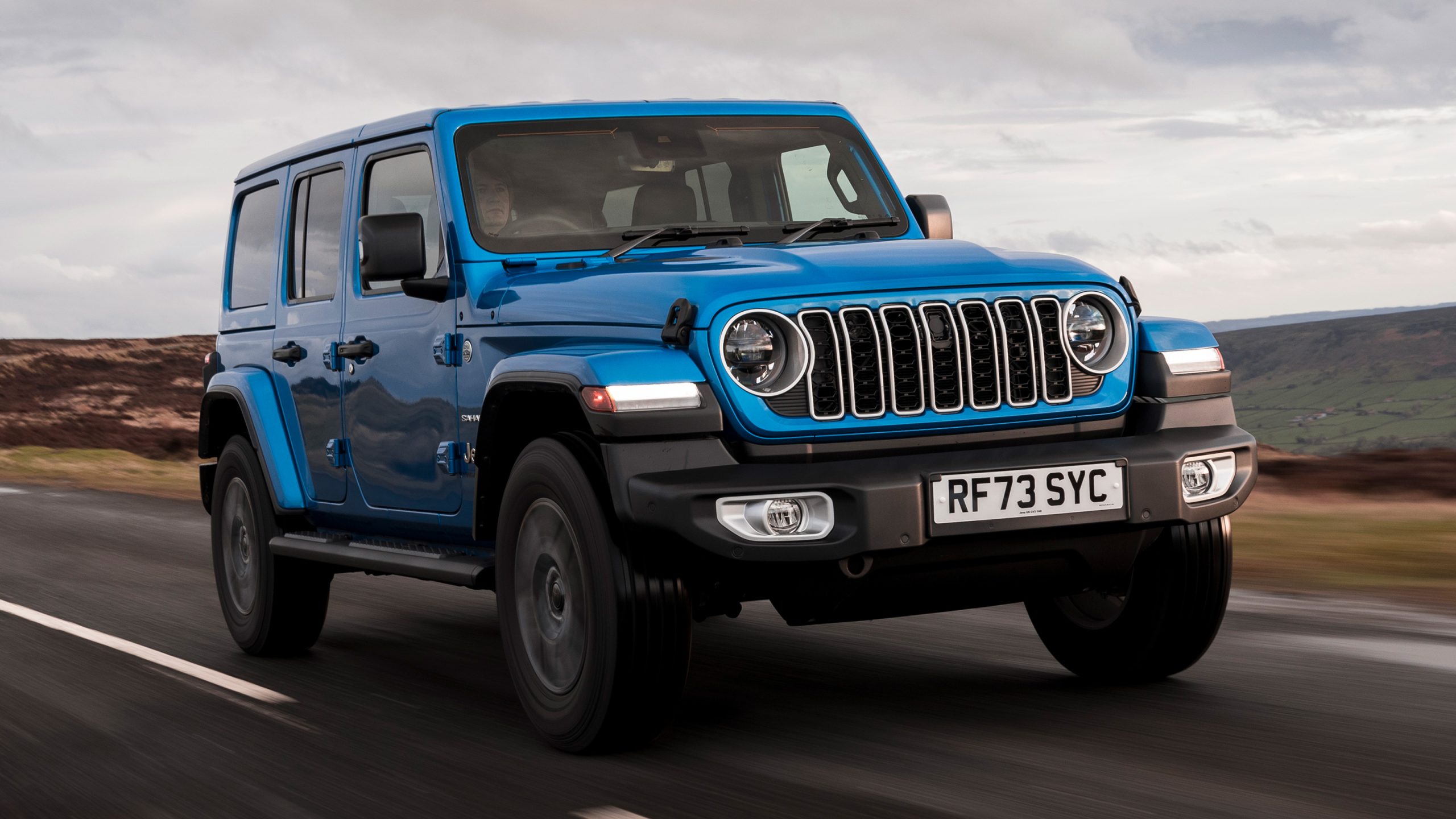
The Jeep Wrangler is celebrated for its off-road prowess but consistently criticized for its noisy interior and harsh highway ride. Consumer Reports and driver feedback often rank it poorly in terms of comfort due to significant road and wind noise. Its design prioritizes modularity and utility over acoustic refinement, resulting in several unavoidable noise challenges.
A major contributor is aerodynamic drag. The Wrangler’s upright windshield and boxy frame generate turbulent airflow at highway speeds, producing a constant roar or whistling sound. This is compounded by the modular roof and doors.
Both soft tops and removable hardtops create gaps that allow wind to penetrate the cabin. Soft tops offer minimal insulation, while hardtops can develop leaks in weatherstripping over time, letting wind “tunnel” inside.
Aggressive off-road tires amplify cabin noise. Many Wranglers are equipped with Mud-Terrain tires with large, chunky tread blocks, ideal for traction in mud but loud on pavement, producing a droning or humming effect.
Additionally, the vehicle has minimal sound dampening, with thin carpeting and exposed metal surfaces that vibrate and echo, a design choice meant to facilitate easy cleaning but detrimental to highway comfort.
Noise comparisons show that a hardtop Wrangler is roughly 5dB quieter than a soft top, but at speeds above 70 mph, wind noise dominates, rendering the difference minimal. Several mitigations can help reduce interior sound.
Headliner kits added to a hardtop can lower noise by up to 7dB. Switching from mud-terrain to All-Terrain or highway tires significantly reduces road hum, and maintaining seals and weatherstripping around doors and roof panels prevents wind whistles.
The Jeep Wrangler delivers unmatched off-road capability, but its modular construction, aerodynamics, aggressive tires, and minimal insulation make it one of the loudest SUVs on highways. Noise reduction measures are available, but the Wrangler’s rugged design inherently sacrifices cabin serenity for utility and versatility.
3. Mitsubishi Mirage: Affordable Efficiency Comes with Noticeable Cabin Noise
The Mitsubishi Mirage, an entry-level compact, prioritizes affordability and fuel efficiency over interior refinement, resulting in a notably noisy cabin. Drivers and reviewers often report excessive road, wind, and engine noise, making the Mirage less comfortable for highway cruising compared to higher-priced competitors.
Structural and Material Limitations are a major factor. To keep weight and cost low, the Mirage uses thin body panels and inexpensive interior plastics, with minimal sound-deadening insulation. This leaves vibrations and road noise largely unabsorbed, while a basic aerodynamic profile can cause wind “hissing” or rattling if exterior components such as weatherstripping or heat shields loosen over time.
The powertrain contributes to cabin noise. The 1.2-liter three-cylinder engine, while efficient, is inherently louder and produces more vibrations than typical four-cylinder engines. At highway speeds, the engine can run near 4,000 RPM, generating a constant hum or buzz. Models with the Continuously Variable Transmission (CVT) amplify this effect, especially during acceleration, making extended freeway drives less serene.
Tire choice further affects noise levels. Stock low rolling resistance tires, designed for fuel economy, use harder compounds that transmit more road vibrations and sound into the cabin. Owners often find that replacing these with conventional, softer tires significantly improves quietness and ride comfort.
Occasionally, persistent or sudden noises indicate mechanical issues, such as failing wheel bearings, worn engine mounts, a loose air box, or exhaust leaks. These problems can produce humming, rattling, or loud exhaust sounds that worsen with speed.
For drivers seeking a quieter experience, aftermarket sound-deadening solutions in doors, floors, and wheel arches can reduce airborne and structural noise. Despite its drawbacks, the Mirage remains a budget-friendly, fuel-efficient choice, but buyers should be aware that cabin quietness is not its strong suit.
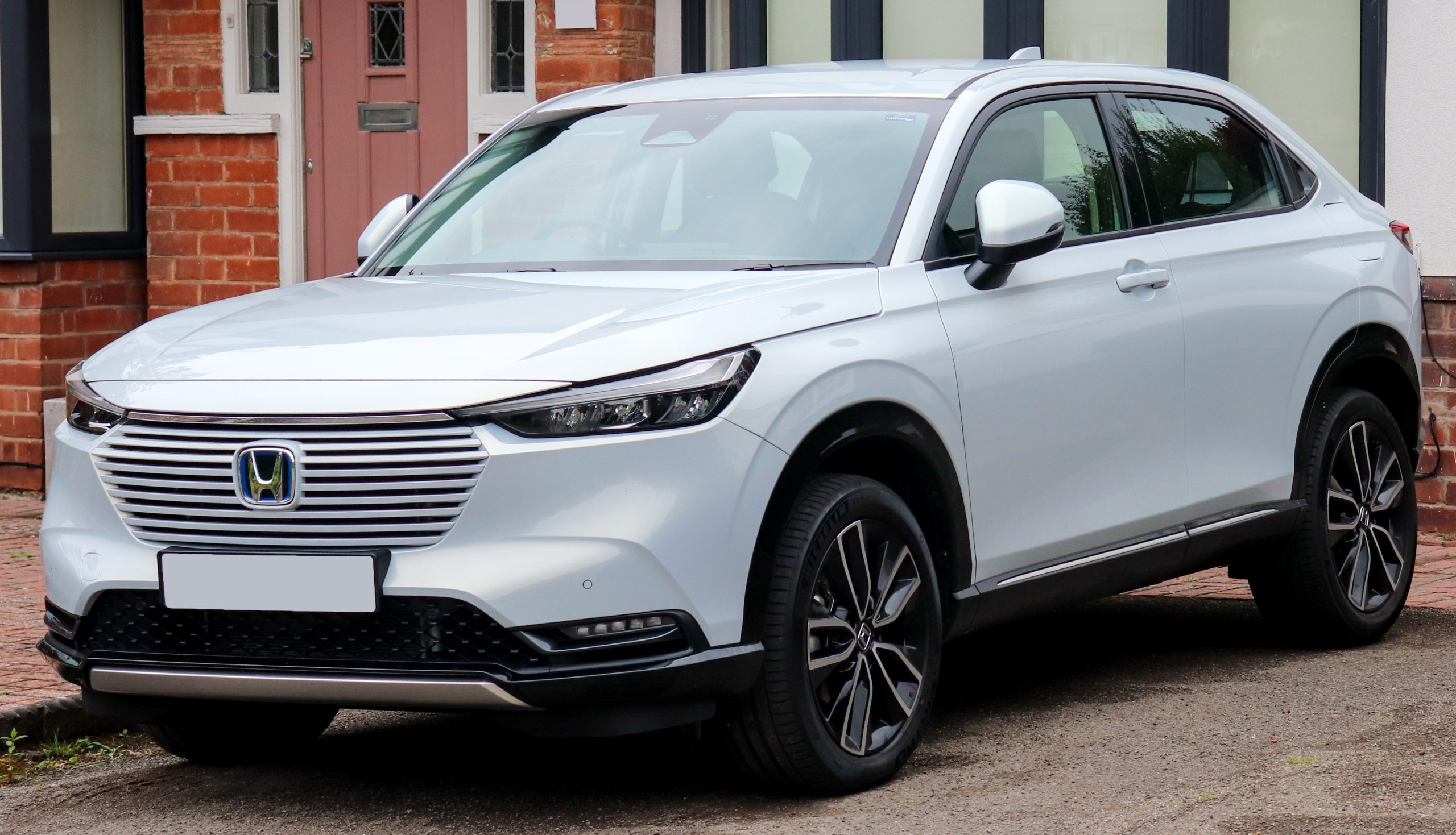
4. Honda HR-V: Utility Comes at the Cost of Cabin Quietness
The Honda HR-V, a well-liked subcompact SUV, is often noted for its noisy interior. While it delivers practicality, affordability, and efficiency, drivers frequently report excessive road, engine, and wind noise, especially during long highway drives. These issues result from engineering choices and material selection aimed at keeping the vehicle lightweight and budget-friendly.
Minimal Sound Insulation is a major factor. To maintain a lower price point, Honda uses thinner sound-deadening materials than those found in larger SUVs like the CR-V or Pilot. Flat metal surfaces, including floor pans, door panels, and the spare tire well, act like drums, transmitting road vibrations into the cabin. Hard plastic surfaces inside the cabin reflect sound instead of absorbing it, increasing the perceived noise level.
Engine and Transmission Factors contribute as well. Most HR-V models combine a small engine with a Continuously Variable Transmission (CVT). To sustain highway speeds or handle inclines, the engine often runs at high RPMs, generating a constant “droning” sound. The CVT maintains this elevated engine speed, which many find more noticeable than the sound from conventional geared transmissions.
Tires and Wheels add to the problem. Stock tires prioritize fuel efficiency over comfort, producing more road noise on rough or paved surfaces. Higher trims equipped with larger wheels and low-profile tires transmit more vibrations into the cabin, amplifying the hum of the road.
Wind Noise and Aerodynamics become pronounced at higher speeds. The HR-V’s thin standard window glass and side mirror design allow airflow to penetrate the cabin, creating whistles or turbulence. Acoustic glass is typically reserved for higher trims, leaving lower models more exposed to wind intrusion.
To reduce noise, many owners install aftermarket sound-deadening products on doors, floors, and the trunk. Switching to tires designed for comfort rather than efficiency can also significantly lower road noise. The HR-V prioritizes functionality, affordability, and light weight, making its cabin less refined compared with quieter competitors.
5. Toyota 4Runner: Rugged Durability at the Expense of Cabin Quiet
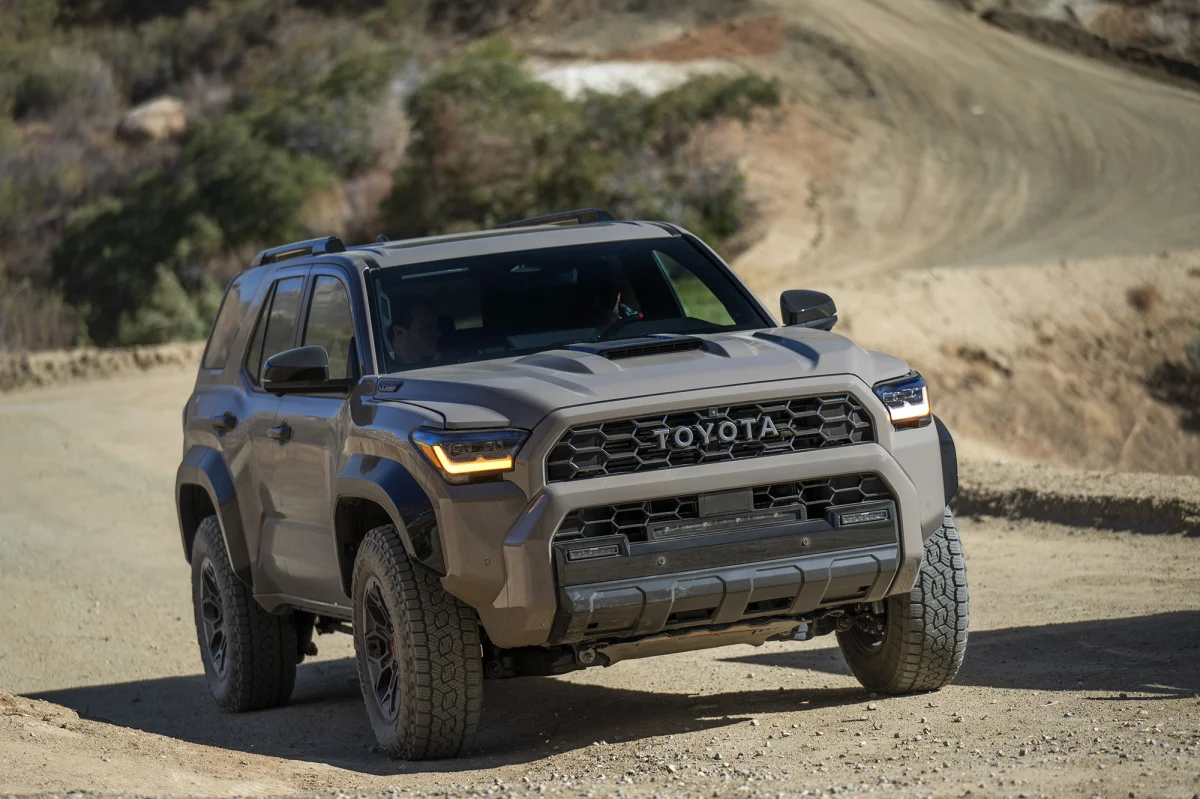
The 2025 Toyota 4Runner has drawn criticism for a noisy cabin, with drivers noting engine, wind, and vibration disturbances. Its body-on-frame construction emphasizes toughness and off-road capability, but this comes at the cost of interior refinement. Minimal factory sound insulation in doors, floors, and panels results in a hollow or “tinny” cabin experience, particularly noticeable at highway speeds.
Mechanical and Tire-Related Noise contributes heavily to the problem. Many 4Runner owners equip All-Terrain (A/T) or Mud-Terrain (M/T) tires for off-road performance, which produce a constant hum or “howl” on pavement.
Additionally, driveline components can amplify vibrations: worn wheel bearings or dry U-joints create low-frequency rumbling, while failing needle bearings in the front differential, common in fifth-generation models, produce cyclical humming between 55–65 mph.
Aerodynamic Factors worsen the noise. The 4Runner’s boxy shape, upright windshield, and optional accessories like roof racks, ladders, or light bars increase wind resistance and turbulence, generating high-pitched whistling at speed. Engine vibrations also transmit through the steering wheel during acceleration, further reducing cabin comfort.
Mitigation and Repairs focus on reducing both road and mechanical noise. Aftermarket sound-deadening mats from brands like Damplifier Pro or pre-cut kits from SoundSkins can lower interior noise by 10–15 dB.
For differential humming, replacing the factory needle bearing with a solid bushing from East Coast Gear Supply (ECGS) provides a permanent fix. Steering vibrations can be addressed through precision Road Force Balancing, while ticking or exhaust noises on older V8 models often require manifold inspections and replacement.
While the 4Runner excels in off-road reliability and rugged utility, its design compromises make it less appealing for drivers who prioritize a quiet, comfortable cabin on paved roads. Careful upgrades and maintenance can improve the experience, but some level of noise remains inherent to its durable, adventure-ready construction.
Quiet cabins make driving more comfortable, reduce fatigue, and increase the sense of refinement. SUVs such as the BMW X7 and Bentley Bentayga use soundproofing, aerodynamic design, and engine tuning to maintain a hushed interior.
Vehicles like the Jeep Wrangler and Toyota 4Runner transmit road, wind, and tire noise due to their design and material choices. Recognizing these trade-offs allows drivers to select vehicles that match their needs, whether they prioritize calm daily commutes or rugged utility.
Quiet-cabin models provide a relaxing driving environment, while noisier vehicles reward those seeking off-road capability, affordability, or practicality. Comparing both types of vehicles gives buyers the insight needed to balance comfort, performance, and everyday usability.
Also read: Top 10 Cars That Changed Automotive Engineering Forever
