
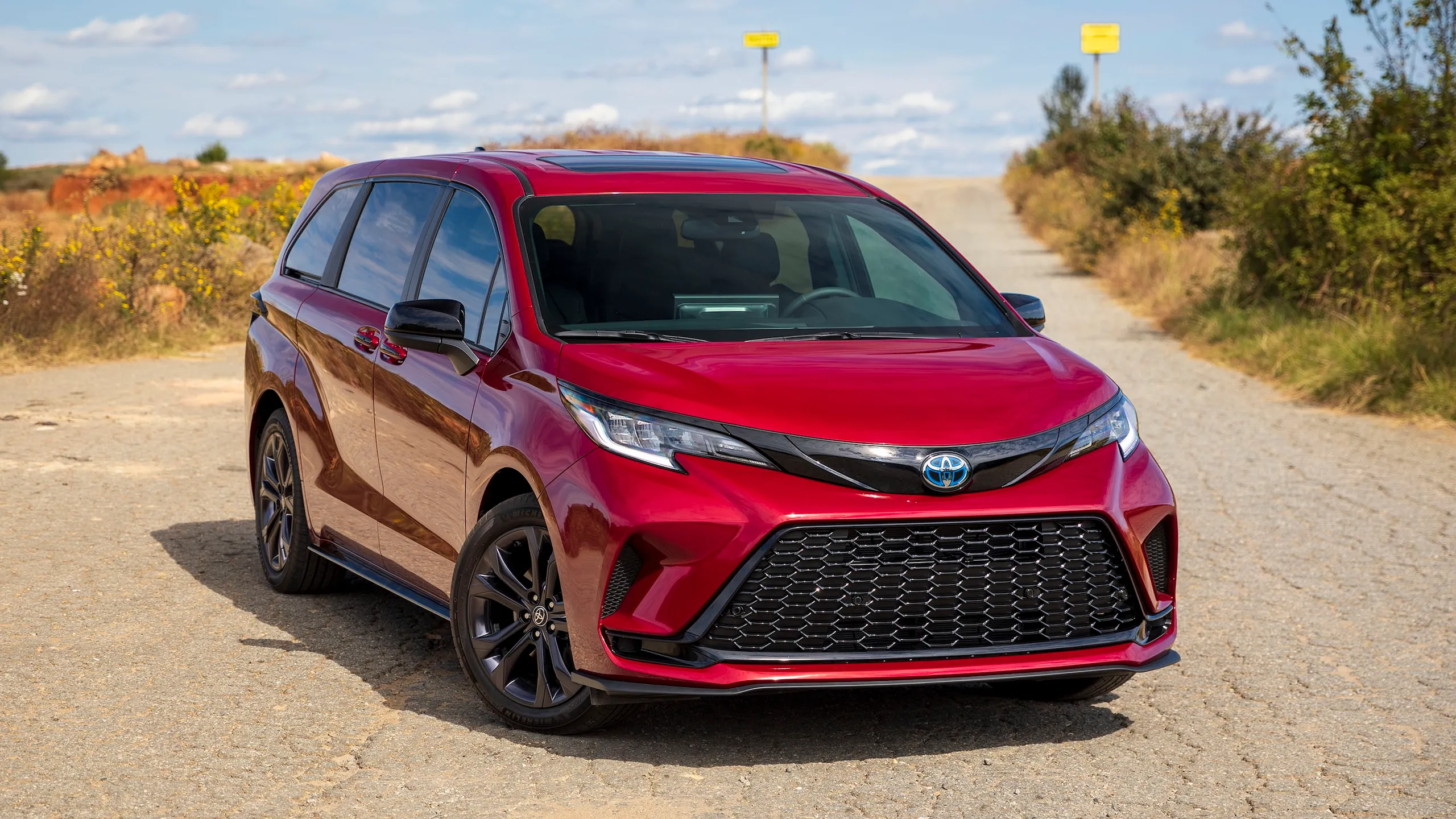
Running errands is an unavoidable part of modern life. Whether it’s grocery shopping, picking up dry cleaning, shuttling kids to activities, or making quick trips to the hardware store, the vehicle you choose can make these daily tasks either effortless or exhausting.
The ideal errand-runner combines practicality with efficiency, offering easy entry and exit, ample cargo space, excellent visibility, and fuel economy that won’t punish you for multiple short trips throughout the day.
The best vehicles for frequent errands prioritize convenience above all else. They feature low load floors for heavy grocery bags, configurable seating for bulky items, tight turning radiuses for going through the crowded parking lots, and compact dimensions that slip into tight spaces without stress.
Fuel efficiency matters tremendously when you’re making five stops across town, and reliability ensures you won’t be stranded between the pharmacy and the post office.
Conversely, some vehicles seem purpose-built to make simple tasks complicated. Sports cars with low ground clearance scrape over speed bumps in shopping centers.
Large trucks and SUVs guzzle gas on short trips and require circus-level parking skills. Luxury vehicles with stiff suspensions jostle passengers on pothole-riddled city streets, while impractical cargo areas leave you wondering where to put a week’s worth of groceries.
Understanding which vehicles excel at errand-running and which ones struggle can save you time, money, and frustration. Let’s examine five vehicles that make daily tasks a breeze, followed by five that turn simple errands into complicated ordeaus.
5 Vehicles That Handle Frequent Errands Well
These exceptionally convenient vehicles feature easy ingress-egress and versatile cargo areas perfectly suited for constant around-town trips, providing effortless transportation through multiple daily stops without the physical strain typically associated with climbing into tall SUVs or the cargo limitations forcing multiple trips for routine shopping tasks.
Their practical engineering includes comfortable seat heights and wide-opening doors that resist the awkwardness found in low sports cars while delivering step-in convenience eliminating climbing or crouching, rear hatches providing excellent access to spacious cargo areas, and efficient powertrains.
1. Honda CR-V
The Honda CR-V has established itself as the quintessential errand vehicle, and for good reason. This compact SUV strikes an exceptional balance between size, efficiency, and practicality that makes it ideally suited for daily tasks around town.
The CR-V’s dimensions are perfectly calibrated for urban and suburban environments it’s large enough to carry everything you need but compact enough to maneuver through tight parking lots and slip into standard parking spaces without anxiety.
The cargo area is where the CR-V truly shines for errand-running. With 39.3 cubic feet behind the rear seats and 76.5 cubic feet with seats folded, you have flexibility for everything from weekly grocery hauls to furniture pickups.
The low load floor height makes loading heavy items like cases of water or bags of dog food significantly easier on your back, while the wide tailgate opening accommodates awkward items without requiring Tetris-level packing skills.
The underfloor storage compartment provides a perfect spot for reusable shopping bags, keeping them out of sight but always accessible.
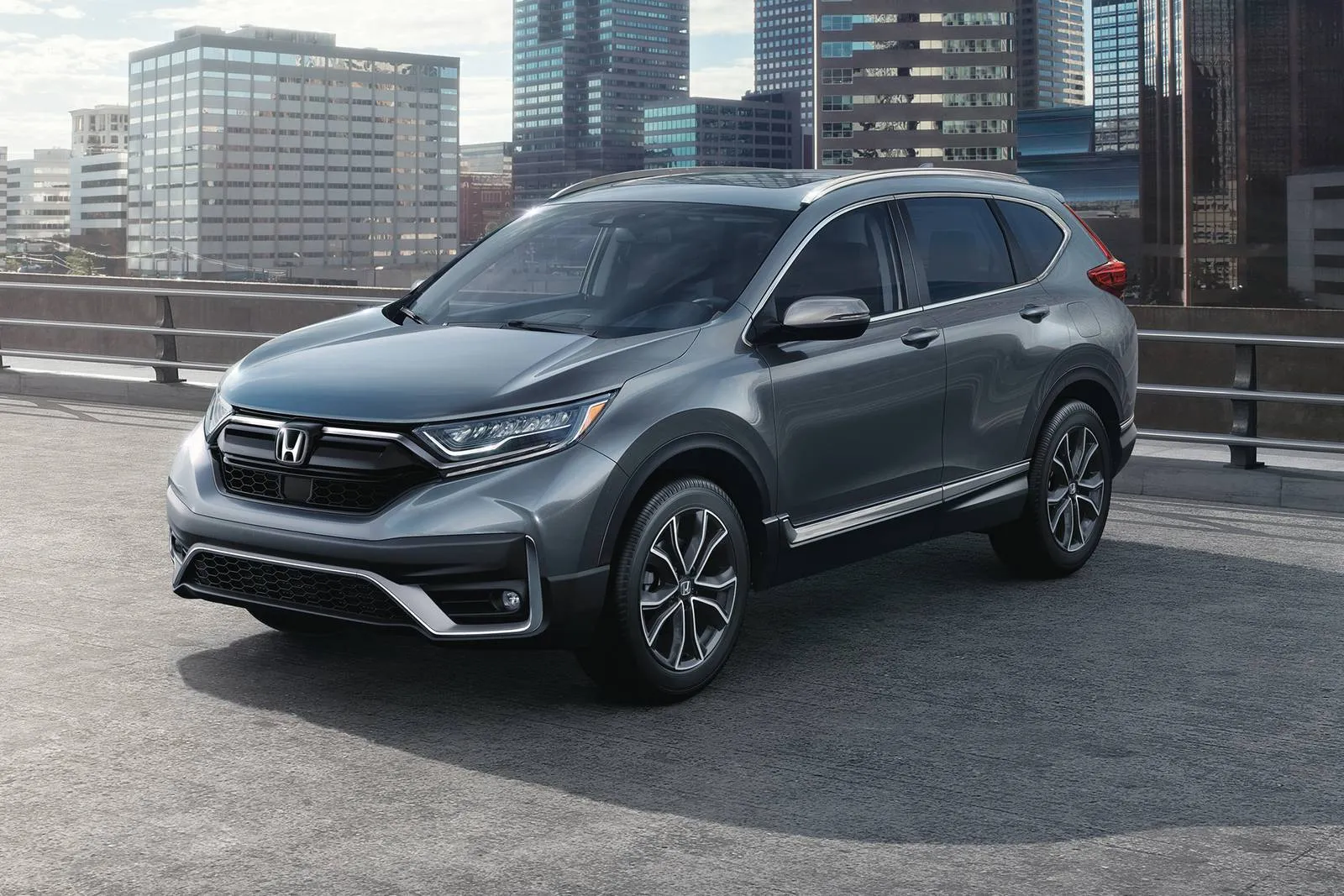
Fuel efficiency is another crucial factor that makes the CR-V excel at frequent errands. The standard engine achieves an EPA-estimated 28 mpg city and 34 mpg highway, meaning those multiple daily trips won’t devastate your fuel budget.
The hybrid version pushes these numbers even higher, reaching 40 mpg in the city a remarkable figure that makes stopping at five different stores across town financially painless.
Visibility from the driver’s seat is excellent, with large windows and relatively thin pillars providing clear sightlines in all directions. This becomes invaluable when going through the crowded parking lots where pedestrians and shopping carts appear from nowhere.
The turning radius is tight enough to make U-turns in residential streets and go through the cramped parking structures with confidence. Inside, the cabin offers numerous storage cubbies, cup holders, and door pockets that swallow the detritus of daily life coffee cups, receipts, hand sanitizer, masks, and all the other small items that accumulate during errand runs.
The rear doors open wide, making it easy to load kids into car seats or help elderly passengers in and out without contorting their bodies.
The seats themselves are comfortable enough for multiple trips throughout the day without causing fatigue, yet durable enough to handle the wear and tear of constant use.
Honda’s reputation for reliability means the CR-V won’t leave you stranded between errands, and the straightforward controls mean less time fumbling with technology and more time getting tasks done efficiently.
2. Toyota Sienna
Minivans have become the unsung heroes of errand-running, and the Toyota Sienna represents the pinnacle of this practical vehicle category. While minivans may lack the glamorous image of crossovers or SUVs, their functionality for daily tasks is unmatched.
The Sienna’s sliding rear doors are perhaps its greatest asset for errand duty they open in tight parking spaces where conventional doors would slam into adjacent vehicles, and they make loading children, groceries, or elderly parents remarkably easy.
The cargo and passenger versatility of the Sienna is extraordinary. With all seats in place, you have 33.5 cubic feet of cargo space, enough for a substantial grocery run while still accommodating seven or eight passengers.
Fold the third row flat, and capacity expands to 75.2 cubic feet sufficient for Costco runs, sports equipment, or small furniture. The completely flat load floor when seats are folded creates a usable cargo area that SUVs and crossovers simply cannot match. Items slide in and out effortlessly without catching on seat tracks or bumps.
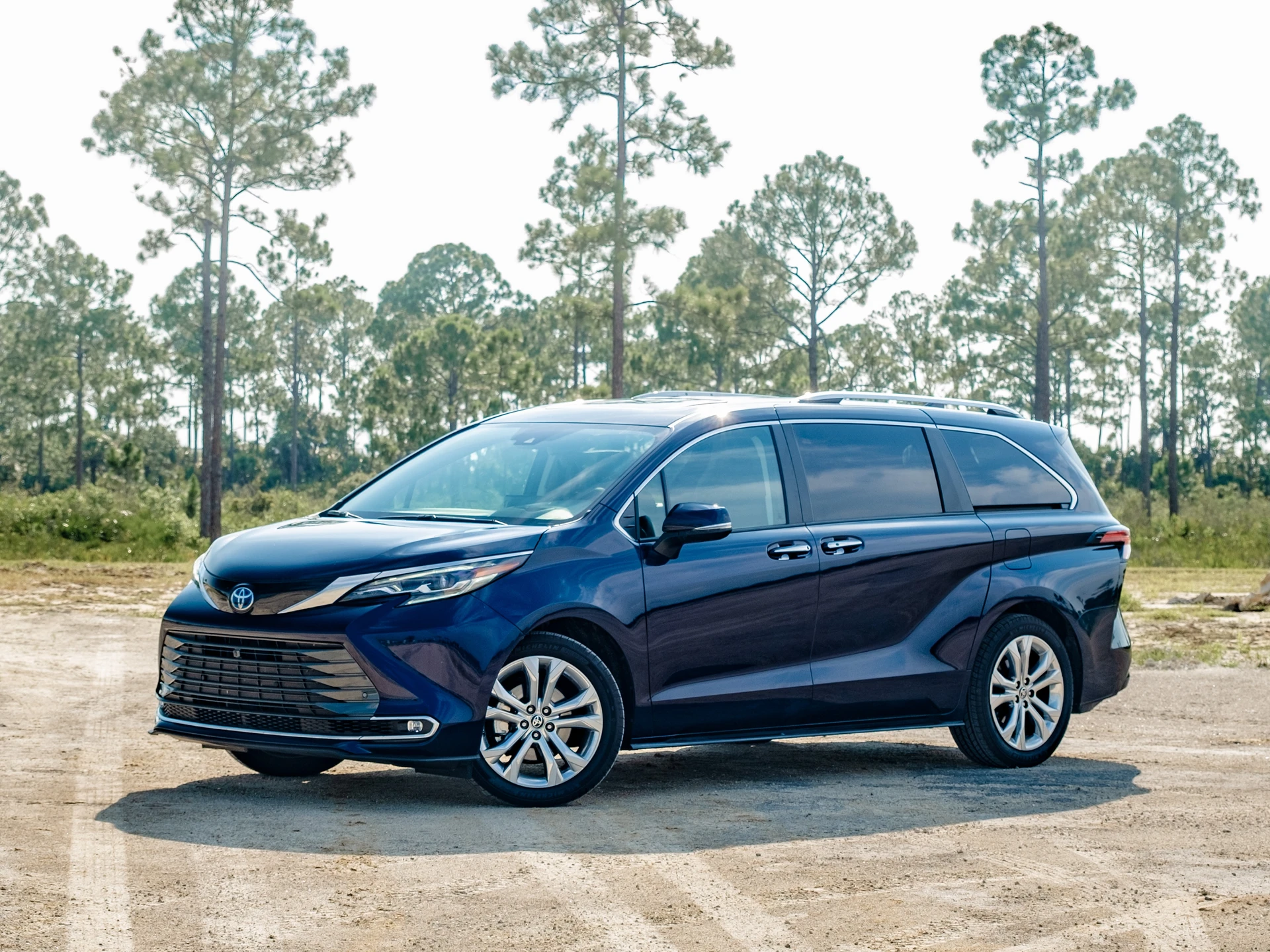
What truly sets the Sienna apart for frequent errands is the thoughtful interior design. The center console can slide up to 25 inches, allowing the driver to access the rear seats without leaving the driver’s seat perfect for passing snacks to kids or retrieving a forgotten wallet.
Storage compartments are abundant throughout the cabin, including overhead bins that swallow purses, tablets, and shopping bags. The available refrigerated compartment in the console keeps drinks cold during multiple stops on hot days.
All Sienna models come standard with hybrid powertrains, delivering an impressive 36 mpg combined. This fuel efficiency is remarkable for a vehicle of this size and capability, making frequent trips around town economical.
The raised seating position provides excellent visibility, while the Sienna’s surprisingly tight turning radius makes parking lot navigation easier than many smaller vehicles.
The power liftgate with kick sensor lets you open the rear hatch when your hands are full of grocery bags a feature that seems minor until you use it regularly and wonder how you lived without it.
The ride quality strikes an excellent balance between comfort and control. The suspension absorbs the potholes and rough pavement common in shopping center parking lots without excessive bouncing, while still providing enough firmness for confident handling.
Climate control works efficiently to cool or heat the cabin quickly during short trips, and the quiet interior means you can actually hear your phone’s navigation directions without cranking the volume.
3. Mazda CX-5
The Mazda CX-5 brings an element of driving enjoyment to the errand-running category without sacrificing the practical attributes necessary for daily tasks.
This compact crossover proves that a vehicle optimized for frequent errands doesn’t have to feel utilitarian or boring. The CX-5’s refined driving dynamics make even mundane trips to the dry cleaner or pharmacy more engaging, while its sensible design ensures errands get completed efficiently.
The cargo area offers 30.9 cubic feet behind the rear seats and 59.6 cubic feet total slightly smaller than the CR-V but still ample for typical errand needs.
What the CX-5 may lack in maximum volume it compensates for with a well-designed cargo bay featuring tie-down hooks, underfloor storage, and a low liftover height that makes loading and unloading less strenuous. The rear seats fold in a 40/20/40 split, allowing you to carry long items like lumber or pipes while still accommodating passengers.
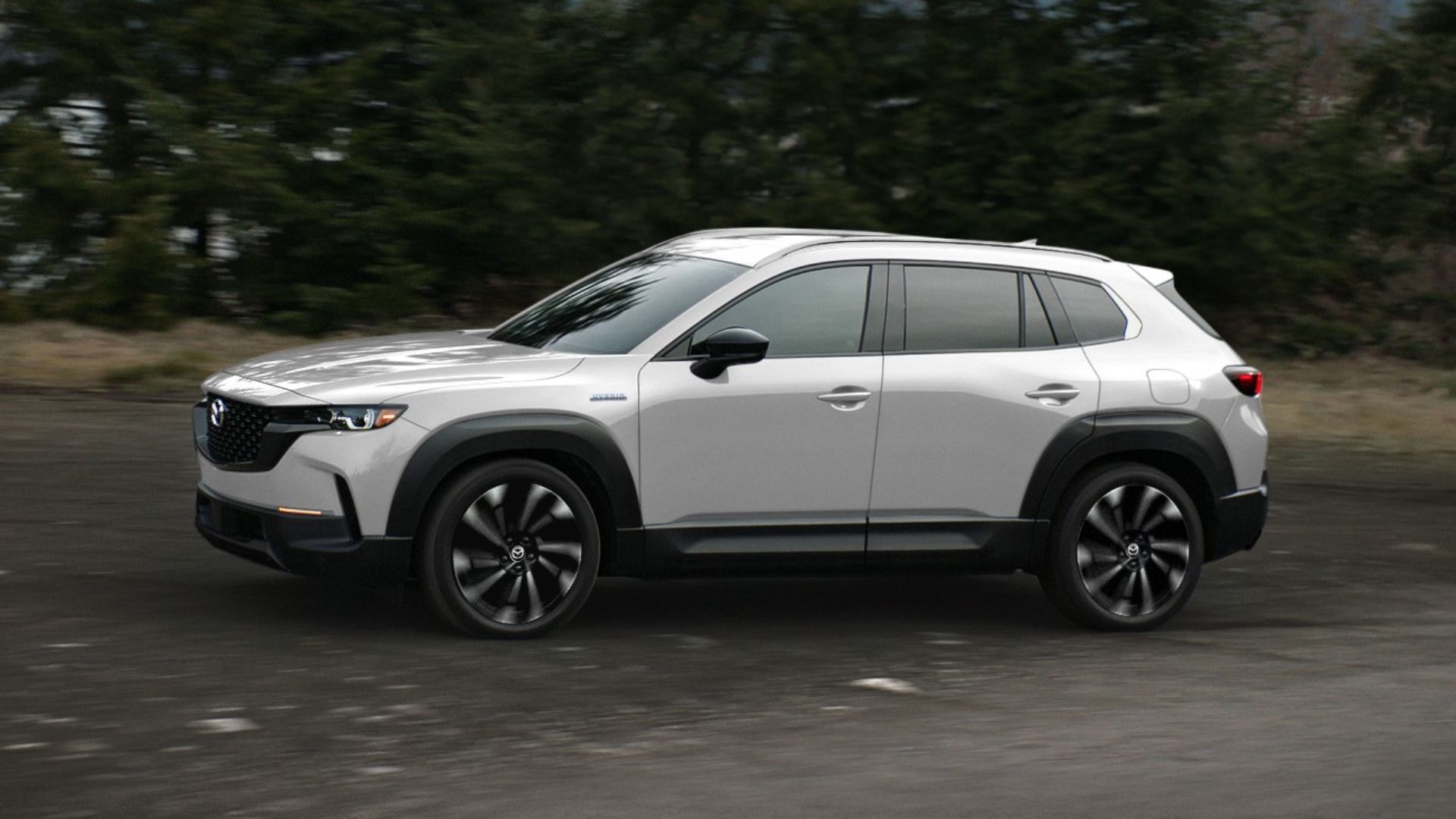
Fuel efficiency reaches up to 25 mpg city and 31 mpg highway with front-wheel drive, respectable figures that keep errand costs reasonable. Where the CX-5 particularly excels is in its compact exterior dimensions paired with a surprisingly spacious interior.
The vehicle’s footprint makes parking in tight urban spaces manageable, while the interior feels more upscale than many competitors, with quality materials and excellent build quality that don’t show wear quickly despite constant use.
The driving position is commanding without being truck-like, providing excellent sightlines that help you spot pedestrians, shopping carts, and parking space availability.
The steering is precise and weighted perfectly for threading through parking lots and making quick position adjustments. The infotainment system, while not the most cutting-edge, is intuitive enough that you can change settings or find addresses without pulling over to decipher complex menus.
The seats provide support for longer errand runs that chain together multiple stops across different parts of town. Reliability statistics for the CX-5 are strong, meaning you can depend on it starting every time and getting you through your errand list without mechanical drama.
The sophisticated yet understated exterior design means the vehicle looks appropriate whether parked at the grocery store or valet stand, and the available hands-free liftgate makes accessing cargo easier when your arms are loaded.
4. Subaru Outback
The Subaru Outback occupies a unique position as a wagon-SUV hybrid that delivers exceptional practicality for errand-running while adding genuine all-weather capability.
For those living in areas with challenging weather conditions or unpaved roads between errands, the Outback’s standard all-wheel drive provides confidence that many competitors can’t match.
This capability extends beyond harsh winter conditions the ground clearance handles poorly maintained parking lots, construction zones, and rural roads that might scrape the undercarriage of lower vehicles.
The cargo area is genuinely useful, offering 32.5 cubic feet behind the rear seats and a generous 75.7 cubic feet with seats folded. The square shape of the cargo bay maximizes usable space, and the wide opening makes loading bulky items straightforward.
The roof rails come standard, adding vertical storage capacity for items that don’t fit inside, from kayaks to Christmas trees to extra lumber from the home improvement store.
The low load floor a consequence of the wagon design means you’re not hoisting heavy items up to SUV height, saving your back during repeated loading and unloading throughout the day.
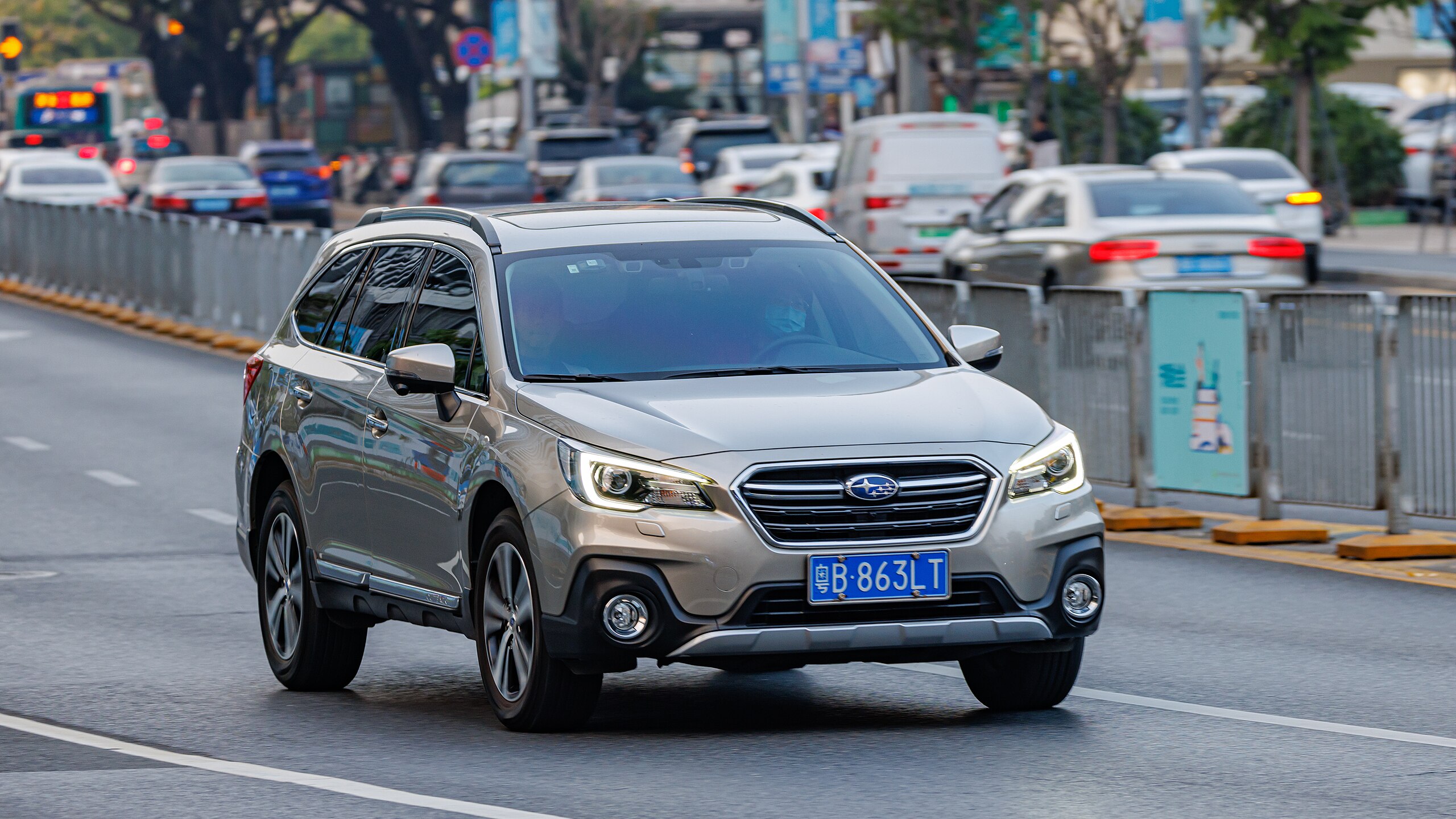
Fuel economy reaches 26 mpg city and 33 mpg highway, competitive figures that won’t punish frequent driving. The Outback’s 8.7 inches of ground clearance prove valuable in real-world errand scenarios: going through the grocery store parking lots with aggressive speed bumps, driving through standing water after storms, or accessing rural farm stands and nurseries.
The cabin is spacious and comfortable, with supportive seats that don’t cause fatigue during busy errand days, and the large windows provide excellent visibility for going through the tight situations.
The Outback’s reliability reputation means it will consistently start and run regardless of weather conditions, eliminating the anxiety of potential mechanical issues interrupting your errand schedule.
The interior materials are durable rather than luxurious, which proves ideal for the wear and tear of daily use you won’t stress about mud from the garden center or coffee spills.
The EyeSight safety system includes adaptive cruise control and lane-keeping assist that reduce driver fatigue during highway portions of errand runs, while the blind-spot monitoring helps in crowded parking lots.
Also Read: Top 10 Affordable JDM Cars That Still Deliver Big Value
5. Kia Soul
The Kia Soul proves that excellent errand vehicles don’t require premium prices or large footprints. This boxy subcompact crossover maximizes interior space within compact exterior dimensions, creating an urban errand specialist that parks easily, sips fuel, and carries surprising amounts of cargo.
The Soul’s upright design and squared-off shape translate to impressive headroom and an airy cabin feel that belies the vehicle’s small footprint, while the distinctive styling ensures you’ll easily spot your vehicle in crowded parking lots.
Cargo capacity reaches 24.2 cubic feet behind the rear seats and 62.1 cubic feet with seats folded exceptional numbers for a vehicle with such a small footprint.
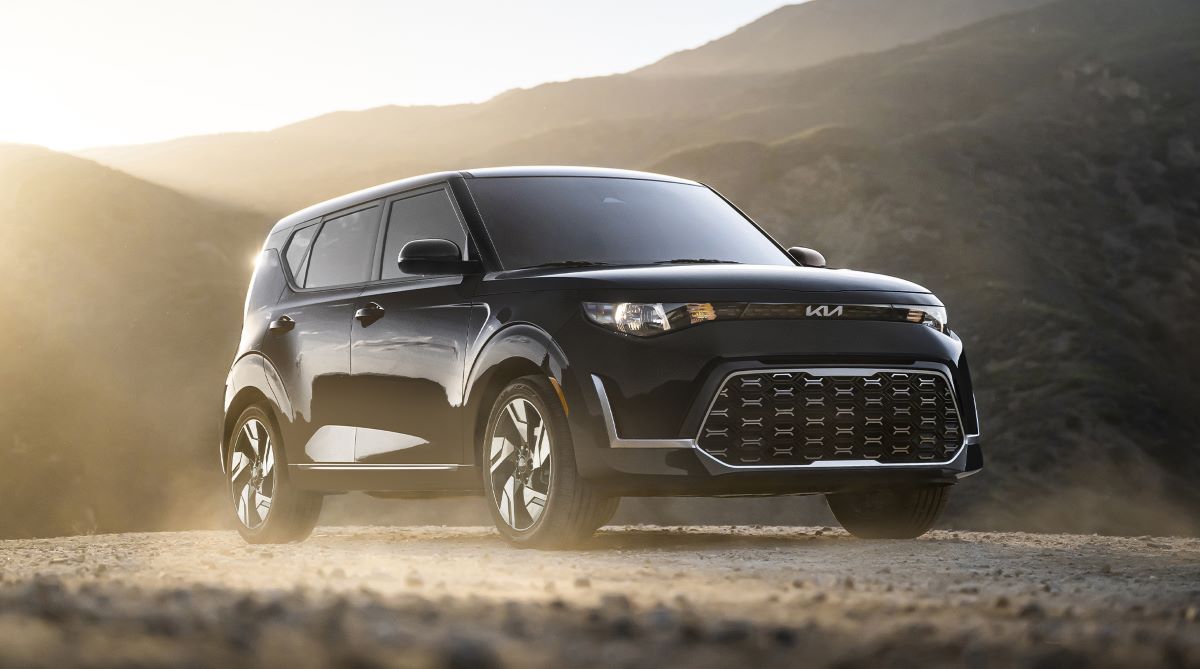
The tall roof and boxy design mean the cargo area is genuinely usable for upright items like plants, lamps, or stacked boxes that would require folding seats in more conventional vehicles.
The load floor is low and flat, making it easy to slide heavy items without excessive lifting. The rear seats fold completely flat, creating a surprising amount of versatile cargo space that handles everything from flat-pack furniture to camping gear.
The Soul’s affordable pricing means lower insurance costs and less financial stress if parking lot mishaps occur. The warranty coverage is excellent, providing peace of mind during the ownership period.
The straightforward controls and infotainment system mean less time learning technology and more time focusing on driving efficiently through your errand list.
5 Vehicles That Don’t Handle Frequent Errands Well
These frustratingly impractical vehicles suffer from awkward entry and limited cargo flexibility that transform routine errands into physical challenges, creating constant inconvenience as low seating positions require gymnastic contortions entering and exiting multiple times daily while cramped trunks force creative packing or multiple trips for basic shopping needs.
Their problematic design includes sports car-low seats and deep narrow trunks that cannot accommodate errand-running realities, leading to knee and back pain from repeatedly climbing out of low positions, inability to fit Costco purchases requiring trunk Tetris or leaving items behind, and thirsty engines making constant short trips financially painful through terrible cold-start fuel economy.
1. Chevrolet Corvette
The Chevrolet Corvette represents automotive excellence in performance, design, and driving thrills, but these same characteristics that make it exceptional on a winding road make it problematic for routine errands. The low-slung sports car design creates immediate challenges before you even leave the driveway.
The seating position is just inches off the ground, requiring passengers to essentially fall into the seats and then execute a climbing maneuver to extract themselves a process that becomes tiresome after the third or fourth stop of the day.
The cargo situation borders on comical for errand duty. The front trunk offers 12.6 cubic feet, while a rear storage area adds a bit more space, but accessing these areas requires opening separate compartments, and the openings are small and awkwardly shaped.
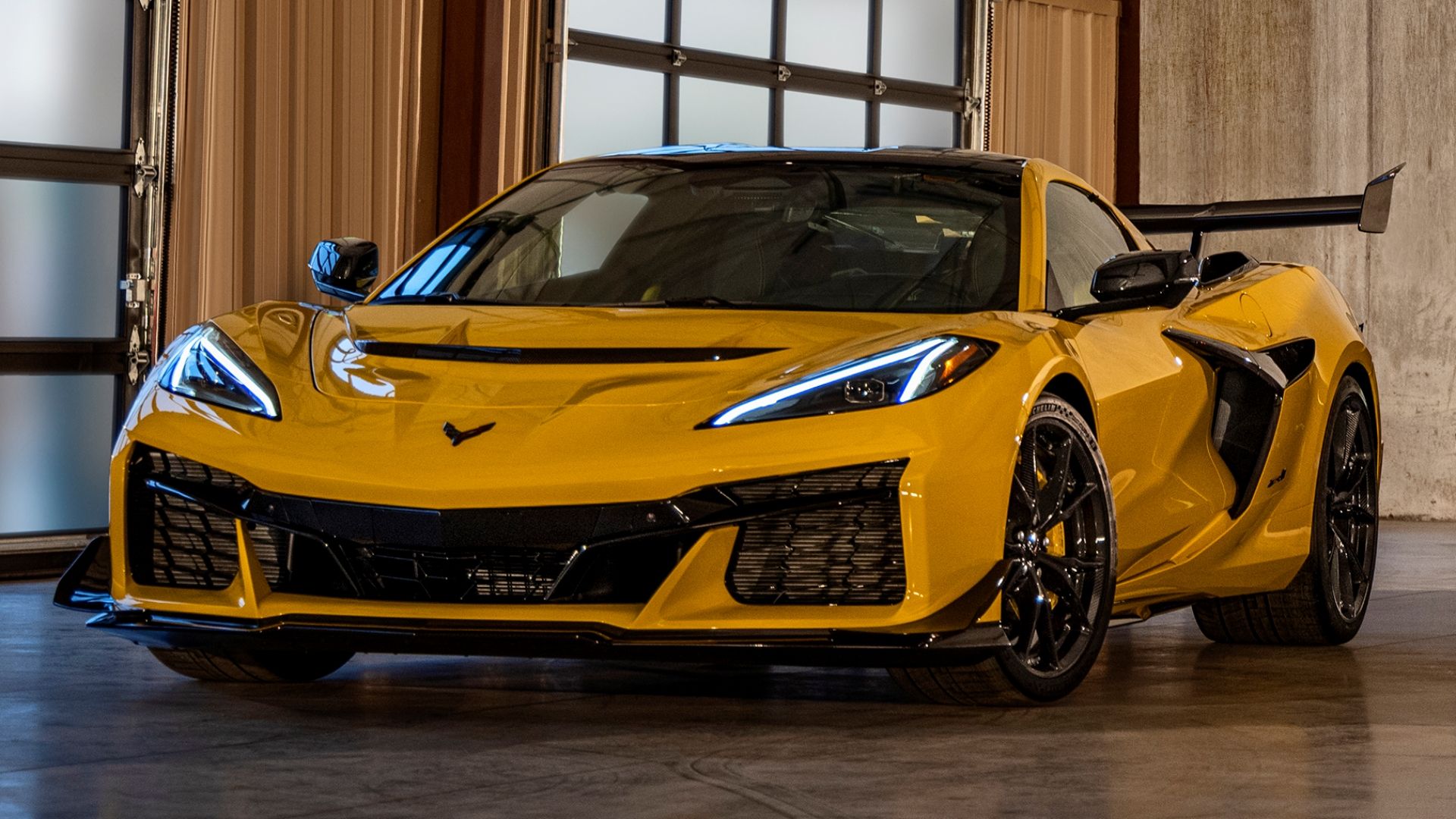
Loading a week’s worth of groceries becomes an elaborate packing puzzle, with cases of beverages, bulky items, and fragile goods competing for limited space.
The low ground clearance means that speed bumps common in shopping center parking lots must be approached with the caution typically reserved for off-road obstacles, often requiring diagonal approaches to avoid scraping the front splitter.
Climate control struggles with the large glass area and low roof, meaning the cabin heats quickly in summer and requires significant air conditioning just to reach comfortable temperatures for short trips.
The wind noise at highway speeds requires raising the stereo volume just to hear navigation directions. For the Corvette’s intended purpose providing driving excitement and performance it excels brilliantly, but asking it to handle daily errands is like hiring a Formula 1 driver to parallel park technically possible but fundamentally misaligned with capabilities.
2. Ford F-350 Super Duty
The Ford F-350 Super Duty represents maximum capability for towing, hauling, and commercial work, but this extreme capability creates significant handicaps for routine errand running.
The sheer size of this full-size heavy-duty truck makes going through the environments designed for standard vehicles challenging at best and impossible at worst.
At over 250 inches long with an 8-foot bed, the F-350 extends beyond standard parking spaces, often requiring you to take two spots or park at the far reaches of parking lots where oversized vehicle areas exist.
The height of the truck creates accessibility challenges for anyone without the mobility of a gymnast. Climbing into the cabin requires using running boards or grab handles, making quick in-and-out stops at the dry cleaners or pharmacy more laborious than necessary.
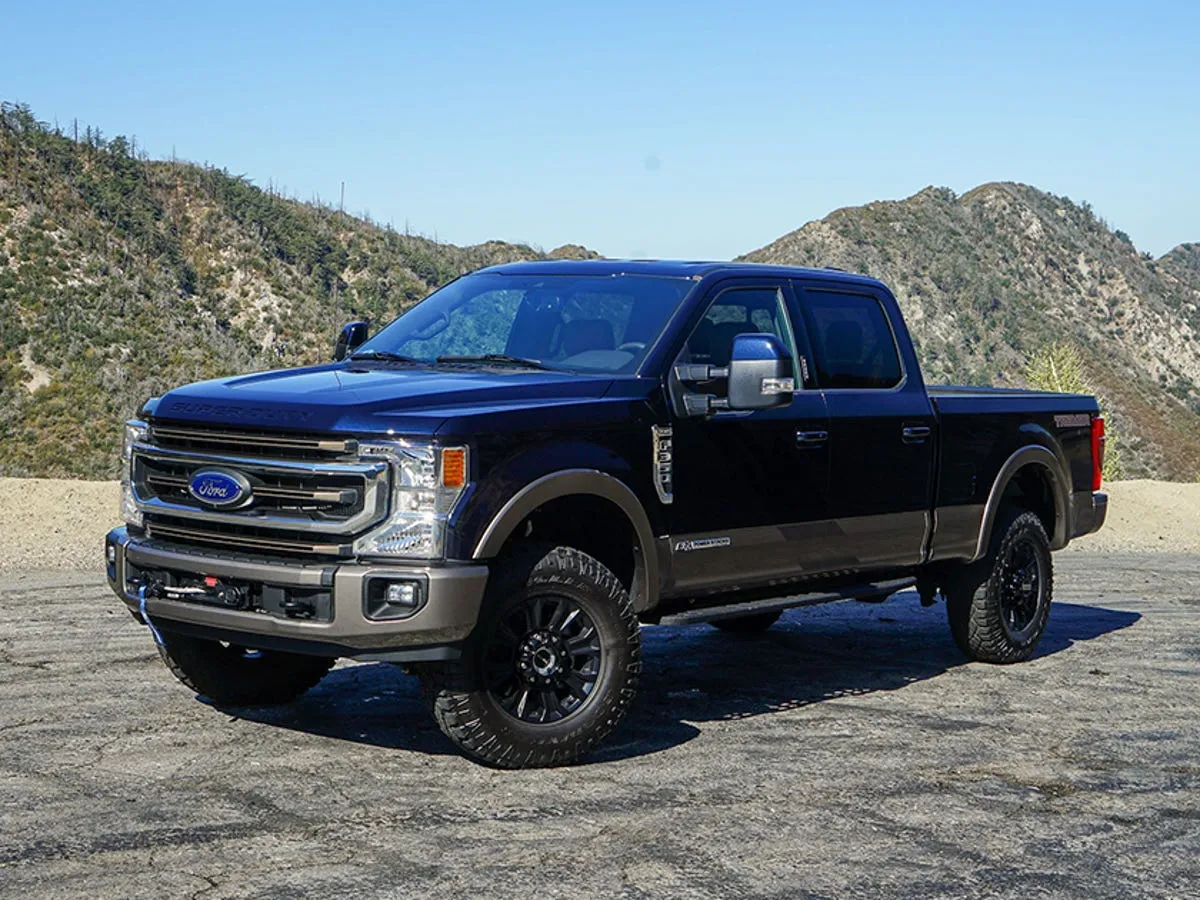
Loading groceries into the bed means either lifting bags over the tall bedsides or lowering the tailgate and climbing up neither option is convenient when you’re making multiple stops and handling bags repeatedly throughout the day.
The crew cab configuration does provide rear seats, but accessing them requires opening massive doors that swing wide, making parking lot navigation hazardous for adjacent vehicles.
The truck bed, while massive and useful for its intended purpose, becomes wasted space during errands. Groceries slide around the bed floor or require bed organizers to contain. Smaller items get lost in the vast expanse.
The ride quality, tuned for carrying heavy loads, feels harsh and bouncy when the truck is empty which is essentially always during errand running.
The specialized nature of the F-350 means it’s perfect for those who genuinely need its capabilities regularly, but using it exclusively for errands is like using a cargo ship to cross a river.
3.Ford F-350 Super Duty
The Tesla Model X attempts to blend SUV utility with cutting-edge technology and electric performance, but several design choices undermine its effectiveness as an errand vehicle.
The signature falcon-wing doors represent the most obvious complication. While visually dramatic and impressive at car shows, these upward-opening rear doors create practical problems in real-world parking situations.
They require significant overhead clearance to open fully, meaning low-ceiling parking structures common at shopping centers and downtown areas render the rear seats inaccessible.
Even in open-air lots, the doors’ complex sensors sometimes prevent opening when the system detects nearby obstacles, forcing you to reposition the vehicle.
The third-row seats, while adding passenger capacity, significantly reduce cargo space when in use, leaving minimal room for grocery bags or purchases.
Accessing the third row requires going through the second row, a process made more complicated when you’re trying to quickly load kids or help elderly passengers while other vehicles wait for your parking spot.
The low cargo floor of many competitors is absent, replaced by an underfloor area that reduces the usable height for tall items. The front trunk provides additional storage but remains too small for substantial grocery runs and requires a separate opening process.
The Model X’s price point creates additional stress during errands every parking lot becomes a potential for door dings or shopping cart collisions that will require expensive repairs.
The specialized nature of Tesla service means bodywork requires specific shops and potentially long wait times. The vehicle’s substantial size makes it less maneuverable than smaller crossovers, while the complicated door mechanisms add failure points that could malfunction mid-errand, leaving passengers trapped or exposed to weather.
4. Porsche 911
The Porsche 911 stands as an automotive icon, delivering precise handling, thrilling performance, and design refinement, but these same qualities that make it exceptional for spirited driving make it frustrating for mundane errands.
The rear-engine sports car configuration creates a front trunk (frunk) as the primary cargo area, offering approximately 4.6 cubic feet enough space for a small duffel bag or a few grocery bags carefully arranged.
Running a week’s worth of errands means making hard choices about what purchases are possible and what will require a second trip or alternative transportation.
The low seating position requires essentially sitting on the ground and then performing a climbing extraction when exiting a process that becomes tiresome by the third pharmacy or dry cleaner visit of the day.
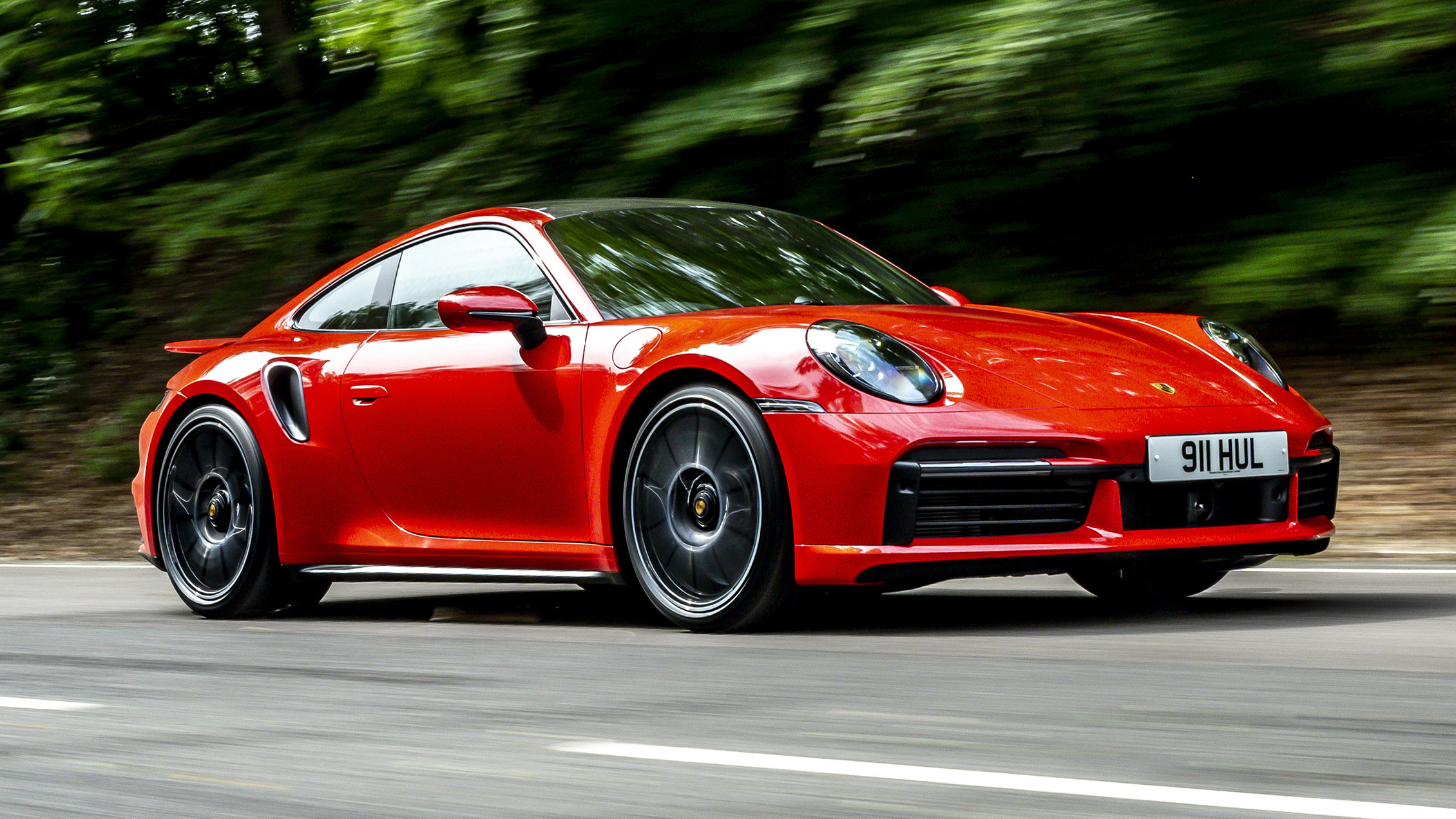
The small rear seats in models equipped with them (the 2+2 configuration) can theoretically accommodate passengers but realistically only fit small children or extremely patient adults willing to contort themselves.
These rear seats become de facto storage for items that don’t fit in the frunk, but accessing them requires folding the front seats forward, making quick retrieval of items at each stop impractical.
The 911’s value and attention-attracting design create parking anxiety do you risk door dings by parking normally, or do you walk extra distance by parking in remote areas? The lack of practical storage inside the cabin means shopping bags, dry cleaning, and purchases must be carefully managed to avoid sliding around the passenger cabin during driving.
The climate system, optimized for performance driving, struggles to quickly heat or cool the cabin during the brief intervals of short errand trips.
5. Mercedes-Benz G-Class
The Mercedes-Benz G-Class (G-Wagen) presents a fascinating paradox for errand running it offers substantial interior space and cargo capacity but wraps these practical elements in a package that creates numerous complications for routine tasks.
The upright, boxy design and significant ground clearance create entry and exit challenges, requiring passengers to step up into the cabin using running boards.
While manageable for able-bodied individuals, helping elderly parents or managing toddlers in car seats becomes more difficult than necessary, especially after the third or fourth stop.
The fuel economy is devastating for frequent errands, with city ratings around 13 mpg for the standard models. Making multiple stops across town burns fuel at a rate that makes the trip disproportionately expensive relative to the tasks accomplished.
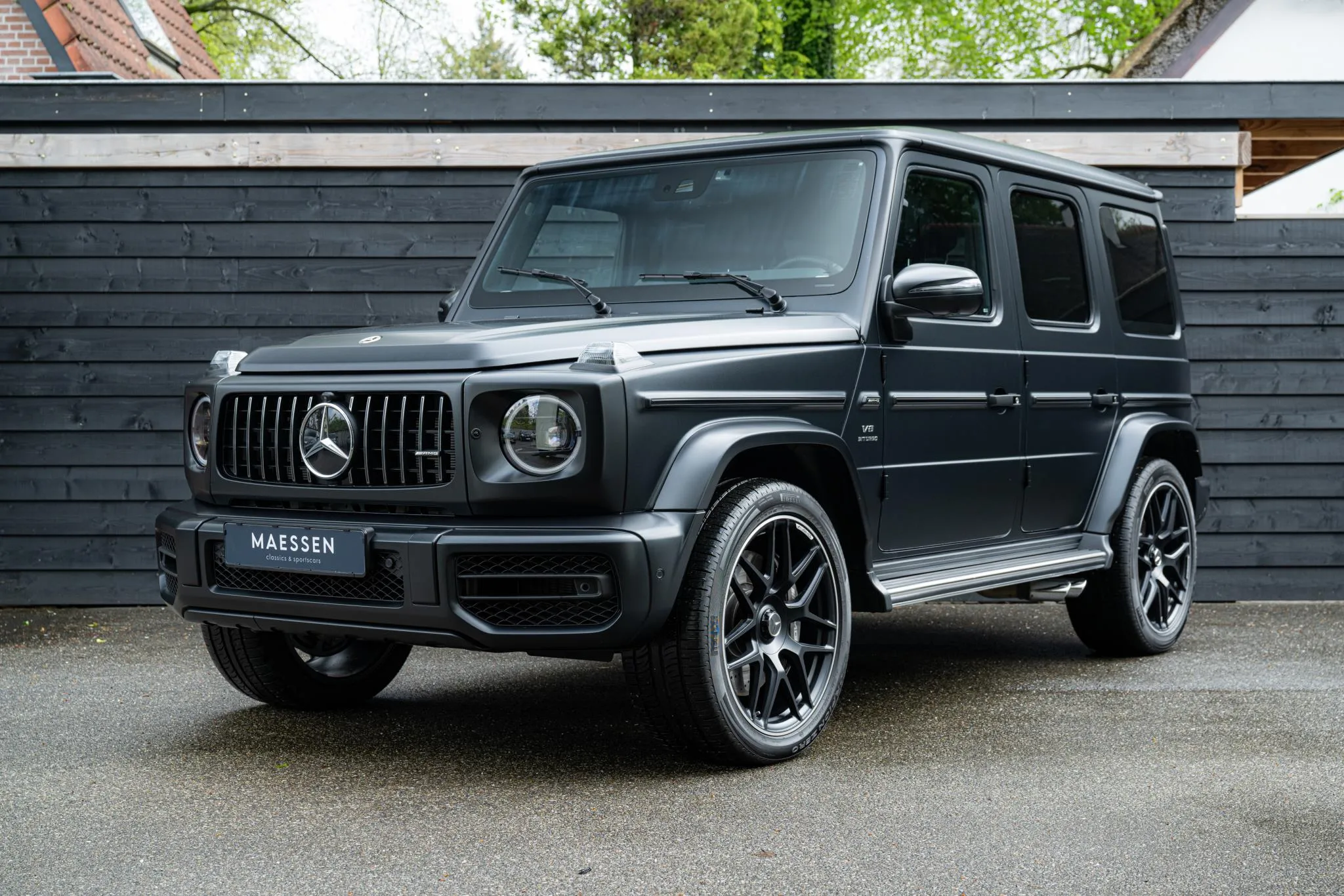
The luxury positioning means premium fuel requirements, further increasing the cost per mile of routine errand running. The massive weight and truck-based chassis meant for off-road durability create sluggish acceleration from stops and thirsty fuel consumption in city driving characterized by frequent stopping and starting.
The luxury nature of the G-Class creates practical complications for errands. The expensive interior materials mean you’ll think twice about loading muddy plants from the garden center or potentially messy items from the craft store.
The vehicle’s high profile and distinctive appearance attract attention in parking lots, increasing the risk of theft or vandalism while you’re inside stores.
The complex technology systems mean simple tasks like adjusting climate or finding functions require going through the multiple menu screens, diverting attention from going through the parking lots safely.
Also Read: 7 Cars That Don’t Reward Long-Term Ownership
