Choosing a car is rarely just about style or speed. It is often about how well a vehicle fits into the unpredictable patterns of life.
People experience changes such as moving to a bigger house, having children, changing careers, or taking on new hobbies, and a car that adapts well to these shifts can make life considerably easier.
Some cars offer versatile interiors, adjustable storage, and seating arrangements that transform to meet these new demands. They allow owners to carry larger loads, transport friends or family comfortably, and even handle new environments without stress.
At the same time, many vehicles are designed with a very specific purpose in mind. Sports cars, for example, excel at speed and handling but rarely provide the storage or seating capacity that a growing family might need.
Luxury sedans may prioritize comfort and technology but offer little flexibility for changing lifestyle demands.
When a life change occurs, such vehicles can feel restrictive, requiring the owner to compromise or even consider replacing the car entirely. Understanding which cars are adaptable and which are not can help buyers make decisions that save money, time, and hassle.
Adaptable cars often shine because of their balance between utility and comfort. They may feature fold-flat rear seats, modular cargo spaces, and advanced driver assistance systems that make long trips safer and more manageable. They are not just vehicles; they are partners in daily life.
Cars that cannot adapt, however, may struggle to serve multiple roles, making simple tasks like grocery runs or weekend trips cumbersome. Over time, this lack of flexibility can influence an owner’s satisfaction, making it important to think beyond aesthetics and horsepower.
Even technology plays a role in adaptability. Modern vehicles increasingly offer features like adjustable drive modes, customizable cabin layouts, and infotainment systems that can evolve with user needs. This technology ensures that as life changes, the car remains relevant and useful.
Conversely, older or more rigid models may lack these options, locking the owner into a fixed experience. Evaluating how a car responds to life’s unpredictable moments is as essential as evaluating its fuel efficiency or engine performance.
The following sections will present two contrasting lists: cars that easily adapt to life changes and those that do not. Each car will be discussed in terms of its strengths and limitations, focusing on real-world usability, interior flexibility, storage options, and overall lifestyle compatibility.
Understanding these differences can help anyone make an informed decision about the vehicle that fits their current life and the one that can grow with them over time. These insights are especially valuable for buyers who anticipate major shifts in their routines or household dynamics, allowing them to choose a car that complements rather than constrains their lifestyle.
5 Cars That Adapt to Life Changes
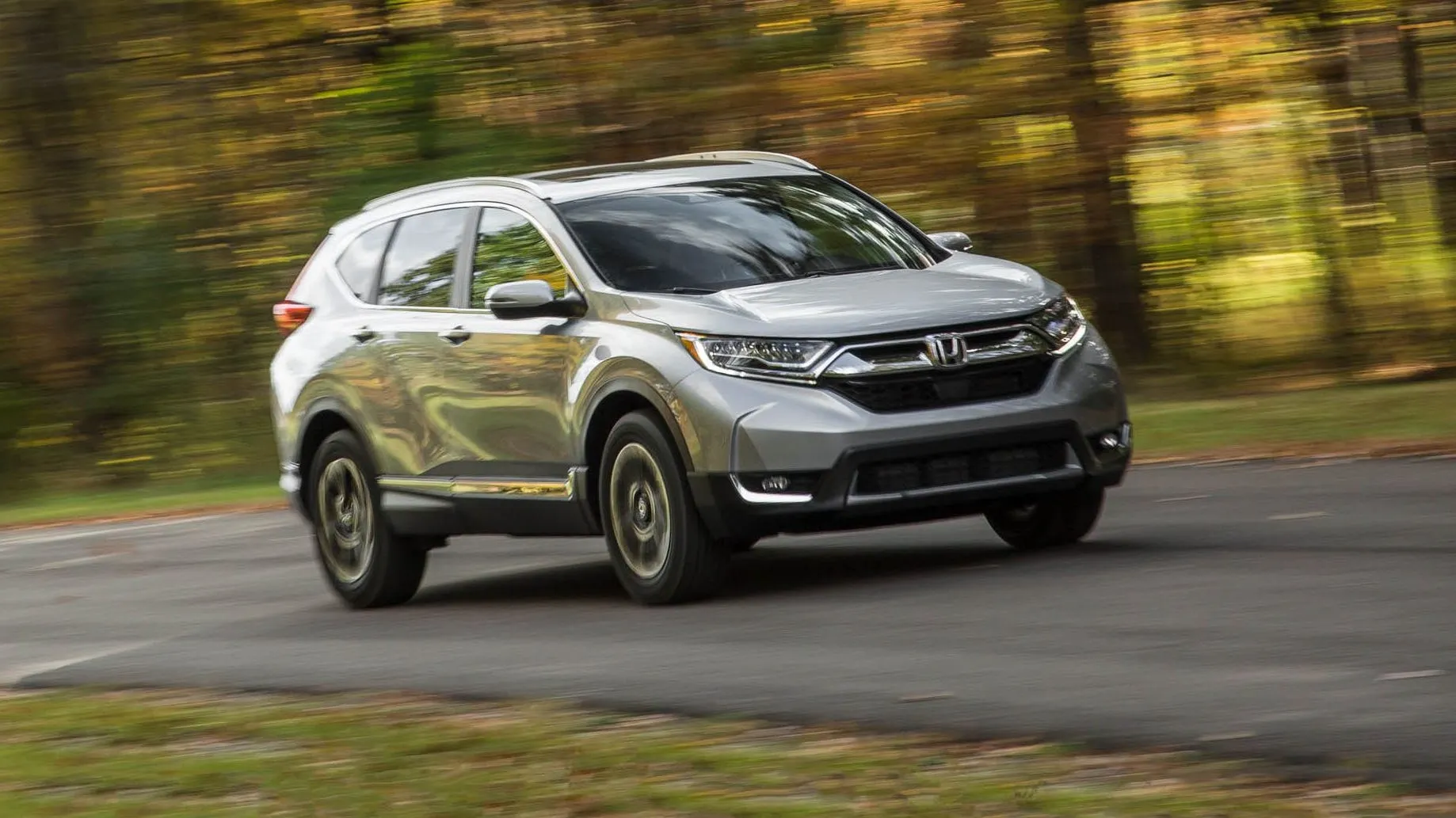
1. Honda CR-V
The Honda CR-V is a compact SUV known for its spacious interior and reliable performance. Its rear seats fold flat easily, creating a large cargo area suitable for moving furniture or sports equipment. The cabin is thoughtfully designed with multiple storage compartments and cup holders, making family trips more convenient. Its fuel efficiency and smooth ride add to its versatility for both city and highway driving.
Safety features are another strong point of the CR-V. It comes with advanced driver-assistance systems, including adaptive cruise control and collision mitigation, which are helpful for drivers at different life stages.
Parents appreciate the ease of installing child seats and the roomy back area for growing families. Weekend travelers benefit from the car’s consistent handling and ample luggage space. Its combination of practicality and comfort makes it suitable for long-term ownership.
The CR-V also adapts well to lifestyle hobbies. Whether you enjoy biking, camping, or kayaking, the roof rails and cargo capacity make transporting gear simple. The hybrid variant adds efficiency without sacrificing space, ensuring the car remains relevant even as fuel prices or environmental concerns change.
Its reputation for reliability reduces maintenance worries, which is crucial for busy households. Owners can rely on it for years without feeling limited by its design.
Technology in the CR-V supports adaptability. Infotainment systems with Apple CarPlay and Android Auto make commuting and entertainment easier, while multiple USB ports allow passengers to stay connected.
Adjustable climate control ensures comfort for everyone, from children to elderly family members. These features allow the car to serve as both a family transporter and a personal vehicle without major compromise.
Finally, the resale value of the CR-V is strong, reflecting its continued relevance across life stages. Buyers can feel confident that the car will accommodate new needs, whether that means a growing family, long-distance travel, or daily commuting.
Its combination of space, technology, safety, and efficiency keeps it practical as circumstances change. This makes the Honda CR-V a reliable choice for those seeking a car that grows with them.
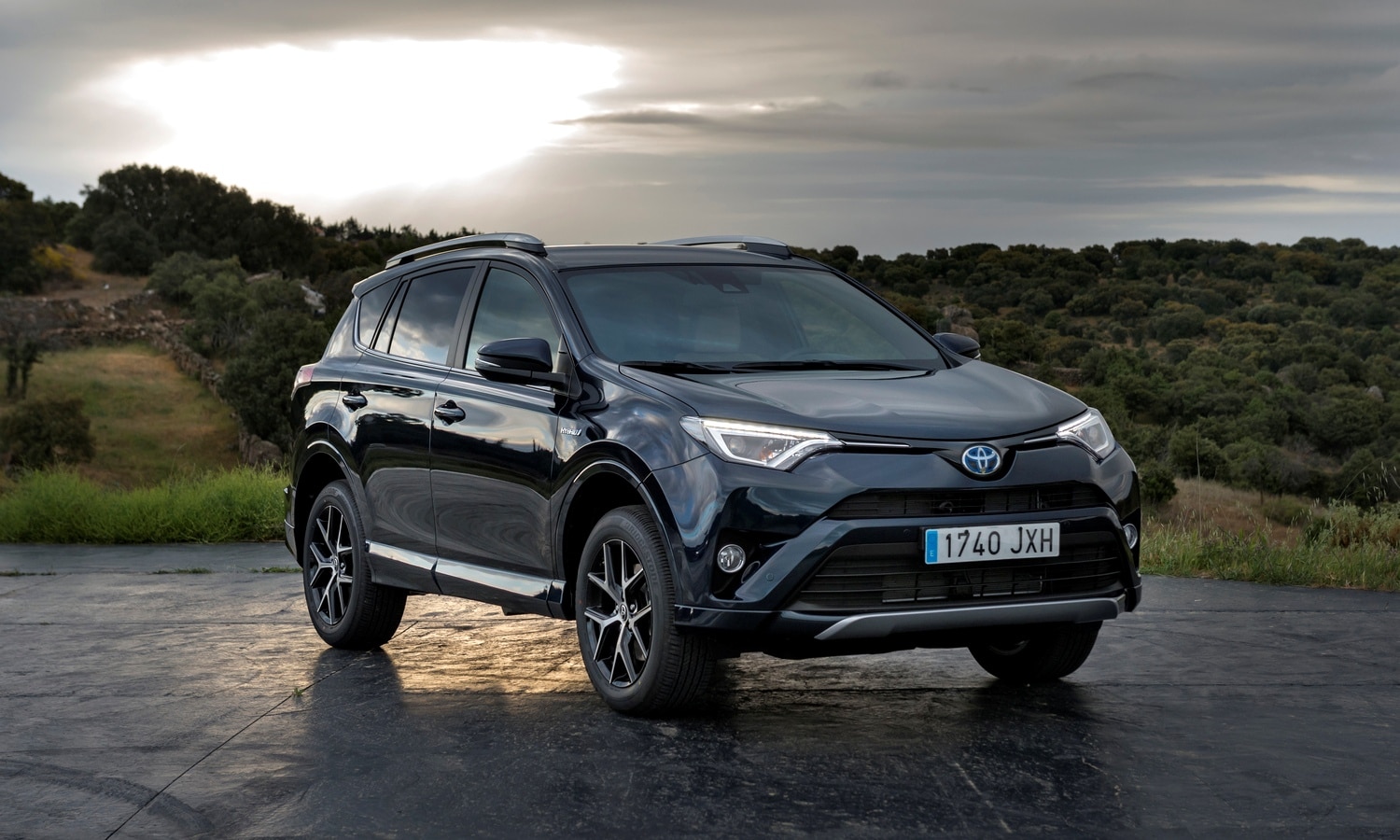
2. Toyota RAV4
The Toyota RAV4 is another compact SUV designed with flexibility in mind. Its interior can easily handle both passengers and cargo, allowing families to move without worrying about space limitations. Foldable rear seats create a flat surface that accommodates larger items. Drivers also benefit from a comfortable ride height and visibility, which adds confidence in urban and rural driving conditions.
The RAV4 offers hybrid and gasoline options, catering to different driving needs and fuel priorities. Its advanced safety package helps drivers of all experience levels feel secure. Parents and active individuals alike appreciate the ease of loading groceries, sports gear, or luggage. Versatility extends to the suspension, which provides smooth handling on various terrains, from city streets to weekend trails.
Technology is seamlessly integrated into the RAV4. The touchscreen interface is user-friendly, and the audio system ensures entertainment for long trips. Smart storage solutions, including hidden compartments and cup holders, make daily errands less cumbersome. Climate control is adjustable for multiple zones, keeping passengers comfortable regardless of the season.
The exterior design also supports adaptability. Roof rails allow for additional storage, while towing capacity enables small trailers or recreational equipment. Whether commuting or heading on vacation, the vehicle can meet different needs without requiring modification. Its reliability ensures consistent performance, a key factor for owners who anticipate long-term changes.
Lastly, the RAV4 holds its value well, making it a practical investment. Its combination of flexible interior, safety, and technology means that it can evolve alongside a driver’s lifestyle. Families, adventurers, and professionals alike find it capable of handling shifting requirements. The Toyota RAV4 demonstrates that an adaptable car does not sacrifice comfort or style for utility.
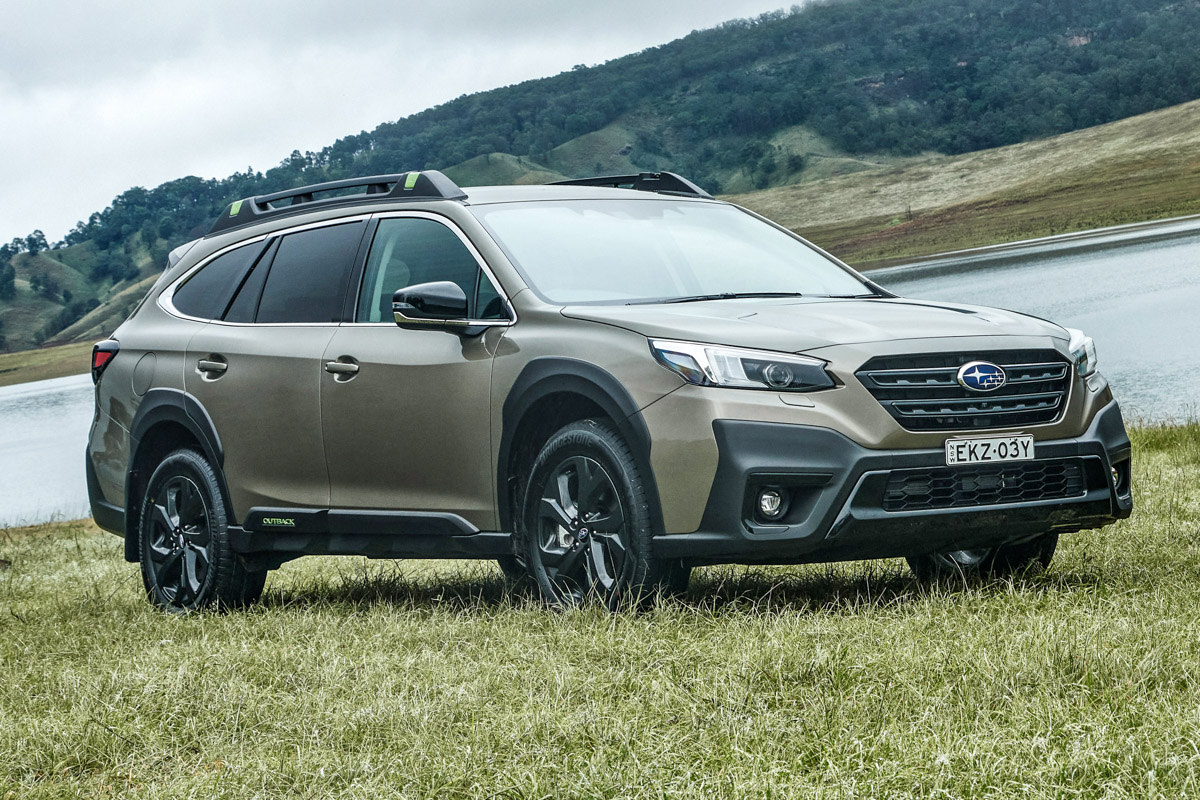
3. Subaru Outback
The Subaru Outback combines off-road capability with family-friendly practicality. Its higher ground clearance allows drivers to navigate rougher terrain while maintaining comfort for passengers. The cargo space is generous and can be expanded by folding the rear seats. Storage compartments throughout the cabin provide space for personal items, gadgets, and outdoor equipment.
Safety is a key feature in the Outback. Subaru’s EyeSight system includes adaptive cruise control, lane-keeping assist, and pre-collision braking, offering peace of mind for daily commuting and long trips. Families find it particularly valuable for protecting children and passengers during travel. The car’s all-wheel drive ensures consistent performance in adverse weather, making it suitable for a wide range of environments.
The Outback supports active lifestyles through practical features such as roof racks, cargo tie-downs, and easy access to the rear storage area. Weekend adventures, whether biking, skiing, or camping, are easier to manage thanks to the car’s capacity and versatility. Even with gear-heavy trips, interior comfort remains a priority, allowing passengers to travel long distances without fatigue.
Technology inside the Outback enhances adaptability. Infotainment systems, connectivity features, and multiple charging options allow for work or leisure activities on the go. Its cabin layout is user-friendly and can adjust to various seating and storage configurations. Drivers can also customize driving modes for different terrains, balancing performance and comfort.
Owners can trust it to perform consistently while accommodating evolving needs. Its balance of off-road capability, interior flexibility, and safety makes it an ideal choice for people who anticipate life changes such as family growth or relocation to new areas. The Subaru Outback exemplifies how a car can meet multiple demands simultaneously.
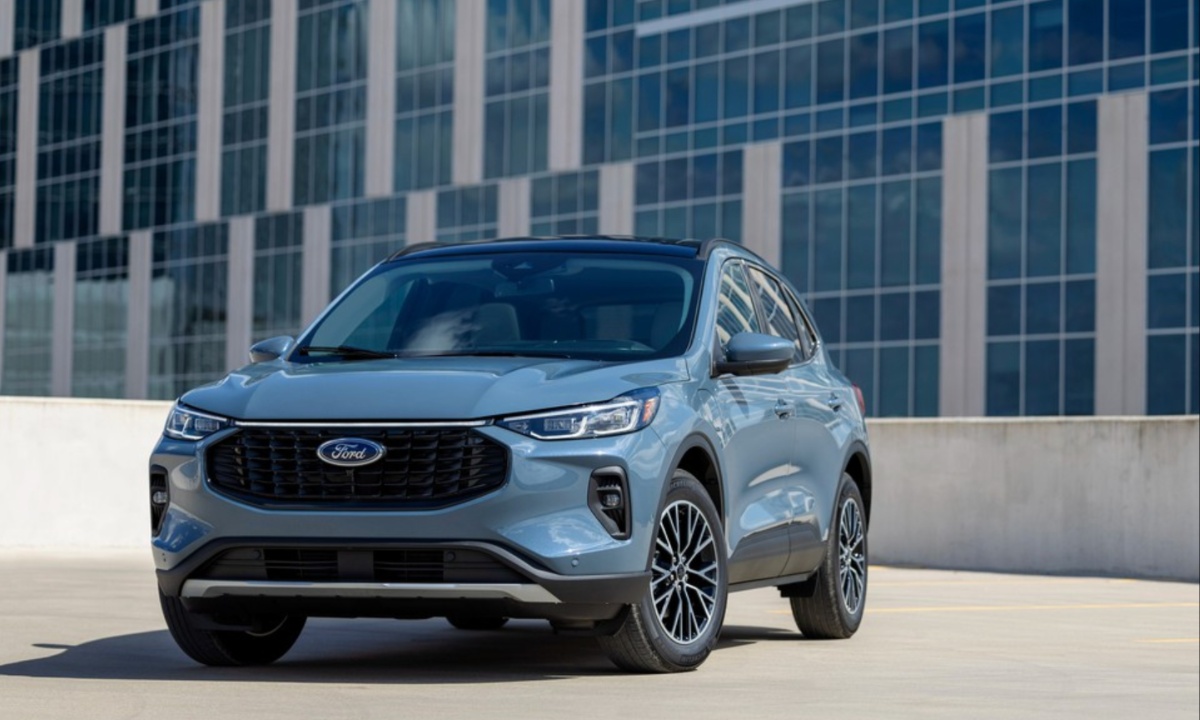
4. Ford Escape
The Ford Escape is a versatile compact SUV designed to meet the needs of shifting lifestyles. Rear seats fold down to create a spacious cargo area, allowing for the transportation of larger items. Its cabin is designed for comfort, featuring adjustable seating and numerous storage options. Passengers benefit from ample legroom and thoughtful ergonomics, making it suitable for both short trips and long journeys.
Safety features in the Escape include automatic emergency braking, blind-spot monitoring, and lane-keeping assistance. These systems enhance confidence for drivers facing varying traffic conditions. Families appreciate the simplicity of child seat installation and the spacious back area for passengers of all ages. Weekend errands and road trips are easier to manage with this SUV’s practical design.
The Escape also caters to active lifestyles. Roof rails, towing capabilities, and fold-flat seating make it convenient to carry bikes, camping gear, or larger recreational items. Its hybrid model provides additional fuel efficiency for longer trips, reducing the need for frequent stops. The vehicle can shift seamlessly from city driving to outdoor excursions.
Technology adds convenience and flexibility. The infotainment system supports navigation, entertainment, and communication. USB ports and wireless charging make it easy for passengers to stay connected. Drivers can customize drive modes to optimize fuel efficiency, performance, or comfort, allowing the car to adapt to various situations with ease.
Finally, the Ford Escape maintains value due to its reliability and practical design. Its interior space, adaptable seating, and user-friendly technology ensure that the vehicle remains useful as needs evolve. This SUV proves that practicality and style can coexist, providing a solution for drivers who require flexibility without sacrificing comfort or aesthetics.
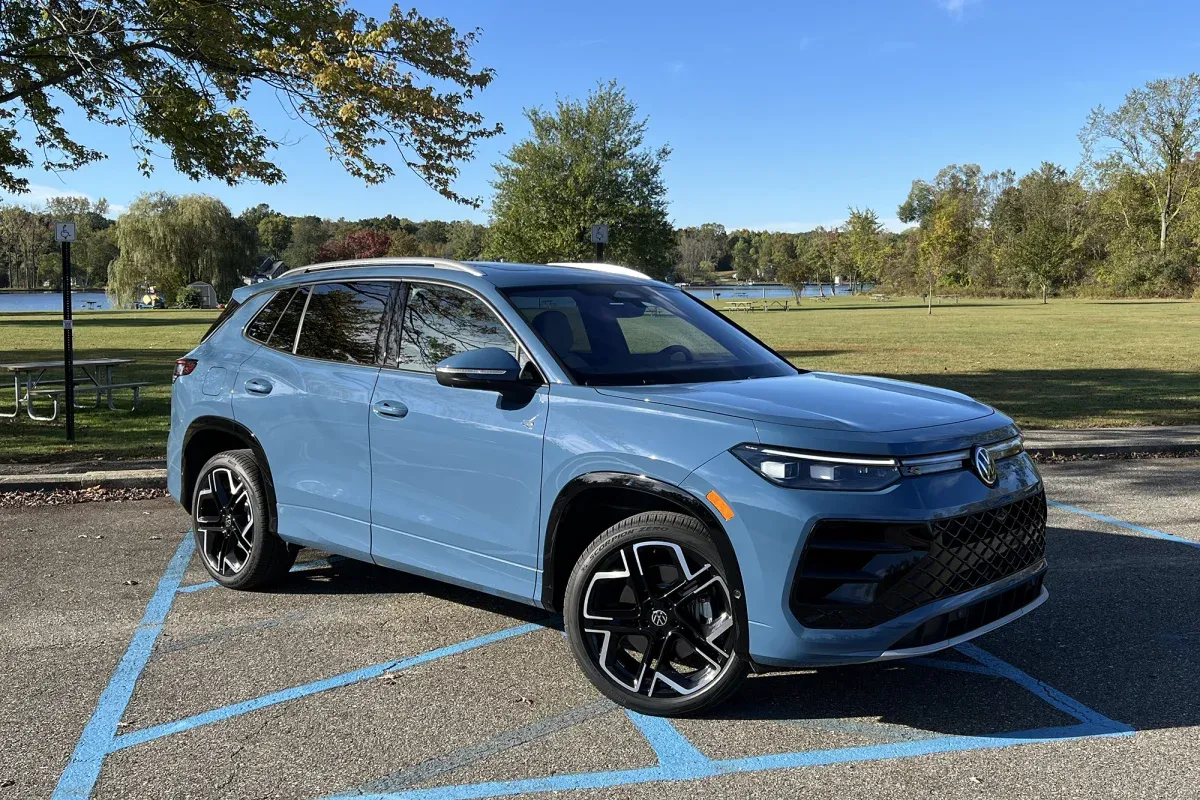
5. Volkswagen Tiguan
The Volkswagen Tiguan is a compact SUV that emphasizes versatility and comfort. Its interior can be reconfigured to balance passengers and cargo, with rear seats folding flat for larger loads. Cabin materials are high quality, and storage solutions are thoughtfully integrated. Legroom and headroom in both front and back seats make it a practical choice for families or frequent travelers.
Safety systems are comprehensive, including forward collision warning, autonomous emergency braking, and lane assist. These features enhance confidence and convenience for drivers at all experience levels. Families benefit from the spacious back area and ease of installing child seats. The Tiguan’s solid build and smooth handling provide a comfortable experience for everyday commuting.
Its cargo flexibility makes it suitable for diverse activities. Roof rails, optional towing, and easily accessible storage areas allow transportation of sports equipment, luggage, or shopping. Fold-flat rear seats and configurable storage compartments make the interior adaptable to changing needs. Even long trips with multiple passengers are handled comfortably.
Technology enhances usability. Infotainment options, connectivity, and driver-assistance features provide a modern experience that adapts to different lifestyles. Multiple charging points and a responsive navigation system make commuting, errands, and travel more convenient. Drivers can adjust climate control, seating, and storage to match evolving priorities.
Finally, the Tiguan holds value well and is known for reliability. Its combination of adaptable seating, cargo flexibility, and safety features ensures it remains practical over time. Buyers seeking a compact SUV that can meet new life demands without sacrificing comfort or performance will find the Tiguan a strong choice.
5 Cars That Don’t Adapt to Life Changes
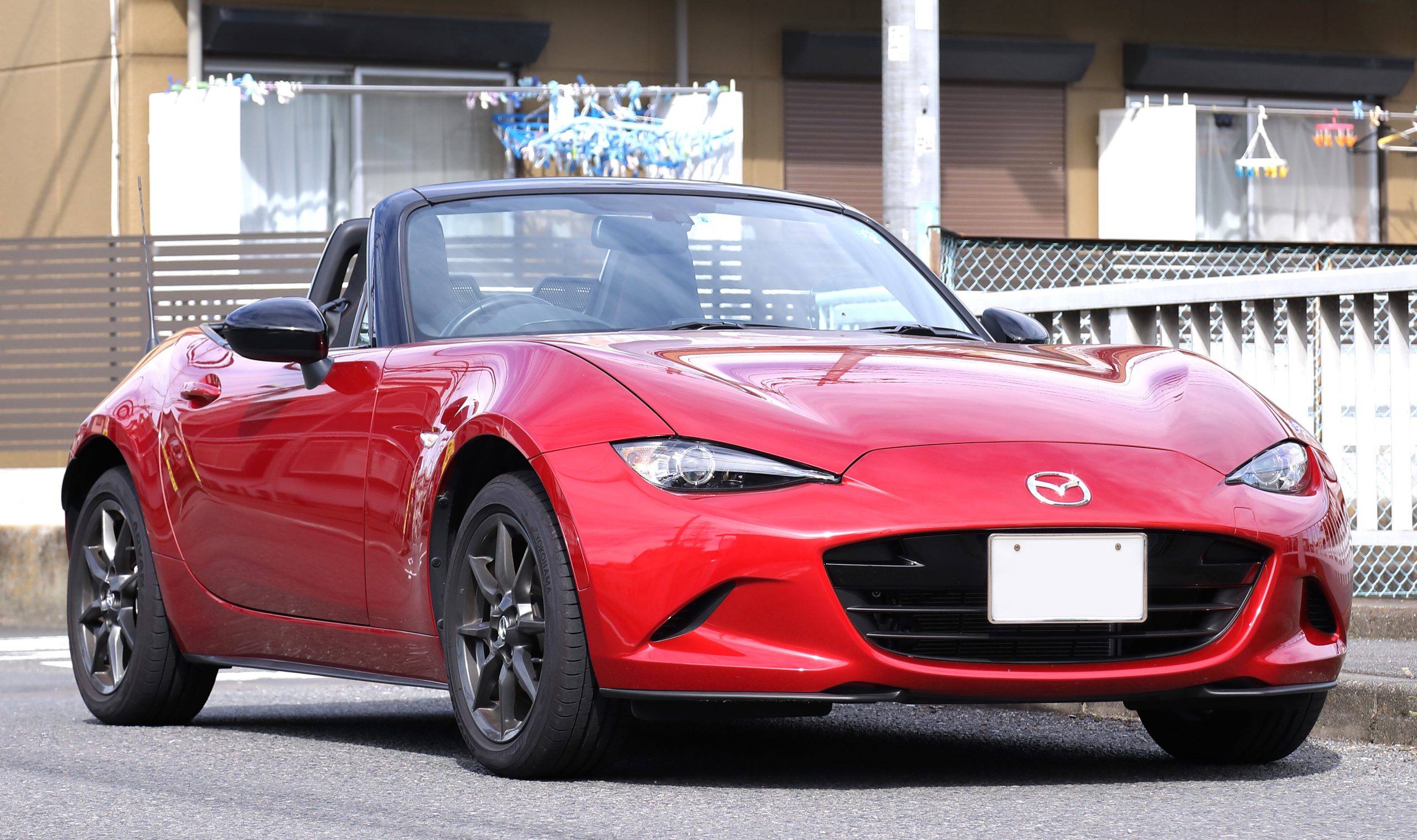
1. Mazda MX-5 Miata
The Mazda MX-5 Miata is a lightweight sports car built for driving enjoyment, not practicality. Its interior is compact, leaving little room for passengers or cargo beyond a small trunk. Families or individuals needing space for activities quickly feel limited by its design. Even small errands like grocery runs can require multiple trips due to the minimal storage.
Its low seating position can also make entry and exit challenging for older adults or taller passengers. The small cabin is designed for two occupants, which restricts flexibility for lifestyle changes. Child seats cannot fit, and long road trips with luggage for more than one person become impractical. The car prioritizes performance over versatility.
Technology is limited in comparison to modern SUVs. While infotainment is present, it lacks extensive storage options, passenger comfort features, or modular interior configurations. This makes the Miata less accommodating for drivers whose needs evolve beyond solo commuting or recreational drives. The interior space is fixed and cannot be adjusted to meet new requirements.
Fuel efficiency is decent, but the car’s small trunk and limited interior make it unsuitable for hauling equipment, luggage, or groceries. Even weekend trips with friends become a logistical challenge. Its small size, while nimble for city streets, restricts its usefulness for a changing lifestyle that may include family or hobby expansion.
Overall, the Mazda MX-5 Miata remains a fantastic driving machine but fails in adaptability. It serves a very narrow purpose, making it unsuitable for those anticipating life changes. Its fixed layout and minimal storage highlight the trade-off between performance and practicality, which can frustrate owners looking for versatility.
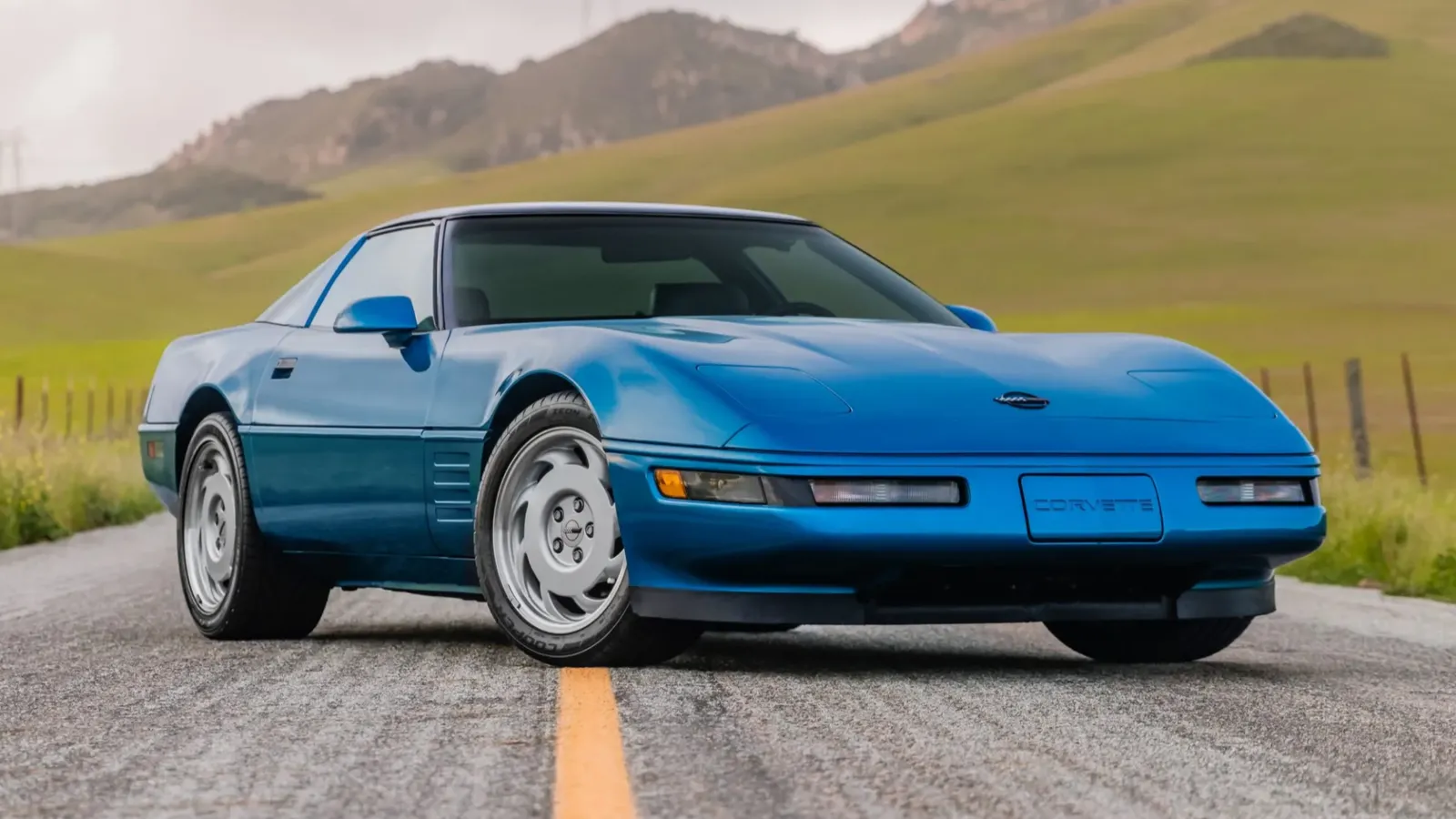
2. Chevrolet Corvette
The Chevrolet Corvette is a high-performance sports car with exceptional speed and handling. However, it sacrifices interior space and storage entirely for aerodynamic design and driving performance. Only two occupants can ride comfortably, and the trunk space is limited to small bags. Large grocery trips, family outings, or road trips with luggage are difficult to manage.
The low seating and minimal visibility also hinder daily usability. Entering and exiting the vehicle can be uncomfortable, especially for taller passengers or those with mobility limitations. Its rigid cabin layout does not allow for folding seats or reconfigurable space. Life changes that require additional cargo or passenger capacity cannot be accommodated.
Technology in the Corvette focuses on performance rather than convenience. While driver-focused displays and infotainment systems exist, the car lacks extensive storage solutions or modular interiors. Passenger comfort and cargo flexibility are not priorities, making it a poor choice for families or individuals with evolving needs.
The Corvette’s practicality suffers in real-world scenarios. Road trips with multiple people are almost impossible, and the car cannot transport bulky items. Its low ground clearance also makes it unsuitable for rough roads, further limiting adaptability. Owners must plan around the vehicle rather than having the car adapt to their lifestyle.
In short, the Chevrolet Corvette excels as a performance vehicle but fails as a flexible daily driver. It is designed for thrill-seekers rather than individuals anticipating major life changes. Its fixed layout, limited seating, and minimal cargo space make it a car that cannot grow with its owner.
3. Fiat 500
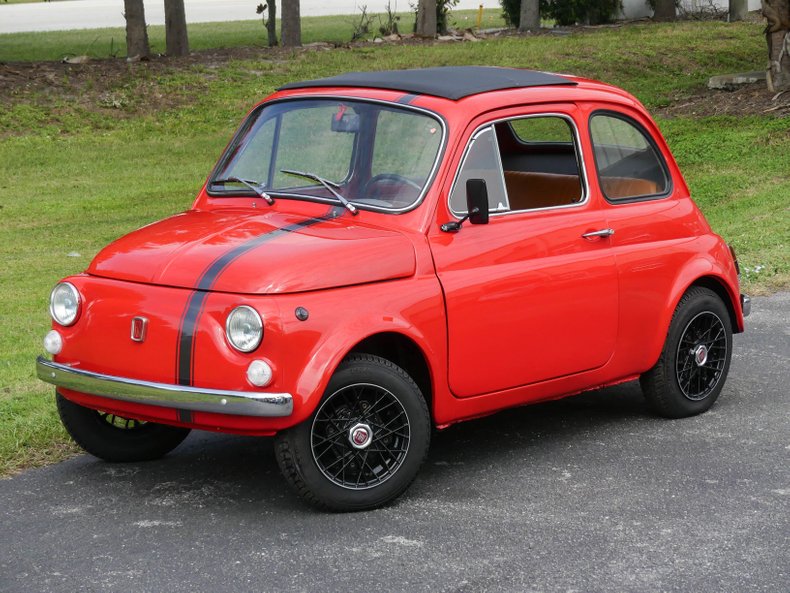
The Fiat 500 is a small city car that prioritizes compact size and maneuverability. Its interior is extremely limited, with minimal rear seating and tiny storage areas. While it is convenient for city parking, it cannot accommodate growing families or larger cargo needs. Weekend trips or grocery shopping often require extra planning due to lack of space.
The back seats are mostly suitable for small children or short trips. Adults find them cramped, and long-distance travel is uncomfortable. The limited cargo area cannot be expanded due to the fixed interior layout. This lack of adaptability makes the Fiat 500 unsuitable for owners whose needs evolve over time.
Technology and features focus on urban convenience rather than lifestyle flexibility. Infotainment options are limited, and storage solutions are minimal. There is no room for modular seating or cargo expansion. Once the vehicle is purchased, its utility remains fixed, offering little versatility for different scenarios.
Fuel efficiency is excellent, but that cannot compensate for the lack of space. Even hobbies requiring small amounts of gear can become inconvenient. Carrying luggage, sports equipment, or passengers beyond two people requires outside solutions like roof racks or trailers, which are not ideal for all users.
The Fiat 500 works well as a city commuter but struggles when life changes demand more from a vehicle. Its compact design and fixed layout demonstrate how prioritizing size over adaptability limits long-term usability. Owners who experience family growth or lifestyle shifts may quickly outgrow this car.
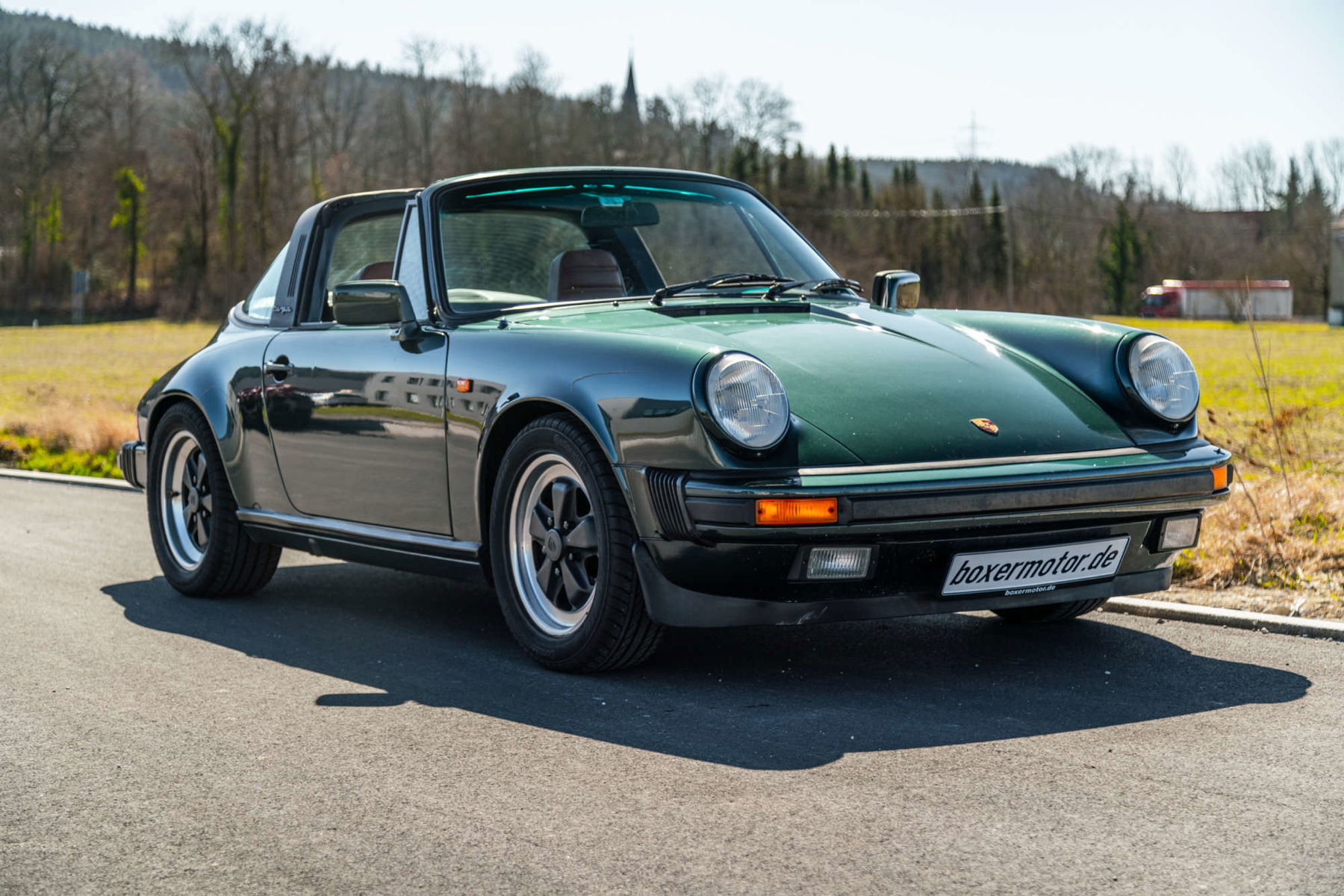
4. Porsche 911
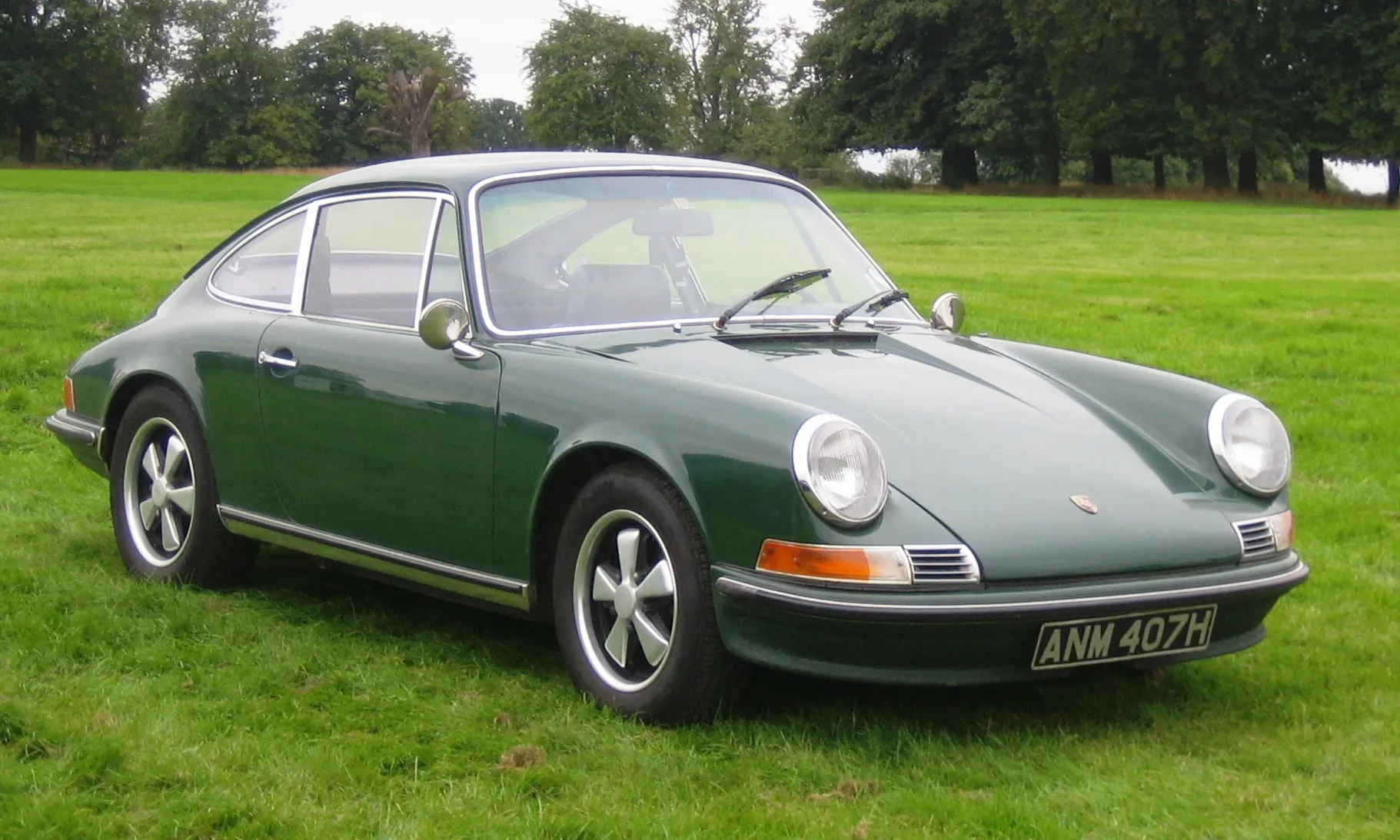
The Porsche 911 is an iconic sports car with superb engineering and performance. However, it is designed almost exclusively for driving pleasure. The cabin space is tight, accommodating only two passengers comfortably. The small rear seats are almost unusable for adults, and cargo space is minimal. Life changes that require versatility cannot be easily managed.
Its low ground clearance makes entering and exiting the car a challenge, especially for older passengers. The interior is designed for a fixed experience, with no folding seats or modular options. Family needs, extra passengers, or bulky cargo cannot be accommodated without major inconvenience.
Technology emphasizes driving performance rather than practicality. Infotainment and comfort features exist but cannot compensate for limited storage or seating. The fixed interior layout restricts flexibility, meaning that the car cannot adapt to evolving lifestyles such as parenthood or hobbies requiring extra space.
Even day-to-day activities like shopping or trips with luggage are cumbersome. The Porsche 911 prioritizes speed and handling, leaving no room for modularity or cargo expansion. Its focus on performance means that practicality is sacrificed entirely.
In essence, the Porsche 911 remains a dream for enthusiasts but a poor choice for those seeking a car that can evolve with life. Its limitations in space, seating, and adaptability make it unsuitable for changing circumstances. Owners must accept the constraints that come with its performance-focused design.
5. Smart Fortwo
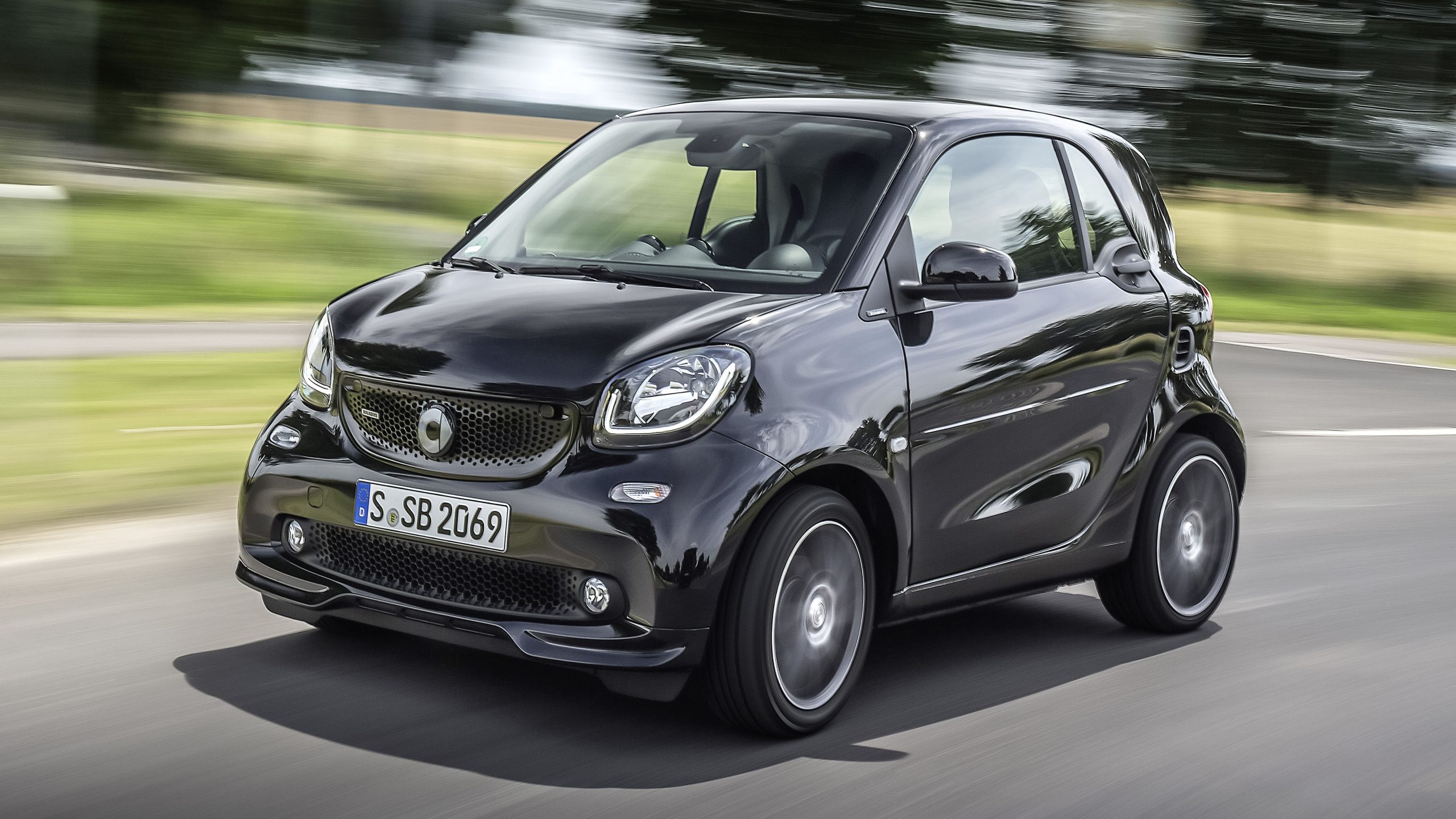
The Smart Fortwo is a tiny city car designed to fit into tight urban environments. Its interior is extremely limited, offering seating for only two people and almost no cargo space. While convenient for short trips and crowded streets, it cannot handle growing families, additional passengers, or significant luggage. Life changes quickly reveal its limitations.
Its small dimensions make long-distance travel uncomfortable, and the vehicle lacks flexible seating or cargo options. Adults in the passenger seat may feel cramped, and the fixed interior layout prevents any adaptation. It is a vehicle suited for a specific urban lifestyle rather than evolving needs.
Technology focuses on urban convenience, such as parking assistance or fuel efficiency, rather than modularity or storage. Infotainment options are basic, and there is no ability to expand the cabin for additional cargo. The car’s usefulness remains confined to short city drives.
Even hobbies requiring transport of gear, like biking or camping, become difficult to manage. Roof racks are limited, and the small trunk cannot handle bulkier items. Owners quickly face constraints if their lifestyle shifts beyond city commuting.
The Smart Fortwo exemplifies a car with minimal adaptability. Its compact design and fixed seating make it ideal for short, efficient trips but unsuitable for long-term flexibility. Life changes such as family growth or hobbies requiring space are difficult to accommodate, limiting its practical value.