When it comes to small cars, stability at low speeds is often an overlooked yet crucial factor in driving comfort and safety. Many drivers assume that smaller vehicles, due to their light weight and compact size, are inherently nimble, but this is not always the case.
Some small cars manage to feel planted and controlled even when moving slowly, while others can feel jittery, floaty, or unpredictable, creating tension for the driver. Low-speed stability affects everything from city commuting to parking maneuvers and tight turns. A car that feels steady at slow speeds allows the driver to maintain confidence and precision, reducing stress during daily driving routines.
The engineering behind stability is complex and includes suspension design, tire choice, wheelbase length, steering feel, and weight distribution. Cars with well-tuned suspensions can absorb minor road imperfections without making the driver feel every bump.
Similarly, a responsive steering system with appropriate resistance can make a vehicle feel controlled, even at very slow speeds. On the other hand, a car with loose steering or overly soft suspension can feel unpredictable, which may lead to overcorrection or hesitation, especially for new drivers.
Another factor contributing to stability is the car’s center of gravity and balance. A well-balanced small car can navigate corners and tight spaces without excessive body roll, making it easier for the driver to control the vehicle at low speeds.
Cars with higher centers of gravity, uneven weight distribution, or overly stiff suspensions can make slow driving unnerving. Road feedback and tire grip also play a role, as tires that struggle to maintain contact with the pavement can worsen the feeling of instability.
Safety also ties directly into low-speed stability. Drivers who feel confident in their vehicle’s behavior are less likely to make abrupt maneuvers that could lead to minor collisions.
For city dwellers or those in congested areas, stability at slow speeds is particularly important. A small car that wobbles or reacts unpredictably to steering inputs can increase stress, reduce confidence, and make daily trips less enjoyable.
In this article, we will identify five small cars that are widely known for feeling stable at low speeds, providing drivers with a confident and composed experience. We will also highlight five small cars that do not perform as well in this area, often leaving drivers feeling unsettled and cautious.
By examining these vehicles, readers can make better-informed choices based on their driving preferences and needs, rather than relying solely on size or fuel efficiency as a measure of comfort.
5 Small Cars That Feel Stable at Low Speeds
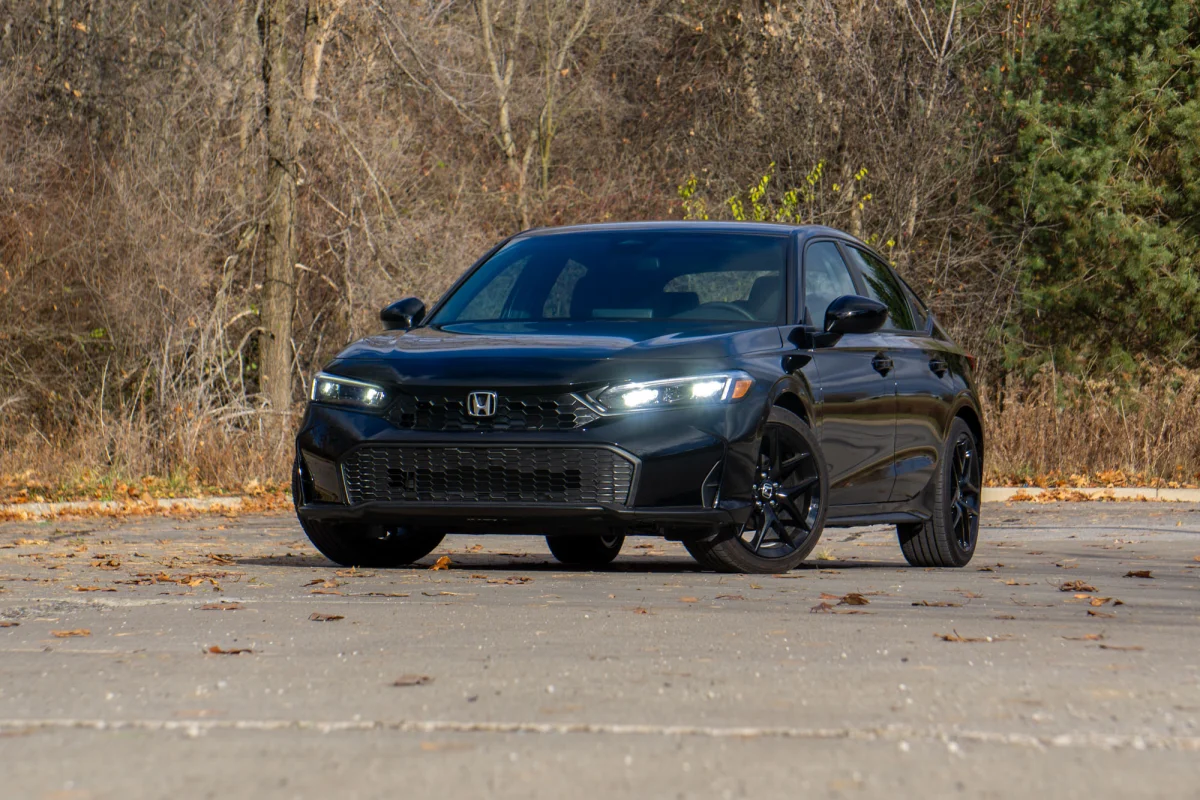
1. Honda Civic
The Honda Civic has long been praised for its smooth driving experience, and its stability at low speeds is no exception. The suspension is tuned to absorb bumps without feeling soft or floaty. Steering is precise, providing a sense of control in tight city streets. Drivers often report confidence when maneuvering in parking lots or through slow-moving traffic.
Its relatively long wheelbase compared to other small cars contributes to a planted feel, reducing sudden shifts in balance during turns. The tires maintain good grip, even on uneven surfaces. The chassis design minimizes body roll, allowing drivers to maintain composure in cornering at low speeds. Braking response is predictable, enhancing safety during stop-and-go driving.
Inside the Civic, the driver’s position and visibility also add to the sense of stability. Being able to see the edges of the car clearly improves judgment when navigating confined spaces. Controls are intuitive and responsive, supporting precise adjustments without overcorrection. This combination of mechanical tuning and ergonomic design creates a strong feeling of control.
Honda engineers also focus on minimizing vibrations and harsh feedback, which contributes to a smooth, steady ride. Drivers feel connected to the road without being jarred by minor imperfections. Even in challenging low-speed situations like tight U-turns, the Civic handles predictably. The car encourages calm, confident driving habits.
Finally, the Civic’s reliability extends to long-term handling performance. Components like suspension bushings and steering mechanisms maintain their effectiveness over years of use. This consistency ensures that low-speed stability does not deteriorate quickly, making it a dependable choice for city and suburban driving.
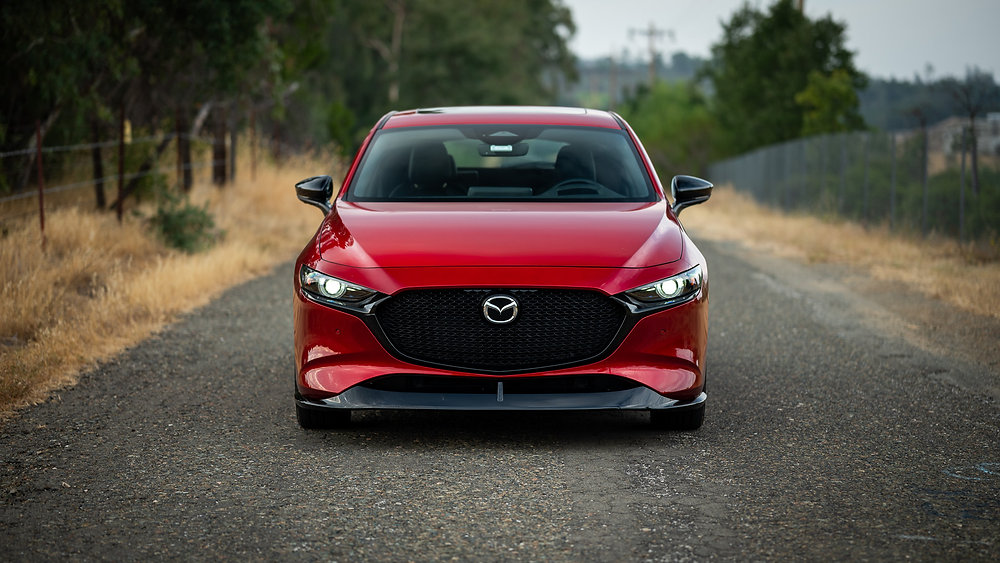
2. Mazda3
The Mazda3 offers a combination of responsive steering and a balanced chassis, creating stability at low speeds. Its suspension strikes a balance between comfort and control. Even in tight traffic, the car feels composed and predictable. Drivers can execute slow maneuvers with confidence, knowing the car will respond as expected.
The tires and wheel alignment enhance the planted feeling, reducing unwanted sway. The steering feedback is firm yet manageable, helping drivers maintain precise control. Mazda3 drivers often note how the vehicle feels larger than it is due to this stability. It translates into a calmer experience during frequent city stops.
Additionally, the Mazda3’s braking system is progressive, offering smooth deceleration at low speeds. This predictability reduces abrupt jolts and allows gradual stops without sacrificing control. Suspension geometry minimizes body lean, which is noticeable in smaller vehicles with less mass.
Interior design and seating position add to the sense of stability. The driver sits comfortably with clear sightlines, allowing easy navigation in crowded spaces. Controls are within reach and responsive, supporting small adjustments without oversteering. This contributes to a controlled, effortless driving experience.
Mazda3 models are also known for consistent handling over time. Components such as bushings, struts, and tires retain effectiveness even after years of use. Drivers can rely on the car to continue feeling stable during daily commutes and occasional long drives.
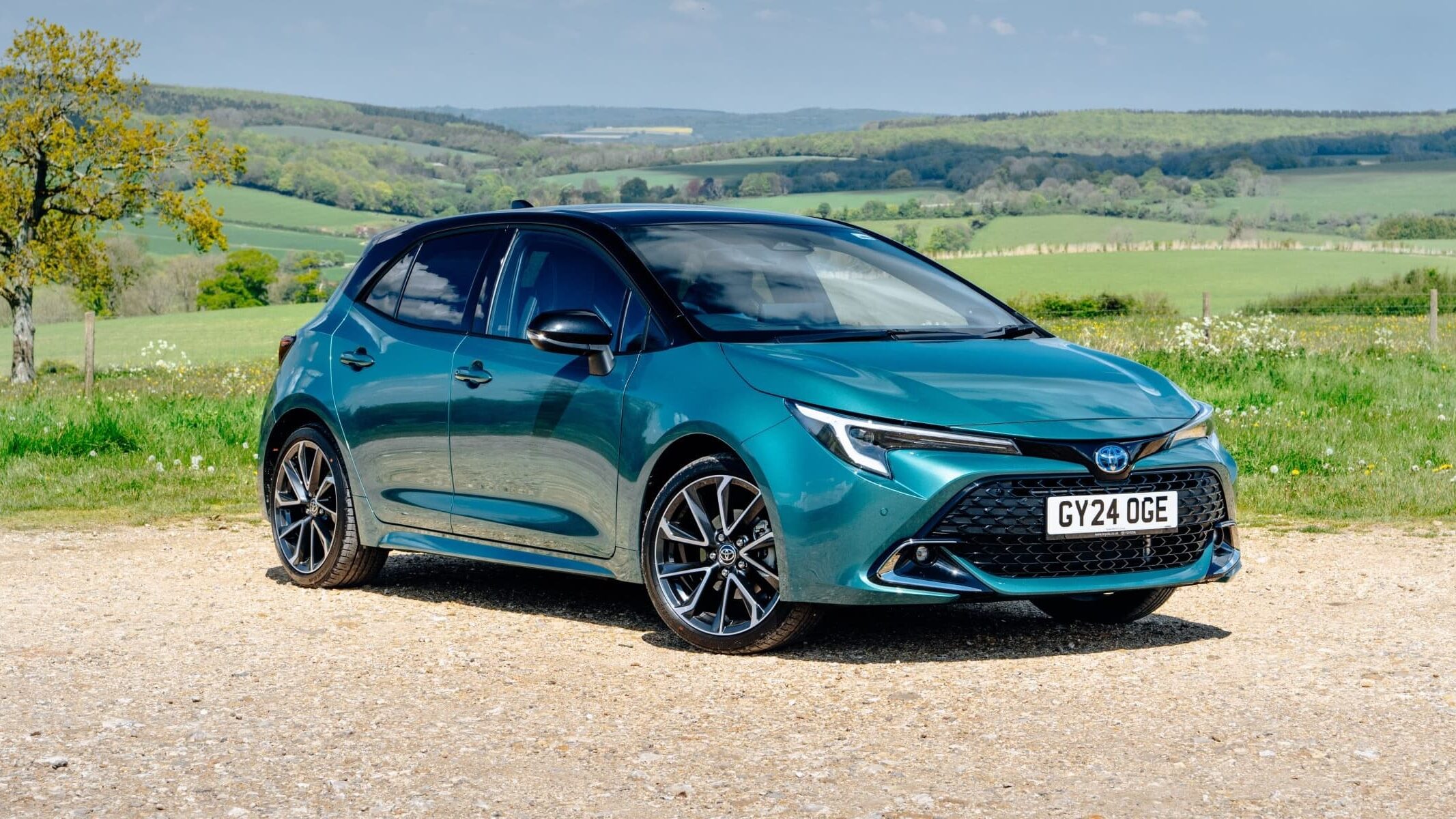
3. Toyota Corolla
The Toyota Corolla has built a reputation for predictability and stability, particularly at low speeds. Its suspension absorbs minor road imperfections, creating a smooth, grounded feel. Steering is responsive and light enough for city driving while maintaining composure. The Corolla’s low-speed handling is often described as confident and secure.
Wheelbase and weight distribution help the Corolla feel balanced, reducing excessive lean during tight turns. The tires offer solid grip, minimizing skidding or sliding on smooth or uneven surfaces. This balance provides drivers with a sense of assurance in stop-and-go traffic.
The braking system complements low-speed stability by providing progressive and reliable stopping power. Drivers can modulate the brakes without experiencing sudden jerks. This makes navigating crowded streets or parallel parking much easier. Steering response works in tandem with suspension and braking to produce predictable handling.
Interior ergonomics also contribute to confidence. A clear dashboard, optimal seating height, and good forward visibility allow drivers to gauge distances accurately. Controls are intuitive, which helps prevent overcorrection during slow maneuvers. These design choices enhance the sense of being in command.
Finally, the Corolla maintains its handling characteristics over time. Durable suspension and steering components ensure stability does not degrade rapidly. Owners can expect reliable low-speed performance year after year, making it a practical choice for daily commuting and urban driving.
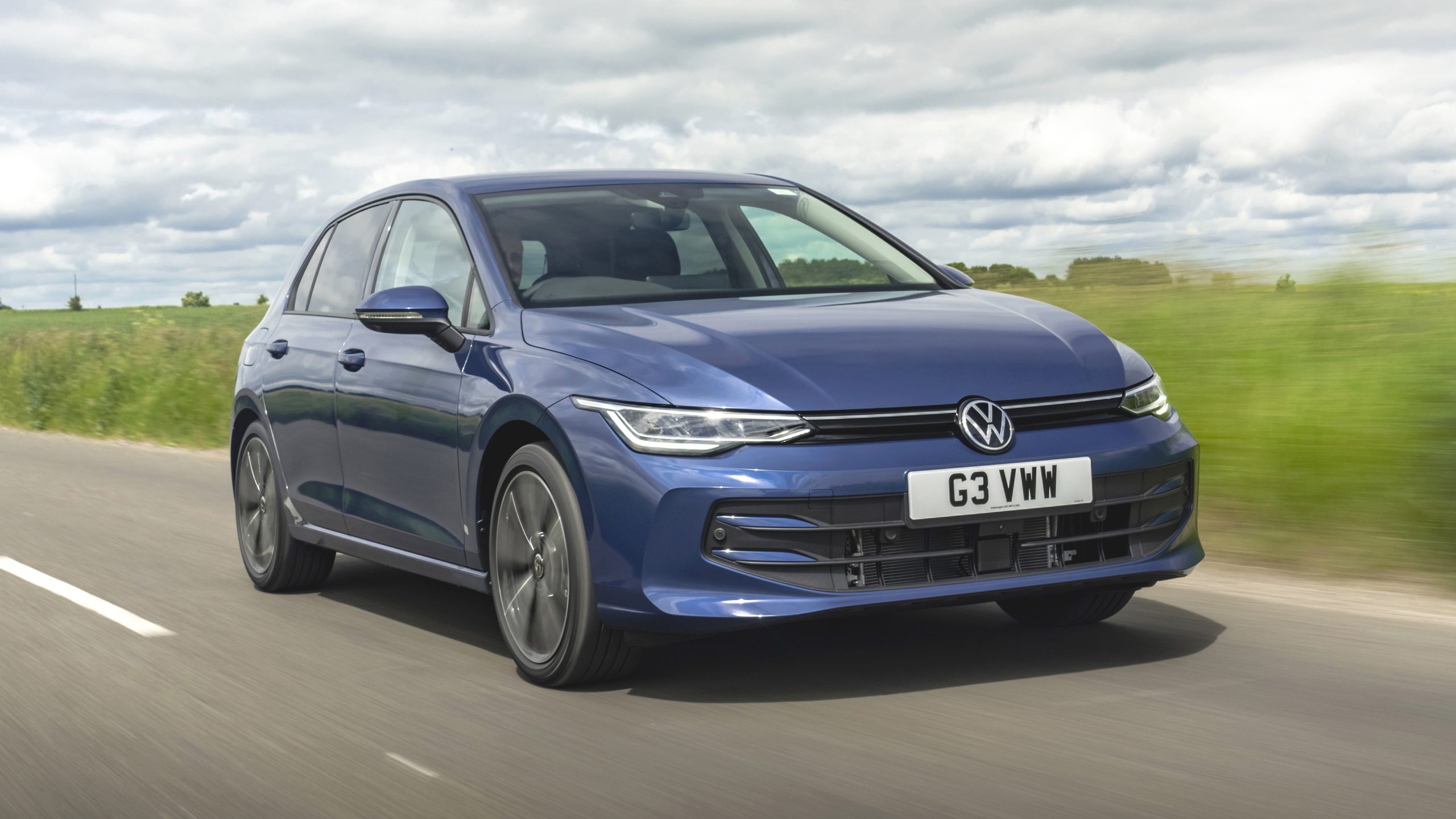
4. Volkswagen Golf
The Volkswagen Golf combines precise steering with well-engineered suspension, resulting in stable low-speed performance. Its compact size does not compromise control, making the car predictable in tight spaces. Drivers experience minimal body movement, even when navigating slow curves or parking.
The suspension setup maintains composure over bumps, while steering provides clear feedback without being heavy. The balance between front and rear weight distribution contributes to the planted feel. Tires and alignment work together to reduce unwanted sway or understeer at low speeds.
Braking is smooth and progressive, supporting confidence during stop-and-go situations. The combination of steering, braking, and suspension ensures the driver can make small adjustments without fear of overcorrection. Even novice drivers often find the Golf easy to control in city environments.
Visibility and ergonomics reinforce the sense of control. The driver can judge distances effectively, while intuitive controls allow precise maneuvers. Seats and driving posture support consistent feedback, which helps reduce fatigue during repeated low-speed stops.
Long-term durability of steering and suspension components maintains the Golf’s low-speed stability. Even after extended use, drivers continue to enjoy a steady, predictable driving experience. This makes it an appealing option for small car buyers prioritizing calm, confident handling.
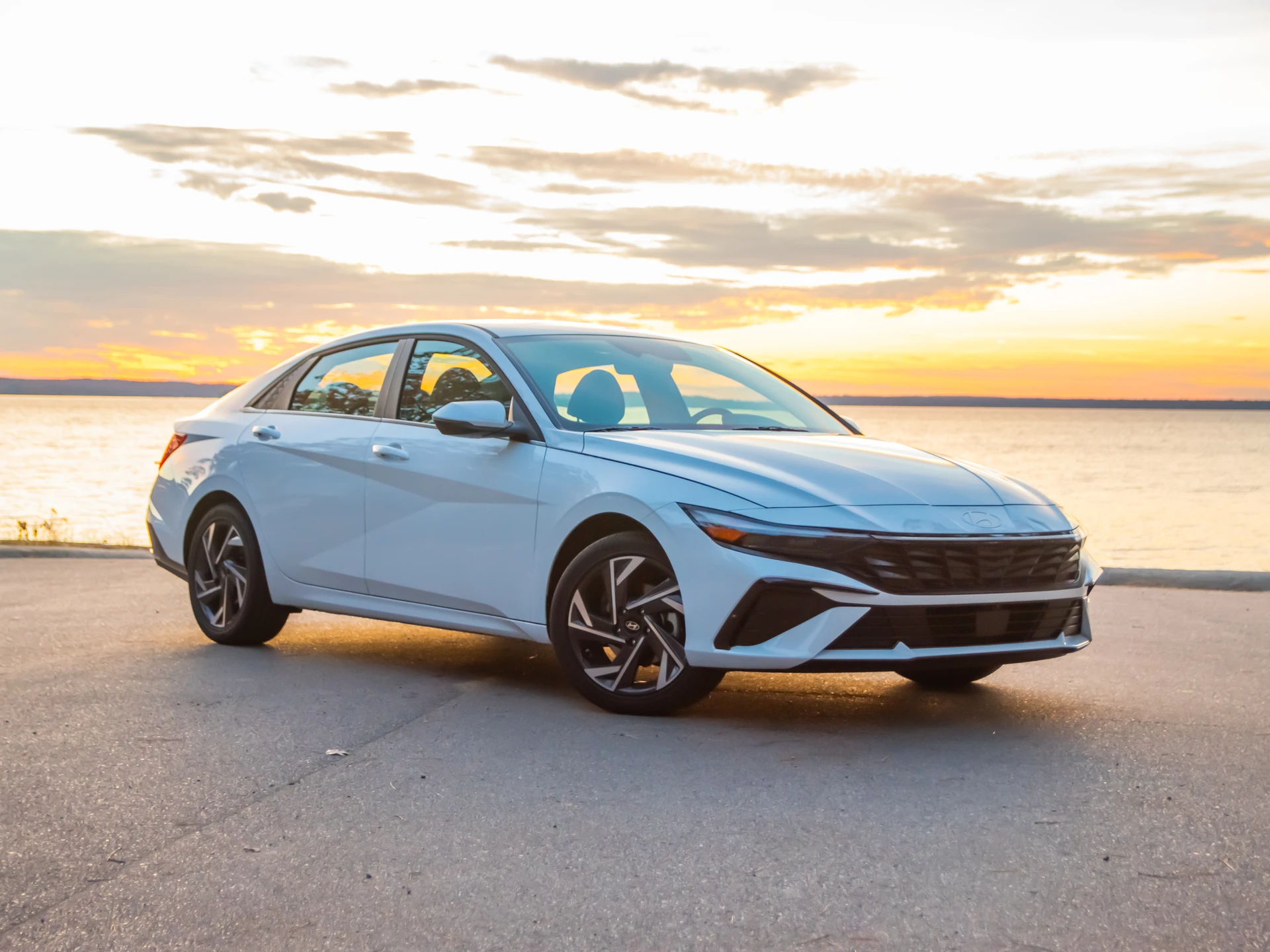
5. Hyundai Elantra
The Hyundai Elantra offers a smooth, stable ride at low speeds, supported by a carefully tuned suspension. Steering is responsive but forgiving, allowing drivers to maneuver without feeling nervous. Even in tight city environments, the Elantra maintains composure and predictable behavior.
The tires provide sufficient grip to prevent sliding, while body control minimizes excessive lean. Braking is gradual and reliable, supporting confident low-speed stops. Weight distribution and chassis design also contribute to stability during turns and slow maneuvers.
Inside, driver visibility and ergonomics reinforce control. Seats provide a stable platform, and controls are intuitive, reducing the risk of oversteering. This combination of mechanical and design factors creates a secure driving experience in urban traffic.
The Elantra’s suspension absorbs minor imperfections, preventing harsh feedback that could make the car feel jittery. The steering communicates road conditions effectively, enhancing confidence in low-speed navigation. Drivers can focus on maneuvering instead of compensating for unstable handling.
Durability and consistency ensure that the Elantra maintains its stable character over time. Steering, suspension, and braking systems continue to perform reliably, making it a dependable choice for those prioritizing steady handling during slow driving conditions.
5 Small Cars That Don’t Feel Stable at Low Speeds
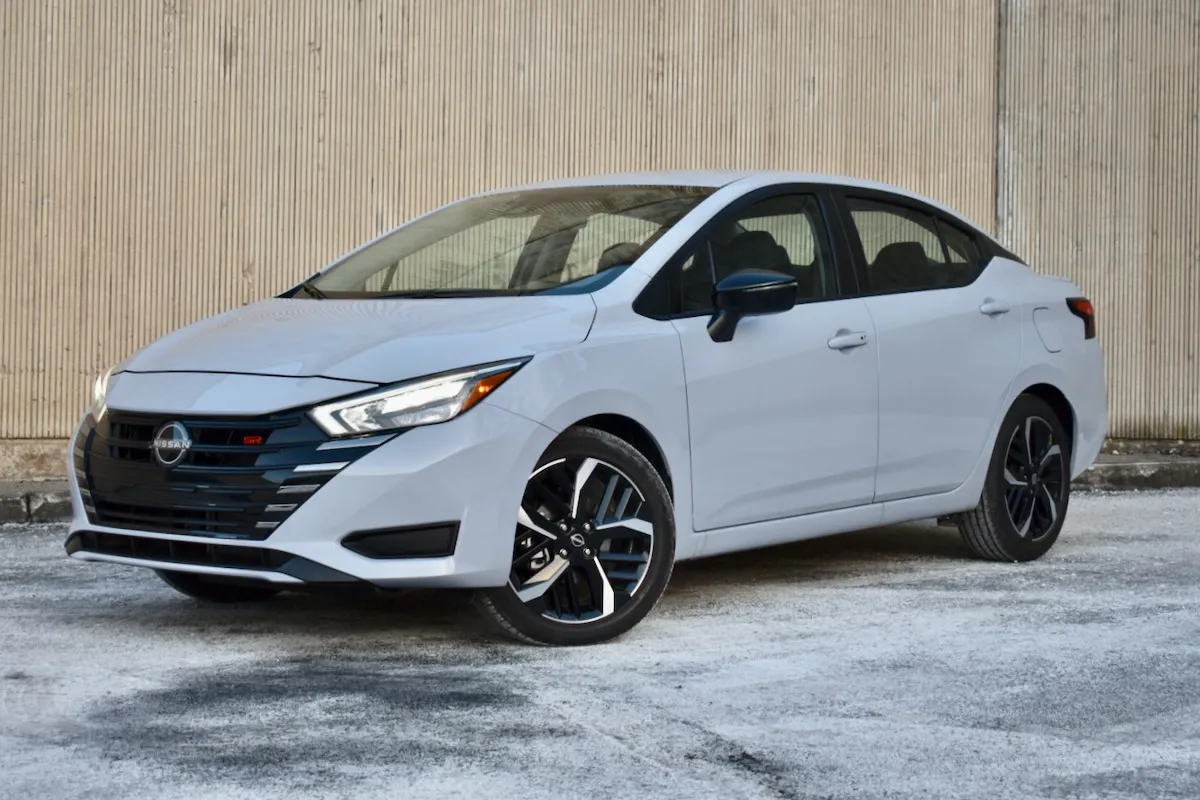
1. Nissan Versa
The Nissan Versa often feels light and unsettled during low-speed driving. The suspension can be soft and floaty, causing the car to sway over minor bumps. Steering lacks feedback, leaving drivers unsure about the car’s position. Tight turns and parking maneuvers can feel challenging and require careful adjustments.
Weight distribution contributes to a front-heavy feel, exaggerating understeer at low speeds. Tires may lose traction more easily, particularly on uneven surfaces. Even small corrections can feel amplified, making it harder to control the vehicle smoothly.
Braking can feel abrupt, adding to the sense of unpredictability. Drivers may need to anticipate stops more carefully to avoid sudden jerks. This can increase stress in congested city environments.
Ergonomics and visibility do little to compensate. While seating is standard, the lack of clear visual cues around the car can make judgment difficult. The driver often relies heavily on mirrors and careful maneuvering to compensate for instability.
Long-term reliability does not address low-speed issues. Components such as suspension bushings can wear quickly, worsening floatiness. For drivers prioritizing calm, predictable handling, the Versa can feel less secure compared to other small cars.
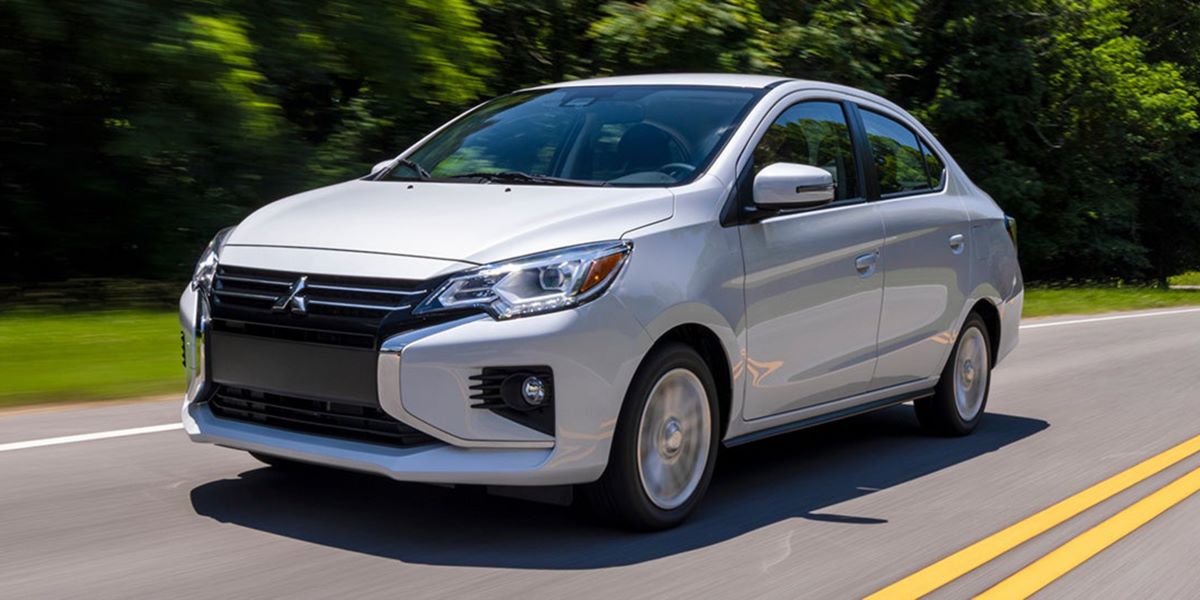
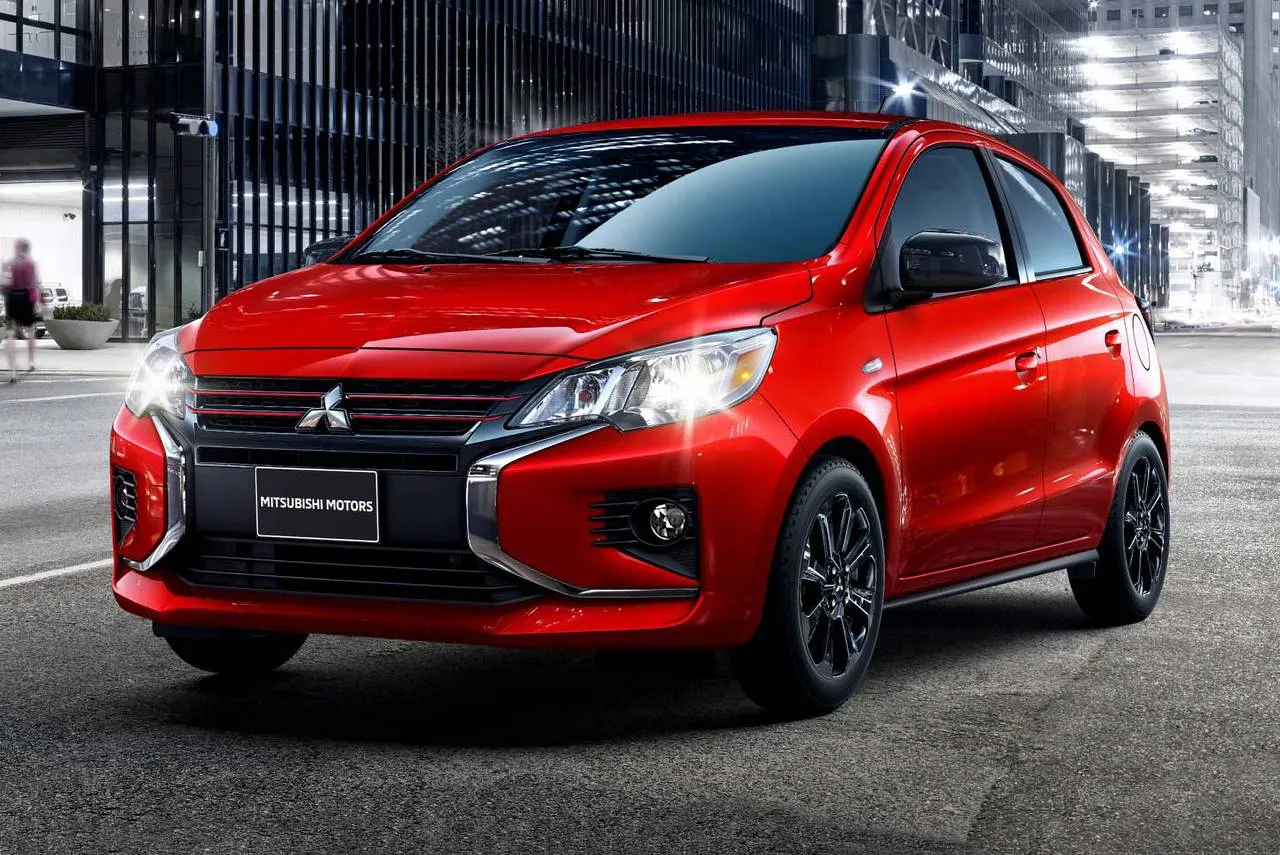
2. Mitsubishi Mirage
The Mitsubishi Mirage is extremely lightweight, which negatively impacts low-speed stability. Suspension and steering feel disconnected, and minor steering inputs can cause exaggerated reactions. The car tends to rock slightly when maneuvering at slow speeds.
Tires struggle to maintain grip, especially on uneven or slippery surfaces. The short wheelbase amplifies the sense of lightness and instability. Drivers may feel nervous during tight turns or U-turns, making parking more stressful.
Braking lacks progressive feedback, sometimes resulting in sudden jolts. Steering and brake inputs require careful moderation to avoid overcorrection. This adds cognitive load, particularly for inexperienced drivers.
Visibility and ergonomics provide limited support. While the cabin is functional, drivers may struggle to gauge distances accurately due to the car’s small footprint and lack of planted feel. Small adjustments often require exaggerated steering.
Long-term handling issues can worsen as suspension components wear. The Mirage’s design favors fuel economy and lightness over low-speed stability. Drivers who prioritize a secure and controlled experience may find it challenging.
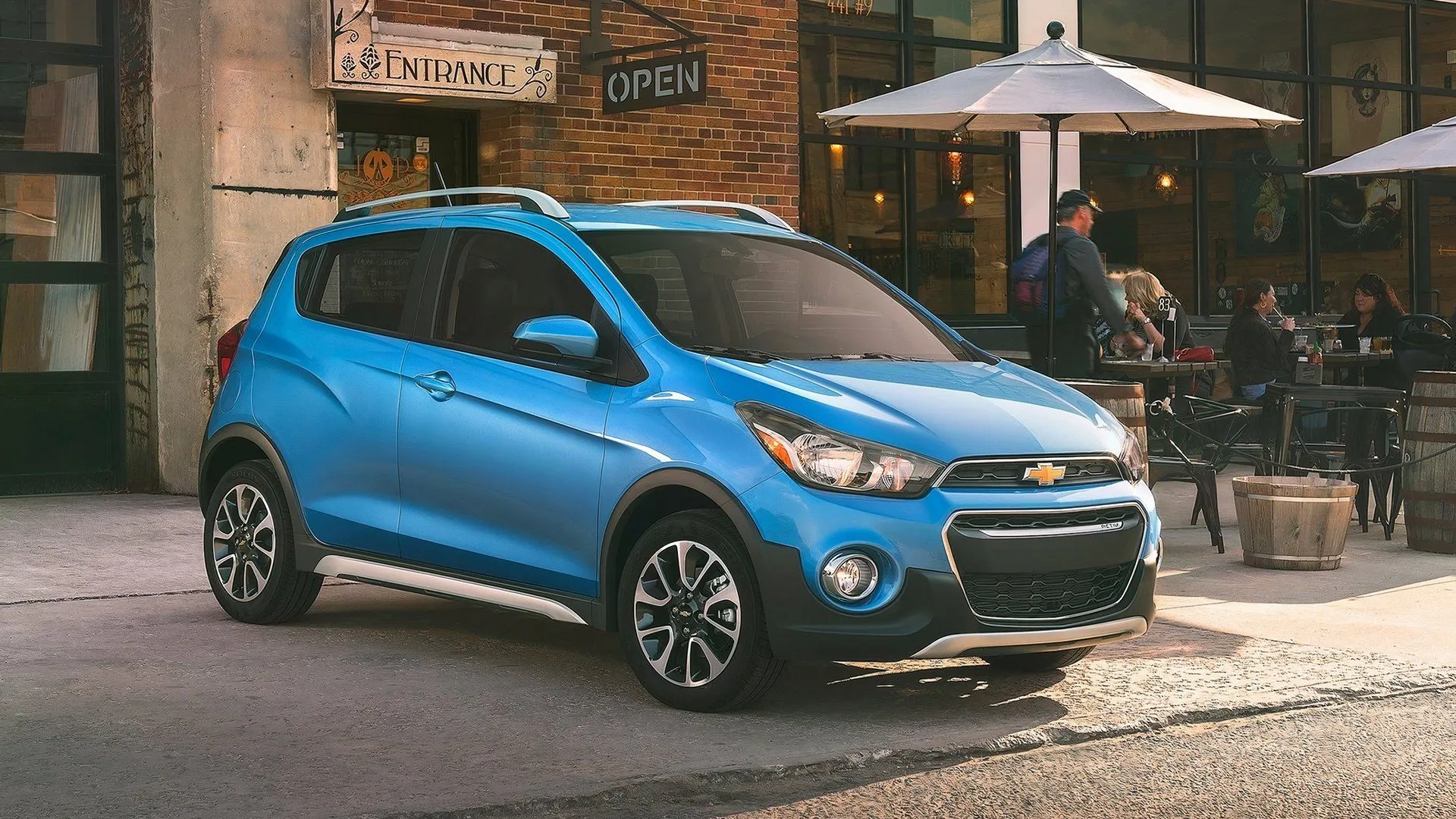
3. Chevrolet Spark
The Chevrolet Spark has a compact footprint, but it often feels unstable when moving slowly. Suspension and chassis stiffness do not absorb road imperfections effectively. The car can feel twitchy, especially when turning or maneuvering in tight spaces.
Steering is light and lacks consistent feedback, leading to uncertainty about the vehicle’s direction. Tires may struggle for traction on irregular surfaces, further reducing stability. Drivers can feel a tendency for the car to overreact to small steering inputs.
Braking is functional but can feel abrupt at very low speeds. Without smooth feedback, it is easy to jerk the car during stops. Drivers must compensate carefully to maintain control, increasing mental strain during city driving.
Interior ergonomics offer minimal relief. Limited visibility and narrow driver positioning require precise judgment to avoid obstacles. Slow maneuvers demand constant attention and minor adjustments.
Over time, suspension and steering wear can amplify instability. The Spark’s light weight and design priorities favor economy over low-speed composure. Drivers expecting confidence during stop-and-go driving may find it lacking.
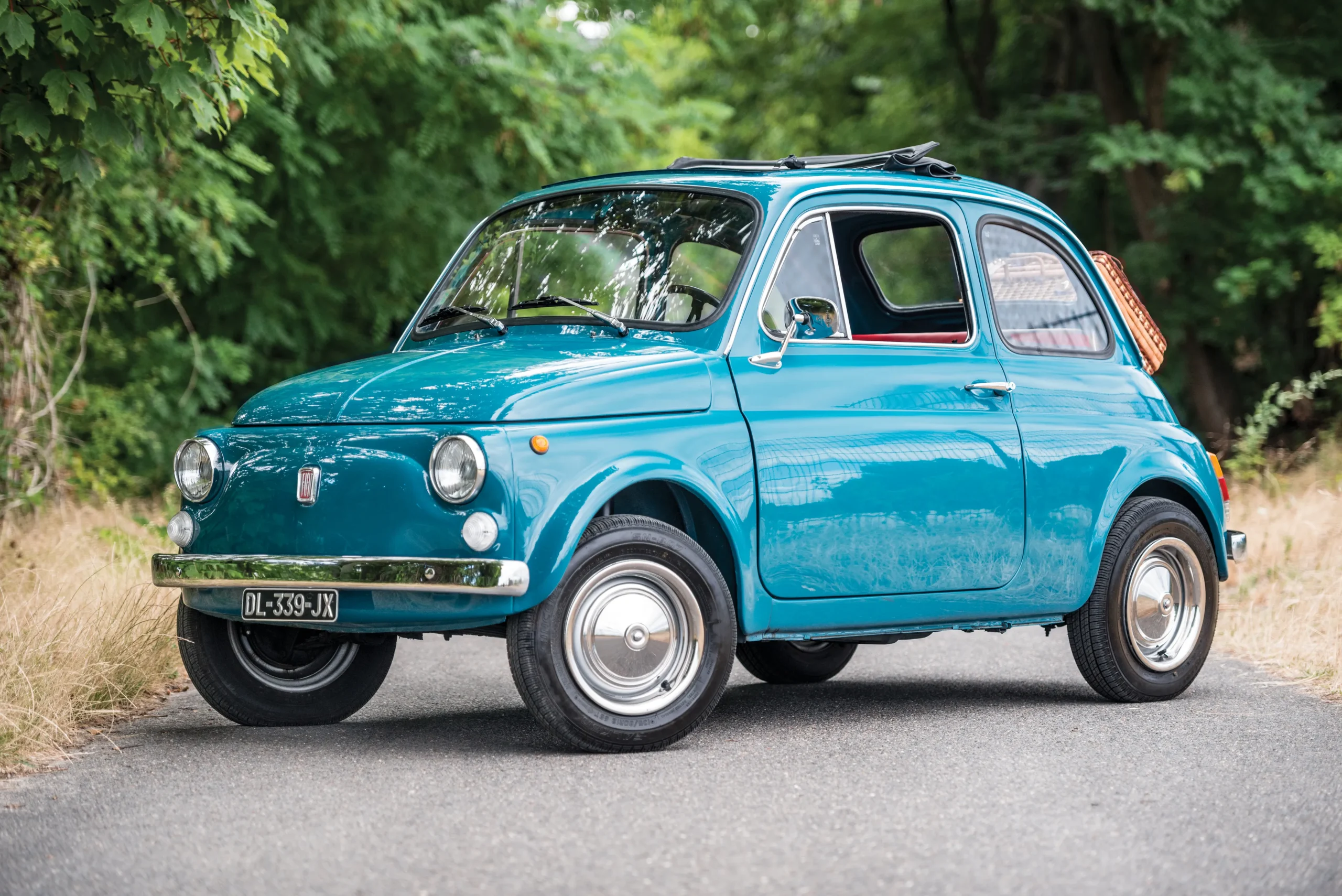
4. Fiat 500
The Fiat 500 is stylish and small but often feels jittery at low speeds. Its short wheelbase and light weight make it prone to wobbling over minor bumps. Steering can feel overly sensitive, requiring careful modulation to maintain control.
Suspension design emphasizes comfort on smooth roads but struggles with urban imperfections. Tires do not always provide consistent grip, causing slight sliding during turns. This can make drivers hesitate during slow maneuvers.
Braking response is uneven, sometimes leading to abrupt stops. Steering and braking must be carefully balanced to avoid overcorrection. Drivers navigating tight streets or parking areas may find it mentally taxing.
Interior layout provides visibility but does little to compensate for mechanical instability. Seats and controls are standard but cannot offset the car’s jittery character. Low-speed handling relies heavily on driver input.
Long-term wear may worsen handling, particularly in suspension and steering components. While fun to drive at higher speeds, the Fiat 500 can feel less secure in everyday, low-speed city traffic.
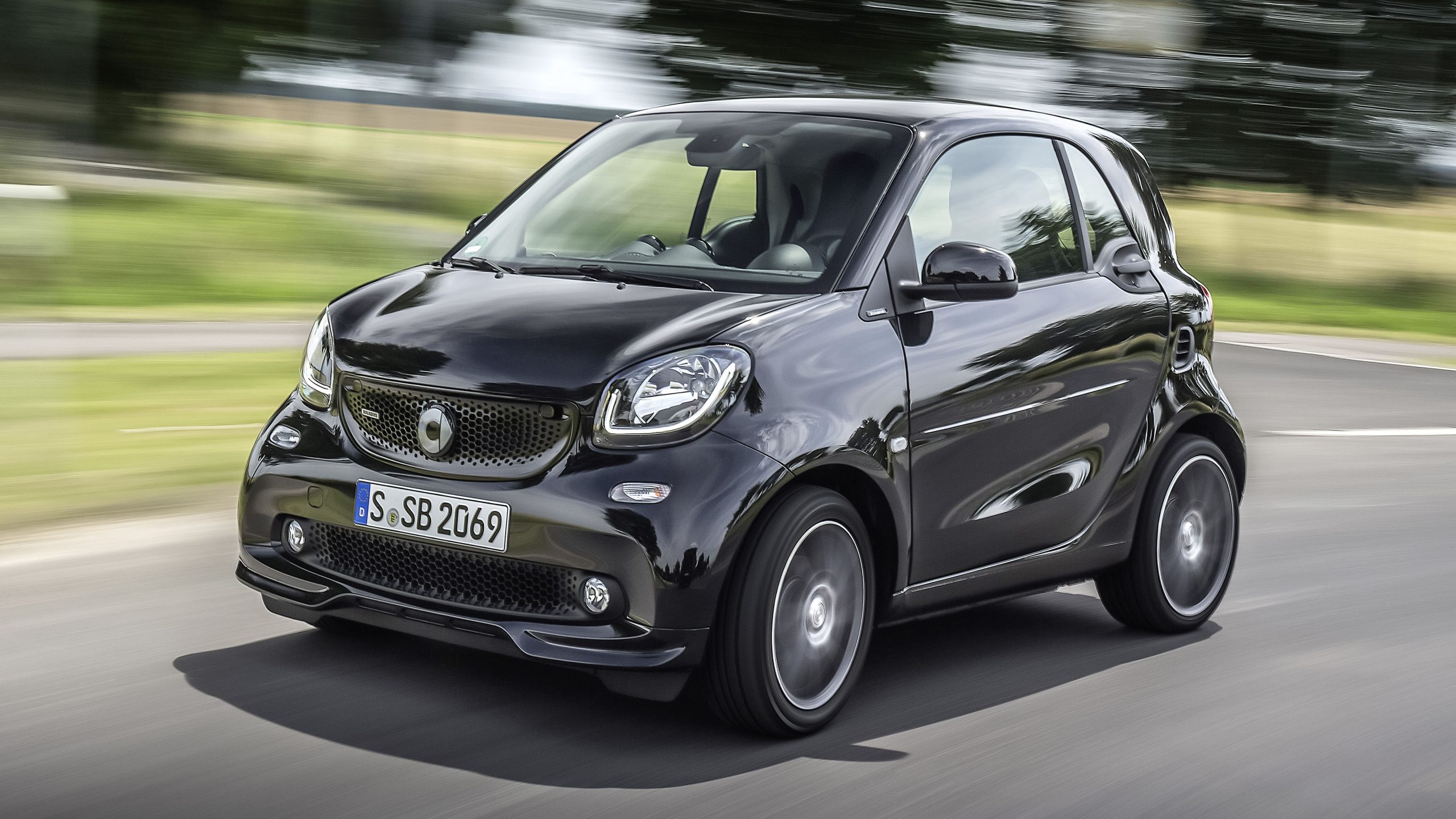
5. Smart Fortwo
The Smart Fortwo is ultra-compact, but its low-speed stability is often compromised. Its very short wheelbase and high center of gravity can lead to noticeable sway during slow maneuvers. Drivers must pay constant attention to maintain control.
Steering is light but lacks sufficient feedback. Minor inputs can lead to exaggerated movement, which makes tight turns and parking more stressful. The tires, while adequate, struggle to provide consistent grip under these conditions.
Braking response is quick, but sometimes feels abrupt at low speeds. Coordination between steering and braking requires careful attention. Drivers must make small, precise movements to prevent oversteering or sudden jerks.
Visibility is adequate but cannot fully compensate for the car’s mechanical instability. Precise judgment is required when navigating obstacles or narrow streets. The driver may feel tension during extended city driving.
Over time, suspension and steering components may amplify the car’s jittery tendencies. While extremely compact and easy to park, the Fortwo does not deliver the planted, composed experience found in more stable small cars.