German automobiles have long been associated with engineering precision, innovative design, and a reputation for performance that many other car manufacturers strive to match.
From luxury sedans to sporty coupes, the appeal of owning a German car often lies in its craftsmanship, technological features, and the prestige that comes with the badge.
Many drivers consider German vehicles as long-term investments, expecting them to maintain performance, reliability, and value over the years.
However, not every German car fits this expectation, and the reality is that maintenance costs, repair complexity, and resale value can vary widely depending on the model and generation.
Understanding which German cars make sense over the long term requires examining a combination of factors, including engineering durability, common mechanical issues, cost of ownership, and availability of parts.
Some German brands, such as Mercedes-Benz, BMW, Audi, and Volkswagen, offer vehicles that can last well beyond 200,000 miles if properly maintained.
These cars tend to have a strong aftermarket community, proven engine reliability, and components that can be replaced without excessive cost.
On the other hand, certain models, particularly those with advanced electronics or high-performance engines, can become expensive to maintain and suffer from frequent mechanical problems.
Knowing the distinction between cars that offer longevity and those that tend to struggle with upkeep is essential for anyone considering a German vehicle as a long-term purchase.
It is also important to consider the purpose of ownership. For daily commuting, reliability and low maintenance costs are crucial. For enthusiasts seeking performance, higher-maintenance models might still be acceptable if the budget allows.
Factors such as fuel efficiency, insurance rates, and depreciation also play a role in determining whether a car is a practical choice over many years.
Additionally, while German cars are known for their driving dynamics and build quality, advances in technology mean that some features can fail over time, creating unexpected costs for the owner.
This article examines five German cars that make sense for long-term ownership and five that may not be ideal in the same context. The goal is to provide a practical guide based on durability, cost of maintenance, and value retention.
By comparing these models, potential buyers can make informed decisions and better understand what to expect from their investment in a German automobile.
Understanding both the strengths and potential pitfalls of these vehicles can help owners avoid costly surprises and enjoy the renowned performance that German cars are known for.
5 German Cars That Make Sense Long-Term
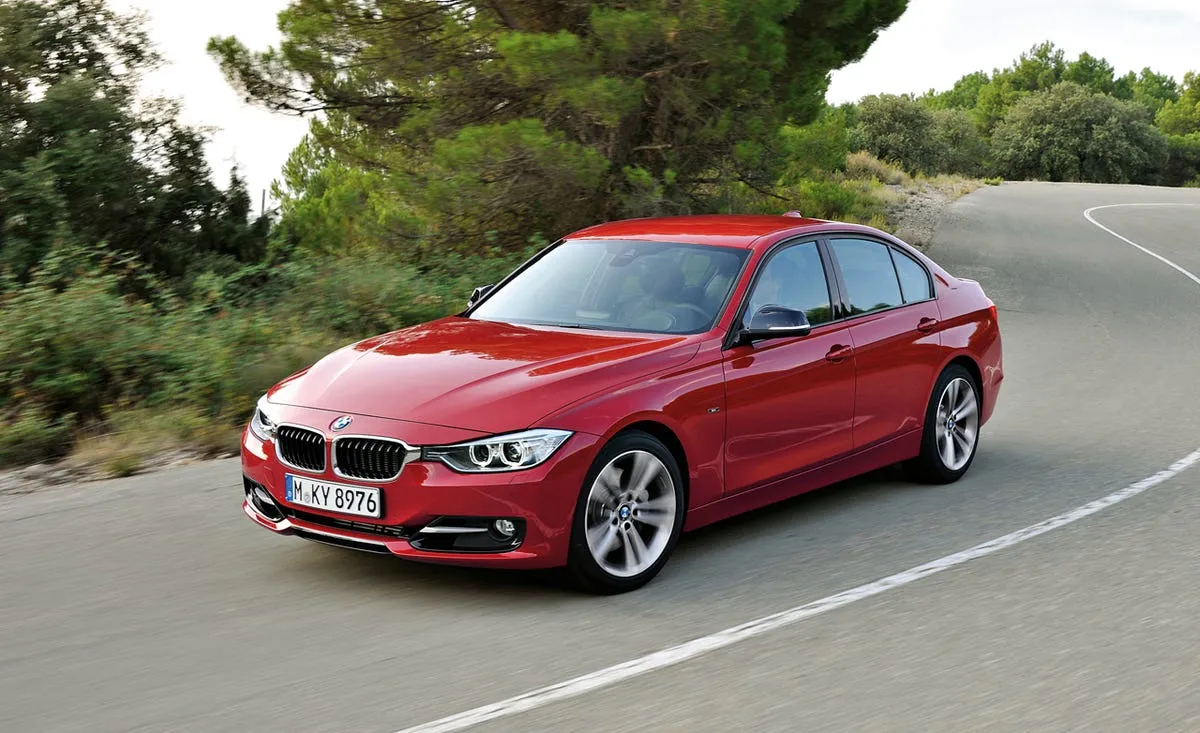
1. BMW 3 Series (Non-M Performance Models)
The BMW 3 Series has earned a reputation for balanced driving dynamics and long-term reliability when properly maintained. Non-M performance versions are generally less complex, avoiding high-stress engines that require expensive repairs.
Routine maintenance is predictable, and parts are widely available, which keeps ownership costs reasonable. Owners report that these cars maintain comfort and performance for many years without major mechanical issues.
Older models with inline-six engines are particularly dependable, offering smooth operation and robust construction. Transmission systems, when serviced regularly, tend to last well beyond 150,000 miles.
The interior materials are durable, and BMW’s design philosophy ensures that even older models retain a modern feel. With proper care, the car’s driving experience remains engaging and responsive over time.
Another factor contributing to the 3 Series’ long-term appeal is the strong resale value. Even cars over a decade old can retain a significant portion of their original price.
The combination of reliability and brand reputation creates confidence for long-term ownership. Regular servicing at certified shops ensures that wear items such as brakes, suspension, and electronics perform optimally.
Fuel efficiency and engine options also make the 3 Series practical for extended use. While high-performance trims consume more fuel, the standard models strike a balance between economy and power.
This ensures that owners are not burdened with excessive operational costs. With careful driving habits, many BMW 3 Series vehicles remain roadworthy and enjoyable for 200,000 miles or more.
Finally, the 3 Series benefits from a strong community and aftermarket support. Replacement parts, technical guides, and forums allow owners to address issues cost-effectively. Preventive maintenance becomes easier with experience and resources, making the 3 Series a reliable German car choice for long-term ownership.
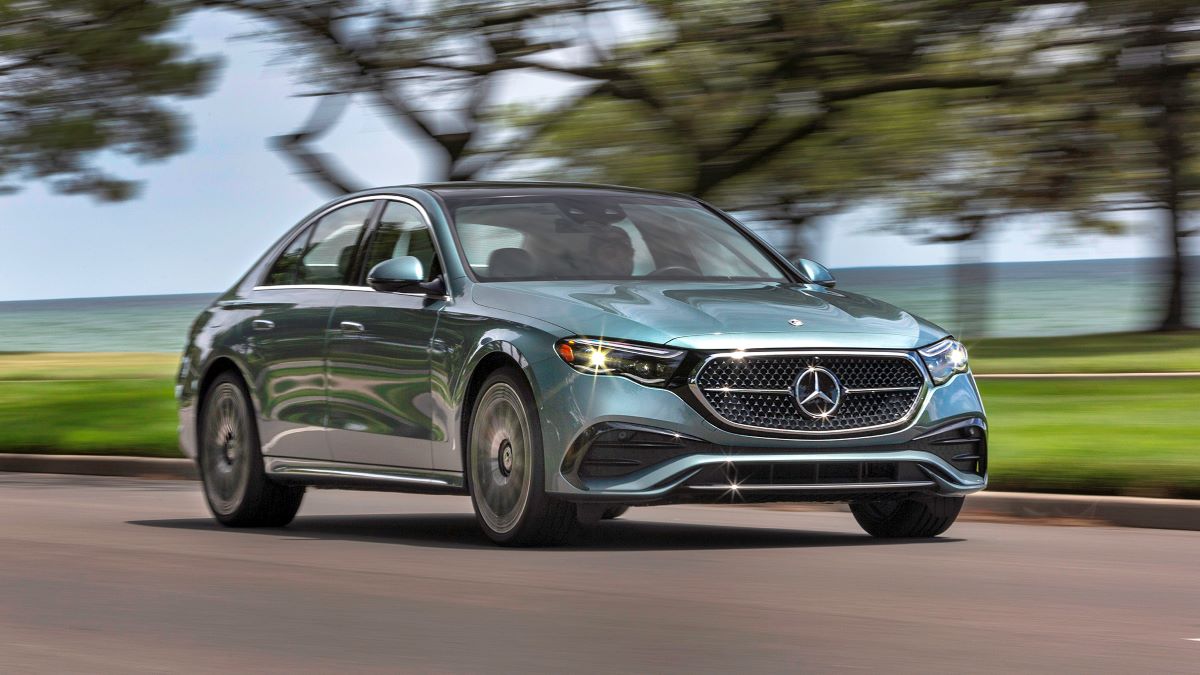
2. Mercedes-Benz E-Class (Non-AMG Models)
The Mercedes-Benz E-Class is well-regarded for its comfort, build quality, and durability, especially in non-AMG versions. With routine maintenance, these sedans can remain mechanically sound for over a decade.
The engines are designed for longevity rather than extreme performance, reducing the risk of early failure. Interior materials and electronics are generally reliable if kept in good condition.
E-Class models often include a range of engine options, with diesel and naturally aspirated gasoline variants proving particularly durable. Suspension components are robust, providing smooth rides and resisting common wear problems.
Servicing intervals are predictable, and replacement parts, while sometimes pricey, are accessible in most markets. These cars are built to balance luxury and long-term usability.
Ownership costs for the E-Class can be moderate when maintenance is followed diligently. Oil changes, brake service, and basic wear items are routine, but ignoring these can lead to expensive repairs. Engines and transmissions are designed to tolerate high mileage without frequent breakdowns, contributing to long-term ownership value.
Resale value for the E-Class remains strong, especially for models with higher equipment levels. Buyers recognize the durability and comfort that come with these sedans. Even older models maintain their appeal due to timeless design and brand reputation.
Finally, the E-Class offers a smooth combination of technology and simplicity. Electronics are not overly complicated, which reduces the likelihood of long-term failures. This makes it an ideal choice for those seeking a dependable German car without the stress of constant repairs.
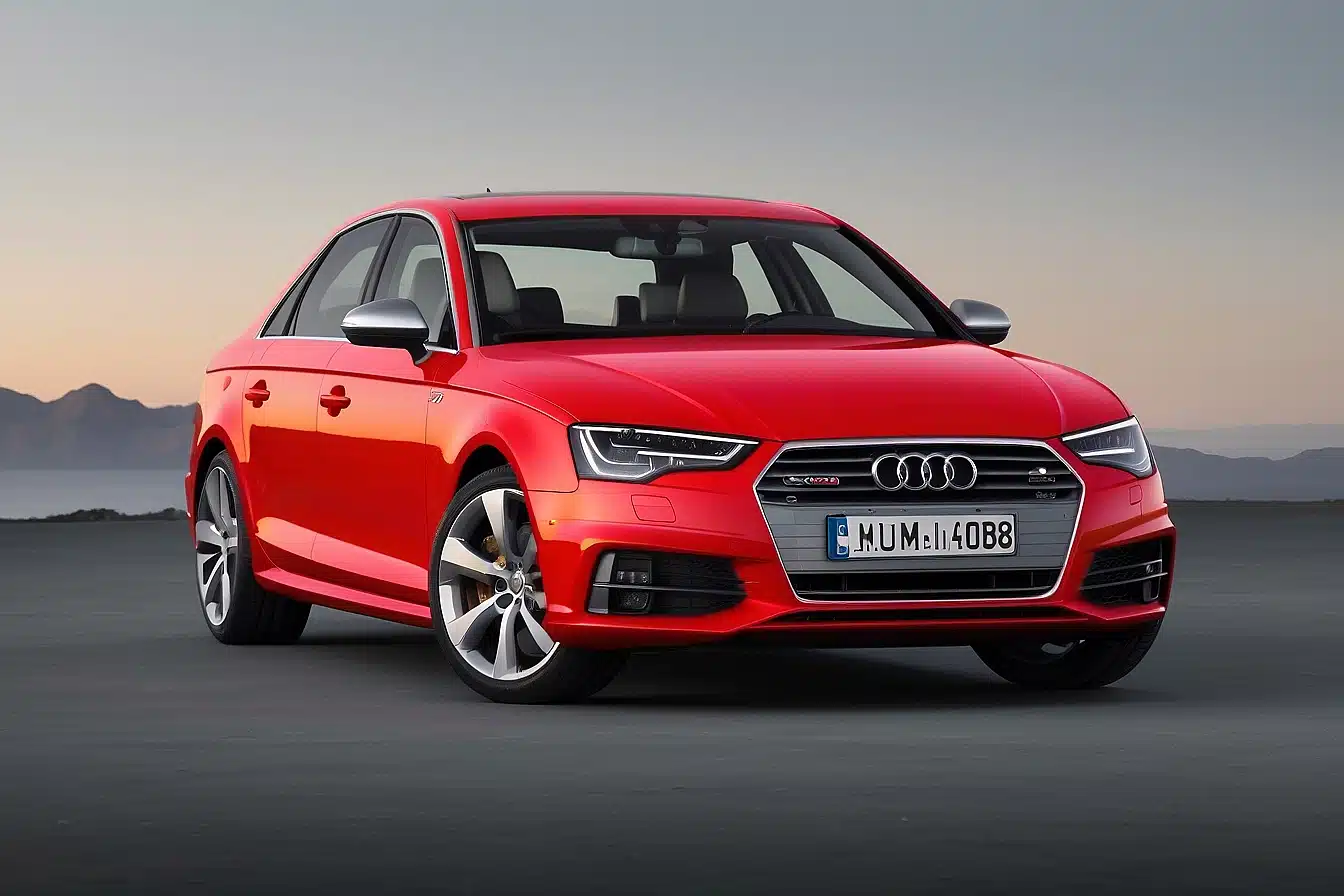
3. Audi A4 (Standard Engine Models)
The Audi A4 is a compact luxury sedan known for solid engineering and a comfortable driving experience. Standard engine options, such as the 2.0-liter turbocharged four-cylinder, combine efficiency with reliability.
Proper maintenance ensures that these cars can last many years with minimal issues. Interiors are durable, and components like suspension and drivetrain parts are engineered for long-term use.
Routine servicing is straightforward, and many parts are shared across Audi models, making replacements easier. Timing chains, common in newer engines, reduce maintenance compared to older belt-driven systems. Fuel efficiency and manageable repair costs enhance the appeal for long-term owners.
The A4’s handling and stability remain consistent as the car ages. This reliability ensures that drivers can enjoy the performance expected from a German vehicle without frequent expensive repairs. Models with quattro all-wheel drive provide added traction and reduce wear on certain drivetrain components, extending the car’s lifespan.
Another advantage is that the A4 maintains a balanced resale value. Even models over ten years old are desirable due to their consistent reliability and well-crafted interiors. Insurance costs are moderate compared to high-performance variants.
Finally, the A4 benefits from Audi’s solid reputation for engineering and safety. Electronics and onboard systems are dependable, avoiding frequent malfunctions. With careful upkeep, an Audi A4 can serve as a practical German car choice for long-term ownership.
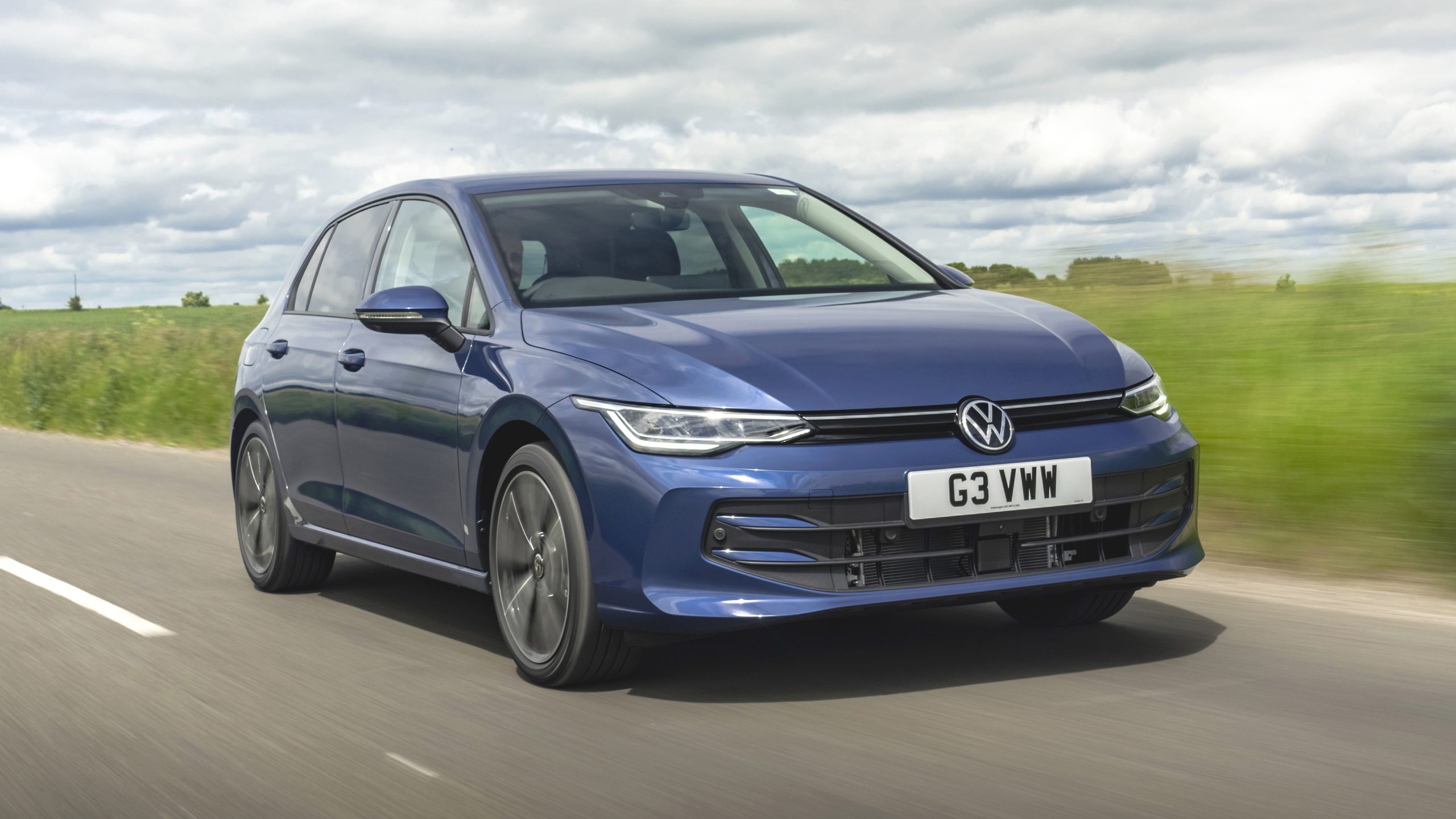
4. Volkswagen Golf (Non-GTI Models)
The Volkswagen Golf has built a reputation for reliability and simplicity among German cars. Non-GTI models offer a balance of performance and durability without the higher maintenance costs of sportier trims. Engines like the 1.4 or 1.5-liter turbocharged units are efficient and relatively simple to maintain. Routine servicing is inexpensive compared to luxury German cars.
Suspension and chassis components are designed for everyday use, making the Golf resilient over long distances. With moderate driving habits, these cars are capable of lasting well past 150,000 miles. Interior materials are straightforward yet durable, allowing the vehicle to age gracefully.
Fuel economy and ease of repair make the Golf a sensible long-term choice. Mechanics familiar with Volkswagen components are widely available, and parts are generally affordable. The Golf avoids complex electronics that often cause problems in higher-end German cars.
Resale value remains stable for Golf models due to consistent demand and practicality. Even older models are desirable for their dependable performance and compact size, appealing to both urban and suburban drivers.
Finally, the Golf’s reputation for reliability is backed by a strong owner community. Forums, guides, and third-party service centers provide resources for maintenance and troubleshooting. With regular care, a Volkswagen Golf can remain a sensible German car for many years.
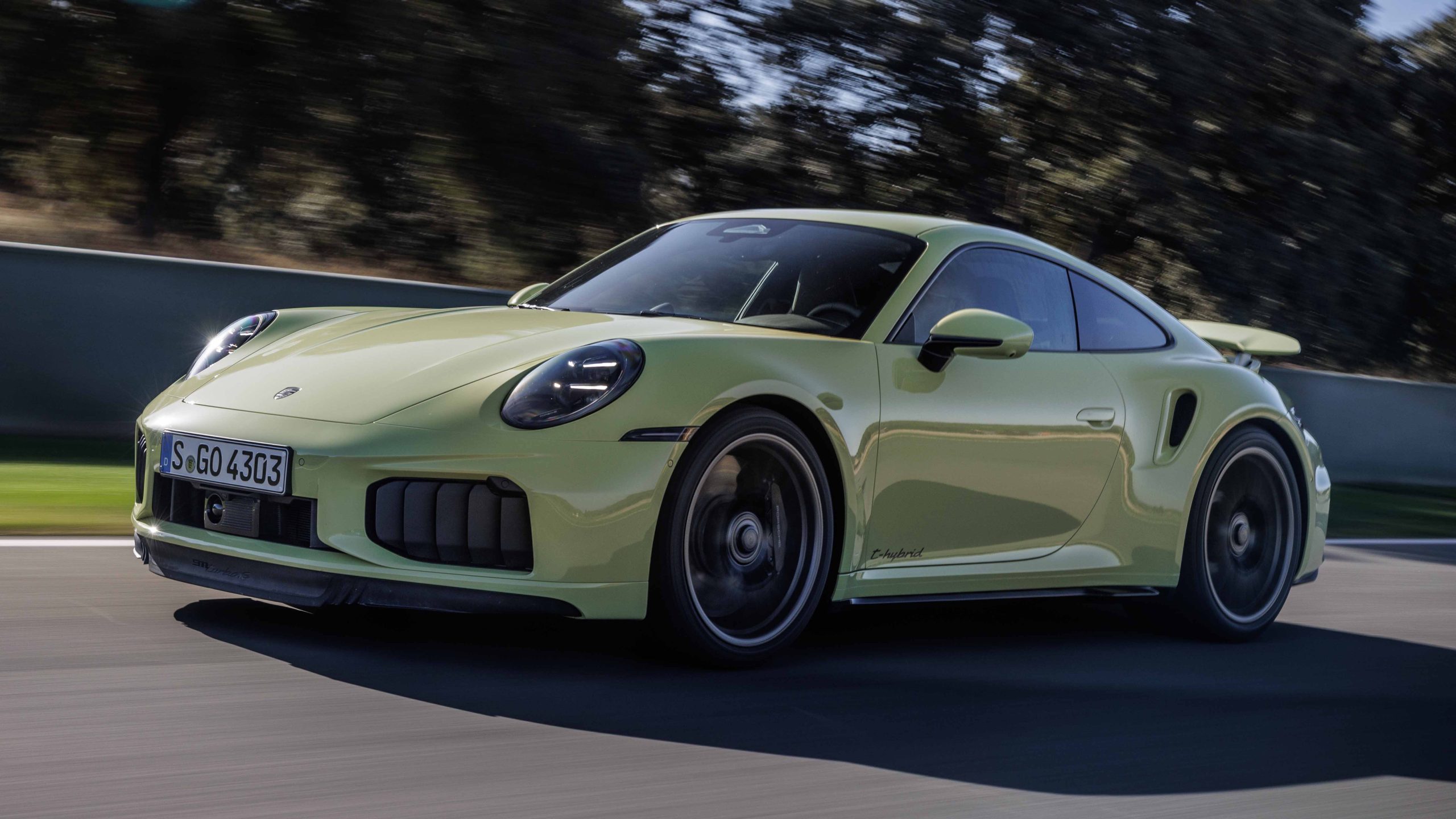
5. Porsche 911 (Base Models, 996 and 997)
While Porsche is often associated with high-performance sports cars, base 911 models like the 996 and 997 are surprisingly durable when driven responsibly. Engines are engineered for longevity, and parts are built to handle significant stress. Unlike higher-performance trims, these cars do not push components to their limits, reducing the likelihood of catastrophic failures.
Maintenance is more expensive than sedans, but the design allows for extended ownership with proper care. Transmission and engine reliability is high, and older 911s benefit from air-cooled or early water-cooled engine designs that are mechanically simple.
The 911 retains strong resale value, which makes it a practical long-term investment. Enthusiast demand keeps prices stable, even for well-used examples. Interior and exterior components are designed for longevity, minimizing cosmetic deterioration over time.
Parts and service availability are adequate, especially for common maintenance items. Owners who follow recommended schedules find that suspension, brakes, and drivetrain components last well. Proper storage and climate control further extend the car’s life.
Finally, base 911s provide an engaging driving experience while remaining mechanically reliable. With careful ownership, these cars can exceed 200,000 miles, making them one of the few German sports cars that make sense for long-term use.
5 German Cars That Don’t Make Sense Long-Term
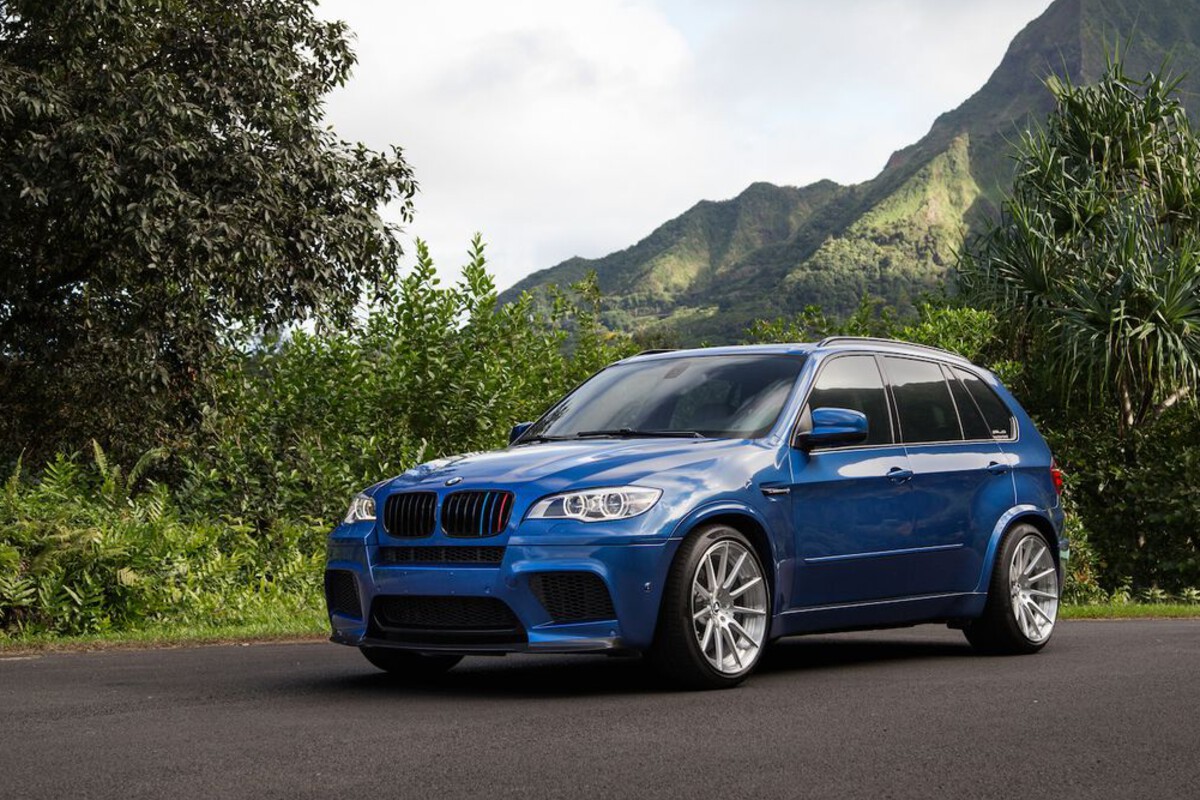
1. BMW X5 (Early Generations, E70 and E53)
Early BMW X5 models, particularly the E53 and E70, are known for frequent mechanical issues and high maintenance costs. Complex electronics, air suspension systems, and high-strain engines can create expensive repairs. Timing chain problems and cooling system failures are common and can lead to costly engine work.
Ownership costs increase rapidly with age, as components fail more frequently. Even routine maintenance can be expensive due to labor-intensive procedures. Owners often report issues with electronics and drivetrain systems, reducing reliability.
Resale value suffers as repair history affects buyer confidence. Cars with unresolved issues tend to depreciate faster than comparable SUVs. Insurance rates are higher due to repair costs and replacement part pricing.
Fuel economy is often poor, and complex systems such as adaptive suspensions can fail, leading to additional costs. Some parts are difficult to source, especially for older models with discontinued components.
Finally, the combination of frequent mechanical failures and expensive repairs makes early X5 models a challenging long-term choice. Even with dedicated maintenance, these SUVs often become a financial burden over time.
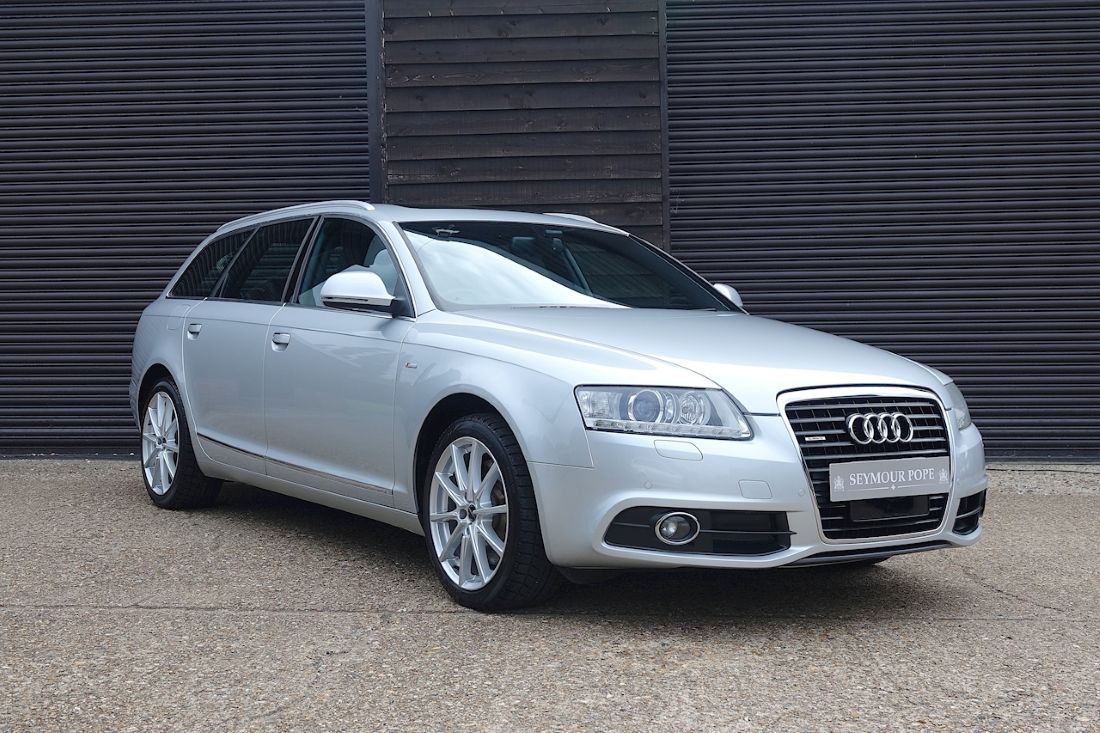
2. Audi A6 (High-Performance or Quattro Variants)
High-performance or older Audi A6 models can be problematic for long-term ownership. Engine designs with multiple turbochargers or complex valvetrain systems often fail prematurely. Quattro all-wheel-drive components add additional mechanical complexity and potential repair costs.
Maintenance expenses are consistently high due to the sophisticated electronics and engine systems. Even basic repairs can be labor-intensive, making ownership less practical over many years. Timing chain and water pump failures are common in certain engines.
Resale value declines faster than more reliable German sedans. Buyers tend to avoid high-mileage A6 models with known issues. Insurance and service costs compound the expense, reducing long-term practicality.
Fuel economy is variable depending on engine choice, and turbocharged variants often require premium fuel. Over time, the combination of mechanical complexity and running costs outweighs performance benefits.
Interior electronics are prone to malfunction in older models. Climate control, infotainment, and sensors can fail, leading to expensive repairs. This makes certain A6 variants unsuitable for owners seeking dependable long-term vehicles.
Finally, while the A6 is comfortable and stylish, its long-term ownership challenges make it less appealing. Even with careful maintenance, repair costs can exceed the car’s value as it ages.
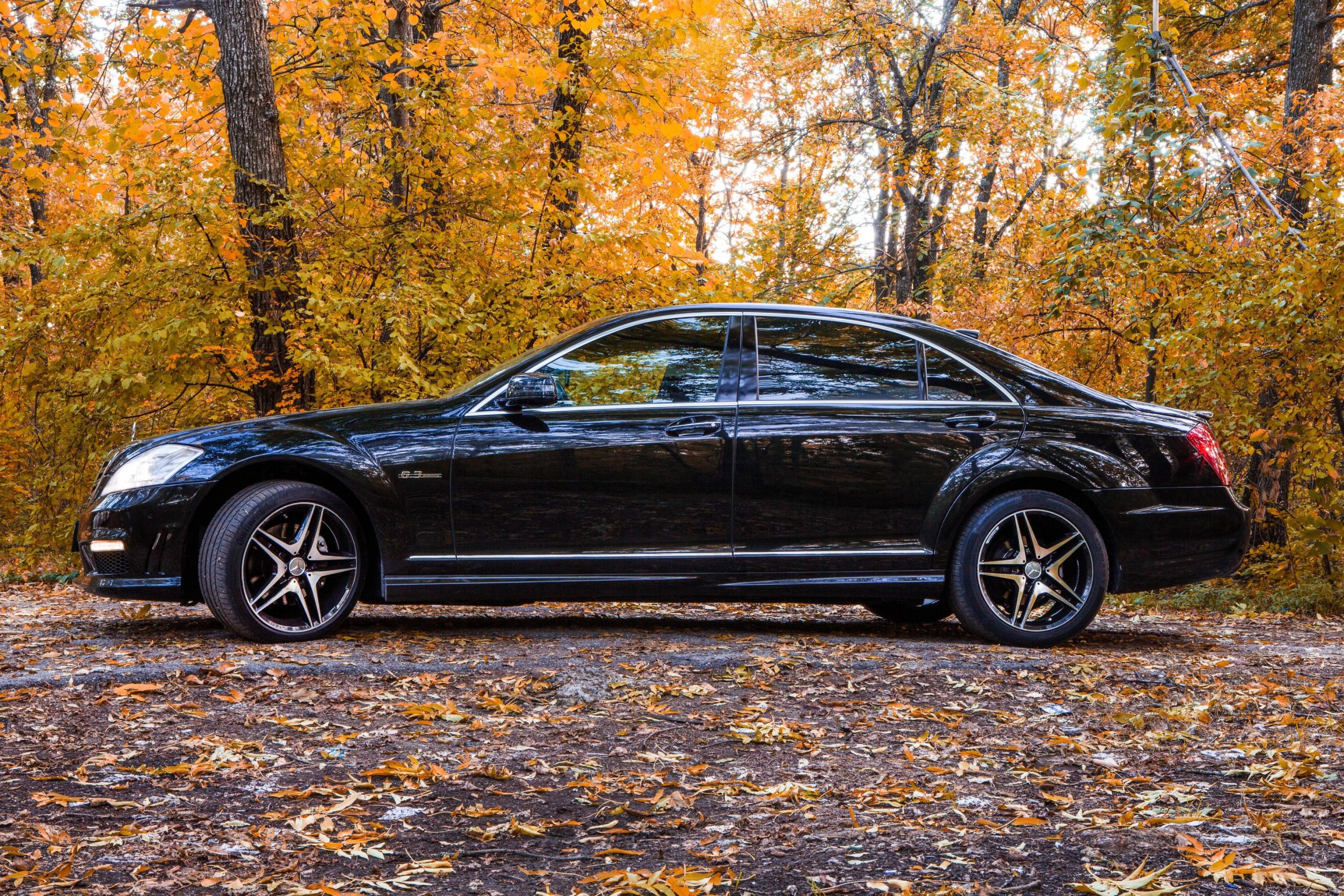
3. Mercedes-Benz S-Class (Older Generations, W220/W221)
Older S-Class models are luxurious but not ideal for long-term reliability. Complex air suspension, hydraulic systems, and electronics often fail, resulting in costly repairs. Engines can be reliable, but supporting systems create ongoing maintenance challenges.
Parts are expensive and labor-intensive to replace. Electrical issues are frequent, and older wiring can degrade, causing malfunctions. Service intervals for critical systems are shorter than expected for large sedans.
Resale value is inconsistent due to maintenance history. Cars with extensive repair records often struggle to retain value, and high-mileage examples require significant investment. Insurance costs are also elevated due to the expensive components.
Fuel consumption is high, and some engines are sensitive to neglect. The combination of high operating costs and frequent mechanical failures makes older S-Class models difficult to justify as long-term vehicles.
Interior features are prone to malfunction over time. Climate systems, infotainment, and seat electronics often fail, adding to repair costs. Despite comfort, these models do not balance luxury with long-term practicality.
Finally, while the S-Class offers an unmatched driving experience, its maintenance demands and reliability issues prevent it from being a sensible long-term investment. Owners must be prepared for ongoing and costly upkeep.
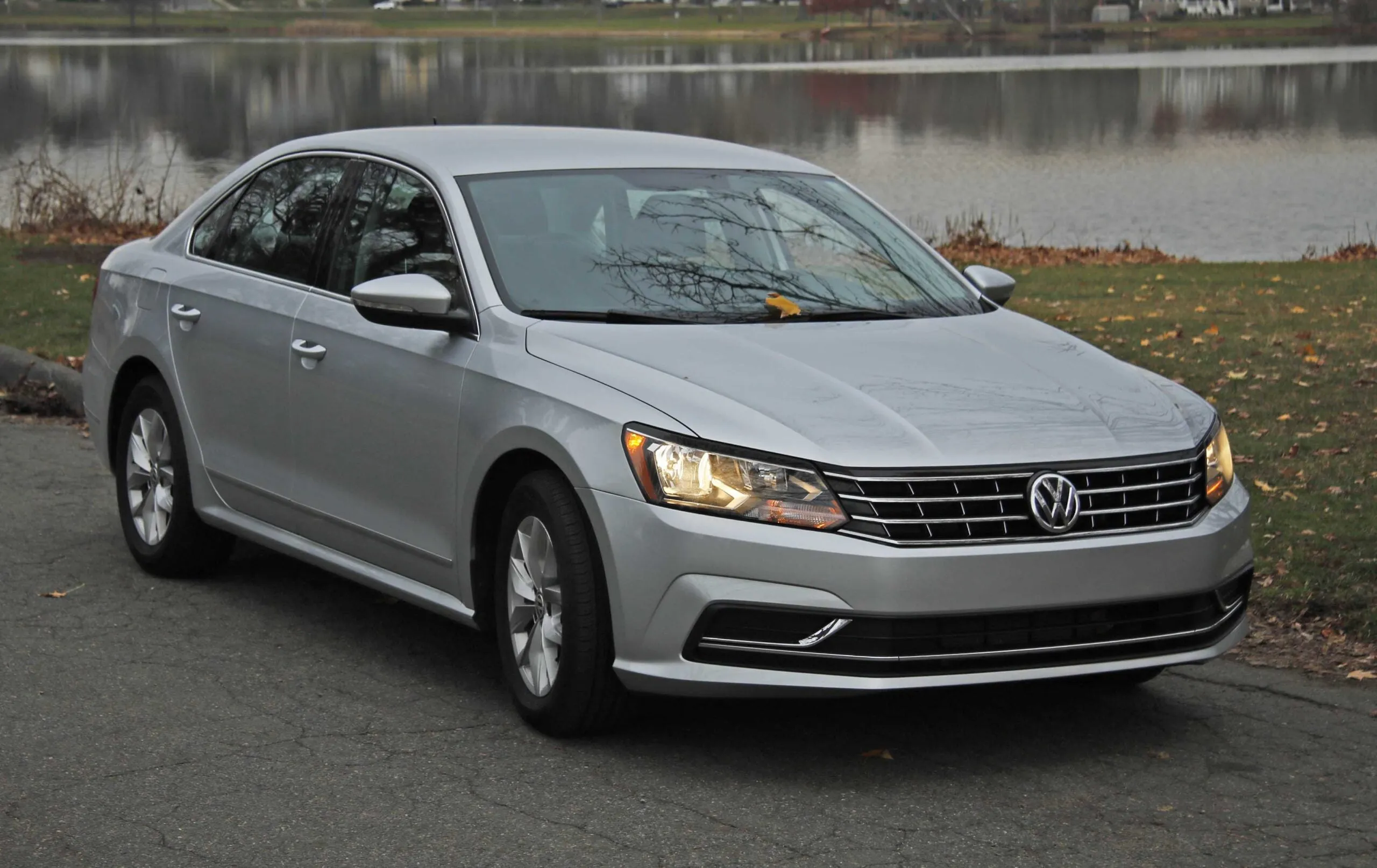
4. Volkswagen Passat (High-Performance or Early TSI Engines)
Certain Volkswagen Passat models, particularly those with early TSI engines, can face long-term reliability challenges. Direct injection engines are prone to carbon buildup and oil consumption issues. Timing chain tensioners can fail, leading to significant engine repairs.
Repair and maintenance costs can escalate quickly. Engine work, turbocharger failures, and complex electronics often result in unplanned expenses. Reliability is inconsistent across model years, making careful selection critical.
Resale value is affected by the perception of mechanical issues. High-mileage models are often difficult to sell without documented repairs. Insurance and servicing costs are higher for turbocharged variants.
Fuel efficiency suffers if engines are not properly maintained, and repair costs further reduce the vehicle’s practicality. Complex systems in early TSI engines may require specialized mechanics.
Finally, while the Passat is spacious and comfortable, certain engine choices and early model years create long-term challenges. These vehicles may not be ideal for owners seeking a low-maintenance German car.
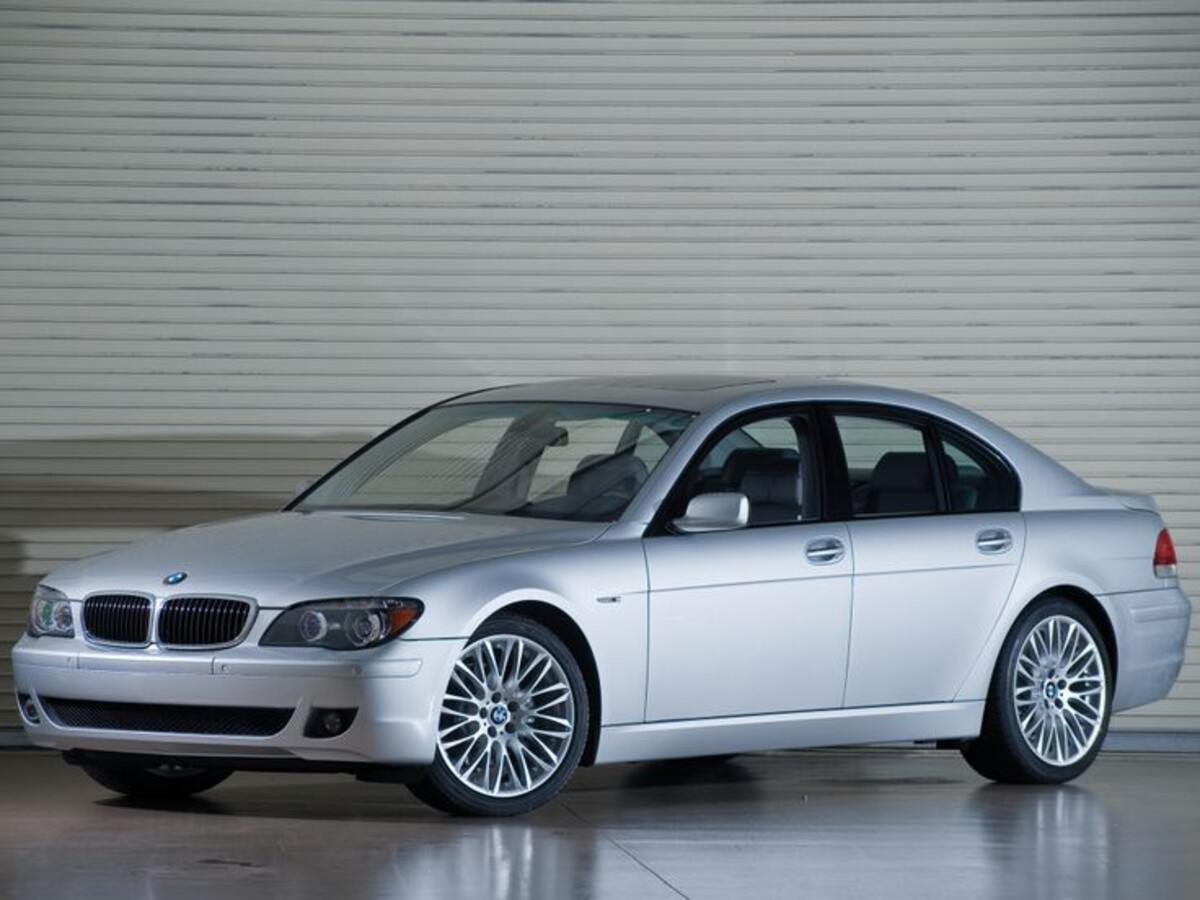
5. BMW 7 Series (Older Generations, E65/E66)
Older BMW 7 Series models are often expensive to maintain due to advanced electronics, air suspension, and complex engines. High-performance V8 and V12 engines are prone to mechanical issues as they age. Cooling system and electrical problems are common, requiring frequent repairs.
Ownership costs rise significantly with mileage. Even basic maintenance such as brakes, suspension, and electronics can be expensive. Replacement parts for these models are costly, and labor is intensive.
Resale value suffers as buyers are wary of ongoing repair needs. Depreciation is steep, and older 7 Series cars may not justify the investment required to keep them running. Insurance costs are higher due to the expense of parts and repairs.
Fuel efficiency is low, and high operating costs compound the challenges of ownership. Complex onboard electronics such as navigation and climate systems are prone to failure over time.
Finally, while the 7 Series provides luxury and performance, its long-term reliability is questionable. Owners often face a combination of expensive maintenance and frequent repairs, making it a less practical German car for extended ownership.