Choosing the right sport utility vehicle is more than picking a shape or badge. For many drivers, owning a vehicle means trusting it to start every morning, costing a reasonable amount to maintain, and holding value over years of use.
Some SUVs are known for their uncomplicated ownership experience, with dependable engines, affordable parts, and widespread service networks.
Other models carry a reputation for being fun to drive but expensive to maintain, expensive to repair, or unreliable in everyday life. When you buy a vehicle, you are also buying years of experiences with that machine.
Easy ownership can mean peace of mind on family trips, a solid resale price when you decide to sell, and confidence that routine maintenance won’t break your budget.
Hard ownership can mean frequent visits to the shop, unpredictable repair costs, and a lingering worry about reliability when you need the car most.
In this article, I am going to present a balanced comparison of ten SUVs based on practical factors that impact real owners. First, we will look at five SUVs known for being straightforward to live with, whether through durability, cost effectiveness, or simplicity.
Then we will contrast these with five SUVs that tend to be more challenging, whether through high complexity, costly parts, or a history of problems that owners and reviewers have reported. This is not a list built on hype or trends, but on traits that affect the everyday life of drivers on real roads.
As you read through each profile, consider what aspects matter most for your own life, from how often you drive to how close repair shops are. At the end, you will have a clearer sense of which SUVs are likely to remain easy to own and which might give you a more complicated journey.
The choices you make today about a SUV can shape your satisfaction for years, and understanding these differences can help you make better decisions without surprises.
5 SUVs That Remain Easy to Own
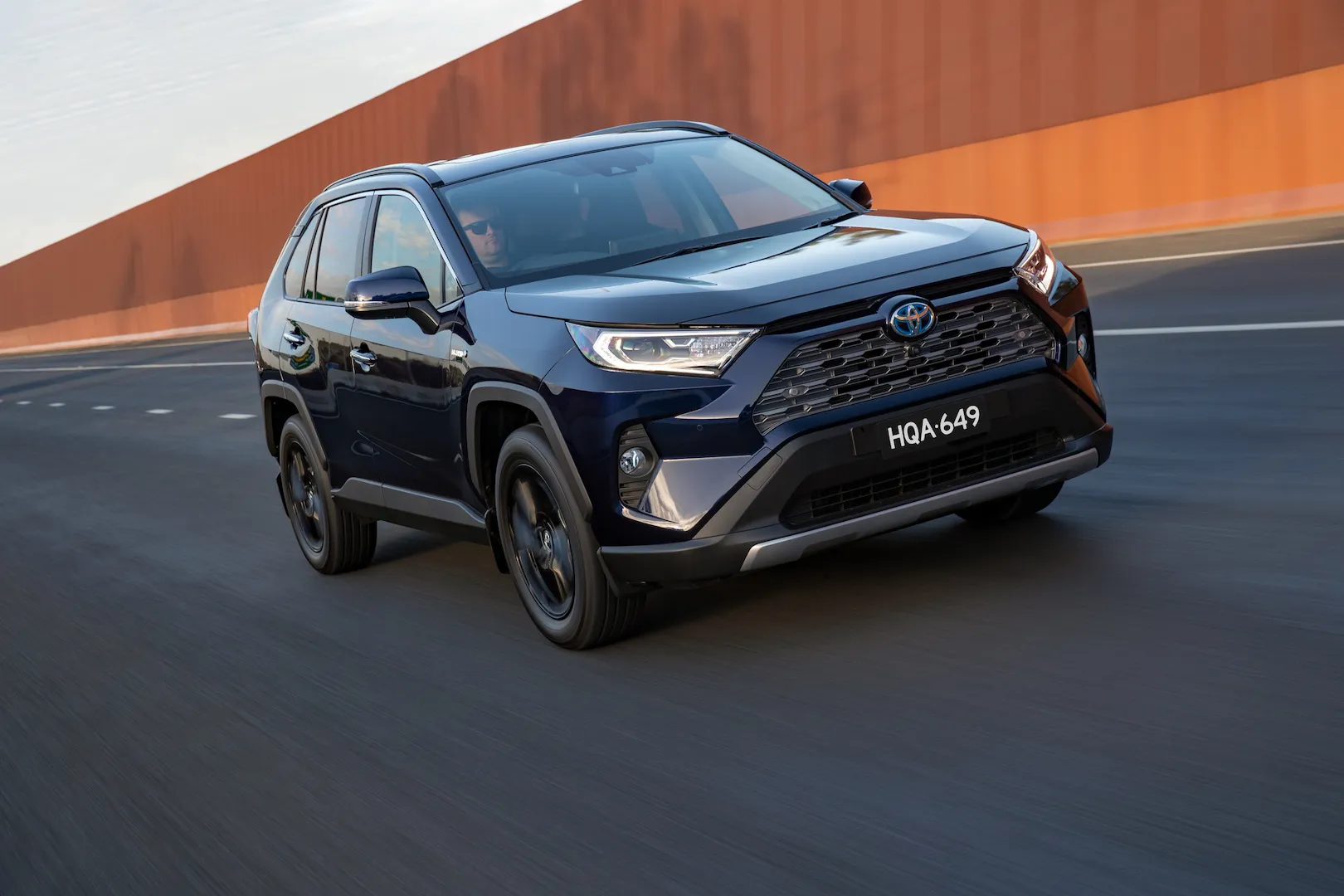
Toyota RAV4
Toyota has built the RAV4 into one of the most recognized small SUVs on the market by focusing on reliability and low ownership costs. This model often stays on the road for hundreds of thousands of kilometers with only regular service and common wear item replacements.
Owners appreciate the availability of parts and the fact that many independent shops are familiar with the RAV4’s design and service needs. Insurance and fuel costs remain competitive, and the vehicle’s resale value tends to stay strong.
Inside the cabin, the controls are intuitive and the design is simple to use, reducing frustrations that come with overly complex electronic systems. Toyota’s reputation for building engines and transmissions that last without drama is a major part of why this SUV remains easy to live with.
Toyota offers a range of trim levels that let buyers choose features they truly want without adding unnecessary technology that can later cause issues. Over many model years, the company has refined the RAV4’s components to improve durability rather than chasing short term trends.
Routine maintenance jobs on the RAV4 are well documented and accessible, which lowers labor costs at many service centers. When brakes, tires, or filters need replacement, parts are plentiful and mechanics understand what to expect.
The hybrid versions, while slightly more complex, have also earned praise for long term reliability. Toyota’s hybrid system uses proven technology and tends not to be a cost burden when properly maintained according to schedule.
Customers who prioritize ease of ownership often cite the RAV4 in discussions about practical SUVs. Even used examples hold value well and do not come with a history of hidden repair surprises. Toyota’s network of dealerships and service centers in many regions means that you rarely struggle to find trained technicians when work is needed. For these reasons, the RAV4 continues to be a sensible choice for drivers seeking longevity.
What makes the RAV4 particularly appealing is how it balances modern features with straightforward engineering. There are options like adaptive cruise control and lane assist, but the core mechanical systems remain rooted in simplicity and durability. Buyers who want comfort and reliability find that this SUV delivers both without demanding frequent attention or costly fixes.
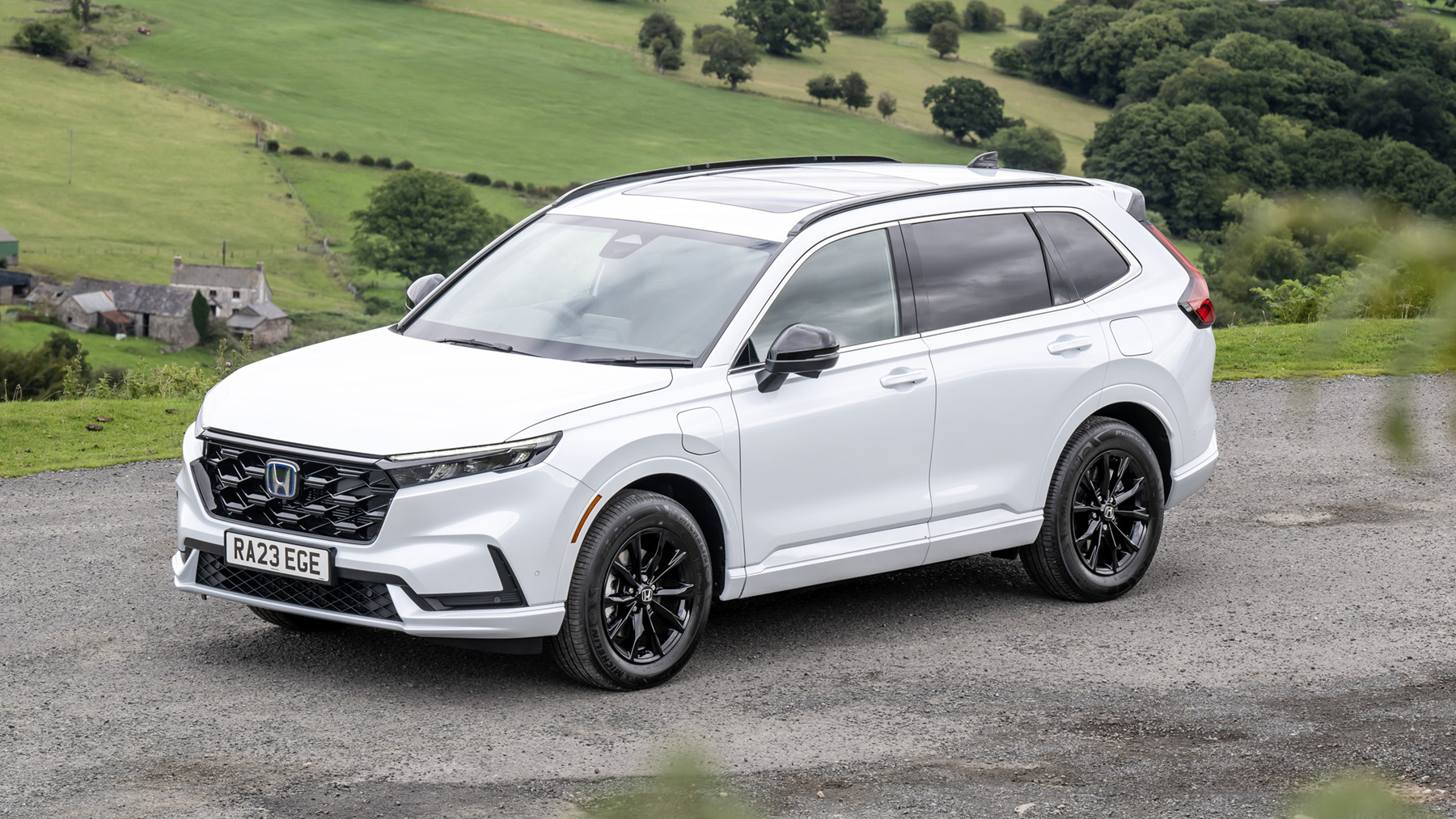
Honda CR-V
The Honda CR-V is another compact SUV that stands out for its practical ownership experience and long term value.
Honda’s engineering philosophy centers on smooth performance and mechanical soundness rather than excessive complexity. This results in fewer unexpected issues and a strong reputation for lasting many years on the road.
Drivers often comment on how the CR-V’s suspension and drivetrain handle daily driving with minimal fuss. The cabin is known for generous space and straightforward design that does not overwhelm with confusing menus or hard to use controls.
Common service items are easy to access and inexpensive compared to many competitors, helping to keep maintenance bills reasonable.
Honda has consistently updated the CR-V with efficient engines and improved safety features without sacrificing its core reliability.
Independent mechanics and dealerships alike have extensive experience with this model, which helps to make repairs faster and less expensive. The availability of parts and the popularity of the vehicle contribute to its low cost of ownership.
Used CR-Vs also tend to retain strong resale values, which reflects the confidence buyers have in this SUV’s long term performance. Many owners report reaching high mileage figures before encountering any major repairs, especially when following the recommended service schedule. That peace of mind is valuable for families, commuters, and anyone who drives regularly.
The CR-V’s blend of practicality, durability, and sensible engineering continues to make it a top pick for drivers who want an SUV that stays easy to own for many years. Whether new or used, this model earns respect for how well it serves its owners without unnecessary complications.
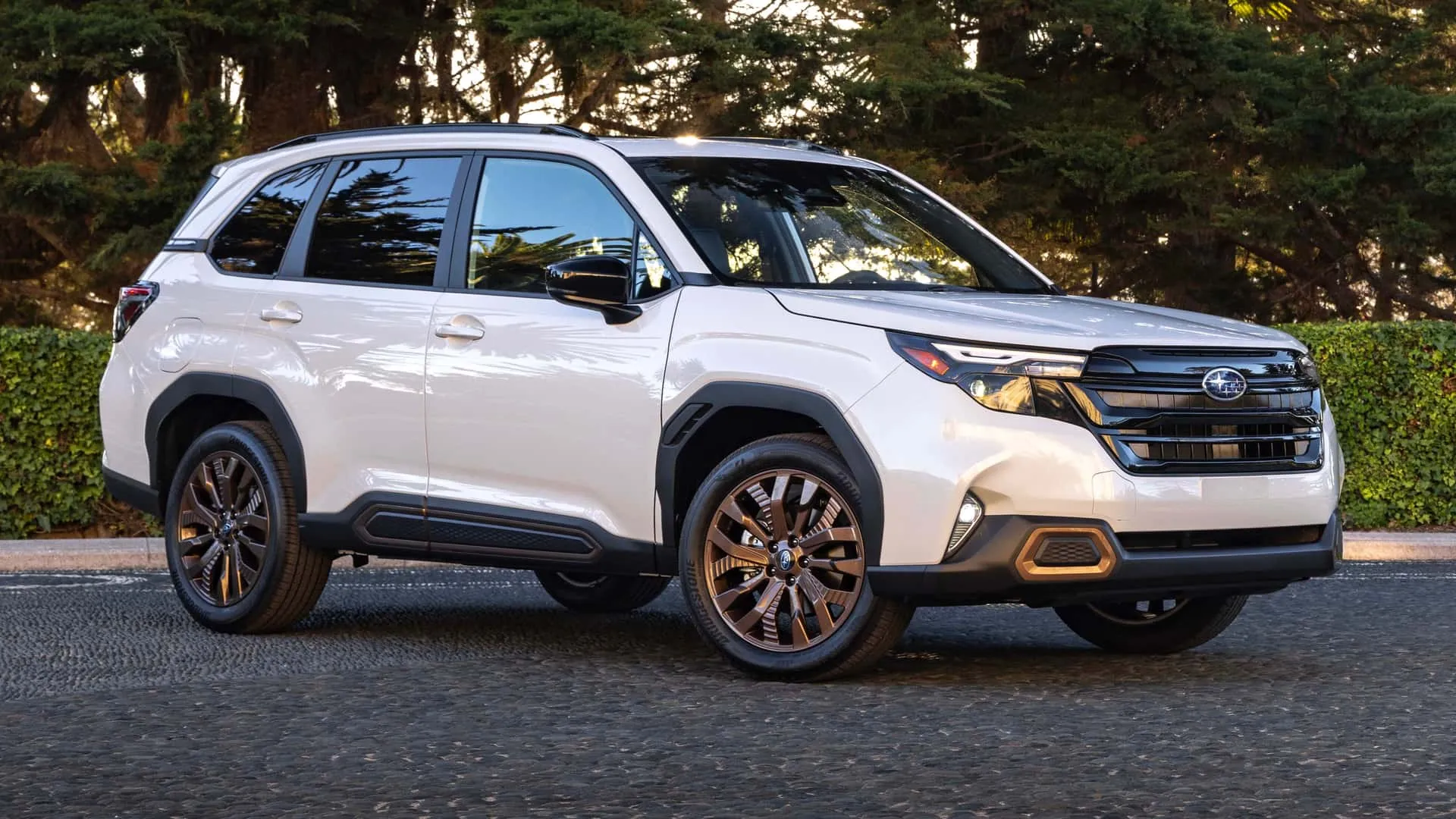
Subaru Forester
The Subaru Forester has earned a loyal following thanks to its standard all wheel drive system and rugged capability paired with dependable mechanics.
While some SUVs add complexity with specialized systems and exotic engines, the Forester maintains a focus on mechanical simplicity that owners find reassuring. The boxer engine layout gives a low center of gravity and balanced feel without adding undue maintenance headaches.
Routine service on the Forester is familiar territory for many technicians, and parts are widely available, which helps to keep service times and costs down.
Subaru’s reputation in markets with harsh weather conditions is strong because many owners trust the Forester to handle snow, rain, and rough roads year after year. The predictable nature of its mechanical systems contributes significantly to ease of ownership.
Inside, the interior is comfortable and designed with durable materials that stand up to hard use by families and outdoor enthusiasts.
The controls are logical and easy to operate, and there are fewer overly complicated screens and settings than you might find in some rivals. This straightforward approach to interior design reinforces the Forester’s reputation as a workhorse rather than a fussy gadget-filled machine.
Owners also appreciate Subaru’s commitment to safety and long term reliability. Many examples reach high mileage with only expected wear items replaced along the way.
The combination of all wheel drive confidence and predictable service needs makes the Forester a top choice for people who want a SUV that stays easy to live with.
Whether you use your SUV for daily commuting or weekend adventures, the Forester strikes a compelling balance of capability and simplicity.
It is designed to handle life on the road without demanding constant attention, which many drivers find deeply satisfying over the years of ownership.
Mazda CX-5
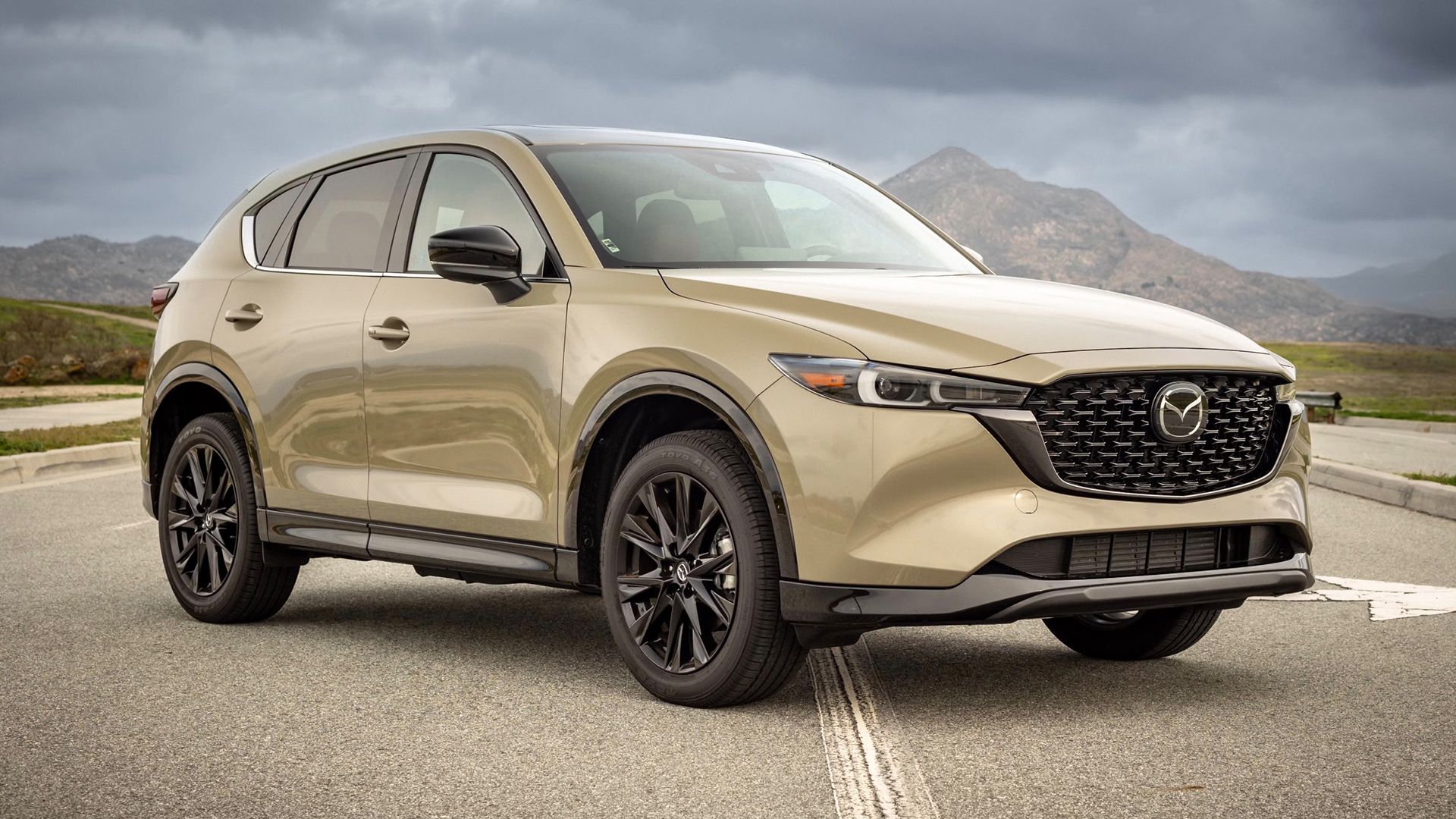
Mazda has built a reputation for vehicles that combine engaging driving dynamics with practical reliability, and the CX-5 is no exception.
This compact SUV delivers a comfortable ride and responsive handling while keeping the mechanical side straightforward and dependable. Owners often remark on how enjoyable it is to drive without having to worry constantly about breakdowns or unexpected issues.
Mazda’s attention to quality extends to build materials and the fit and finish of interior components. Controls are placed where drivers expect them, and the infotainment systems are user friendly rather than intrusive.
Routine maintenance items are accessible and common, which lowers costs at service intervals compared to more exotic designs. This accessibility also shortens labor time at the shop, resulting in lower bills.
The CX-5 has engines that balance efficiency with reliability, and these powerplants have proven themselves over many years of real world use.
Mazda has avoided chasing overly complex turbo systems in its base engines, which helps to reduce potential trouble spots down the road. For many owners, this translates to fewer surprises and a more predictable ownership experience.
Parts availability for the CX-5 is strong in most regions, and mechanics are familiar with this SUV’s systems. This combination makes servicing easier and less time consuming. Owners also appreciate the strong resale values that come with Mazda’s reputation for quality.
The CX-5 stands out as a SUV that remains easy to own because it blends drivers’ pleasures with sensible engineering and accessible maintenance. Whether you keep a vehicle for a few years or a decade, this model tends to reward owners with reliability and minimal headaches.
Hyundai Tucson
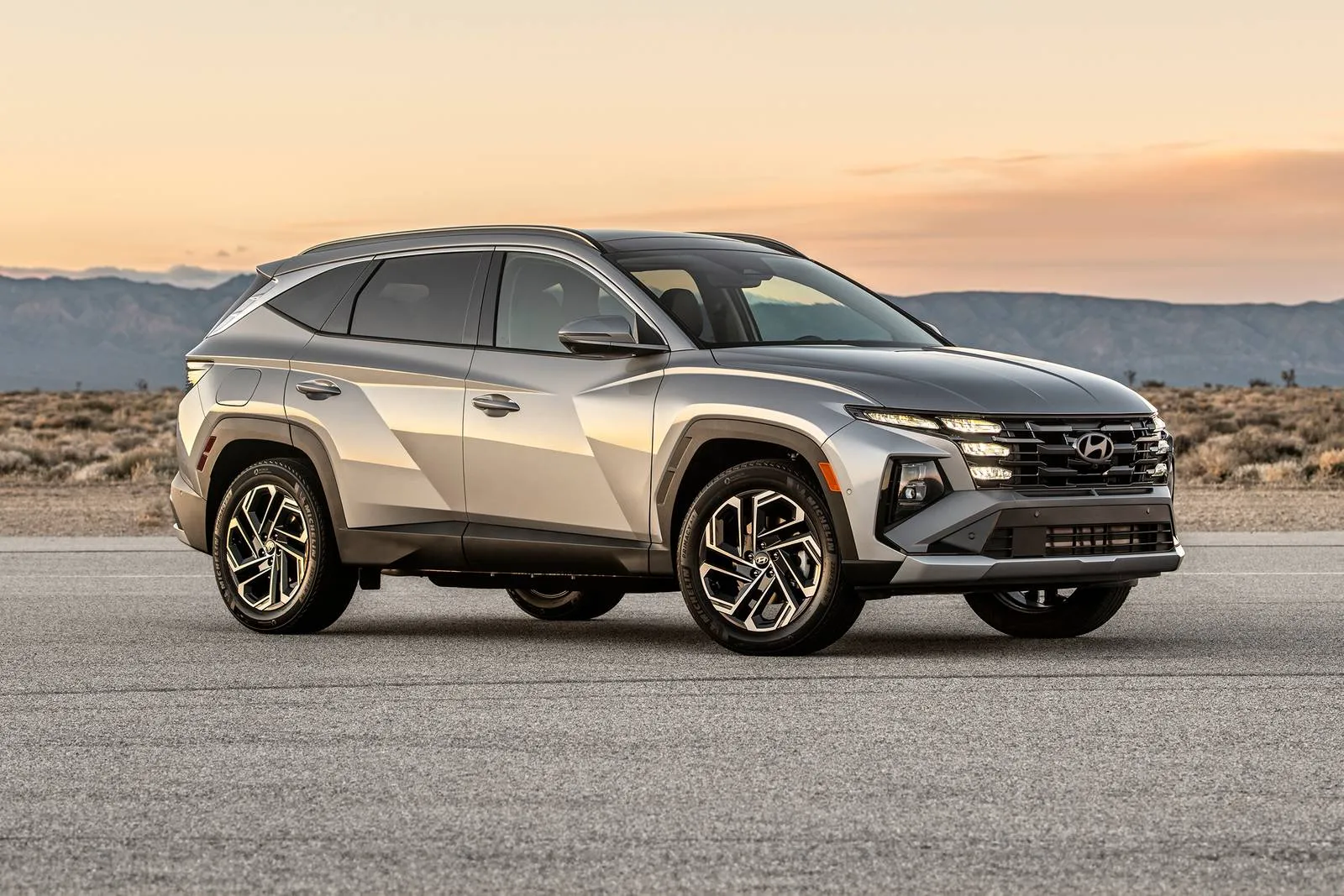
The Hyundai Tucson has steadily risen in popularity due to its spacious interior, modern design, and strong warranty coverage.
Hyundai’s commitment to providing long warranties gives owners peace of mind that many repairs will be covered in the early years of ownership. This warranty support makes the Tucson particularly attractive for buyers concerned about the unknown costs of maintaining a SUV.
Beyond warranty considerations, the Tucson delivers reliable everyday performance with engines and components that have stood the test of time.
Hyundai has refined this SUV over each generation, focusing on reducing complexity and improving durability. The result is a vehicle that many owners find easy to live with and inexpensive to maintain when parts wear out.
Service intervals and routine maintenance items are straightforward, and the widespread presence of Hyundai dealerships and service centers means that help is never far away.
Parts are generally affordable, and many mechanics are comfortable working on Tucson models because of their popularity. This convenience translates into lower labor charges and faster turnaround on repairs.
Inside, the Tucson’s cabin is practical and comfortable, with user friendly controls and materials chosen for durability.
Drivers and passengers alike find the space accommodating, and the design avoids unnecessary complexity that can add trouble points. These qualities contribute to a smooth ownership experience over many years.
Taken together, the Tucson’s blend of warranty support, dependable performance, and reasonable maintenance costs make it a SUV that remains easy to own.
For many families and daily commuters, this combination is hard to beat, and it explains why the Tucson continues to be a top choice in its class.
5 SUVs That Don’t Remain Easy to Own
Land Rover Range Rover
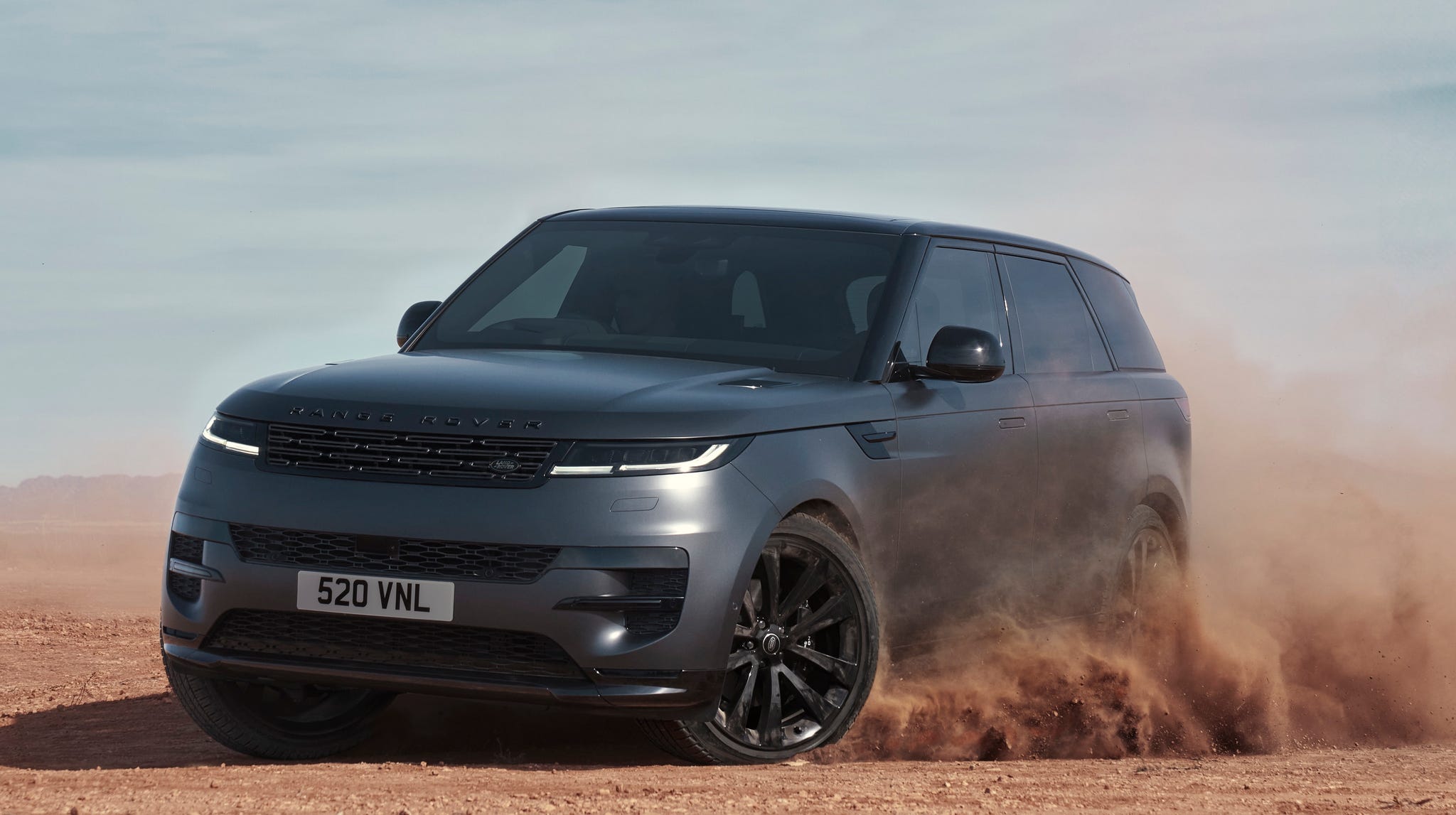
The Land Rover Range Rover is often seen as a symbol of luxury and capability, but its ownership experience can be quite the opposite of straightforward.
While it offers exceptional off road ability and premium features, the complexity of its systems tends to result in higher maintenance and repair needs than more basic SUVs. Many owners find themselves facing unexpected visits to service centers more often than they expected.
The Range Rover’s advanced electronics and air suspension system contribute to a refined ride, but these features are also known points of failure as mileage increases.
When problems occur, repairs can be expensive due to the cost of parts and the specialized knowledge required to fix them. Independent mechanics without Land Rover certification may struggle to diagnose and correct issues promptly.
Another factor that complicates ownership is the depreciation pattern of luxury SUVs. Range Rovers tend to shed value quickly, which means owners may find themselves with a vehicle worth far less than expected after a few years. This hit in resale value can make long term ownership feel like a poor financial decision despite the initial appeal.
Fuel economy is also a consideration, as larger engines and heavier bodies require more energy to move effectively.
Owners who drive frequently may see noticeable fuel bills compared to more efficient competitors. When combined with higher insurance premiums for luxury models, the cost of keeping a Range Rover on the road can become quite substantial.
For these reasons, the Range Rover is a SUV that tends to challenge owners rather than ease their burden. It may excel in prestige and capability, but those features come with a price that shows up repeatedly during the life of the vehicle and affects satisfaction.
Jeep Wrangler
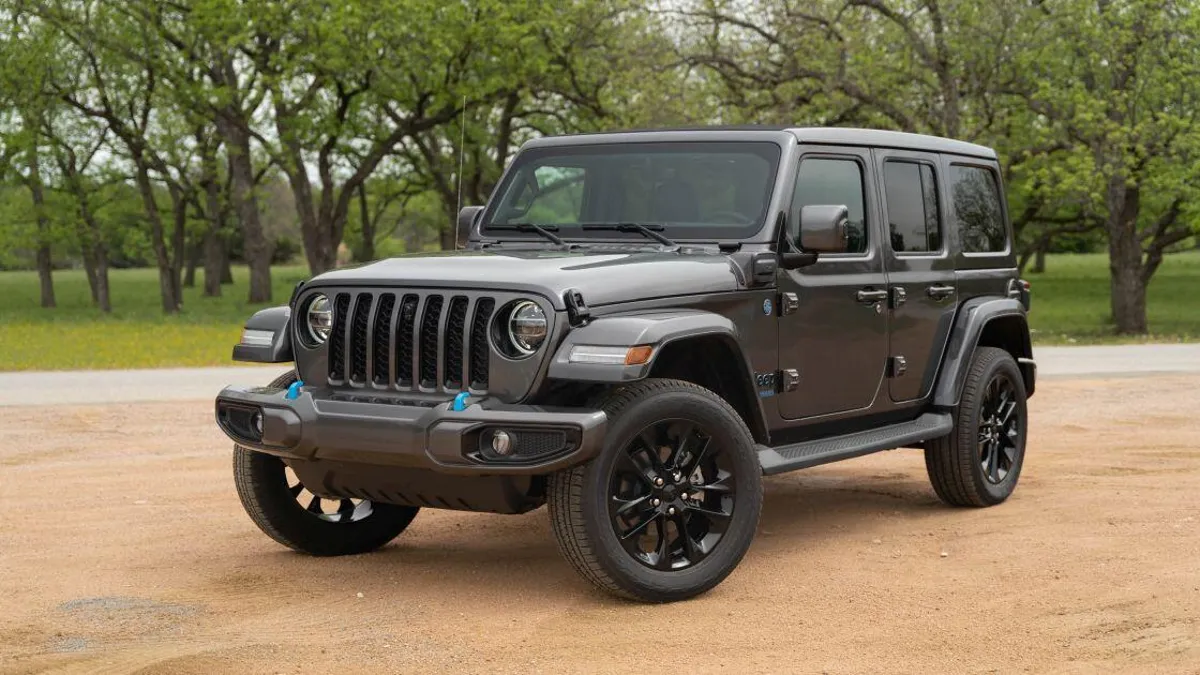
The Jeep Wrangler has a devoted fan base due to its rugged design and off road heritage, but it is not typically known for being easy to own in everyday life.
The Wrangler’s focus on capability means that road manners, fuel economy, and maintenance considerations are often secondary. For drivers who do daily commuting and long highway trips, these compromises become noticeable.
Wrangler models have a reputation for higher than average maintenance needs, partly due to their solid axles and exposed components designed for off road use.
While these features excel on trails, they can result in more frequent service intervals and component wear in normal use. Owners often find themselves replacing parts that other SUVs might not need for many more kilometers.
Fuel costs are another factor that makes the Wrangler less friendly to ownership budgets. Its boxy design and heavier structure contribute to lower efficiency compared to more streamlined competitors. Over years of driving, the cumulative cost of fuel can become significant, especially for those with long daily commutes.
Insurance costs can also be higher for the Wrangler because it is often driven in environments where damage is more likely, such as off road trails and uneven terrain.
Even if you keep your Wrangler primarily on paved roads, insurers factor in usage patterns that raise premiums. Combined with potentially costly repairs, this can make long term ownership more demanding.
While the Wrangler delivers a unique driving experience, those attracted to its adventurous image should be prepared for an ownership journey that may require more attention, cost more, and involve more surprises than many family oriented SUVs.
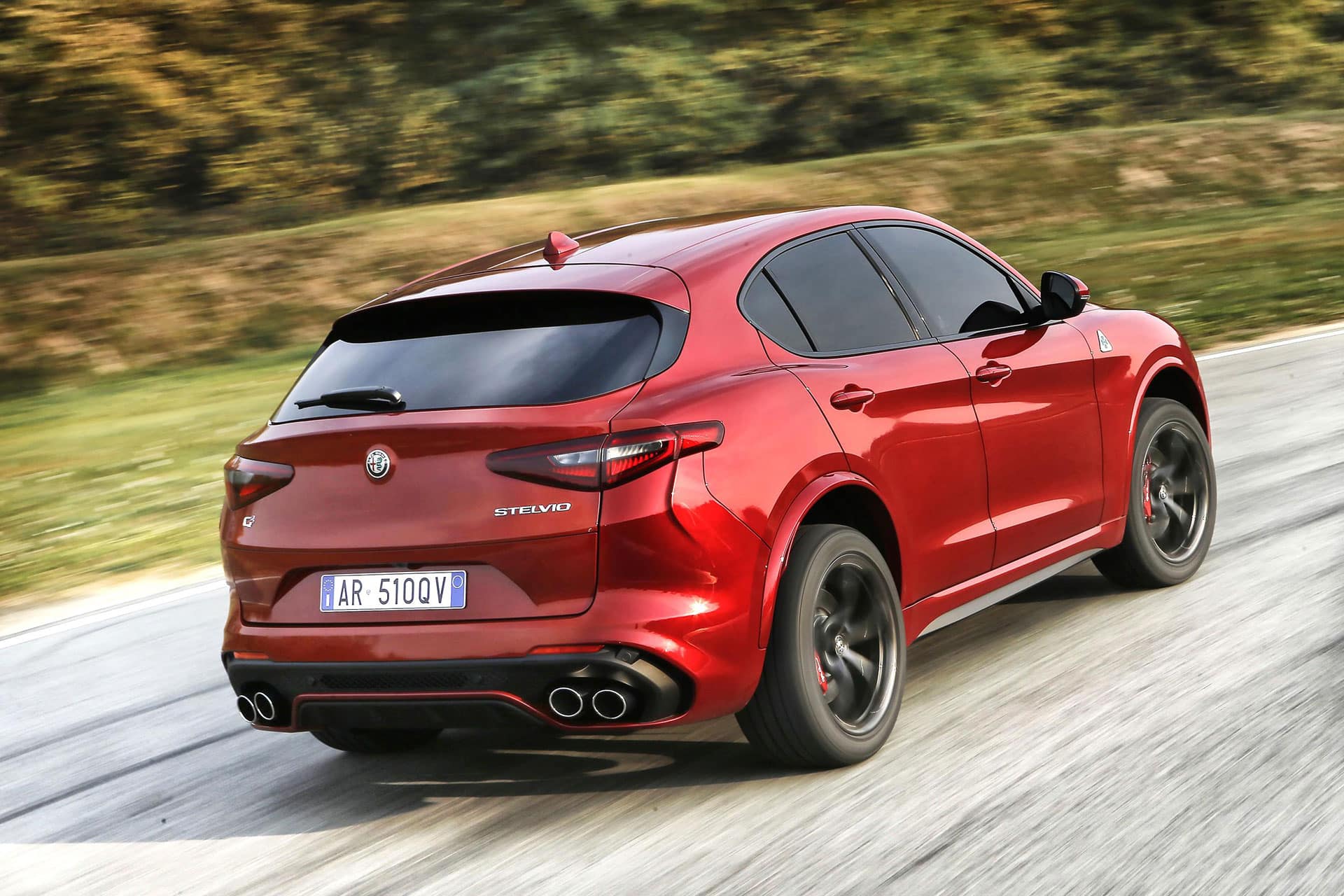
Alfa Romeo Stelvio
The Alfa Romeo Stelvio stands out with its sharp styling and engaging driving character, but these traits do not necessarily translate into easy ownership. Italian cars like the Stelvio often emphasize performance and design flair at the expense of long term reliability. Owners may find themselves spending more time and money on repairs than they anticipated.
Complex turbocharged engines and intricate suspension setups contribute to the Stelvio’s dynamic handling, but they also introduce more potential points of failure than simpler designs. When issues arise, parts tend to be costly and not as widely available as those for more mainstream brands. This scarcity can lead to delays and higher labor charges at specialized service centers.
Software and electrical gremlins have been reported by many owners, adding frustration to everyday use. Features like infotainment systems, sensors, and advanced driver aids can malfunction or behave unpredictably, necessitating trips to the dealer for recalibration or software updates. Such problems are less common in vehicles that focus on mechanical simplicity rather than cutting edge technology.
Resale value for the Stelvio can also be weaker than competitors, meaning owners lose more money when it comes time to sell or trade in. This depreciation reflects market perceptions of reliability and maintenance costs. Prospective buyers often shy away from vehicles with a reputation for unpredictability, which affects long term value.
Despite its driving dynamics, the Stelvio is a SUV that tends to challenge owners with ownership costs and complexity rather than making life easier. For those who prize simplicity and peace of mind, there are alternatives that deliver smoother long term experiences.
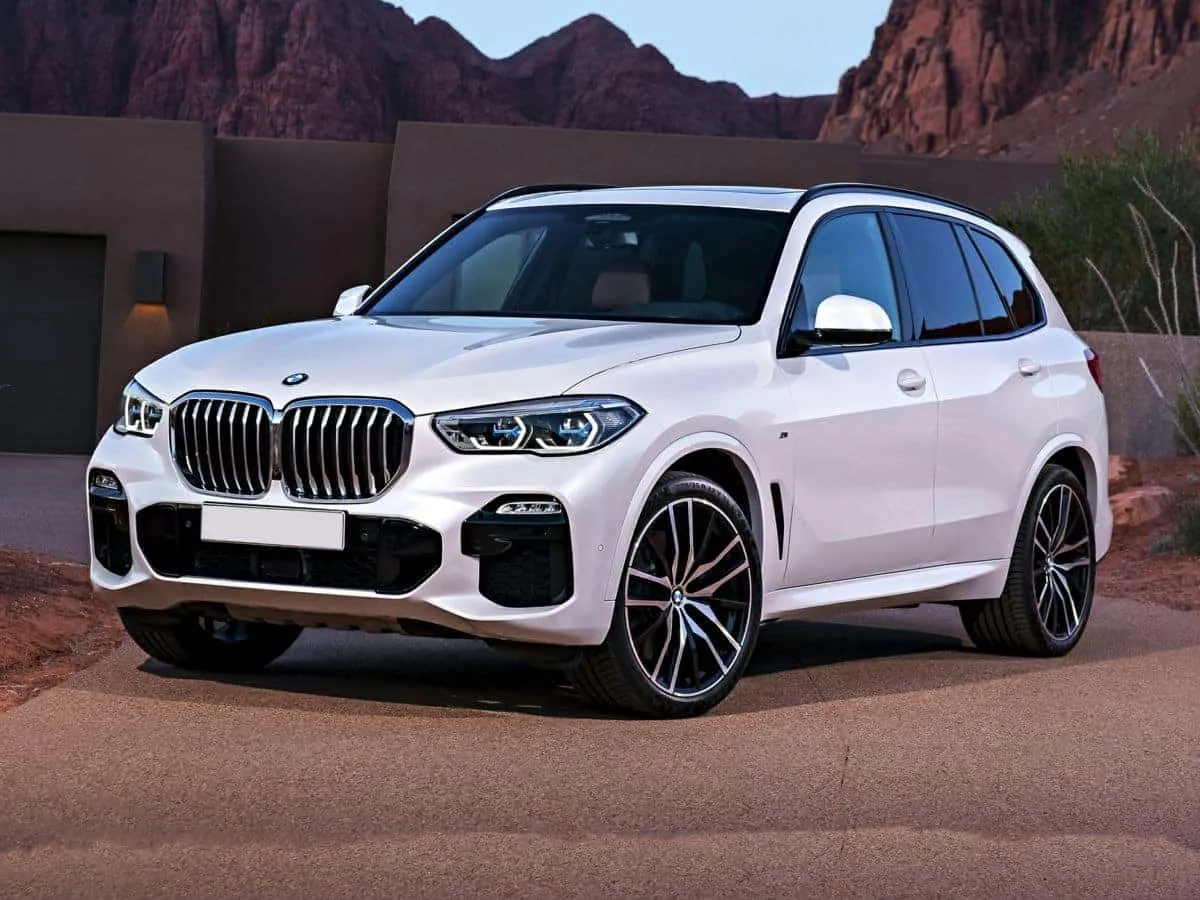
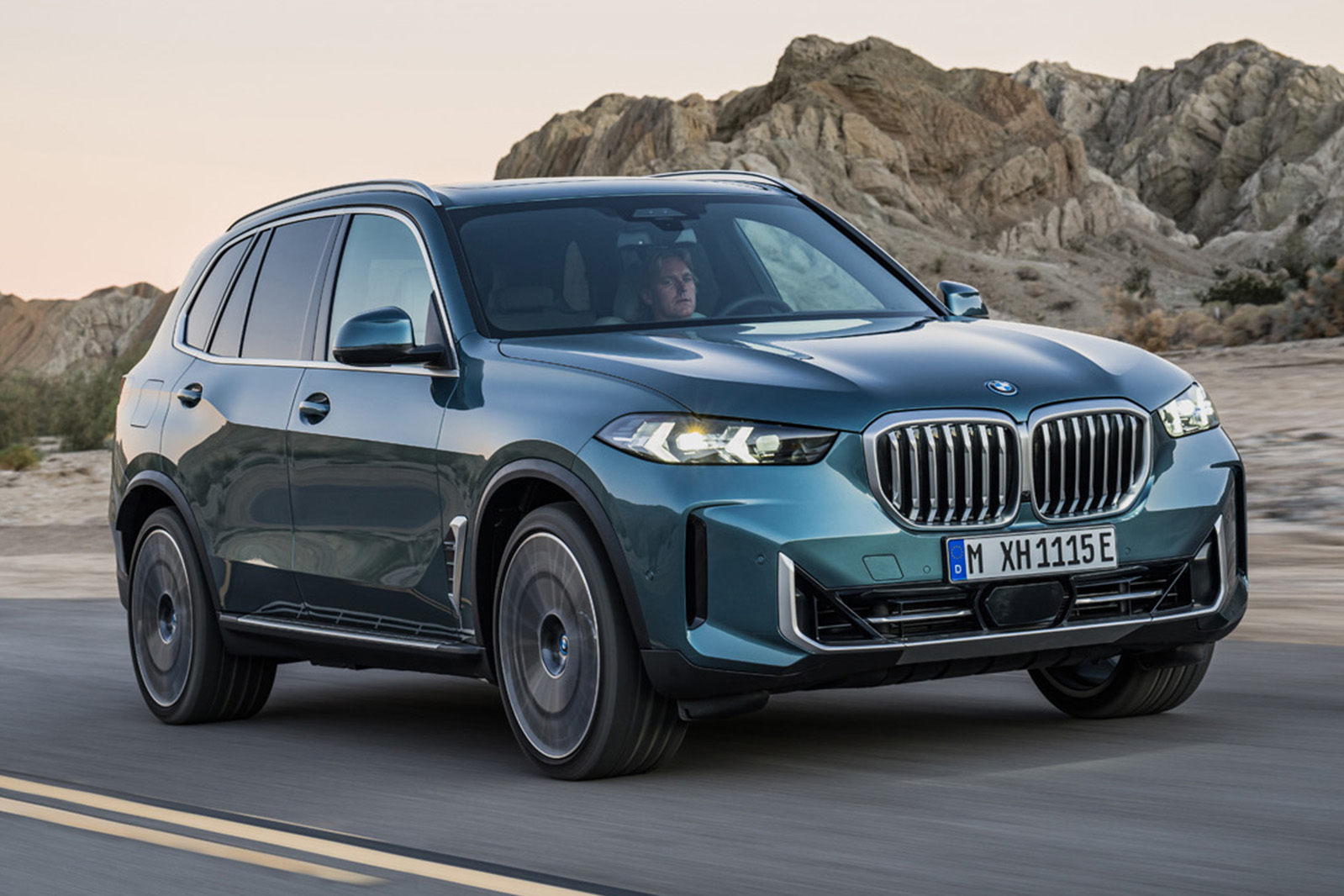
BMW X5
The BMW X5 is a midsize luxury SUV that offers strong performance and refined interiors, but its complexity can become a burden over time. Luxury German vehicles often pack sophisticated technology, adaptive systems, and premium materials that require careful maintenance. While these features enhance the driving experience, they also raise the stakes when repairs are needed.
Owners frequently report high costs for routine maintenance and unexpected repairs as the X5 ages. Specialized parts, expensive sensors, and advanced engine components mean that even simple fixes can require significant investment. Independent mechanics may hesitate to work on such vehicles due to the learning curve associated with BMW’s systems.
Fuel costs and insurance premiums tend to be higher for the X5 as part of the luxury ownership experience. Larger engines and performance-oriented tuning lead to greater fuel consumption, especially in urban use. Insurance companies factor in the cost of repairs and replacement parts when calculating premiums, which raises ongoing ownership costs.
Resale value for the X5 can vary widely depending on condition and mileage, but luxury SUVs as a group often depreciate more rapidly than mainstream competitors. Buyers looking for reliable long term ownership may find that this rapid depreciation adds to the cost of owning a BMW. Put simply, you pay more to own the brand and performance but get less support in terms of long lasting value.
For buyers considering an SUV that stays easy to live with, alternatives with simpler mechanics, broader service networks, and lower parts costs may be more attractive than the BMW X5. If you crave performance, the experience is rewarding, but ownership demands careful budgeting and planning.
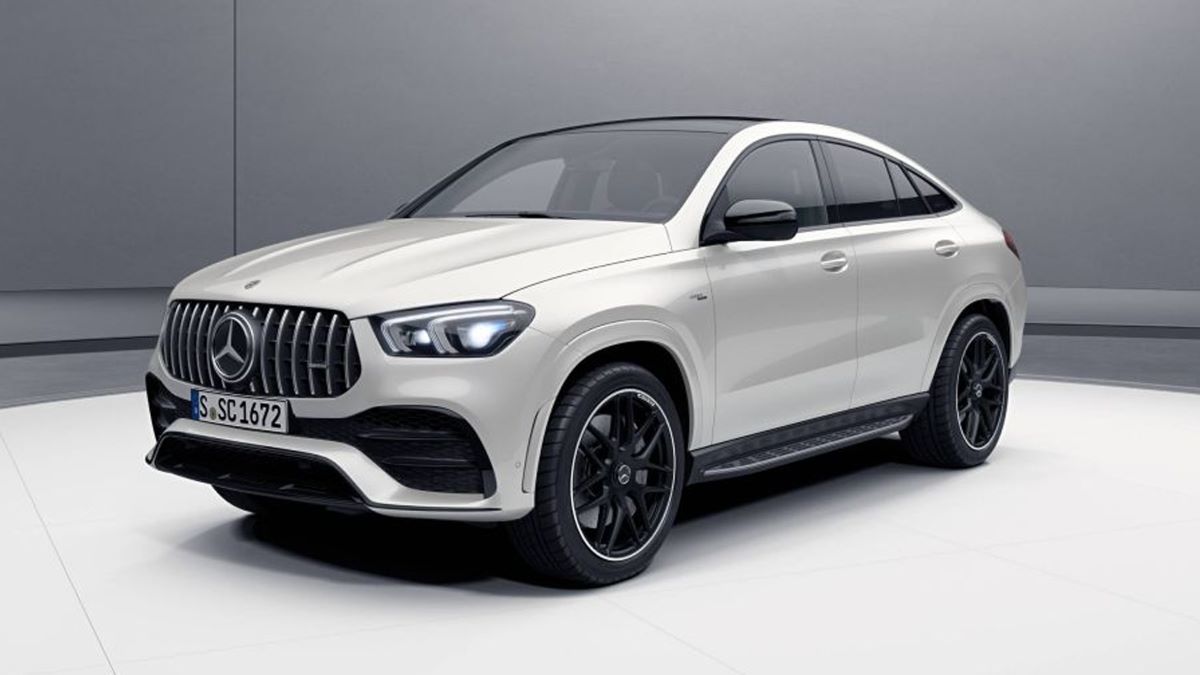
Mercedes GLE
The Mercedes GLE brings style and comfort in abundance, but its ownership experience is often marked by high costs and complexity. This luxury SUV comes loaded with advanced electronics, air suspension options, and powerful engines that deliver smooth performance. Unfortunately, these same systems can be the source of frequent service needs and expensive repairs.
Mercedes vehicles often incorporate proprietary technology that requires dealership level diagnostics and repair. Independent mechanics may not have the equipment or software needed to address complex issues, which drives owners back to authorized service centers with higher labor rates. Even routine services can be pricier than expected.
Fuel economy on the GLE is modest compared to smaller or more efficiency focused SUVs. Large engines and heavy curb weights mean that fuel consumption adds up over time. For owners who drive often, this can be a noticeable part of their monthly costs, especially with fluctuating fuel prices.
Depreciation is another concern for the GLE, as luxury SUVs tend to lose value quickly in the first few years of ownership. When it comes time to sell or trade in, many owners find that the resale price does not reflect the initial purchase cost. This loss in value can make long term ownership feel less satisfying.
While the Mercedes GLE offers a premium experience behind the wheel, it does not remain easy to own in practical terms. The blend of complexity, high service costs, and depreciation creates a challenging ownership journey that may not suit drivers seeking reliability and affordability.