Living in a U.S. city changes how you shop for a vehicle. Tight parallel parking, crowded garages, narrow residential streets, and stop-and-go traffic all put pressure on one simple question: how big is too big?
Compact SUVs are often marketed as the perfect middle ground higher seating and cargo flexibility without the bulk of a full-size SUV.
But here’s the reality: not all “compact” SUVs behave the same in urban environments. Some feel nimble, easy to park, and stress-free in traffic.
Others, despite wearing the same label, feel oversized once you start squeezing into downtown parking structures or threading through older neighborhoods.
If you’re shopping from New York to Chicago to San Francisco or any growing metro area this guide breaks down five compact SUVs that genuinely fit city life, followed by five that technically qualify as compact but feel far less friendly on urban streets.
Compact SUVs That Truly Fit City Streets
City driving has its own set of challenges, tight parking spaces, narrow streets, heavy traffic, and constant stop-and-go conditions. While many SUVs have grown larger over the years, not all of them are well suited to urban life.
That’s where truly compact SUVs stand out. These vehicles are designed to offer the higher driving position and practicality people want from an SUV, without the bulk that makes city driving stressful.
From easy maneuverability to sensible dimensions and efficient powertrains, the right compact SUV can make daily urban commuting far more enjoyable. In this article, we highlight compact SUVs that genuinely fit city streets, proving you don’t need oversized proportions to get everyday versatility.
1. Honda HR-V
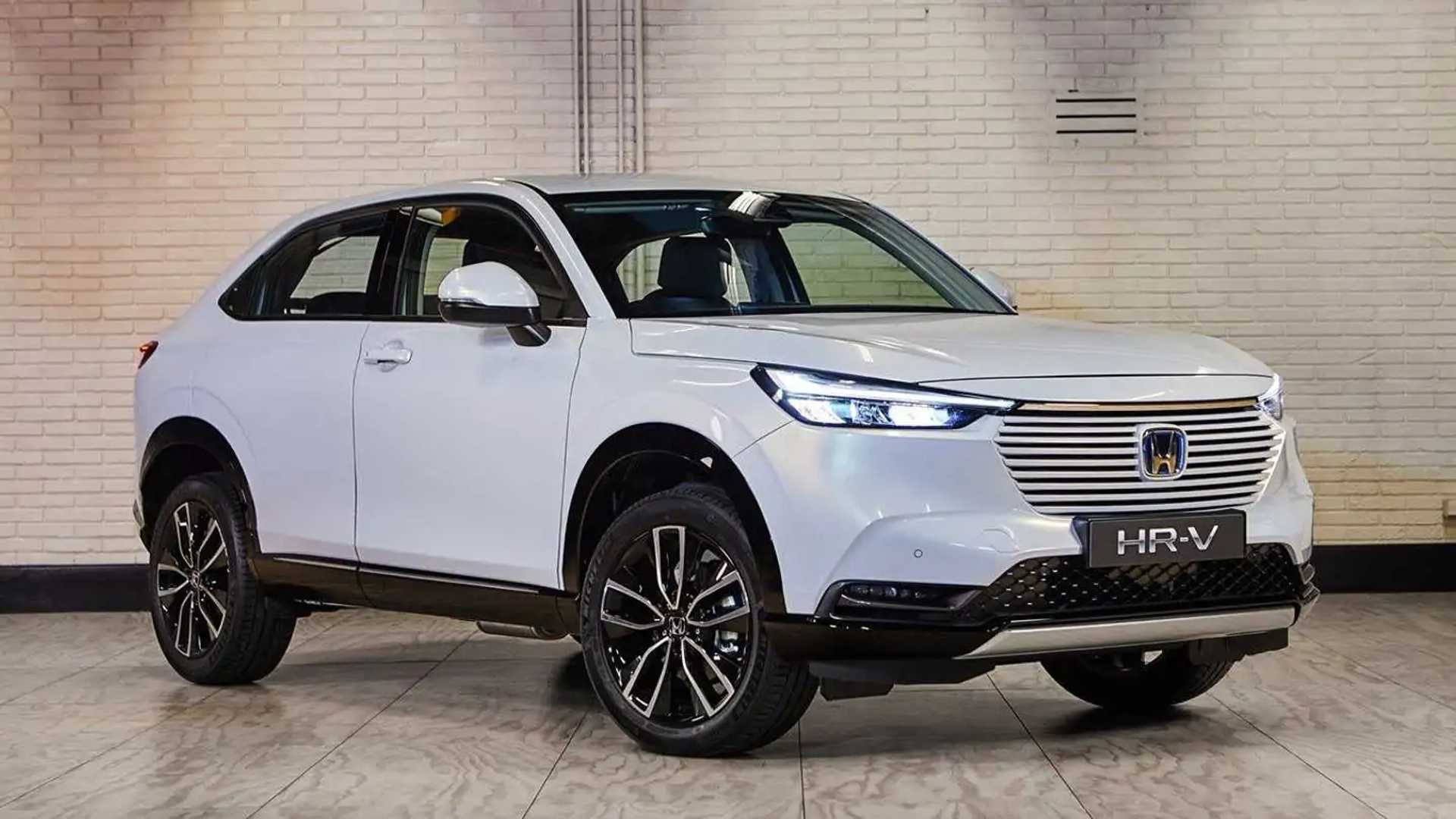
The HR-V is one of the smallest SUVs sold in the U.S., and that’s exactly why it shines in dense areas.
It feels closer to a hatchback than an SUV behind the wheel, making it ideal for drivers who spend most of their time weaving through traffic or hunting for curbside parking.
What really helps in city life is its excellent forward visibility and light steering. U-turns are drama-free, parking garages don’t feel intimidating, and the elevated driving position still gives you that SUV perspective.
Fuel economy is solid for urban commuting, and Honda’s driver-assist features like adaptive cruise and lane keeping take the edge off daily congestion.
Despite its compact footprint, clever interior packaging gives you respectable cargo room for groceries, gym bags, or weekend trips.
Our initial time behind the wheel of the HR-V left us with mixed impressions. The steering felt overly light and somewhat artificial at first, though it became easier to live with as we spent more time driving the vehicle.
Around town at lower speeds, the engine and transmission feel serviceable enough, but that changes with a full load of passengers when attempting highway maneuvers, where the powertrain feels decidedly underwhelming. In fact, the HR-V takes more than 10 seconds to reach 60 mph, a relaxed pace even by standards within this segment.
Where the HR-V really shines is in its braking performance and overall handling balance. The brakes are smooth and responsive, and despite being one of the larger entries in the extra-small SUV class, the HR-V feels relatively nimble and light on its feet, a trait long associated with Honda vehicles. R
ide quality is another strong point, with a compliant suspension that absorbs bumps without ever feeling harsh. Excellent outward visibility further enhances driver confidence, helped by side mirrors mounted lower on the doors.
Although a surround-view camera system isn’t available, the standard backup camera offers multiple viewing angles, which goes a long way toward making up for the omission.
The HR-V also comes equipped with a fairly robust set of driver-assistance features, though not all of them impressed during our testing. Some systems, particularly the blind-spot monitoring, proved overly sensitive, while the brakes were slow to react when the adaptive cruise control was engaged.
Also Read: Top 6 Audi Sedans We’d Buy Used And 6 We Wouldn’t
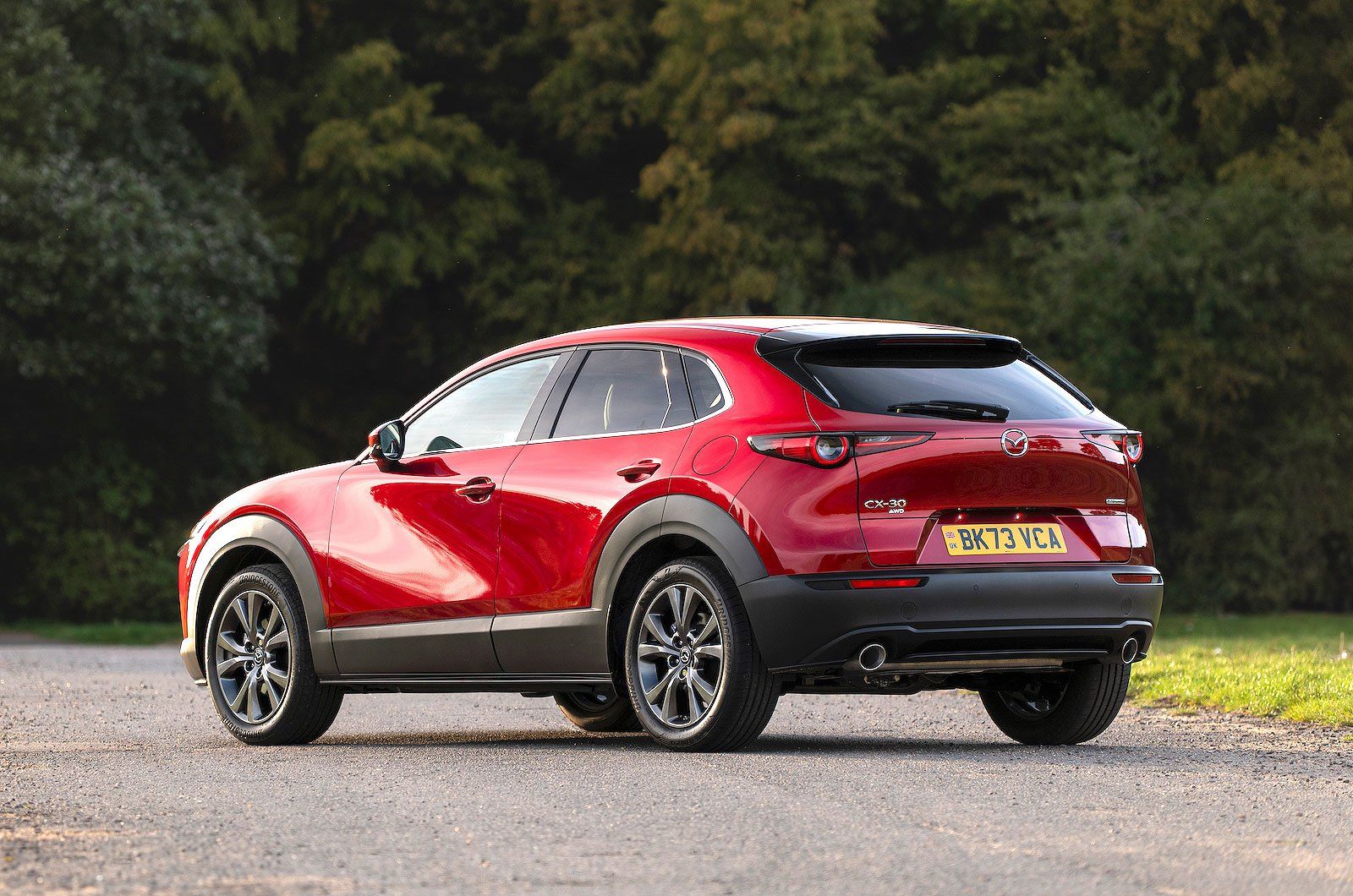
2. Mazda CX-30
If you want something that feels premium without luxury-brand pricing, the CX-30 is a standout. Mazda tuned this SUV for drivers who care about steering feel, and it shows lane changes are precise, and navigating crowded streets feels intuitive.
The CX-30’s compact width is a huge advantage in older cities with narrow lanes, while its standard blind-spot monitoring and available surround-view camera make tight parking far less stressful.
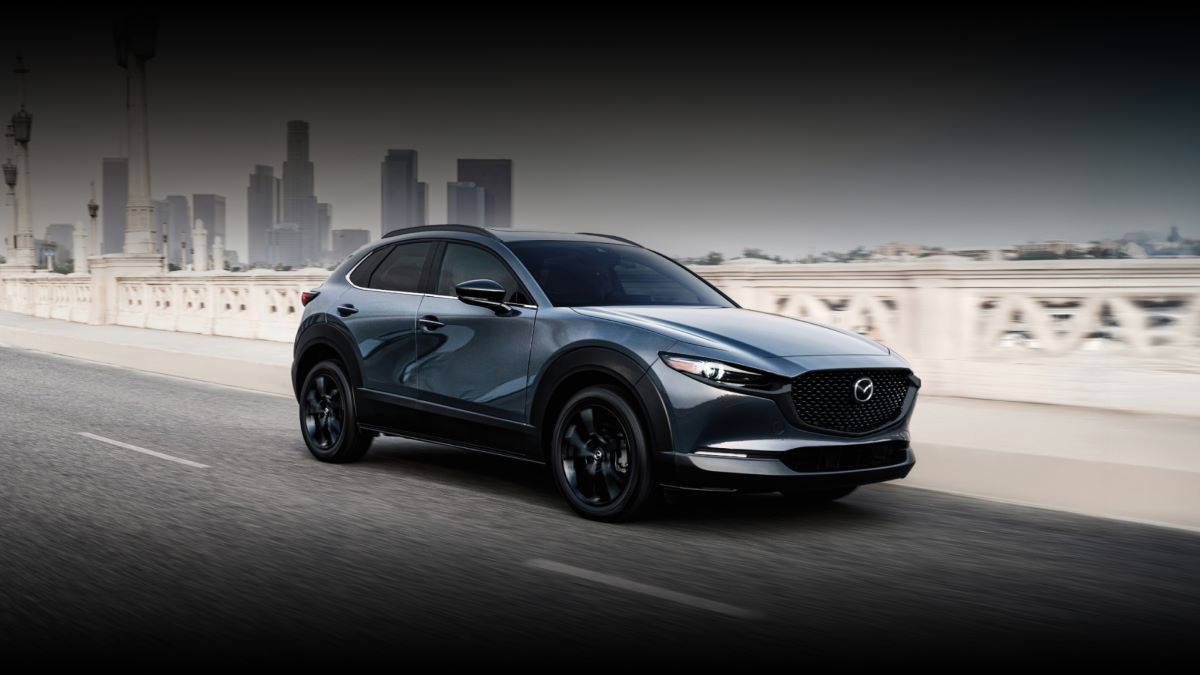
It also rides quietly at low speeds, which matters more than you’d think when you’re crawling through rush-hour traffic every day.
It’s especially appealing for urban professionals who want a stylish ride that doesn’t feel bulky.
The 2026 Mazda CX-30 is offered with two different engine choices. Models wearing the 2.5 S badge come equipped with a naturally aspirated 2.5-liter four-cylinder that produces 186 horsepower.
Stepping up to the 2.5 Turbo brings a turbocharged version of that same engine, delivering 227 horsepower, or as much as 250 horsepower when running on premium fuel. Both engines are paired with a six-speed automatic transmission and come standard with all-wheel drive.
As expected, the 2.5 Turbo provides a noticeably more spirited driving experience. Power builds smoothly when pulling away from a stop, and once the turbo reaches full boost, the CX-30 surges forward with impressive eagerness.
The transmission handles the added output well, delivering mostly quick and seamless shifts throughout my time behind the wheel. In my testing with a 2.5 Turbo Aire Edition, the CX-30 completed a 0-to-60-mph run in a brisk 7 seconds.
Even with less power, the standard engine doesn’t feel sluggish in everyday driving. At city speeds, it feels lively enough and has no difficulty keeping pace with surrounding traffic.
Acceleration to 60 mph takes roughly 8.1 seconds. The biggest distinction between the two engines becomes apparent during passing maneuvers, where the base engine lacks the extra punch of the turbo and becomes noticeably louder when pushed hard, especially compared with the quieter and more refined turbocharged option.
No matter which powertrain you choose, the CX-30 stands out for its handling, which is among the sharpest in the segment. Steering is quick and well weighted, giving the vehicle a nimble, almost hot-hatch-like feel when carving through corners or navigating winding roads.
The suspension is firm and well controlled, keeping body roll in check during aggressive driving. Ride quality can feel slightly stiff over rough pavement, allowing some vibrations and jolts to filter into the cabin, but comfort remains solid for daily use.
Braking performance is another strong point, with smooth, predictable, and confident stopping power demonstrated throughout my weeklong test.
3. Hyundai Kona
The Kona practically feels designed for city living. Its short overall length and tight turning radius make it incredibly easy to maneuver, and its upright stance provides excellent visibility in busy intersections.
Hyundai packs in tech that urban drivers appreciaten wireless smartphone integration, digital gauges, and advanced safety systems even on lower trims.
The Kona is also one of the more affordable entries in the segment, which makes it attractive for first-time SUV buyers in metro areas.
Whether you’re navigating LA traffic or squeezing into Boston street parking, the Kona rarely feels cumbersome.
The Kona is offered with two four-cylinder engine choices. Our test vehicle was equipped with the upgraded turbocharged four-cylinder, which produces 190 horsepower and 195 lb-ft of torque.
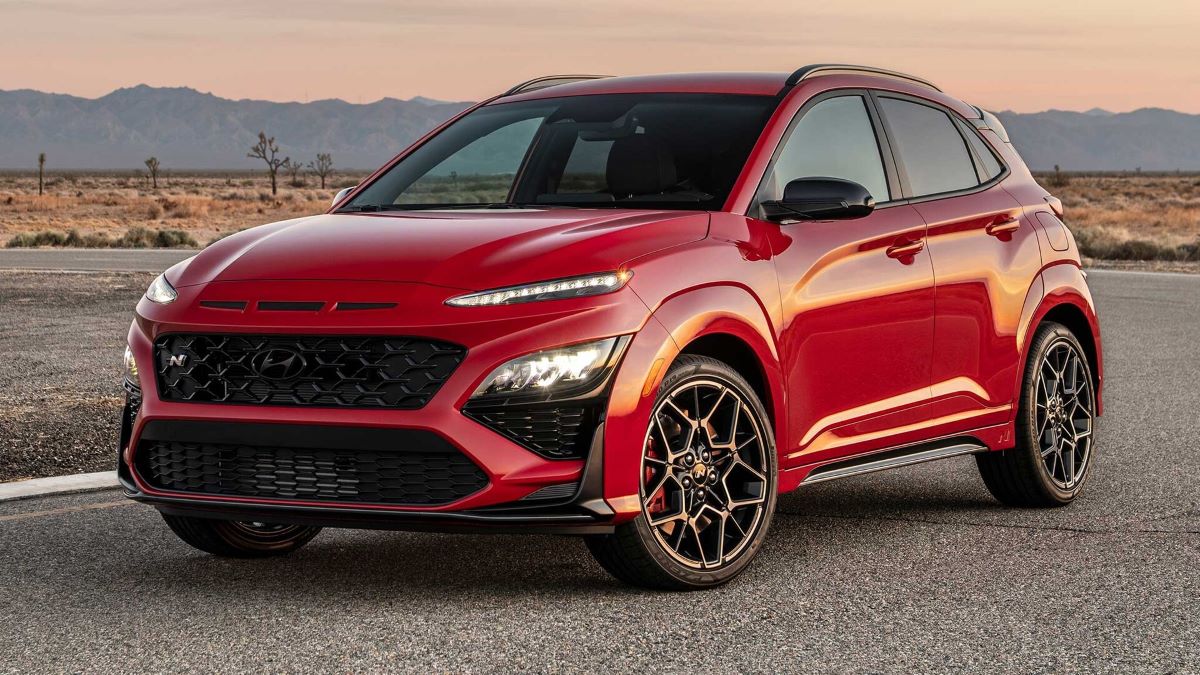
At our test track, this version accelerated from zero to 60 mph in 7.8 seconds, placing it among the quicker contenders in its highly competitive segment. Braking performance was also a strong point, as the Kona posted solid results in our emergency stopping tests.
Handling, however, is an area where the Hyundai falls short. The suspension tuning is quite soft and bouncy, which leads to uninspiring cornering behavior and noticeable body roll that drains away any sense of driving excitement.
In terms of advanced driver-assistance technology, the Kona stands out as one of the better-equipped vehicles in its class. Standard features include blind-spot monitoring and lane-keeping assist, while options such as adaptive cruise control and a 360-degree surround-view parking camera are available.
Higher trim levels even include a smart key with buttons that allow the driver to maneuver the Kona into or out of a parking space from outside the vehicle.
Its cabin ranks among the best in the extra-small SUV category. Road and wind noise are well suppressed, even at highway speeds, and the seats are generally comfortable in both rows, though we did find ourselves wishing for a bit more thigh support.
The Kona also distinguishes itself by offering features that are rare in this segment, such as ventilated front seats and a heated steering wheel.
Where the Kona truly shines is in the rear seat. Generous legroom and headroom make it a genuinely usable space for adults, not just children. It also simplifies the process of installing larger child safety seats, without forcing the front passenger to sacrifice comfort by sliding their seat too far forward.
Also Read: Top 6 BMW Sedans We’d Buy Used And 6 We Wouldn’t
4. Toyota Corolla Cross
Built on the same foundation as the Corolla sedan, the Corolla Cross carries over that car-like ease of use. It’s predictable, efficient, and extremely easy to drive in urban settings.
Toyota’s reputation for reliability makes this model popular with city dwellers who want low ownership stress.
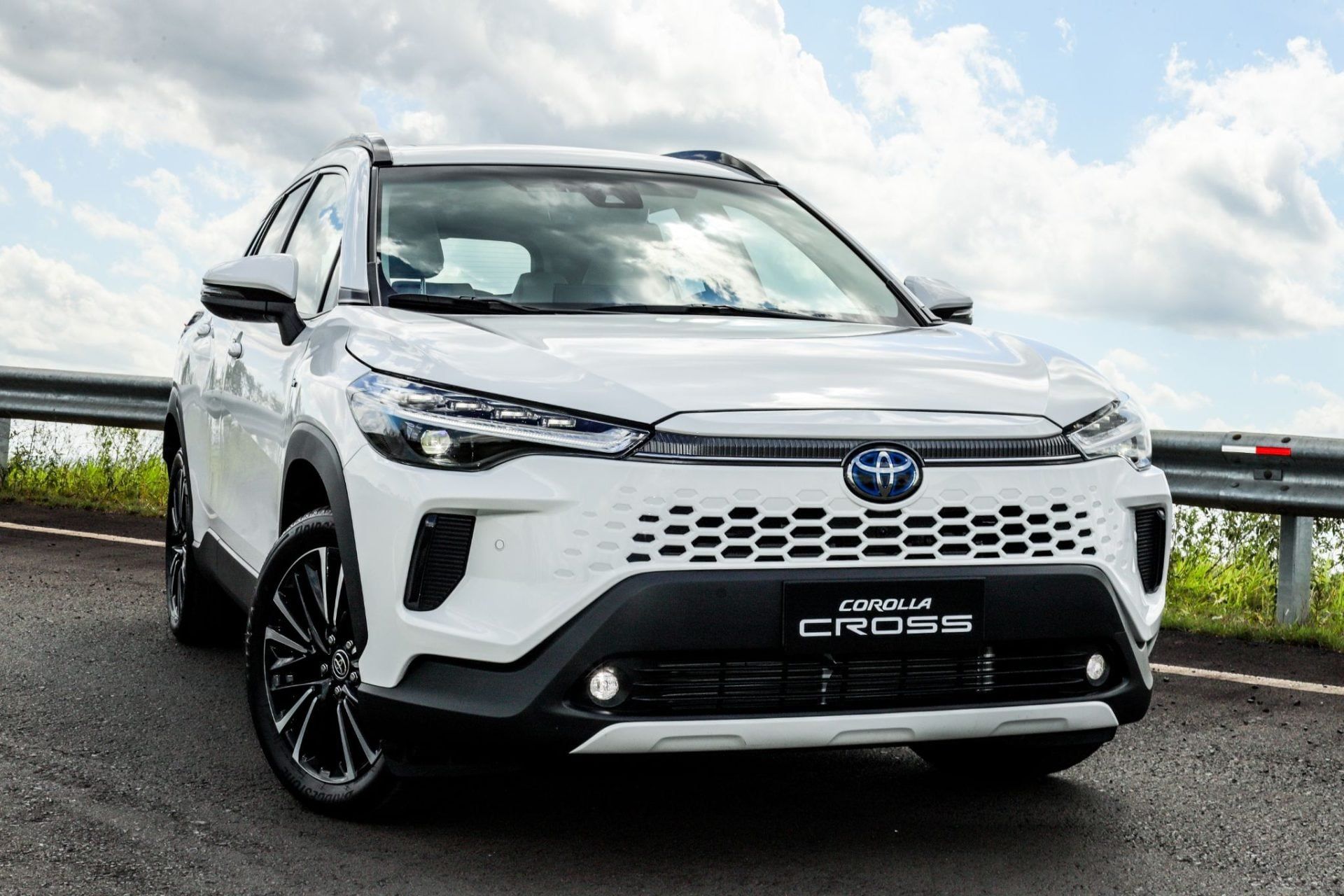
It also offers a hybrid version, which is especially appealing for drivers stuck in traffic-heavy commutes where fuel savings add up quickly.
The Corolla Cross doesn’t try to feel rugged it focuses on being practical, and that works in its favor for everyday city tasks.
The Corolla Cross is offered with either a conventional gasoline engine or a hybrid setup, but this review focuses exclusively on the gas-powered version. That model is equipped with a 2.0-liter four-cylinder engine producing 169 horsepower and 150 pound-feet of torque, paired with a continuously variable automatic transmission (CVT).
Front-wheel drive comes standard, while all-wheel drive is available as an option. For most drivers, the available power will feel merely adequate. When driven aggressively, the engine becomes coarse and noisy, yet it still doesn’t deliver brisk acceleration.
5. Chevrolet Trailblazer
The Trailblazer hits a sweet spot between compact size and interior usability. It’s easy to park, offers decent rear-seat room, and includes smart storage solutions that urban drivers appreciate.
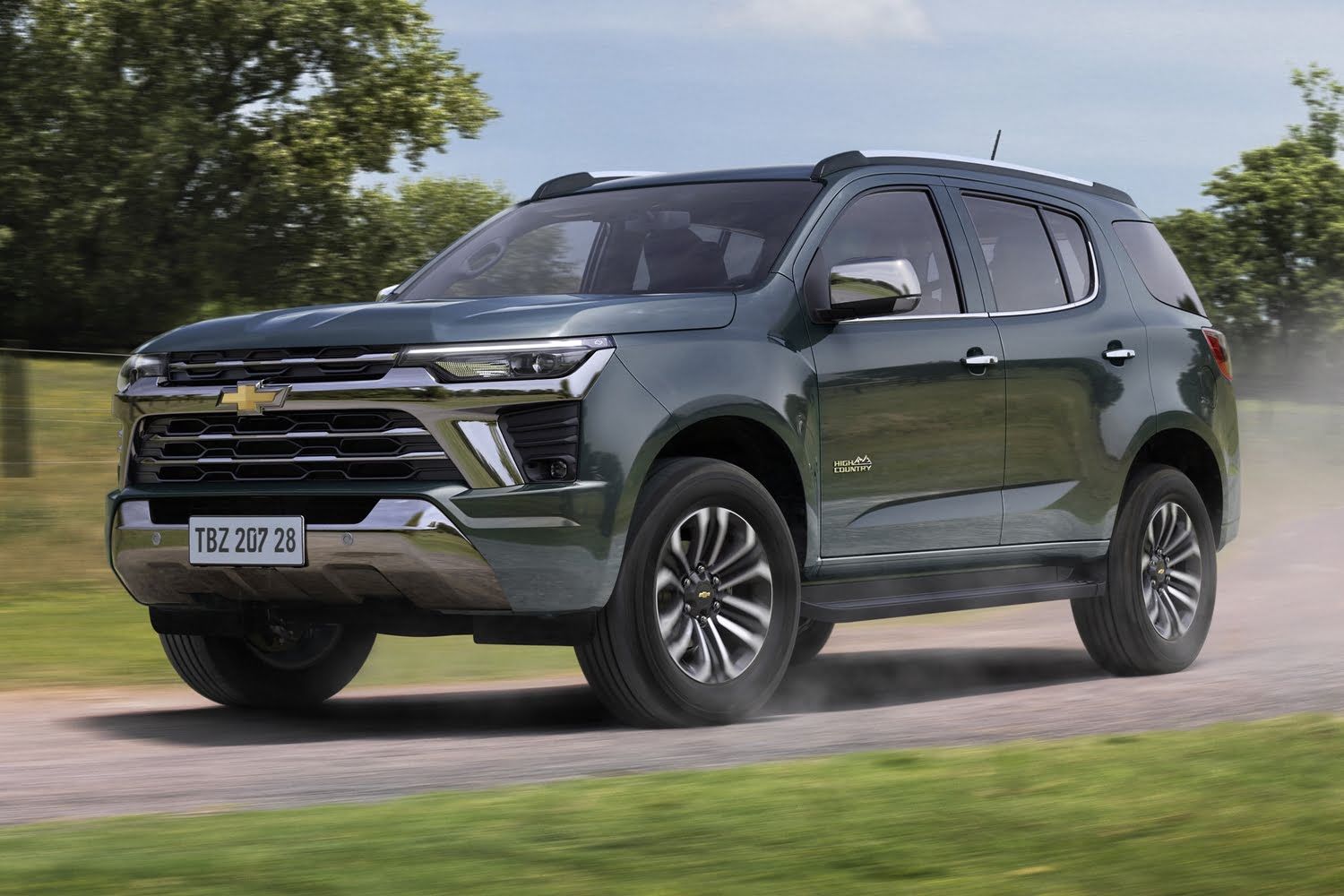
Chevy’s infotainment system is straightforward, and available safety tech like rear cross-traffic alert is a real bonus when backing out of crowded city parking lots. It also provides optional all-wheel drive for drivers dealing with snowy streets in northern cities.
Compact SUVs That Feel Too Big for City Life
Not every compact SUV is truly compact once you put it on real city streets. Many models in this segment have steadily grown larger over the years, trading tight-footprint practicality for added space and presence.
While that might sound appealing on paper, it can become a drawback in dense urban environments where narrow roads, tight parking garages, and constant traffic demand smaller, more manageable vehicles.
From bulky dimensions to wide turning circles and poor visibility in cramped spaces, some compact SUVs feel more like midsize vehicles when you’re navigating daily city life. In this article, we look at compact SUVs that simply feel too big for urban driving, highlighting where their size works against them when space is at a premium.
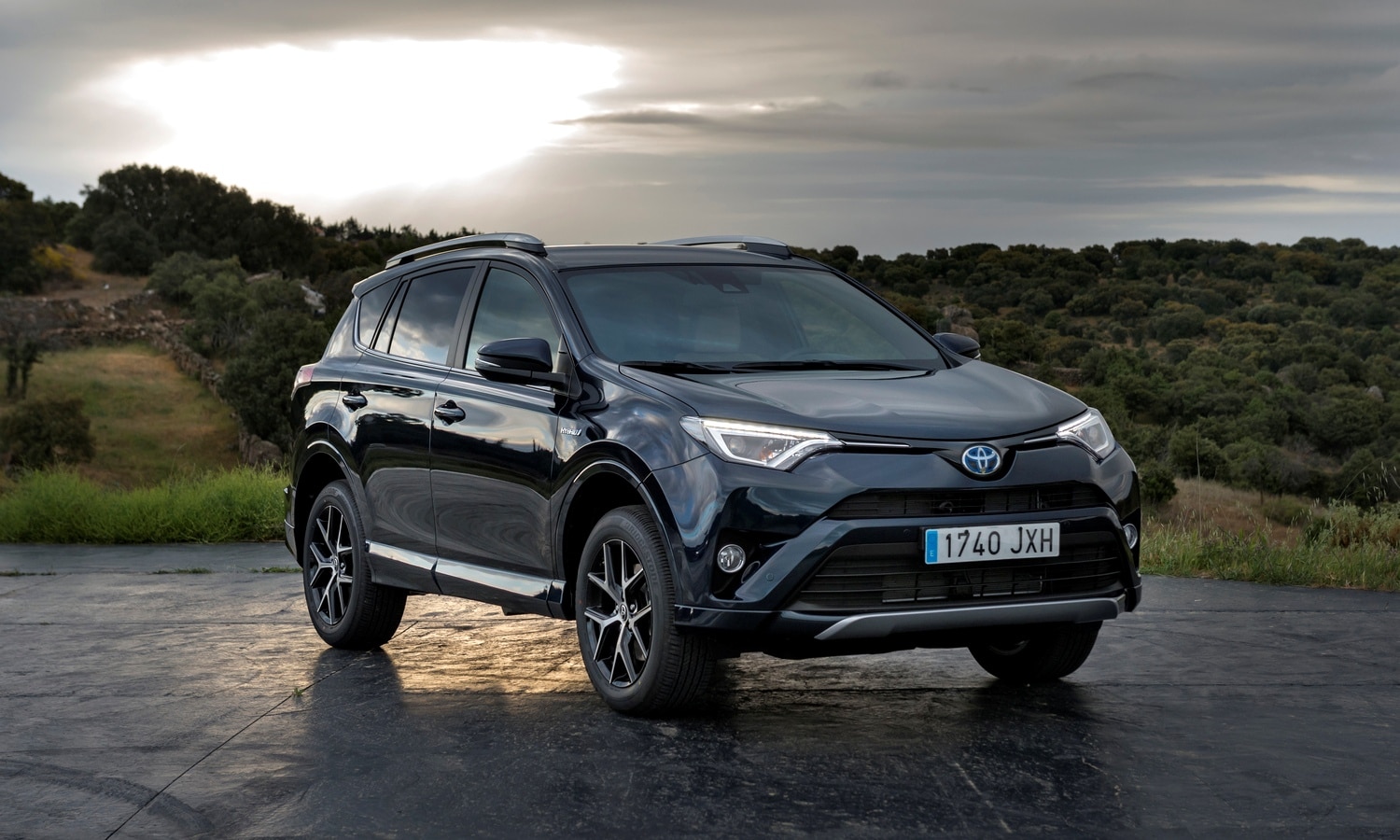
1. Toyota RAV4
The RAV4 is wildly popular and for good reason but city drivers often find it borderline oversized. Its width makes narrow streets and tight garages feel cramped, and parallel parking takes more effort than in smaller competitors.
It excels on highways and family road trips, but for dense urban cores, it starts to feel more like a midsize SUV in daily use.
Not every compact SUV is truly compact once you put it on real city streets. Many models in this segment have steadily grown larger over the years, trading tight-footprint practicality for added space and presence.
While that might sound appealing on paper, it can become a drawback in dense urban environments where narrow roads, tight parking garages, and constant traffic demand smaller, more manageable vehicles.
From bulky dimensions to wide turning circles and poor visibility in cramped spaces, some compact SUVs feel more like midsize vehicles when you’re navigating daily city life. In this article, we look at compact SUVs that simply feel too big for urban driving, highlighting where their size works against them when space is at a premium.
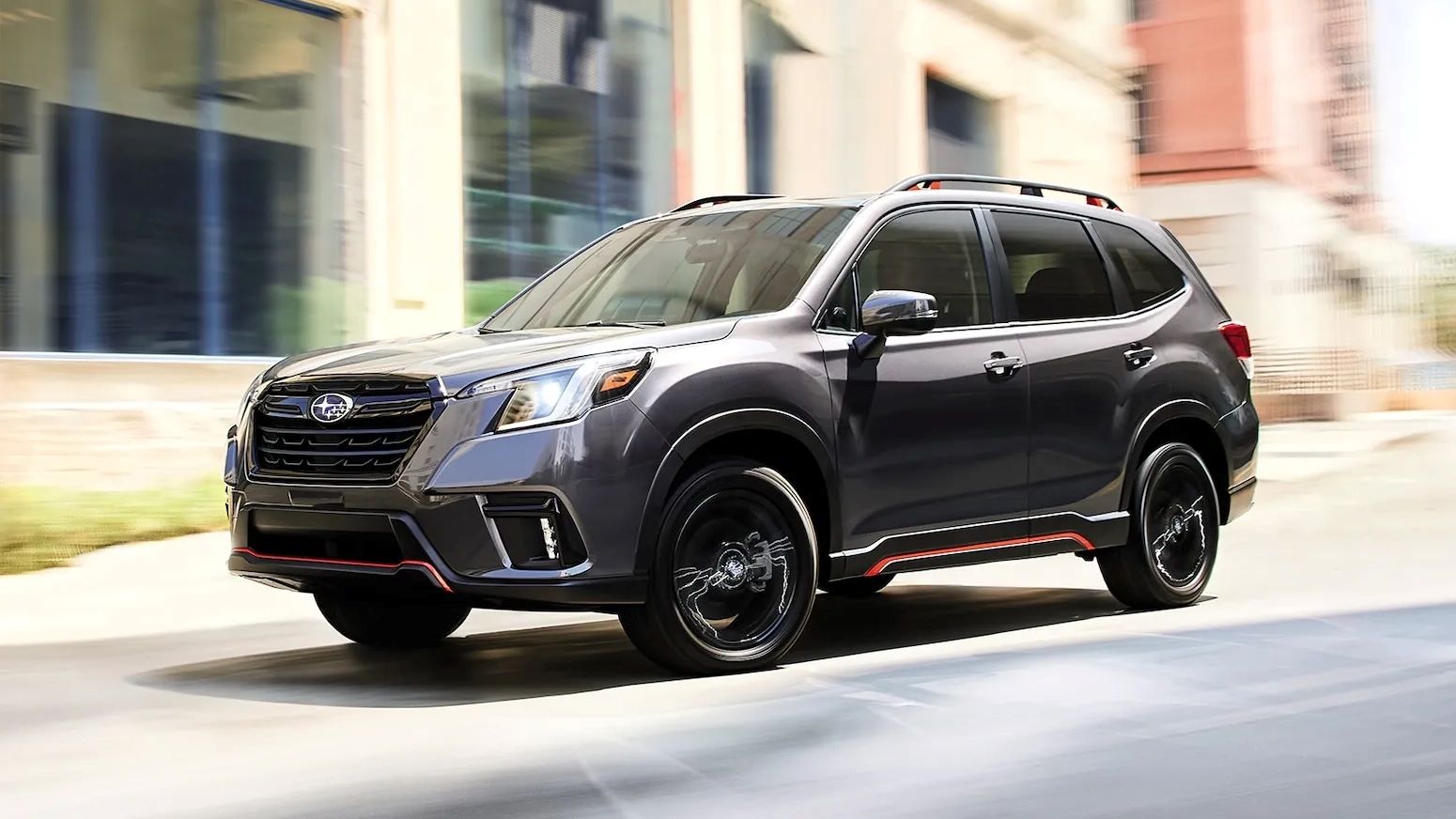
2. Subaru Forester
The Forester offers fantastic visibility and standard all-wheel drive, but its tall, boxy shape makes it feel bulky in city traffic. It’s longer than many people expect, and squeezing into urban parking spaces can become a recurring headache.
Drivers who spend weekends outdoors love it but weekday city commuters may find it more vehicle than they need.
Blending Subaru’s rugged, outdoors-focused image with the everyday usefulness of a compact crossover has helped make the Forester a popular choice. That appeal is somewhat dampened, however, by its underwhelming flat-four engine, which delivers lackluster acceleration and limits its overall appeal.
For 2022, the Forester receives a styling refresh that gives it a more squared-off, trucklike look, while the interior remains as comfortable and functional as ever. The cabin feels especially open and airy and is filled with practical storage cubbies throughout. As with most Subaru models, all-wheel drive comes standard.
Competitors such as the Honda CR-V and Toyota RAV4 offer similar versatility and comfort, but their more powerful gasoline and hybrid powertrains make the Forester feel comparatively slow. Shoppers drawn to Subaru’s adventurous personality are likely to find the Forester a perfectly acceptable option.
In the competitive compact SUV segment for 2022, the Subaru Forester places outside the top tier. Models like the Mazda CX-5, Volkswagen Tiguan, Hyundai Tucson, and Honda CR-V rank higher, while the Forester comes in at number 11. Buyers interested in cross-shopping can compare it directly with these rivals to see how it stacks up in pricing, features, and performance.
For the 2022 model year, Subaru gives the Forester a noticeable update. Exterior changes include more blocky front headlights, a redesigned grille, and new wheel options. A new Wilderness trim joins the lineup, mirroring the Outback Wilderness by adding increased ground clearance and tougher-looking styling elements.
Inside, Subaru introduces optional gesture-based climate controls and makes a panoramic sunroof standard on all trims except the base model. The EyeSight driver-assistance suite is upgraded with improved camera sensors, which Subaru says expand the system’s field of view and operating range, while also adding a new Automatic Emergency Steering feature.
Pricing for the 2022 Subaru Forester starts at $27,070 and climbs to $37,170 depending on trim and options. The range includes the base Forester, Premium, Sport, Limited, Wilderness, and Touring trims. While the Limited and Touring models offer more upscale touches, the Premium trim stands out as the best value.
Its exterior upgrades, such as 17-inch wheels, a rear spoiler, and body-color side mirrors, give it a more polished look, while the interior adds desirable features like a panoramic sunroof, a 10-way power-adjustable driver’s seat, reclining rear seatbacks, an onboard Wi-Fi hotspot, and a six-speaker audio system.
Every Forester is powered by the same 2.5-liter flat-four engine, which produces 182 horsepower and supports towing up to 1,500 pounds. Power is sent through a continuously variable automatic transmission to Subaru’s standard all-wheel-drive system.
In testing, our 2022 Forester Wilderness reached 60 mph in 8.0 seconds, a figure that’s far from exciting but sufficient for most everyday needs. Buyers craving stronger acceleration would be better served by alternatives such as the Honda CR-V or turbocharged versions of the Mazda CX-5 and Kia Sportage.
That said, for an SUV with no sporting ambitions, the Forester handles itself well. The ride is smooth and refined, steering response is accurate, and the brakes provide enough stopping power for emergency situations.
3. Ford Bronco Sport
Styled to look rugged, the Bronco Sport carries that off-road attitude into the city sometimes to its disadvantage. Its upright design and chunky proportions reduce parking ease, and its turning radius isn’t as friendly as more urban-focused competitors.
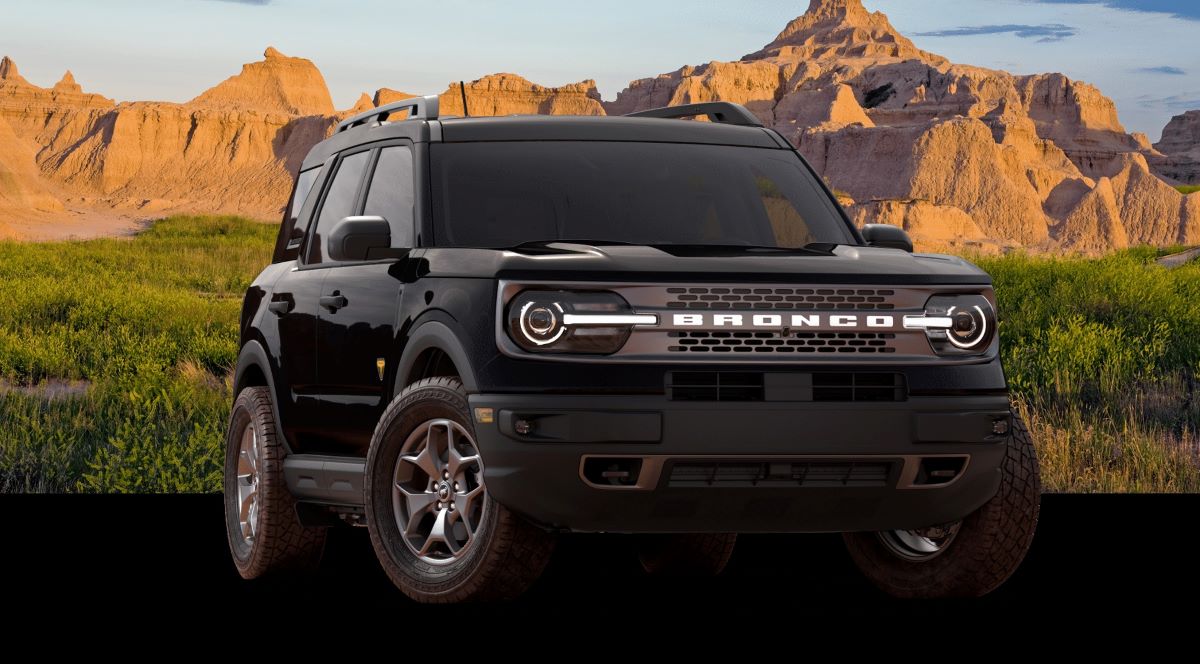
It’s fun and adventurous, but not the most graceful companion for crowded downtown streets.
The standard turbocharged 1.5-liter three-cylinder engine delivers enough power for everyday driving and highway passing, but it doesn’t offer much beyond that.
We evaluated the range-topping Badlands trim, which is available only with the more potent turbocharged 2.0-liter four-cylinder. Its off-road-oriented tires lead to longer braking distances compared with some rivals, and while those tires are beneficial on loose surfaces, the suspension tuning contributes to a bouncy, unsettled ride during around-town driving.
That upgrade adds even more aggressive tires along with additional off-road hardware, including underbody skid plates and a specialized rear differential designed to maintain traction when conditions get challenging.
Buyers should be aware, however, that this capability comes at a cost, as the Sasquatch package pushes the price close to that of the larger Bronco, which is significantly more capable off-road.
Every Bronco Sport comes standard with a comprehensive suite of driver-assistance technologies, including lane-keeping assist and adaptive cruise control. Even better, these systems perform smoothly and effectively, offering helpful support without feeling overly intrusive.
4. Jeep Compass
While the Compass isn’t massive, its heavier steering and thicker body panels make it feel larger than it is. Urban drivers often notice reduced visibility compared to sleeker rivals, especially when navigating tight intersections or busy parking structures.
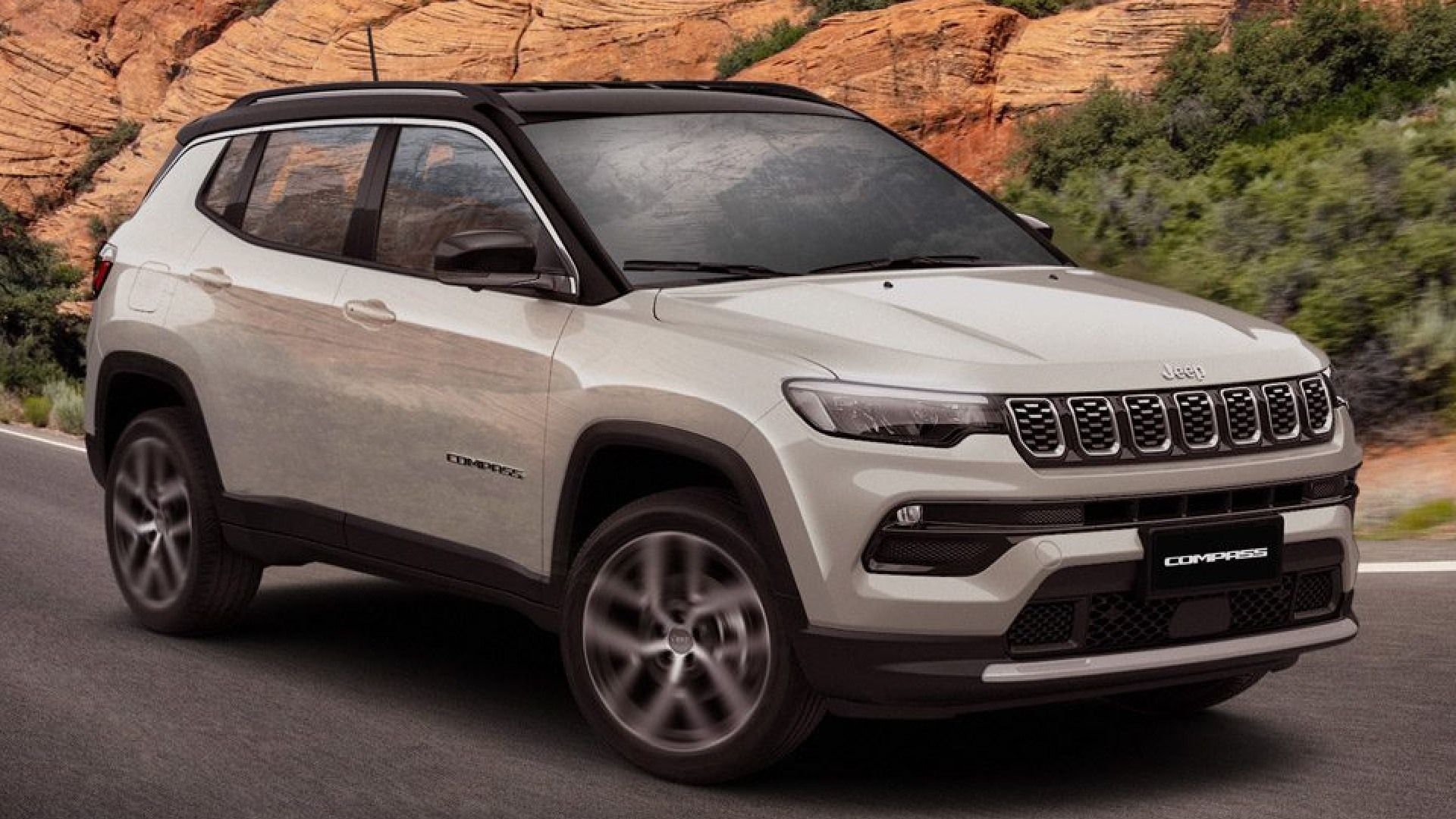
It leans more toward light off-road capability than daily urban agility.
5. Volkswagen Tiguan
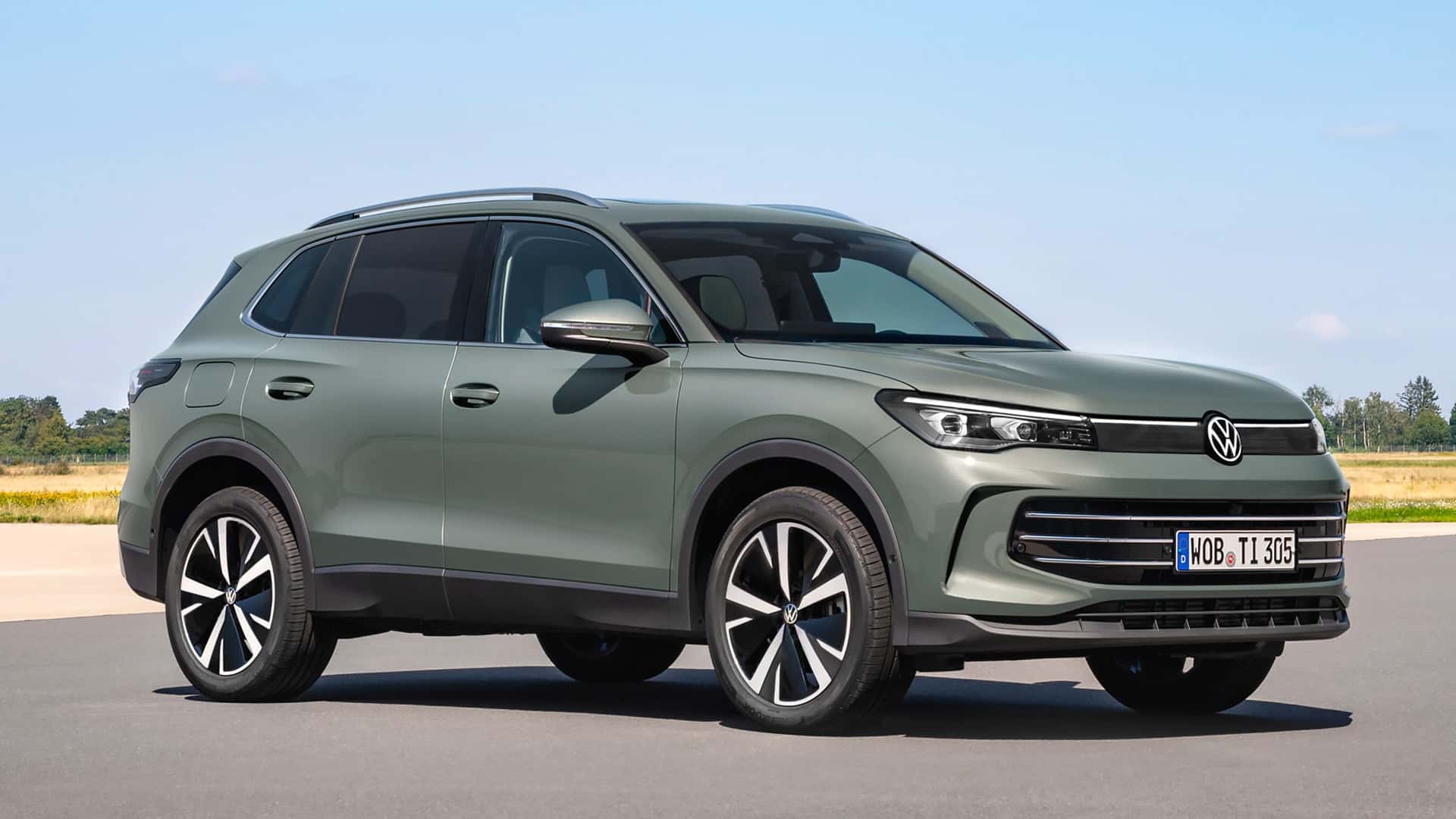
The Tiguan stands out because it offers available third-row seating rare in the compact class. But that extra length comes at a cost. It feels noticeably bigger than most competitors, especially in older city centers with limited parking space.
It’s a great choice for small families, but solo urban commuters may find it unnecessarily large.
If your daily routine involves street parking, narrow garages, and heavy traffic, models like the HR-V, Kona, CX-30, Corolla Cross, and Trailblazer offer a far less stressful ownership experience.
On the flip side, larger compact SUVs like the RAV4 or Tiguan make sense for suburban families but can feel cumbersome in dense metro areas.
Before buying, try parking your shortlist in a real downtown garage or parallel spot during a test drive. That hands-on experience often tells you more than any brochure ever could.