
The 2000s were a wild but special time for cars. It was the last era before screens took over dashboards and before driving started feeling more like operating software.
Cars from this decade had personality. They were built to be driven, not just updated. That’s exactly why so many of them still feel relevant today.
Back then, automakers were experimenting without overthinking it. Engines were simple but strong. Designs were bold without trying too hard.
You could feel the road, hear the engine, and actually enjoy the act of driving. No fake engine sounds. No endless driver aids. Just machines that did what they were meant to do.
What’s impressive is how many 2000s cars haven’t aged badly at all. Some still look sharp. Some still perform better than newer models.
Others became so reliable that they’re still daily drivers across the world. These cars didn’t rely on trends. They relied on solid engineering, smart design, and real-world usability.
Another reason these cars hold up is balance. They weren’t overloaded with tech, yet they weren’t outdated either.
You get modern comfort without the headache of fragile electronics. Repairs are easier. Parts are easier to find. And ownership feels less stressful compared to many new cars today.
This list focuses on cars that genuinely stood out in the 2000s and still make sense now. Not just icons, but cars you could still drive today without feeling like you’re stuck in the past. Some were performance legends. Some were everyday heroes. All of them earned their place.
Let’s break down the cars that proved great design and smart engineering don’t expire.
Why Cars From The 2000s Still Deserve Respect
The reason 2000s cars still hold up comes down to one thing: they were built to last, not to impress algorithms. Manufacturers focused more on mechanical strength than digital features. That mindset created cars that age slowly instead of breaking down early.
Engines from this era were often naturally aspirated, simple, and overbuilt. They didn’t chase extreme fuel efficiency at the cost of durability. Gearboxes were stronger. Steering systems were more direct. Even basic models felt solid and dependable.
Design also plays a big role. Cars from the 2000s avoided extremes. They weren’t overly boxy like older models, and they weren’t aggressively futuristic either. That middle-ground styling still looks good today. Many of these cars don’t scream “old” when parked next to modern vehicles.
Another big factor is usability. These cars were designed for real drivers. Physical buttons made sense. Visibility was better. Driving feel wasn’t filtered through layers of electronics. You could actually connect with the car, whether you were commuting or driving for fun.
Lastly, ownership still makes sense. Parts are widely available. Mechanics know these cars well. Insurance costs are reasonable. That combination makes many 2000s cars smarter choices than newer models loaded with fragile tech.
Now, let’s get into the actual cars that nailed all of this.
ALSO READ: 5 Cars With Intuitive Controls vs 5 With Confusing Layouts
1. BMW E46 M3
The BMW E46 M3 is often called the perfect M car, and it’s hard to argue against that. Released in the early 2000s, it blended performance, luxury, and everyday usability better than almost anything else from its time.
At the heart of the E46 M3 is its legendary inline-six engine. It revs high, sounds raw, and delivers power in a smooth, predictable way. Even by today’s standards, the performance feels strong and engaging. There’s no turbo lag, no artificial tuning just clean power.
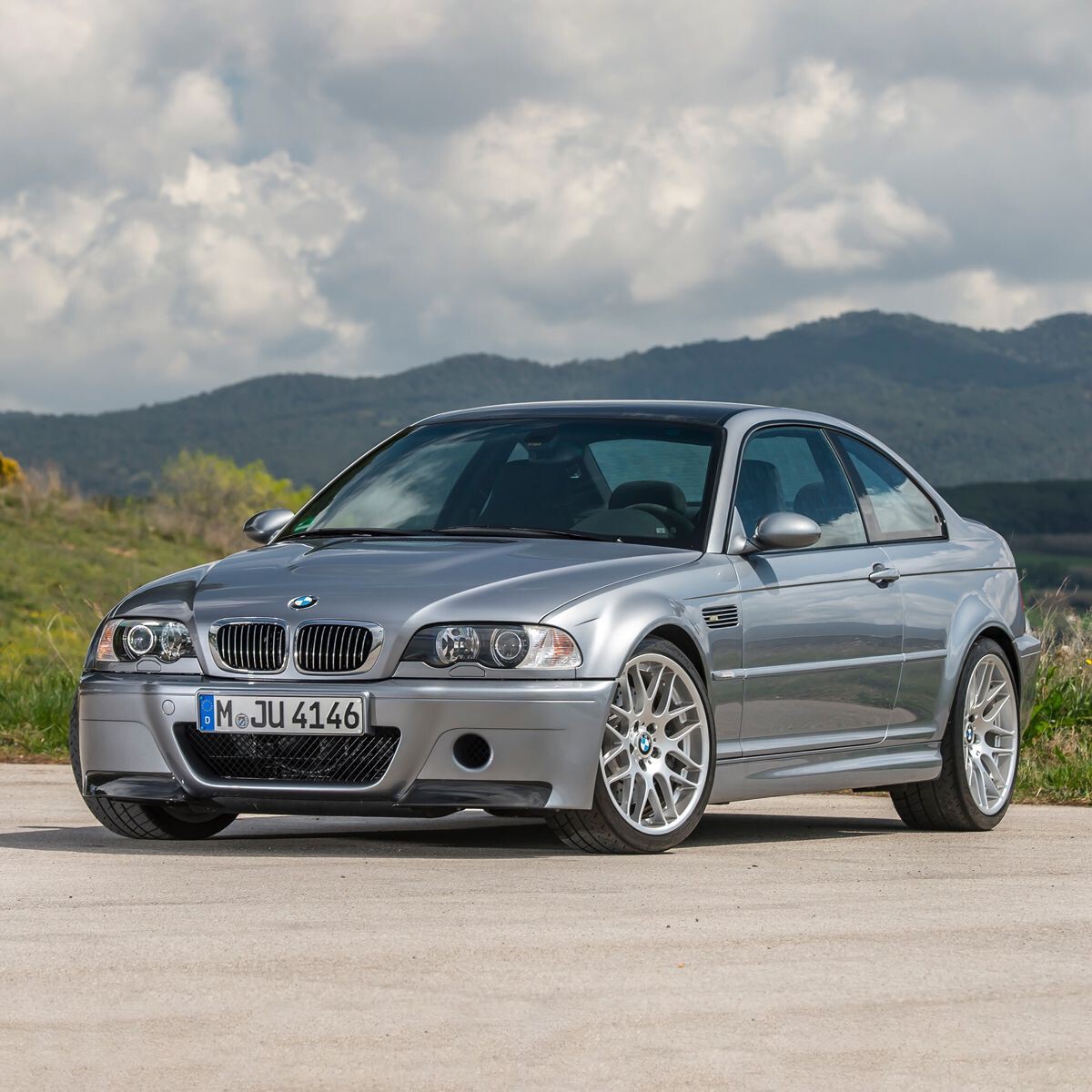
What really makes this car special is balance. The steering is precise. The chassis feels planted. Whether you’re cruising on the highway or pushing hard on a twisty road, the car feels confident and controlled. It rewards good driving instead of correcting bad habits for you.
Inside, the cabin still feels premium. The layout is simple and driver-focused. There’s enough comfort for daily use without turning the car into a luxury couch. Everything feels solid, from the buttons to the seats.
Yes, maintenance can be demanding, but owners accept that because of what the car gives back. The E46 M3 isn’t just fast it’s memorable. It represents a time when BMW prioritized driving feel above all else, and that’s exactly why it still holds up today.
2. Honda Civic Type R (EP3)
The Honda Civic Type R EP3 proved that front-wheel drive could be fun without excuses. Launched in the early 2000s, it took a practical hatchback and turned it into a proper driver’s car.
Its engine is the star of the show. High-revving, naturally aspirated, and eager to be pushed, it delivers power in a way that feels alive. You don’t just press the accelerator—you work for the speed, and that’s what makes it satisfying.
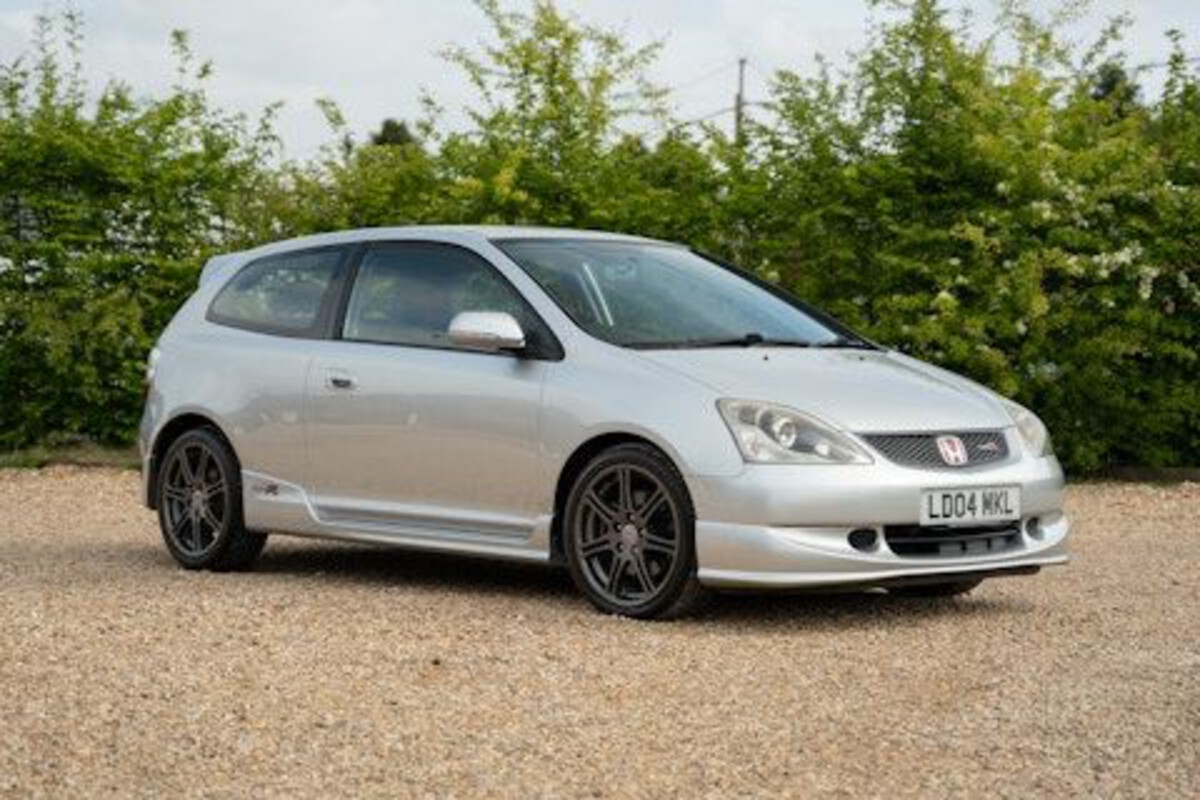
The handling is sharp and predictable. The chassis feels light and responsive, especially compared to modern hot hatches that rely heavily on electronics. Steering feedback is honest, and the car feels connected to the road at all times.
Inside, the EP3 keeps things simple. The driving position is sporty, the gear shifter feels mechanical and precise, and nothing distracts you from driving. It’s not flashy, but it doesn’t need to be.
What really helps the EP3 hold up is reliability. Honda’s engineering means many of these cars are still running strong with high mileage. It’s practical, fun, and dependable—a rare mix that keeps it relevant even today.
3. Toyota Corolla (E120)
The Toyota Corolla E120 might not scream excitement, but its ability to survive decades is exactly why it deserves recognition. Released in the early 2000s, it became one of the most dependable cars ever built.
This Corolla wasn’t about speed or style. It was about doing everything right, every single day. The engines were simple, efficient, and incredibly durable. With basic maintenance, these cars just keep going.

Driving the E120 is easy and predictable. The suspension is comfortable. The controls are light. It doesn’t try to impress it just works. And sometimes, that’s exactly what people want.
The interior is straightforward and functional. Materials aren’t fancy, but they last. Buttons don’t fail easily. Everything feels designed for long-term use rather than short-term appeal.
Even today, this Corolla makes sense as a daily driver. Fuel costs are low. Repairs are affordable. Reliability is unmatched. It proves that a car doesn’t need to be exciting to be great. Longevity itself is a form of excellence.
4. Mazda RX-8
The Mazda RX-8 is one of the most unique cars to come out of the 2000s. It didn’t play it safe, and that’s why it still stands out.
Its rotary engine is unlike anything else. Smooth, high-revving, and compact, it gives the RX-8 a distinct character. While it demands proper care, it rewards drivers with a driving experience that feels different from conventional engines.
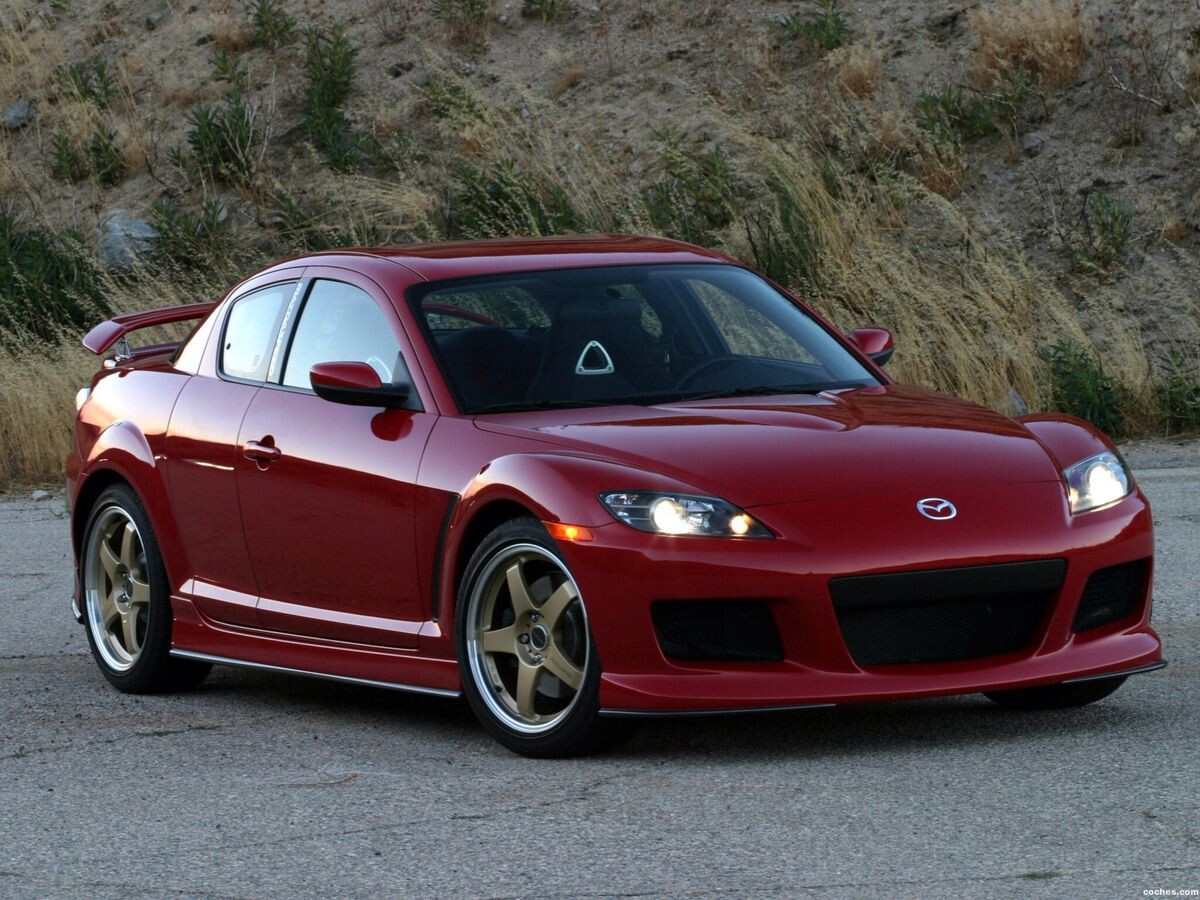
Handling is where the RX-8 truly shines. Near-perfect weight distribution makes the car feel incredibly balanced. Cornering feels natural and confident, even by modern standards.
The design was bold without being awkward. The rear-hinged doors added practicality without ruining the coupe shape. Even today, the RX-8 doesn’t look dated it looks different in a good way.
The RX-8 isn’t for everyone, and that’s okay. It’s for drivers who value feel over convenience. That courage to be different is exactly why it remains memorable and respected.
ALSO READ: 5 Vehicles With Durable Upholstery vs 5 That Wear Quickly
5. Porsche 911 (996 Generation)
The Porsche 911 (996) is one of the most misunderstood cars of the 2000s, but time has quietly proven its worth. When it launched, it faced heavy criticism for moving away from air-cooled engines and for its controversial headlights. Today, those complaints matter far less than how well the car actually performs.
At its core, the 996 is still a true 911. The rear-engine layout delivers a unique driving feel that few cars can replicate. Acceleration is strong, especially in higher trims, and the engine delivers power smoothly without feeling forced. It may not be the most brutal 911, but it’s one of the most usable.
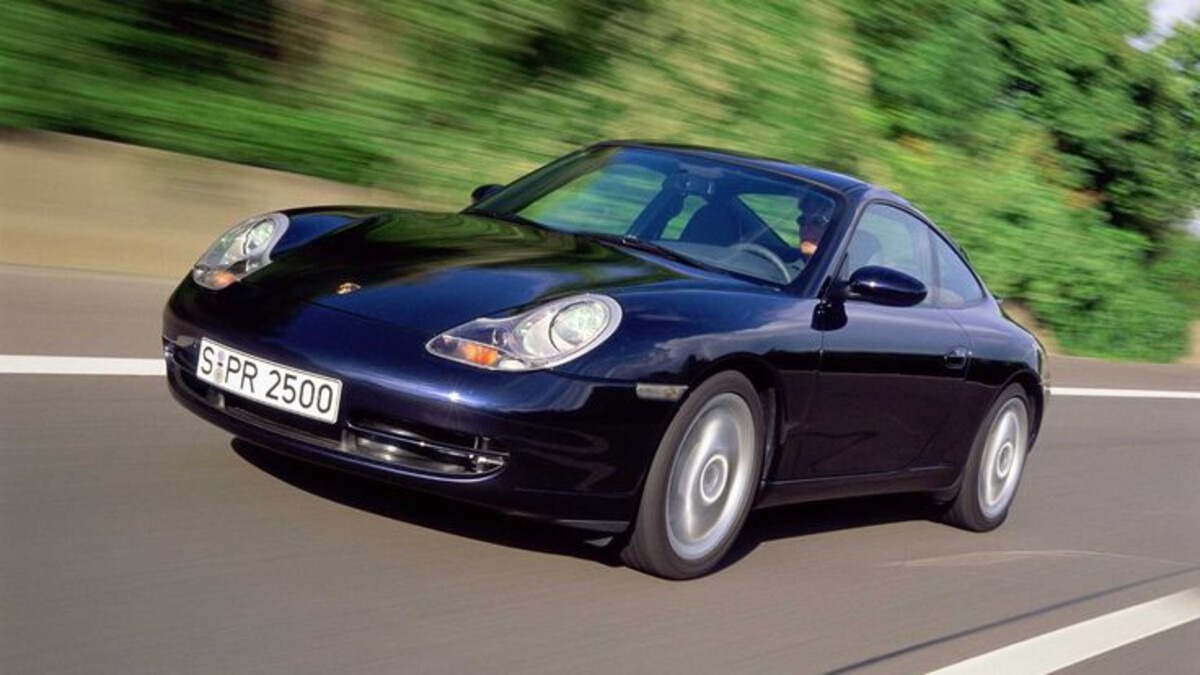
Steering is one of the car’s strongest points. Feedback is direct and precise, giving the driver confidence through corners. There’s no over-reliance on electronics, which makes the experience feel honest and engaging. The chassis feels light and responsive, even by today’s standards.
Design-wise, the 996 has aged better than expected. While the headlights once stood out for the wrong reasons, modern car designs have made them feel less out of place. The overall silhouette is timeless, instantly recognizable as a 911.
Inside, the cabin is focused and practical. Controls are simple, visibility is good, and the driving position feels natural. It’s comfortable enough for daily use without sacrificing performance intent.
The 996 holds up because it bridges old and new. It keeps the spirit of classic Porsche while offering modern reliability and usability, making it one of the most underrated standout cars of the 2000s.
6. Ford Mustang GT (S197)
The Ford Mustang GT S197 marked a major comeback for American muscle cars in the 2000s. Instead of trying to modernize too much, Ford leaned into heritage and delivered a car that felt powerful, bold, and unapologetic.
The V8 engine defines the experience. It delivers strong torque, a deep exhaust note, and instant response. This isn’t a car that hides its personality. Every press of the accelerator reminds you that this is a muscle car first and foremost.
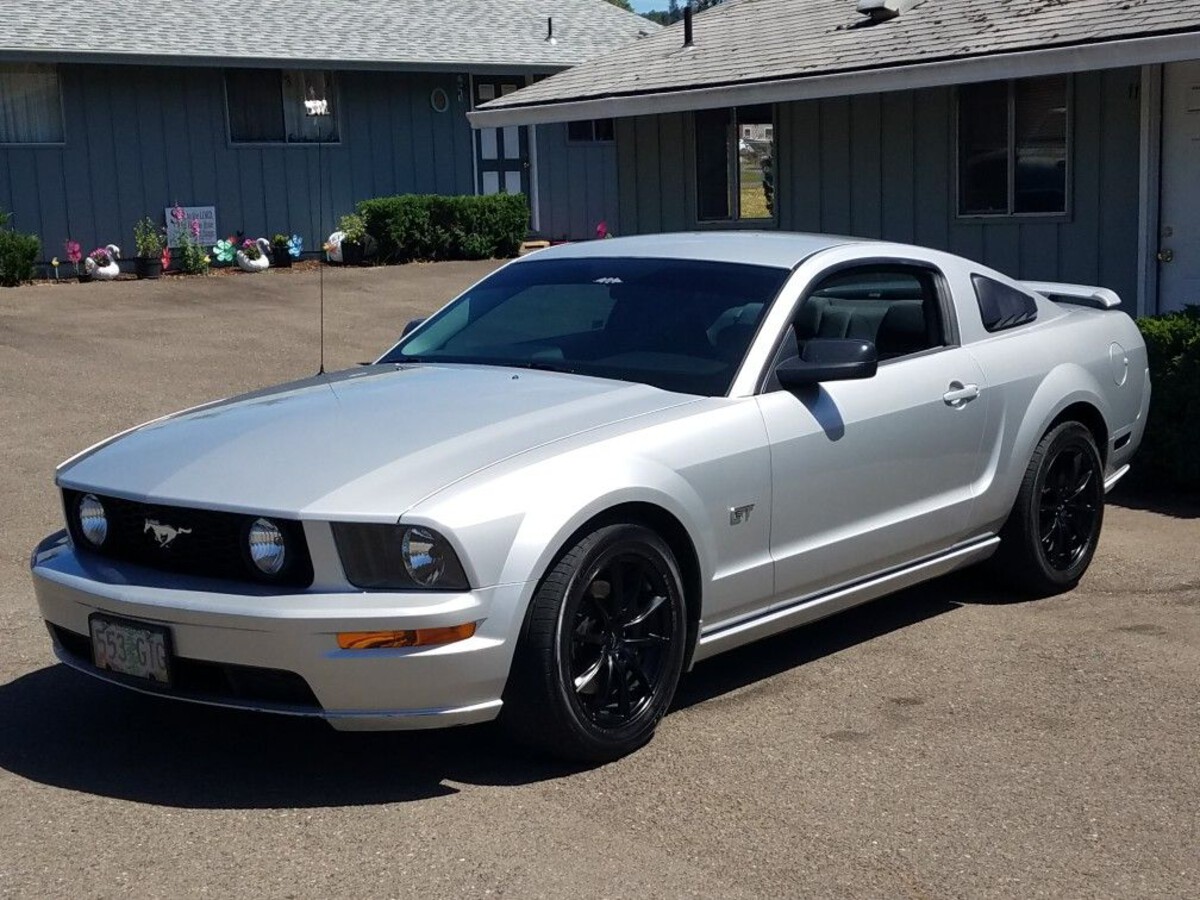
Handling is raw rather than refined, but that’s part of its appeal. The car feels heavy and mechanical, which gives the driver a real sense of control. It doesn’t mask mistakes, and that makes driving it more engaging.
The retro-inspired exterior design was a smart move. It captured classic Mustang cues without feeling outdated. Even today, the S197 looks muscular and confident, standing out among softer modern designs.
Inside, the cabin is simple and functional. It focuses on driving rather than luxury. Materials are solid, and controls are easy to use. It feels built to last rather than impress.
What makes the S197 still relevant is emotion. It delivers sound, presence, and driving excitement that many modern cars lack. It doesn’t try to be perfect it tries to be fun, and that’s why it still holds up.
7. Subaru Impreza WRX (Blobeye/Hawkeye)
The Subaru Impreza WRX from the 2000s built its reputation through performance, not hype. It was designed for real-world conditions, and that practicality is why it still feels relevant today.
The turbocharged engine delivers strong mid-range power, making the car quick in everyday driving. It’s not about top speed—it’s about usable performance. Power delivery feels purposeful and effective.

All-wheel drive is the WRX’s biggest advantage. It provides incredible grip in bad weather, rough roads, and tight corners. This makes the car feel confident and predictable, even when driven hard.
Handling is sharp and stable. The suspension setup prioritizes control over comfort, but it never feels punishing. The car feels ready for action at all times. The exterior design is simple but functional. The hood scoop, wide stance, and compact shape give it a performance-focused look without unnecessary flair.
Inside, the WRX is basic but durable. Materials are built to withstand heavy use, and controls are straightforward. It’s not luxurious, but it’s honest. The WRX holds up because it delivers performance you can actually use. It’s fast, tough, and dependable, making it one of the most practical performance cars of the 2000s.
8. Lexus LS 430
The Lexus LS 430 represents quiet excellence at its best. It didn’t chase trends or excitement it focused on comfort, refinement, and reliability, and succeeded in all three. The V8 engine is smooth, silent, and incredibly dependable. Power delivery is effortless, allowing the car to glide rather than rush. It never feels strained, even at highway speeds.
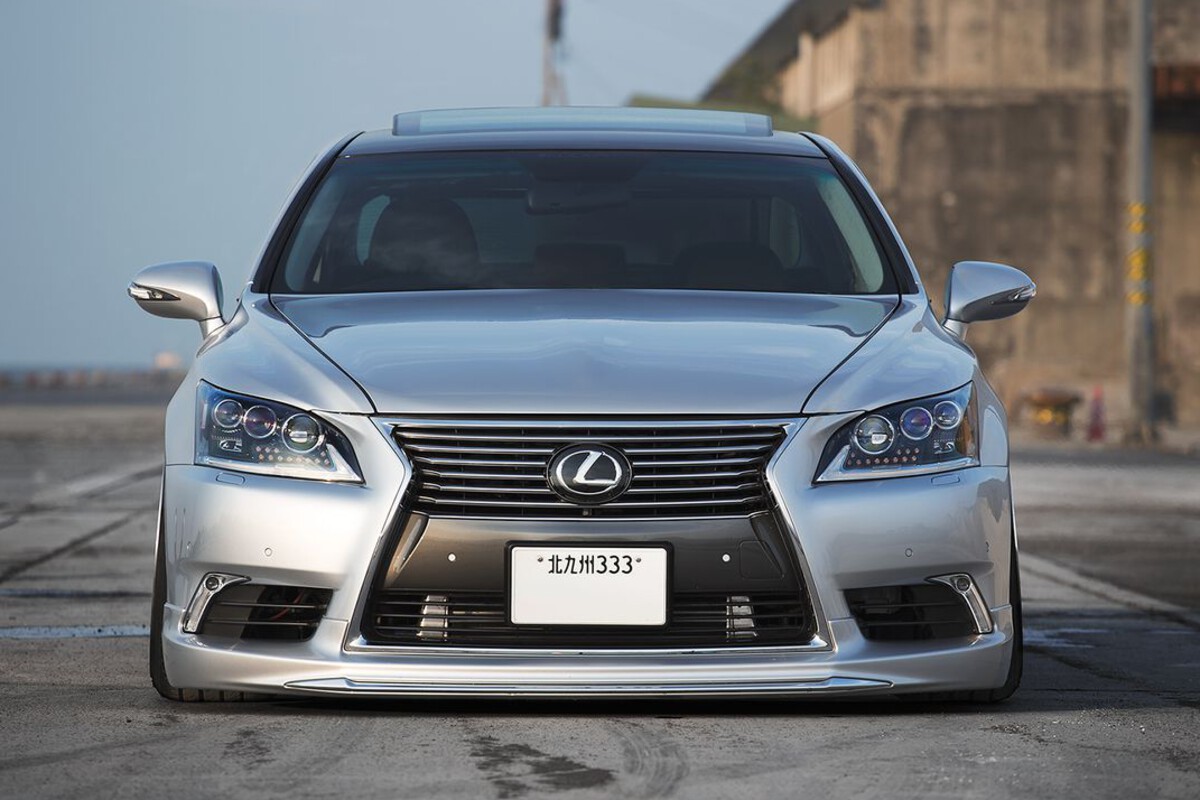
Ride quality is exceptional. The suspension absorbs imperfections without drama, making long drives feel easy and relaxing. Few modern cars match this level of comfort.
The interior is where the LS 430 truly shines. Materials feel premium even years later. Buttons, switches, and controls are built to last. Everything feels thoughtfully designed.
Technology was advanced for its time but not excessive. That’s why it still functions reliably today instead of becoming outdated or broken. The LS 430 holds up because it delivers exactly what it promises. Comfort, durability, and calm driving. It proves that luxury doesn’t need to shout to be effective.
9. Volkswagen Golf GTI (Mk5)
The Mk5 Volkswagen Golf GTI played a major role in defining the modern hot hatch. It blended performance, practicality, and comfort better than most cars of its era. The turbocharged engine provides smooth and accessible power. It’s quick without being aggressive, making it enjoyable in both city driving and spirited runs.
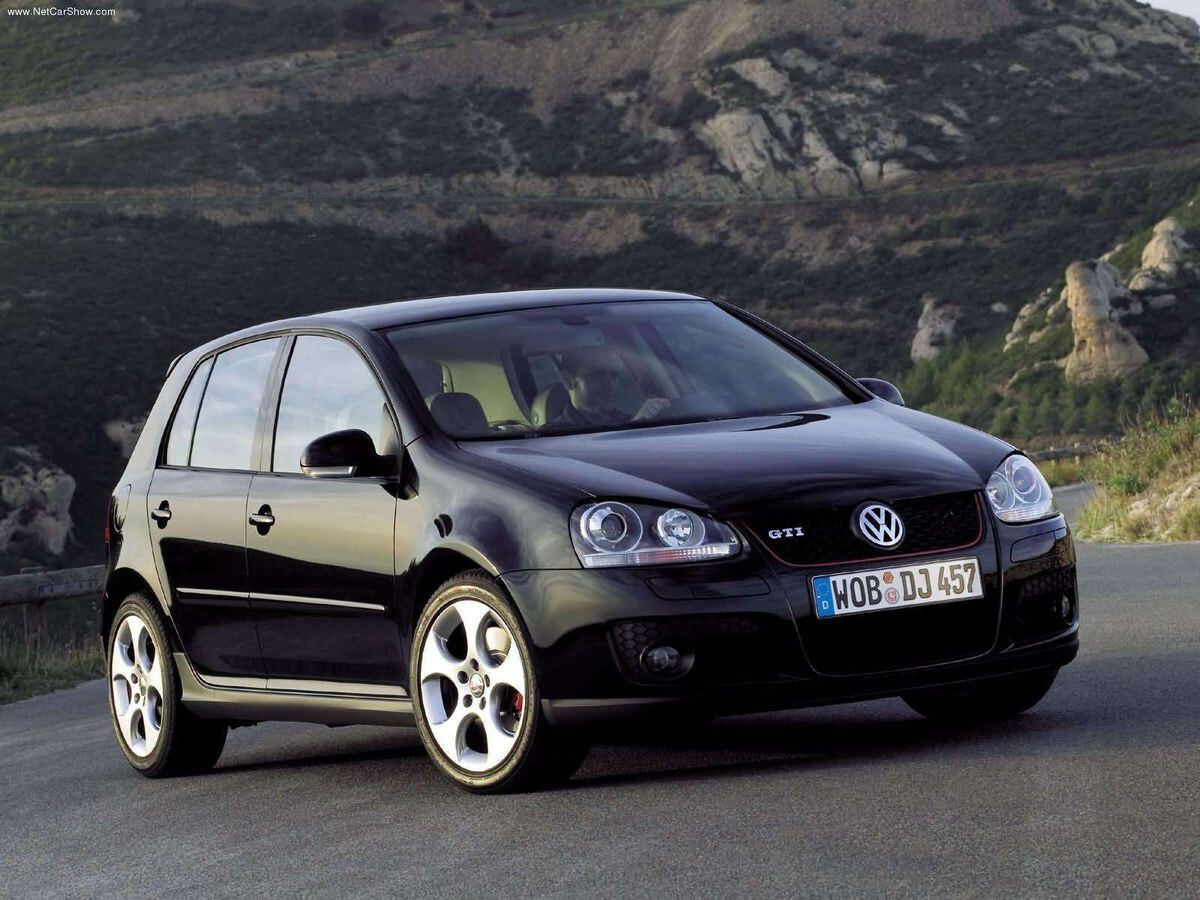
Handling is balanced and confident. The suspension delivers control without sacrificing comfort. The car feels planted and predictable, which builds driver confidence.
The exterior design remains clean and timeless. Subtle sporty touches give it character without making it look dated or overdone.
Inside, the cabin feels solid and well-built. Controls are intuitive, materials age well, and the driving position is comfortable. The Mk5 GTI still holds up because it does everything well. It’s practical, fun, and reliable, making it one of the most complete cars to come out of the 2000s.
Why the Best Cars of the 2000s Still Deserve the Spotlight
Looking back, the 2000s now feel like a turning point in car history. It was the last era before driving became heavily filtered by screens, software, and constant digital intervention. The cars from this decade were built with a clear focus on the machine itself, and that’s exactly why so many of them still feel relevant today.
What connects all the standout cars from the 2000s is intent. These vehicles knew what they were supposed to be and didn’t try to do everything at once.
Performance cars focused on driving feel. Luxury cars focused on comfort and quality. Everyday cars focused on reliability. That clarity helped them age far better than many newer models that chase trends instead of substance.
Another big reason these cars still hold up is restraint. Technology was present, but it didn’t dominate the experience. Physical controls made sense.
Engines sounded real. Steering felt connected. You weren’t separated from the road by layers of artificial feedback. That direct connection is something many drivers miss today.
Ownership also plays a huge role. Cars from the 2000s are generally easier to maintain, easier to repair, and easier to understand.
Parts are widely available, and most mechanics know these vehicles inside out. That practicality makes them attractive even now, especially for people who want dependable transportation without constant headaches.
Design matters too. Many cars from this era avoided extreme styling, which helped them age gracefully. They don’t look outdated or awkward on modern roads. Instead, they blend in naturally, proving that good proportions and thoughtful design last longer than flashy trends.
Most importantly, these cars still deliver emotion. Whether it’s the thrill of a high-revving engine, the comfort of a smooth ride, or the confidence of solid handling, they offer experiences that feel genuine. They remind us that driving can be enjoyable, not just efficient.
The standout cars of the 2000s prove one thing clearly: when cars are built with purpose, balance, and honesty, they don’t fade away. They earn respect over time, and that’s why they still deserve the spotlight today.