Milwaukee winters are no joke. Between lake-effect snow off Lake Michigan, freezing rain, pothole-ridden streets, and weeks of sub-zero wind chills, driving in southeastern Wisconsin demands more than just good intentions it demands the right vehicle.
For local drivers, winter survival isn’t about luxury features or flashy styling. It’s about traction, ground clearance, cold-weather reliability, heating performance, and how confidently a car can tackle icy on-ramps and unplowed side streets.
All-wheel drive helps, but it’s not everything. Tire choice, weight distribution, suspension tuning, and even how quickly a cabin warms up matter just as much. Some vehicles are engineered with harsh climates in mind.
Others, while perfectly fine in warmer states, struggle once Milwaukee turns into a frozen obstacle course.
Below is a practical, real-world list for U.S. buyers especially Midwesterners breaking down five cars that consistently perform well in Milwaukee winters and five that tend to fall short, based on drivetrain layouts, reliability trends, and cold-weather usability.
Cars That Handle Milwaukee Winters
Milwaukee winters are not for the faint of heart. Between heavy snowfall, icy roads, freezing temperatures, and slushy side streets, driving in southeastern Wisconsin demands more than just confidence behind the wheel. The right car can make all the difference, offering sure-footed traction, dependable cold-weather performance, and features that take the stress out of winter commuting.
From capable all-wheel-drive systems to solid ground clearance and winter-friendly tech, some vehicles are simply better suited for life in Milwaukee when the snow starts falling. In this article, we highlight cars that can truly handle Milwaukee winters and keep you moving when conditions are at their worst.
1. Subaru Outback
The Subaru Outback has long been a Midwest favorite and for good reason. Subaru’s symmetrical all-wheel drive comes standard, not optional, meaning every Outback leaves the factory ready for slick roads.
Add generous ground clearance (8.7 inches) and a suspension tuned for rough surfaces, and you get a vehicle that confidently handles deep snow and slushy intersections.
Cold starts are dependable, even after overnight freezes, and Subaru’s traction control system reacts quickly on icy pavement. Heated seats and mirrors warm up fast, while the cabin insulation keeps road noise and winter wind to a minimum.
For Milwaukee families or commuters who need reliability without moving into full SUV territory, the Outback is one of the smartest winter choices.
This vehicle may look like a lifted station wagon, but it has long been a favorite among crossover buyers. The Outback has been on the market since the mid-1990s, with the current generation launching for the 2020 model year. For 2023, Subaru introduces a series of updates aimed at keeping the Outback competitive at the top of its segment.
For the new model year, the Outback receives a bolder, more rugged exterior design along with enhancements to Subaru’s EyeSight driver-assistance and safety systems. Wireless Apple CarPlay and Android Auto have been added to the large 11.6-inch infotainment screen, improving everyday usability.
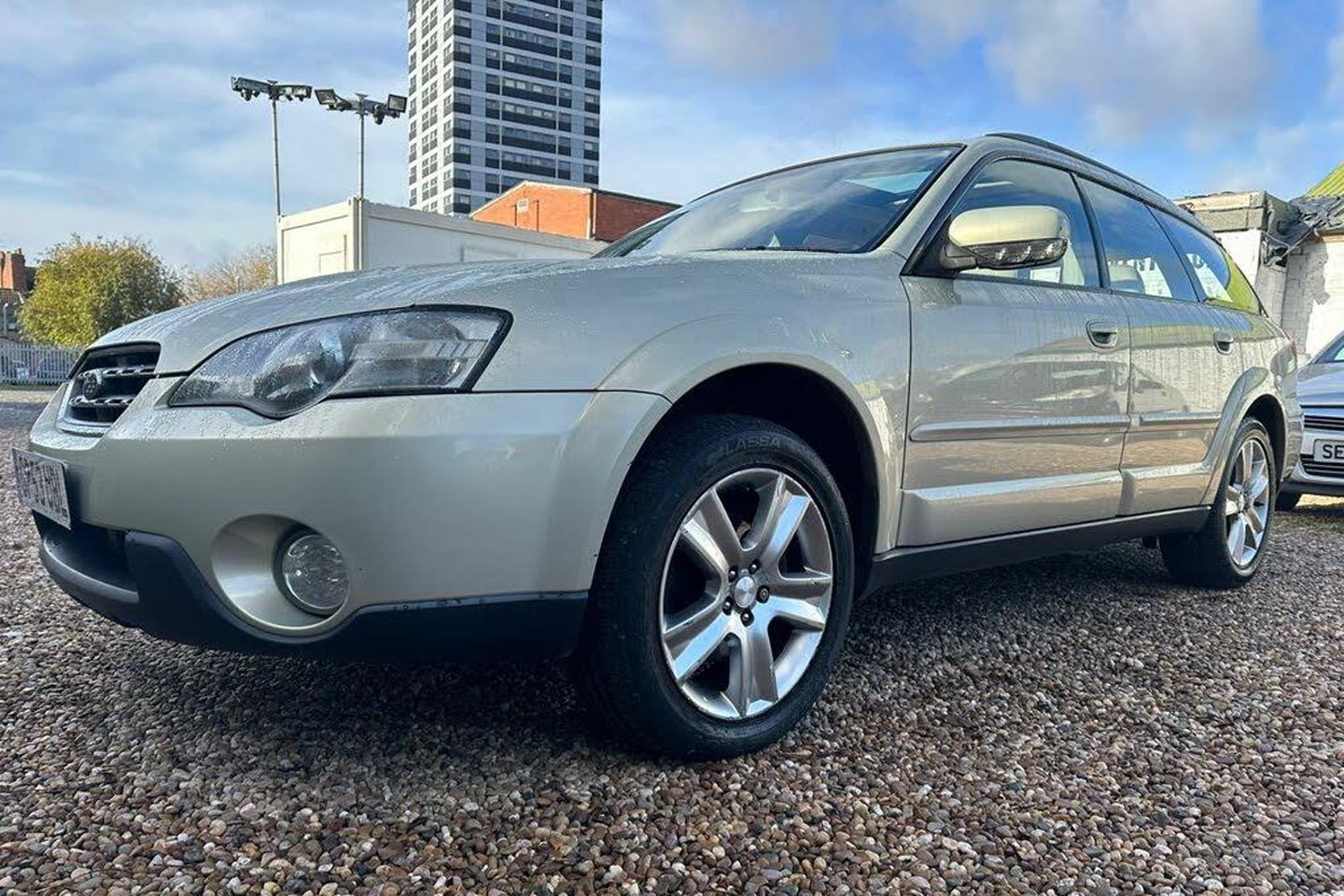
The Onyx Edition trim can now be paired with the base engine and gains a moonroof when equipped with the turbocharged powertrain. Touring models benefit from added tech, including an additional forward-facing camera and a digital rearview mirror, while extended interior LED lighting helps modernize the cabin ambiance.
By blending car-like driving behavior with SUV-style versatility, and largely avoiding the downsides of either, it’s easy to understand why the Outback remains so popular. As Subaru’s best-selling model, it appeals to a wide range of buyers. The Outback is a comfortable long-distance cruiser, offering a smooth ride and a spacious interior that rivals some luxury vehicles.
At the same time, it’s ready for light adventures thanks to its generous ground clearance and Subaru’s well-known all-wheel-drive system, though the Wilderness trim’s aggressive styling may overpromise when it comes to actual off-road capability.
The Outback does stumble in terms of overall refinement. While the interior is comfortable, it doesn’t do the best job of keeping outside noise at bay.
Both available engines have their shortcomings as well: the standard engine feels underpowered, while the turbocharged option suffers from noticeable lag. The oversized infotainment display and standard driver-assistance features look impressive on paper, but both could benefit from quicker response times.
Even with these drawbacks, the Outback fully earns its strong reputation. Subaru has delivered a well-rounded package that emphasizes versatility, capability, safety, and strong overall value. As a result, the Subaru Outback continues to stand out as one of the highest-rated midsize SUVs available.
Like nearly every Subaru model, excluding the BRZ sports coupe, the Outback comes standard with all-wheel drive. Buyers can choose between two flat-four engines, both paired with a continuously variable automatic transmission.
The base engine is a 2.5-liter flat-four producing 182 horsepower and 176 lb-ft of torque. Fuel economy is expected to land around 26 mpg in the city and 33 mpg on the highway. Acceleration from 0 to 60 mph takes roughly 8.7 seconds.
Also Read: Top 6 Audi Sedans We’d Buy Used And 6 We Wouldn’t
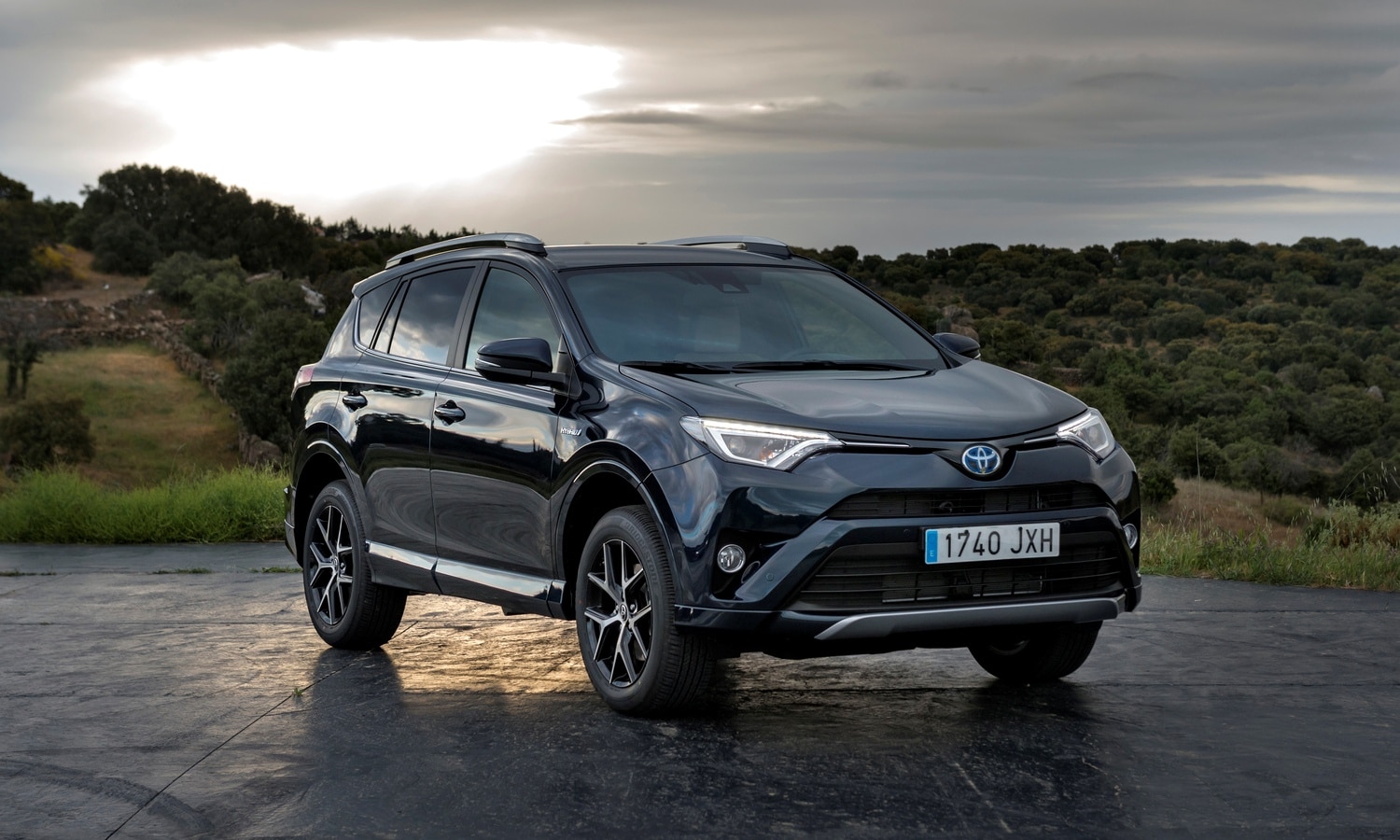
2. Toyota RAV4 AWD
The Toyota RAV4 proves that practicality doesn’t have to be boring. In AWD form, the RAV4 shines in Wisconsin winters thanks to Toyota’s Dynamic Torque Control system, which sends power to the rear wheels when slip is detected.
What really makes the RAV4 stand out is reliability. Toyota engines are known for starting easily in extreme cold, and maintenance costs remain low even as mileage climbs.
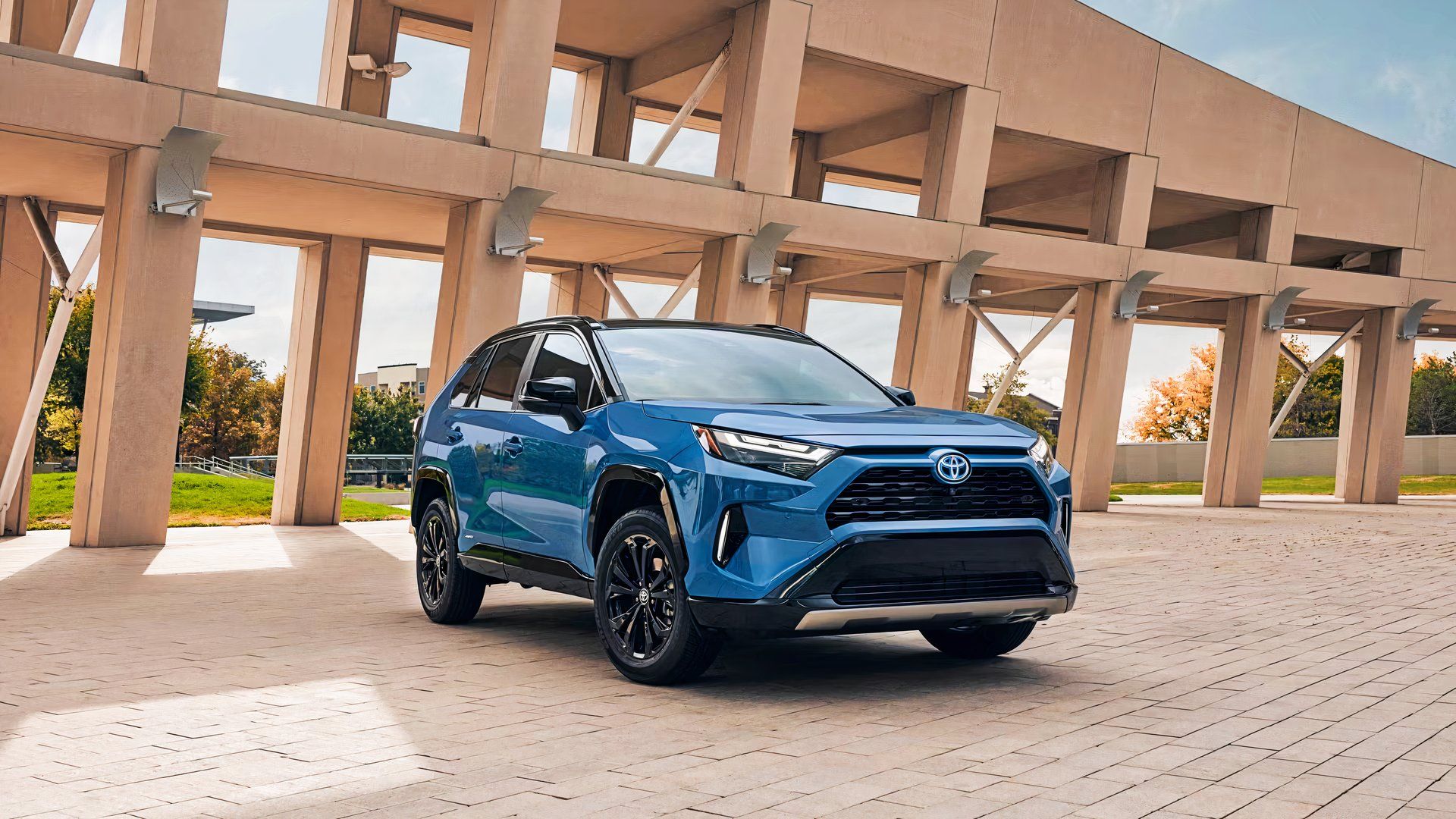
The ride height helps navigate unplowed streets, while modern driver aids like stability control and brake assist add confidence during sudden snow squalls.
For drivers who want efficiency, resale value, and dependable winter performance, the RAV4 hits a sweet spot.
3. Honda CR-V AWD
The Honda CR-V is another compact SUV that quietly excels in cold climates. Honda’s Real Time AWD system engages automatically when the front wheels lose grip, making it especially useful for Milwaukee’s icy stop-and-go traffic.
Inside, the CR-V warms up quickly, and newer trims offer heated steering wheels an underrated luxury during January mornings.
Its balanced chassis keeps handling predictable, while fuel economy stays reasonable even with winter gas blends. If you’re commuting daily across the metro area, the CR-V delivers a calm, controlled experience.
The CR-V isn’t designed to be a performance standout, but it does feel quick to respond and well controlled compared with many other small SUVs. The hybrid Sport Touring model we tested reached 60 mph in 8.0 seconds, which is right in line with expectations for this segment. Buyers choosing the standard 1.5-liter engine can expect similar acceleration times.
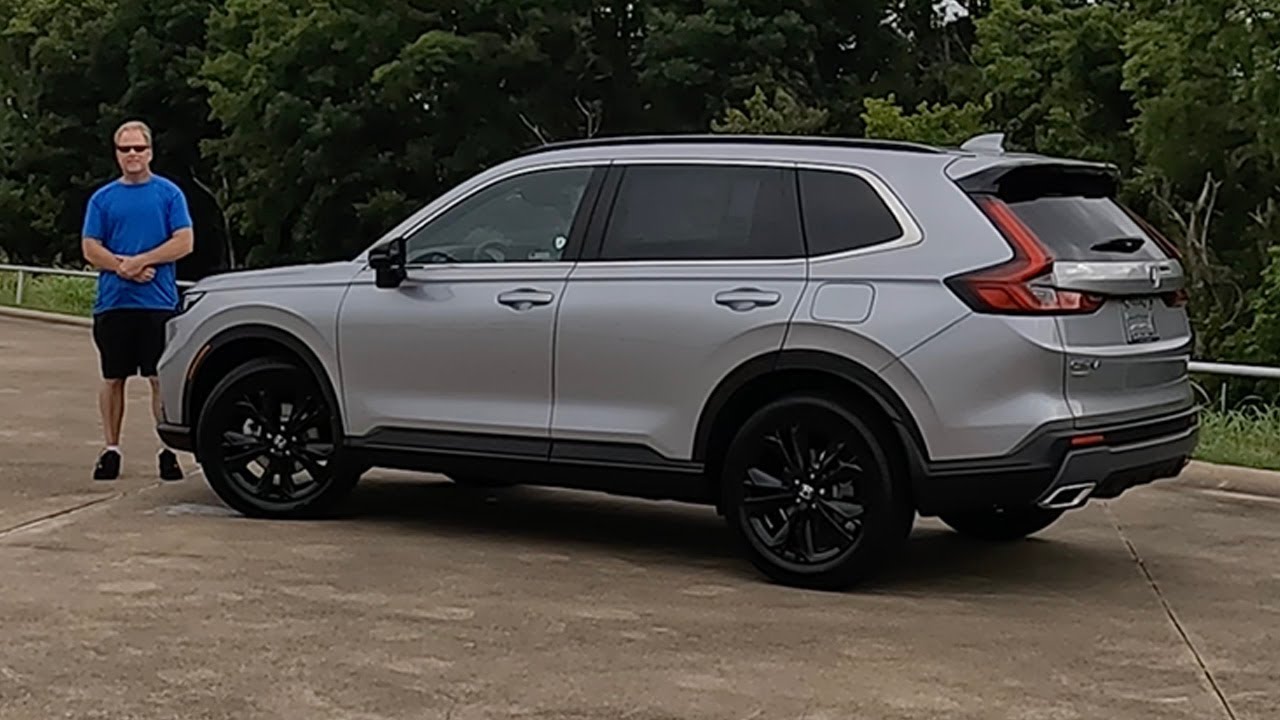
Braking performance is reassuring, with strong response in emergency situations and smooth, easy stops in everyday driving. We’re also fans of how seamlessly the hybrid system operates around town, though tackling long, steep mountain climbs requires a heavy right foot.
Through corners, the CR-V remains stable and predictable, and the steering is responsive enough to provide a clear sense of what the vehicle is doing on the road.
Ride quality is one of its strengths. The suspension tuning is soft without feeling loose or floaty. While bumps and pavement imperfections are noticeable, the CR-V does an excellent job of settling back into its smooth, composed ride with minimal disturbance.
That refined feel carries over to the cabin. Standard heated front seats are cushy and supportive, even though Honda still doesn’t offer ventilated seats. Road noise is well suppressed, giving the CR-V a solid, well-insulated feel while cruising. The main drawback is the hybrid powertrain’s sound under load, as it can become loud and somewhat unpleasant, especially when climbing hills.
4. Ford Explorer AWD
For drivers who need more space or tow capability, the Ford Explorer brings serious winter muscle. Its intelligent AWD system actively distributes power across all four wheels, making it well-suited for heavy snow and icy highways.
The Explorer’s weight works in its favor, providing stability during crosswinds off Lake Michigan. Add available heated seats in all rows, remote start, and a powerful climate system, and you’ve got a family hauler that doesn’t flinch when Milwaukee weather turns ugly.
Much like a carefully executed home renovation, Ford chose to spend selectively but wisely, focusing its efforts on the areas that would have the greatest impact.
The most significant and meaningful updates, however, are found inside the cabin. Every 2025 Explorer receives a redesigned dashboard and a new 13.2-inch Ford Digital Experience infotainment screen.
Higher-end trims, including our Explorer Platinum, also gain Ford’s BlueCruise hands-free advanced driver-assistance system. In addition, Ford devoted considerable effort to reworking the center stack and console, elevating material quality and improving the mix of trims throughout the interior.
Based on our time behind the wheel of the updated 2025 Explorer Platinum, it’s clear that Ford’s engineers prioritized refinement over outright power upgrades. Rather than chasing higher output figures, the focus appears to have been on smoothing and improving the overall behavior of the powertrain and chassis to better suit the needs of a family SUV.
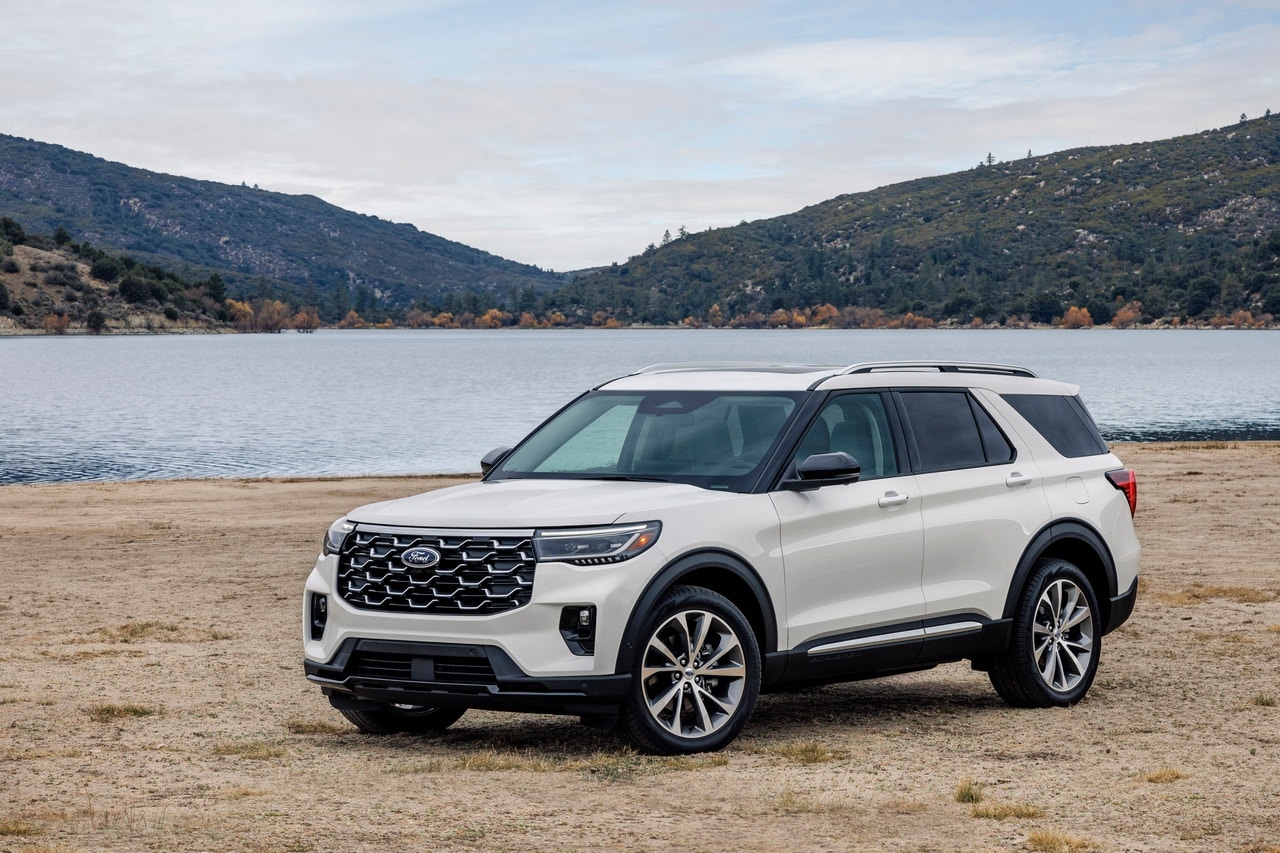
Although most Explorer owners, aside from perhaps your local sheriff, won’t be overly concerned with performance statistics, the numbers are nonetheless impressive for this segment.
Keeping in mind that a quicker Explorer ST with the same powertrain is also available, the Explorer Platinum still manages a strong 0-to-60-mph time of 5.9 seconds and completes the quarter mile in 14.5 seconds at 95.4 mph.
Those results place it ahead of nearly every competitor in the class, with exceptions mainly limited to electric vehicles like the Kia EV9 and high-performance models such as the Explorer ST and the Durango Hellcat.
The closest direct rival is the Toyota Grand Highlander Hybrid Max, which matches the Explorer’s sprint to 60 mph but falls slightly behind in the quarter mile, posting a time of 14.7 seconds at 93.5 mph.
Braking and handling performance are also strong for the class. The Explorer Platinum comes to a stop from 60 mph in 126 feet and completed our figure-eight handling test in a respectable 26.7 seconds at an average of 0.68 g.
Despite its V-6 power, the Explorer also delivers solid efficiency, earning EPA-estimated fuel economy ratings of 18 mpg city, 25 mpg highway, and 21 mpg combined.
5. Volvo XC60 AWD
The Volvo XC60 blends Scandinavian winter know-how with luxury comfort. Standard AWD on many trims, advanced stability systems, and excellent cold-weather engineering make it a premium option for snowy regions.
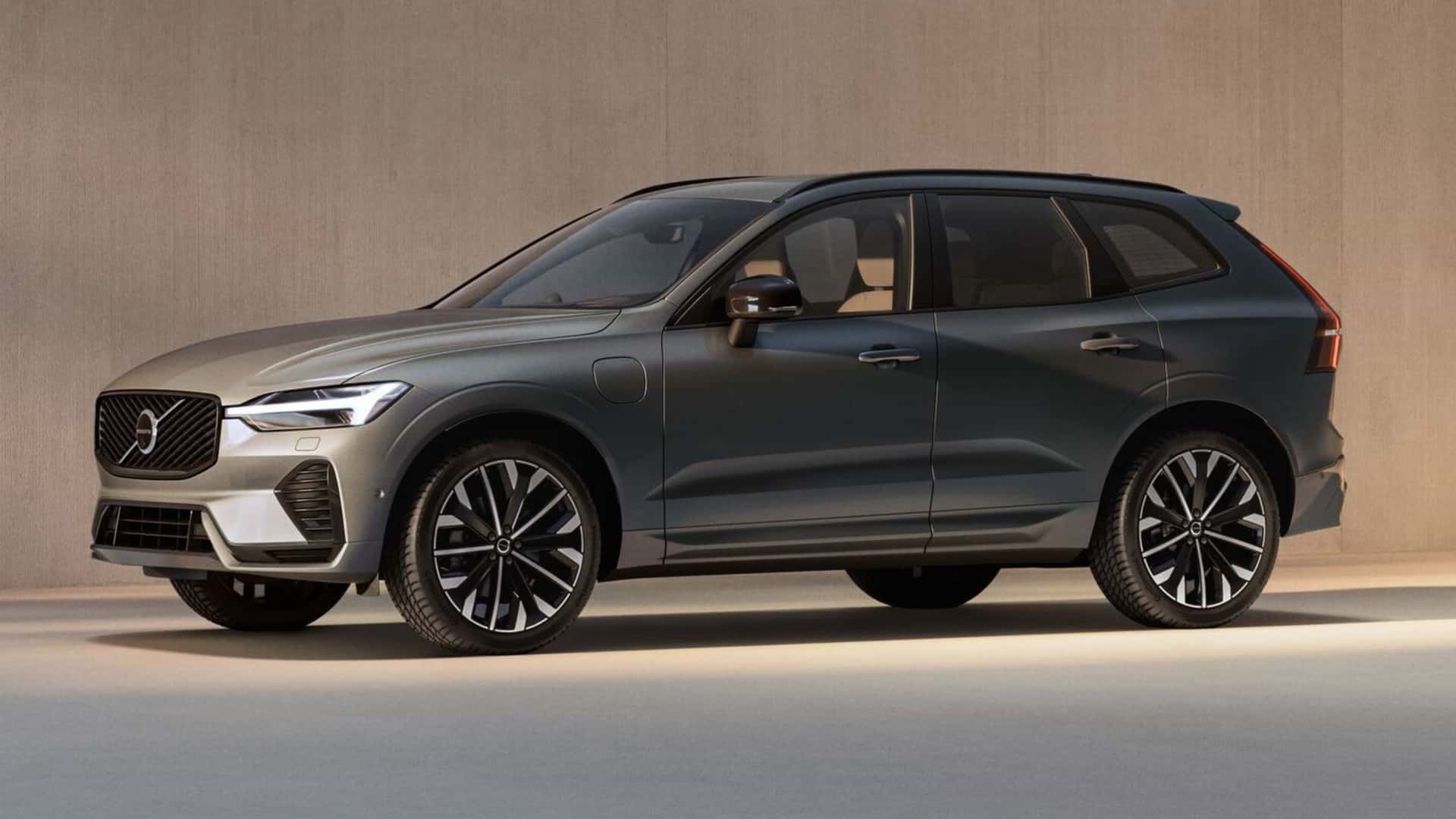
Volvo’s heated seats, steering wheel, and windshield washer nozzles are particularly helpful during ice storms.
Safety tech like lane keeping and collision avoidance also performs well in low-visibility conditions. While it costs more upfront, the XC60 rewards Milwaukee drivers with confidence and refinement all winter long.
Also Read: 5 EVs That Handle City Winters vs 5 That Lose Range Fast
Cars That Don’t Handle Milwaukee Winters Well
Milwaukee winters can expose a car’s weaknesses fast. Snow-packed streets, ice-covered highways, deep slush, and subzero mornings are unforgiving, and not every vehicle is up to the challenge. Some cars struggle with poor traction, low ground clearance, weak cold-weather performance, or drivetrains that simply aren’t designed for harsh Midwestern winters.
What feels perfectly fine the rest of the year can become stressful, or even unsafe, once snowstorms and ice take over. In this article, we look at cars that don’t handle Milwaukee winters well and explain why they fall short when winter conditions are at their worst.
1. Mazda MX-5 Miata
The Mazda MX-5 Miata is a blast in summer but Milwaukee winters expose its weaknesses fast. Rear-wheel drive, ultra-low ground clearance, and light weight make it prone to getting stuck, even with winter tires.
Add limited cargo space for emergency supplies and minimal cabin insulation, and the Miata becomes more of a seasonal toy than a year-round solution.
If cutting-edge technology, perfectly optimized ergonomics, or vast storage space are high on your priority list, this car will almost certainly let you down. Drivers taller than six feet may also struggle to live with it comfortably. But if you can look past those limitations and still feel intrigued, what you get in return is a driving experience that’s genuinely unmatched.
At just 2,339 pounds, the 2021 Miata is impressively light. Its 2.0-liter naturally aspirated engine produces 181 horsepower and 151 pound-feet of torque, all of which is sent to the rear wheels. A six-speed automatic transmission is available, but in my view, the Miata truly must be paired with the six-speed manual. It simply elevates the entire experience.
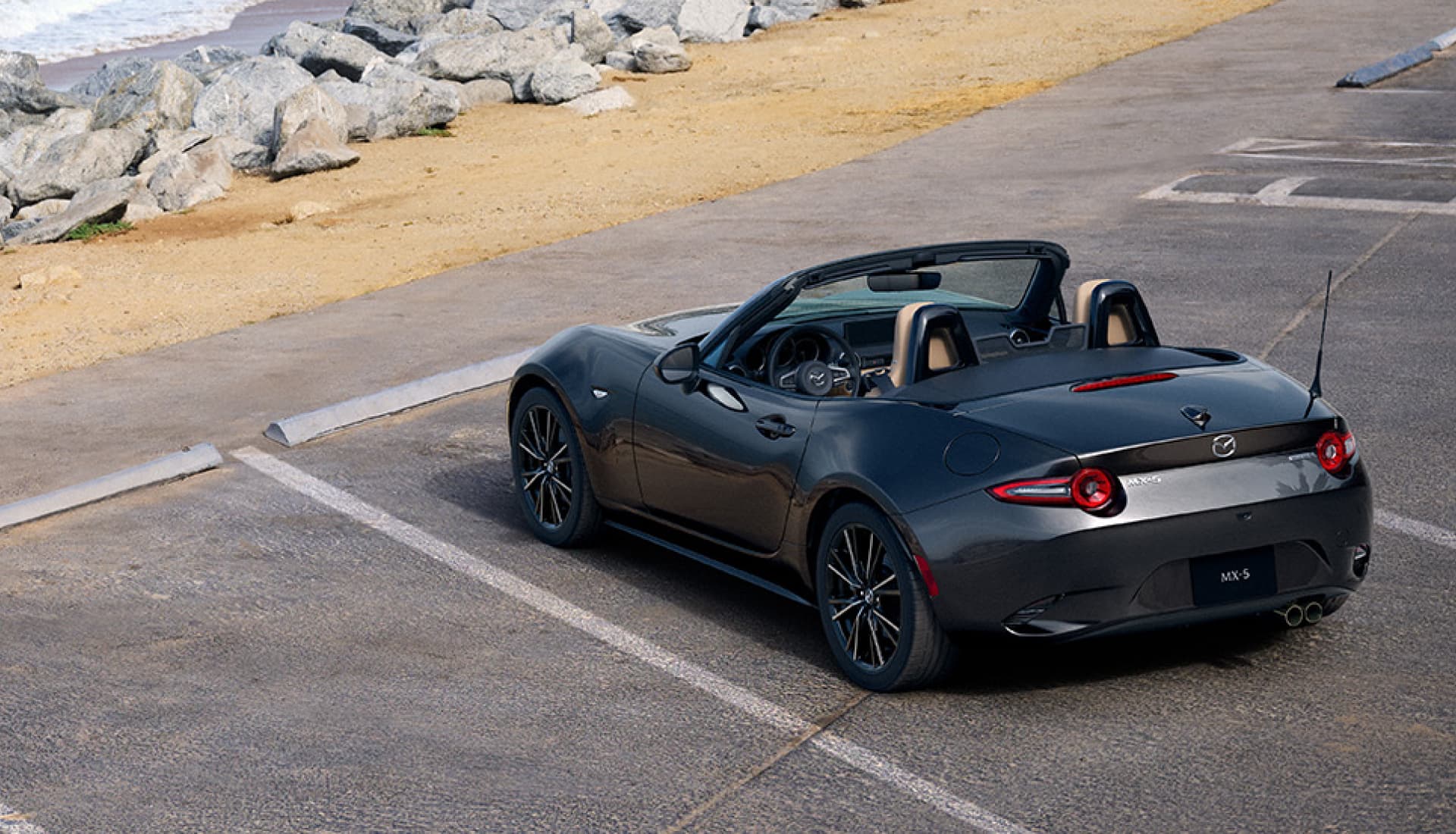
The combination of the precise shifter and perfectly weighted clutch makes rowing through the gears endlessly satisfying. On the highway, slotting the transmission into sixth gear allows the Miata to cruise at 70 mph while keeping engine revs comfortably low.
My older Miata buzzes along the freeway like an angry bumblebee, and its fuel economy reflects that. By contrast, the 2021 Miata feels far more composed, delivering up to 34 mpg on the highway, an efficiency figure that’s easy to achieve in everyday driving.
The Miata thrives on high revs, encouraging you to wring it out at every opportunity, with peak horsepower arriving at a heady 7,000 rpm. Even though this fourth-generation Miata is the most powerful version yet, it’s still not what anyone would call a powerhouse.
Instead, it excels as a momentum car, one you can keep constantly on the boil. Stay committed, brake sparingly, and carry speed through corners, and you’ll find yourself carving turns at velocities that leave far more powerful cars struggling to keep up.
2. Chevrolet Camaro
The Chevrolet Camaro suffers from similar issues. Powerful rear-wheel drive, stiff suspension, and wide performance tires make snowy streets a challenge. Visibility is also limited, which doesn’t help during heavy snowfall.
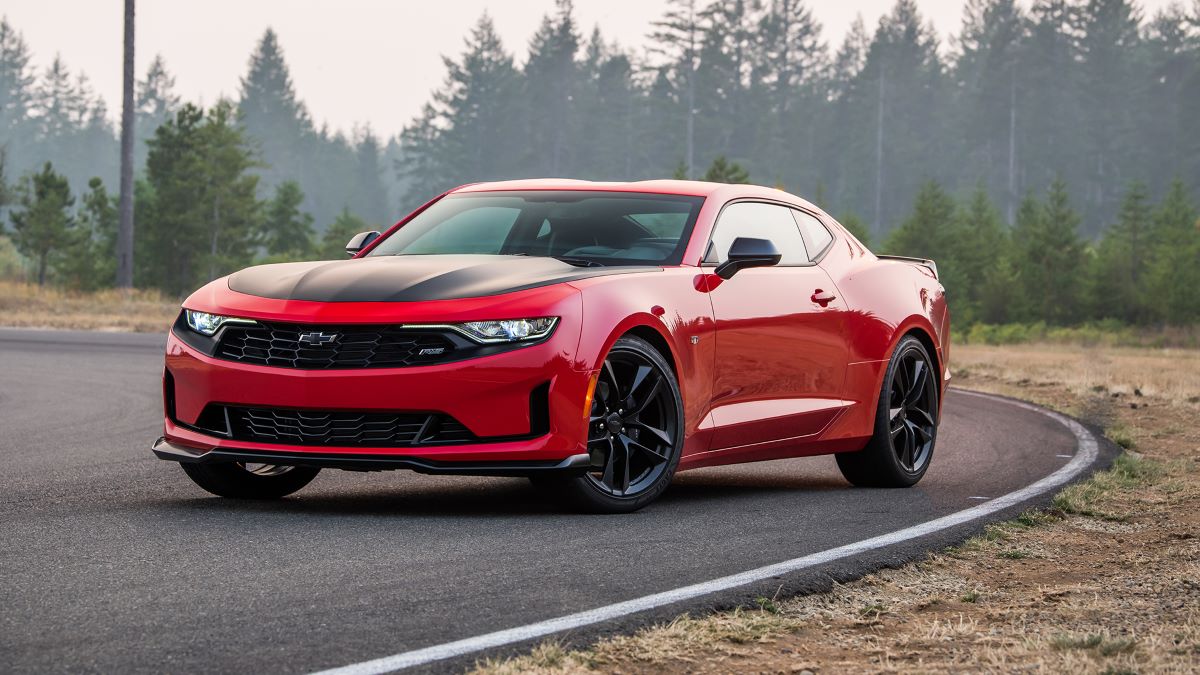
Even with winter tires, the Camaro demands constant attention on ice, making it a stressful choice for daily winter commuting.
The Chevrolet Camaro is a true sports car regardless of body style or engine choice, and more than many vehicles on the market today, it maintains a strong connection between car and driver. The chassis, steering, and suspension work in harmony, delivering performance that rivals cars costing far more.
In its most extreme form, the ZL1 LE, the Camaro puts its power down effectively and offers enormous grip, resulting in genuinely world-class capability. Even though the ride leans toward the firm side, the Camaro remains comfortable enough to serve as a capable cruiser without becoming punishing over rough pavement.
Four-cylinder and V-6 variants, especially when equipped with the 1LE package, feel lighter and more agile thanks to their reduced front-end weight. These versions recall the playful balance of cars like the Subaru BRZ, though with noticeably more power and a hint of turbo lag.
The V-8 models take a very different approach, turning the Camaro into a brute-force performance machine. With the excellent six-speed manual transmission, accessing its power is effortless, often requiring just a single downshift, while the available 10-speed automatic makes extracting maximum performance even easier through its rapid, decisive shifts.
The Camaro’s biggest weakness is its interior. Space is limited, and the cabin feels tight and enclosed no matter which body style you choose. Visibility is also compromised by narrow windows and thick pillars.
Opting for the convertible further reduces practicality, shrinking the already small trunk from its 7.3 cubic feet of cargo space. One bright spot is the infotainment system, which is intuitive and easy to learn, requiring only a short amount of time to get familiar with.
At its core, sportiness is what the Camaro does best, even if that focus comes at the expense of everyday practicality. Driving enjoyment is guaranteed, as long as buyers are willing to live with the snug interior and limited cargo space.
From a performance standpoint, the 2021 Camaro LS, 1LT, 2LT, and 3LT models equipped with the 2.0-liter turbocharged inline-four deliver 275 horsepower and 295 lb-ft of torque, paired with either a six-speed manual or an eight-speed automatic transmission.
3. Toyota 86
The Toyota 86 is designed for corner carving, not snow plowing. Its rear-wheel-drive setup and low ride height struggle with Milwaukee’s rutted winter streets, and the lightweight chassis offers little traction on ice.
The standout trait of the GR86 is its exceptional handling. Steering feedback is outstanding, and when the car is fitted with the optional high-performance summer tires, both grip and driver confidence are equally strong.
Balance is another highlight, though the suspension’s relatively firm tuning can make the GR86 feel a bit unruly on rough or uneven roads. Braking performance is solid as well, with our test car coming to a stop from 60 mph in just 104 feet, an impressively short distance for an affordable performance-focused coupe.
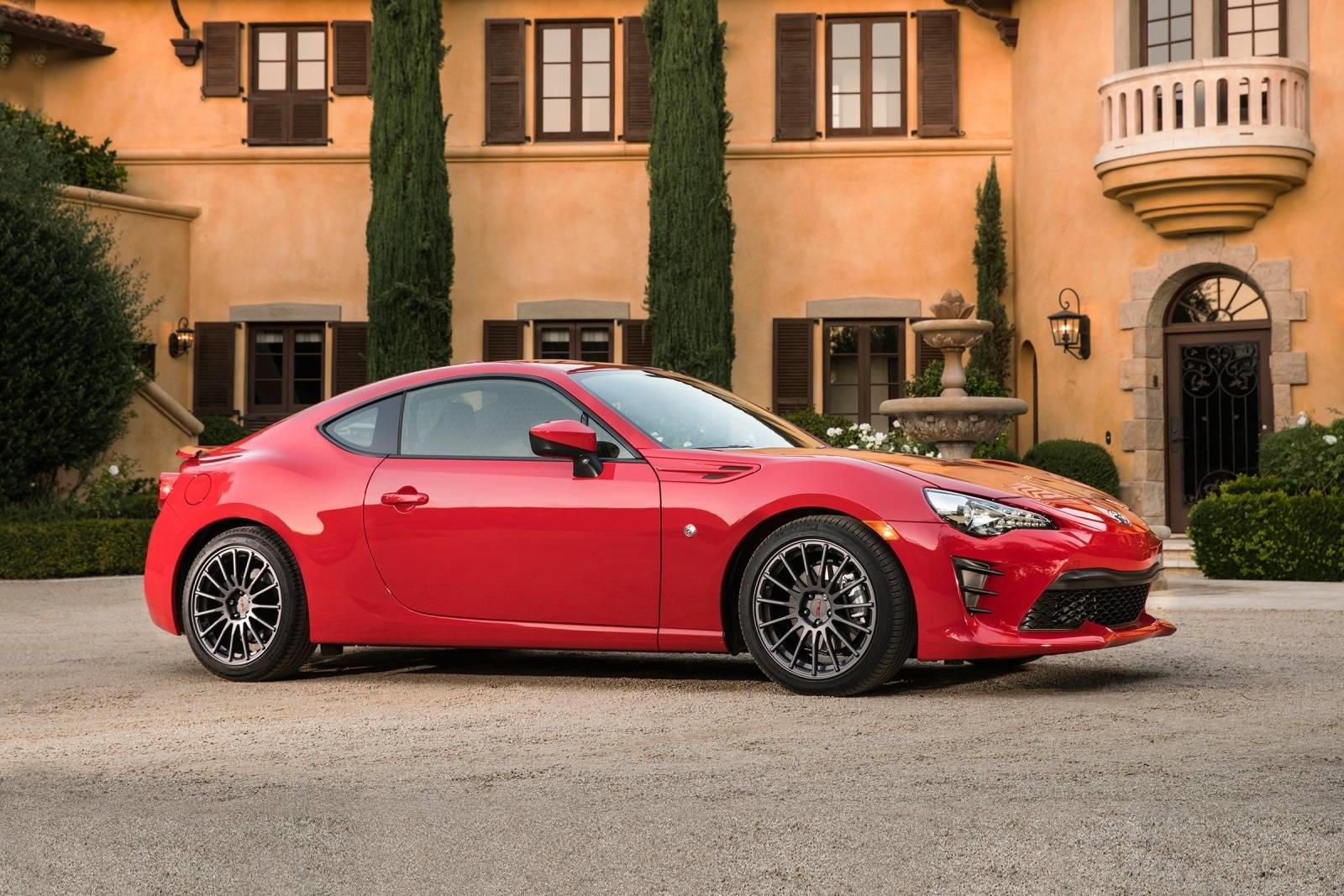
Straight-line performance has also improved with the latest generation of the 86. Equipped with the 2.4-liter engine and a manual transmission, the GR86 accelerates from 0 to 60 mph in an even 6 seconds, making it half a second quicker than the previous model.
The manual gearbox feels crisp and precise, with a shifter that slots confidently into each gear. Pedal placement is well suited for heel-and-toe downshifts, and the clutch is light with a clearly defined engagement point.
Choosing the automatic transmission slows acceleration to 6.9 seconds, but it’s easier to live with in stop-and-go traffic. The automatic also includes paddle shifters and delivers quick downshifts when Track mode is engaged.
Great on dry roads. Frustrating when you’re late for work and stuck in a snowbank.
4. Mini Cooper (FWD)
While compact and stylish, the Mini Cooper (front-wheel-drive versions) faces problems in deep snow. Short wheelbase and low ground clearance mean it easily bottoms out on unplowed streets.
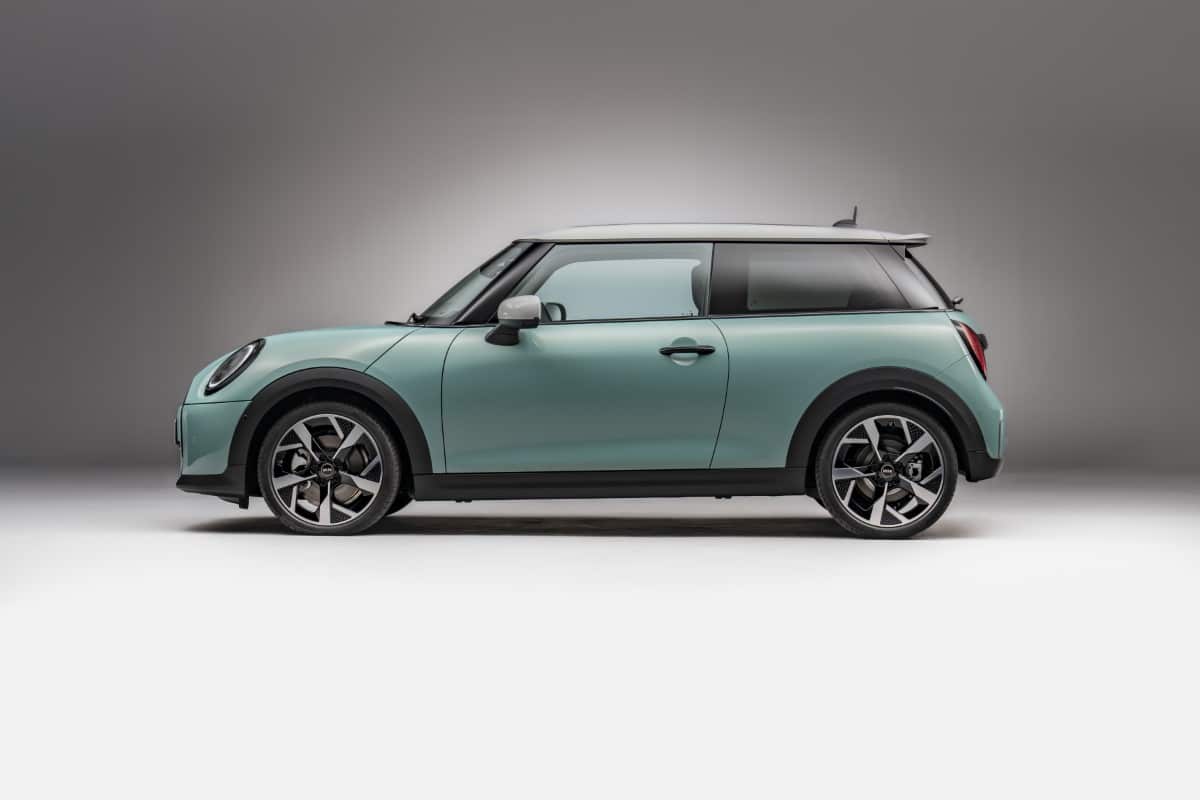
Cold-weather reliability can also be hit-or-miss, and replacement parts tend to cost more than mainstream competitors.
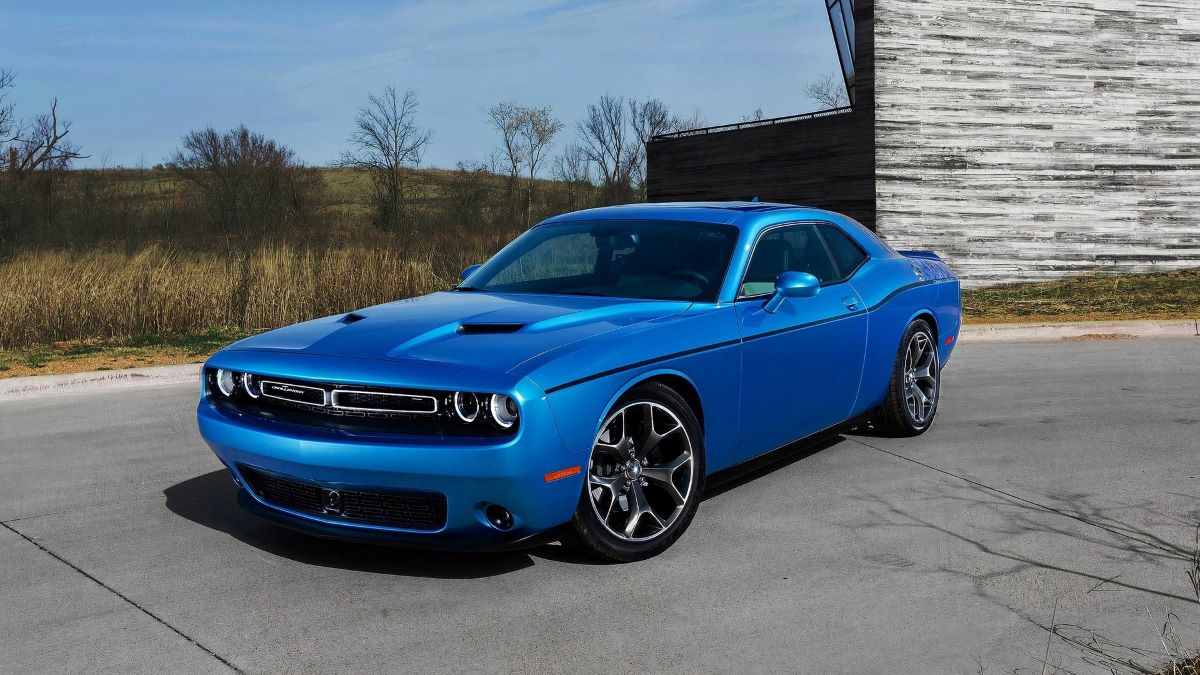
5. Dodge Challenger
The Dodge Challenger may look tough, but winter tells a different story. Its heavy rear-wheel-drive layout and wide tires struggle on slick surfaces, and its size makes maneuvering narrow, snow-lined streets difficult.
Unless equipped with AWD (available on limited trims) and proper winter tires, the Challenger is better stored until spring.
Choosing the right winter car in Milwaukee isn’t about brand loyalty it’s about smart engineering.
Vehicles with AWD, moderate ground clearance, balanced weight, and proven cold-start reliability consistently outperform sporty coupes and low-slung rear-wheel-drive cars once snow piles up.
If you’re shopping in Wisconsin, prioritize:
- AWD or highly capable FWD systems
- Proper winter tires (just as important as drivetrain)
- Heated features for comfort and safety
- Reliability in sub-zero temperatures
The right choice can turn winter driving from stressful to manageablenand in Milwaukee, that peace of mind is worth every penny.