Buying a car feels exciting on day one. The smell, the shine, the promise. But long-term ownership is where the truth comes out. After five, seven, or ten years, owners stop caring about brochures and start caring about real things repair bills, reliability, comfort, and whether the car still feels worth it.
That’s where the gap appears. Some cars age gracefully. Owners keep them longer than planned, recommend them without hesitation, and feel confident even after high mileage. These vehicles prove their value over time with low maintenance costs, solid reliability, and fewer unpleasant surprises.
Then there are the others. Cars that look great early on but slowly become stressful to own. Frequent repairs, declining performance, poor resale value, or expensive parts can turn excitement into regret. Owners may love the design or features but admit they wouldn’t buy the same model again.
This article focuses on real long-term ownership satisfaction, not launch hype. It compares five cars that owners consistently say they’re happy with years down the road versus five cars that often leave owners disappointed. The focus is global and US-based, covering a mix of sedans, SUVs, and everyday vehicles that many people consider.
We’re not ranking luxury or speed. We’re talking about cars people live with daily commutes, road trips, family use, and real wear and tear. The goal is simple: help buyers understand which cars tend to reward long-term ownership and which ones often don’t.
If you care about reliability, maintenance costs, and peace of mind after the honeymoon phase ends, this breakdown will give you a clear picture.
Car Owners Are Happy With Long-Term
Long-term owner satisfaction isn’t about how a car feels during the first few months. Almost any new car feels good early on. The real judgment starts after years of daily use, unexpected repairs, changing needs, and rising maintenance costs.
When owners talk about being happy long-term, they usually mean the car stayed reliable without demanding constant attention. It didn’t surprise them with expensive breakdowns or frequent warning lights. Even when repairs were needed, they felt reasonable and predictable, not overwhelming.
Another big factor is how the car ages. Interiors that wear out fast, electronics that glitch, or engines that lose smoothness can make a car feel old before its time. Owners notice this quickly, especially if they’ve kept the car longer than planned.
Fuel efficiency, comfort, and practicality also matter more over time. What seemed “good enough” at purchase can become annoying after years of use. That’s why long-term owners value balance more than flash.
Resale value plays a role too. Even if owners don’t sell, knowing their car still holds value reinforces confidence in their decision. Cars known for longevity tend to be maintained better and trusted more.
In short, long-term satisfaction comes from trust. Owners want a car that fits into their life quietly, without stress. When a vehicle delivers that, owners stay loyal and recommend it without hesitation.
ALSO READ: Top 9 Reliable Used Muscle Cars That Still Pack A Punch
1. Toyota Camry
The Toyota Camry has one of the strongest reputations for long-term ownership satisfaction, and owners largely agree with that reputation. It’s not flashy, but it’s dependable in ways that matter most after years of use.
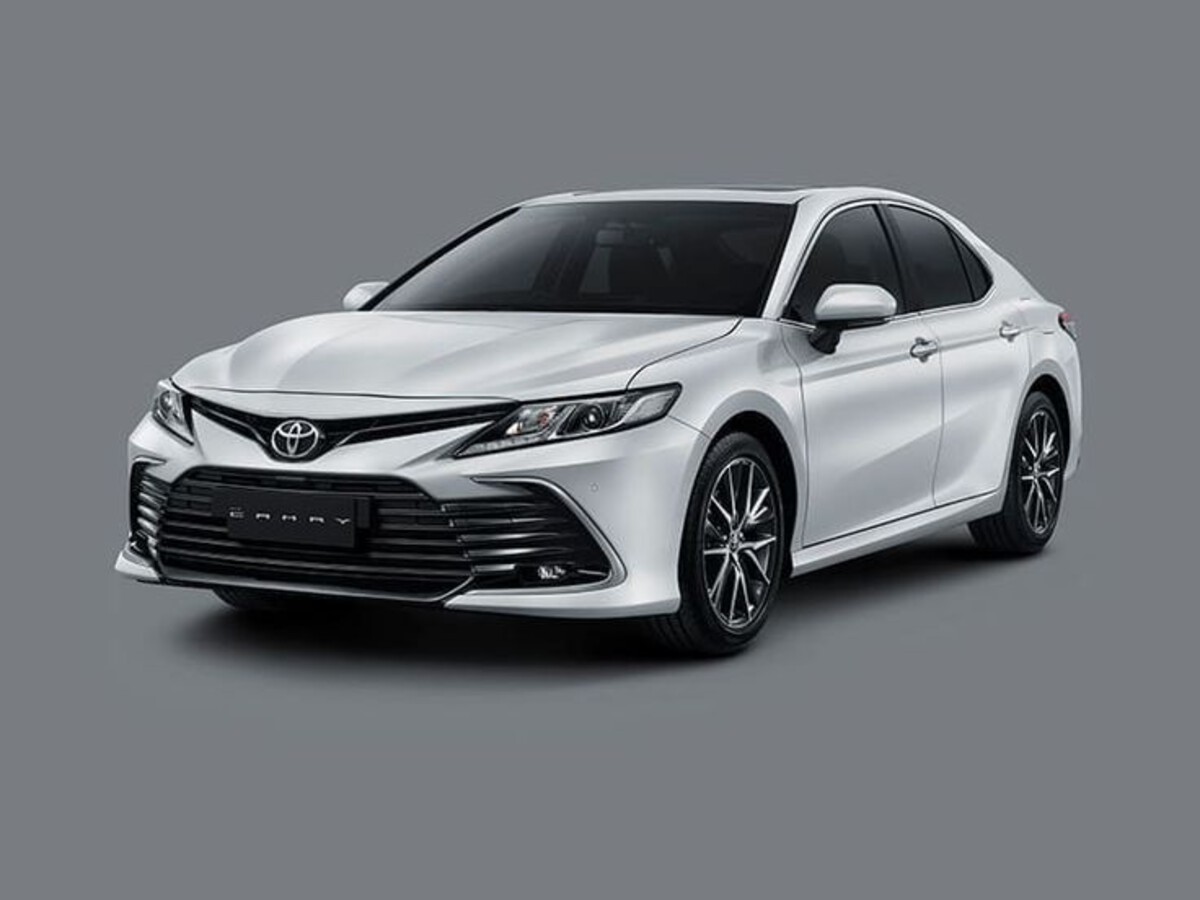
One of the biggest reasons Camry owners stay happy is reliability over time. Engines routinely cross high mileage with minimal issues. Major mechanical failures are rare compared to many competitors. Owners often describe the car as “boringly reliable,” which is exactly the point.
Maintenance costs are another win. Routine servicing is straightforward, parts are widely available, and repairs are usually affordable. This keeps long-term ownership stress low, especially for drivers who plan to keep their car beyond warranty.
Comfort also holds up well. The Camry’s suspension remains compliant, seats age reasonably, and cabin noise stays controlled even after years on the road. It doesn’t feel worn out prematurely.
Resale value is strong, which matters even to owners who don’t plan to sell soon. Knowing your car retains value reinforces confidence in the purchase.
While some owners say the Camry lacks excitement, very few regret buying it. When it comes to long-term car ownership, the Camry delivers exactly what most drivers want: reliability, predictability, and peace of mind.
2. Honda CR-V
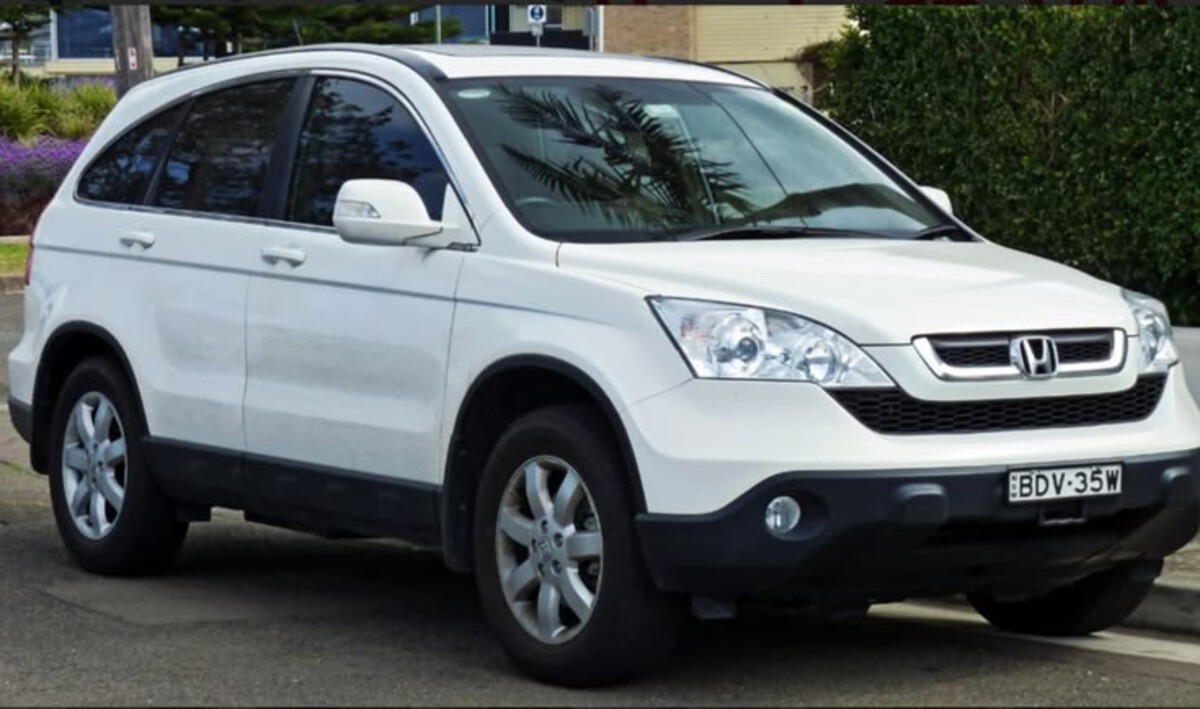
The Honda CR-V is another vehicle that consistently earns praise from long-term owners, especially families and daily commuters. Its balance of practicality and reliability makes it easy to live with year after year.
Owners frequently highlight engine durability and drivetrain reliability. The CR-V handles high mileage well when maintained properly. Major breakdowns are uncommon, and the vehicle rarely leaves owners stranded.
Maintenance costs remain reasonable over time. Honda parts are accessible, and most mechanics are familiar with the platform. That familiarity reduces labor costs and repair delays.
Interior space is a major reason owners stick with the CR-V. Even after years, it remains functional and comfortable. Seats, controls, and cargo space continue to serve daily needs without feeling outdated or cramped.
Fuel efficiency also contributes to satisfaction. Owners appreciate that running costs stay manageable, especially compared to larger SUVs that demand more fuel and upkeep.
Some owners mention infotainment systems feeling dated in older models, but this rarely overshadows the car’s strengths. Overall, the CR-V builds trust through consistency. For long-term owners, it feels like a smart, stress-free choice that keeps delivering value.
3. Lexus RX
The Lexus RX stands out as a luxury SUV that owners are genuinely happy with long-term. Unlike many premium vehicles, it doesn’t punish owners with constant repairs or unpredictable reliability.
Owners often praise the RX for exceptional build quality. Materials age well, switches remain solid, and interior wear is minimal even after extended use. The cabin continues to feel refined years later.
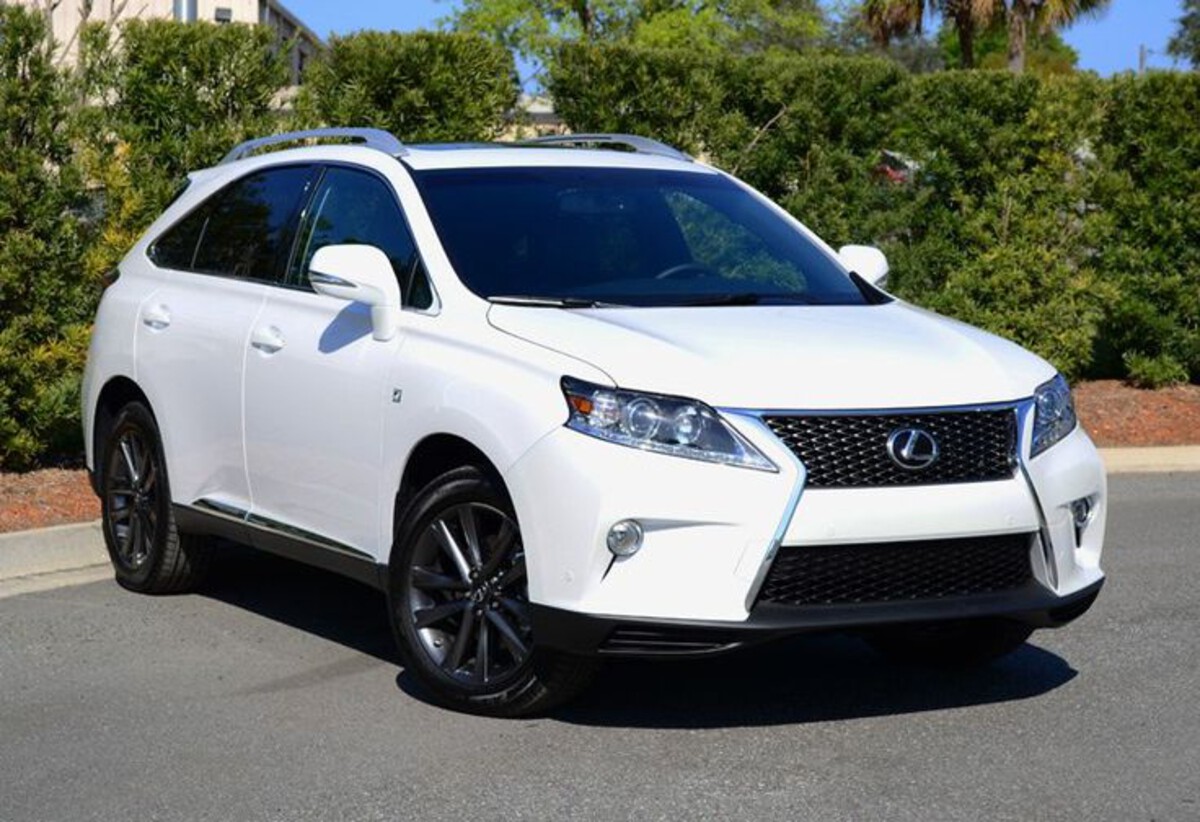
Reliability is a major factor in owner satisfaction. The RX benefits from Toyota engineering, which shows in long-term performance. Engine and transmission issues are relatively rare compared to other luxury SUVs.
Maintenance costs are higher than mainstream vehicles, but they’re still lower than many competing luxury brands. Owners feel they get real value for what they spend, rather than paying purely for branding.
Ride comfort remains one of the RX’s strongest points. It stays quiet, smooth, and comfortable over time, making it ideal for daily driving and long trips alike.
Some owners find the driving experience conservative, but that’s rarely a deal-breaker. For buyers who want luxury without long-term headaches, the Lexus RX consistently meets expectations and earns loyalty.
4. Subaru Outback
The Subaru Outback has a dedicated owner base, and many of those owners remain satisfied long after purchase. Its mix of practicality, safety, and all-wheel drive makes it especially appealing for long-term use.
One key factor is year-round reliability. Owners appreciate the Outback’s ability to handle different weather conditions without drama. This builds confidence over time, especially in regions with snow or rain.
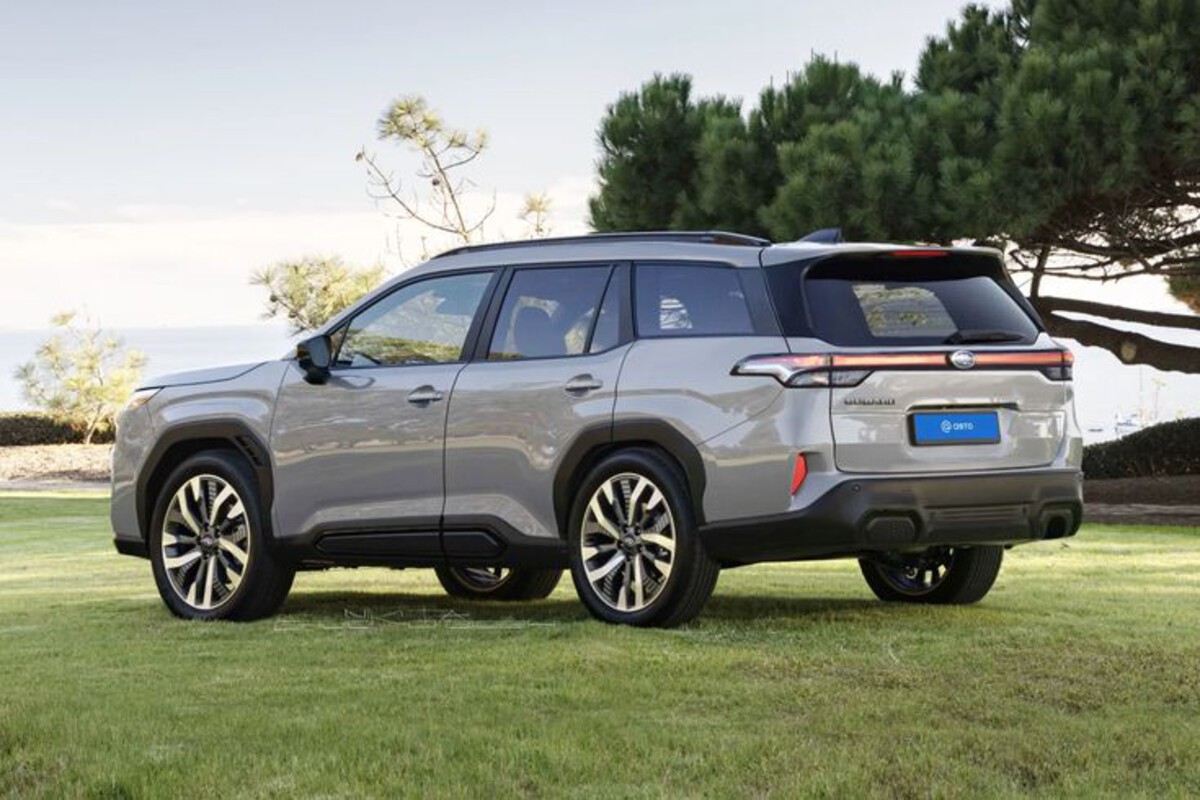
The Outback’s interior is designed for real life. Seats remain comfortable, visibility stays excellent, and cargo space continues to meet changing needs. Owners often keep the car longer than planned because it still works for them.
Maintenance experiences are mixed but generally positive in later models. When serviced regularly, the Outback tends to hold up well. Owners who follow maintenance schedules report fewer major issues.
Fuel efficiency is reasonable for an all-wheel-drive vehicle, which helps keep ownership costs in check. Safety features also age well, continuing to add value years later.
Some owners mention transmission concerns in older models, but many still say they’d buy another Subaru. Overall, the Outback earns satisfaction through versatility and trust built over time.
5. Mazda CX-5
The Mazda CX-5 surprises many owners in the best way possible. What starts as a stylish compact SUV often turns into a long-term favorite.
Owners frequently praise the driving experience, even after years of ownership. The CX-5 remains responsive and enjoyable, which helps prevent boredom, a common long-term issue with many SUVs.
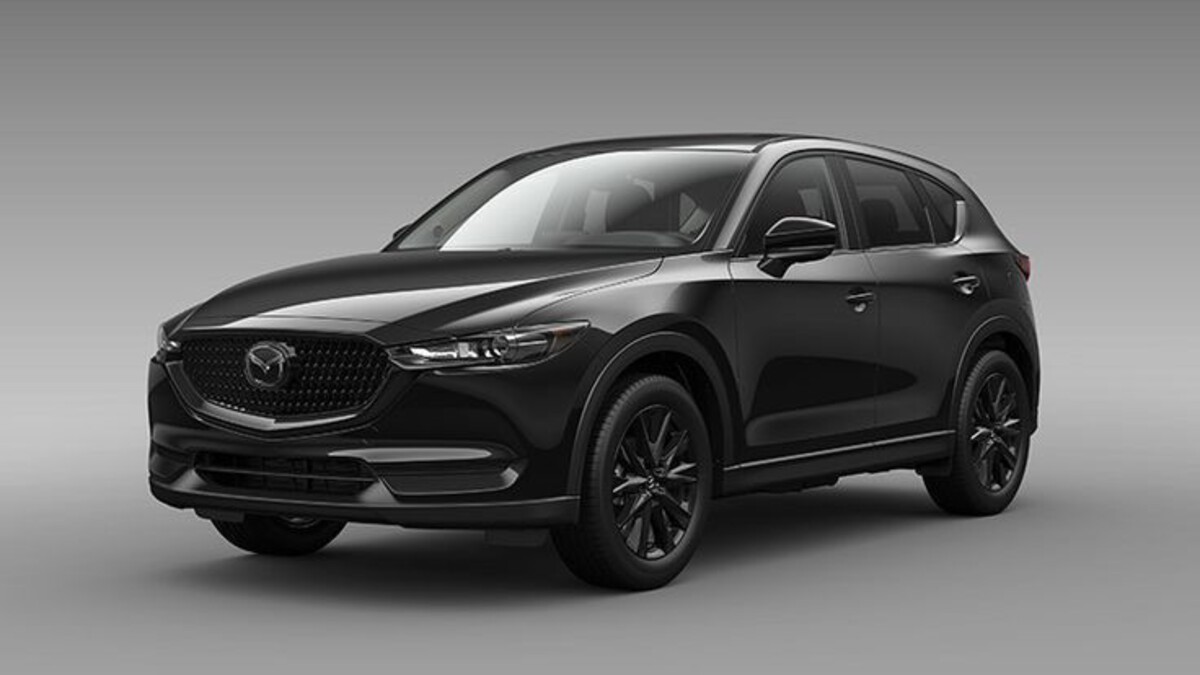
Reliability has improved significantly in recent generations, and owners notice. Engine and transmission performance stay consistent, and unexpected repairs are less common than in earlier Mazda models.
Interior quality is another strong point. Materials feel upscale, and cabins age gracefully. Owners appreciate that the vehicle still feels solid and well-built over time.
Maintenance costs are reasonable, and fuel efficiency helps keep daily expenses manageable. These factors combine to create a satisfying ownership experience that feels balanced.
Some owners wish for more rear seat space, but this rarely leads to regret. The CX-5 proves that a car can be both practical and enjoyable long-term.
ALSO READ: 5 Trucks That Balance Work and Comfort vs 5 That Don’t
Car Owners Aren’t Happy With Long-Term
Cars that disappoint long-term usually don’t fail immediately. In fact, many start strong. The problems creep in slowly, often after warranties expire or mileage increases.
One major reason is unreliable components. Repeated issues, especially with transmissions, electronics, or cooling systems, chip away at owner confidence. Even small problems feel bigger when they happen often.
Another issue is ownership cost creep. A car may be affordable to buy but expensive to keep. Rising repair bills, hard-to-find parts, or specialized servicing turn ownership into a financial burden.
Build quality also matters. Interiors that crack, peel, or rattle early make owners feel shortchanged. When a car looks worn long before its age suggests, regret sets in.
Technology can also age poorly. Infotainment systems that lag or fail reduce the experience, especially in cars marketed as modern or premium.
Finally, expectations play a role. Cars sold on image, performance, or branding often struggle when real-world use doesn’t match the promise. Owners feel misled, not just disappointed.
Over time, these issues add up. Owners may still like parts of the car, but they stop trusting it. That loss of trust is what turns excitement into regret and makes people say, “I wouldn’t buy this again.”
6. Jeep Cherokee
The Jeep Cherokee often attracts buyers with its rugged image and brand reputation, but long-term owners frequently tell a different story. While it may feel capable and stylish at first, ownership satisfaction tends to drop as mileage increases.
One of the biggest complaints is reliability over time. Owners report recurring electrical issues, sensor failures, and transmission concerns that appear well before expected. These problems aren’t always catastrophic, but they’re persistent, and that’s what wears people down.
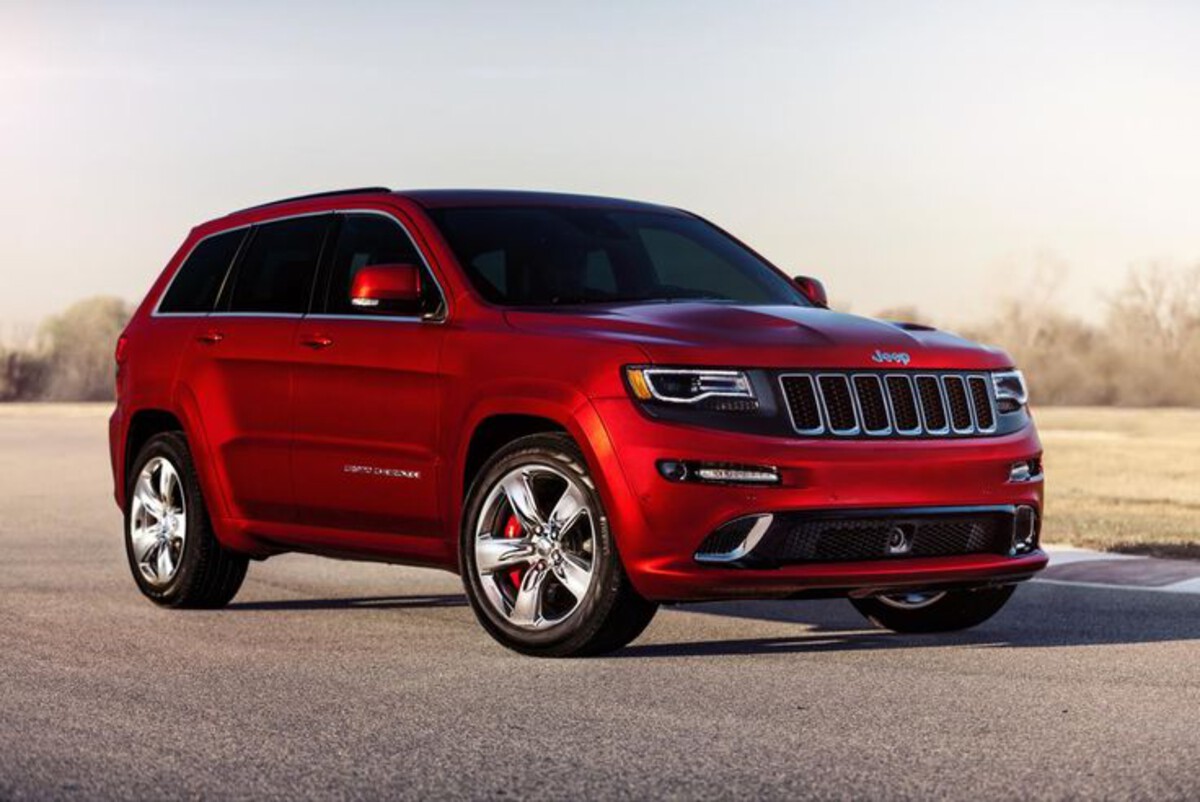
Maintenance costs add to the frustration. Repairs can be more expensive than expected for a mid-size SUV, especially when issues repeat. Owners often feel they’re fixing symptoms rather than solving root problems.
Interior quality is another weak point. Materials show wear earlier than competitors, with buttons, trims, and infotainment systems aging poorly. What once felt modern can quickly feel dated and fragile.
Fuel efficiency also disappoints many owners, especially compared to similarly sized crossovers that offer better long-term economy with fewer headaches.
While some owners love the Jeep identity and off-road capability, many admit they wouldn’t choose the Cherokee again. Over time, frequent repairs and inconsistent reliability overshadow its initial appeal.
7. Ford Focus (Automatic Models)
The Ford Focus, particularly with automatic transmissions, is one of the most commonly cited examples of long-term ownership regret. On paper, it looks like a smart, affordable compact car. In reality, many owners face ongoing frustration.
The biggest issue is the automatic transmission reliability. Owners report jerky shifting, hesitation, and premature failures. These problems often appear early and continue despite repairs.
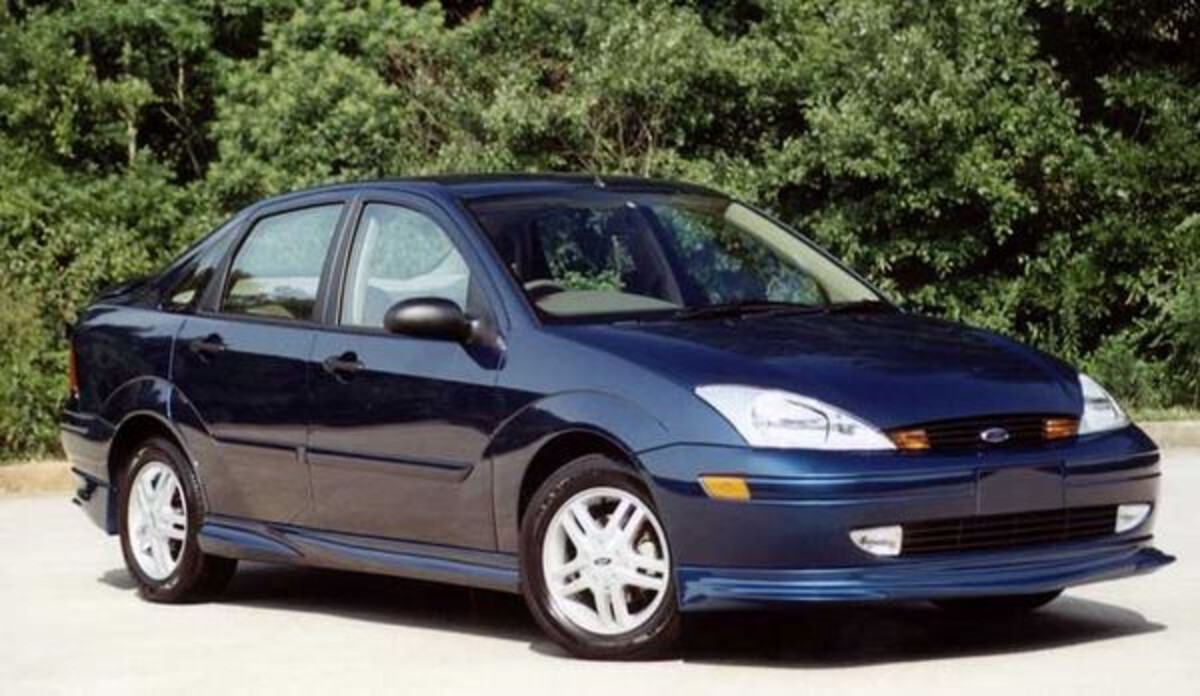
Even when covered under warranty, repeated service visits take a toll. Owners lose confidence in the car, especially when fixes feel temporary rather than permanent.
Interior quality is average at best. Over time, cabin materials wear quickly, and noise levels increase. The car starts feeling older than it should.
Resale value is another pain point. Because of its reputation, long-term value drops faster than expected, which hurts owners looking to move on.
Some drivers enjoy the Focus’s handling and fuel efficiency, but those positives rarely outweigh the stress caused by mechanical issues. Many owners say the car simply didn’t age well, making long-term ownership disappointing.
8. Nissan Altima
The Nissan Altima is popular and widely available, but long-term satisfaction often falls short of expectations. While newer models look sleek and feel comfortable initially, problems tend to surface over time.
The most common concern is CVT transmission durability. Many owners experience slipping, overheating, or complete failure earlier than expected. Even when repairs are made, trust in the car often doesn’t return.
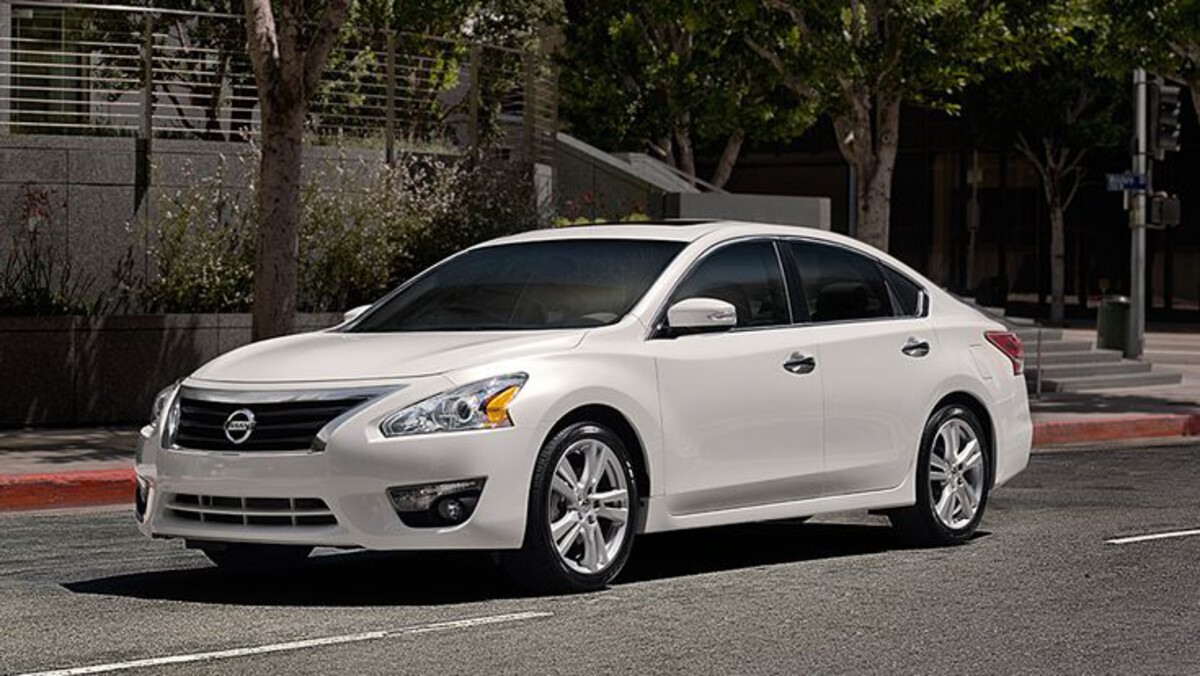
Maintenance costs can climb unexpectedly. Transmission-related issues are expensive, and owners often feel blindsided by repair bills on a car they expected to be dependable.
Interior comfort is decent, but build quality doesn’t always hold up. Trim pieces loosen, and infotainment systems may lag or fail as the car ages.
Fuel efficiency remains a positive, but it’s rarely enough to balance the long-term stress. Owners who drive high mileage tend to be especially critical.
While some Altima owners have trouble-free experiences, a significant number express regret and say they wouldn’t buy the same model again. Long-term ownership is where the cracks start to show.
9. Chevrolet Cruze
The Chevrolet Cruze was marketed as an affordable, efficient compact car, but many long-term owners report dissatisfaction as the years go by.
One of the main issues is engine and cooling system reliability. Owners often deal with leaks, overheating, and sensor failures that appear repeatedly. These issues disrupt daily use and add up financially.
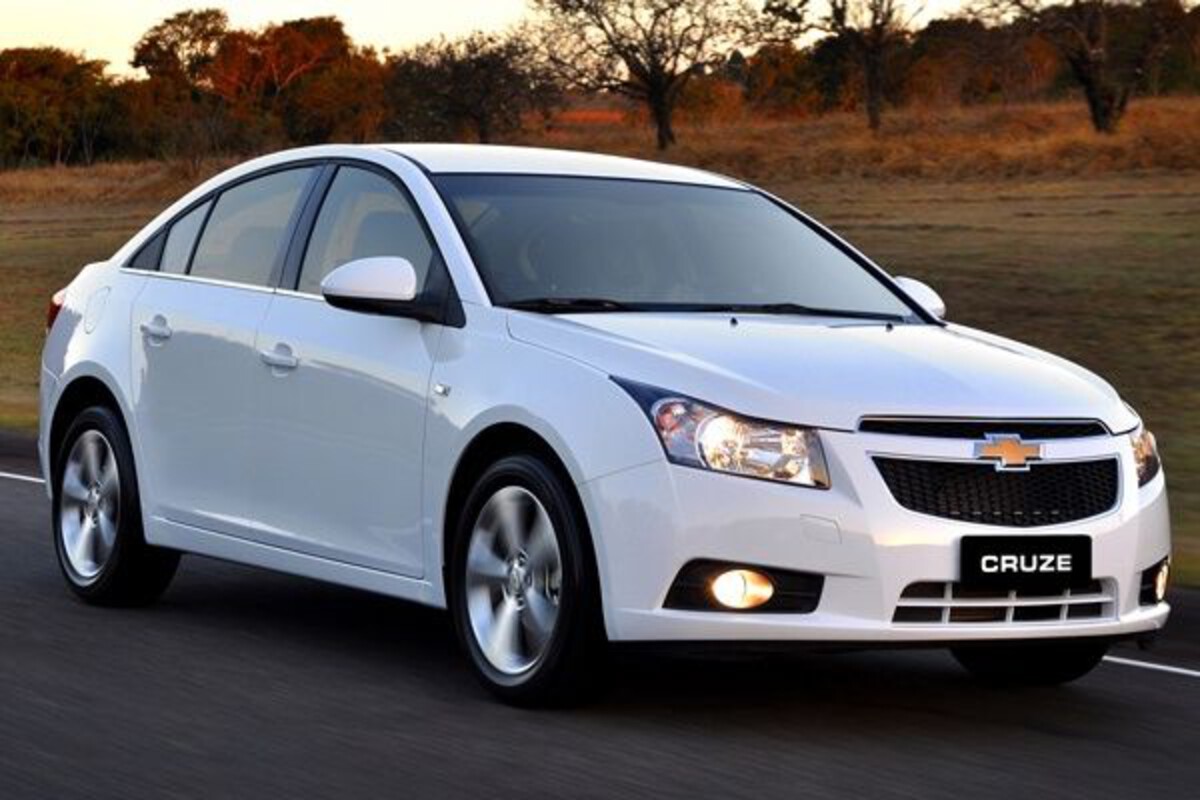
Maintenance feels unpredictable. Even when individual repairs aren’t extremely expensive, the frequency of visits to the mechanic becomes frustrating. Owners describe a cycle of “fix one thing, another breaks.”
Interior quality is another weak spot. Materials wear quickly, and the cabin can develop rattles and noise sooner than expected.
Resale value drops sharply, which compounds regret for owners hoping to upgrade later. The car doesn’t hold its worth compared to rivals in the same segment.
Fuel economy is good, but many owners feel it’s not enough to justify the overall ownership experience. Over time, the Cruze struggles to maintain trust and satisfaction.
10. BMW 3 Series (Older Generations)
The BMW 3 Series delivers an exciting driving experience, but long-term ownership can be a harsh reality especially for older models outside warranty.
Owners love how the car drives, even years later. However, maintenance and repair costs often become overwhelming. Complex systems mean even small issues can be expensive to fix.
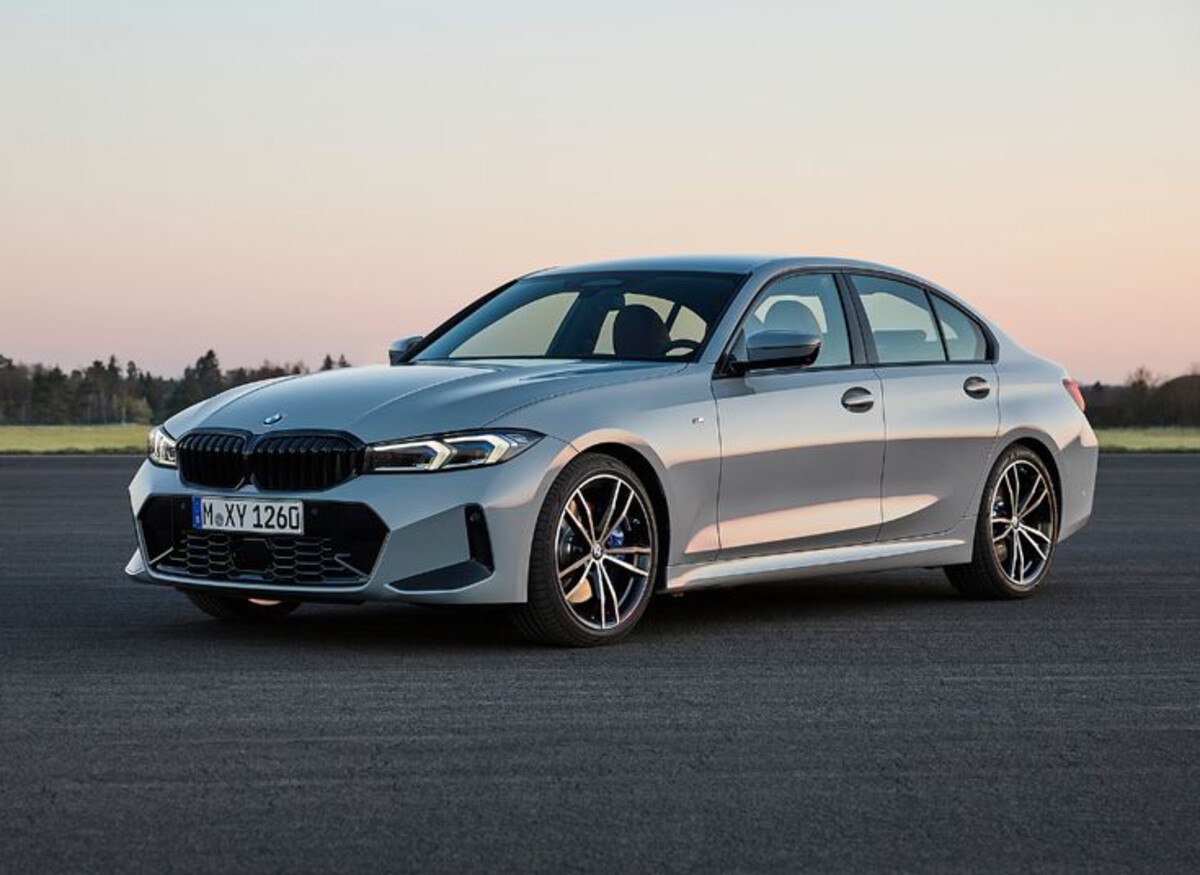
Electrical problems, suspension wear, and oil leaks are common complaints among long-term owners. These issues don’t always appear at once, but they accumulate.
Servicing requires specialized knowledge, which increases labor costs. Owners often feel locked into expensive repair paths with limited alternatives.
Interior quality is generally good, but technology ages quickly. Older infotainment systems feel outdated, reducing the premium feel over time.
Many owners admit they loved the car initially but underestimated long-term ownership costs. While the 3 Series shines early, it often becomes financially draining later, leading to regret.
Long-term car ownership is where the real test happens. Anyone can enjoy a car during the first year. The difference between satisfaction and regret shows up after warranties expire, mileage climbs, and real-life wear sets in.
Cars owners are happy with long-term tend to share a few traits: consistent reliability, manageable maintenance costs, interiors that age well, and predictable performance. These vehicles don’t demand constant attention. They quietly do their job and that’s why owners stick with them.
On the other hand, cars owners aren’t happy with long-term often fail in the same areas. Repeated mechanical issues, expensive repairs, and declining build quality drain enthusiasm fast. Even if the car looks good or drives well, frustration builds when ownership becomes stressful.
This doesn’t mean every owner will have the same experience. Individual maintenance, driving habits, and expectations all matter. But patterns exist, and listening to long-term owners offers valuable insight.
If you’re buying with the future in mind, focus less on features and more on proven reliability, ownership costs, and how the car holds up after years of use. The best cars don’t just impress on day one they continue to earn trust long after the excitement fades.
That’s the difference between loving your car long-term and wishing you’d chosen differently.