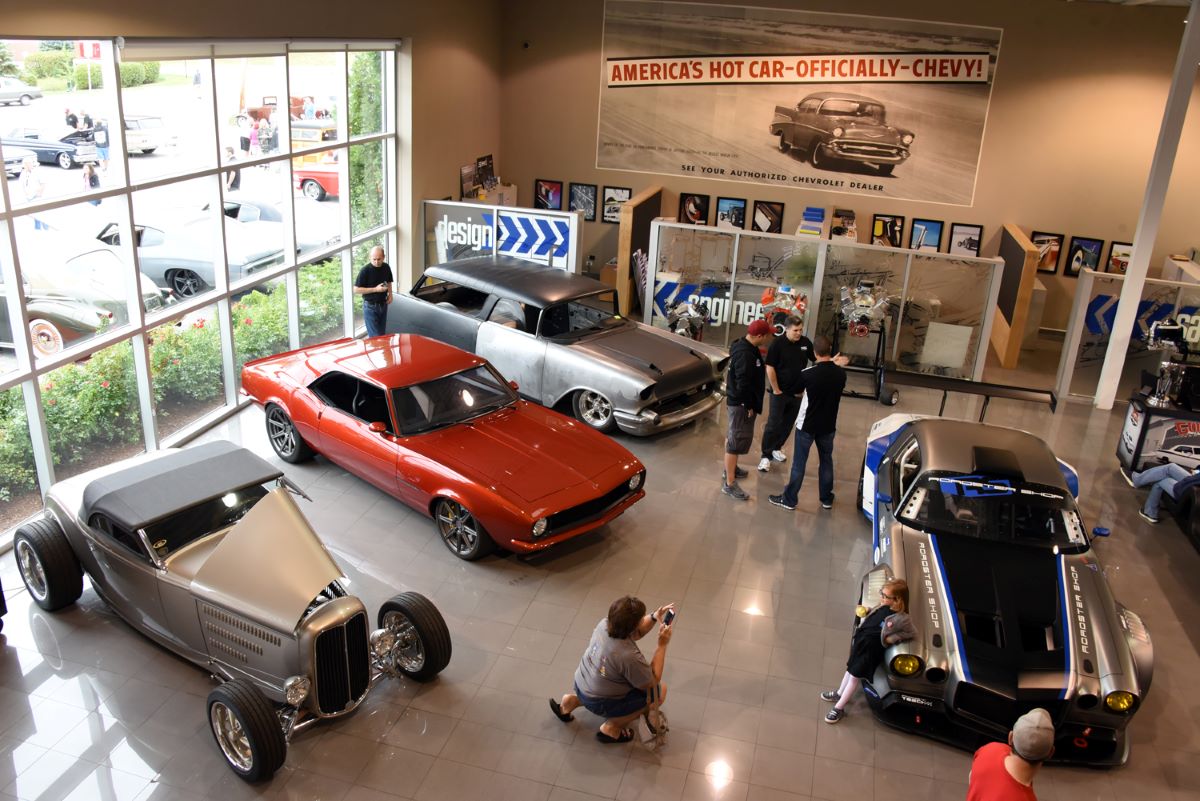
For many American enthusiasts, buying a brand-new performance car isn’t the end goal anymore, it’s just the starting point.
Across the U.S., a new generation of elite custom car builders is redefining what “factory fresh” really means. These shops don’t simply restore classics or bolt on aftermarket parts.
They completely re-engineer vehicles from the ground up, blending modern powertrains, advanced materials, bespoke interiors, and obsessive craftsmanship to create machines that often outperform, and outclass today’s showroom models.
Whether it’s a reimagined air-cooled Porsche, a carbon-fiber muscle car, or a vintage SUV reborn with modern reliability, these builders operate at a level closer to aerospace than traditional hot-rodding.
For collectors, drivers, and investors alike, their creations represent rolling works of art with real-world usability.
Below are 10 custom car builders producing truly better-than-new machines, each known for a distinct philosophy and uncompromising execution.
1. Singer Vehicle Design
Singer has become almost mythical in automotive circles, and for good reason. Specializing exclusively in air-cooled Porsche 911s, this California-based atelier takes donor cars and rebuilds them to a standard that eclipses modern luxury brands.
Every Singer build starts with a full teardown to bare metal before being reconstructed with carbon-fiber bodywork, hand-stitched interiors, and meticulously tuned engines developed in partnership with world-class engineers.
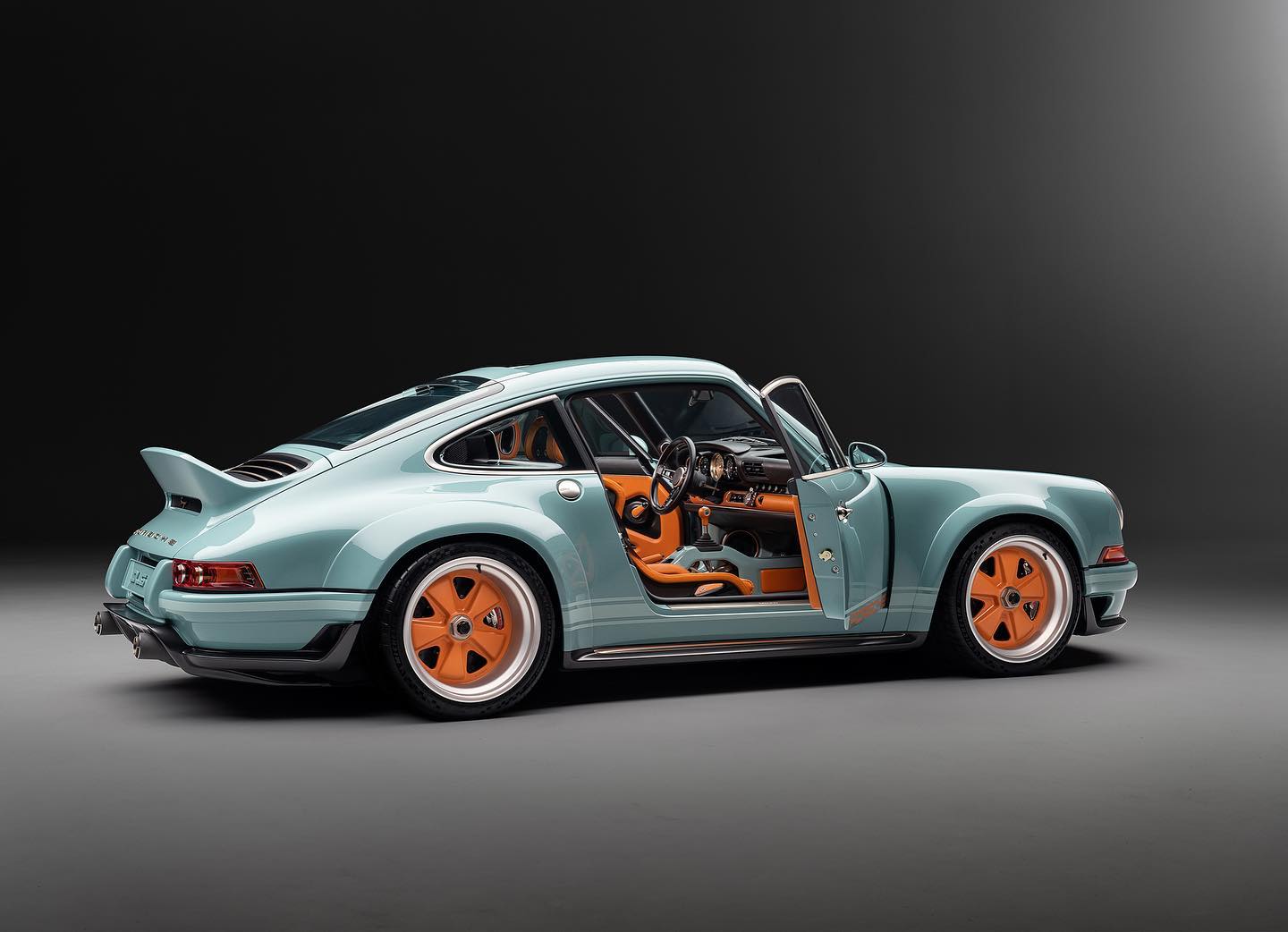
What truly sets Singer apart is its philosophy of “reimagining” rather than restoring. Owners collaborate on everything from paint shades to seat materials, resulting in deeply personal vehicles.
The driving experience blends classic analog feel with modern precision, making these cars equally suited for canyon roads or concours lawns.
Prices routinely climb into seven figures, but demand remains strong because Singer delivers something rare: emotional connection backed by engineering excellence.
2. Ringbrothers
Hailing from Wisconsin, Ringbrothers has earned global respect for its radical reinterpretations of American muscle.
Known for debuting jaw-dropping builds at SEMA, the shop blends classic silhouettes with cutting-edge materials like carbon fiber, billet aluminum, and modern supercharged V8s.
Ringbrothers cars don’t just look aggressive, they perform at supercar levels. Advanced suspension systems, massive brakes, and fully custom chassis setups transform vintage Chargers, Camaros, and Mustangs into track-capable weapons.
Inside, you’ll find modern infotainment, luxury-grade upholstery, and aerospace-level fit and finish. Their work proves that classic Detroit iron can evolve into something far more refined without losing its soul.
Ringbrothers, the Wisconsin-based builder best known for its high-end takes on classic American muscle, has expanded its scope in recent years. The shop made waves by dropping a GM-sourced supercharged V-8 into a Rolls-Royce Silver Cloud for SEMA 2023 and by revealing a beautifully reimagined Aston Martin DBS during its first appearance at Monterey Car Week earlier this year.
According to co-owner Jim Ring, the visual inspiration behind Kingpin was imagining what “the final boss in a John Wick film” would drive. While the overall design remains largely faithful to the original Mustang’s proportions and character, Ringbrothers significantly revised the body.
The front fenders are widened by two inches, while the rear gains an additional 3.5 inches. Combined with an extra 1.5 inches added to the front wheelbase, these changes give Kingpin a far more aggressive and planted stance.
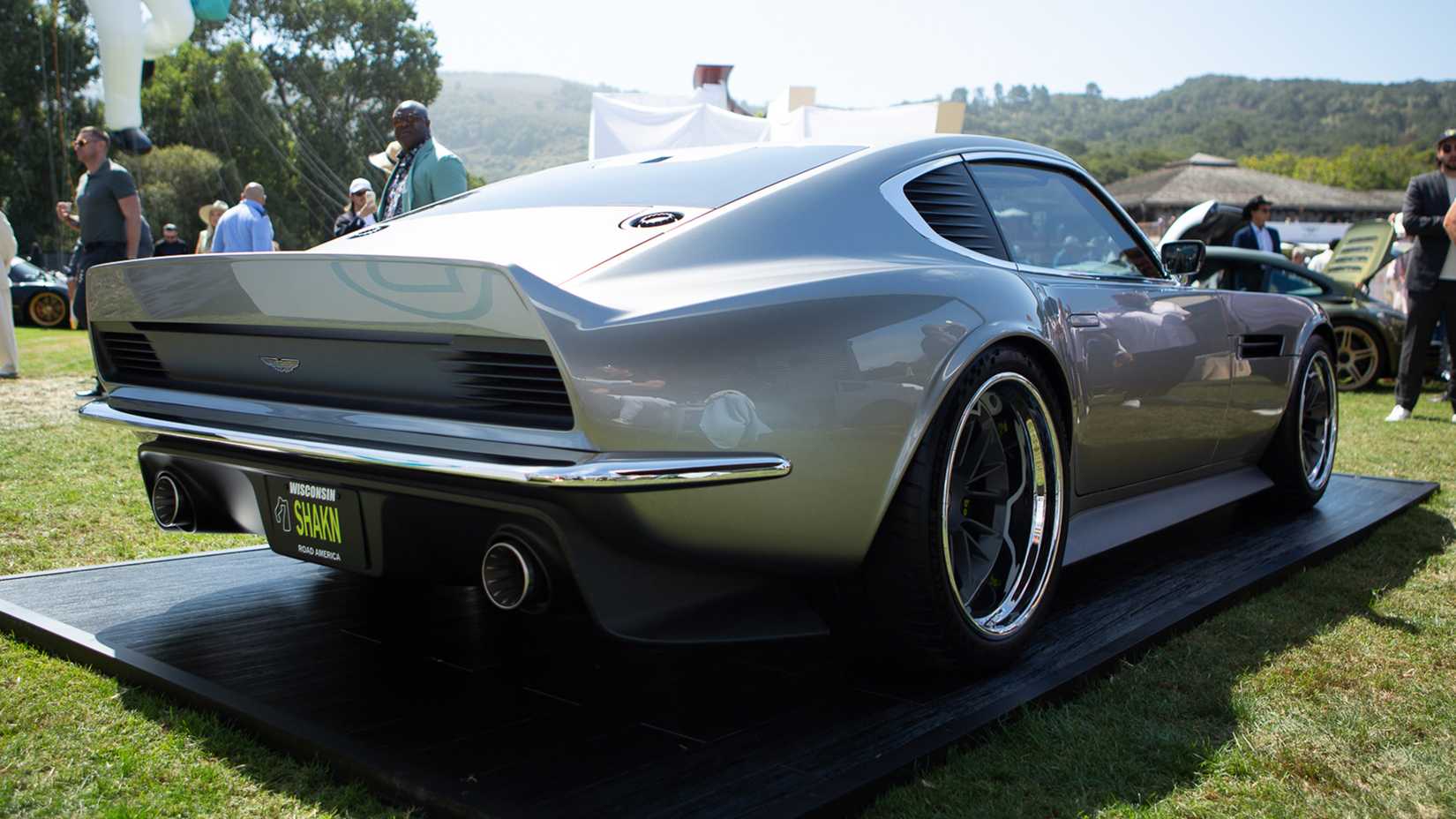
Finished in a deep black paint, Kingpin carries a distinctly menacing presence. Green accents on the brake calipers and exterior badges add carefully chosen contrast. A custom carbon-fiber diffuser extends from beneath the rear bumper, while the hood, grille surround, front splitter, and select interior trim pieces are also formed from carbon fiber.
The taillights preserve the Mustang’s signature triple vertical stripes, but they’re 3D-printed and function as vents, allowing hot air to escape after being routed through ducts ahead of the rear wheels.
True to Ringbrothers tradition, the engine bay is packed with clever and playful details. Various fluid caps, including those for engine coolant and power steering, are finished with yellow emblems and labels that feature a whimsical, hand-drawn aesthetic.
Inside, the cabin is wrapped predominantly in black leather and accented with 3D-printed and machined brightwork. Digital gauges replace traditional instrumentation, while a custom steering wheel features a crushed-carbon look and a green marker at the 12 o’clock position.
The seats incorporate a distinctive black-and-white spotted fabric stripe running down their centers, and the machined billet shifter also carries a subtle green accent. For added rigidity and safety, a roll cage has been integrated into the interior.
Powering Kingpin is a Wegner Motorsports-built Coyote 5.0-liter V-8, force-fed by a Whipple supercharger to produce more than 800 horsepower. All of that output is sent exclusively to the rear wheels through a six-speed manual transmission supplied by Bowler Transmissions.
The Mustang rides on HRE Vintage Series 517 wheels wrapped in Michelin Pilot Sport 4S tires. Suspension duties are handled by Fox RS single-adjustable coil-overs paired with independent front and rear suspension setups.
Braking is equally serious, with massive Brembo hardware consisting of six-piston calipers up front and four-piston calipers at the rear to bring Kingpin to a confident stop.
Also Read: Top 6 BMW Sedans We’d Buy Used And 6 We Wouldn’t
3. ICON 4×4
ICON 4×4 specializes in vintage off-road icons Toyota FJs, Ford Broncos, and classic trucks rebuilt with modern drivability in mind.
Based in Los Angeles, ICON approaches each project with OEM-level discipline, scanning frames, engineering proprietary parts, and assembling vehicles with factory-like repeatability.
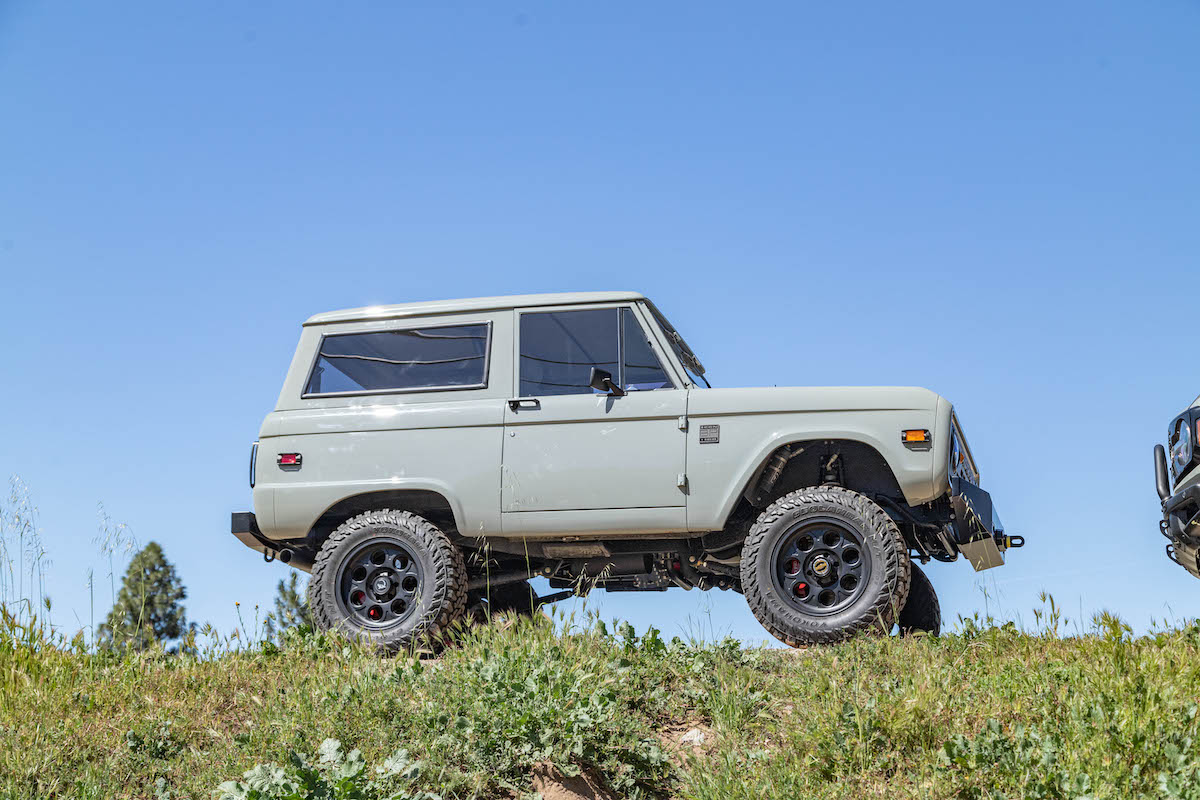
Their builds retain the rugged charm of classic 4x4s while adding contemporary engines, climate control, safety systems, and refined interiors.
The result is a daily-drivable classic SUV that starts every morning, cruises comfortably on highways, and still conquers trails. For buyers who want nostalgic style without vintage headaches, ICON hits the sweet spot.
4. Foose Design
Foose Design blends traditional hot-rod artistry with modern fabrication techniques. Known for clean lines and instantly recognizable styling, Foose builds often start as hand-drawn sketches before becoming fully realized machines.
What makes Foose Design special is its balance of creativity and restraint. Rather than overloading cars with gimmicks, the team focuses on proportion, flow, and timeless appeal.
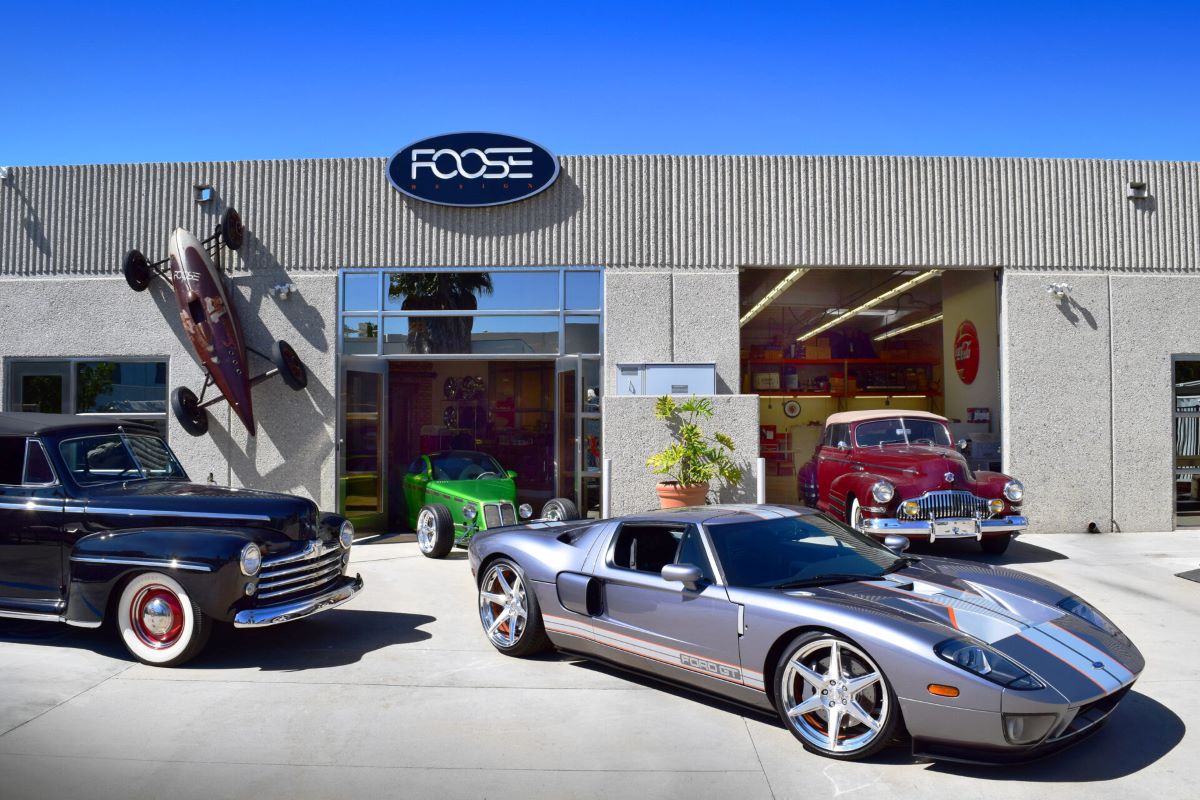
Underneath the sculpted exteriors are contemporary drivetrains, refined suspensions, and interiors designed for real driving. These cars feel cohesive like factory concepts brought to life.
5. Kindig-It Design
Based in Utah, Kindig-It Design is known for dramatic transformations that merge classic platforms with modern luxury.
Their builds often feature shaved door handles, seamless bodywork, and interiors that rival high-end European sedans.
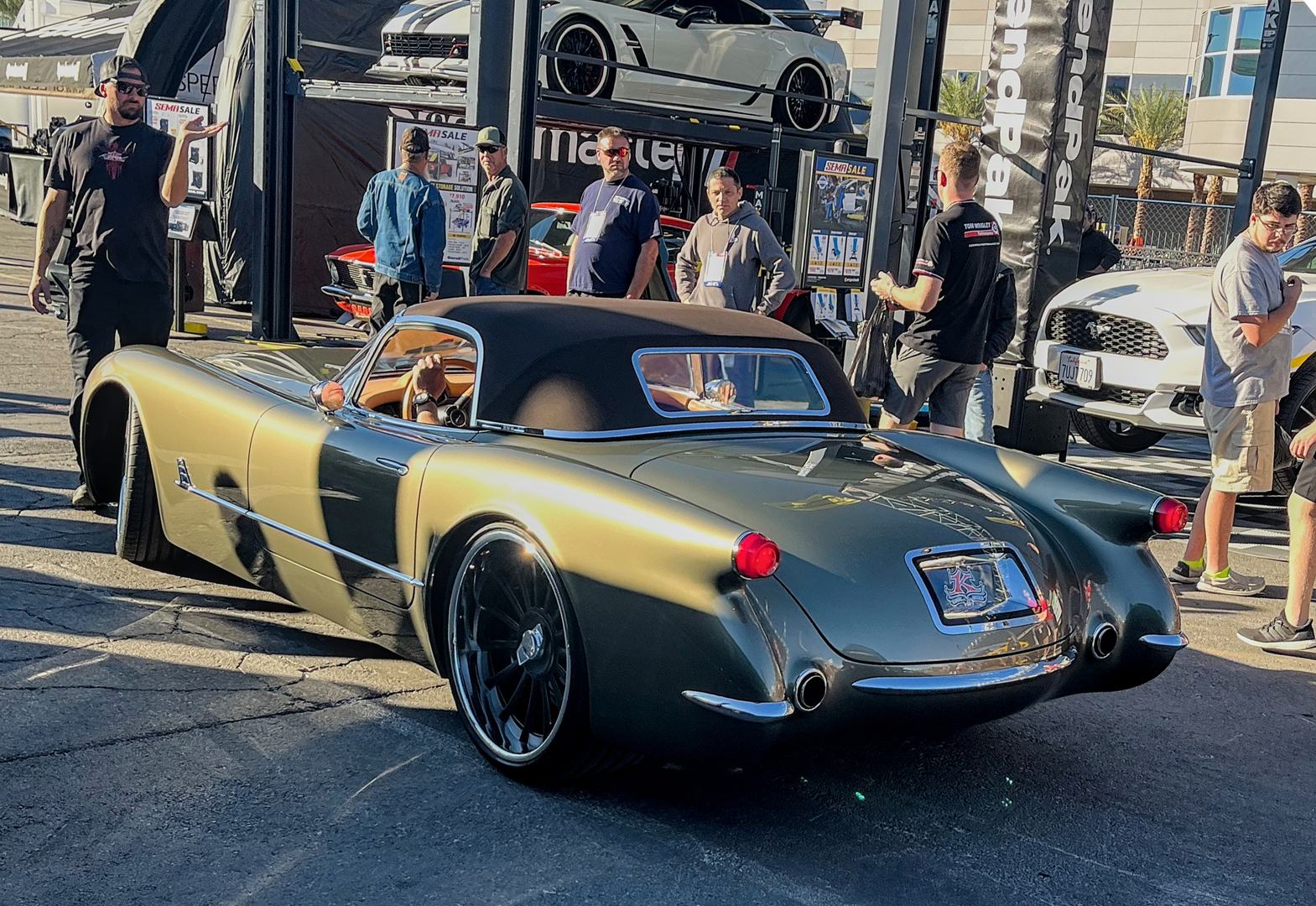
Performance upgrades are just as important as aesthetics here. Modern engines, advanced suspension geometry, and updated electronics make Kindig-It cars feel contemporary from behind the wheel.
The shop excels at creating vehicles that look futuristic while honoring their original DNA a combination that resonates strongly with U.S. collectors.
6. Hennessey Special Vehicles
While many custom builders focus on classics, Hennessey operates at the hypercar level. Producing limited-run, ground-up vehicles like the Venom series, this Texas-based company builds cars designed to challenge the world’s fastest machines.
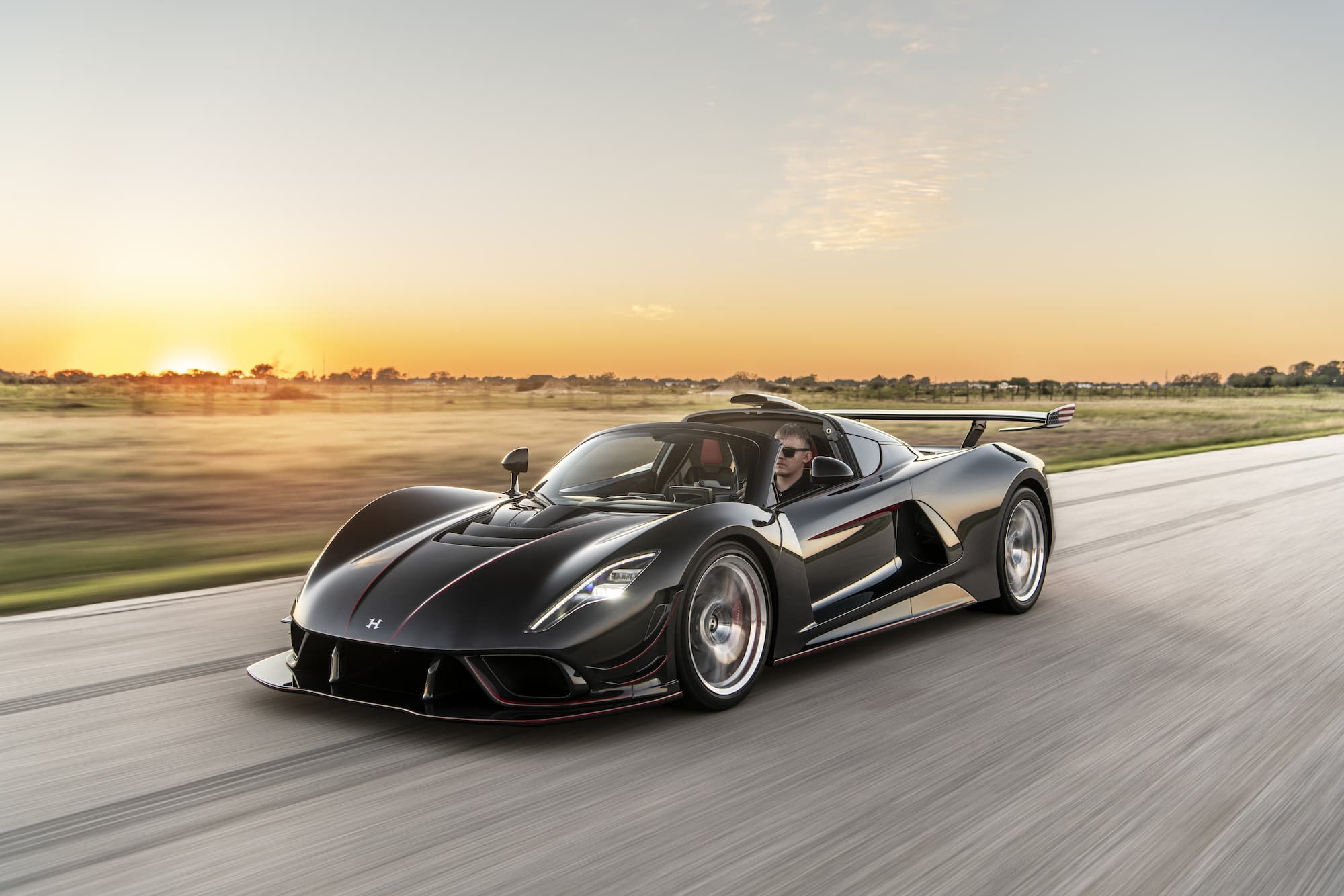
Carbon-fiber monocoques, twin-turbocharged V8s, and bespoke suspensions define Hennessey creations.
Every component is engineered for extreme performance, yet interiors remain surprisingly refined. These aren’t just fast cars they’re rolling demonstrations of American engineering ambition.
While hypercars from Italy and Sweden often dominate the spotlight, Hennessey Specialty Vehicles has repeatedly demonstrated that American builders are more than capable of producing world-class performance machines.
That claim is firmly backed up by the Texas-based company’s Venom F5 hypercar. First revealed in May 2021, Hennessey’s flagship model was originally capped at just two dozen examples, all of which sold out almost immediately.
The overwhelming demand has since led Hennessey to expand the Venom F5 lineup with additional variants, the newest of which is the freshly unveiled Hennessey Venom F5-M Roadster.
The Venom F5-M represents a new take on Hennessey’s recently introduced open-top hypercar, bringing with it a handful of subtle changes inside and out.
The most significant update for the M-spec is that it marks the first modern Hennessey hypercar to be offered with a manual transmission, and not just any manual, but a gated setup. Beyond the addition of a stick shift, the F5-M otherwise maintains the same extraordinary performance credentials, acceleration figures, and top-speed potential as the other Venom F5 variants.
Under the skin, the Venom F5-M Roadster is powered by Hennessey’s in-house-developed twin-turbocharged 6.6-liter “Fury” V-8 engine. What sets this version apart from the rest of the lineup is the inclusion of a six-speed manual gearbox. Despite its cutting-edge engineering and extreme performance, the driving experience is intentionally analog.
In manual form, the Venom F5’s Fury V-8 produces the same staggering output as its automatic counterparts: 1,817 horsepower and 1,617 lb-ft of torque. As a result, its overall performance envelope should closely mirror that of the existing models, including a claimed top speed of 311 mph.
The 0–60 mph time is expected to be slightly slower than the automatic version’s 3.3-second sprint, though still firmly within hypercar territory. With more than 1,800 horsepower paired to a manual gearbox, the Venom F5-M Roadster also earns the distinction of being the most powerful production car in the world equipped with a manual transmission.
7. SpeedKore Performance Group
SpeedKore has become famous for wrapping classic muscle cars in carbon fiber and stuffing them with modern Hellcat or Demon powertrains. The result is outrageous acceleration paired with surprisingly lightweight construction.
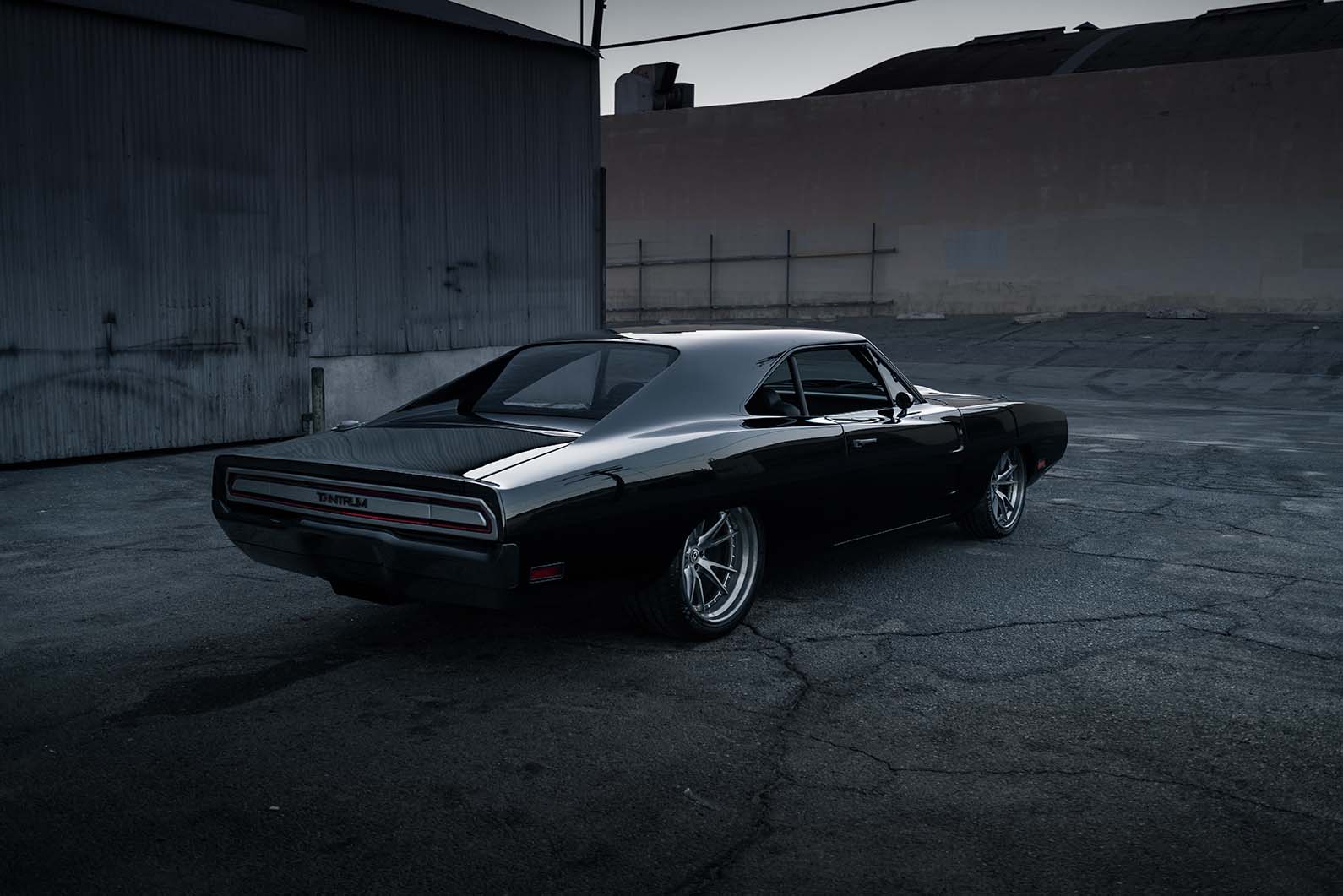
Their engineering-first approach includes custom frames, modern driveline components, and interiors packed with contemporary tech.
SpeedKore builds feel like factory-backed restomods from an alternate universe where 1970s muscle cars evolved alongside modern supercars.
8. Roadster Shop
The Roadster Shop is renowned for its Pro Touring builds, which combine classic American cars with modern handling and comfort. Their proprietary chassis systems dramatically improve rigidity, suspension geometry, and ride quality.
What stands out is how cohesive their cars feel. Steering, braking, and throttle response are tuned to work together, creating vehicles that can cruise long distances or attack a road course with equal confidence.
For drivers who value balance over bragging rights, Roadster Shop delivers.
When discussing the elite circle of custom car builders who have left a lasting imprint on the automotive world, the Roadster Shop unquestionably ranks among the very best.
With a legacy built over decades, the company has grown from humble beginnings into a leading force celebrated for exceptional craftsmanship and forward-thinking design. This journey, marked by steady evolution and relentless dedication, highlights how the Roadster Shop became one of the most respected names in the industry.
The Roadster Shop’s beginnings reflect a classic American success story, where passion met opportunity. Founded on a deep appreciation for classic automobiles and a determination to build the finest roadsters possible, the early years were defined by long hours, hard work, and an uncompromising focus on quality.
What started as a small, family-run operation quickly gained recognition, as word spread about its meticulous attention to detail and refusal to cut corners.
Over time, the Roadster Shop has become known for consistently pushing the limits of what custom vehicles can be. Their work seamlessly blends traditional craftsmanship with modern engineering solutions.
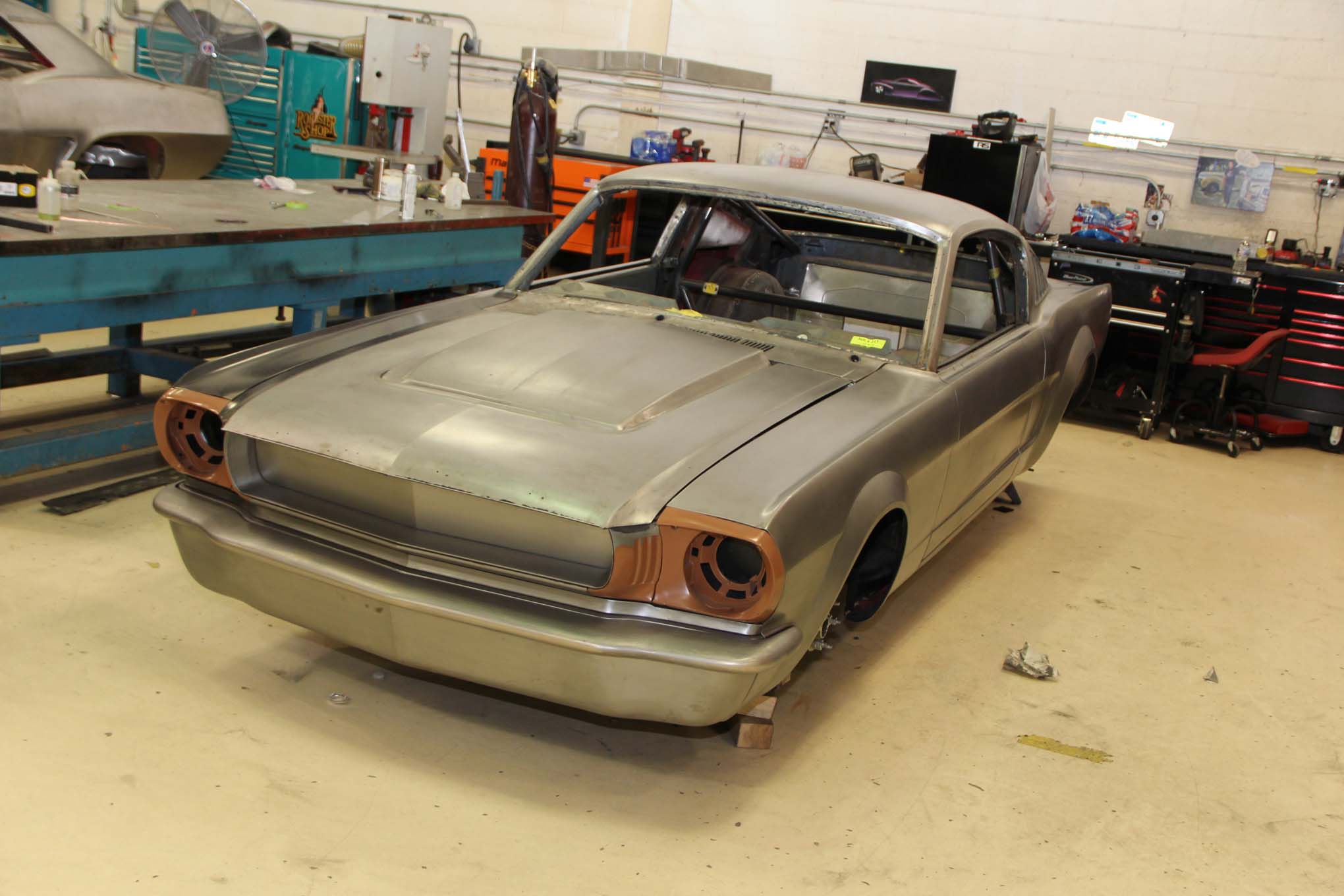
Whether restoring a vintage classic with contemporary performance components or creating a one-of-a-kind bespoke build, the company’s identity is visible in every aspect of the vehicle, from structural welds to the final layers of paint.
The evolution hasn’t been limited to finished products alone. The Roadster Shop’s approach to design and engineering has continuously progressed, often influencing broader industry trends.
By adopting advanced tools such as CAD modeling and CNC machining, the team has been able to create vehicles that function as rolling works of art while maintaining exceptional engineering integrity.
The Roadster Shop’s trophy case tells part of the story. Awards from major events like SEMA and features in top-tier automotive publications have helped cement its reputation.
However, the most meaningful recognition comes from within the industry itself, from fellow builders, respected peers, and a loyal customer base that continues to trust the brand with ambitious and personal projects.
As the automotive world moves toward new technologies, including electrification and autonomous systems, the Roadster Shop remains adaptable and forward-looking.
Rather than resisting change, the company continues to explore how emerging technologies can coexist with the timeless appeal of custom-built vehicles. This balance between innovation and heritage positions the Roadster Shop well for the road ahead.
Ultimately, the Roadster Shop’s story is one of inspiration. It demonstrates what’s possible when passion, innovation, and craftsmanship align. As the brand continues to redefine standards in the custom car world, its trajectory suggests that its most impressive chapters are still to come.
9. East Coast Defender
East Coast Defender specializes in reengineering classic Land Rovers for modern American lifestyles. Starting with vintage Defenders, they install contemporary engines, upgraded suspensions, luxury interiors, and modern infotainment.
These builds are as comfortable navigating city streets as they are exploring backcountry trails.
With options ranging from family-friendly SUVs to open-air beach cruisers, East Coast Defender proves that classic British off-roaders can become reliable daily drivers with the right craftsmanship.
It has been quite a while since our last deep dive into an East Coast Defender (ECD) build. The previous time we crossed paths with one of the company’s creations, it was a wild classic Land Rover Defender powered by an LS engine and memorably dubbed the “T-Hell-U-Ride,” a project that was, and still is, an intriguing proposition.
Fast-forward to today, and the outfit known for revitalizing automotive old-timers has unveiled what it calls its “most luxurious build yet.” The latest project is known as the Mayfair Defender 10, and it’s said to “channel London luxury with unmatched power and style.”
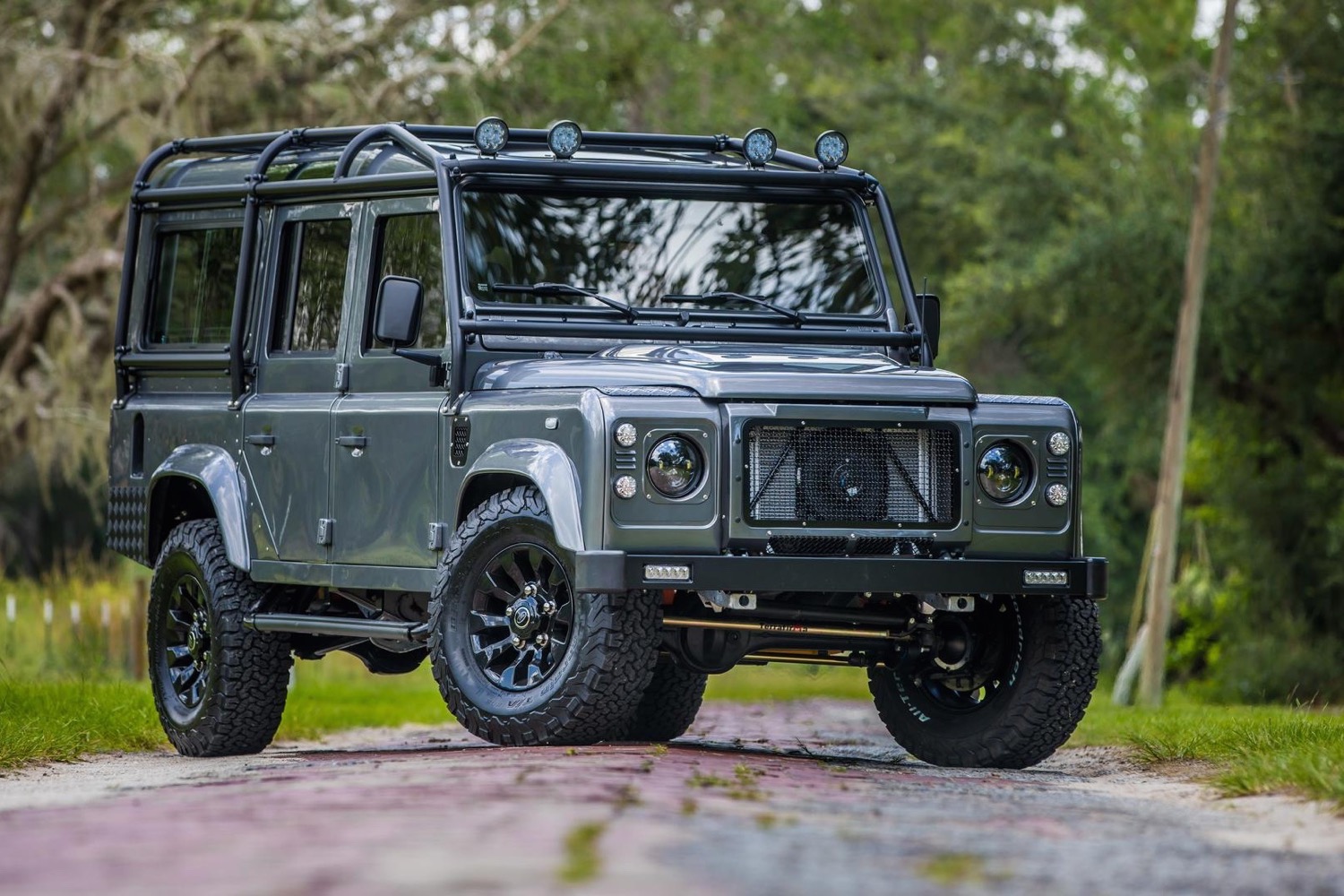
Drawing inspiration from iconic British institutions such as Harrods, Wimbledon, and Savile Row, the vehicle is described as being “a masterclass in tailored design, timeless luxury, and performance without compromise.”
Judging by the attached images, or more accurately, official renderings, it’s clear that this classic Land Rover Defender isn’t quite finished yet. If it were, ECD would likely have released real-world photos highlighting every new component and showcasing the interior in detail.
Even so, the visuals reveal plenty: flared fenders, steel bumpers, a revised hood, updated side skirts, a roof rack, additional lighting up front, above the windshield, and at the rear, plus a partial exoskeleton designed to protect occupants in the event of a rollover.
This particular build is based on a 1996 Land Rover Defender 110, which now rides higher thanks to a retuned suspension and rolls on new wheels wrapped in aggressive, chunky tires. The presence of “Chelsea Truck Company” branding on the rear-mounted spare suggests that the British tuner has also played a role in the project.
Beneath the hood lies a supercharged GM powerplant reportedly producing 800 horsepower, with a six-speed automatic transmission channeling that output to a four-wheel-drive system.
The result is a true wolf in sheep’s clothing, and a compelling alternative to something like the modern Mercedes-AMG G 63. That said, affordability is not part of the equation here.
As with most ECD builds, the price is steep, and this one is no exception. The Mayfair Defender 10 carries an asking price of $399,995, roughly equivalent to the cost of two brand-new G 63s. According to East Coast Defender, this 1996 Land Rover Defender will be available in September, meaning interested buyers won’t have to wait too long to take delivery.
10. Legacy Overland
Legacy Overland focuses on meticulous restorations of classic 4x4s, especially Toyota Land Cruisers. Each vehicle undergoes a full frame-off rebuild, with modern engines, updated braking systems, and handcrafted interiors.
The attention to detail rivals luxury automakers. Paint finishes are flawless, leatherwork is bespoke, and mechanical systems are engineered for longevity. These trucks feel brand new only better combining vintage charm with modern dependability.
Custom car builders like these are reshaping the American automotive landscape. They’re not just preserving history they’re evolving it.
By blending classic design with modern engineering, these shops create vehicles that outperform factory offerings while offering a level of individuality mass production can’t touch.
It might seem counterintuitive, but in many cases the best way to pay tribute to a classic vehicle is to rebuild it completely from the ground up. The continued rise of restomods is proof that this approach resonates with enthusiasts.
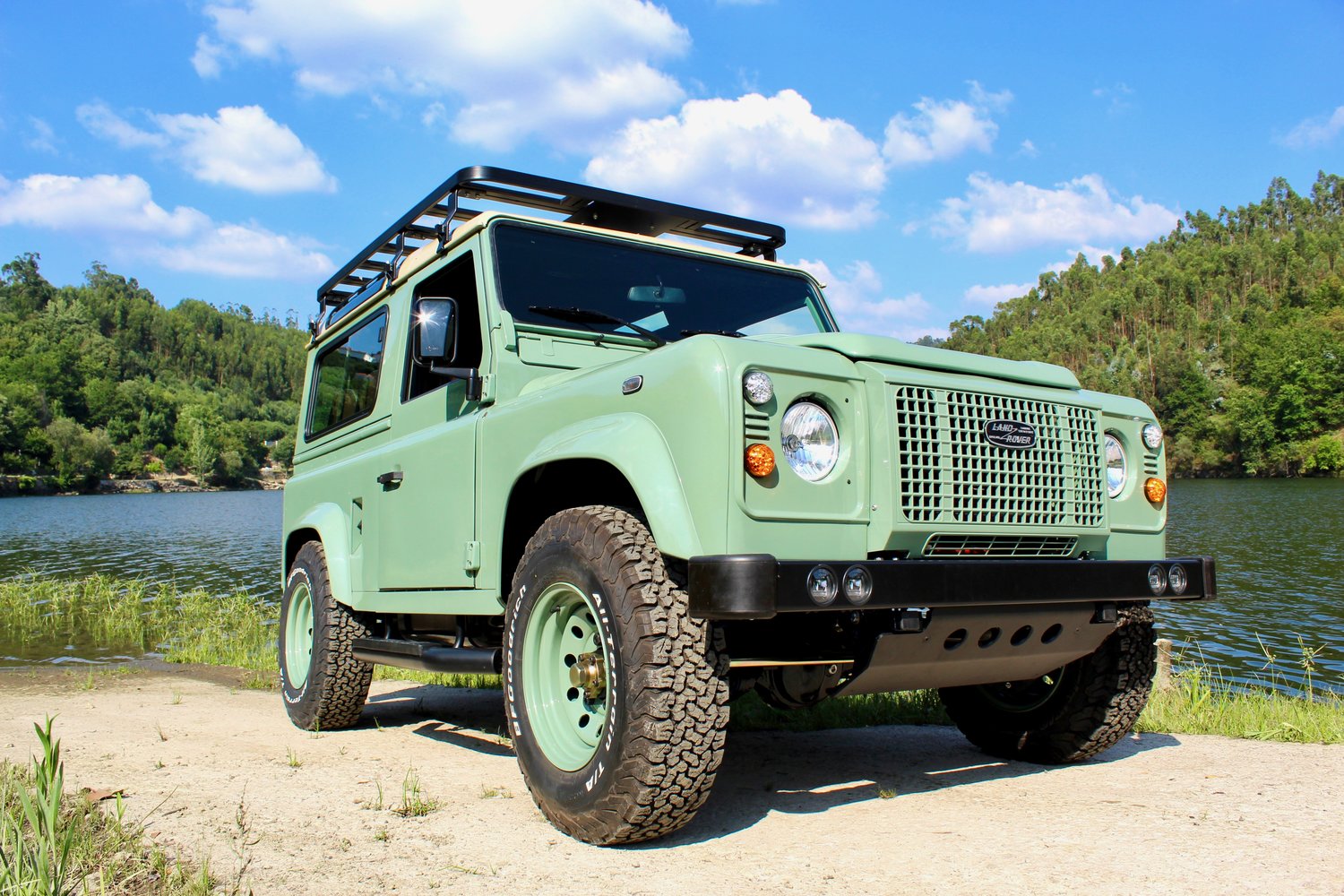
Legacy Overland’s Project Texan fully embraces that idea. The build begins with a well-used 1978 Toyota Land Cruiser FJ40 from Texas and transforms it into a machine that blends vintage character with thoroughly modern performance.
The exterior still proudly displays its workhorse patina, but beneath the Raptor-coated jungle green finish sits a Chevy 350 small-block V-8, giving the classic Land Cruiser a dramatically updated foundation.
While the V-8 swap may grab the headlines, it’s only one part of a much more comprehensive transformation. The Chevy 350 small block is upgraded with electronic fuel injection, a March chrome pulley kit, and all the necessary supporting hardware to ensure proper integration.
The real work, however, goes far beyond the engine bay. Legacy Overland rebuilt the axles, restored the steering knuckles, replaced tie rods, and added power steering to bring the FJ40’s driving dynamics closer to modern standards.
The cooling system was completely reworked with a new radiator, fan, water pump, and thermostat. Even the exhaust system is a bespoke piece, designed specifically to suit this restomod configuration.
What truly sets Legacy Overland apart is its focus on substance as much as style, no small feat, considering how good the finished product looks. Rather than prioritizing cosmetics alone, the team addressed every critical component.
Worn hoses were replaced, and every meaningful fastener was inspected or renewed. The braking system was fully overhauled with a new booster, cylinders, hoses, and lines to ensure reliable stopping power.
The electrical system was also completely replaced, not merely repaired, with a full modern rewire. Updated gauges, a new radio and antenna, LED lighting, and even air conditioning bring contemporary comfort to the classic Land Cruiser platform.
Sound deadening and fresh undercoating further refine the experience, creating a level of civility the original FJ40 could never have offered.
For buyers willing to invest, the reward is a machine that feels deeply personal, technologically advanced, and emotionally engaging.
In many cases, these cars don’t just compete with new models they surpass them, proving that with enough vision and craftsmanship, “better than new” isn’t just marketing language. It’s a reality on four wheels.