Urban driving in America is tougher on vehicles than most people realize. Between endless stop-and-go traffic, short daily trips, aggressive potholes, tight parking spaces, and extreme temperature swings, city life puts unique stress on hybrid systems.
While hybrids are marketed as the perfect solution for metropolitan commuting, not all of them age gracefully once exposed to years of crowded downtown streets, school drop-offs, rideshare duty, and bumper-to-bumper highways.
Some hybrids quietly cross 150,000 miles with minimal drama. Others start showing electrical glitches, battery degradation, or drivetrain issues far sooner than owners expect.
The difference usually comes down to engineering philosophy: simplicity versus complexity. Below is a real-world comparison of five hybrids that consistently prove durable in urban environments and five that tend to struggle once warranties expire.
This guide focuses on ownership patterns common across major U.S. cities, long-term reliability trends, and how these vehicles behave under constant stop-start conditions.
1. Toyota Prius
The Toyota Prius remains the undisputed champion of urban hybrid reliability. For more than two decades, it has served as the backbone of taxi fleets and rideshare services in cities like New York, Los Angeles, and Chicago.
That real-world abuse has proven just how resilient Toyota’s hybrid system really is. What makes the Prius so dependable in city driving is its conservative engineering.
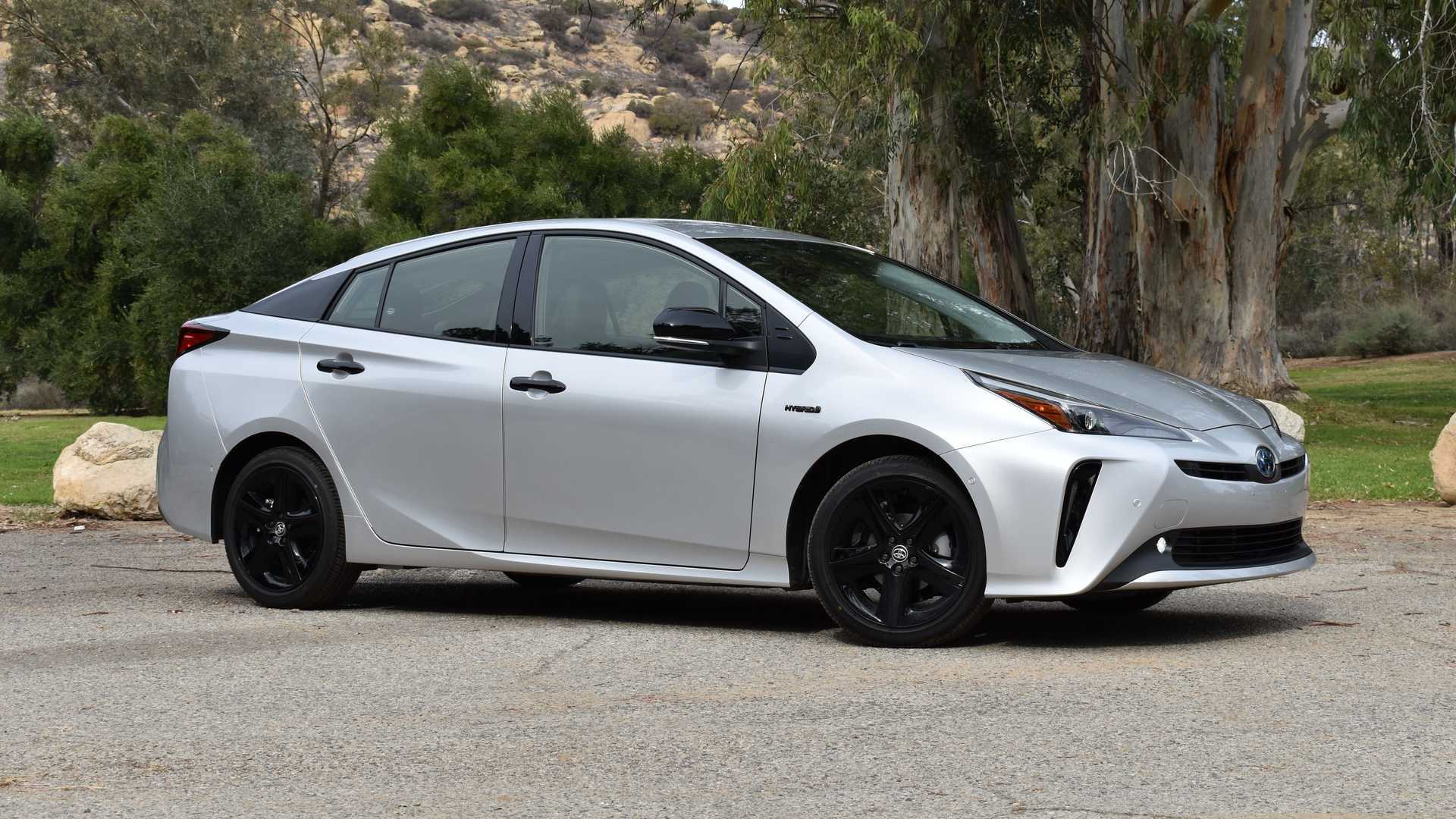
The naturally aspirated engine avoids turbo stress, the planetary CVT eliminates traditional transmission failures, and regenerative braking dramatically reduces brake wear in stop-and-go traffic.
Even the battery cooling system is designed to tolerate long idle periods and repeated short trips. Replacement parts are inexpensive and widely available, making ownership predictable even after high mileage.
For urban commuters who value reliability over flair, the Prius remains one of the safest long-term investments on American roads.
The Prius pulls away from a stop with confidence and has no trouble handling highway merges or climbing inclines. During testing at Edmunds’ track, our front-wheel-drive Prius reached 60 mph in 7.7 seconds, making it quicker than the Kia Niro, which took 9.7 seconds, but not as fast as the Honda Civic Hybrid at 6.6 seconds.
Through corners, the Prius feels planted and predictable. While the fuel-focused tires limit outright grip, it gives the impression that the car could be genuinely enjoyable to drive if fitted with more performance-oriented rubber.
Overall, the Prius is refined and effortless to operate. Transitions between electric and gasoline power are so seamless that you’ll rarely notice when the gas engine kicks in. Ride quality is another strong point, as the Prius glides comfortably over bumps, rough pavement, and broken road surfaces without feeling unsettled.
Visibility out the back is a weak spot, largely due to the sharply angled rear glass and thick rear roof pillars. On the technology front, the lane-keeping assist system works well, and adaptive cruise control responds smoothly in real-world driving.
Proactive Driving Assist adds subtle cues in everyday situations. For instance, when traffic ahead begins to slow, the Prius gently applies light braking as you lift off the accelerator to signal that it’s time to ease up.
It will also illuminate an LED strip on the dashboard when traffic ahead starts moving again. Throughout our evaluation, these features proved helpful without ever feeling intrusive or overbearing.
2. Toyota Corolla Hybrid
The Toyota Corolla Hybrid takes much of the Prius’ proven hardware and packages it in a traditional compact sedan. For city drivers who prefer a familiar silhouette, this model offers an excellent compromise between efficiency and everyday usability.
In urban conditions, the Corolla Hybrid shines with smooth low-speed operation, excellent fuel economy in traffic, and remarkably low maintenance costs.
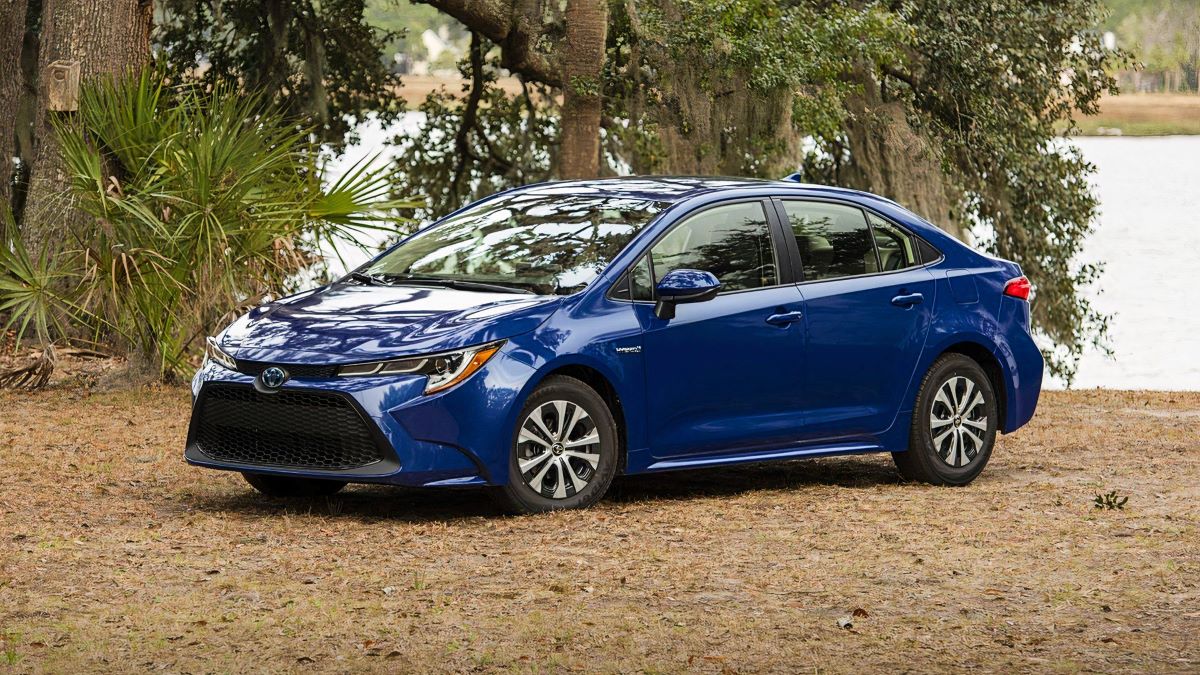
Its compact dimensions make parallel parking easier, while Toyota’s hybrid battery design continues to show impressive longevity. Owners frequently report trouble-free operation well beyond 100,000 miles, especially when routine maintenance is followed.
It’s an ideal choice for professionals and small families who want Prius dependability without the hatchback styling.
3. Ford Escape Hybrid
The Ford Escape Hybrid quietly became one of the most city-friendly compact SUVs in America. Using hybrid technology licensed from Toyota, Ford managed to combine reliable powertrain fundamentals with the practicality U.S. buyers love.
Urban families appreciate its higher seating position, generous cargo space, and comfortable ride over broken pavement.
Municipal fleets across the country have adopted Escape Hybrids precisely because they tolerate daily abuse so well. Frequent stop-start driving doesn’t overwhelm its system, and repair costs remain reasonable compared to luxury competitors.
For drivers who want SUV utility without sacrificing hybrid durability, the Escape Hybrid stands out as one of Ford’s strongest modern offerings.
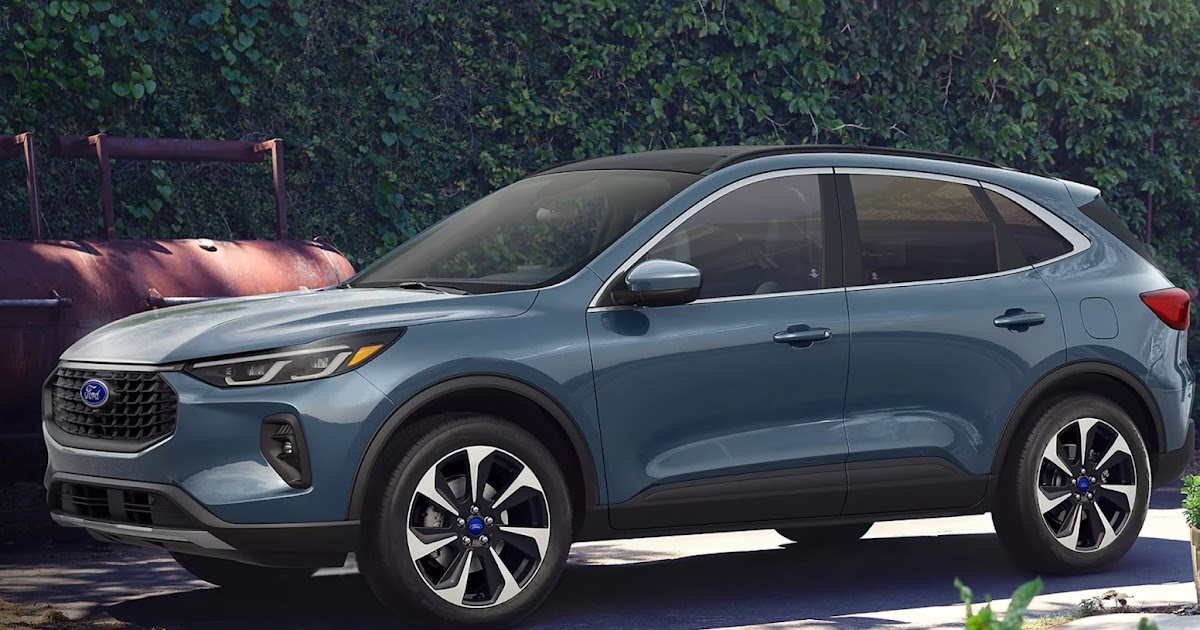
After debuting for the 2020 model year, this generation of the Escape Hybrid received a refresh in 2023 that brought revised styling and added technology features.
If you’re considering a new Ford Escape, the hybrid version is the one to choose. Its electrified powertrain delivers strong fuel efficiency along with respectable acceleration from a stop. Ford’s chassis tuning also gives the Escape Hybrid a nimble, responsive feel, making it drive more like a car than a bulky SUV.
That said, while the 2023 refresh brought sharper styling and the option of a large touchscreen, many of the Escape’s drawbacks remain. Interior materials still feel underwhelming, with plenty of hard, cheap-feeling plastics throughout the cabin.
Cargo capacity also trails that of several competing hybrid SUVs. And although the Escape Hybrid feels lively on smooth roads, the suspension does little to cushion rough or broken pavement.
Because of these shortcomings, it’s worth taking a close look at competitors. Many alternatives offer more interior space, comparable fuel economy, and similar pricing, making them compelling options.
The Escape Hybrid delivers an EPA-rated fuel economy of roughly 42 mpg in the city and 36 mpg on the highway, with a total driving range exceeding 550 miles on a full tank. This efficiency comes from a 2.5-liter inline four-cylinder engine paired with electric motors, producing a combined system output of 192 horsepower.
Power is sent through a continuously variable automatic transmission to standard front-wheel drive, with all-wheel drive available as an option. In AWD form, the Escape Hybrid accelerates from 0 to 60 mph in about 8.0 seconds.
Beyond the standard hybrid, Ford also offers the Escape Plug-In Hybrid. This version combines the same gasoline engine with a larger battery pack and a more powerful electric motor. With this setup, the Escape Plug-In Hybrid can operate like an electric vehicle for short trips, delivering up to 37 miles of all-electric driving range.
4. Hyundai Ioniq Hybrid
Hyundai designed the Ioniq Hybrid specifically to challenge Toyota’s dominance, and in many ways it succeeds. The car delivers impressive fuel economy while offering a more conventional driving feel than earlier Prius generations.
In dense urban traffic, the Ioniq feels smooth and refined, with responsive climate control systems and modern infotainment that appeals to younger buyers.
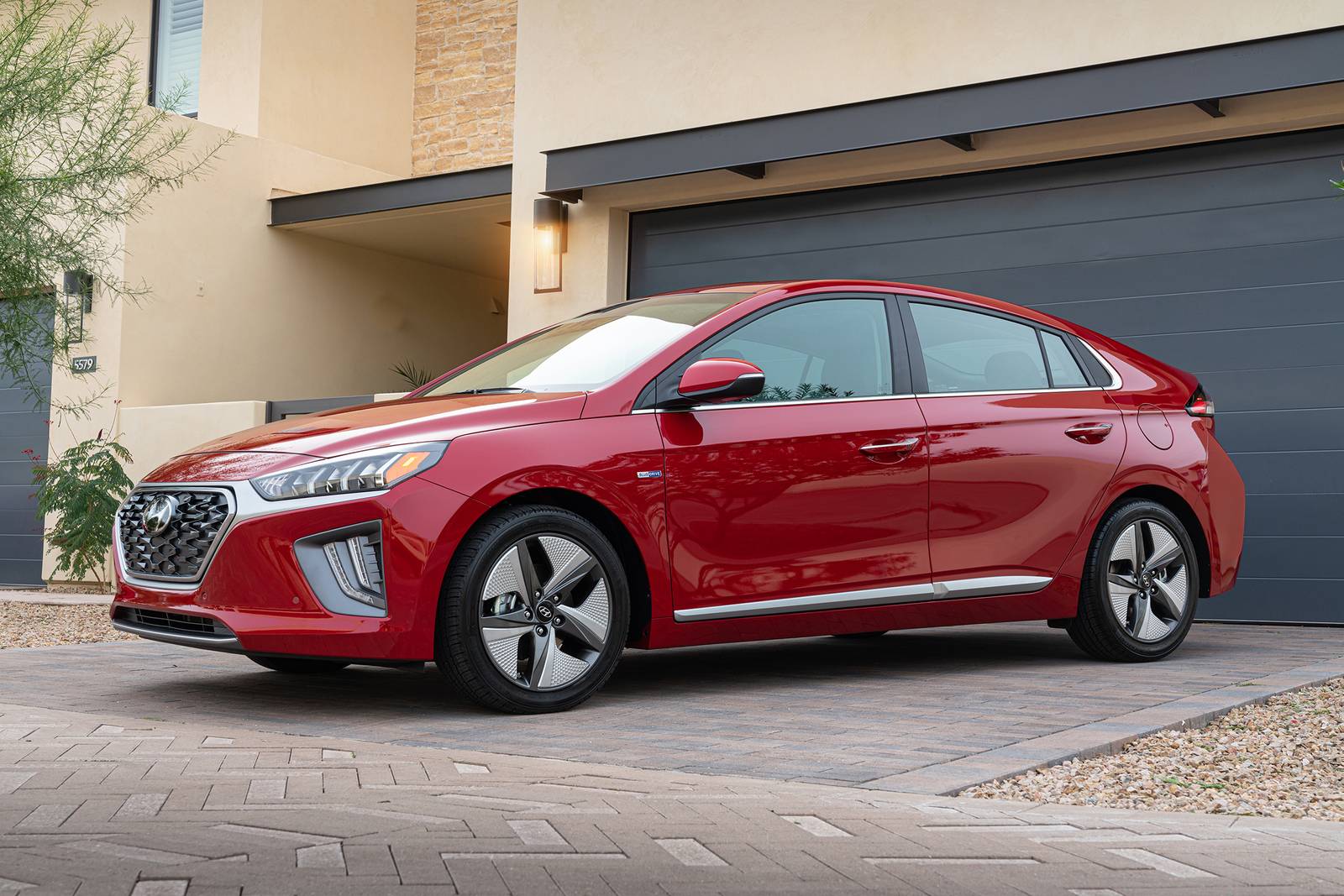
While Hyundai lacks Toyota’s decades of hybrid experience, the Ioniq has shown solid reliability so far, especially when serviced regularly. The long factory warranty also provides peace of mind for city drivers who rack up miles quickly.
It’s a smart pick for those who want fresh technology without premium pricing.
The Hyundai Ioniq 5 earned our EV of the Year award in 2022 by proving that standing out didn’t require compromise. Even now, it continues to wear its crisp, boxy design with confidence. The lineup begins with a single-motor, rear-wheel-drive version producing 168 horsepower and offering an EPA-estimated range of 220 miles, which represents the most modest configuration.
Step up from there and a longer-range single-motor variant delivers an estimated 303 miles of driving range. At the top sits a dual-motor, all-wheel-drive model generating 320 horsepower and rated for roughly 266 miles of range.
For 2024, pricing for the Hyundai Ioniq 5 starts at $43,195 and climbs to $54,895 depending on trim level and options. The lineup consists of the SE, SEL, and Limited trims. When it comes to balancing cost, features, and range, the rear-wheel-drive SEL stands out as the sweet spot.
Priced at around $50,000, it offers an EPA-estimated 303 miles of range and 225 horsepower, along with desirable standard features such as a heated steering wheel, auto-dimming rearview mirror, front and rear parking sensors, a power liftgate, and adaptive cruise control with lane-centering assistance.
The Ioniq 5 relies exclusively on electric propulsion and is available with several different power outputs. Models equipped with the standard-range battery and a single rear-mounted motor produce 168 horsepower.
Opting for the long-range battery in rear-wheel-drive form boosts output to 225 horsepower and 258 pound-feet of torque, which Hyundai claims is enough for a 0-to-60-mph time of 7.4 seconds. The all-wheel-drive version turns things up considerably, delivering 320 horsepower and a hefty 446 pound-feet of torque. In our testing, an AWD Ioniq 5 reached 60 mph in just 4.5 seconds.
On the road, the Ioniq 5 impressed with its smoothness across varying surfaces, and its wide tires paired with a low center of gravity gave it confident, athletic responses in corners. We did find ourselves wishing for more steering feedback and a slightly firmer suspension, but overall the driving experience remains polished and engaging.
5. Toyota RAV4 Hybrid
The Toyota RAV4 Hybrid proves that larger vehicles can still thrive in urban environments. Despite its SUV proportions, it handles traffic smoothly and delivers excellent fuel economy for its size.
Families gravitate toward it for its roomy rear seats, strong air conditioning during summer congestion, and available all-wheel drive for snowy regions.
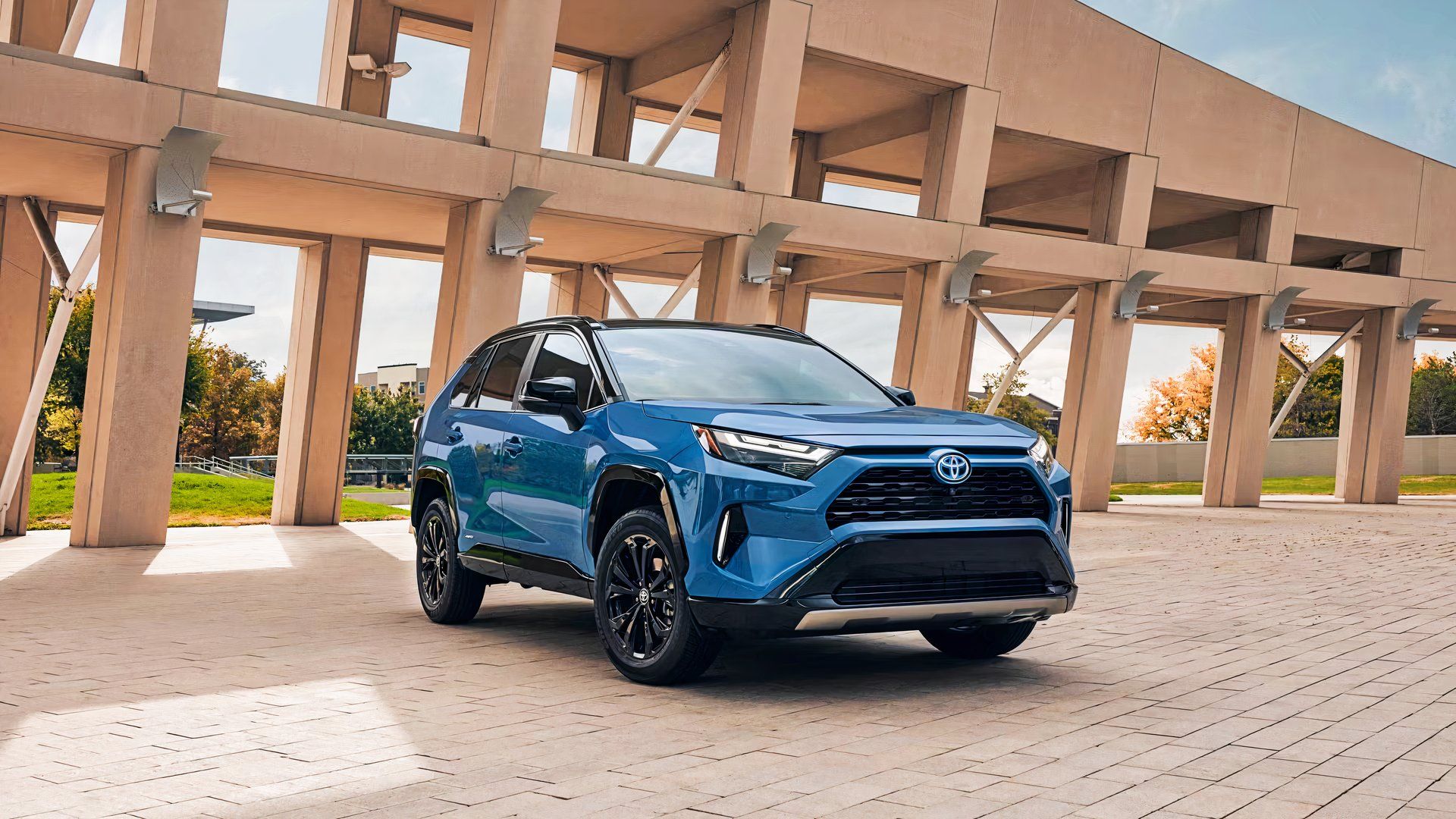
Toyota’s restrained approach to hybrid complexity keeps maintenance manageable, and resale values remain among the strongest in the segment.
For city households needing space without sacrificing reliability, the RAV4 Hybrid is a standout.
Hybrids That Often Struggle Under Heavy Urban Use
Hybrid vehicles are often praised as the perfect solution for city driving, promising excellent fuel economy, lower emissions, and smoother stop-and-go performance. But not every hybrid thrives in dense urban environments.
Heavy traffic, short trips, frequent idling, and constant braking can expose weaknesses in certain hybrid systems, from stressed powertrains to inconsistent fuel savings and reduced long-term reliability.
Some models simply aren’t optimized for the realities of daily city life. In this article, we take a closer look at hybrids that often struggle under heavy urban use and explain why they may fall short when faced with nonstop city driving conditions.
1. Chrysler Pacifica Hybrid
The Chrysler Pacifica Hybrid offers a compelling idea: a plug-in hybrid minivan for urban families. Unfortunately, ownership reality has been less rosy.
Numerous recalls, charging issues, and software glitches have plagued this model, particularly for drivers relying on frequent short trips and daily plugging in.
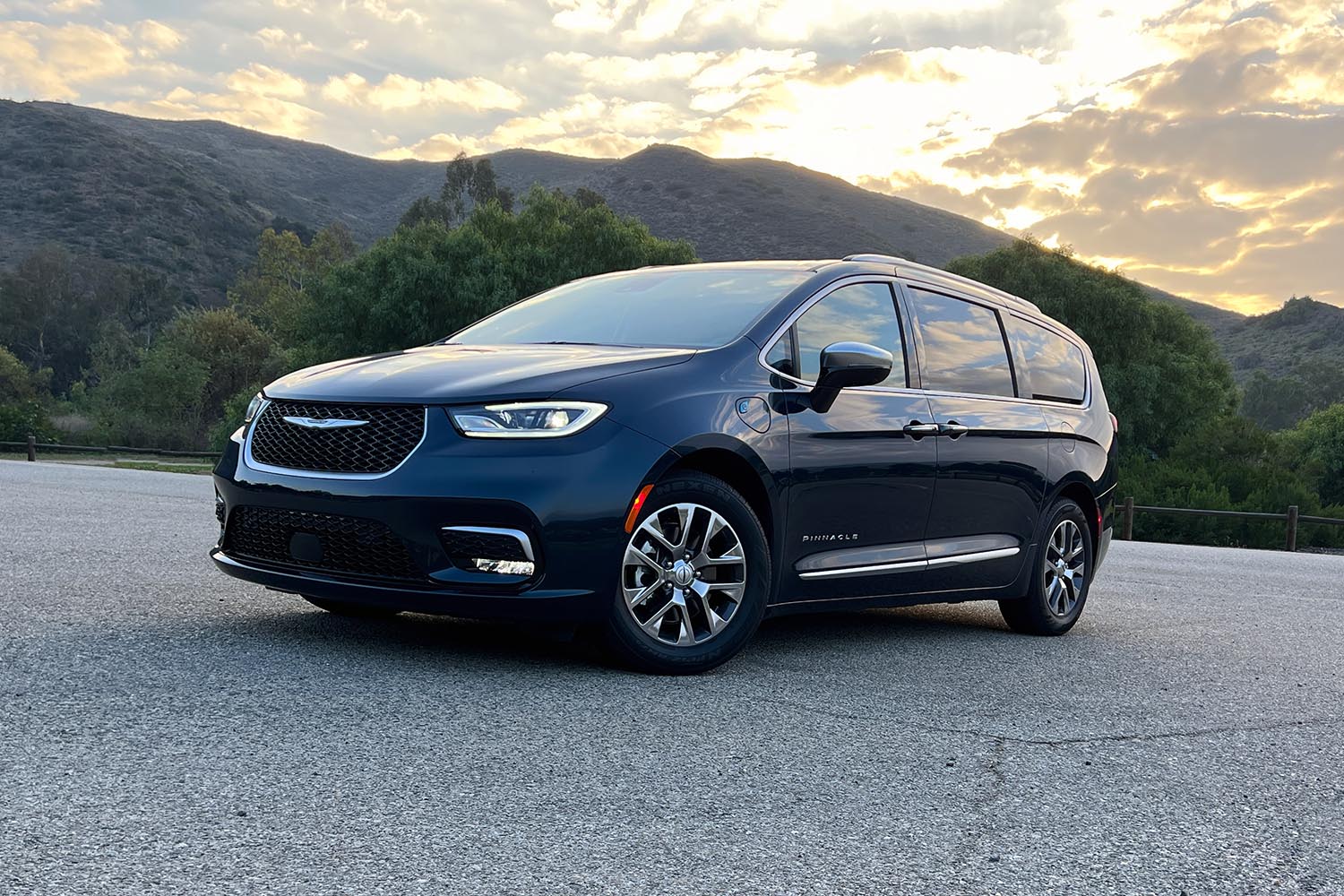
City heat cycles and constant electrical transitions tend to expose these weaknesses faster, leaving many owners frustrated with downtime and warranty visits.
2. BMW 530e
The BMW 530e delivers refined performance, but urban ownership can become expensive once coverage ends.
Its turbocharged engine paired with a plug-in hybrid system creates a web of complexity that doesn’t tolerate potholes, heat, and short trips particularly well.
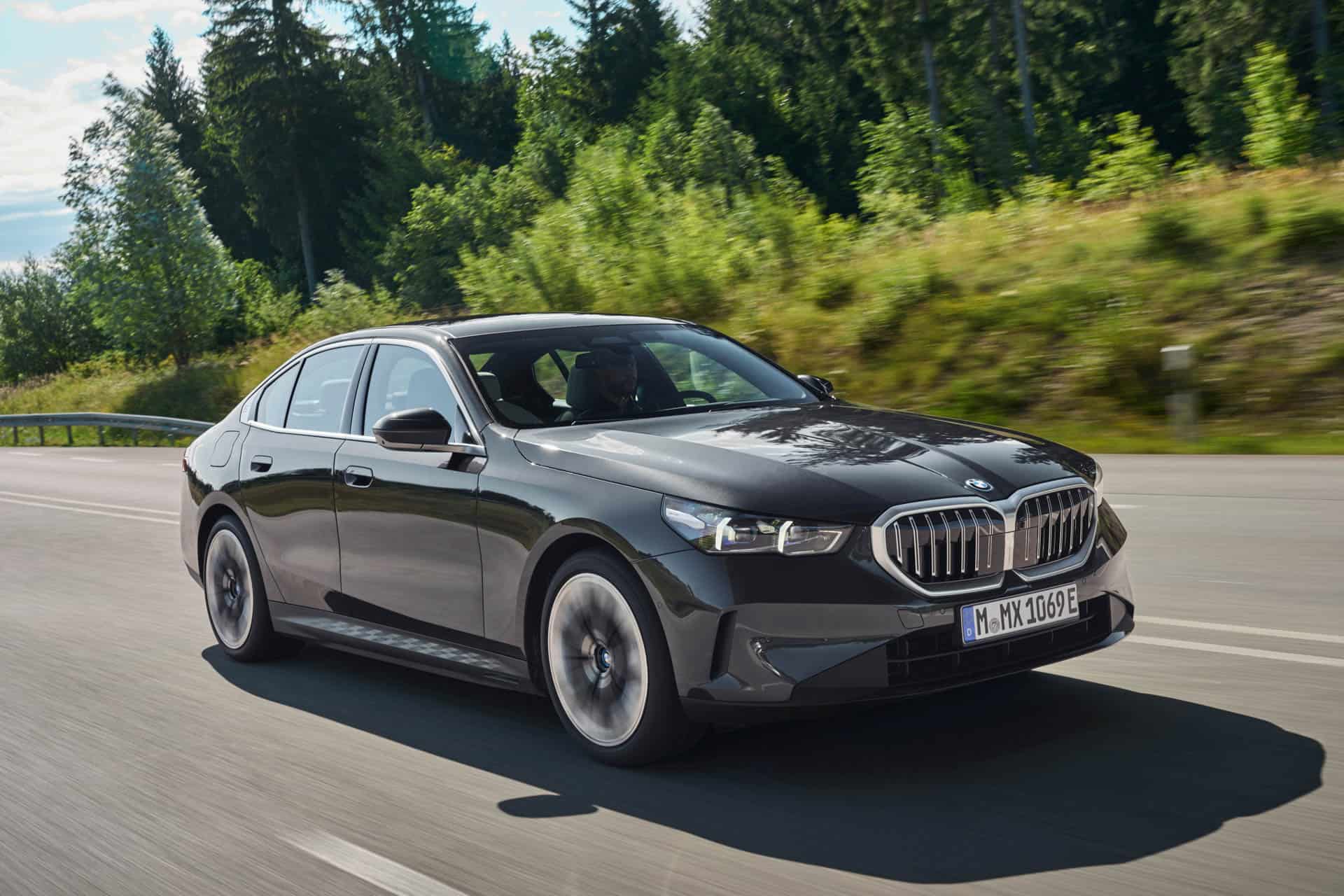
Battery-related repairs, sensitive suspension components, and premium labor costs make this a risky long-term city car. It excels as a leased luxury sedan but often disappoints buyers planning extended ownership.
The 2023 BMW 530e combines a gasoline engine with an electric motor to deliver a driving experience that feels both smooth and responsive. Rear-wheel drive is standard, while BMW offers all-wheel drive as an option, and every model comes equipped with an eight-speed automatic transmission.
Thanks to the electric motor’s instant torque, acceleration feels brisk, particularly off the line. BMW estimates the 530e will sprint from 0 to 60 mph in 5.7 seconds. Top speed is rated at 146 mph when fitted with summer tires, or 130 mph when equipped with all-season rubber.
While the 530e prioritizes comfort over outright sportiness, it remains engaging behind the wheel. Steering has a satisfying weight, the ride quality is polished and compliant, and the suspension deals confidently with winding roads. Regenerative braking is well integrated, delivering a natural and reassuring pedal feel.
Taken as a whole, the 530e strikes an appealing balance between performance, comfort, and efficiency, making it a compelling option in the luxury plug-in hybrid segment.
Its powertrain consists of a turbocharged 2.0-liter four-cylinder engine paired with an electric motor, producing a combined 288 horsepower and 310 pound-feet of torque. Power is sent to the rear wheels as standard, with BMW’s xDrive all-wheel-drive system available, and shifting duties are handled by a standard eight-speed automatic transmission.
3. Volvo XC60 Recharge
The Volvo XC60 Recharge blends electric driving with serious performance, but its layered engineering can struggle under urban stress. Some trims combine turbocharging, supercharging, and electric motors, creating a system that’s impressive yet delicate.
Repeated heat cycles and traffic congestion amplify wear on these components, making long-term reliability questionable for daily city commuters.
The 2024 Volvo XC60 Recharge delivers straight-line acceleration that rivals muscle cars, though its personality leans less toward outright sportiness when the road gets twisty.
The available active air suspension does a decent job of taking the edge off bumps, but overall the XC60 Recharge still rides on the firm side and doesn’t feel as eager to attack corners as some competitors. That said, it remains quiet, composed, and easy to manage at all times, emphasizing refinement over sharp handling.
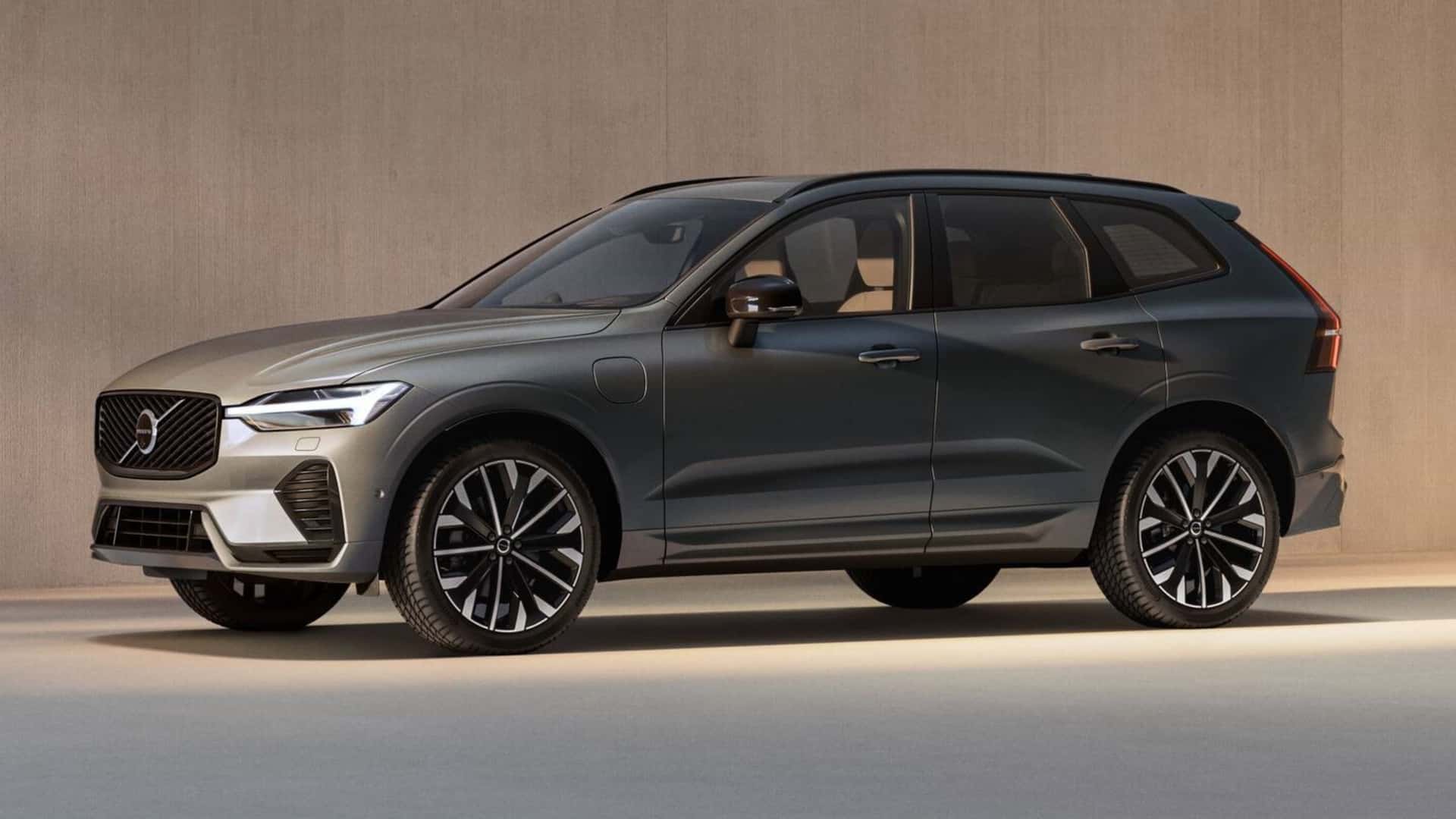
Unlike the standard XC60, the XC60 Recharge is offered with a single powertrain option: a turbocharged and supercharged 2.0-liter four-cylinder engine paired with an electric motor. Together, this setup produces an impressive 455 horsepower and 523 pound-feet of torque, allowing the SUV to rocket from 0 to 60 mph in just 4.5 seconds.
Power is always readily available, even when tackling steep inclines, and standard all-wheel drive provides confident traction. The eight-speed automatic transmission complements the setup with smooth, precise shifts that suit the vehicle’s polished character.
4. Mitsubishi Outlander PHEV
While attractively priced, the Outlander PHEV has struggled with battery management software and uneven build quality.
Urban owners frequently report declining electric range and awkward transitions between gas and electric modes, which become especially noticeable in dense traffic.
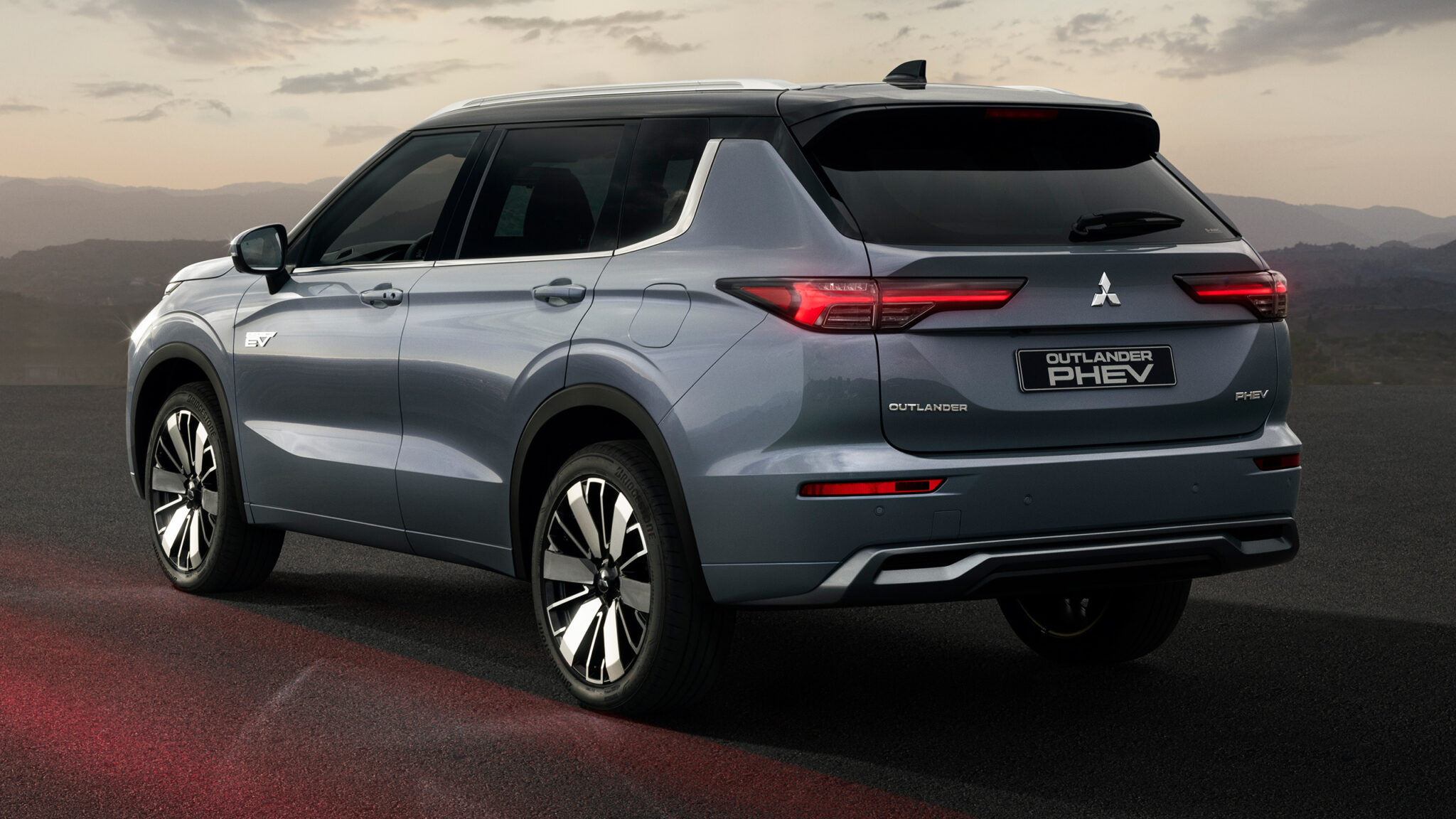
Newer versions show improvement, but older models remain risky used purchases for city drivers.
The Outlander is powered by a turbocharged 1.5-liter four-cylinder engine paired with a continuously variable automatic transmission. Front-wheel drive comes standard, while all-wheel drive is available for buyers who want added traction.
During our time driving the 2025 Outlander, it came across as polished and well mannered on the road. Body movements are well controlled, and the suspension delivers a firm, settled ride, though opting for the available 20-inch wheels does take a toll on overall ride comfort.
Added sound-deadening materials make a noticeable difference, resulting in a quiet and relaxed cabin environment. From a dynamic standpoint, our main criticisms centered on the soft brake pedal feel and steering that lacks precision. These traits push the Outlander toward being a comfortable, easygoing cruiser rather than a vehicle meant for enthusiastic cornering.
5. Hyundai Sonata Hybrid
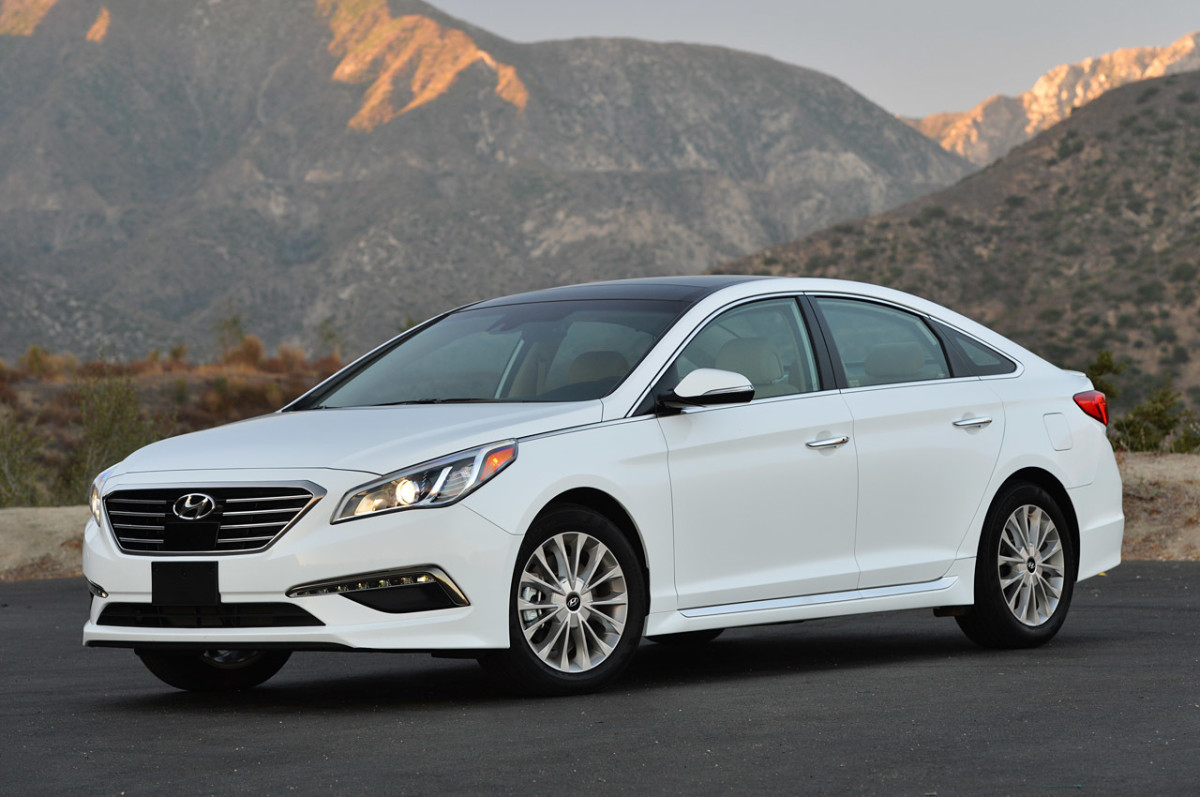
The Hyundai Sonata Hybrid offers strong fuel economy and sleek styling, but extended urban use exposes occasional transmission hesitation and electrical quirks.
While not catastrophic, these issues mean it doesn’t age as gracefully as Toyota’s offerings when subjected to daily stop-start driving.
City environments reveal truths about hybrid engineering that brochures never show. Vehicles with simpler systems, naturally aspirated engines, and conservative battery management tend to thrive.
The 2023 Hyundai Sonata serves as clear proof that Hyundai hasn’t given up on sedans, at least not yet. Now in its eighth generation, the Sonata arrives more polished and capable than ever, continuing to refine a formula that’s increasingly rare in today’s SUV-dominated market.
For 2023, Hyundai introduces a handful of updates across the lineup. The sporty N Line now swaps its compact spare tire for a space-saving tire mobility kit.
SEL and SEL Convenience trims gain a new 10.3-inch touchscreen as standard equipment. Meanwhile, Highway Drive Assist is no longer included on the SEL Convenience trim, requiring buyers to step up to the N Line or Limited models to get that feature.
Hyundai has clearly worked to distinguish the Sonata from long-standing rivals like the Toyota Camry and Honda Accord, and in many respects, it succeeds.
The exterior styling is sleek and refined from most angles, though the front grille design didn’t win over every editor. Inside, the cabin is comfortable for passengers in both rows, and the infotainment system ranks among the best available in the segment.
Where the Sonata truly shines is behind the wheel. Brake and steering responses were described as “perfectly weighted,” and the car impressed with consistently stable, agile handling. It even holds its own during track driving.
The available 1.6-liter turbocharged engine does exhibit a touch of turbo lag under hard acceleration, but overall power delivery is smooth and predictable.
Any shortcomings tend to show up only when the Sonata is compared with its equally strong competitors. Some drivers may find the ride a bit firm, and the transmission can occasionally select an unexpected gear. The lack of all-wheel drive also limits its appeal in snowy regions, where alternatives like the Honda Accord and the AWD-equipped Subaru Legacy offer added versatility.
Still, Hyundai loyalists will appreciate the brand’s familiar mix of strong value, advanced technology, and excellent warranty coverage. The Sonata represents a well-executed midsize sedan, and our long-term testing left us impressed. For shoppers in this segment, it easily deserves a spot on the shortlist.
The 2023 Sonata is offered with three different powertrain options, all paired with an eight-speed automatic transmission and available exclusively with front-wheel drive. SE and SEL trims come equipped with a 2.5-liter naturally aspirated four-cylinder engine producing 191 horsepower and 181 lb-ft of torque.
Fuel economy for the SE starts at 28 mpg in the city and 38 mpg on the highway, while the SEL’s larger 17-inch wheels slightly reduce efficiency.
Stepping up to the SEL Plus or Limited trims brings a 1.6-liter turbocharged four-cylinder engine rated at 180 horsepower and 195 lb-ft of torque. With this setup, the Sonata reaches 60 mph in 7.4 seconds, making it marginally quicker than base versions of the Camry and Accord. Fuel economy remains competitive at 27 mpg city and 37 mpg highway.
Models that prioritize performance and luxury often suffer once exposed to years of congestion and short trips.
For American buyers planning urban ownership, hybrids from Toyota and Ford consistently prove the most resilient, while complex plug-in luxury models frequently become expensive liabilities.
Choosing proven platforms, affordable parts, and strong resale value can make the difference between stress-free commuting and constant repair bills.