Long drives can either be a relaxing escape or an exhausting ordeal, depending on your choice of car. Some vehicles are engineered with comfort, quiet cabins, supportive seating, and advanced technology that make even multi-hour trips feel effortless.
Luxury sedans like the Mercedes-Benz S-Class, Lexus ES 300h, and family-friendly SUVs such as the Volvo XC90 combine air suspension, ergonomic seats, and noise insulation to reduce physical strain and mental fatigue.
Similarly, innovative pickups like the Ram 1500 with air suspension and efficient hybrids like the Honda Accord Hybrid prove that comfort is not limited to luxury sedans. These cars excel at smoothing out road imperfections, offering spacious interiors, and incorporating driver-assistance systems that reduce the micro-corrections and constant vigilance typically required on highways.
Conversely, some vehicles prioritize performance, lightweight construction, or affordability over long-distance comfort. Cars such as the Jeep Wrangler, Mazda MX-5 Miata, Toyota GR86, Mitsubishi Mirage, and Tesla Model 3 Standard Range deliver engaging driving experiences or efficiency but at the cost of firm suspensions, noisy cabins, cramped seating, and minimal sound insulation.
On long journeys, these cars often amplify fatigue and sensory strain, making them challenging companions for extended trips.
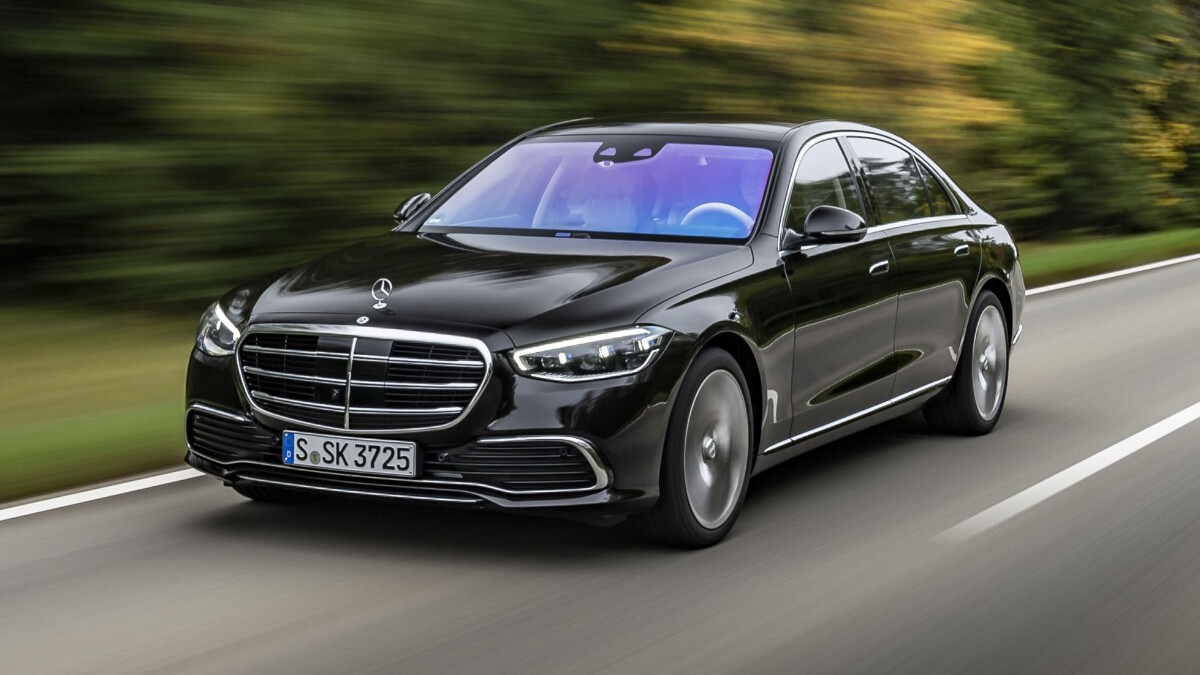
1. Mercedes-Benz S-Class Redefines Luxury, Comfort, and Technology for Long-Distance Driving
The Mercedes-Benz S-Class continues to set the benchmark for long-distance luxury sedans, often referred to as the “best car in the world” for extended drives. Its AIRMATIC air suspension system that smooths out road imperfections, providing a “magic carpet” ride that significantly reduces fatigue over long journeys.
Combined with double-glazed glass for near-silent cabin insulation and multicontour seats offering more than ten massage programs, including “hot stone” modes, this sedan prioritizes comfort at every turn. Heated armrests, four-zone climate control, and expansive legroom further enhance the environment for driver and passengers alike, while advanced cabin air filtration ensures a clean and relaxing atmosphere.
On the performance side, the S-Class delivers strong powertrain options tailored to different driving preferences. The S500 comes with a 442-hp turbocharged 3.0-liter inline-six engine, while the S580 features a 496-hp twin-turbo V8, both paired with a 48-volt mild hybrid system, nine-speed automatic transmission, and 4MATIC all-wheel drive.
The S580e plug-in hybrid adds a 510-hp inline-six and electric motor combo, offering an EPA-rated electric range of 48 miles, with Car and Driver tests confirming 58 miles. Acceleration is impressive, with the S580 reaching 60 mph in 3.9 seconds and the S580e in 4.2 seconds. Optional E-Active Body Control allows the car to subtly lean into corners, while rear-axle steering enhances maneuverability in tight spaces.
Inside, the S-Class interior exemplifies Mercedes’ commitment to luxury and technology. First-row occupants enjoy high-quality materials, Nappa leather, and real wood trim options through the Manufaktur program, while rear passengers benefit from reclining, heated, and ventilated seats with massage, fold-out tables, and temperature-controlled cupholders.
A 12.8-inch portrait OLED touchscreen integrates the MB.OS system for climate, seating, and entertainment settings, supplemented by a 15-speaker Burmester audio system, with an optional 30-speaker upgrade. Connectivity options include Bluetooth, wireless Apple CarPlay, Android Auto, eight USB-C outlets, and household power outlets. Cargo space accommodates 13 cubic feet, enough for six carry-on suitcases.
Safety is another hallmark, with standard forward-collision warning, automated emergency braking, lane-keeping assist, and adaptive cruise control. Advanced features include rear-seat airbags and an active suspension system designed to mitigate collision impact. The S-Class also offers semi-autonomous parking and preventative safety technology, making it one of the safest sedans in its class.
Fuel economy varies by model, with the S500 rated 20 mpg city and 29 highway, the S580 at 17 city/27 highway, and the S580e plug-in hybrid achieving 36 mpg on Car and Driver’s 75-mph test after battery depletion.
Warranty coverage includes four years or 50,000 miles for both limited and powertrain warranties, though complimentary maintenance is not included. The Mercedes-Benz S-Class successfully balances cutting-edge technology, refined comfort, and robust performance, maintaining its position as the ultimate long-distance luxury sedan.
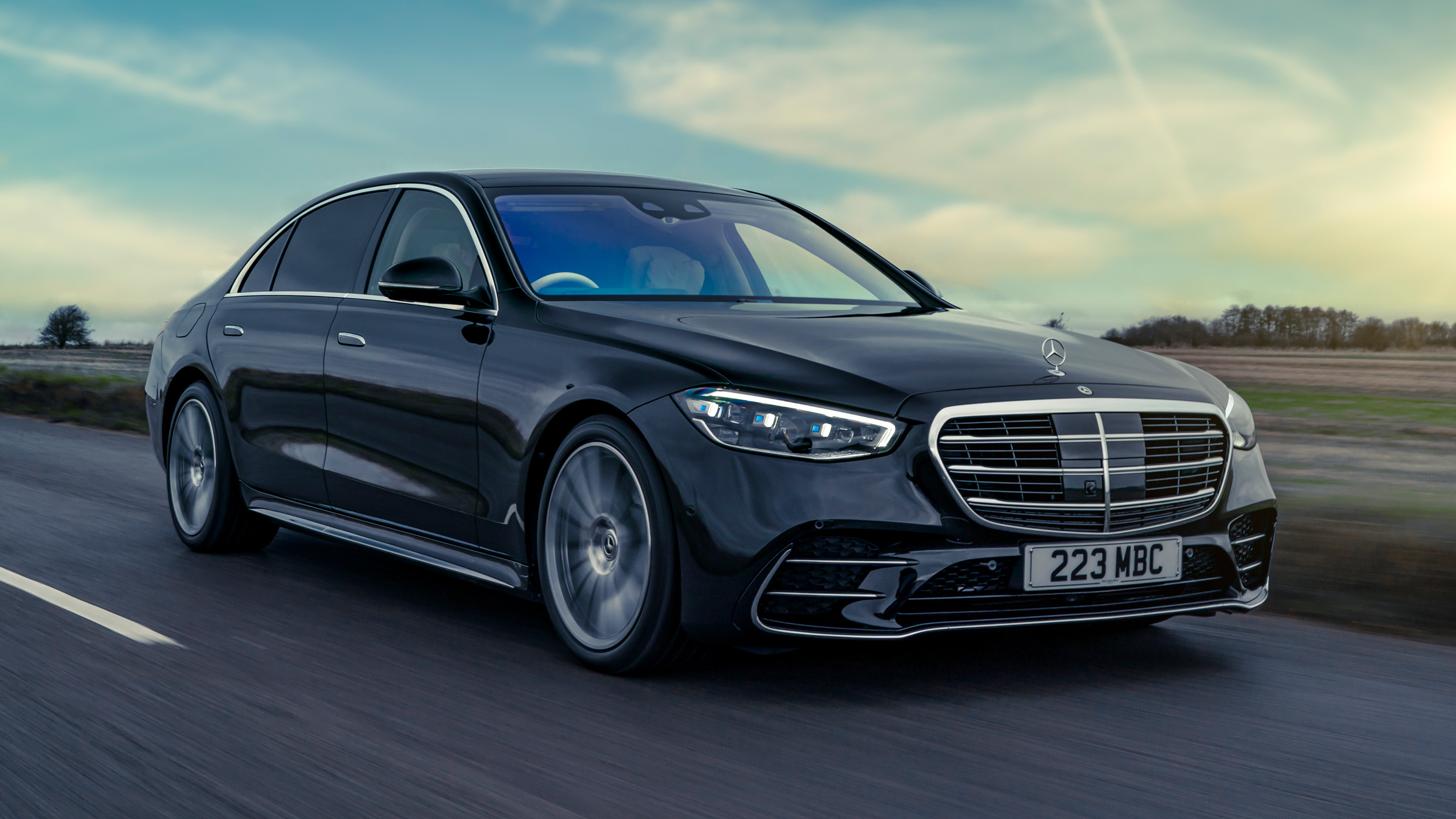
2. Lexus ES 300h: Delivers Plush Ride, Quiet Cabin, and Efficient Hybrid Performance
The Lexus ES 300h is designed for comfort-first driving, making it a standout choice for long commutes and road trips. Its soft-tuned suspension soaks up bumps, potholes, and highway expansion joints with ease, providing a “pillowy” ride without feeling floaty.
Paired with a whisper-quiet cabin enhanced by acoustic glass, underbody panels, and noise-reducing 18-inch wheels, the ES 300h creates a serene driving environment that minimizes fatigue over long distances. The hybrid powertrain further contributes to cabin tranquility by operating in electric mode at low speeds, reducing engine noise in stop-and-go traffic.
Inside, the ES 300h offers a thoughtfully designed, ergonomic cabin. Plush seats with 14-way power adjustments support long drives, while climate-controlled, heated, and ventilated seating ensures passenger comfort in all conditions. The rear seats provide generous legroom and headroom, delivering a “moving lounge” experience.
Cargo capacity reaches 17 cubic feet, more than many rivals, though the rear seats do not fold, limiting space for oversized items. Aesthetically, the cabin combines stylish materials, an asymmetrical dashboard, and attention to detail for a premium feel.
Technologically, the ES 300h balances convenience with driver focus. Lexus Safety System+ 2.5 comes standard, offering automated emergency braking, adaptive cruise control, lane-keeping assist, and blind-spot monitoring.
Infotainment features include an 8.0-inch touchscreen (optional 12.3-inch), Apple CarPlay, Android Auto, Amazon Alexa compatibility, a 10-speaker sound system, SiriusXM, Wi-Fi hotspot, and Scout GPS Link navigation. Physical controls are intuitive, minimizing distractions during long drives.
Performance in the ES 300h is smooth and efficient rather than aggressive. The hybrid system produces 215 horsepower, paired with a continuously variable automatic transmission and front-wheel drive, achieving 45 mpg on a real-world 200-mile highway test. Other ES models include the ES250 with a 203-hp 2.5-liter engine and all-wheel drive, and the ES350 with a 302-hp 3.5-liter V6 and front-wheel drive.
Acceleration ranges from 6.1 seconds to 60 mph for the ES350 to 8.3 seconds for the ES300h, reflecting the emphasis on refinement rather than sportiness. The F Sport trim offers slightly firmer suspension and larger wheels, but handling remains more comfort-oriented than rivals like the BMW 5 Series.
Lexus complements comfort and technology with strong reliability and warranty coverage. The limited warranty spans four years or 50,000 miles, powertrain coverage lasts six years or 70,000 miles, and hybrid components are covered for eight years or 100,000 miles.
Complimentary maintenance is included for the first year or 10,000 miles. The Lexus ES 300h prioritizes effortless cruising, quiet interiors, and efficient hybrid performance, making it one of the most appealing luxury sedans for drivers seeking long-distance comfort.
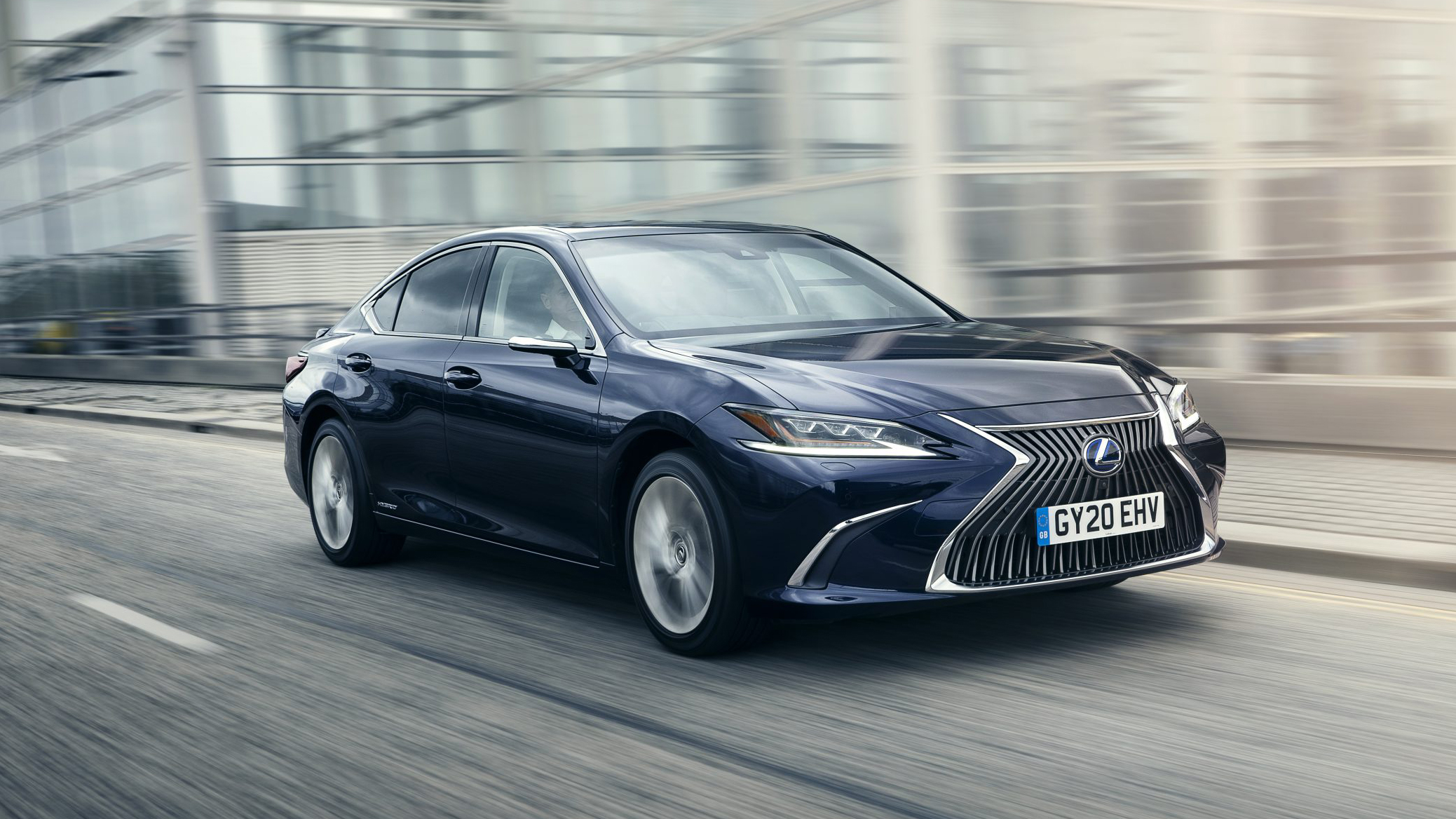
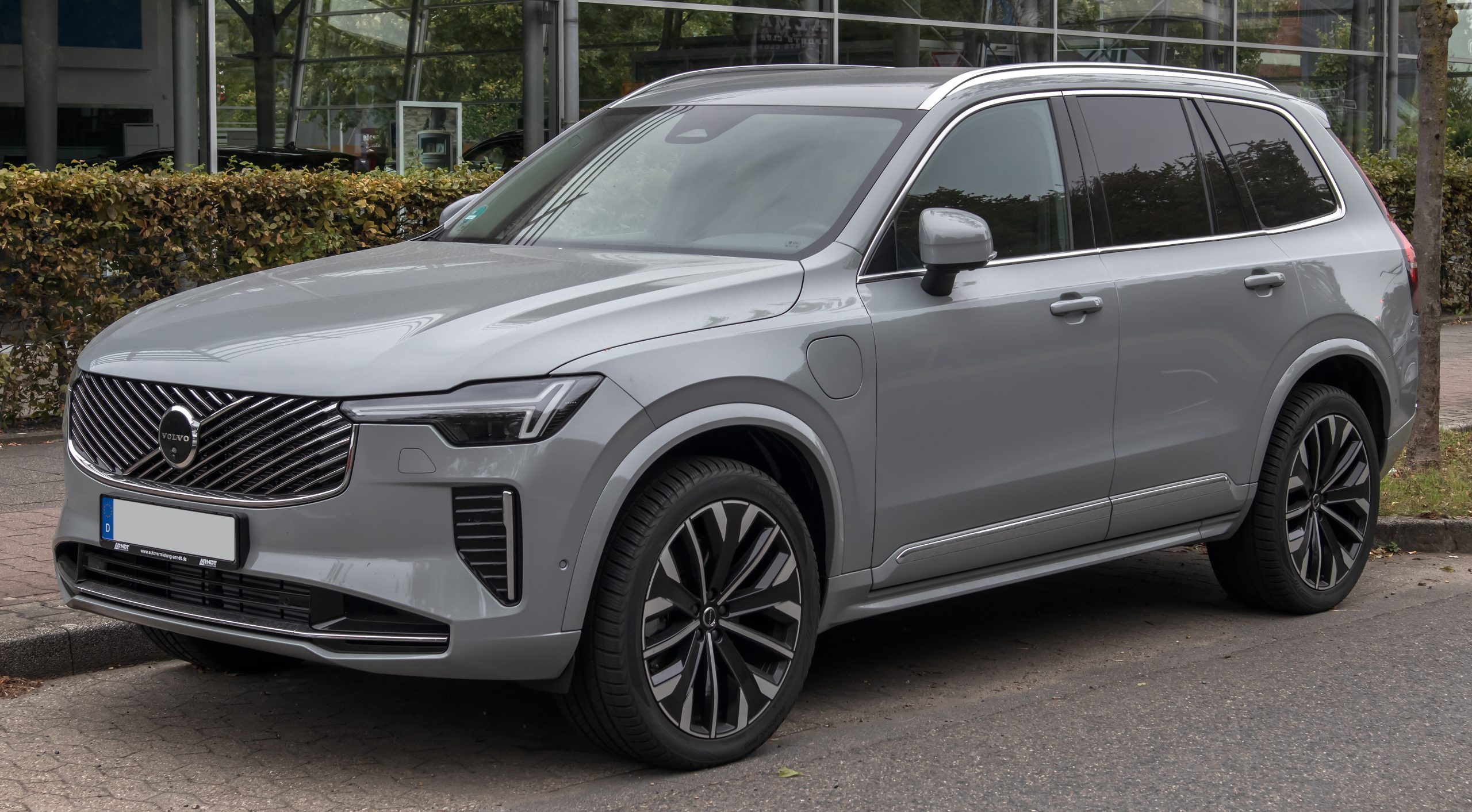
3. Volvo XC90: Combines Orthopedic Comfort, Quiet Cabin, and Smooth Hybrid Performance
The Volvo XC90 is designed for long-distance comfort, blending orthopedic seating, advanced suspension, and a serene cabin to minimize driver and passenger fatigue. The front seats, developed with spine specialists, offer extensive power adjustments, massage functions, and lumbar support, prioritizing proper posture for long journeys.
Optional air suspension enhances ride quality by monitoring road conditions 500 times per second, providing a float-like sensation that softens bumps, potholes, and highway imperfections. Extensive sound insulation, acoustic glass, and careful cabin design create a near-silent environment, further reducing stress and making the XC90 ideal for extended trips.
Passenger comfort extends to all three rows, with four-zone climate control and air purification ensuring a tailored environment. Rear passengers enjoy ample space, though adults may find the third row cramped for long drives.
Cargo capacity is competitive, and the wide, boxy silhouette allows for practical hauling, though interior storage compartments are not as expansive as some rivals. Materials throughout the cabin are high quality, combining Scandinavian restraint with warmth, and the dashboard and upholstery options add to the premium feel.
Powertrain options include the B5 turbocharged 2.0-liter four-cylinder (247 horsepower) and the B6 turbocharged 2.0-liter four-cylinder with 295 horsepower, both paired with all-wheel drive and an eight-speed automatic transmission. A hybrid system assists both engines, enhancing efficiency and smoothness.
Acceleration is competent, with the B6 reaching 60 mph in 6.8 seconds. The XC90 prioritizes comfort and stability over sporty handling, with steering that balances precision and weight. Optional features like air suspension and active chassis contribute to refined handling and ride quality, though minor chassis clatter over sharp bumps can be noticeable.
Infotainment and connectivity are managed through an 11.2-inch touchscreen and a 12.3-inch digital gauge cluster, with an optional head-up display. Android Automotive powers the system, offering Google Maps navigation, voice control via Google Assistant, Apple CarPlay, and a ten-speaker audio system as standard, with premium Harman/Kardon or Bowers & Wilkins setups available.
Driver-assistance technology includes Pilot Assist for steering, acceleration, and braking, as well as adaptive cruise control, lane-keeping assist, and automated emergency braking, easing driver workload on long highway trips.
Fuel efficiency is strong, with the B6 achieving 26 mpg on the highway in real-world testing and the B5 rated at 24 mpg combined. The XC90 also includes a competitive hybrid powertrain.
Warranty coverage includes four years or 50,000 miles for the limited and powertrain warranties, with three years or 36,000 miles of complimentary maintenance. The XC90 offers a blend of Scandinavian comfort, smooth hybrid performance, spacious and quiet interiors, and advanced safety systems, making it an ideal choice for families or anyone seeking relaxed long-distance travel.
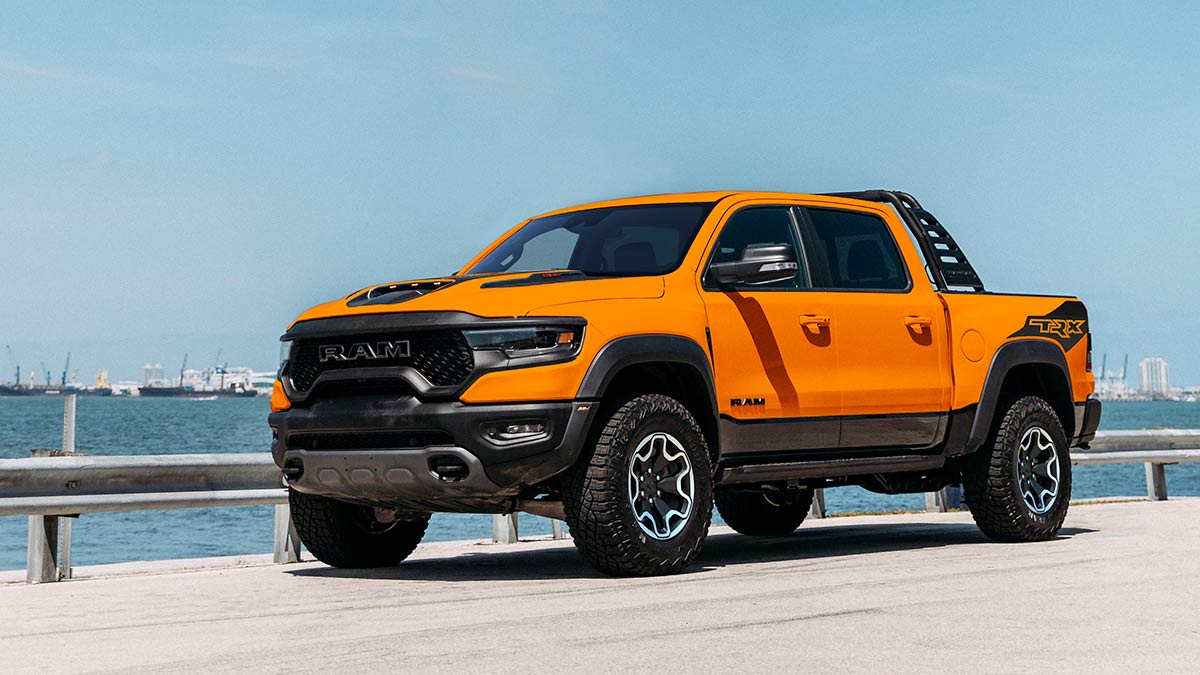
4. Ram 1500 Air Suspension: Delivers Luxury-Like Comfort in a Full-Size Pickup
The Ram 1500 equipped with Active-Level™ Four-Corner Air Suspension redefines comfort in a full-size pickup, providing a ride that rivals luxury SUVs. Unlike traditional trucks, which can feel bouncy when unladen, the air suspension uses air-filled bladders to absorb road imperfections, smoothing out bumps, potholes, and vibrations.
The system also automatically adjusts air pressure at each corner to maintain a level ride, regardless of payload, while “Aero Mode” lowers the truck at highway speeds to reduce drag and enhance stability.
Optional ride-height settings allow drivers to select modes for off-road driving, easier entry, or cargo loading, making the Ram adaptable to varying conditions. The multi-link rear suspension and advanced damping on higher trims help isolate the cabin from noise and vibration, creating a refined and relaxing environment for long-distance travel.
The cabin emphasizes both space and luxury. Crew-cab models offer expansive legroom, functional storage, and a range of upscale amenities. Higher trims, like the Tungsten, feature 24-way power-adjustable front seats with massage, heated and ventilated seating, premium leather, genuine wood accents, and a 23-speaker Klipsch audio system.
Panoramic sunroofs, dual-zone climate control, and split-folding tailgates further enhance versatility and comfort. Cargo beds are available in 5-foot-7 and 6-foot-4 lengths, with the extended cab pairing only with the longer bed. Infotainment comes via a responsive 12.0- or optional 14.5-inch touchscreen, Apple CarPlay, Android Auto, and an optional 10.3-inch passenger display for entertainment or navigation access.
Performance is equally versatile, with powertrain options including a 305-hp V-6 with a mild hybrid system, a 395-hp 5.7-liter Hemi V-8, and the twin-turbo Hurricane inline-six producing either 420 or 540 hp. All engines pair with an eight-speed automatic transmission and standard all-wheel drive.
Testing shows strong acceleration, with the 540-hp version reaching 60 mph in 4.2 seconds, while even the base V-6 provides adequate power for everyday use. The Ram 1500 balances ride comfort with capable handling, though larger wheels can slightly firm the ride.
Safety technology includes automated emergency braking, lane-keeping assist, blind-spot monitoring, rear cross-traffic alert, and available hands-free adaptive cruise control. Fuel economy ranges from 20-25 mpg city/highway, depending on the powertrain. Warranty coverage is competitive, with a three-year/36,000-mile limited warranty and an industry-leading 10-year/100,000-mile powertrain warranty.
With its combination of air suspension, spacious and refined cabin, versatile powertrains, and advanced technology, the Ram 1500 offers a rare blend of luxury, capability, and comfort in the full-size truck segment. It’s particularly suited for long drives, daily commutes, and even heavy-duty use, making it a standout choice for buyers who value both capability and refinement.
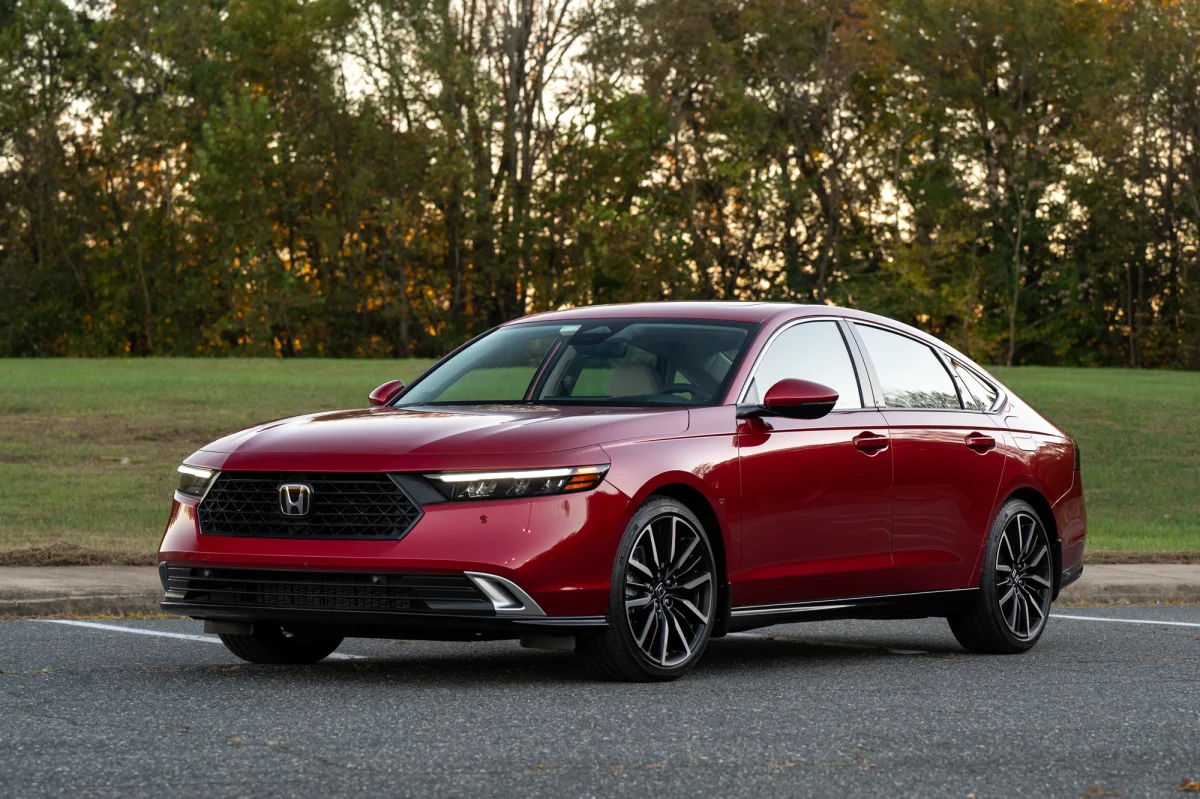
5. Honda Accord Hybrid: Combines Comfort, Efficiency, and Driver-Friendly Technology
The Honda Accord Hybrid is a standout in the midsize sedan segment for long-distance comfort, smooth driving dynamics, and advanced technology. Designed with highway cruising in mind, it features a well-tuned suspension that absorbs road imperfections, delivering a buttery, stable ride that reduces driver fatigue on extended trips.
The cabin is spacious and quiet, with supportive front seats that stabilize the body and generous rear legroom, making it ideal for both drivers and passengers on long journeys.
Comfort is enhanced by thoughtful technology and convenience features. Adaptive cruise control and lane-keeping assist help reduce the small steering corrections required on highways, easing mental and physical strain.
Climate-controlled seating, available heated and ventilated front seats, and a quiet cabin environment create a relaxing atmosphere, while standard wireless Apple CarPlay and Android Auto ensure seamless connectivity. With fuel economy often exceeding 40 mpg, the hybrid system reduces the frequency of stops, further improving long-distance usability.
The Accord Hybrid’s powertrain consists of a 2.0-liter four-cylinder engine paired with two electric motors, producing a combined 204 horsepower. Lower trims use a turbocharged 1.5-liter four-cylinder engine with 192 hp. All models employ a continuously variable automatic transmission (CVT) and front-wheel drive, delivering smooth acceleration and composed handling.
Performance testing shows the hybrid reaches 60 mph in 6.7 seconds, slightly quicker than the nonhybrid model at 7.3 seconds. Steering is precise, and body motions are well-controlled, maintaining confidence-inspiring handling without sacrificing ride comfort.
Inside, the Accord Hybrid features a sleek, modern cabin with a balance of style and functionality. The front row incorporates ergonomic controls and design elements borrowed from Honda’s broader lineup. Rear passengers enjoy ample legroom and knee clearance, though headroom is limited by the sloping roofline.
The trunk offers 16.7 cubic feet of space, expandable by folding rear seats, accommodating both daily cargo and longer trips. Infotainment is managed through either a standard 9.0-inch or optional 12.3-inch touchscreen, complemented by a 10.2-inch digital gauge display. Higher trims feature premium audio and an optional head-up display, enhancing the driving experience.
Safety is comprehensive, with Honda Sensing providing automated emergency braking, lane-keeping assist, adaptive cruise control, and traffic-sign recognition. Warranty coverage includes a three-year/36,000-mile limited warranty, a five-year/60,000-mile powertrain warranty, and one year of complimentary maintenance.
With its blend of comfort, fuel efficiency, and driver-assistance technology, the Honda Accord Hybrid offers an excellent balance of refinement, practicality, and confidence for long drives, making it a strong choice in the midsize sedan segment.
Also Read: 5 Cars That Handle Urban Roads Well vs 5 Cars That Don’t
5 That Don’t
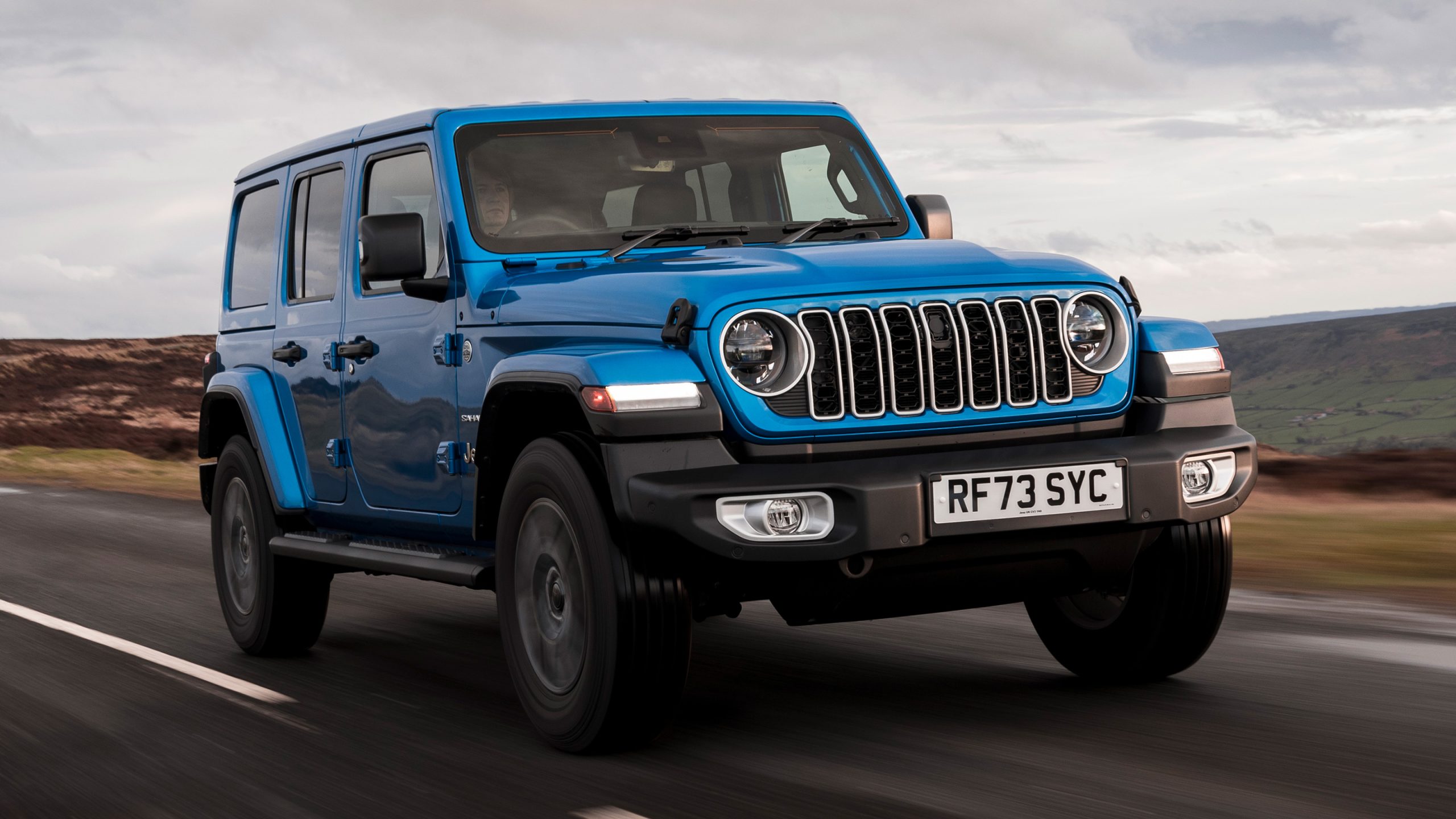
1. Jeep Wrangler: Off-Road Champion Struggles with Highway Comfort
The Jeep Wrangler is renowned for its off-road capabilities, but those strengths come with compromises in long-distance highway comfort. Its rugged engineering, optimized for rocks, mud, and trail durability, results in a ride that can be physically and mentally taxing over extended trips.
A major factor is the Wrangler’s solid-axle suspension. Unlike independent suspensions that allow wheels to move separately, the solid axles transmit shocks across both wheels. When one wheel encounters a bump, the entire axle reacts, creating a bouncing or shuddering sensation. Over hours of highway driving, this can lead to significant fatigue.
The Wrangler’s boxy, upright design further reduces comfort. Its flat windshield and vertical sides create a “sail effect,” catching crosswinds at highway speeds. Drivers must constantly make micro-adjustments to maintain lane position, increasing mental strain and contributing to steering fatigue.
The recirculating ball steering system, optimized for off-road durability, feels vague and loose on pavement, offering little center feedback and preventing relaxed highway cruising.
Noise is another drawback. With removable doors and soft tops, the Wrangler lacks the sound insulation of standard SUVs. Wind noise, tire hum, and roof flapping can overwhelm the cabin, making conversations or listening to music difficult. Soft-top models are particularly loud, adding to auditory fatigue.
Owners can mitigate some discomfort with practical adjustments. Proper tire pressure reduces harshness, while aftermarket headliners or insulation dampen noise. Installing a dead pedal allows the left foot to rest, improving posture and reducing leg strain on long drives.
While the Jeep Wrangler excels in off-road performance, its solid-axle suspension, boxy aerodynamics, and noise levels make highway cruising less comfortable than that of other SUVs. Enthusiasts who prioritize rugged capability must accept these compromises or invest in small modifications to improve long-distance usability.
2. Mazda MX-5 Miata: Lightweight Sports Car Prioritizes Engagement Over Long-Distance Comfort
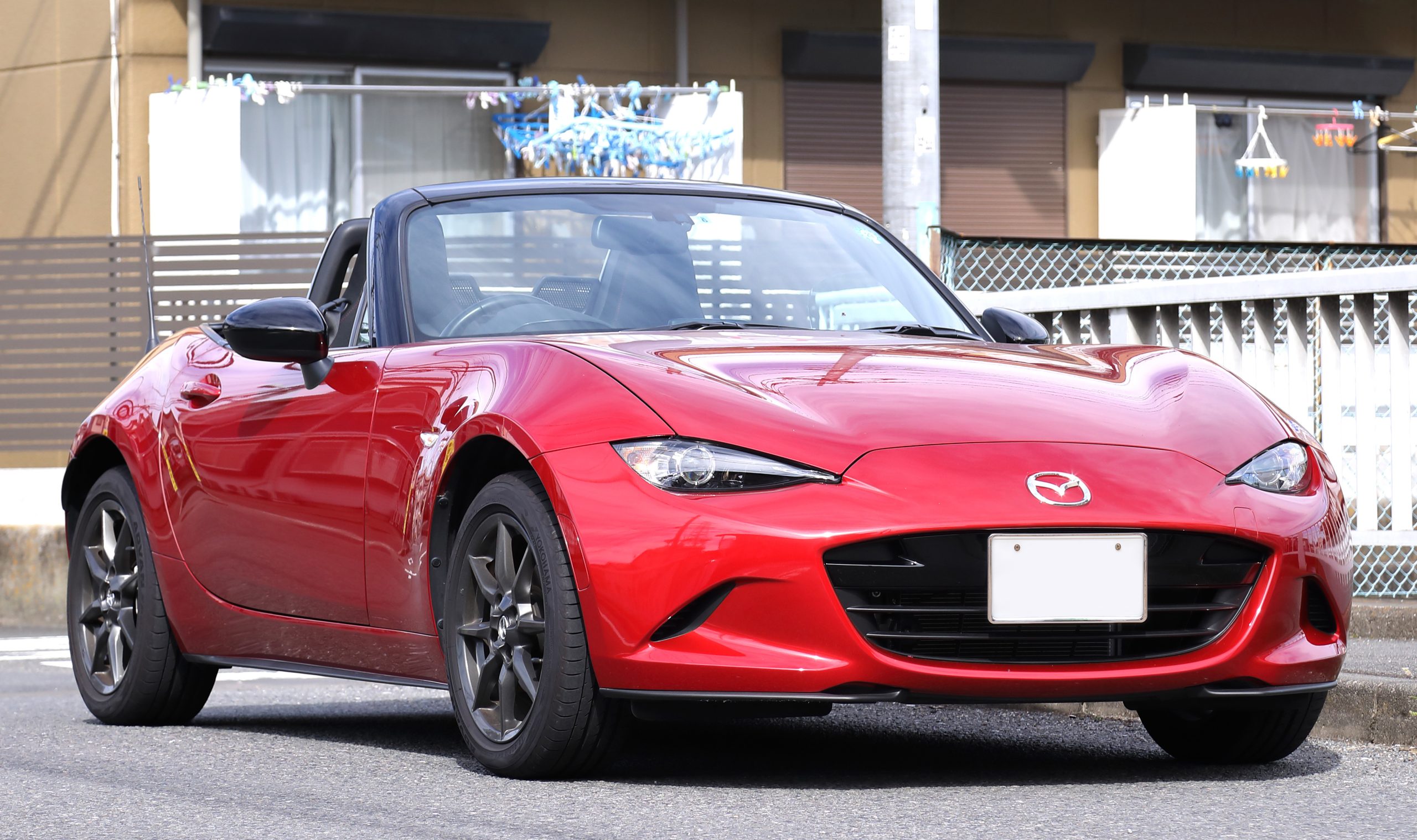
The Mazda MX-5 Miata is celebrated for its nimble handling and driver-focused dynamics, but its design choices make it a challenging vehicle for extended road trips. Its lightweight construction, low ride height, and tight cockpit create an intensely engaging driving experience at the expense of long-distance comfort.
A primary source of fatigue in the Miata is cabin noise. Minimal sound-deadening materials and a lightweight body mean that wind buffeting and road noise can reach 80–85 dB at highway speeds. Even the RF (Retractable Fastback) model, designed to reduce wind intrusion, struggles with significant noise. This constant auditory input can be draining over multiple hours, making conversations or music difficult to enjoy.
The interior’s compact dimensions further contribute to discomfort. The Miata’s cockpit is narrow, with a pronounced transmission tunnel reducing passenger footroom. Tall drivers often face limited legroom and headroom, especially in RF models where the metal roof reduces vertical space.
Storage is also minimal, with small or absent compartments forcing passengers to place items in their laps or behind the seats, adding to the sense of confinement.
Seat design supports spirited driving but is less forgiving on long trips. Lightweight seats with thin padding provide little lumbar support and fixed headrest angles that can encourage poor posture. Extended driving sessions often result in back and neck strain, particularly for taller occupants.
The Miata’s performance-oriented suspension enhances handling but amplifies every road imperfection. Its short wheelbase and firm setup transmit vibrations to the cabin, requiring constant steering corrections and leading to muscular tension on long drives.
The Mazda MX-5 Miata delivers an exhilarating driving experience with precise feedback and responsive handling. However, its tight cockpit, high cabin noise, firm seats, and choppy suspension make multi-hour journeys physically and mentally taxing. Enthusiasts seeking driver engagement must weigh these trade-offs against long-distance comfort.
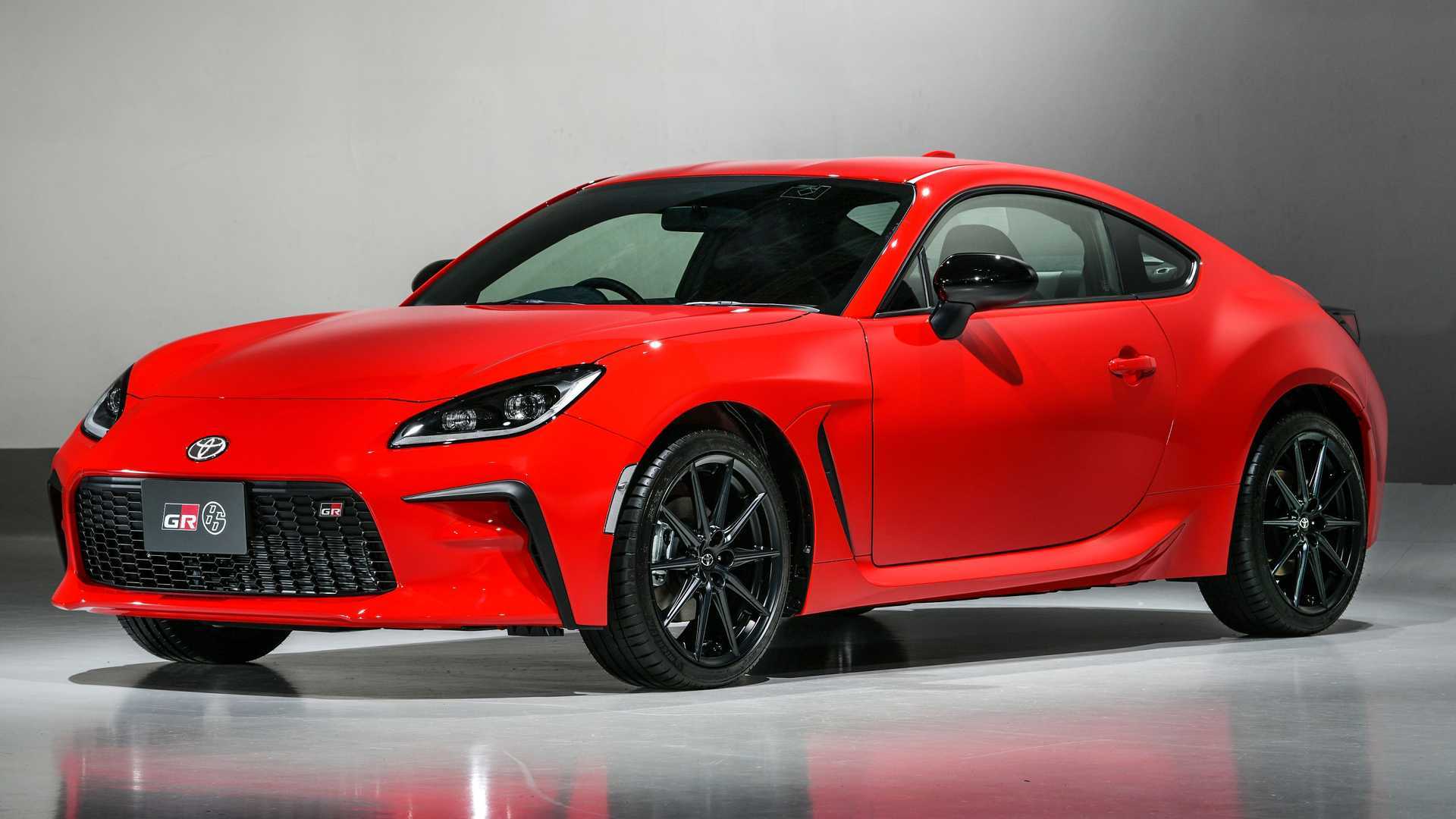
3. Toyota GR86: Track-Focused Sports Car Sacrifices Long-Distance Comfort
The Toyota GR86 delivers a pure, driver-focused experience, but its performance-oriented design makes extended highway travel physically and mentally taxing. Built for agility and precision, the GR86 emphasizes responsiveness over comfort, which leads to fatigue on long drives.
A key contributor to discomfort is the harsh ride quality. Its track-tuned suspension features stiff springs and fixed damping, transmitting every bump and road imperfection directly to the cabin. Unlike luxury sedans with adaptive suspension, the GR86 remains firm across all surfaces, resulting in a jittery ride that can wear on occupants during multi-hour journeys.
Cabin noise further compounds fatigue. Minimal sound-deadening material allows road, tire, wind, and engine noise to flood the interior. Performance tires, such as the Michelin Pilot Sport 4, create a persistent drone on coarse asphalt, making conversation difficult and music less enjoyable. Even with the engine’s performance appeal, the hollow-feeling cabin amplifies NVH (noise, vibration, and harshness) levels, adding to sensory overload.
The GR86’s compact interior adds another layer of challenge. Front sport seats provide support, but entry and exit require significant effort due to the ultra-low ride height. Taller drivers may struggle with limited steering-wheel adjustability, and storage is minimal, with the rear seats serving mostly as cargo space.
Finally, the car demands high-energy driving. The manual transmission, while engaging, can become fatiguing in stop-and-go traffic, and the lightweight chassis requires constant steering input on highways. Even with adaptive cruise control in newer models, the GR86 lacks the relaxed driving aids found in grand tourers, emphasizing driver involvement over convenience.
The Toyota GR86 is an affordable, exhilarating sports car that shines on twisty roads but imposes significant physical and sensory strain on long trips. Owners often mitigate this with quieter tires, earplugs, or frequent stops to maintain comfort during extended drives.
4. Mitsubishi Mirage: Budget-Friendly City Car Struggles on Long Highway Drives
The Mitsubishi Mirage is an economical subcompact designed for short city commutes, but its comfort diminishes during extended highway travel. Lightweight construction, minimal sound insulation, and basic interior features combine to create a physically and mentally tiring experience on long drives.
A major factor affecting comfort is the noisy cabin. Its small three-cylinder engine must work hard to maintain highway speeds, producing a constant hum and vibration that can become fatiguing. Wind and road noise penetrate the thinly insulated cabin, making conversations or listening to music challenging over time.
Seating comfort is another concern. The Mirage’s seats are thinly cushioned and lack ergonomic contouring, particularly in the rear bench, which can feel flat and unsupportive for passengers on multi-hour drives. Without adjustable seat heights in many trims, drivers must remain in a fixed position, increasing fatigue.
Ride quality over uneven surfaces is also limited. While the soft suspension performs adequately on smooth city streets, it struggles to absorb bumps or dips on highways, producing a bouncy, unsettled ride. The lightweight frame amplifies the effect of crosswinds, forcing the driver to make constant steering corrections.
Performance limitations further contribute to stress during longer trips. Acceleration is modest, making overtaking or merging on fast roads challenging and requiring the engine to operate near its limits. The combination of weak power, minimal interior refinement, and vibrations makes long-distance highway driving taxing compared to larger, more robust vehicles.
The Mitsubishi Mirage excels as a city commuter with low running costs, but its engine strain, noisy cabin, limited seating comfort, and light build make it less suitable for extended highway travel. Drivers planning long trips should anticipate a physically demanding and less relaxing ride.
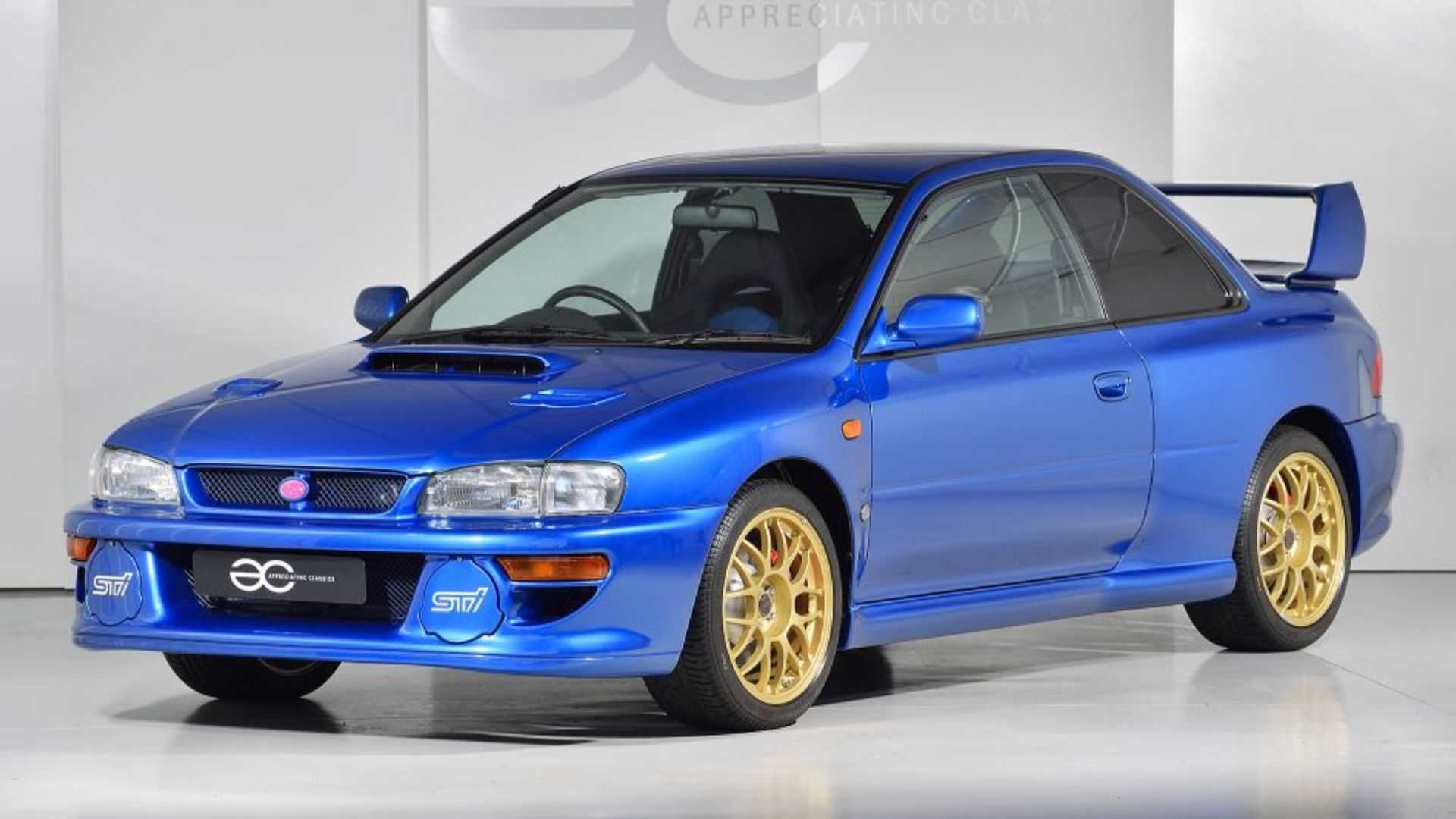
5. Tesla Model 3 Standard Range: Sporty Efficiency Over Long-Distance Comfort
The Tesla Model 3 Standard Range is known for its efficiency and advanced technology, but long drives can be tiring because the car prioritizes sportiness and minimalism over comfort. While it performs well for city driving and short trips, extended highway journeys of six to eight hours or more can lead to both physical and mental fatigue.
One of the main issues is the firm suspension. Standard Range models use a traditional coil-spring setup tuned for sharp handling. This setup transmits every bump and road imperfection into the cabin, creating a fidgety ride. Unlike vehicles with air or adaptive suspension, the Model 3 does not cushion long drives, which can leave the driver and passengers feeling sore.
Seating ergonomics also reduces comfort. The floor is high to accommodate the battery pack, which creates a knees-up position in the rear seats and limits under-thigh support. The standard front seats are thin and lightweight, providing minimal long-term lumbar support. Drivers and passengers may notice discomfort in the lower back on longer trips.
Cabin noise is another factor. The electric powertrain is quiet, but wind and road noise become noticeable at highway speeds. Frameless windows and tire rumble create sustained noise levels around 70 decibels, which can cause mental fatigue over several hours.
The minimalist interior design increases cognitive load. Most controls are operated through the central touchscreen, requiring the driver to look away from the road to adjust basic functions such as climate control or windshield wipers. The lack of physical buttons and tactile feedback makes long drives more mentally demanding.
The Tesla Model 3 Standard Range is excellent for efficiency and sporty driving, but does not provide the plush comfort needed for long-distance trips. Newer 2024 Highland Refresh models improve this with a retuned suspension, acoustic glass, and redesigned ventilated seats, offering a more comfortable experience for extended journeys.
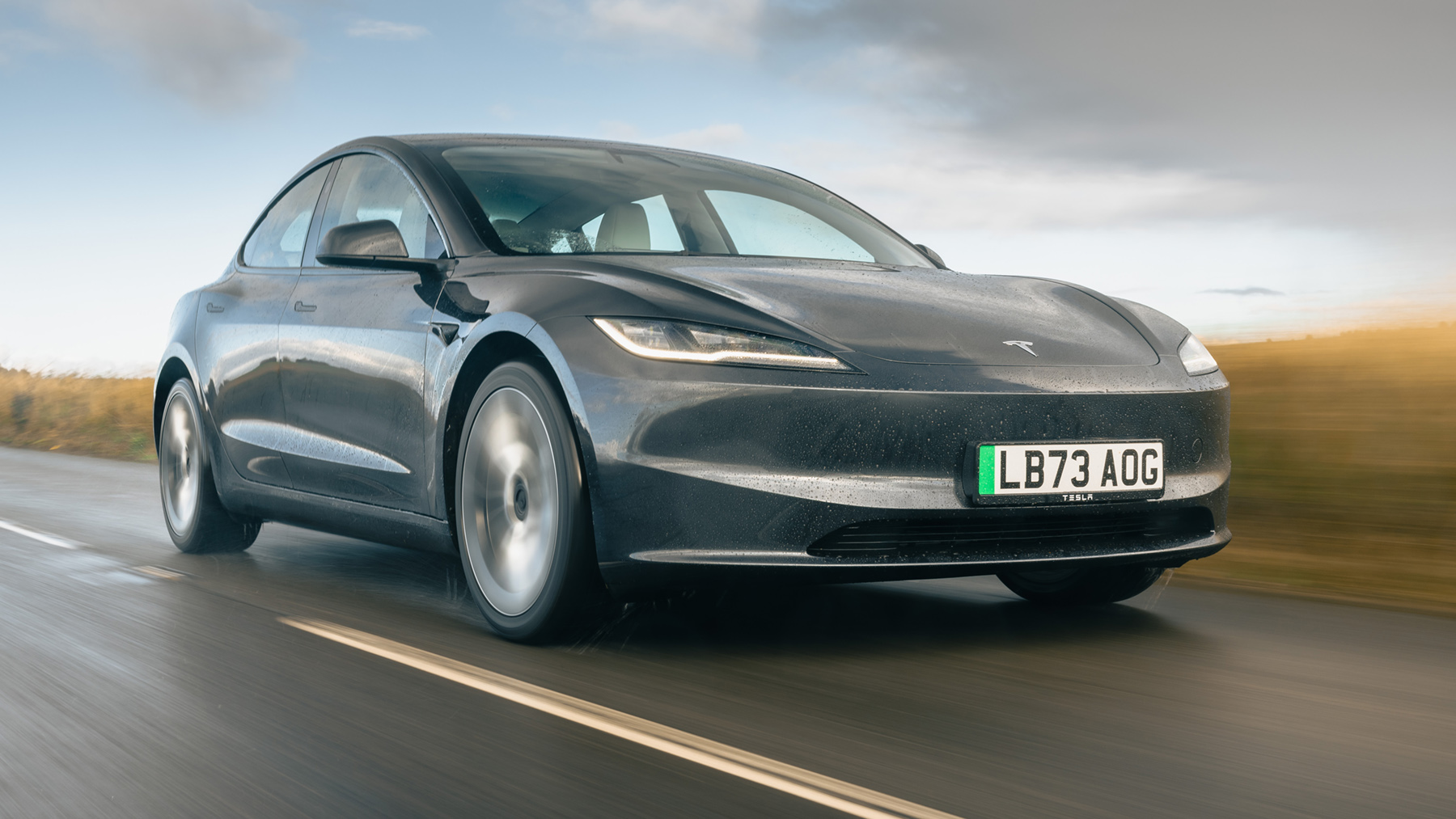
Choosing the right car for long drives requires balancing driving enjoyment with comfort and endurance. Vehicles like the S-Class, ES 300h, XC90, Ram 1500, and Accord Hybrid provide spacious, quiet cabins, adaptive suspension, and advanced technology that reduce fatigue and make multi-hour journeys relaxing.
On the other hand, sports-focused or budget-oriented models such as the Miata, GR86, Wrangler, Mirage, and Standard Range Model 3 offer thrilling or economical experiences but demand more physical and mental effort from drivers. Understanding these trade-offs allows buyers to match their priorities with the right vehicle, ensuring long-distance travel remains enjoyable rather than draining.
Also Read: Top 10 Cars That Changed Automotive Engineering Forever