Living in Charleston means living close to the ocean. The salty air, high humidity, heavy rain, and occasional flooding can affect vehicles over time. Salt can cause rust, and moisture can damage parts under the car.
That’s why choosing the right vehicle for coastal areas is very important. Some vehicles are built with strong corrosion protection and durable parts, while others may struggle in these conditions. Below are five vehicles that work well in Charleston’s coastal environment and five that may not be the best choice.
Vehicles That Work Well in Charleston Coastal Areas
Living and driving in Charleston’s coastal environment comes with unique challenges. Salt air, high humidity, frequent rain, sandy roads, and occasional flooding can all take a toll on vehicles that aren’t built to handle these conditions.
The right vehicle needs more than just comfort, it should offer corrosion resistance, reliable traction on wet or sandy surfaces, and durability that stands up to coastal wear over time. In this article, we highlight vehicles that work well in Charleston’s coastal areas, focusing on models that are better suited for life near the water without sacrificing everyday drivability.
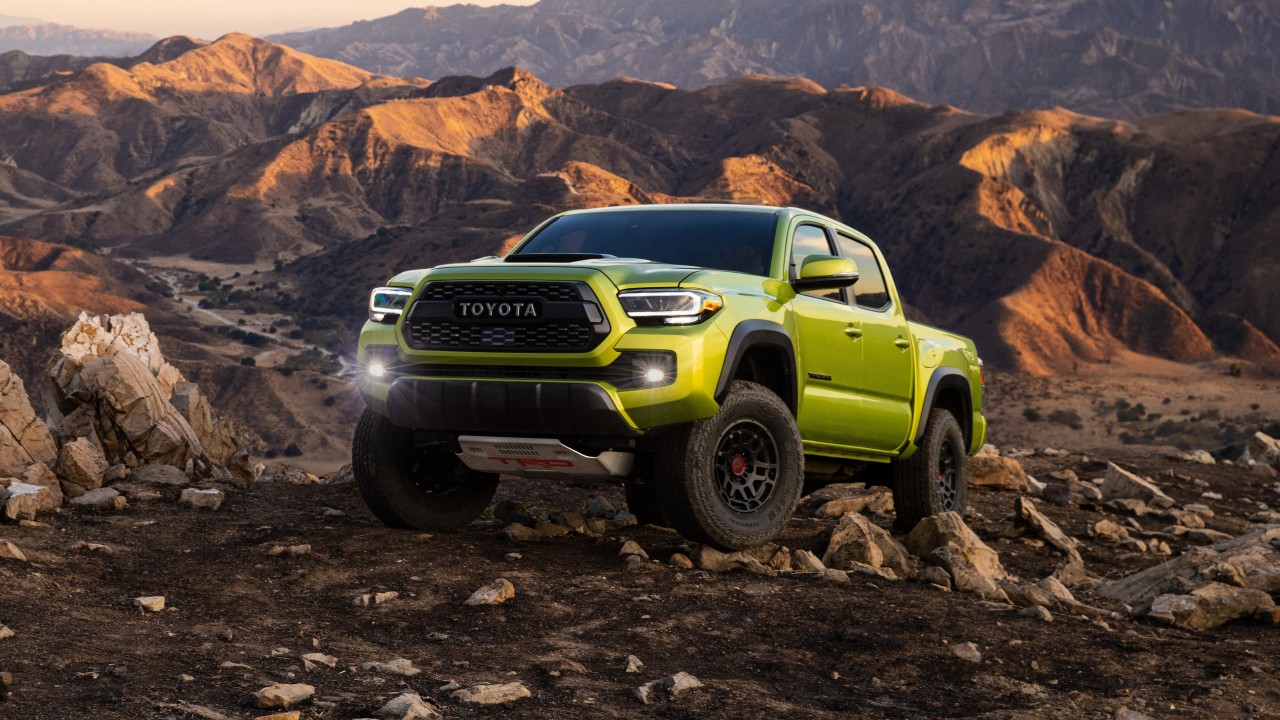
1)Toyota Tacoma
The Toyota Tacoma is a strong midsize truck known for long-lasting performance and durability. Many drivers trust it because it handles tough roads and difficult weather conditions. In coastal areas, this truck proves especially useful and dependable for daily driving needs.
One of the biggest advantages of the Tacoma is its high ground clearance. Coastal cities often experience heavy rain and occasional flooding. The Tacoma sits higher than regular cars, helping drivers move safely through water-covered roads without damaging important parts underneath.
Salt air is a serious problem in coastal regions. Over time, salt can cause rust on metal parts. Toyota designs the Tacoma with strong rust protection and durable coatings. This helps the truck resist corrosion and last longer in humid environments.
The Tacoma also has a strong frame and solid build quality. Its body and undercarriage are made to handle rough conditions. Even when exposed to moisture and salty air, the structure remains firm and reliable with proper care and maintenance.
Another reason people choose the Tacoma is its simple and practical design. Repairs are usually easier compared to luxury vehicles. Parts are widely available, and many mechanics are familiar with Toyota trucks, which helps keep maintenance costs reasonable.
The Tacoma is also known for its dependable engine options. The engines are built for steady performance and long life. Whether driving in city traffic or along coastal highways, the truck provides smooth power and consistent reliability every day.
For drivers who enjoy outdoor activities, the Tacoma is very useful. It can carry beach gear, fishing equipment, or camping supplies with ease. The truck bed offers strong hauling ability, making it perfect for coastal lifestyles and weekend adventures.
Safety is another important factor. The Tacoma includes modern safety features that help protect drivers and passengers. Its strong body structure and advanced technology provide confidence during storms, heavy rain, or slippery road conditions near the ocean.
2)Subaru Outback
The Subaru Outback is a practical and dependable SUV that works very well in coastal areas. It is designed for drivers who face rain, humidity, and changing road conditions. Its strong build and smart features make it reliable every day.
One of the biggest strengths of the Outback is its standard all-wheel drive system. This feature gives power to all four wheels, helping the vehicle maintain grip on wet roads, sandy paths, and slippery surfaces after heavy rain.
Coastal cities often experience storms and sudden weather changes. The Outback handles these situations confidently. Its balanced design and stable suspension help drivers feel safe and comfortable, even during strong winds or steady rainfall near the ocean.
Rust can be a serious problem near the coast because salt in the air damages metal parts. Subaru uses protective coatings and quality materials that help reduce corrosion. With regular washing, the Outback can stay in good condition for many years.
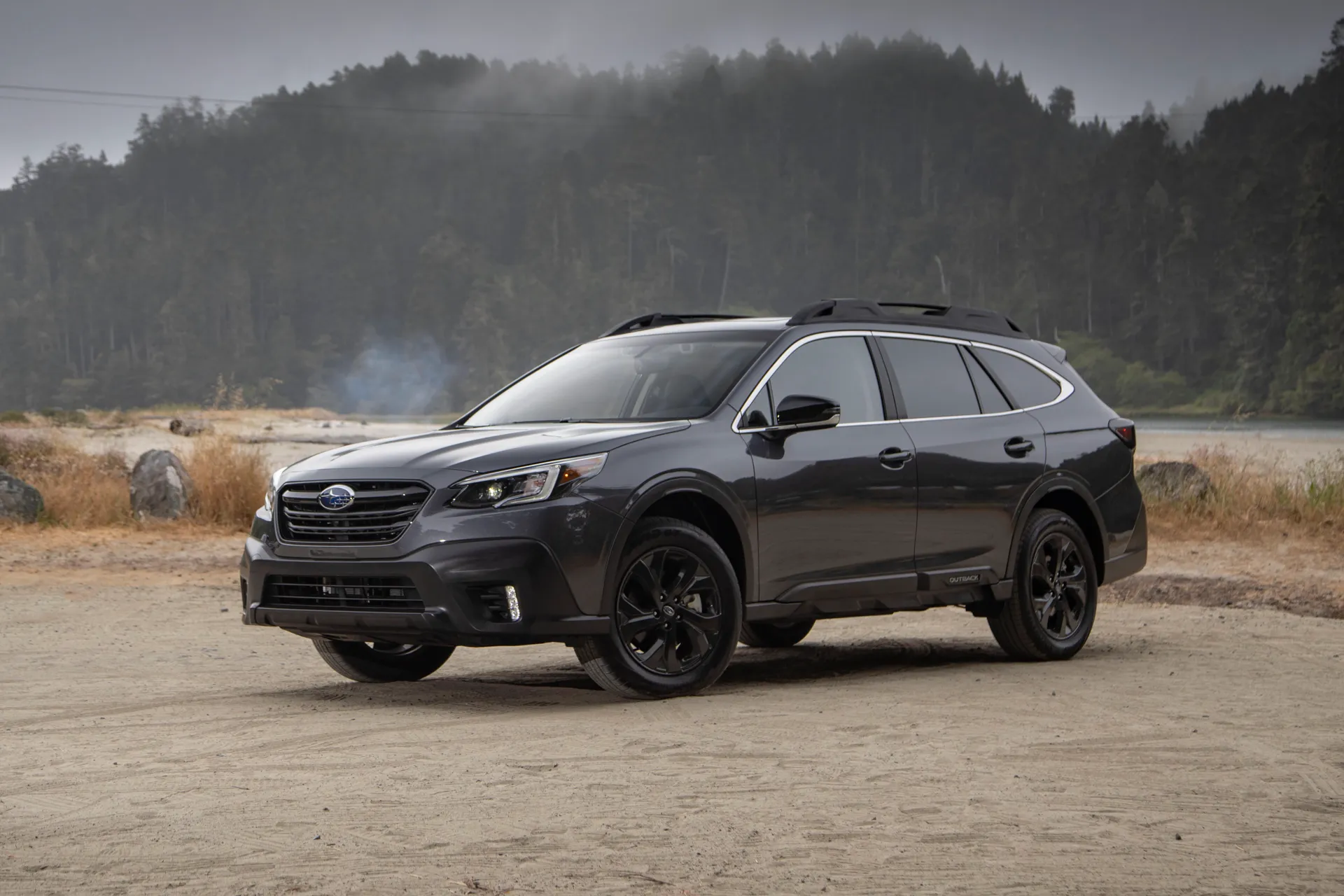
Ground clearance is another helpful feature. The Outback sits higher than most sedans, which allows it to pass through shallow floodwaters more safely. This extra height also protects important parts under the vehicle from water damage.
The interior of the Outback is spacious and comfortable. Coastal drivers often carry beach gear, groceries, or travel bags. The large cargo area makes it easy to store these items without feeling crowded inside the cabin.
Fuel efficiency is another advantage. The Outback offers good mileage for an SUV, helping drivers save money on daily commuting. It balances power and economy, which is important for both city driving and longer highway trips.
Safety is a strong point of this vehicle. The Outback includes advanced safety features that assist drivers in heavy rain or poor visibility. These systems help reduce accidents and provide peace of mind during coastal weather conditions.
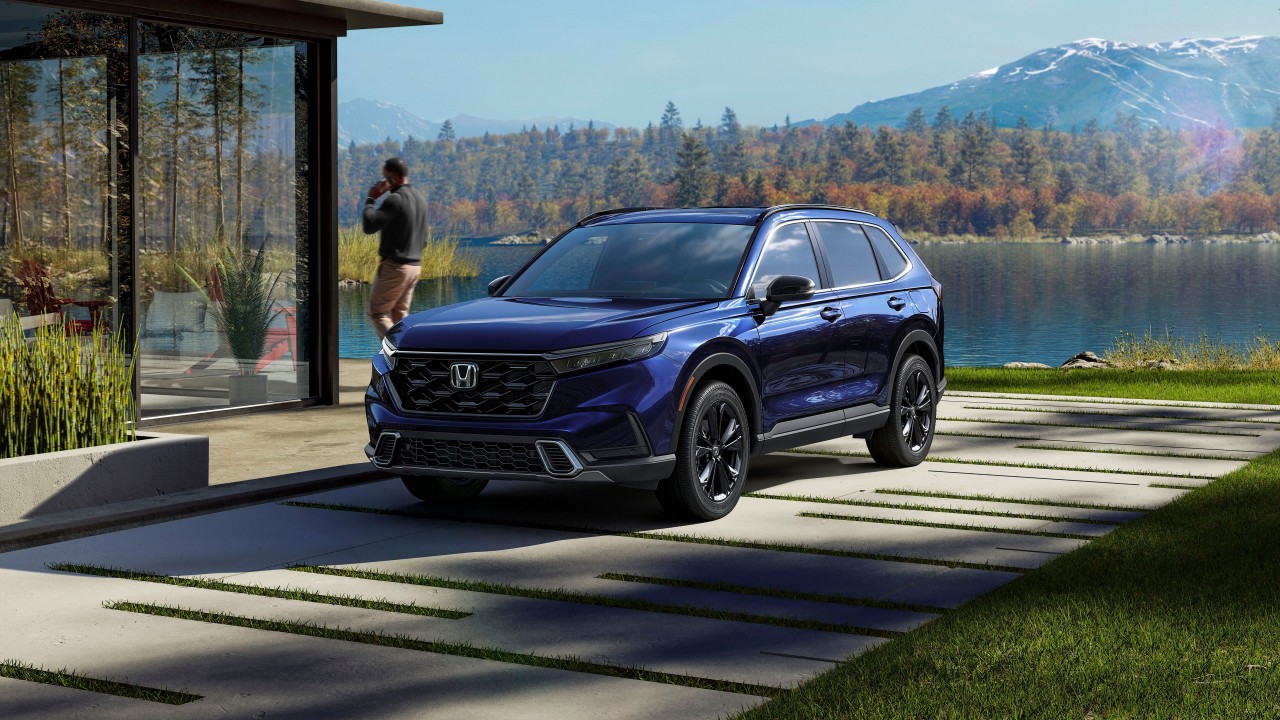
3)Honda CR-V
The Honda CR-V is a popular compact SUV known for reliability and comfort. Many coastal drivers prefer it because it handles daily travel smoothly. Its balanced design and strong build quality make it suitable for humid and rainy environments.
Coastal cities often face heavy rain and wet roads. The CR-V offers stable handling and good traction, especially in models with all-wheel drive. This helps drivers feel more confident when roads become slippery during storms or sudden showers.
Salt in the air can slowly damage vehicles over time. Honda uses quality materials and protective coatings that help reduce rust problems. With regular cleaning and maintenance, the CR-V can resist corrosion better than many older vehicles.
Ground clearance is higher than most sedans, which is helpful during minor flooding. The CR-V can move through shallow water more safely than low cars. This feature protects important parts like the exhaust system and underbody components.
The engine of the CR-V is designed for steady and efficient performance. It provides enough power for daily commuting while maintaining good fuel economy. This balance makes it a practical choice for city driving and coastal highway trips.
Inside, the CR-V offers a spacious and comfortable cabin. Coastal lifestyles often require carrying beach gear, shopping bags, or travel luggage. The large cargo space makes it easy to transport items without feeling cramped.
4)Ford F-150
The Ford F-150 is one of the most popular full-size trucks in America. It is known for strength, durability, and strong performance. For drivers living in coastal areas, this truck offers features that handle salt air and wet weather well.
One major advantage of the F-150 is its aluminum body panels. Unlike traditional steel, aluminum does not rust easily. This is very helpful in coastal regions where salt in the air can quickly damage metal surfaces over time.
Coastal cities often experience heavy rain and occasional flooding. The F-150 has high ground clearance, which allows it to pass through shallow water more safely than smaller cars. This protects important parts underneath the truck from water damage.
The frame of the F-150 is built with high-strength steel. It provides solid support and long-term durability. Even when exposed to humid conditions, the truck remains strong with proper cleaning and regular maintenance.
The engine options in the F-150 are powerful and dependable. Whether using it for work or daily driving, the truck delivers steady performance. It handles highway travel and city traffic with confidence, even during bad weather.
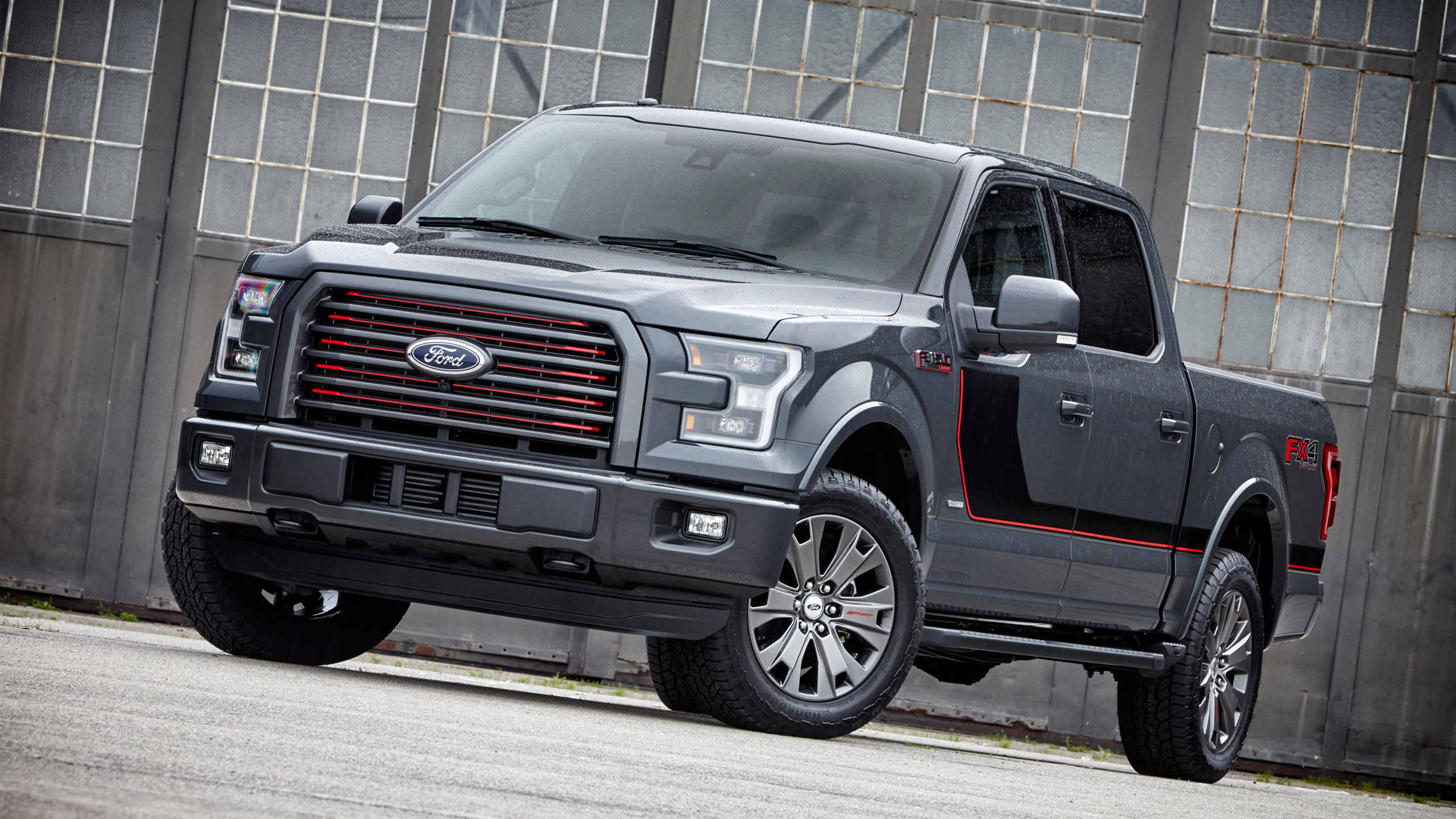
The large truck bed is another benefit for coastal drivers. It can carry beach equipment, boating supplies, or home improvement materials. This makes it a practical vehicle for people who enjoy outdoor activities near the ocean.
Modern F-150 models include advanced safety technology. Features such as stability control and driver assistance systems help during storms or slippery road conditions. These technologies add extra protection in challenging coastal weather.
Although it is larger than most SUVs, the F-150 offers a comfortable interior. The cabin is spacious, and many models include modern entertainment and climate control systems for relaxed daily driving.
5)Toyota RAV4
The Toyota RAV4 is a popular compact SUV that works very well in coastal areas. It is known for reliability, comfort, and fuel efficiency. Many drivers choose it because it handles daily driving smoothly in humid and rainy environments.
Coastal weather often brings heavy rain and wet roads. The RAV4 offers stable handling and available all-wheel drive. This system improves traction and helps the vehicle stay balanced on slippery surfaces during storms or sudden showers.
Salt in the air can slowly cause rust on vehicles near the ocean. Toyota uses protective coatings and quality materials to reduce corrosion. With regular washing, especially underneath the vehicle, the RAV4 can stay in good condition for many years.
The RAV4 has higher ground clearance than most sedans. This makes it better suited for shallow flooding or water-covered streets. Important parts under the vehicle are better protected compared to lower cars.
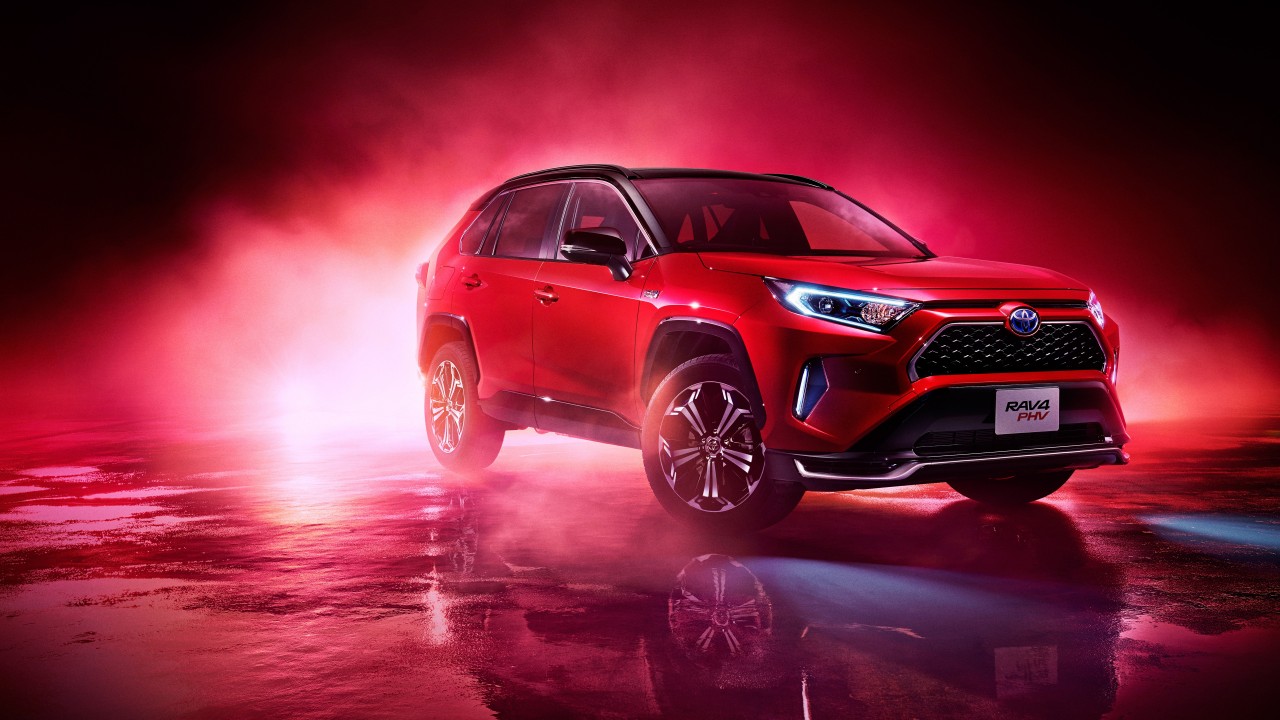
Fuel efficiency is one of the RAV4’s biggest strengths. It provides good mileage for an SUV, helping drivers save money on daily commutes. This makes it practical for both city driving and longer trips along coastal highways.
Inside, the RAV4 offers a comfortable and roomy cabin. There is enough space for beach gear, groceries, or travel bags. The cargo area is flexible and easy to use, making it convenient for active coastal lifestyles.
Vehicles That May Struggle in Charleston Coastal Areas
Charleston’s coastal environment can be unforgiving for certain vehicles. Constant exposure to salt air, high humidity, heavy rain, and the potential for flooding can accelerate corrosion and strain mechanical components that aren’t designed with these conditions in mind.
While some vehicles handle coastal life with ease, others are more vulnerable to rust, electrical issues, and traction problems on wet or sandy roads. In this article, we examine vehicles that may struggle in Charleston’s coastal areas and explain why they’re less suited for long-term use in a seaside climate.
1) Jeep Wrangler
The Jeep Wrangler is famous for its off-road ability and adventurous style. Many people love driving it on beaches and rough trails. However, older Wrangler models may not be the best choice for long-term coastal living.
One major concern is rust. Older Wrangler models have steel frames and body parts that can corrode quickly in salty air. If not cleaned regularly, salt buildup underneath the vehicle can cause serious damage over time.
Driving on the beach may seem perfect for a Wrangler, but sand and salt can harm important parts. Moisture can enter small spaces and cause corrosion in bolts, suspension components, and the underbody frame.
Soft-top versions may also struggle in coastal climates. Constant sun, humidity, and salty air can wear down the fabric material. Over time, this can lead to leaks or fading, especially if the vehicle is parked outdoors.
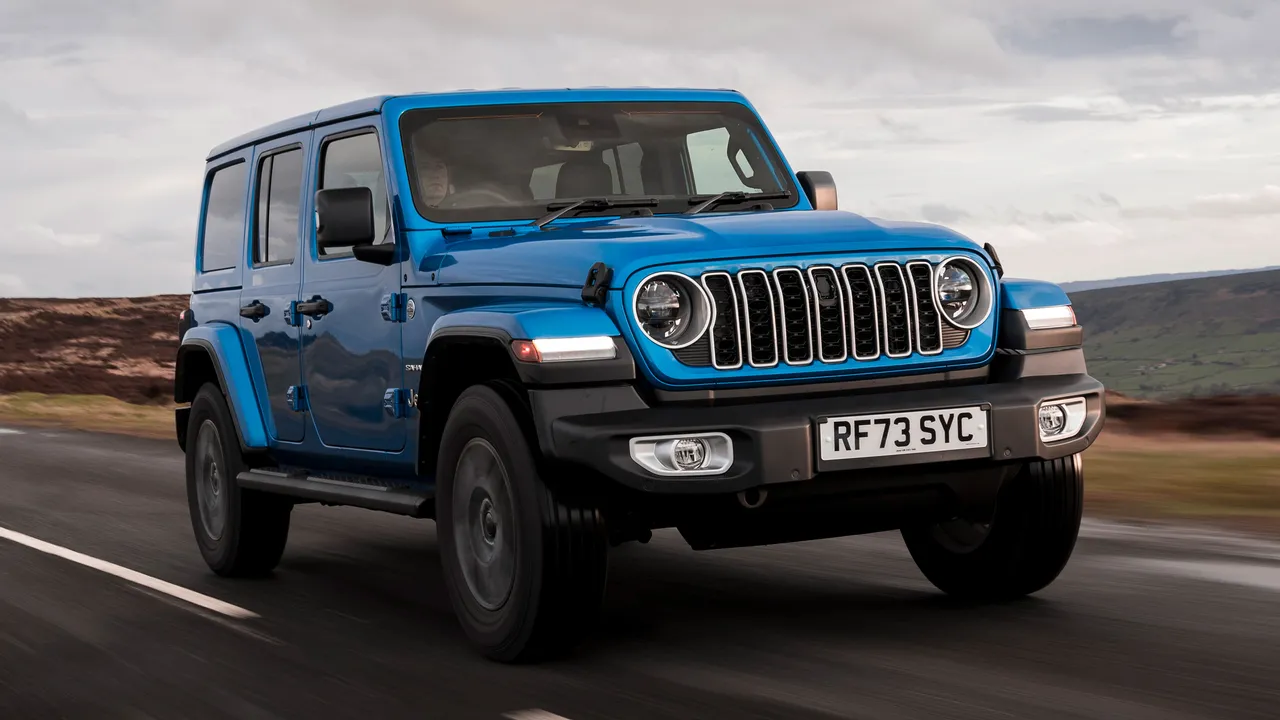
Electrical systems in older models may face problems in humid conditions. Coastal moisture can affect wiring and connectors. Repairs may become costly if corrosion spreads to important mechanical or electrical parts.
Fuel efficiency is another factor to consider. Older Wranglers are not very fuel-efficient compared to modern SUVs. Daily commuting in coastal cities may become expensive, especially with rising fuel costs.
The ride quality of older Wranglers is often rough compared to crossovers. While they are great for trails, they may feel less comfortable on daily city roads. This can make long drives less relaxing.
Maintenance is very important for Wranglers in coastal areas. Regular washing, underbody cleaning, and rust protection treatments are necessary. Without proper care, rust damage can shorten the vehicle’s lifespan.
2) Nissan Altima
The Nissan Altima is a comfortable and fuel-efficient sedan. Many drivers choose it for daily commuting because it offers a smooth ride and affordable ownership. However, older Altima models may struggle in coastal environments.
One major issue is low ground clearance. Coastal cities sometimes face flooded streets during heavy rain. A low sedan like the Altima may have difficulty passing through standing water without risking damage to the engine or exhaust system.
Salt in the air is another concern. Over time, salt can cause rust on metal parts underneath the car. Some older Altima models have shown corrosion issues, especially if they are not washed regularly in coastal areas.
The underbody components, such as suspension parts and brake lines, can be affected by moisture and salt buildup. Without proper cleaning and protective treatments, these parts may wear out faster than expected.
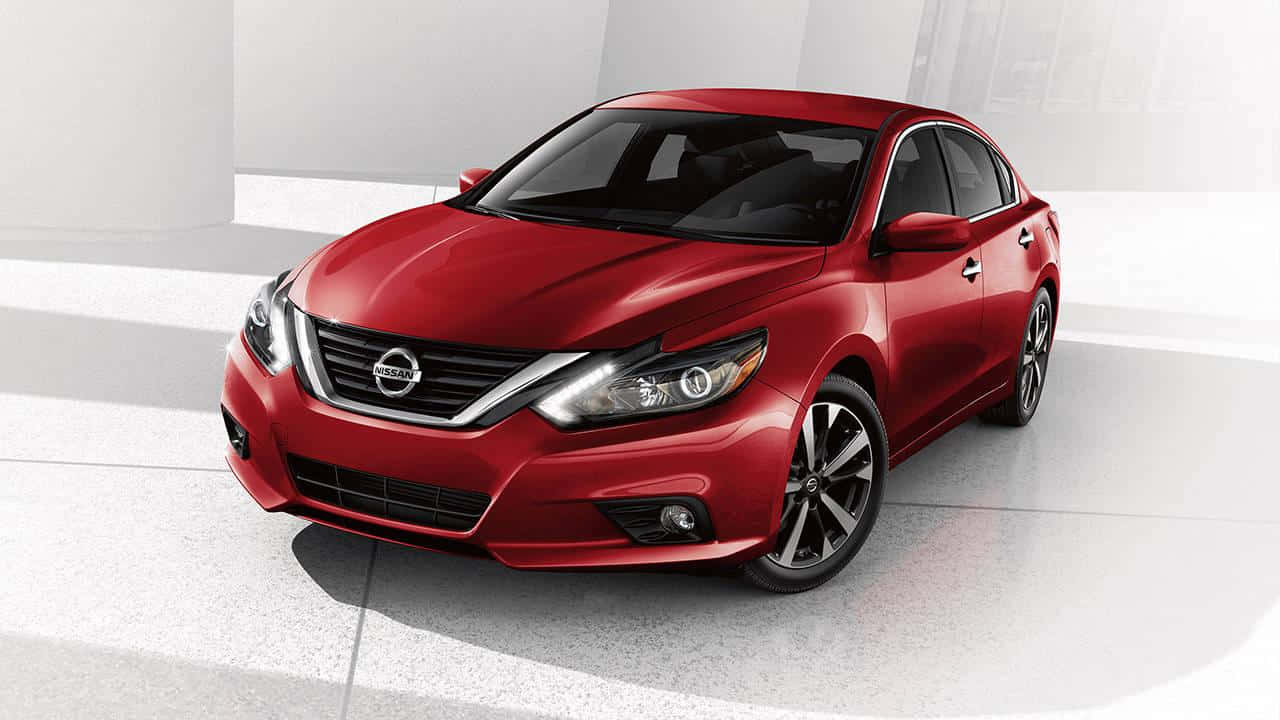
While the Altima handles normal city roads well, it is not designed for rough or water-covered surfaces. Coastal weather can change quickly, and low vehicles may feel less secure during storms or heavy rainfall.
Older models may also lack advanced safety technology found in newer vehicles. In coastal areas where weather conditions can reduce visibility, modern safety features can make a significant difference in driver confidence.
Fuel efficiency is one of the Altima’s strengths. It saves money on daily travel, which is helpful for commuters. However, savings may be reduced if corrosion leads to unexpected repair costs over time.
3) Chevrolet Cruze
The Chevrolet Cruze is a compact sedan known for fuel efficiency and easy city driving. It is comfortable and affordable for many drivers. However, it may not be the best choice for coastal areas with heavy rain and salt air.
One of the main concerns is its low ground clearance. Coastal cities can experience flooding during storms. A low sedan like the Cruze may struggle to pass through water-covered streets without risking damage underneath the vehicle.
Salt in the air can also cause rust over time. In coastal environments, metal parts under the car are exposed to moisture and salty conditions daily. Without regular cleaning, corrosion can develop faster than expected.
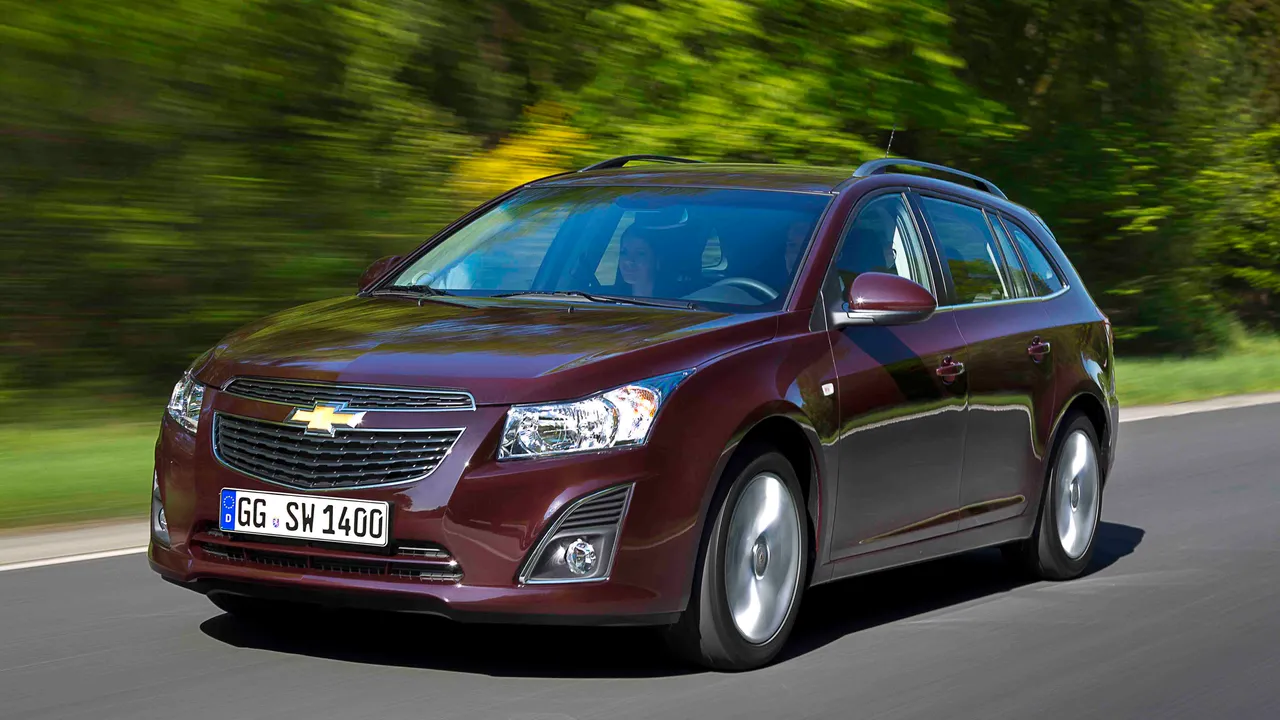
The underbody components, including suspension parts and exhaust systems, may wear out sooner if exposed to salt buildup. Coastal drivers must wash the underside frequently to reduce long-term rust damage.
While the Cruze offers a smooth ride on dry roads, it may not feel as stable during heavy rain. Larger SUVs or trucks often provide better visibility and confidence in strong storms or windy coastal weather.
Older Cruze models may also lack advanced safety technology found in newer vehicles. In coastal regions where sudden weather changes are common, modern driver assistance features can improve safety and control.
Fuel economy is one of the Cruze’s biggest advantages. It saves money during daily commuting and long drives. However, repair costs caused by corrosion could reduce these savings over time.
4) BMW 3 Series
The BMW 3 Series is known for sporty performance and luxury comfort. Many drivers enjoy its smooth handling and stylish design. However, older models may face difficulties when used for long-term driving in coastal areas.
One main concern is corrosion. Coastal air contains salt, which can slowly damage metal parts. While BMW uses quality materials, older models may develop rust underneath if they are exposed to humidity and salt regularly.
Low ground clearance is another issue. The 3 Series sits closer to the road compared to SUVs and trucks. In coastal cities that experience flooding, this low height increases the risk of water reaching important mechanical parts.
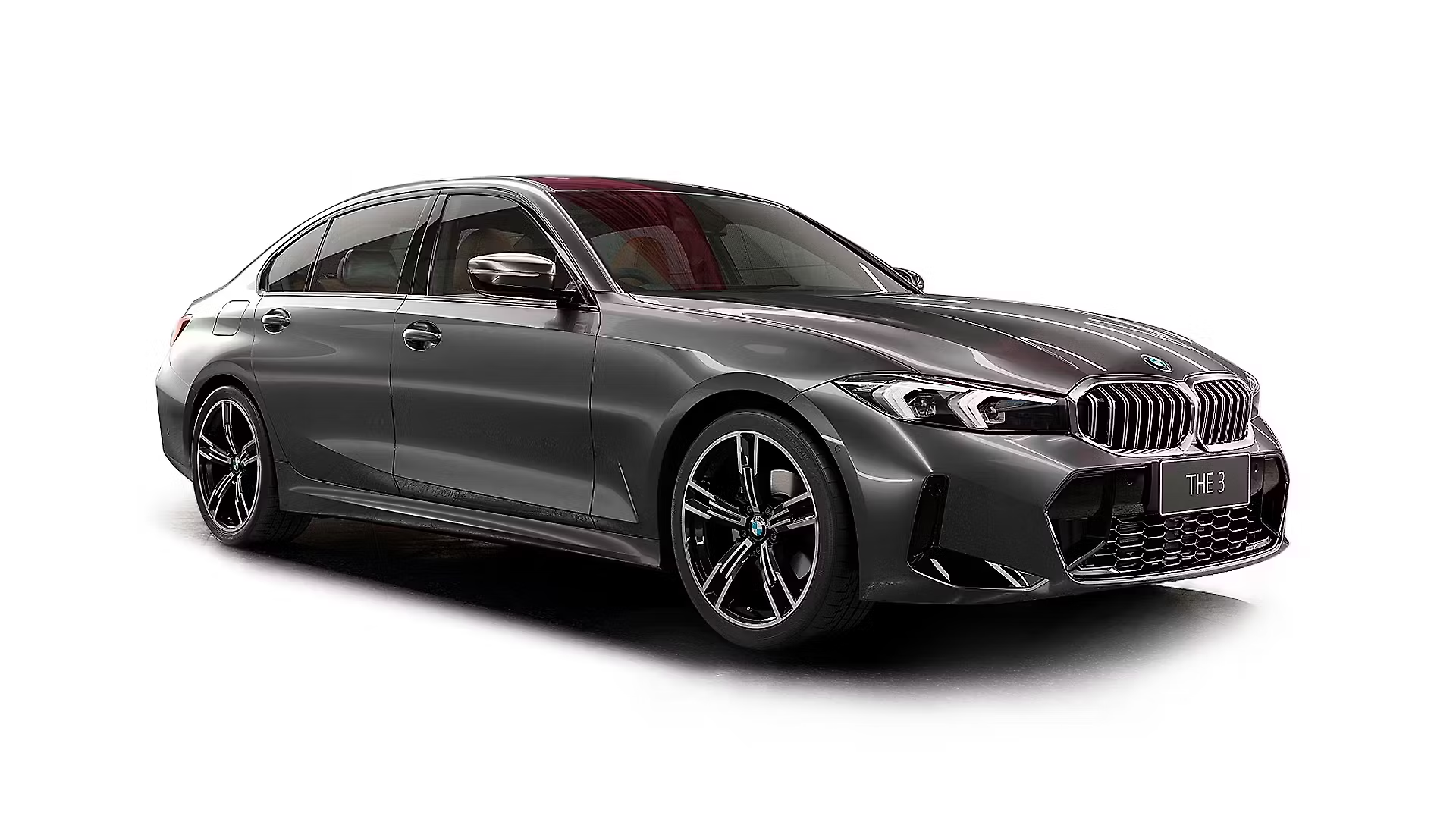
Moisture can also affect electronic systems. Older luxury vehicles often have complex wiring and sensors. In humid coastal climates, electrical components may experience problems if moisture builds up over time.
Repair costs for the BMW 3 Series are generally higher than for regular sedans. If rust or water damage occurs, fixing it can become expensive. Parts and specialized labor may increase maintenance expenses significantly.
While the car offers excellent handling on dry roads, heavy rain and slippery streets can reduce its performance advantage. Larger vehicles with all-wheel drive may provide more confidence during coastal storms.
5) Mini Cooper
The Mini Cooper is known for its small size, sporty design, and fun driving feel. Many drivers enjoy its quick handling and compact shape. However, older Mini Cooper models may not be the best option for coastal areas.
One of the biggest concerns is rust. Coastal air contains salt, which can slowly damage exposed metal parts. Smaller cars like the Mini Cooper may develop corrosion underneath if they are not cleaned regularly.
The Mini Cooper has low ground clearance. In coastal cities where heavy rain can cause flooding, this low height increases the risk of water reaching important mechanical components. This can lead to costly repairs.
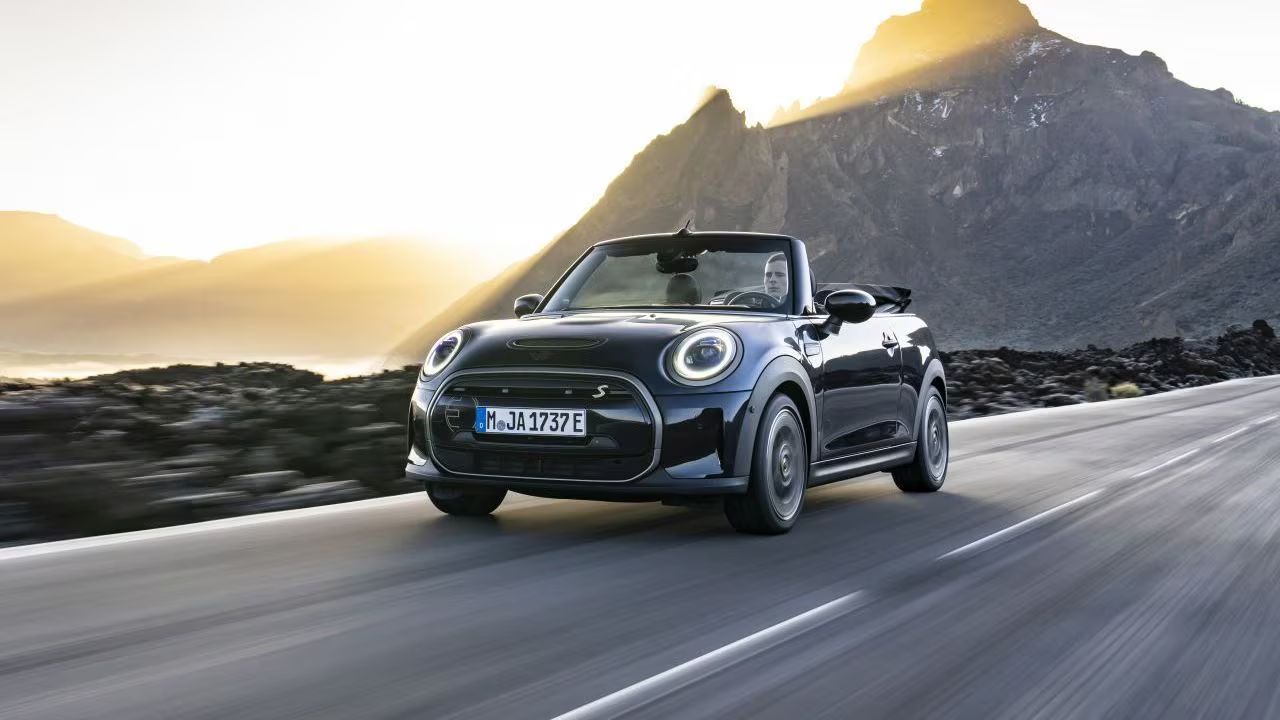
Humidity is another challenge near the ocean. Constant moisture can affect electrical systems over time. Older Mini models sometimes have complex wiring, which may become sensitive in damp and salty conditions.
Maintenance costs can also be higher compared to regular compact cars. Replacement parts and specialized repairs may cost more. Coastal damage from rust or moisture can increase long-term ownership expenses.
While the Mini Cooper offers good fuel efficiency, savings on fuel may not balance repair costs if corrosion develops. Owners must be careful about regular washing, especially cleaning the underbody after exposure to salty air.