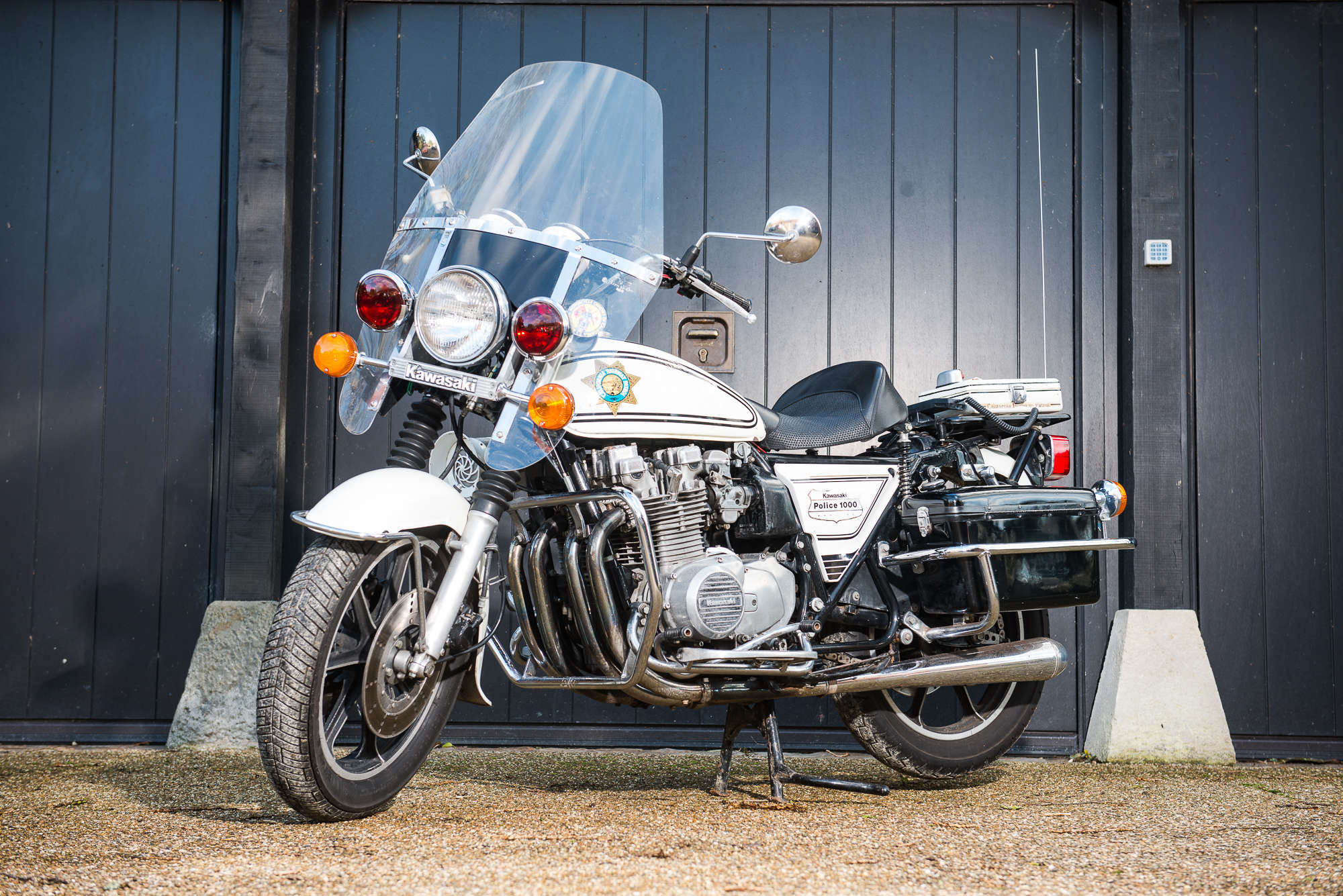
Japanese motorcycles have changed the world of biking in powerful ways. In the 1960s and 1970s, riders wanted machines that were fast, reliable, and affordable. Japanese brands answered that call and set a new “universal” standard.
These bikes combined strong engines, smooth performance, and everyday usability. They were not only for racing, but also for daily riding. Because of this, Japanese motorcycles became popular all over the world. Here are ten legendary models that helped redefine what a motorcycle could be.
1) Honda CB750
The Honda CB750 was introduced in 1969 and quickly changed the motorcycle world. At that time, most bikes were either small and simple or large and expensive. Honda created something different. The CB750 was powerful, modern, reliable, and affordable for many riders.
One of the biggest highlights was its inline four-cylinder engine. This engine design was smooth and strong. It produced impressive power for its time and allowed the bike to reach high speeds comfortably. Riders enjoyed both quick acceleration and steady highway performance.
The CB750 also featured a front disc brake, which was very rare in 1969. Most motorcycles used drum brakes. The disc brake improved stopping power and safety. This new technology made the bike feel more advanced and gave riders greater confidence.
Another reason for its success was reliability. Many older motorcycles needed frequent repairs and careful tuning. The CB750, however, started easily and ran smoothly. Owners could ride long distances without worrying about constant mechanical problems or unexpected breakdowns.
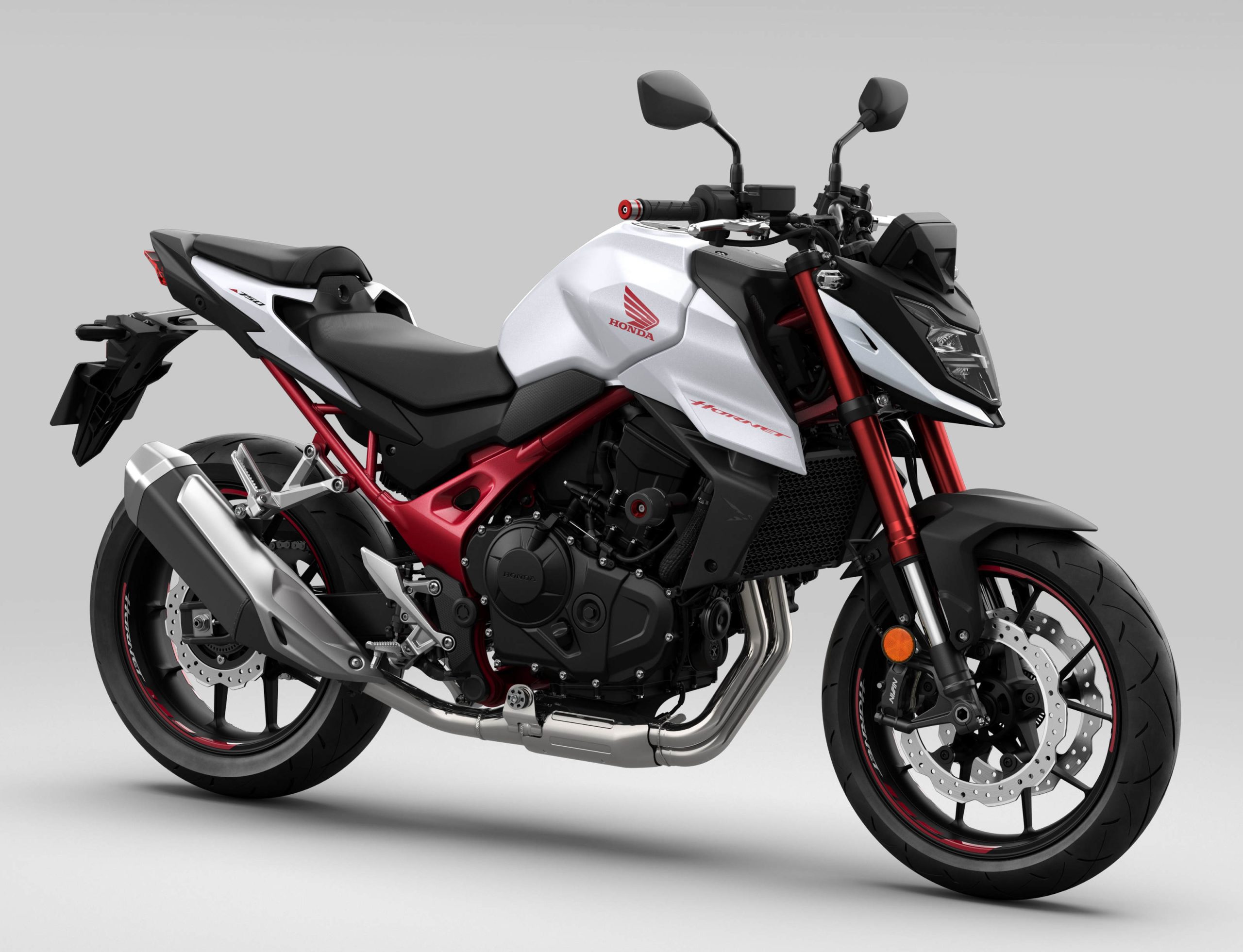
The design of the CB750 was simple but attractive. It had a clean fuel tank shape, chrome details, and a comfortable seat. It looked modern without being complicated. This balanced design helped it appeal to both young riders and experienced motorcyclists.
Performance was another strong point. The CB750 could reach speeds close to 200 kilometers per hour, which was very impressive at the time. Yet it was not only about speed. The bike handled well and felt stable in corners.
Many people began calling it the first “superbike.” Before the CB750, high-performance motorcycles were usually expensive European models. Honda changed that idea. The company showed that a fast and advanced motorcycle could also be affordable and easy to own.
The CB750 also influenced other motorcycle companies. After its release, many brands started building four-cylinder bikes with similar features. It pushed the entire industry forward. Competition increased, and riders benefited from better technology and improved performance.
2) Kawasaki Z1
The Kawasaki Z1 was introduced in 1972 and quickly became one of the most exciting motorcycles of its time. It arrived when riders wanted more speed and power. Kawasaki answered that demand with a bigger engine and bold new design.
The Z1 featured a 903cc inline four-cylinder engine. This engine produced strong horsepower and impressive acceleration. It was larger than many other bikes available then. Riders were amazed by how fast and smooth it felt on open highways.
Speed was one of its biggest strengths. The Z1 could reach very high top speeds for the early 1970s. It became known as one of the fastest production motorcycles in the world. This reputation helped it gain attention everywhere.
The bike was not only fast but also reliable. Kawasaki improved engine durability and cooling. Riders could enjoy strong performance without constant mechanical trouble. This balance of speed and dependability made the Z1 practical for regular road use.
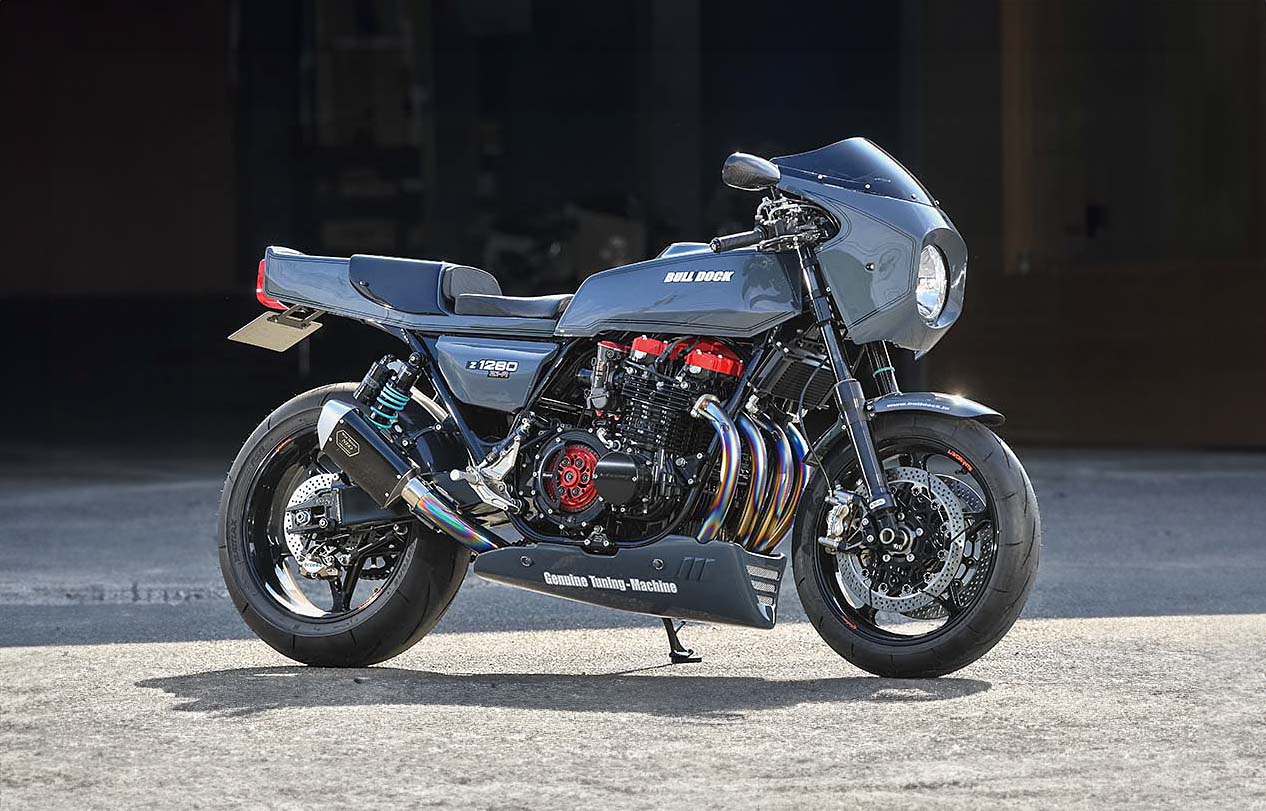
The styling of the Z1 was bold and attractive. It had a long fuel tank, bright paint options, and shiny chrome details. The design looked powerful and confident. Many riders felt proud owning such a striking motorcycle.
Handling was also impressive for a big bike. The suspension and frame gave good stability at high speeds. While it was heavier than smaller motorcycles, it still felt controlled and smooth during long rides and highway cruising.
The Kawasaki Z1 helped strengthen competition among Japanese brands. After the success of earlier models like the Honda CB750, Kawasaki wanted to build something even more powerful. The Z1 showed that Kawasaki could lead in performance and innovation.
This motorcycle also had success in racing and endurance events. Strong engine performance and durability made it competitive. These achievements increased its popularity and built Kawasaki’s image as a performance-focused brand around the world.
The Z1 later inspired future Kawasaki models, including many in the Z and Ninja families. It laid the foundation for powerful sport motorcycles that followed in later decades. Its engineering ideas influenced many designs.
3) Yamaha XS650
The Yamaha XS650 was introduced in 1970 and became one of Yamaha’s most important motorcycles. At a time when four-cylinder bikes were growing popular, Yamaha chose a different path. The XS650 used a twin-cylinder engine with simple, strong engineering.
Its 654cc parallel twin engine produced solid power and a deep, classic sound. The engine design was inspired by British motorcycles, but Yamaha improved reliability. Riders enjoyed smooth highway cruising along with strong mid-range performance for daily riding.
One of the XS650’s biggest strengths was durability. It was built with tough internal parts and a simple mechanical layout. This made it easier to repair and maintain. Many owners kept their bikes running well for years.
The design was clean and traditional. It featured a teardrop fuel tank, round headlight, and simple instrument cluster. The styling felt timeless. Even today, the XS650 looks attractive because of its balanced and classic appearance.
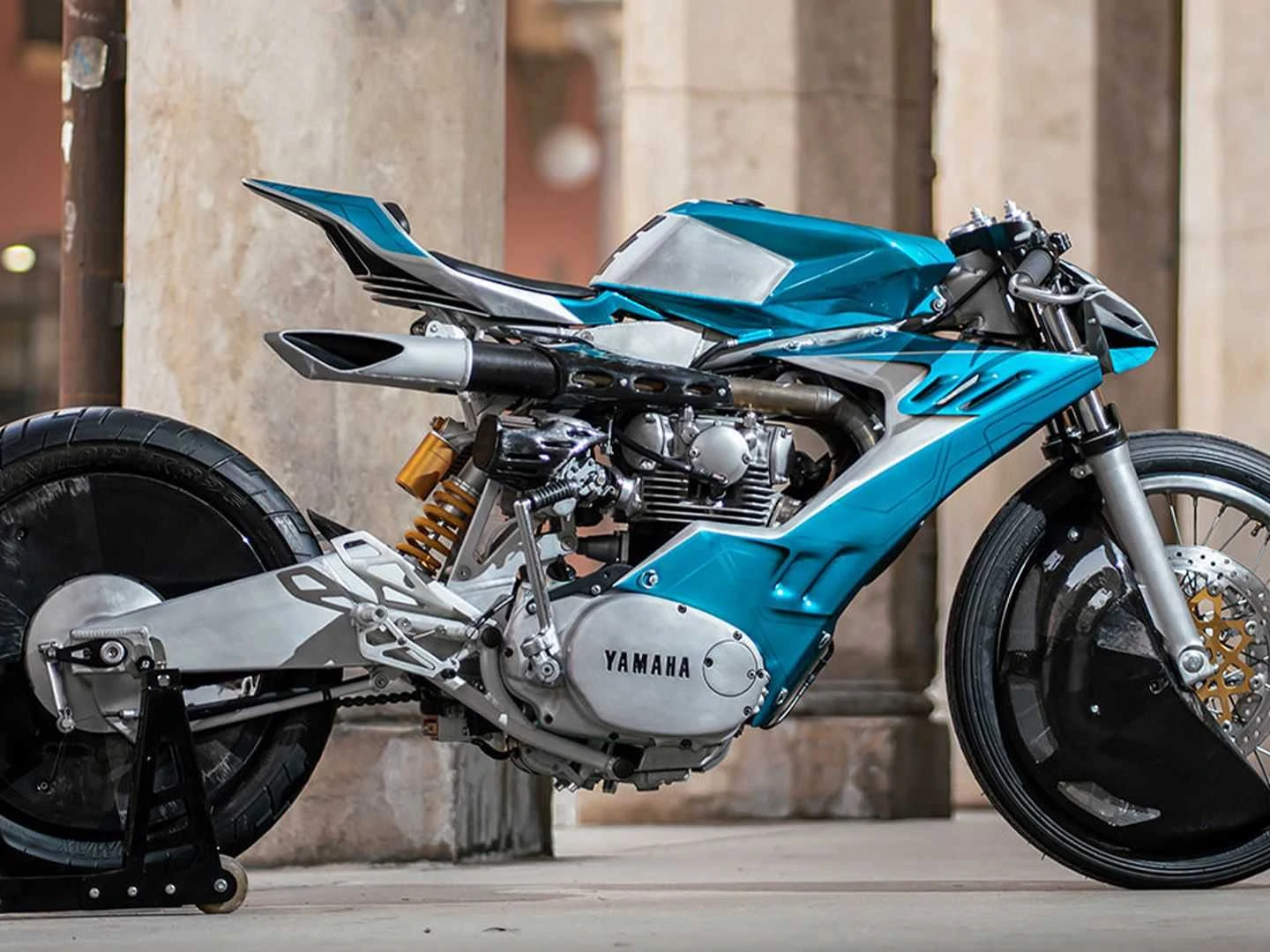
Handling was predictable and comfortable. The bike was not extremely heavy, so riders found it easy to control. It worked well for city roads and longer highway trips. Its riding position was relaxed and practical.
Another reason for its popularity was customization. Builders loved the XS650 because it was easy to modify. Many café racers, bobbers, and scramblers were built using this model. Its frame and engine worked well for creative projects.
The XS650 also helped Yamaha grow internationally. It became popular in the United States and Europe. Riders trusted its performance and appreciated its affordable price. It proved Yamaha could compete strongly in the larger engine market.
Unlike some high-performance bikes, the XS650 focused on balance. It offered enough speed to be exciting but remained simple and dependable. This made it a good choice for both new and experienced riders.
Production continued for many years, showing its lasting success. Few motorcycles remain popular for such a long time. The XS650 built a loyal following that still exists among classic bike fans.
4) Suzuki GS750
The Suzuki GS750 was introduced in 1976 and marked a major turning point for Suzuki. Before this model, Suzuki was better known for two-stroke motorcycles. With the GS750, the company proved it could build strong and reliable four-stroke machines.
The GS750 featured a 748cc inline four-cylinder engine. It delivered smooth power and solid acceleration. Riders appreciated how responsive it felt on highways. The engine was both lively and dependable, making it suitable for daily commuting and longer trips.
One important improvement was durability. Earlier Suzuki four-stroke engines had some reliability concerns. The GS750 solved many of these issues with stronger internal components and better engineering. This helped build trust in Suzuki’s larger motorcycles.
The bike’s performance was impressive for the late 1970s. It could reach high speeds comfortably while remaining stable. The throttle response felt smooth, and the engine produced consistent power across different riding conditions.
The design of the GS750 was simple but stylish. It had a clean fuel tank shape, chrome details, and a comfortable seat. The look was modern for its time while still keeping a classic motorcycle feel.
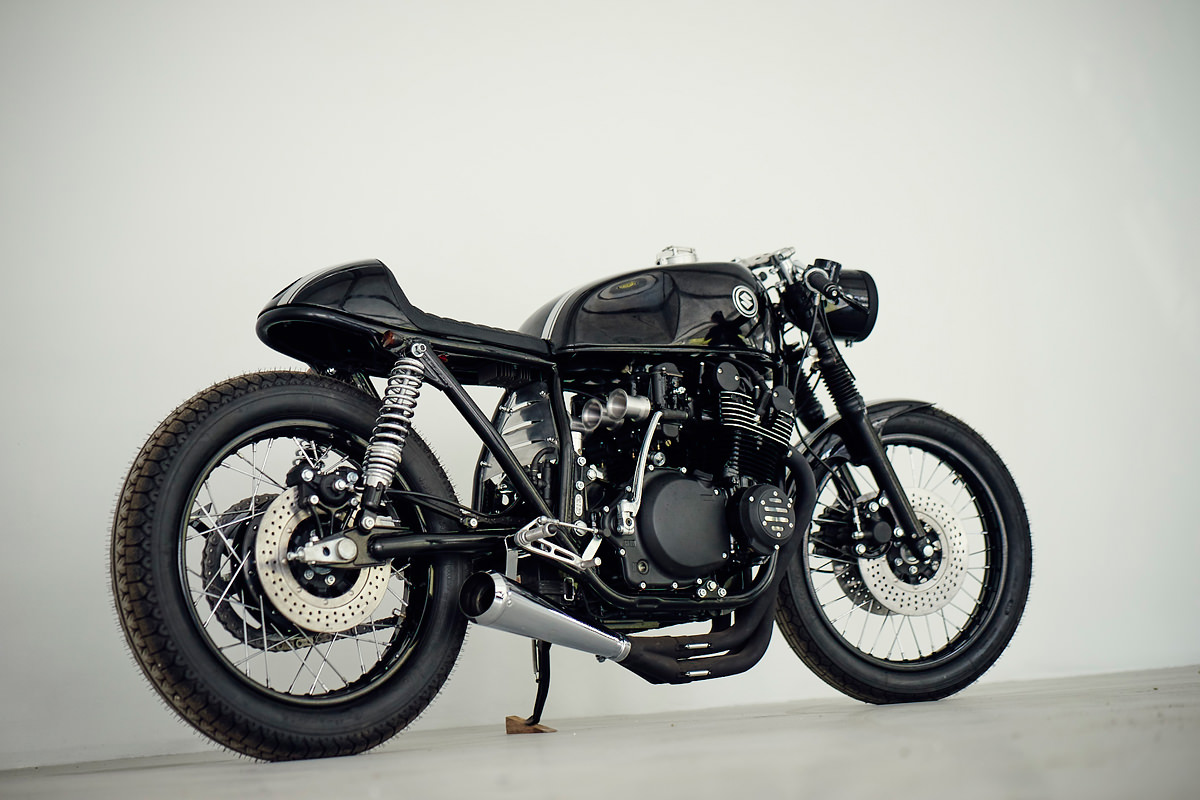
Handling was another strong point. The frame and suspension provided good balance and stability. Riders felt confident when cornering or cruising at higher speeds. It was not overly heavy, which made it easier to control.
Braking performance was also reliable. Many versions included front disc brakes, which improved safety. The combination of strong brakes and stable handling made the GS750 a well-rounded motorcycle for everyday riders.
The GS750 helped Suzuki compete directly with other Japanese brands. It stood proudly alongside models from Honda, Yamaha, and Kawasaki. This competition pushed innovation and improved quality across the motorcycle industry.
The success of the GS750 led to the development of the larger GS series. Suzuki continued building powerful four-cylinder motorcycles, including the famous GS1000. The GS750 laid the foundation for these future achievements.
5) Honda Gold Wing
The Honda Gold Wing GL1000 was introduced in 1975 and changed long-distance motorcycle riding. While many bikes focused mainly on speed, Honda designed the Gold Wing for comfort and smooth travel. It created a new standard for touring motorcycles worldwide.
The GL1000 used a 999cc flat four-cylinder engine. This engine layout kept the weight low and improved balance. It delivered strong, smooth power with very little vibration. Riders enjoyed quiet performance during long highway journeys.
Comfort was the biggest highlight of the Gold Wing. The seat was wide and supportive, and the riding position felt relaxed. Riders could travel many kilometers without feeling tired. This made it perfect for long road trips.
The bike also handled well for its size. Even though it was heavier than sport motorcycles, the low engine position improved stability. It felt steady at highway speeds and predictable during turns.
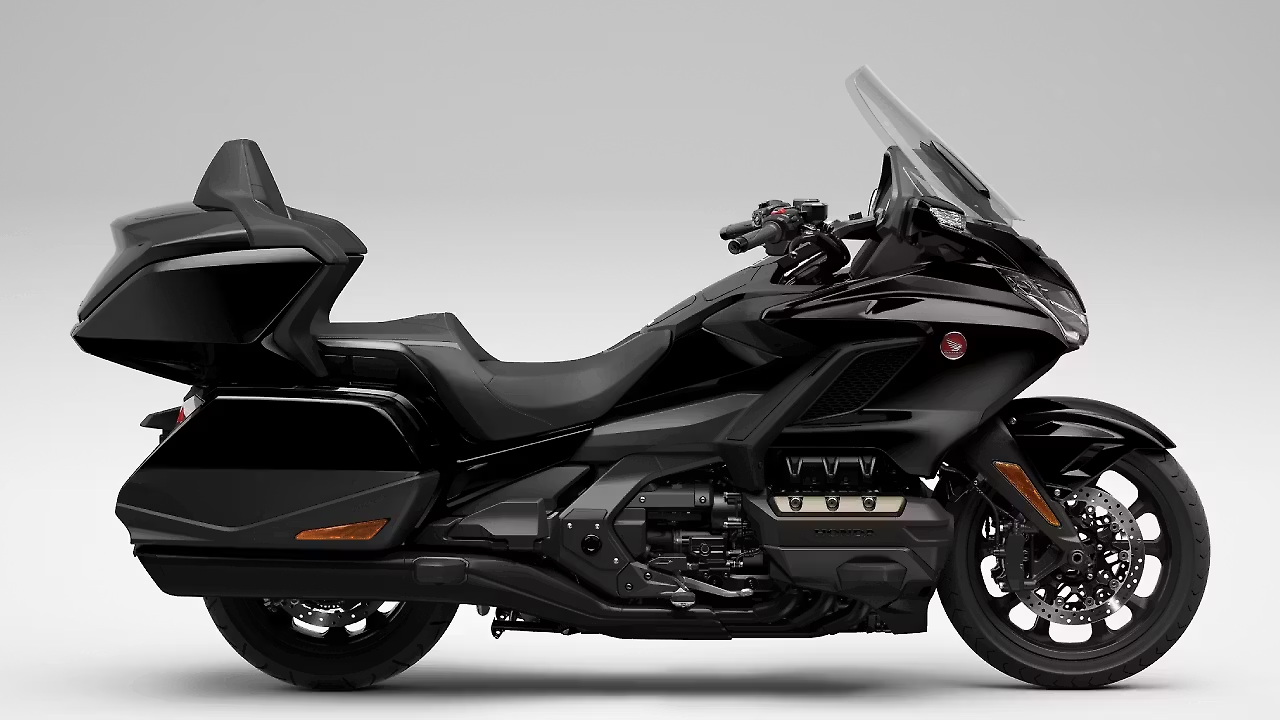
Another strong point was reliability. Honda built the Gold Wing with high-quality engineering. The engine was liquid-cooled, which helped maintain consistent temperatures. This improved durability and reduced wear during long rides.
The design of the GL1000 looked modern for its time. It had a clean shape, strong fuel tank lines, and a solid frame. Later models added windshields and luggage options, making it even more suitable for touring.
The Gold Wing quickly became popular in the United States and other countries. Many riders wanted a comfortable motorcycle for cross-country travel. Honda successfully filled that need with this model.
Over time, the Gold Wing grew even larger and more advanced. Later versions included more technology, better seats, and added features. However, the 1975 GL1000 started the tradition of luxury touring motorcycles.
The Gold Wing proved that motorcycles were not only about speed. They could also be about comfort, distance, and enjoyment. It changed the idea of what a large motorcycle could offer everyday riders.
6) Kawasaki Ninja GPZ900R
The Kawasaki Ninja GPZ900R was launched in 1984 and quickly became one of the most advanced motorcycles of its time. It introduced new technology and raised performance standards. Many riders consider it the first true modern sportbike.
The GPZ900R used a 908cc liquid-cooled inline four-cylinder engine. Liquid cooling helped control engine temperature and improved reliability. The engine produced strong horsepower and allowed the bike to reach very high speeds for its era.
Acceleration was impressive and smooth. Riders felt strong power across the entire rev range. The bike could accelerate quickly while still feeling controlled. This balance of power and stability made it exciting yet manageable.
The frame design was also innovative. The engine was mounted lower in the frame to improve balance. This lowered center of gravity helped handling. Riders noticed better control in corners and improved high-speed stability.
The Ninja GPZ900R also featured a sleek, aerodynamic design. It had a full fairing that reduced wind resistance. The sporty styling gave it a bold and aggressive look that stood out on the road.
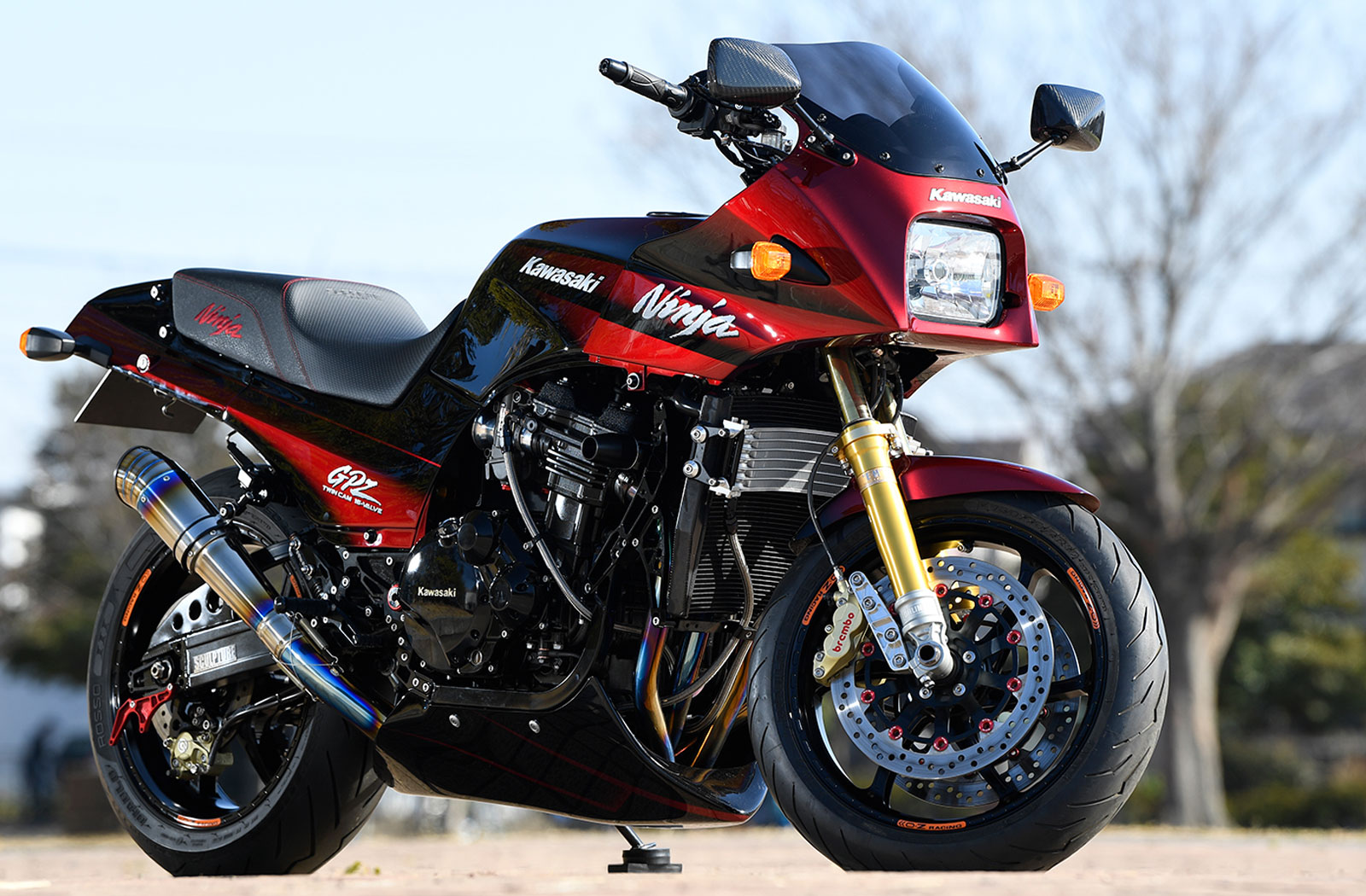
Braking and suspension systems were advanced for the 1980s. Front disc brakes provided strong stopping power. The suspension delivered a firm but comfortable ride, which was important for a high-performance motorcycle.
This motorcycle gained worldwide attention when it appeared in the movie Top Gun. That exposure increased its popularity, especially in the United States. It became a symbol of speed and modern performance.
The GPZ900R remained in production for many years, showing its lasting success. Few motorcycles stay relevant for such a long time. Its combination of power, technology, and reliability kept it competitive.
The model also helped build the Ninja brand identity. Later Kawasaki sportbikes continued the Ninja name. The GPZ900R laid the foundation for future high-performance machines.
7) Suzuki Hayabusa
The Suzuki Hayabusa was introduced in 1999 and immediately shocked the motorcycle world. It was built with one clear goal: to be the fastest production motorcycle available. Suzuki focused on extreme performance and advanced engineering to achieve that aim.
The Hayabusa featured a 1,299cc inline four-cylinder engine. This powerful engine produced massive horsepower and strong acceleration. Riders were amazed by how quickly the bike reached high speeds. It delivered smooth power even at very high engine revs.
Top speed became its biggest headline. The Hayabusa could reach speeds above 300 kilometers per hour. At the time, this made it the fastest production motorcycle in the world. It set a new benchmark for speed.
The design was different from other sportbikes. It had a rounded, aerodynamic shape. Every curve was carefully shaped to reduce wind resistance. This design helped the bike stay stable and smooth at extreme speeds.
Despite its incredible performance, the Hayabusa was also comfortable for longer rides. The seat position was less aggressive than some race-focused bikes. This made it suitable for highway cruising as well as high-speed runs.
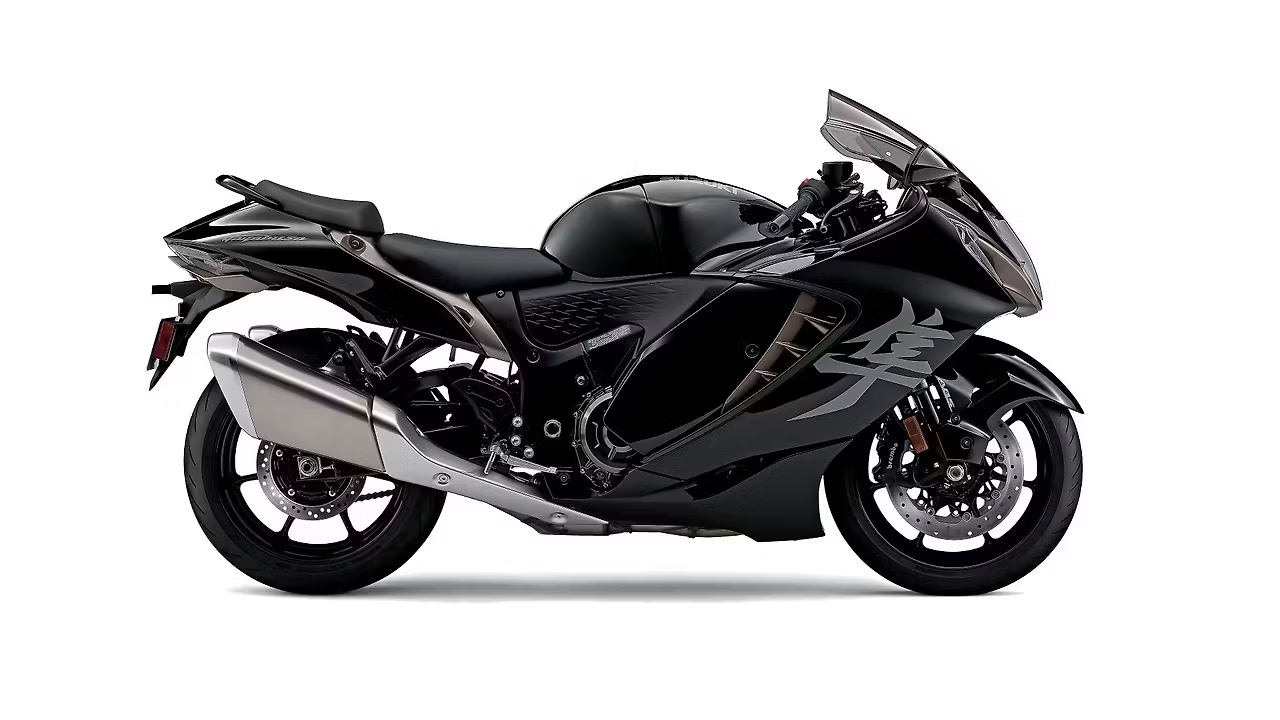
The suspension and braking systems were built to handle the engine’s power. Strong front disc brakes provided confident stopping ability. The frame and chassis gave stability, especially during fast acceleration and cornering.
The Hayabusa also started a speed competition between manufacturers. Soon after its release, major brands agreed to limit top speeds electronically. This decision showed how powerful and influential the Hayabusa had become.
Over the years, Suzuki improved the model with updated engines and modern technology. However, the original 1999 version remains the most legendary. It introduced the world to a new level of production motorcycle performance.
Many riders customize the Hayabusa for racing or drag competitions. Its strong engine responds well to modifications. This has helped it remain popular among performance enthusiasts worldwide.
8) Yamaha YZF-R1
The Yamaha YZF-R1 was launched in 1998 and completely changed the superbike category. At a time when sportbikes were becoming heavier and larger, Yamaha focused on making the R1 lighter, smaller, and more powerful than its rivals.
The R1 used a 998cc inline four-cylinder engine. Yamaha designed it to be compact and high-revving. It produced very strong horsepower for its size. Riders were surprised by how quickly it accelerated and how responsive the throttle felt.
One of the biggest innovations was its lightweight design. Yamaha shortened the engine and stacked the gearbox shafts. This made the bike more compact. The reduced size improved weight distribution and handling.
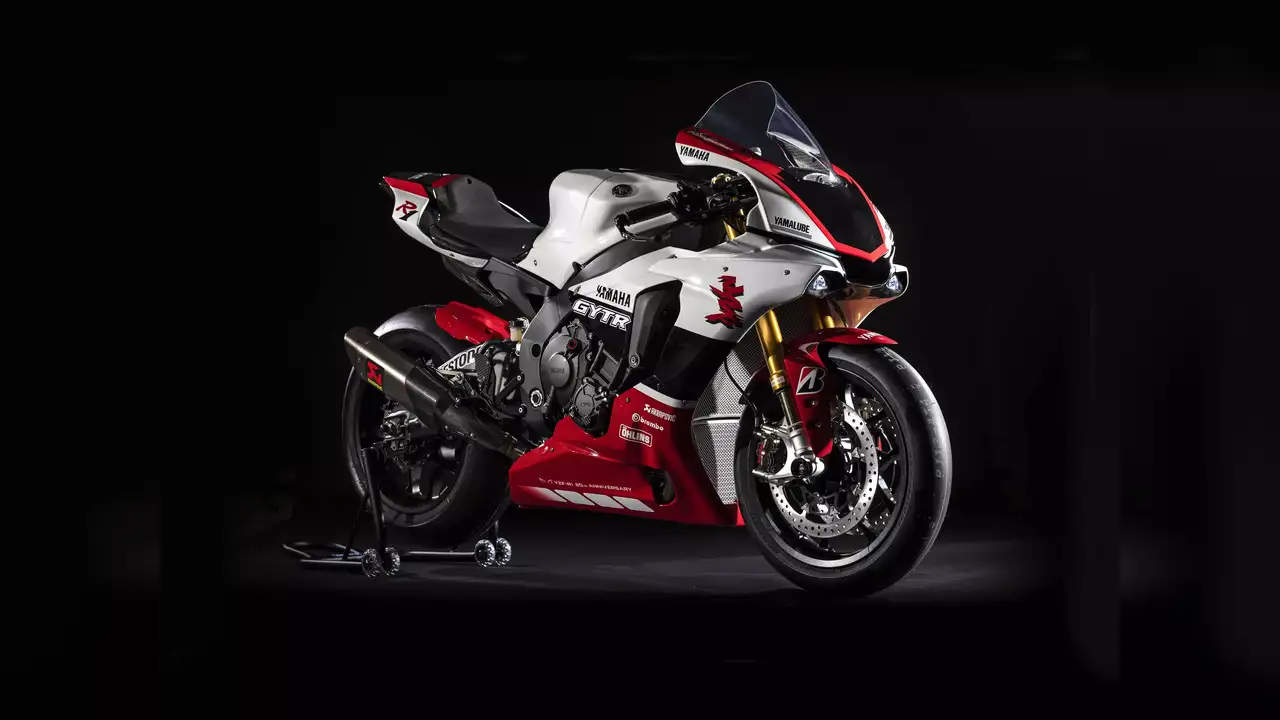
Handling was sharp and precise. The R1 felt agile in corners and stable at high speeds. It responded quickly to rider input, which made it popular among experienced sport riders and racers.
The aggressive styling also grabbed attention. The twin headlights, sharp fairings, and raised tail section gave it a race-inspired look. It clearly showed that the R1 was built for performance.
The suspension system was tuned for sporty riding. It offered strong feedback and stability during fast cornering. Combined with powerful disc brakes, the R1 provided confident stopping ability.
9) Honda CBR900RR
The Honda CBR900RR, also known as the Fireblade, was introduced in 1992 and changed the idea of what a superbike should be. Instead of focusing only on engine size, Honda focused on reducing weight and improving balance.
The CBR900RR used an 893cc inline four-cylinder engine. While it was not the largest engine in its class, it delivered strong horsepower and quick acceleration. The lighter weight made the power feel even stronger on the road.
One of its biggest strengths was agility. The bike felt smaller and more compact than other superbikes. Riders noticed how easily it changed direction in corners. This made it extremely fun and confidence-inspiring to ride.
Honda engineers carefully reduced weight in many areas. They used lighter components and a compact frame design. This focus on weight control improved handling and overall performance without sacrificing reliability.
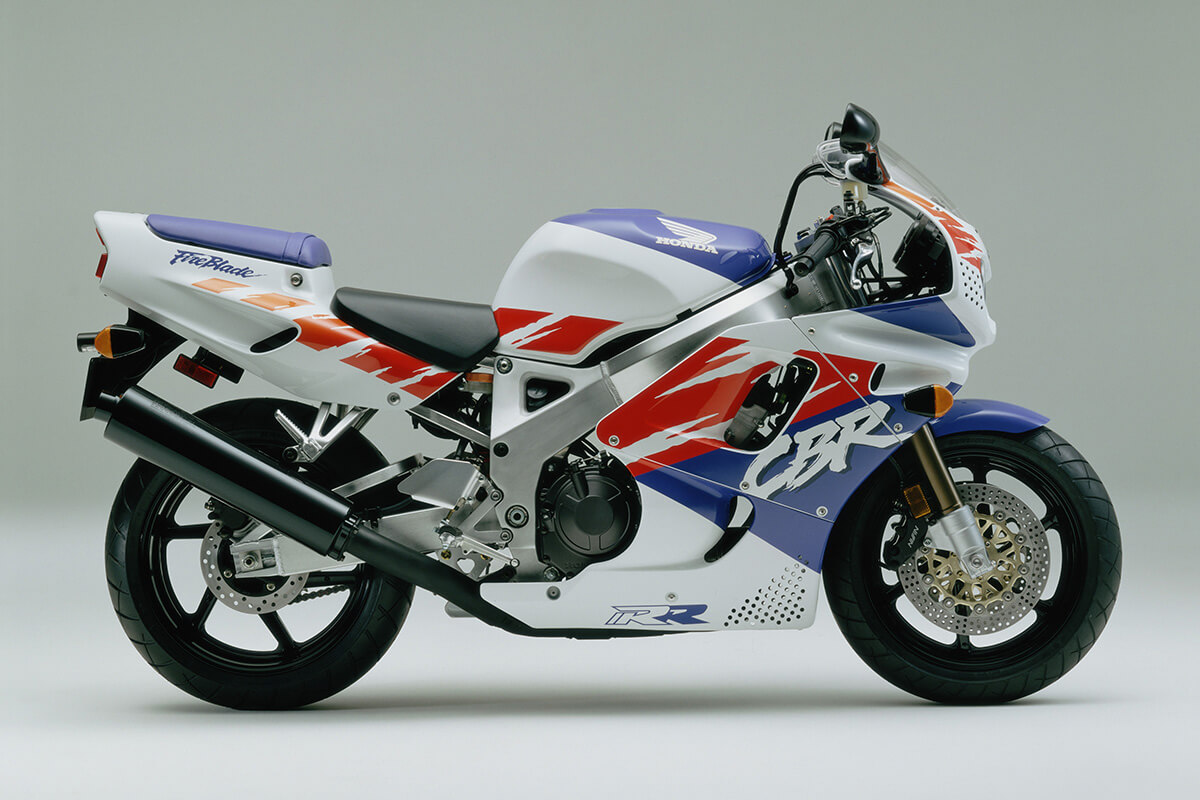
The styling was sharp and sporty. It had bright racing colors, aerodynamic fairings, and an aggressive riding position. The design clearly showed that the Fireblade was built with performance in mind.
Braking performance was strong and dependable. Dual front disc brakes provided solid stopping power. Combined with responsive suspension, the CBR900RR offered excellent control during fast riding and tight turns.
The Fireblade quickly gained attention from both street riders and racers. Its balanced design allowed it to perform well on race tracks while still being practical for everyday use.
The CBR900RR also influenced the future of superbike design. Many manufacturers began focusing on lighter frames and better weight distribution instead of only increasing engine size. It changed the direction of the industry.
Production continued for many years with improvements and updates. Later Fireblade models became even more advanced, but the original 1992 version remains highly respected among motorcycle fans.
10) Kawasaki KLR650
The Kawasaki KLR650 was introduced in 1987 and quickly became a favorite among adventure riders. While many motorcycles focused on speed or style, the KLR650 focused on toughness, simplicity, and real-world usability. It was built to handle both roads and rough terrain.
The KLR650 used a 651cc single-cylinder engine. This engine was simple, durable, and easy to maintain. It delivered steady power that worked well on highways and dirt trails. Riders appreciated its dependable performance in different environments.
One of its biggest strengths was versatility. The KLR650 could travel long highway distances and then continue onto gravel or muddy paths. This dual-purpose ability made it perfect for riders who loved remote areas.
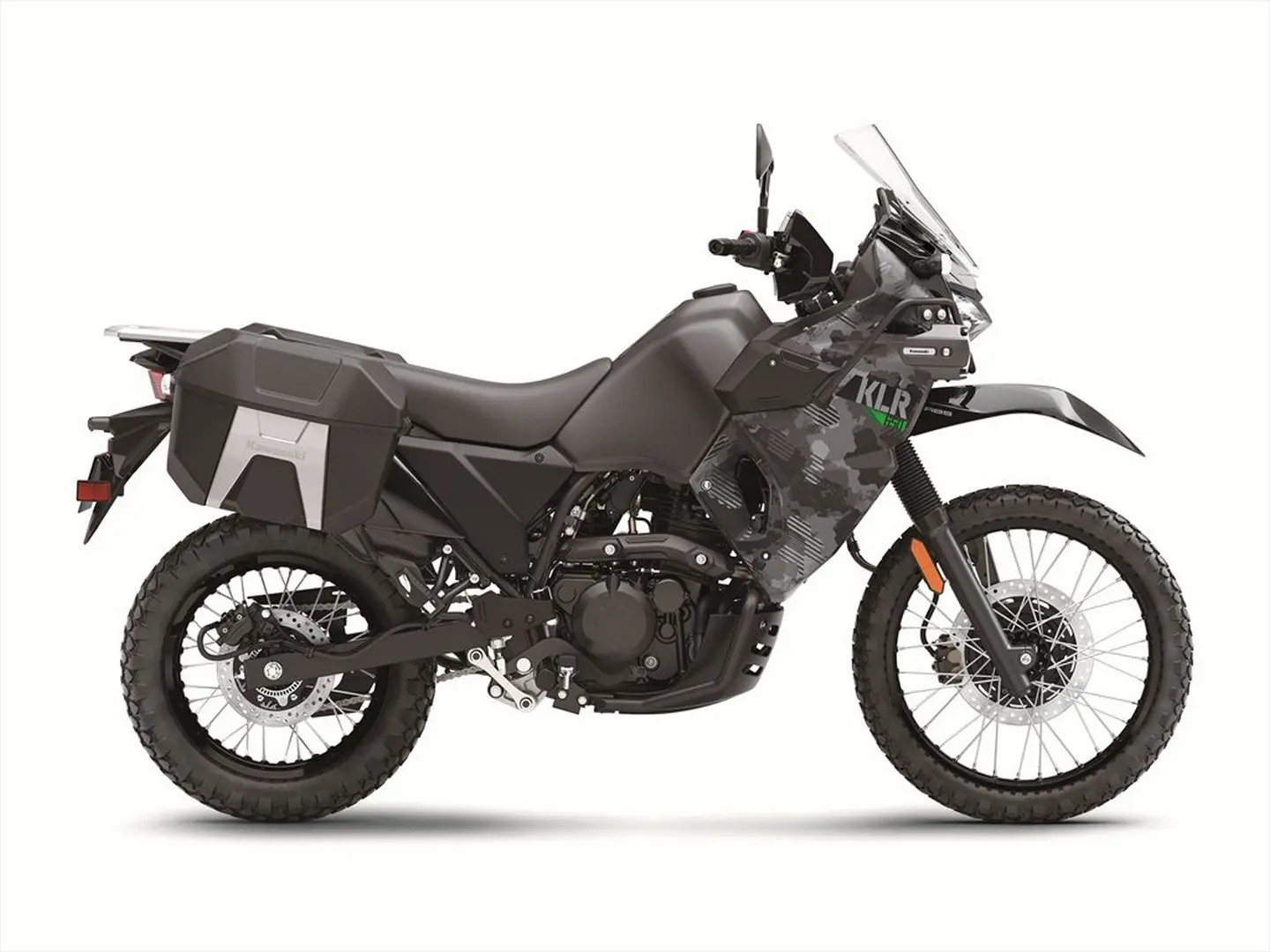
The suspension system was designed for off-road riding. It offered good ground clearance and handled bumps confidently. Even on uneven trails, the bike remained stable and controlled, giving riders confidence on challenging surfaces.
Comfort was also important. The upright seating position allowed better visibility and reduced fatigue. The wide handlebars made steering easier, especially during off-road riding. This design helped riders feel relaxed during long trips.
The KLR650 was known for reliability. Many owners rode their bikes for thousands of kilometers with minimal problems. Its simple mechanical design made repairs easier, even in remote locations without advanced tools.
Fuel efficiency was another advantage. The large fuel tank allowed long-distance travel without frequent stops. This made it popular among adventure travelers who crossed deserts, mountains, and rural areas.
The KLR650 also became popular for its affordability. Compared to other adventure motorcycles, it was reasonably priced. Riders could enjoy long-distance capability without spending too much money.
Over the years, the KLR650 built a loyal community of fans. Many riders modified their bikes with luggage systems, stronger tires, and protective equipment for serious adventure touring.