
In the automotive world, raw horsepower figures often dominate conversations about performance. Enthusiasts obsess over dyno charts, manufacturer claims, and quarter-mile times, treating horsepower as the ultimate measure of a car’s capability.
However, anyone who’s spent serious time behind the wheel knows that the driving experience involves far more than peak power output. Some of the most exhilarating vehicles on the road prove that horsepower numbers can be deceiving, delivering sensations of speed that far exceed what their spec sheets suggest.
The magic lies in a complex interplay of engineering factors that manufacturers carefully orchestrate. Lightweight construction amplifies every ounce of available power, turning modest engines into giants.
Low seating positions create a visceral connection to the road, making 60 mph feel like 100. Short wheelbases and razor-sharp steering responses create an immediacy that big-horsepower cruisers simply cannot match. Aggressive throttle mapping, high-revving engines, and raw mechanical feedback all contribute to the sensation of velocity.
These cars remind us that automotive excitement isn’t solely about bragging rights at car meets or posting impressive acceleration times.
It’s about the grin-inducing experience of feeling genuinely fast, regardless of what the speedometer reads. From nimble roadsters to lightweight sports cars, these ten vehicles prove that in the pursuit of driving thrills, how fast you feel often matters more than how fast you actually are.
They demonstrate that clever engineering, driver engagement, and thoughtful design can create experiences that transcend mere numbers, delivering pure, unadulterated driving joy.
1. Mazda MX-5 Miata
The Mazda MX-5 Miata has become legendary not for outrageous power figures, but for delivering one of the purest driving experiences available at any price point.
With approximately 181 horsepower in its current iteration, the Miata would seem laughably underpowered compared to modern performance cars.
Yet, climb into the cockpit, drop the top, and attack a winding backroad, and you’ll quickly understand why this car has cultivated a devoted following spanning over three decades.
The Miata’s magic begins with its featherweight construction, tipping the scales at barely 2,300 pounds. This extraordinary power-to-weight ratio means the 2.0-liter four-cylinder engine never feels strained or inadequate.
Every horsepower works overtime, translating directly into forward motion without the burden of hauling excessive mass. The result is a car that feels genuinely quick off the line and eager to respond to throttle inputs.
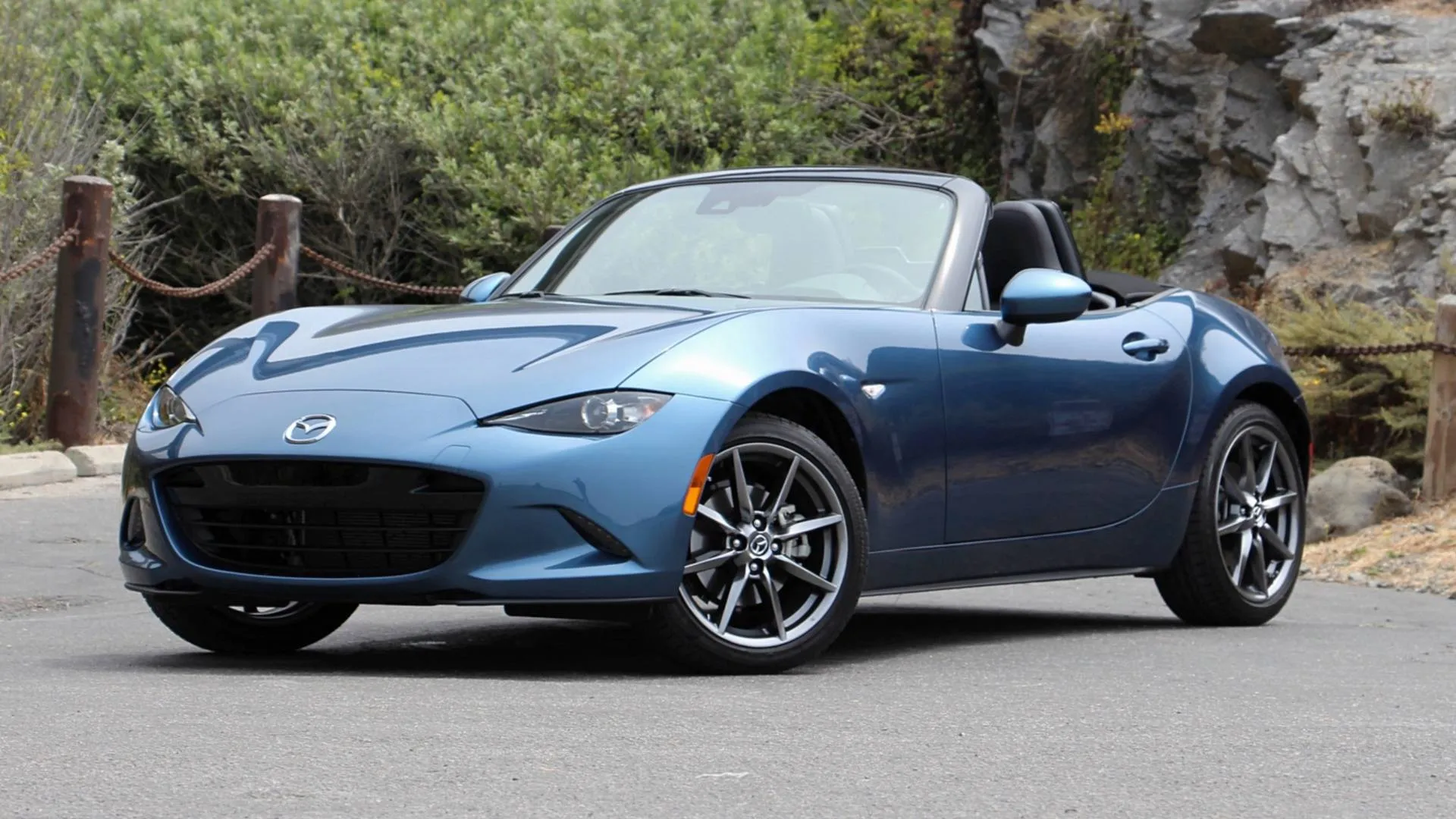
Beyond the numbers, the Miata’s cockpit creates an environment that amplifies every sensation. The low seating position places you mere inches from the pavement, transforming 50 mph into what feels like triple digits.
The short hood provides excellent visibility, allowing you to precisely place the car through corners while creating the psychological impression of speed.
Wind rushes past your ears with the top down, engine noise fills the cabin, and the taut suspension telegraphs every road imperfection directly to your seat.
The transmission deserves special mention, with its short-throw shifter and perfectly spaced gear ratios encouraging constant engagement.
You’ll find yourself dancing through the gearbox, keeping the rev-happy engine spinning in its sweet spot. The chassis balance is exemplary, with neutral handling characteristics that build confidence and encourage spirited driving. The steering offers genuine feedback, a rarity in modern vehicles, connecting you intimately with the road surface.
Perhaps most importantly, the Miata’s modest power output means you can explore its limits on public roads without risking jail time or endangering others.
You’ll be rowing through gears, braking hard for corners, and accelerating aggressively out of bends, all while staying within reasonable speed limits. This accessibility creates a sense of involvement and excitement that high-horsepower cars simply cannot replicate in real-world conditions.
2. Lotus Elise
The Lotus Elise represents Colin Chapman’s famous philosophy of “simplify, then add lightness” taken to its logical extreme. With horsepower figures ranging from 189 to 220 depending on the variant, the Elise would seem modestly powered by today’s standards.
However, this assessment crumbles the moment you experience this automotive masterpiece on the road, where it delivers sensations that rival supercars costing five times as much.
Weighing in at an astonishing 1,900 pounds, the Elise achieves a power-to-weight ratio that puts many muscle cars to shame. The bonded aluminum chassis represents a triumph of engineering, providing incredible rigidity while keeping mass to an absolute minimum.
Every component has been scrutinized and optimized, with unnecessary weight ruthlessly eliminated. This dedication to lightness means the Toyota-sourced four-cylinder engine, though unremarkable on paper, propels the Elise with startling urgency.
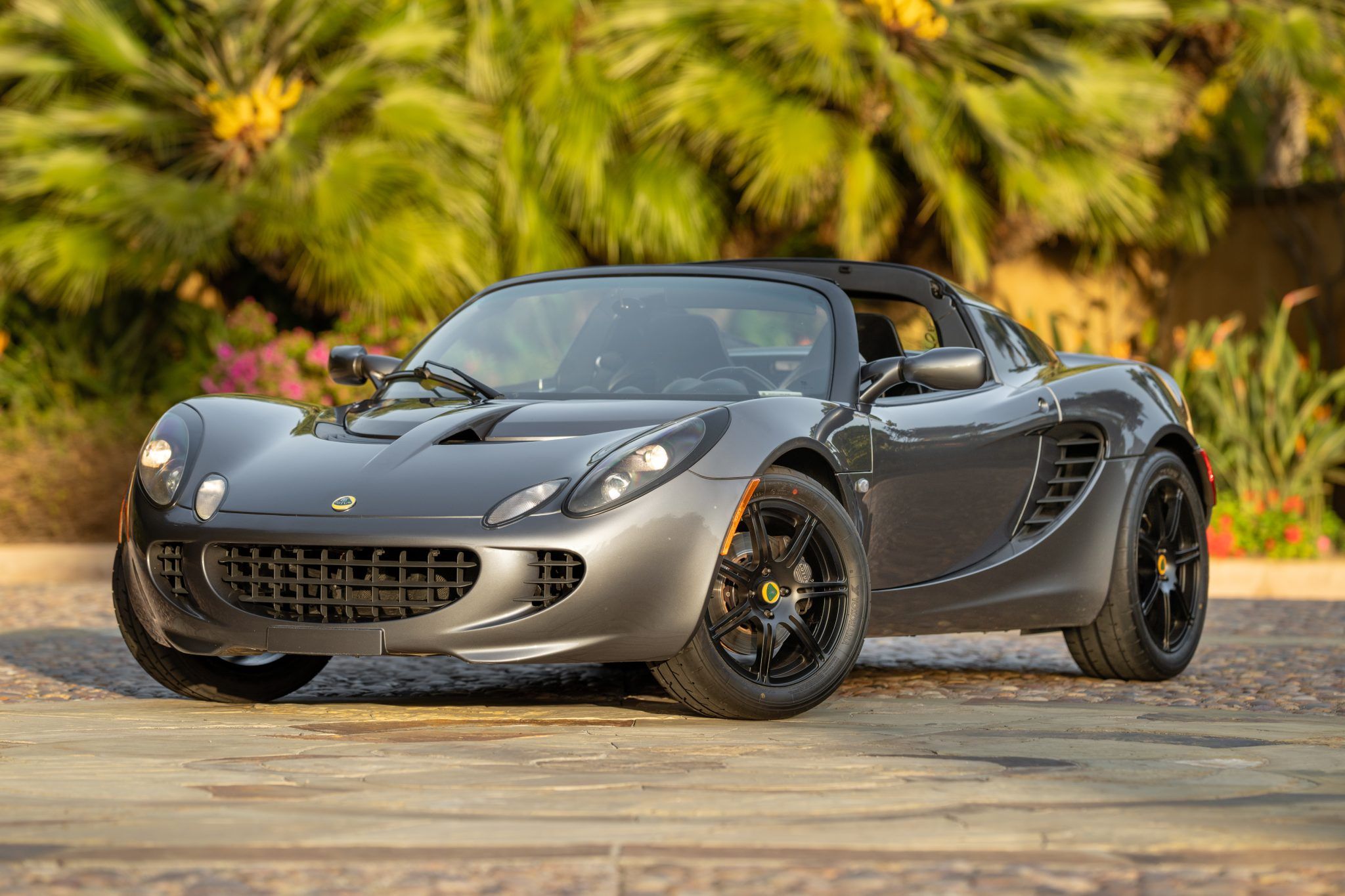
The driving position is almost comically low, with your backside practically scraping the tarmac. This positioning creates a profound connection to the road, making moderate speeds feel genuinely thrilling.
The steering is unassisted and communicative beyond anything most modern drivers have experienced, transmitting detailed information about road surface, tire grip, and chassis balance.
The suspension, though firm enough to qualify as uncomfortable on rough pavement, provides such incredible body control that the car feels glued to the road through corners.
The manual transmission features short, mechanical throws that feel directly connected to the gearbox. There’s no isolation, no damping, just pure mechanical engagement that rewards smooth, deliberate inputs.
The naturally aspirated engine revs freely and willingly, begging to be extended to redline on every shift. The exhaust note, while not particularly exotic, sits right behind your head, creating an intimate mechanical symphony.
What truly makes the Elise feel faster than its specifications suggest is the complete absence of electronic nannies and driver aids. There’s no traction control smoothing your throttle inputs, no stability control tidying up your corner exit.
You’re in complete control, feeling every input and consequence directly. This raw, unfiltered experience has become increasingly rare, making the Elise feel not just fast, but genuinely special.
3. Honda S2000
The Honda S2000 emerged from the late 1990s as Honda’s celebration of driving purity, equipped with approximately 240 horsepower from its remarkable 2.0-liter four-cylinder engine.
While quarter-century-old sports cars with four-cylinder engines might seem quaint by modern standards, the S2000 delivers an experience that feels far more potent than its specifications indicate, thanks to Honda’s engineering brilliance and unwavering commitment to driver engagement.
The F20C engine represents one of Honda’s greatest achievements, producing an astounding 120 horsepower per liter without forced induction through variable valve timing magic and a screaming 9,000 RPM redline.
This naturally aspirated powerplant doesn’t deliver crushing low-end torque, instead rewarding drivers who keep it spinning in the upper reaches of its rev range.
The sensation of winding this engine out, hearing the VTEC crossover at 6,000 RPM, and pushing toward redline creates an addictive experience that feels incredibly fast, even if absolute acceleration numbers don’t dominate magazine tests.
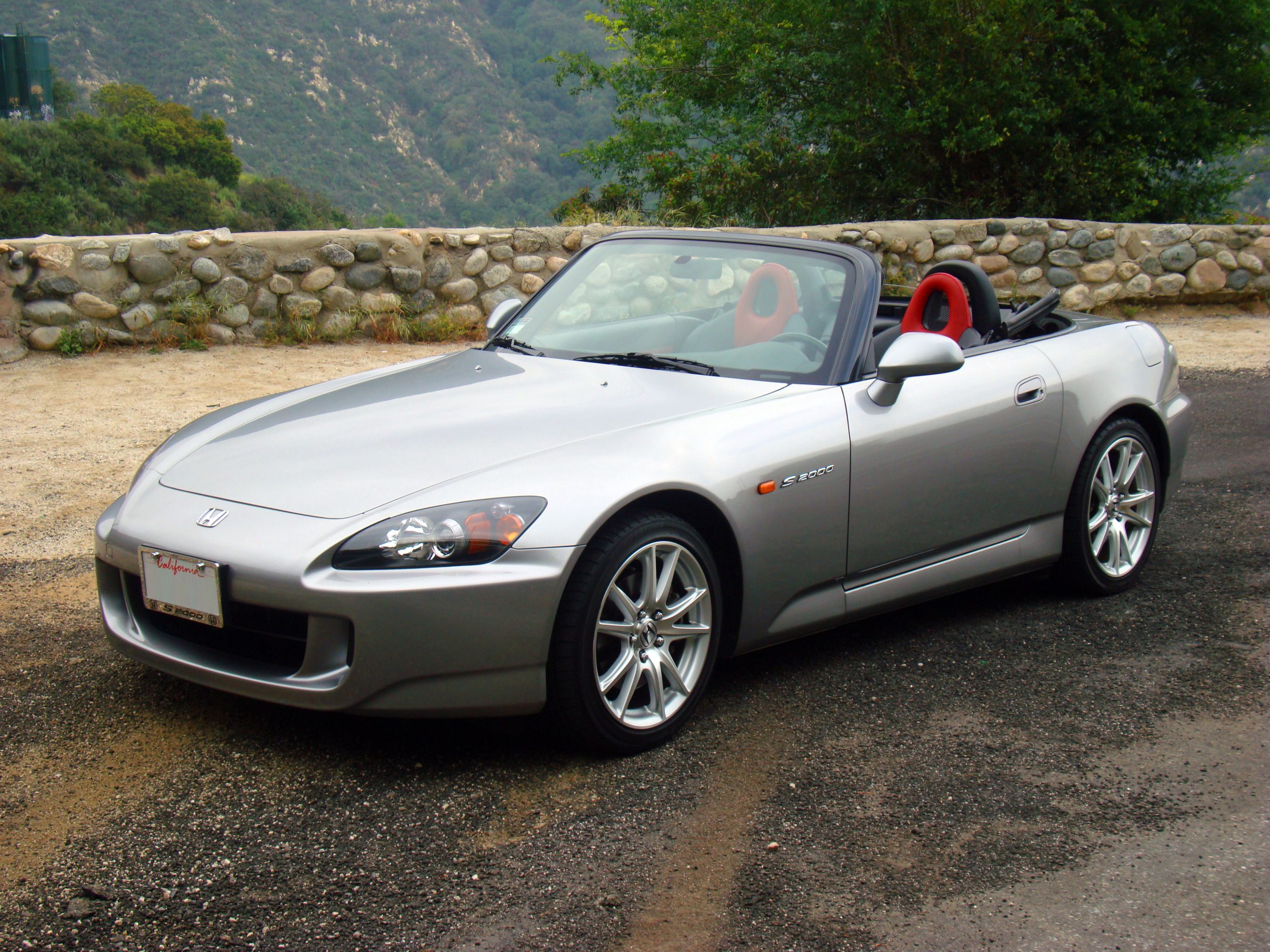
The chassis setup emphasizes balance and responsiveness over outright grip. The 50/50 weight distribution creates neutral handling characteristics that allow skilled drivers to rotate the car on throttle, adding a dimension of involvement that more powerful, grip-focused cars often lack.
The electric steering, implemented before such systems became commonplace, provides surprising feedback and precision, allowing accurate placement through corners.
Honda’s legendary six-speed manual transmission deserves its reputation, with one of the most satisfying shift actions ever produced.
The throws are short and mechanical, gates are well-defined, and the clutch take-up is perfectly progressive. This encourages constant interaction, keeping drivers engaged and making the most of the available power. You’ll find yourself shifting simply for the pleasure of the action, not just for performance reasons.
The convertible top and open-air experience amplify the sensation of speed dramatically. Wind noise, engine sound, and exhaust note combine to create a sensory experience that makes 60 mph feel genuinely quick.
The relatively short wheelbase and responsive chassis create immediate reactions to steering inputs, enhancing the feeling of agility and speed through technical sections.
4. Porsche Cayman (Base Model)
The base Porsche Cayman, equipped with approximately 300 horsepower in recent iterations, sits at the entry point of Porsche’s legendary sports car lineup.
While this power figure seems modest compared to 911 variants or competitors from other manufacturers, the Cayman delivers a driving experience that feels significantly quicker than the numbers suggest, demonstrating that Porsche’s engineering excellence extends far beyond their flagship models.
The mid-engine layout provides the Cayman with inherent balance advantages that translate directly into driving feel. The centralized mass distribution creates incredibly neutral handling characteristics, allowing the car to rotate naturally through corners without the front-heavy push of nose-heavy vehicles or the nervous rear-end characteristics of rear-engine designs.
This balance creates confidence that encourages aggressive driving, making the car feel more capable and quicker than outright power would suggest.
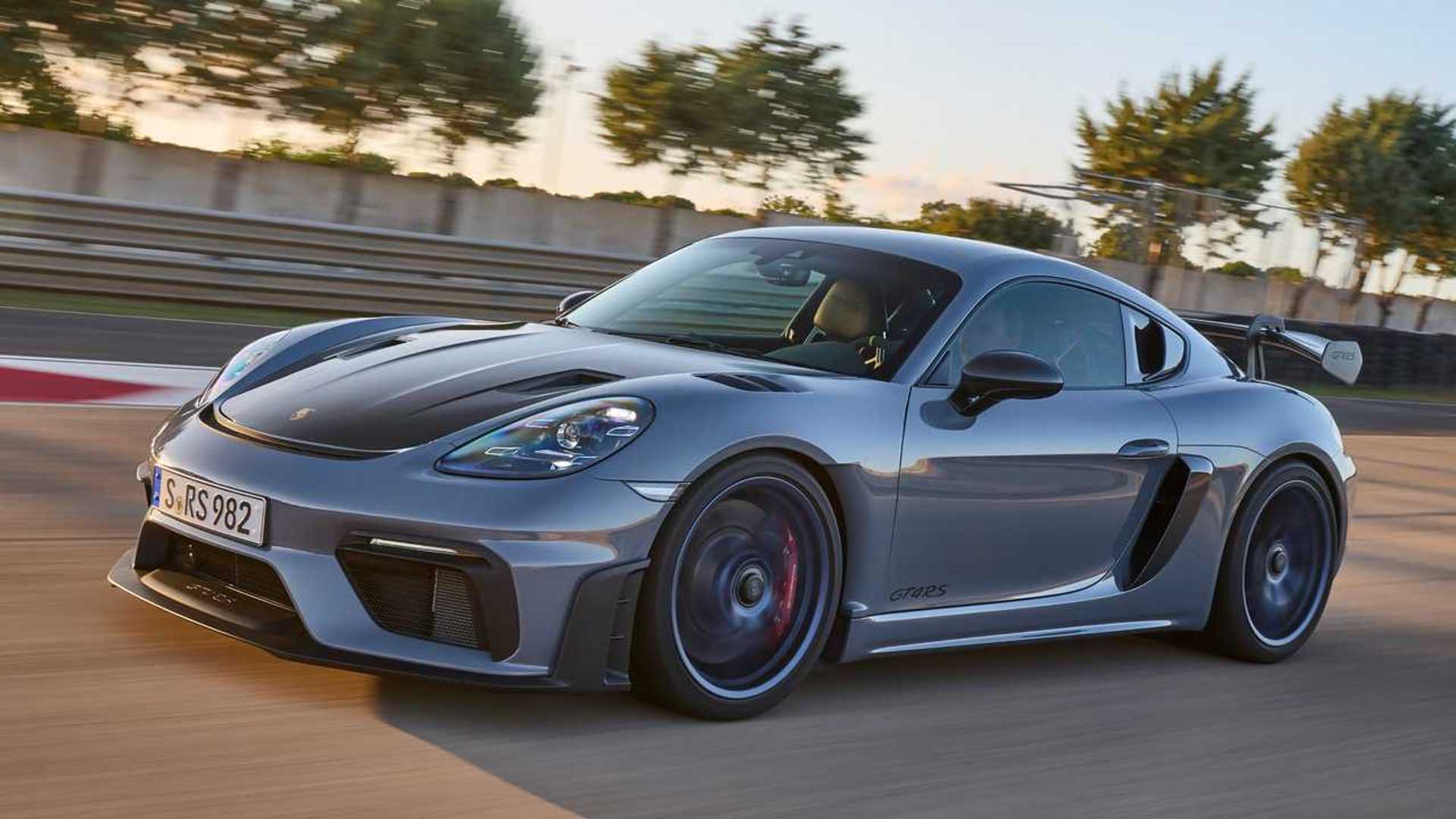
Porsche’s PDK dual-clutch transmission executes shifts with such rapidity and precision that power delivery feels virtually uninterrupted. Upshifts occur in milliseconds, keeping the flat-six engine on boil and maintaining forward momentum that manual transmissions simply cannot match.
The throttle response is immediate and linear, with none of the lag or hesitation that plague turbocharged engines. When you squeeze the accelerator, power arrives instantly, creating a sensation of alertness that makes the car feel incredibly responsive.
The chassis tuning deserves special recognition, with Porsche’s decades of sports car development evident in every dynamic aspect. The suspension manages the difficult balance between ride comfort and body control beautifully, remaining compliant over broken pavement while resisting roll and maintaining tire contact through aggressive cornering.
The steering weight and feedback provide genuine communication, allowing precise placement and building driver confidence. The low seating position and excellent visibility create a cockpit environment that enhances the perception of speed.
The dashboard and instrument cluster are oriented toward the driver, creating focus and engagement. The sports seats hold you firmly in place, allowing you to concentrate on driving rather than bracing yourself.
Even the exhaust note, with its distinctive flat-six wail, contributes to the experience, providing aural feedback that encourages spirited driving.
Also Read: 10 Interiors That Still Look Modern After a Decade
5. Alfa Romeo 4C
The Alfa Romeo 4C represents Italian automotive passion distilled into its purest form, delivering approximately 237 horsepower through a turbocharged 1.75-liter four-cylinder engine.
This modest output becomes irrelevant once you experience the 4C on the road, where its exotic construction, dramatic styling, and focused engineering create sensations that rival supercars costing twice as much.
The carbon fiber monocoque chassis represents technology typically reserved for six-figure exotics, keeping weight to an astonishing 2,465 pounds despite modern safety requirements.
This extensive use of advanced materials creates structural rigidity that benefits every dynamic aspect while keeping mass low enough that the modest four-cylinder engine provides genuinely thrilling acceleration.
The power-to-weight ratio rivals many cars with far more impressive horsepower figures, proving that weight reduction remains the most effective performance enhancement.
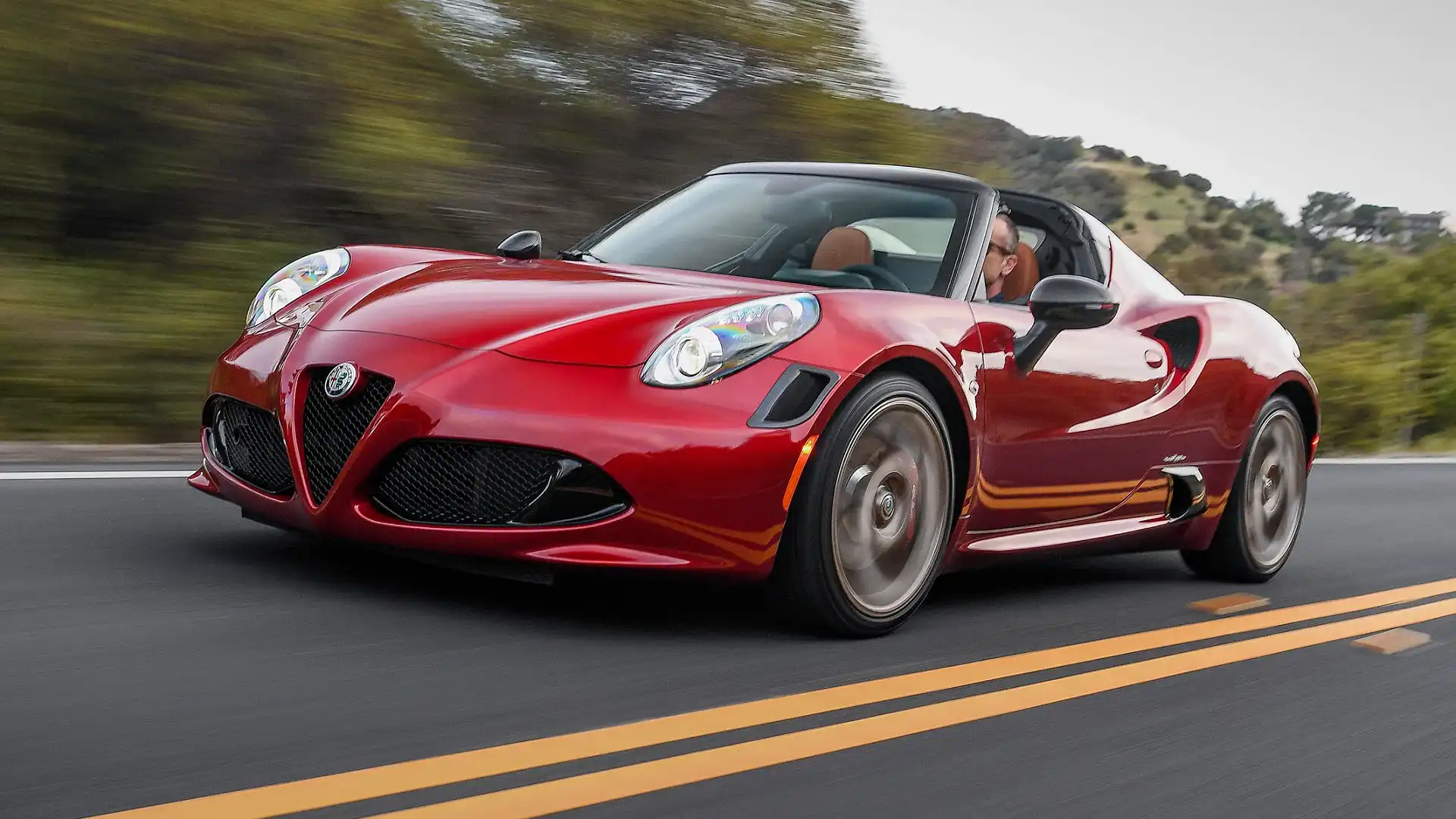
The driving position is pure race car, with a low seating position, a small-diameter steering wheel, and minimal dashboard obstructions.
The windshield is steeply raked, the hood is short, and forward visibility is excellent, creating an environment that makes moderate speeds feel genuinely fast.
The lack of power steering might seem like a questionable decision, but the lightweight front end means steering effort remains manageable while providing feedback and connection that hydraulic or electric systems cannot match.
The dual-clutch transmission shifts with remarkable speed, though the calibration can feel aggressive in automatic mode. Sport mode sharpens throttle response and holds gears longer, keeping the turbocharged engine on boost and maximizing the thrilling delivery.
The exhaust system has been tuned to emphasize the four-cylinder’s distinctive character, with pops and crackles on overrun that add to the theatrical experience.
The suspension setup prioritizes handling precision over comfort, with firm damping and minimal body roll through corners. The short wheelbase creates immediate responses to steering inputs, making the car feel incredibly agile and responsive.
The wide track and low center of gravity provide mechanical grip that allows impressive cornering speeds, while the lack of electronic interference means you feel directly connected to the driving experience.
6. Mini Cooper S (Pre-2014)
The first-generation BMW-engineered Mini Cooper S, producing approximately 170 horsepower from its supercharged 1.6-liter four-cylinder, might seem like an unlikely candidate for this list.
However, anyone who has driven one of these characterful hatchbacks aggressively understands that the experience feels far quicker and more engaging than the modest specifications suggest, thanks to brilliant chassis tuning and an incredibly involving driving experience.
The go-kart handling characteristics that Mini marketing emphasized were not hyperbole but honest description. The extremely short wheelbase, wide track, and low seating position create a connection to the road that larger, more powerful vehicles cannot replicate.
The sensation of darting through traffic, diving into corners, and accelerating out of bends feels genuinely quick because the car responds so immediately to every input. The steering is direct and communicative, providing genuine feedback that builds confidence and encourages spirited driving.
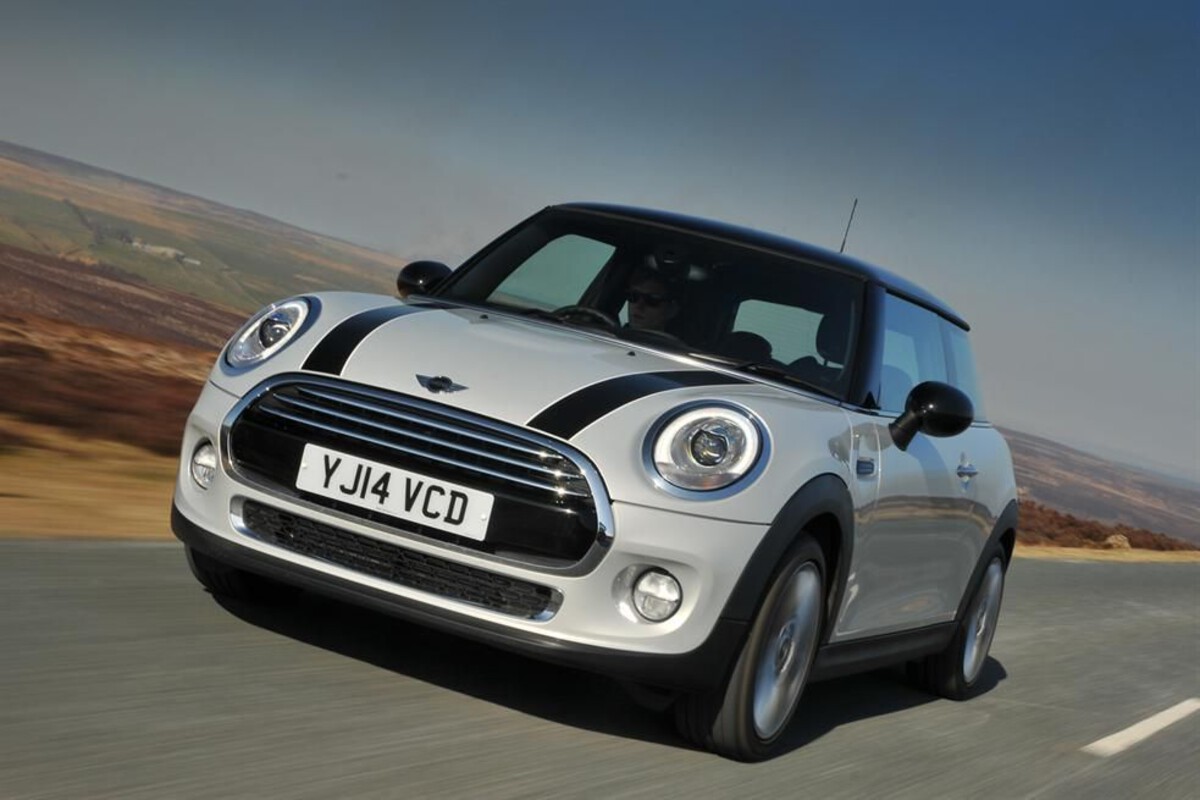
The supercharged engine delivers power in a linear, predictable fashion that rewards aggressive driving. Unlike turbocharged engines with their inherent lag, the supercharger provides instant response to throttle inputs, creating a connection between your right foot and forward momentum that feels incredibly satisfying.
The whine of the supercharger adds an aural dimension to the experience, providing audible feedback about engine load and building anticipation for the power delivery. The six-speed manual transmission features short, mechanical throws and well-spaced ratios that keep the engine in its power band.
You’ll find yourself constantly shifting, working the gearbox to extract maximum performance, and the transmission rewards this interaction with precise, satisfying engagements. The clutch is light and progressive, making smooth, rapid shifts accessible even to drivers with limited manual transmission experience.
The compact dimensions create maneuverability advantages that translate into real-world speed. The Mini can take lines through traffic and corners that larger vehicles cannot, effectively making progress that feels quicker than outright acceleration might suggest. The brakes are strong and progressive, inspiring confidence to brake later and harder into corners.
The package creates an addictive driving experience that makes every journey feel like an opportunity for engagement rather than mere transportation.
7. Toyota 86/Subaru BRZ
The Toyota 86 and its Subaru BRZ twin deliver approximately 200 horsepower from their naturally aspirated 2.0-liter flat-four engine, figures that draw criticism from power-obsessed enthusiasts.
However, these rear-wheel-drive coupes provide driving experiences that feel far more engaging and exciting than their specifications suggest, demonstrating that Toyota and Subaru prioritized driver involvement over straight-line acceleration.
The low center of gravity, achieved by mounting the flat-four engine extremely low in the chassis, creates handling characteristics that feel planted and confidence-inspiring.
The car rotates naturally through corners, with progressive, predictable oversteer available for skilled drivers who want to explore the chassis balance.
The lightweight construction and near-perfect weight distribution create responsiveness that makes the car feel alive and willing, eager to change direction and respond to inputs.
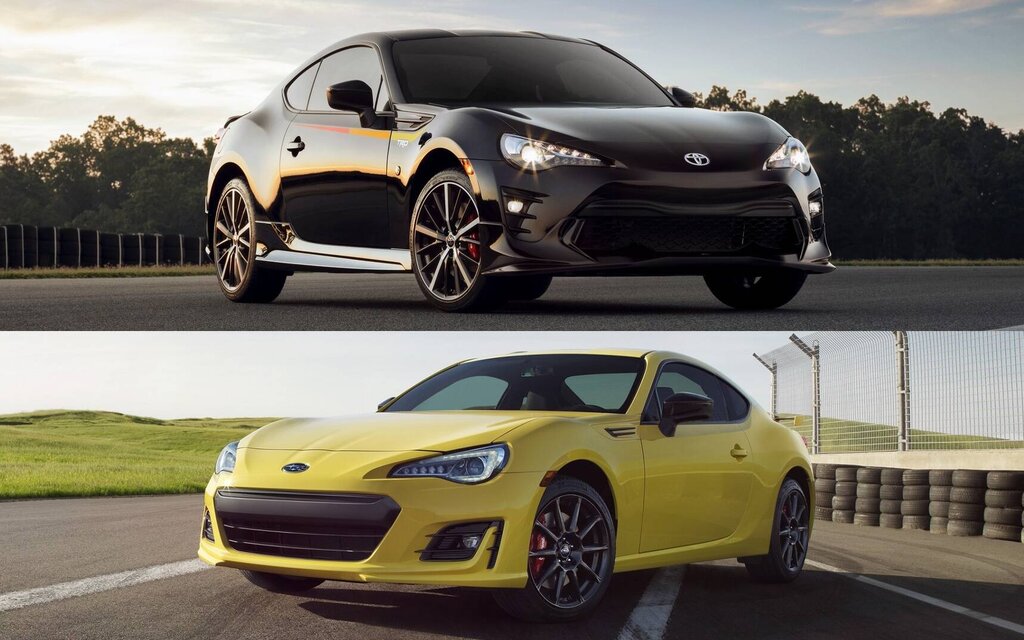
The driving position is excellent, with a low seating position that creates a genuine sports car feel. The steering wheel is perfectly positioned, the pedals are ideally spaced for heel-toe downshifts, and the visibility is surprisingly good for a low-slung coupe.
The manual transmission offers satisfying, mechanical throws and well-chosen gear ratios that encourage constant engagement. You’ll find yourself working through the gears, keeping the engine spinning, and enjoying the process of extracting performance through skill rather than relying on overwhelming power.
The modest power output creates an interesting dynamic where you can explore the car’s limits on public roads without reaching illegal speeds.
You’ll be accelerating hard, braking late, and carrying speed through corners, all while remaining within reasonable velocity ranges. This accessibility makes the driving experience more engaging than high-horsepower alternatives where brief throttle applications result in license-threatening speeds.
The chassis communicates beautifully, providing feedback about tire grip, weight transfer, and road surface through the steering wheel, seat, and pedals.
This information builds confidence and allows progressive exploration of the handling envelope. The limited-slip differential helps manage power delivery to the rear wheels, allowing aggressive corner exits without overwhelming available grip.
The package creates a connected, involving experience that feels genuinely quick because you’re constantly engaged and working to extract performance.
8. Fiat 124 Spider Abarth
The Fiat 124 Spider Abarth takes the excellent Mazda MX-5 platform and adds Italian flair through a turbocharged 1.4-liter four-cylinder producing approximately 164 horsepower.
While this represents less power than the naturally aspirated Miata, the turbocharged delivery and Abarth-specific tuning create a driving experience that feels punchier and more urgent than the specifications would suggest, proving that character matters as much as outright power.
The turbocharged engine fundamentally changes the power delivery compared to the naturally aspirated Miata. The boost comes on strong in the midrange, creating a surge of acceleration that feels far more dramatic than the modest horsepower figure suggests.
The sensation of the turbocharger spooling up and pushing you back in the seat creates an addictive quality that encourages aggressive driving.
The exhaust system has been tuned to emphasize the turbocharged four-cylinder’s distinctive character, with pops and crackles on overrun that add theatrical appeal.
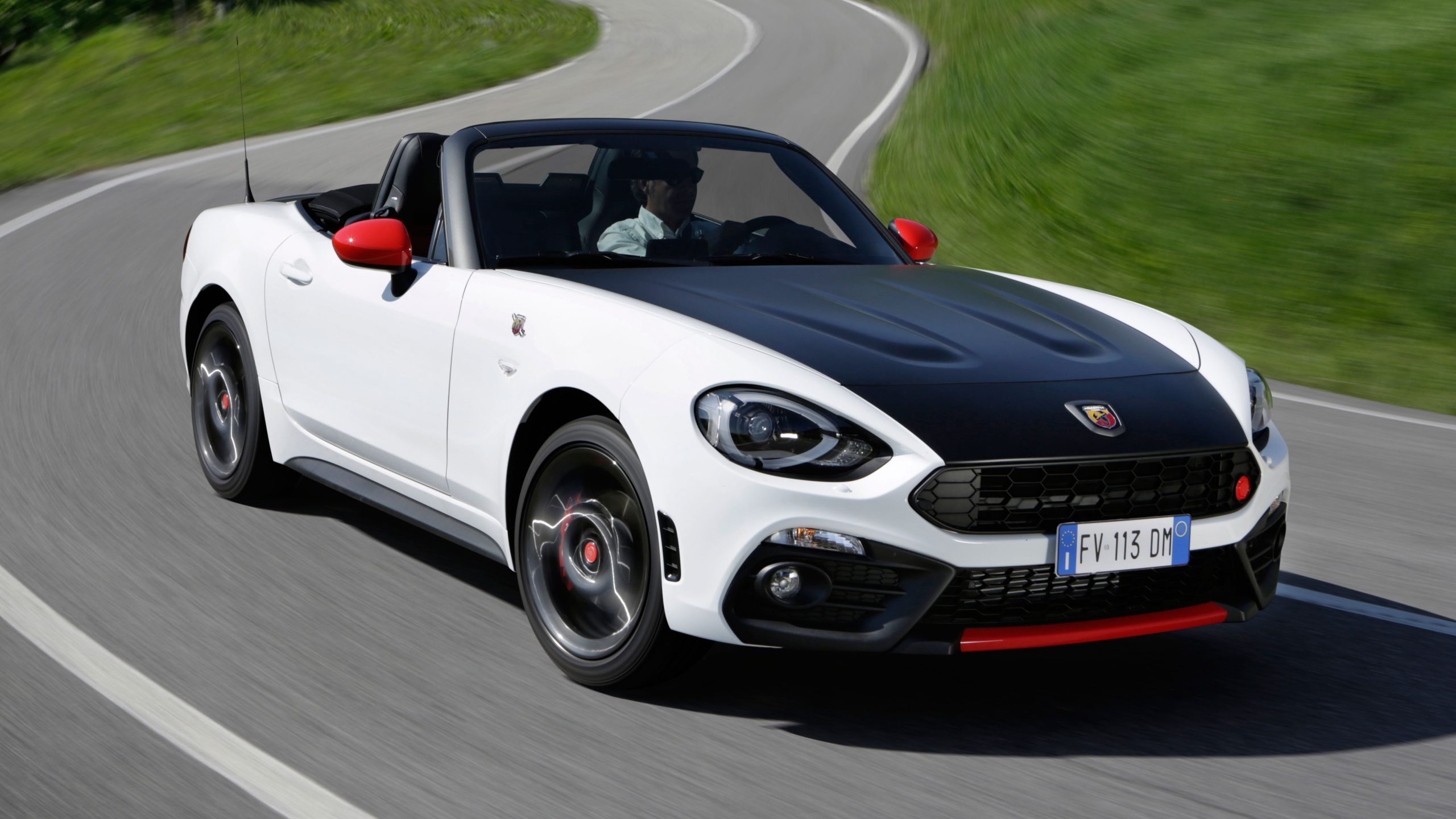
The lightweight roadster platform amplifies every ounce of available power, with the sub-2,500-pound curb weight ensuring that acceleration feels brisk and responsive.
The short wheelbase and low center of gravity create agile handling characteristics that make the car feel quick through corners, even if straight-line acceleration doesn’t dominate performance car comparisons.
The convertible top operation is simple and quick, encouraging open-air driving that amplifies the sensation of speed through wind noise and enhanced engine sound.
The Abarth-specific suspension tuning provides firmer damping and reduced body roll compared to the standard Fiat 124, creating more immediate responses to steering inputs.
The limited-slip differential helps manage the turbocharged power delivery to the rear wheels, allowing aggressive throttle application out of corners without overwhelming grip. The Brembo brakes provide strong, progressive stopping power that inspires confidence to brake later into corners.
The interior maintains the simple, driver-focused approach that makes lightweight roadsters so appealing. The gauges are clearly visible, controls are logically arranged, and the driving position places you low and connected to the chassis.
The manual transmission offers satisfying mechanical engagement, though the automatic option provides surprisingly quick shifts for those who prefer paddle operation.
9. Volkswagen GTI (Mk7)
The seventh-generation Volkswagen GTI delivers approximately 220 horsepower from its turbocharged 2.0-liter four-cylinder, figures that seem modest in an era of 300-horsepower family sedans.
However, the GTI’s brilliant chassis tuning, accessible performance, and refined execution create a driving experience that feels quicker and more engaging than more powerful alternatives, demonstrating why this hot hatchback has remained relevant for decades.
The turbocharged engine provides strong midrange torque that creates an impression of effortless acceleration. The boost builds smoothly and predictably, providing linear power delivery that feels far more usable than naturally aspirated engines requiring high RPM to access peak power.
The dual-clutch transmission option executes shifts with remarkable speed and precision, keeping the engine on boost and maintaining forward momentum that makes real-world acceleration feel genuinely quick.
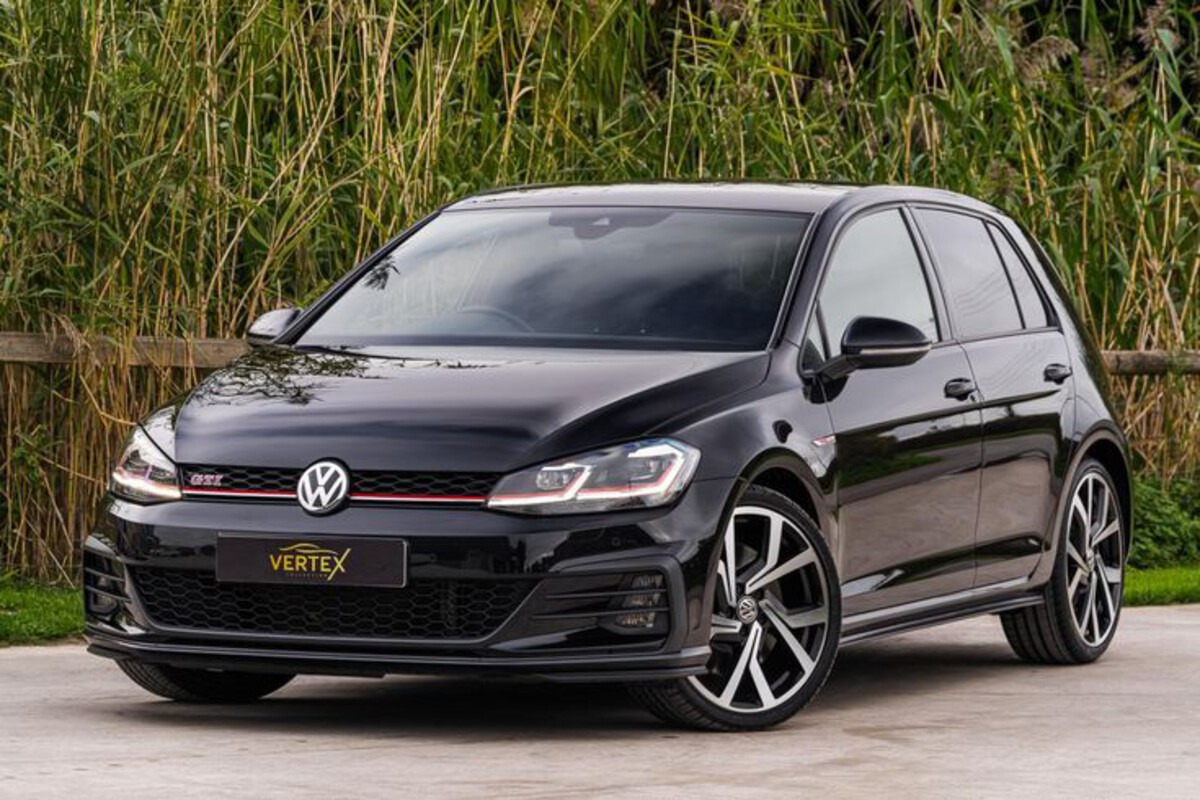
The chassis represents Volkswagen’s decades of hot hatchback development, with sophisticated multi-link rear suspension providing excellent body control while maintaining ride comfort.
The electronic differential manages torque distribution to the front wheels, virtually eliminating torque steer and allowing aggressive acceleration out of corners. The progressive steering provides good feedback and precise responses, creating confidence through technical sections.
The practical hatchback body style disguises the performance potential, allowing the GTI to surprise unsuspecting drivers in more overtly sporting vehicles. The sleeper quality adds to the satisfaction of driving quickly, as the understated appearance contrasts with the capable performance.
The interior quality is excellent, with supportive sport seats, clear instrumentation, and logical control placement creating an environment that encourages spirited driving while remaining comfortable for daily use.
The chassis balance and accessible performance mean you can explore the GTI’s capabilities on public roads without reaching illegal speeds. The car rewards smooth, precise inputs while remaining forgiving of mistakes, making it accessible to drivers of varying skill levels.
This combination of capability and usability creates an engaging driving experience that feels quicker than outright acceleration numbers might suggest, as you’re constantly involved and extracting performance through skilled driving rather than relying solely on overwhelming power.
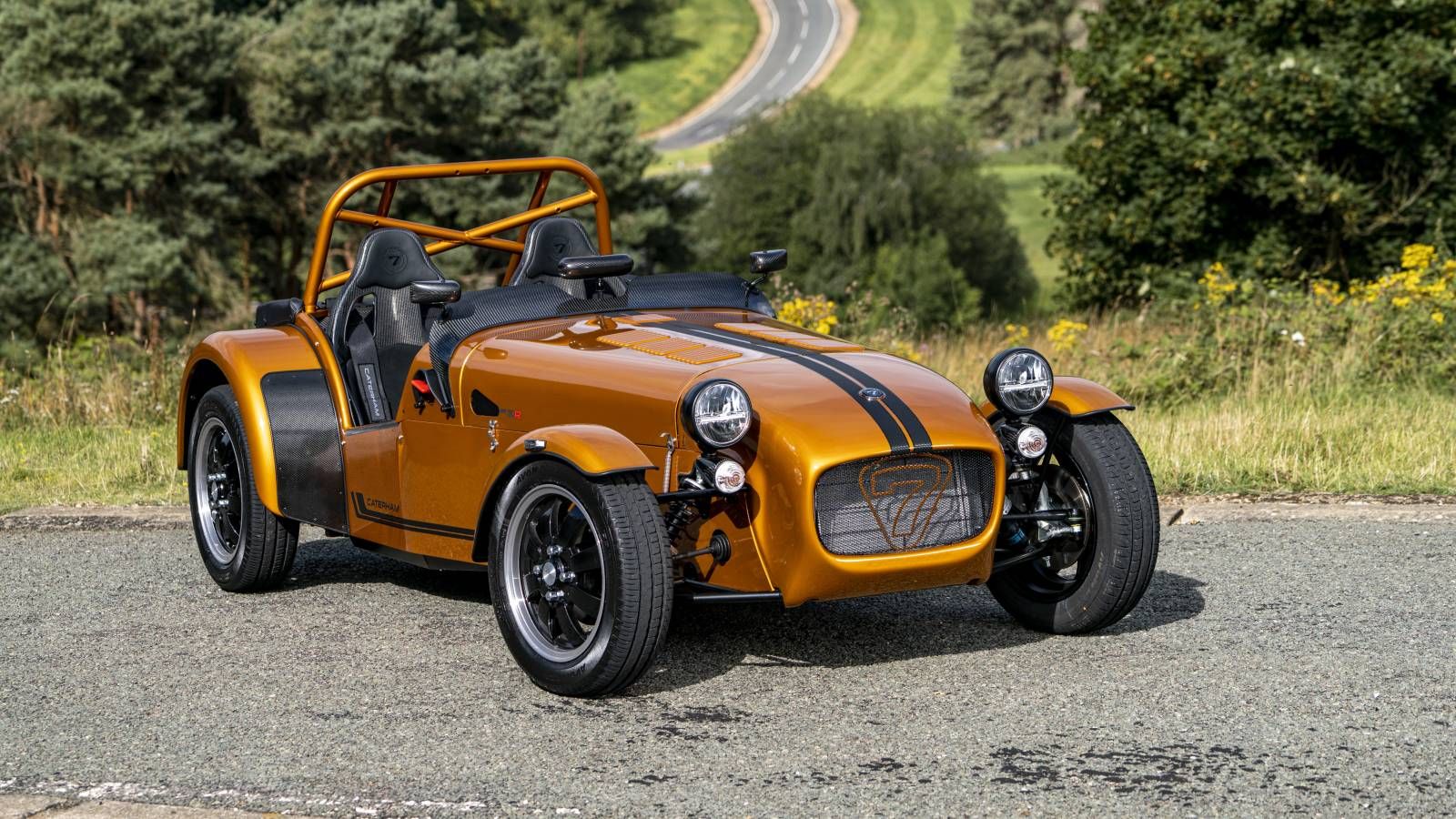
10. Caterham Seven
The Caterham Seven represents the purest expression of lightweight sports car philosophy, available in various configurations ranging from approximately 80 horsepower to supercharged variants exceeding 300.
However, even the base models with modest power figures deliver experiences that feel absolutely ferocious, demonstrating that when weight is measured in hundreds rather than thousands of pounds, horsepower becomes almost secondary to the visceral driving experience.
The Seven’s construction prioritizes lightness above all else, with spartan bodywork, minimal weather protection, and complete absence of unnecessary equipment keeping weight to barely 1,100 pounds in base configurations.
This extraordinary low mass means even the entry-level engine provides startling acceleration, with power-to-weight ratios that embarrass vehicles with far more impressive horsepower specifications. Every horsepower works overtime, translating directly into forward motion without waste.
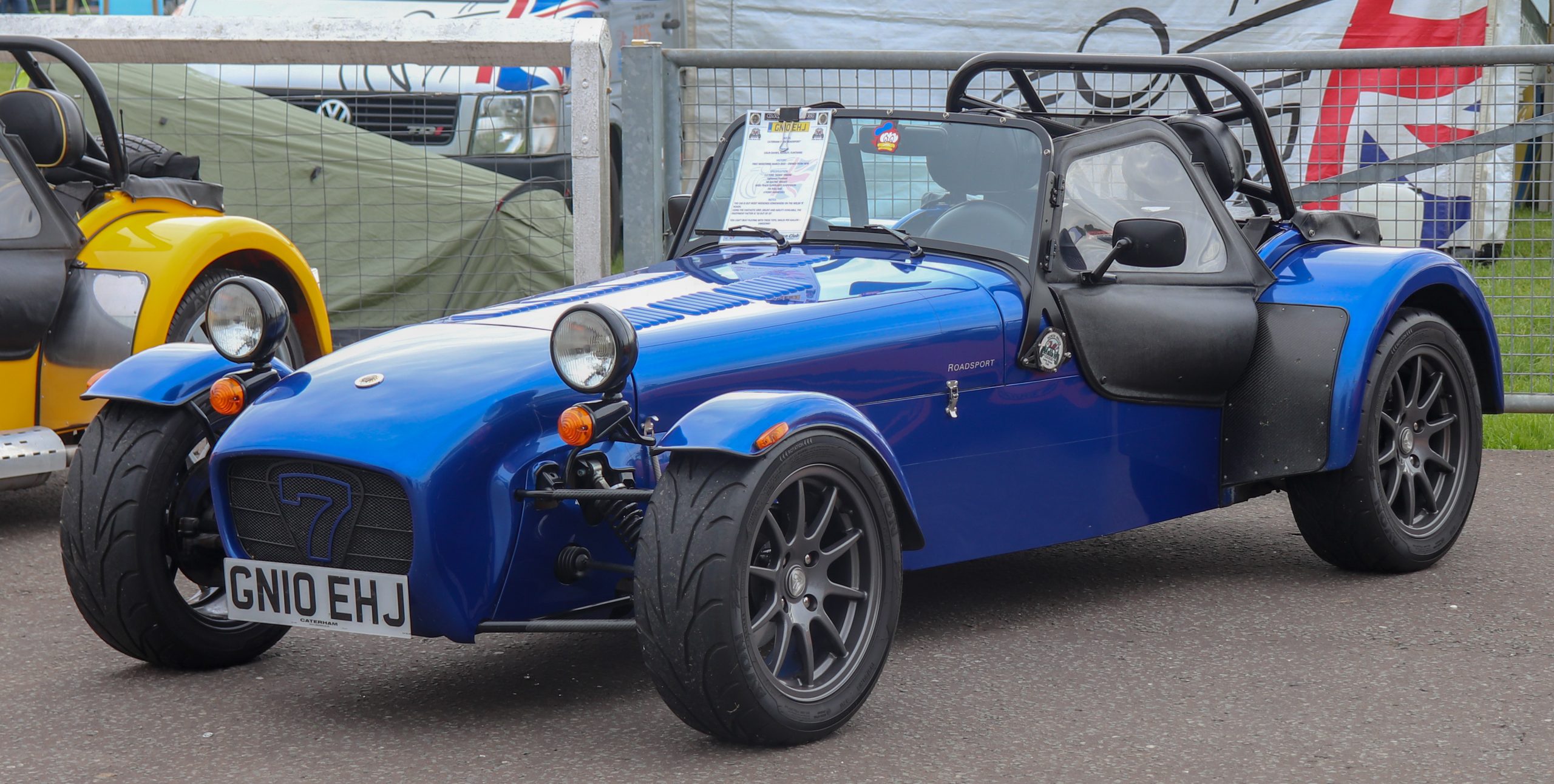
The driving position is pure vintage racing car, with your legs extended forward, the steering wheel positioned vertically, and virtually no bodywork surrounding you.
The sense of exposure is profound, with wind buffeting your helmet, engine noise overwhelming your senses, and the road surface passing mere inches beneath your seat.
This creates a sensation of speed that makes 60 mph feel genuinely terrifying and 100 mph seem like an achievement requiring genuine bravery.
The suspension provides minimal travel and firm damping, transmitting every road imperfection directly through the chassis. The lack of soundproofing, climate control, or creature comforts means you experience every mechanical vibration, every exhaust pop, and every gear whine without filtration.
The steering is unassisted and incredibly direct, providing communication that modern cars cannot approach. The brakes are strong but require genuine pedal pressure, making threshold braking a physical activity.
The Seven demands skill and attention, rewarding smooth inputs while punishing ham-fisted driving. The lack of electronic aids means you’re solely responsible for controlling the vehicle, creating engagement and involvement that has become nearly extinct in modern automobiles.
This purity of experience makes even modest-powered Sevens feel incredibly fast because you’re completely connected to every aspect of the driving experience, working actively to control the vehicle rather than simply pointing it in the desired direction and letting computers manage the details.
Also Read: 8 Cars With Doors That Open Wider Than You’d Expect
