
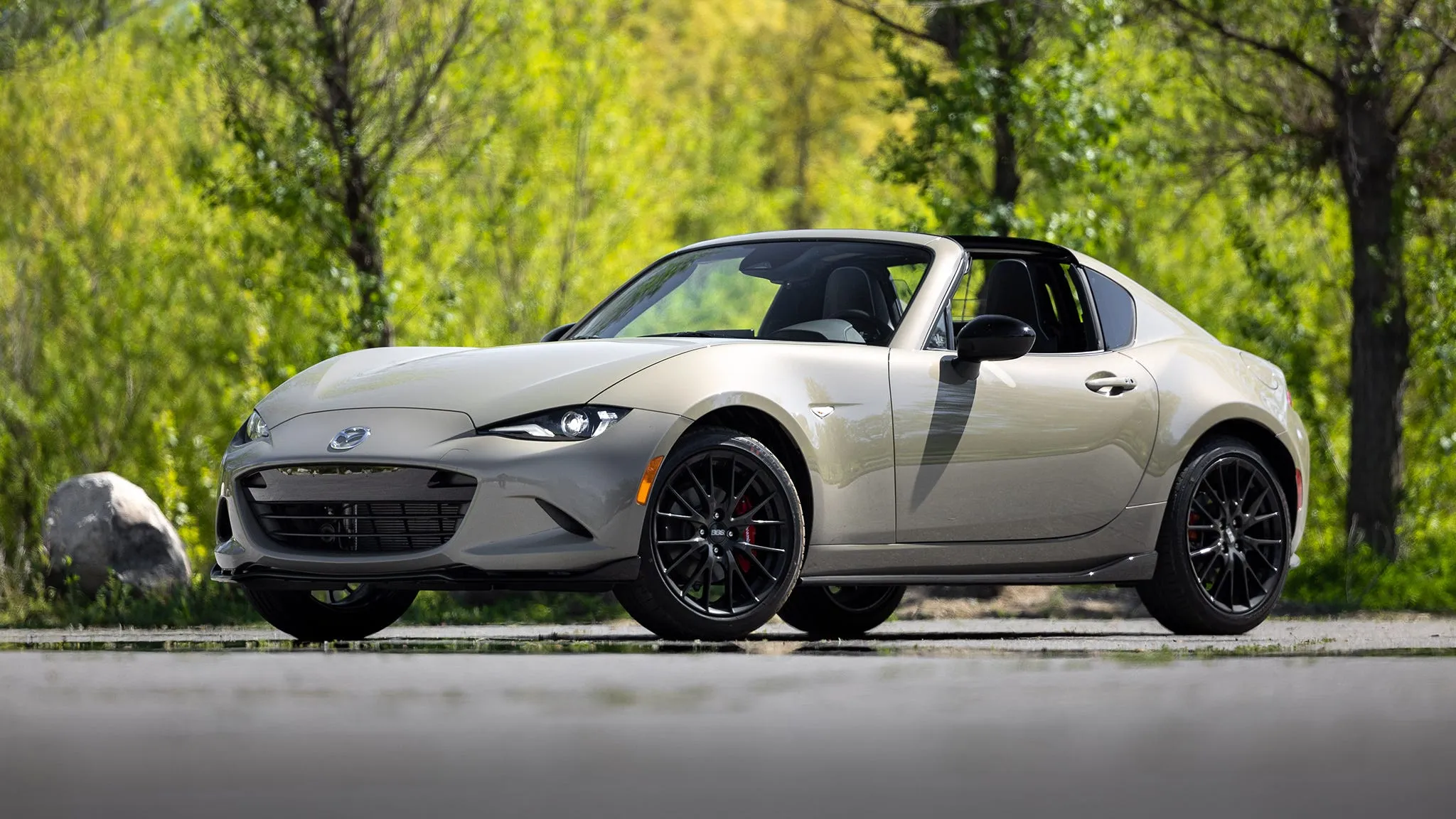
Fresh car excitement rarely comes from horsepower figures alone. What keeps a vehicle enjoyable year after year is something quieter and more personal. Daily comfort, emotional connection, trust in how it behaves, and the way it fits into real life tend to matter far more once the novelty fades.
A car that still feels right after thousands of miles earns respect in ways that quick test drives never reveal. Some vehicles continue to reward their owners with balanced design, honest feedback, and dependable performance long after the showroom shine wears off. Others lose their appeal once ownership reality sets in.
Driving enjoyment is not limited to luxury badges or eye-catching styling. Sometimes it comes from simple controls that feel natural, engines that respond without drama, and cabins that age with dignity rather than frustration. Cars that remain enjoyable as years pass often share a thoughtful approach to engineering and purpose.
They do not rely on gimmicks or trends that age poorly. Instead, they focus on fundamentals that drivers appreciate every time they turn the key. This page looks at vehicles that continue to satisfy well beyond the honeymoon phase. Each one delivers a driving experience that feels rewarding long after the purchase decision.
Section One highlights five cars that tend to grow more appreciated with ownership. Section Two will examine five vehicles that often lose their charm sooner than expected. Together, they offer a grounded look at what truly makes a car enjoyable to live with.
5 Cars That Stay Enjoyable
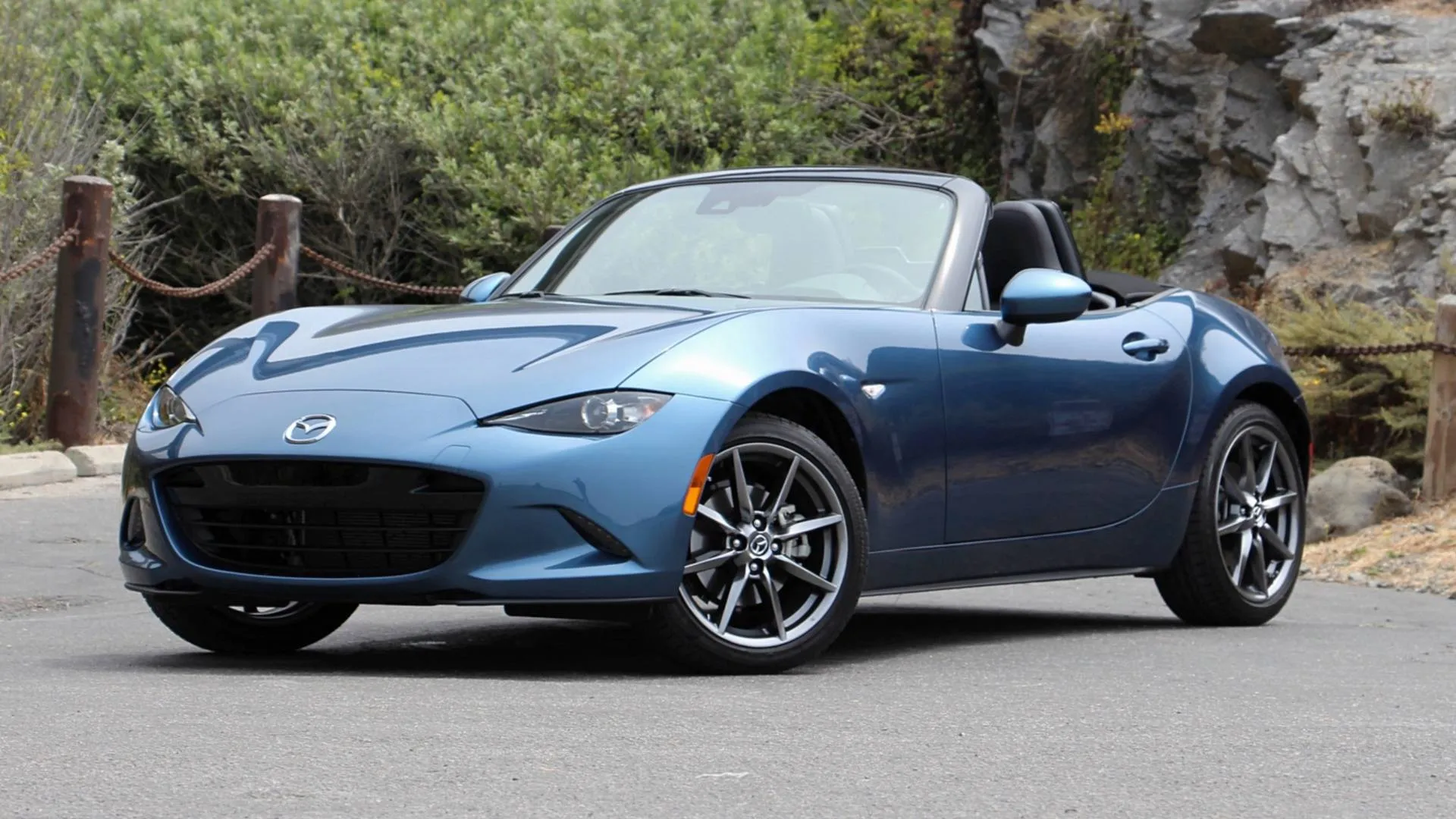
1. Mazda MX-5 Miata 2019
Few vehicles communicate their purpose as clearly as the Mazda MX-5 Miata 2019. Lightness defines its personality from the moment the door closes and the engine starts. Rather than chasing excessive power, this roadster focuses on balance, precision, and driver involvement.
Steering inputs feel natural and immediate, creating confidence without intimidation. Every drive becomes an interaction rather than a task, which helps the car stay engaging long after ownership begins. Comfort may not sound like the main attraction here, yet the Miata surprises many owners. Seats provide solid support for daily use, and the interior layout feels intuitive instead of flashy.
Controls sit exactly where hands expect them to be, reducing distraction and fatigue. Small details such as pedal placement and shifter feel continue to impress as familiarity grows. These elements matter because they shape how the car feels on ordinary drives, not just scenic routes.
Reliability plays a quiet but essential role in long-term enjoyment. Mazda engineered the MX-5 Miata with proven components and a straightforward design. Owners often describe years of driving with minimal mechanical stress, which builds trust. That trust encourages drivers to use the car frequently rather than save it for special occasions. A car that invites regular use naturally becomes more rewarding.
Driving feedback remains the strongest reason this model ages so well. Road feel flows through the steering wheel and seat without harshness. The suspension communicates surface changes clearly, helping drivers feel connected rather than isolated. As skills improve, the car reveals deeper layers of enjoyment instead of becoming boring. That sense of growth keeps the experience fresh.
Visual design also contributes to lasting appeal. Clean lines and restrained proportions help the Miata avoid looking dated. It does not rely on aggressive styling trends that quickly lose favor. Years later, it still looks purposeful and honest. For drivers who value engagement over excess, the Mazda MX-5 Miata 2019 remains satisfying long after the new car smell fades.
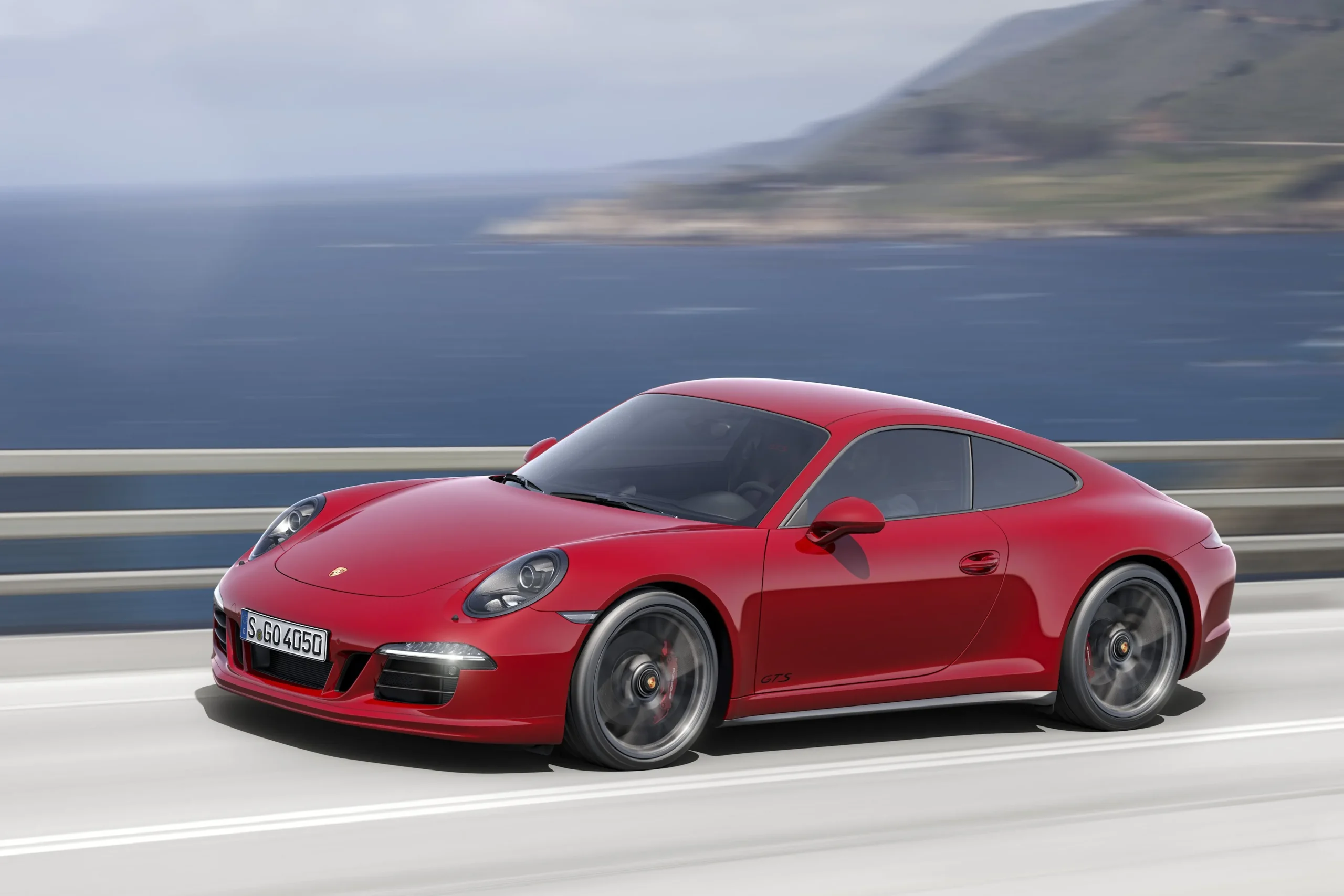
2. Porsche 911 Carrera 2014
Ownership of the Porsche 911 Carrera 2014 often feels like a long conversation rather than a brief impression. Each drive reinforces why this model has endured for decades. Engine placement, steering feedback, and chassis balance work together in a way that feels deliberate rather than dramatic. Drivers sense that every component was shaped around one idea: rewarding skill and attention.
Cabin quality plays a major role in sustained enjoyment. Materials age gracefully, with switches and surfaces that resist wear. Controls offer a reassuring resistance that continues to feel solid after years of use. Sitting behind the wheel still feels special without crossing into unnecessary luxury. The interior supports driving rather than distracting from it, which becomes increasingly valuable as familiarity grows.
Performance remains accessible rather than overwhelming. Acceleration feels strong but manageable, encouraging confidence instead of caution. The flat-six engine delivers a sound that remains appealing without becoming tiring. That balance keeps owners eager to drive the car frequently. Vehicles that feel intimidating often spend more time parked, while the 911 invites regular outings.
Practical elements often surprise new owners. Rear seats may be small, yet they add flexibility that many sports cars lack. Trunk space allows for weekend trips without compromise. Visibility remains better than expected, making daily driving less stressful. These small conveniences add up, supporting long-term satisfaction.
The steering system deserves special attention. Feedback feels natural and precise, allowing the driver to place the car accurately without constant correction. As familiarity grows, confidence increases, revealing deeper enjoyment rather than diminishing returns. This relationship between driver and machine strengthens with time.
Resale value and brand reputation also influence how the car feels to own. Knowing the vehicle holds its worth reinforces confidence in the purchase. Pride of ownership does not fade quickly because the car continues to deliver what it promises. For drivers seeking a sports car that matures gracefully, the Porsche 911 Carrera 2014 remains rewarding long after the purchase date.
Also Read: 5 Vehicles That Excel on Daily Commutes vs 5 That Don’t
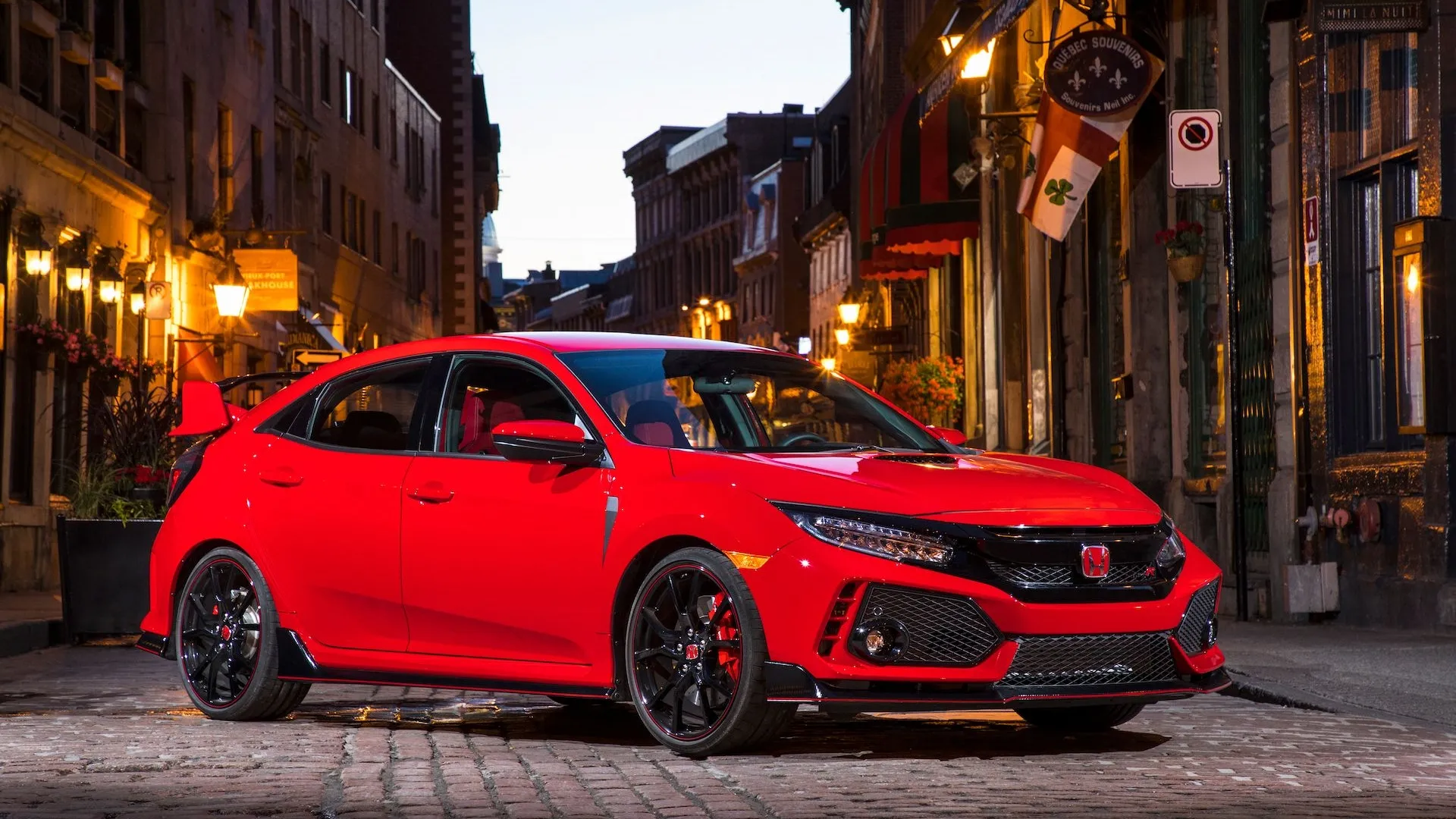
3. Honda Civic Type R 2018
Raw excitement often fades quickly, yet the Honda Civic Type R 2018 manages to sustain enthusiasm through thoughtful engineering. From the first drive, the car feels purposeful without feeling fragile. Power delivery remains smooth and predictable, making spirited driving approachable rather than stressful. That approachability keeps the experience enjoyable well into ownership.
Interior design balances aggression with practicality. Supportive seats provide comfort for daily commuting while still holding occupants securely during energetic driving. Controls feel sturdy and responsive, avoiding the cheap sensations that can frustrate owners later. Infotainment features remain usable rather than intrusive, which helps the cabin age gracefully.
Handling defines much of the Type R experience. Suspension tuning strikes a rare balance between firmness and usability. Roads with imperfections do not turn into punishment, allowing owners to enjoy the car daily. Steering response feels direct without nervous behavior, creating confidence even at moderate speeds. As drivers grow accustomed to the chassis, the car continues to reward precision rather than boredom.
Reliability strengthens long-term enjoyment. Honda built the Civic Type R with proven mechanical foundations. Owners often report consistent performance without constant repairs. This reliability encourages trust, which deepens the relationship between driver and car. A vehicle that starts every morning without drama earns appreciation over the years, not weeks.
Sound design also matters. Exhaust tone remains engaging without becoming tiring during extended trips. Engine noise supports the driving experience rather than overwhelming it. This balance prevents fatigue and supports long drives, something high-performance cars often struggle with.
Visual styling may appear bold, yet it serves a functional purpose. Aerodynamic elements contribute to stability, reinforcing trust in the car’s behavior. While tastes vary, the design avoids feeling cheap or careless. For drivers seeking performance that stays enjoyable in everyday use, the Honda Civic Type R 2018 offers lasting satisfaction that extends beyond initial excitement.
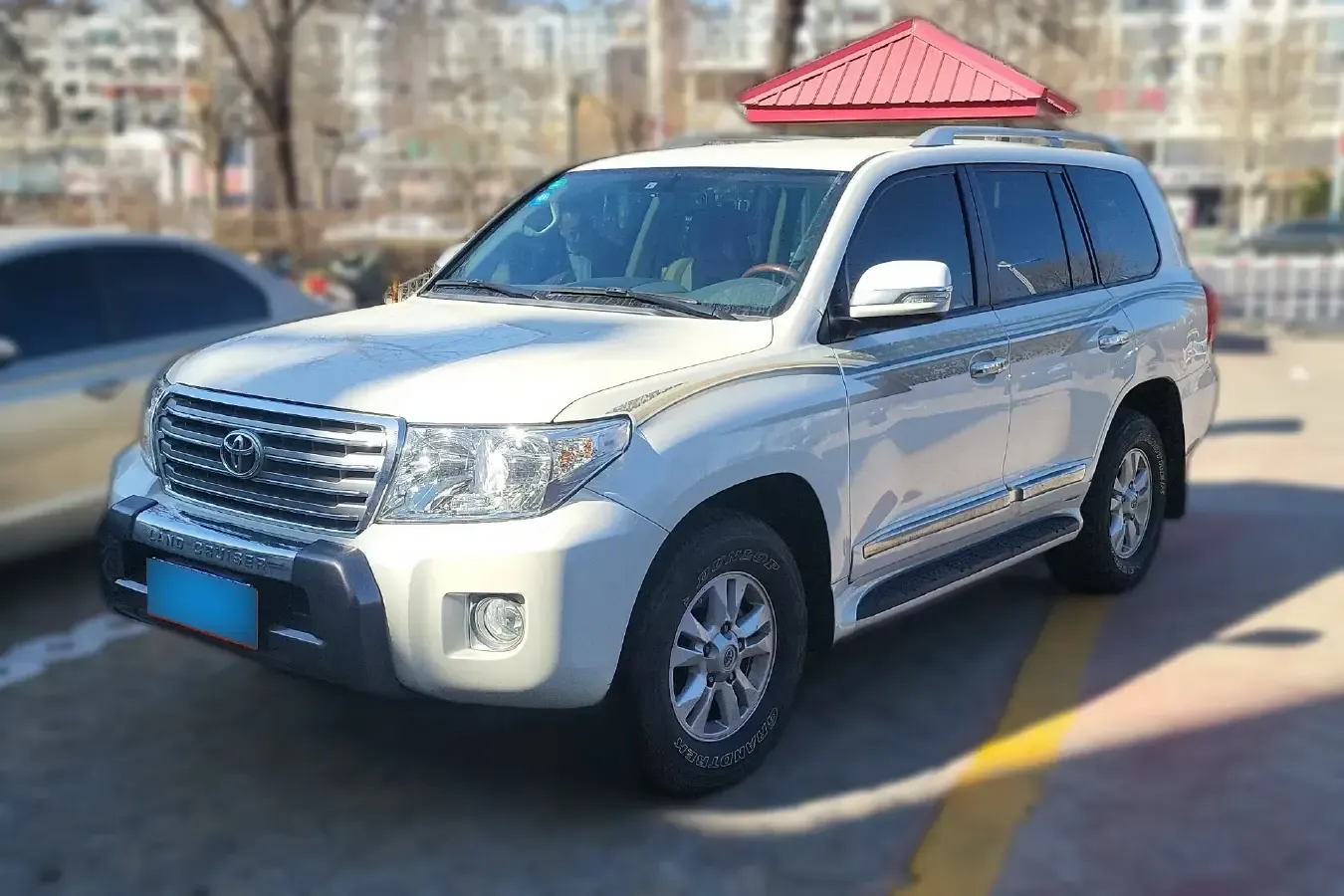
4. Toyota Land Cruiser 2015
Longevity defines the Toyota Land Cruiser 2015 in a way few vehicles can match. Rather than chasing trends, this SUV focuses on durability, comfort, and confidence. Driving it produces a calm sense of assurance that remains consistent as miles accumulate. That sense of trust becomes more valuable with each passing year.
Ride quality stands out immediately. Suspension tuning absorbs imperfections without feeling disconnected. Long trips feel relaxed rather than exhausting, encouraging frequent use. Seats remain comfortable for extended periods, supporting both posture and relaxation. These traits help the vehicle age well because comfort becomes more appreciated as novelty fades.
Interior design prioritizes function over flash. Materials resist wear, and controls feel solid rather than delicate. Buttons and switches remain easy to use without constant attention. This simplicity supports long-term ownership because frustration rarely builds. A cabin that works intuitively continues to satisfy.
Capability plays a subtle yet important role. Even owners who rarely leave paved roads appreciate the confidence that comes with strong engineering. Knowing the vehicle can handle difficult conditions adds peace of mind. That reassurance enhances enjoyment even during ordinary drives.
Reliability reputation reinforces emotional comfort. Toyota built the Land Cruiser with proven components that emphasize endurance. Owners often describe years of dependable service with minimal surprises. This dependability strengthens attachment because trust replaces worry. A car that feels dependable becomes a partner rather than a burden.
Resale value also supports satisfaction. Strong demand helps owners feel secure about their investment. That security contributes to pride of ownership that does not fade quickly. For drivers who value calm confidence and lasting comfort, the Toyota Land Cruiser 2015 remains enjoyable long after initial excitement passes.
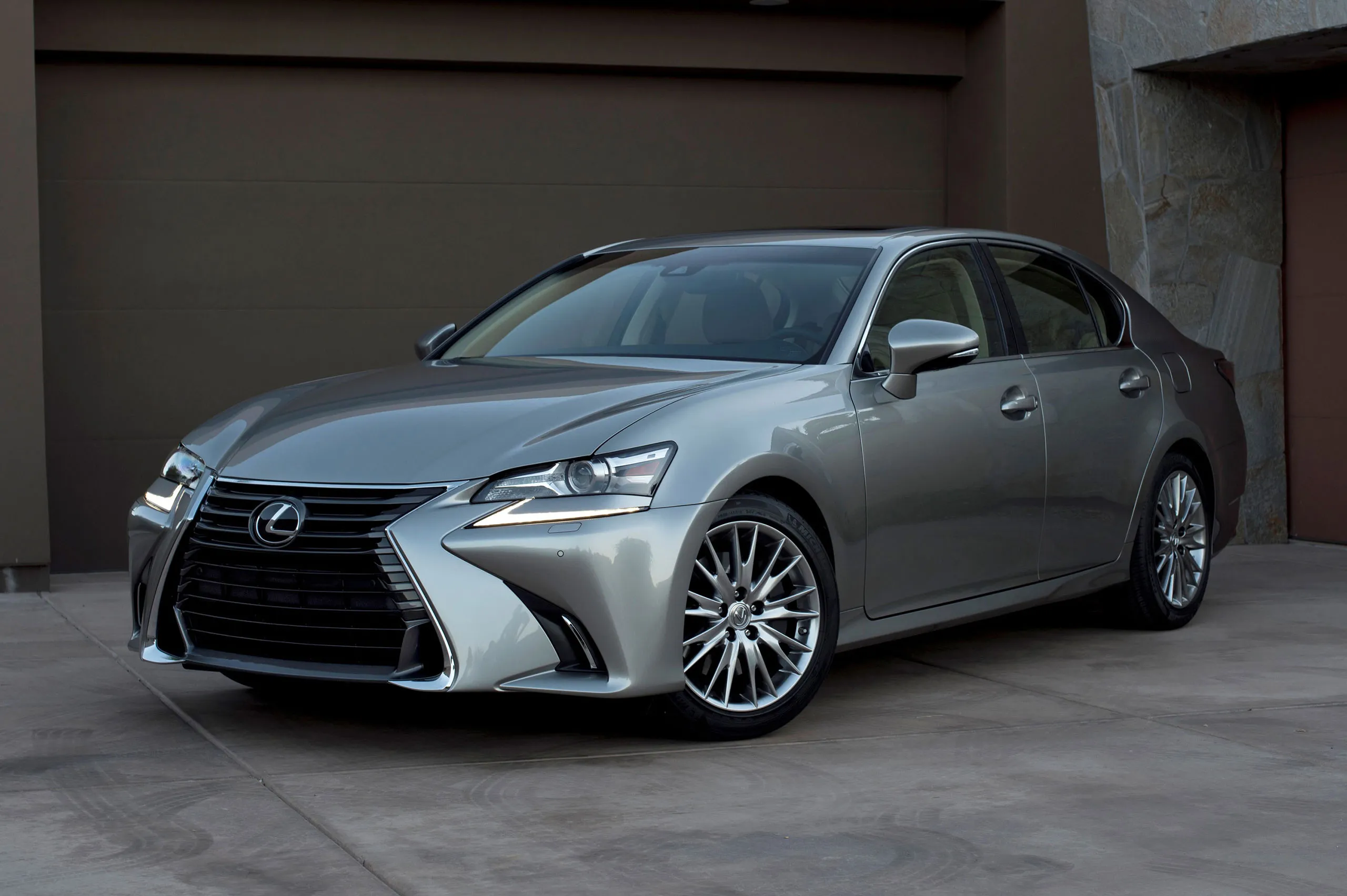
5. Lexus GS 350 2016
Balance defines the Lexus GS 350 2016 from the moment ownership begins. This sedan does not chase extreme sportiness or excessive luxury. Instead, it blends comfort, performance, and refinement in a way that remains pleasing with familiarity. Driving it daily feels effortless rather than demanding.
Cabin design supports long-term comfort. Seats provide cushioning without sacrificing support, making extended drives relaxing. Materials feel thoughtfully chosen, resisting wear and maintaining a clean appearance. Controls operate smoothly, reinforcing a sense of quality that does not diminish with use.
Engine performance contributes to lasting appeal. Power delivery feels smooth and predictable, avoiding harsh responses that tire drivers. Acceleration feels confident without being overwhelming. That moderation encourages regular use rather than occasional indulgence. A car that feels easy to live with tends to stay enjoyable.
Ride quality deserves attention. Suspension tuning absorbs road imperfections gracefully, creating a composed experience. Noise insulation remains effective, reducing fatigue during daily commuting. These traits grow more valuable as time passes, especially for drivers who prioritize comfort.
Reliability strengthens the ownership experience. Lexus built the GS 350 with an emphasis on durability and consistency. Owners often enjoy years of use with minimal mechanical stress. That reliability allows drivers to focus on enjoyment rather than worry, deepening satisfaction.
Styling also ages gracefully. Clean lines and restrained design choices help the car avoid looking dated. It does not rely on flashy trends that lose appeal quickly. Years later, the GS 350 still appears tasteful and confident. For drivers seeking a sedan that feels rewarding long after purchase, the Lexus GS 350 2016 continues to deliver steady enjoyment.
5 Cars That Lose Their Enjoyment
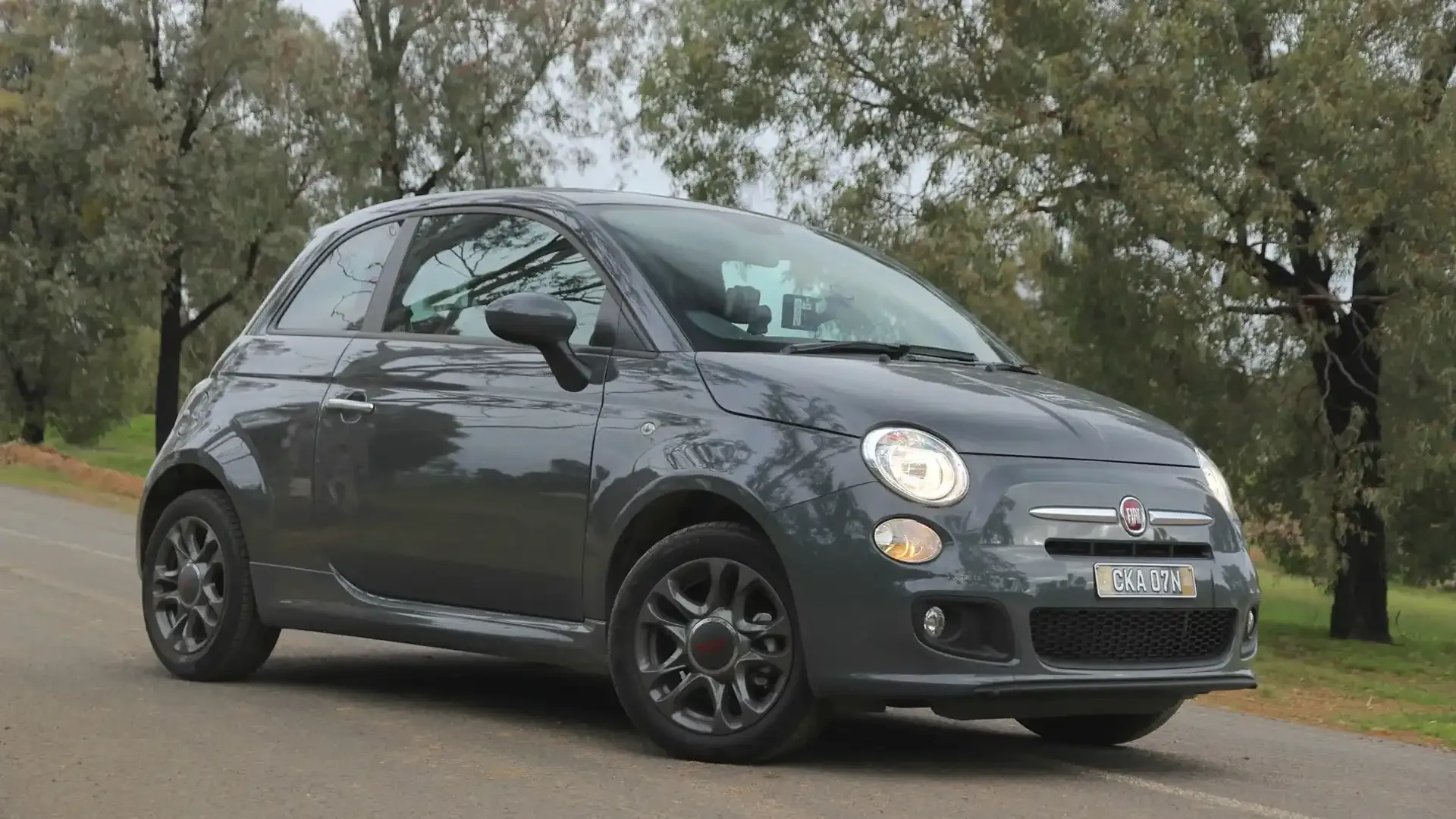
1. Fiat 500 2015
Initial impressions of the Fiat 500 2015 often rely on charm rather than substance. Bright colors, rounded styling, and a compact footprint create an instant emotional pull. Early drives feel playful, especially in urban settings where tight dimensions seem helpful.
That early excitement, however, tends to thin out as daily use becomes routine. The same traits that felt charming during the first weeks can begin to feel limiting as ownership continues. Cabin quality stands as one of the earliest sources of dissatisfaction. Interior materials feel light and easily marked, which becomes obvious after regular use.
Buttons lack reassuring feedback, and surfaces show wear quickly. Small annoyances begin to stack up, especially when compared with similarly priced alternatives that feel sturdier. What once looked stylish may start to feel flimsy, leading to frustration rather than affection.
Driving comfort also loses its appeal. Short wheelbase tuning creates a ride that reacts sharply to road imperfections. Commutes on uneven pavement can feel tiring rather than engaging. Seats provide limited support during longer trips, making extended drives less inviting. While the car handles city streets with ease, it struggles to provide relaxation beyond brief errands.
Power delivery further affects satisfaction. Acceleration feels modest even in light traffic situations, and highway merging often demands patience. Engine noise becomes intrusive at higher speeds, adding stress instead of confidence. The transmission behavior, especially in automated versions, can feel hesitant, interrupting smooth progress. These traits grow more noticeable as the novelty wears off.
Reliability perceptions also shape long-term enjoyment. Reports of electrical quirks and inconsistent build quality create doubt. Even minor issues feel heavier when trust fades. Owners may find themselves anticipating problems rather than enjoying the drive. That mindset changes how the car feels day to day.
Styling that once felt expressive may also age unevenly. Bold design choices do not always translate into lasting appeal. As trends change, the look may feel more dated than distinctive. When emotional attachment fades, and practical shortcomings remain, the Fiat 500 2015 often struggles to maintain the enthusiasm it sparked at first glance.
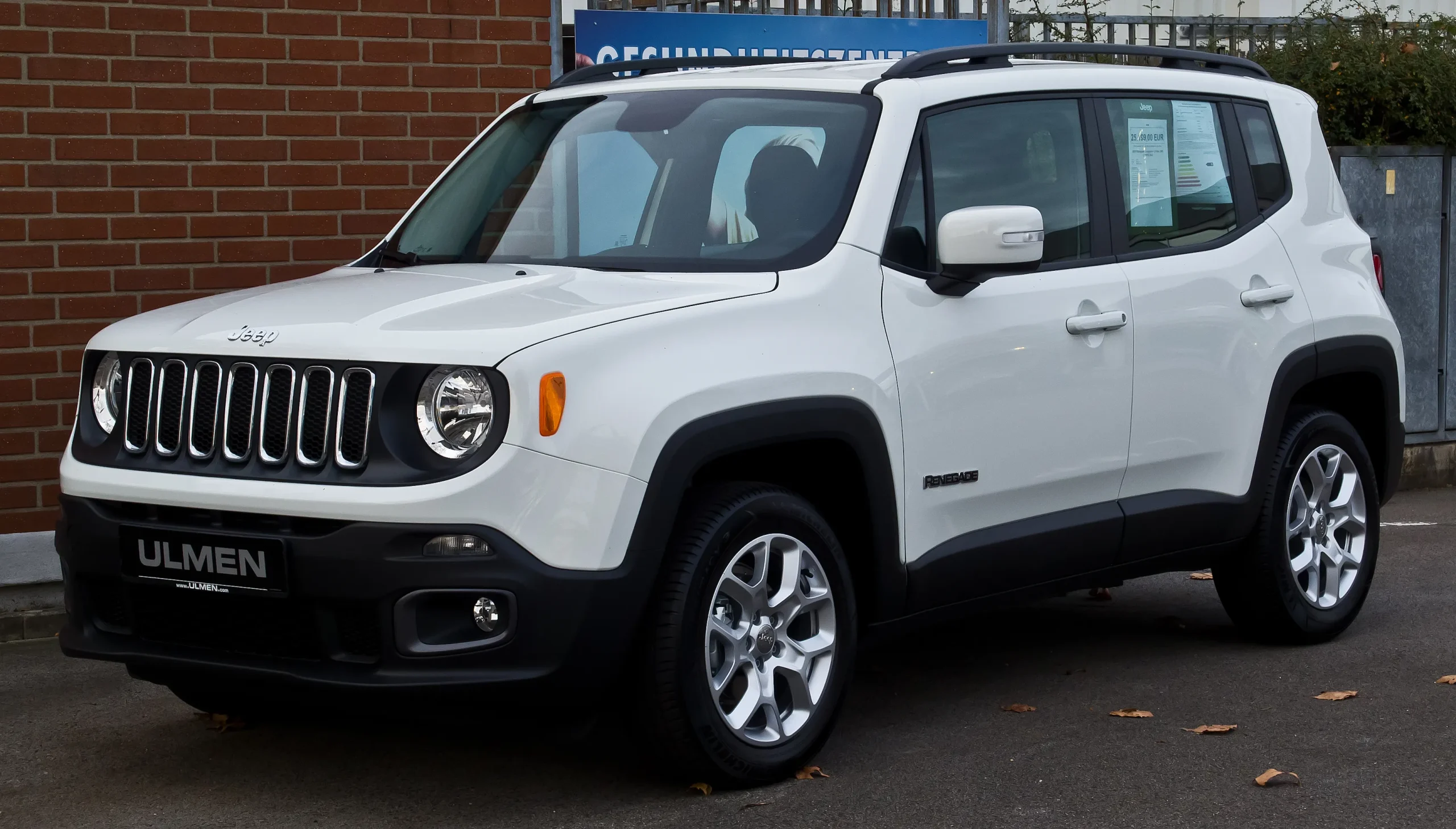
2. Jeep Renegade 2016
Bold advertising and rugged imagery give the Jeep Renegade 2016 an adventurous reputation. Early ownership often feels optimistic, fueled by the promise of versatility and personality. The upright stance and squared design suggest capability, even during simple drives. As months pass, however, the experience can lose its shine as daily realities emerge.
Interior design presents one of the earliest disappointments. Materials feel inconsistent, mixing durable surfaces with areas that scratch easily. Controls lack a cohesive feel, making the cabin seem less refined with familiarity. Storage solutions appear clever at first yet prove awkward during regular use. Small irritations become harder to ignore once the novelty fades.
Driving dynamics also affect satisfaction. Steering feedback feels vague, reducing confidence during routine maneuvers. Suspension tuning prioritizes image rather than comfort, creating a ride that can feel unsettled on uneven roads. Highway trips may leave drivers feeling worn rather than relaxed. These traits grow more apparent during daily commuting, where comfort matters most.
Powertrain behavior further challenges enjoyment. Engine response often feels sluggish, especially during acceleration demands. Transmission behavior can seem indecisive, interrupting smooth progress. These moments break the sense of control drivers expect, replacing it with hesitation. Over repeated drives, this behavior erodes trust.
Fuel efficiency also disappoints relative to expectations. Owners may anticipate modest running costs based on size, only to find consumption higher than expected. This mismatch affects satisfaction, especially for those using the vehicle frequently. Financial frustration can overshadow initial excitement.
Reliability concerns also influence long-term feelings. Reports of electronic issues and inconsistent build quality introduce anxiety. Even when problems remain minor, the awareness of potential trouble affects peace of mind. A vehicle that inspires caution rather than confidence struggles to stay enjoyable.
Styling that once appeared rugged may lose appeal as practicality falls short. Without delivering a consistently comfortable or engaging drive, the Jeep Renegade 2016 often leaves owners questioning the early optimism that shaped their purchase decision.
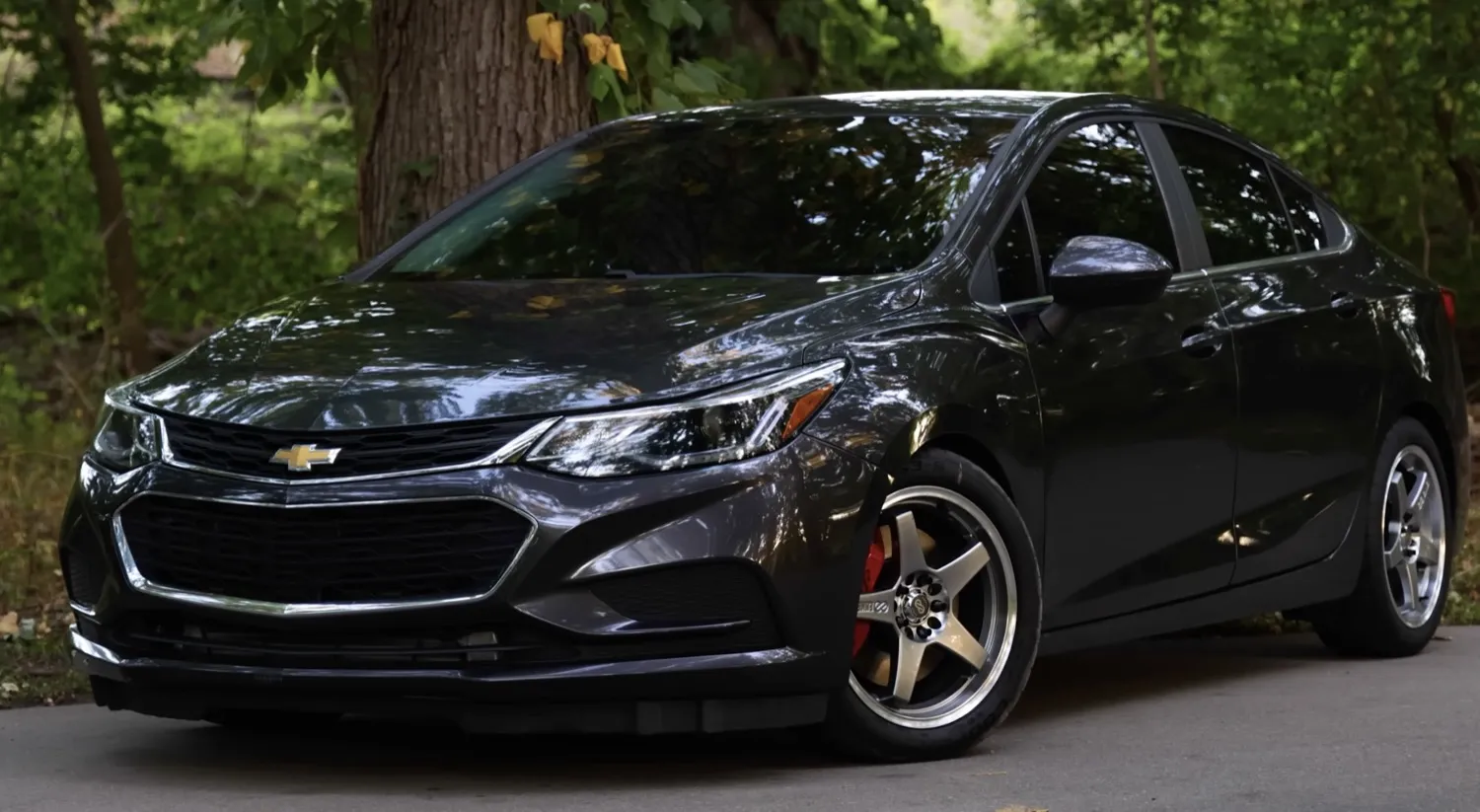
3. Chevrolet Cruze 2017
The Chevrolet Cruze 2017 often enters ownership with sensible expectations. Fuel efficiency, compact size, and modern features create a practical first impression. Early use suggests a reasonable daily companion for commuting and errands. That sense of practicality, however, can fade as driving becomes routine and shortcomings become clearer.
Interior experience shapes much of this decline. Cabin materials feel acceptable initially, yet long-term exposure reveals wear more quickly than expected. Controls may feel less responsive with time, reducing satisfaction. Noise insulation also falls short during highway travel, allowing road and engine sounds to intrude. What once felt adequate can begin to feel tiring.
Driving engagement rarely improves with familiarity. Steering lacks feedback, creating a detached sensation behind the wheel. Suspension tuning prioritizes cost savings rather than balance, leading to a ride that feels unsettled on rough surfaces. Daily drives become chores rather than moments of enjoyment. Without engaging feedback, enthusiasm diminishes steadily.
Engine performance also affects perception. Acceleration feels strained during common situations, such as merging or passing. Engine noise becomes noticeable under load, adding stress rather than reassurance. Transmission behavior may feel hesitant, interrupting smooth progress. These traits remain constant, giving drivers little reason to feel connected.
Reliability experiences shape long-term sentiment strongly. Reports of engine and transmission issues create concern, even for owners without direct problems. That awareness changes how the car feels to drive. Confidence gives way to caution, which reduces enjoyment.
Technology features that once impressed may age poorly. Infotainment systems can feel slow or outdated compared with newer standards. Glitches and lag interrupt usability, turning convenience into frustration. As technology advances, these systems can fall behind sooner than expected.
Visual design also lacks enduring appeal. Conservative styling avoids offense but rarely inspires attachment. Without strong emotional or driving rewards, the Chevrolet Cruze 2017 often feels forgettable rather than satisfying as ownership continues.
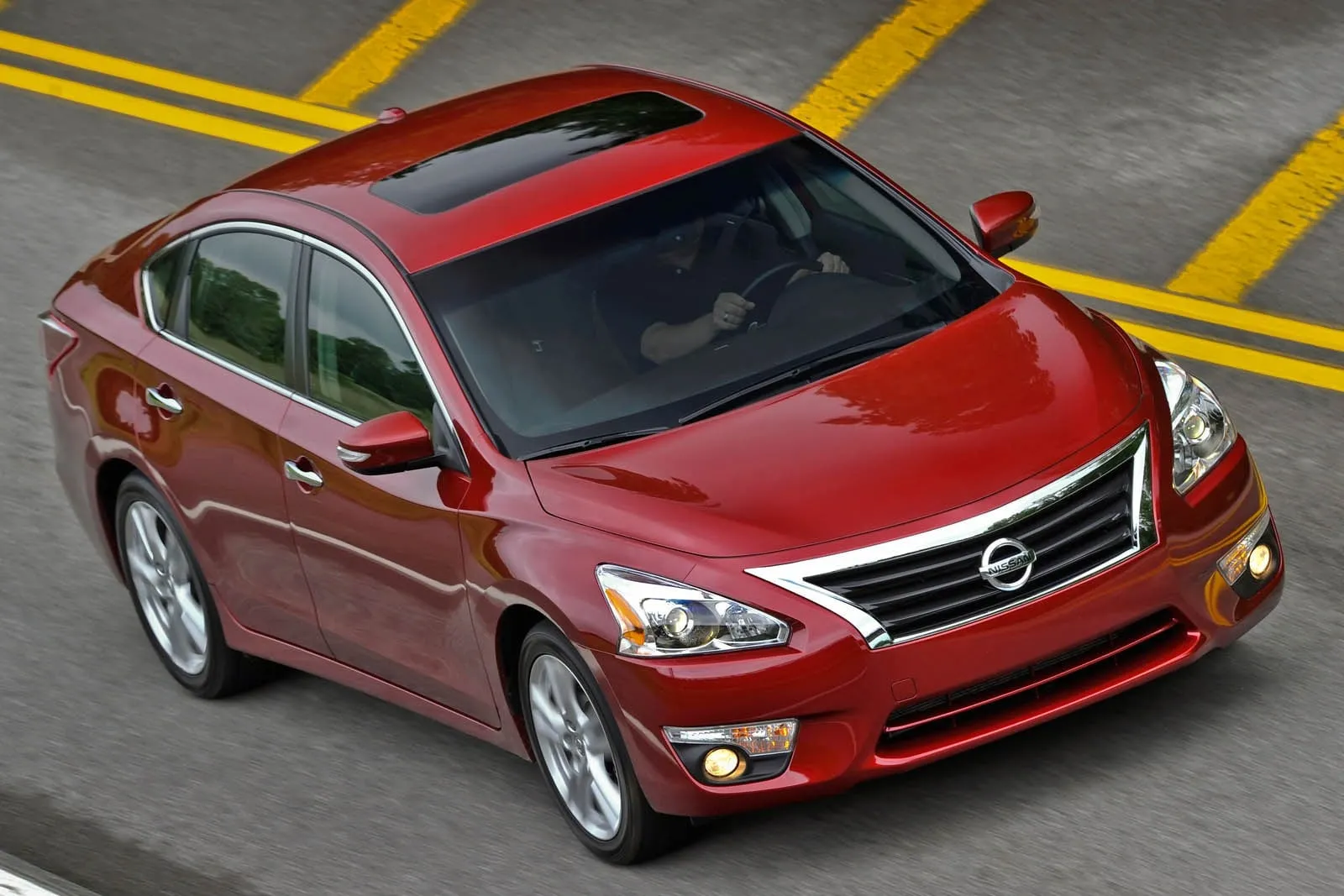
4. Nissan Altima 2015
Comfort and familiarity define the early appeal of the Nissan Altima 2015. Smooth ride quality and spacious seating create a welcoming first impression. Many owners appreciate the calm experience during the initial months. As time passes, however, several elements begin to weigh on satisfaction.
Transmission behavior stands as a central issue. The continuously variable transmission delivers smooth motion at first, yet prolonged use can reveal hesitation and droning sounds. Acceleration lacks confidence, creating frustration during everyday driving. That sensation erodes trust, especially during highway situations.
Interior quality also affects long-term enjoyment. Materials feel serviceable initially, but wear becomes visible sooner than expected. Buttons and trim may loosen or fade, reducing perceived quality. What once felt comfortable can begin to feel tired, diminishing pride of ownership.
Driving dynamics remain uninspiring. Steering provides minimal feedback, making the car feel disconnected. Suspension tuning prioritizes softness, which can lead to floaty behavior during turns. This reduces confidence and engagement, leaving drivers indifferent rather than pleased.
Reliability concerns also shape perception. Reports of transmission problems create anxiety, even for owners without direct failures. That awareness influences how the car feels each time it is driven. Enjoyment declines when the anticipation of repair costs replaces peace of mind.
Fuel efficiency remains reasonable, yet it does little to offset emotional disappointment. Savings at the pump rarely compensate for daily frustration behind the wheel. A car meant to feel relaxing can instead feel draining. Styling also ages without distinction.
Design choices lack character, making the car blend into traffic rather than stand out. Without strong emotional attachment or engaging performance, the Nissan Altima 2015 often fails to maintain the satisfaction it offered during early ownership.
Also Read: 5 Vehicles With Stable Fuel Economy vs 5 With Wide Swings
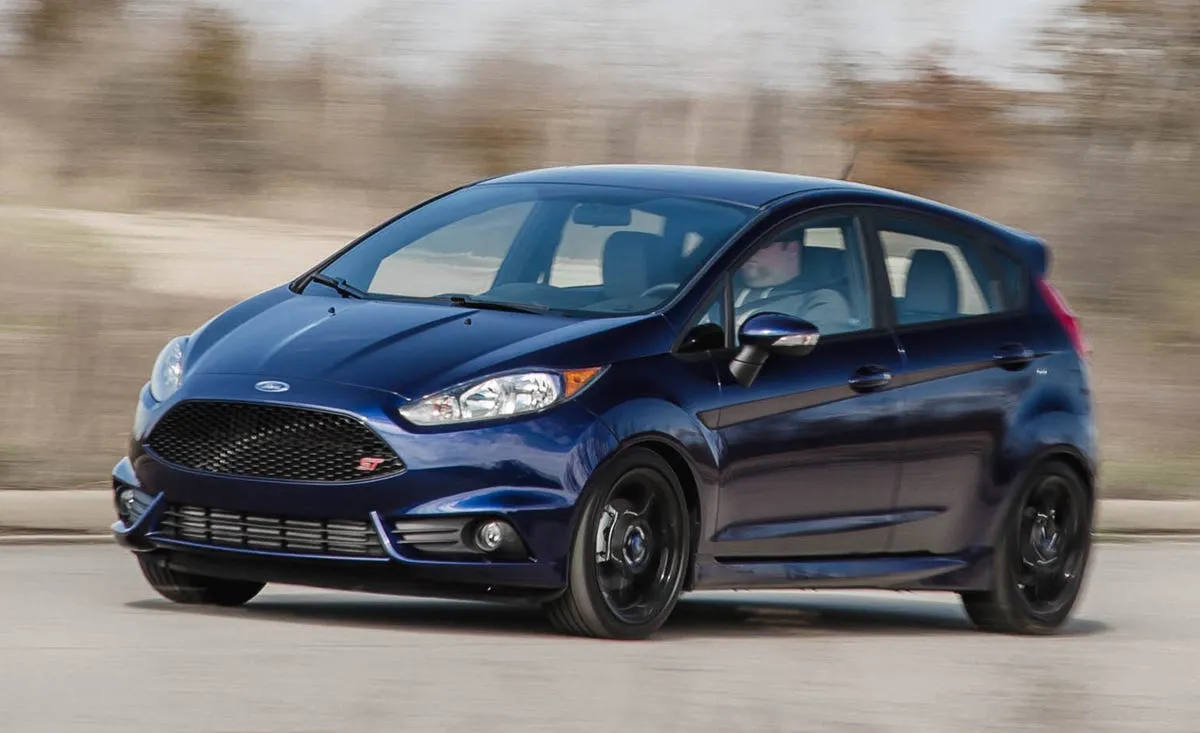
5. Ford Fiesta 2016
Early ownership of the Ford Fiesta 2016 often feels lively and accessible. Compact size, responsive steering, and affordable pricing attract attention. City driving feels easy, and parking rarely causes stress. That convenience, however, does not always translate into lasting enjoyment as ownership continues.
Interior experience becomes a challenge with familiarity. Materials feel thin, and design choices appear busy rather than refined. Buttons and controls may feel cluttered, creating a distraction rather than ease. As time goes on, this layout can feel irritating instead of playful.
Ride quality also influences satisfaction. Short wheelbase tuning leads to a choppy response on uneven roads. Daily commuting on imperfect pavement can feel tiring. Seats provide limited long-distance comfort, reducing willingness to take extended trips. What felt manageable during short drives may become exhausting.
Powertrain behavior further affects enjoyment. Acceleration feels adequate at low speeds yet strained during highway driving. Engine noise becomes noticeable under load, reducing comfort. Transmission performance, particularly in dual clutch versions, can feel inconsistent, interrupting smooth driving. These traits create uncertainty behind the wheel.
Reliability experiences shape long-term sentiment strongly. Reports of transmission issues create doubt and frustration. Even minor problems feel heavier when confidence fades. Owners may find themselves adjusting driving habits to avoid discomfort, which diminishes enjoyment.
Technology features also age unevenly. Infotainment systems may lag or freeze, interrupting daily routines. As expectations rise, these issues feel more pronounced. Convenience turns into annoyance.
Styling that once felt youthful may lose appeal as practicality concerns grow. Without delivering consistent comfort or confidence, the Ford Fiesta 2016 often struggles to maintain the enthusiasm it generated during early ownership.
