
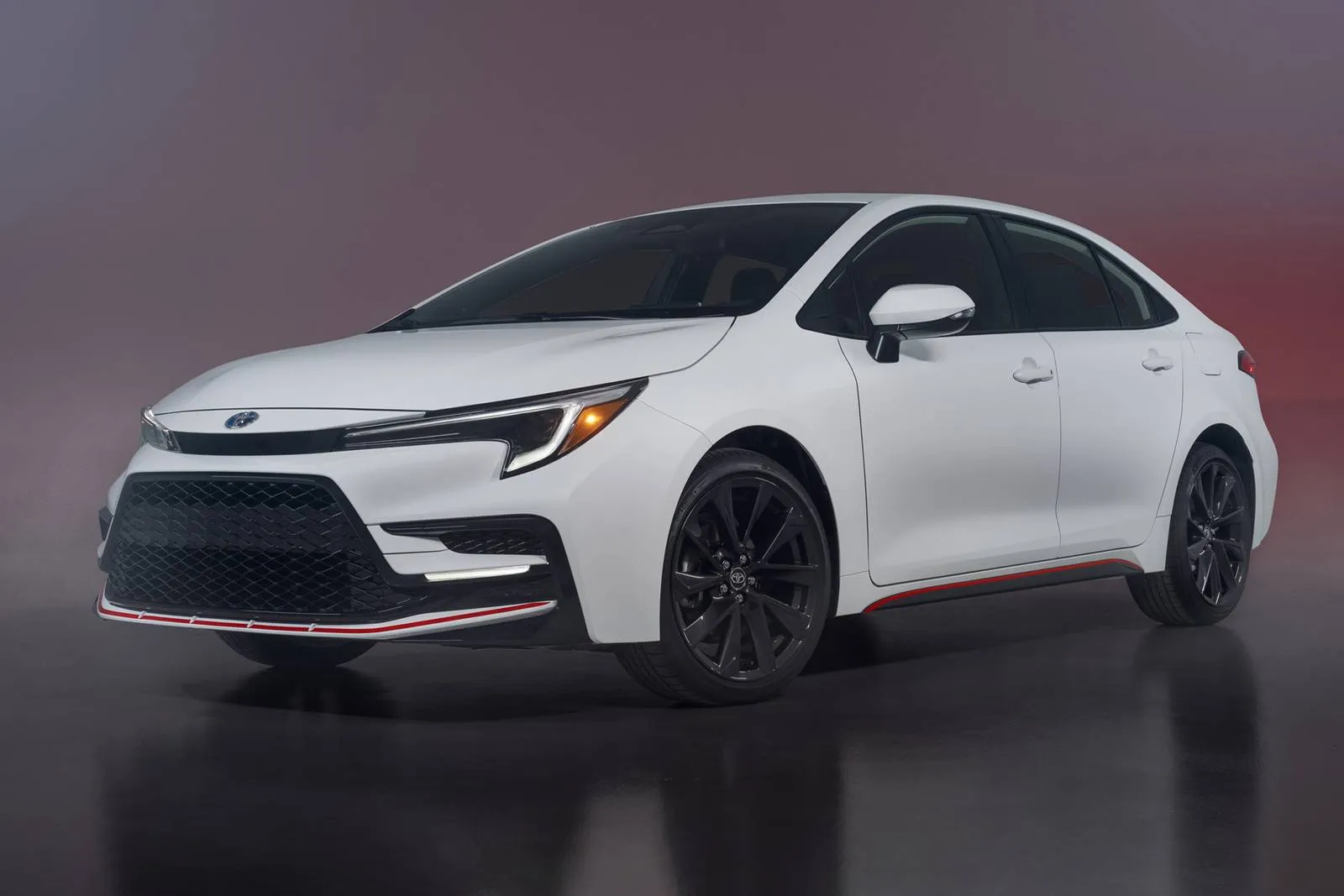
Car commercials paint a glossy picture. A sleek vehicle glides along a coastal highway, sunlight bouncing off polished paint, a driver smiling like every commute feels magical. Real ownership tells a richer story. Grocery runs, school drop-offs, road trips with coffee stains on cup holders, and long waits in traffic reveal what a vehicle truly offers. Marketing shows aspiration. Ownership shows reality.
Shoppers deserve to know which vehicles actually live up to daily expectations and which ones only shine during a 30-second commercial. Comfort, reliability, practicality, and cost of ownership matter far more than cinematic camera angles or dramatic voiceovers.
Advertisements rarely show cramped rear seats, confusing infotainment menus, or cargo spaces that shrink once a stroller enters the equation. Real drivers notice these details within weeks.
Honest experiences often surprise buyers. Some vehicles advertised as basic turn out to be incredibly satisfying for everyday life. Others marketed as exciting or luxurious fail to meet routine needs once the novelty fades. Choosing a vehicle becomes easier when real-world strengths and weaknesses come into focus.
Five vehicles stand out for fitting daily life better than advertising suggests. These models deliver comfort, durability, and usability where it counts. Each earns its place through consistent performance during ordinary routines rather than staged scenes.
5 Vehicles That Fit Real Life Better Than Ads
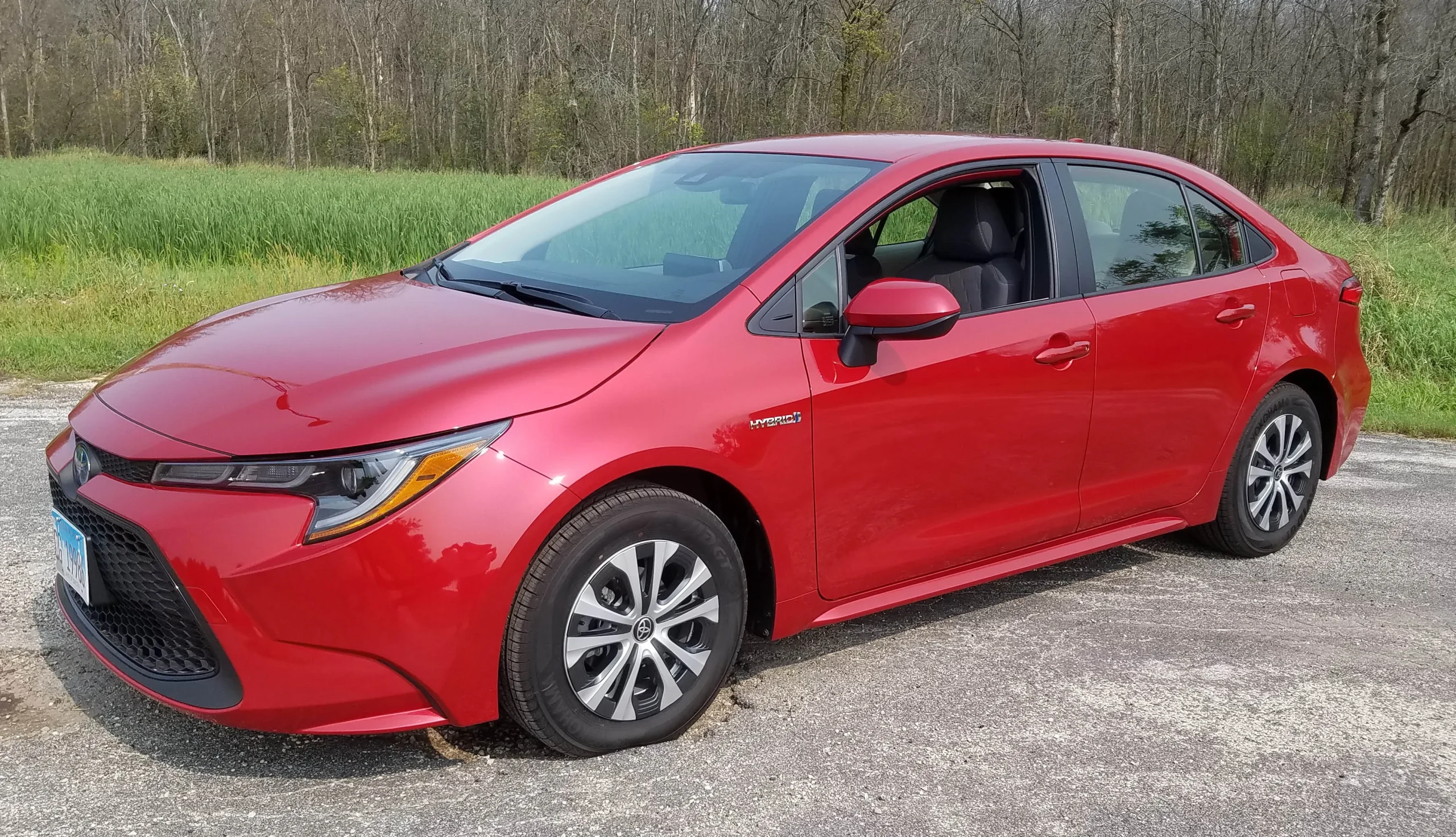
1. Toyota Corolla Hybrid LE
Picture a weekday morning with stop-and-go traffic, a nearly empty fuel tank, and a schedule packed with errands. Toyota Corolla Hybrid LE handles that scenario with quiet confidence, turning what could be a stressful commute into something surprisingly manageable. Advertisements highlight fuel economy and sleek styling, yet daily use reveals even stronger advantages.
Driving this hybrid feels effortless in city conditions. Smooth acceleration and refined braking help during crowded streets, while regenerative braking quietly saves fuel. Gas mileage often exceeds expectations, stretching each fill-up far longer than a standard compact sedan.
Long-term owners appreciate fewer stops at gas stations, especially when commuting five days a week. Savings add up quickly, easing monthly budgets without sacrificing convenience. Cabin comfort surpasses what most compact sedans deliver. Supportive seats reduce fatigue during longer drives, and road noise remains low enough for easy conversations.
Infotainment controls stay straightforward, avoiding the confusion found in flashier competitors. Apple CarPlay and Android Auto connect quickly, turning navigation and music into seamless experiences. Daily errands feel less hectic when technology works without frustration.
Reliability builds confidence year after year. Toyota’s reputation for durability proves accurate here, with many owners reporting minimal issues beyond routine service. Maintenance costs stay predictable, and resale value remains strong. These factors matter more than flashy commercial scenes featuring winding coastal roads.
Interior space suits real needs better than expected. Rear seats accommodate adults comfortably, while the trunk handles groceries, backpacks, and weekend luggage without complaint. Commuters, students, and small families all find practical value in its layout. Fuel efficiency combines with comfort and dependability to create a vehicle that quietly exceeds expectations.
Toyota Corolla Hybrid LE thrives during daily routines. Instead of chasing attention, it supports real life through consistent performance and low ownership stress. Advertisements only hint at its strengths. Ownership reveals how well it fits ordinary schedules and long-term plans.
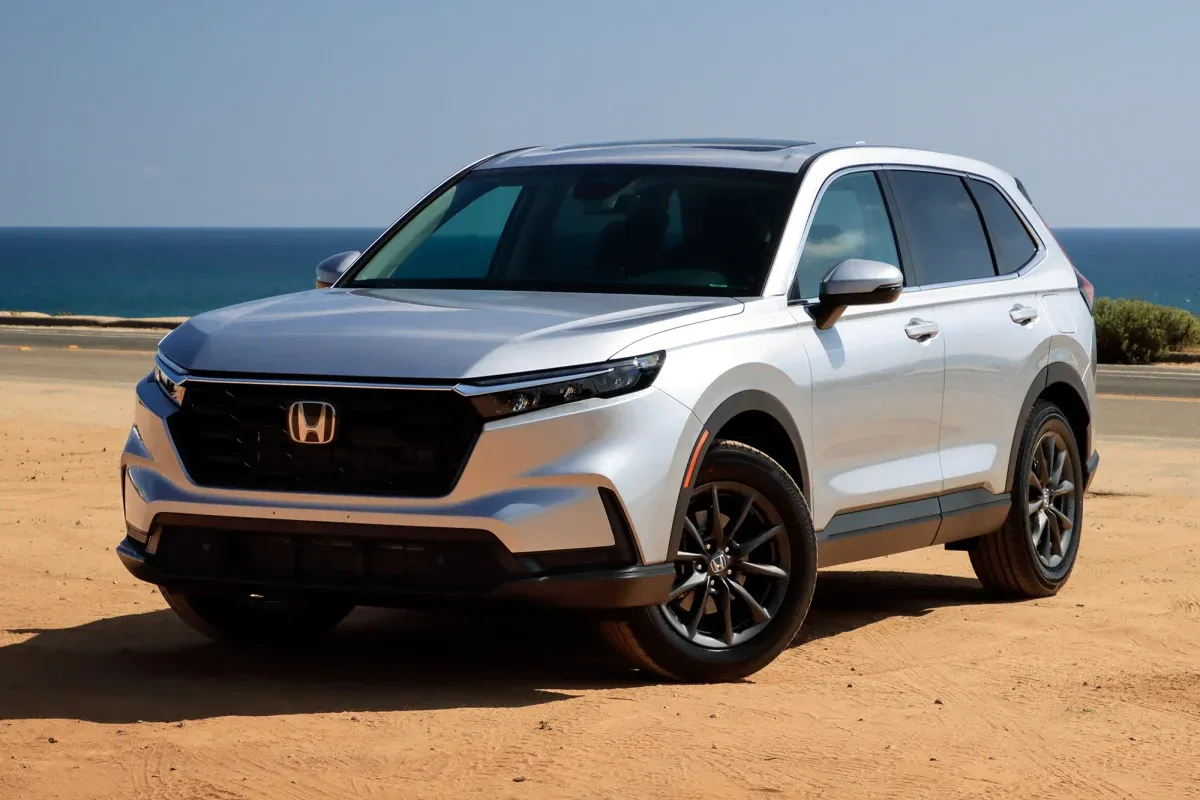
2. Honda CR-V EX-L
Busy families and professionals often require a vehicle that adapts to changing schedules without complaint. Honda CR-V EX-L fulfills that role with remarkable consistency, providing comfort and utility that go far beyond its advertising highlights. Commercials emphasize sleek design and advanced safety features, yet everyday ownership uncovers its real appeal.
Step inside, and spaciousness becomes immediately clear. Legroom in both rows allows passengers to relax during long drives, while cargo space handles sports gear, groceries, and travel bags with ease. Rear seats fold flat quickly, transforming the vehicle for larger items without complicated steps. Daily errands become simpler when flexibility exists at a moment’s notice.
Driving experience remains calm and predictable. Steering feels light yet precise, making parking lots and tight streets less stressful. Highway cruising stays smooth, with minimal cabin noise and stable handling. Drivers appreciate this balanced performance during commutes and weekend trips alike. Comfort matters when hours behind the wheel become routine rather than occasional.
Technology inside the CR-V EX-L enhances convenience rather than overwhelming users. Touchscreen controls respond quickly, and physical buttons for climate functions prevent distraction. Heated leather seats and dual-zone climate control improve comfort during changing weather. Small details like these shape long-term satisfaction more than dramatic advertising scenes.
Fuel efficiency surprises many owners. Despite generous interior space, the CR-V delivers mileage that keeps fuel costs manageable. Maintenance remains straightforward, supported by Honda’s reputation for reliability. Routine service visits rarely bring unpleasant surprises, allowing owners to plan expenses with confidence.
Safety features quietly support daily travel. Adaptive cruise control, lane-keeping assist, and blind-spot monitoring work in the background, reducing stress during heavy traffic. These systems feel helpful rather than intrusive, creating a sense of security without constant alerts.
Honda CR-V EX-L earns loyalty through dependable performance and thoughtful design. Advertising showcases style and technology, yet real-life ownership reveals how well it handles everyday responsibilities. Comfort, practicality, and reliability combine to create a vehicle that fits seamlessly into busy routines.
Also Read: 5 Vehicles That Feel Well-Designed vs 5 That Don’t
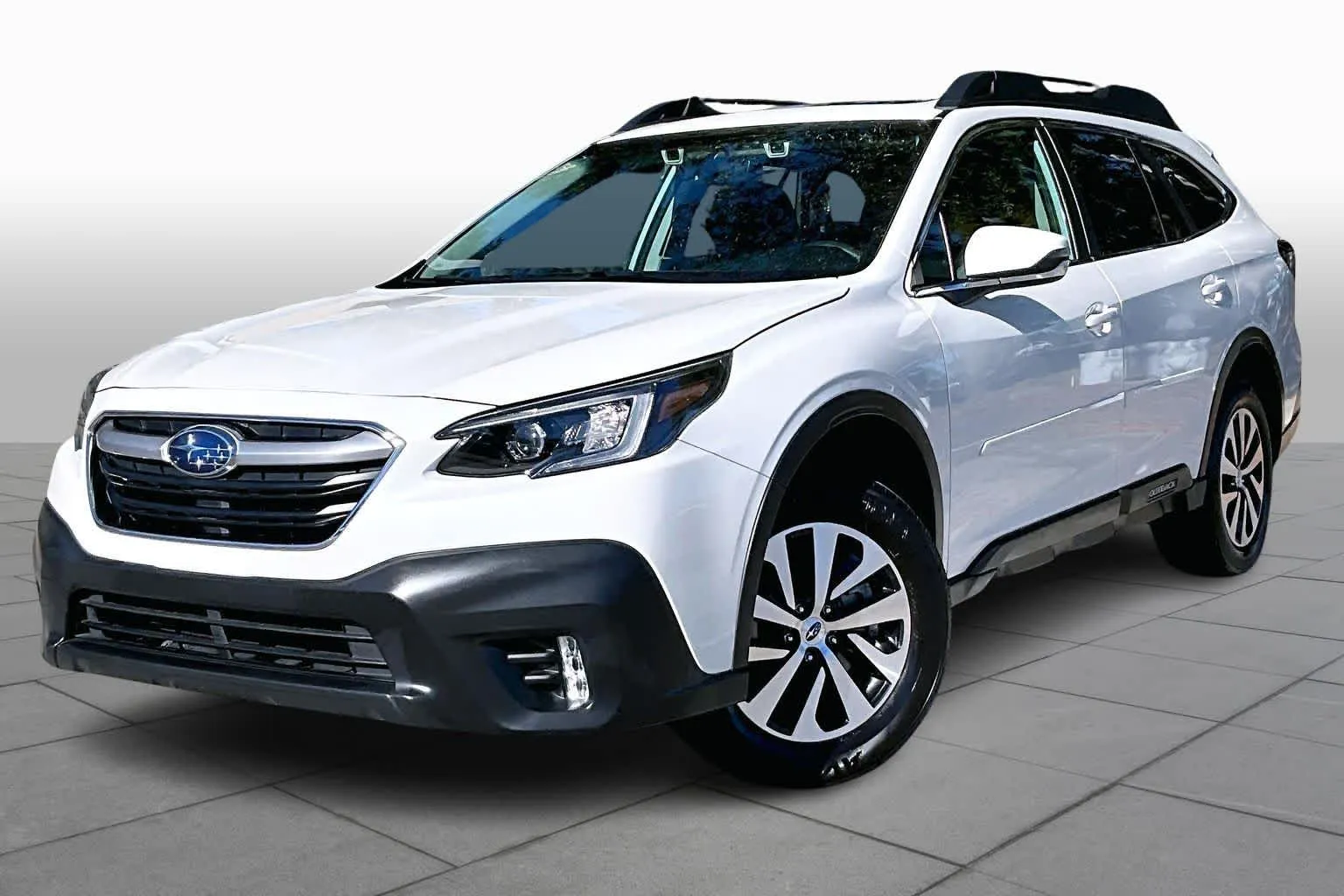
3. Subaru Outback Premium
Adventure-themed commercials often feature vehicles climbing rocky trails or crossing scenic mountain passes. Subaru Outback Premium certainly handles outdoor excursions, yet its true value shines during ordinary days filled with commuting, shopping, and family activities. Real-life ownership highlights strengths that advertising only hints at.
Confidence behind the wheel stands out immediately. Standard all-wheel drive provides stability during rain, snow, or uneven roads. Drivers feel secure even in challenging conditions, making daily travel less stressful. School runs and grocery trips continue smoothly regardless of weather changes, adding peace of mind.
Interior space supports varied lifestyles. Rear seats offer generous legroom, allowing passengers to stretch out comfortably. The cargo area accommodates camping gear, sports equipment, or weekly shopping without difficulty. Roof rails add extra storage possibilities for road trips. Versatility becomes evident with every use.
Ride comfort deserves recognition. Suspension absorbs bumps effectively, keeping passengers relaxed during long drives. Seats provide excellent support, reducing fatigue during extended travel. Quiet cabin design allows conversations and music to remain clear, improving daily commutes and weekend journeys alike.
Technology integrates smoothly into the driving experience. Large touchscreen displays navigation and media clearly, while physical controls for essential functions remain accessible. Smartphone connectivity works reliably, ensuring directions and entertainment stay within reach. These features simplify routine travel rather than complicate it.
Fuel efficiency balances power and practicality. While not the most economical option in its class, the Outback maintains reasonable consumption for its size and capability. Maintenance requirements stay predictable, supported by Subaru’s strong reputation for durability. Owners appreciate consistent performance without frequent repairs.
Subaru Outback Premium excels where it matters most: everyday usability. Advertising highlights rugged adventures, yet daily ownership reveals a comfortable, dependable vehicle suited for commuting and errands. Practical design and reliable performance transform ordinary drives into pleasant experiences.
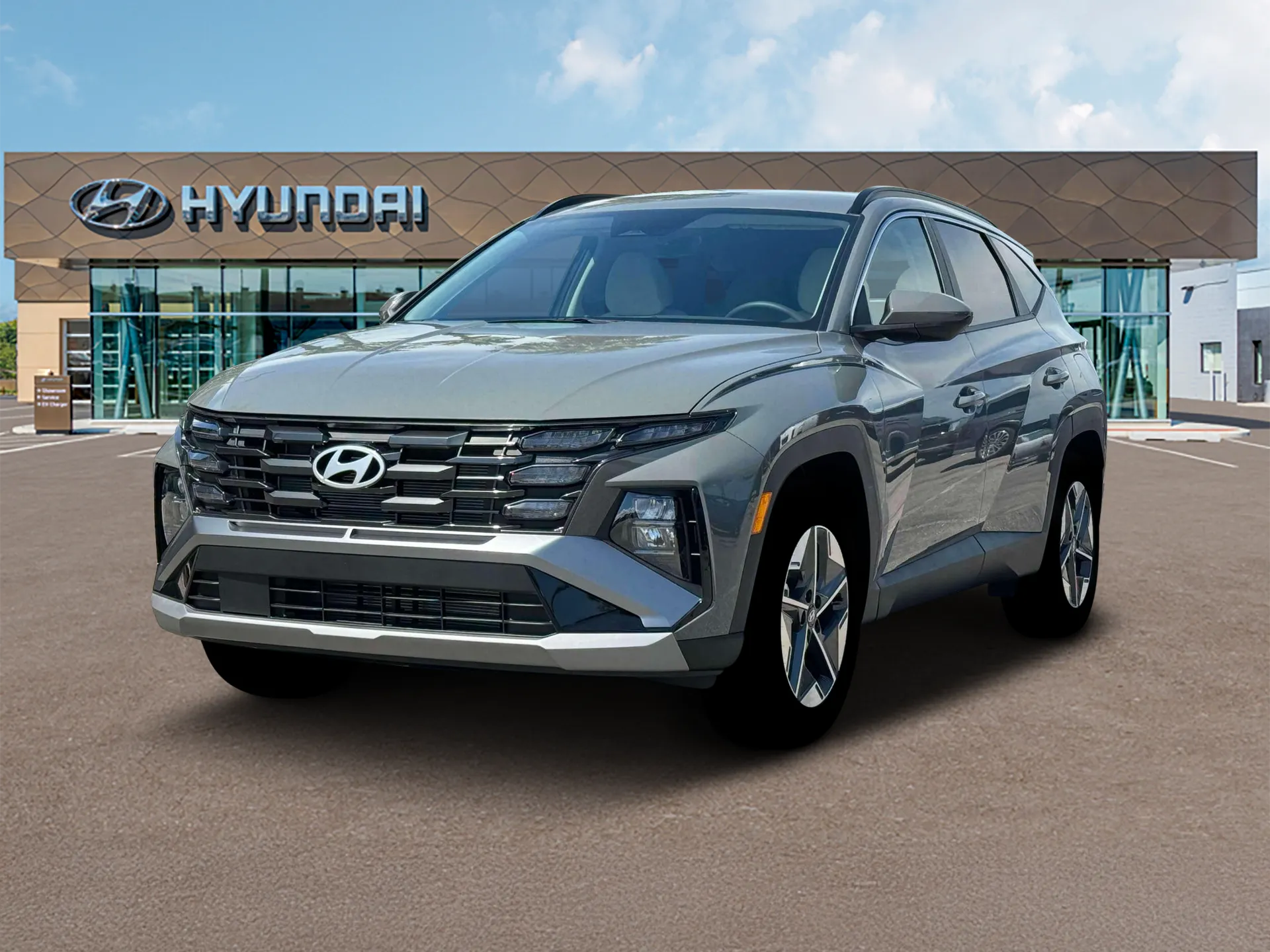
4. Hyundai Tucson SEL
Fresh styling and modern technology dominate advertisements for the Hyundai Tucson SEL. Those elements certainly attract attention, yet real-life ownership uncovers a deeper set of strengths that support daily routines. Practical comfort and thoughtful features make this compact SUV more useful than commercials suggest.
Cabin design focuses on convenience and comfort. Seats provide excellent support, reducing fatigue during long commutes. Rear passengers enjoy generous legroom, making family travel more pleasant. Soft-touch materials and a clean layout create a welcoming environment without unnecessary complication. Drivers quickly adapt to the intuitive controls.
Cargo capacity proves surprisingly generous. Grocery runs, gym bags, and travel luggage fit easily, while folding rear seats expand space for larger items. Loading height remains manageable, helping users avoid strain when placing heavier objects inside. These details improve daily usability in meaningful ways.
Technology enhances driving rather than distracting from it. The large touchscreen responds quickly, and the digital instrument cluster displays information clearly. Smartphone integration works seamlessly, allowing drivers to access navigation and music without hassle. Safety systems such as forward collision warning and blind-spot monitoring operate smoothly, providing reassurance without constant interruptions.
Driving dynamics balance comfort and control. Steering feels responsive in city traffic, while suspension absorbs road imperfections effectively. Highway cruising remains stable and quiet, making longer trips enjoyable. Fuel efficiency stays competitive, helping owners manage operating costs without sacrificing performance.
Hyundai’s warranty adds another layer of confidence. Long coverage periods reduce anxiety about unexpected repairs, allowing owners to focus on daily use rather than potential issues. Routine maintenance stays straightforward and affordable.
Hyundai Tucson SEL fits real life through thoughtful design and dependable performance. Advertising highlights futuristic styling, yet everyday ownership reveals practical comfort and reliability. Busy schedules become easier to manage when a vehicle supports rather than complicates daily routines.
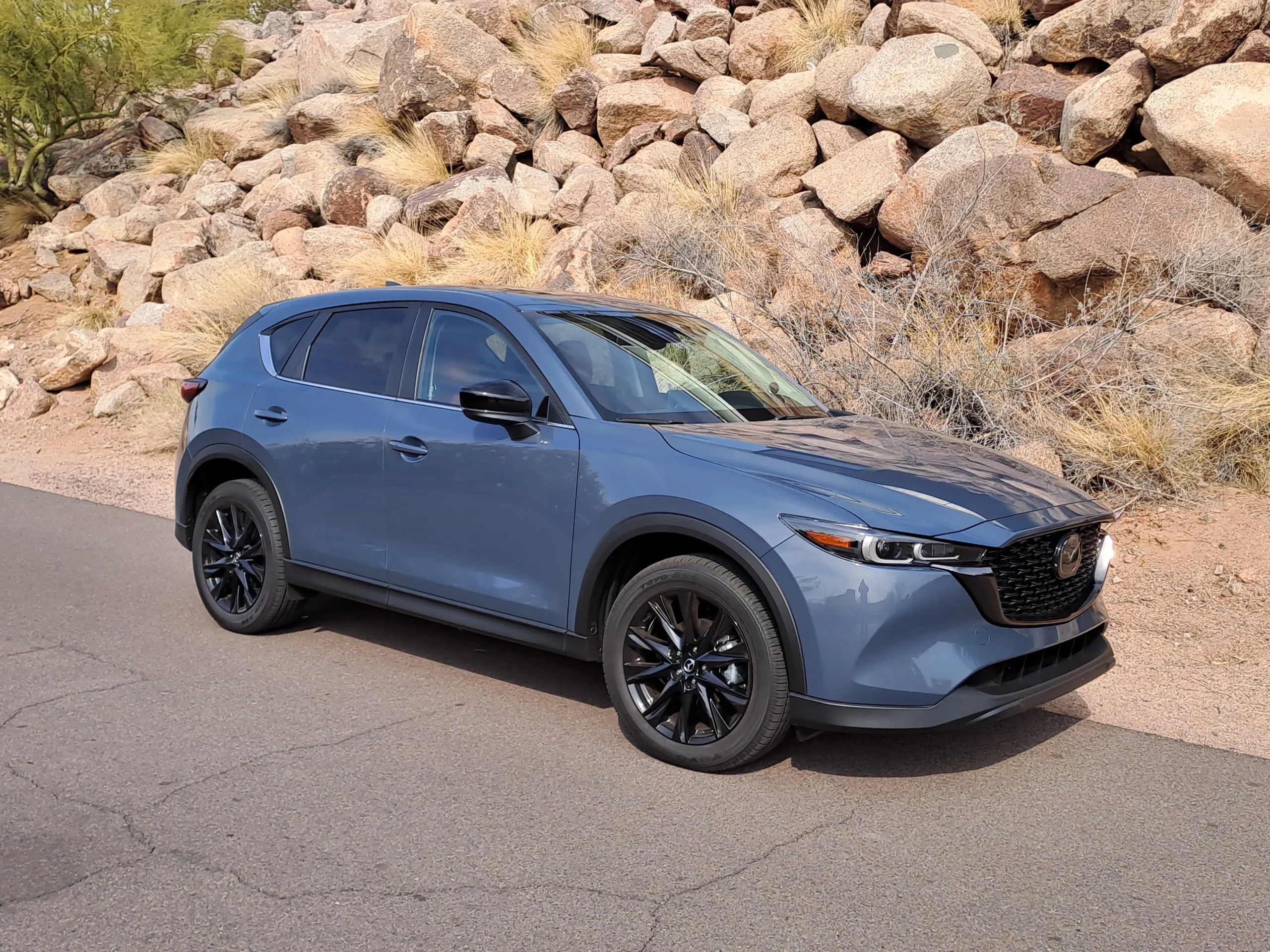
5. Mazda CX-5 Carbon Edition
Excitement often dominates marketing for compact SUVs, with dramatic visuals emphasizing speed and style. Mazda CX-5 Carbon Edition certainly delivers visual appeal, yet its real strength lies in balancing enjoyment with everyday practicality. Drivers discover a vehicle that enhances daily routines rather than merely looking impressive.
Stepping into the cabin reveals an upscale atmosphere. Soft materials, refined stitching, and supportive seats create a premium feel uncommon in this segment. Commuters appreciate comfort during long drives, while passengers enjoy spacious seating and smooth ride quality. Interior design focuses on simplicity and quality rather than excessive complication.
Driving experience stands out immediately. Steering feels precise, allowing confident control in city streets and winding roads alike. Suspension balances sportiness with comfort, absorbing bumps while maintaining stability. This combination makes daily driving enjoyable without sacrificing practicality. Owners often find themselves looking forward to routine trips.
Technology remains user-friendly. The central display operates through a rotary controller, reducing distractions while driving. Smartphone connectivity integrates smoothly, keeping navigation and entertainment accessible. Safety features such as adaptive cruise control and lane departure warning provide additional reassurance during busy commutes.
Cargo space meets everyday needs effectively. Grocery bags, sports equipment, and travel luggage fit comfortably, while folding rear seats expand capacity when required. Fuel efficiency remains reasonable for a vehicle offering such engaging performance. Maintenance costs stay manageable, supported by Mazda’s improving reliability reputation.
Mazda CX-5 Carbon Edition proves that style and practicality can coexist. Advertising highlights design and performance, yet ownership reveals a vehicle that fits seamlessly into daily life. Comfort, driving enjoyment, and reliability combine to create a compact SUV that exceeds expectations where it matters most.
5 Vehicles That Don’t Fit Real Life as Well as Ads Suggest
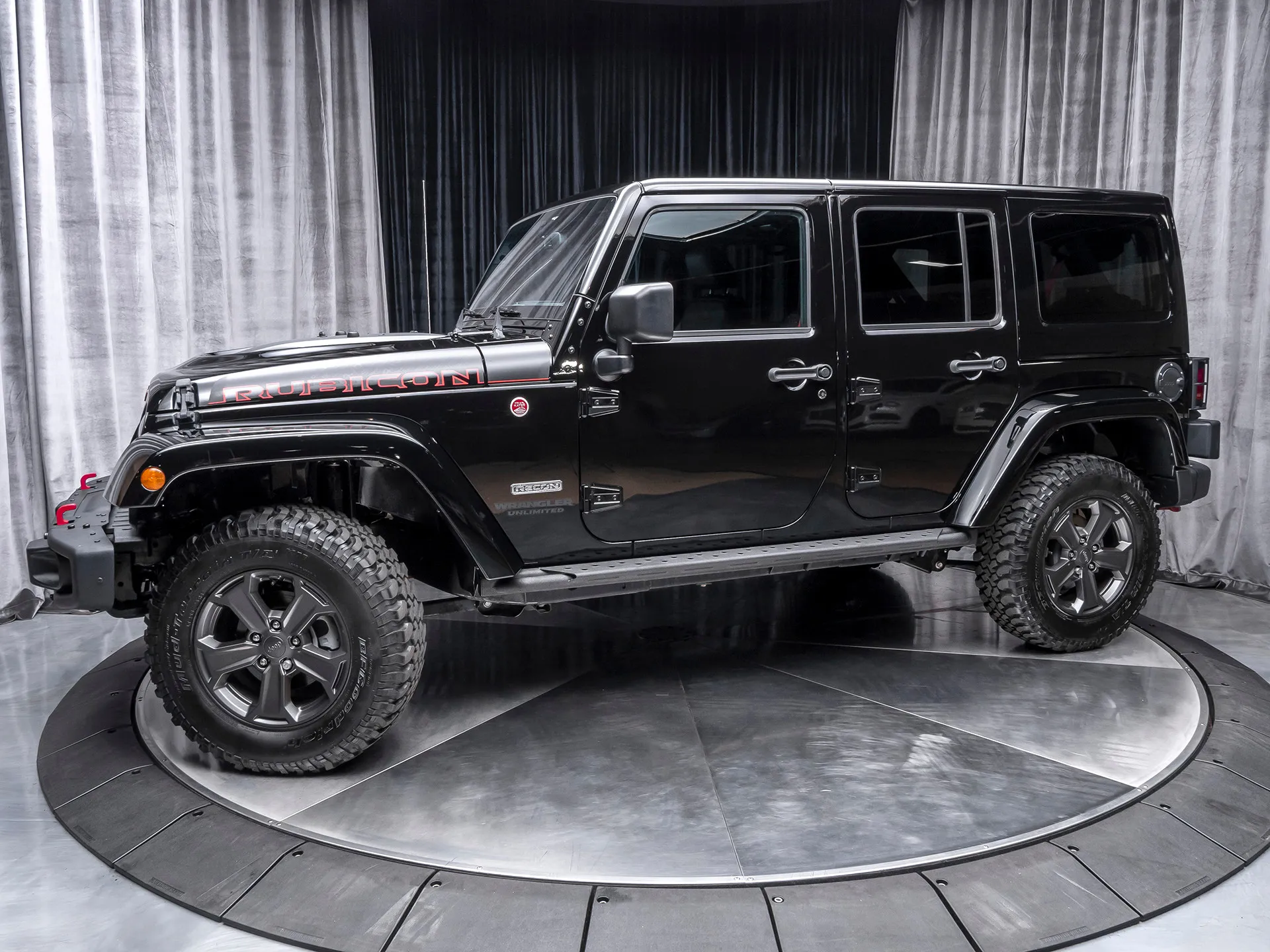
1. Jeep Wrangler Unlimited Rubicon
Bold imagery sells the Jeep Wrangler Unlimited Rubicon as a symbol of freedom and adventure. Commercials often feature dramatic off-road scenes, sunlit deserts, and mountain trails that seem to promise excitement every time the engine starts. Daily ownership tells a far more grounded story once routines settle in and real driving conditions replace cinematic backdrops.
Start with the ride quality. City streets and highways reveal a stiff suspension designed for rocky paths rather than smooth commuting. Bumps and uneven pavement translate directly into the cabin, making long drives tiring. Passengers frequently notice the constant motion, especially during extended highway travel. While off-road capability remains impressive, most drivers spend the majority of their time on paved roads where comfort matters more.
Cabin noise becomes another surprise. Wind and road sounds enter freely, particularly at higher speeds. Hardtop versions reduce noise slightly, yet conversation and music still compete with outside sounds. Long trips can feel exhausting due to this constant background noise. Advertisements rarely portray hours of highway travel, where quiet interiors become a valuable feature.
Storage space presents its own challenges. The rear cargo area remains limited compared with other SUVs of similar size. Loading groceries, luggage, or sports equipment often requires careful planning. Rear seats do not fold as seamlessly as competitors, reducing flexibility for daily errands. Families expecting SUV practicality may find the layout restrictive.
Technology inside the Wrangler has improved, yet usability still trails behind rivals. Infotainment screens respond more slowly than expected, and some controls feel outdated. Comfort features remain basic considering the vehicle’s price. Drivers paying premium rates often expect a more refined experience.
Fuel economy also surprises new owners. Large tires and off-road engineering reduce efficiency, leading to frequent fuel stops. Operating costs rise quickly for those with long commutes. Jeep Wrangler Unlimited Rubicon thrives during weekend adventures, yet routine errands and commuting reveal compromises that advertising tends to overlook.
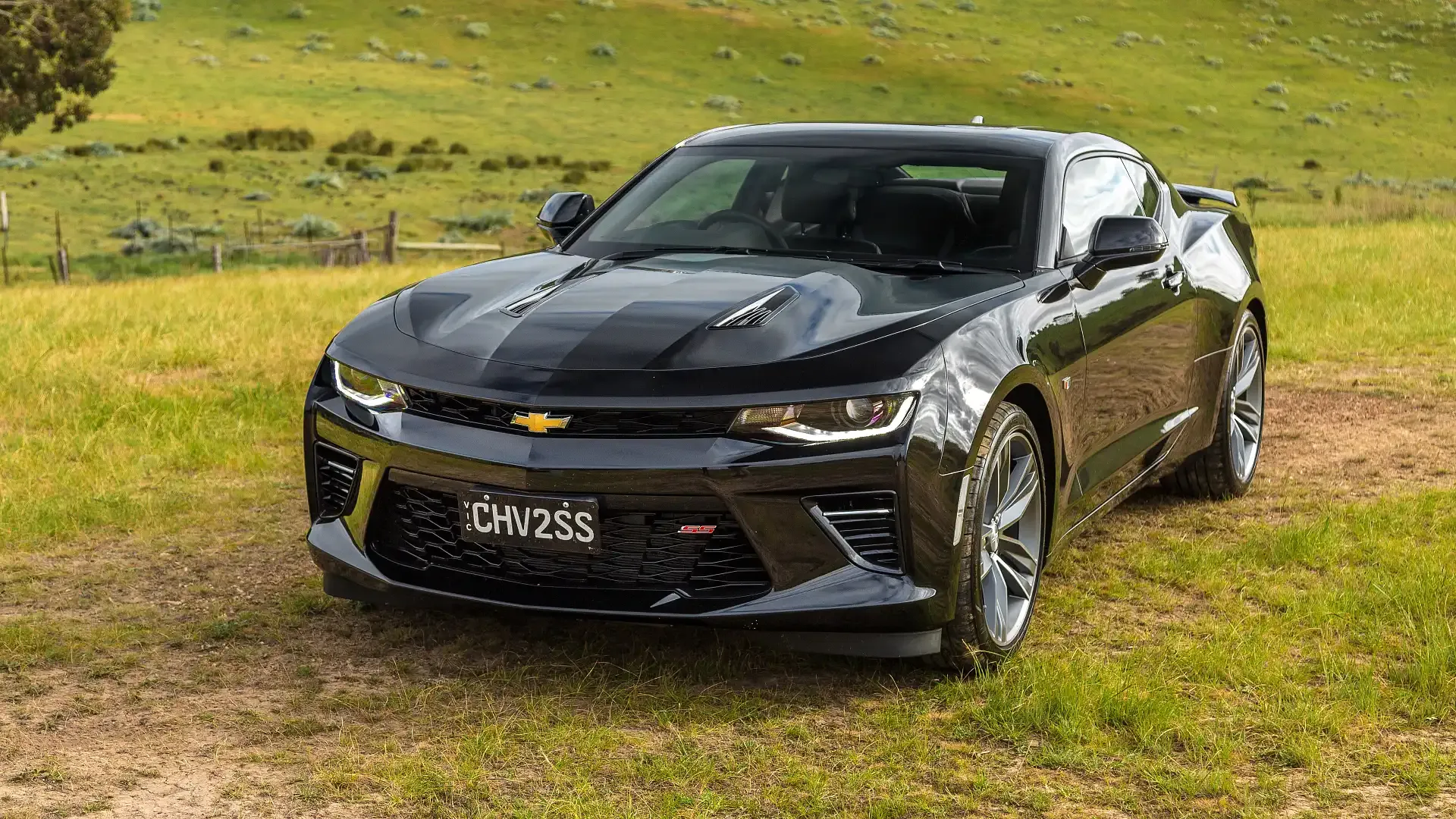
2. Chevrolet Camaro 2SS Coupe
Sleek styling and powerful engine notes dominate commercials for the Chevrolet Camaro 2SS Coupe. Scenes filled with winding roads and dramatic acceleration promise excitement at every turn. Living with this performance coupe daily brings a different perspective once traffic, parking lots, and errands become part of the equation.
Visibility stands out as one of the first challenges. Low roofline and narrow windows limit outward view, making parking and lane changes more stressful. Rear visibility remains particularly restricted, even with camera assistance. Drivers often find themselves relying heavily on sensors and mirrors to compensate. Such limitations grow tiring during routine commuting.
Interior space feels tight for both driver and passengers. Front seats offer support during spirited driving, yet taller individuals may feel confined. Rear seats provide minimal legroom, making them suitable mainly for short trips. Carrying adult passengers becomes uncomfortable quickly. Practicality takes a back seat to styling and performance.
Cargo capacity remains limited as well. Trunk opening is small and awkward, making it difficult to load larger items. Grocery bags and luggage require careful arrangement to fit. Daily errands that involve transporting multiple items can become inconvenient. Buyers expecting sports car excitement with everyday usability may feel disappointed.
Fuel consumption adds another layer of reality. Powerful V8 engine delivers thrilling acceleration but consumes fuel at a rapid rate. Frequent visits to gas stations become routine, particularly for drivers with longer commutes. Insurance costs also tend to be higher, reflecting performance-oriented design.
Ride comfort varies depending on road conditions. Sport-tuned suspension enhances handling yet transmits bumps directly into the cabin. Long drives on rough roads can feel harsh. While enthusiasts appreciate the driving dynamics, those seeking comfort during daily use may find the experience less appealing.
Chevrolet Camaro 2SS Coupe excels during spirited drives and weekend outings. Everyday responsibilities expose compromises in visibility, space, and efficiency that advertisements rarely highlight.
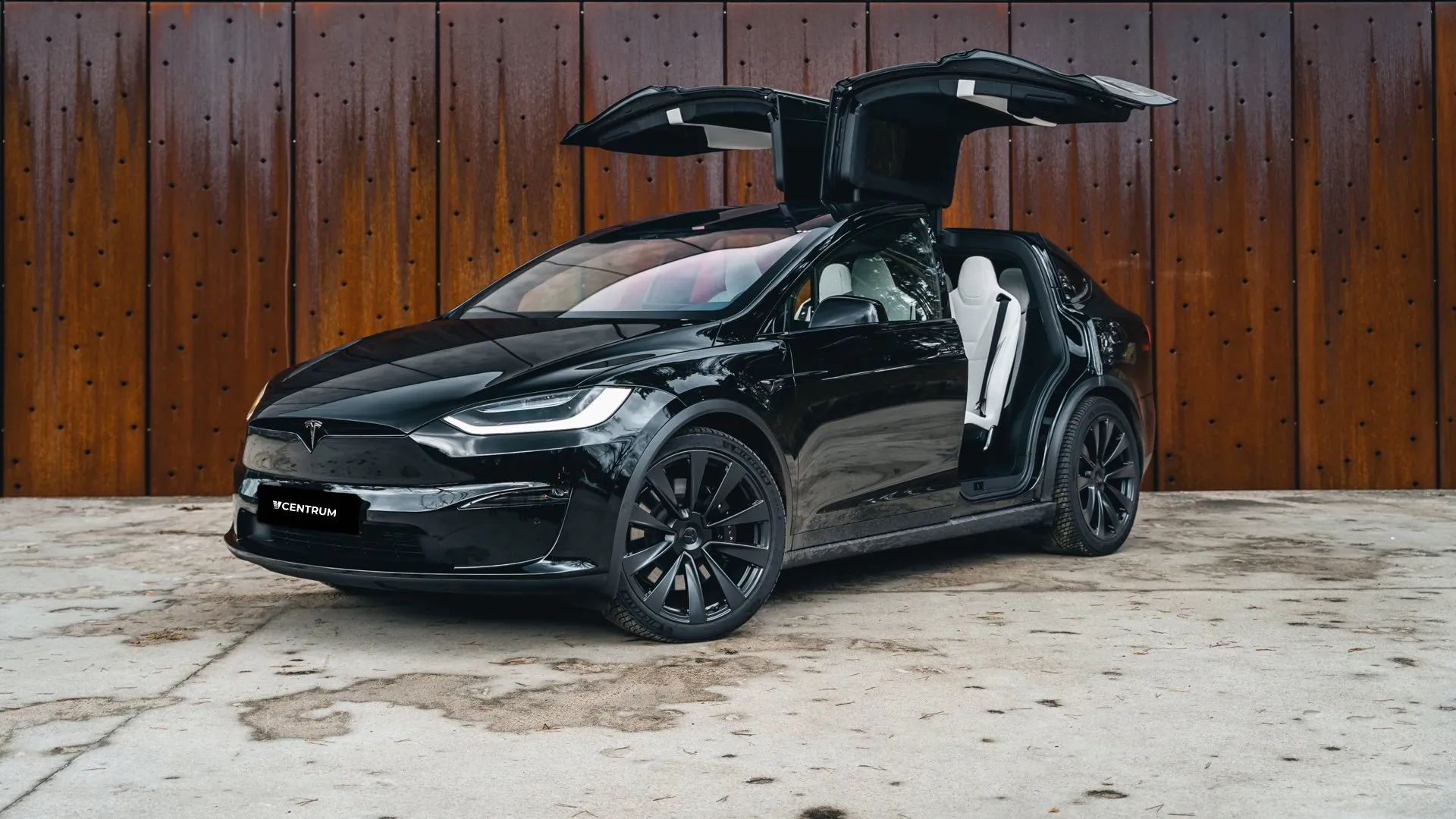
3. Tesla Model X Plaid
Electric performance and futuristic design place the Tesla Model X Plaid at the center of many eye-catching advertisements. Falcon-wing doors open dramatically, and acceleration figures rival supercars. Living with this high-tech SUV every day reveals challenges that glossy promotions seldom address.
Technology dominates the driving experience. Large touchscreen controls nearly every function, from climate settings to mirror adjustments. While visually impressive, reliance on a single interface can feel distracting. Drivers must drive through menus for simple tasks that traditional buttons once handled instantly. Learning curve becomes steep, especially for those accustomed to conventional layouts.
Falcon-wing rear doors attract attention wherever the vehicle appears. Practical use, though, sometimes proves inconvenient. Tight parking spaces make opening these doors difficult, and sensors occasionally prevent full operation. Loading passengers or cargo can take longer than expected. Dramatic design sacrifices a degree of everyday convenience.
Interior quality presents mixed impressions. Minimalist styling looks sleek, yet some materials do not match the vehicle’s premium price. Panel alignment and trim durability have improved in recent years but still receive mixed feedback from owners. Expectations rise when paying for a luxury electric SUV, making inconsistencies more noticeable.
Driving range varies based on conditions. Aggressive acceleration and high-speed travel reduce battery life faster than expected. Cold weather also affects range, requiring careful planning for longer trips. Charging infrastructure continues to expand, yet waiting times at stations can disrupt schedules during busy travel periods.
Ride comfort leans toward firm, especially with large performance wheels. Rough pavement becomes noticeable inside the cabin. Passengers expecting luxury-level smoothness may feel surprised. While acceleration remains astonishing, everyday comfort sometimes takes a secondary role.
Tesla Model X Plaid impresses with innovation and speed. Daily routines highlight usability concerns, charging considerations, and design quirks that advertising often downplays.
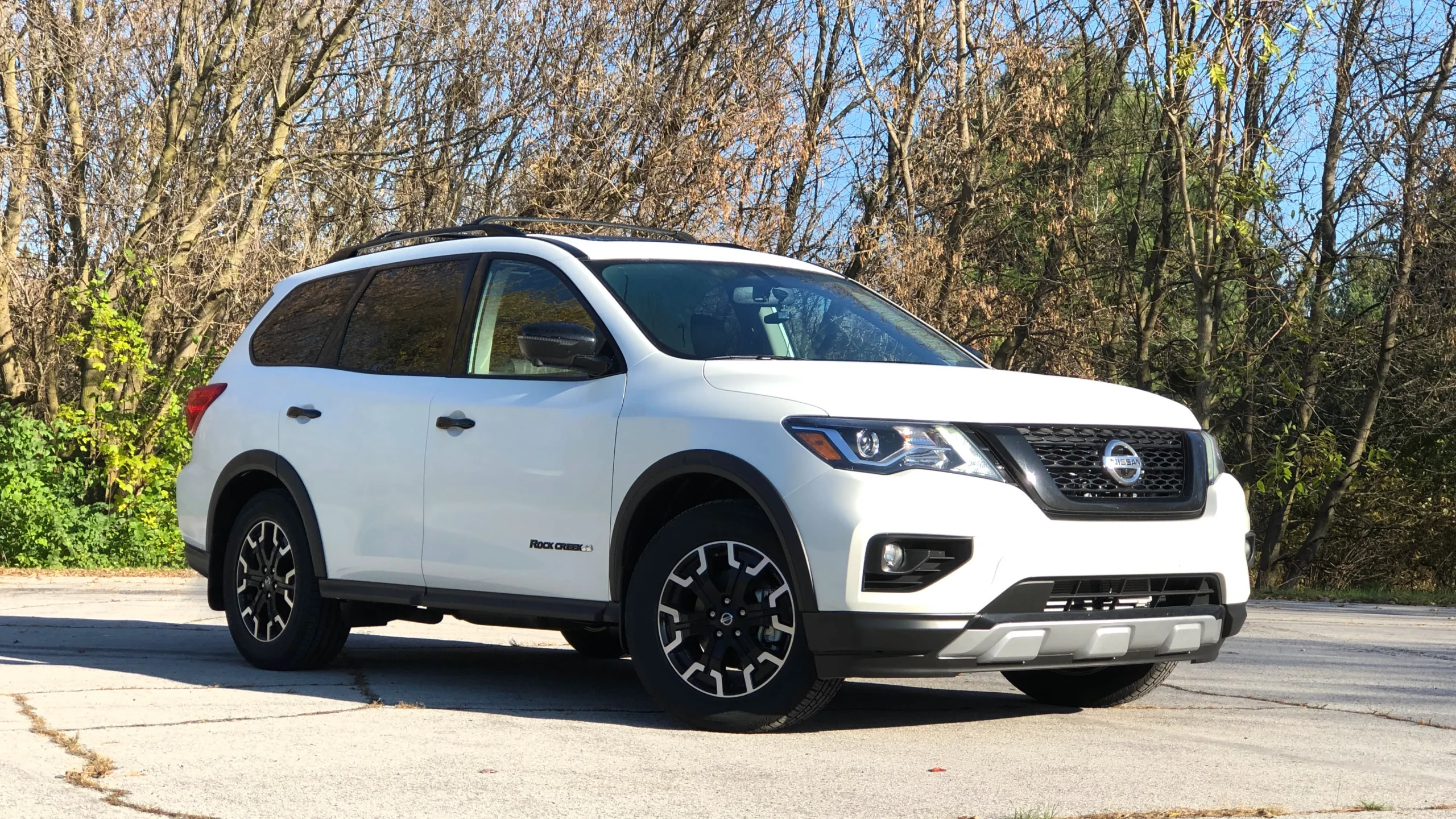
4. Nissan Pathfinder Rock Creek
Rugged styling and outdoor imagery surround marketing for the Nissan Pathfinder Rock Creek. Commercials often depict adventurous families heading into remote locations, suggesting readiness for any journey. Real-life ownership paints a different picture once commuting, school runs, and shopping trips dominate weekly schedules.
Fuel efficiency becomes a primary concern. Larger engine and off-road-oriented tuning result in higher consumption compared with many midsize SUVs. Frequent fuel stops increase operating costs for drivers covering long distances. Advertising focuses on capability rather than everyday expenses, leaving some owners surprised by monthly fuel spending.
Interior layout shows strengths and weaknesses. Seating for multiple passengers remains comfortable during shorter trips, yet third-row space feels tight for adults. Families with teenagers or taller passengers may struggle during longer drives. Access to the third row also requires effort, particularly when child seats occupy the second row.
Cargo space changes depending on seating configuration. With all seats in use, the storage area becomes limited. Weekend travel with a full passenger load often demands creative packing. Folding seats expand capacity, though doing so reduces available seating. Balancing passenger comfort and cargo needs requires compromise.
Technology inside the cabin delivers mixed results. The infotainment system functions adequately but lacks the responsiveness and visual clarity found in some competitors. Drivers accustomed to faster interfaces may notice delays. Safety features operate reliably, yet frequent alerts can become distracting during city driving.
Ride quality remains comfortable on smooth roads, though heavier off-road components add weight and reduce agility in tight urban spaces. Parking and maneuvering in crowded areas requires attention due to size. Drivers seeking rugged style with easy daily usability might find the balance less ideal than expected.
Nissan Pathfinder Rock Creek performs well for occasional outdoor trips. Daily routines reveal higher fuel costs, limited cargo flexibility, and technology that feels less refined than promotional material suggests.
Also Read: 5 Vehicles That Make Frequent Fuel Stops vs 5 That Don’t
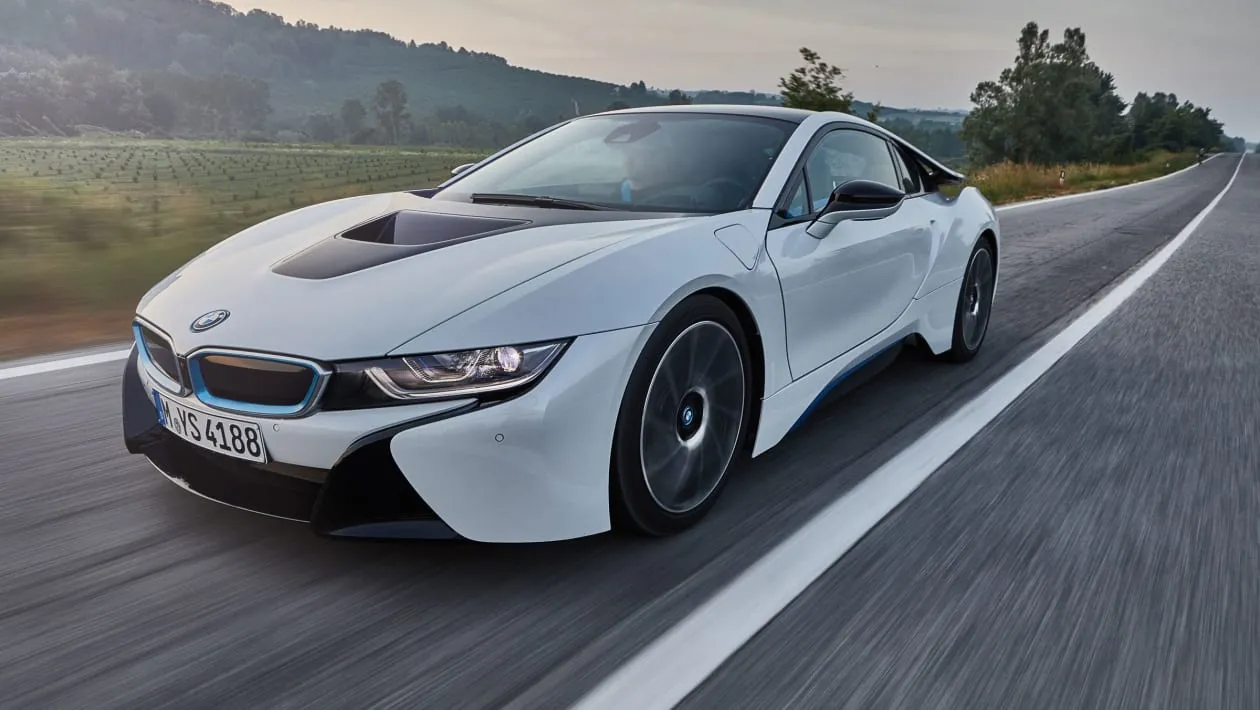
5. BMW i8 Coupe
Futuristic styling and dramatic presentation define the BMW i8 Coupe. Advertisements showcase sleek lines, glowing accents, and doors that swing upward like a concept car brought to life. Real ownership introduces practical considerations that quickly overshadow the initial excitement.
Getting in and out requires effort. Low seating position and wide door sills make entry challenging, especially in tight parking spaces. Upward-opening doors look impressive but demand clearance that many garages and parking lots do not provide. Every day use becomes less convenient than expected.
Cabin space feels limited. Two-seat configuration restricts passenger capacity, and storage options remain minimal. The small trunk accommodates only a few bags, making grocery trips or travel preparation difficult. Drivers accustomed to versatile vehicles may find practicality lacking.
The hybrid powertrain delivers quick acceleration and efficient city driving when charged. Electric-only range remains short, requiring frequent charging to maximize efficiency. Without regular charging, fuel economy drops, reducing the hybrid advantage. Managing charging schedules becomes part of daily planning.
Interior technology and controls require adjustment. Touchscreen and rotary interfaces provide access to features, yet some functions feel buried within menus. Learning the system takes time, and quick adjustments while driving can feel distracting. Premium price raises expectations for intuitive design.
Ride comfort leans toward firm due to performance-focused suspension. Smooth roads feel enjoyable, while rough surfaces transmit vibrations into the cabin. Long drives may cause fatigue for passengers seeking relaxed comfort. Insurance and maintenance costs also tend to be higher than those of typical coupes.
BMW i8 Coupe excels as a statement piece and weekend cruiser. Routine errands and commuting highlight limitations in space, convenience, and operating practicality that advertising rarely shows.
