
Car ownership has changed in ways few drivers expected a decade ago. Screens have multiplied, buttons have vanished, and simple actions now require learning curves that feel closer to operating a device than driving a vehicle. While innovation brings benefits, it can also create friction.
Not every driver wants to think about software layers, hidden menus, or constant alerts during a morning commute. For a growing number of people, ease matters more than excess. A vehicle that feels straightforward builds confidence quickly. Controls respond as anticipated.
Features work quietly without demanding attention. Driving feels natural instead of instructional. This kind of design reduces stress and allows drivers to focus on traffic, conversation, or the simple pleasure of movement. Over months and years, that ease becomes a defining part of ownership satisfaction.
At the same time, some modern vehicles lean heavily into layered systems and digital dependence. These designs aim to impress, yet they often require constant mental effort. Drivers may spend more time adjusting settings than enjoying the road. When daily tasks feel like small challenges, fatigue replaces excitement.
This page examines that divide. One group of vehicles prioritizes clarity, intuitive operation, and restraint. The other group embraces technology to the point where interaction can feel demanding. Neither approach is accidental. Each reflects a philosophy about what driving should feel like.
By comparing both sides, this piece highlights how design choices shape daily experiences behind the wheel. It is not about rejecting progress or praising nostalgia. It is about understanding how simplicity or excess affects comfort, focus, and long-term satisfaction.
For anyone deciding what kind of relationship they want with their next vehicle, this perspective offers useful insight before the test drive even begins. Clear expectations today help buyers choose vehicles that match habits, patience, and daily priorities better.
5 Vehicles That Don’t Feel Overcomplicated
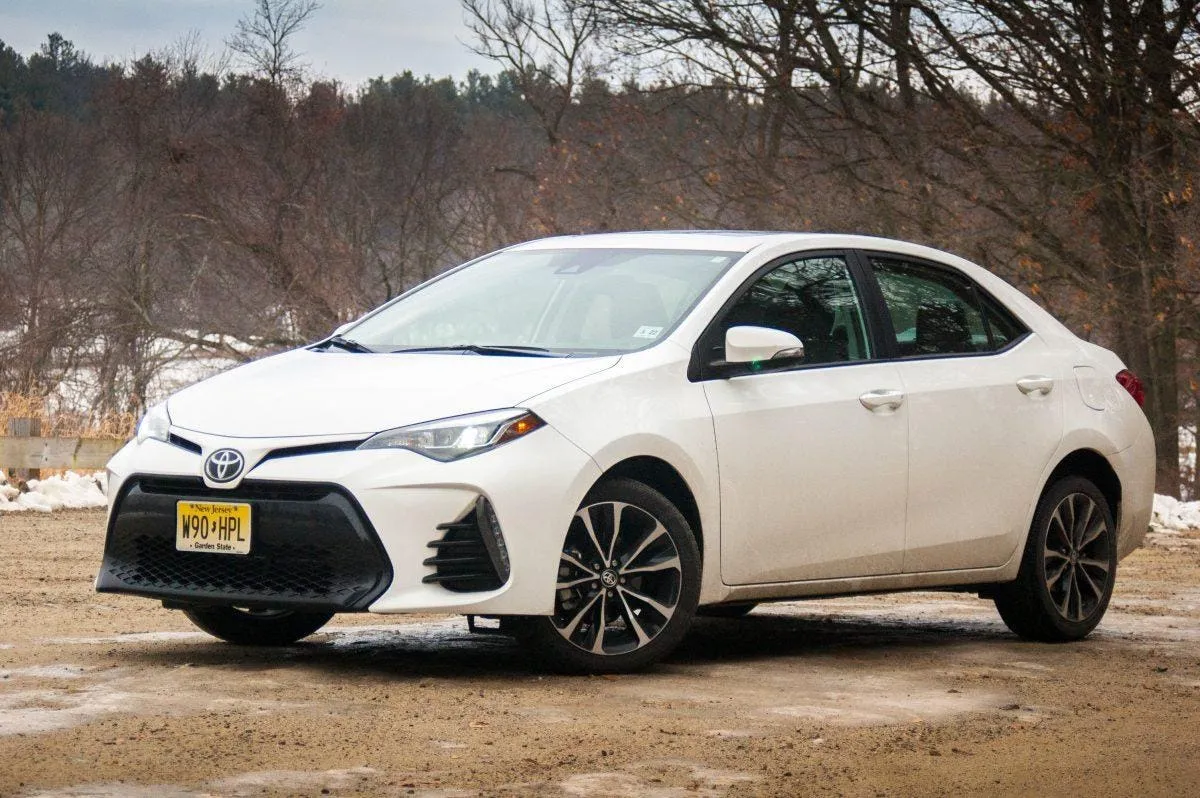
1. Toyota Corolla 2018
Simplicity defines the Toyota Corolla 2018 in a way that feels intentional rather than accidental. From the first drive, everything behaves exactly as expected. Controls sit where intuition places them, and nothing demands a tutorial. This sense of familiarity creates comfort, especially for drivers who value ease more than novelty. Driving becomes second nature instead of an exercise in system management.
Interior layout reflects this philosophy clearly. Physical buttons handle common tasks, reducing reliance on menus and screens. Climate controls respond instantly without layers of digital prompts. Steering wheel buttons feel logical, not crowded. Each interaction feels predictable, which builds confidence quickly. Daily driving benefits from this clarity because attention stays on the road instead of the dashboard.
Performance supports the same idea. Acceleration feels smooth and measured, avoiding sudden responses that require constant adjustment. Steering remains light yet stable, encouraging relaxed driving rather than constant correction. Suspension tuning prioritizes comfort, absorbing road imperfections without fuss. This calm behavior helps the car blend seamlessly into daily routines.
Reliability reputation strengthens the experience. Owners tend to trust the Corolla because it behaves consistently. That trust removes anxiety, allowing drivers to focus on where they are going rather than what might go wrong. A car that feels dependable encourages regular use, reinforcing positive feelings.
Technology inclusion remains balanced. Infotainment features exist without overwhelming the cabin. Menus stay straightforward, and basic functions work without delay. Nothing feels buried or hidden. Drivers who prefer minimal interaction appreciate this approach because it respects their time.
Styling also avoids excess. Clean lines and conservative proportions prevent visual fatigue. Rather than chasing trends, the design stays approachable. Years later, it still feels appropriate. For drivers seeking clarity, calm behavior, and an easy learning curve, the Toyota Corolla 2018 delivers a driving experience that feels refreshingly uncomplicated.
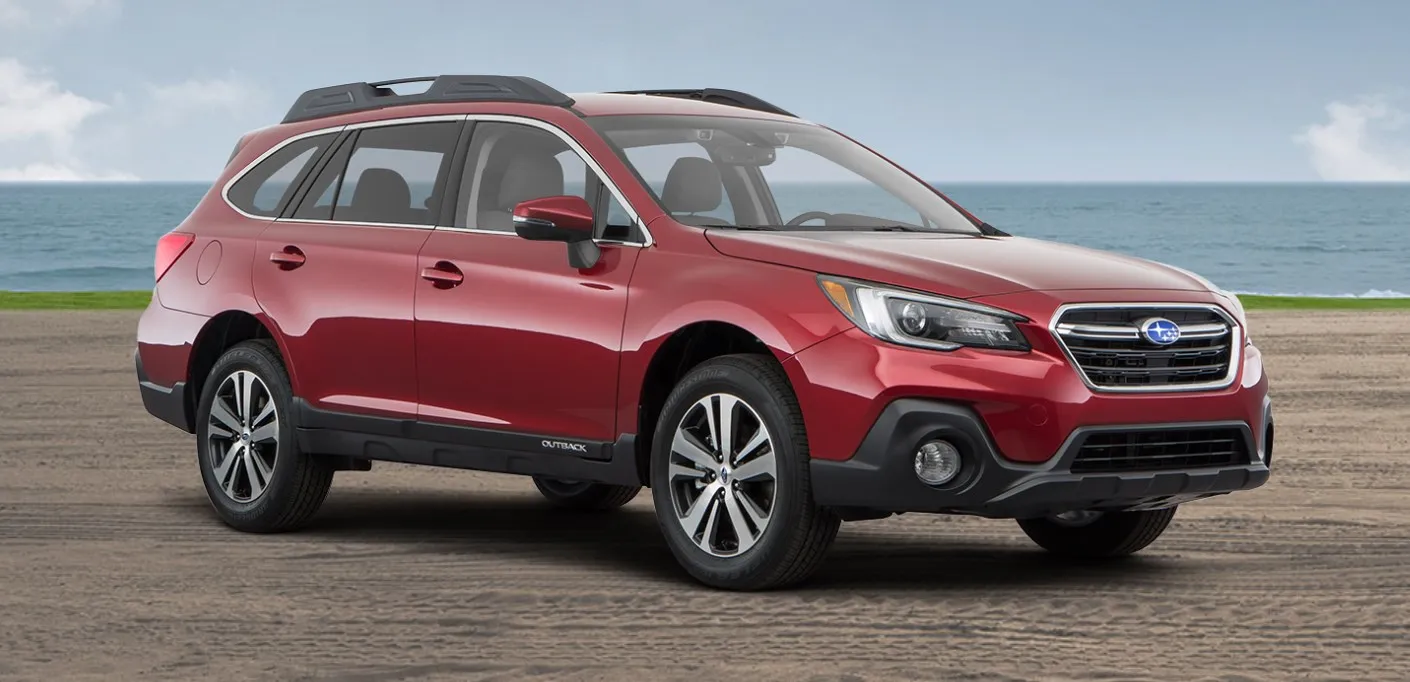
2. Subaru Outback 2019
Confidence defines the Subaru Outback 2019 without shouting for attention. Practicality shapes every part of its character, making daily use feel natural rather than demanding. Drivers step inside and immediately understand how everything works. This familiarity lowers stress and increases comfort from day one.
Cabin design favors visibility and usability. Large windows improve awareness, reducing mental strain during city driving and parking. Buttons and knobs remain physical for essential functions, which avoids distraction. Screen size stays reasonable, supporting information rather than dominating attention. This balance keeps interactions simple and predictable.
Driving behavior reinforces the sense of ease. Steering feels steady, not twitchy, encouraging smooth control. Suspension absorbs rough roads confidently, protecting occupants from constant jolts. Acceleration remains consistent, helping drivers anticipate responses without surprises. This predictability builds trust and reduces fatigue during long drives.
All Wheel Drive operation works quietly in the background. Drivers do not need to manage settings. The system simply supports traction when needed. This hands-off assistance fits the Outback’s philosophy of quiet capability. Owners appreciate technology that works without demanding involvement.
Interior comfort also plays a role. Seats provide support without complicated adjustments. Controls for seating and mirrors operate intuitively. Storage areas feel thoughtfully placed, reducing clutter. These small design choices simplify daily life, especially for families or frequent travelers.
Long-term satisfaction often comes from how little effort ownership requires. The Outback asks for minimal adaptation. Drivers spend time enjoying trips rather than learning systems. That ease creates a relaxed relationship with the vehicle. For those who value straightforward capability paired with everyday comfort, the Subaru Outback 2019 offers a refreshingly clear experience.
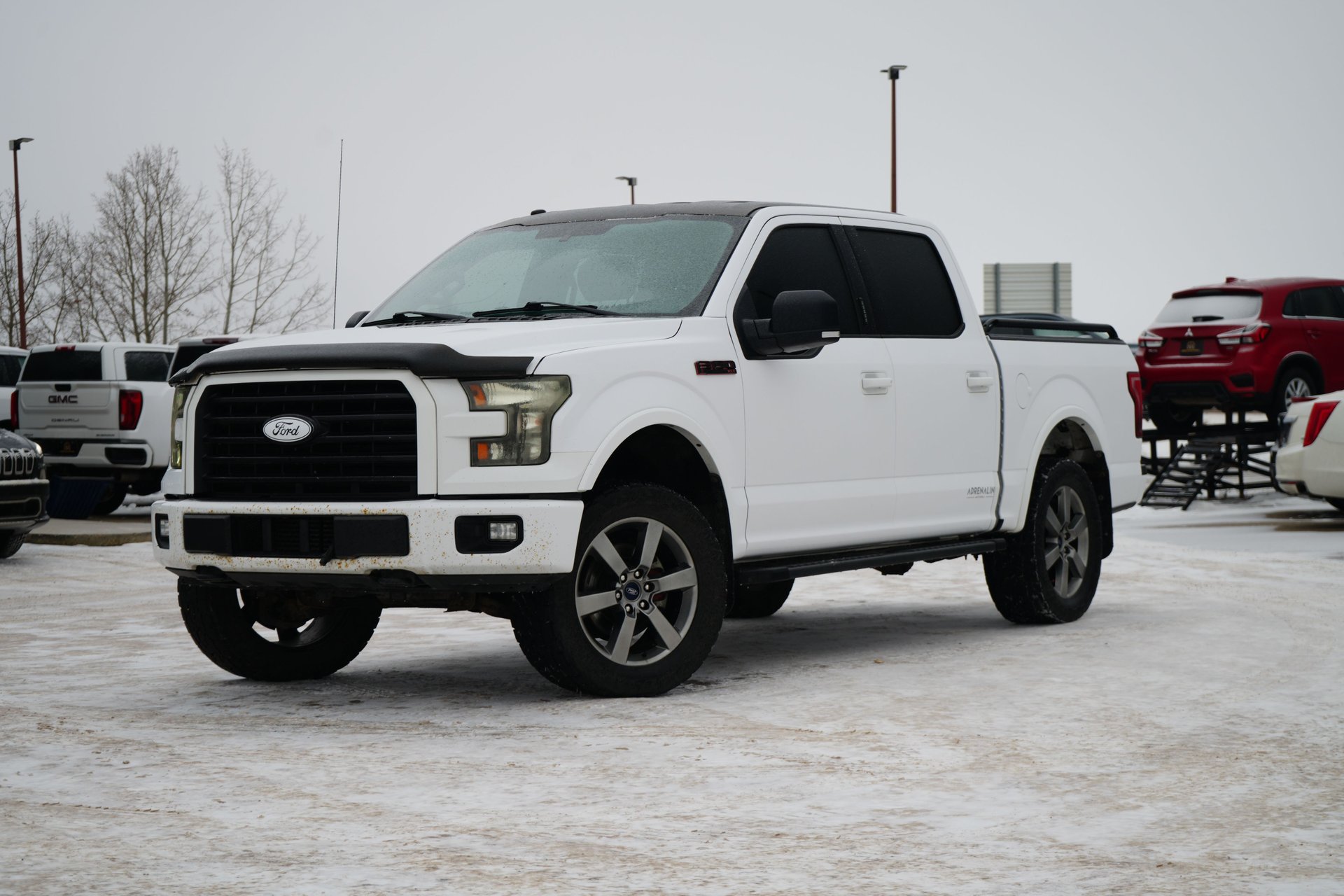
3. Ford F-150 2017
Utility and honesty shape the Ford F-150 2017 in ways that feel reassuring. This truck avoids unnecessary theatrics, focusing instead on doing its job well. From the driver’s seat, everything feels purposeful. Controls are large, clear, and easy to reach, even with gloves on. That clarity matters during real work and everyday use alike.
Cabin layout favors function over flair. Buttons remain physical and well spaced, reducing confusion. Infotainment systems support essential features without dominating attention. Drivers do not need to dig through layers to adjust simple settings. This straightforward design helps the truck feel approachable rather than intimidating.
Driving experience reflects the same philosophy. Steering feels solid and predictable, supporting confident handling despite the vehicle’s size. Throttle response remains smooth, avoiding sudden surges. Suspension balances comfort and strength, handling both empty beds and heavy loads without fuss. This consistency builds trust quickly.
Powertrain options deliver strength without drama. Engines respond reliably, making towing and hauling feel controlled rather than stressful. Transmission behavior feels deliberate, avoiding awkward delays. Drivers appreciate knowing exactly how the truck will respond in different situations.
Technology integration stays practical. Driver assistance features support safety without constant alerts. Systems work quietly in the background, allowing drivers to remain focused. Nothing feels intrusive or overwhelming. This restraint helps preserve a calm driving environment.
Ownership experience benefits from this simplicity. Routine tasks feel easy, from daily commuting to weekend projects. A truck that behaves predictably reduces mental load, especially during demanding days. For drivers seeking capability without confusion, the Ford F-150 2017 stands as a strong example of clarity done right.
4. Volkswagen Golf 2018
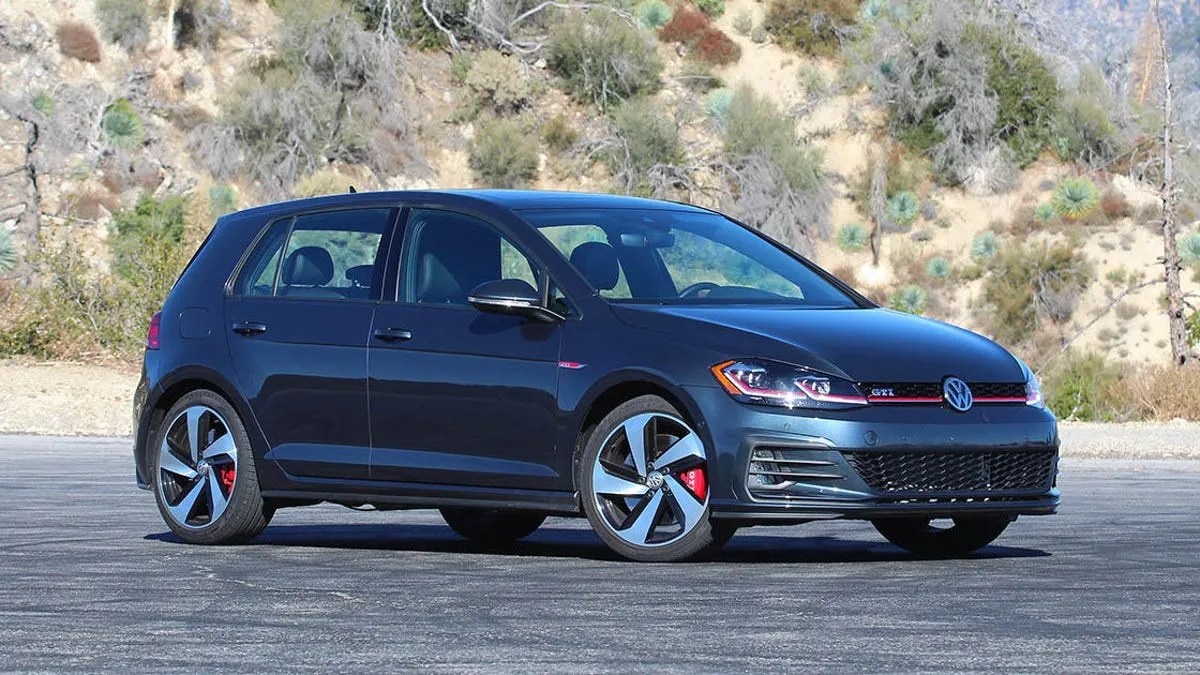
Balance defines the Volkswagen Golf 2018 in a subtle yet effective way. From the moment driving begins, the car feels approachable and familiar. Controls respond smoothly, and nothing demands explanation. This clarity allows drivers to relax and enjoy the road rather than study the dashboard.
Interior design emphasizes order. Clean lines guide the eye naturally. Buttons and knobs handle common tasks, minimizing reliance on touchscreens. Screen menus remain logical and easy to read. This organization reduces distraction, making driving feel calm and controlled.
Driving dynamics support confidence. Steering feels precise without being demanding. Acceleration arrives smoothly, helping drivers maintain rhythm in traffic. Suspension tuning blends comfort with stability, absorbing bumps while keeping the car composed. This harmony reduces fatigue during longer trips.
Technology inclusion feels measured. Safety features support awareness without constant alerts. Infotainment systems operate responsively, avoiding lag. Drivers who prefer simplicity appreciate that features enhance rather than complicate the experience.
Build quality contributes strongly to long-term satisfaction. Doors close with a reassuring weight. Materials resist wear, preserving the interior’s clean feel. This durability reinforces trust and reduces irritation. A cabin that stays tidy supports a positive ownership mindset.
Styling also plays a role. The Golf avoids dramatic trends, choosing timeless proportions instead. Years later, it still looks appropriate and restrained. That visual calm mirrors the driving experience itself. For those who value order, ease, and thoughtful design, the Volkswagen Golf 2018 delivers a driving experience that feels refreshingly uncomplicated.
5. Hyundai Elantra 2019
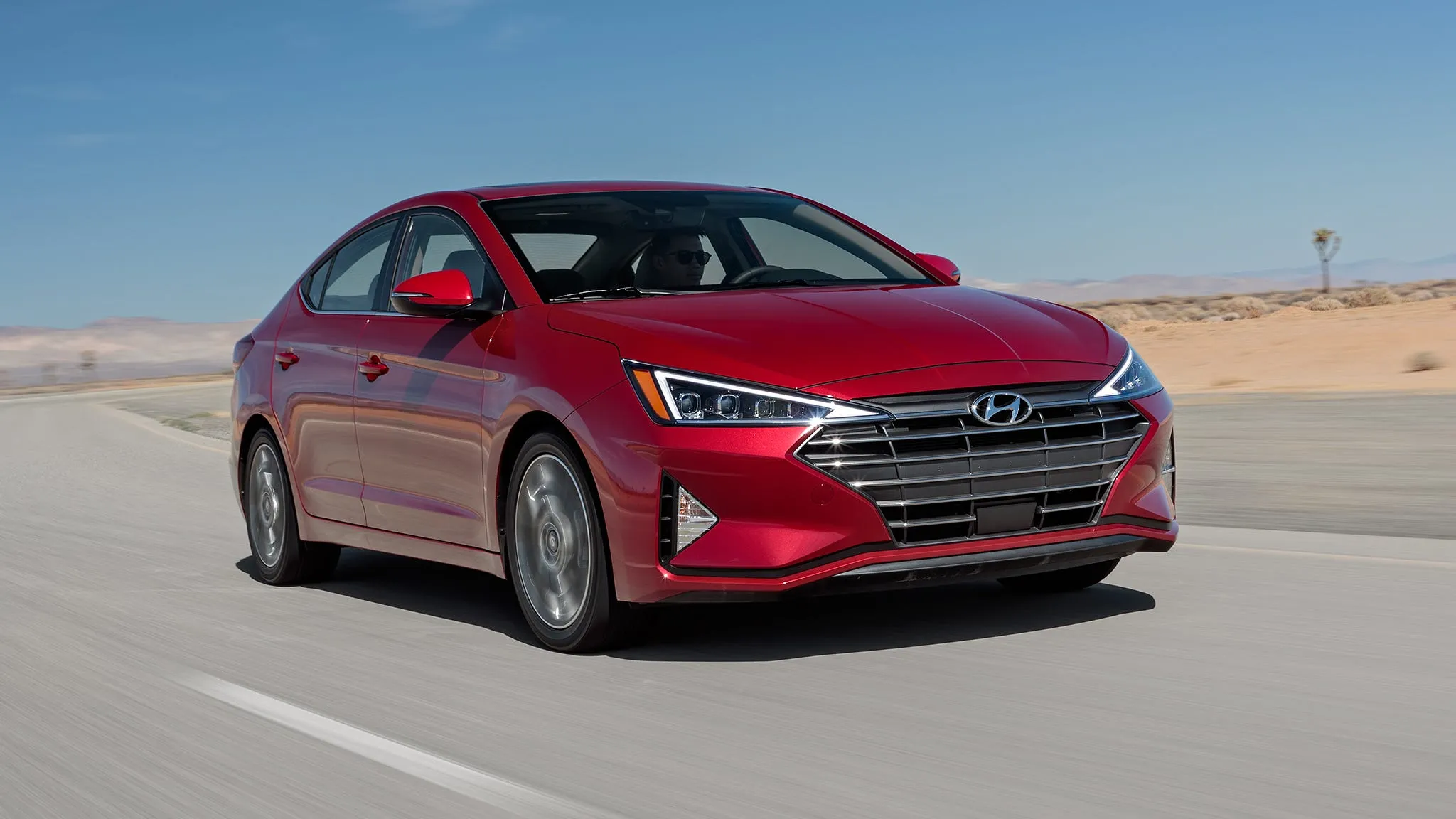
Approachability defines the Hyundai Elantra 2019 without sacrificing modern comfort. From entry to ignition, everything feels intuitive. Drivers quickly understand how the car operates, reducing adjustment time. This immediacy helps the vehicle fit naturally into daily life.
Interior layout focuses on clarity. Buttons remain clearly labeled, and screen menus feel organized. Climate controls respond instantly without layered commands. This direct interaction reduces distraction and builds confidence. Drivers spend more time focused on traffic rather than on settings.
Driving behavior supports relaxed use. Steering remains light and predictable, making city driving easy. Acceleration feels smooth, supporting calm progress rather than excitement. Suspension tuning absorbs road imperfections, protecting occupants from constant vibration. This comfort encourages regular use.
Technology inclusion stays sensible. Driver assistance features support safety without excessive alerts. Infotainment systems feel responsive and easy to learn. Nothing feels hidden or unnecessarily layered. This approach respects drivers who prefer straightforward interaction.
Ownership experience benefits from reliability and ease of care. Routine use rarely demands attention beyond normal upkeep. That reliability reduces anxiety, allowing drivers to trust the vehicle. Trust strengthens satisfaction because daily use feels dependable.
Visual design avoids excess. Clean surfaces and restrained lines help the car age gracefully. Rather than chasing bold statements, the Elantra focuses on coherence. This restraint supports long-term appeal. For drivers seeking clarity, comfort, and ease of use, the Hyundai Elantra 2019 stands as a vehicle that feels refreshingly free of unnecessary complication.
5 Vehicles That Feel Overcomplicated
1. Tesla Model S 2020
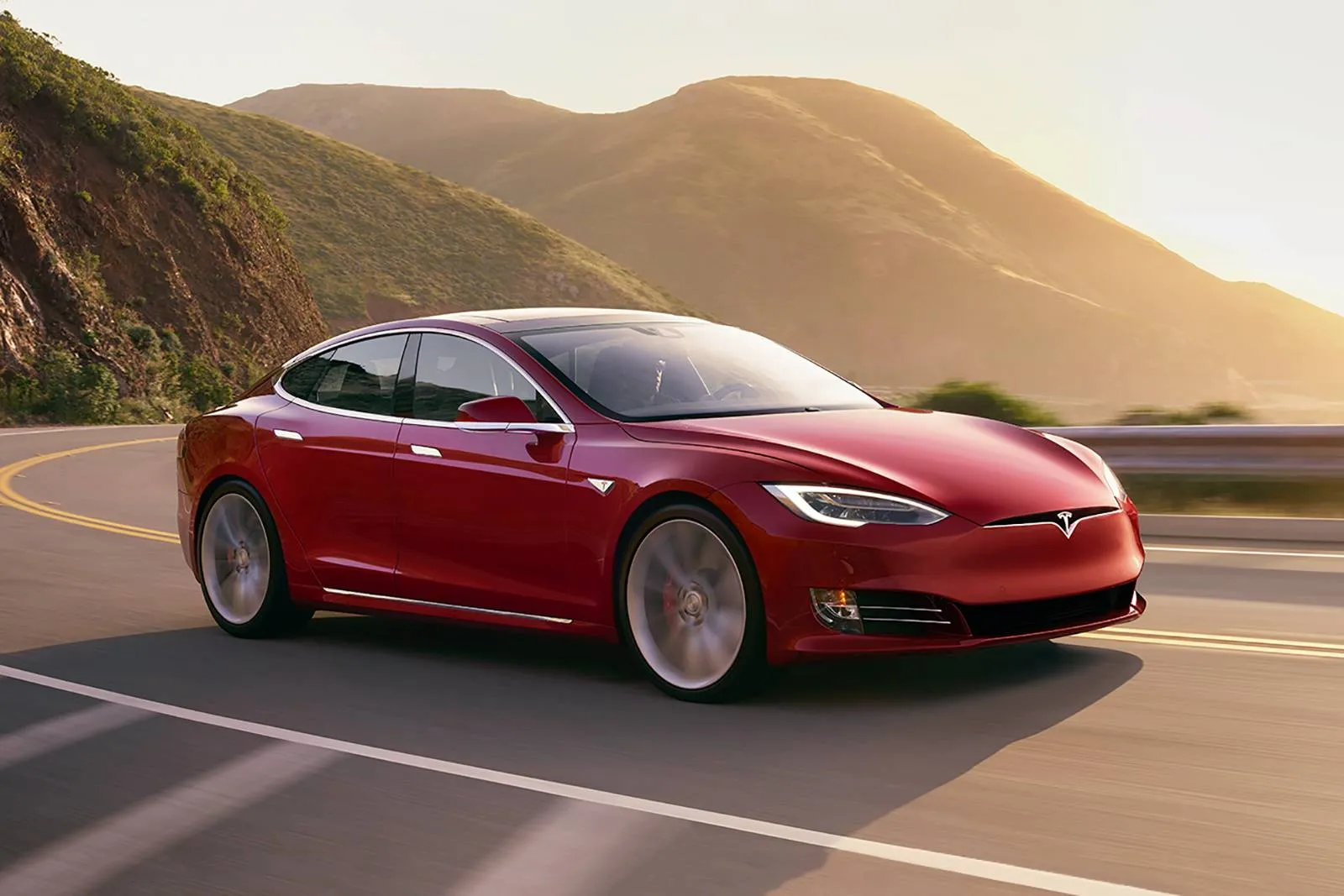
First encounters with the Tesla Model S 2020 often feel futuristic and impressive, yet daily ownership can introduce a different reality. Nearly every function routes through a central touchscreen, removing familiar physical controls that drivers rely on without thinking.
Simple tasks such as adjusting air flow, opening storage compartments, or changing mirror positions require visual attention. This design choice increases mental load during everyday driving, which can become tiring rather than exciting. Interface depth adds another layer of strain.
Menus stack within menus, forcing drivers to remember where each setting lives. Small updates can rearrange features without warning, disrupting muscle memory. A driver who felt comfortable one week may feel lost the next after a software change. That constant need to relearn basic interactions creates frustration rather than confidence.
Driving itself can feel oddly detached. Steering response remains accurate, yet the lack of tactile feedback reduces connection. Acceleration arrives instantly, which feels thrilling at first, though it can also demand constant restraint. Without a gradual buildup, drivers must self-regulate rather than rely on natural cues. This dynamic adds stress, especially in traffic.
Reliance on automation also affects trust. Driver assistance features offer impressive capability, yet they require constant monitoring. Alerts, warnings, and prompts compete for attention. Instead of simplifying driving, these systems can make drivers feel like supervisors rather than participants. Mental fatigue replaces enjoyment.
Cabin design contributes to this feeling. Minimalism removes visual clutter, though it also removes reference points. Without buttons or dials, drivers must glance at screens frequently. Eyes leave the road more often than expected, which undermines relaxation.
Ownership experience includes frequent updates and system changes. While innovation excites some drivers, others prefer stability. When a vehicle feels different month to month, attachment weakens. Familiarity becomes temporary rather than lasting. For drivers who value clarity and instinctive interaction, the Tesla Model S 2020 can feel mentally demanding.
Technology dominates every interaction, leaving little room for effortless use. What begins as a futuristic appeal may turn into a daily cognitive effort.
2. BMW 7 Series 2019
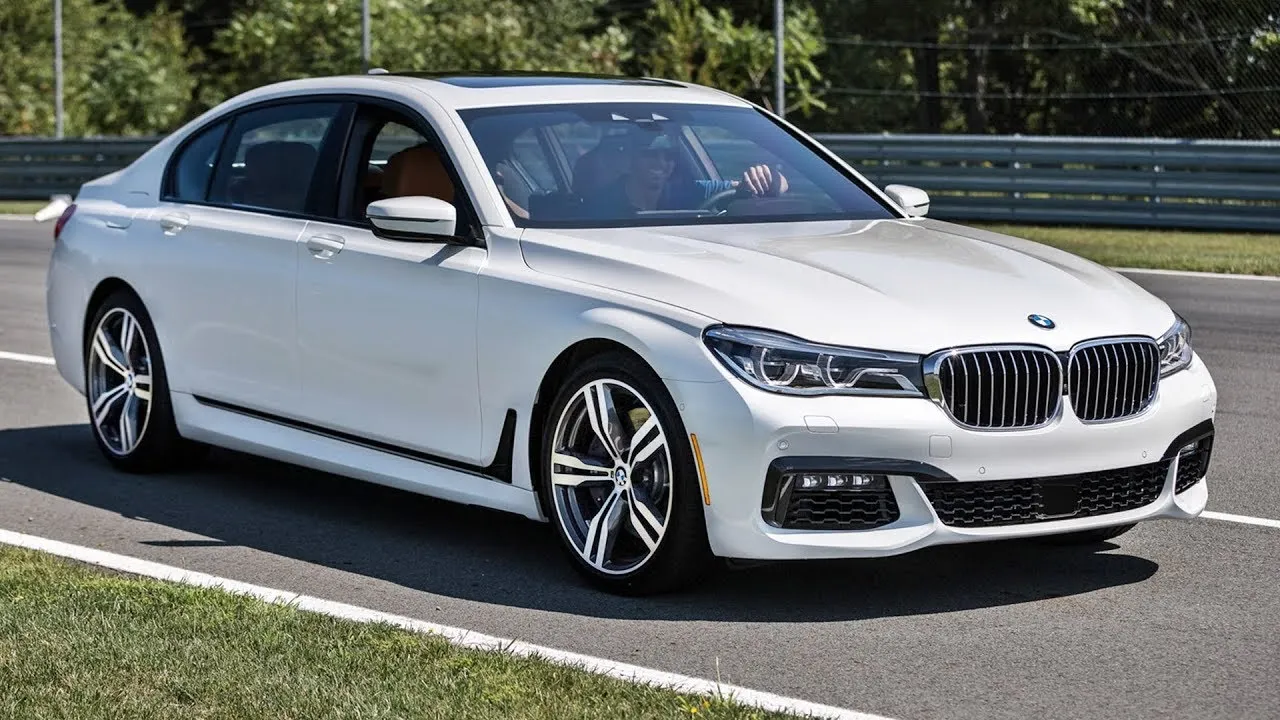
Luxury defines the BMW 7 Series 2019 at first glance, yet that luxury often arrives layered with complication. Features stack quickly, each promising convenience while adding another decision point. From adjustable ambient lighting to gesture-based controls, drivers face a constant stream of options. Choice overload replaces simplicity.
Cabin controls illustrate this clearly. Buttons, touchscreens, rotary controllers, and voice commands all coexist. Rather than offering clarity, this mix creates uncertainty. Drivers must decide not only what they want to do, but how to do it. This slows interaction and increases distraction during routine tasks.
Infotainment systems feel dense. Menus contain deep structures that demand attention. Learning the system takes time, and mastery requires memory rather than intuition. Occasional users may never feel fully comfortable, leading to repeated trial and error. That repetition drains enjoyment.
Driving behavior also reflects a layered design. Adjustable driving modes alter steering weight, throttle response, suspension feel, and sound profiles. While choice sounds appealing, it can feel excessive. Drivers may spend time switching settings rather than enjoying the motion. Without a clear default that satisfies most situations, indecision creeps in.
Driver assistance features contribute to sensory overload. Alerts, icons, and chimes appear frequently. Even when well-intentioned, constant feedback interrupts focus. Silence becomes rare, replaced by reminders and warnings that compete for attention. Maintenance and ownership also feel involved.
Advanced systems require specialized knowledge. Small issues can feel intimidating due to interconnected features. Anxiety replaces ease, especially for owners who prefer straightforward solutions. Interior atmosphere, while refined, can feel busy. Lighting, screens, and displays compete visually. Instead of calming the mind, the cabin stimulates it constantly. Long drives may leave drivers feeling mentally tired rather than relaxed.
For those seeking calm luxury, the BMW 7 Series 2019 may feel like too much effort. Features overshadow flow, turning driving into a series of decisions instead of a natural experience.
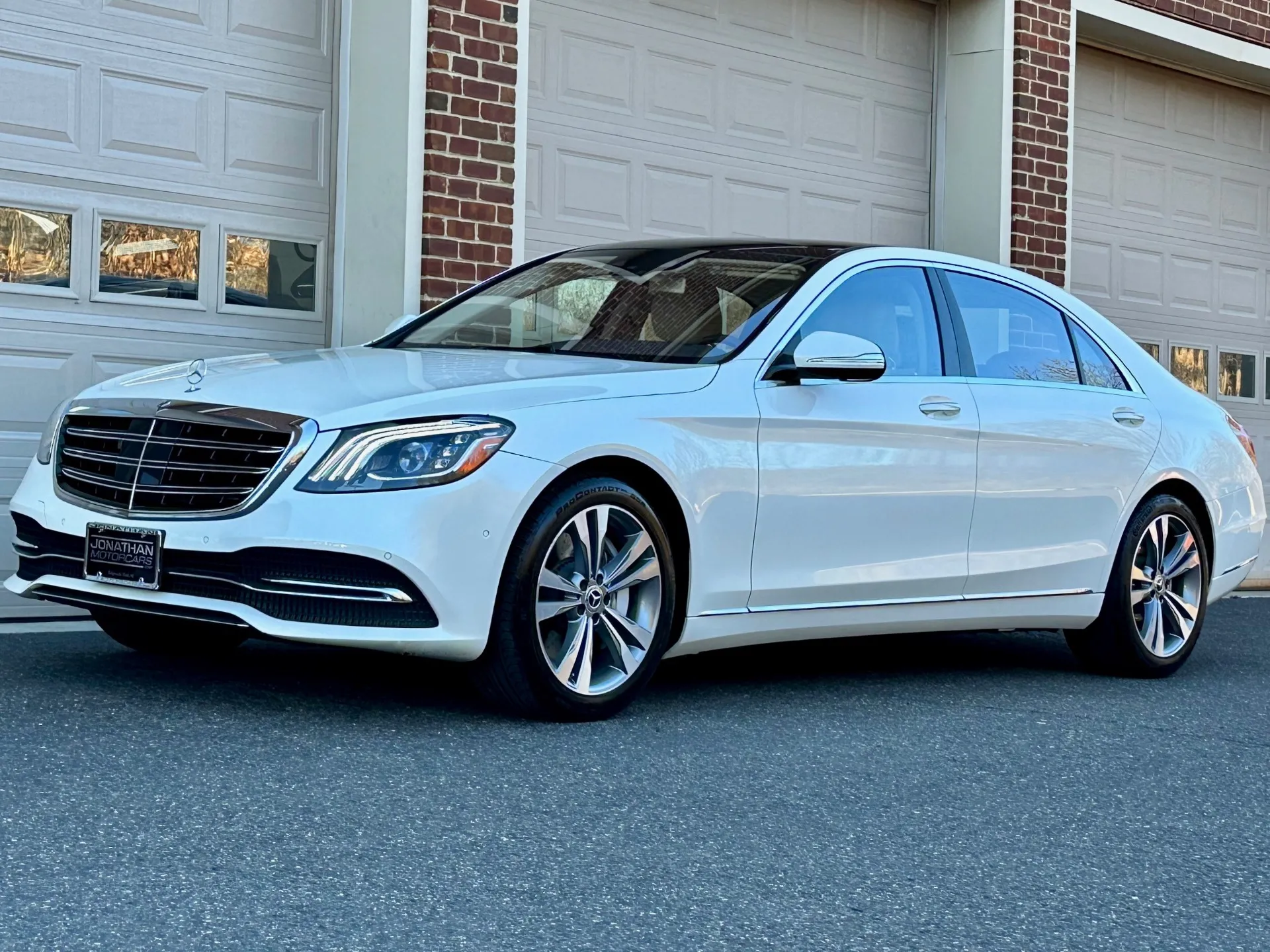
3. Mercedes-Benz S-Class 2020
Prestige surrounds the Mercedes-Benz S-Class 2020, yet daily interaction can feel demanding. Technology takes center stage, presenting itself at nearly every moment. Dual screens stretch across the dashboard, filling the cabin with information. While visually impressive, this layout demands constant attention.
Controls rely heavily on touch-sensitive surfaces. Steering wheel pads, center console panels, and screen menus respond to light contact. Accidental inputs occur easily, leading to unintended actions. This unpredictability creates hesitation, especially during driving. Confidence in controls erodes when certainty disappears.
System layering adds difficulty. Adjusting seats, lighting, climate, or driving preferences often requires multiple steps. Drivers must remember sequences rather than rely on instinct. As time goes on, this mental effort becomes draining. A luxury car meant to soothe can instead overwhelm.
Driver assistance features increase cognitive load. Warnings appear frequently, sometimes without a clear context. Alerts demand acknowledgment, pulling focus from the road. Even when safety improves, peace of mind can suffer. Driving feels supervised rather than supported.
Customization options also complicate use. Nearly every element offers adjustment, from suspension behavior to scent diffusion. While personalization appeals initially, too many choices can paralyze decision-making. Drivers may second-guess settings constantly.
Ride quality remains smooth, yet the experience feels filtered through systems. Steering feedback lacks a natural connection, reducing trust. Drivers feel removed from the process, relying on electronics rather than feeling. Ownership experience reflects this intensity.
Updates, calibrations, and system explanations require time and patience. Small malfunctions feel larger due to system integration. Worry replaces simplicity. For drivers who value elegance without effort, the Mercedes-Benz S-Class 2020 may feel mentally exhausting. Sophistication dominates every interaction, leaving little room for ease or instinctive enjoyment.
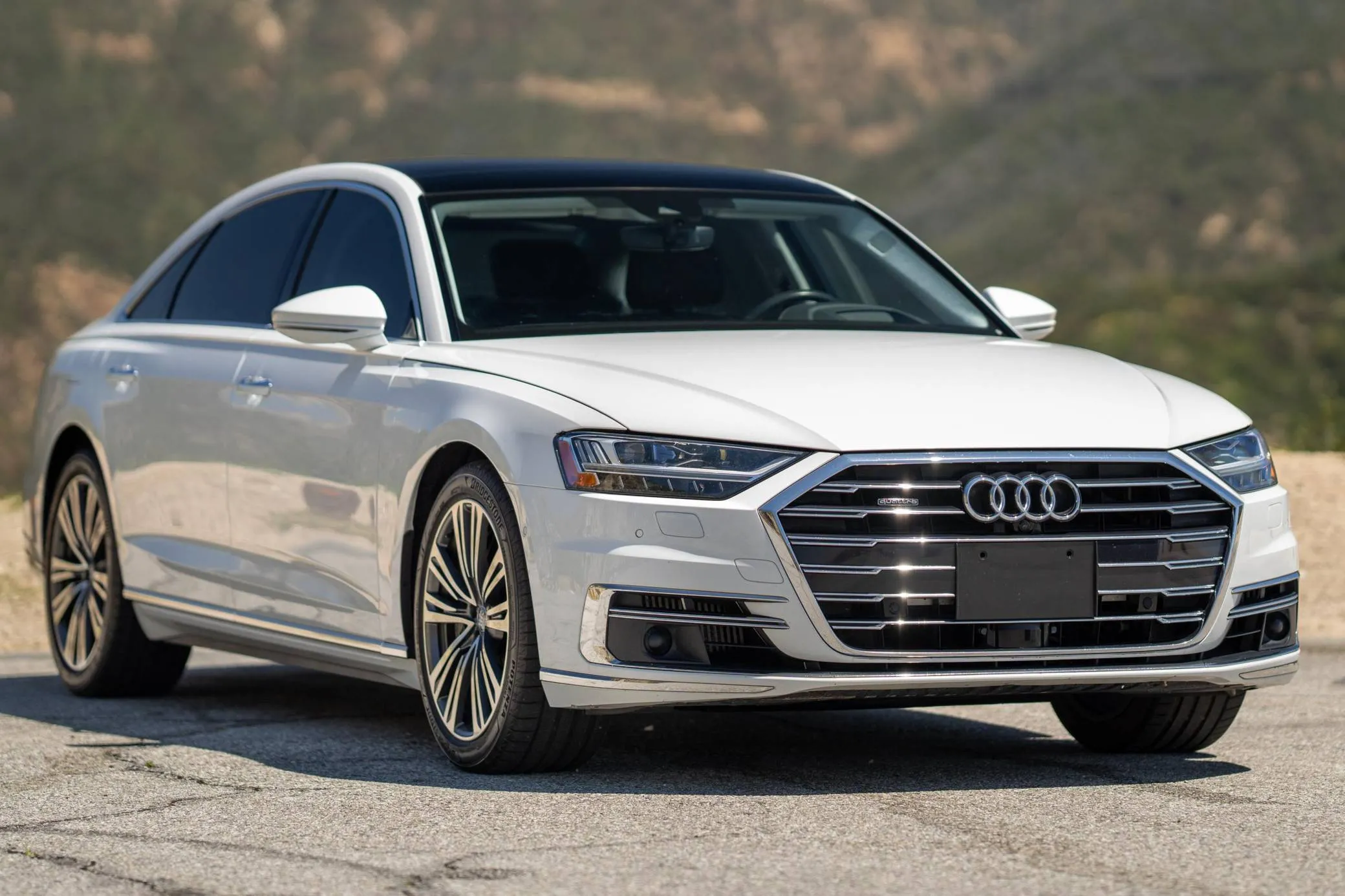
4. Audi A8 2019
Sophistication shapes the Audi A8 2019, though that sophistication arrives layered with digital dependence. Physical buttons nearly vanish, replaced by stacked touchscreens. Simple actions such as adjusting temperature or selecting drive modes require precise taps. Without tactile feedback, drivers must look down frequently.
Interface design emphasizes visuals over instinct. Menus feel sleek, yet depth creates friction. Remembering where settings live becomes a daily challenge. Mistakes happen easily, leading to repeated corrections. This repetition interrupts the flow and raises frustration.
Driving modes multiply quickly. Comfort, dynamic, efficiency, and individual settings alter behavior across systems. While choice sounds appealing, it also demands constant evaluation. Drivers may spend time adjusting preferences rather than settling into a rhythm.
Driver assistance features contribute to constant awareness demands. Visual alerts appear across screens, drawing attention away from traffic. Even helpful prompts can feel intrusive when frequent. Mental calm becomes harder to achieve. The cabin atmosphere also feels busy. Screens glow brightly, reflecting movement and icons.
Rather than creating serenity, the interior stimulates continuously. Long trips may feel mentally heavy rather than restful. Steering feedback remains muted. While precise, it lacks natural communication. Drivers rely on visual cues rather than feel. This disconnect adds effort, especially during spirited driving or unfamiliar roads.
Ownership experience includes a learning curve that never fully disappears. Even experienced owners may forget settings or functions. When routine tasks demand thought, satisfaction drops. For those seeking effortless luxury, the Audi A8 2019 can feel demanding. Technology dominates the experience, asking for attention at every turn. What aims to impress may instead overwhelm.
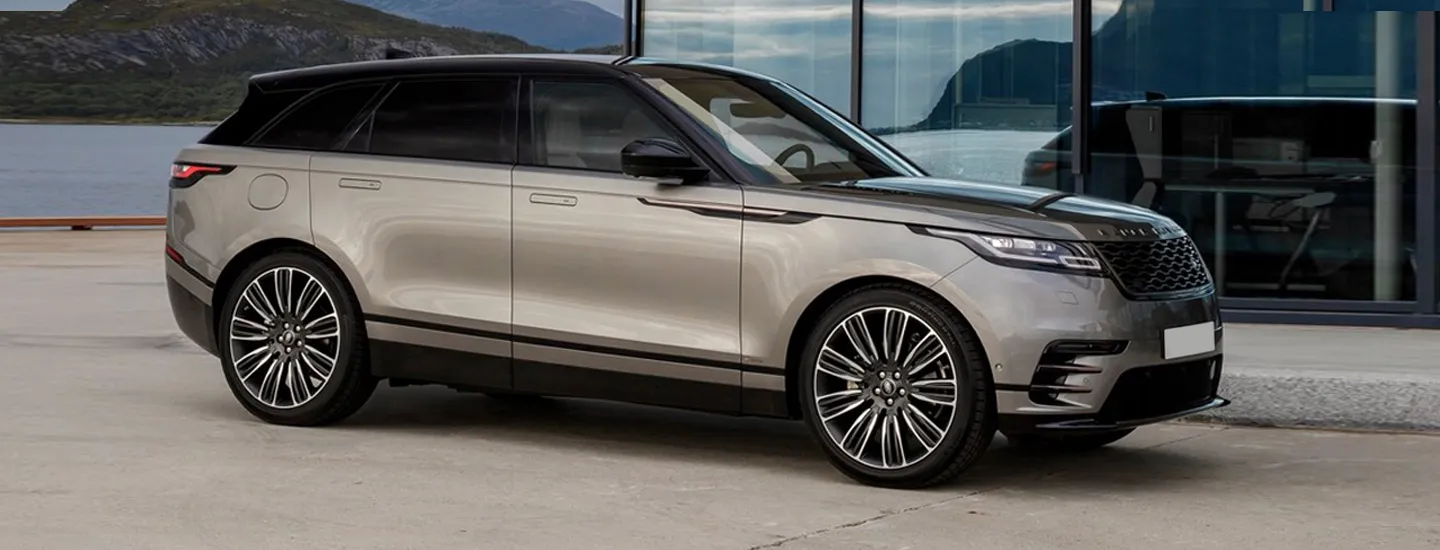
5. Land Rover Range Rover Velar 2020
Visual drama defines the Land Rover Range Rover Velar 2020, though that drama extends into daily interaction. Minimalist design removes traditional controls, replacing them with glossy touch panels. While striking to look at, these surfaces demand precision and focus. Simple tasks become multi-step processes.
Climate control interaction illustrates this clearly. Adjustments require driving through digital sliders that change function depending on mode. Without physical reference points, drivers must look down repeatedly. This breaks concentration and adds stress during driving.
Infotainment systems layer menus deeply. Accessing features often requires multiple selections. Forgetting a sequence means starting again. This repetition slows interaction and increases frustration during routine use. Driving modes and suspension settings add another mental layer.
Adjustments promise adaptability, yet they demand understanding. Drivers may feel unsure which setting suits a given situation. Indecision replaces confidence. Driver assistance systems contribute to sensory overload. Alerts, icons, and messages appear often. Instead of fading into the background, they compete for attention.
Calm driving becomes harder to achieve. Build quality perception can also affect satisfaction. Touch surfaces show fingerprints easily, requiring frequent cleaning. Visual clutter replaces intended elegance. Small irritations grow with time. Ride quality remains capable, yet interaction effort overshadows comfort.
Steering feedback feels distant, adding to the sense of separation. Drivers manage systems more than motion. For drivers who value clarity and effort-free control, the Land Rover Range Rover Velar 2020 can feel exhausting. Style and technology dominate daily use, leaving little space for instinctive, relaxed driving.
