
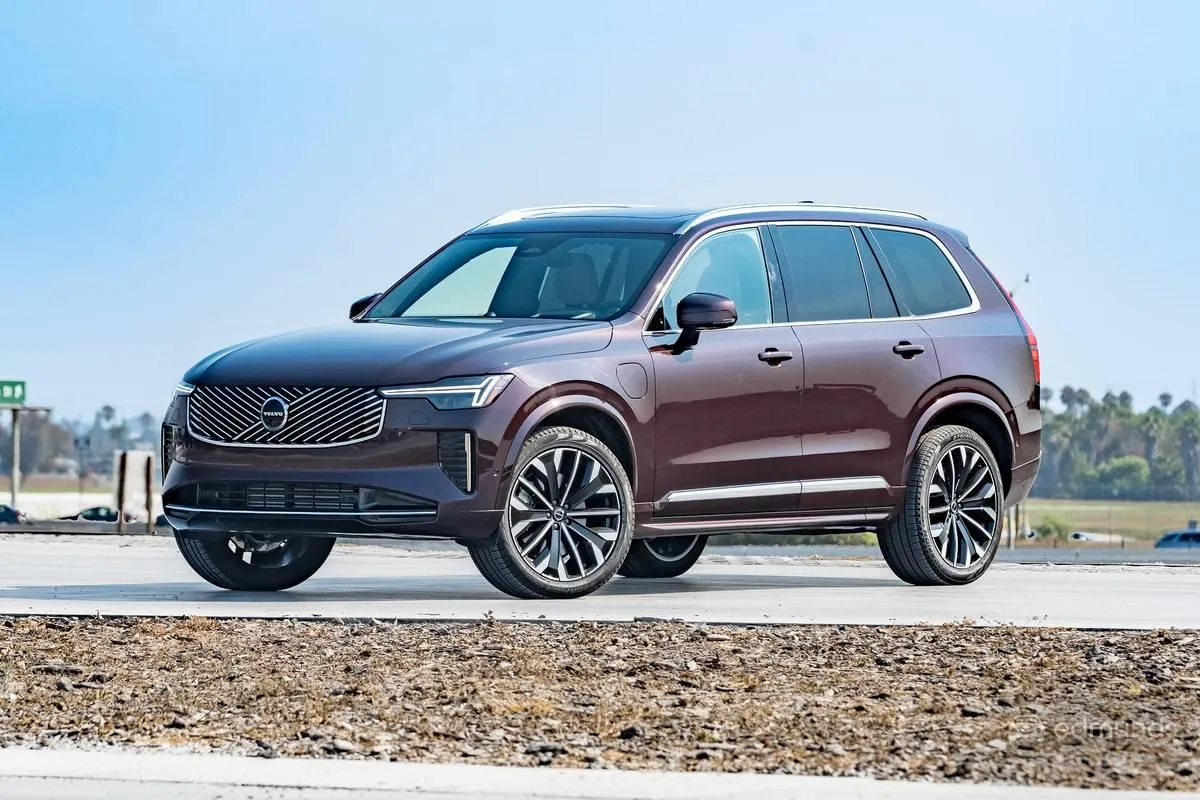
Cold mornings have a way of turning a routine drive into a test of patience. A vehicle that warms quickly can transform a freezing commute into a comfortable ride within minutes, while a weak heating system can leave you gripping the wheel with numb fingers and foggy windows.
Drivers often focus on horsepower, fuel economy, and infotainment screens when choosing a car, yet cabin heating rarely gets the attention it deserves until winter sets in. Comfort during colder seasons is not just about staying warm. Clear visibility, relaxed muscles, and steady focus all depend on a properly heated cabin.
A strong heating system reaches a pleasant temperature quickly, distributes warmth evenly, and maintains that comfort without blasting noisy air or draining efficiency. Weak systems do the opposite. They take forever to warm up, struggle to keep passengers comfortable, and often leave the rear seats feeling neglected.
Manufacturers approach climate control in different ways. Some vehicles include advanced dual-zone or tri-zone climate features paired with efficient heating cores and intelligent airflow design. Others rely on basic systems that feel underpowered once temperatures drop below freezing. Electric and hybrid models add another layer of complication because heat must be generated without relying heavily on engine warmth.
This guide highlights five vehicles known for impressive heating performance and five that fall short. Each entry focuses on real-world comfort, design choices, and long-term usability. If winter driving matters to you, these comparisons may help you make a smarter choice before your next purchase.
5 Cars With Strong Heating Systems
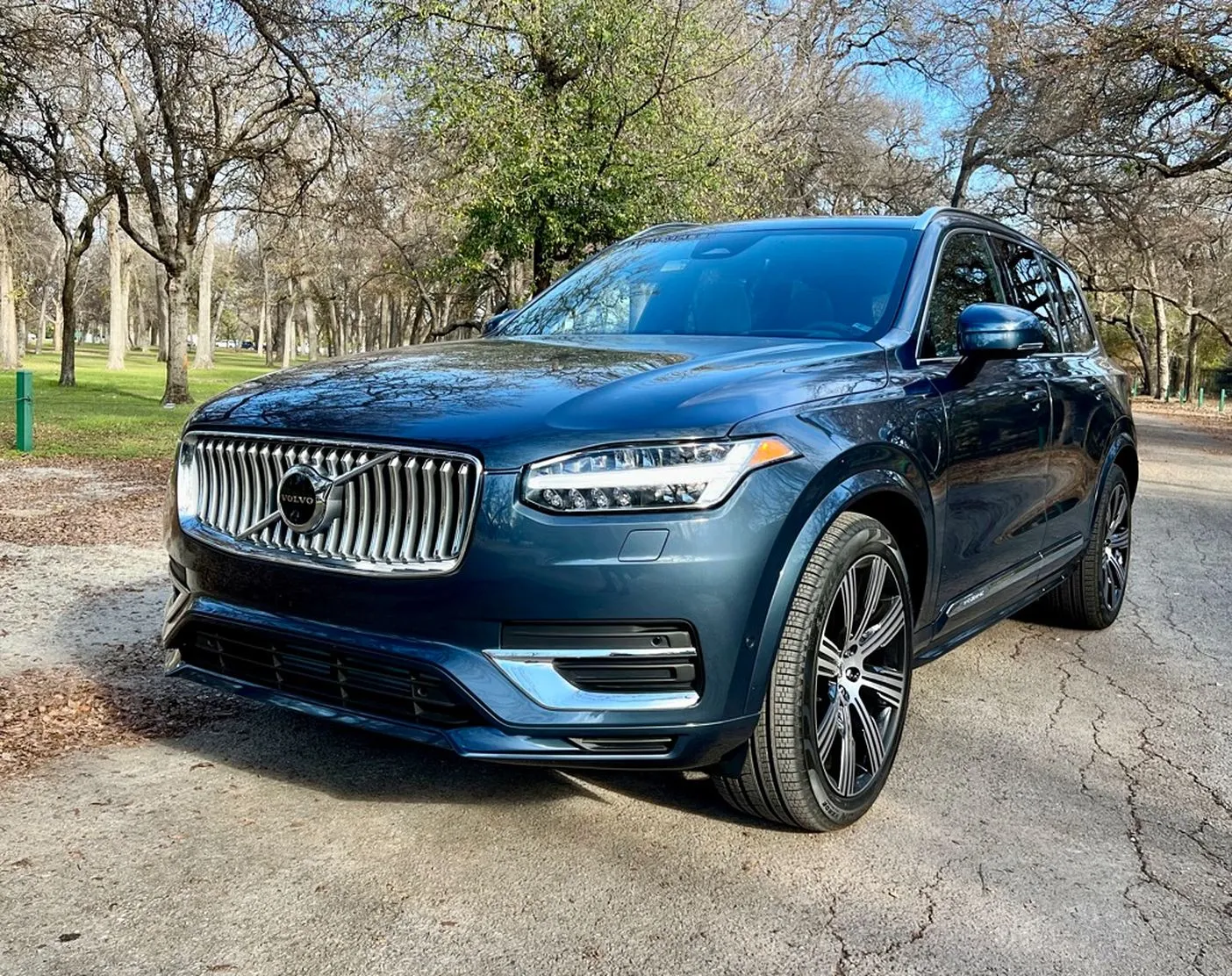
1. 2023 Volvo XC90 Recharge Plug-In Hybrid
Luxury meets practical comfort in the 2023 Volvo XC90 Recharge Plug-In Hybrid, and its heating system stands out as a clear strength during colder months. Volvo built its reputation on Scandinavian resilience, and that heritage shows in the way this SUV handles frigid temperatures. From the moment the engine or electric system activates, warm air begins circulating through the cabin with impressive speed.
Cabin heating in this model benefits from a well-engineered climate system that uses both traditional engine heat and electric heating elements. Even when running in electric mode, the XC90 Recharge maintains warmth without forcing drivers to switch to gasoline power.
That seamless transition keeps comfort consistent during short commutes and long highway trips alike. Heated seats in both rows, along with an available heated steering wheel, add an extra layer of coziness that drivers quickly appreciate.
Air distribution deserves attention as well. Vents are positioned to ensure that front and rear passengers receive steady warmth, and the tri-zone climate control allows each area of the cabin to maintain its own temperature setting. Rear passengers are not treated as an afterthought. They receive dedicated airflow that feels just as effective as the front vents. Cold spots rarely develop, even on long drives.
Another appealing feature is remote preconditioning through Volvo’s mobile app. Owners can warm the cabin before stepping outside, meaning icy mornings become far less stressful. Defrost performance also earns praise. Windshield and rear window heating clears frost quickly, improving visibility within minutes.
Material choices inside the XC90 complement the heating system nicely. High-quality insulation keeps warmth from escaping, and leather seating surfaces retain heat well once warmed. Drivers who value consistent comfort during winter months often point to this model as a benchmark for cabin warmth.
Anyone seeking a refined SUV that excels in cold-weather comfort will likely appreciate the XC90 Recharge. Its thoughtful design and advanced heating technology create a cabin environment that feels welcoming no matter how low temperatures drop outside.
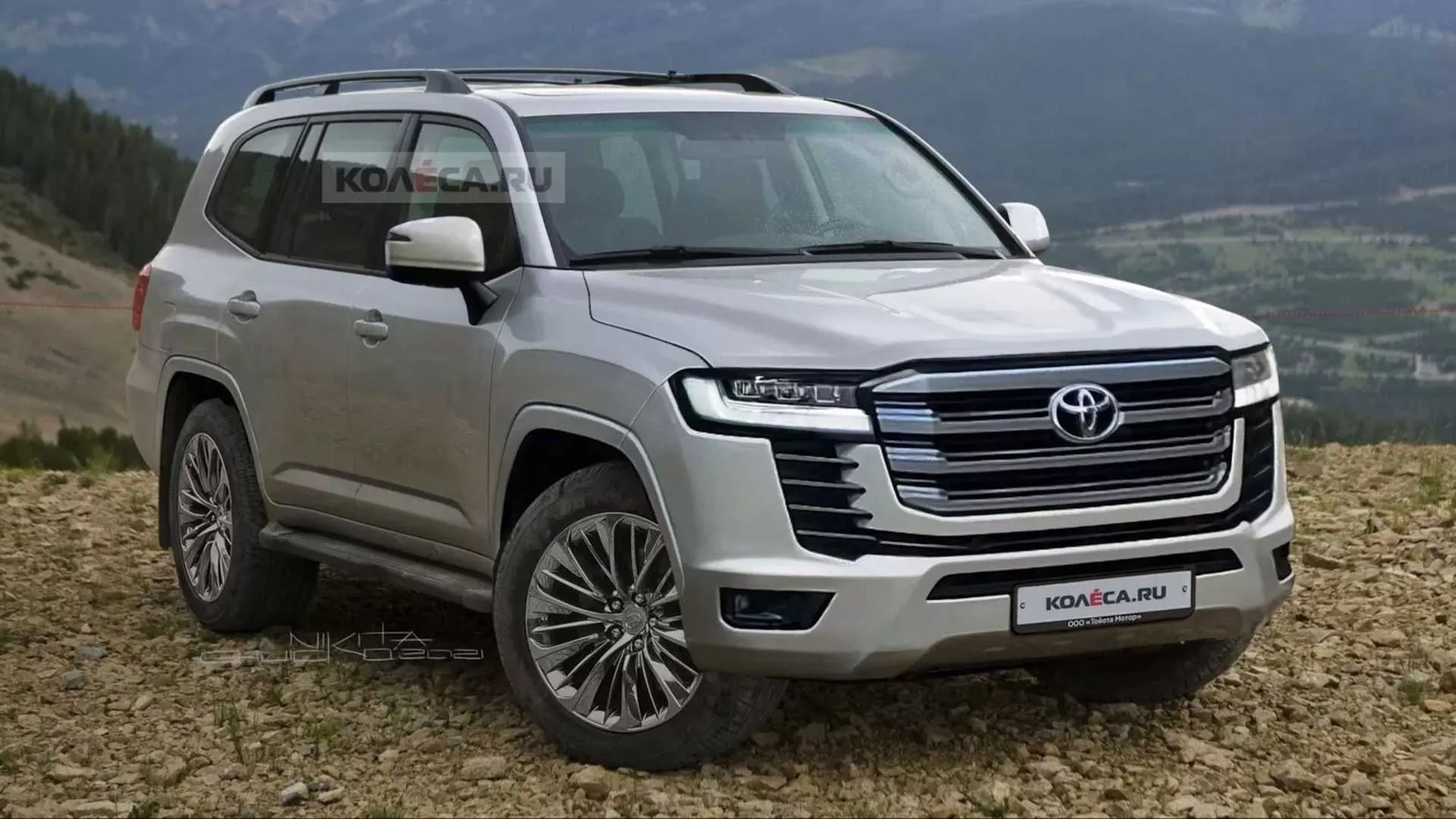
2. 2022 Toyota Land Cruiser
Rugged capability meets dependable cabin warmth in the 2022 Toyota Land Cruiser. Built to handle extreme environments, this full-size SUV delivers one of the most effective heating systems in its class. Drivers who face freezing mornings or snowy road trips quickly notice how fast the interior warms once the engine starts.
Strong engine output plays a role here. Large displacement and efficient heat exchange allow the climate system to generate warm air quickly, even when temperatures outside sit well below freezing. Within minutes of startup, the Land Cruiser begins pushing steady heat through its vents. That rapid response can make daily commuting far more comfortable during the winter months.
Interior airflow design enhances the experience. Multiple vents placed throughout the cabin ensure that each passenger receives consistent warmth. Front occupants enjoy powerful airflow directed toward hands and feet, while rear passengers benefit from dedicated vents that maintain comfort across all rows. Third-row passengers often receive better heating coverage here than in many competing SUVs.
Heated leather seats provide additional comfort and reach a pleasant temperature quickly. Drivers can also rely on a heated steering wheel that takes the edge off icy mornings. Dual-zone or four-zone climate control, depending on trim, allows everyone inside to tailor temperature settings without compromise.
Insulation quality also deserves praise. Thick door seals and well-designed panels prevent heat from escaping, allowing the system to maintain a cozy environment without constantly blasting hot air. This approach helps reduce noise while keeping the cabin stable and warm.
Defrost performance stands out as another strength. Windshield clearing happens quickly, improving safety and reducing wait times before driving. Side mirrors and rear windows also benefit from efficient heating elements that eliminate frost and condensation.
Drivers who want an SUV capable of tackling harsh climates will appreciate how the Land Cruiser handles cabin warmth. Its heating system matches its reputation for durability, offering reliable comfort whenever winter conditions take hold.
Also Read: 10 Vehicles That Handle Monsoon Roads Better Than You’d Expect
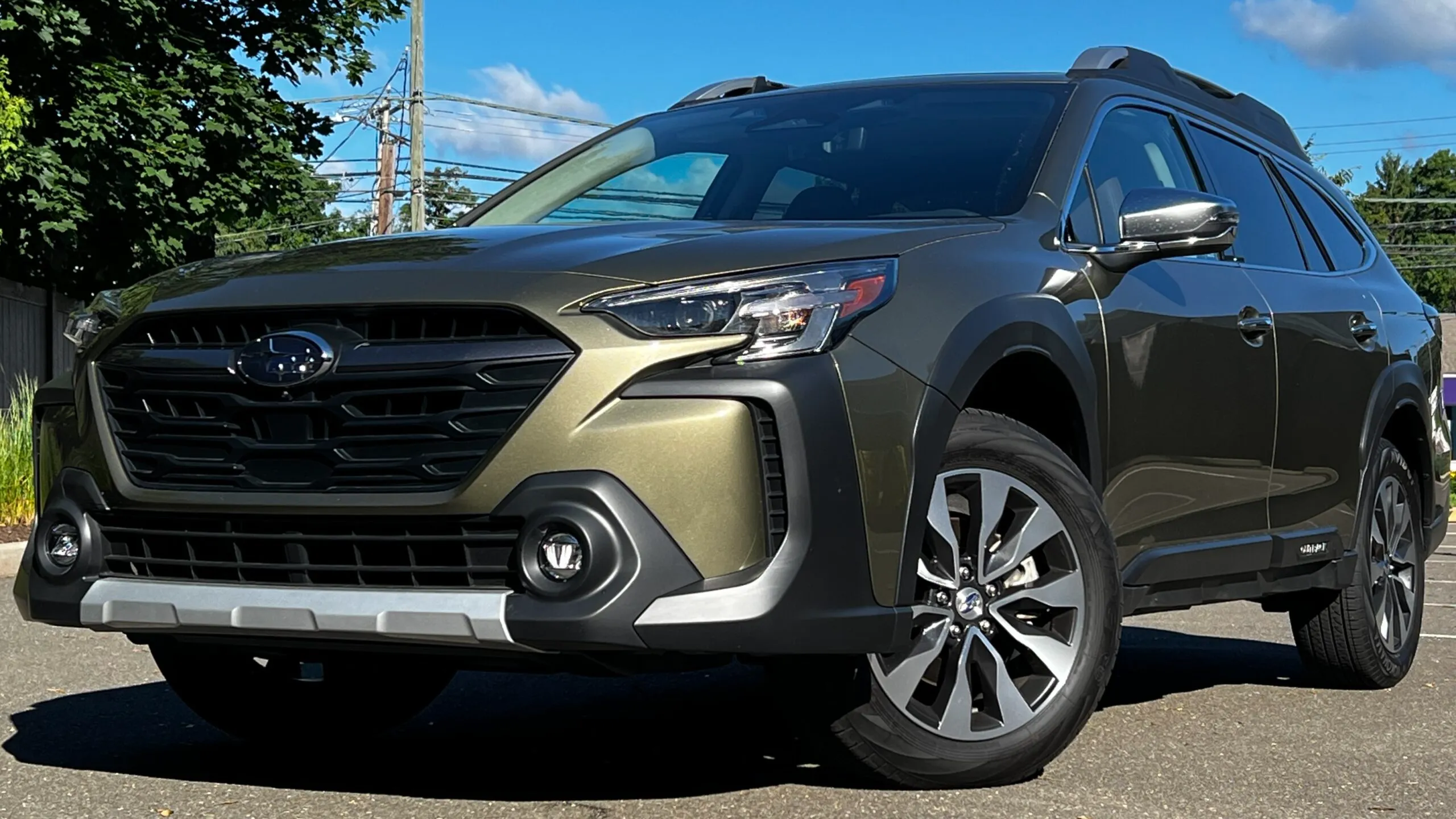
3. 2024 Subaru Outback Touring XT
Adventure-ready and winter-friendly, the 2024 Subaru Outback Touring XT delivers a heating system that performs exceptionally well during cold weather. Subaru has long focused on vehicles suited for snowy climates, and this model reflects that commitment through thoughtful engineering and smart climate design.
Turbocharged power helps generate heat quickly, allowing the cabin to warm within a short period after startup. Cold mornings feel less intimidating when warm air begins flowing almost immediately. Drivers who park outdoors overnight often praise how fast the Outback transforms from chilly to comfortable.
Dual-zone automatic climate control ensures both front passengers enjoy personalized comfort. Rear vents extend warmth to back-seat occupants, preventing the uneven temperature distribution that sometimes affects smaller crossovers. Even on longer drives, the cabin maintains a stable and inviting temperature without constant adjustments.
Heated seating extends beyond the front row in the Touring XT trim. Rear heated seats add convenience for passengers who often feel neglected in other vehicles. A heated steering wheel rounds out the winter-friendly features, making early morning commutes far more pleasant.
Subaru also pays attention to defrost performance. Large windshield surfaces clear quickly thanks to strong airflow and effective heating elements. Rear window defrosting works efficiently as well, improving visibility and safety within minutes of activation. Side mirror heaters further reduce the hassle of dealing with frost buildup.
Interior materials contribute to heat retention. Soft-touch surfaces and quality insulation help keep warmth inside the cabin once it reaches a comfortable level. This efficiency allows the climate system to maintain temperature without excessive fan noise or energy use.
Drivers who frequently travel through snowy regions often appreciate the Outback Touring XT for more than its all-wheel-drive capability. Its dependable heating system ensures that every winter drive feels manageable and comfortable, turning cold-weather journeys into far more enjoyable experiences.

4. 2023 BMW X5 xDrive40i
Refinement and performance blend smoothly in the 2023 BMW X5 xDrive40i, and its heating system reflects the brand’s attention to detail. Cold weather comfort receives serious consideration here, resulting in a cabin that warms quickly and stays consistently cozy.
Powerful engine output provides a reliable heat source, allowing the climate system to deliver warm air within minutes. Drivers stepping into a frosty cabin will notice the difference almost immediately. Even at idle, the system produces enough heat to begin warming the interior without delay.
Four-zone automatic climate control gives passengers impressive flexibility. Each section of the cabin can maintain a separate temperature, ensuring personalized comfort for everyone on board. Rear passengers enjoy dedicated vents that distribute warmth evenly, eliminating the chilly spots common in some luxury SUVs.
Heated seating extends across multiple rows, and optional heated armrests and center console surfaces add an extra level of indulgence. Those features may sound minor, yet they create a noticeably warmer environment during harsh winters. A heated steering wheel warms quickly and remains comfortable without becoming excessively hot.
Airflow design deserves special mention. BMW engineers positioned vents to direct warm air toward both upper and lower body areas, creating a balanced feel throughout the cabin. This thoughtful distribution prevents the dry, overheated sensation that sometimes occurs with less refined systems.
Remote start and preconditioning features allow drivers to warm the cabin before entering. Paired with strong insulation and high-quality materials, the system maintains temperature efficiently once it reaches a comfortable level. Defrost functions operate with similar effectiveness, clearing windows quickly and improving visibility.
Luxury buyers who value winter comfort often gravitate toward the X5 xDrive40i. Its heating system combines power, precision, and thoughtful design, resulting in a cabin environment that remains welcoming regardless of outside temperatures.
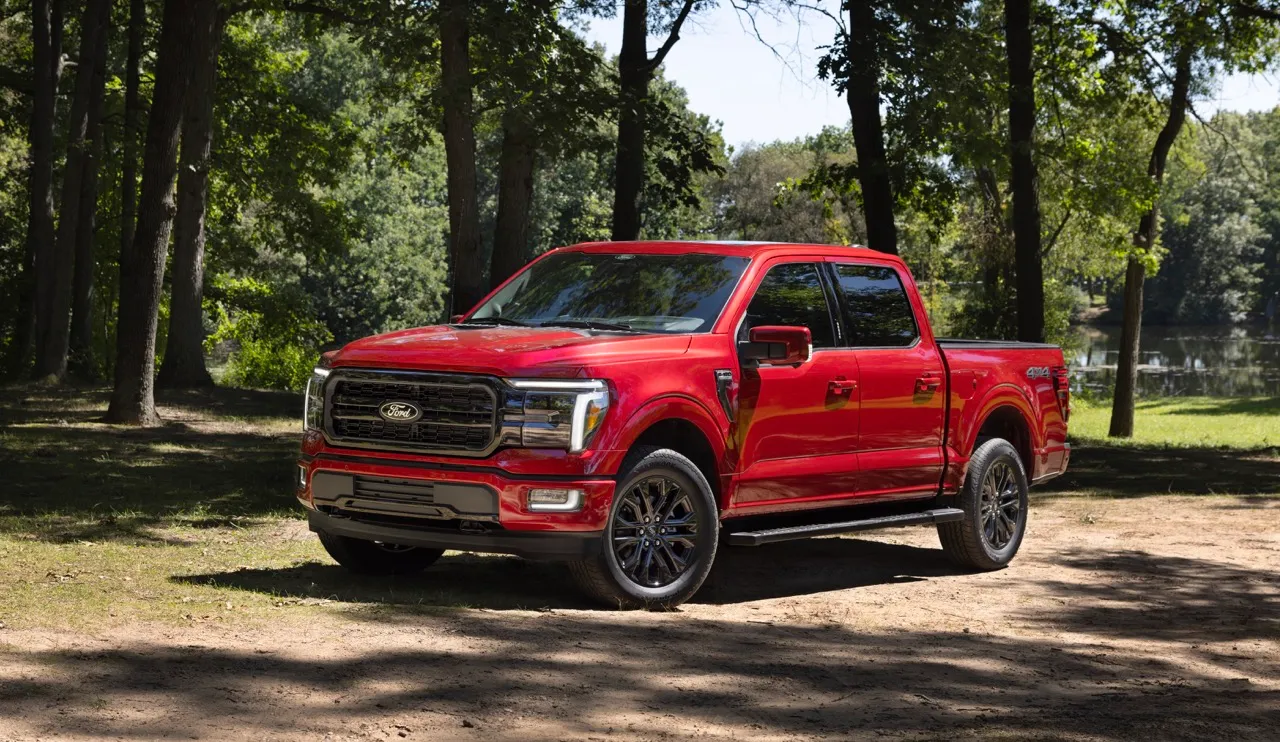
5. 2024 Ford F-150 Lariat
Strength meets everyday usability in the 2024 Ford F-150 Lariat, a pickup truck that excels when temperatures drop. Built for work and long-distance travel, this truck features a heating system designed to handle harsh winter conditions without compromise.
Large cabin space might suggest slower heating, yet the F-150 Lariat proves otherwise. Its powerful engine generates heat quickly, and the climate system distributes that warmth efficiently throughout the interior. Within minutes of startup, drivers and passengers begin to feel comfortable even after the truck has been parked outside overnight.
Dual-zone automatic climate control ensures that front occupants can set individual preferences. Rear passengers benefit from dedicated vents that maintain consistent warmth across the cabin. This attention to airflow makes a noticeable difference during long drives in cold weather.
Heated seats in both front and rear rows warm rapidly and maintain a pleasant temperature without becoming overpowering. A heated steering wheel adds another layer of comfort, especially during early morning commutes. Drivers who spend long hours behind the wheel often appreciate how these features reduce fatigue and stiffness.
Remote start functionality allows the cabin to warm before entry, turning icy mornings into manageable routines. Strong defrost performance clears the windshield and rear window quickly, improving visibility and safety. Heated side mirrors help eliminate frost buildup, saving time before hitting the road.
Durable interior materials and solid insulation keep warmth inside once the cabin reaches a comfortable level. This efficiency allows the heating system to maintain temperature without excessive fan noise. Even in extremely cold conditions, the F-150 Lariat provides a warm and inviting environment.
Drivers who need a reliable truck for winter travel often praise this model for its dependable heating. Comfort and practicality come together here, making cold-weather driving far less challenging and far more enjoyable.
5 Cars With Weak Heating Systems
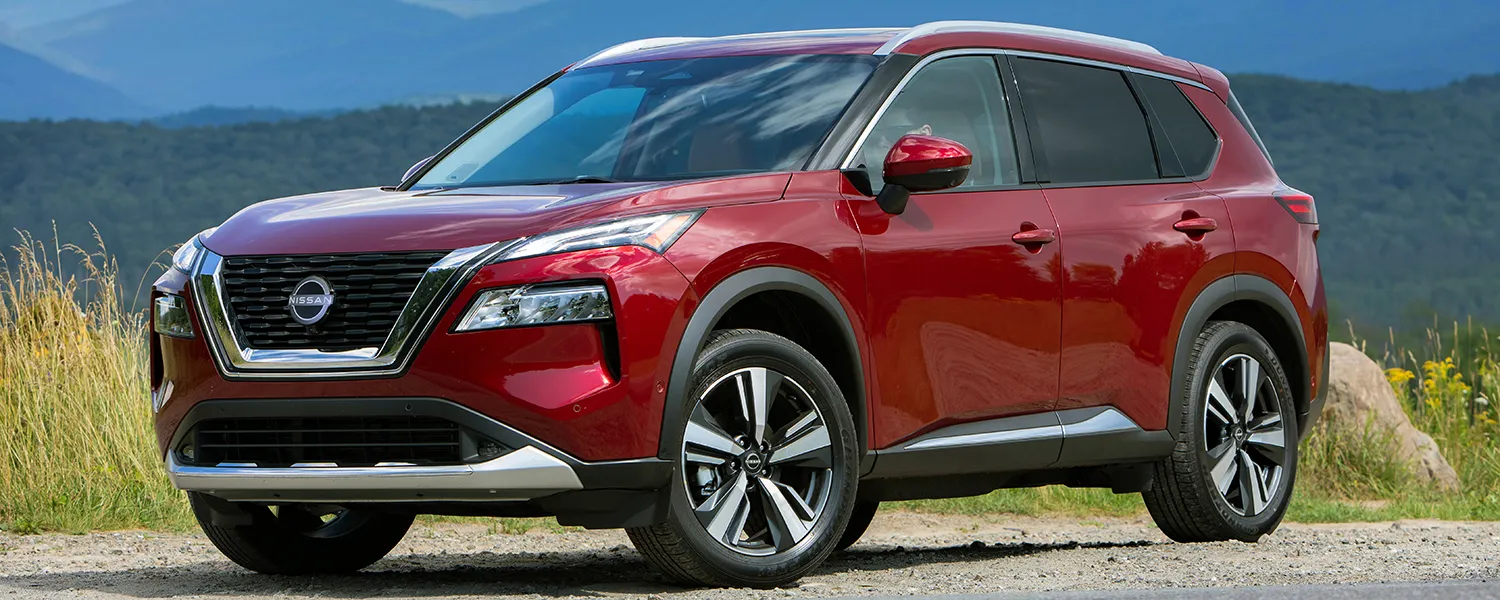
1. 2023 Nissan Rogue SV
The 2023 Nissan Rogue SV delivers reliability and decent fuel efficiency, but its heating system can leave drivers questioning comfort during harsh winter mornings. While other SUVs may produce immediate warmth, the Rogue tends to take longer than expected to create a cozy environment.
Many drivers note that after starting the vehicle on a freezing morning, it can take ten minutes or more for the cabin to reach a pleasant temperature. The climate system in the Rogue relies primarily on traditional engine heat, meaning that during shorter trips or stop-and-go commutes, warmth is slow to build.
Front occupants may feel slightly more comfortable than those in the back, but rear passengers often experience cool drafts, especially if the outside temperature is below freezing. Heated seats are limited to the front row in the SV trim, leaving rear passengers without this layer of comfort.
Airflow design contributes to uneven heat distribution. Although vents are available in the rear, their output is weaker compared to the front, creating a noticeable difference in temperature between seating rows. The steering wheel is not heated in this trim, making icy mornings less pleasant for the driver. Drivers who rely on fast defrosting might notice that the windshield takes longer than desired to clear, particularly after an overnight park in sub-zero conditions.
Cabin insulation also influences the feeling of warmth. While the Rogue is well-built, the material choices and panel sealing allow some heat to escape during extreme cold, which forces the climate system to work harder to maintain temperature. Noise from fans can increase when the heater runs at higher speeds, making the interior less serene.
Despite these limitations, the Rogue SV offers standard safety features, responsive handling, and a smooth ride, which might make it appealing to buyers who accept that winter comfort will be modest. However, for those who prioritize rapid warmth, evenly heated interiors, and rear-seat comfort, the Rogue might leave them reaching for extra layers or portable heaters on chilly days.
In urban commutes where stops are frequent and trips are short, drivers may find themselves waiting for the heat to catch up, highlighting the importance of considering cabin heating when purchasing a vehicle for cold climates. Compared to other models, the Rogue’s heating system works but lacks the refinement, speed, and thoroughness seen in more winter-focused vehicles.
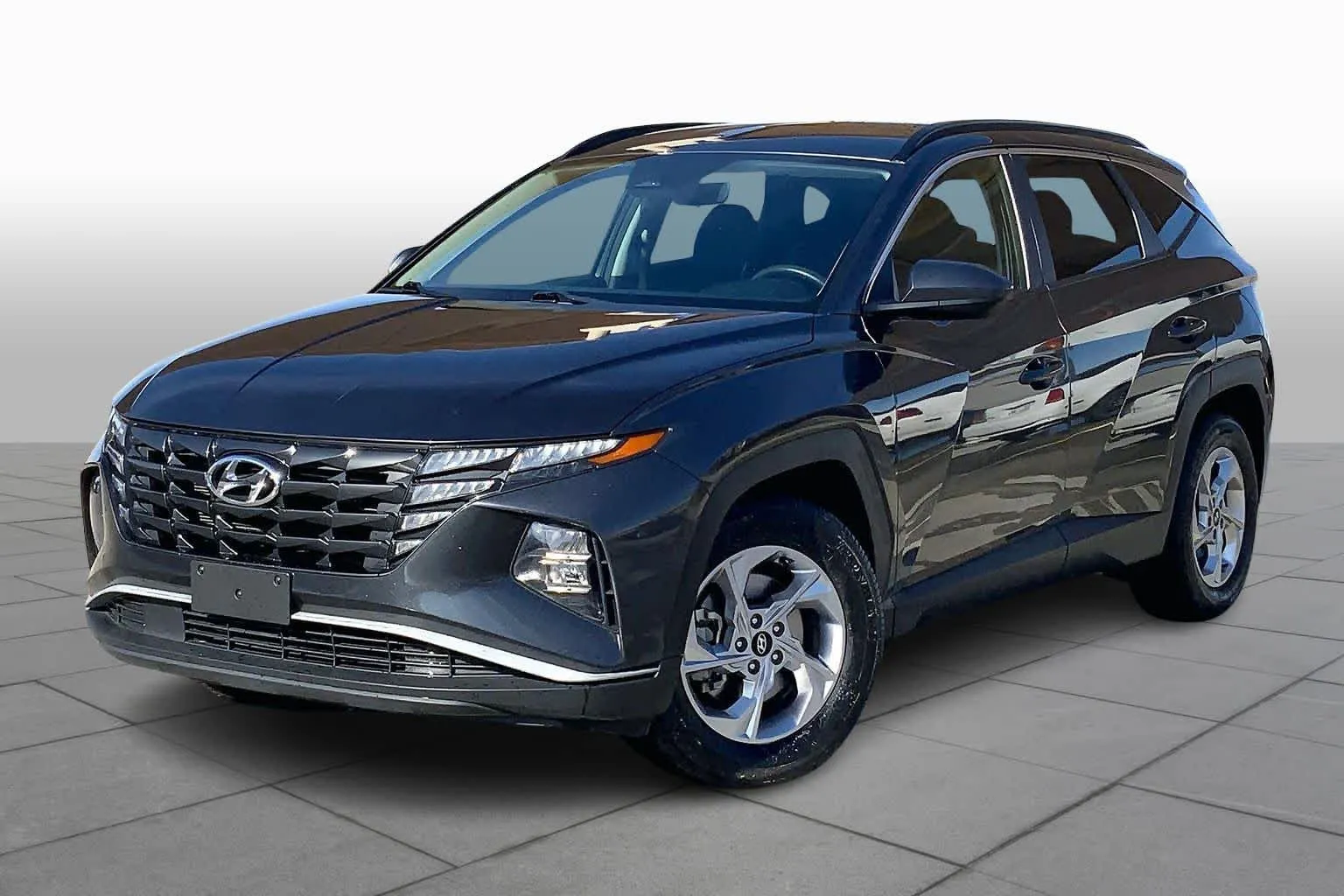
2. 2024 Hyundai Tucson SEL
The 2024 Hyundai Tucson SEL presents an appealing design and modern features, yet its heating system struggles to provide immediate warmth in cold weather. Start the vehicle on a frosty morning, and the cabin may feel sluggish in response, leaving passengers waiting for comfort while the engine slowly generates heat.
This model uses a standard heat exchange system powered by the engine, which is less effective in electric or hybrid modes. The front seats warm up moderately quickly, but rear passengers often encounter lukewarm air, particularly during longer drives. Heated seating is limited in the SEL trim, and the steering wheel lacks a heating option, making early commutes less enjoyable.
Airflow design contributes to uneven distribution. Front vents push air adequately toward hands and face, yet footwell heating is weaker, which can result in cold toes during winter trips. Rear vents struggle to match the front’s output, leaving passengers adjusting their jackets or blankets to compensate. Defrosting is functional but can be slower than expected for those used to rapid windshield clearing.
Insulation quality plays a role in cabin comfort. While panels and seals are solid, they do not retain heat as efficiently, meaning the heating system must work continuously to maintain a cozy environment. The fan noise can become noticeable at higher settings, reducing the feeling of calm and making long drives less relaxing in freezing temperatures.
Tucson SEL owners may appreciate the vehicle’s affordability, fuel efficiency, and smooth ride, but the heating system is one area where compromises become obvious. Drivers who regularly encounter sub-zero mornings may feel a delay in comfort, particularly for rear passengers.
While the Tucson provides adequate comfort in mild winter conditions, harsh cold exposes the limitations of its heating system. For families or commuters who value evenly distributed warmth, this SUV requires patience and additional layering to achieve a satisfactory cabin environment.
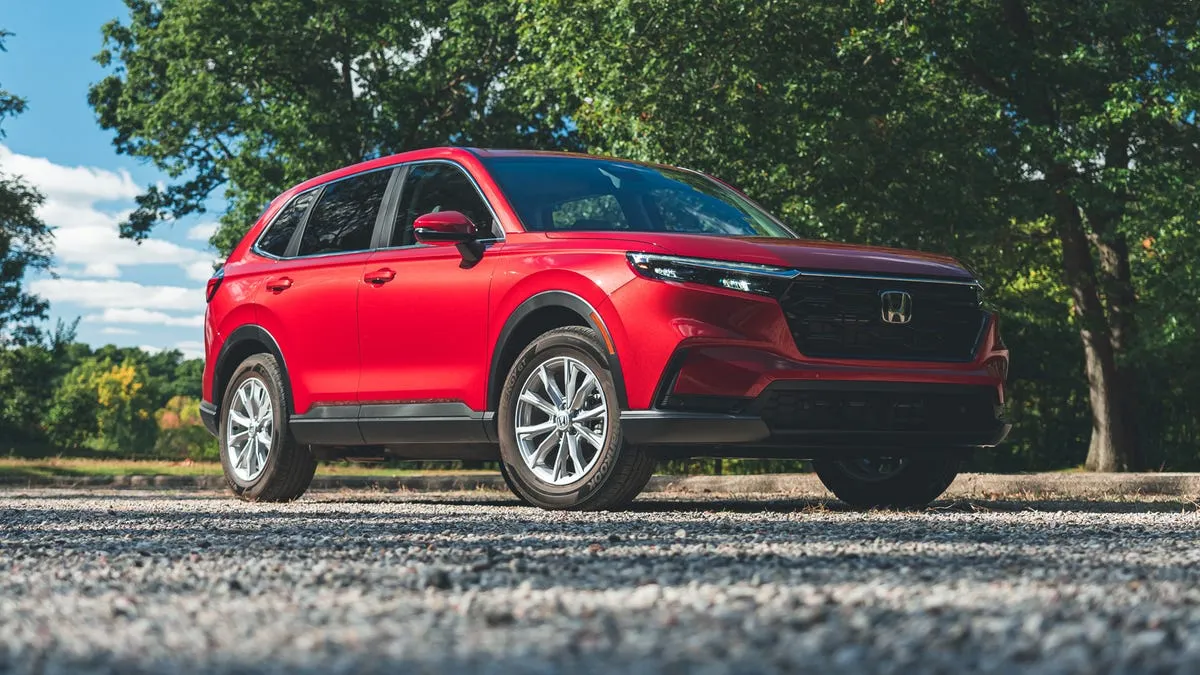
3. 2023 Honda CR-V EX
The 2023 Honda CR-V EX offers practical space, smooth handling, and strong reliability, yet its heating system falls short when temperatures drop sharply. Drivers often report that warm air takes longer to fill the cabin compared to competing SUVs, leaving early morning commutes less pleasant.
The CR-V EX relies on standard engine-based heat, which can be slow to respond during short trips. Front heated seats and optional steering wheel heaters provide some relief, yet rear passengers frequently report cooler seating areas due to limited rear vent output. The lack of multi-zone climate control in the EX trim reduces personalization, forcing passengers to compromise.
Airflow is directed primarily toward the front, leaving the back seats with inconsistent warmth. Footwell heating is weaker, creating cold spots that passengers notice during longer journeys. Defrosting is functional but can take several minutes to clear ice from large windshield surfaces, requiring patience during winter mornings.
Cabin insulation impacts heating efficiency. Although Honda uses quality materials, heat retention is modest, so the system must operate at higher fan speeds to maintain temperature. This results in audible airflow noise and slightly reduces cabin comfort.
For drivers who prioritize quick warmth and uniform temperature across all seating areas, the CR-V EX may require supplemental strategies, such as layering or portable seat warmers. While the SUV excels in fuel efficiency and reliability, its heating performance does not match the comfort offered by vehicles with advanced climate systems.
Daily commuters or families who frequently travel in freezing conditions may find the CR-V EX functional but lacking. Winter comfort is achievable, but patience and additional preparation are often necessary to ensure that all passengers remain cozy during chilly drives.
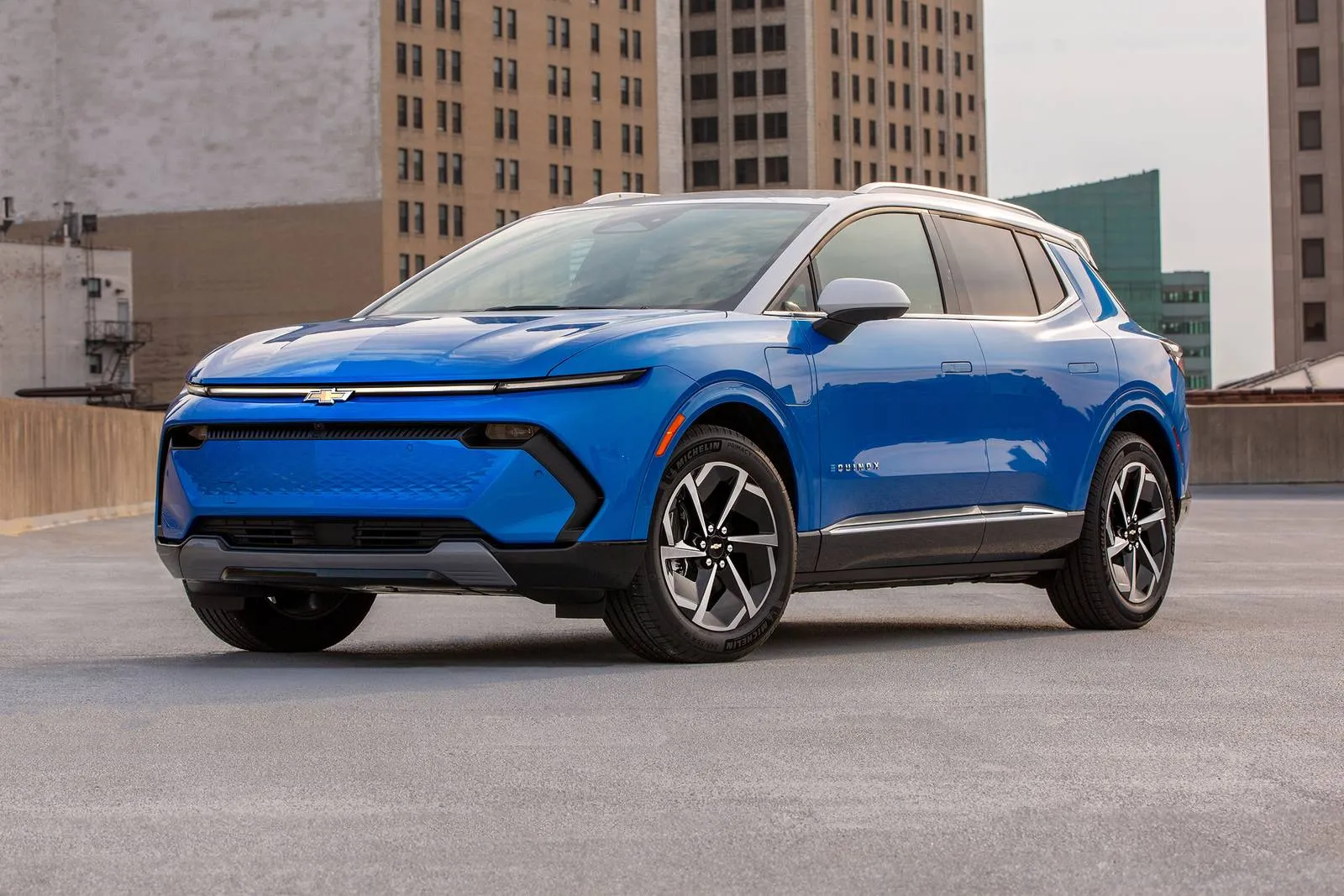
4. 2024 Chevrolet Equinox LT
The 2024 Chevrolet Equinox LT provides practicality, affordability, and a smooth ride, but the heating system reveals weaknesses in colder conditions. Upon startup on frigid mornings, warm air may take longer than expected to fill the cabin, leaving occupants shivering for several minutes.
Heating relies on conventional engine heat, which struggles in shorter trips or stop-and-go traffic. Front heated seats provide relief, yet rear passengers often remain chilly due to weak airflow from rear vents. The steering wheel is not heated in this trim, adding to discomfort during early commutes.
Air distribution favors the front, leaving some footwells and rear seats cooler than desired. Defrosting performs adequately but may take longer on icy mornings, delaying safe visibility. Cabin insulation is functional, though heat escapes faster than in premium models, requiring higher fan settings that generate additional noise.
The Equinox LT is ideal for moderate climates, daily errands, and budget-conscious buyers, but cold-weather comfort is limited. Drivers seeking immediate warmth and balanced heat for all passengers may need supplementary solutions such as blankets or aftermarket seat heaters.
Also Read: 10 Vehicles That Stay Cool Even in Stop-and-Go Heat
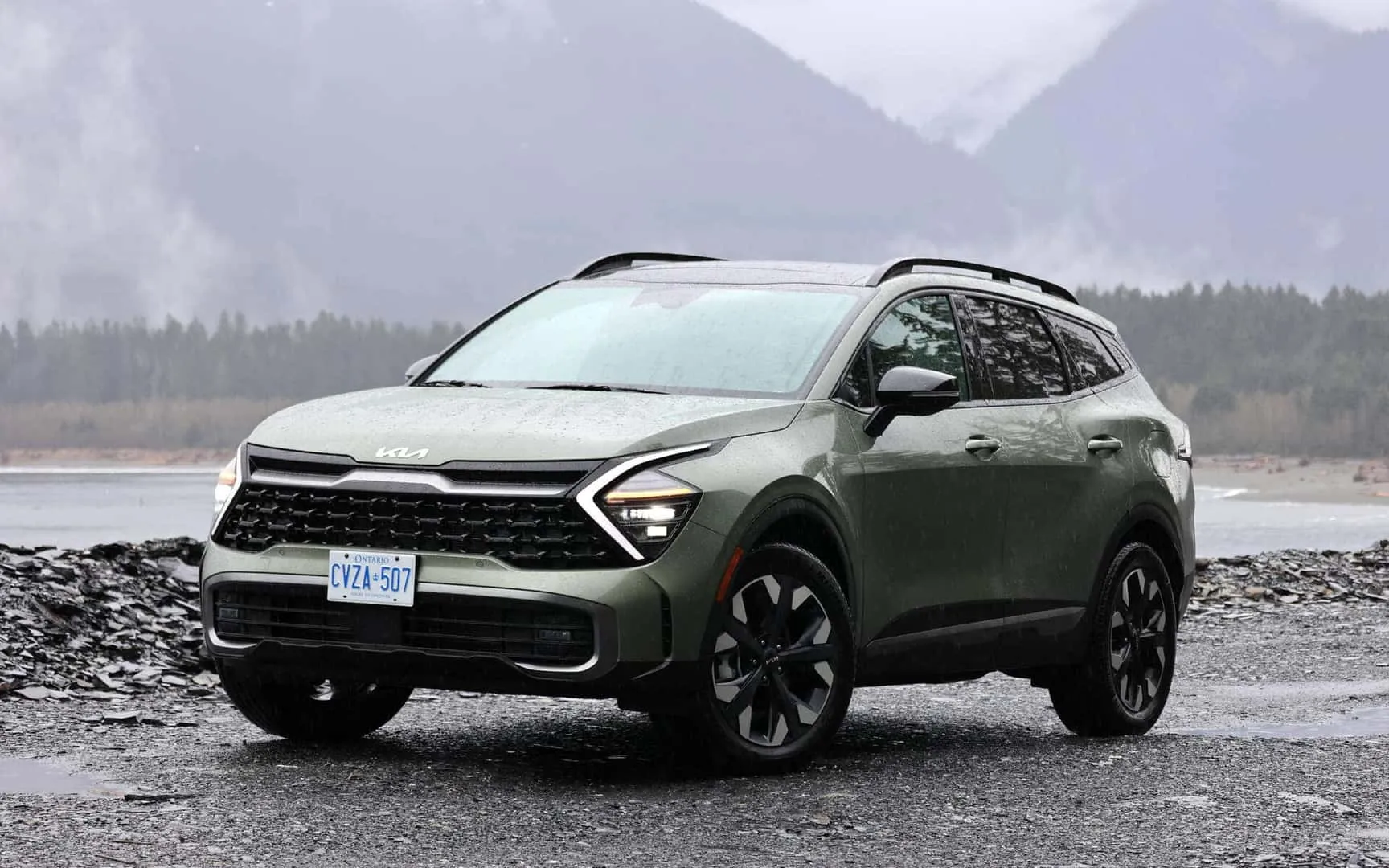
5. 2023 Kia Sportage LX
The 2023 Kia Sportage LX offers a modern design and comfortable interior but delivers a heating system that underperforms in winter conditions. Cold mornings can feel uncomfortable as the cabin takes time to reach a cozy temperature, particularly during short trips.
Heated seating is only available in the front row, leaving rear passengers without a dedicated heat source. Airflow is front-focused, producing uneven warmth throughout the cabin. Footwells and rear seating areas remain cooler, forcing passengers to bundle up to maintain comfort.
Standard engine-driven heat struggles during electric-assisted drives, limiting warmth efficiency in hybrid models. Windshield and rear window defrosting works, but clearing ice can take longer than expected. Cabin insulation is average, allowing heat to dissipate faster, which reduces the perception of a consistently warm interior.
For drivers prioritizing winter comfort, the Sportage LX delivers basic functionality but lacks the advanced features that make cold-weather travel truly pleasant. It performs acceptably, yet those expecting rapid, even heat for all occupants may need extra layers or portable heating aids.
