
The American classic car market has entered a fascinating new phase. What was once driven almost entirely by Baby Boomer nostalgia is now being reshaped by Gen X and millennial collectors with different tastes, deeper research habits, and a strong eye on long-term value.
Auction prices in the U.S. have stabilized after the post-pandemic surge, but that doesn’t mean opportunity has vanished.
In fact, it has become more selective. Cars with the right mix of rarity, cultural relevance, originality, and mechanical pedigree are quietly positioning themselves for major appreciation over the next decade.
This list isn’t about the already-unattainable million-dollar museum pieces. Instead, it focuses on American classics that still have upward momentum, particularly models where demand is expanding faster than supply.
These are vehicles tied to muscle-car history, motorsports success, or cultural moments that continue to resonate with U.S. buyers.
If you’re a collector, investor, or enthusiast who wants passion with potential payoff, these ten American classics deserve close attention.
1. 1967 Shelby GT500
The 1967 Shelby GT500 sits at the intersection of raw muscle and factory-backed performance royalty.
It was one of the first cars to fully embody Carroll Shelby’s vision of blending brute-force American V8 power with track-inspired upgrades.
With its aggressive styling, big-block engine, and limited production numbers, the GT500 remains one of the most recognizable Mustangs ever built.
What makes this car especially promising is generational appeal. Older collectors revere its Shelby lineage, while younger buyers associate it with the rebirth of the GT500 nameplate in modern performance cars and pop culture.
As original, numbers-matching examples become scarcer, clean 1967 GT500s are likely to see sustained value growth.
1967 marked the first year the Mustang could be ordered with a big-block V8. That engine was the 390-cubic-inch (6.4-liter) FE, rated at 320 horsepower. Shelby, however, took things further by fitting the pony car with a larger 428-cubic-inch (7.0-liter) V8 of the “Interceptor” variety, an engine that produced 355 horsepower and 420 pound-feet (570 Nm) of torque.
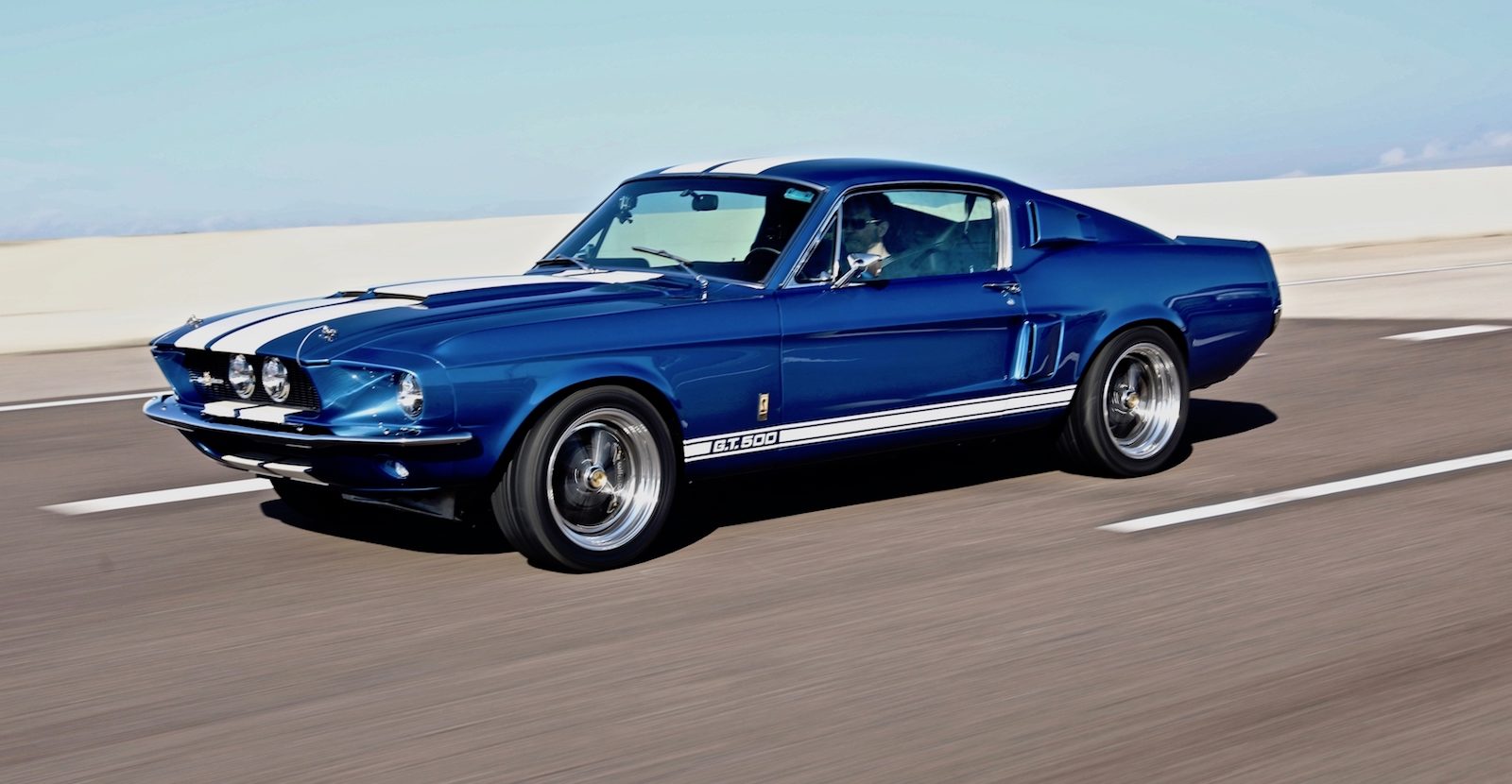
The newly introduced GT500 proved popular, finding 2,050 buyers and outselling the 1967 GT350 by a significant margin. Today, the inaugural GT500 is considered one of the most coveted Mustangs ever produced, with prime examples regularly commanding six-figure prices at major public auctions.
Not every Shelby muscle car, however, lives a polished life on the show circuit. Some remain tucked away in storage, often requiring mechanical attention or full restoration. This Lime Gold fastback is one such example, having spent nearly four decades out of sight.
Documented by barn-find enthusiast Ryan Brutt, this Shelby GT500 was parked in 1987. It was removed from storage only once for cleaning, but otherwise remained untouched for an astonishing 38 years. Thankfully, it’s not a case of total neglect.
Despite not being driven, or even started, in decades, the upgraded Mustang appears to be in solid overall condition. The once-striking Lime Gold paint shows weathering and damage in spots, but it looks like it could respond well to a thorough cleaning and buffing.
The interior tells a similar story. It’s dusty and shows signs of use, yet remains complete with no significant damage. Considering the car had accumulated more than 150,000 miles (241,402 km) before being stored, the interior’s condition suggests the GT500 was well cared for during its active years.
Adding to its story, the muscle car has remained in the same family since new. The original owner, a Ford engineer, passed away years ago, as did his wife, leaving the car in the hands of their son.
He ultimately decided it was time to bring the GT500 back into the light and pass it on to someone who would give it the attention it deserves. As of this writing, the car has already found a new owner.
Also Read: Top 10 All-Time Greatest Classic American Engines Ever Built
2. 1970 Chevrolet Chevelle SS
The 1970 Chevelle SS represents peak muscle-car excess. It was available with the legendary LS6 454 engine, widely considered one of the most powerful factory engines of the era.
Even non-LS6 SS models benefit from the Chevelle’s reputation as a street-dominant muscle machine.
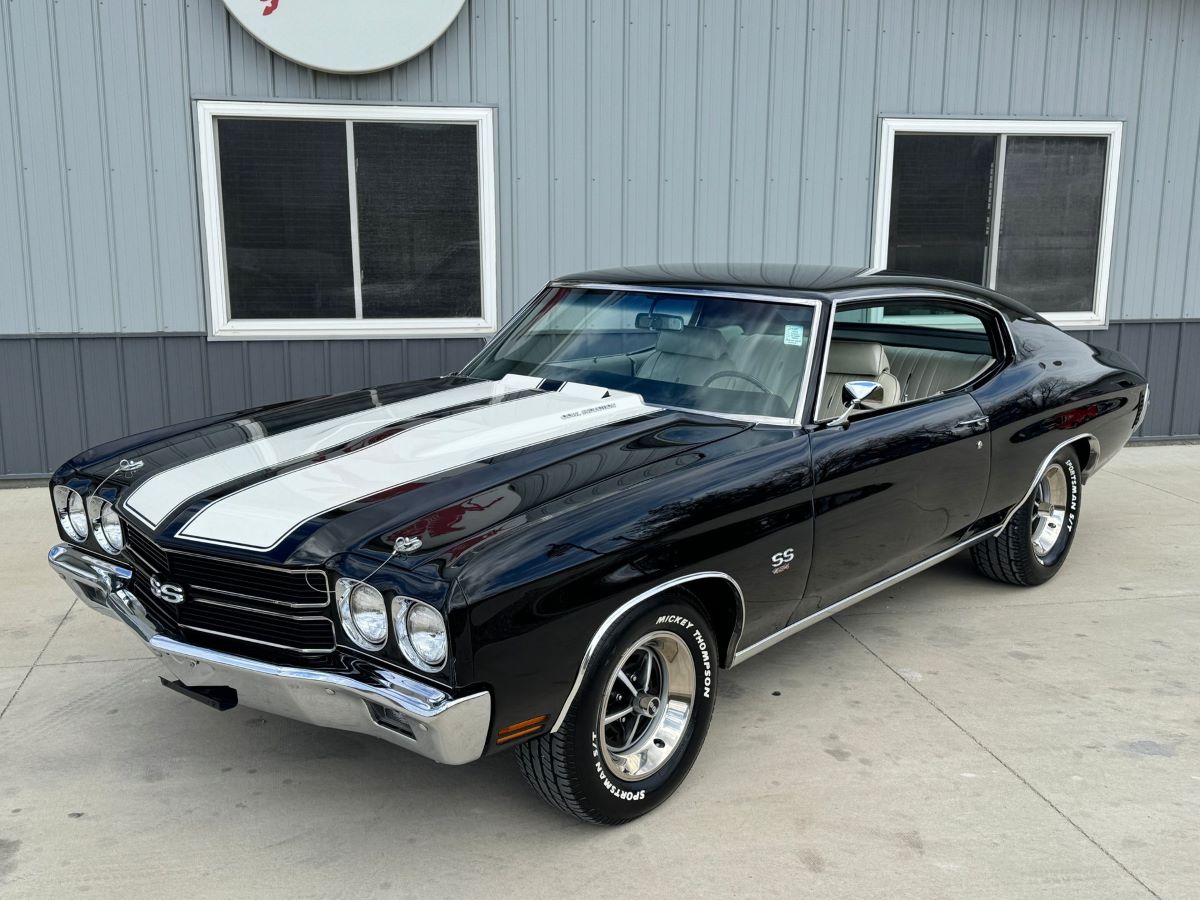
The key driver here is authenticity. Clones are common, but verified original SS cars, especially those with documentation, are becoming increasingly difficult to find.
As buyers grow more educated and selective, genuine examples are pulling away in value, making this a smart long-term hold for serious collectors.
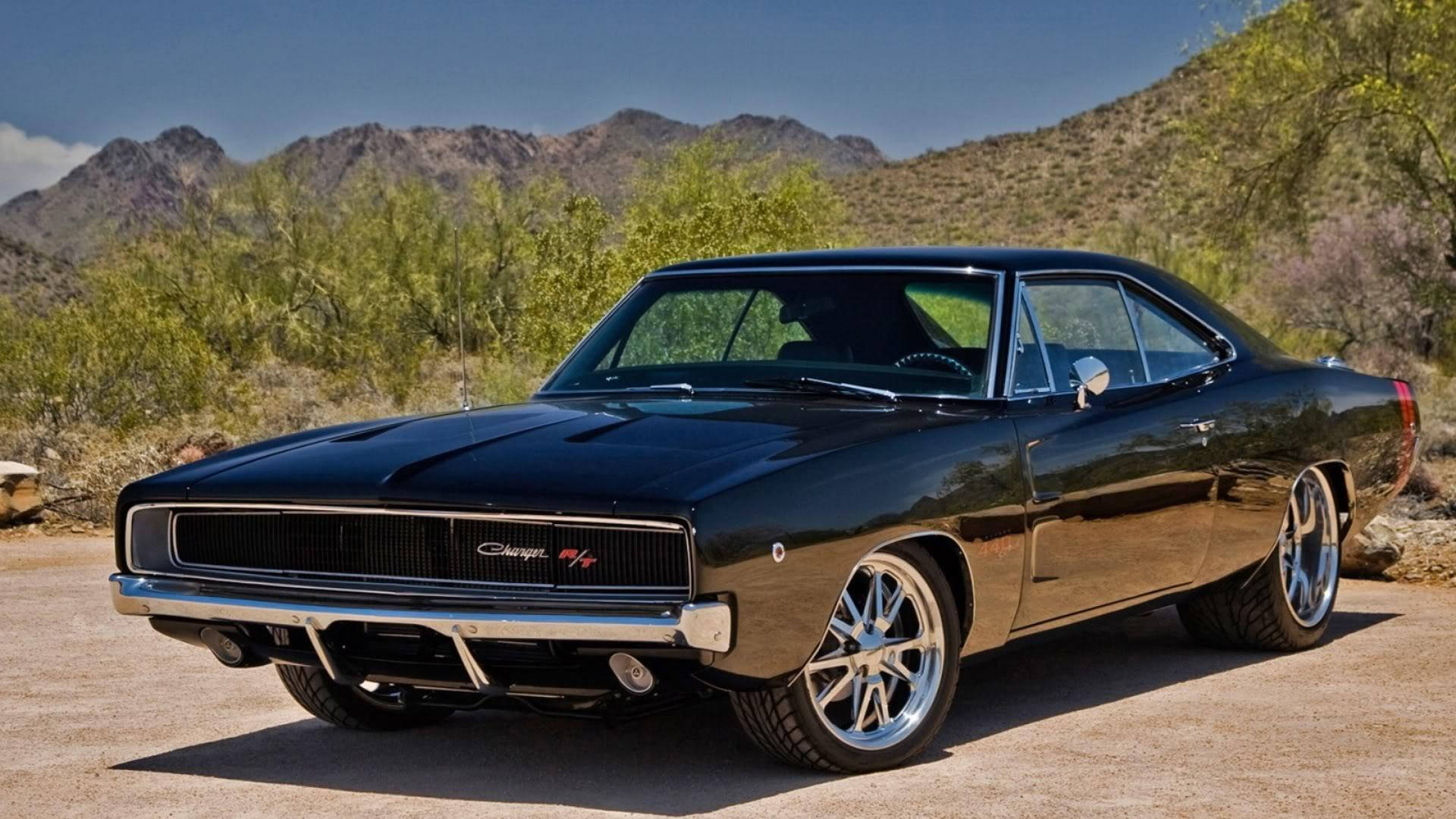
3. 1969 Dodge Charger
Few American cars are as instantly recognizable as the 1969 Dodge Charger. Its wide stance, flying buttress roofline, and menacing front end have cemented it as a cultural icon. From motorsports to Hollywood, the Charger’s presence has never faded.
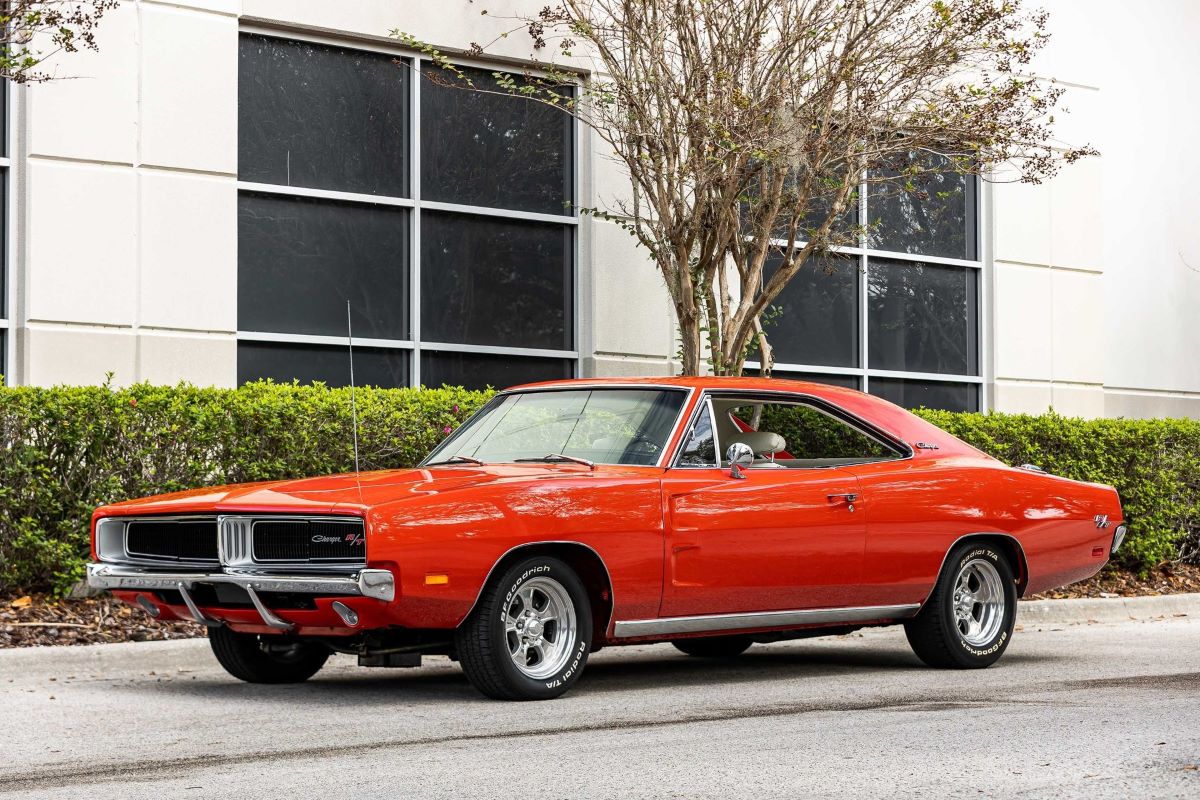
While prices surged due to media exposure years ago, demand has proven resilient rather than speculative. Original Chargers in correct factory configurations are becoming rarer as restoration costs climb. That shrinking supply, paired with constant pop-culture relevance, puts the ’69 Charger in a strong position for continued appreciation.
The Charger represented Dodge’s answer to the muscle car craze that swept the mid-1960s, but the original version failed to make the impact the company had hoped for. Its fastback design and relatively upscale features didn’t do enough to pull buyers away from established rivals like the Pontiac GTO.
Even offering heavyweight options such as the 426 Hemi and 440 big-block engines wasn’t enough to persuade shoppers to flood Dodge showrooms and pay the premium. Dodge clearly had a problem on its hands, and the solution was to completely rethink what the Charger needed to be.
That reset arrived for 1968, when the Charger nameplate returned with entirely new styling, breaking away from the Coronet-based look of the 1966–1967 models. This decisive shift in identity paid off in a big way. When the second-generation Charger debuted, sales skyrocketed to more than six times what Dodge had managed in the final year of the first generation.
It’s also possible that Mother Mopar played a clever hand by leveraging the power of Hollywood, reinforcing the Charger’s image as a symbol of brute force, rebellion, and mischief through its unforgettable appearance in the legendary car chase scene from “Bullitt.”
By this point, Chrysler Corporation was clearly positioning the Charger as a performance icon, and the Scat Pack marketing campaign was aimed squarely at buyers with an irrepressible need for speed.
What had once been the fever of disappointing sales during the first generation quickly transformed into a fever of success, and Dodge wasted no time spreading it far and wide. Then, in the spring of 1969, Dodge unveiled another strategic move: the White Hat specials.
At their core, the White Hat specials amounted to a promotional price reduction, but they were presented as appearance-focused packages. The offer extended across much of the lineup, including the compact A-body Dart, the mid-size B-body Coronet and Charger, and the full-size C-body Monaco and Polara.
These packages dressed up Mopar models with a long list of visual and comfort upgrades, such as vinyl roofs, whitewall tires, remote-controlled exterior mirrors, wheel covers, bumper guards, deep-dish wheel covers, wood-grain steering wheels, bright exterior trim, hood- or fender-mounted turn signals, power door locks, and various light group options.
4. 1963 Chevrolet Corvette Sting Ray
The 1963 Corvette Sting Ray marked a turning point for America’s sports car. Its split rear window design, used only for one model year, instantly made it collectible. Beyond aesthetics, it introduced independent rear suspension, elevating Corvette engineering to a new level.
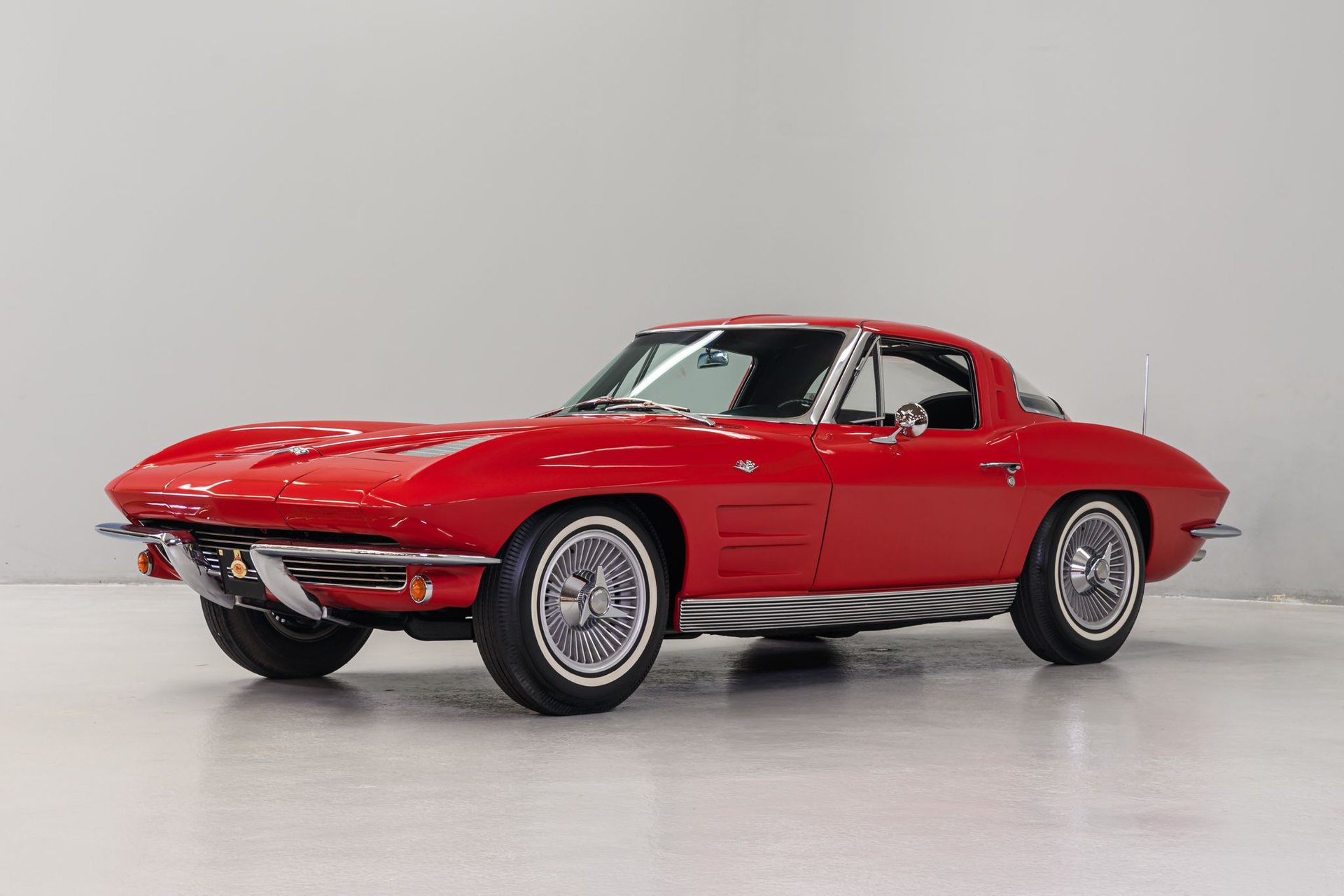
Collectors increasingly value innovation, not just power. The ’63 Sting Ray checks both boxes.
As later Corvettes grow more complex and electronic, early Sting Rays are being reevaluated as pure, analog performance machines. Well-preserved examples, especially split-window coupes, are poised for strong long-term gains.
5. 1971 Plymouth Hemi ’Cuda
The 1971 Hemi ’Cuda sits near the top of the muscle-car food chain, but it still has room to climb. Stricter emissions regulations and rising insurance costs ended the muscle-car era shortly after, making these late, high-performance models especially rare.
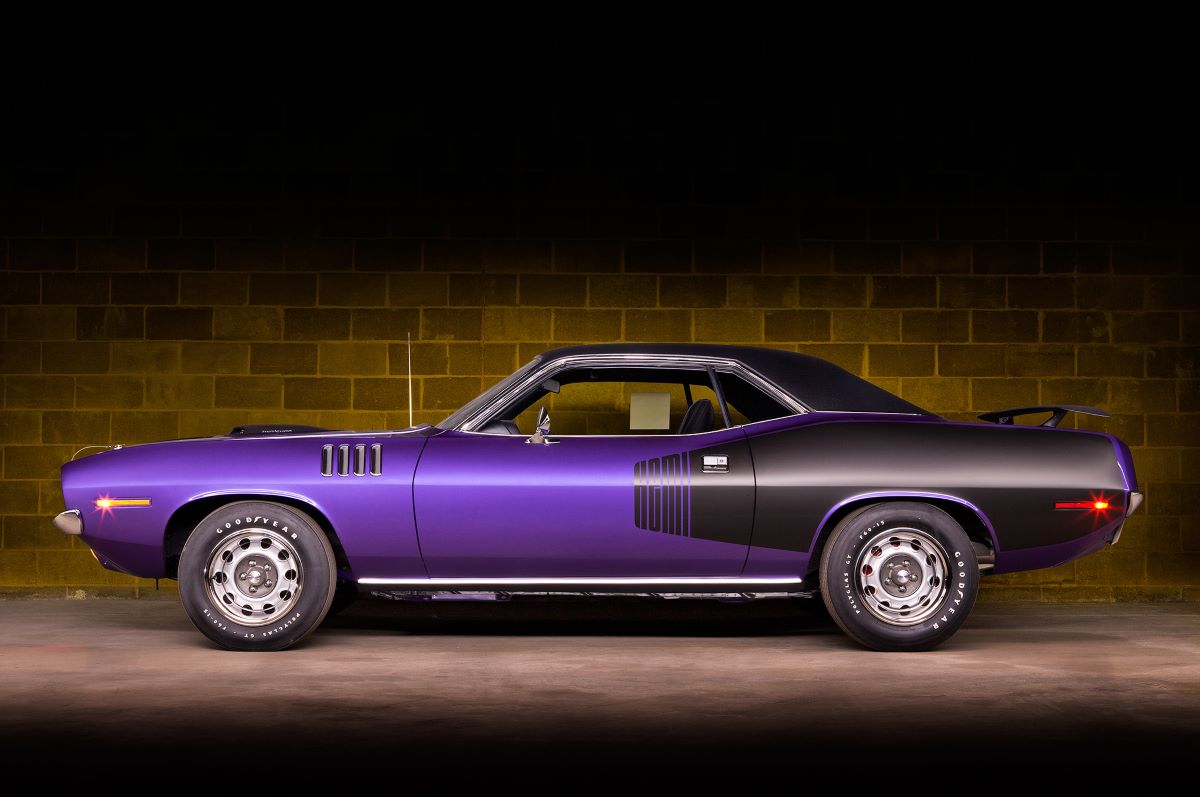
The Hemi engine’s mythos continues to grow, and collectors now view these cars as the final expression of unrestricted American V8 engineering. As ultra-wealthy buyers lock away top-tier examples, even secondary-condition cars are seeing upward pressure on prices.
The 1971 Plymouth Cuda’s standing as one of the most iconic muscle cars ever built didn’t happen by chance or in an instant. Its reputation was shaped through fierce rivalry, as Chrysler set out to challenge heavyweights like the Ford Mustang and Chevrolet Corvette.
With bold, aggressive styling and a lineup of formidable engine options, the Cuda quickly earned a devoted fan base. What truly elevates it to legend, however, is the scarce Hemi version.
Built in extremely limited numbers, this 425-horsepower monster has become a near-mythical prize among collectors. Understanding why the Cuda was created and how it rose to such revered status reveals a story that’s layered, competitive, and deeply rooted in the golden age of American performance cars.
As a member of the third generation of the Barracuda lineup, the 1971 Plymouth Cuda emerged during the height of the pony car wars, driven by Chrysler’s determination to stand toe-to-toe with Ford and Chevrolet. The Barracuda nameplate first appeared in 1964 as Chrysler’s answer to the growing appetite for stylish yet powerful performance cars.
By 1971, the Cuda had evolved dramatically, sharing Chrysler’s E-Body platform with the Dodge Challenger. This platform gave the Cuda its unmistakably aggressive proportions and the performance credentials needed to compete at the highest level of the segment.
A wide selection of potent engines helped define the 1971 Cuda’s appeal, most notably the legendary 426 Hemi. Even so, this model year arrived at a turning point for the muscle car era. Stricter emissions regulations began to take hold, forcing manufacturers to dial back horsepower figures compared to earlier, freer years.
Despite these constraints, the 1971 Cuda secured its place in history largely because of its rarity, especially in Hemi form. With just 114 Hemi Cudas produced, scarcity alone transformed it into one of the most coveted American muscle cars ever built.
Beneath its dramatic exterior, the 1971 Plymouth Cuda showcased engineering that reinforced its performance-focused identity. The E-Body platform played a crucial role, providing a spacious engine bay capable of housing Chrysler’s most powerful offerings.
This allowed engineers to fit the 426 Hemi V-8, rated at 425 horsepower, along with other performance-oriented options such as the 340, 383, and 440 cubic-inch engines. These choices gave buyers flexibility, whether they prioritized outright speed or a more balanced performance package.
Still, the introduction of emissions equipment in 1971 inevitably dulled some of the Cuda’s raw edge, as horsepower ratings fell across the board. Even so, the car’s fundamental engineering and unmistakable design ensured it remained a standout of the era.
The ultra-rare Hemi Cuda, in particular, stands as a testament to Chrysler’s commitment to performance, despite mounting regulatory pressures.
Decades later, the influence of the 1971 Plymouth Cuda remains undeniable. Its combination of daring design, formidable engineering, and extreme rarity has cemented its status as a cornerstone of American muscle car history.
For enthusiasts and collectors alike, the Cuda isn’t just a car, it’s a symbol of an era when performance ruled, and its legacy continues to resonate today.
Also Read: Top 10 Pickup Trucks That Have Earned Collector Status
6. 1987 Buick GNX
The Buick GNX is a reminder that performance doesn’t always look loud. Built in limited numbers and designed to embarrass contemporary sports cars, the GNX relied on turbocharged innovation rather than brute displacement.
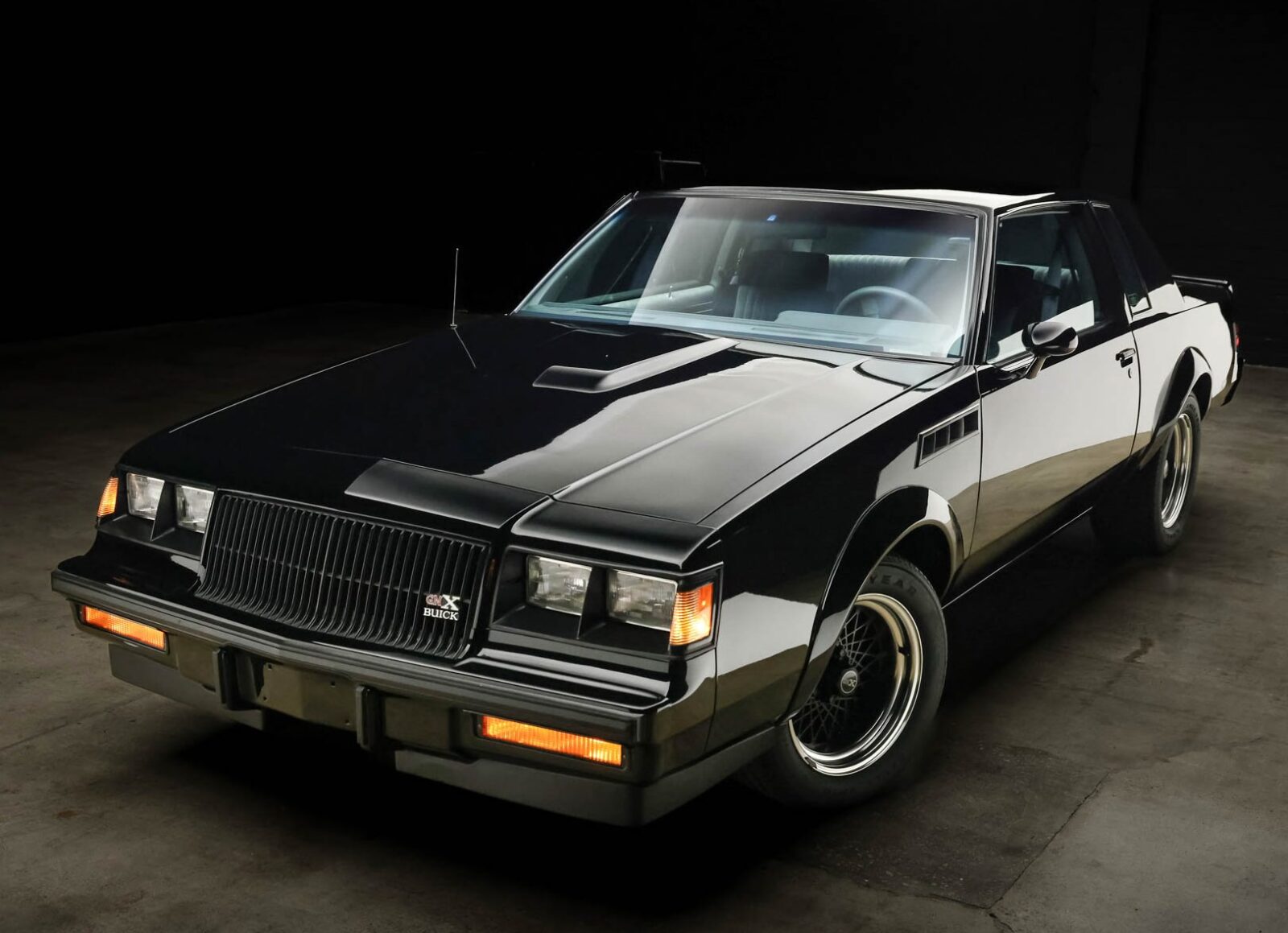
What makes the GNX especially interesting is its appeal to younger collectors. It bridges classic muscle and modern performance thinking, making it one of the most cross-generational American performance cars.
As interest in 1980s vehicles continues to rise, the GNX stands out as the era’s crown jewel.
7. 1968 Pontiac GTO
Often called the car that started the muscle-car movement, the Pontiac GTO remains undervalued compared to its historical significance.
The 1968 model, with its revised styling and improved handling, represents a sweet spot between early muscle simplicity and later performance refinement.
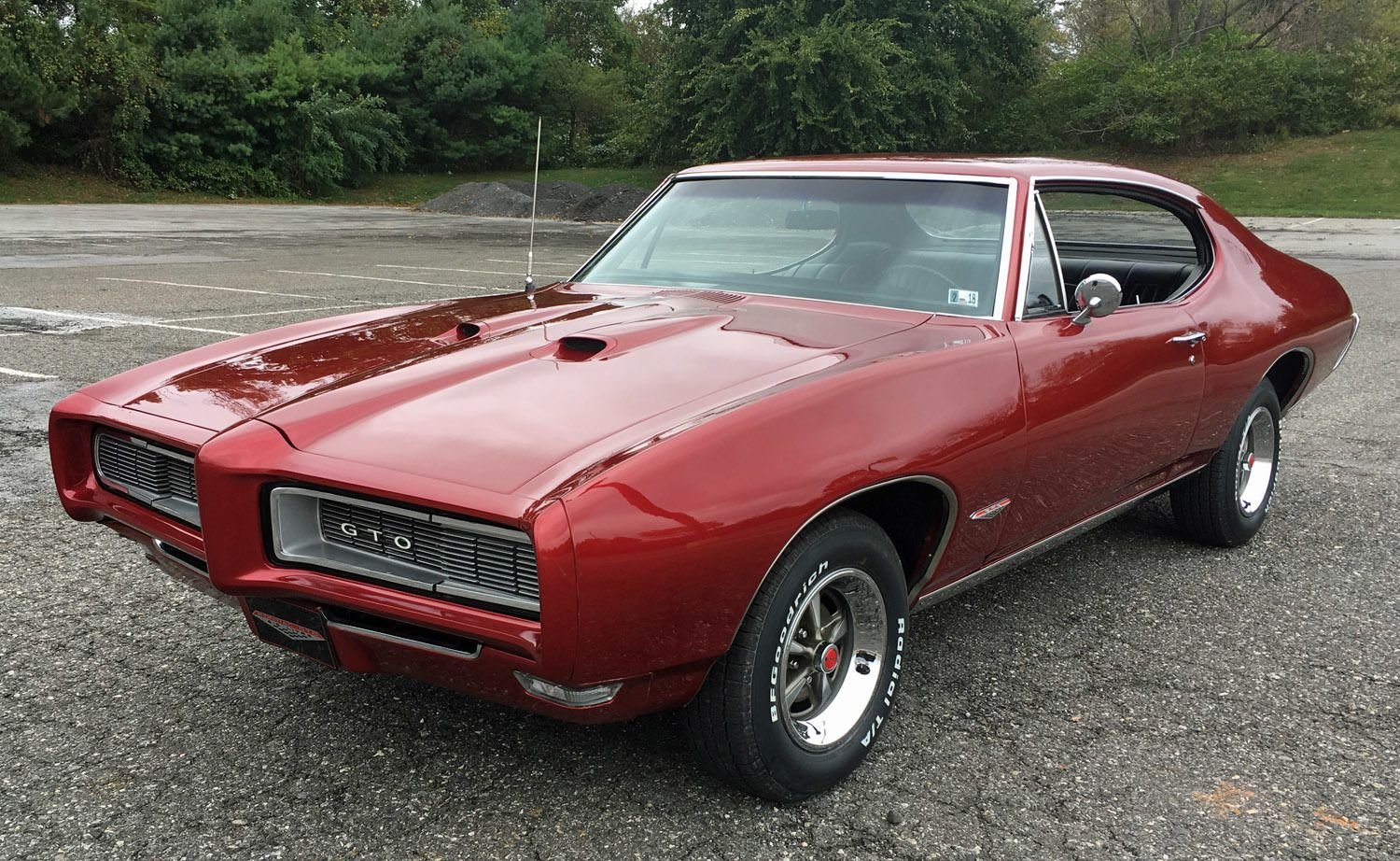
Collectors are beginning to reassess the GTO’s role in automotive history. As prices for more mainstream muscle cars climb beyond reach, buyers are rediscovering the GTO as both an icon and a relative value play, which typically precedes appreciation.
The second generation of the Pontiac GTO earned widespread acclaim from the automotive press, which described it as “an engineering marvel of its times.” It delivered serious power and striking looks, fully embodying what a muscle car was meant to be during that era.
Jim Wangers, often regarded as the godfather of the GTO, played a pivotal role in making it happen. While working for the Pontiac Motor Division’s public relations agency, he discovered a loophole in GM’s internal policies that limited engine sizes.
By exploiting this opening, Pontiac was able to offer the 400 cubic-inch engine as an option on the Pontiac LeMans, specifically under the GTO trim. The GTO name itself was coined by John DeLorean,who would later leave Pontiac to form the DeLorean Motor Company, and was inspired by the Italian abbreviation GTO, short for Gran Turismo Omologato.
Building on the success of the original LeMans GTO, the second-generation model received full approval from General Motors for production. The result was a long, sleek car that fit perfectly into the muscle car landscape of the time.
One notable styling change was up front, where the twin round headlights were now arranged horizontally rather than vertically as they had been on the earlier LeMans GTO. Along the sides, the beltline dipped gracefully before rising again ahead of the rear fenders, adding to the car’s dynamic profile.
Inside, the GTO featured a pair of individual front seats and a bench seat in the rear. The door panels were accented with GTO badges, reinforcing the car’s identity.
A flat dashboard housed the controls for the lights, ignition, windshield wipers, and cigarette lighter. Models equipped with the automatic transmission featured a floor-mounted gear selector surrounded by a wooden trim panel, adding a touch of style to the interior.
Under the hood, Pontiac fitted the GTO with a 6.6-liter V8 in keeping with company policy, producing 350 horsepower. A four-speed manual transmission came standard, while a three-speed automatic was available as an option.
In 1970, GM relaxed its engine displacement restrictions, allowing the larger 455 cubic-inch (7.5-liter) V8 to be offered in the GTO. Although officially rated at 366 horsepower, the real story was its massive torque output, which reached an impressive 500 lb-ft (678 Nm).
8. 1965 Ford Mustang Fastback
The 1965 Mustang Fastback embodies the birth of the pony car era. While convertibles and coupes are plentiful, fastback models, especially those with performance packages, are significantly rarer.
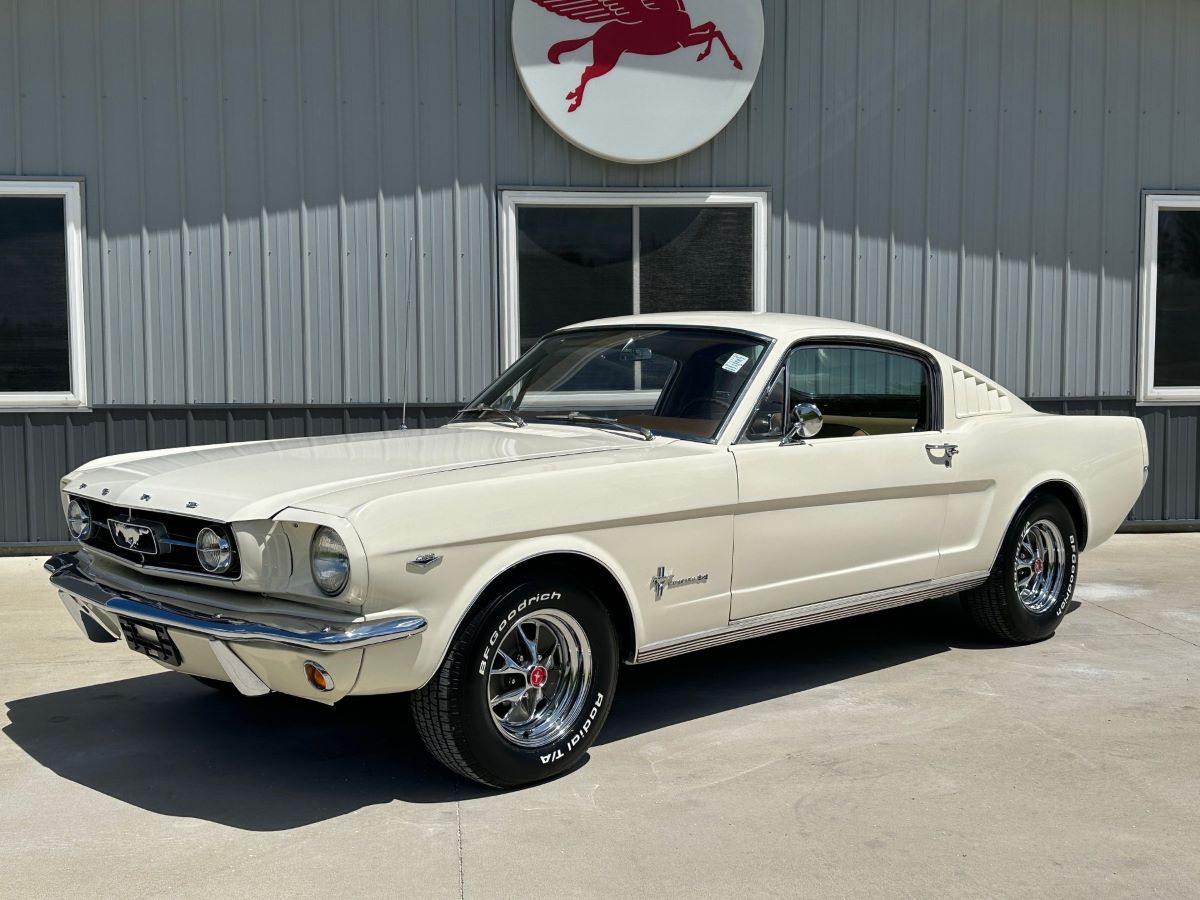
The Mustang’s ongoing production and brand strength continuously reinforce the legacy of early models. For U.S. collectors, the ’65 Fastback isn’t just a car; it’s a symbol of American automotive optimism.
That emotional connection, paired with limited supply, supports steady long-term value growth.
9. 1970 Oldsmobile 442
The Oldsmobile 442 often flies under the radar compared to more famous muscle cars, but that’s changing.
In 1970, it reached its performance peak with high-output engines and refined road manners that appealed to buyers who wanted speed without sacrificing comfort.
As collectors diversify beyond the usual names, the 442 is gaining recognition as a sophisticated muscle car. Rising restoration costs and limited survivor numbers are pushing values upward, particularly for original, well-documented examples.
The Oldsmobile 442 began life as an option package for the Cutlass, but by 1968 it had evolved into a standalone model. Two years later, in 1970, Oldsmobile rolled out a further enhanced version, refining the formula as the muscle car era was nearing its final chapter.
By the early 1970s, soaring insurance premiums were already taking a toll on high-performance cars, and the situation worsened in 1973 when the oil crisis sent fuel prices skyrocketing.
Gas-hungry performance cars were suddenly far less practical, often left sitting idle. Against that backdrop, Oldsmobile built one of the last true convertible muscle cars, the 442. Properly optioned, this open-top four-seater could still turn heads with its styling while backing it up with serious performance.
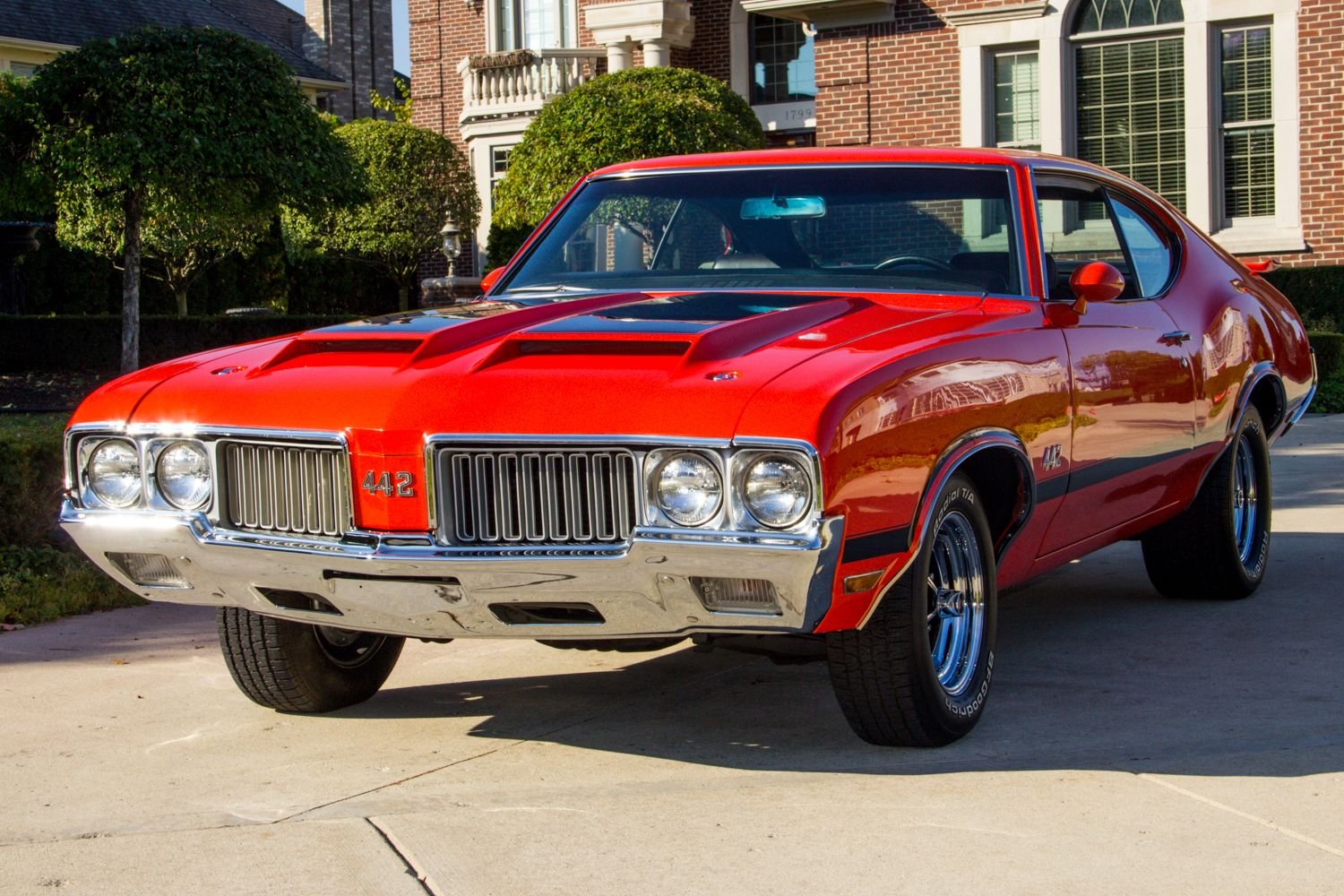
Visually, the 442 featured a distinctive front end with dual headlights flanking a grille filled with vertical slats. A prominent vertical bar dominated the center of the grille and proudly displayed the 442 badging.
Depending on how it was specified, the hood could be fitted with twin air intakes. The 1970–1972 model years also stood out thanks to their parking lights, which were mounted beneath the front bumper.
Inside the cabin, Oldsmobile offered buyers an extensive list of options. Front bucket seats were standard, paired with a broad and comfortable rear bench. Entry-level models came trimmed in cloth, while higher trims upgraded the interior with leather upholstery. Entertainment options included both a radio and an available 8-track stereo, reflecting the era’s priorities.
Power came from a 7.5-liter V8, with several configurations available. The most desirable and rare was the W30 package, which added aluminum intake components, revised camshafts, and a four-speed manual transmission.
Buyers could also opt for an aluminum differential housing to reduce weight. With all that extra performance on tap, Oldsmobile wisely addressed stopping power as well, fitting the 442 with disc brakes at all four corners.
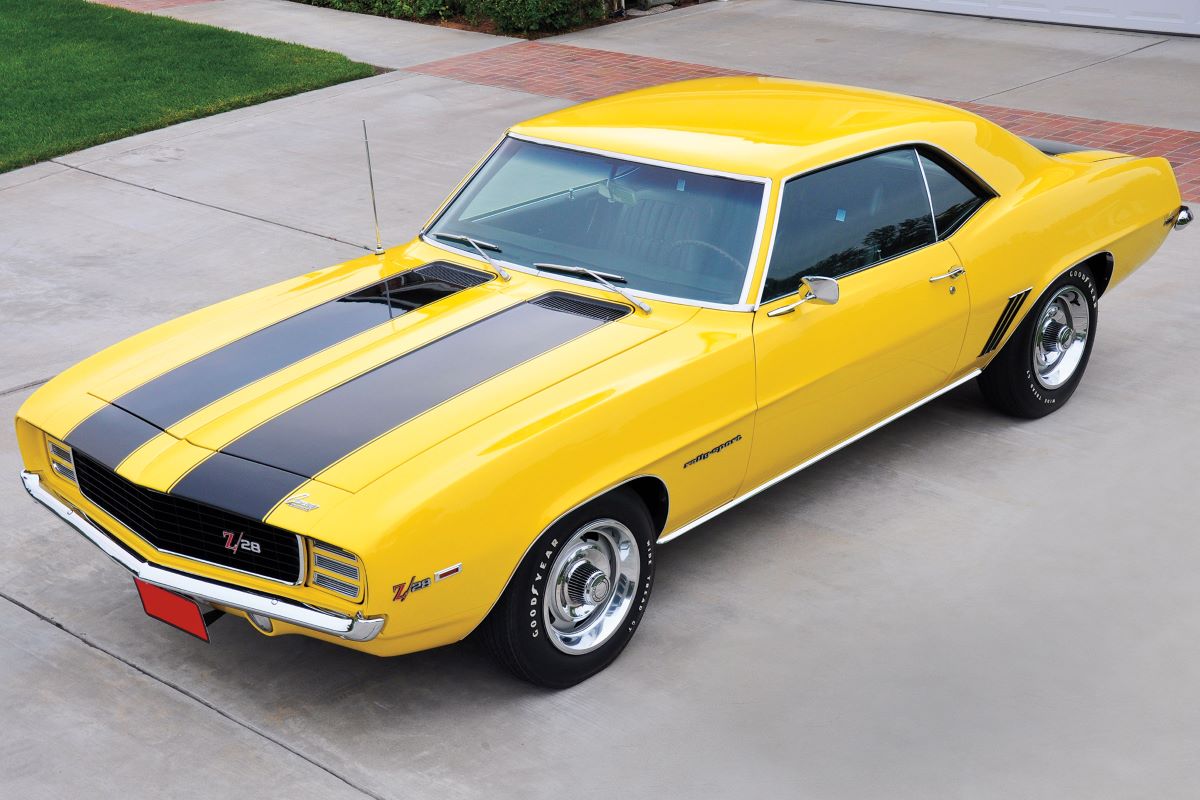
10. 1969 Chevrolet Camaro Z/28
The 1969 Camaro Z/28 was built with racing in mind, designed to dominate Trans-Am competition. Its high-revving engine and balanced chassis made it more than just a straight-line performer.
What drives future value here is motorsports heritage. As racing-derived road cars gain popularity among collectors, the Z/28’s authenticity and purpose-built nature stand out. Clean, unmodified cars are increasingly scarce, and that scarcity is beginning to reflect in market prices.
American classic cars are no longer just nostalgia purchases; they are increasingly viewed as tangible assets with cultural and historical weight.
The cars on this list share a common thread: limited supply, enduring relevance, and growing appreciation among new generations of U.S. buyers. While no investment is guaranteed, these models combine emotional appeal with solid fundamentals.
For collectors willing to prioritize originality, documentation, and long-term ownership, these American classics are well positioned to not just hold value but potentially skyrocket in the years ahead.
