
Clear visibility from the driver’s seat has a direct effect on safety, comfort, and confidence while operating a vehicle. Cars designed with excellent sightlines enable drivers to identify potential hazards quickly, merge into traffic with ease, park precisely, and manoeuvre in tight spaces without depending excessively on cameras or sensors.
Vehicles with restricted views tend to create blind spots, increase mental fatigue, and demand constant attention, which can reduce both driver performance and passenger security. Automakers consider style, aerodynamics, and technology when developing modern vehicles.
Lower rooflines, steeply sloped hoods, and thick pillars often limit natural vision, whereas higher seating positions, large windows, and strategically placed mirrors improve situational awareness. Buyers increasingly prefer vehicles that combine visual appeal with practical functionality, which makes visibility an important factor for daily commuting and long journeys.
This page highlights ten vehicles, divided between those that offer expansive sightlines and those that restrict the driver’s view. Observations from real-world usage show how design choices affect day-to-day operation. Sightlines influence more than convenience; they affect confidence and safety directly.
Vehicles that perform well in this area integrate ergonomics, mirror positioning, window design, and assistive technology to support awareness without causing distraction. Recognising these factors before purchase enables prospective owners to make informed decisions, reduce stress, and enhance the safety of each journey.
5 Vehicles With Good Visibility
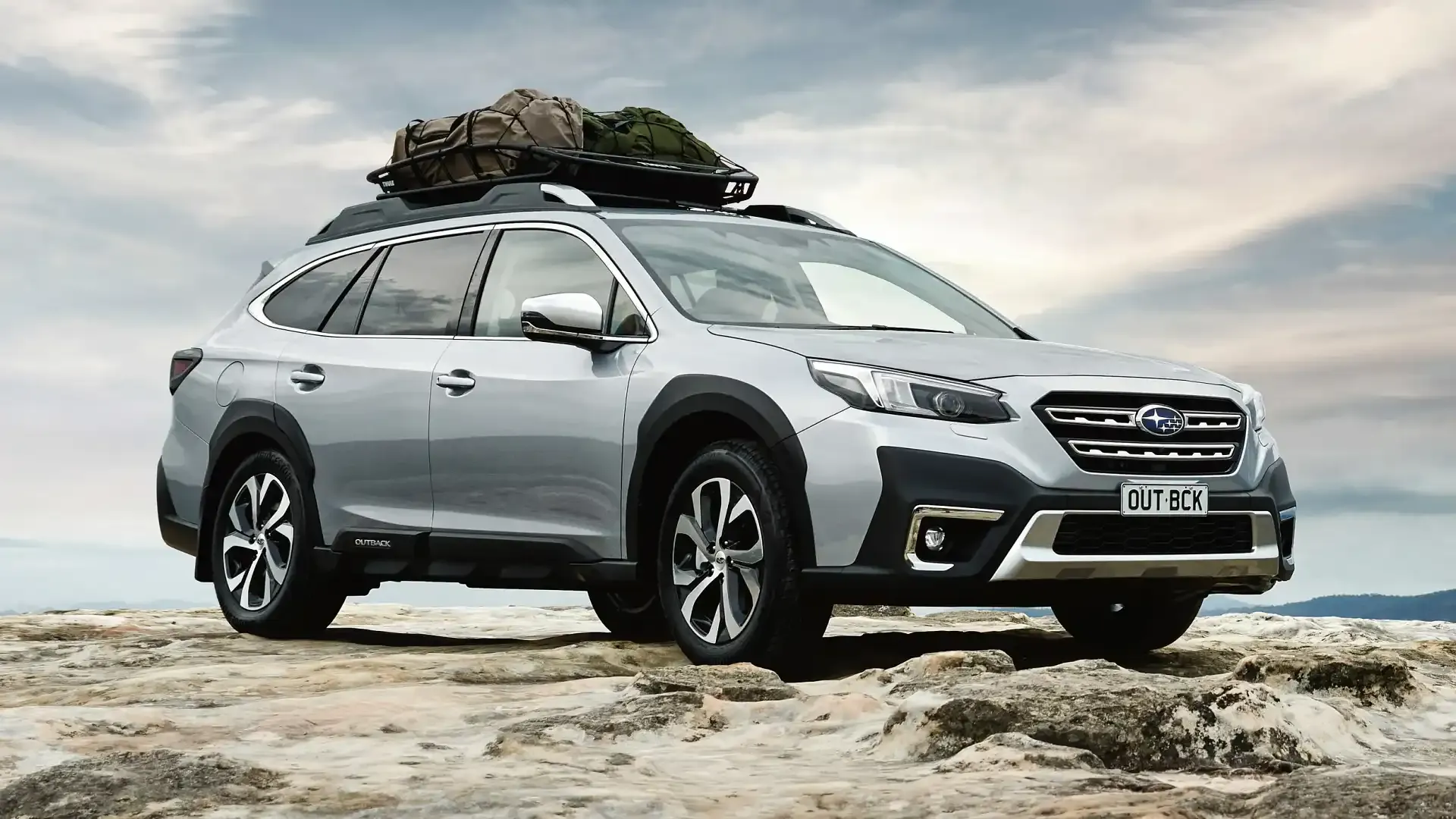
1. Subaru Outback 2022
Subaru Outback 2022 earns acclaim for its commanding sightlines, offering drivers a sense of spatial awareness that enhances confidence. Its higher seating position, large windshield, and expansive side windows work together to create an unobstructed field of view. Sightlines are particularly helpful in urban driving, where pedestrians and cyclists demand constant attention.
A-frame pillars are designed to taper subtly, reducing blind zones. Side mirrors extend to cover rearward perspectives, while optional blind spot monitoring further supports safety. The combination of physical design and technology makes merging into traffic or lane changing smoother, particularly on highways.
Interior ergonomics prioritize clear forward vision. Dashboard height and shape are tuned to avoid obstruction, while seats offer adjustable height and lumbar support for optimal eye level. Drivers report that long trips feel less fatiguing because the wide field of vision allows them to scan the road efficiently without adjusting posture.
Rear visibility benefits from expansive rear glass and thoughtfully positioned headrests. Backup cameras are standard, complementing the natural sightlines rather than compensating for poor design. Nighttime driving maintains clarity, with large mirrors capturing ambient light without producing glare that obstructs judgment.
In practical terms, parking and low-speed maneuvers become easier. Drivers can judge curb proximity, monitor crosswalks, and respond to unexpected obstacles with confidence. The Outback demonstrates that a mid-size wagon can blend modern styling with thoughtful engineering to prioritize driver awareness.
Its design choices show that visibility does not need to sacrifice aesthetics, proving that function and form can coexist effectively in a single package.
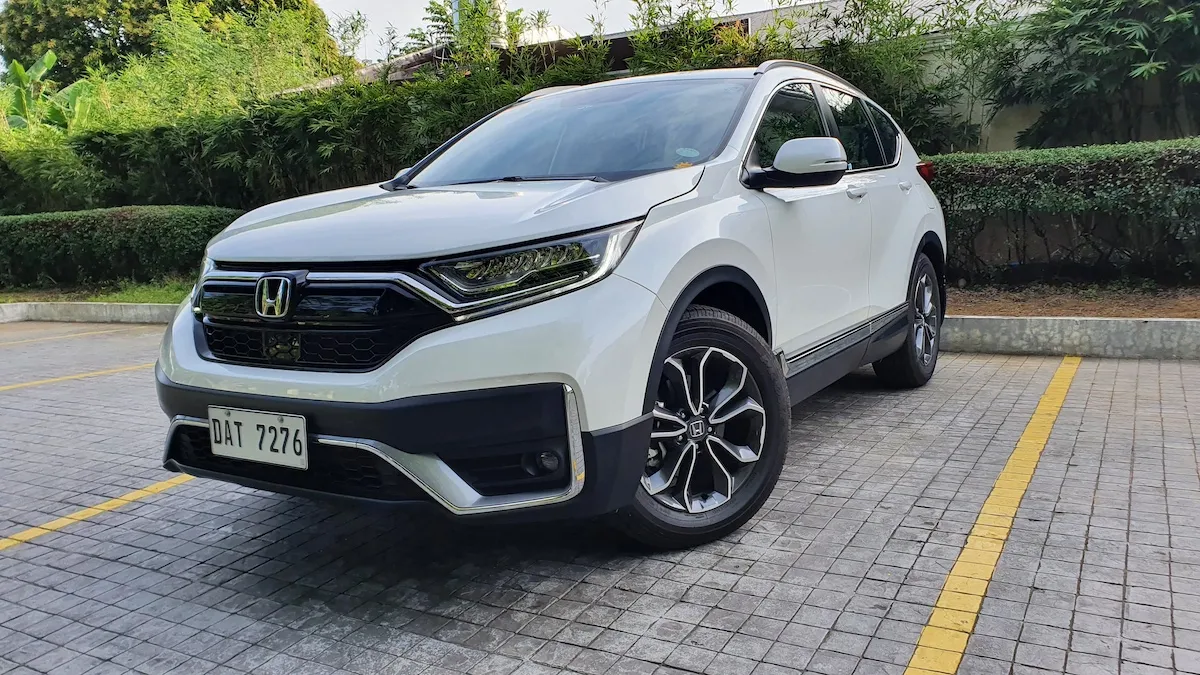
2. Honda CR-V 2022
The Honda CR-V 2022 combines utility and visibility to support daily driving tasks. Drivers benefit from an upright seating position and large glass areas that provide an unobstructed view of road edges. The compact crossover design ensures that forward and peripheral sightlines remain clear, reducing the need to lean or reposition frequently.
Side window design, paired with narrow A-pillars, minimizes blind spots at intersections. Mirrors extend sufficiently outward and include convex sections to increase awareness of adjacent lanes. Standard rearview cameras and cross-traffic alerts complement these physical sightlines, ensuring that drivers are well-informed during parking and lane changes.
Dashboard layout contributes to visibility. Instrument panels are low and flat, avoiding interference with the driver’s forward perspective. Visibility for shorter drivers is particularly impressive, thanks to adjustable seat heights and tilt steering. This practical approach to ergonomics demonstrates that visibility can enhance confidence for drivers of different sizes without the need for excessive technology.
Visibility aids in maneuvering through urban environments. Drivers report less stress when approaching tight intersections, crowded parking lots, or multi-lane traffic merges. The CR-V’s balance of window size, mirror placement, and seat positioning ensures that hazards can be detected quickly, giving ample time for corrective action.
Rearward sightlines are enhanced by a wide rear window and minimal rear roof overhang. Backup sensors are integrated seamlessly, providing supplementary information without overwhelming the driver. Interior design elements, such as the location of headrests and rear seatbacks, do not impede the view, contributing to a sense of openness inside the cabin.
The Honda CR-V 2022 proves that a compact SUV can deliver strong visibility through thoughtful proportions and ergonomic consideration. Its combination of natural sightlines and integrated technology results in a driver experience that feels intuitive, safe, and stress-free, making it an ideal choice for commuters and families alike.
Also Read: 5 Vehicles With User-Friendly Infotainment vs 5 That Frustrate
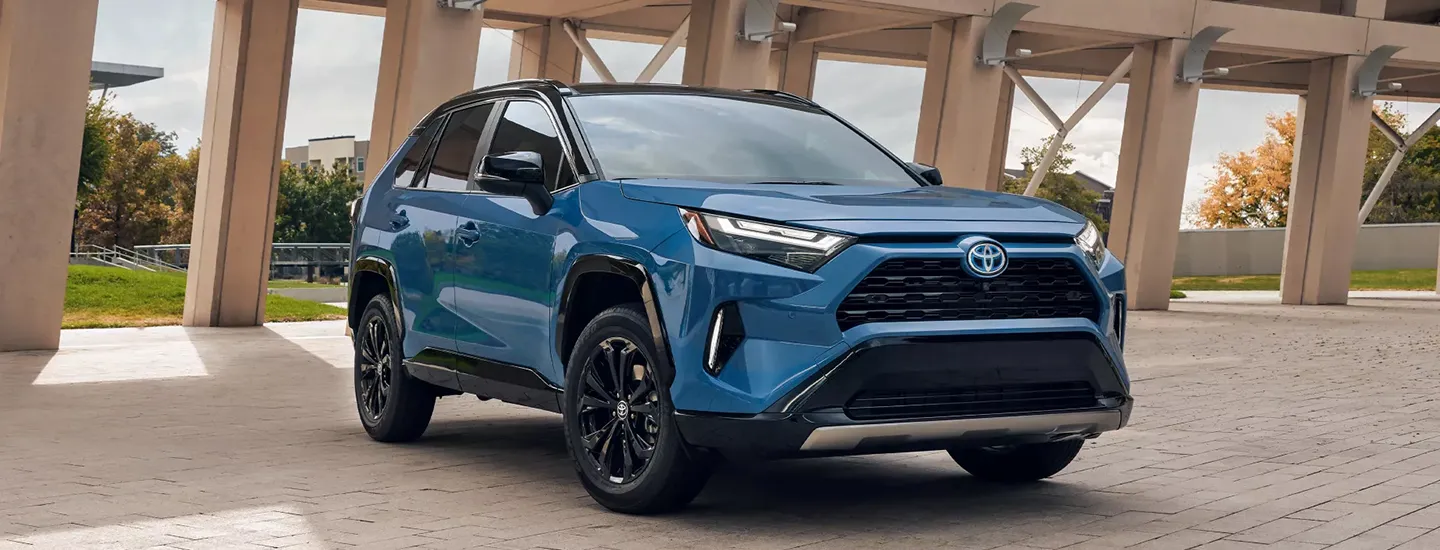
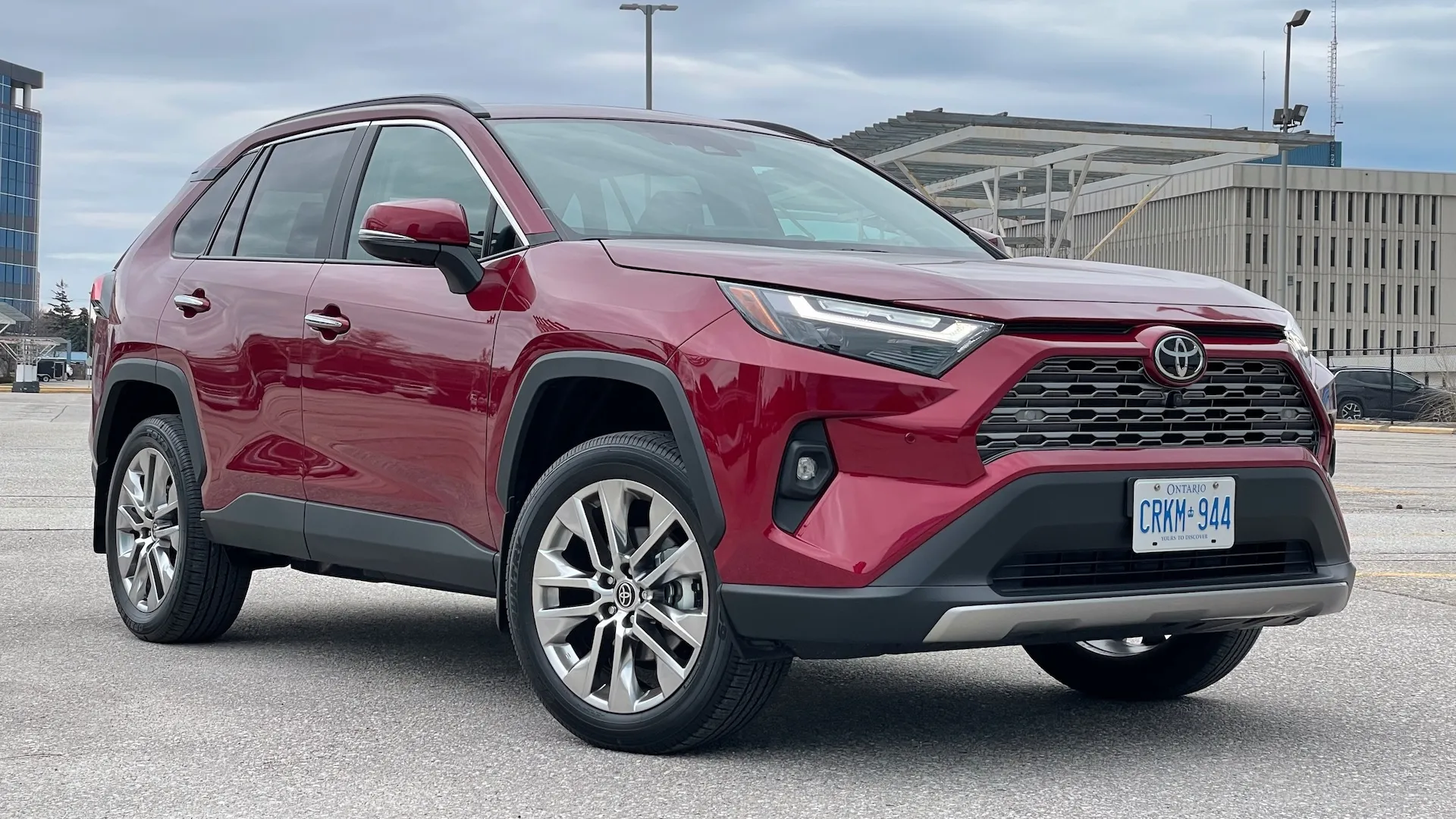
3. Toyota RAV4 2022
Visibility in the Toyota RAV4 2022 combines smart engineering with a high vantage point, making it a standout in the compact SUV segment. Elevated seating, broad windshield, and side windows provide a panoramic view that enhances spatial awareness and confidence during city driving and highway cruising.
A-pillars in the RAV4 are strategically angled to reduce obstruction, and side mirrors include indicators that enhance awareness of nearby vehicles. Blind spot monitoring systems support these physical enhancements, reducing the likelihood of missed hazards during lane changes.
Dashboard design contributes to forward sightlines. The height and shape of the console ensure that instrumentation does not interfere with the driver’s line of sight. Steering wheel adjustments allow drivers to tailor posture, which, in combination with seat height settings, ensures clear forward and lateral views for drivers of varying sizes.
Rear visibility is optimized through wide rear glass and a carefully designed tailgate. Headrests are positioned to avoid blocking the rear view, and optional 360-degree camera systems supplement natural sightlines for parking and reversing.
Nighttime and low-light conditions are addressed through high-mounted rear brake lights and reflective surfaces on mirrors, which improve awareness without producing glare. Day-to-day operations are simplified by visibility-enhancing features.
Merging, lane changing, and monitoring pedestrians are easier with large glass areas and well-positioned mirrors. Drivers report reduced stress during long trips and complicated maneuvers, highlighting how thoughtful design influences practical experience.
The Toyota RAV4 2022 demonstrates that strong visibility is achievable without sacrificing vehicle style or performance. Its combination of design, ergonomics, and technology creates an environment where drivers feel confident and aware, enhancing both safety and comfort.
4. Ford Escape 2022
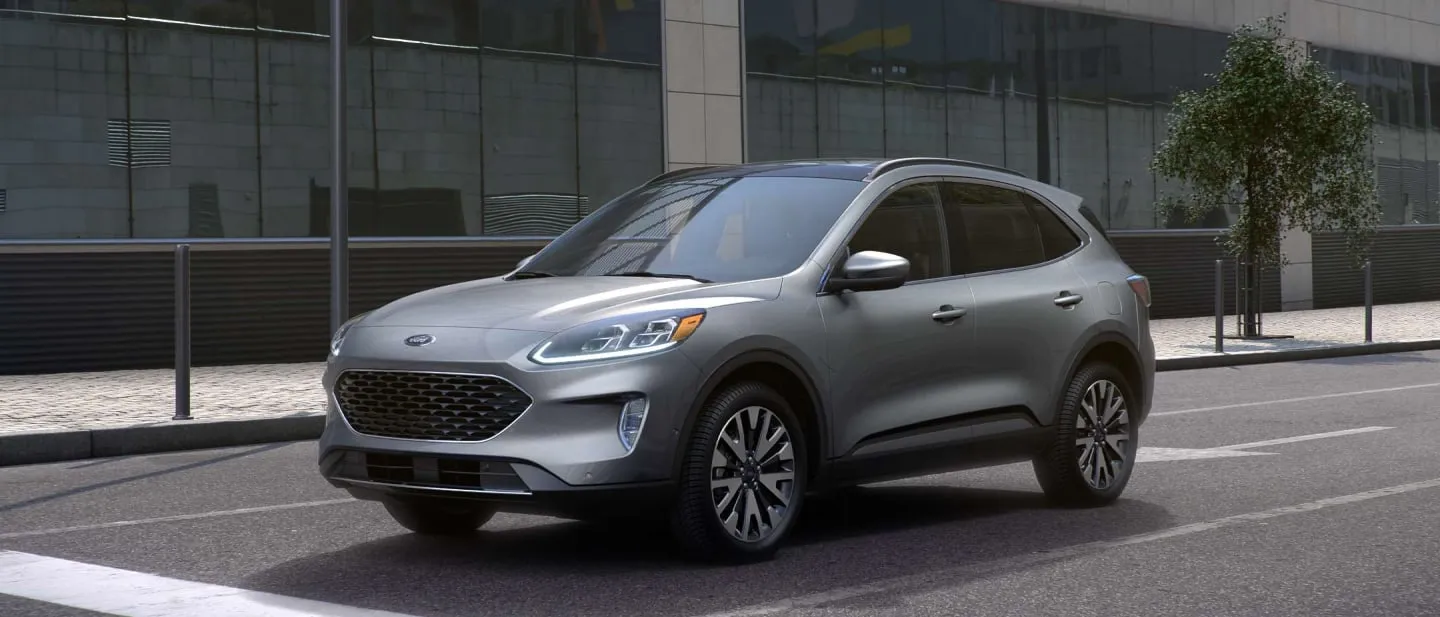
Ford Escape 2022 emphasizes driver visibility through a combination of height, window size, and mirror placement. Its compact crossover body allows a commanding view of surrounding traffic, while the A-pillars are designed to avoid excessive blind zones.
Forward visibility is complemented by a low dashboard that does not interfere with the line of sight. Seat adjustability ensures drivers can tailor eye level for optimal awareness, and tilt steering adds flexibility. Side mirrors are wide and slightly convex, improving detection of adjacent vehicles and obstacles.
Rearward visibility benefits from a broad rear window and minimal roof overhang. Optional rear cross-traffic alerts and backup cameras enhance natural sightlines, allowing drivers to judge distances accurately while reversing. Interior headrests are positioned to avoid obstructing the view, supporting clear sightlines during multi-passenger occupancy.
Urban driving scenarios highlight the Escape’s strengths. Drivers report that driving through intersections, crowded streets, and parking lots feels straightforward due to unobstructed forward and lateral views. Highway merging and lane changes are also simplified, as peripheral vision remains largely unobstructed by design elements.
Visibility contributes to safety and convenience. Drivers can monitor traffic conditions efficiently and respond to potential hazards with confidence. The Escape demonstrates that ergonomic seating, window size, and mirror design work together to create a vehicle that feels intuitive and secure behind the wheel.
Practical design choices in the Ford Escape 2022 reinforce that good visibility enhances both comfort and safety. Its combination of natural sightlines and supplemental technology supports driver confidence across a wide range of conditions, making it a compelling option for families and commuters.
5. Volvo XC60 2022
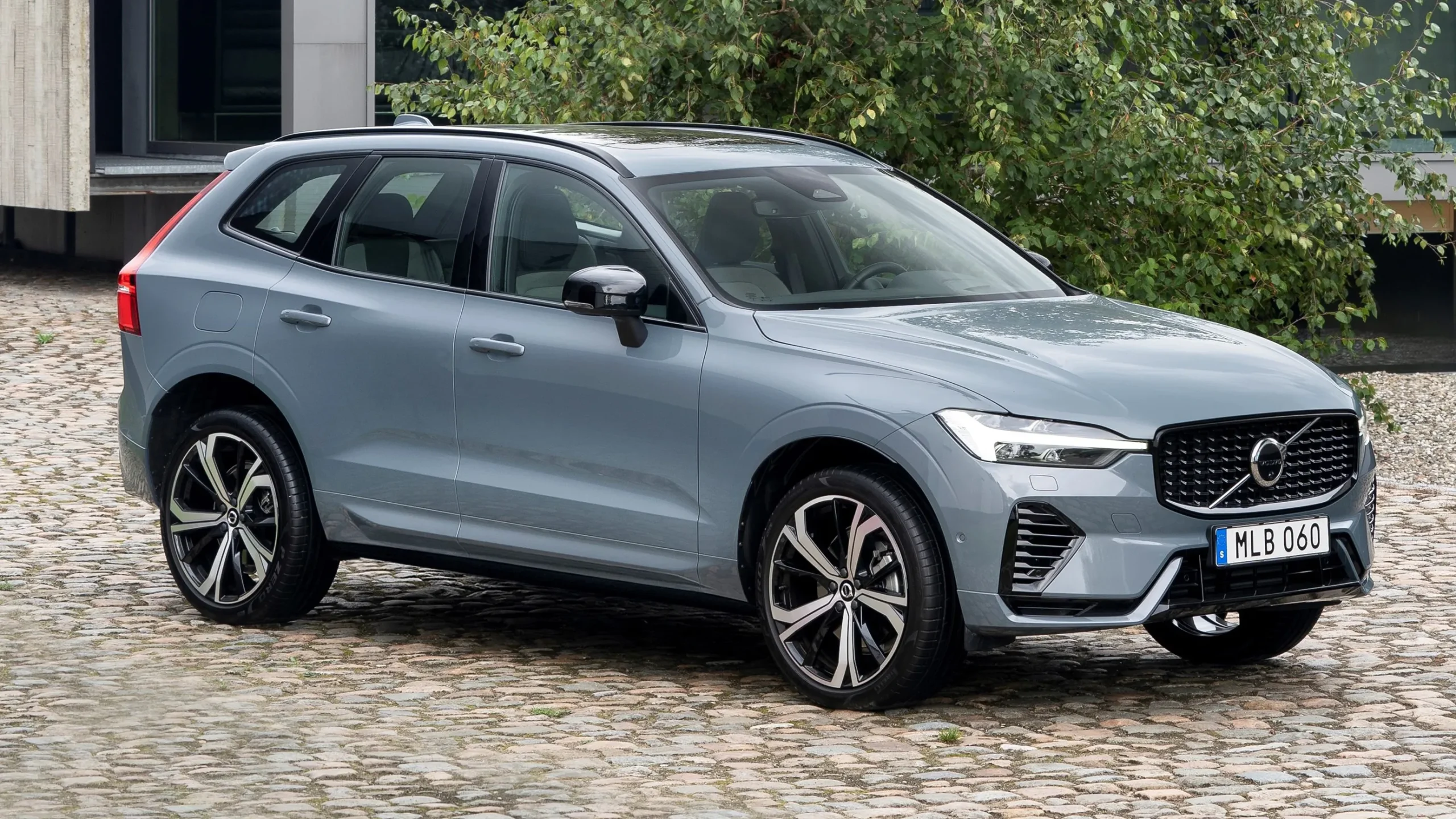
The Volvo XC60 2022 offers excellent visibility as part of its driver-centric approach to safety. High seating, wide glass panels, and thoughtfully designed pillars provide a clear field of view for city streets, highways, and parking environments.
A-pillars and side pillars are shaped to minimize blind spots, and mirrors extend outward to capture adjacent lanes effectively. Blind spot monitoring and optional 360-degree cameras complement natural sightlines, providing situational awareness without overwhelming the driver.
Interior ergonomics prioritize visibility. Dashboard height and slope are optimized so that instrumentation does not interfere with the forward view. Steering adjustments and seat height settings accommodate drivers of various sizes, ensuring clear lines of sight in diverse conditions.
Rear visibility is enhanced by generous rear glass and low-profile headrests. Backup cameras integrate seamlessly, assisting with parking and reversing while maintaining a natural sense of distance. Mirrors feature anti-glare surfaces and indicators for lane change awareness, supporting safety without distraction.
Driving in tight urban spaces or on highways is less stressful due to the combination of clear sightlines and visibility aids. Merging, lane changing, and monitoring pedestrians or cyclists is more intuitive than in vehicles with restricted glass areas. Drivers report less fatigue on long trips, as visual scanning requires less constant adjustment.
The Volvo XC60 2022 illustrates that strong visibility can coexist with modern styling and safety technology. Its thoughtful design enhances confidence behind the wheel, demonstrating that clear sightlines are an essential factor in driver experience and operational safety.
5 Vehicles With Poor Sightlines
1. Jeep Grand Cherokee 2021
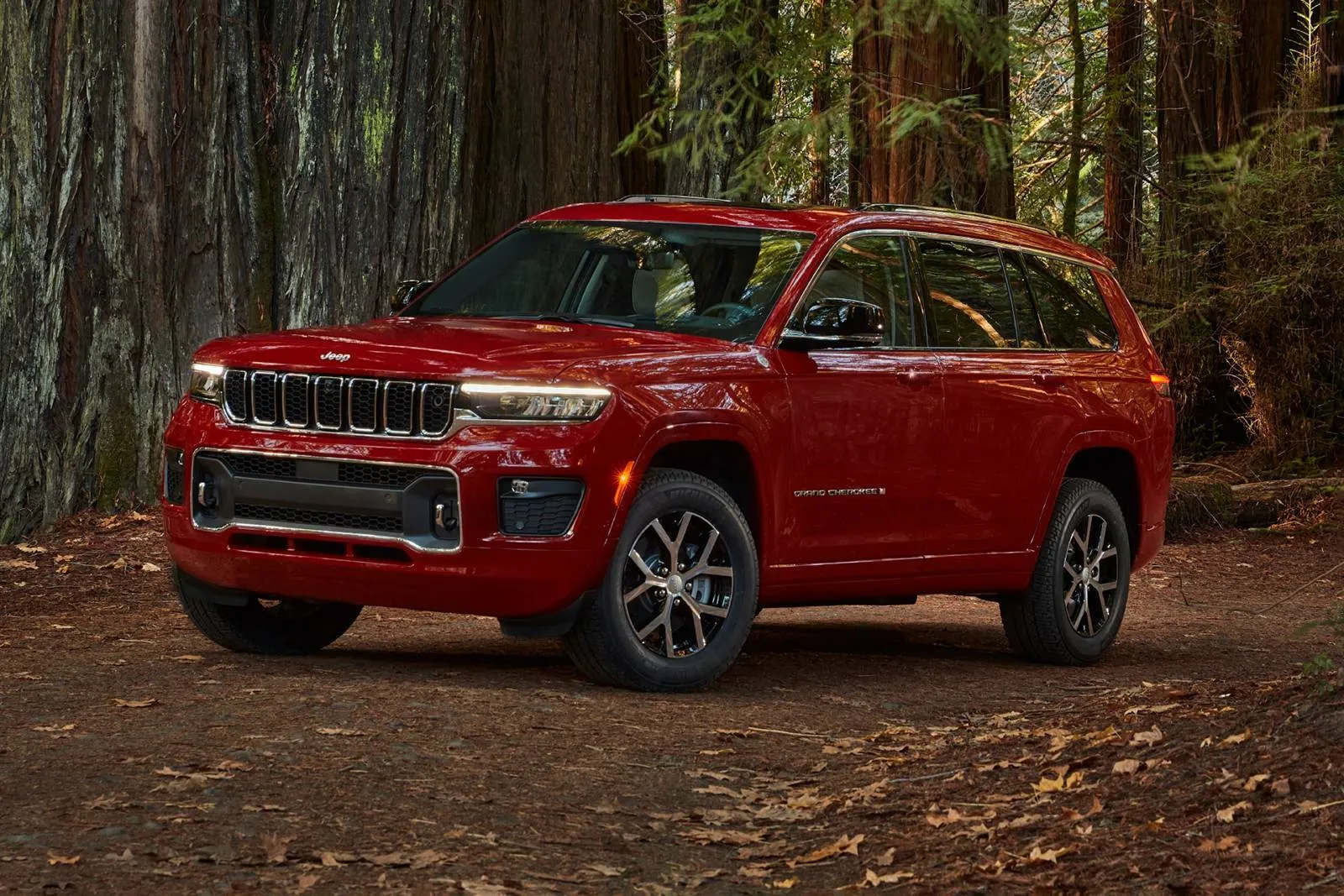
Jeep Grand Cherokee 2021 blends rugged capability with modern styling, yet visibility remains a consistent concern for drivers. Its thick A-pillars, designed to strengthen the roof structure and maintain off-road durability, create noticeable blind zones at intersections. This limitation requires drivers to lean or adjust their posture when driving through tight corners, especially in urban areas with dense traffic or frequent pedestrian crossings.
Forward sightlines are partially compromised by the high dashboard and sloping hood design. While the elevated seating offers a commanding view of distant objects, nearby hazards can remain obscured until the vehicle is nearly alongside them. Drivers frequently report that merging into traffic requires additional caution, relying on side mirrors and camera systems to compensate for obstructed vision.
Side windows provide moderate clarity, but the width of the rear doors and thick window pillars interfere with lateral awareness. Vehicles approaching from the side may remain partially hidden, demanding more frequent mirror checks and heightened attention. The combination of design and engineering priorities for off-road strength has inadvertently reduced the natural field of view.
Rear visibility presents further challenges. The roofline slopes toward the tail, reducing the size of the rear window. Headrests on rear seats, while comfortable, obstruct part of the downward line of sight, requiring the use of backup cameras or sensors for parking and reversing. Nighttime driving introduces additional considerations; the absence of extended visibility at lower angles can make detecting curbs or small obstacles more difficult.
Interior ergonomics attempt to counterbalance these limitations with adjustable seating, tilt steering, and optional driver-assistance technologies. Blind spot monitoring and rear cross-traffic alert systems provide information that partially mitigates physical obstructions, yet they cannot fully replace clear, natural sightlines.
Drivers report that relying on these technologies requires an adjustment period, particularly for those accustomed to vehicles with more expansive fields of view. The Jeep Grand Cherokee 2021 demonstrates that a design optimized for off-road capability and structural strength can create unintended challenges for visibility.
While it maintains impressive utility and style, drivers must remain attentive and frequently compensate for blind zones, especially during urban or low-speed maneuvers. Understanding these limitations before ownership helps manage expectations and ensures safer handling during everyday use.
2. Tesla Model X 2021
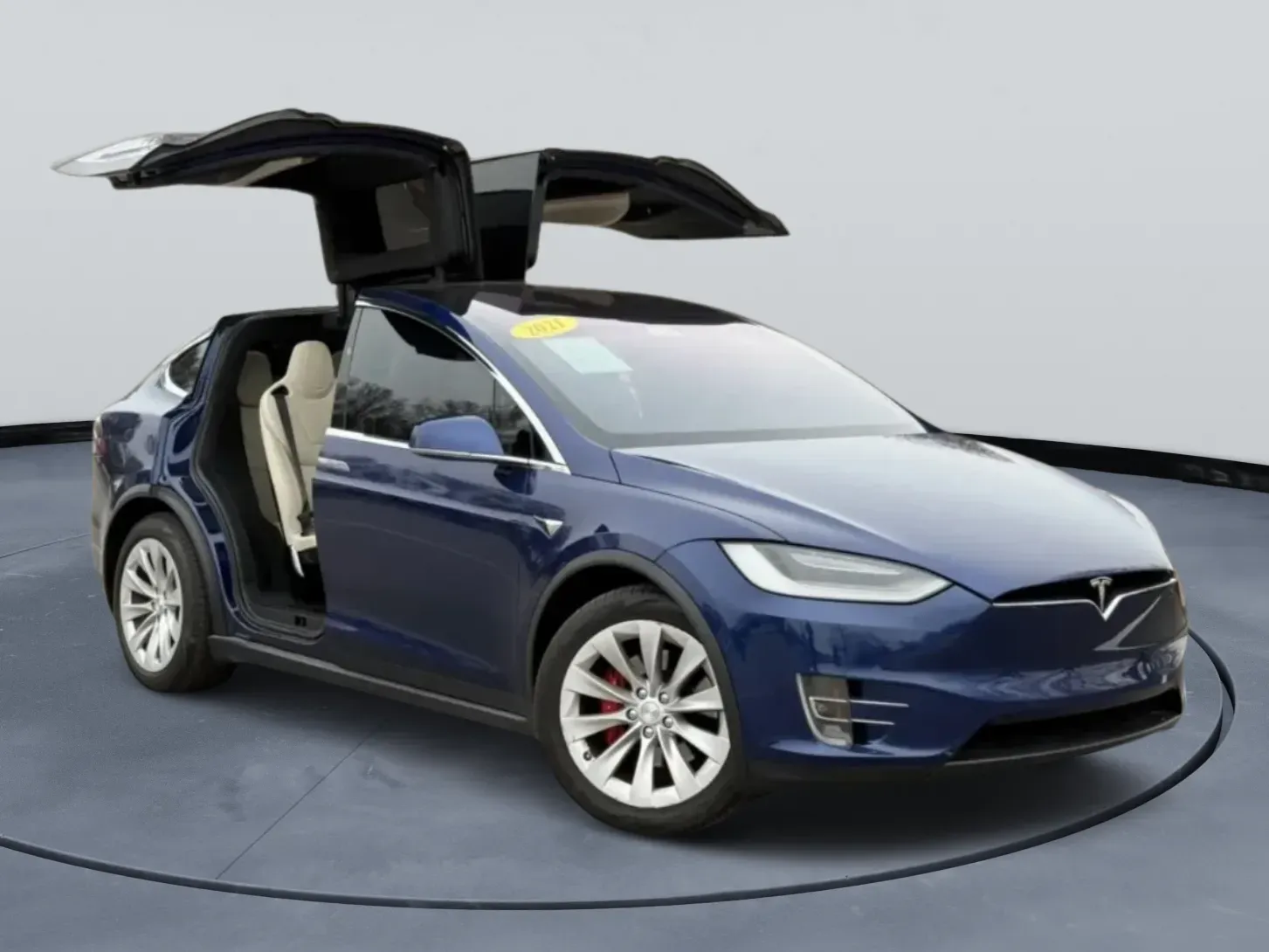
Tesla Model X 2021 impresses with its futuristic styling, falcon-wing doors, and advanced features, yet sightlines suffer from several design choices. The vehicle’s tall hood, thick pillars, and expansive roofline reduce forward and peripheral visibility in critical areas. Drivers frequently report that intersections, stoplights, and merging points demand heightened awareness and careful head movement.
The large windshield provides excellent upper vision but does not fully compensate for the blind spots created by A-pillars. Side mirrors, while electronically adjustable, capture limited lateral angles due to the vehicle’s width and the curvature of its doors. At low speeds or in dense traffic, drivers often rely on cameras to identify objects that would normally fall within natural sightlines.
Rearward visibility is partially obstructed by the roof-mounted falcon doors. These doors, although a signature design element, limit rearward windows’ exposure and complicate backward observation. Parking and reversing require consistent reliance on the rearview camera, which delivers a digital perspective but can delay intuitive judgment about distances or approaching vehicles.
Interior layout prioritizes minimalism and touchscreen control, which leaves fewer physical cues for the driver. While the dashboard is low and unobstructive, the absence of traditional controls can make quick adjustments challenging when attention must be divided between operating systems and monitoring traffic. Drivers often describe an initial learning curve as they adapt to combining digital feeds with physical sightlines.
Technology partially offsets visibility shortcomings. Blind spot monitoring, automated emergency braking, and 360-degree camera systems alert drivers to potential obstacles. However, these tools require the driver to trust electronic input rather than instinctive observation. In dynamic traffic situations, this can feel less immediate, particularly during lane changes or urban navigation.
The Tesla Model X 2021 exemplifies the balance between striking design, innovation, and practical sightline limitations. While it delivers exceptional performance, style, and technology integration, drivers must remain conscious of physical obstructions and adjust habits to maintain safety. Recognizing these limitations improves operational awareness and reduces the risk of incidents associated with blind spots.
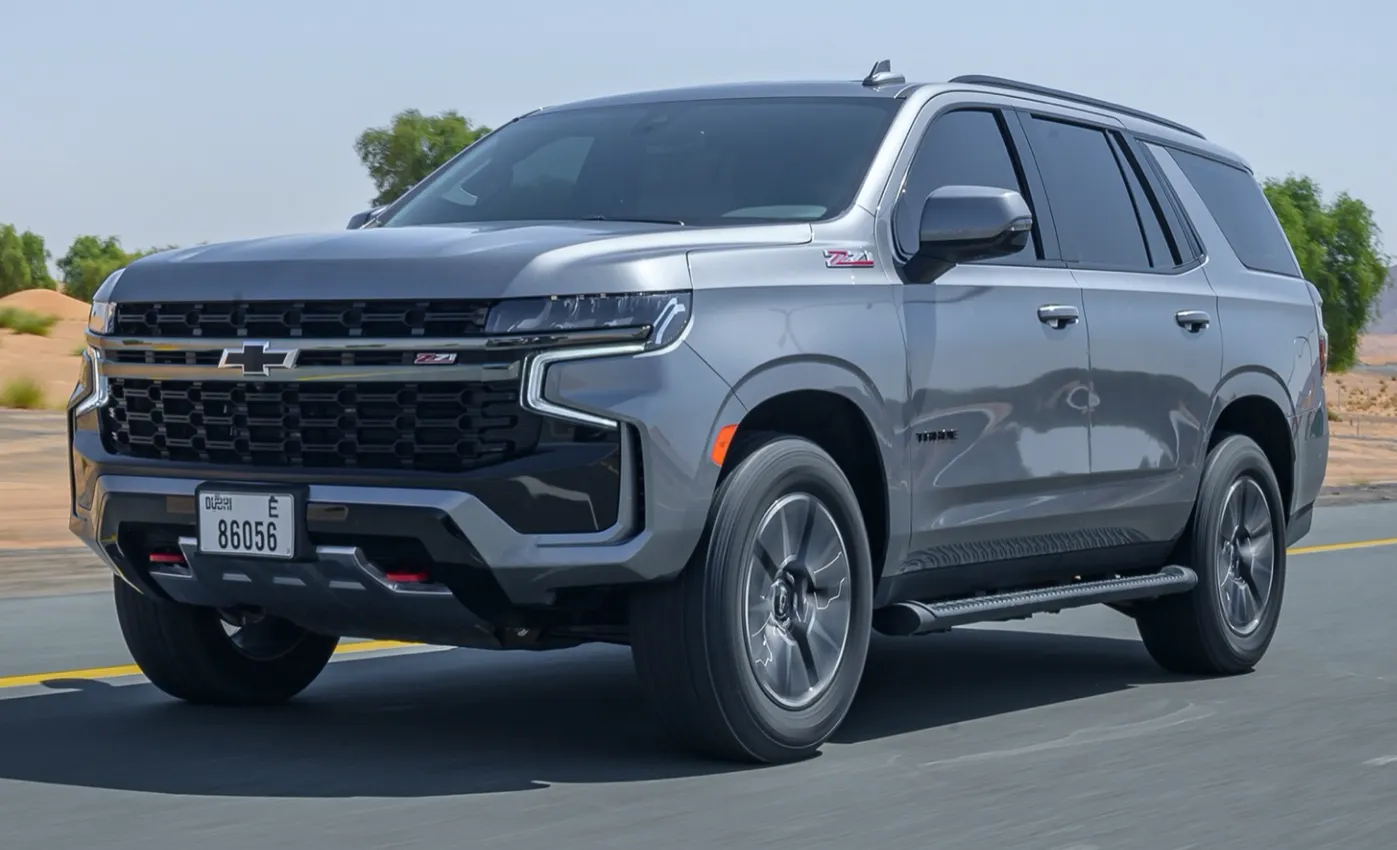
3. Chevrolet Tahoe 2022
Chevrolet Tahoe 2022, a full-size SUV, prioritizes space, presence, and rugged capability, yet sightlines pose a recurring challenge. Its high roofline and elongated hood make it difficult to judge obstacles close to the front of the vehicle. Forward vision benefits from elevation but suffers from obstruction near intersections and during precise maneuvers.
Thick A-pillars designed for structural reinforcement create blind spots. Drivers must move their heads or rely heavily on side mirrors to compensate, particularly when approaching cross streets. Urban driving amplifies this challenge, as pedestrians, cyclists, and small vehicles can remain hidden until the Tahoe is close.
Side visibility is also affected by the vehicle’s width and rear quarter pillars. Windows remain tall but are interrupted by thick vertical supports that obstruct lateral scanning. Merging into multi-lane traffic requires careful mirror use and, for less experienced drivers, reliance on technology for assurance.
Rear visibility proves more challenging. The rear window is relatively small compared to the vehicle’s height, and the tailgate design limits sightlines toward objects lower to the ground. Backup cameras, parking sensors, and optional 360-degree camera systems are essential tools to compensate for these design constraints. Drivers indicate that reliance on electronic assistance becomes routine rather than supplemental.
Interior ergonomics provide adjustable seats and steering columns to optimize eye level, but the vehicle’s size limits natural visibility in tighter spaces. Headrests and cargo positioning can also obscure rearward vision when the vehicle is fully loaded. These factors require constant driver attention during parking or reversing maneuvers.
Chevrolet Tahoe 2022 demonstrates that large SUVs, while offering commanding presence and spacious interiors, can complicate driver sightlines. Design priorities favor strength, capacity, and style, but come at the expense of natural visibility. Successful operation demands awareness of blind zones, consistent mirror checks, and reliance on technology for enhanced situational understanding.
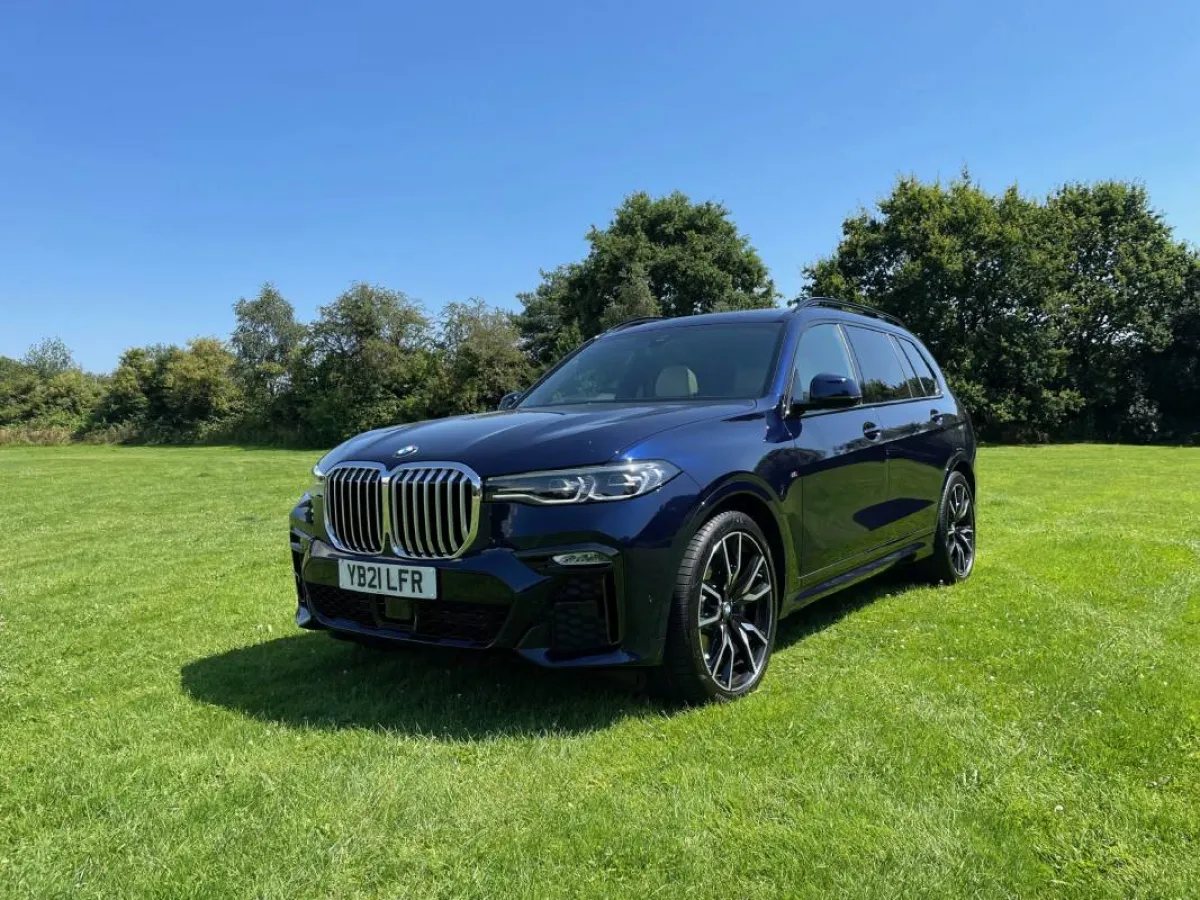
4. BMW X7 2022
BMW X7 2022 combines luxury and size, yet its visibility is limited by thick pillars and a long hood. Drivers report that peripheral vision is partially obstructed, particularly at intersections and when monitoring adjacent lanes. The design prioritizes presence and elegance over unimpeded sightlines.
A-pillars, while necessary for structural safety and crash protection, block sections of traffic near the driver’s eye level. Side mirrors extend outward but cannot fully compensate for the blind zones created by tall side panels and window frames. Urban environments amplify these challenges, requiring head movement and frequent mirror checks.
Rear visibility is affected by the vehicle’s long roofline and high rear hatch. Headrests, combined with a substantial cargo area, obstruct natural lines of sight when reversing or observing traffic behind. Drivers often rely on integrated camera systems to drive through parking spaces or monitor vehicles approaching from behind.
Dashboard design is low and unobtrusive, but minimalistic interiors and large central screens divert attention away from natural scanning. This requires drivers to balance digital interfaces with physical observation, which can add cognitive load during dynamic driving situations.
Technology partially mitigates blind spots. Blind spot monitoring, cross-traffic alerts, and adaptive camera systems help detect objects otherwise hidden by design features. While these systems improve safety, they cannot replace intuitive awareness, and drivers often report needing time to adjust to combining electronic and natural visibility.
The BMW X7 2022 illustrates that luxury, aesthetics, and performance can sometimes compromise practical sightlines. Drivers must compensate by remaining alert, using mirrors diligently, and integrating technological tools to ensure safe operation in varied conditions. The trade-off highlights how design priorities influence the real-world driving experience.
Also Read: 5 Vehicles With Practical Cabin Storage vs 5 That Lack It
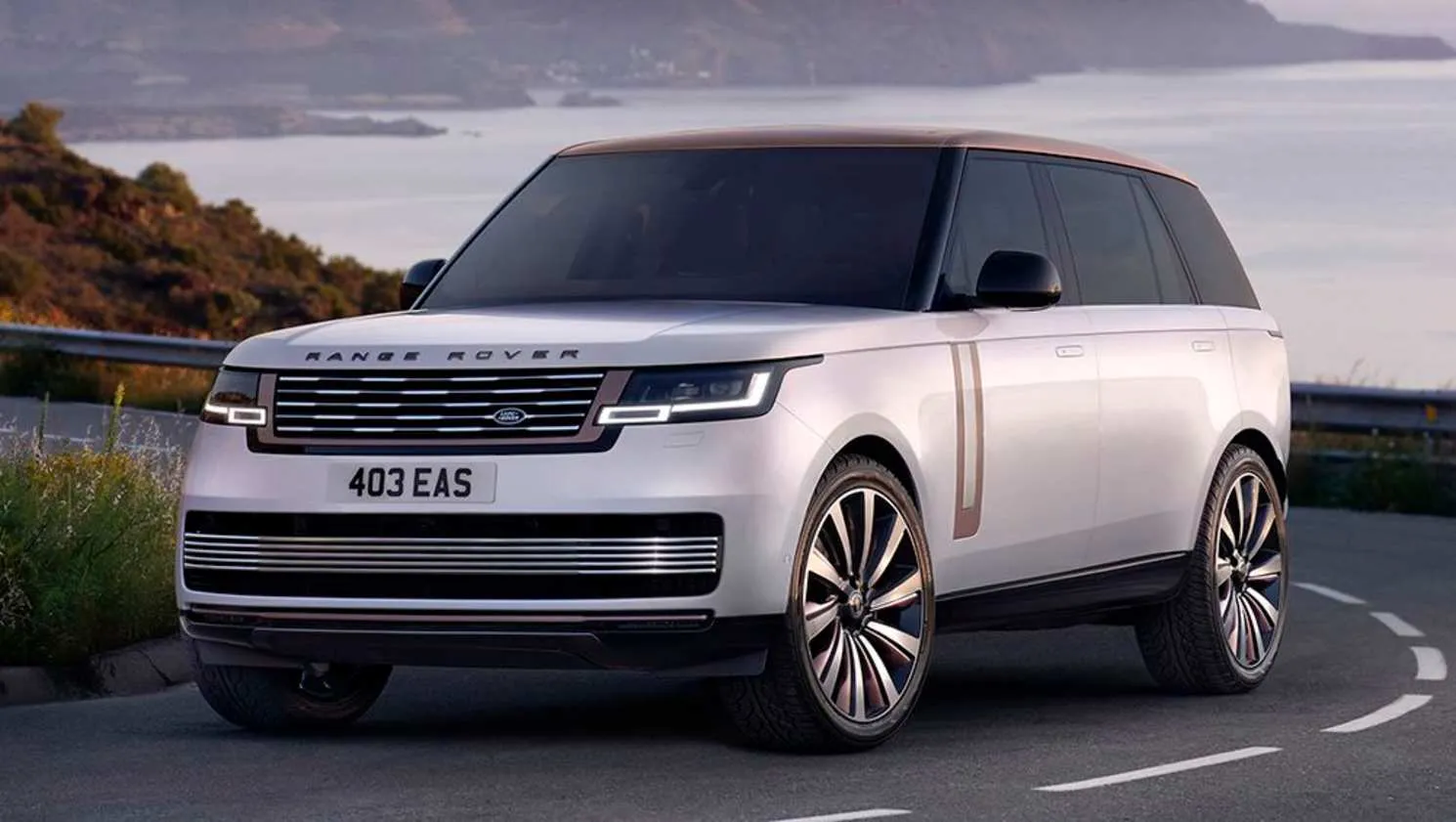
5. Range Rover 2022
Range Rover 2022 embodies elegance and capability, yet its design results in compromised sightlines. Thick pillars, high hood, and elevated roofline restrict forward and lateral visibility. Drivers must anticipate obstructions and frequently adjust their seating position to maintain awareness, particularly in dense traffic or tight spaces.
A-pillars, reinforced for safety, block portions of the driver’s field of vision during turns and while entering intersections. Side mirrors are large but limited in their ability to cover blind spots caused by the wide frame. Merging into traffic or going through narrow streets requires extra caution and reliance on technology.
Rearward vision is restricted by a small rear window, combined with large headrests and optional cargo covers. Parking, reversing, and monitoring approaching vehicles behind rely heavily on backup cameras and sensors. While these assist with safety, they demand consistent attention and adaptation.
Interior ergonomics provide adjustable seats, but even with optimal positioning, certain angles remain obstructed. Drivers report that small obstacles close to the vehicle, such as curbs or children, may not be visible without careful observation or camera assistance.
Advanced technologies like 360-degree cameras, parking aids, and blind spot monitors improve situational awareness but cannot fully replace natural sightlines. Drivers must integrate these systems with traditional scanning habits to maintain safety.
Range Rover 2022 demonstrates that premium SUVs, while offering luxury and off-road performance, often face compromises in natural visibility. Drivers must remain conscious of design limitations, compensating with careful observation, mirror use, and technological support to drive safely. The vehicle delivers elegance and capability but requires attentive operation.
