The electric vehicle market has grown rapidly, offering a wide range of options for drivers seeking efficiency, sustainability, and advanced technology. However, not all EVs provide the same level of charging convenience. Some models, such as the Hyundai Ioniq 6, Tesla Model Y, Kia EV6, Lucid Air Grand Touring, and Porsche Taycan, deliver fast, reliable, and seamless charging experiences at home or on the road.
These vehicles feature advanced battery architectures, intelligent thermal management, and broad compatibility with public charging networks, reducing wait times and making long-distance travel practical. In contrast, other EVs face challenges due to outdated hardware, conservative charging curves, or software limitations.
Models like the Nissan Leaf, Chevrolet Bolt EV, Toyota bZ4X, Mazda MX-30, and Lexus RZ 450e show that charging convenience depends on more than just range. Fast, efficient, and accessible charging is critical for making electric mobility practical and stress-free.
5 EVs That Charge Conveniently
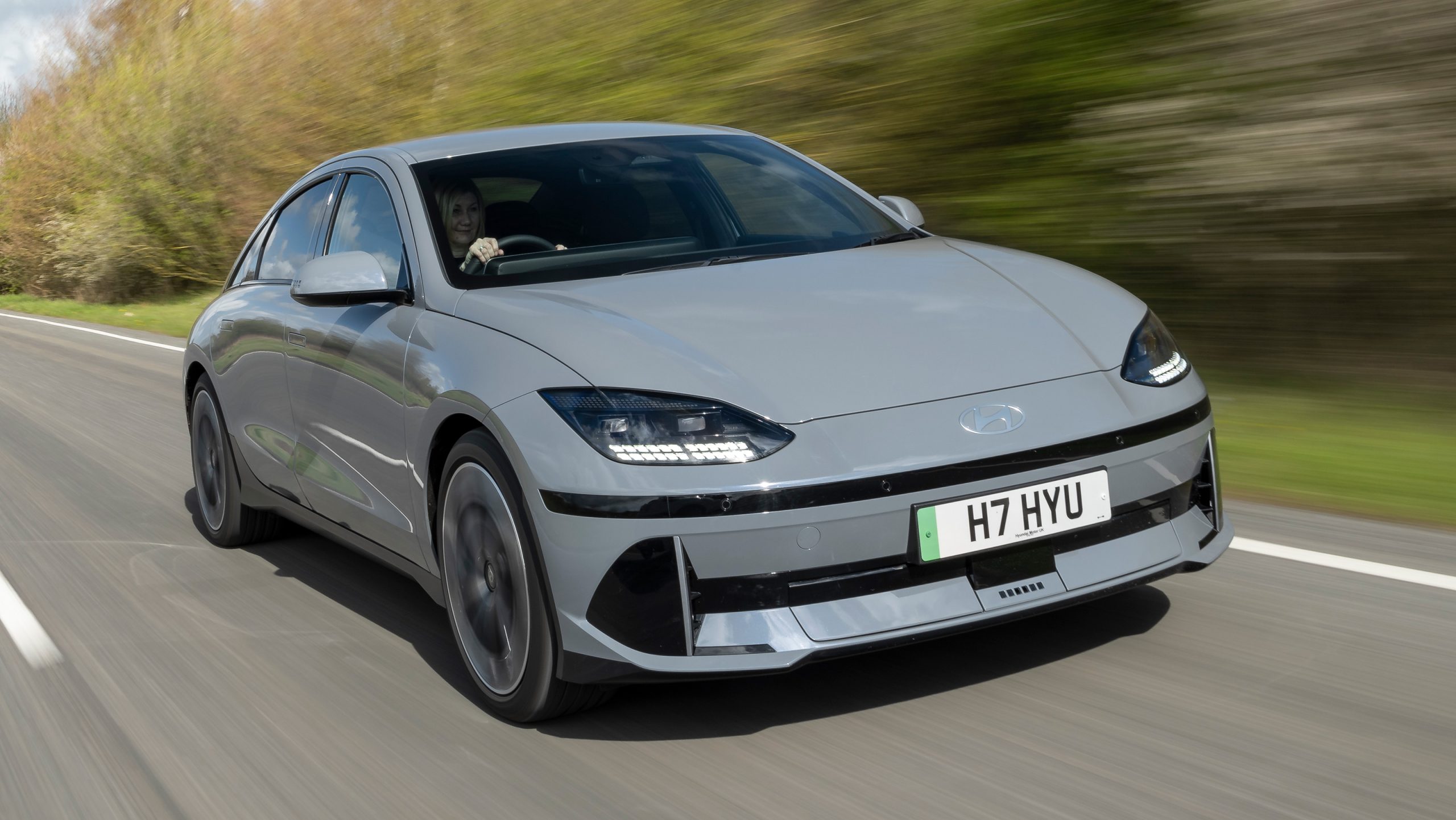
1. Hyundai Ioniq 6: Efficient, Stylish, and Practical Electric Sedan
The Hyundai Ioniq 6 is a standout in the electric vehicle market, combining advanced technology, aerodynamic design, and long-range efficiency. Built on Hyundai’s E-GMP platform, it is designed to maximize range while remaining practical and refined. The rear-wheel-drive single motor version produces 226 hp and 258 lb-ft of torque, offering an EPA-estimated 338-mile range and accelerating from 0 to 60 mph in 5.1 seconds.
The all-wheel-drive twin motor variant delivers 320 hp and 446 lb-ft, trading some range for increased performance, with an EPA range of 322 miles. Both versions use a 77.4 kWh battery and ride on 20-inch wheels, with prices starting around 57,000 US dollars.
One of the Ioniq 6’s key strengths is its charging versatility. Its 800-volt ultra-fast charging system allows a jump from 10 percent to 80 percent battery in just 18 minutes using a compatible 350 kW DC charger, adding over 350 miles of range in roughly 15 minutes. It is also compatible with both 400V and 800V DC chargers and supports 11 kW AC home charging, which takes approximately eight hours for a full charge.
Vehicle-to-Load technology allows the car to act as a power source for external devices up to 3.6 kW, making it ideal for camping or powering electronics, while two years of 30-minute free charging add convenience. A built-in EV Route Planner helps drivers locate charging stations easily.
The Ioniq 6’s design focuses on aerodynamic efficiency, with a drag coefficient of just 0.21, resulting in both extended range and a distinctive appearance. While less playful than the Ioniq 5’s retro-inspired style, it features sleek lines, pixel LED headlights, and unique rear detailing.
The interior is refined, with improved materials over the Ioniq 5, excellent rear legroom, and a functional four-door layout with a usable trunk. At 150 mm longer than a Tesla Model 3, it maintains a commanding presence without approaching SUV proportions.
As a driving experience, the Ioniq 6 is quiet, smooth, and comfortable. Driving modes Eco, Normal, and Sport adjust throttle response and steering feel, while five levels of regenerative braking allow for customizable one-pedal driving. Suspension is well-damped, wind noise is minimal, and the cabin is highly refined.
The Ioniq 6 delivers a blend of efficiency, usability, and reliability, making it a compelling choice for buyers seeking a long-range, practical, and technologically advanced electric sedan at 57,000 US dollars and up.
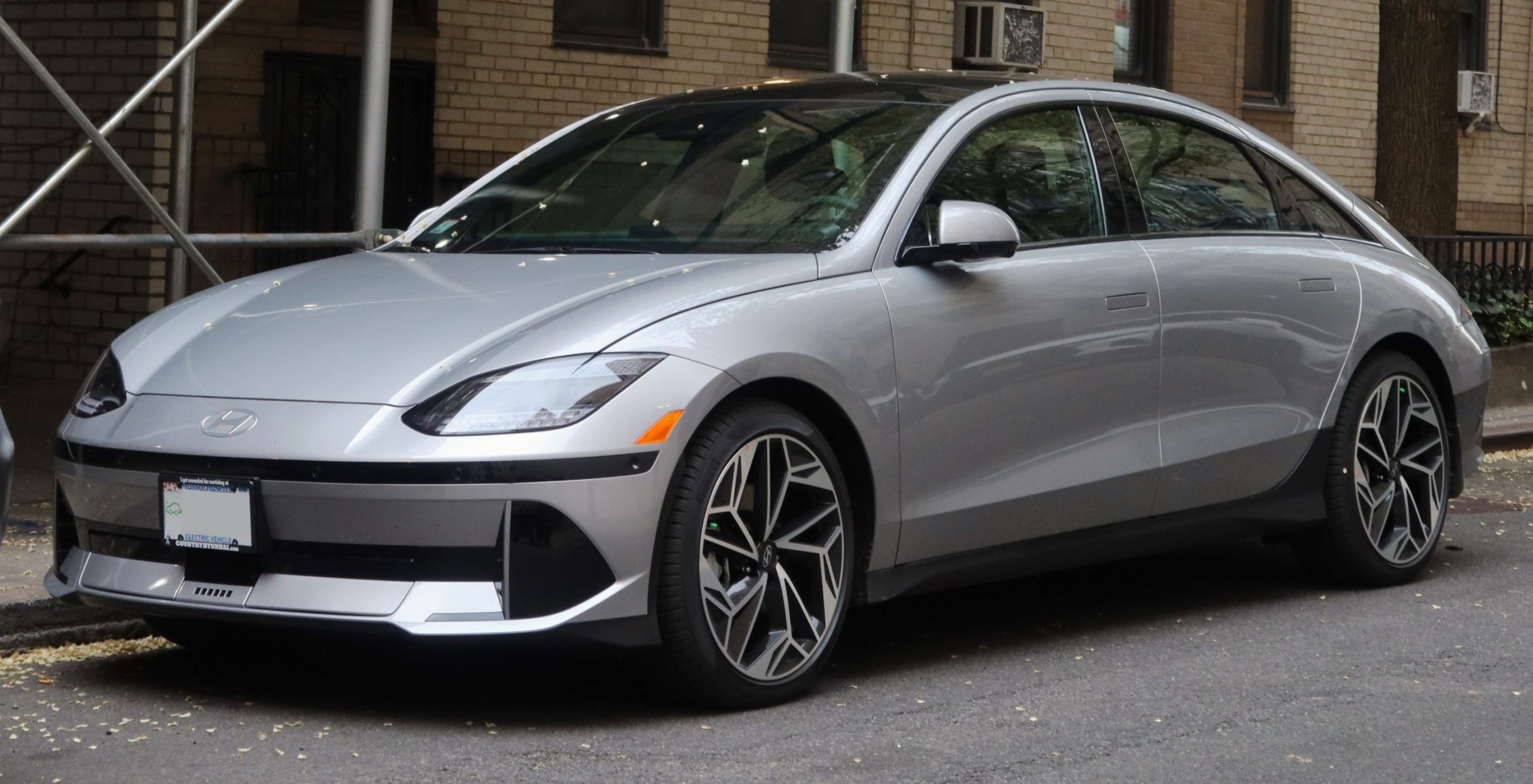
2. Tesla Model Y: Refined, Efficient, and Supercharger-Ready Electric SUV
The Tesla Model Y is a highly successful electric SUV that combines practical performance, advanced technology, and user-friendly convenience. Built on a standard 400-volt system, its main advantage is the Tesla Supercharger Network, offering plug-and-play fast charging up to 250 kW and adding approximately 158 miles of range in 15 minutes.
The car automatically pre-conditions its battery when approaching a station, ensuring peak charging speeds without requiring third-party apps. Home charging is flexible, with a Wall Connector providing about 44 miles of range per hour, and a Mobile Connector allowing charging from standard 120-volt outlets for occasional or backup use.
The Tesla app provides real-time charging status, trip planning, and station locators, while the Model Y also supports CCS-compatible DC chargers, giving drivers more options.
The Model Y has received a substantial refresh to remain competitive in a growing EV market. Exterior updates include redesigned front and rear bumpers, new wheels, improved lighting, and a subtle rear lightbar that reflects indirectly to create a clean look.
The interior has been refined with better materials, and engineering improvements include enhanced suspension, improved aerodynamics, and a new die-cast rear floor that reduces components from 70 to one, increasing strength and rigidity. These updates address past complaints about stiffness and cabin noise, resulting in a quieter, smoother, and more comfortable driving experience.
Tesla offers several trims to suit different needs. The Standard version has a smaller battery, lower top speed, and a starting price of around $51,000, delivering 314 miles of range.
The Performance variant produces 460 hp, accelerates from 0 to 60 mph in 3.3 seconds, and adds sportier styling, adaptive suspension, and a larger touchscreen, priced near $75,000. Across the lineup, the Model Y prioritizes a calm, predictable driving experience, with progressive steering, well-damped suspension, and quiet operation, making it ideal for families.
The Model Y has sold over 1.2 million units globally in 2023 and 1.09 million in 2024, demonstrating Tesla’s ability to deliver a vehicle that meets real-world demand. While the latest updates are evolutionary rather than revolutionary, the Model Y is quieter, more efficient, and more comfortable than before, backed by Tesla’s extensive Supercharger network.
For drivers seeking a capable, reliable, and convenient electric SUV with strong charging support, the Model Y remains a compelling choice, balancing range, refinement, and usability.
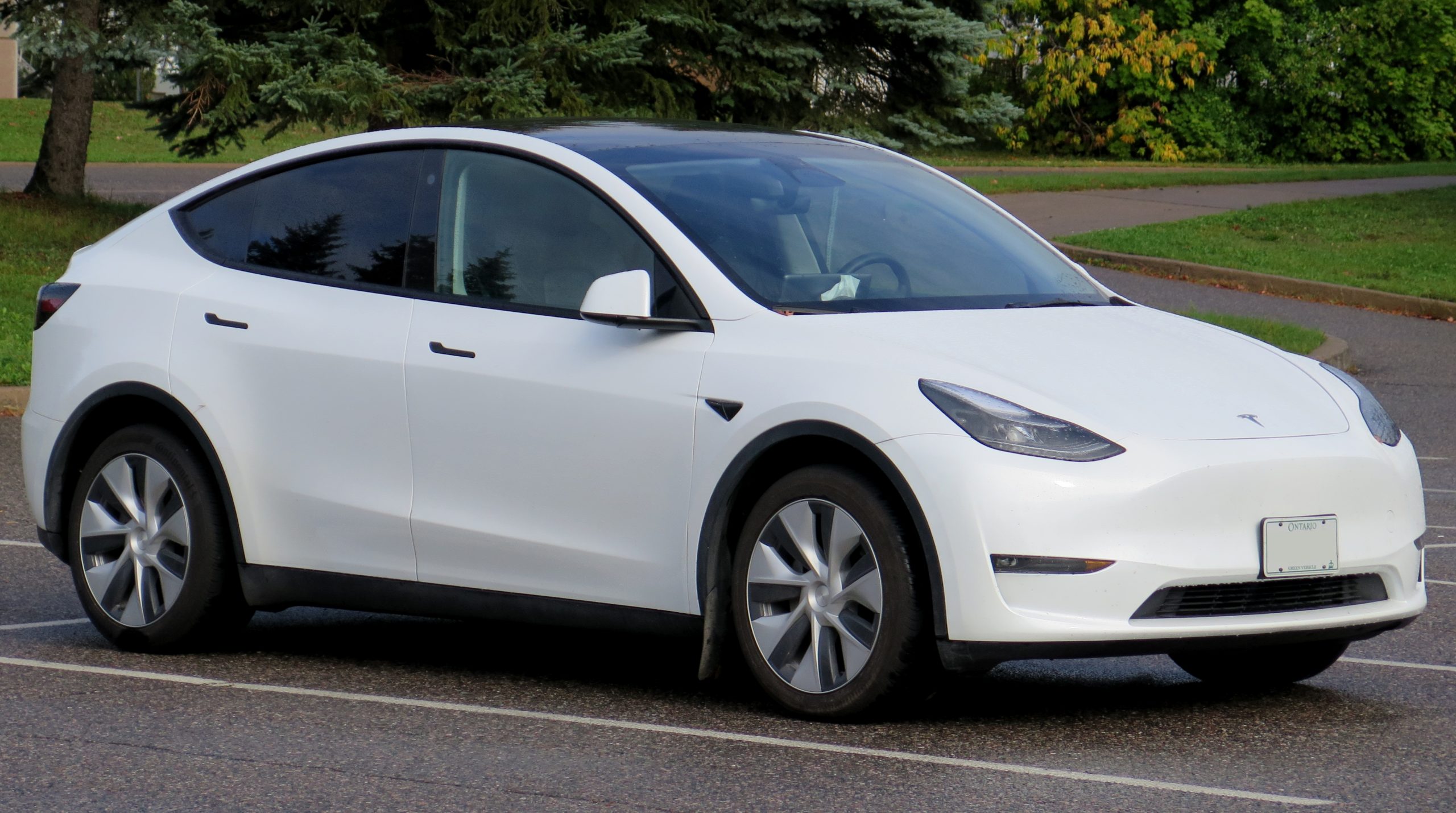
3. Kia EV6: Fast-Charging, Spacious, and Driver-Focused Electric Crossover
The Kia EV6 is a standout electric crossover that blends high-speed charging, practical performance, and distinctive styling. Like its Hyundai counterpart, the EV6 uses an 800-volt architecture, allowing a 10-to-80 percent charge in just 18 minutes on 350 kW fast chargers.
This enables drivers to add up to 70 miles of range in only five minutes, making highway stops feel as quick as traditional gas station breaks. Its multi-charging system supports both 400V and 800V chargers without adapters, while upcoming 2025 models will be compatible with the Tesla Supercharger network through the North American Charging Standard.
Home charging is straightforward with Level 2 240-volt chargers, which fully replenish the battery in about seven hours, and user-friendly features like plug-and-charge enhance convenience.
Built on the E-GMP platform shared with the Hyundai Ioniq 5 and Genesis GV60, the EV6 benefits from proven hardware, drivetrain options, and advanced technology. The 2024 facelift introduces a higher-capacity 84 kWh battery, improving energy density and increasing the WLTP range to 361 miles.
Powertrain options include a single-motor rear-wheel-drive model with 225 hp and a dual-motor all-wheel-drive version with 320 hp, capable of 0 to 62 mph in 5.3 seconds. The EV6 GT is the high-performance variant, producing 641 hp and 568 lb-ft of torque, reaching 0 to 62 mph in just 3.5 seconds with a top speed of 161 mph.
It also features playful tech like the Virtual Gear Shift, simulating a six-speed gearbox with engine noise for a sportier experience.
The EV6 interior emphasizes technology and usability. The cabin includes dual 12.3-inch displays, a 12-inch head-up display in top trims, wireless smartphone integration, and a fingerprint scanner to quickly load driver profiles.
Kia has upgraded materials to reduce smudging and scratches, while the new panoramic screen and refreshed infotainment system improve usability. The suspension has been refined for better ride comfort, though the EV6 remains firm compared with lighter EVs.
Pricing starts at approximately $51,500 for the rear-wheel-drive version with the large battery, with top trims reaching around $66,000 for all-wheel-drive and high-spec features.
The EV6 combines rapid charging, spacious and comfortable interiors, and a driver-focused experience. It is a capable, refined, and practical electric crossover, offering strong straight-line performance with high-tech features and a distinct style, making it a compelling choice in the competitive EV segment.
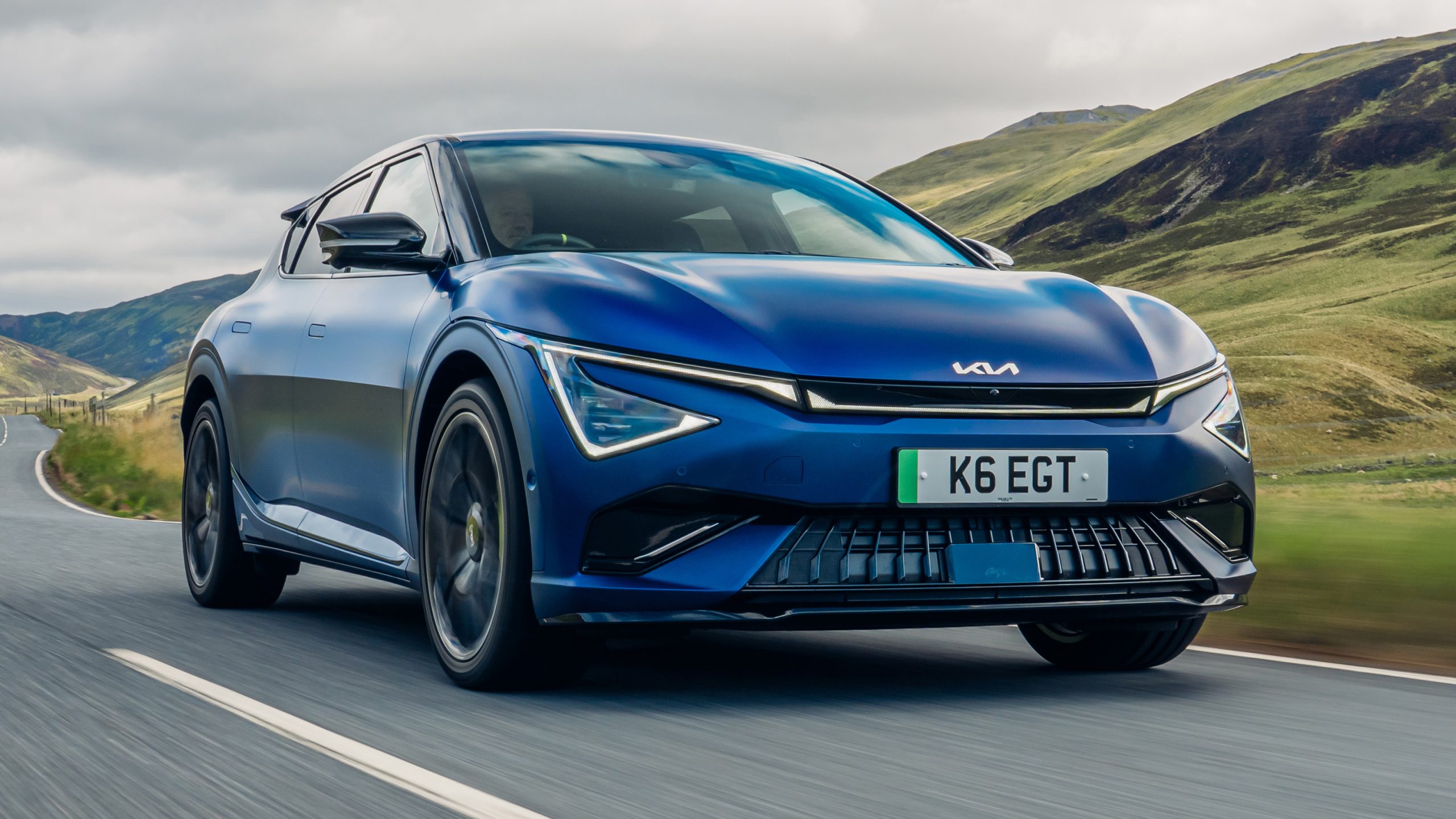
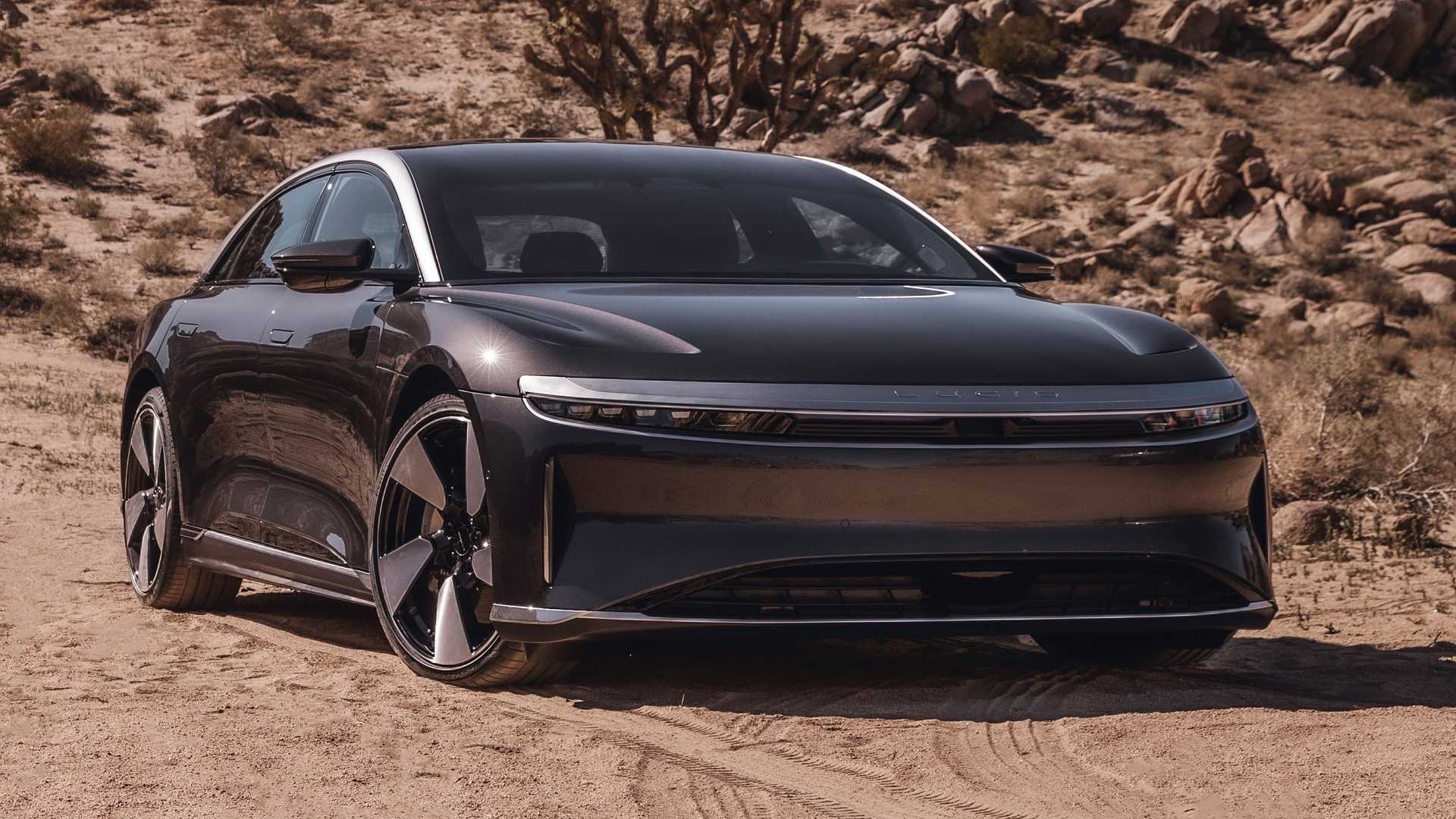
4. Lucid Air Grand Touring: Ultra-Long Range, Luxury, and Lightning-Fast Charging
The Lucid Air Grand Touring is a luxury electric sedan designed for high performance, long-range travel, and advanced charging convenience. Its ultra-fast 900-volt+ electrical system allows DC fast charging at over 300 kW, adding up to 200 miles of range in just 12 minutes.
The proprietary “Wunderbox” onboard charger optimizes charging speeds even at 400V stations, while the vehicle is compatible with nearly all public fast chargers, including Tesla Superchargers and Electrify America stations.
Plug & Charge technology enables automatic billing without apps or cards, and home charging supports up to 19.2 kW for rapid overnight replenishment. The Grand Touring also supports bidirectional vehicle-to-vehicle charging, allowing it to share energy with other EVs.
Lucid’s Grand Touring offers an EPA-estimated range of up to 512 miles, one of the longest of any electric vehicle on the market. The 118.0 kWh battery powers dual electric motors that deliver all-wheel drive, producing 1,050 horsepower in the Grand Touring trim. This enables a 0–60 mph time of just 3.0 seconds.
Other trims include the Touring model with 620 hp and the entry-level Pure model with 430 hp. The top-tier Air Sapphire trim adds a third motor, achieving a staggering 1,234 hp and 0–60 mph in under 2.1 seconds on prepared surfaces.
The Lucid Air excels in efficiency as well. The Pure trim achieves 146 MPGe combined, the Touring 133 MPGe, and the Grand Touring 129 MPGe, though real-world testing shows slightly lower figures. The sedan’s design emphasizes luxury and comfort, with spacious seating for four adults, high-quality materials, a glass roof for added openness, and generous storage, including a 10-cubic-foot front trunk.
The cabin features dual large touchscreens, voice recognition, Apple CarPlay, Android Auto, and customizable climate and media controls, offering both advanced functionality and intuitive operation.
Safety and driver assistance are comprehensive, including forward-collision warning, automated emergency braking, blind-spot monitoring, rear cross-traffic alert, adaptive cruise control, and lane-centering.
Lucid plans to introduce Level 3 autonomous driving through over-the-air updates. Warranty coverage includes four years or 50,000 miles for the vehicle, eight years or 100,000 miles for the powertrain, and two years or 24,000 miles of complimentary maintenance.
The Lucid Air Grand Touring combines unprecedented range, ultra-fast charging, cutting-edge technology, and luxury comfort. It is a top choice for buyers seeking a high-end electric sedan capable of long-distance travel, exceptional acceleration, and a refined driving experience.
5. Porsche Taycan: High-Performance Luxury with Fast and Intelligent Charging
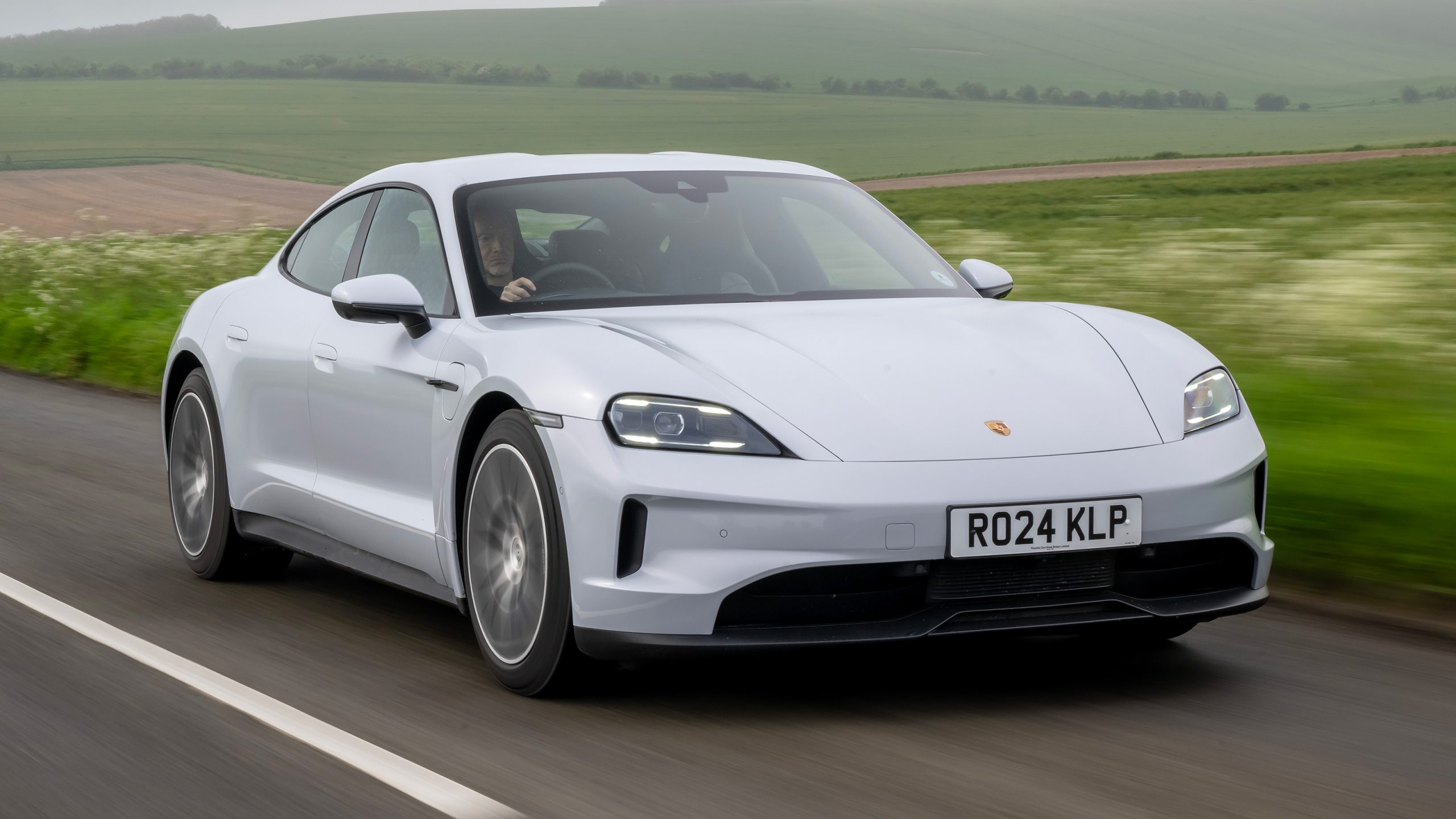
The Porsche Taycan was the first mass-market electric vehicle to bring 800-volt technology to mainstream buyers, delivering high-speed charging, performance, and luxury. Its 800-volt architecture allows DC fast charging up to 270 kW, taking the battery from 5 to 80 percent in roughly 22 minutes.
The Taycan also supports Plug & Charge, automatically initiating charging and handling payments without apps or cards, while its built-in Charging Planner calculates optimal stops based on traffic, range, and station availability.
Access to networks such as Ionity and Electrify America, along with home charging solutions like the Porsche Mobile Charger Connect and optional Home Energy Manager, ensures safe, versatile, and convenient charging. Battery preconditioning and gesture-operated charging cover further streamline the process.
The Taycan lineup includes a variety of powertrains. The base model uses a single rear-mounted motor producing 402–429 horsepower, while most models feature dual motors with all-wheel drive. The Taycan 4S delivers 536 hp, the GTS 690 hp, and the Turbo S reaches up to 938 hp with launch control.
The top-tier Turbo GT offers 1,019 hp using launch control, with 777 hp in standard driving. All models utilize a two-speed direct-drive transmission, aiding both acceleration and efficiency.
Standard air-spring suspension and available adaptive dampers combine with Porsche Active Ride for exceptional handling, comfort, and road isolation. 0–60 mph times range from 4.1 seconds in the base RWD to 1.9 seconds in the Turbo GT.
Range varies by trim. The base Pure model can achieve 252–318 miles per EPA estimates, while the Taycan 4S exceeded its EPA figure with 330 miles in highway testing. The Turbo GT managed 270 miles.
With DC fast charging, the Taycan can recover a significant range in minutes, including 10 to 80 percent in approximately 18 minutes under ideal conditions. Fuel efficiency ranges from 91 MPGe in base models to 79 MPGe for the most powerful trims.
The Taycan’s interior emphasizes luxury and technology. Standard seating accommodates four adults, with an optional fifth seat, and premium materials are used throughout.
The cabin features a 16.8-inch curved instrument display, dual central touchscreens (10.9-inch upper, 8.4-inch lower), optional passenger and rear-seat displays, and advanced infotainment with Apple CarPlay, Android Auto, voice control, and Dolby Atmos sound systems.
Safety and driver assistance include automated emergency braking, lane-departure warning with lane-keeping assist, and optional adaptive cruise control with lane centering. Porsche’s warranty provides four years or 50,000 miles for the vehicle and eight years or 100,000 miles for the powertrain.
The Taycan combines high-speed charging, precision handling, luxury, and advanced technology, making it one of the most refined and capable electric sports sedans on the market.
Also Read: 5 Cars That Stay Quiet at City Speeds vs 5 That Don’t
5 That Don’t
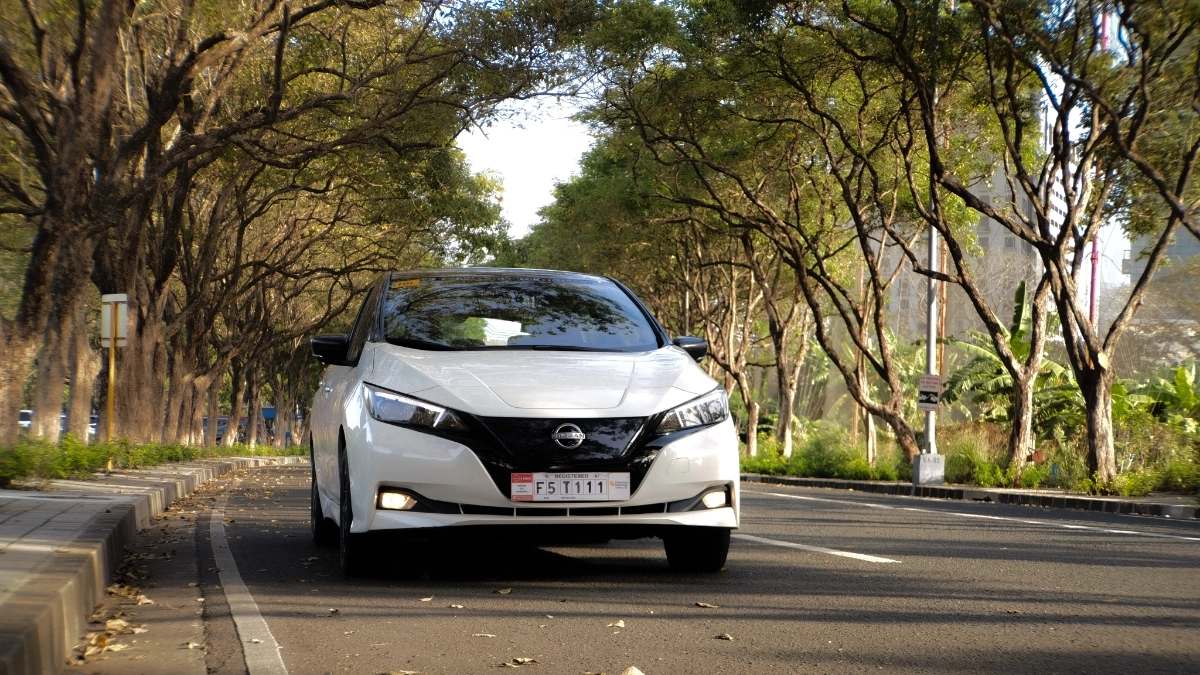
1. Nissan Leaf: Reliable Commuter with Outdated Charging Technology
The Nissan Leaf is a dependable electric vehicle for daily commuting, but its charging experience lags behind newer electric vehicles. The most significant limitation is its air-cooled battery, which struggles with thermal management during repeated fast-charging sessions.
This results in “Rapidgate,” where charging speeds are drastically reduced to prevent overheating. A standard 50 kW fast charge may drop to as low as 20 kW after the first session, greatly increasing the time needed to recharge the battery and making long trips inconvenient.
Another issue is the Leaf’s use of the CHAdeMO connector for DC fast charging. Once a widely adopted standard, CHAdeMO is now being phased out in favor of CCS and Tesla’s NACS system.
This shift means Leaf owners may have difficulty finding compatible high-speed chargers, and adapters are costly and bulky. As charging infrastructure continues to focus on CCS and NACS, CHAdeMO support will decline, reducing the Leaf’s long-term usability.
Software and internal settings add further complications. The Charge Timer feature can prevent charging unless manually overridden, and the 12V lead-acid battery must be in good condition to activate the main high-voltage system. A weak 12V battery can stop the car from charging entirely, even when the main battery is not depleted.
Safety recalls have also affected convenience. Nearly 45,000 vehicles from 2019 to 2022 were recalled due to a battery defect that increases fire risk during fast charging. Nissan advises owners to avoid Level 3 chargers until a software fix is applied, limiting access to high-speed charging.
The Nissan Leaf is suitable for short daily trips but is less practical for long-distance travel. Its air-cooled battery, outdated CHAdeMO port, software quirks, and recent recalls make charging slower, more complicated, and less compatible with modern fast-charging infrastructure.
2. Chevrolet Bolt EV: Affordable Commuter with Slow Charging
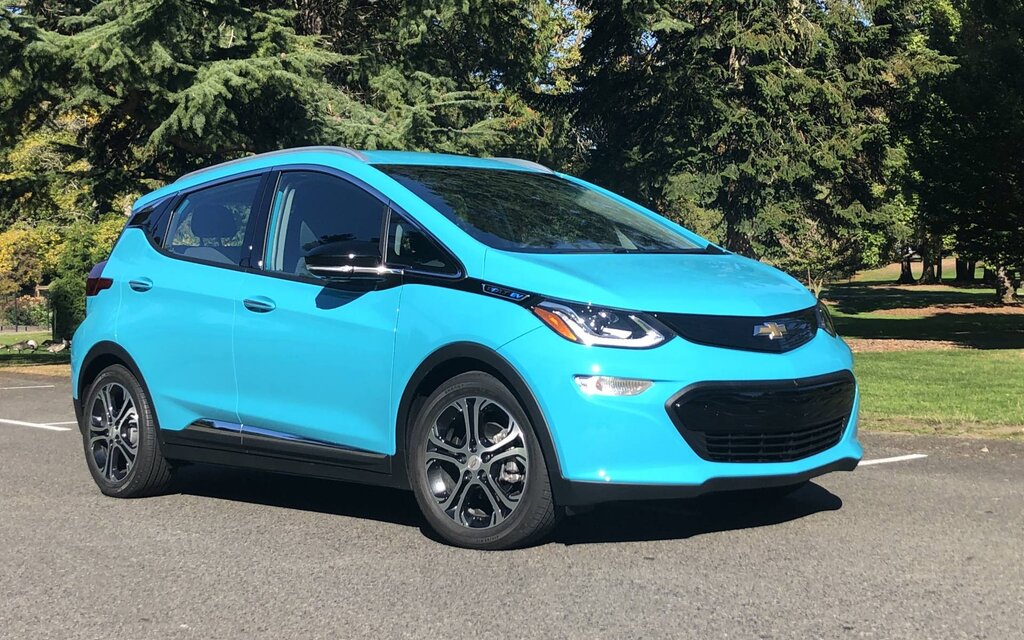
The Chevrolet Bolt EV is an affordable and reliable electric vehicle for daily commuting, but its charging performance lags behind modern EVs. Its primary limitation is the 55 kW maximum DC fast-charge rate, which is far slower than competitors such as the Hyundai Ioniq 5 or Tesla Model 3 that can charge at 150 kW to 250 kW.
On road trips, charging from 10 percent to 80 percent can take around 60 minutes, whereas many modern EVs can achieve the same in under 20 minutes.
The Bolt’s charging curve is conservative due to its Battery Management System, which aggressively throttles power to protect the battery as the state of charge increases. Once the battery reaches 50 percent, charging speeds drop significantly, and by 80 percent, the rate may fall to 15–20 kW.
Cold weather further impacts performance since the Bolt lacks advanced battery preconditioning. A cold battery may start charging at half speed, adding up to 30 minutes or more to a session.
Hardware and design choices also limit charging performance. The Bolt was designed as a city-focused commuter rather than a long-distance vehicle. Its liquid-cooled battery system is sufficient for its 55 kW maximum, but it cannot safely handle higher power. On older models, DC fast charging was optional, meaning some used Bolts are restricted to slower Level 2 (240V) charging.
Public charging infrastructure can further frustrate owners. The Bolt cannot take advantage of high-powered 350 kW stations, often occupying chargers for an hour to achieve what a faster EV accomplishes in 15 minutes. For most owners, the most convenient charging method remains overnight home charging.
The Chevrolet Bolt EV is an excellent and practical choice for daily commuting due to its affordability and reliability, but its slow DC fast-charging rate, conservative battery management, and hardware limitations make long-distance travel time-consuming compared with more modern electric vehicles.
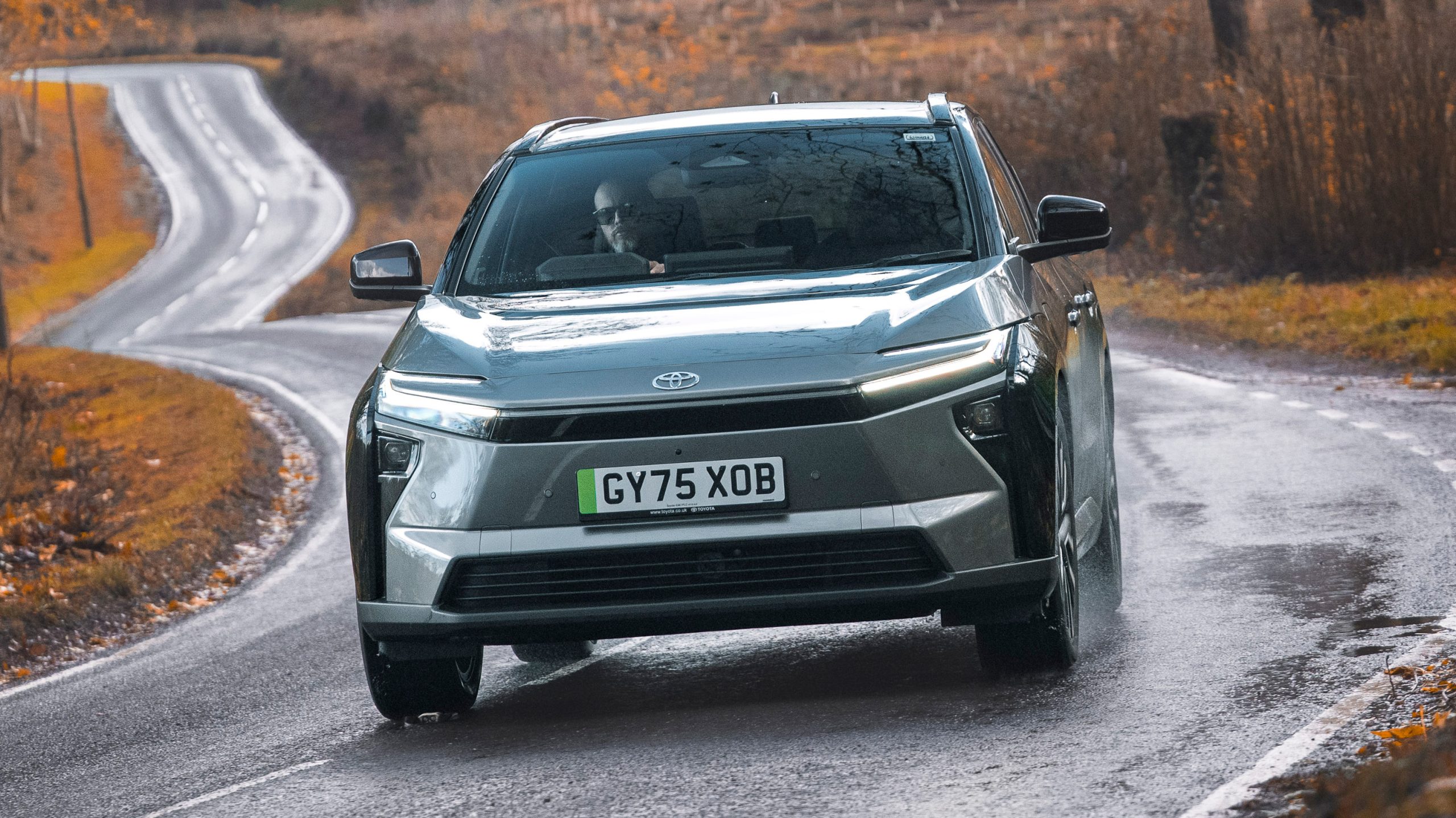
3. Toyota bZ4X: Conservative Charging Limits and Cold-Weather Challenges
The Toyota bZ4X is Toyota’s first mass-market electric vehicle, but it has faced criticism for slow and inconvenient charging. The vehicle’s 400-volt architecture is intentionally conservative, designed to maximize long-term battery health and reliability.
As a result, front-wheel-drive models are typically limited to 150 kW, while all-wheel-drive versions peak at 100 kW. Charging rates also drop sharply as the battery approaches 80 percent, meaning fast charging often slows to a crawl, especially on longer trips.
Cold weather further exacerbates the bZ4X’s limitations. Charging times increase significantly when temperatures fall below 50 degrees Fahrenheit, and AWD models may struggle to accept a DC charge below 32 degrees. Extremely cold conditions can make charging impossible without proper battery conditioning, reducing the car’s efficiency and convenience for winter travel.
The 2023–2025 bZ4X models lack modern, seamless charging features. They do not support “Plug & Charge,” requiring users to manage charging sessions via apps, RFID cards, or credit cards, which adds complexity. The vehicle also lacks built-in route planning to automatically locate optimal charging stops, relying on external apps like Apple Maps for navigation.
Additional minor inconveniences include charging schedule glitches, which can prevent immediate charging without manual override, and 12-volt battery drains when the vehicle sits unused for several days, potentially leaving the car unable to start a charge.
Toyota is addressing many of these issues in future models. Starting with the 2026 bZ4X, the car will feature a Tesla-style NACS port, faster charging speeds, and native Plug & Charge functionality. Current owners can benefit from software updates that improve charging performance and third-party adapters that allow access to Tesla chargers.
The bZ4X is reliable for short daily commutes but limited for long-distance travel. Its conservative charging curve, cold-weather restrictions, and lack of modern charging conveniences make it slower and less user-friendly compared with newer EVs using 800-volt systems or Plug & Charge technology.
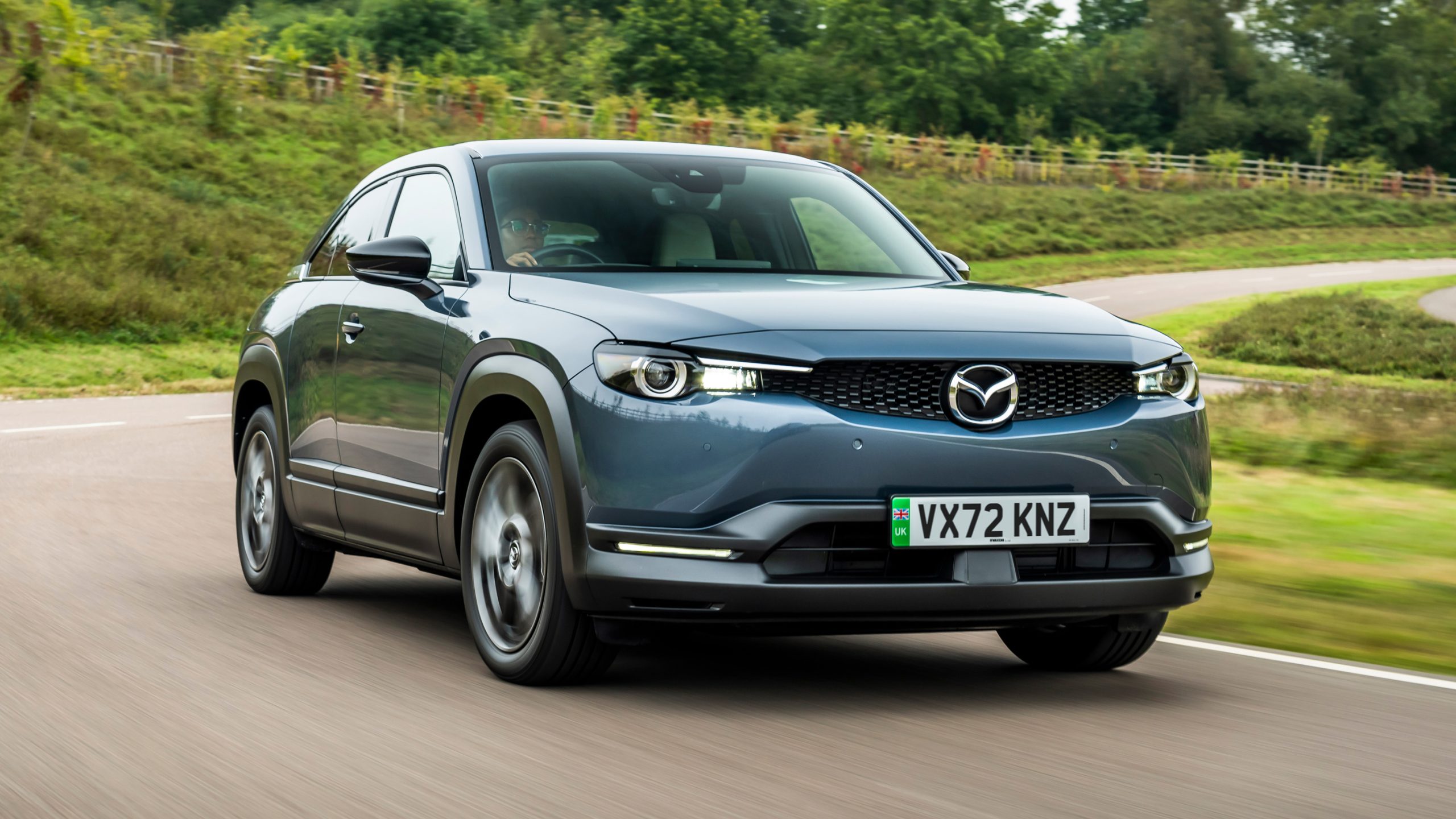
4. Mazda MX-30: Limited Range and Slow Charging Make Road Trips Challenging
The Mazda MX-30 struggles with charging convenience due to its small battery, low charging speeds, and limited thermal management. Designed with environmental “right-sizing” in mind, the MX-30’s 35.5 kWh battery delivers an EPA-rated range of just 100 miles, which can drop to 60–80 miles in cold weather.
This short range necessitates frequent daily charging, even for modest commutes, making it impractical for longer trips.
Charging speed is another limitation. DC fast charging is capped at 40 to 50 kW, which Mazda advertises as a 20 to 80 percent charge in 36 minutes. Independent testing often finds this closer to 43 minutes due to power throttling, while competitors with larger batteries can add much more range in the same time.
AC home charging is limited to 6.6 kW, meaning a full charge on a standard wallbox takes over five hours. Using a basic 120V outlet can require 13 to 20 hours.
Cold weather further reduces the car’s charging efficiency. Without battery preconditioning, the MX-30 cannot accept its peak 50 kW rate when the battery is cold. Charging speeds can drop to 8 kW at rapid stations, extending what should be a half-hour session into a full hour.
Software and reliability issues compound the inconvenience. Owners have reported failed sessions due to communication errors with networks like Ionity. The 12-volt battery can also drain or malfunction, preventing the high-voltage system from initiating a charge.
The MX-30’s charging system is outdated compared with modern EVs. Its limited range, slow fast-charging capability, and lack of thermal management make it suitable only for city driving. While it offers a premium interior and driving feel, it is ill-suited for long-distance travel or mid-journey top-ups, cementing its role as a short-range urban EV rather than a versatile all-purpose electric vehicle.
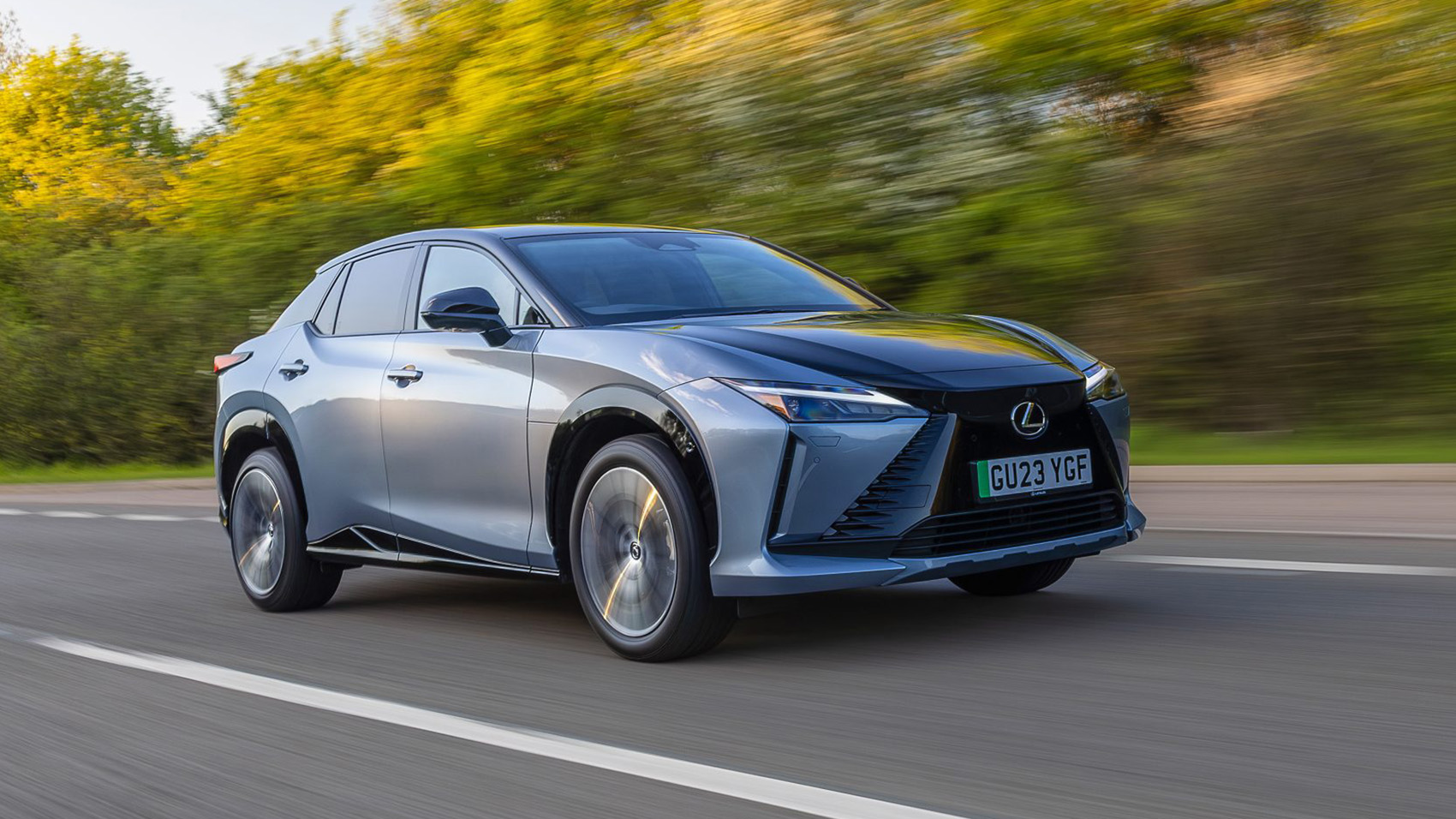
5. Lexus RZ 450e: Luxury Meets Conservative Charging Limits
The Lexus RZ 450e faces criticism for inconvenient charging despite its premium price. Its charging performance is constrained by a conservative engineering approach that prioritizes battery longevity over rapid charging, leading to several practical challenges for owners.
A key limitation is the restrictive DC fast charging system. The vehicle allows only two to three high-speed charging sessions per 24 hours before drastically throttling power to protect the battery. While the RZ 450e is rated for 150 kW DC charging on paper, real-world performance often falls short, especially during long road trips. This throttling makes extended journeys time-consuming and frustrating.
Cold weather further exacerbates charging inefficiency. Lithium-ion battery chemistry slows at low temperatures, reducing charging speeds to below 50 kW, even at high-output stations.
Owners report that adding just 30 percent of battery capacity can take nearly 40 minutes in winter conditions. Combined with a modest EPA-estimated range of 196 to 220 miles, the RZ 450e requires more frequent charging stops than many competitors, decreasing its practical efficiency for active users.
Software and technical friction also affect convenience. Charging cables can fail to lock or unlock without specific key fob sequences, and scheduling charges via the Lexus App is inconsistent, sometimes requiring manual intervention.
Home charging is similarly limited; many RZ 450e models support only 6.6 to 7 kW onboard charging. A full overnight charge can take 9.5 to 11 hours, complicating late-night returns and early departures.
To mitigate these limitations, Lexus offers the Reserve Program, providing 30 days of complimentary gas-powered rentals over three years for trips where EV charging would be impractical.
Despite its luxury interior and premium features, the RZ 450e’s conservative charging philosophy and real-world performance limitations make it less convenient than many modern EVs, particularly for long-distance travel or cold-weather conditions.
Charging convenience can greatly influence the EV driving experience. Top-tier models provide fast, intuitive, and reliable recharging, while some vehicles struggle with small batteries, slow charging speeds, or limited compatibility with modern infrastructure. Understanding the strengths and weaknesses of different EVs helps buyers select models that match their driving patterns and travel needs.
Choosing a vehicle with advanced charging capabilities reduces time spent at charging stations, supports longer trips, and enhances daily usability. The differences between convenient and inconvenient EV charging demonstrate how technology, design, and software shape the practicality of electric vehicles. Selecting the right EV can make the shift to electric driving more seamless, efficient, and enjoyable for any driver.
Also Read: 10 Cars With Seats Designed for Long-Distance Comfort