
Modern cars are smarter than ever, packed with sensors, control modules, and software that constantly monitor performance. While this technology improves safety and efficiency, it also means drivers are more likely to see dashboard warning lights.
For some vehicles, those glowing symbols show up so often that owners begin to expect them. That constant uncertainty can turn every drive into a guessing game.
A warning light does not always signal a serious failure, but the anxiety it creates is very real. Is it a loose fuel cap, a faulty sensor, or a repair that will cost a month’s salary?
Some cars develop reputations for frequent alerts due to complex electronics, aging components, or overly sensitive monitoring systems. In these vehicles, even minor glitches can trigger a cascade of warnings.
Luxury brands are not immune. In fact, high end models often have more systems that can malfunction. Budget cars can also struggle, especially when cost cutting leads to cheaper sensors or wiring that does not age well.
Over time, electrical gremlins, emissions system faults, and communication errors between modules become common sources of dashboard drama.
This list highlights twelve vehicles known for triggering dashboard warning light anxiety. These are not necessarily bad cars, but they are models where owners often report frequent alerts, recurring check engine lights, and mysterious electronic messages.
Understanding which vehicles have these tendencies can help buyers prepare for potential headaches and ongoing diagnostic costs.
Let us begin with the first two offenders that have built strong reputations for keeping drivers nervously watching their instrument clusters.
Also Read: 10 Big Cars With the Quietest Cabins at Highway Speeds
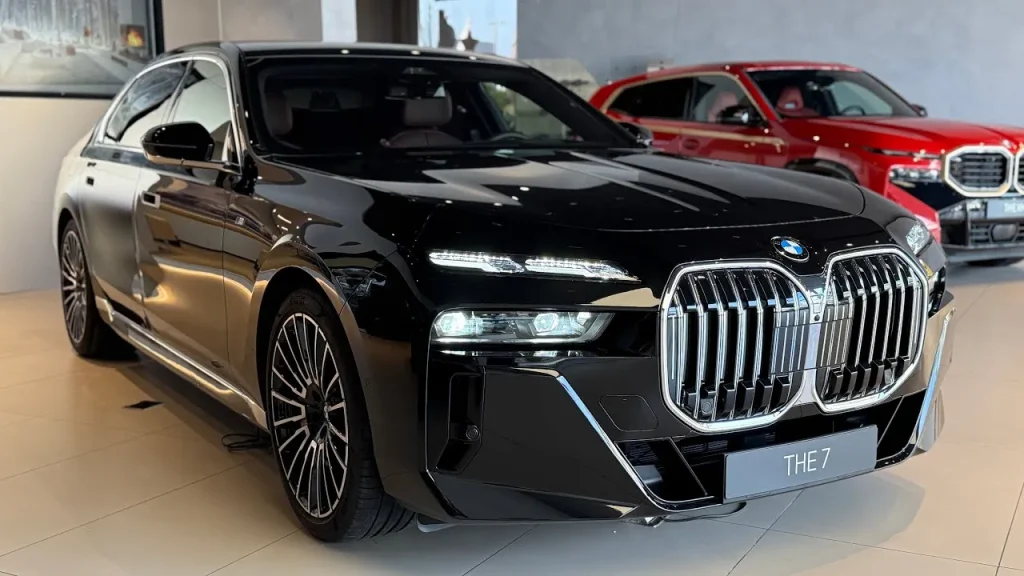
1. BMW 7 Series (E65 Generation)
The BMW 7 Series from the early and mid 2000s was a technological showcase. It introduced advanced electronics, complex driver assistance features, and one of the earliest versions of BMW’s iDrive system. While impressive at the time, this heavy reliance on electronics made the car notorious for warning lights as it aged.
Owners frequently report check engine lights linked to emissions components such as oxygen sensors, mass airflow sensors, and catalytic converter efficiency codes.
These issues may not always affect how the car drives, but the persistent warnings create ongoing stress. Diagnosing the exact cause can also be expensive due to the number of interconnected systems.
Electrical problems are another major source of dashboard anxiety. Battery registration issues, failing alternators, and parasitic drains can trigger a chain reaction of warnings across multiple systems.
It is not unusual for drivers to see alerts for transmission, suspension, and stability control at the same time, even when the root cause is voltage related.
The air suspension system, found on many models, is another frequent culprit. Leaks in the air struts or failing compressors often illuminate suspension warning messages. Repairs are costly, and temporary fixes sometimes cause the light to return, keeping owners in a cycle of hope and frustration.
What makes the E65 especially stressful is how serious the warnings appear. Messages often instruct drivers to proceed cautiously or visit a service center immediately.
Even when the issue turns out to be minor, the dramatic language heightens concern. For many owners, the car’s luxurious ride is balanced by the constant worry of what warning will appear next.
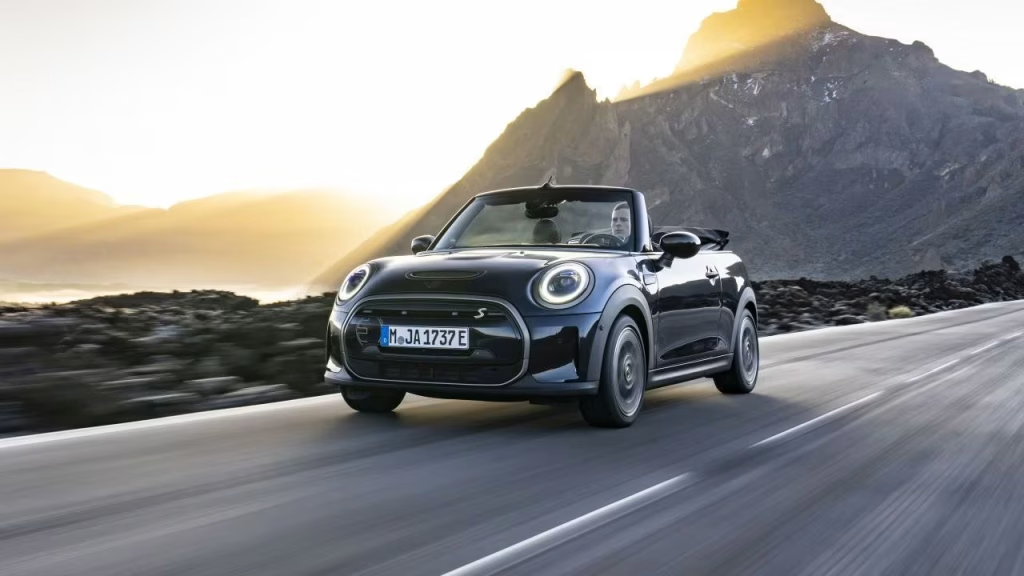
2. Mini Cooper (First and Second Generation Modern Models)
The modern Mini Cooper delivers fun handling and distinctive style, but it has also earned a reputation for frequent dashboard warnings. Many of these stem from compact packaging that places heat and vibration stress on sensors and wiring over time.
Check engine lights are common, often tied to thermostat housings, water pump failures, and temperature sensors. Cooling system problems can trigger warnings before drivers notice any change in performance. While early alerts can be helpful, repeated issues make owners nervous every time the light returns.
Another frequent source of anxiety is the car’s emissions system. Faulty oxygen sensors, evaporative emissions leaks, and carbon buildup in intake valves are well documented concerns. These issues may not cause immediate breakdowns, but they do keep the check engine light illuminated for long stretches, especially on higher mileage cars.
Electrical gremlins also play a role. Window regulators, lighting modules, and body control systems sometimes malfunction, producing warning messages unrelated to the engine. Because many systems communicate with each other, one failing component can create multiple alerts that appear more serious than the actual fault.
Turbocharged versions add another layer of potential warnings. Boost leaks, diverter valve issues, and sensor faults can all trigger engine management lights. Even when the car still drives well, owners often fear expensive turbo or engine repairs whenever a symbol appears.
The result is a car that feels lively on the road but keeps drivers mentally on edge. Many Mini owners joke that a clear dashboard is rare. That constant exposure to warning lights builds a unique kind of automotive anxiety that few other small cars match.
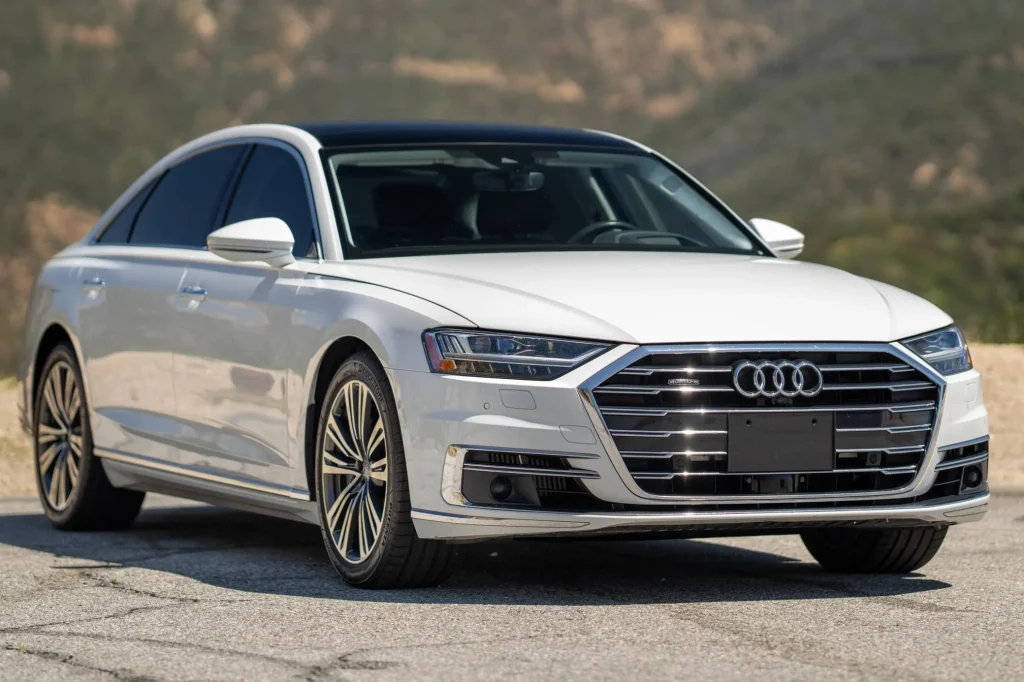
3. Audi A8 (D3 Generation)
The Audi A8 D3 generation pushed technology forward in the luxury segment, but that innovation came with long term complexity. Packed with control modules and electronic features, this sedan is well known for dashboard warnings that appear as the car ages.
Air suspension faults are among the most common triggers. Leaks in the air springs or a tired compressor often cause suspension warning messages. These alerts can appear intermittently at first, making owners wonder if the problem is serious or just a sensor glitch. Eventually, the warnings usually become permanent, leading to costly repairs.
Electrical communication errors are another major issue. The A8 uses a network of modules that constantly talk to each other.
When one module begins to fail or voltage drops due to a weak battery, multiple warning lights can appear at once. Drivers may see alerts for stability control, adaptive headlights, and transmission systems even when the core problem is electrical instability.
Engine related warnings are also common. Carbon buildup in direct injection engines can trigger check engine lights tied to misfires or airflow issues. Ignition coils and sensors may fail without obvious performance changes, yet the dashboard still lights up, leaving drivers worried about hidden damage.
Parking brake and adaptive suspension warnings further add to the stress. These systems rely on electronic actuators that can wear out or stick. When they malfunction, the car often displays urgent messages that sound more serious than the actual issue.
The A8 remains a smooth and refined car, but its tendency to produce frequent electronic warnings makes ownership feel unpredictable. For many drivers, the glowing symbols become an expected part of the experience rather than a rare event.
4. Land Rover Range Rover (L322)
The Range Rover L322 combines luxury with serious off road capability, but it also has a strong reputation for dashboard warning light drama. Its blend of complex suspension, terrain systems, and electronics means there are many opportunities for alerts to appear.
Air suspension problems are one of the biggest sources of anxiety. Height sensors, air struts, and compressors can wear out, leading to suspension fault messages. The vehicle may still drive normally at first, but the warning suggests an expensive repair is on the horizon.
Terrain Response and stability system warnings are also frequent. These systems rely on multiple sensors that monitor wheel speed, steering angle, and vehicle position.
A single faulty sensor can trigger a chain of alerts that disable off road modes and stability features. Even if the SUV feels fine on pavement, the warnings create uncertainty.
Electrical issues are another common headache. Water intrusion, aging wiring, and weak batteries can cause random fault messages across different systems. Owners often report seeing several warning lights appear at once, only for some to disappear after restarting the vehicle. This inconsistency makes it hard to trust the dashboard.
Engine related alerts, especially on diesel models, can involve emissions components and sensors. Check engine lights may not immediately affect drivability, but they often require specialized diagnostics to resolve. That adds to the cost and worry.
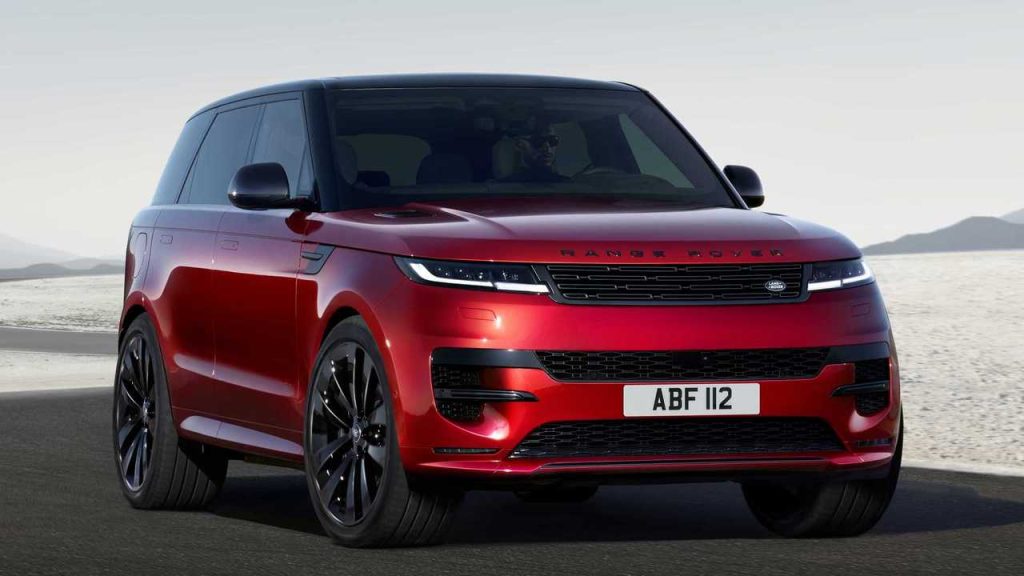
The L322 offers comfort and presence, yet its tendency to display frequent warnings keeps many owners on edge. The experience of driving one is often paired with the expectation that another symbol could light up at any time.
5. Mercedes-Benz S-Class (W221)
The Mercedes Benz S Class W221 is known for comfort and advanced engineering, but it is also famous for frequent dashboard warnings as it ages. This generation introduced many electronic systems designed to enhance safety and luxury, yet those same features often become sources of anxiety for owners.
Air suspension faults are extremely common. The Airmatic system uses air struts and compressors that wear out over time.
When a component begins to fail, the car displays suspension warnings that may appear and disappear at first. Eventually, the system may lower the vehicle or restrict driving modes, making the alerts feel urgent and expensive.
Electronic steering and braking systems can also trigger messages. Sensors that monitor steering angle, brake pressure, and vehicle stability sometimes fail or provide inconsistent data. This leads to warning lights for traction control, stability programs, and braking assistance, even if the car still feels normal during everyday driving.
Engine related warnings are frequently tied to sensors rather than major mechanical failures. Camshaft position sensors, mass airflow sensors, and ignition components often cause check engine lights. These issues may not immediately affect performance, but repeated visits to diagnose and clear codes create ongoing frustration.
The S Class also relies heavily on control modules that communicate across multiple networks. A weak battery or voltage fluctuation can cause several warning lights to appear at once. Owners may see alerts for lighting systems, parking aids, and driver assistance features, all stemming from a single electrical issue.
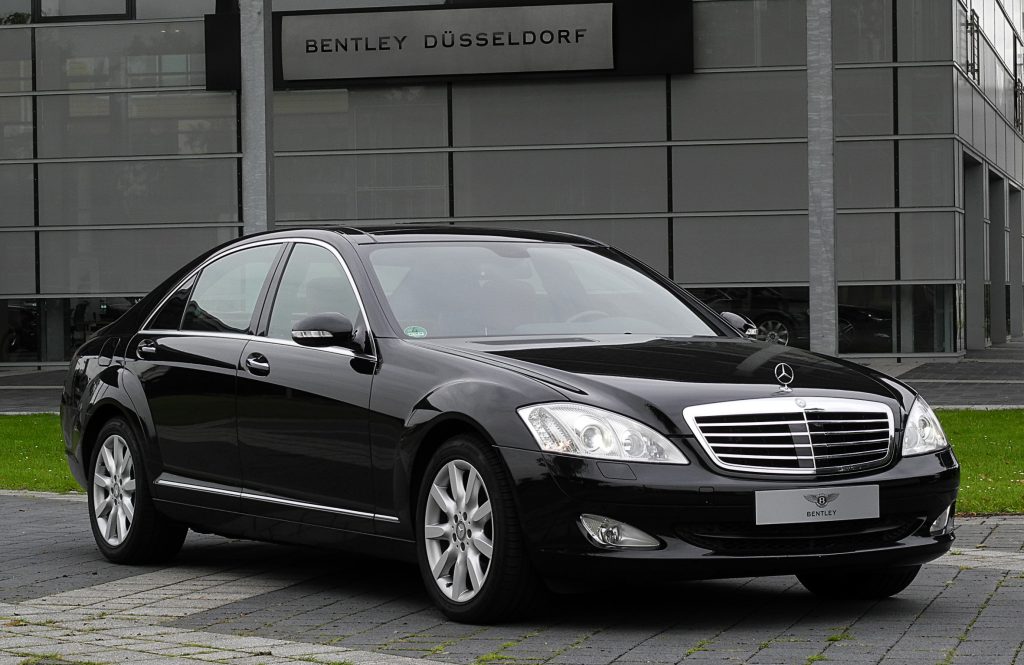
Driving the W221 can feel wonderfully refined, yet the constant possibility of a new warning message takes a psychological toll. Many owners grow used to seeing at least one light illuminated, which says a lot about how often the car asks for attention.
6. Jeep Grand Cherokee (WK2)
The Jeep Grand Cherokee WK2 blends off road ability with modern comfort, but it has developed a reputation for persistent dashboard warnings. Much of this comes from complex electronics paired with components that do not always age gracefully.
Electronic throttle control warnings are among the most stressful. When the system detects a fault, the dashboard may display a lightning bolt symbol and reduce engine power. Sometimes the issue is a sensor or wiring problem rather than a major failure, but the sudden change in performance makes drivers uneasy.
Air suspension equipped models also generate frequent alerts. Similar to luxury SUVs, leaking air springs or failing compressors can trigger suspension fault messages. These warnings may come and go, but repairs are often costly, which keeps owners worried whenever the message reappears.
Transmission related warnings are another common complaint. The vehicle may display service transmission messages linked to sensors, software glitches, or valve body issues. Even if the Jeep still shifts normally, the warning suggests a potentially expensive repair, increasing driver stress.
Electrical issues round out the list of common triggers. Faulty wheel speed sensors, body control module glitches, and wiring problems can produce stability control and anti lock brake warnings. Because these systems are interconnected, one small failure can light up multiple symbols on the dash.

The Grand Cherokee remains popular for its versatility, but many owners admit they have grown used to seeing warning lights. The combination of serious sounding messages and unpredictable appearances makes this SUV a regular source of dashboard anxiety.
7. Porsche Cayenne (First Generation)
The first generation Porsche Cayenne delivered sports car performance in an SUV body, but it also became known for frequent dashboard warnings as mileage increased. Its mix of performance engineering and luxury electronics created many opportunities for sensors and modules to cause concern.
Cooling system related warnings are common. Faulty coolant pipes, thermostat issues, and temperature sensors often trigger alerts before drivers notice any change in engine behavior. Even when the problem is minor, the presence of a warning light makes owners fear overheating or engine damage.
Air suspension equipped models are another major source of dashboard anxiety. Leaking air struts or a tired compressor can cause suspension fault messages that appear intermittently. At first, the vehicle may still ride normally, but the repeated warnings make it clear that a costly repair is likely approaching.
Transfer case and all wheel drive system alerts also appear frequently. Sensors that monitor torque distribution and drivetrain performance can fail or provide inconsistent readings. When this happens, the dashboard may display warnings about the four wheel drive system, even if the vehicle still feels stable on the road.
Electrical problems add to the stress. Window regulators, seat modules, and comfort systems sometimes malfunction, creating messages that seem unrelated to driving. Because the Cayenne uses many interconnected modules, one issue can lead to multiple warnings across different systems.
Engine management lights are often tied to ignition coils and emissions sensors. These components can fail gradually, triggering a check engine light without obvious performance problems. Owners are left wondering whether the issue is minor or the start of a much bigger repair bill.
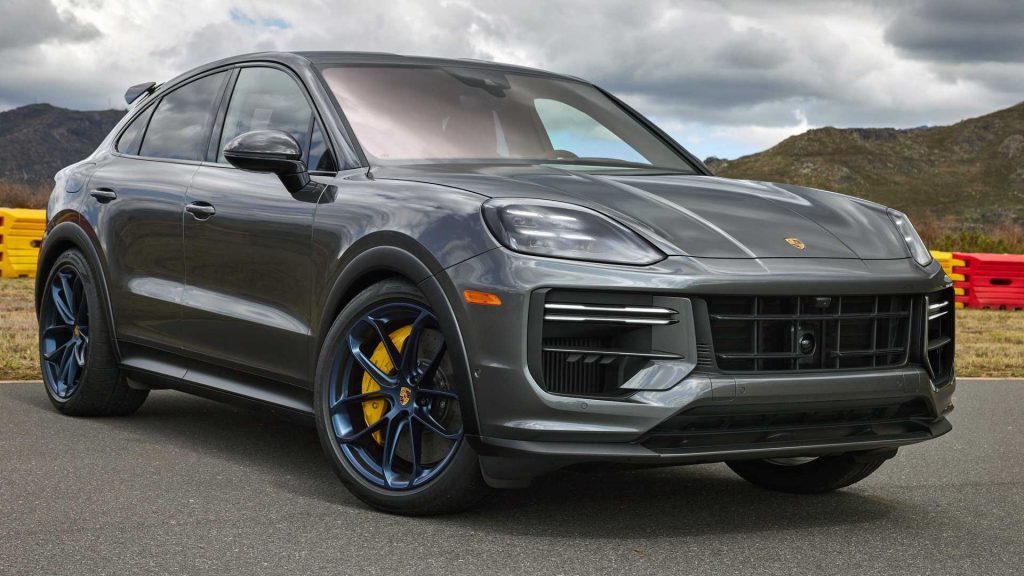
The Cayenne remains enjoyable to drive, but the frequency of warnings means many owners grow accustomed to seeing at least one symbol illuminated. That constant reminder that something might be wrong creates a background level of worry that never fully disappears.
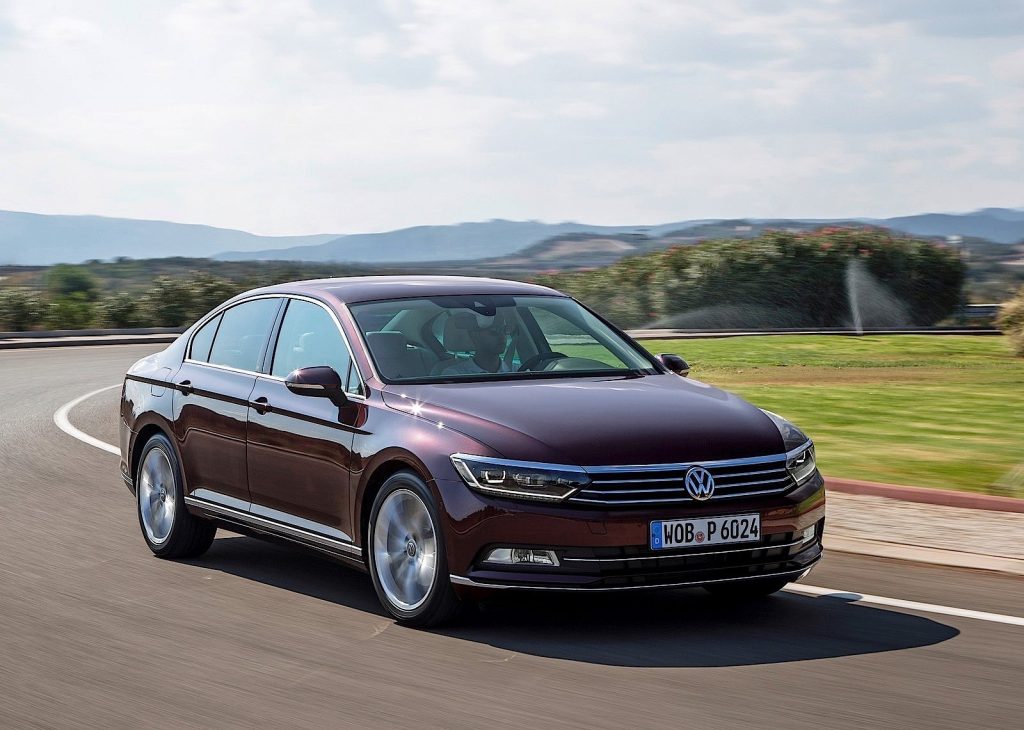
8. Volkswagen Passat (B6 Generation)
The Volkswagen Passat B6 offered a comfortable ride and upscale features for its class, but it also developed a reputation for persistent dashboard warning lights. As these cars age, electrical and sensor related issues become common sources of driver concern.
Electronic parking brake faults are one of the most reported problems. The system relies on small motors and sensors at the rear brakes. When they begin to stick or fail, the car displays warning messages that can be alarming, especially if the brake does not release smoothly.
Steering angle sensors and wheel speed sensors are also frequent culprits. Failures in these components can trigger stability control and anti lock brake warnings. Even though the car may still drive normally, seeing multiple safety system lights at once makes drivers uneasy.
Engine related alerts often involve coil packs, mass airflow sensors, and emissions components. Check engine lights may come and go, sometimes disappearing after a restart only to return days later. This inconsistency makes it difficult for owners to know when a repair is truly urgent.
Electrical gremlins inside the cabin can also produce warnings. Faulty door modules, lighting control issues, and instrument cluster glitches sometimes lead to messages that do not match any obvious problem. Tracking down the source can require extensive diagnostic time, which adds to ownership costs.
Diesel versions bring additional warning light triggers tied to particulate filters and emissions sensors. Regeneration problems or sensor faults can illuminate the dashboard even when the vehicle still runs smoothly, leaving drivers concerned about expensive emissions system repairs.
The Passat B6 feels solid and refined to drive, but many owners admit the dashboard rarely stays completely clear. That steady stream of alerts, both major and minor, makes this otherwise practical sedan a frequent source of warning light anxiety.
9. BMW X5 (E70)
The BMW X5 E70 blends performance and practicality, but it also has a reputation for frequent dashboard warnings as it ages. With advanced electronics and multiple comfort systems, this SUV often keeps owners watching the instrument cluster closely.
Transfer case and all wheel drive system warnings are common. The xDrive system relies on sensors and actuators that can wear out or lose calibration.
When problems arise, the dashboard may display drivetrain malfunction messages, even if the vehicle still drives normally. These alerts tend to sound serious, which increases driver concern.
Air suspension faults appear on models equipped with rear or full air suspension. Leaks in air bags or a failing compressor can trigger suspension warnings that come and go at first. Over time, the system may sag or disable ride height adjustments, making the earlier warnings feel like the start of a costly chain of repairs.
Engine related lights frequently involve high pressure fuel pumps, injectors, and emissions sensors. Turbocharged engines add more complexity, and sensor failures can trigger reduced power messages. Even when the issue is minor, the language used by the car suggests immediate attention is needed.
Electrical issues are another major source of anxiety. Battery drain problems and failing voltage regulators can cause multiple warning lights across unrelated systems. Owners may see alerts for stability control, transmission, and lighting all at once, only to learn the root cause is low voltage.
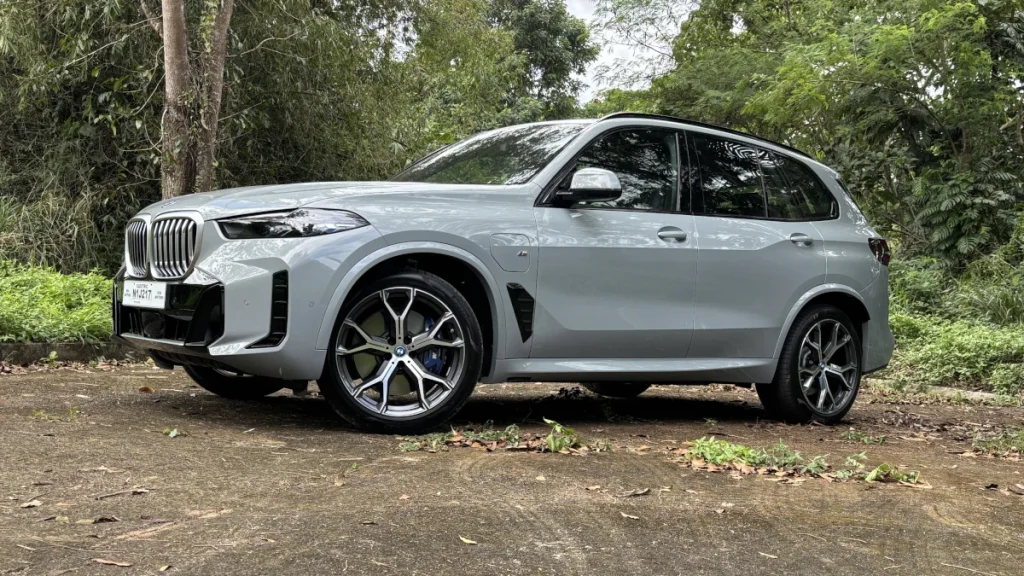
The E70 drives like a sporty luxury SUV, but the frequency and seriousness of its warning messages make ownership feel unpredictable. Many drivers report that a clear dashboard feels like a rare and temporary victory rather than the norm.
10. Ford Focus (Third Generation)
The third generation Ford Focus offered sharp handling and modern technology, yet it also became known for persistent dashboard warnings. Much of this reputation is tied to transmission and electronic system issues that trigger frequent alerts.
Transmission related warnings are the most stressful. Models equipped with the dual clutch automatic often display messages about transmission malfunction or overheating. Even when the car still moves, hesitation and rough shifting paired with warning lights make drivers fear sudden breakdowns.
Engine management lights are also common. Faulty oxygen sensors, evaporative emissions leaks, and catalytic converter efficiency codes frequently illuminate the check engine light. These problems may not cause immediate drivability issues, but repeated visits to clear codes wear down owner confidence.
Power steering system warnings can appear due to electric steering rack faults or sensor problems. When the system detects an issue, the dashboard may display a steering assist message. Even if steering still works, the idea of losing assistance creates understandable anxiety.
Electrical glitches inside the cabin add to the list. Instrument cluster errors, infotainment system faults, and body control module issues sometimes trigger warning messages unrelated to how the car drives. Because the problems can be intermittent, they are difficult to diagnose and easy to worry about.
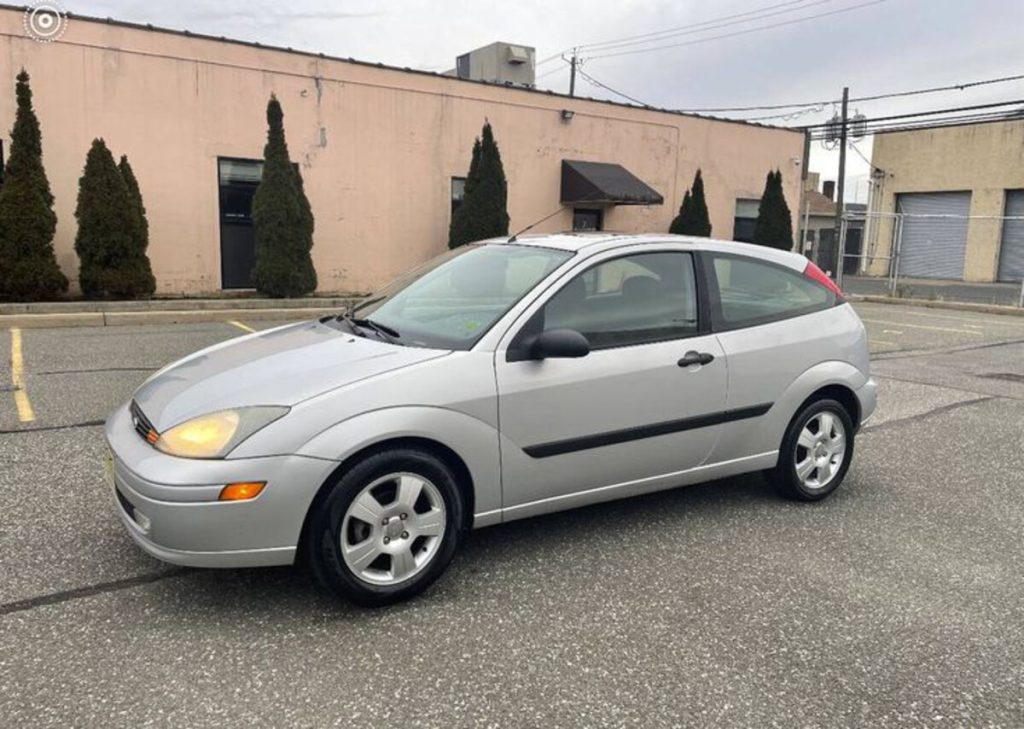
The Focus remains enjoyable to drive when everything works correctly, but the steady stream of alerts has shaped its reputation. For many owners, the dashboard becomes a source of ongoing stress rather than simple information.
11. Chevrolet Cruze (First Generation)
The first generation Chevrolet Cruze became popular for its fuel efficiency and comfortable ride, but it also developed a reputation for frequent dashboard warnings. Many of these alerts are tied to cooling, emissions, and electronic sensor issues that appear as the car ages.
Cooling system warnings are especially common. Faulty thermostat housings, coolant outlet leaks, and temperature sensors often trigger check engine lights or temperature related alerts. Even when the engine is not overheating, the presence of a warning makes drivers nervous about potential long term damage.
Turbocharged versions add another layer of concern. Boost leaks, failing diverter valves, and sensor malfunctions can cause engine management lights to illuminate. The car may still drive normally, but reduced power messages or check engine lights make owners fear expensive turbocharger problems.
Emissions system faults are another frequent cause of dashboard anxiety. Oxygen sensors, evaporative emissions leaks, and catalytic converter codes often bring the check engine light back shortly after it is cleared. This cycle of repairs and returning warnings wears down driver confidence.
Electrical issues inside the vehicle can also produce unexpected alerts. Problems with the body control module, window switches, or lighting circuits sometimes lead to warning messages that seem unrelated to the main mechanical systems. Tracking these faults down can take time and repeated diagnostic visits.
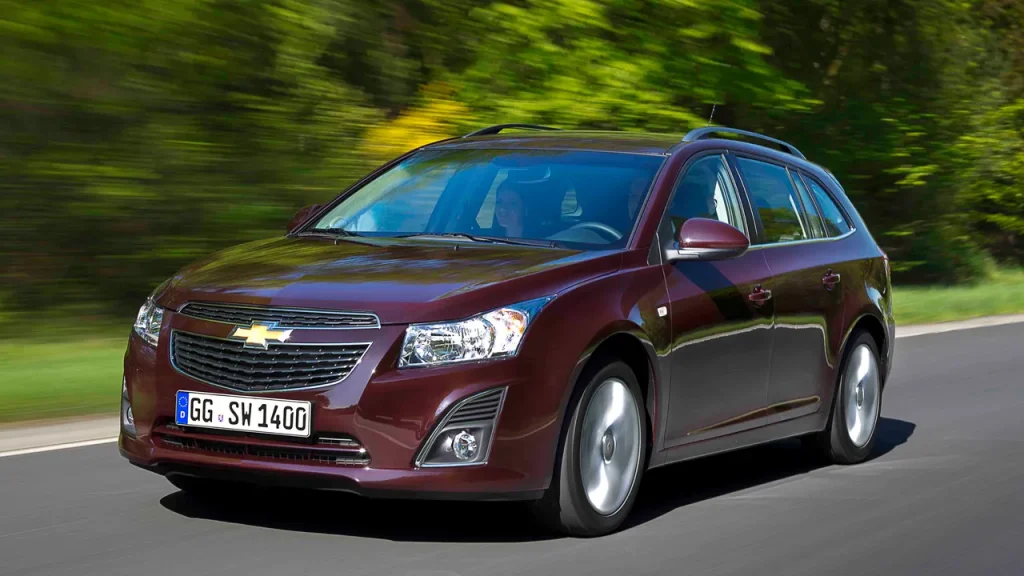
The Cruze can be an economical daily driver, but the frequency of warning lights gives it a reputation for being sensitive and sometimes unpredictable. Many owners report getting used to seeing at least one alert on the dashboard, which says a lot about how often the car asks for attention.
12. Nissan Altima (Mid 2010s Models)
The Nissan Altima from the mid 2010s offers comfort and strong fuel economy, yet it has become known for dashboard warnings that keep owners on edge. A major source of anxiety is the continuously variable transmission, which is closely monitored by sensors.
Transmission related warnings often appear as service transmission messages or check engine lights linked to temperature and pressure sensors. Even when the car still drives, these alerts make drivers worry about premature transmission failure, a repair that can be very costly.
Engine related warning lights are also common. Mass airflow sensors, camshaft position sensors, and emissions components can trigger check engine alerts without dramatic changes in performance. Because the car may still feel normal, owners are left unsure whether the issue is minor or serious.
Forward collision and driver assistance system warnings can appear due to dirty sensors, radar misalignment, or electrical glitches. These messages sometimes disable safety features temporarily, which adds another layer of stress for drivers who rely on those systems.
Battery and charging system alerts are another source of concern. Weak batteries or alternator issues can cause multiple warning lights across different systems. Because modern vehicles depend heavily on stable voltage, one electrical problem can create a dashboard full of symbols.
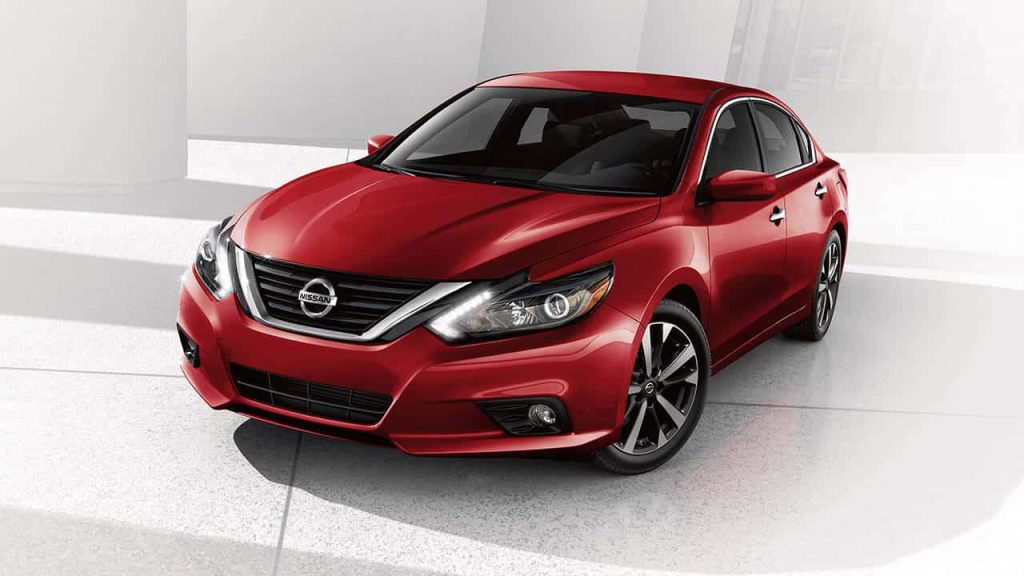
The Altima remains a practical sedan, but its tendency to display recurring warnings makes ownership feel uncertain. For many drivers, the instrument cluster becomes a constant reminder that another repair might be around the corner.
Also Read: 10 Daily-Driven SUVs That Are Shockingly Fun Behind the Wheel
