
Buying a cheap used car does not have to mean signing up for endless repairs and wallet draining surprises. Some vehicles are famous for drivetrains that just refuse to quit, even after years of neglect, high mileage, and less than perfect maintenance.
These cars earn their reputations the hard way, by surviving brutal commutes, rough roads, and owners who sometimes forget that oil changes are a thing.
For budget buyers, that kind of toughness matters more than fancy screens or sporty styling. A strong engine and transmission combo can keep a car on the road for hundreds of thousands of kilometers, turning what looks like an old beater into a dependable daily driver.
Parts are usually easy to find, mechanics know them well, and online forums are packed with advice from long time owners.
This list focuses on cars with truly durable drivetrains that can now be bought for very little money in the used market. These are not luxury showpieces or high performance machines. They are honest, hardworking vehicles built in an era when overengineering was common and complexity was still under control.
If you are shopping with a tight budget, these models give you the best shot at low ownership stress. Treat them with basic care and they will often outlast newer, more complicated cars that cost three times as much. Here are the first two legends of long lasting mechanicals.
Also Read: 12 Engines With Character You Can Hear and Feel
1. Toyota Corolla 2003 to 2008
The Toyota Corolla from this era is the definition of simple, durable transportation. Under the hood, most models use the 1.8 liter naturally aspirated four cylinder engine that has powered millions of Toyotas around the world. It is not fast or exciting, but it is known for running smoothly well past 300,000 kilometers with only routine maintenance.
One reason this drivetrain lasts so long is its conservative design. The engine is not highly stressed, the cooling system is straightforward, and there is plenty of room in the engine bay, which helps keep temperatures under control.
These motors are also tolerant of less than perfect driving habits, meaning occasional missed shifts or heavy city traffic rarely cause serious damage.
The transmissions are just as tough. The five speed manual is especially durable and can handle years of daily driving with little more than a clutch replacement at some point.
Even the automatic gearboxes in these cars have a strong reputation when the fluid is changed on schedule. They shift smoothly and are not known for catastrophic failures like many modern units.
Another big advantage is how easy the Corolla is to live with mechanically. Parts are cheap, widely available, and shared across many Toyota models. Any experienced mechanic can work on one without needing special tools or complex diagnostics. That keeps repair costs low, which is crucial when the car itself was inexpensive to buy.
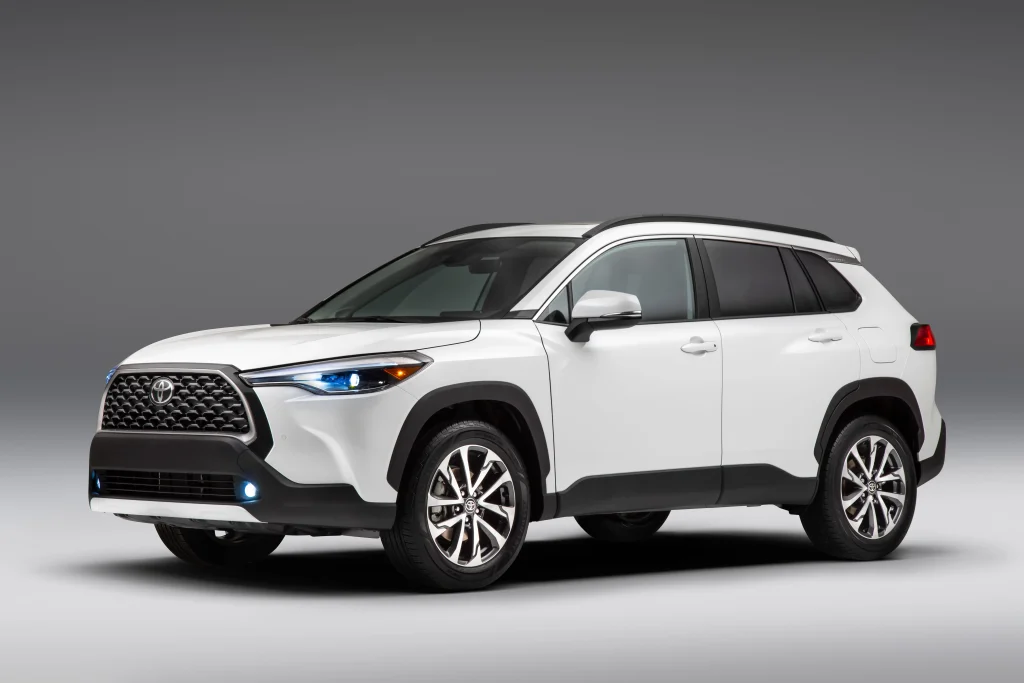
Rust and general wear may show up on high mileage examples, but the core engine and transmission often remain solid long after the body starts to age. For someone who just needs reliable, no drama transportation, this Corolla generation is one of the safest bets in the cheap car world.
2. Honda Civic 2006 to 2011
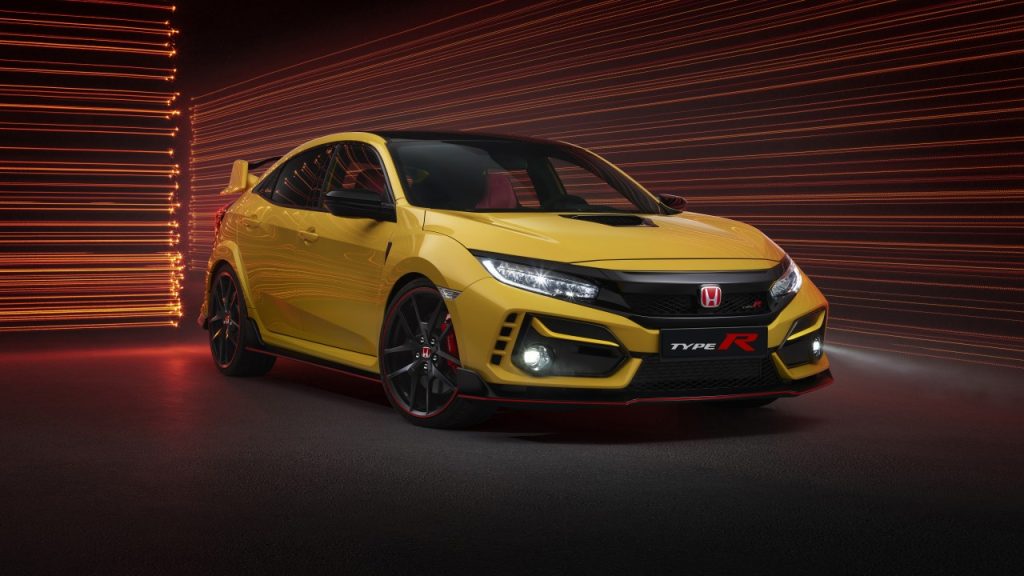
The Honda Civic from this period pairs modern enough comfort with an old school level of mechanical durability.
Most versions come with a 1.8 liter four cylinder engine that is famous for its smoothness, fuel efficiency, and ability to rack up huge mileage without internal issues. With regular oil changes, these engines routinely cross 300,000 kilometers.
Honda designed this engine with a strong bottom end and a timing chain instead of a belt, which removes one major maintenance item.
The chain is built to last the life of the engine in most cases, reducing the risk of expensive failure. The engine also runs at relatively low stress levels in normal driving, which helps preserve internal components over time.
Transmission choices also contribute to the Civic’s bulletproof reputation. The manual gearbox is light, precise, and extremely long lasting if not abused.
The automatic transmission, while not sporty, is generally dependable when fluid changes are done on time. Major failures are far less common than in many other compact cars from the same years.
Another reason this drivetrain holds up so well is how well balanced the entire car feels. The Civic is not overly heavy, so the engine and transmission are not constantly strained. Cooling systems, mounts, and supporting components also tend to last, meaning you are not chasing one breakdown after another.
Because so many Civics were sold worldwide, parts availability is excellent and prices are low. Mechanics know these cars inside out, and there is a massive knowledge base online for troubleshooting.
For a budget buyer who wants a small, efficient car with a drivetrain that just keeps going, this generation Civic is an easy recommendation.
3. Toyota Camry 1997 to 2001
The late 1990s and early 2000s Toyota Camry is one of those cars that mechanics quietly recommend when someone asks for maximum reliability on a tiny budget.
These sedans were built during a time when Toyota prioritized long term durability over flashy design or cutting edge features. The result is a drivetrain that can take years of use without major internal drama.
Most models from this generation came with either a 2.2 liter four cylinder or a 3.0 liter V6. Both engines have excellent reputations, but the four cylinder is especially known for its ability to run almost forever with basic care.
These motors are understressed, meaning they do not produce huge power for their size, which helps internal parts last longer. Oil leaks can appear with age, but catastrophic engine failures are rare.
The automatic transmissions paired with these engines are also impressively tough. They are conventional units without overly complex electronics, and they respond well to regular fluid changes. Many examples have crossed 400,000 kilometers on their original gearbox. The manual versions, though less common, are even more durable when driven properly.
Another factor in the Camry’s favor is how well everything around the drivetrain holds up. Engine mounts, cooling systems, and accessory components tend to age slowly compared to many rivals.
That means fewer secondary issues that can sideline a cheap car. When something does need attention, parts are widely available and not expensive.
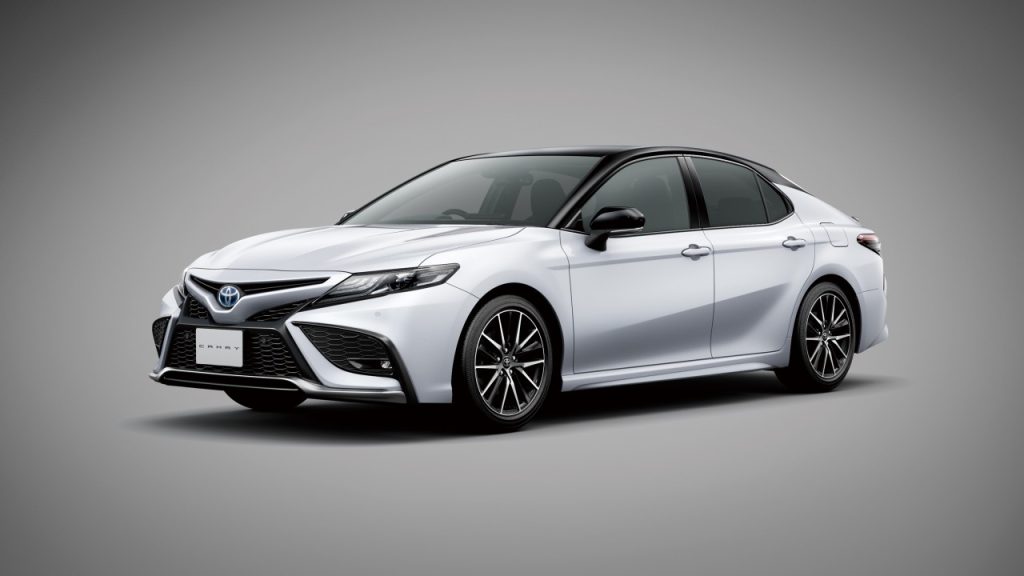
These Camrys also benefit from being extremely common. That popularity means a huge supply of used parts and plenty of mechanics who know exactly how to work on them. For someone who just wants a comfortable sedan with a drivetrain that refuses to give up, this era of Camry is one of the smartest low cost choices on the road.
4. Ford Crown Victoria 1998 to 2011
The Ford Motor Company Crown Victoria is famous for police fleets and taxi duty, and there is a good reason so many high stress operators trusted it. Under the hood sits a 4.6 liter V8 that was designed for durability first and performance second. It is not especially fast by modern standards, but it is built like a truck engine and regularly survives extreme mileage.
This V8 uses a simple, proven design with a strong iron block and conservative tuning. It does not run at high stress levels, and it handles long hours of idling and stop and go driving with little complaint.
Many former police cars show 500,000 kilometers or more on the original engine. Basic maintenance like oil changes and cooling system care is usually enough to keep it happy.
The automatic transmission in these cars is also known for toughness, especially in later years when updates improved durability. These gearboxes were built to handle the demands of pursuit driving and heavy city use. While they are not quick shifting or sporty, they are resilient and relatively inexpensive to rebuild if ever needed.
Body on frame construction adds another layer of longevity. The drivetrain components are mounted in a way that can better handle rough roads and minor impacts without stressing the engine and transmission. This design also makes certain repairs easier compared to tightly packaged modern sedans.
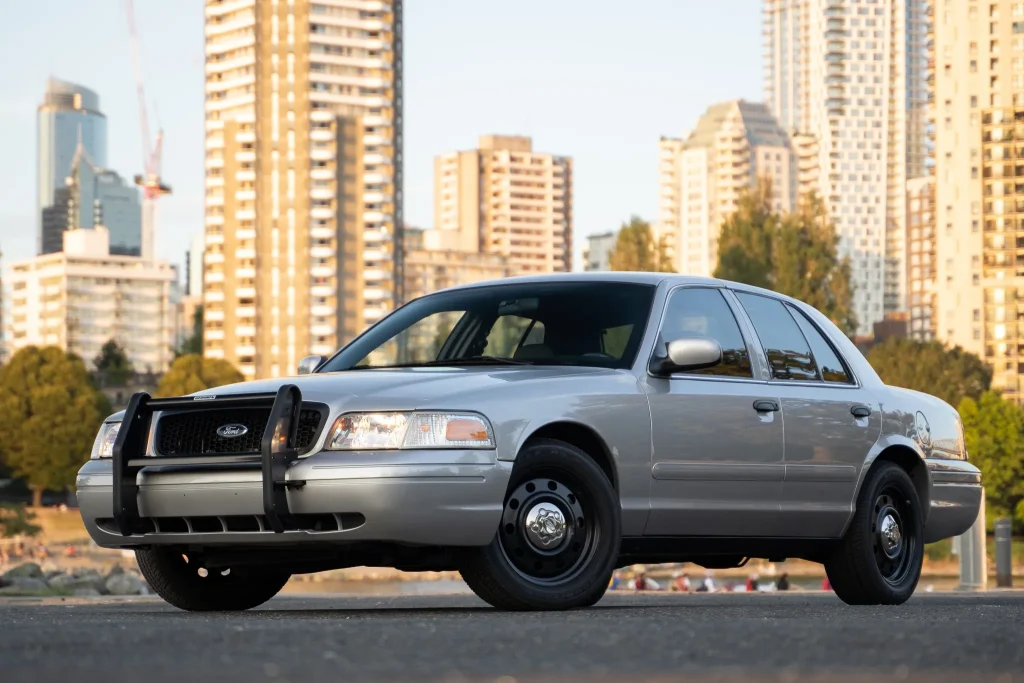
Because so many Crown Victorias were used in fleets, parts are plentiful and cheap. There is a deep knowledge base among mechanics who have worked on these cars for years.
If you want a large, comfortable sedan with a drivetrain that has already proven it can survive hard service, the Crown Victoria is a serious bargain in the used market.
5. Honda Accord 2003 to 2007
The early 2000s Honda Accord strikes a sweet spot between modern comfort and old school mechanical toughness. These cars were built before excessive turbocharging and complicated electronics became common, which helps their drivetrains age more gracefully than many newer sedans in the same price range today.
The most dependable choice here is the 2.4 liter four cylinder engine. It delivers solid power while remaining understressed, and it is known for reaching very high mileage with only routine maintenance.
Regular oil changes and occasional valve adjustments are usually enough to keep it running smoothly for years. Serious internal failures are uncommon unless the engine has been badly neglected.
Manual transmission models are especially long lasting, with gearboxes that can handle daily use for hundreds of thousands of kilometers. The automatic transmission in four cylinder versions is also fairly durable compared to many rivals of the era. When fluid is changed on schedule, these automatics often provide long, trouble free service.
Another strength of this Accord is how well the supporting systems hold up. Cooling systems, engine mounts, and accessory components tend to last a long time, reducing the number of unexpected breakdowns. That kind of overall durability is important when buying an older, inexpensive car where every repair matters financially.
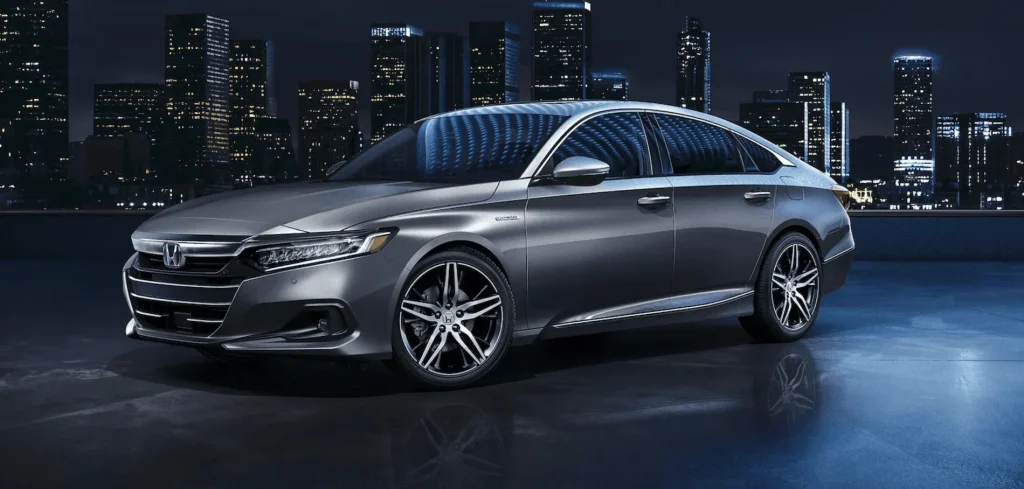
Parts availability is excellent thanks to the Accord’s global popularity. Mechanics are very familiar with these cars, and used parts are easy to find. For buyers who want a roomy, comfortable sedan with a drivetrain that has a long track record of reliability, this generation Accord is a very safe and sensible bet.
6. Lexus LS400 1998 to 2000
The Lexus LS400 from the late 1990s proves that luxury and durability can exist in the same package. This flagship sedan was engineered with extremely high standards, and its drivetrain was overbuilt in a way that few modern luxury cars can match. Even today, many examples are still running smoothly with very high mileage.
At the heart of the LS400 is a 4.0 liter V8 that is famous for its smoothness and strength. The engine uses high quality internal components and conservative tuning, which helps it last an incredibly long time.
It is not unusual to see these motors pass 500,000 kilometers with proper maintenance. Oil consumption and major internal failures are relatively rare compared to many other luxury V8s.
The automatic transmission paired with this engine is also known for longevity. It was designed to handle the V8’s power with ease, and when serviced regularly, it tends to deliver many years of reliable operation. Shifts are smooth and refined, matching the car’s luxury character while still being mechanically tough.
Another reason the LS400 drivetrain holds up so well is the overall engineering of the car. Cooling systems, electronics related to the engine, and supporting hardware were built to high standards. While age related issues can appear in other areas like suspension or interior electronics, the core engine and transmission are often the last things to give trouble.
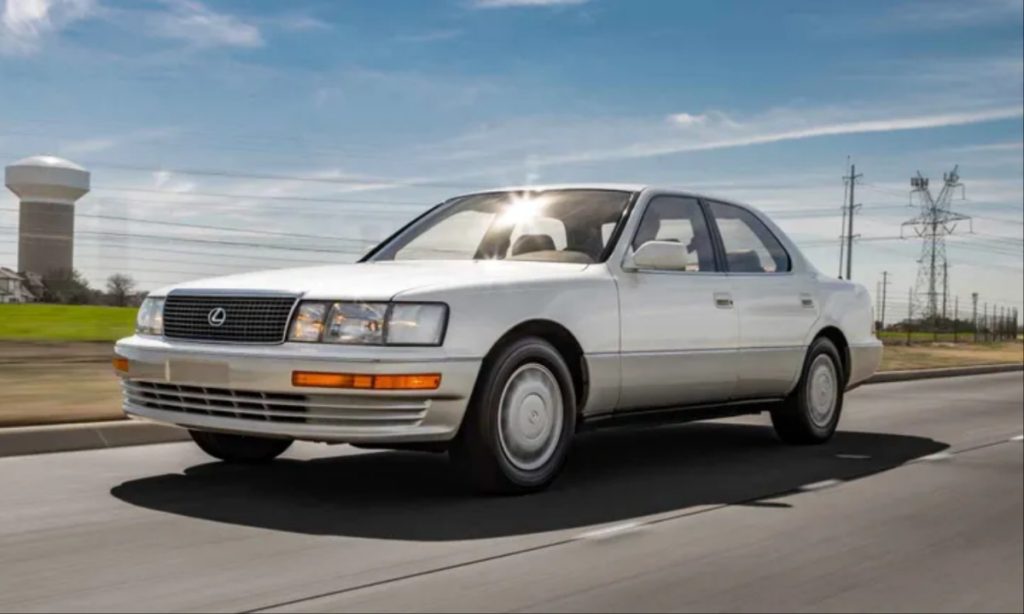
Used prices for the LS400 can be surprisingly low because of its age and luxury badge. That makes it an appealing option for buyers who want a quiet, comfortable sedan with a truly durable drivetrain at a bargain price. Properly maintained, this Lexus can feel like a high end car long after many cheaper vehicles have worn out.
7. Mazda MX 5 Miata 1990 to 1997
The first generation MX 5 Miata from Mazda Motor Corporation is proof that a simple sports car can also be extremely durable. While many performance cars become money pits as they age, the Miata’s lightweight design and straightforward drivetrain help it stay reliable even with high mileage.
Most models from this era use a small naturally aspirated four cylinder engine that is known for its toughness. These engines are not highly stressed, and the car’s low weight means they do not have to work hard in normal driving. With regular oil changes and cooling system care, many have crossed huge mileage without needing major internal repairs.
The manual transmission is another highlight. It is widely praised for its precise feel, but it is also very long lasting. Because the engine does not produce massive torque, the gearbox is rarely overstressed. Clutches wear out eventually like any manual car, but the transmission itself often lasts the life of the vehicle.
Rear wheel drive sports cars are sometimes associated with hard use, but the Miata’s balanced nature actually helps preserve its drivetrain. It is more about momentum and handling than brute force, which means fewer shock loads on internal components. Even spirited driving usually does not translate into constant mechanical failures.
Parts availability is strong thanks to the Miata’s global popularity and long production run. Many components are shared across years, and there is huge aftermarket support. That keeps repair costs reasonable, which is important when buying an older budget sports car.
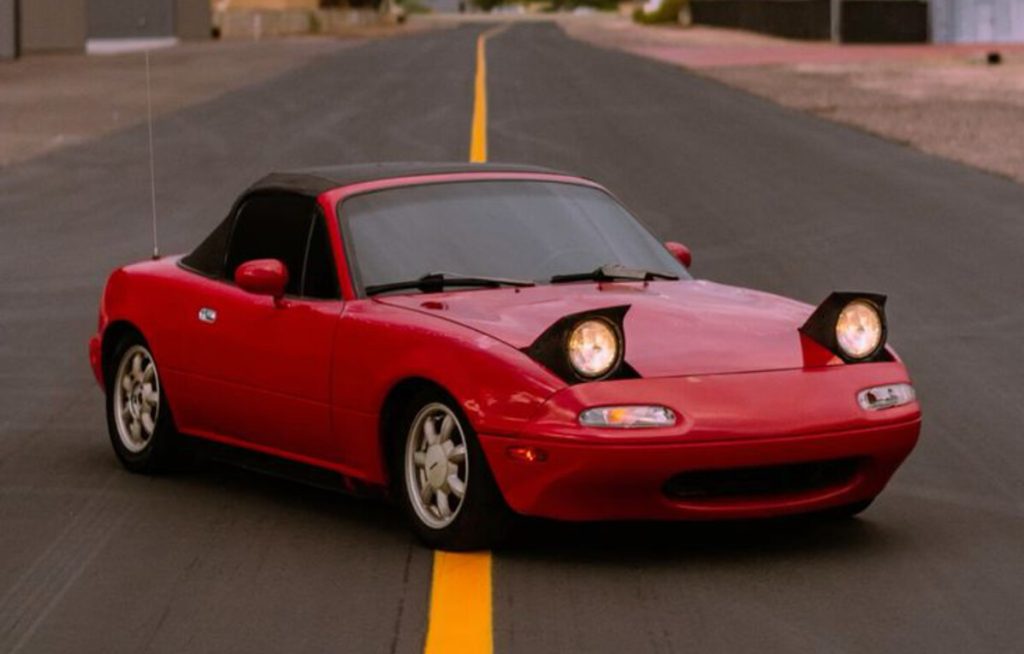
Rust and cosmetic wear can be issues depending on climate, but the core engine and transmission are famously resilient. For buyers who want an affordable, fun car that will not constantly break down, the early Miata offers one of the most reliable drivetrains in the used sports car world.
8. Buick LeSabre 2000 to 2005
The early 2000s Buick LeSabre equipped with the 3.8 liter V6 is one of the most underrated durable cars on the used market. Built under General Motors, this large sedan combines old school engineering with a drivetrain that has proven itself over decades of service in many different models.
The star of the show is the 3800 series V6 engine. This motor is widely regarded as one of the most reliable engines GM ever produced. It uses a simple pushrod design, strong internal components, and conservative tuning. With routine oil changes and basic maintenance, it is common to see these engines run well past 400,000 kilometers.
The automatic transmission paired with this engine is also known for solid durability when serviced properly. It is not designed for aggressive driving, but in normal commuting and highway use it tends to deliver long, dependable service. Fluid changes at reasonable intervals make a big difference in keeping it healthy.
Because the LeSabre is a full size front wheel drive sedan, the drivetrain is not heavily stressed in daily use. The engine has plenty of torque for relaxed driving, so it rarely has to work hard. That low stress operation helps extend the life of both the engine and the transmission over time.
Another advantage is how inexpensive these cars are to maintain. Parts are widely available and relatively cheap, and many independent mechanics are very familiar with this engine family. Repairs are usually straightforward, which keeps labor costs under control for budget owners.
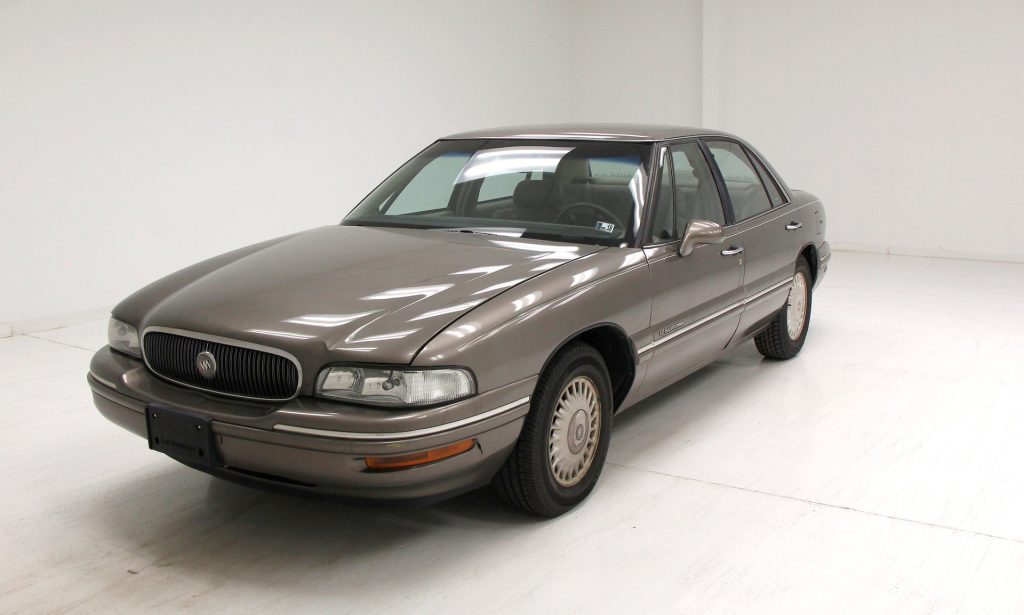
While the styling and interior may feel dated, the mechanicals are the real selling point. For someone who wants a comfortable, affordable car with a drivetrain that has a long reputation for toughness, the LeSabre with the 3800 V6 is a smart and often overlooked choice.
9. Toyota Tacoma 1998 to 2004
The late 1990s and early 2000s Toyota Tacoma has built a near legendary reputation for drivetrain durability. These compact trucks were designed to handle hard work, rough roads, and years of use without developing major mechanical issues. Even high mileage examples are often still running strong today.
Most Tacomas from this era came with either a 2.4 liter or 2.7 liter four cylinder engine, both known for their toughness. These engines are not high performance units, but they are extremely durable when given basic maintenance.
Their simple design and strong internal components help them survive hundreds of thousands of kilometers in both city driving and off road conditions.
The manual transmissions in these trucks are especially long lasting. They are built to handle hauling and light towing, so normal daily driving barely stresses them.
Automatic versions are also generally reliable, particularly when transmission fluid is changed regularly. Major failures are far less common than in many newer trucks with more complex gearboxes.
Another reason the Tacoma drivetrain lasts so long is the truck’s body on frame construction. This setup helps isolate drivetrain components from harsh impacts and twisting forces when driving over uneven terrain. That added toughness benefits the engine, transmission, and driveline parts over the long term.
Because Tacomas are so popular, parts are widely available and there is a large knowledge base among mechanics and owners.
Used and aftermarket components are easy to find, keeping repair costs manageable. Rust can be an issue in some climates, but the core drivetrain often keeps going long after the body shows its age.
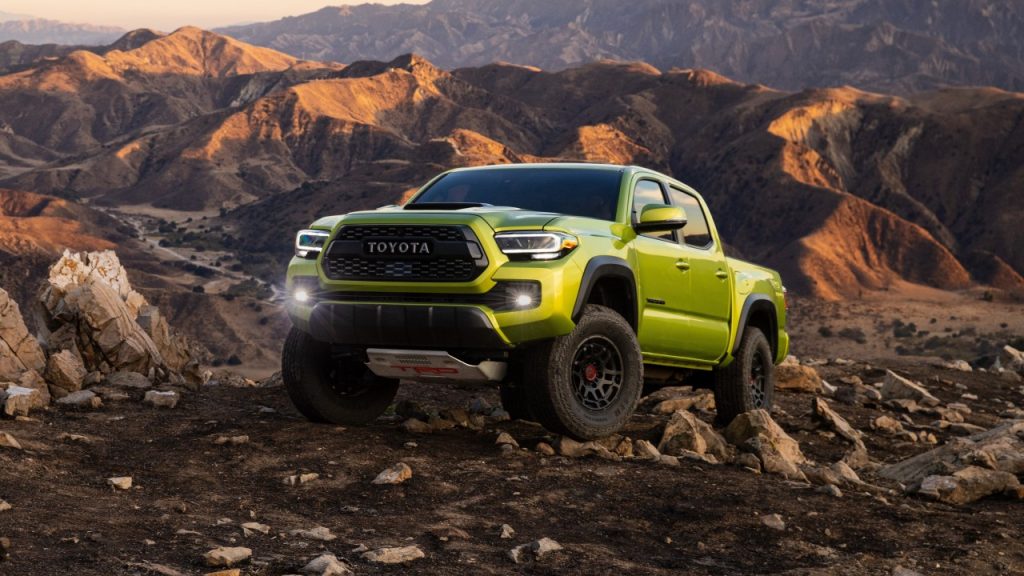
For buyers who want a small pickup that can handle daily use, occasional heavy loads, and years of ownership without constant breakdowns, this generation Tacoma is one of the most dependable low cost choices around.
10. Subaru Outback 2005 to 2009
The mid 2000s Subaru Outback with the naturally aspirated engine offers a strong mix of all weather capability and drivetrain longevity. Built by Subaru, these wagons are known for their symmetrical all wheel drive systems and engines that can last a long time when properly maintained.
The 2.5 liter flat four engine in these Outbacks is not perfect, but when cared for it can deliver very high mileage. Regular oil changes, cooling system maintenance, and attention to head gasket condition are key. Many owners who stay on top of these items report engines that run reliably for years without major internal damage.
Manual transmission models are generally more durable than the automatic versions, though both can last well with proper service. The all wheel drive system is mechanical and robust, designed to handle slippery roads and light off road use without placing extreme strain on the transmission.
One reason these drivetrains hold up is that the Outback is not an especially heavy vehicle, so the engine and gearbox are not constantly overworked. The power output is modest, which also helps reduce stress on internal components during everyday driving.
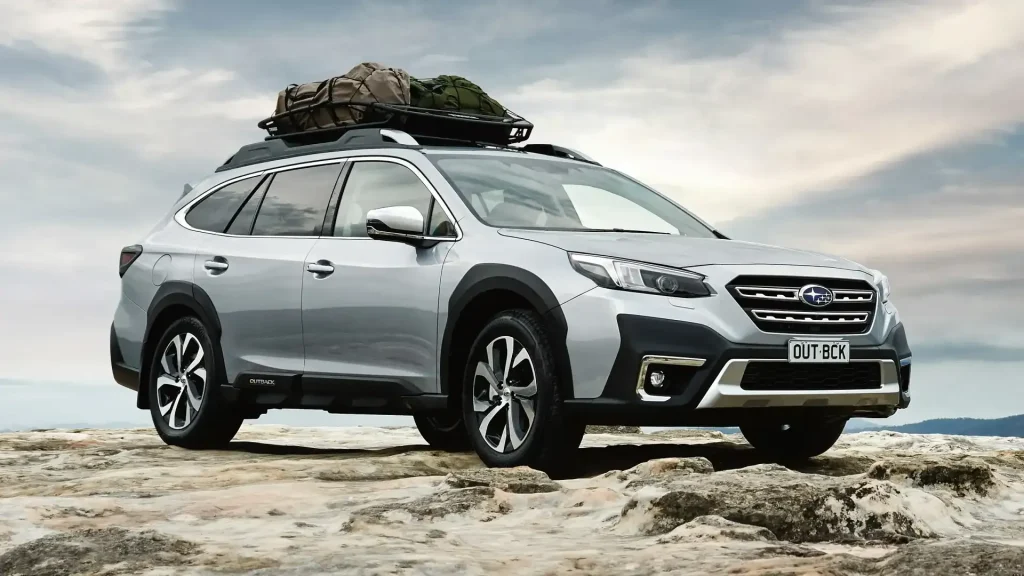
Parts availability is good, and many independent shops are familiar with Subaru’s boxer engines. While some repairs can be more involved than on a basic front wheel drive sedan, the core drivetrain can still be very durable when maintained properly.
For buyers who need all weather traction and wagon practicality on a tight budget, the Outback offers a drivetrain that can go the distance with the right care.
11. Chevrolet Silverado 1500 1999 to 2006
The early 2000s Chevrolet Silverado 1500 is a full size truck with a drivetrain that has earned a reputation for serious longevity. Built by General Motors, these trucks were designed for work, and many are still on the road today with very high mileage on their original engines and transmissions.
The most dependable engines in this generation are the V8 units from the LS family, especially the 4.8 liter and 5.3 liter versions.
These engines are known for their strong iron blocks, simple pushrod design, and ability to handle heavy use. With routine oil changes and cooling system care, they often run for hundreds of thousands of kilometers without needing internal rebuilds.
The automatic transmissions paired with these engines are also generally durable when maintained. They were built to handle towing and hauling, so normal commuting does not place much strain on them. Fluid changes at proper intervals are important, but when cared for, these gearboxes can provide many years of dependable service.
Because the Silverado is a body on frame truck, the drivetrain is mounted in a way that can better absorb rough road conditions and heavy loads. This helps protect major mechanical components over time, especially for owners who use the truck for light work or occasional towing.
Parts for these trucks are widely available and relatively affordable due to the huge number sold. Many mechanics are very familiar with the LS engines and associated transmissions, which keeps repair and maintenance straightforward. Even used parts are easy to find, making long term ownership more affordable.
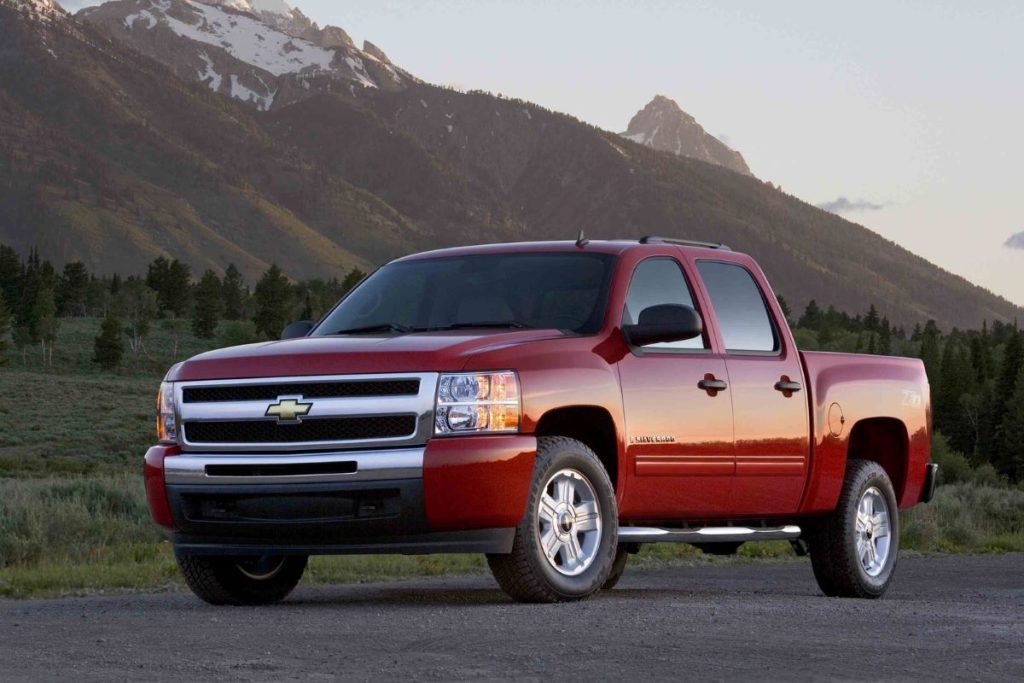
While fuel economy is not great and interiors can feel basic, the core mechanicals are the main attraction. For buyers who need a tough, inexpensive truck with a drivetrain that can handle years of hard use, this Silverado generation is a strong and proven option.
12. Mercedes Benz W123 1976 to 1985
The classic W123 series from Mercedes-Benz is legendary for durability, especially in its diesel versions. These cars were engineered in an era when the brand prioritized longevity above almost everything else, and their drivetrains reflect that philosophy in a big way.
The diesel engines offered in the W123 are famous for their extreme lifespan. They are low stressed, built with heavy duty internal components, and designed to run reliably for enormous distances. It is not unusual to find examples that have covered well over half a million kilometers while still operating on their original engines.
The automatic transmissions paired with these engines are also known for toughness. They shift slowly compared to modern gearboxes, but they are built to last and can handle years of steady driving. Manual versions, where available, are even simpler and often extremely durable when treated properly.
Another reason these drivetrains hold up so well is the overall build quality of the car. Cooling systems, fuel systems, and supporting hardware were designed with long service life in mind. While age related wear will affect suspension, rubber components, and interiors, the core mechanical pieces often remain impressively solid.
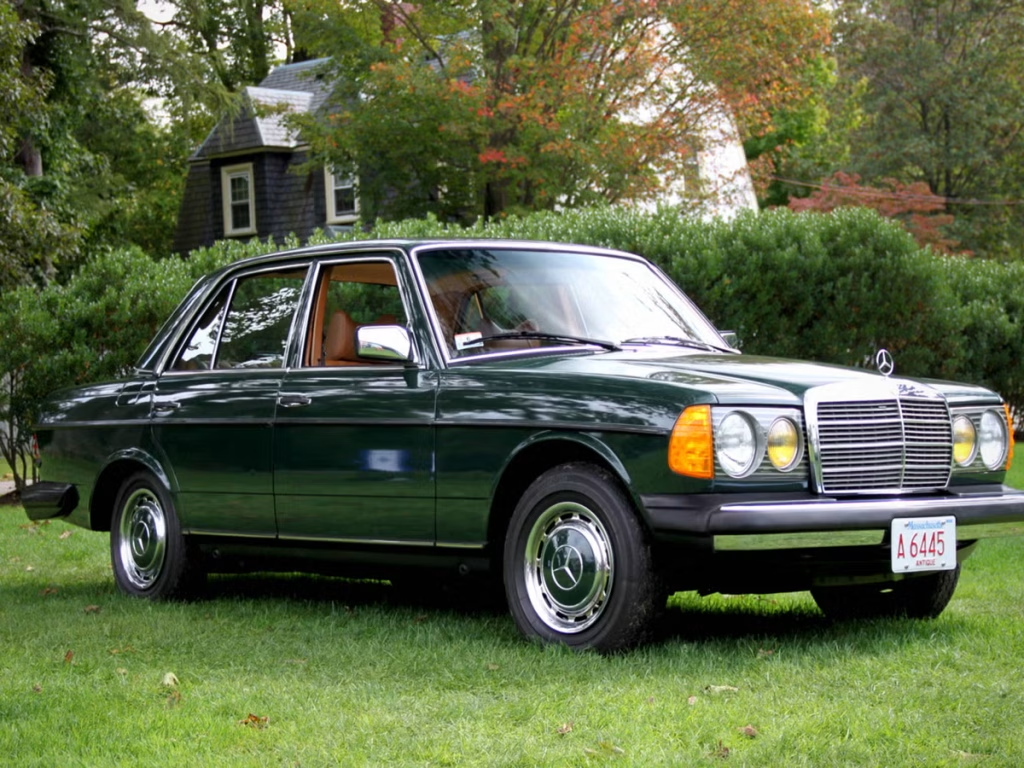
Owning a W123 does require a willingness to deal with an older vehicle, and parts can sometimes be more expensive than for a basic economy car.
However, there is strong enthusiast support and a good supply of specialist knowledge. For buyers who appreciate classic engineering and want a car with one of the most durable drivetrains ever made, the W123 stands in a class of its own.
