
Older electric vehicles often get overlooked as battery technology and driving range continue to improve in newer models. Many buyers assume that early EVs are outdated, impractical, or too limited to be useful today.
While that can be true for long highway trips, it is a very different story for short daily commutes, school runs, and local errands where extreme range is simply not necessary.
For drivers who travel modest distances each day, an older EV can still make excellent financial and practical sense. These cars are usually far cheaper to buy on the used market than newer electric models, yet they still offer the main benefits people want from an EV.
Quiet operation, smooth acceleration, low running costs, and freedom from fuel station visits all remain part of the experience. Charging overnight at home can easily cover the needs of a short commute.
Maintenance is another big advantage. Electric drivetrains have far fewer moving parts than traditional gasoline engines, which means less routine servicing and fewer mechanical failures.
Even in older EVs, components such as electric motors and single speed transmissions tend to be very durable. While battery degradation is a factor, many early EVs still retain enough real world range to handle daily urban driving comfortably.
This list looks at ten older electric vehicles that still work well as practical city and suburban commuters. They may not suit long road trips, but for predictable, shorter routes, these EVs can deliver dependable, affordable, and surprisingly enjoyable transportation years after they first went on sale.
Also Read: 10 Sedans Ruined by One Terrible Design Decision
1. Nissan Leaf 2011 to 2015
The early Nissan Leaf was one of the first mass market electric cars, and it remains one of the most common used EVs today. While its original range figures were modest even when new, it can still be a very practical choice for short commutes and city driving where daily distances are limited.
Most Leafs from this era offered an official range that was suitable for urban use, and even with some battery degradation, many examples still provide enough real world distance for daily errands, work trips, and school runs. For drivers covering perhaps 30 to 60 kilometers per day, an older Leaf can often handle the job comfortably with overnight home charging.
The driving experience is well suited to city life. Instant electric torque makes the car feel quick at low speeds, and the compact size helps with parking and navigating tight streets. The smooth, quiet operation is also a big benefit in stop and go traffic, where traditional engines can feel noisy and inefficient.
Mechanically, the Leaf is quite simple. The electric motor and single speed transmission are known for durability, and there are no oil changes, spark plugs, or exhaust systems to worry about. This reduces routine maintenance costs and makes ownership more predictable, especially for budget conscious buyers.
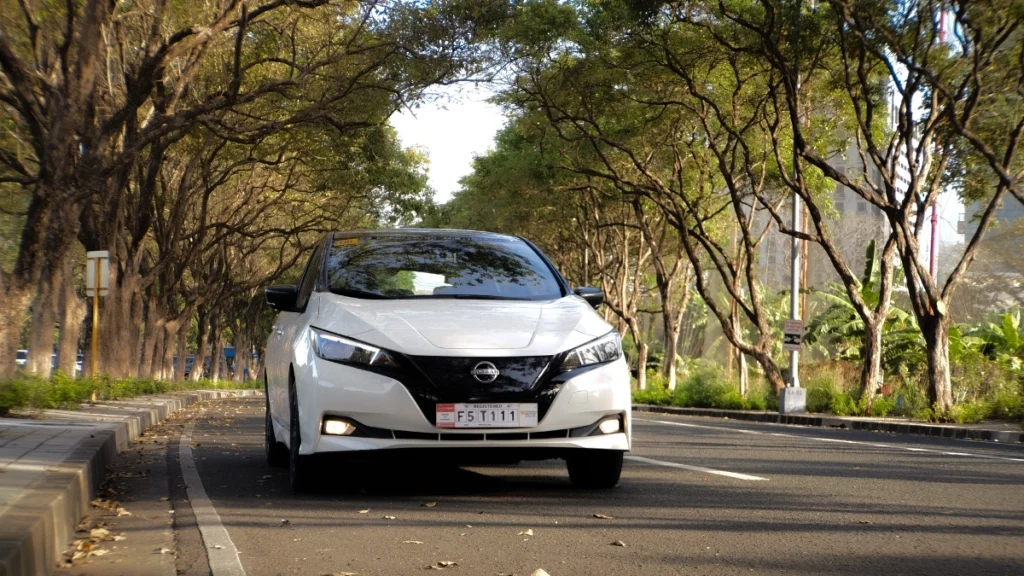
Battery health is the main consideration with early Leafs, since they used air cooled battery packs that can degrade faster in hot climates.
However, many cars still retain enough usable capacity for short daily use. Checking battery condition before purchase is important, but a well preserved example can still serve reliably as a commuter.
Because so many Leafs were sold worldwide, parts and knowledge are widely available. For someone seeking a low cost electric car for short, predictable trips, the early Leaf remains one of the most accessible and practical options on the used market.
2. Chevrolet Spark EV 2014 to 2016
The Chevrolet Spark EV, built by General Motors, is a small electric hatchback that works surprisingly well for short distance commuting. Although it was sold in limited markets and numbers, it developed a reputation for lively performance and a solid electric drivetrain that still makes sense for local use today.
One of the Spark EV’s standout traits is its strong low speed acceleration. The electric motor delivers quick response in city traffic, making it easy to merge, change lanes, and move through crowded streets. For urban commuters, this responsive feel can make daily driving more enjoyable than many small gasoline cars.
Its compact size is another advantage. The Spark EV is easy to park and maneuver in tight urban environments where larger vehicles can be cumbersome. Despite its small footprint, it still offers usable interior space for a couple of passengers and everyday cargo like groceries or work bags.
Range was limited compared to modern EVs, but for short commutes it can still be sufficient. Many drivers with predictable daily routes find that overnight charging at home easily restores the battery to a level that covers their needs. As with any older EV, real world range depends on battery condition, driving style, and climate.
From a maintenance perspective, the Spark EV benefits from the simplicity common to electric cars. The motor and reduction gear system are generally durable, and there are fewer wear items than in a conventional car. Brake components can also last longer thanks to regenerative braking that reduces reliance on friction brakes.
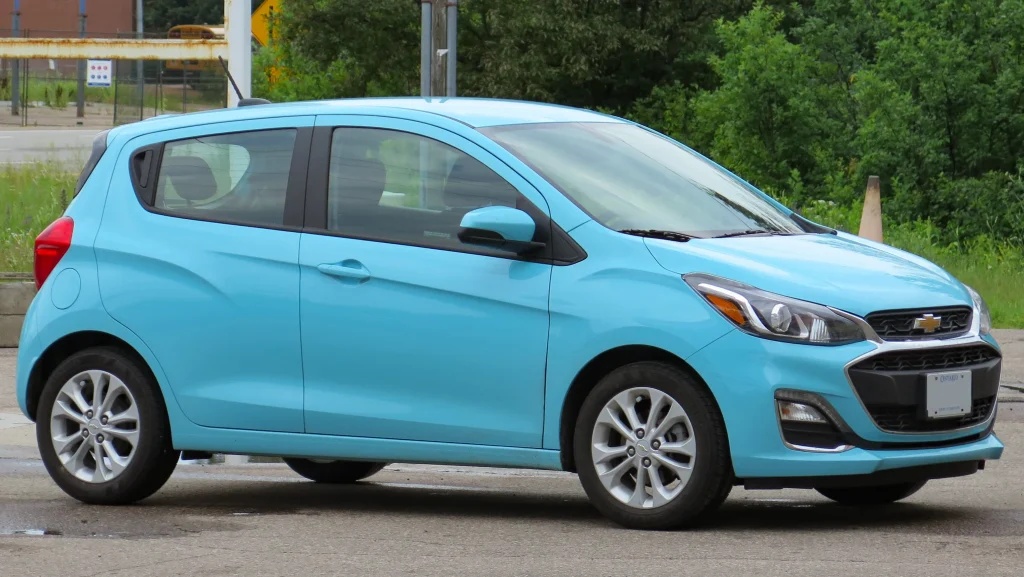
While it may not suit long distance travel, the Spark EV’s combination of compact size, punchy city performance, and low running costs makes it a sensible and affordable option for short, routine commutes in urban and suburban settings.
3. BMW i3 2014 to 2018 Battery Electric
The battery electric version of the BMW i3 remains one of the most distinctive and forward thinking small EVs from the early wave of modern electrification. Its unusual design and lightweight construction make it especially well suited to short urban commutes where efficiency and maneuverability matter more than long highway range.
One of the i3’s biggest advantages is its carbon fiber reinforced structure, which keeps weight low compared to many other electric cars. Lower weight means the electric motor does not have to work as hard, helping preserve range for city driving. Even with some battery aging, many examples still offer enough real world distance for daily trips to work, shops, or school.
The i3’s instant torque gives it quick, lively acceleration at low speeds, which is perfect for urban traffic. Its tight turning circle and compact dimensions make parking and navigating narrow streets easier than in larger vehicles. These traits help reduce daily stress for drivers who spend most of their time in crowded environments.
Inside, the cabin feels modern and airy, with a high seating position that gives good visibility. For short commutes, comfort and ease of use matter more than maximum cargo capacity, and the i3 delivers a pleasant, high tech feel without being overly complicated to operate.
Maintenance needs are generally low thanks to the simplicity of the electric drivetrain. There are no oil changes or complex exhaust systems, and regenerative braking helps extend the life of traditional brake components. As with all older EVs, battery condition should be checked, but many i3s still perform well for local use.
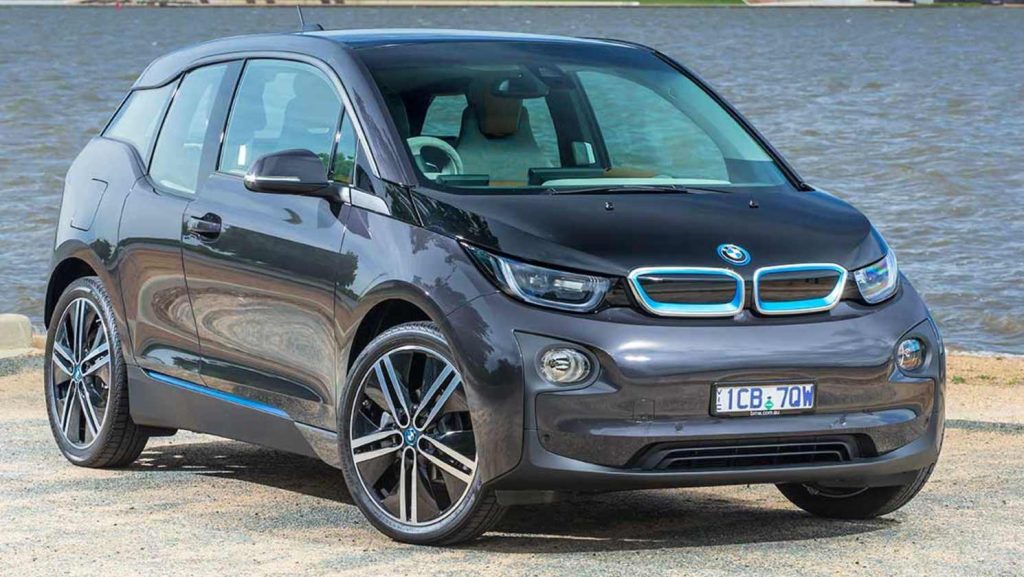
For drivers who want something a little different that still works well for everyday short trips, the i3 stands out as a stylish and practical older EV that continues to make sense in city and suburban life.
4. Ford Focus Electric 2012 to 2016
The Ford Motor Company Focus Electric takes a familiar compact hatchback and replaces the gasoline engine with a fully electric drivetrain. That familiar shape and driving feel make it an easy transition for drivers who want an EV experience without learning an entirely new type of vehicle.
Range is modest by modern standards, but for short commutes and local errands it can still be entirely adequate. Many owners find that overnight home charging easily covers their daily needs, especially if their routine driving stays within city or suburban distances. As with any older EV, real world usability depends heavily on battery health.
The Focus Electric retains much of the standard Focus interior and driving character. It feels stable and comfortable on regular roads, and its suspension tuning suits everyday use well. For people who do not need a large vehicle but want more space than a tiny city car, this model hits a practical middle ground.
Electric power delivery is smooth and quiet, which enhances comfort in stop and go traffic. Instant torque at low speeds helps the car feel responsive around town, even though it is not designed for sporty driving. This easygoing character fits well with the needs of short daily commutes.
Maintenance is relatively straightforward compared to a gasoline car. With no engine oil, timing belts, or complex emissions systems, routine service mainly involves tires, brakes, and general inspections. Regenerative braking can also help extend the life of brake pads and rotors.
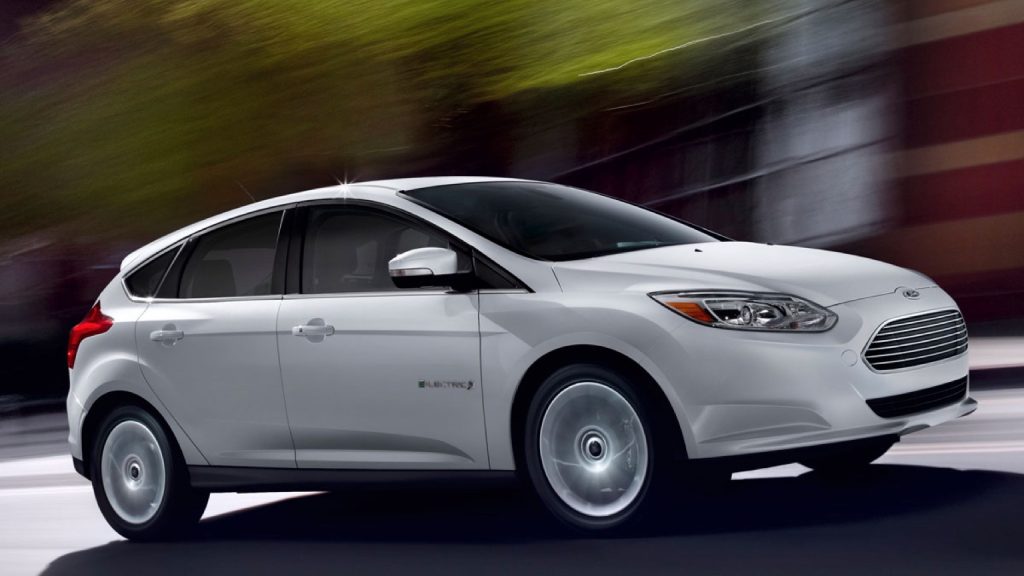
While it may not be ideal for long trips due to limited range and slower charging compared to newer EVs, the Focus Electric remains a sensible option for drivers with predictable, shorter routes who want affordable electric mobility in a familiar compact package.
5. Volkswagen e Golf 2015 to 2019
The electric version of the Volkswagen Golf blends familiar hatchback practicality with a smooth and quiet electric drivetrain. For drivers who want an older EV that still feels like a normal car, the e Golf stands out as a comfortable and easy choice for short daily commutes.
One of the biggest strengths of the e Golf is how naturally it drives. Unlike some early EVs that felt experimental, this car behaves much like a regular Golf, just without engine noise or gear shifts. That familiarity can make the transition to electric driving much easier for people who are not interested in radical design or unusual controls.
Range varies by model year, with later versions offering a noticeable improvement. Even so, the e Golf is best suited to shorter routes where daily distances are predictable. For many commuters traveling within a city or suburb, overnight charging at home is more than enough to keep the car ready for the next day.
The electric motor provides smooth and responsive acceleration at low and medium speeds, which is ideal for urban traffic. The car’s compact size also helps with parking and maneuvering in tight spaces. Combined with the Golf’s practical hatchback layout, this makes it useful for errands as well as commuting.
Maintenance needs are modest thanks to the simplicity of the electric drivetrain. There are no oil changes or complex exhaust systems, and regenerative braking helps reduce wear on traditional brake components. Routine care mainly involves tires, suspension, and general inspections.
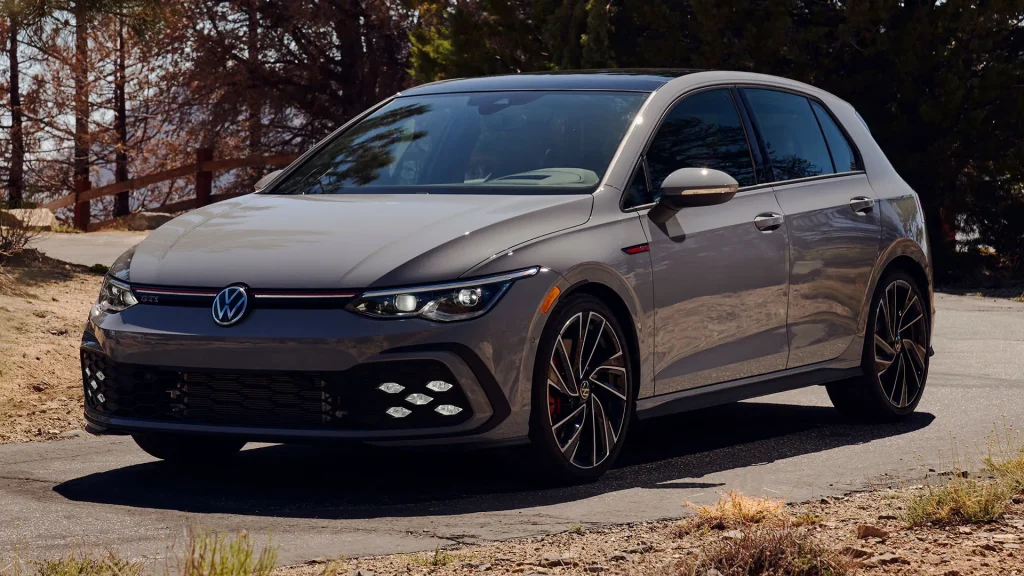
Because it is based on a well known platform, parts and service knowledge are relatively easy to find. For drivers who want a practical, comfortable older EV that fits seamlessly into everyday life, the e Golf remains a strong option for short and predictable trips.
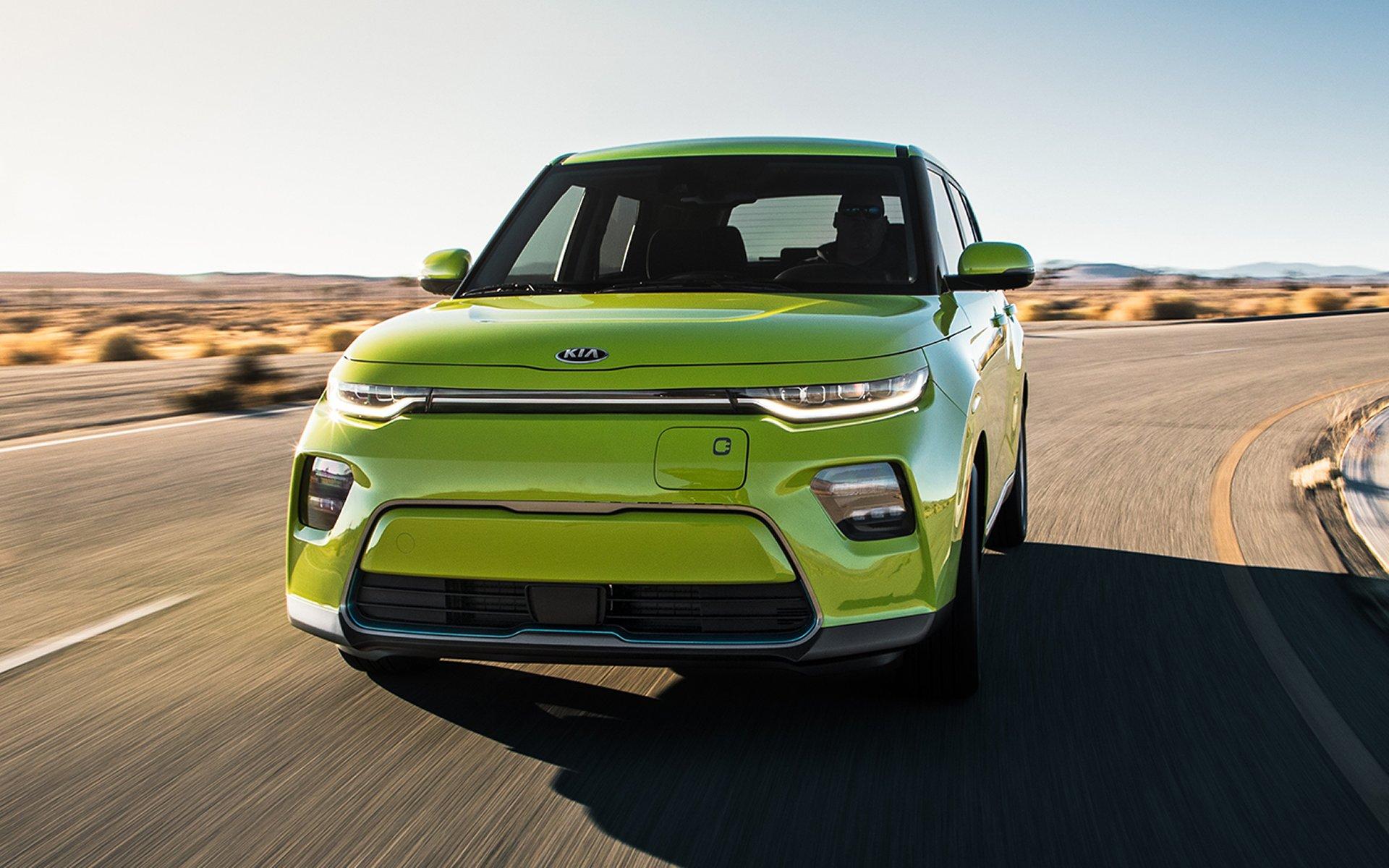
6. Kia Soul EV 2015 to 2019
The first generation electric Kia Soul EV offers a distinctive shape, practical interior, and a fully electric drivetrain that still works well for short commutes. Its tall body design makes it feel roomier inside than many small cars, which adds to its appeal as an everyday urban vehicle.
Range is limited compared to modern EVs, but for drivers with modest daily travel needs it can still be sufficient.
Many owners find that charging at home overnight easily restores the battery to a level that covers their commute and local errands. As always with older electric cars, battery condition plays a big role in real world usability.
The Soul EV’s electric motor delivers smooth, quiet power that suits city and suburban driving. Instant torque at low speeds helps the car feel responsive in traffic, and the elevated seating position gives good visibility, which can make daily driving more comfortable and less tiring.
Interior space is another plus. The boxy shape allows for good headroom and flexible cargo capacity, making the car practical for shopping trips and carrying everyday items. For people who want something small but still versatile, the Soul EV hits a useful balance.
Maintenance is relatively simple. Without a gasoline engine, there are fewer fluids and mechanical parts to service. Regenerative braking helps reduce wear on brake components, and routine upkeep focuses on suspension, tires, and general inspections. This can help keep ownership costs manageable over time.
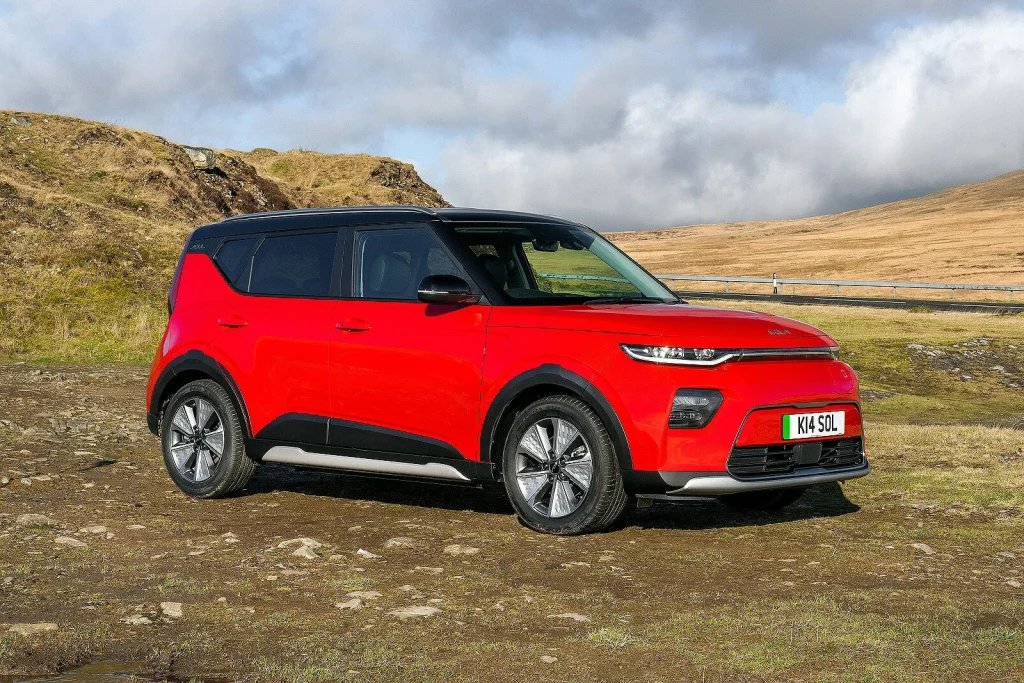
For commuters who want an affordable older EV with a bit more space and personality than a typical small hatchback, the Soul EV remains a sensible and practical option for short, regular journeys.
7. Fiat 500e 2013 to 2019
The electric version of the Fiat 500 is a small city car that works surprisingly well as a short range commuter. Originally offered in limited markets, it developed a strong following among drivers who needed an affordable and efficient vehicle for daily urban travel. Its compact size and simple electric drivetrain still make it a practical option for short trips.
Range is modest, but for drivers with predictable routines such as commuting to work, running errands, or school drop offs, it can be more than enough.
Many owners find that plugging in at home overnight easily restores the battery for the next day’s use. As with any older EV, checking battery health is important, but many examples still perform well within a city focused role.
The 500e feels quick off the line thanks to the instant torque of its electric motor. In busy urban traffic, this responsive acceleration makes it easy to move through intersections and keep up with surrounding vehicles. Its tiny footprint also makes parking in tight spaces much easier than with larger cars.
Inside, the car offers a stylish and cheerful cabin that suits short daily drives. While rear seat space is limited, the layout works well for solo commuters or couples. The hatchback design also allows for basic cargo needs like groceries or small bags.
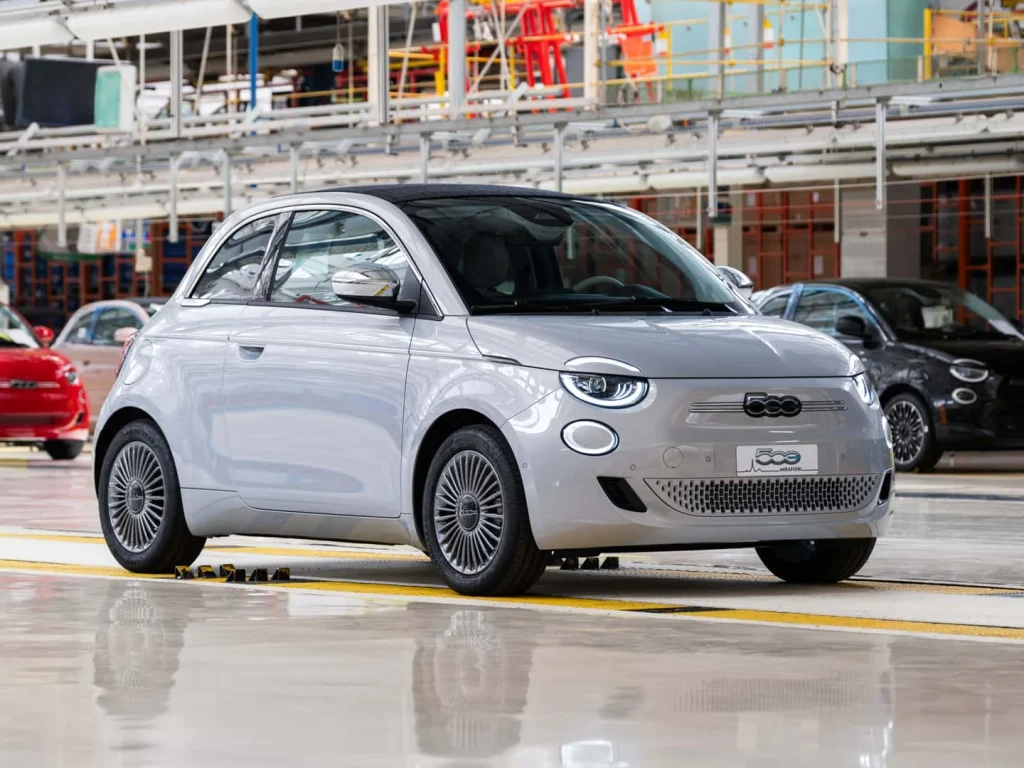
Maintenance is straightforward due to the simplicity of the electric powertrain. There are no oil changes, fuel systems, or exhaust components to worry about. Regenerative braking helps extend the life of brake pads, and routine care mainly involves tires, suspension, and general inspections. This can help keep running costs low over time.
While it is not suited to long highway journeys, the 500e’s blend of compact size, city friendly performance, and low operating costs makes it a smart choice for drivers whose daily travel stays close to home. For short, consistent commutes, it remains a fun and sensible older EV.
8. Smart Electric Drive 2013 to 2019
The electric Smart Fortwo Electric Drive is one of the smallest production EVs, and that tiny size is exactly what makes it useful for short urban commutes. Designed primarily for city life, it excels in environments where space is tight and daily driving distances are limited.
Range is limited compared to larger EVs, but for drivers with very short, predictable routes it can still be entirely practical.
Commuters who travel only a few dozen kilometers per day often find that home charging keeps the battery comfortably topped up. In dense urban areas, that limited range is less of a problem than it might be in rural or highway heavy use.
The Fortwo’s compact dimensions make it incredibly easy to park. It can fit into spaces that would be impossible for most other cars, which is a major advantage in crowded city centers. Its small turning circle also makes navigating narrow streets and tight parking garages far less stressful.
Electric power suits the Fortwo’s personality well. Instant torque helps it feel lively at low speeds, which is ideal for stop and go traffic. The quiet operation also adds to comfort in busy urban environments where noise can be tiring in traditional gasoline cars.
Interior space is limited to two occupants, but for many commuters that is enough. The upright seating position provides good visibility, and the rear cargo area can handle everyday items like shopping bags or a small suitcase. For people who rarely carry more than one passenger, the layout works surprisingly well.
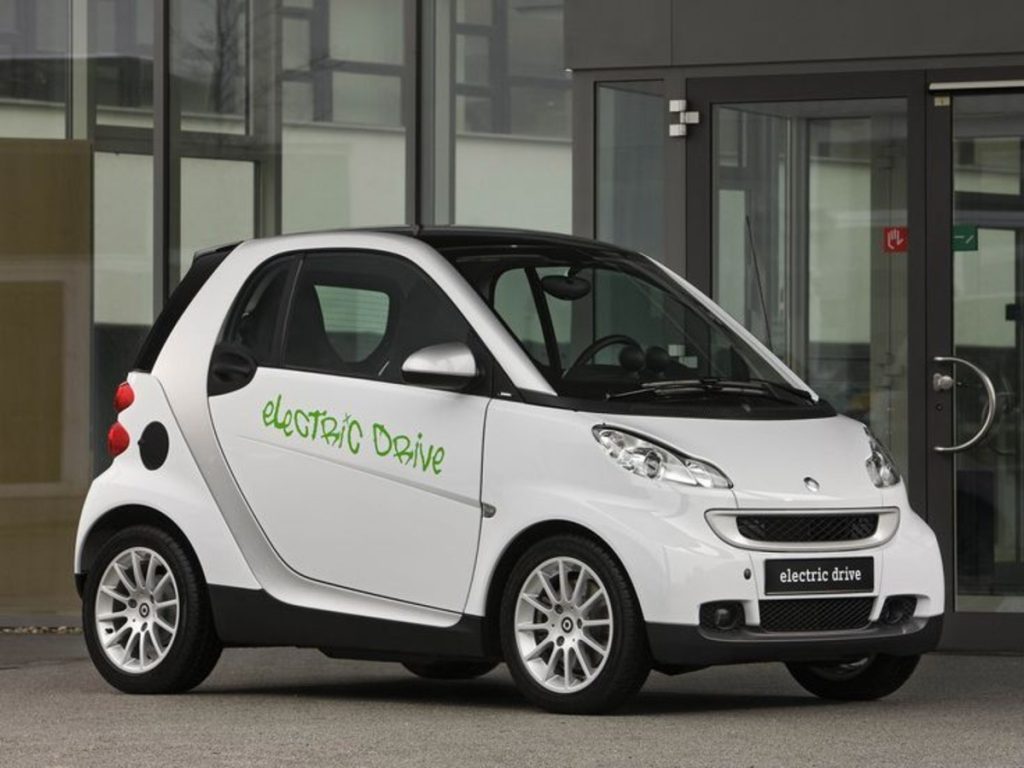
Maintenance needs are low thanks to the electric drivetrain. With fewer moving parts than a conventional engine and transmission, routine service is simpler. Regenerative braking also reduces wear on brake components, helping keep ownership costs down.
For drivers who want the smallest possible electric car that can handle short daily trips with ease, the Smart Electric Drive remains a practical and uniquely suited option for dense urban commuting.
9. Mitsubishi i MiEV 2012 to 2017
The Mitsubishi Motors i MiEV is one of the earliest mass produced electric cars, and while it may look unusual, it can still be a practical option for very short daily commutes. Its compact size, simple engineering, and low used prices make it appealing to drivers who only need basic, local transportation.
Range was limited even when the car was new, but that does not automatically make it unusable today. For people whose daily travel involves short distances such as commuting a few kilometers to work, visiting nearby shops, or making school runs, the remaining battery capacity in many examples can still be enough.
Overnight home charging usually provides more than sufficient energy for the next day’s driving.
The i MiEV’s small electric motor delivers smooth and quiet performance that suits city traffic. It will not feel powerful at highway speeds, but in urban environments it moves easily with traffic and benefits from the instant torque that all electric cars provide. This quick response at low speeds makes stop and go driving less stressful.
Its tiny footprint is a major advantage in crowded areas. Parking is simple, and narrow streets or tight garages are easier to navigate than in larger vehicles. For drivers who regularly deal with dense urban environments, this maneuverability can be more valuable than long range capability.
The car’s design is mechanically straightforward. The electric motor, reduction gear, and battery pack form a simple drivetrain with fewer wear items than a traditional gasoline setup. There are no oil changes, exhaust systems, or complex fuel components to maintain.
Routine service mainly involves tires, brakes, suspension, and periodic system checks. Regenerative braking also helps reduce wear on brake pads.
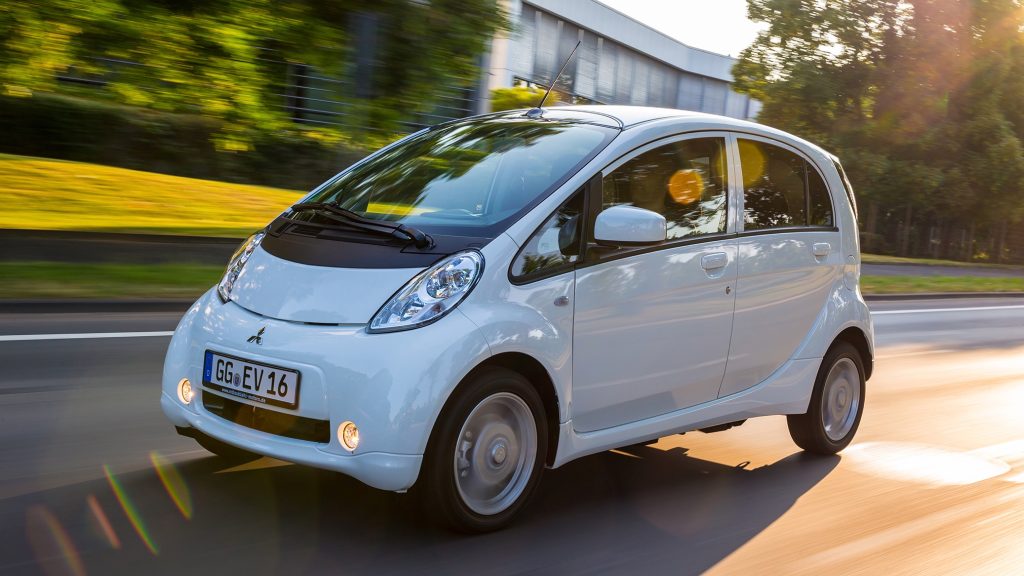
Interior space is modest, but it can still handle daily needs for one or two people. The upright seating position gives good outward visibility, which is helpful in city traffic. Cargo capacity is enough for groceries, small bags, or work equipment, making it suitable for everyday errands.
While it is not the right choice for long commutes or frequent highway use, the i MiEV can still serve well as a simple and affordable electric runabout. For drivers with very short, predictable routes, it remains a sensible way to enjoy low cost electric mobility.
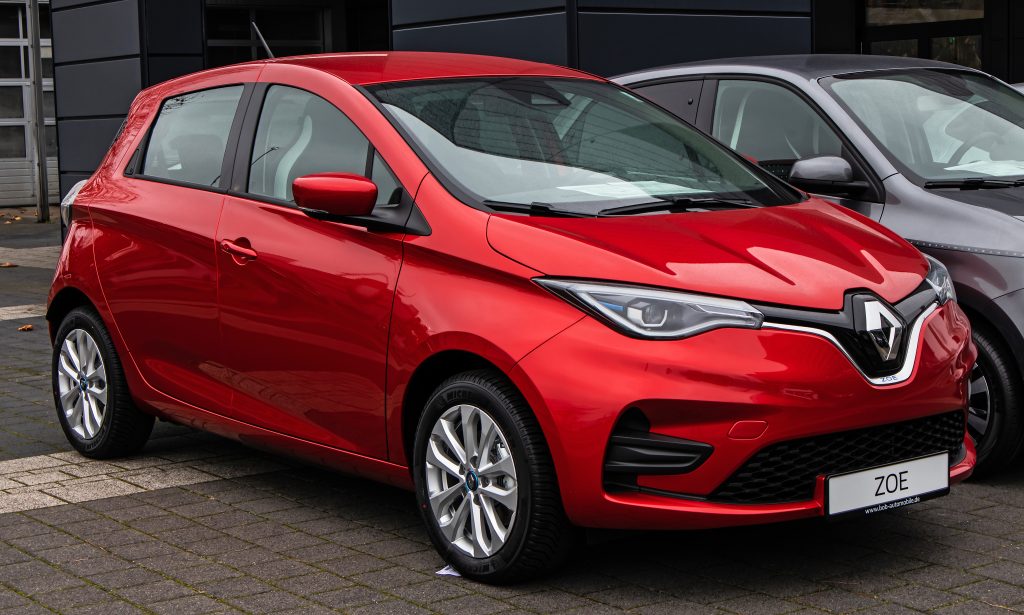
10. Renault Zoe 2013 to 2019
The Renault Zoe has been one of Europe’s most popular small electric cars, and many early models still make sense for short daily commutes. Its combination of compact size, practical interior, and efficient electric drivetrain allows it to function well in urban and suburban settings even as newer EVs offer longer range.
The Zoe was designed from the start as an electric vehicle, which helps it feel well integrated and easy to live with. Its range, while not competitive with modern long distance EVs, is often sufficient for drivers who travel moderate distances each day. Many commuters find that charging at home overnight easily covers their routine trips to work, school, and local shops.
In city traffic, the Zoe feels smooth and responsive. Instant torque from the electric motor helps it accelerate easily from traffic lights and merge into busy streets. Its compact dimensions make parking and maneuvering simple, which is a major benefit in crowded neighborhoods or tight urban centers.
Inside, the Zoe offers more space than many small city cars. There is usable room for passengers and a practical cargo area for everyday items. This makes it versatile enough for both commuting and errands, without the bulk of a larger vehicle. The cabin layout is straightforward, and most drivers adapt quickly to its controls and displays.
From a maintenance perspective, the Zoe benefits from the typical simplicity of an electric drivetrain. There are fewer moving parts than in a gasoline engine, and no need for oil changes or exhaust system repairs. Regenerative braking helps reduce wear on brake components, which can lower long term maintenance costs.
Battery condition is an important factor when buying an older Zoe, as with any used EV. However, many vehicles still retain enough real world range for short, predictable journeys. Careful inspection and understanding of charging habits can help buyers choose an example that suits their needs.
For drivers who want an affordable, practical electric car primarily for local use, the Zoe continues to be a smart option. Its blend of efficiency, usability, and compact design allows it to remain relevant for short commutes even years after its original release.
Older electric vehicles can still be smart, practical choices for short daily commutes where long range is not necessary. Models like the Nissan Leaf, Chevrolet Spark EV, and BMW i3 offer affordable entry into electric driving with low maintenance needs and smooth city performance.
Their compact sizes, quiet operation, and home charging convenience make them ideal for urban and suburban use. While battery health is important, many older EVs still provide enough real world range for predictable local travel, delivering low running costs and stress free everyday mobility.
Also Read: 10 Performance Cars That Arrived a Decade Too Early
