Hybrid vehicles promise efficiency and environmentally friendly driving, but not all systems deliver the same level of smoothness. Some hybrids feel nearly effortless, with seamless transitions between electric motors and gasoline engines, while others can produce noticeable jerks, lurches, or hesitations during acceleration or deceleration.
This variation often stems from differences in hybrid design, transmission type, and software calibration. Vehicles like the Toyota Prius, Honda CR-V Hybrid, Lexus RX 350h, Toyota Camry Hybrid, and Kia Niro Hybrid demonstrate how careful engineering, refined eCVT or dual-clutch systems, and advanced power management can create calm, linear acceleration that feels natural to drivers.
In contrast, models such as the Toyota Grand Highlander Hybrid, Jeep Wrangler 4xe, Hyundai Tucson Hybrid, Ford F-150 PowerBoost Hybrid, and Subaru Crosstrek Hybrid reveal how software quirks, transmission behavior, or complex multi-power systems can lead to a jerky, less predictable experience. Understanding these differences can help buyers choose the hybrid that best matches their driving style and expectations.
5 Hybrids With Smooth Transitions
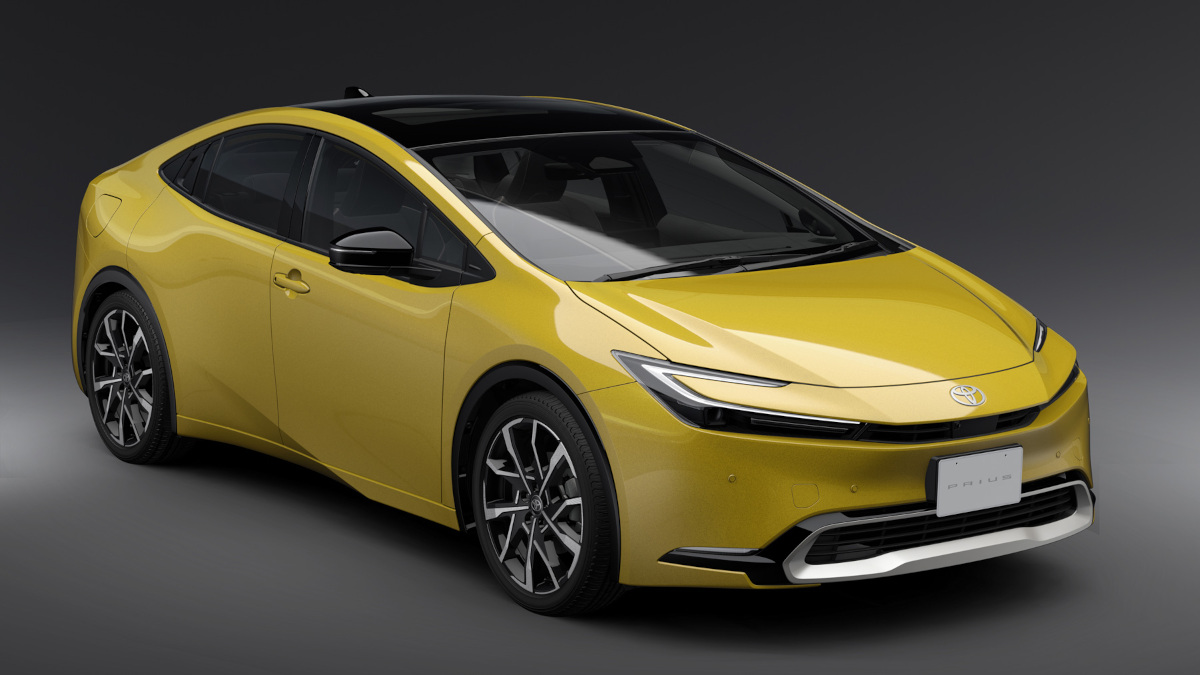
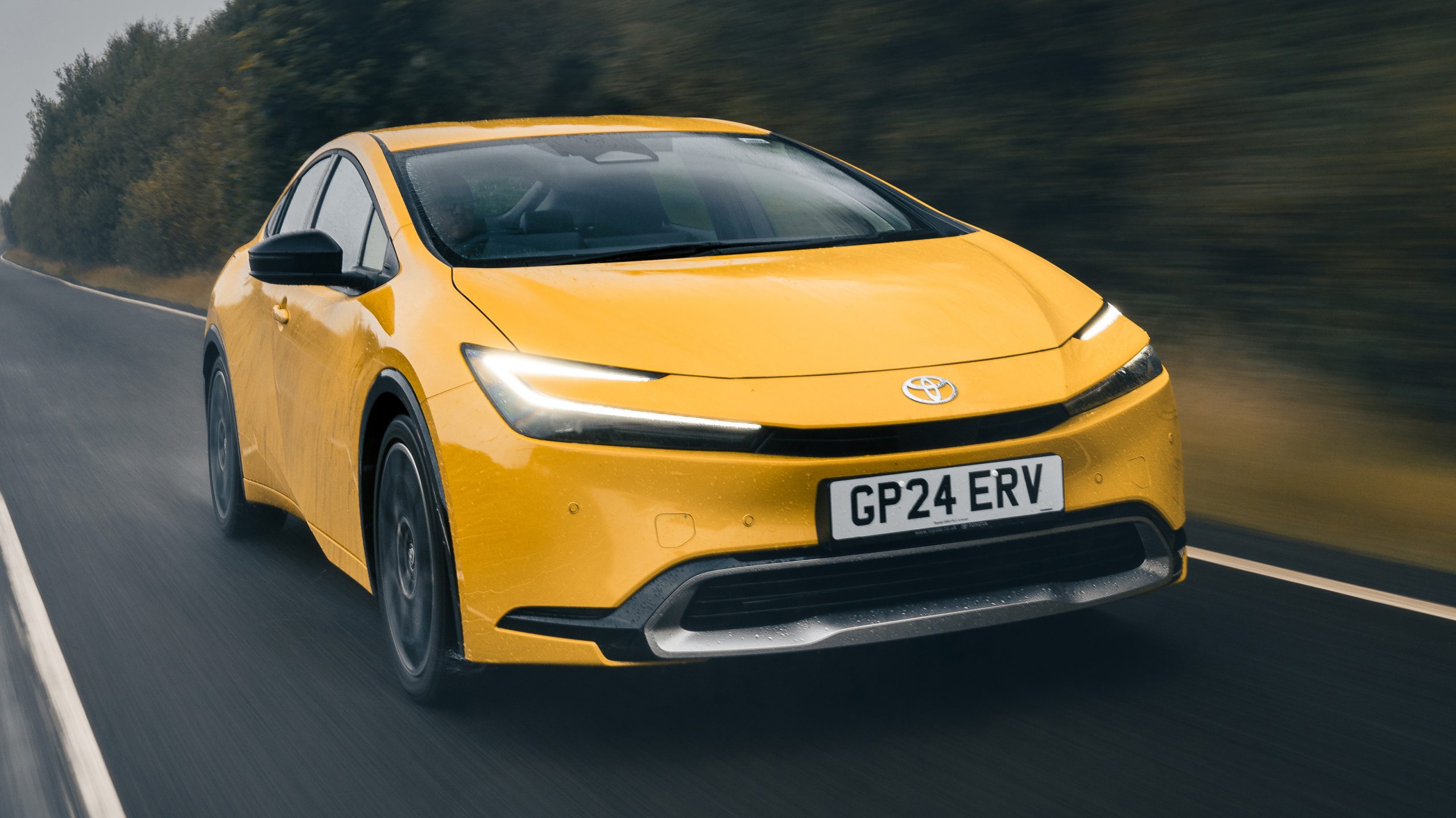
1. Toyota Prius (2024–2026): Smooth Hybrid Engineering with Strong Efficiency
The 2024–2026 Toyota Prius continues to earn strong praise for its exceptionally smooth hybrid operation, driven by Toyota’s refined Hybrid Synergy Drive system and power-split continuously variable transmission (eCVT). Rather than relying on traditional gear changes, the Prius uses a planetary gear set known as the Power Split Device to seamlessly blend power from its gasoline engine and electric motors.
This design eliminates shift shock entirely, allowing transitions between electric-only driving and gasoline power to feel nearly imperceptible. Advanced computer controls constantly monitor throttle input, speed, and battery charge to determine the most efficient and quiet power source at any moment.
At low speeds and during initial acceleration, the electric motor handles most of the work, while the gasoline engine engages smoothly when additional power is required, or battery charge drops. A clutch damper helps absorb vibration when the engine starts, preventing harsh jolts. Regenerative braking is also carefully blended with traditional friction braking, maintaining a consistent and natural pedal feel during deceleration.
Power comes from a 2.0-liter inline-four gasoline engine paired with electric motors and a CVT. Front-wheel-drive models produce 194 horsepower, while all-wheel-drive versions add a rear electric motor and increase output to 196 horsepower.
Performance is notably improved compared to earlier generations, with the front-drive Prius reaching 60 mph in 7.1 seconds, quicker than many hybrid rivals, though engine droning can be heard during hard acceleration.
Fuel efficiency remains a defining strength. The front-drive Prius LE is EPA-rated at up to 57 mpg city and 56 mpg highway, while all-wheel-drive models deliver slightly lower figures. Higher trims sacrifice some efficiency due to larger wheels but still achieve excellent real-world results, including 49 mpg in highway testing at 75 mph.
Inside, the fifth-generation Prius features a conservative but functional cabin design, highlighted by a newly positioned gauge cluster ahead of the driver. Rear-seat legroom is adequate, though headroom is reduced by the sleek roofline. Cargo space is generous for a compact hybrid, offering up to 23.8 cubic feet in lower trims.
Infotainment options include an 8.0-inch or available 12.3-inch touchscreen with wireless smartphone integration, while standard safety features include adaptive cruise control, lane-keeping assist, and blind-spot monitoring. Toyota backs the Prius with competitive warranty coverage and strong hybrid component protection, reinforcing its reputation for long-term dependability.
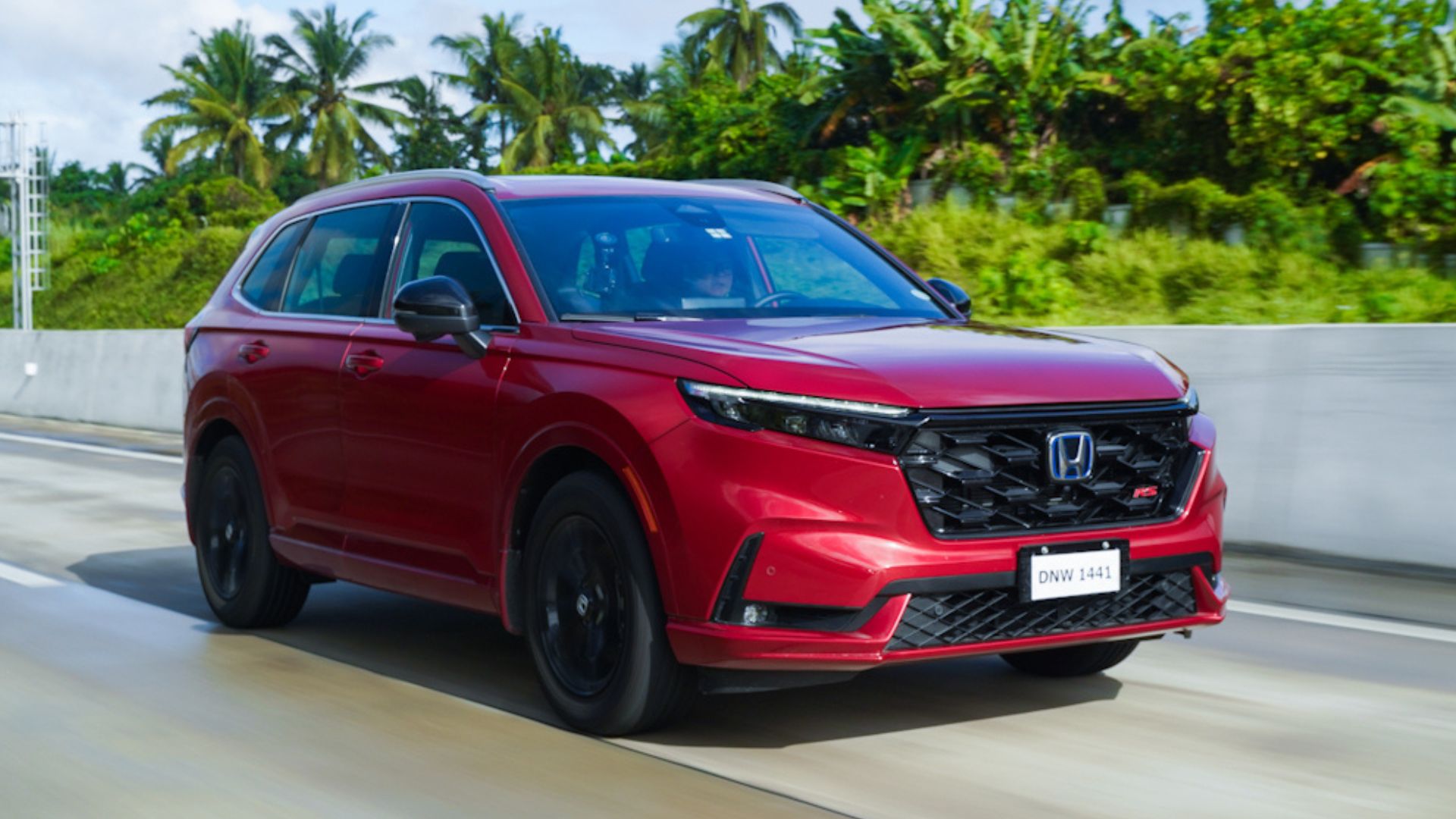
2. Honda CR-V Hybrid (2024–2026): Refined Hybrid Comfort with Practical Versatility
The 2024–2026 Honda CR-V Hybrid stands out for its refined driving character, achieved through Honda’s fourth-generation two-motor hybrid system that emphasizes electric propulsion and smooth power blending.
Reviewers consistently note how effortlessly the system transitions between electric and gasoline operation, creating a quiet, linear driving experience well suited to everyday commuting and long-distance comfort. At low speeds, the CR-V Hybrid relies primarily on its electric motor, delivering immediate torque and smooth acceleration without the abrupt engagement often felt in conventional transmissions.
Power comes from a 2.0-liter Atkinson-cycle four-cylinder engine paired with two electric motors, producing a combined 204 horsepower, noticeably stronger than the nonhybrid CR-V.
Rather than using a traditional transmission, the system employs an electronic continuously variable transmission (e-CVT) that is carefully tuned to avoid the “rubber-band” sensation common in many hybrids.
Honda integrates simulated gear steps during acceleration, synchronizing engine speed with vehicle speed to maintain a natural feel and reduce engine droning. At highway speeds, a lock-up clutch directly connects the engine to the wheels, improving efficiency and lowering noise during steady cruising.
The CR-V Hybrid seamlessly switches among Electric Drive, Hybrid Drive, and Engine Drive modes based on driving conditions. Performance is competent rather than sporty, with the Sport Touring Hybrid reaching 60 mph in 7.1 seconds, while the TrailSport Hybrid posts a slightly slower 7.3-second time.
Ride quality is smooth and composed, favoring comfort over sharp handling, though the TrailSport’s all-terrain tires introduce a bit more road noise at speed. For 2026, all-wheel-drive models benefit from an enhanced traction-management system that improves low-speed torque distribution for slippery or off-road situations.
Fuel economy is competitive for the compact hybrid SUV class. Front-wheel-drive models are EPA-rated at up to 43 mpg city and 36 mpg highway, while all-wheel-drive versions achieve slightly lower figures. In real-world highway testing, the AWD Sport Touring Hybrid exceeded expectations, returning 35 mpg at 75 mph.
Inside, the CR-V Hybrid offers a spacious and thoughtfully designed cabin with comfortable seating for both rows. Materials quality is strong, especially in higher trims, and the control layout is intuitive and user-friendly. Cargo capacity is generous, accommodating 11 carry-on suitcases behind the rear seats and up to 29 with the seats folded.
Infotainment features include a standard 9.0-inch touchscreen with wireless Apple CarPlay and Android Auto, along with available premium audio and built-in navigation. A comprehensive suite of standard driver-assistance technologies further enhances safety and everyday usability, making the CR-V Hybrid a well-rounded and comfortable hybrid SUV choice.
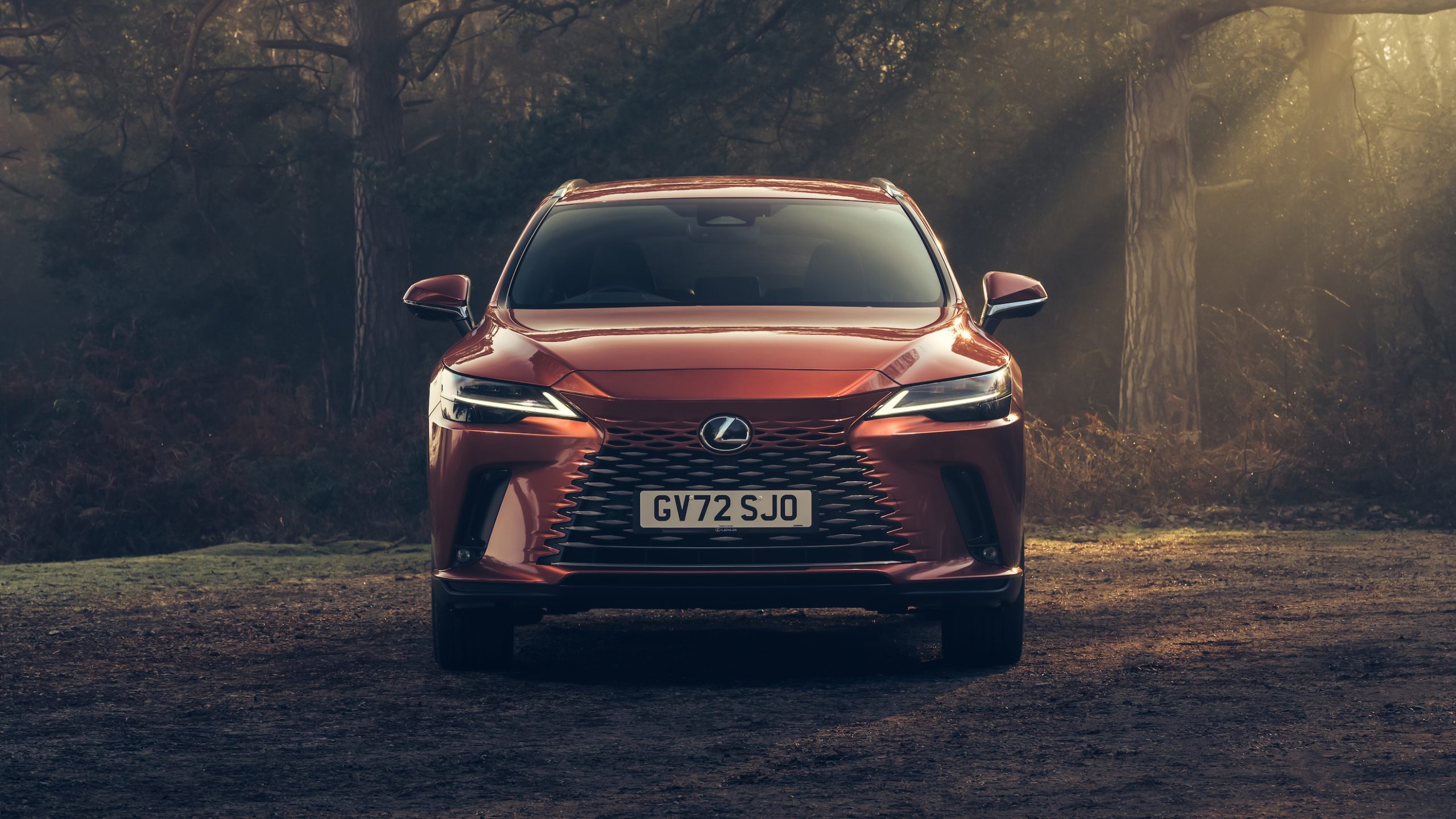
3. Lexus RX 350h (2024–2026): Quiet Luxury with Meaningful Hybrid Efficiency
The 2024–2026 Lexus RX 350h represents a turning point for Lexus hybrids, combining the brand’s long-standing emphasis on refinement with fuel efficiency that finally feels substantial.
Built on Toyota’s proven hybrid foundations and enhanced by Lexus-specific tuning, the RX 350h delivers seamless transitions between electric and gasoline power, resulting in a calm, polished driving experience. Testers and owners frequently point to the engine’s unobtrusive engagement and the cabin’s quietness as defining characteristics.
At the heart of the RX 350h is a 2.5-liter four-cylinder engine paired with two electric motors and a lithium-ion battery, producing a combined 246 horsepower. The Lexus Hybrid Drive system prioritizes smoothness over outright performance, delivering linear acceleration without noticeable jolts or gear changes.
Electric motors handle low-speed driving and gentle acceleration, while the gasoline engine blends in smoothly as demand increases. Advanced motor-generator management, comfort-oriented powertrain tuning, and refined hybrid calibration ensure that transitions between power sources are nearly imperceptible.
Noise reduction plays a major role in the RX 350h’s character. Lexus employs extensive sound insulation, acoustic glass, and Active Sound Control to minimize engine, road, and wind noise.
While the four-cylinder engine is more audible under hard acceleration than the old V6 used in earlier RX hybrids, it remains subdued in normal driving. The RX 350h is not designed to be sporty, posting a 0–60 mph time of about 7.4 seconds, but its relaxed demeanor suits its luxury mission.
Fuel economy is where the RX 350h truly distinguishes itself. EPA ratings of 37 mpg city, 34 mpg highway, and 36 mpg combined represent a major improvement over previous RX hybrids and far exceed the gasoline-only RX 350.
Real-world testing confirms these gains, especially in stop-and-go driving where electric operation is maximized. Notably, the RX 350h is priced nearly the same as the base gasoline RX, making its efficiency benefits accessible without a significant cost premium.
Inside, the RX 350h offers a richly finished, modern cabin with comfortable seating for five adults. Front and rear passengers benefit from supportive, well-cushioned seats, while the redesigned dashboard integrates a standard 9.8-inch touchscreen or an available 14-inch display for a more digital feel.
Cargo space has improved compared to earlier generations, offering 29.6 cubic feet behind the rear seats, competitive within the luxury midsize SUV segment.
Rather than chasing performance trends or electrification extremes, the Lexus RX 350h focuses on effortless ownership, quiet comfort, and meaningful fuel savings without requiring plug-in charging. It delivers the fuel-saving luxury hybrid many Lexus buyers have been waiting for, blending refinement, practicality, and efficiency into a cohesive and approachable package.
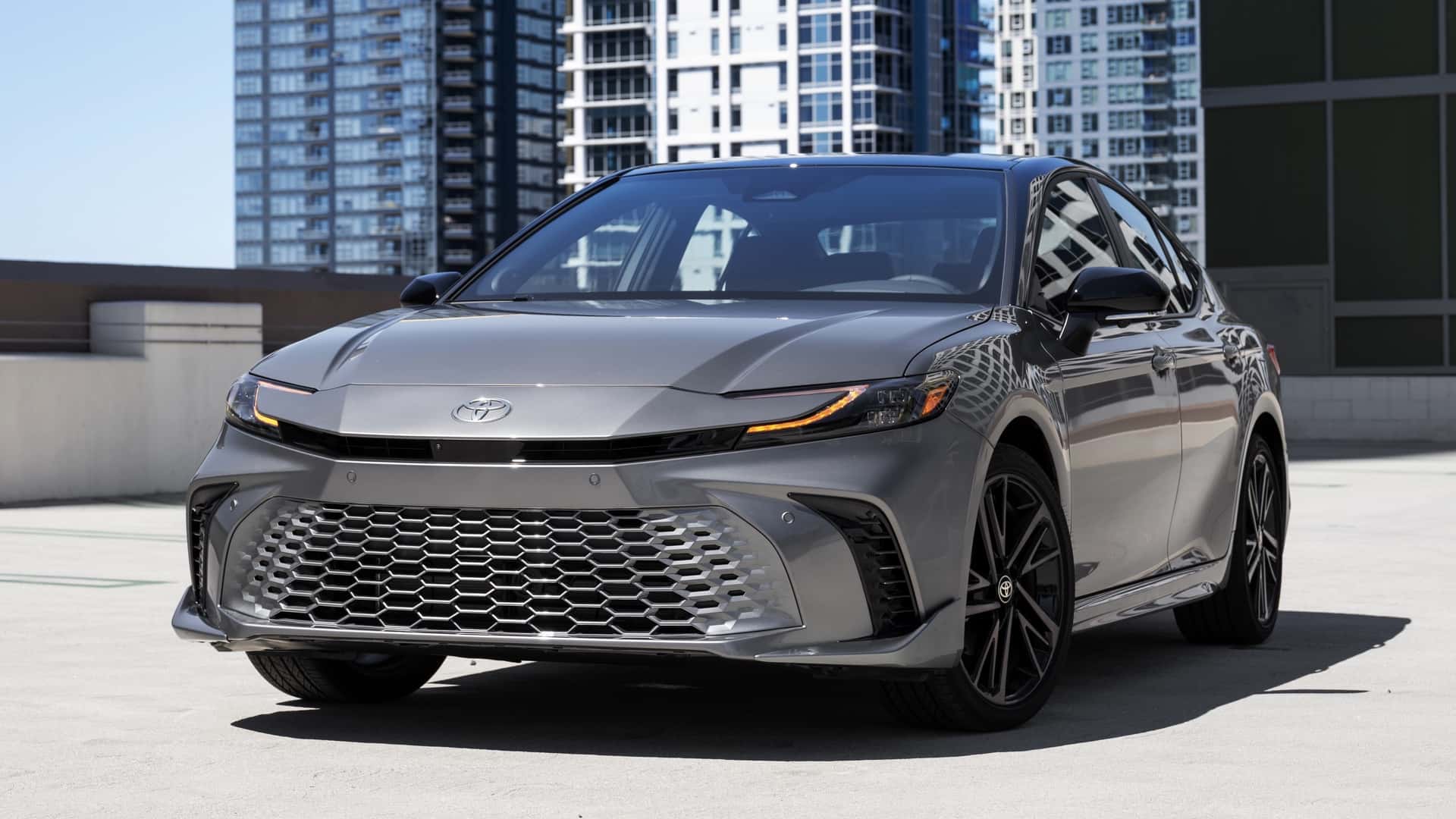
4. Toyota Camry Hybrid (2025–2026): Calm, Controlled Efficiency with Refined Hybrid Power
The 2025–2026 Toyota Camry Hybrid represents a major step forward in refinement, blending strong electrification with a calm, controlled driving character. Built around Toyota’s 5th Generation Hybrid System (THS 5), the latest Camry Hybrid delivers exceptionally smooth transitions between electric and gasoline power, avoiding the joltiness sometimes associated with earlier hybrid systems.
Reviewers consistently describe the driving experience as relaxed and composed, with linear acceleration and near-imperceptible power handoffs.
Power comes from a 2.5-liter four-cylinder gasoline engine paired with electric motors and a refined electronic continuously variable transmission (ECVT). Front-wheel-drive models produce a combined 225 horsepower, while all-wheel-drive versions add a rear electric motor and raise output to 232 horsepower.
Enhanced electronic control and recalibrated power management software allow the system to prioritize electric propulsion more frequently, even at higher speeds, making engine engagement quieter and smoother. A more efficient lithium-ion battery and smaller, lighter electric motors further improve responsiveness while maintaining seamless power delivery.
Acceleration feels strong and predictable, with electric motors providing immediate torque around town. In testing, all-wheel-drive Camry Hybrid models reached 60 mph in as little as 6.8 seconds, making the Camry quicker than key rivals such as the Hyundai Sonata and only slightly behind the Accord Hybrid.
Sport-oriented trims like the SE, XSE, and Nightshade benefit from firmer suspension tuning that improves body control, though steering feedback remains muted in favor of comfort.
Fuel efficiency remains a core strength. The most efficient front-wheel-drive LE model earns EPA ratings of up to 52 mpg city and 49 mpg highway, while all-wheel-drive variants deliver slightly lower figures. Higher trims with sportier equipment trade some efficiency for performance, but real-world testing confirms that even the least efficient versions still return impressive mileage, including 43 mpg on a 75-mph highway test.
Inside, the Camry Hybrid offers a spacious and well-equipped cabin with generous room for adults in both rows. Standard features include cloth upholstery, dual-zone automatic climate control, and rear air vents, while higher trims add leather seating, heated features, ambient lighting, and acoustic-laminated glass for improved quietness. Trunk space is competitive for the midsize sedan segment, matching the practicality of key competitors.
Infotainment technology includes a standard 8.0-inch touchscreen or an available 12.3-inch display, both running Toyota’s latest, user-friendly software. Wireless Apple CarPlay and Android Auto are standard, and a premium JBL audio system is available on upper trims.
Safety is comprehensive, with advanced driver-assistance features included on all models, reinforcing the Camry Hybrid’s appeal as a smooth, efficient, and confidence-inspiring sedan.
5. Kia Niro Hybrid (2024–2026): Efficient, Smooth, and Comfortably Conventional
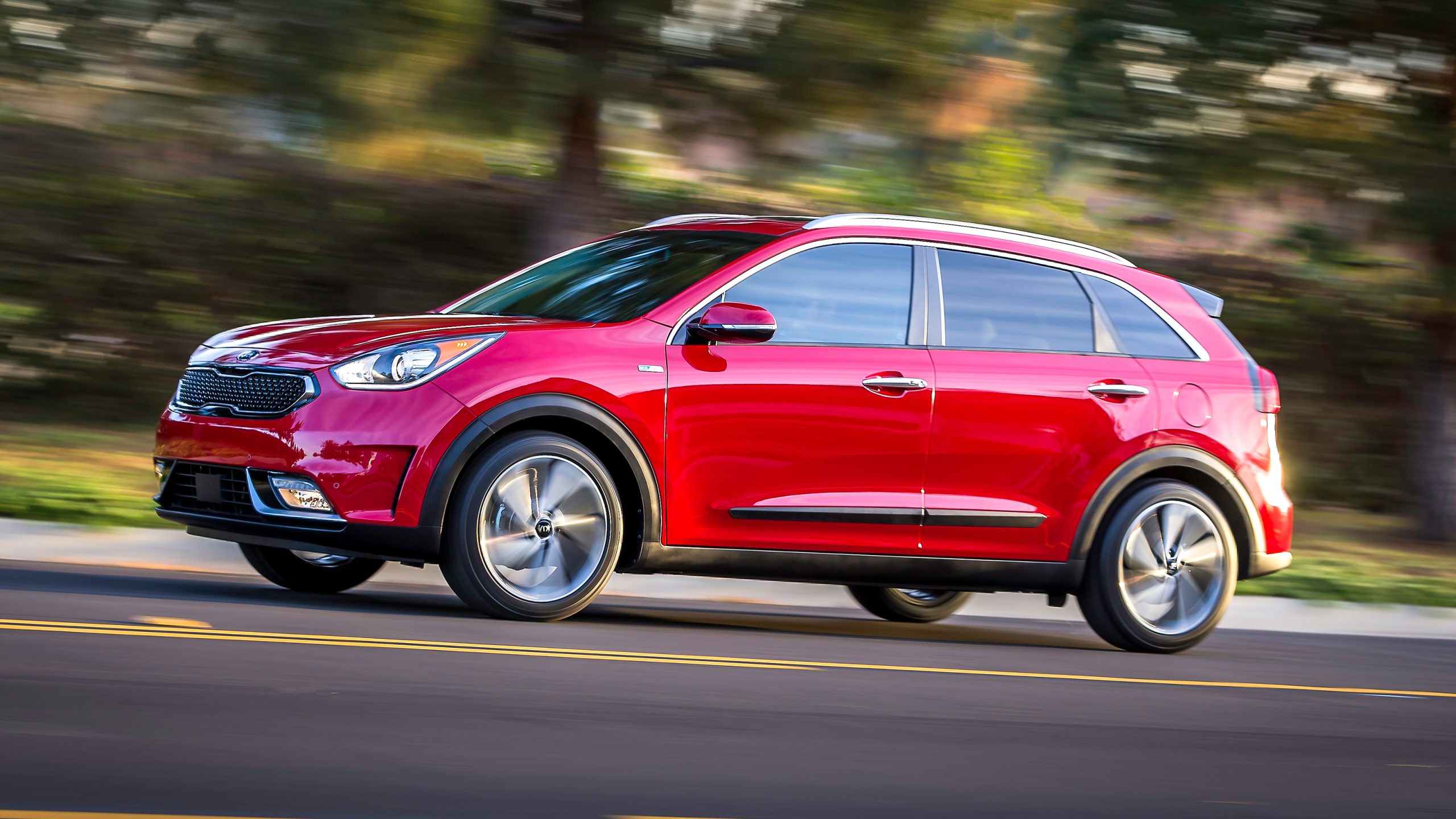
The 2024–2026 Kia Niro Hybrid remains a top-rated option in the subcompact hybrid crossover segment, combining excellent fuel economy with a smooth and approachable driving experience.
Unlike many hybrids that rely on continuously variable transmissions, the Niro Hybrid uses a six-speed dual-clutch automatic transmission (DCT), giving it a more familiar and conventional feel behind the wheel. This setup helps avoid the droning sensation often associated with CVTs and contributes to well-managed, natural power delivery.
The hybrid system pairs a 1.6-liter four-cylinder engine with an electric motor for a combined output of 139 horsepower. While not designed for performance driving, the Niro provides sufficient power for daily commuting, city traffic, and highway merging.
Electric assistance smooths initial acceleration and low-speed driving, allowing the gasoline engine to engage quietly and without harsh transitions. The DCT delivers crisp, well-timed gear changes that feel more like those of a traditional gasoline vehicle, enhancing driver confidence and comfort.
Power management is handled intelligently, with the system automatically optimizing energy flow between the engine, electric motor, and battery. Regenerative braking helps keep the battery charged while maintaining smooth deceleration, and selectable drive modes allow drivers to prioritize efficiency or responsiveness depending on conditions.
While dual-clutch systems can sometimes hesitate under heavy loads or abrupt throttle inputs, such behavior is minimal in normal driving and does little to detract from the Niro’s refined character.
Fuel efficiency is one of the Niro Hybrid’s strongest attributes. EPA ratings reach 53 mpg city, 45 mpg highway, and 49 mpg combined, placing it among the most efficient non-plug-in hybrid crossovers available. Real-world highway testing shows slightly lower results, but fuel economy remains impressive, especially for drivers focused on reducing fuel costs without sacrificing everyday usability.
Inside, the Niro Hybrid features a modern, sculptural cabin design with an emphasis on sustainability. Kia incorporates recycled materials and natural fibers throughout the interior, creating a contemporary and eco-conscious atmosphere.
Passenger space is modest but adequate for four adults, and the cargo area is practical for grocery runs and weekend errands, offering room for eight carry-on suitcases behind the rear seats and up to 20 with them folded.
Infotainment options include an 8.0-inch touchscreen on base models and a larger 10.3-inch display on higher trims, both supporting Apple CarPlay and Android Auto. Available upgrades include wireless phone charging and a Harman/Kardon audio system.
Standard safety features such as automated emergency braking, blind-spot monitoring, and lane-keeping assist enhance peace of mind, while Kia’s industry-leading 10-year powertrain warranty adds long-term value, making the Niro Hybrid a compelling, efficiency-focused choice.
Also read: 5 Cars for Littleton Mountain Commuting and 5 Winter-Ready Models
5 That Feel Jerky
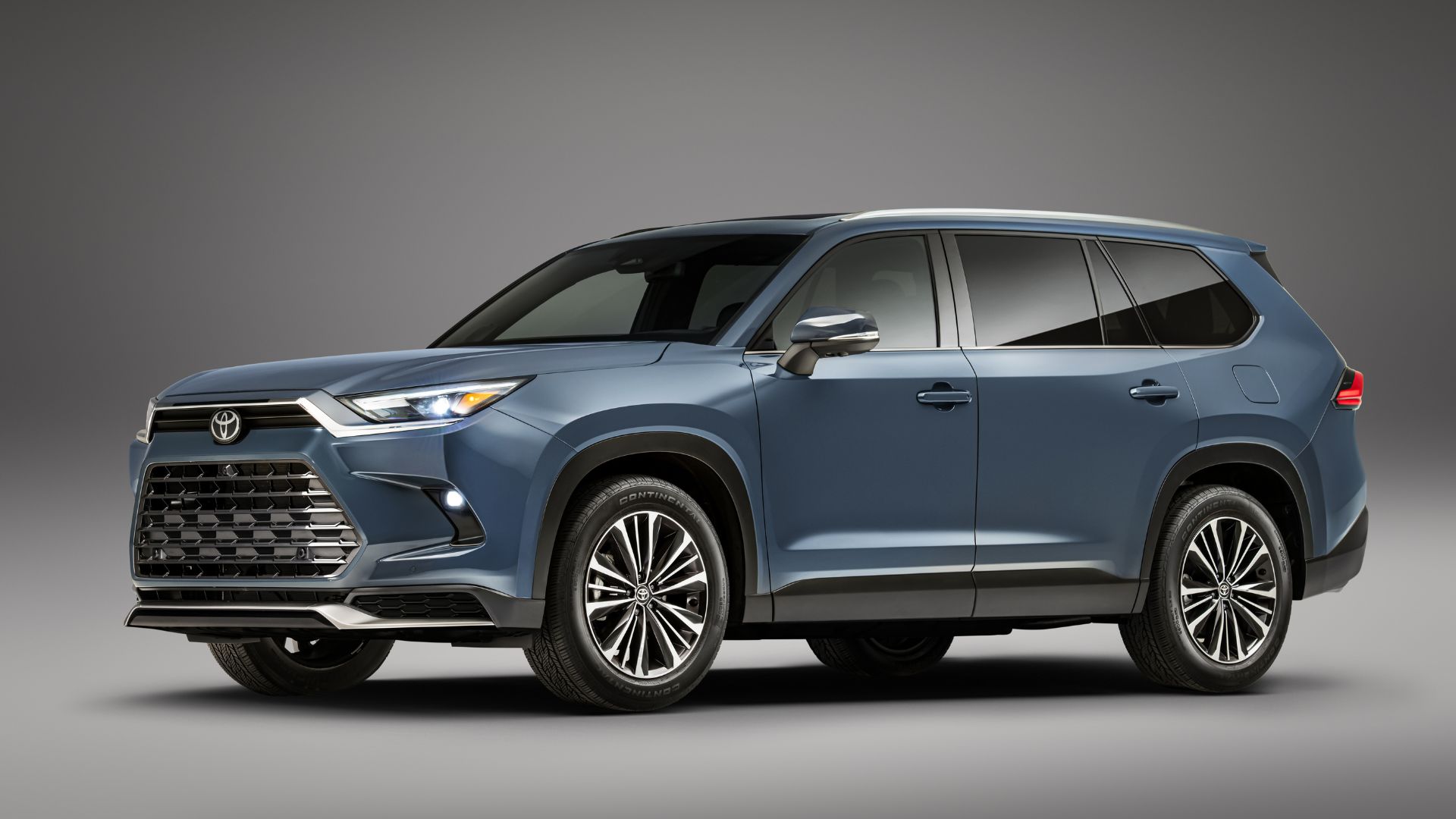
1. Toyota Grand Highlander Hybrid (2024–2026): Understanding Reports of Jerky Transitions
The 2024 to 2026 Toyota Grand Highlander Hybrid is widely recognized for efficiency and advanced technology, but some owners have reported occasional jerky or rough behavior during certain driving situations.
These sensations are generally not caused by mechanical defects. Instead, they are linked to the interaction of complex hybrid systems and driver assistance features, particularly in a newer model that continues to receive software refinements.
One frequently reported issue is a bucking or lurching sensation when the vehicle is stopped or just beginning to move in traffic. Toyota has identified this behavior as a software calibration issue related to the hybrid transmission control system.
It tends to occur when the high-voltage battery is at a high state of charge, and the vehicle is in Drive with the brakes applied. Toyota addressed this concern through Technical Service Bulletin 0017-24, which provides an electronic control unit software update designed to smooth power delivery and reduce shuddering.
Proactive Driving Assist is another feature that can contribute to the perception of jerky motion. This system automatically applies light braking when it detects curves or vehicles ahead. Some drivers experience this intervention as an unexpected tug when lifting off the accelerator. The feature can be adjusted or turned off through the vehicle’s display settings to better suit individual driving preferences.
Low-speed braking behavior is also a common source of complaints. The Grand Highlander Hybrid blends regenerative braking with traditional hydraulic brakes, and the transition between these systems can feel abrupt at speeds below about five miles per hour or on uneven road surfaces. This can result in a grabbing or releasing sensation during gentle stops.
On models equipped with the Hybrid MAX powertrain, which uses a six-speed automatic transmission instead of a continuously variable unit, some drivers report rough shifting in lower gears.
This behavior can be more noticeable in Eco mode, where the system prioritizes efficiency over smoothness. In addition, adaptive cruise control may apply firm braking when responding to slower traffic, which some drivers perceive as overly aggressive.
In most cases, these issues can be improved through software updates, feature adjustments, or driving mode changes. Owners experiencing persistent concerns are encouraged to consult a Toyota dealer to confirm that all applicable updates have been applied.
2. Jeep Wrangler 4xe: Hybrid Complexity and Reported Drivetrain Roughness
The Jeep Wrangler 4xe combines a plug-in hybrid powertrain with a traditional body-on-frame off-road platform, creating a vehicle that is technologically ambitious but also prone to drivability complaints.
Consumer Reports data and owner feedback highlight reliability concerns centered on the hybrid system, with issues that can manifest as rough or jerky operation during everyday driving. In some cases, owners have reported stalling events linked to EV battery or hybrid control problems, raising concerns about long-term dependability.
A primary source of perceived jerkiness comes from the transition between electric and gasoline power. Unlike fully electric vehicles, the Wrangler 4xe must frequently start and stop its gasoline engine.
When additional power is required, the system activates the engine and uses a clutch to synchronize it with the transmission. If software calibration is not perfectly tuned, this process can feel like a stumble or lunge as the two power sources engage.
The modified ZF eight-speed automatic transmission also plays a role. While the ZF unit is known for smooth behavior in conventional vehicles, the 4xe version must manage torque from both the engine and the electric motor.
During the early ownership period, adaptive learning behavior can cause the transmission to hunt between gears. Drivers also report that the vehicle feels less smooth when the battery is depleted, as the system rapidly switches operating modes to maintain a small charge reserve, resulting in inconsistent throttle response.
Regenerative braking contributes to the sensation as well. The Max Regen feature enables near one pedal driving, but abrupt lift-offs from the accelerator can cause strong deceleration. On uneven roads, small throttle inputs may lead to repeated transitions between acceleration and regeneration, which can feel like oscillation or jerking.
Finally, some complaints attributed to powertrain roughness may actually stem from the Wrangler’s chassis design. The solid axles and body-on-frame construction can amplify vibrations, and steering shake known as death wobble can occur if suspension components or tires are not properly maintained.
Many owners report improvement after the dealer applied software updates to the powertrain control module, which can smooth engine engagement and shifting behavior.

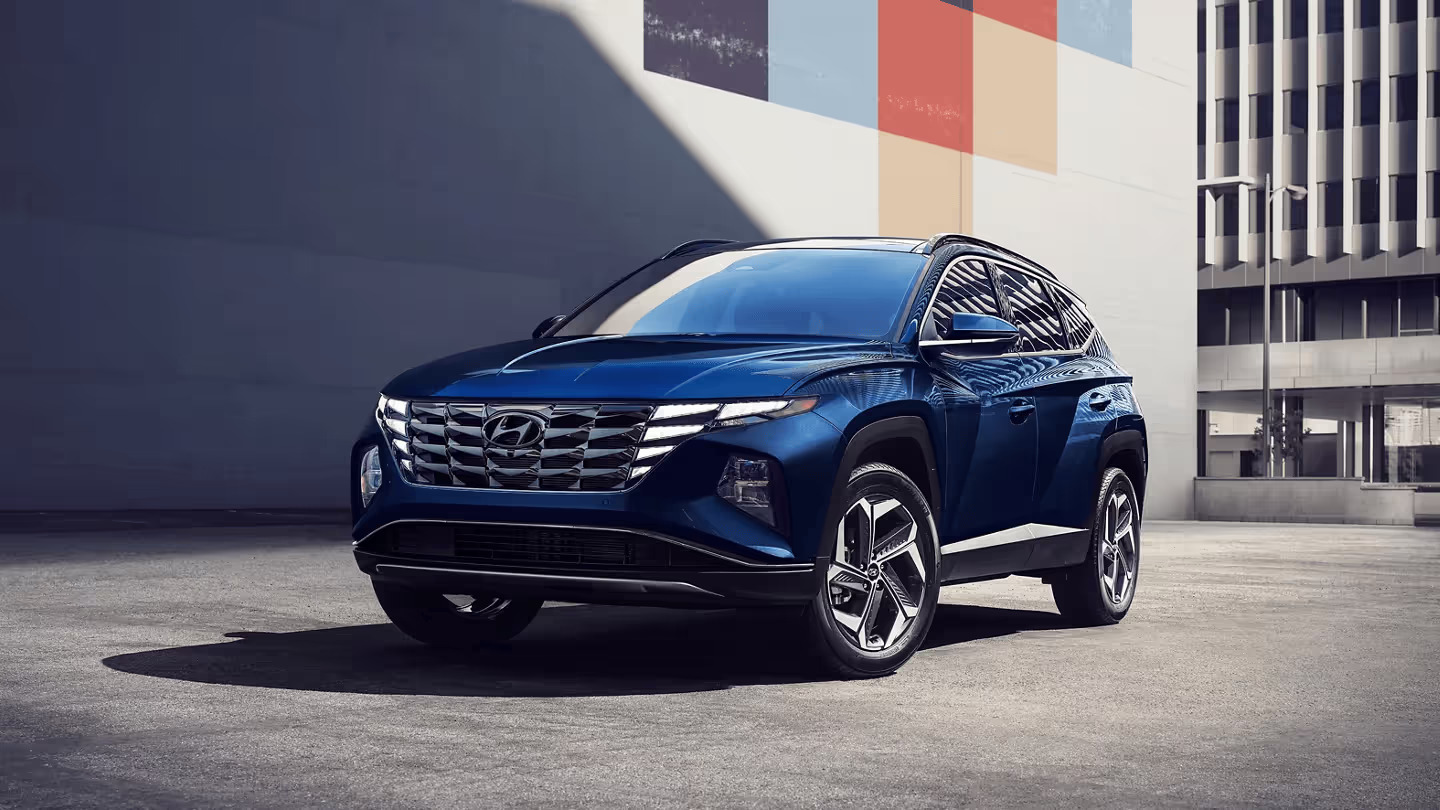
3. Hyundai Tucson Hybrid: Engine Engagement and Drivetrain Smoothness Explained
The Hyundai Tucson Hybrid is widely considered a competent and efficient hybrid SUV, though some drivers report a brief lag or noticeable kick when the gasoline engine engages. This sensation is more apparent when compared with the ultra-smooth eCVT systems used by Toyota and Honda. In most cases, the behavior reflects the design of Hyundai’s hybrid powertrain rather than a mechanical fault.
The Tucson Hybrid pairs a turbocharged gasoline engine with an electric motor mounted between the engine and the transmission. At low speeds and during light acceleration, the vehicle often relies primarily on electric power. When additional power is requested, the system must start the gasoline engine and engage a clutch to blend engine output with electric drive.
This transition, sometimes referred to as a power handoff, can feel like a brief stumble or lurch, particularly when the engine is cold, the vehicle is climbing a grade, or throttle input increases suddenly.
Transmission design and software calibration further influence this behavior. Certain Tucson Hybrid configurations use a dual clutch transmission, which is efficient but can feel less smooth at low speeds. In stop-and-go traffic, the system continuously pre-selects gears, which may result in hesitation or choppiness. Hyundai also uses adaptive learning software that adjusts shift behavior based on driving style.
When a vehicle is new or driven by multiple drivers, the software may produce inconsistent responses as it attempts to reconcile different inputs. Eco mode can amplify the sensation by favoring higher gears to improve fuel efficiency, sometimes leading to a delayed downshift followed by a noticeable surge in acceleration.
In cases where the jerking is more pronounced or persistent, maintenance-related factors may be involved. Carbon buildup on intake valves in direct injection engines can disrupt airflow and cause hesitation.
Worn spark plugs or failing ignition coils may create minor misfires that feel like rhythmic surging. Hyundai regularly releases transmission control module software updates intended to refine shift timing and smooth engine engagement.
Drivers seeking a more consistent driving feel may benefit from using Sport mode, which keeps the gasoline engine active more often and reduces abrupt transitions. Resetting transmission adaptive values during service and ensuring all software updates are applied can also improve smoothness and responsiveness.
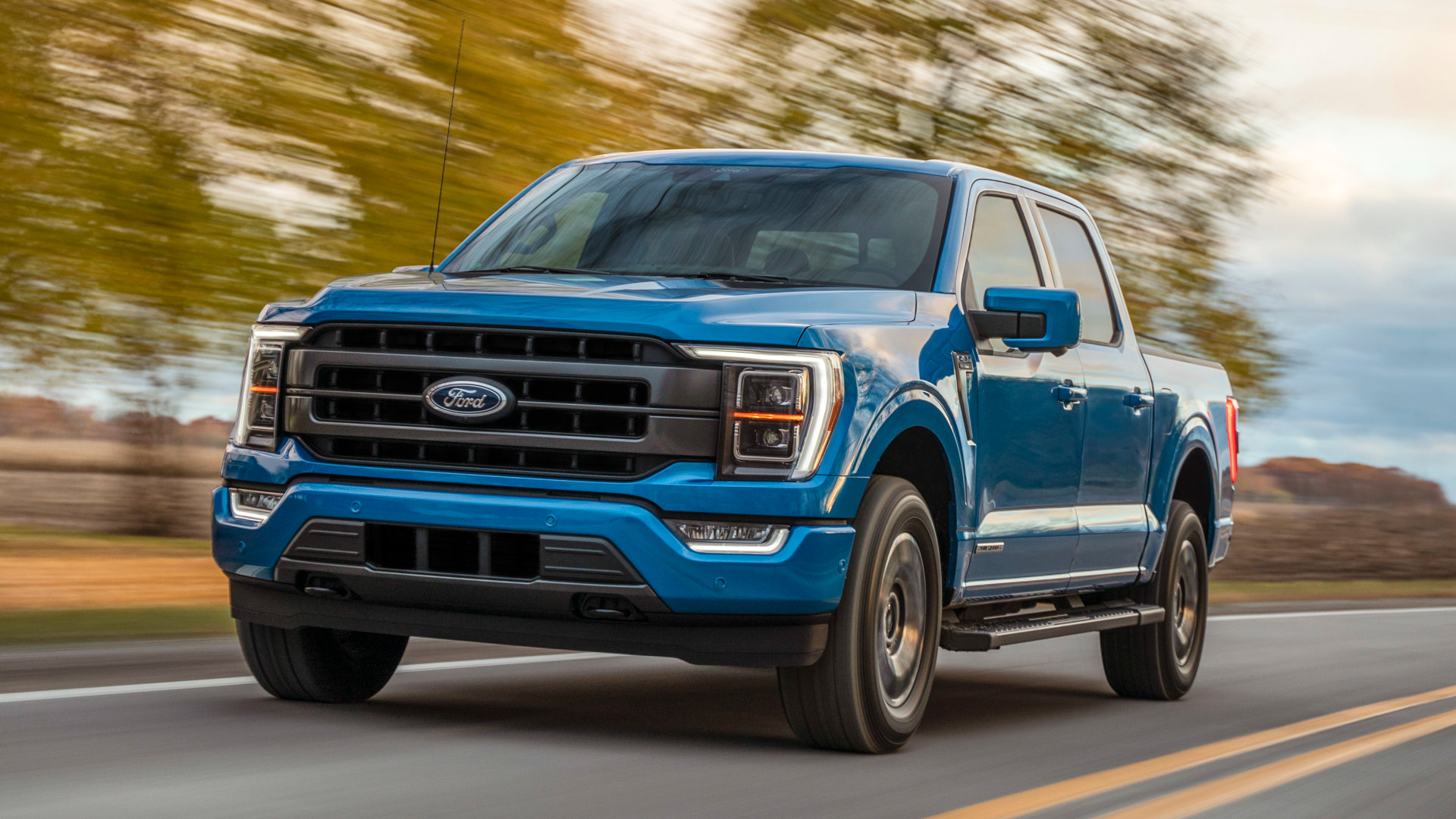
4. Ford F-150 PowerBoost Hybrid: Understanding Jerky Power Delivery
The Ford F-150 PowerBoost Hybrid combines a 3.5L Twin-Turbo V6 with an electric motor to deliver strong performance and improved fuel efficiency, but some owners report a noticeable thud or slight delay in power delivery under certain conditions.
Unlike smooth car-based eCVT systems, the PowerBoost’s hybrid setup must manage a heavy-duty truck chassis, which introduces unique engineering challenges that can create a jerky sensation.
The primary cause of this feeling is the handover between the electric motor and the gasoline engine. In traditional trucks, the engine always spins, but the PowerBoost often shuts it off to conserve fuel.
When the driver accelerates, the engine must fire up, synchronize its RPMs with the electric motor, and engage a clutch almost instantaneously. If the timing is even slightly off, the result is a perceptible thud or surge. This is particularly noticeable in stop-and-go traffic, where the hybrid system frequently toggles between modes.
The 10-speed modular hybrid transmission also contributes to the sensation. Using adaptive learning software, the system monitors driving habits and adjusts shift points. In new trucks or vehicles driven by multiple people with varying styles, the computer can select an incorrect gear, causing hesitant or clunky shifts in lower gears.
Deceleration can also feel jerky due to regenerative braking. The electric motor slows the truck to recharge the battery, but the system must hand off braking duty to the physical brake pads as the truck comes to a stop. This transition can produce a “grabby” sensation just before stopping.
Owners can reduce or eliminate the jerkiness through several measures. Ensuring the truck has the latest Over-the-Air software updates keeps the Powertrain Control Module logic optimized. Switching to Sport Mode keeps the gasoline engine running more consistently, avoiding abrupt transitions.
Dealers can also perform a transmission adaptive learning reset, which clears stored shift patterns and allows the system to recalibrate for smoother operation. These adjustments often make the truck feel significantly more refined in everyday driving.
5. Subaru Crosstrek Hybrid: Causes of Jerky Acceleration
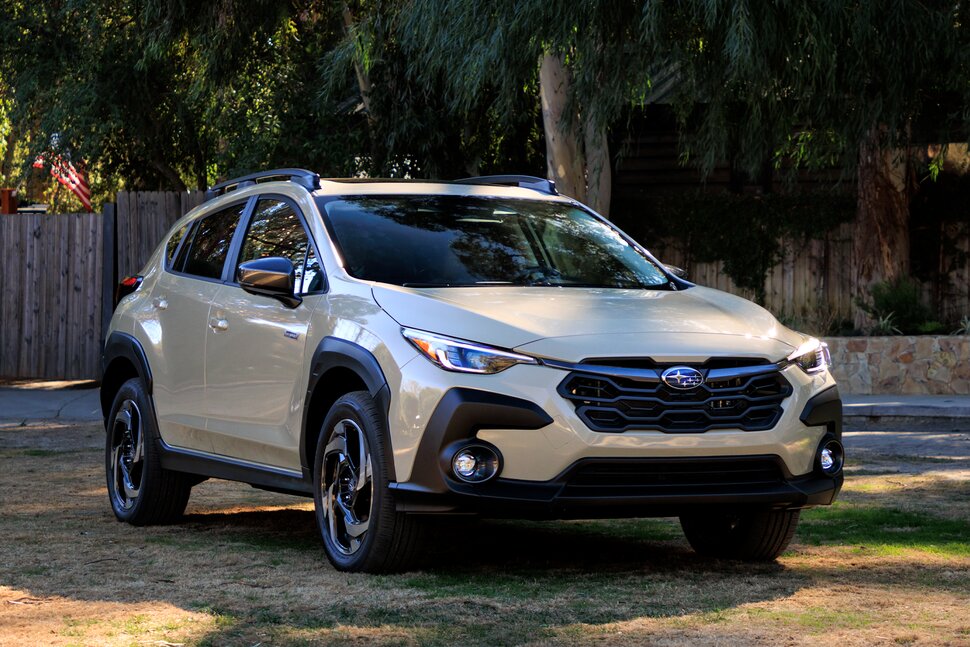
The Subaru Crosstrek hybrid offers improved performance over non-hybrid models, but some owners and testers note a less seamless engine engagement. A noticeable jerk or engine sound can occur, particularly when the gasoline engine activates, making low-speed acceleration feel uneven compared to rivals.
The primary contributor is the Continuously Variable Transmission (CVT), which operates differently from traditional automatic transmissions. At low speeds between 10–20 mph, the small torque converter engages, sometimes producing a “bucking” or jerking sensation.
The CVT belt can also create a “rubber band” effect, where acceleration or deceleration feels sharp and sudden, especially when the transmission mimics shifting. Low-speed throttle response adds to the perception of jerkiness, as small inputs around parking lot speeds can feel exaggerated.
Mechanical factors can worsen this sensation. Dirty or malfunctioning Mass Air Flow (MAF) sensors, clogged air filters, or worn spark plugs in higher-mileage vehicles can cause hesitation or uneven acceleration.
Torque bind while turning may indicate a failing center differential or mismatched tire sizes, particularly in all-wheel-drive models. Additionally, old CVT fluid or a failing valve body can lead to rough shifts and erratic performance.
Several steps can help reduce the jerky behavior. The CVT sometimes requires a “relearning” period, where driving habits are recalibrated over 1,000 miles or more. Transmission service, including changing the CVT fluid, can smooth out shifts.
Cleaning the MAF sensor often resolves engine hesitation, and replacing worn spark plugs restores consistent combustion. If jerking is accompanied by a check engine light, scanning the computer codes can identify sensor issues that may need attention.
By addressing these factors, the Crosstrek can achieve smoother, more predictable acceleration, though some CVT characteristics, such as the rubber band effect at low speeds, may remain noticeable during everyday driving.
Choosing a hybrid goes beyond fuel economy; smoothness and driver confidence are critical for everyday enjoyment. Hybrids with carefully tuned eCVTs, dual-clutch transmissions, and advanced power management provide seamless transitions that feel almost invisible, enhancing comfort and control.
On the other hand, hybrids with complex multi-motor setups, body-on-frame designs, or early adaptive software may exhibit jerky shifts, engine engagement lags, or abrupt regenerative braking, which can surprise drivers in stop-and-go traffic or low-speed maneuvers.
By recognizing which models excel in smooth power delivery versus those prone to roughness, drivers can make informed decisions that balance efficiency, performance, and comfort. Whether prioritizing calm city driving, long highway trips, or hybrid versatility, understanding these differences ensures a driving experience that meets expectations without unwanted surprises from the powertrain.
Also Read: 10 Cars With Seats Designed for Long-Distance Comfort