
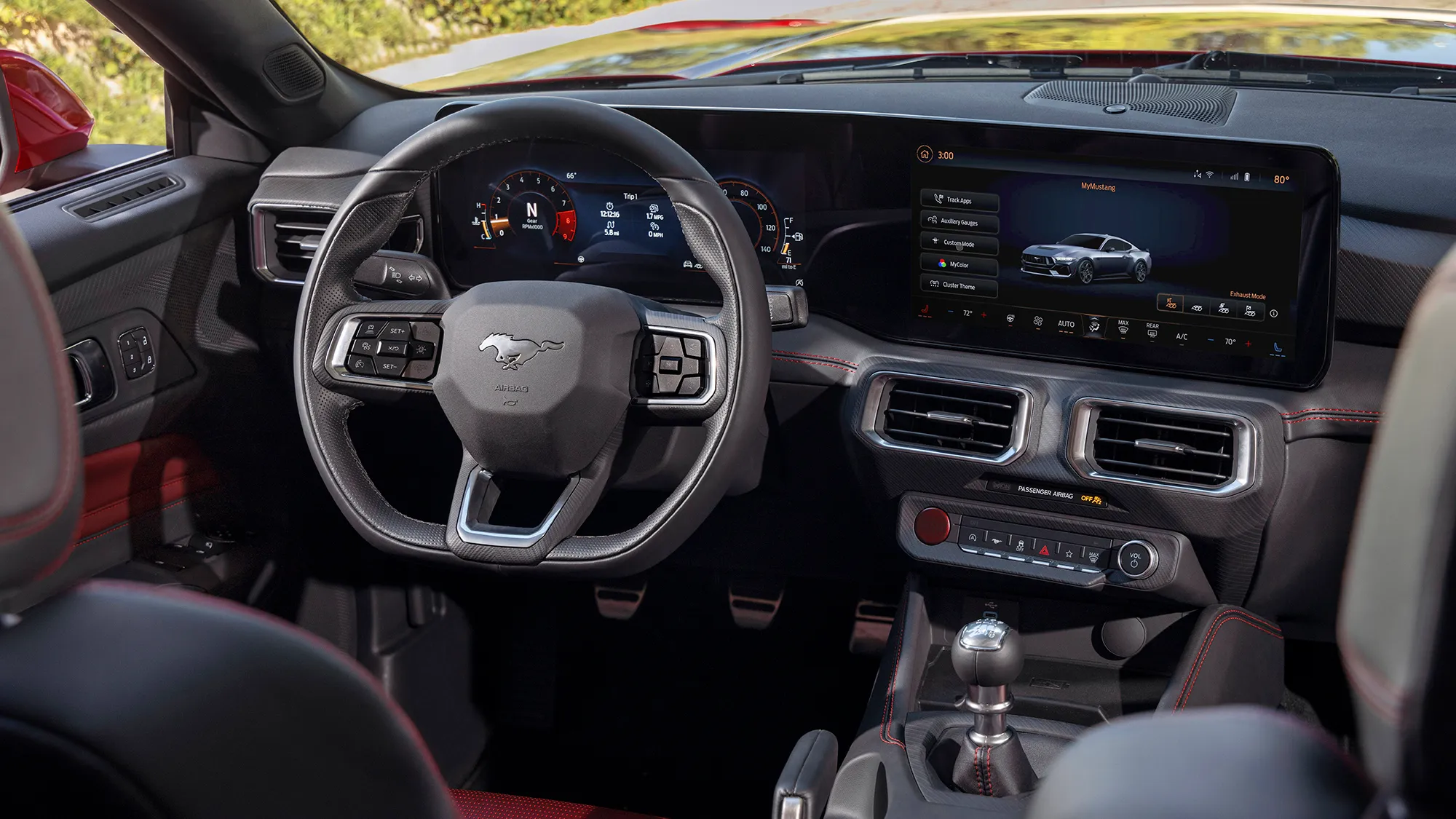
Driving technology has matured in a quiet, confident way. Early driver monitoring systems felt like strict teachers, quick to scold and slow to understand real human behavior behind the wheel.
Beeps, flashing warnings, and constant reminders often distracted more than they helped. That frustration still lingers for many drivers who assume all monitoring features behave the same way.
A better class of systems now exists, designed with patience, subtlety, and respect for how people actually drive. These setups watch for real risk rather than harmless habits.
They rely on refined cameras, steering input analysis, and thoughtful software timing instead of instant alarms. When done well, the technology fades into the background, stepping forward only when it truly matters.
This page focuses on eight vehicles that get this balance right. Each model listed here uses driver monitoring in a way that feels supportive rather than controlling. Alerts arrive calmly. Corrections feel reasonable. Trust grows instead of irritation. Long drives become easier, and daily commutes feel less tense.
Every vehicle featured brings its own approach, personality, and engineering philosophy. Some lean toward hands-free highway assistance, others favor gentle attention reminders. What unites them is restraint.
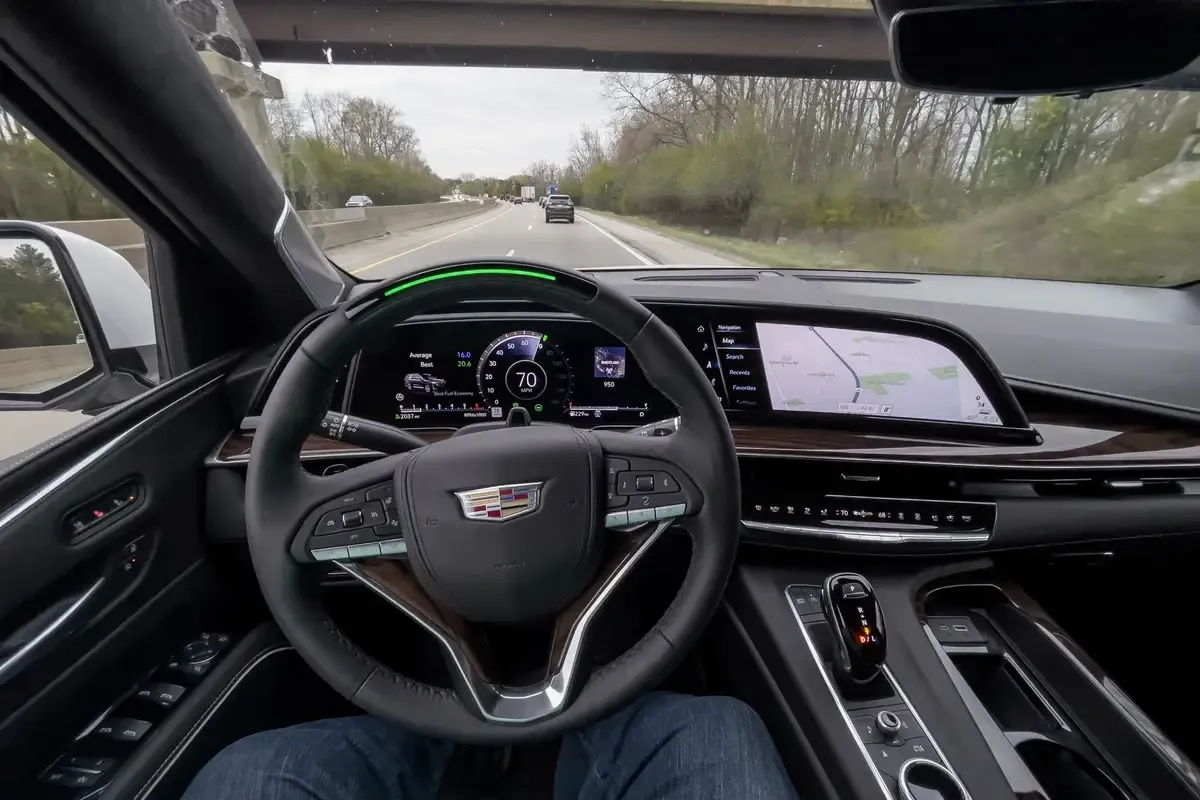
1. Cadillac Escalade with Super Cruise
Confidence defines how the Cadillac Escalade with Super Cruise handles driver monitoring. Rather than assuming distraction at every glance away from the road, this system evaluates behavior with patience.
A discreet infrared camera tracks eye movement and head position, allowing drivers to sit comfortably without feeling watched. No sudden alarms interrupt casual moments, such as checking mirrors or adjusting climate controls.
Super Cruise shines on mapped highways, where it allows true hands-free driving under specific conditions. Steering wheel sensors step aside, trusting the camera to verify attentiveness instead. That choice removes one of the most common annoyances in driver assist technology, which is the constant demand to tug the wheel. Escalade drivers quickly notice how natural this feels during long highway trips.
Alerts follow a layered approach. Visual cues appear first, using subtle light bars integrated into the steering wheel. Sound arrives only if attention drifts too long. Even then, the tone feels measured rather than urgent. This progression gives drivers time to correct behavior without stress.
Urban driving reveals another strength. Super Cruise does not overreact to brief distractions common in city traffic. Short glances at pedestrians or navigation screens do not trigger warnings. The system understands context, responding only when disengagement becomes risky.
Cadillac’s choice to combine high-resolution mapping with real-time monitoring reduces false alerts. Construction zones, curves, and traffic patterns are anticipated rather than guessed. That preparation allows the system to stay calm when conditions change.
Living with this technology feels less like supervision and more like cooperation. Drivers remain responsible, yet supported. For a full-size luxury SUV known for comfort, this approach fits perfectly. Super Cruise respects attention without demanding perfection, which makes the Cadillac Escalade feel advanced without being exhausting.
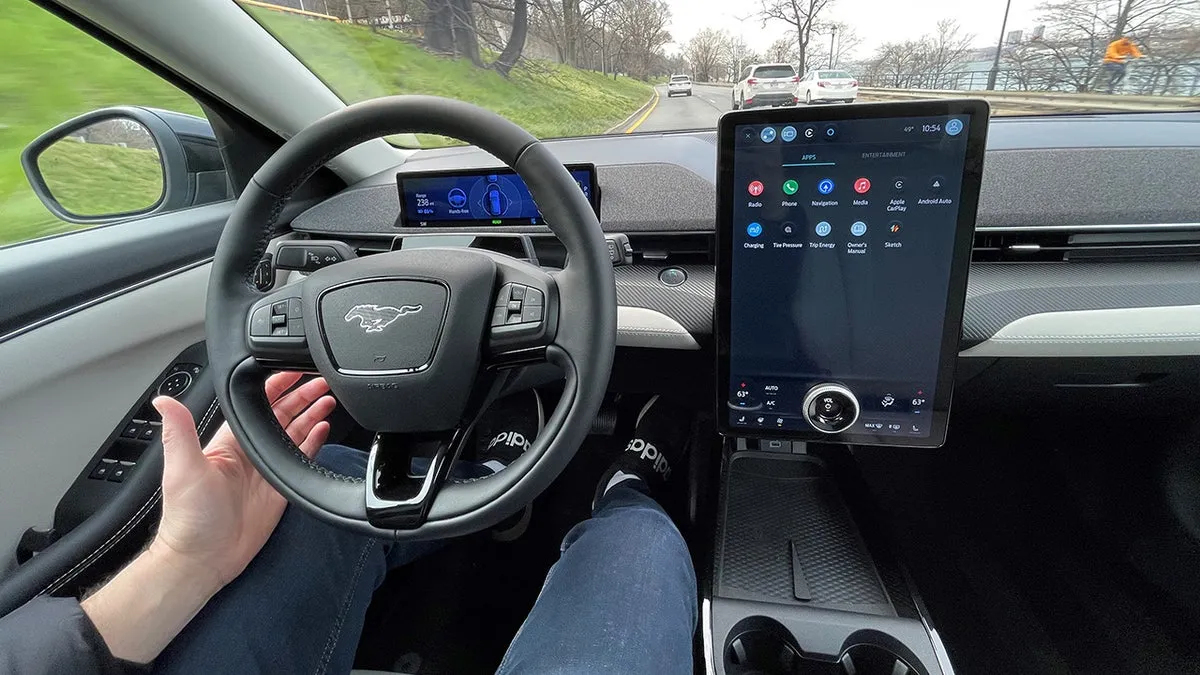
2. Ford Mustang Mach-E with BlueCruise
Energy and restraint meet inside the Ford Mustang Mach-E with BlueCruise, producing a driver assistance experience shaped by calm judgment rather than aggressive supervision. Despite the vehicle’s performance-driven image, the monitoring system operates with restraint. BlueCruise relies on a forward-facing camera to verify driver awareness, allowing hands-free driving on approved highways without repetitive steering wheel demands that often irritate motorists during extended travel.
Visual communication defines how the system interacts with the driver. Instead of loud tones or flashing alerts, information appears quietly on the digital display. Messages are brief, direct, and respectful, requesting attention only when necessary. This presentation supports concentration rather than breaking it, helping the driver remain settled behind the wheel. The interaction feels measured, almost conversational, instead of corrective or disciplinary.
Extended highway journeys reveal the careful tuning behind BlueCruise. Many monitoring systems struggle with long-distance travel and become sensitive to harmless behaviour. Here, normal actions such as mirror checks, posture adjustment, or brief control changes pass without reaction. The software appears designed around realistic driving habits rather than rigid expectations that ignore human behaviour.
Timing remains another strength. The system allows short moments of attention movement without immediate response. This grace period respects natural motion and prevents irritation. When attention truly reduces for too long, the reminder arrives clearly and calmly. Drivers often accept the request without frustration because the timing feels justified.
Road geometry also influences system behaviour. Curved sections, lane transitions, and merging areas raise attentiveness standards, prompting earlier reminders when conditions demand focus. Straight, predictable stretches allow greater flexibility. This judgement reflects how experienced drivers assess risk depending on road demands rather than applying fixed rules.
Daily usability remains strong in varied conditions. Slow-moving traffic does not trigger unnecessary alerts, and sudden braking from other vehicles does not cause penalties. BlueCruise avoids blaming the driver for circumstances beyond control, which strengthens confidence in the technology.
For motorists seeking an electric vehicle that balances driving enjoyment with comfort, the Mustang Mach-E offers a monitoring system that feels supportive rather than controlling. BlueCruise acts like a quiet assistant, offering guidance without drawing attention away from the driving experience.
Also Read: 5 EVs with Reliable Safety Aids vs 5 with Glitchy Systems
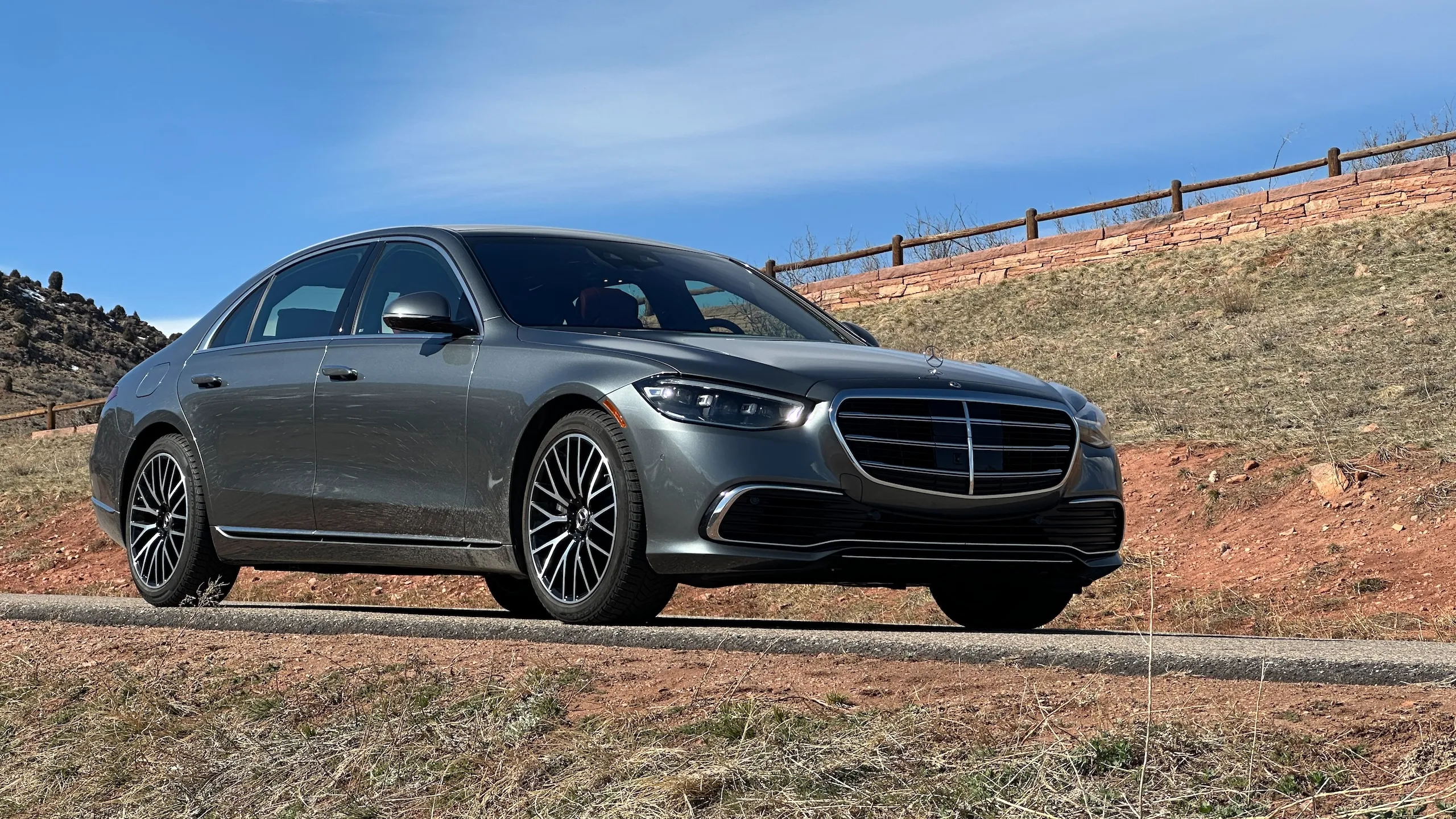
3. Mercedes-Benz S-Class S 580 with Attention Assist
Luxury within the Mercedes-Benz S-Class S 580 reflects careful thinking, and Attention Assist follows the same disciplined approach. Instead of depending solely on camera-based observation, the system evaluates steering consistency, accelerator input, braking rhythm, and general control behaviour. This wider assessment allows fatigue detection through pattern recognition rather than isolated signals.
From the driving position, system interaction remains minimal. There are no sudden sounds or flashing warnings. When reduced alertness becomes apparent, a gentle message appears on the display suggesting a rest stop. Language and tone are deliberately polite, reinforcing the idea of guidance rather than instruction.
Long-distance night driving highlights the strength of this method. Gradual steering corrections, delayed reactions, or subtle input changes indicate tiredness more reliably than eye tracking alone. This approach avoids false alerts linked to eyewear, lighting variation, or head movement, preserving trust in the system.
Comfort features support attentiveness quietly. When fatigue indicators appear, the vehicle may adjust interior lighting or seat settings. These actions aim to refresh the driver without demanding immediate stops. Many drivers regain focus naturally through these subtle changes, reducing interruption.
Urban environments receive equal understanding. Frequent mirror use, navigation checks, and traffic observation are expected during city driving. Attention Assist recognises these behaviours and remains silent. Only repeated loss of control precision prompts feedback, preventing annoyance during daily commutes.
Drivers often value how rarely the system intervenes. Because messages appear only when justified, acceptance comes easily. Confidence builds as the system proves reliable rather than reactive. This philosophy aligns with the S-Class identity. Technology exists to support comfort and safety without intrusion.
Attention Assist blends quietly into the driving experience, protecting while preserving the refined atmosphere expected from a flagship luxury saloon.
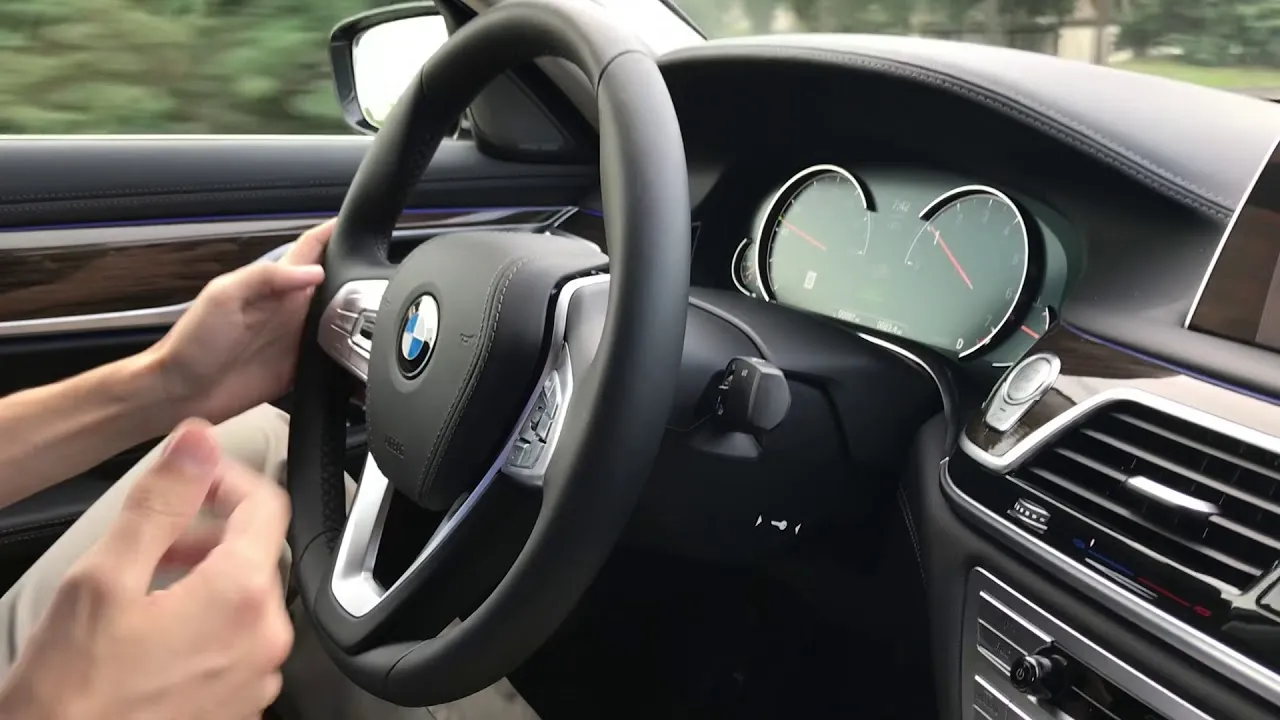
4. BMW 7 Series 740i with Driving Assistant Professional
Precision defines the BMW 7 Series 740i, and its Driving Assistant Professional package reflects disciplined engineering choices shaped by real driving behaviour. The driver monitoring approach focuses on balance, avoiding exaggerated reactions while still maintaining safety expectations.
A discreet in-cabin camera works with steering input evaluation to confirm attentiveness without assuming distraction from ordinary movements. This coordination allows the system to remain calm even when the driver adjusts posture or changes grip position.
Hands-free operation becomes available on approved highways, reducing physical strain during extended travel. The system places greater emphasis on visual awareness rather than constant wheel contact. Drivers remain responsible, yet the absence of repeated steering prompts creates a smoother experience during long-distance journeys. Visual confirmation through eye direction replaces mechanical reminders, allowing comfort without compromising control.
Feedback design remains measured and composed. Visual prompts appear on the digital display using clean graphics instead of harsh colours. Audible alerts activate only after a continued lack of response, and even then, they remain restrained. This approach preserves the quiet atmosphere expected within a flagship saloon, supporting focus rather than breaking it.
Dynamic driving situations receive thoughtful calibration. Swift lane changes, firm acceleration, and controlled cornering are recognised as deliberate inputs. The system avoids misjudging enthusiasm as carelessness. Steering rhythm, throttle application, and vehicle stability are assessed together, creating an accurate judgment of driver intent during active driving periods.
Alert timing reflects careful refinement. Notifications allow brief moments for self-correction before activation. This delay respects natural human response and prevents unnecessary interruptions. Drivers feel guided rather than corrected, maintaining trust in the technology during daily use.
Traffic density influences behaviour expectations. Heavy congestion results in fewer prompts due to constant environmental scanning demands. Open road conditions raise attentiveness standards appropriately. This adaptability mirrors how experienced motorists adjust awareness levels depending on their surroundings.
Personal adjustment options remain accessible through the vehicle settings. Sensitivity levels can be modified within regulated boundaries, enabling comfort preferences without reducing safety. This flexibility recognises that attentiveness to presentation differs between individuals.
Driving Assistant Professional functions as a cooperative aid rather than a supervisor. It respects the driver’s judgement while offering structured support. For a luxury saloon designed to prioritise confident driving, this system aligns naturally with the character of the BMW 7 Series 740i.
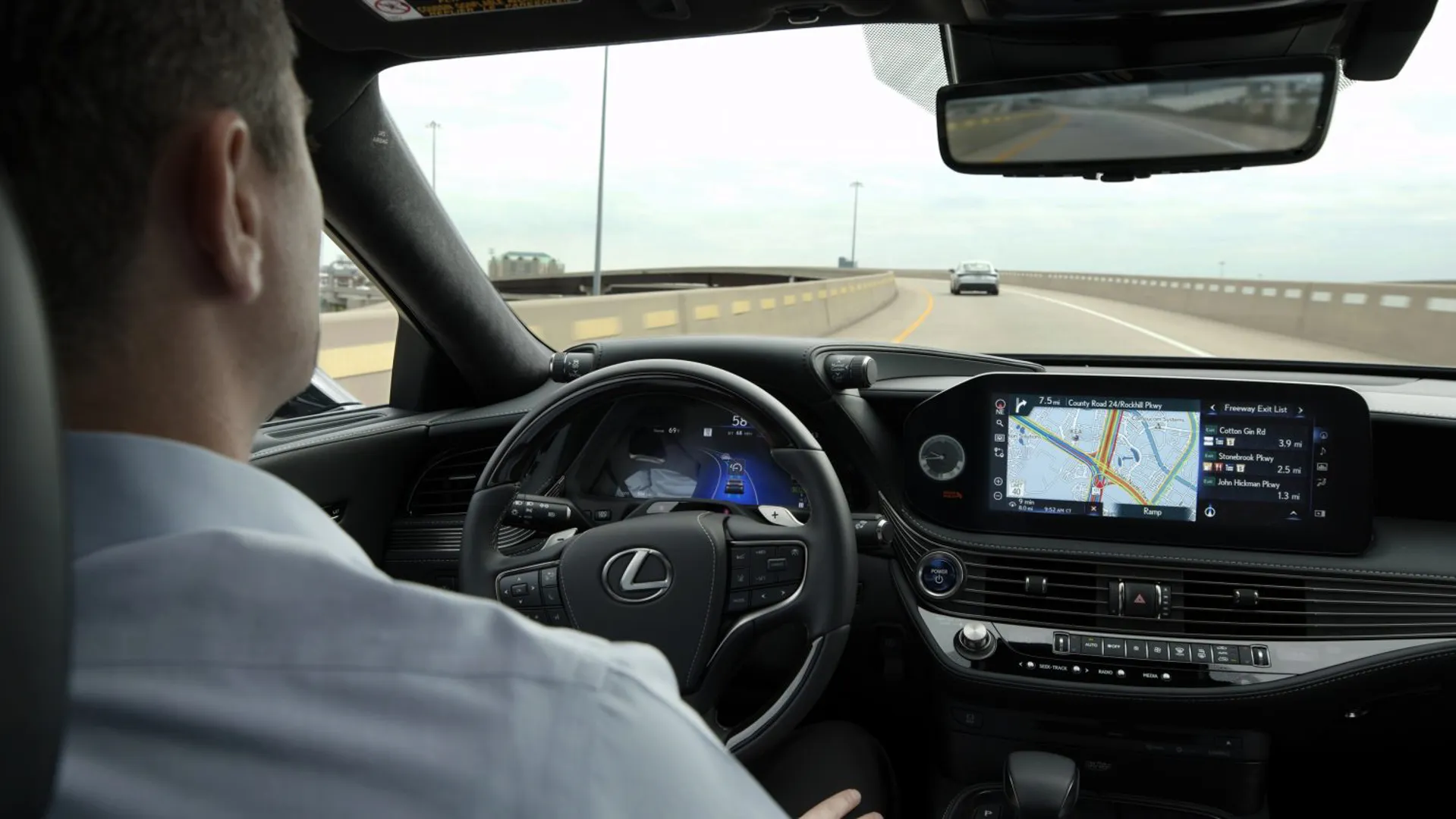
5. Lexus LS 500 with Driver Attention Monitor
Refinement influences every engineering decision within the Lexus LS 500, and the Driver Attention Monitor reflects this disciplined philosophy. Instead of acting as a rigid enforcement mechanism, the system operates as a reserved observer that intervenes only when patterns indicate reduced focus.
A camera near the steering column evaluates eye direction and blink behaviour over sustained periods, allowing assessment based on consistency rather than isolated moments. During normal driving, the system demonstrates impressive restraint. Brief mirror checks, dashboard adjustments, and screen interactions pass without reaction.
The software waits for repeated signs of reduced awareness before responding. When engagement appears to decline, the first response arrives visually through the instrument display. Audible alerts remain secondary, activating only when visual cues fail to restore attention.
Extended highway travel reveals the benefit of this measured approach. Many monitoring systems become intrusive with time, yet Lexus allows a relaxed posture, provided awareness remains clear. Hands stay on the steering wheel without pressure-based reminders. Steering behaviour assists confirmation of engagement, reducing unnecessary prompts.
Urban conditions introduce frequent visual demands. Intersections, pedestrian activity, and traffic signals require constant scanning. Driver Attention Monitor recognises these patterns accurately and avoids misclassifying them as inattentiveness. This understanding reduces irritation during routine commuting and reinforces trust.
Integration with other assistance functions remains smooth. Lane guidance and adaptive cruise control operate alongside monitoring without overlapping messages. Each system communicates independently, ensuring clarity without crowding the driver with information.
Interior comfort also contributes indirectly to attentiveness. When fatigue indicators appear, gentle suggestions may surface, sometimes accompanied by subtle seat or climate adjustments. These actions encourage alertness through comfort rather than warning tones.
Lexus prioritises emotional calm within the cabin. Alerts maintain a neutral tone, avoiding urgency unless absolutely required. This atmosphere supports steady concentration during long drives. For motorists who value composure above constant correction, the Lexus LS 500 delivers a driver monitoring solution that feels considerate. It remains present without intrusion, offering reassurance through quiet support rather than pressure-driven control.
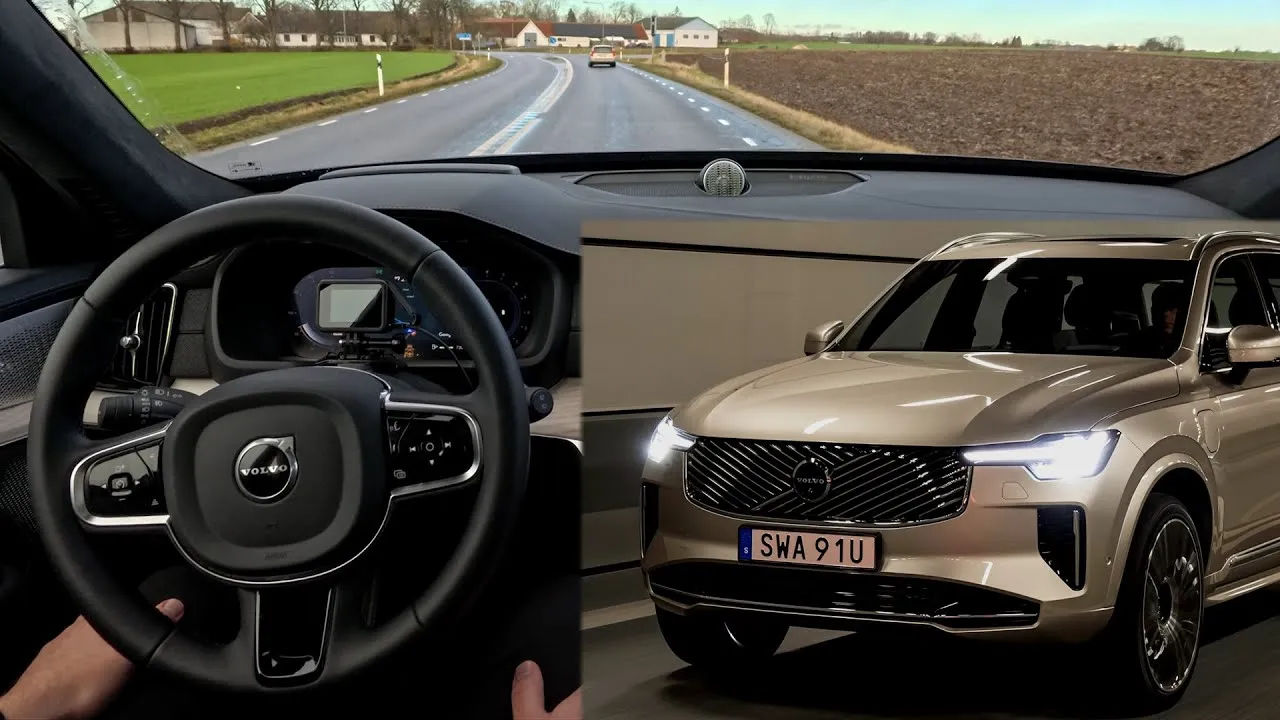
6. Volvo XC90 Recharge with Driver Alert Control
Volvo has long been associated with safety, yet the Driver Alert Control system fitted in the Volvo XC90 Recharge demonstrates restraint and discipline rather than forceful supervision. Instead of constant monitoring through visible sensors, the system studies changes in driving behaviour, paying attention to steering stability, lane control, and consistency of vehicle movement. This method allows assessment to occur quietly, without relying on eye movement tracking or intrusive observation.
Experience from the driver’s seat feels natural and unpressured. There is no sense of being watched, no visible camera fixed on the driver, and no sudden visual reactions to harmless glances away from the road. The system adopts a patient approach, observing driving patterns across time rather than reacting to isolated moments. This design choice creates confidence and reduces unnecessary tension.
Extended journeys reveal the strength of this measured strategy. As fatigue begins to influence steering smoothness or lane discipline, Driver Alert Control identifies these gradual changes with care. A gentle notification appears on the display, advising the driver to consider taking a break. The message is supported by a calm visual symbol, avoiding urgent sounds or aggressive wording. Guidance feels courteous rather than commanding.
Urban driving conditions receive equal understanding. Congested roads, roadworks, and narrow streets often demand frequent steering adjustments and minor corrections. Driver Alert Control recognises these demands as part of normal driving activity and remains silent during such situations. By distinguishing between environmental pressure and reduced attention, the system avoids unnecessary alerts during daily commutes.
Alert presentation remains intentionally brief. Messages appear only long enough to be understood, then disappear without repetition. This prevents distraction and ensures the driver’s focus remains on the road ahead instead of the instrument display. Such restraint supports sustained concentration during both short and long trips.
Integration with hybrid driving functions enhances the experience further. Quiet electric operation encourages smoother input, and the monitoring system adapts its expectations accordingly. When driving remains steady, feedback becomes less frequent. Sudden or inconsistent input receives quicker attention, maintaining balance without interruption.
Households benefit from this thoughtful design. School drop-offs, shopping trips, and family outings proceed without constant reminders or warning tones. Technology operates in the background, supporting awareness without adding pressure.
Volvo’s safety philosophy prioritises understanding human behaviour rather than enforcing rigid control. Driver Alert Control reflects this principle by respecting normal driving habits and responding only when sustained patterns indicate reduced alertness. This approach allows the Volvo XC90 Recharge to provide reassurance while preserving comfort and driver confidence.
Careful calibration ensures assistance remains dependable during varied road conditions, supporting attentive driving through steady observation, balanced feedback, and respectful interaction at all times without disrupting comfort, focus, or personal control behind the wheel daily.
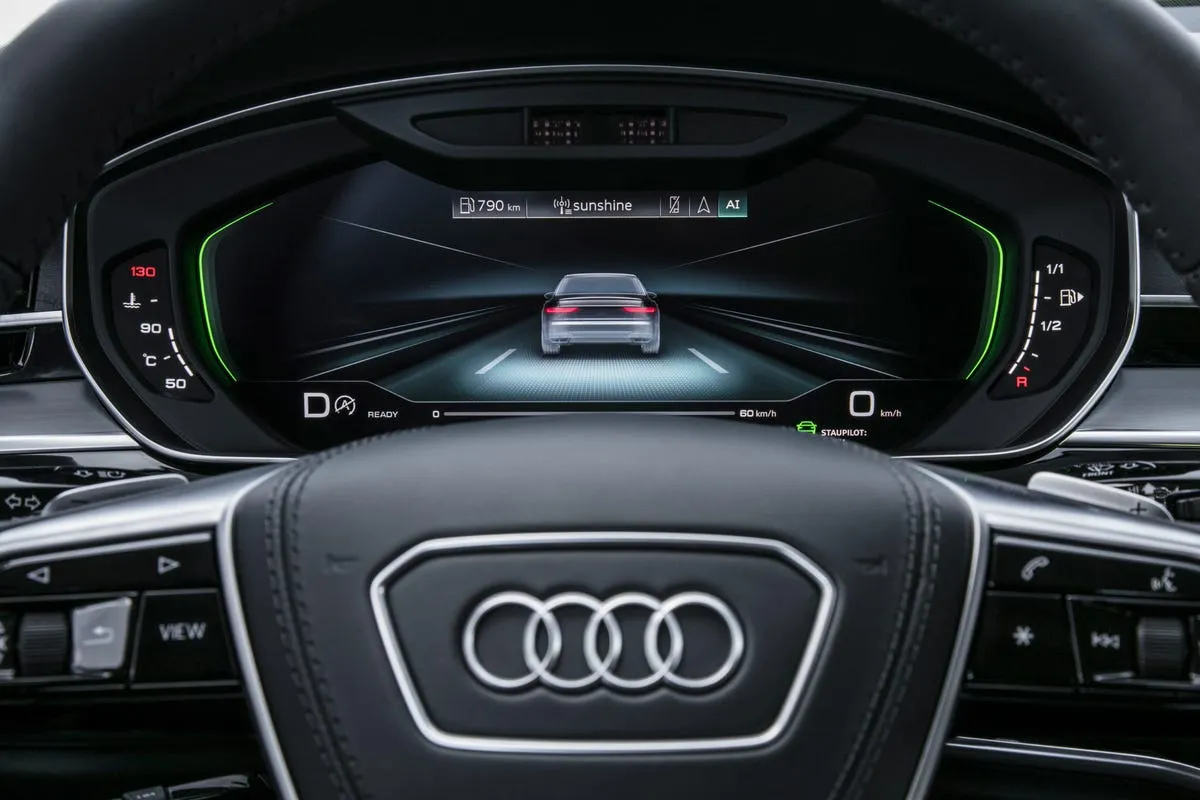
7. Audi A8 L with Driver Attention Warning
Refined engineering principles shape the Audi A8 L, and the Driver Attention Warning feature reflects this philosophy with measured discipline. Instead of depending solely on visual monitoring, the system evaluates steering precision, throttle application, braking rhythm, and directional consistency. This method allows the vehicle to build a reliable understanding of driver behavior without relying on intrusive observation methods.
Operation remains discreet from the driver’s seat. No repetitive messages demand acknowledgment, and no flashing icons compete for attention. During the opening moments of a journey, the system establishes a personal driving reference based on natural input. Subsequent evaluations rely on deviations from this reference, ensuring responses remain relevant rather than reactionary.
Extended travel periods demonstrate the true value of this approach. As fatigue subtly influences steering accuracy or pedal response, the system identifies these gradual changes with care. A short visual prompt advising rest appears calmly on the display. Audible feedback follows only if visual guidance receives no response, maintaining a respectful communication sequence.
Audi deliberately avoids constant eye tracking, reducing misinterpretation caused by eyewear, sunlight, or cabin lighting variations. This design choice helps drivers feel trusted rather than scrutinized. Confidence grows as the system proves capable of interpreting physical driving behavior instead of relying on facial analysis alone.
Traffic density also receives careful consideration. Irregular steering and braking often result from congestion rather than reduced focus. Driver Attention Warning accounts for these conditions, withholding feedback until behavior patterns clearly indicate diminished alertness. This judgment prevents unnecessary interruptions during demanding road situations.
Repetition avoidance stands as another strength. Once guidance is issued, the system allows time for personal response instead of issuing repeated reminders. Drivers retain control over decision-making, reducing irritation during longer journeys. The balance between caution and restraint remains consistently maintained.
Personal adjustment options provide additional comfort. Sensitivity levels can be modified within approved safety boundaries, allowing alignment with individual driving habits. This adaptability strengthens user confidence while preserving the system’s protective intent.
Through calm assessment and restrained feedback, the Audi A8 L establishes a respectful relationship between human judgment and automated support. Driver Attention Warning offers guidance that feels justified, measured, and quietly dependable throughout daily use.
Also Read: 5 Crossovers With Durable Steering Racks vs 5 That Develop Play
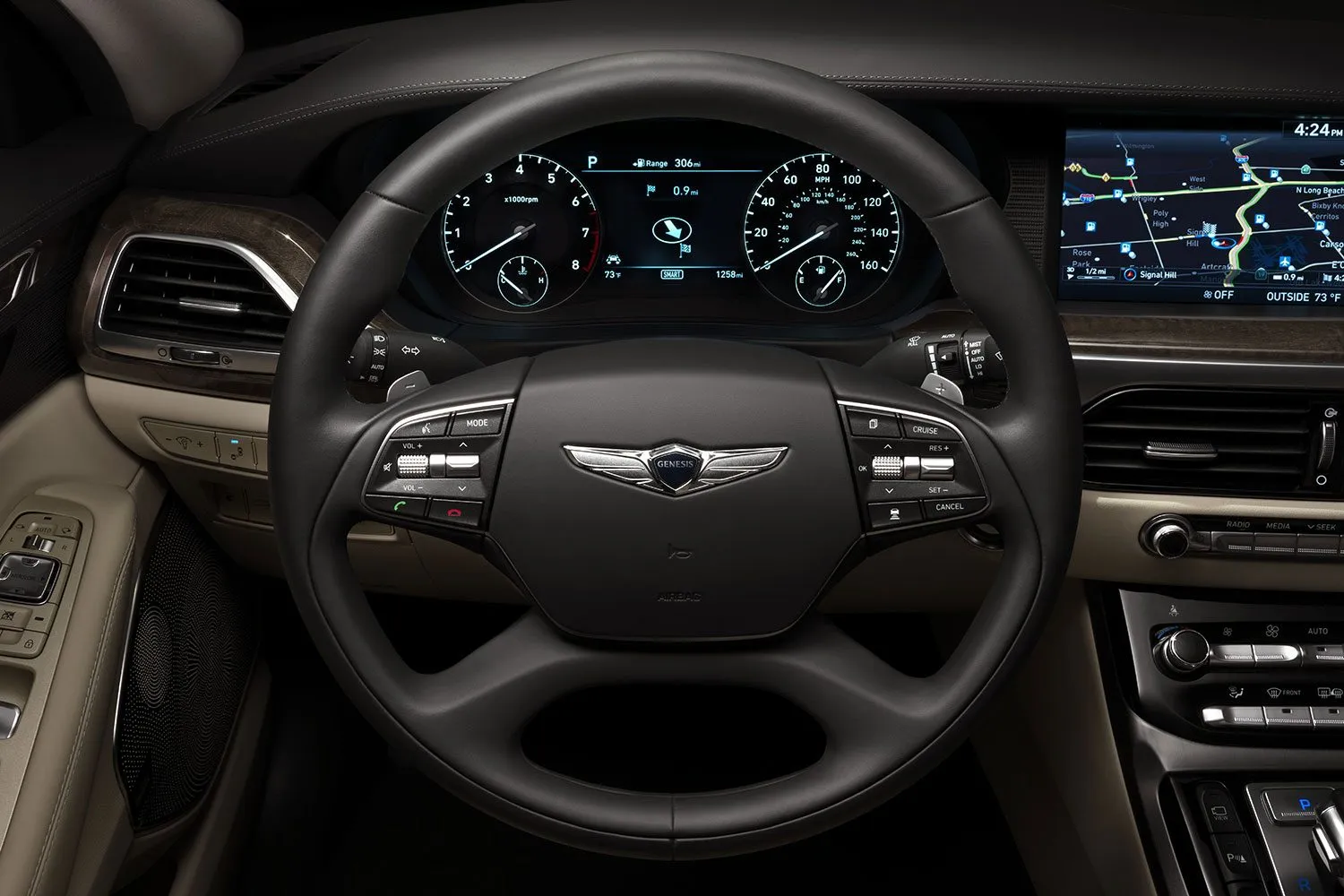
8. Hyundai Genesis G90 with Driver Attention Warning
Design elegance defines the Hyundai Genesis G90, and the Driver Attention Warning system mirrors this calm identity through disciplined operation. Rather than requesting constant verification, the system observes steering flow, lane control, and input stability to assess attentiveness. This approach allows monitoring to occur without creating pressure or distraction within the cabin environment.
Interaction with the system remains understated at all times. Visual notifications appear first through refined graphics integrated into the digital cluster. Audible alerts activate only after extended inattentiveness, ensuring drivers receive adequate opportunity for self-correction before sound enters the experience.
Highway travel highlights the system’s balanced tuning. Straight road sections permit relaxed steering without unnecessary warnings. When curves, exits, or merging lanes introduce higher demand, sensitivity adjusts smoothly. The transition feels natural, avoiding abrupt changes that could disrupt concentration.
Urban travel benefits from equal awareness. Frequent stops, lane changes, and visual scanning define city driving patterns. The software recognises these behaviors as normal operational requirements and avoids classifying them as distractions. This understanding reduces false alerts during routine commuting.
Genesis integrates comfort functions thoughtfully alongside monitoring. When signs of fatigue appear, subtle seat adjustments or climate responses may activate. These measures help restore alertness without drawing attention to the monitoring process or interrupting driving flow.
Consistency enhances long-term confidence. The system performs each day predictably, reinforcing trust through stable behavior. Drivers quickly learn that alerts arise only when driving patterns genuinely indicate reduced focus, eliminating uncertainty about system intentions.
Aggressive reminders find no place within this design. There is no urgency imposed through repeated tones or forceful messaging. Instead, the technology maintains a composed presence that respects driver autonomy while remaining attentive to safety concerns.
Through measured observation and restrained communication, the Hyundai Genesis G90 demonstrates that effective driver monitoring can exist without noise or pressure. The Driver Attention Warning system supports awareness quietly, creating a reassuring experience suited for daily driving demands.
