
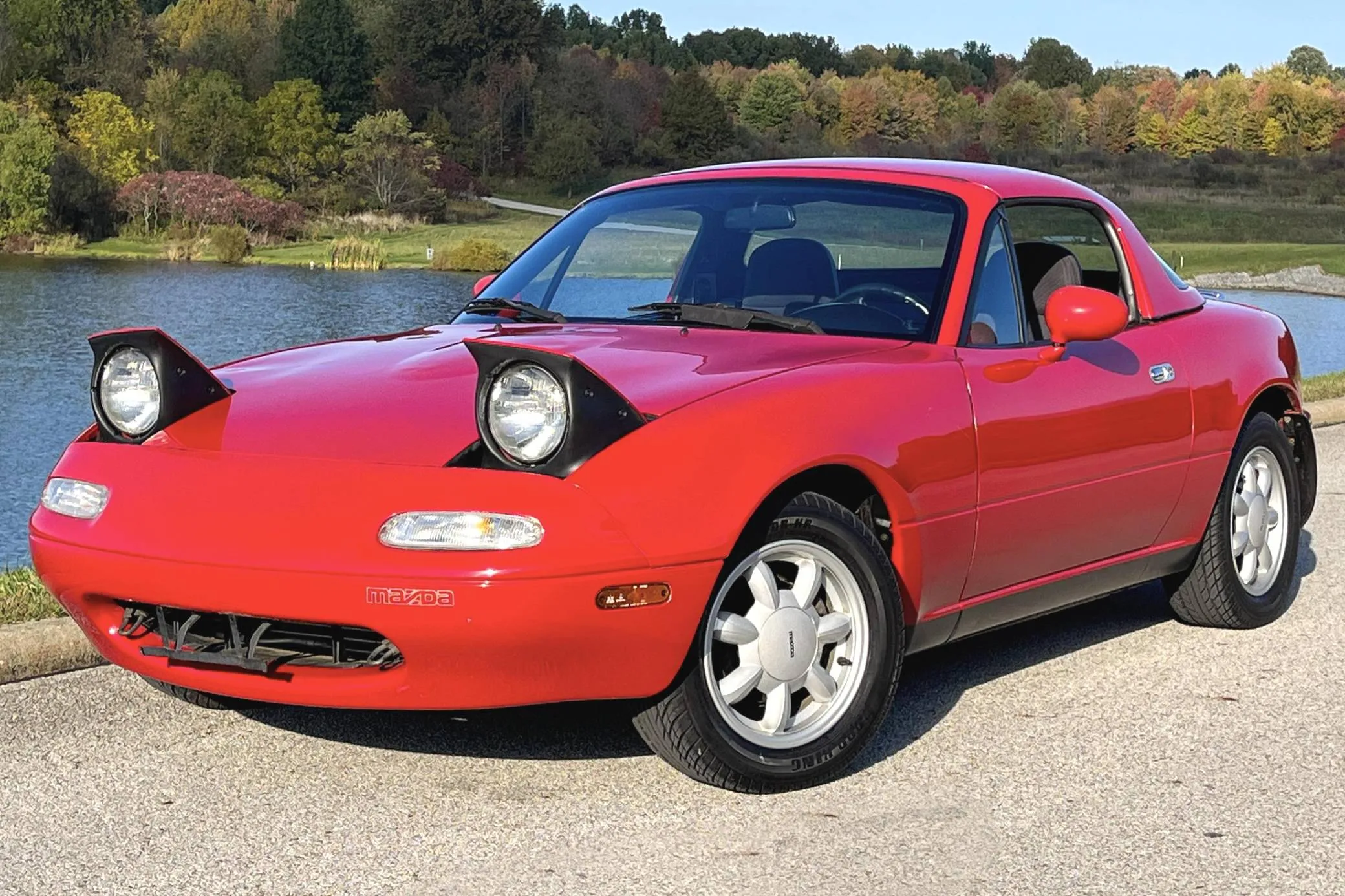
Driving excitement does not have to come with a luxury price tag. For decades, Mazda has quietly built cars that deliver sharp handling, responsive steering, and genuine personality without draining a bank account. While other brands chased horsepower wars or oversized luxury features, Mazda stayed focused on balance, simplicity, and the connection between driver and machine.
Affordable fun sounds like a marketing slogan, yet Mazda turned it into a consistent formula. Lightweight engineering, well-tuned suspensions, and manual transmission options kept drivers engaged.
Even everyday commuters carried a sense of playfulness that made errands feel less routine. That approach created a loyal following among enthusiasts who wanted more than basic transportation but could not justify exotic car costs.
What sets Mazda apart is its belief that driving pleasure should be accessible. A small engine does not mean dull performance. A compact car does not mean forgettable character. By refining steering feel and chassis control, Mazda transformed practical vehicles into memorable experiences.
Below are ten Mazda models that prove affordable cars can still deliver serious fun behind the wheel. Each one left its mark in its own way, showing that excitement does not depend solely on price.
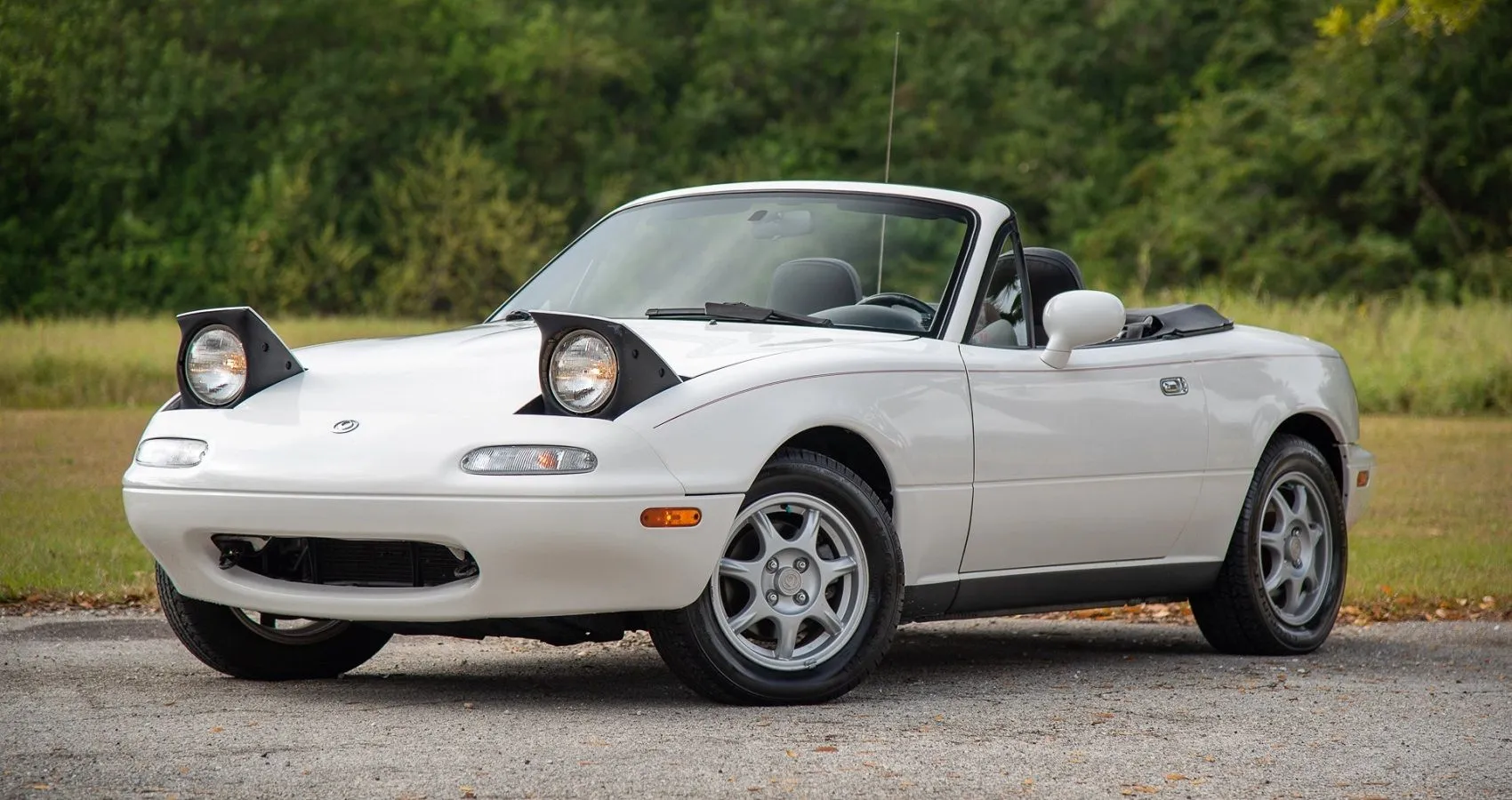
1. 1990 Mazda MX-5 Miata
Few cars have shaped affordable performance quite like the 1990 Mazda MX-5 Miata. When it arrived, it brought back the spirit of lightweight roadsters at a time when most small sports cars had disappeared. Instead of chasing raw power, Mazda focused on balance. That decision made all the difference.
Weighing barely over 2,100 pounds, the original Miata relied on a modest 1.6-litre engine producing around 116 horsepower. Those numbers may not impress on paper, yet behind the wheel, the story changes. Quick steering, a precise five-speed manual transmission, and near-perfect weight distribution created a car that felt alive at any speed. Drivers did not need to exceed legal limits to enjoy it.
Affordability played a major role in its appeal. Buyers could step into a true Rear Wheel Drive sports car without spending luxury money. Insurance costs stayed reasonable, fuel economy remained practical, and reliability built confidence. Mazda delivered smiles without financial stress.
Open-top motoring added another layer of charm. Dropping the soft top took seconds, inviting drivers to feel connected to their surroundings. Every corner became an opportunity to test the car’s poise. Grip levels encouraged playful driving while remaining predictable.
Enthusiasts often describe the Miata as a reminder that driving fun comes from involvement rather than speed. That philosophy reshaped expectations for budget-friendly sports cars. Decades later, the original 1990 Mazda MX-5 Miata remains proof that thoughtful engineering can outperform bigger engines and higher price tags.
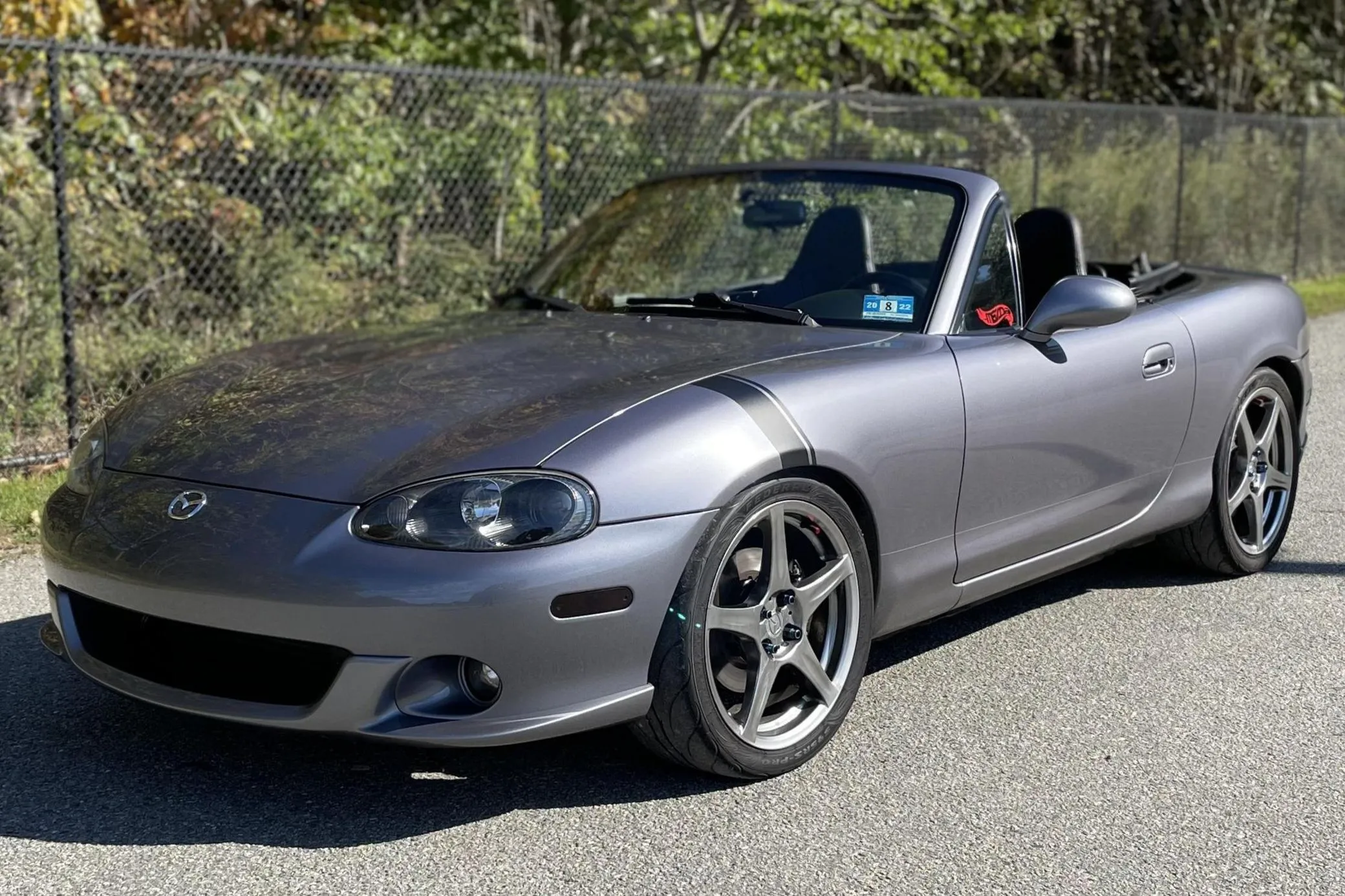
2. 2004 Mazda Mazdaspeed Miata
Turbocharged excitement entered the picture with the 2004 Mazda Mazdaspeed Miata. Instead of reinventing the beloved roadster, Mazda enhanced it with forced induction and sharper tuning. The resulting performance delivered an extra layer of energy without abandoning the car’s approachable nature.
Power rose to 178 horsepower thanks to a factory-installed turbocharger. That boost transformed acceleration while keeping the car’s lightweight character intact. Drivers felt a stronger midrange pull and quicker highway passing, yet the chassis still communicated clearly through corners.
Suspension upgrades included stiffer springs and Bilstein shocks, tightening body control. Larger wheels and tires increased grip, while subtle exterior changes hinted at the added performance. Interior details remained simple, and the driver focused, reinforcing the car’s purpose.
Pricing stayed within reach of enthusiasts who wanted more punch without stepping into high-end sports car territory. The Mazdaspeed Miata proved that adding performance does not require abandoning affordability. It balanced spirited driving with practical ownership costs.
Turbo lag remained minimal, allowing smooth power delivery during everyday commuting. Manual transmission remained standard, preserving driver engagement. For many buyers, this model represented the sweet spot between classic Miata charm and modern performance demands.
Mazda demonstrated restraint here. Engineers enhanced what already worked rather than chasing excessive horsepower. That measured approach preserved reliability and driving feel. As a result, the 2004 Mazda Mazdaspeed Miata became a standout example of accessible turbocharged fun.
Also Read: Top 10 Mazda Cars Every Enthusiast Must Drive Once
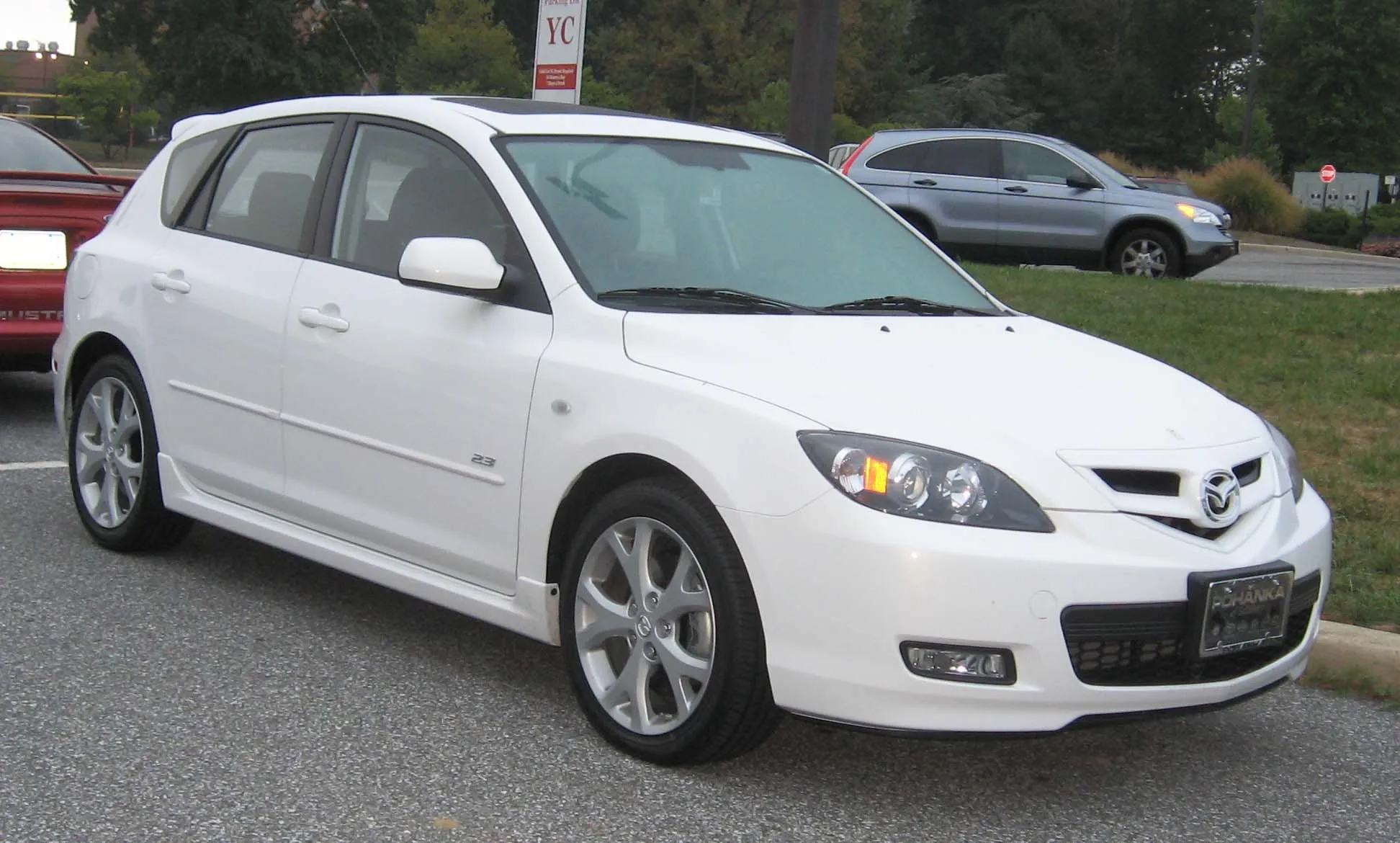
3. 2007 Mazda3 Hatchback
Sporty driving does not require a two-seat layout. Consider the 2007 Mazda3 Hatchback, a compact car that turned daily commuting into an engaging experience. With room for friends and cargo, it blended practicality with surprising agility.
Under the hood, buyers could choose between a 2.0-liter or 2.3-liter engine. While neither option aimed to dominate drag strips, both provided responsive acceleration for city driving. Steering stood out as a highlight. Crisp feedback and direct response gave the car a lively personality rarely found in affordable hatchbacks of that era.
Five speed manual transmission kept enthusiasts interested. Gear changes felt smooth and precise, encouraging drivers to stay involved. Suspension tuning struck a balance between comfort and control, making twisty roads genuinely enjoyable.
Interior design felt modern and driver-oriented without unnecessary complication. Controls were intuitive, and materials exceeded expectations for the price. Mazda avoided bloated features that would increase cost without improving the experience.
Young drivers and budget-conscious buyers found in the 2007 Mazda3 Hatchback a car that did more than simply get them from point A to point B. It responded eagerly to steering input and rewarded confident driving. Affordable performance often involves compromise. Mazda managed to minimize those tradeoffs.
Fuel efficiency remained competitive, ownership costs stayed manageable, and reliability built long-term trust. That combination cemented the Mazda3 as a go-to choice for drivers seeking fun without overspending.
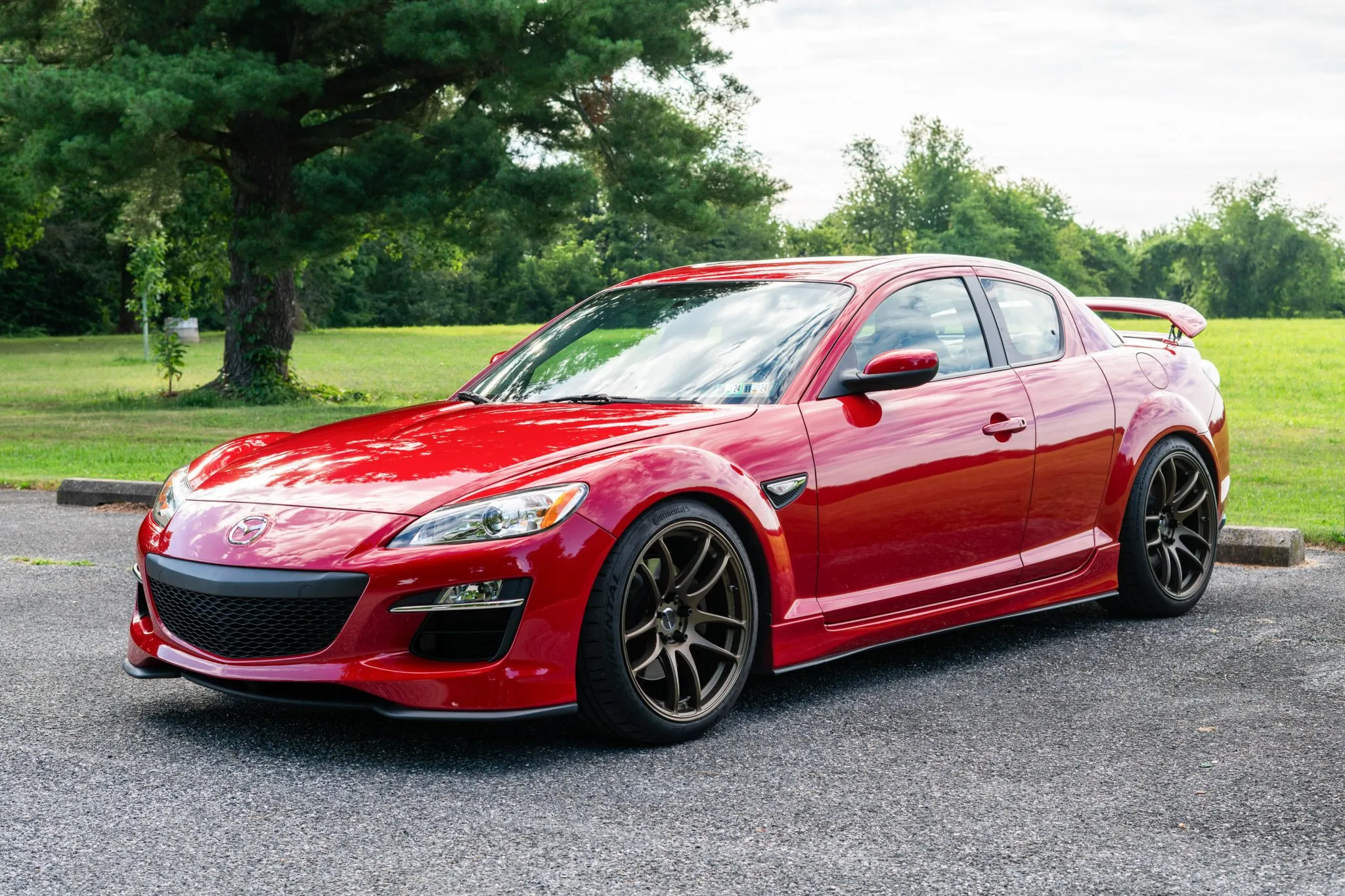
4. 2010 Mazda RX-8
Distinct engineering philosophy defines the 2010 Mazda RX-8, particularly through its use of a rotary power unit rather than a conventional piston engine. This model stands as a bold representation of Mazda’s willingness to depart from traditional automotive patterns. The rotary engine demands attentive ownership and proper understanding, yet it offers a uniquely refined driving experience that rewards dedication.
At the heart of the vehicle lies the 1.3 litre Renesis rotary engine, capable of producing up to 232 horsepower when paired with a manual transmission. Unlike larger displacement engines that depend on torque at low revolutions, this power plant thrives at higher engine speeds.
Drivers are encouraged to allow the engine to rev freely, where it performs with smooth consistency and audible enthusiasm. Acceleration builds progressively, and the vehicle maintains composure even as the tachometer approaches its upper limits.
Engineering balance contributes substantially to the RX-8’s appeal. Careful placement of mechanical components results in nearly even weight distribution between the front and rear axles. A relatively low centre of gravity enhances stability, particularly when cornering. Steering response is immediate and precise, enabling confident direction changes. Body movement remains controlled, supporting spirited driving without discomfort.
Practicality also receives thoughtful consideration. Rear-hinged back doors allow access to a second row of seating, a rare provision in sports coupes of its category. Passengers benefit from reasonable space, making the vehicle more accommodating than typical two-seat alternatives. This design feature increases versatility while preserving the coupe’s sleek profile.
Affordability, when compared with similarly styled performance vehicles, strengthens the RX-8’s appeal. Buyers gain access to advanced engineering and distinctive character without entering the price bracket associated with luxury sports models.
Ownership requires attention to routine servicing, particularly in relation to engine maintenance. Those willing to adhere to recommended care practices often regard the effort as worthwhile. Mazda’s decision to persist with rotary technology reflects conviction and originality.
Rather than replicating established sports car formulas, the 2010 Mazda RX-8 presents an alternative interpretation of performance. Through its distinctive mechanical layout and balanced handling characteristics, it affirms that driving enjoyment can be achieved through innovation and disciplined engineering at an accessible cost.
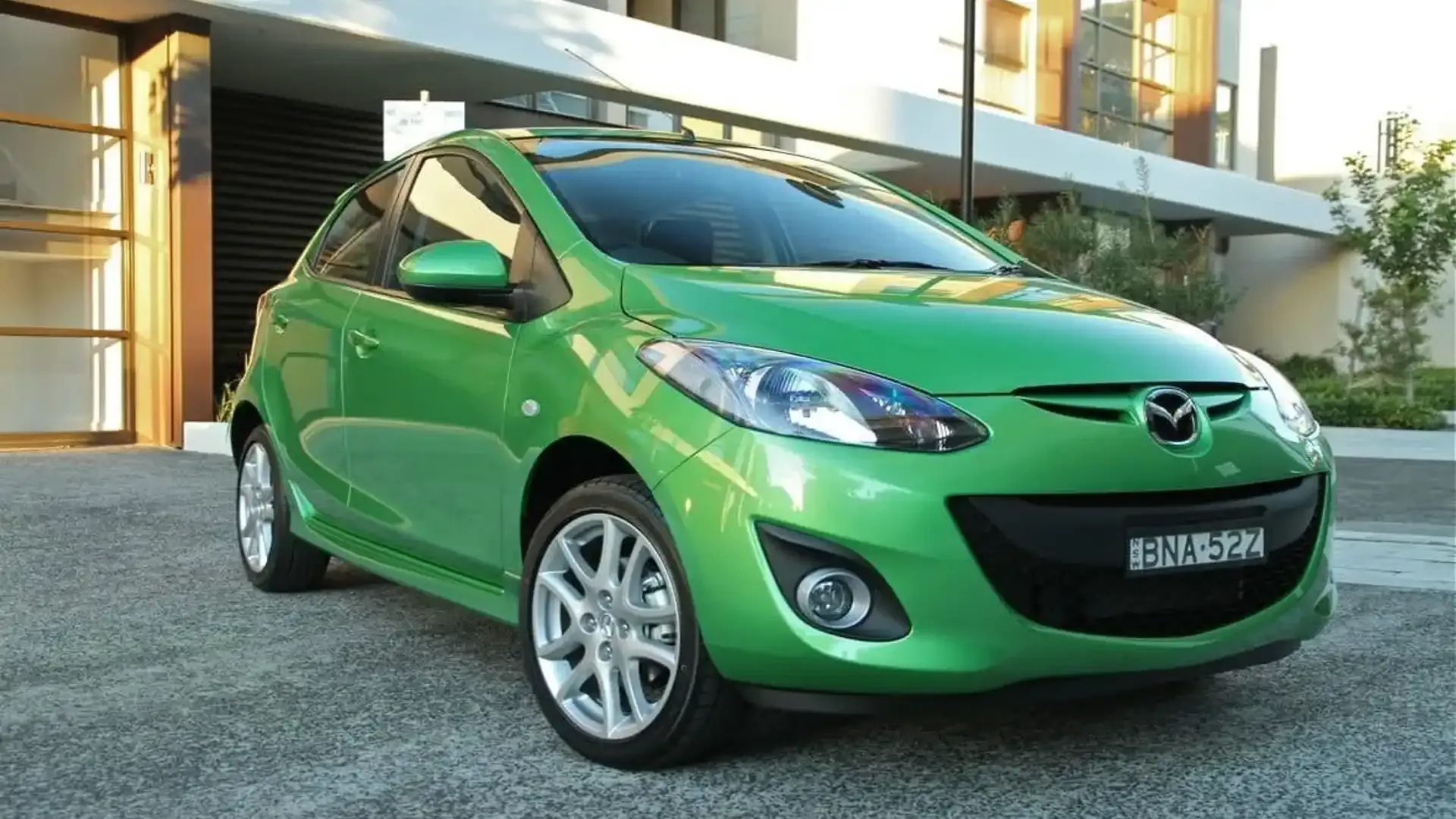
5. 2012 Mazda2
Compact vehicles are frequently underestimated, yet the 2012 Mazda2 provides persuasive evidence that size does not determine driving satisfaction. Designed as a subcompact hatchback, this model combines affordability with agile handling, thereby challenging common assumptions regarding entry-level automobiles.
Power is supplied by a 1.5-litre four-cylinder engine producing approximately 100 horsepower. Although these figures appear modest, the vehicle’s light curb weight contributes to responsive performance, particularly in urban traffic conditions.
Acceleration proves adequate for daily commuting, while steering input produces quick and predictable reactions. Such responsiveness enhances manoeuvrability within confined city streets and parking areas. Availability of a manual transmission increases driver engagement. Gear ratios are arranged to maintain engine momentum, encouraging attentive and active driving.
Even at moderate speeds, the vehicle conveys an energetic character. Suspension calibration prioritizes nimbleness while retaining sufficient comfort for routine journeys. Road irregularities are managed competently without undermining stability.
Interior presentation reflects simplicity and practicality. Controls are clearly positioned and easy to operate, reducing distraction. Cabin materials, though modest, demonstrate commendable durability for the segment. Seating arrangements accommodate small families, students, or young professionals seeking economical transportation. Luggage capacity meets daily requirements, reinforcing the vehicle’s functional purpose.
Financial accessibility forms a central component of the Mazda2’s attraction. Purchase price remains within reach of first-time buyers, while insurance premiums and fuel consumption contribute to manageable operating costs. Maintenance requirements are straightforward, supporting long-term affordability.
The 2012 Mazda2 illustrates how thoughtful chassis tuning and lightweight construction can produce an enjoyable experience without financial strain. It stands as an example of practical motoring enhanced by attention to detail and commitment to driver involvement, demonstrating that modest specifications need not equate to uninspiring performance.
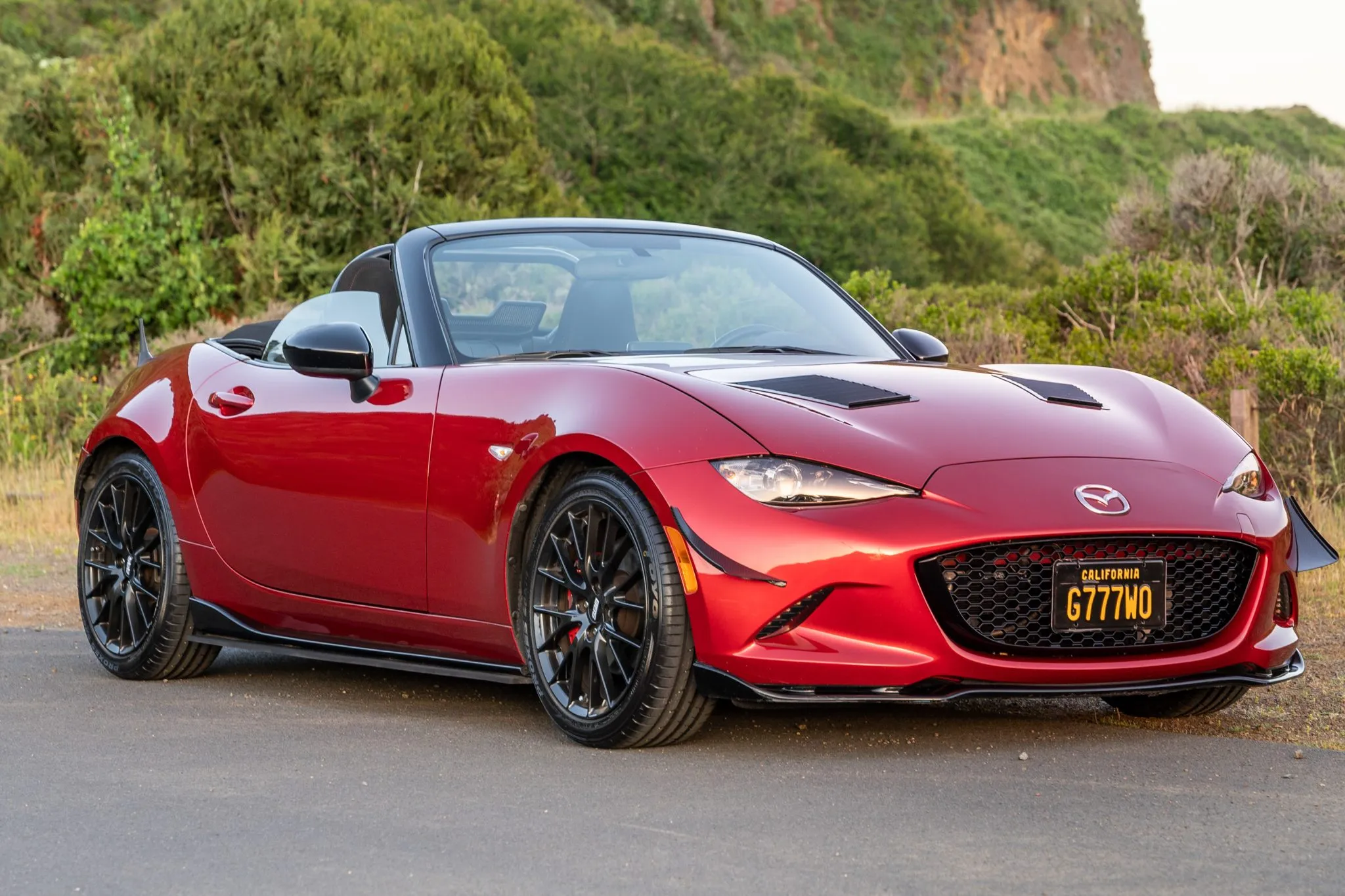
6. 2016 Mazda MX-5 Miata Club
Refined adherence to lightweight engineering principles defines the 2016 Mazda MX-5 Miata Club. This generation represents a deliberate return to simplicity, guided by the understanding that reduced mass and balanced construction enhance responsiveness.
By trimming weight when compared with its predecessor, Mazda improved agility and strengthened the harmony between chassis and powertrain. The result is a roadster that feels alert and composed in equal measure. Power is supplied by a 2.0 litre four cylinder engine producing 155 horsepower. While this output may appear modest on paper, the vehicle’s low curb weight ensures lively performance.
Throttle input produces an immediate reaction, and the engine revs freely with smooth consistency. A six-speed manual transmission accompanies the power unit, offering short, precise gear shifts. Each gear change requires deliberate action, reinforcing the sense of direct communication between driver and machinery.
Performance-oriented refinements distinguish the Club variant from standard trims. A limited-slip differential enhances traction during cornering, while sport-tuned suspension components provide greater stability through bends. The inclusion of a front shock tower brace increases structural rigidity, thereby improving steering accuracy.
These mechanical enhancements strengthen confidence without imposing excessive financial burden upon prospective owners. Interior design prioritizes clarity and function. Supportive, bolstered seats maintain occupant stability during enthusiastic driving.
Instrumentation is straightforward and legible, enabling the driver to remain focused on the road ahead. Mazda exercised restraint by excluding superfluous features that might distract from the primary objective of engagement. Materials and finishes convey durability while maintaining affordability.
Manual operation of the soft top roof is intentionally simple. With minimal effort, the driver can lower or raise the roof, integrating open-air motoring into daily routines. When driven with the roof lowered, auditory feedback from the engine and subtle cues from the road surface become more pronounced, enhancing sensory involvement.
Financial accessibility remains a defining characteristic of this model. Purchase price compares favourably with competing sports cars, and routine servicing costs are generally manageable. Insurance premiums and fuel consumption remain within reasonable limits, supporting practical ownership.
Enthusiasts frequently regard the 2016 Mazda MX-5 Miata Club as a reaffirmation of fundamental motoring values. Rather than pursuing extreme horsepower figures, it concentrates on balance, precision, and mechanical honesty. Through disciplined engineering and careful cost management, it demonstrates that authentic driving enjoyment may be attained without extravagant expenditure.
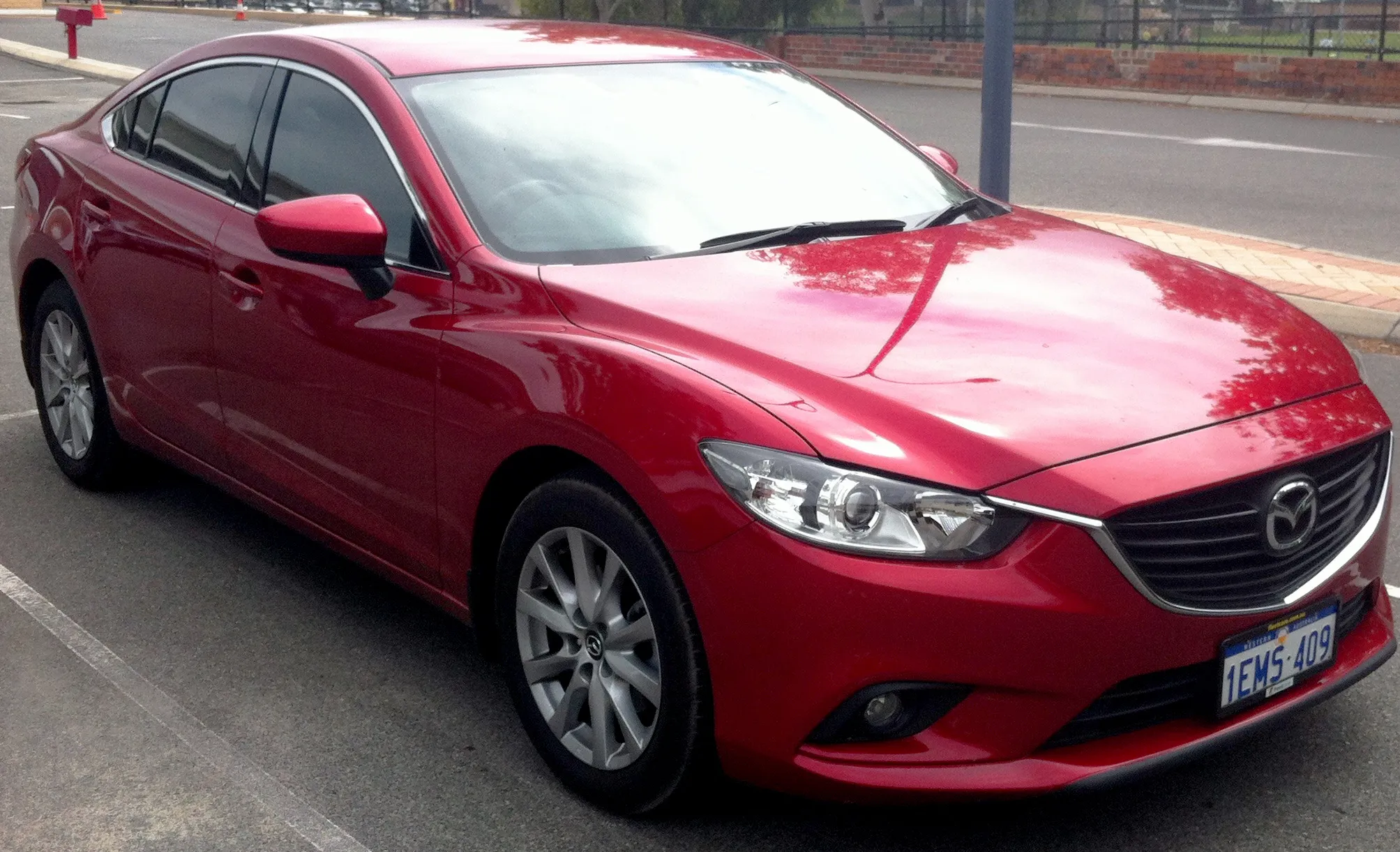
7. 2014 Mazda6 Sport
Family sedans rarely inspire passion, yet the 2014 Mazda6 Sport challenged expectations. Mazda approached this midsize sedan with a clear mission: combine practicality with driver satisfaction. Results surprised anyone who assumed a sedan must feel dull.
Under the hood sat a 2.5-litre SKYACTIV G engine producing 184 horsepower. Paired with either a six-speed manual or automatic transmission, it delivered smooth acceleration suitable for daily commuting and highway travel. Steering feel stood out, offering clarity and weight rarely found in affordable sedans.
Chassis tuning emphasized balance. Body roll remained controlled during cornering, and suspension absorbed road imperfections without sacrificing responsiveness. Drivers could enjoy winding roads while still transporting passengers comfortably.
Interior design reflected thoughtful craftsmanship. Clean lines, supportive seats, and user-friendly controls created a cabin that felt more premium than its price suggested. Mazda invested in materials and layout that enhanced daily driving without adding unnecessary cost.
Fuel efficiency remained competitive, helping owners save at the pump. Reliability earned praise, making the 2014 Mazda6 Sport a practical long-term choice. What made this sedan special was its refusal to compromise enjoyment. Rather than treating driving as a background task, Mazda engineered engagement into the experience. Even routine errands gained a subtle spark of enthusiasm.
Affordability, style, and responsive handling positioned this model as a strong alternative to more expensive options. Buyers discovered they could own a spacious, comfortable sedan that also encouraged spirited driving. That balance reinforced Mazda’s reputation for delivering fun without financial strain.
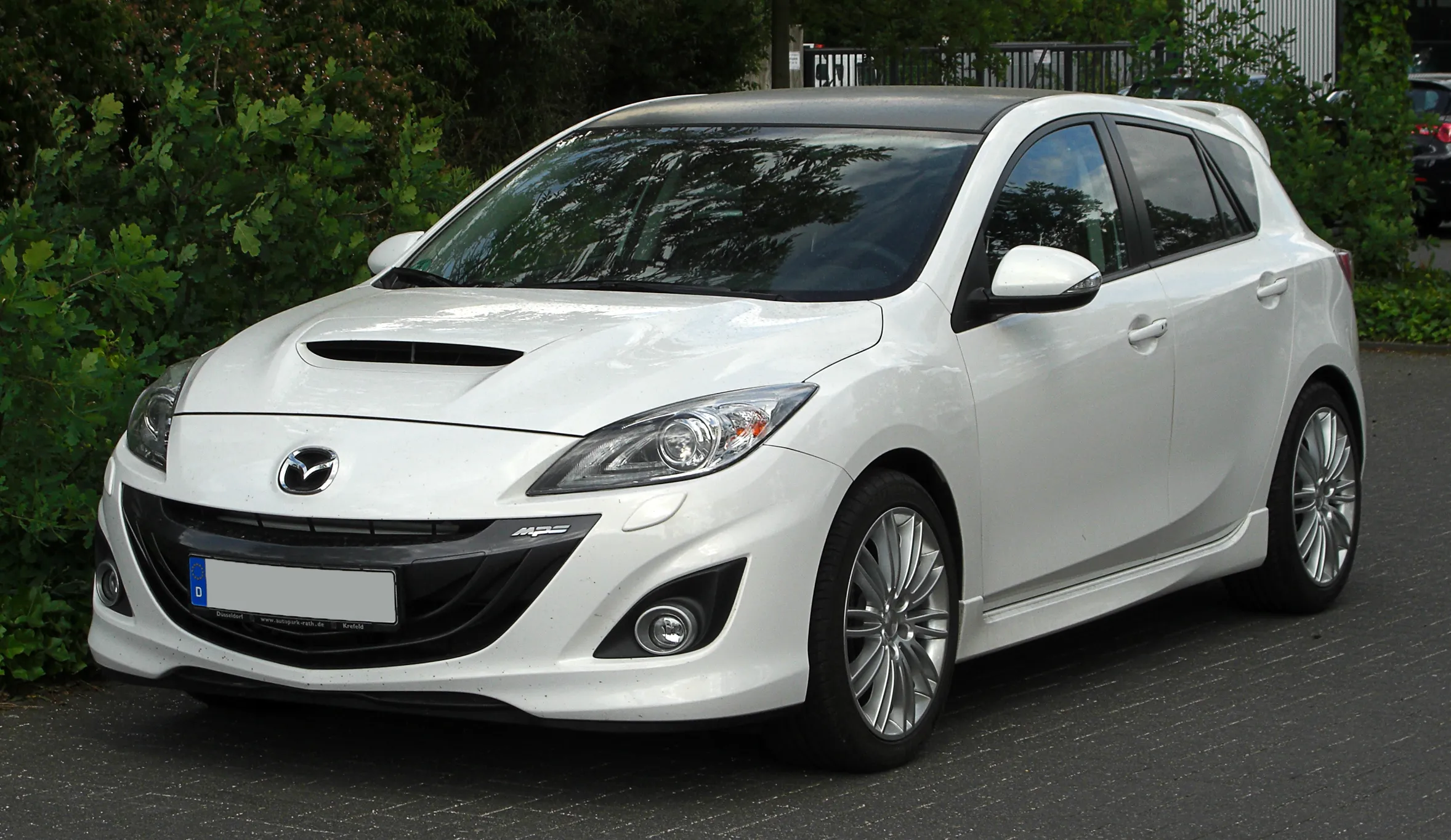
8. 2008 Mazda Mazdaspeed3
Turbocharged hatchbacks earned loyal followings, and the 2008 Mazda Mazdaspeed3 played a major role in that trend. Built upon the standard Mazda3 platform, this performance-focused version injected serious energy into a practical five-door body.
A 2.3-litre turbocharged engine produced 263 horsepower, sending power to the front wheels through a six-speed manual transmission. Acceleration felt strong and immediate, transforming the compact hatchback into a genuine performance machine. Torque steer reminded drivers of the car’s potency, adding raw character to the experience.
Suspension upgrades included stiffer springs, revised dampers, and thicker anti-roll bars. These changes enhanced cornering stability and reduced body movement. Steering remained sharp, allowing confident entry into tight turns.
Exterior styling hinted at its capabilities without appearing excessive. Subtle aerodynamic elements and larger wheels signalled performance intent. Inside, sport seats and red accents reinforced the car’s energetic personality. Affordability distinguished the 2008 Mazda Mazdaspeed3 from higher-priced hot hatches.
Buyers gained impressive power and handling at a fraction of the cost associated with premium brands. Insurance and fuel expenses remained manageable for a performance vehicle. Daily usability added to its appeal. Rear seats folded to accommodate cargo, making it suitable for work, school, or weekend trips. That practicality meant owners did not need a separate vehicle for everyday tasks.
Driving this model felt engaging and slightly unruly in the best way. It demanded attention and rewarded skill. For enthusiasts seeking excitement without luxury pricing, the 2008 Mazda Mazdaspeed3 proved that performance and value can coexist successfully.
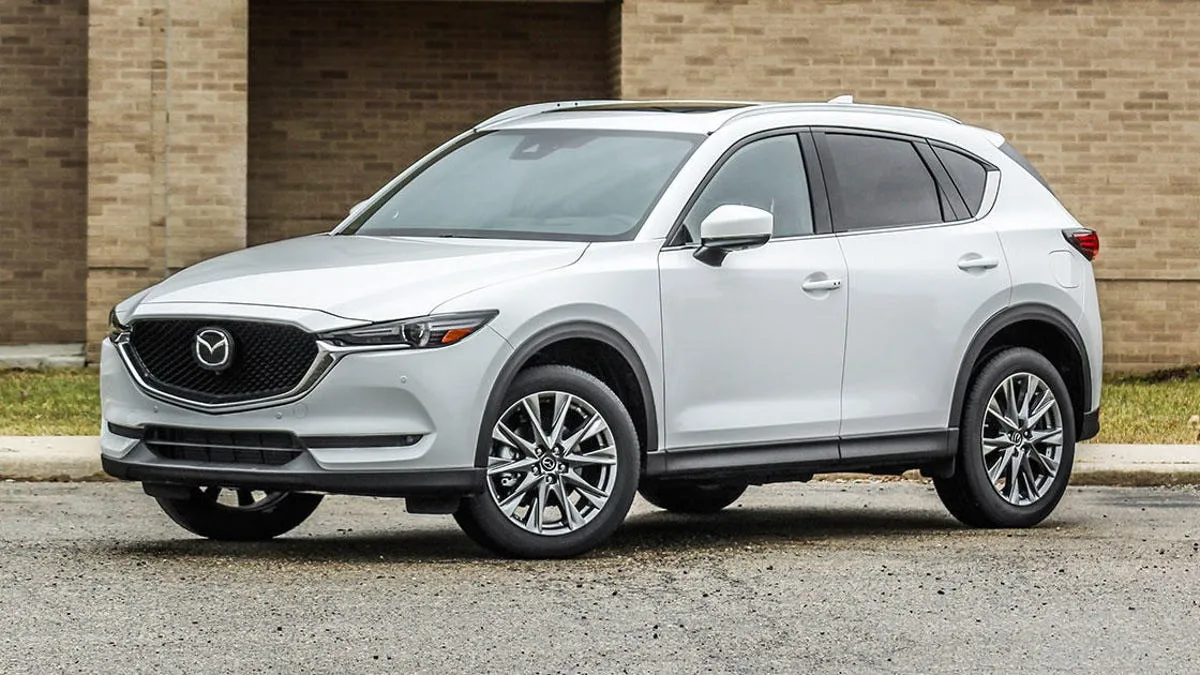
9. 2019 Mazda CX-5 Touring
Performance-oriented character within the compact sport utility vehicle category may appear improbable at first consideration; however, the 2019 Mazda CX-5 Touring presents a persuasive case to the contrary. Designed with deliberate attention to driver engagement, this model reflects Mazda’s enduring commitment to precision engineering and refined road manners.
Rather than treating the vehicle merely as a practical family conveyance, the manufacturer ensured that it delivers a composed and rewarding driving experience. Propulsion is provided by a 2.5 litre four cylinder petrol engine producing approximately 187 horsepower.
Power delivery is smooth and linear, allowing the vehicle to accelerate confidently in both urban traffic and on open highways. Gear transitions are seamless, contributing to a sense of mechanical harmony. Steering response deserves particular commendation.
It is direct, well-weighted, and reassuring, qualities that are not always associated with vehicles in this segment. Drivers accustomed to less responsive sport utility vehicles often express pleasant surprise at the CX-5 Touring’s agility. Ride comfort is carefully balanced with handling stability.
Suspension components have been calibrated to absorb surface irregularities without compromising composure during cornering. Body roll is restrained, and the vehicle maintains admirable poise even when negotiating curved roads. All Wheel Drive availability enhances traction and control, especially in adverse weather conditions, thereby strengthening driver confidence.
Interior craftsmanship further enhances the appeal of this model. The cabin features soft-touch materials, neatly arranged controls, and supportive seating that promotes comfort during extended journeys. The dashboard layout is clean and functional, avoiding unnecessary ornamentation.
Attention to detail within the interior fosters an atmosphere commonly associated with higher-priced vehicles. Practical considerations remain central to the CX-5 Touring’s identity. Adequate cargo capacity accommodates family requirements, while fuel efficiency figures remain competitive within its class.
Ownership expenses, including servicing and routine upkeep, are generally reasonable, making the vehicle suitable for long-term commitment. Through thoughtful engineering and disciplined design choices, the 2019 Mazda CX-5 Touring demonstrates that engaging driving dynamics can coexist with family-oriented practicality. It affirms that affordability need not entail compromise in refinement, safety, or driver satisfaction.
Also Read: 10 Mazda Models With Long-Term Reliability Records
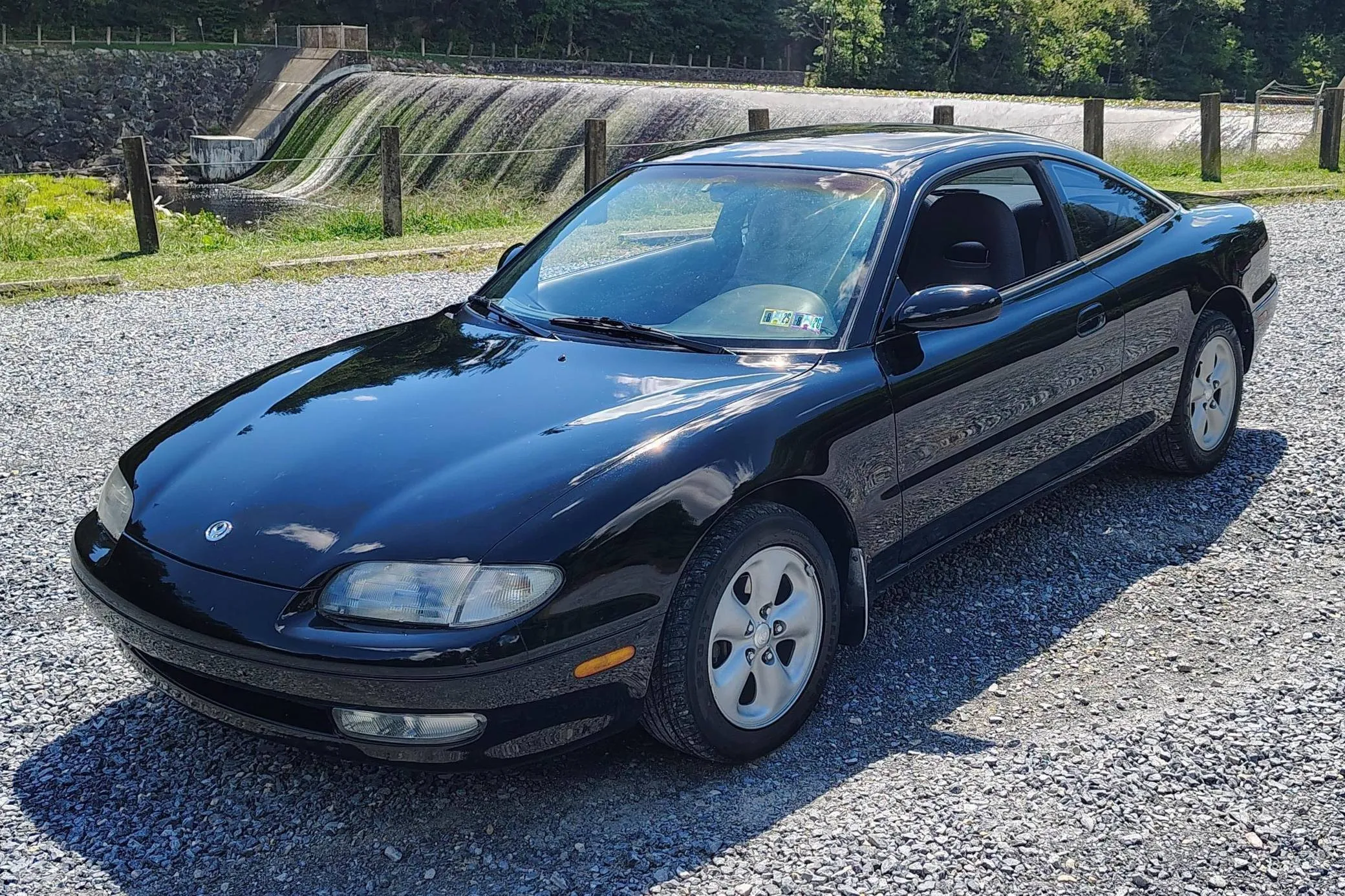
10. 1993 Mazda MX-6 LS
Sporting elegance combined with accessible pricing characterized the 1993 Mazda MX-6 LS. Introduced as a Front Wheel Drive coupe, this model appealed to motorists who desired style and spirited performance without venturing into the financial demands associated with premium sports cars.
Its design language conveyed confidence, with smooth body lines and a low, purposeful stance. Beneath the bonnet rested a 2.5 litre V6 engine generating approximately 164 horsepower. For its era, this output delivered lively acceleration and a refined exhaust note that distinguished the vehicle from many contemporaries.
When paired with a five-speed manual transmission, the engine provided responsive power delivery and satisfying driver engagement. Gear changes were deliberate and well-spaced, encouraging active participation in the driving process.
Chassis tuning was approached with care. Although Front Wheel Drive, the MX-6 LS maintained commendable balance through corners. Body movement was well controlled, and steering feedback offered clarity regarding road conditions.
Drivers experienced a sense of connection that enhanced confidence during spirited driving sessions. The suspension system absorbed minor imperfections while preserving stability at higher speeds. Cabin presentation reflected early 1990s design sensibilities yet retained a driver-centred orientation.
Controls were logically arranged and easily accessible, reducing distraction. Seating provided adequate comfort for both daily commuting and longer journeys. Materials used within the interior demonstrated durability, contributing to the vehicle’s reputation for reliability.
Affordability constituted a central element of the MX-6 LS appeal. Prospective buyers obtained V6 performance and attractive styling at a cost considerably lower than that of high-performance coupes from more prestigious brands. Routine servicing expenses were generally manageable, thereby strengthening its suitability for young professionals and emerging enthusiasts.
The 1993 Mazda MX-6 LS exemplified a balanced approach to automotive design. Rather than relying solely on elevated horsepower figures, it achieved distinction through harmony between engine performance, chassis capability, and accessible pricing.
Decades after its introduction, it remains remembered as a vehicle that successfully combined practicality, style, and engaging motoring without imposing excessive financial burden.
