
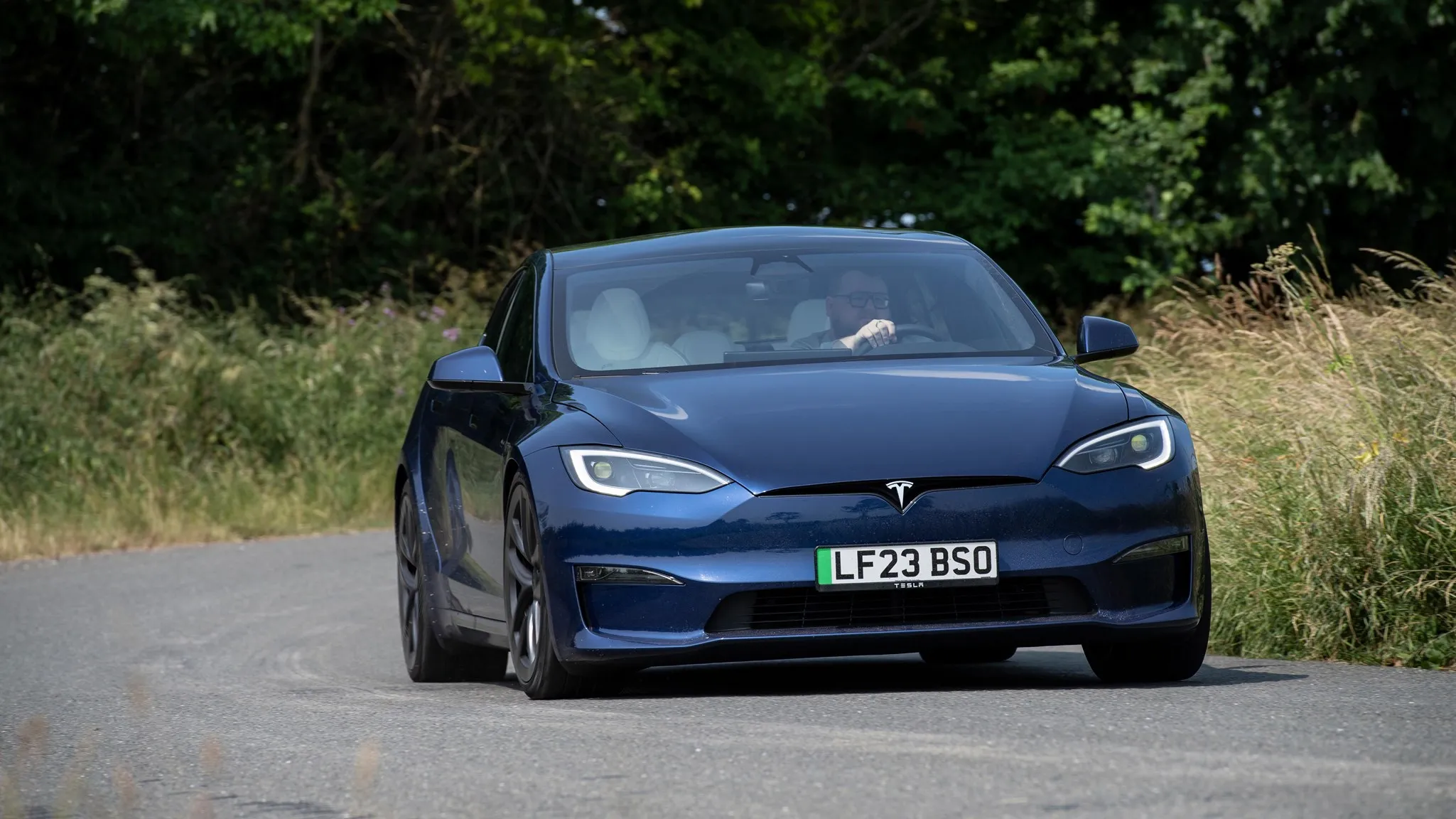
Automotive interiors have transformed more rapidly than anyone could have imagined just a decade ago. Screens, touch-sensitive controls, and smart systems have become standard features that influence how drivers interact with their vehicles. The pace of innovation means that features once considered futuristic now feel familiar, while new trends emerge with each model year.
From intuitive infotainment systems to voice-activated assistants, interior technology has begun shaping the entire driving experience in subtle but meaningful ways. Drivers now expect more than comfort and seating ergonomics. They demand seamless integration between smartphones, navigation, entertainment, and vehicle controls.
Ambient lighting, customizable dashboards, and digital interfaces have shifted the focus from mechanical operation to immersive experience. Comfort is still important, but convenience and intelligent interaction have become major selling points. This article identifies twelve interior tech trends that have reached a peak in recent models.
These trends highlight how carmakers are responding to changing expectations and the extent to which technology has redefined the cabin environment. From large touchscreen displays to wireless charging, each trend demonstrates an aspect of interaction that has become almost ubiquitous, yet still exciting for those familiar with traditional vehicle interiors.
Every model is described through its unique approach, emphasizing how different brands implement and optimize interior technology. These examples demonstrate what is trending now and reveal how drivers can benefit from these integrated systems.
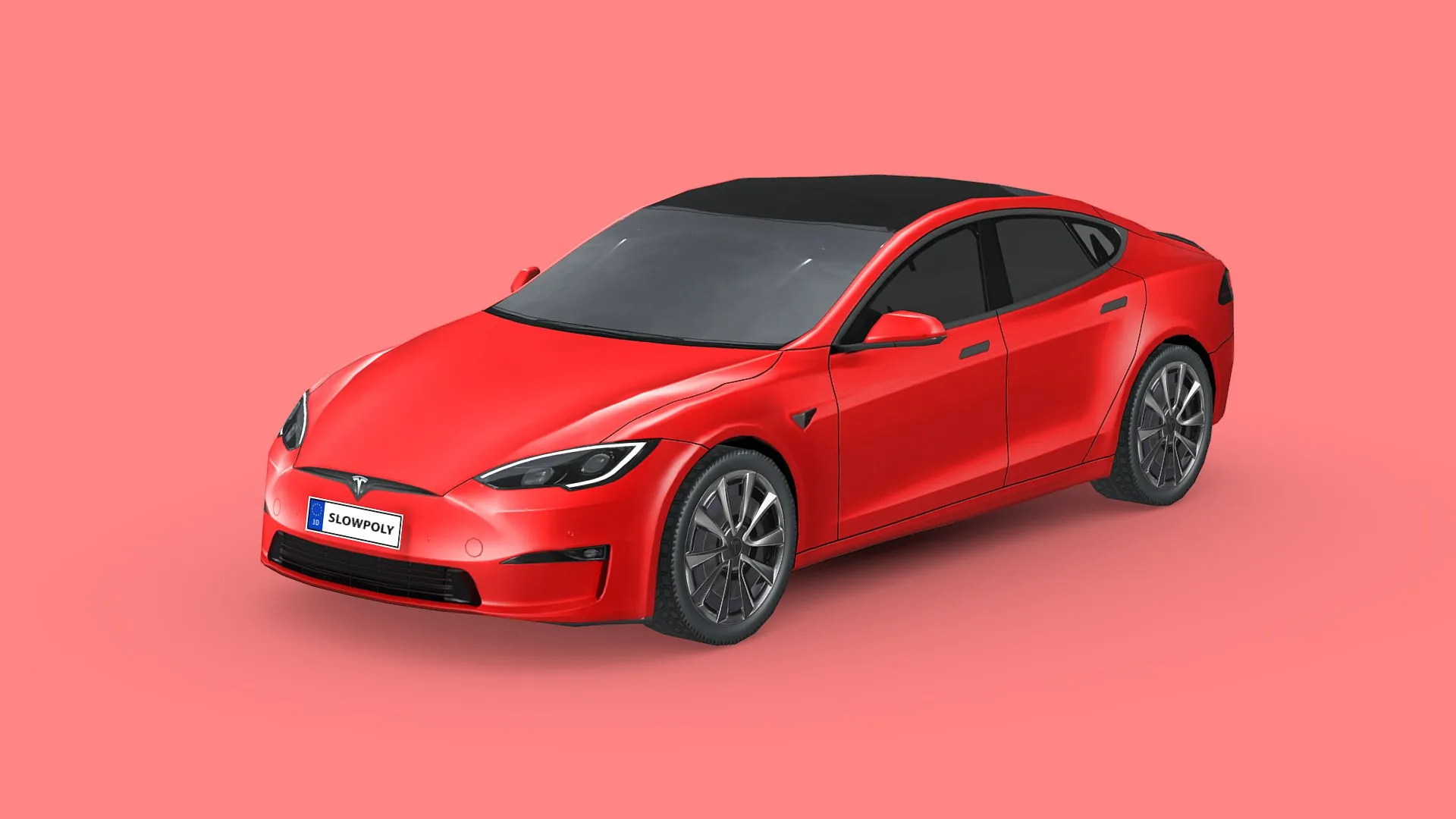
1. Tesla Model S Plaid 2023
Tesla Model S Plaid 2023 presents a cabin experience that emphasizes digital control and minimalism. Large horizontal touchscreen interfaces replace most conventional buttons, integrating navigation, media, climate control, and performance monitoring into one central hub. The screen’s responsiveness and intuitive menu structure make interaction almost instinctive, reducing distraction during driving.
Driver attention benefits from a secondary display behind the steering wheel, where critical information such as speed, battery level, and navigation directions is continuously available. Customizable layout options allow users to prioritize the data they consider most relevant. The Plaid’s software updates refine these displays regularly, introducing new functionality without requiring physical intervention.
Voice control adds another layer of interaction. Commands can adjust temperature, change media tracks, or activate navigation destinations without requiring manual input. The system interprets natural language patterns with high accuracy, improving accessibility for drivers who prefer hands-free operation.
Cabin ambiance receives attention through programmable lighting and visual feedback. Displays adjust brightness automatically depending on exterior light levels, and dynamic animations indicate charging status, energy consumption, or driver-assist modes. The tactile absence of physical buttons is balanced by haptic feedback on the steering wheel and touchscreen edges, maintaining a sense of control.
Tesla’s interior approach also emphasizes cleanliness. Wireless charging pads reduce cable clutter, while integrated storage compartments accommodate devices and personal items neatly. Materials focus on durability, combining vegan leather, high-grade plastics, and brushed metal accents for a premium feel.
Passengers enjoy entertainment systems synchronized with the central display, allowing streaming video or gaming while stationary. Rear-seat media interfaces provide secondary control options, complementing the main display and enhancing the overall usability.
This model demonstrates how a fully digital cabin can offer flexibility, personalization, and streamlined operation without sacrificing driver engagement. It highlights the potential for a cockpit that merges aesthetics, performance data, and comfort features seamlessly.
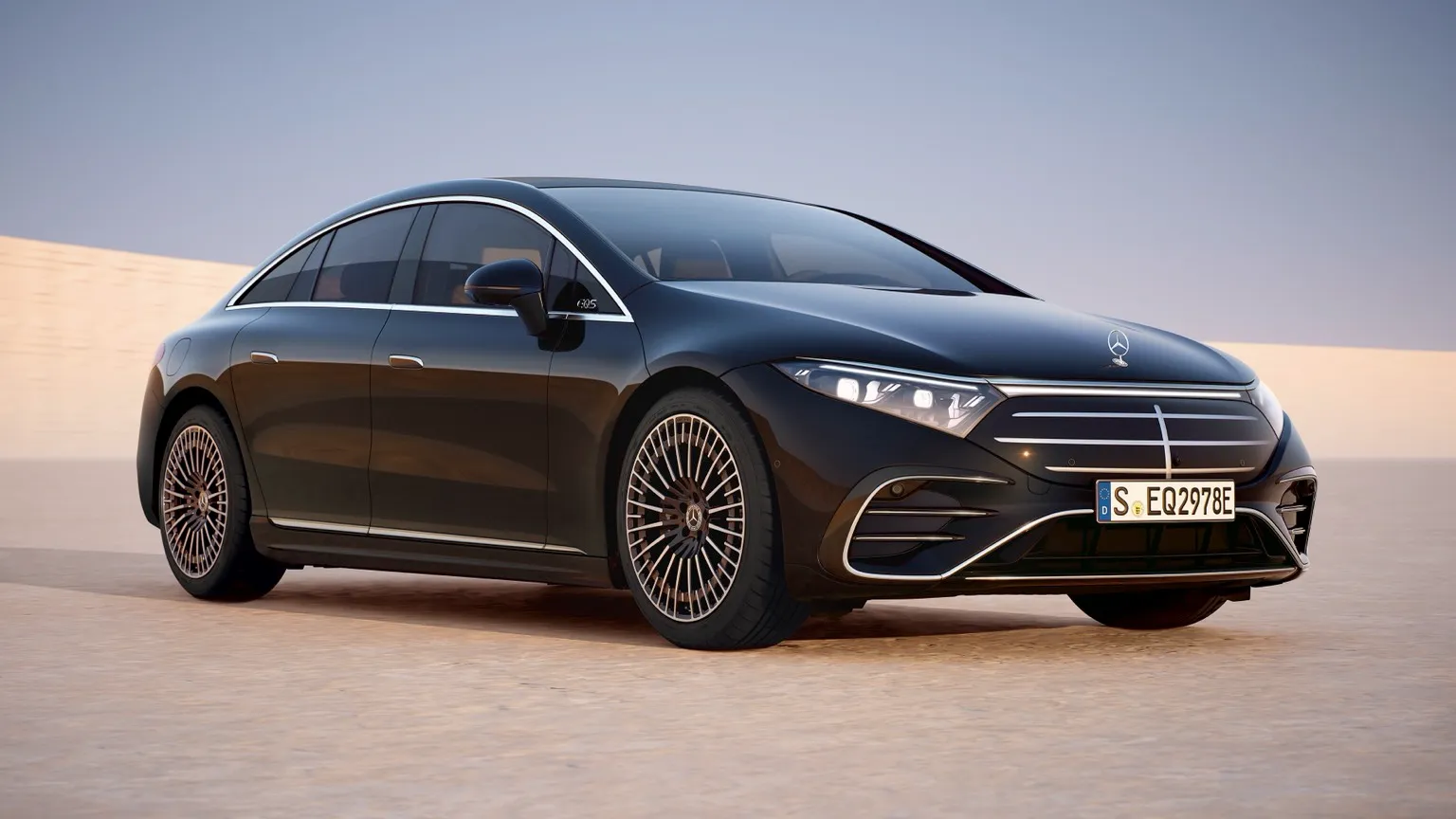
2. Mercedes-Benz EQS 580 2023
Mercedes-Benz EQS 580 2023 transforms cabin interaction through its MBUX Hyperscreen system, a sweeping curved display that extends from driver to passenger. The interior prioritizes immersion, presenting all major functions within a single continuous interface. The display architecture integrates infotainment, climate, ambient lighting, and navigation into one cohesive panel.
Touch-sensitive controls operate alongside haptic surfaces, providing feedback when adjustments are made. This hybrid approach balances the tactile sensation of mechanical inputs with the flexibility of software-based controls. Adaptive menus display context-sensitive options depending on driving mode, passenger interaction, and environmental conditions.
Voice recognition has advanced to interpret complicated commands naturally. Passengers can request route updates, adjust the temperature, or switch media simply by speaking conversationally. The system recognizes multiple users and adjusts profiles automatically based on seating position or authenticated driver identification.
Ambient lighting interacts with the Hyperscreen, creating zones that correspond to interface activity. Subtle color moves indicate warnings, notifications, or mode changes, offering cues without distracting from driving. The EQS cabin demonstrates how visual communication can integrate seamlessly with function.
Wireless charging and device connectivity are incorporated thoughtfully. Multiple pads accommodate smartphones, tablets, and other electronics, eliminating clutter and maintaining a clean interior aesthetic. USB-C ports supplement wireless options, ensuring compatibility with various devices.
Passenger comfort is enhanced by seat controls integrated into the screen, allowing for posture adjustments, massage programs, and climate adaptation through an intuitive interface. Personalized profiles store individual preferences for each seat, providing consistent comfort every journey.
EQS 580’s interior highlights the fusion of aesthetic innovation and technical sophistication. It proves that modern cabins can blend intuitive interfaces with luxurious finishes, creating a space that is as functional as it is visually appealing.
Also Read: 6 Cars With Physical Knobs Seniors Prefer vs 6 That Are All Touch
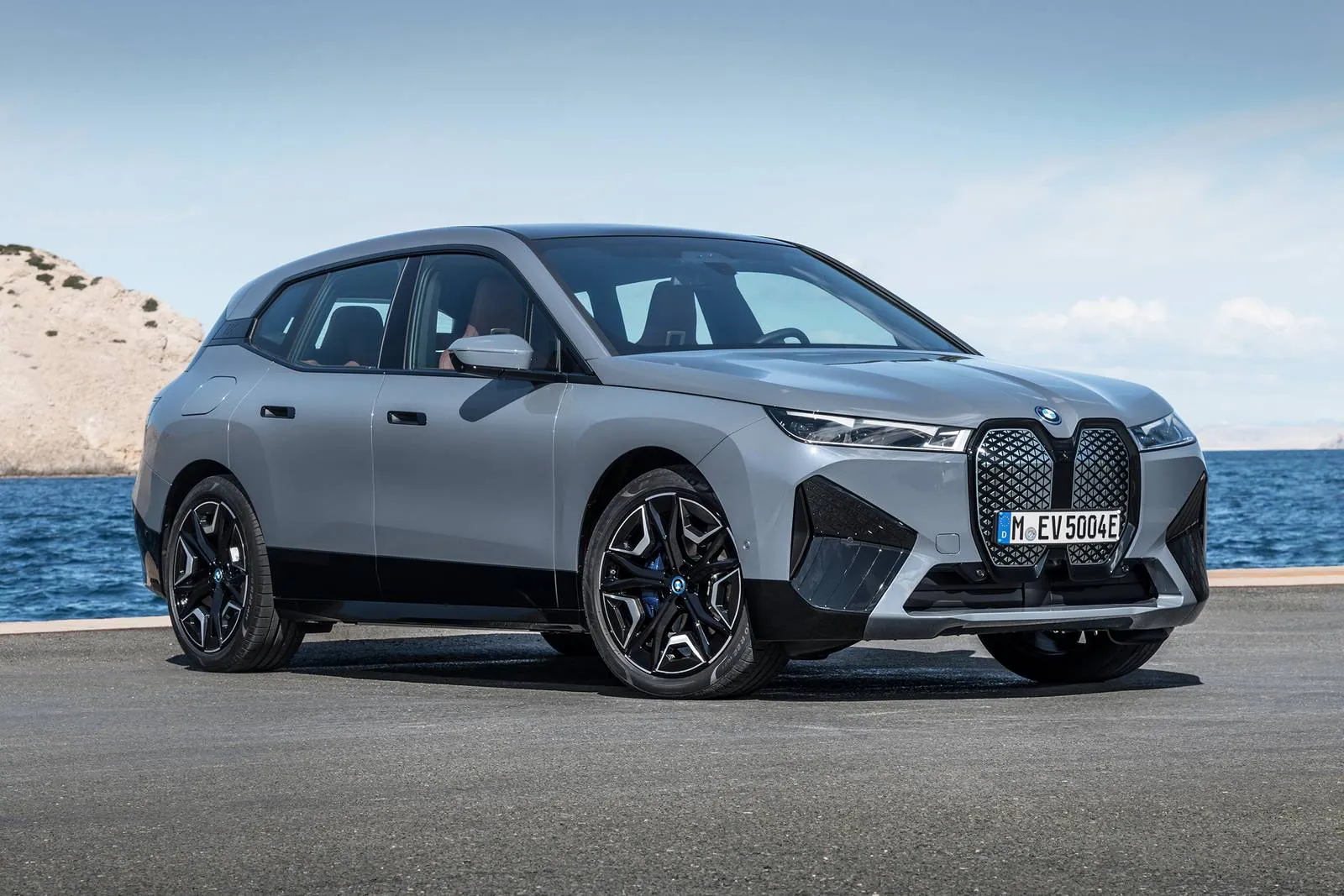
3. BMW iX xDrive50 2022
BMW iX xDrive50 2022 approaches interior technology with a combination of driver-centric ergonomics and advanced digital integration. A curved display merges the instrument cluster with the infotainment screen, presenting vital vehicle data, navigation, and media options in a single field of view.
Haptic feedback complements touch interactions, allowing users to adjust temperature, audio, or navigation without relying on multiple physical buttons. Gesture recognition adds another layer of control, particularly for frequently accessed functions like volume adjustment or call management.
The iX prioritizes personalization. User profiles determine display layout, climate settings, and ambient lighting preferences, automatically activating when a driver enters the cabin. These profiles integrate seamlessly with mobile devices, enabling synchronization of routes, music, and connected services.
Wireless charging and multiple USB-C ports maintain a clutter-free environment. Storage compartments are designed with practical separation, ensuring devices remain secure during travel. The center console incorporates cup holders, wireless pads, and cable management, blending functionality with modern aesthetics.
Voice control in the iX understands natural commands and context-specific instructions. Requests such as “set cabin temperature to comfort mode” or “drive through to the nearest charging station” are processed accurately and quickly, improving interaction efficiency.
Seat technology integrates massage, heating, cooling, and adaptive support controlled through the display or voice. Passengers can adjust seating positions to optimize comfort on long drives, while real-time feedback on posture and pressure distribution supports health-conscious occupants.
BMW’s interior approach emphasizes the balance between usability and minimalism. The digital integration does not overwhelm the user, and visual clarity ensures that drivers can focus on the road while accessing advanced features effortlessly.
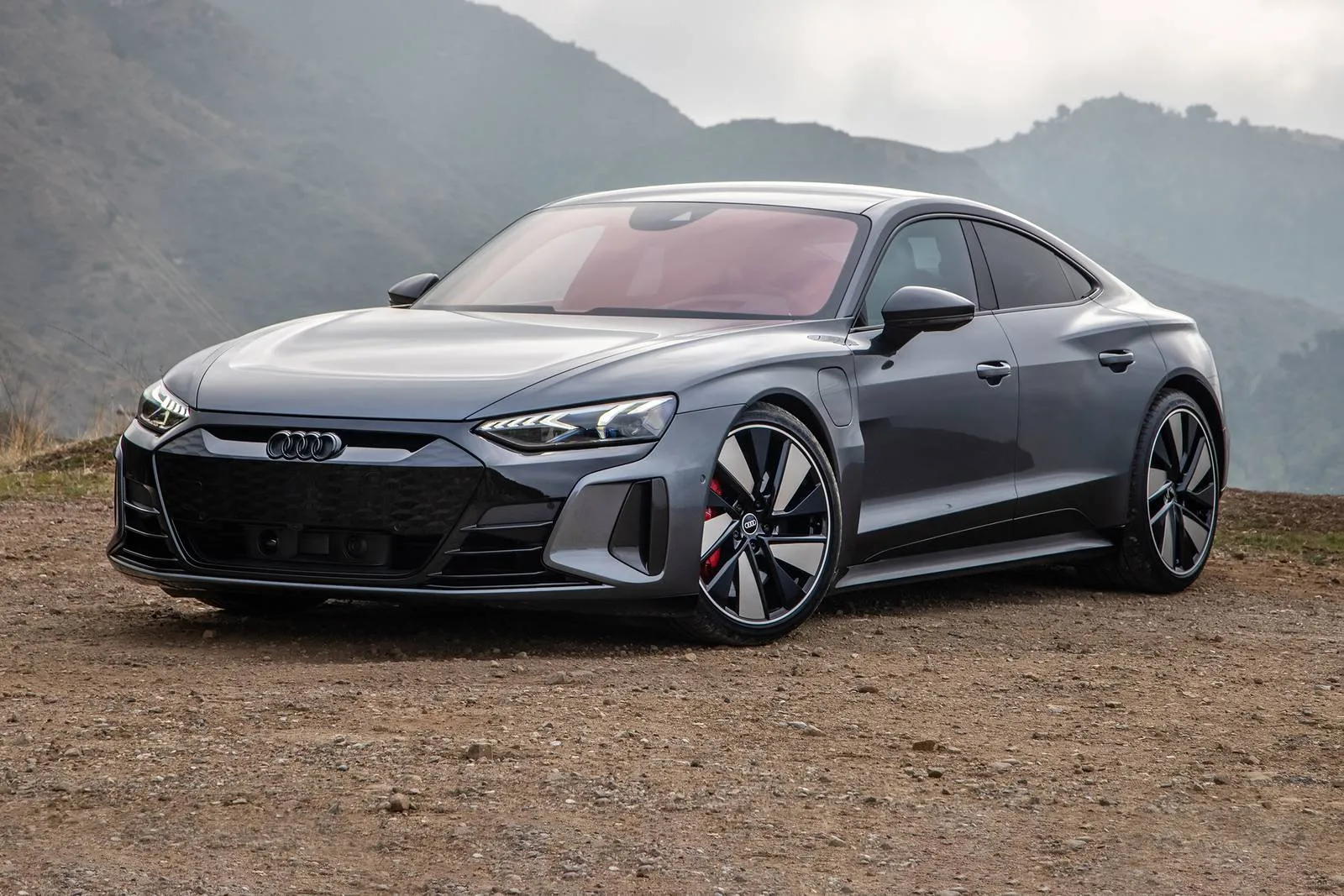
4. Audi e-tron GT 2022
Audi e-tron GT 2022 showcases interior technology with a focus on performance-oriented interaction. The driver displays prioritized essential data such as speed, battery levels, and regenerative braking feedback, while secondary displays provide media and navigation control.
Touchscreen controls dominate, yet haptic feedback ensures inputs are deliberate. Audi’s system uses adaptive menus to simplify common tasks, reducing unnecessary scrolling. Physical shortcuts remain for frequently used functions, preserving speed and accessibility.
Ambient lighting interacts dynamically with driving mode. Sport settings move interior illumination subtly to enhance focus, while comfort settings offer calmer tones. This approach integrates visual experience with functional feedback.
Wireless charging pads support multiple devices, while connectivity features include smartphone mirroring and cloud-based media integration. Passengers can access content through secondary screens, allowing simultaneous entertainment experiences without driver distraction.
Voice recognition handles multi-step commands and integrates with connected services. Users can ask for route recalculation, weather updates, or music streaming while maintaining attention on driving.
Interior ergonomics emphasize driver engagement. Seating is adjustable in multiple dimensions with memory functions linked to user profiles. Materials prioritize tactile satisfaction, combining leather, Alcantara, and brushed metal accents.
Controls are designed to reinforce situational awareness. Steering wheel buttons provide quick access to drive modes, adaptive cruise control, and media functions. Feedback is deliberate, offering reassurance without requiring visual confirmation.
Audi e-tron GT 2022 exemplifies how electric vehicle interiors can combine performance awareness with modern technology, creating a cockpit that merges comfort, utility, and immersive interaction.
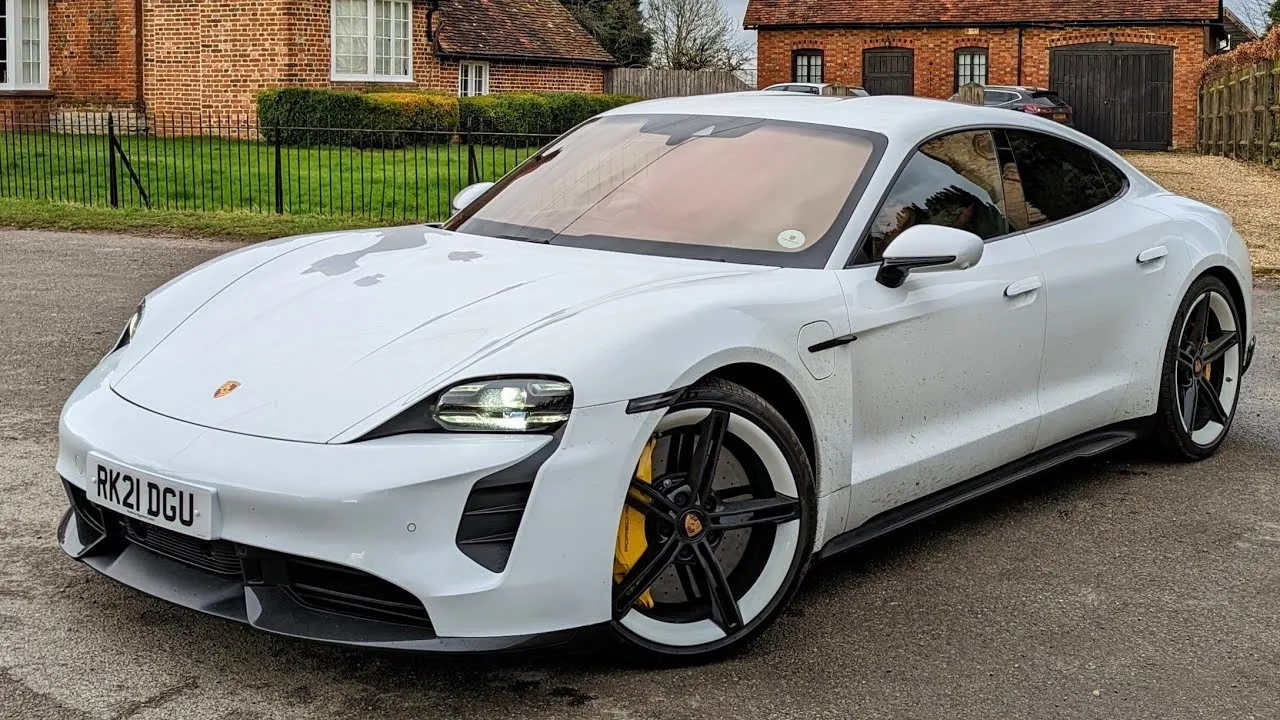
5. Porsche Taycan Turbo S 2022
Porsche Taycan Turbo S 2022 prioritizes precision in its interior interaction. Multiple digital displays provide navigation, media, performance metrics, and energy management information. The layout allows drivers to access critical information without taking attention away from the road.
Haptic and touch controls work in tandem with physical buttons to provide clear feedback. Climate adjustments, audio control, and drive mode selection are accessible through multiple input channels, catering to both traditional and modern preferences.
Ambient lighting responds to system states and driving conditions, subtly indicating performance modes or energy consumption. The lighting system is integrated with the dashboard and door panels for a cohesive cabin experience. Wireless charging supports various device types, while USB-C and traditional ports offer redundancy. Storage compartments are compartmentalized, providing order and reducing clutter in a high-tech cabin.
Voice control is context-aware, allowing natural phrasing to execute commands. Commands for navigation, media, and comfort are processed efficiently, reducing cognitive load. Seat systems combine heating, cooling, and massage functions controlled via touch interfaces or voice. Memory settings adjust positions for multiple drivers, providing consistent comfort.
Porsche’s approach emphasizes responsiveness. Every command feels immediate and displays present information with clarity. This fosters driver confidence while allowing the vehicle’s performance potential to remain central to the experience.
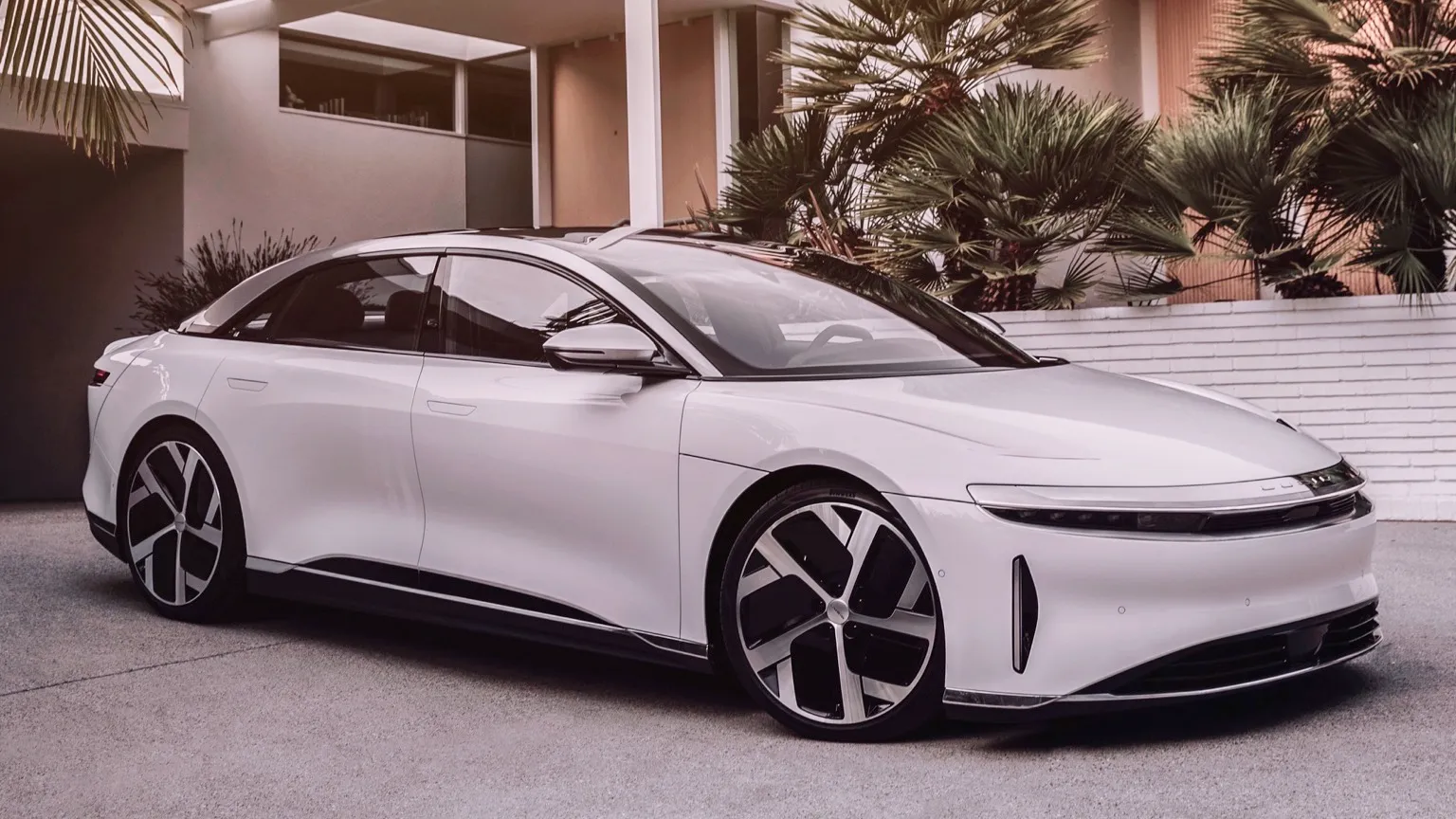
6. Lucid Air Grand Touring 2023
Lucid Air Grand Touring 2023 integrates interior technology with a focus on spaciousness and digital immersion. A large panoramic display spans the driver and central passenger area, providing navigation, climate control, media, and performance data in a unified interface.
Interactive surfaces offer haptic feedback to confirm user input. Menus adjust dynamically to user activity, reducing unnecessary visual noise. Drivers can customize layout, color themes, and information prioritization.
Voice commands are processed with high accuracy, supporting both single-step and complicated actions. Passengers can interact with media independently, controlling entertainment without affecting the driver interface. Wireless charging pads and multiple ports maintain organization and device readiness. Storage areas are arranged for efficiency, including concealed compartments for personal items.
Seating incorporates heating, cooling, and massage options, adjustable via both touchscreen and voice. Profiles allow consistent comfort settings for multiple occupants. Ambient lighting adapts to both driving mode and time of day, enhancing the cabin atmosphere. Soft transitions and color coordination reduce distraction while maintaining an elevated sense of space.
Lucid Air Grand Touring 2023 demonstrates how digital integration and careful cabin design can provide a high-tech, comfortable, and user-friendly experience for all occupants.
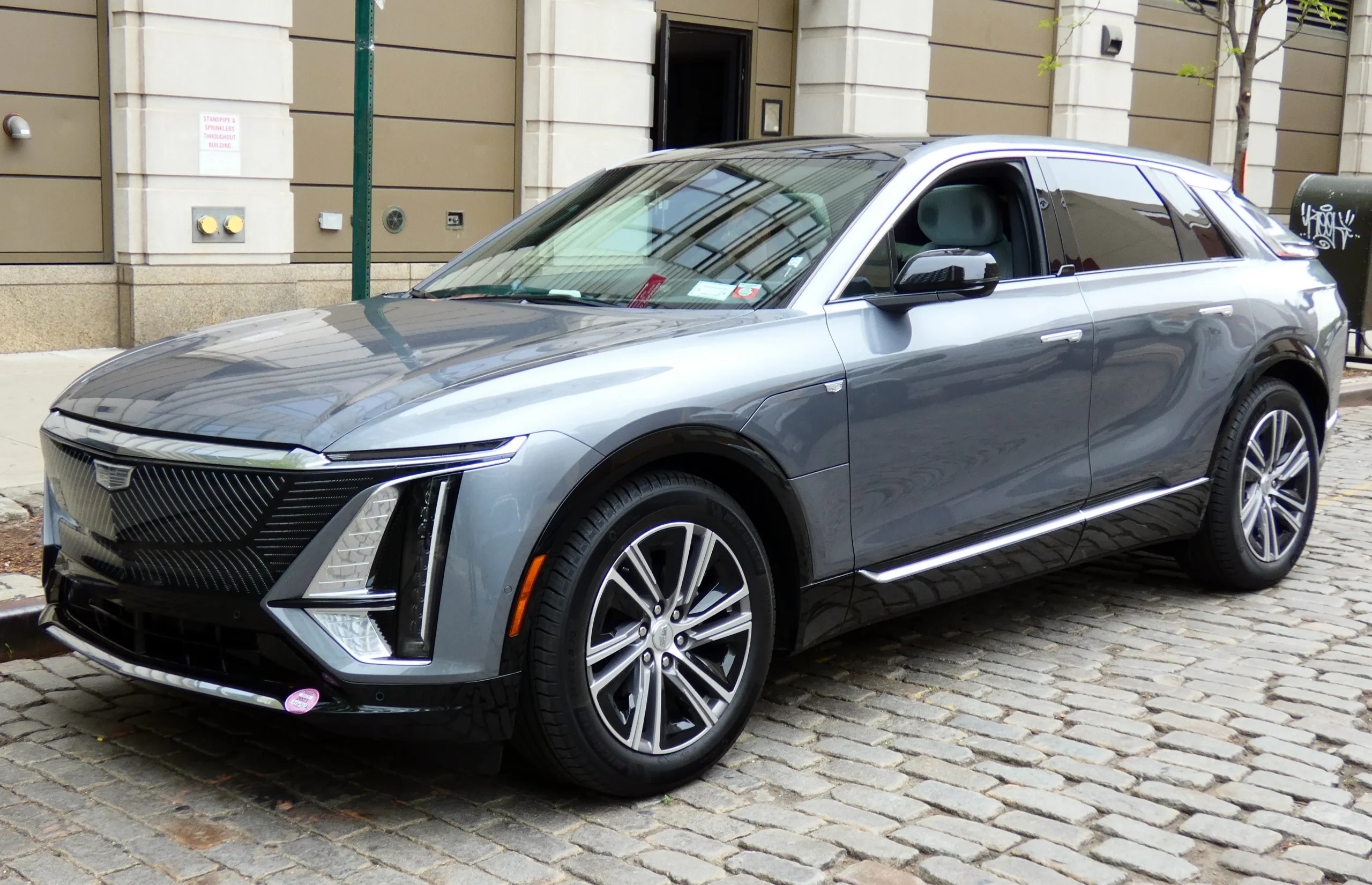
7. Cadillac Lyriq 2023
Cadillac Lyriq 2023 presents an interior that merges elegance with technology in a refined electric SUV package. Its curved OLED display stretches across the dashboard, providing both driver information and infotainment on a single continuous panel. The design removes clutter while ensuring critical details are always visible. Touch sensitivity is calibrated to prevent accidental inputs, allowing users to interact naturally without frustration.
Haptic feedback enhances tactile awareness. When adjusting climate or audio settings, slight vibration signals confirm input without needing to glance at the screen. Drivers benefit from a multi-layered interface where frequently used functions are immediately accessible, and deeper settings remain just a few taps away. Menus respond dynamically, highlighting contextual options depending on speed, driving mode, or navigation requirements.
Voice recognition in the Lyriq operates with a high degree of understanding. Passengers and drivers can issue commands such as “increase cabin temperature by two degrees” or “find nearby charging stations” using natural phrasing. The system also adjusts to multiple users, storing preferred cabin settings for individual profiles. This creates a sense of personalization even in shared vehicles.
Wireless device charging and connectivity ports are integrated seamlessly into the cabin layout. Multiple pads accommodate phones, while USB-C ports provide extra functionality for tablets or gaming devices. Storage spaces are organized to reduce clutter, with compartments that allow secure stowing of everyday items.
Seat technology focuses on comfort without distraction. Heated and ventilated seats are adjustable through the central interface, and memory functions recall previous settings automatically. Massage functions further enhance long-distance comfort, and their operation is controlled without complicated menu navigation.
Ambient lighting interacts with cabin activity, providing visual cues for notifications or system adjustments while remaining unobtrusive. Soft illumination highlights interior contours, producing a calm yet futuristic environment.
Lyriq’s cabin demonstrates how an electric vehicle can integrate digital sophistication with refined materials. Every interface element is designed to support both usability and visual appeal. By combining a high-tech panel with careful ergonomic design, Cadillac delivers an interior that feels inviting and advanced without overwhelming the user.
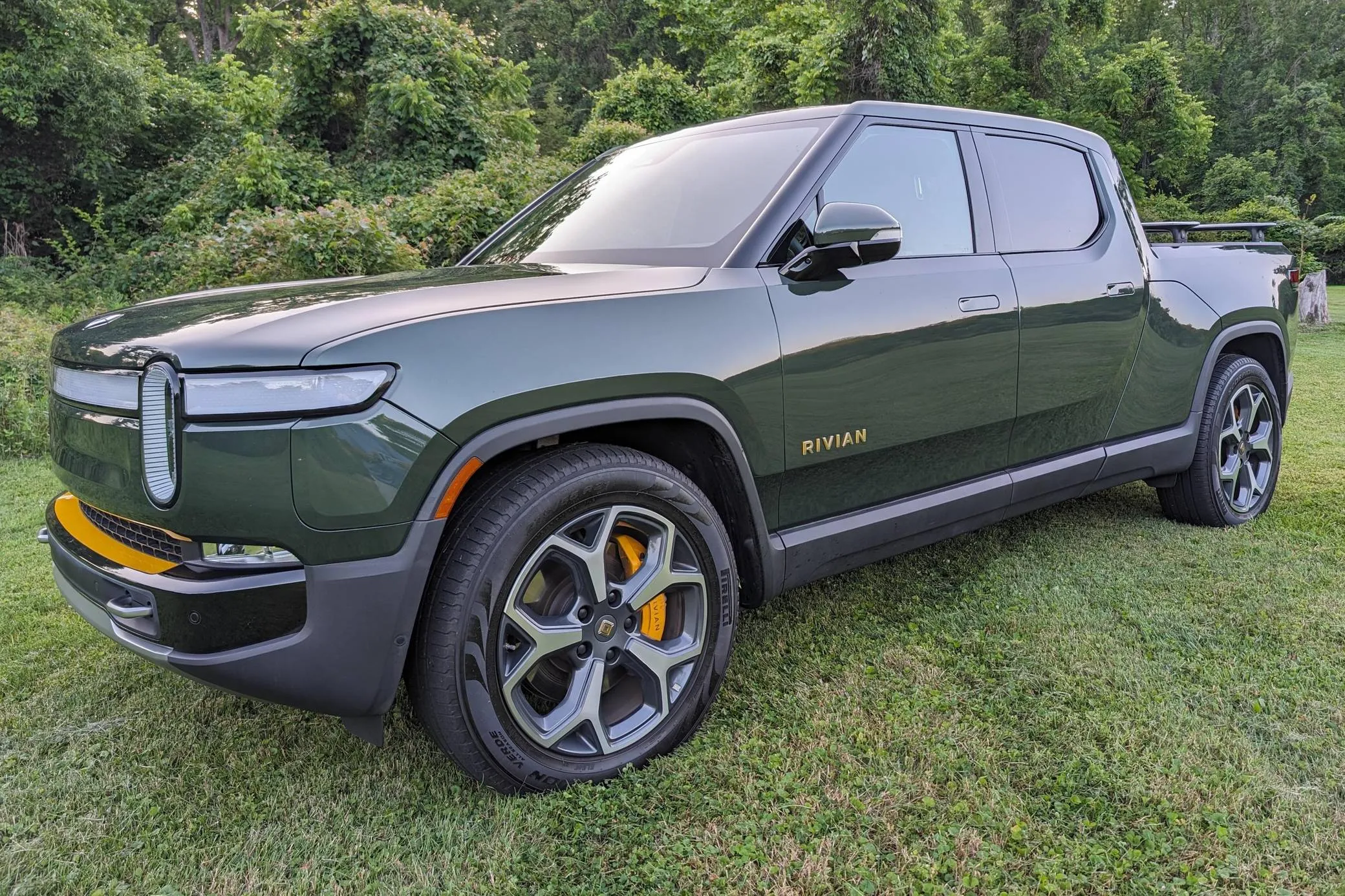
8. Rivian R1T Adventure 2022
Rivian R1T Adventure 2022 emphasizes rugged versatility while incorporating advanced cabin technology. Its vertical touchscreen serves as the primary interface for media, navigation, vehicle settings, and environmental control. The screen is designed to withstand glare and vibration from off-road excursions, maintaining readability in challenging conditions.
Control inputs rely on touch, haptics, and a few essential physical buttons for critical functions. Feedback is immediate, allowing drivers to confirm actions even during rough road traversal. Menus adapt contextually, presenting options relevant to driving mode or off-road configuration. Drivers can switch between environment modes, check tire pressure, or activate trailer settings with minimal interaction.
Voice commands provide a hands-free layer of convenience. Passengers can ask for route adjustments, access media, or regulate cabin climate without touching the screen. The system recognizes multiple profiles, so seating, temperature, and lighting adjust automatically based on the identified occupant.
The R1T supports wireless charging, with pads designed for secure placement during off-road activity. Additional USB ports ensure all devices remain functional even on extended trips. Storage compartments are rugged yet accessible, designed to protect gear and personal items from movement.
Seats combine durability with comfort, featuring heating and ventilation suitable for extreme temperatures. Adjustable lumbar support and configurable seating angles allow drivers and passengers to tailor their posture for extended drives. Seat memory ensures repeatability of settings for multiple users.
Ambient lighting communicates vehicle status subtly, with visual cues that indicate alerts, battery levels, or environment mode engagement. The illumination is designed to enhance awareness without distraction, maintaining focus on driving demands.
Rivian’s cabin philosophy shows how advanced tech can coexist with functional, adventurous design. Digital tools enhance the experience without compromising ruggedness, making R1T an example of a vehicle where utility and technology integrate harmoniously.
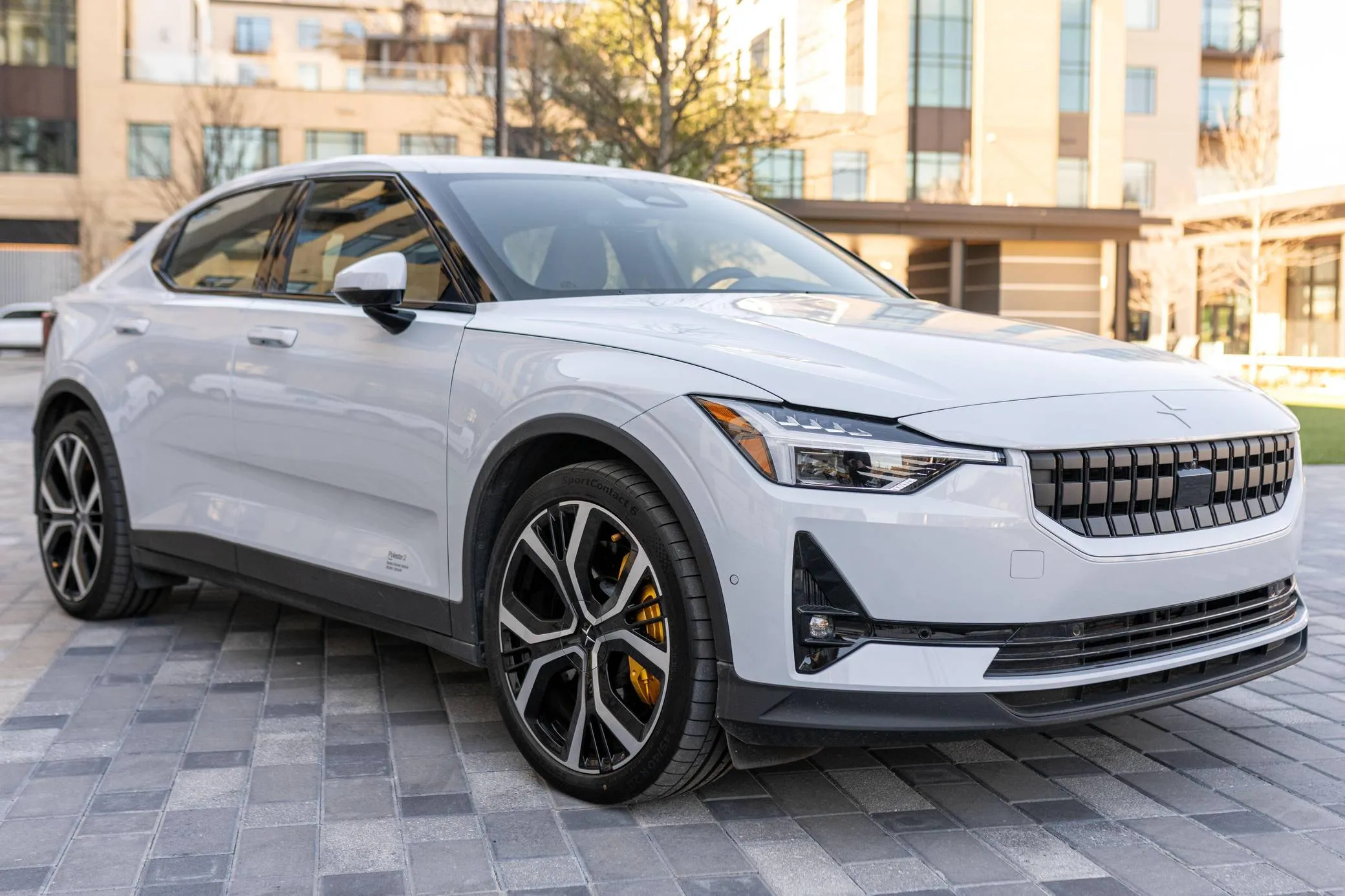
9. Polestar 2 Performance Pack 2022
Polestar 2 Performance Pack 2022 brings a Scandinavian approach to cabin technology, blending minimalism with digital precision. Its portrait-oriented central display controls most functions, including media, climate, navigation, and driving metrics. Interfaces remain clean and intuitive, reducing the learning curve for new users.
Touch inputs are complemented by haptic confirmation, allowing users to feel adjustments without removing attention from the road. Physical shortcuts remain for functions like hazard lights and volume control, ensuring essential operations remain accessible even without looking.
Driver profiles personalize interior settings, adjusting seat position, mirror angles, and climate based on recognition. These profiles extend to display layouts, offering users control over which information appears prominently. Passenger comfort is enhanced through dual-zone climate control and adjustable seating, all accessible through the central interface.
Wireless device charging supports multiple devices, while USB-C ports provide supplementary connections. Storage compartments are functional and modular, allowing reconfiguration for cargo or personal items. Voice control interprets natural phrases and multi-step commands. Users can instruct the system to route to a destination, play specific playlists, or adjust environmental settings without manual input.
Ambient lighting changes gradually to reflect system status and interior activity, reducing distraction while maintaining cabin presence. Light zones correspond to interface usage, creating an immersive yet understated environment. Polestar’s interior technology emphasizes simplicity without sacrificing sophistication. Digital integration, responsive displays, and thoughtful ergonomic design result in a cabin that feels both modern and functional.
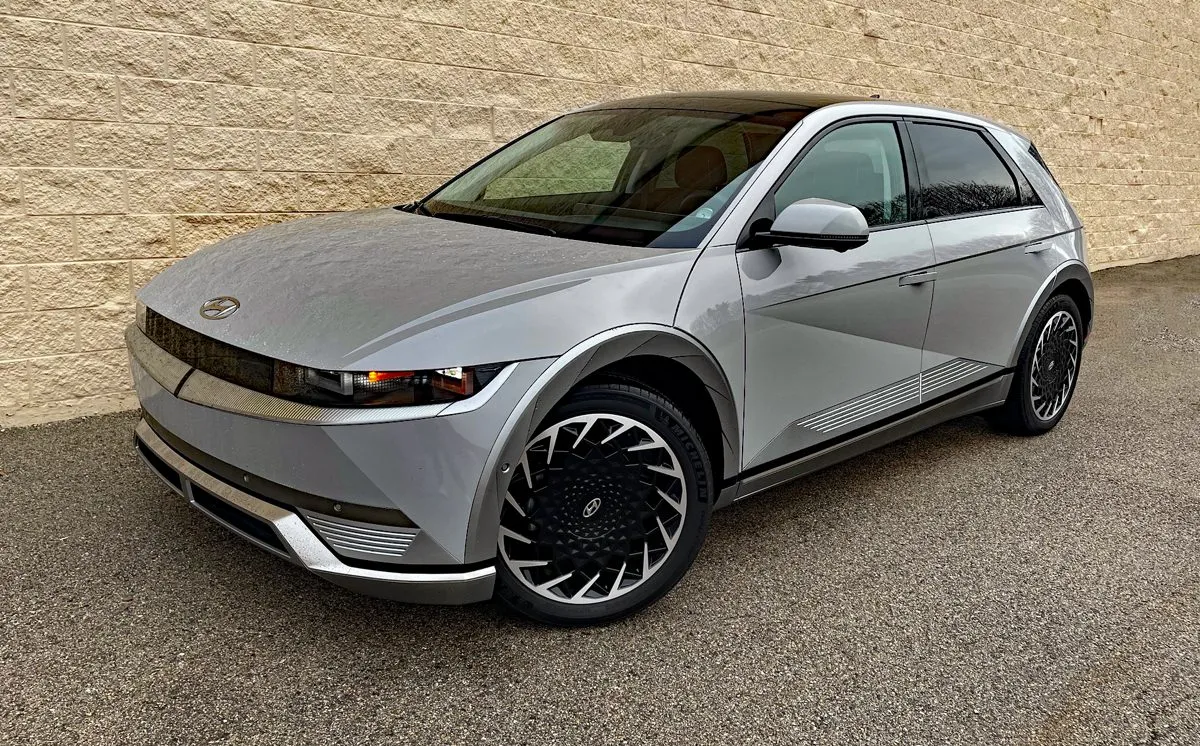
10. Hyundai Ioniq 5 2023
Hyundai Ioniq 5 2023 offers a spacious interior anchored by horizontal and digital displays for a clean, user-friendly interface. A dual-screen setup allows separation of driver and passenger functions, supporting simultaneous navigation, media, and system management.
Interactive touch surfaces respond with haptic feedback, improving precision for climate and media adjustments. Physical buttons provide direct access to key functions like hazard lights and defogging, combining tactile reassurance with digital versatility. Voice assistance accepts natural commands, enabling drivers to manage routes, audio, or cabin climate without physical interaction.
Profiles store seating, display preferences, and ambient lighting, personalizing the experience for multiple occupants. Wireless charging stations support phones and tablets while USB-C ports supplement device connectivity. Storage compartments feature organized layouts for daily use, including secure areas for small items.
Seats are heated, ventilated, and adjustable in multiple directions, with memory features recalling preferred settings for each user. Ambient lighting adapts dynamically to exterior conditions, improving visibility while maintaining aesthetic cohesion. Ioniq 5 demonstrates that a modern EV interior can provide both flexibility and advanced tech integration, resulting in a cabin that is functional, intuitive, and visually appealing.
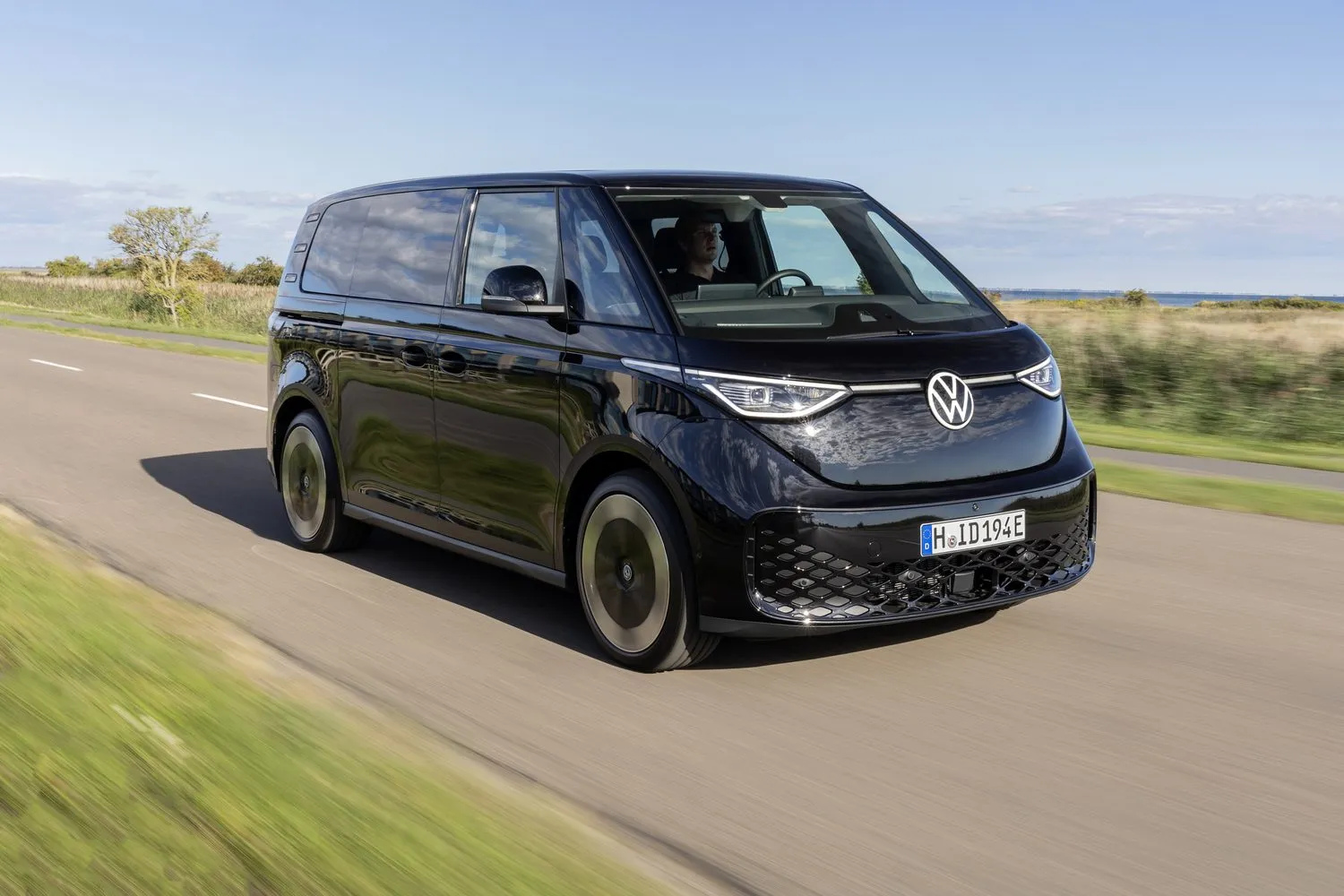
11. Volkswagen ID. Buzz 2023
Volkswagen ID. Buzz 2023 brings a futuristic yet nostalgic approach to cabin technology, merging electric vehicle efficiency with practical family-oriented design. Its wide, horizontally oriented touchscreen dominates the dashboard, presenting navigation, media, climate control, and vehicle status within a single integrated interface. The display is highly responsive, with minimal latency, allowing drivers to make adjustments confidently without distraction.
Haptic feedback is incorporated throughout the interface to provide confirmation of touch inputs. The combination of tactile sensation and visual cues ensures that drivers can operate the system with precision. Menus are organized intuitively, allowing quick access to commonly used functions while hiding more complicated settings until needed. This design reduces cognitive load during both city and highway driving.
Voice recognition offers seamless interaction, understanding natural language instructions for route changes, media playback, and cabin adjustments. The system can distinguish between multiple users and automatically adjust seating, climate, and interface preferences based on user recognition. Profiles extend personalization beyond the driver to passengers, ensuring everyone in the cabin benefits from convenience and comfort.
Wireless charging is supported for a variety of devices, complemented by USB-C ports for additional connectivity. Storage compartments are versatile, including concealed spaces that allow for secure stowing of small items while maintaining a tidy cabin aesthetic. Cup holders and device trays are thoughtfully integrated to support everyday usability.
Seating in the ID. Buzz combines ergonomic comfort with practical adjustment options. Heated and ventilated surfaces provide comfort in varying climates, while lumbar support and adjustable backrests allow long journeys to remain pleasant for multiple passengers. Memory functions further enhance convenience, recalling individualized seating and climate configurations.
Ambient lighting interacts with the digital interface, providing soft illumination to highlight operational zones without distracting from driving. The lighting is customizable, enabling users to create moods suited to different occasions, from relaxed commutes to family outings.
Infotainment extends to rear passengers through a secondary touchscreen or mirrored content, allowing simultaneous entertainment or system adjustments. This multi-zone approach demonstrates Volkswagen’s focus on interaction without compromise, ensuring every occupant can engage with technology comfortably and efficiently.
ID. Buzz proves that EVs can offer practical, high-tech interiors that remain approachable and functional. The integration of advanced systems, thoughtful ergonomics, and intuitive user interfaces positions it as a leading example of how technology can enhance everyday driving experiences without overwhelming the user.
Also Read: Top 10 Diesel Cars Famous for Hitting 500,000 Miles
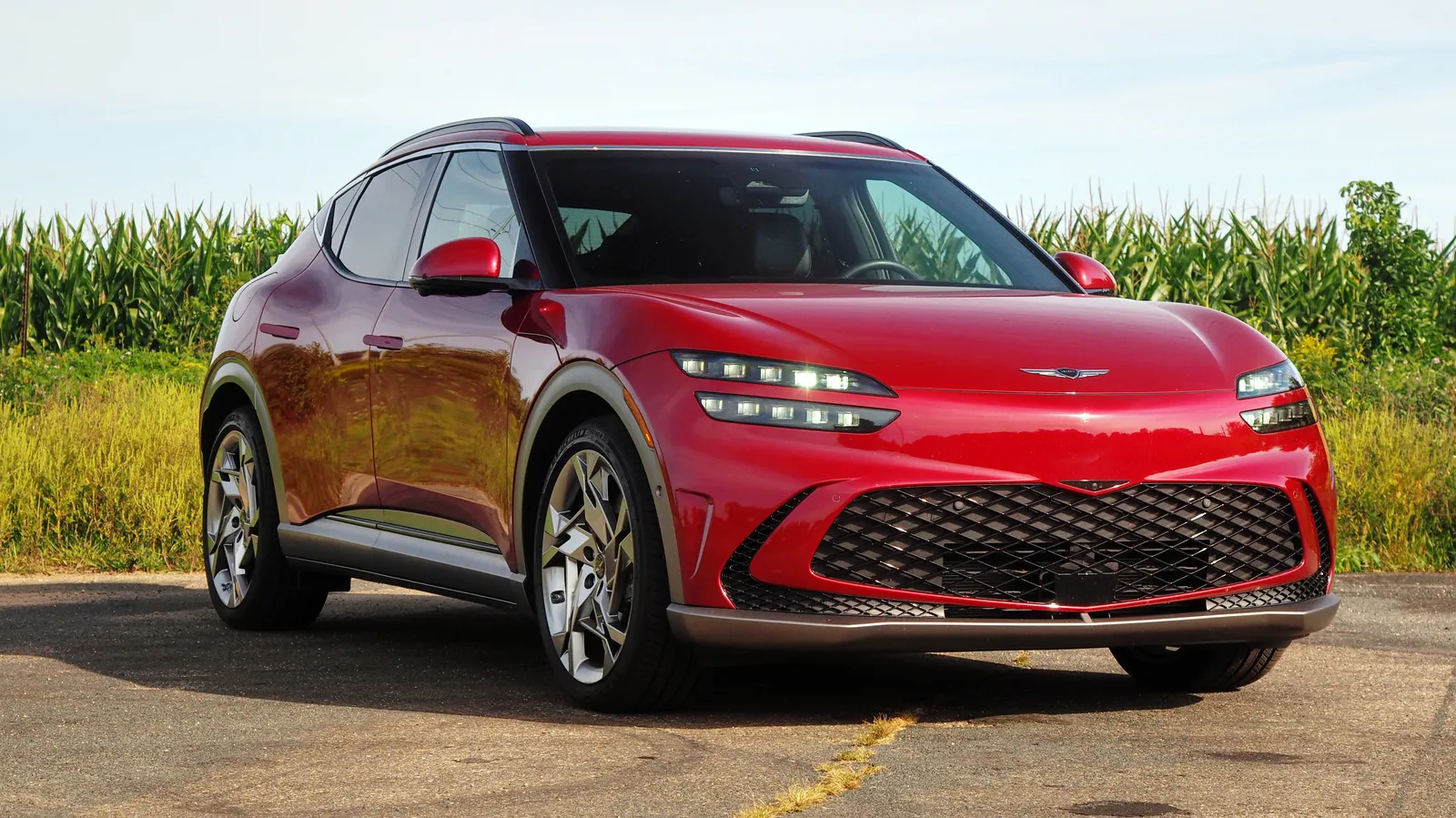
12. Genesis GV60 2023
Genesis GV60 2023 concludes this list with a cabin that blends luxury with advanced digital features designed for modern electric mobility. Its cockpit integrates dual displays: a curved driver cluster for performance and navigation data, paired with a central infotainment screen controlling media, climate, and connected services. The layout emphasizes clarity and accessibility, allowing drivers to engage seamlessly with digital systems.
Haptic feedback supports touch interactions, offering subtle physical confirmation when adjusting cabin controls or system settings. The combination of touch, visual cues, and a minimal set of physical buttons ensures that the interior remains functional without appearing cluttered. Frequently used functions, such as hazard lights, temperature control, and drive modes, are immediately accessible.
Voice recognition understands nuanced instructions, allowing the driver to adjust cabin conditions, select media content, or manage navigation without removing hands from the wheel. The system can differentiate between driver and passenger, automatically activating saved profiles for seat positioning, climate, and display preferences.
Wireless charging pads and multiple USB-C ports ensure devices remain powered and organized. Storage areas are modular and intelligently positioned, maintaining a clean interior while accommodating personal belongings efficiently.
Seating in the GV60 integrates multiple comfort technologies, including heating, ventilation, and massage programs. Memory functions recall individual settings for different drivers, providing consistent comfort for repeated journeys. Ergonomics emphasizes both posture and long-term seating health, reflecting Genesis’ attention to detail.
Ambient lighting is responsive and subtly dynamic, highlighting interface elements, cabin contours, and functional zones. Soft gradients indicate system engagement while maintaining a relaxing environment that does not distract from driving. Infotainment options extend to passengers via secondary interfaces, ensuring media consumption and system control without interfering with driver focus.
High-resolution displays, paired with an intuitive interface, make interaction straightforward and satisfying. Genesis GV60 2023 demonstrates that modern interiors can combine luxury, digital sophistication, and usability in a single cohesive package. By balancing immersive technology with comfort and accessibility, it provides a comprehensive example of what peak interior innovation looks like in today’s automotive market.
