
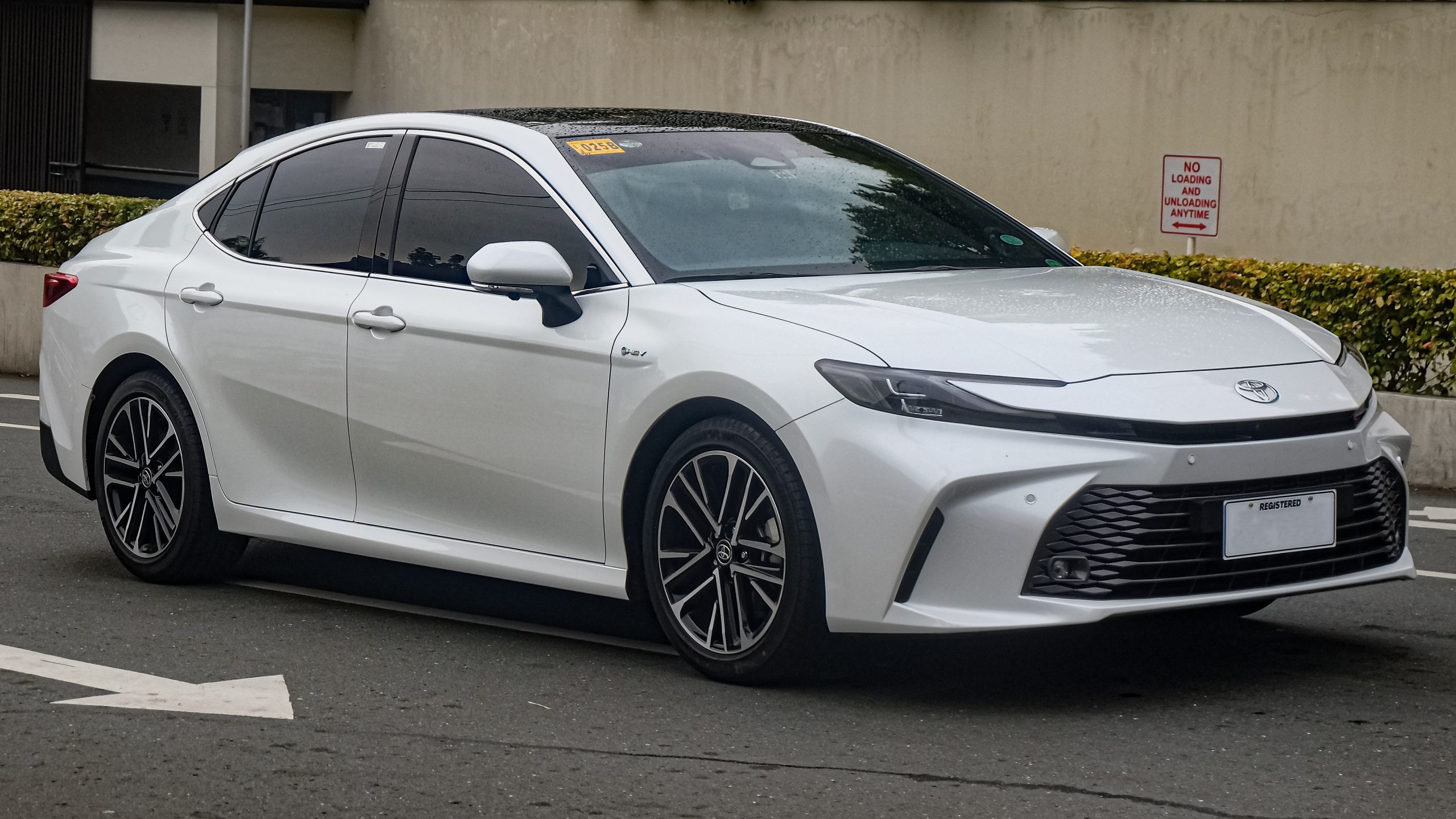
The automotive market operates on a fascinating economic principle: new cars lose value the moment they leave the dealership, but this depreciation curve isn’t uniform across all vehicles.
For savvy buyers, the five-year mark represents a particularly attractive purchasing opportunity a depreciation sweet spot where initial steep value drops have leveled off, yet the vehicles remain modern, reliable, and backed by remaining warranty coverage in many cases.
At five years old, cars from the 2020 model year (as of 2025) have absorbed the heaviest depreciation hit typically 50-60% of their original MSRP while still offering contemporary technology, advanced safety features, and the bulk of their usable lifespan ahead.
These vehicles often have around 60,000-75,000 miles, well within their prime operating years, and many retain significant portions of their original factory warranties or qualify for certified pre-owned programs.
This sweet spot is particularly pronounced in certain segments and brands where initial pricing was premium, but reliability remains stellar. Luxury vehicles, in particular, offer exceptional value propositions at this age, allowing buyers to access high-end features and prestige at mainstream prices.
Similarly, mainstream brands known for dependability provide worry-free ownership at significantly reduced costs. The following ten vehicles represent the best opportunities in today’s used car market, offering the optimal balance of value retention, remaining utility, and purchase affordability that defines the five-year depreciation sweet spot.
1. Toyota Camry (2020)
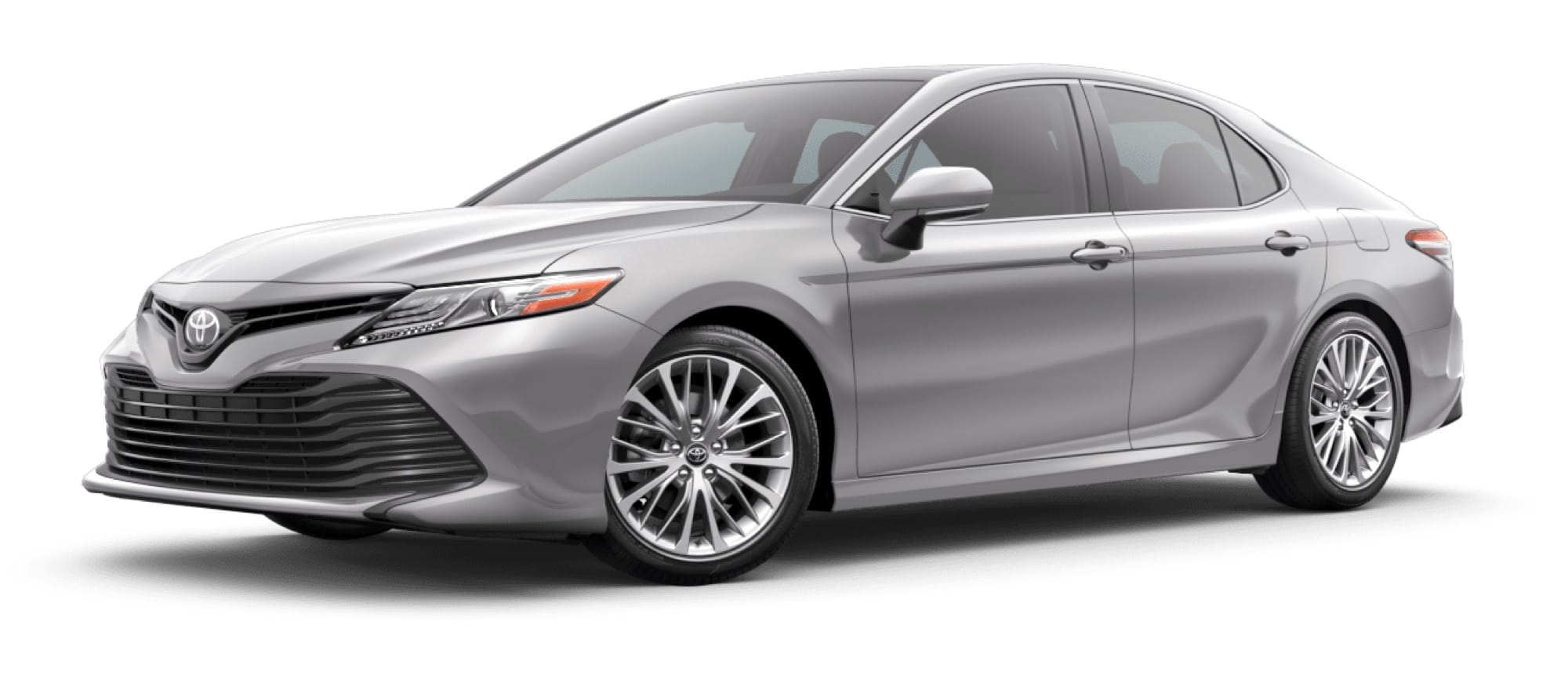
The 2020 Toyota Camry stands as the quintessential example of smart depreciation dynamics in the midsize sedan segment. After five years, this perennial best-seller typically retains approximately 55-60% of its original value, which translates to substantial savings for buyers while still offering a vehicle with decades of reliable service ahead.
Originally priced between $24,000-$35,000 depending on trim level, five-year-old Camrys now command prices in the $13,000-$21,000 range, making premium trims particularly attractive values.
What makes the 2020 Camry especially compelling at this age is Toyota’s comprehensive redesign that occurred in 2018, meaning this model benefits from the refinements of the second year of that generation.
Buyers get the bold, contemporary styling, the TNGA platform’s superior driving dynamics, and Toyota Safety Sense 2.0 as standard equipment features that remain competitive with today’s new offerings.
The powertrain options include a smooth 2.5-liter four-cylinder producing 203 horsepower or a robust 3.5-liter V6 delivering 301 horsepower, both paired with an eight-speed automatic transmission that’s proven exceptionally durable.
Toyota’s legendary reliability shines particularly bright at the five-year mark. These Camrys are just getting broken in, with many owners reporting trouble-free operation well past 200,000 miles.
Maintenance costs remain reasonable, parts are universally available, and the extensive dealer network ensures service accessibility anywhere in North America.
The hybrid variant deserves special mention, offering 50+ MPG combined while maintaining Toyota’s reliability reputation these hybrids have shown their battery systems routinely exceed 200,000 miles without significant degradation.
Interior quality remains impressive after five years, with soft-touch materials aging gracefully and infotainment systems that, while not cutting-edge, remain perfectly functional.
The 2020 model includes Apple CarPlay, Android Auto, and Amazon Alexa compatibility, ensuring smartphone integration that meets modern needs.
Safety equipment including adaptive cruise control, lane departure warning with steering assist, and automatic emergency braking comes standard across all trims features that were optional or unavailable on competitors just a few years earlier.
For buyers seeking maximum value retention going forward, the Camry’s historically flat depreciation curve after year five means minimal additional value loss, making it an excellent choice for those planning to drive the vehicle for another 5-10 years.
2. Honda Accord (2020)
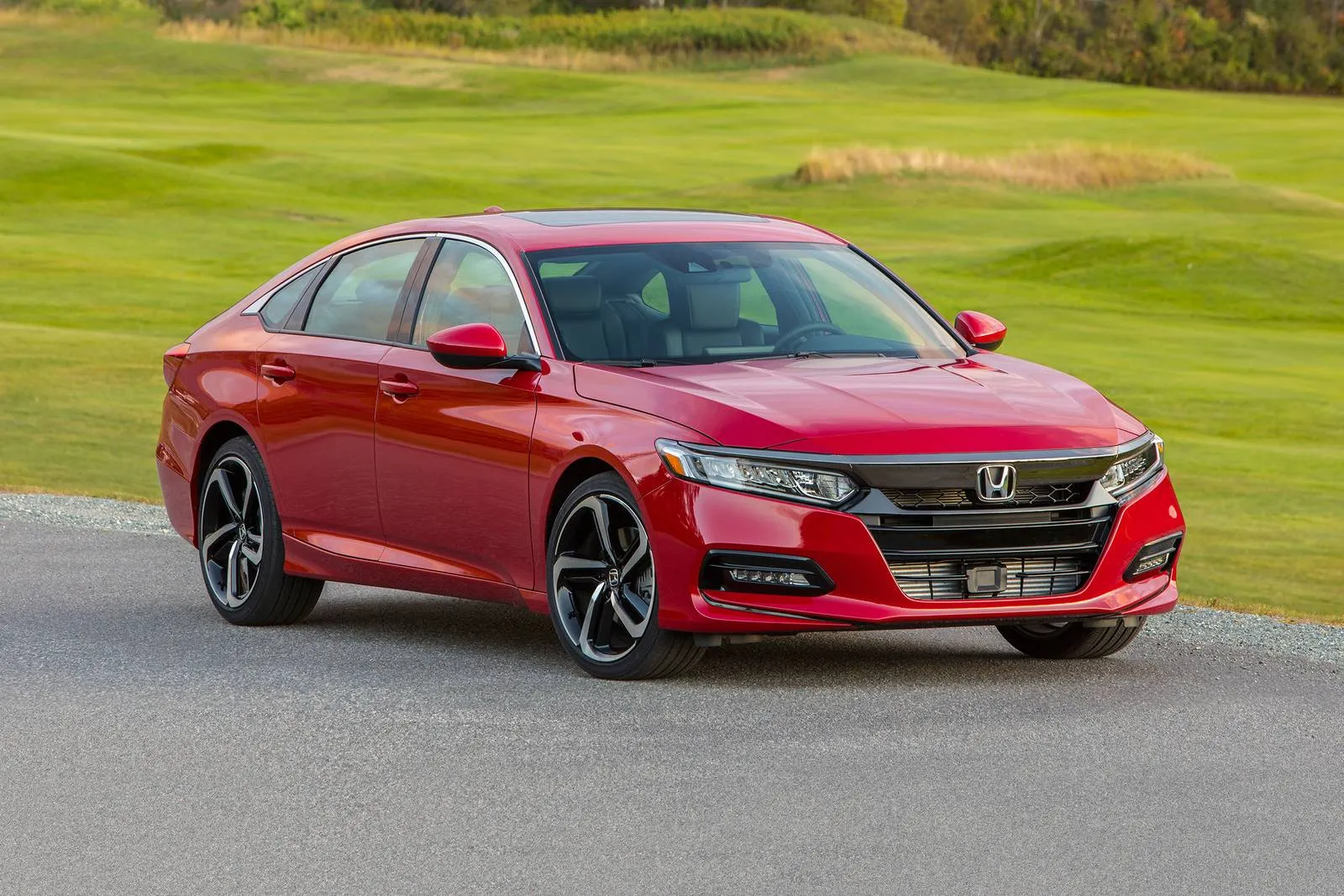
The 2020 Honda Accord represents another masterclass in midsize sedan value, offering a slightly sportier alternative to the Camry while maintaining similar reliability credentials and depreciation characteristics.
Five-year-old Accords typically retain 53-58% of their original $24,000-$36,000 MSRP, positioning them in the $13,000-$21,000 range today. This depreciation curve creates exceptional opportunities, particularly for higher trims like the Sport and Touring models that originally commanded premium prices but now sit within reach of mainstream budgets.
The 2020 model year is particularly significant as it represents the midpoint of the tenth generation Accord, benefiting from early production refinements while predating the more expensive 2021 refresh.
This sweet spot timing means buyers get a fully debugged platform with Honda’s latest technology at the lowest possible price point.
The turbocharged 1.5-liter four-cylinder engine produces a responsive 192 horsepower with impressive fuel economy figures around 30 city/38 highway MPG, while the available 2.0-liter turbo four delivers a muscular 252 horsepower with handling characteristics that rival sport sedans costing twice as much when new.
Honda’s reputation for building engines that routinely exceed 250,000 miles without major repairs makes the five-year-old Accord particularly attractive from a total cost of ownership perspective.
The continuously variable transmission (CVT), often a concern in competitor vehicles, has proven remarkably reliable in Honda applications, with proper maintenance ensuring longevity.
The timing chain design eliminates expensive belt replacement services, and brake systems benefit from Honda’s well-calibrated regenerative braking in hybrid models, significantly extending pad and rotor life.
Interior appointments remain contemporary and functional, with the 2020’s available 8-inch touchscreen (or 7-inch in base trims) providing intuitive operation and full smartphone integration.
Honda Sensing safety suite comes standard, delivering adaptive cruise control with low-speed follow, collision mitigation braking, road departure mitigation, and lane keeping assist a comprehensive package that matches or exceeds many current new vehicles.
The Accord’s spacious cabin, with best-in-class rear legroom and a cavernous trunk, ensures practical utility that hasn’t diminished with age.
The hybrid variant deserves particular consideration at five years old, as Honda’s two-motor system provides satisfying performance alongside 48 MPG combined fuel economy.
Unlike some competitors, the Accord Hybrid’s battery warranty extends to 10 years/100,000 miles in many states, providing peace of mind for used buyers. Values on hybrids have remained particularly strong, but the fuel savings offset the slightly higher purchase price within the first year of ownership.
3. Lexus ES 350 (2020)
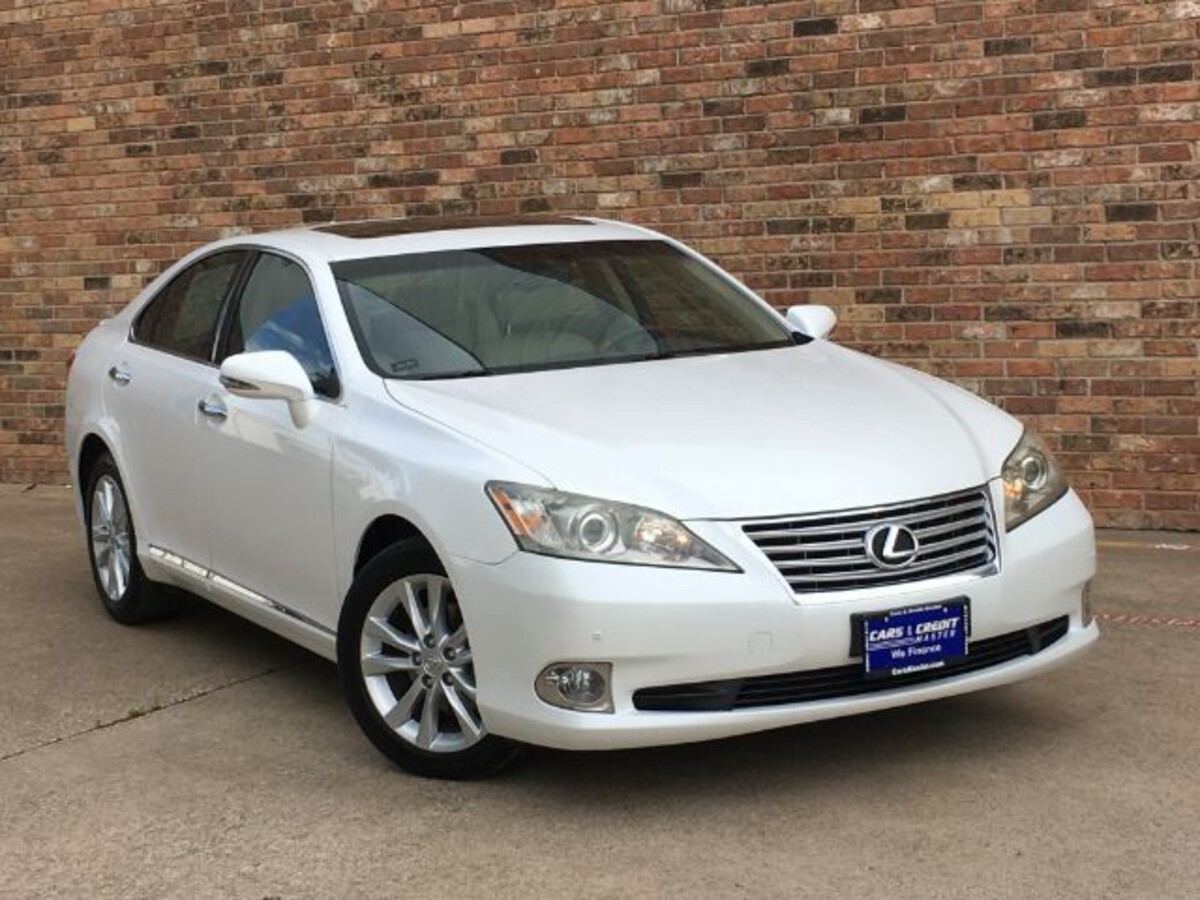
The 2020 Lexus ES 350 epitomizes the luxury depreciation sweet spot, offering buyers access to premium transportation at near-mainstream prices after five years.
Originally stickering between $40,000-$50,000, five-year-old ES 350s now trade in the $23,000-$32,000 range a stunning 40-45% depreciation that creates extraordinary value for discerning buyers.
This depreciation pattern reflects luxury vehicle market dynamics rather than any quality concerns; in fact, the ES’s Toyota Avalon underpinnings ensure reliability that exceeds most true luxury competitors.
The 2020 model represents the second year of the seventh-generation ES, incorporating the bold Lexus design language and the exceptional build quality for which the brand is renowned.
The 3.5-liter V6 engine produces a smooth 302 horsepower paired with an eight-speed automatic transmission that shifts with refinement befitting the Lexus badge.
After five years and typical mileage, these powertrains remain whisper-quiet and silky-smooth, showcasing the durability that has made Lexus a perennial leader in reliability surveys.
Where the ES truly shines at five years old is interior quality and feature content. Materials that graced a $45,000 luxury sedan in 2020 genuine leather, real wood trim, acoustic glass show minimal wear and maintain their premium ambiance.
The available Mark Levinson premium audio system delivers concert-hall acoustics that haven’t degraded, while the panoramic moonroof, heated and ventilated seats, and tri-zone automatic climate control function as flawlessly as when new.
Technology features including a 12.3-inch infotainment display, navigation, and Lexus Safety System+ 2.0 remain current and competitive.
Maintenance costs represent another compelling aspect of ES ownership at this age. Lexus dealers provide exceptional service experiences, and while not inexpensive, costs remain reasonable compared to European luxury competitors.
The ES benefits from Toyota’s parts bin, meaning many components cost significantly less than equivalent Audi or BMW parts. Common five-year maintenance includes fluids, filters, brake service, and tires no major service intervals loom at this age, and the powertrain warranty in many cases still has a year of coverage remaining.
The ES 300h hybrid variant merits special attention, offering 44 MPG combined with Lexus refinement and a battery warranty extending to 10 years/150,000 miles.
These hybrids have demonstrated exceptional reliability, and fuel savings compared to the V6 model amount to approximately $800-$1,000 annually for typical drivers, making the minimal price premium easily justified.
4. Mazda CX-5 (2020)
The 2020 Mazda CX-5 represents the compact crossover segment’s best-kept secret at the five-year mark, offering near-luxury quality and driving dynamics at remarkably accessible prices.
After five years, CX-5s typically retain 50-55% of their original $25,000-$37,000 value, positioning them in the $13,000-$20,000 range an exceptional value proposition for a vehicle that drives and feels like it should cost significantly more.
The depreciation curve reflects the competitive crossover segment rather than any quality deficiencies; Mazda’s reputation for reliability has grown substantially in recent years, with the brand now consistently ranking among the top five in dependability studies.
The 2020 model year marks the fourth year of the second-generation CX-5, incorporating all the refinements Mazda made throughout the generation’s lifecycle.
The turbocharged 2.5-liter four-cylinder engine available in higher trims delivers 250 horsepower on premium fuel (227 on regular), providing performance that embarrasses many luxury competitors while maintaining respectable fuel economy around 22 city/27 highway MPG.
The base 2.5-liter non-turbo engine offers a more economical 187 horsepower with better fuel efficiency, perfectly adequate for most buyers’ needs. Both engines pair with a smooth six-speed automatic transmission that prioritizes responsiveness over the efficiency-focused CVTs common in competitors.
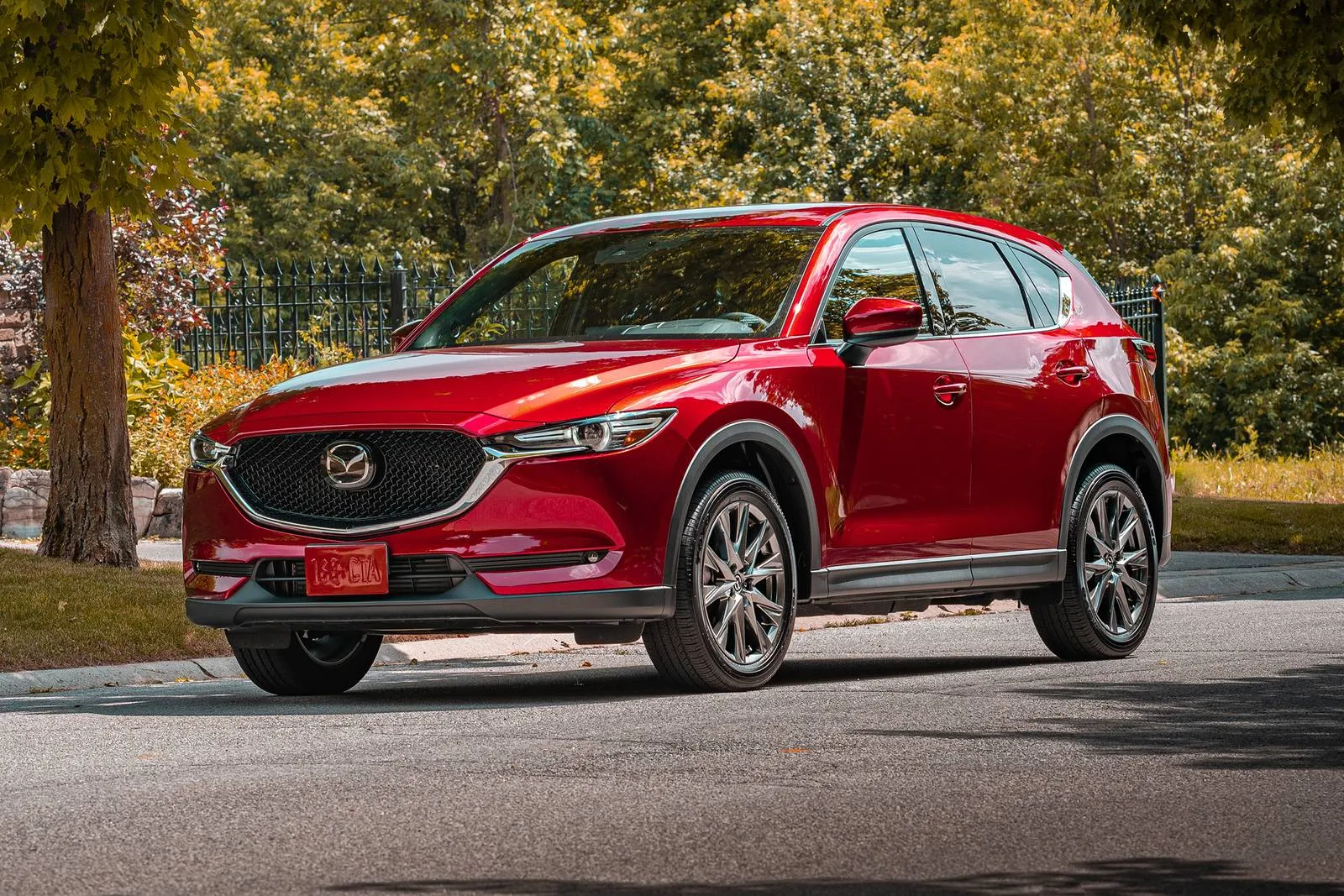
Where the CX-5 truly distinguishes itself is interior quality and design. Mazda’s upscale approach means even five-year-old base models feature soft-touch dashboard materials, attractive stitching details, and an aesthetic that rivals Acura and Lexus products.
Premium trims like the Grand Touring Reserve and Signature feature Nappa leather, genuine wood trim, and a level of fit-and-finish that hasn’t degraded after five years of use.
The driving position remains commanding and comfortable, with supportive seats that hold up excellently over time. Technology features include a 10.25-inch infotainment display controlled via a responsive rotary knob, Apple CarPlay and Android Auto compatibility, and a head-up display in higher trims.
Safety equipment is comprehensive, with standard features including blind-spot monitoring, rear cross-traffic alert, and in higher trims, adaptive cruise control with stop-and-go functionality, lane-keep assist, and traffic sign recognition. These systems continue operating flawlessly at five years old, providing peace of mind that matches current new vehicles.
The CX-5’s excellent sight lines and maneuverable size make it particularly appealing for urban environments while still offering sufficient cargo space for weekend adventures.
Maintenance costs remain reasonable, with Mazda’s SkyActiv engines proving remarkably durable and efficient. Common five-year service includes routine fluids and filters, with no major component replacements typically necessary.
The CX-5 has shown particular resistance to common crossover issues like excessive oil consumption or transmission problems that plague some competitors.
Also Read: 10 Cars That Make You Take the Long Way Home
5. Subaru Outback (2020)
The 2020 Subaru Outback occupies a unique position in the five-year-old market, offering the practicality of a midsize SUV with wagon versatility and legendary all-wheel-drive capability at depreciated prices that make it accessible to far more buyers than when new.
After five years, Outbacks typically retain an impressive 52-57% of their $27,000-$40,000 original MSRP, translating to current prices around $14,000-$23,000. This relatively strong value retention reflects the Outback’s cult following and reputation for reliability, particularly in regions with harsh winters where Subaru’s symmetrical all-wheel drive is highly prized.
The 2020 model year introduced Subaru’s sixth generation Outback, making it particularly desirable as a used purchase buyers get the latest platform, updated styling, and significantly improved technology while avoiding the new-car premium.
The base 2.5-liter four-cylinder boxer engine produces 182 horsepower, adequate for most situations, while the available 2.4-liter turbocharged boxer delivers 260 horsepower for those who prioritize acceleration or regularly tow.
Both engines pair with Subaru’s continuously variable transmission that, despite CVT stigma in other brands, has proven remarkably reliable in Subaru applications. The standard all-wheel drive remains one of the most capable systems in any vehicle at any price, providing confidence in snow, rain, and light off-road situations.
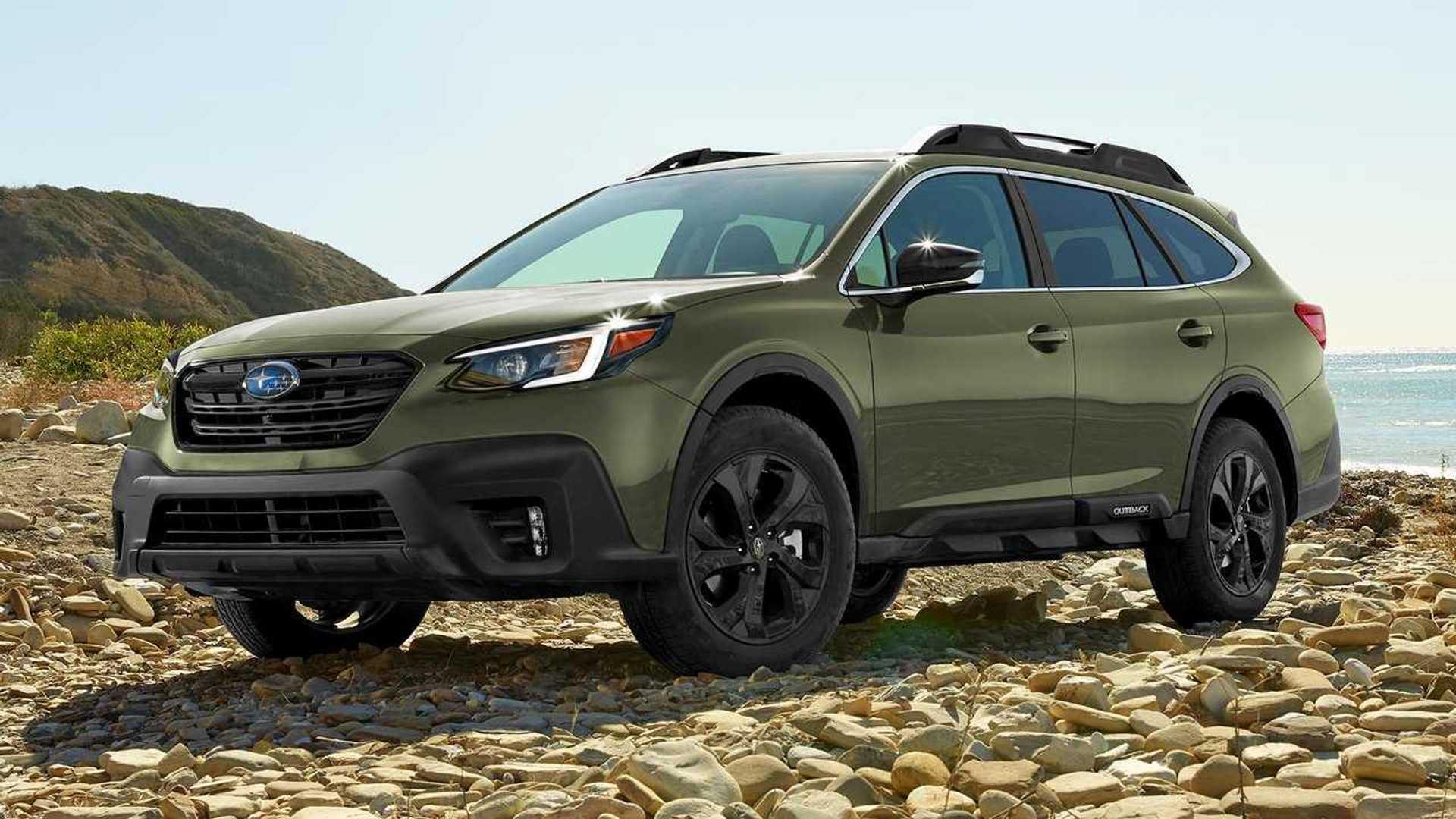
Interior quality represents a significant step forward from previous Outback generations. The 2020 features a more upscale cabin with improved materials, less road noise, and a much-improved 11.6-inch vertical touchscreen in higher trims (or 7-inch in base models) that provides intuitive operation and standard Apple CarPlay and Android Auto.
After five years, these interiors hold up well, with durable cloth or leather seating surfaces showing minimal wear even in high-mileage examples.
The generous ground clearance, massive cargo area, and thoughtful storage solutions maintain their utility unchanged, making the Outback particularly appealing for active lifestyles kayaking, camping, skiing, or simply handling Home Depot runs with ease.
Safety features are comprehensive, with Subaru’s EyeSight driver assistance system standard across all trims. This suite includes adaptive cruise control, pre-collision braking, lane departure and sway warning, and lane keep assist, features that continue operating reliably at five years old.
The Outback consistently earns top safety ratings, and the high seating position provides excellent visibility that many drivers prefer over traditional sedans.
Subaru’s reputation for engineering vehicles that regularly exceed 200,000 miles means a five-year-old Outback with 75,000 miles remains in its prime operating years.
Common maintenance at this age includes routine fluids, filters, spark plugs, and potentially brake service.
The boxer engine design requires periodic attention to valve cover gaskets, a well-known maintenance item that’s relatively inexpensive when addressed proactively. Subaru’s extensive dealer network, particularly strong in the Northeast and Mountain West, ensures parts availability and service expertise.
6. Acura RDX (2020)
The 2020 Acura RDX represents exceptional luxury crossover value at the five-year mark, offering Honda reliability with premium features at prices that undercut mainstream competitors.
Originally priced between $38,000-$48,000, five-year-old RDX models now trade in the $21,000-$30,000 range a dramatic 37-45% depreciation that creates remarkable opportunities for luxury-seeking buyers on realistic budgets.
This depreciation reflects luxury market dynamics and Acura’s middle position between mainstream and ultra-premium brands, not any reliability or quality concerns. The RDX benefits from Honda’s engineering excellence while adding refinement and features unavailable on Honda badges.
The 2020 model represents the second year of the third-generation RDX, incorporating refinements from the first model year while maintaining the bold, contemporary styling and excellent driving dynamics that distinguish it from more conservative competitors.
The turbocharged 2.0-liter four-cylinder engine produces a robust 272 horsepower and 280 lb-ft of torque, delivering performance that embarrasses many six-cylinder competitors while maintaining respectable fuel economy around 22 city/28 highway MPG.
The 10-speed automatic transmission shifts smoothly and intelligently, and the standard Super Handling All-Wheel Drive (SH-AWD) system provides exceptional traction and handling characteristics that make the RDX genuinely enjoyable to drive uncommon in the luxury crossover segment.
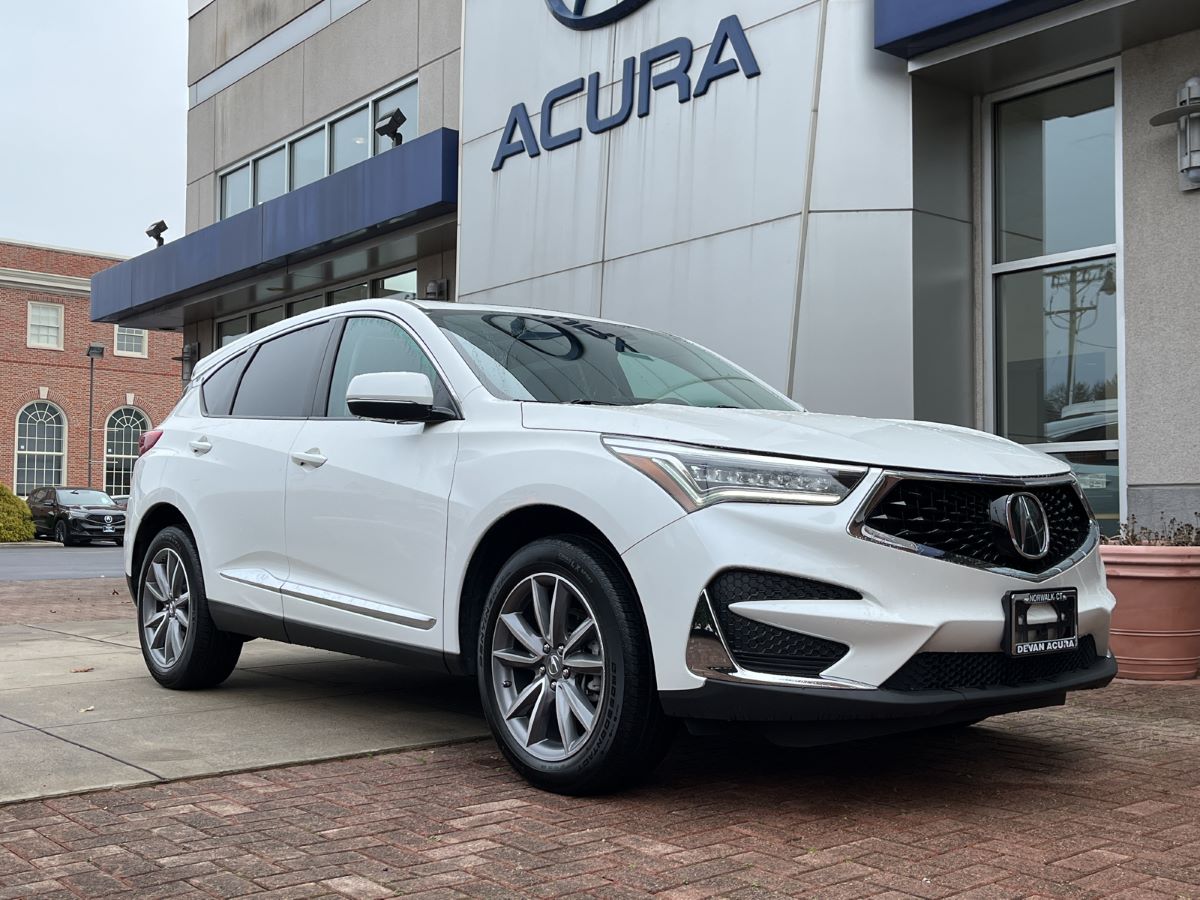
Interior quality at five years old remains impressive, with premium materials showing minimal wear even in well-used examples. The distinctive floating center console, panoramic moonroof, and 12.3-inch infotainment display maintain their upscale ambiance.
While Acura’s True Touchpad Interface for the infotainment drew criticism when new, it becomes intuitive with familiarity, and the 2020 model includes physical controls for climate functions, addressing earlier complaints.
Premium features like heated and ventilated front seats, a heated steering wheel, and the excellent ELS Studio premium audio system function flawlessly and provide luxury experiences that justify the Acura badge.
Safety equipment is comprehensive, with AcuraWatch standard across all trims. This suite includes adaptive cruise control with low-speed follow, collision mitigation braking, road departure mitigation, lane keeping assist, and traffic sign recognition.
These systems operate reliably and represent technology that remains current compared to today’s new vehicles. The RDX’s excellent visibility, manageable dimensions, and light steering make it particularly appealing for urban environments while offering sufficient space for families and cargo.
Maintenance costs represent a significant advantage over European luxury competitors. As an Acura/Honda product, parts costs remain reasonable, and reliability has proven exceptional.
The turbocharged engine, while requiring premium fuel for optimal performance, accepts regular fuel without damage, simply reducing output slightly.
Common five-year maintenance includes fluids, filters, brake service, and tires, no major component replacements typically necessary until well past 100,000 miles.
7. Genesis G80 (2020)
The 2020 Genesis G80 represents perhaps the single greatest depreciation opportunity in the luxury sedan segment, offering genuine competitors to BMW, Mercedes, and Audi at prices that undercut mainstream sedans.
Originally priced between $48,000-$60,000, five-year-old G80s now command prices in the $22,000-$33,000 range an eye-watering 40-55% depreciation that reflects brand perception rather than product quality.
For value-conscious luxury buyers, this depreciation creates opportunities to access features, materials, and performance that would cost $60,000-$70,000 in a comparable German sedan.
The 2020 model year represents the final year of the first-generation Genesis G80 before the complete redesign for 2021. While not as visually striking as the newer model, the first-generation G80 offers traditional luxury sedan proportions, conservative styling that ages gracefully, and build quality that rivals any competitor regardless of price.
The available powertrains include a smooth 3.8-liter V6 producing 311 horsepower or a robust 5.0-liter V8 delivering 420 horsepower both paired with an eight-speed automatic transmission that shifts with precision. The rear-wheel drive platform (all-wheel drive optional) provides balanced handling characteristics uncommon in modern luxury sedans.
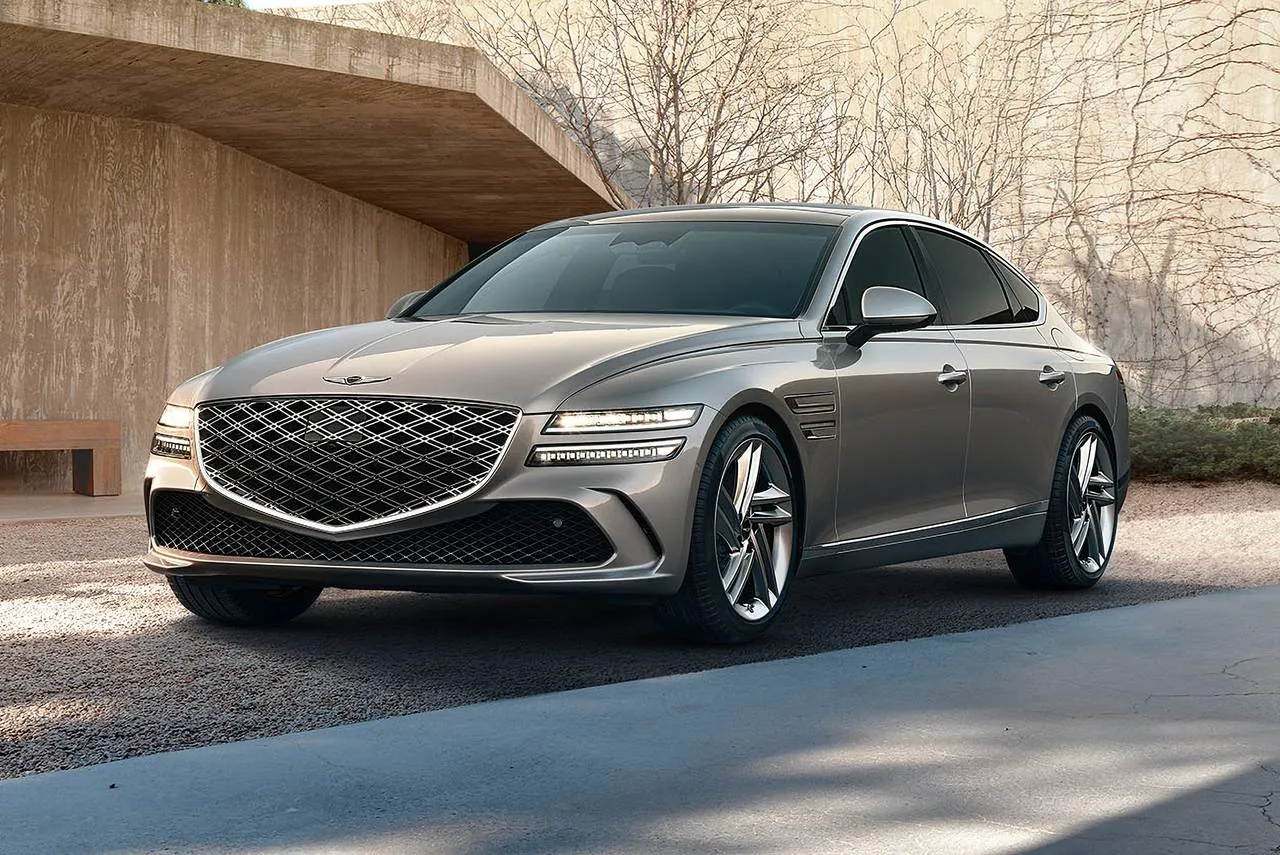
Interior quality represents the G80’s strongest argument. Materials include genuine leather, real aluminum trim, and soft-touch surfaces throughout the cabin.
After five years, these interiors maintain their luxurious ambiance, with seats showing minimal wear and electronics functioning flawlessly.
The available 17-speaker Lexicon premium audio system delivers audiophile-grade sound quality, while features like heated and ventilated front and rear seats, a panoramic sunroof, power rear sunshade, and adaptive suspension ensure comfort that rivals vehicles costing twice as much.
The infotainment system, while not featuring the largest screen by today’s standards, operates intuitively and includes Apple CarPlay and Android Auto compatibility.
Safety equipment is comprehensive, with available features including adaptive cruise control, automatic emergency braking, blind-spot monitoring with rear cross-traffic alert, lane keep assist, and a 360-degree camera system.
These systems continue operating reliably at five years old, providing modern safety features that match current offerings. The G80’s larger dimensions provide a substantial, planted feel on highways, with excellent noise isolation creating a serene cabin environment.
The most compelling aspect of G80 ownership at five years old is Genesis’s warranty, which transfers to subsequent owners and provides 5-year/60,000-mile comprehensive coverage and 10-year/100,000-mile powertrain protection from the original purchase date.
A 2020 G80 purchased in 2025 still carries comprehensive warranty coverage and substantial powertrain protection, providing peace of mind uncommon in the used luxury market. This warranty coverage, combined with Genesis’s included maintenance for the first three years, means many five-year-old G80s have required only routine oil changes thus far.
8. Toyota RAV4 (2020)
The 2020 Toyota RAV4 represents the compact crossover segment’s most sensible depreciation play, combining Toyota’s legendary reliability with contemporary styling and features at prices that have declined from the new-car premium while retaining strong values relative to competitors.
After five years, RAV4s typically retain 53-58% of their original $26,000-$36,000 MSRP, positioning them in the $14,000-$21,000 range. While this represents less dramatic depreciation than luxury competitors, it reflects the RAV4’s exceptional reliability and strong market demand qualities that also ensure minimal future depreciation for buyers who purchase at this point.
The 2020 model year marks the second year of the fifth-generation RAV4, incorporating refinements from the first model year while maintaining the bold, truck-like styling that distinguishes it from more car-like competitors.
The base 2.5-liter four-cylinder produces 203 horsepower paired with an eight-speed automatic transmission, providing adequate performance with fuel economy around 28 city/35 highway MPG in front-wheel-drive configuration (slightly less with all-wheel drive).
The available TRD Off-Road and Adventure trims offer enhanced ground clearance and all-terrain capability unusual in the compact crossover segment, appealing to outdoors enthusiasts.
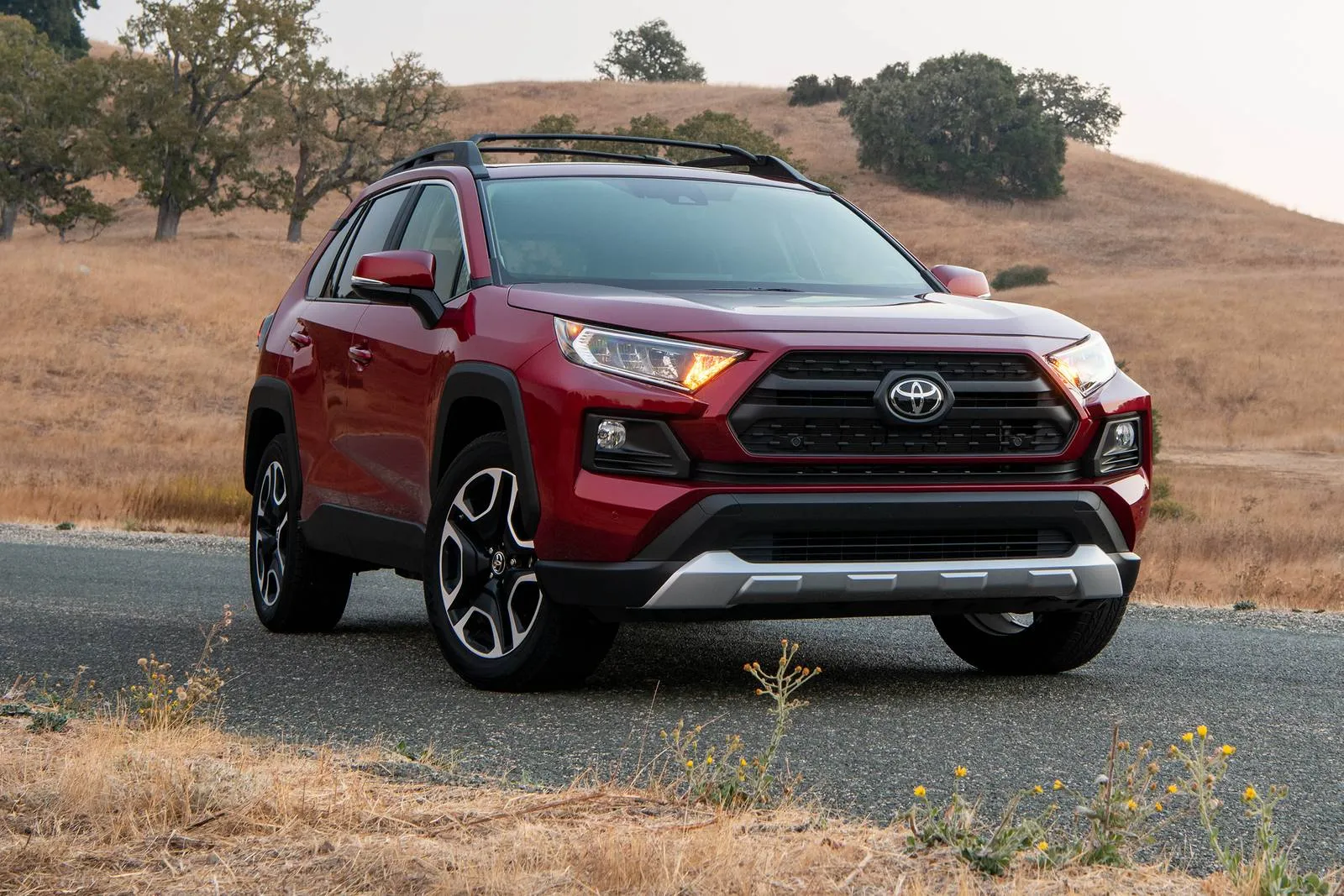
Where the RAV4 particularly shines is the hybrid variant, which combines a 2.5-liter four-cylinder with electric motors to produce a combined 219 horsepower while achieving a remarkable 41 city/38 highway/40 combined MPG.
After five years, these hybrid systems have proven exceptionally reliable, with battery degradation minimal and no significant failure trends emerging.
The hybrid battery carries an 8-year/100,000-mile warranty (10 years/150,000 miles in CARB states), meaning many 2020 models retain substantial coverage. Fuel savings compared to the gasoline model amount to approximately $700-$900 annually for typical drivers, making the hybrid’s slight price premium easily justified.
Interior quality, while not luxurious, proves durable and functional. Toyota’s conservative approach to materials means plastic surfaces may feel less upscale than competitors when new but show less wear after five years of use.
The 2020 RAV4 features an 8-inch touchscreen (7-inch in base trims) with Apple CarPlay, Android Auto, and Amazon Alexa compatibility, ensuring smartphone integration meets modern needs. Available features like heated and ventilated front seats, a power liftgate, and a panoramic moonroof enhance comfort and convenience.
Safety equipment represents a significant RAV4 strength, with Toyota Safety Sense 2.0 standard across all trims. This comprehensive suite includes adaptive cruise control, pre-collision braking with pedestrian detection, lane departure alert with steering assist, automatic high beams, and road sign assist.
These systems function reliably at five years old and provide safety features that match or exceed current new competitors. The RAV4’s high seating position and good visibility make it particularly appealing for drivers transitioning from sedans.
Maintenance costs remain Toyota-reasonable, with widespread parts availability and dealer networks ensuring service accessibility. The RAV4 has shown particular resistance to common crossover problems, with engines, transmissions, and all-wheel-drive systems proving exceptionally durable.
Expected five-year maintenance includes routine fluids, filters, and brake service no major components typically require replacement.
9. Audi A4 (2020)
The 2020 Audi A4 presents the German luxury sedan depreciation sweet spot, offering sophisticated engineering, premium materials, and the prestigious four-rings badge at prices that rival mainstream sedans.
Originally stickering between $38,000-$50,000, five-year-old A4s now trade in the $19,000-$28,000 range a substantial 42-50% depreciation that creates exceptional value for buyers who appreciate German engineering and are prepared for European maintenance costs.
The steep depreciation reflects luxury vehicle market dynamics and Audi’s position competing against BMW and Mercedes, not reliability concerns, though maintenance vigilance is important for long-term satisfaction.
The 2020 model represents the fourth year of the B9-generation A4, incorporating refinements and technology updates throughout the generation’s lifecycle.
The turbocharged 2.0-liter four-cylinder engine produces 248 horsepower (261 in ultra-premium-plus trims) paired with Audi’s excellent seven-speed dual-clutch automatic transmission that shifts with precision and responsiveness uncommon in conventional automatics.
Quattro all-wheel drive comes standard, providing confidence-inspiring traction in all weather conditions. The balanced chassis delivers genuinely engaging driving dynamics with Germanic precision and composure that remains satisfying after five years.
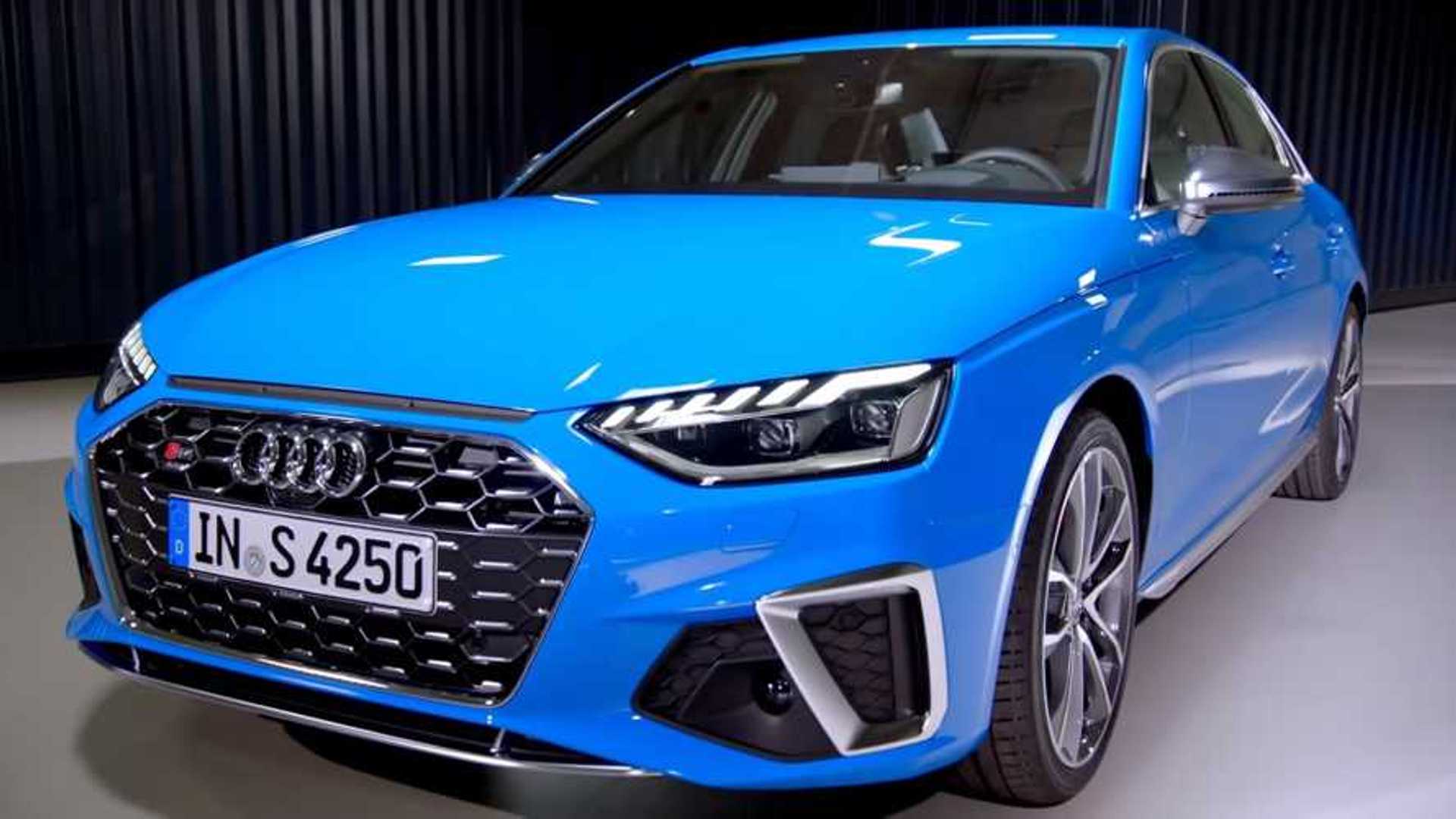
Interior quality represents a significant A4 strength. Audi’s reputation for exceptional cabin design and materials means five-year-old A4s maintain their premium ambiance, with MMI infotainment systems that remain intuitive and responsive.
Available features include the brilliant 12.3-inch Audi Virtual Cockpit digital instrument cluster, navigation with real-time traffic, a Bang & Olufsen premium audio system, heated and ventilated sport seats with diamond stitching, and ambient LED lighting.
These features function reliably and provide experiences that justify the premium badge. The minimalist interior design, characterized by clean lines and high-quality materials, ages gracefully compared to more trend-driven competitors.
Technology and safety features are comprehensive, with available driver assistance systems including adaptive cruise control with stop-and-go functionality, active lane assist, traffic sign recognition, and pre-sense collision mitigation.
The 2020 A4’s technology remains current compared to today’s new vehicles, and systems continue operating reliably at five years old. The head-up display, wireless phone charging, and Bang & Olufsen sound system represent luxury features that enhance daily driving experiences.
Maintenance costs require realistic expectations. European luxury vehicles demand premium fuel, require synthetic oil changes, and use more expensive parts than mainstream competitors.
However, Audi’s four-year/50,000-mile warranty means many 2020 models recently exited coverage, and savvy buyers should budget approximately $1,000-$1,500 annually for maintenance beyond what Toyota or Honda owners experience. Common five-year services include spark plugs, transmission fluid, and brake service.
The turbo engine requires attention to carbon buildup, a well-known issue addressed through periodic walnut shell blasting typically necessary around 60,000-80,000 miles at a cost of $400-$600.
10. Hyundai Palisade (2020)
The 2020 Hyundai Palisade concludes our list with the three-row crossover segment’s most compelling depreciation story, offering luxury features, spacious accommodations for up to eight passengers, and Korean reliability at prices that undercut competitive mainstream three-rows.
Originally priced between $32,000-$48,000, five-year-old Palisades now trade in the $20,000-$30,000 range a 35-40% depreciation that reflects typical luxury vehicle patterns despite Palisade’s mainstream Hyundai badge.
This depreciation creates exceptional value, as the Palisade’s feature content, interior quality, and execution rival vehicles from Acura, Lexus, and even some German luxury brands.
The 2020 model year launched Hyundai’s flagship three-row crossover, making it particularly attractive as a used purchase buyers get first-year production with any early issues already identified and addressed, while avoiding the new-car premium.
The sole powertrain pairs a robust 3.8-liter V6 producing 291 horsepower with an eight-speed automatic transmission, providing confident acceleration even with a full load of passengers and cargo.
Front-wheel drive comes standard, with all-wheel drive available and recommended for regions with challenging weather. Fuel economy of 19 city/26 highway MPG (slightly less with AWD) is respectable for a vehicle of this size and weight.
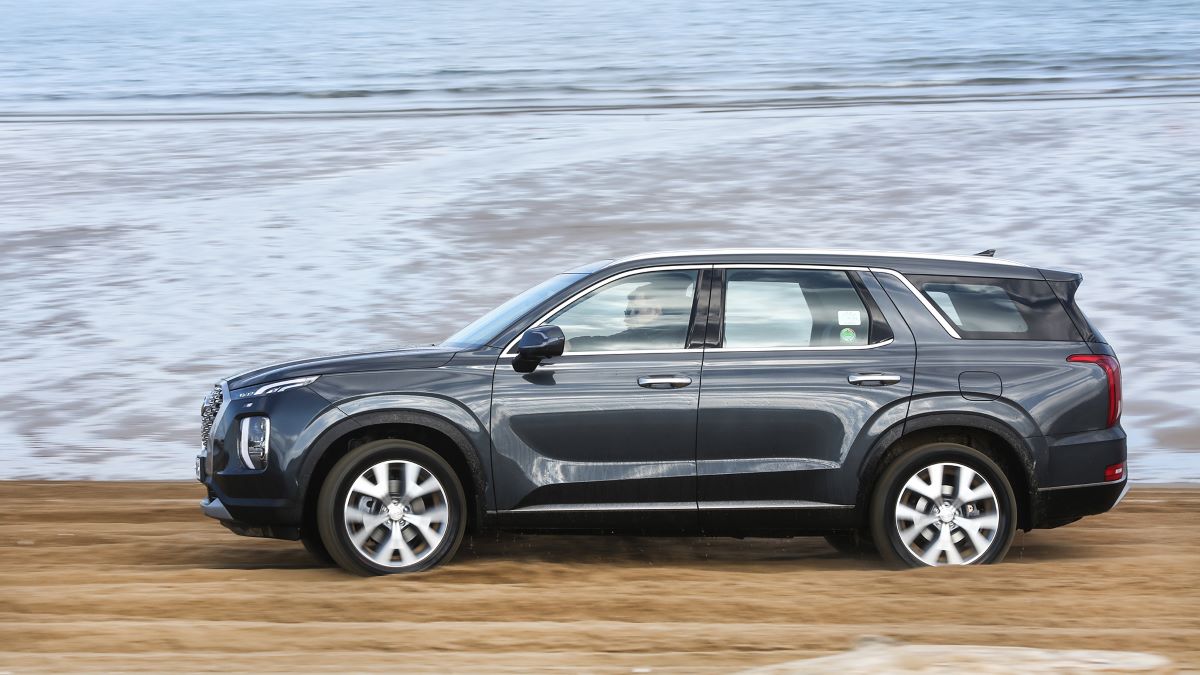
Interior quality represents the Palisade’s defining characteristic. Hyundai’s upscale approach means even base SE trims feature soft-touch materials, attractive design, and thoughtful ergonomics, while top-tier Limited and Calligraphy trims rival luxury competitors with Nappa leather, quilted seating surfaces, genuine wood trim, and ambient lighting throughout the cabin.
After five years, these interiors hold up remarkably well, with seats showing minimal wear even in high-mileage examples. The second-row captain’s chairs (available in higher trims) slide and recline extensively, providing limousine-like comfort, while the power-folding third row accommodates adults for short trips unusual capability in the segment.
Technology features are comprehensive and remain current. The available 10.25-inch touchscreen operates intuitively with Apple CarPlay and Android Auto, navigation, and a surround-view monitor.
The 12.3-inch digital instrument cluster in higher trims displays customizable information clearly. Premium audio options include a 10-speaker Harman Kardon system that delivers impressive sound quality.
Convenience features like hands-free power liftgate, wireless phone charging, heated and ventilated front seats, heated second-row seats, and tri-zone automatic climate control enhance daily usability.
Safety equipment is extensive, with Hyundai’s SmartSense suite standard across all trims. Features include forward collision avoidance with pedestrian detection, blind-spot collision avoidance, rear cross-traffic collision avoidance, lane following assist, driver attention warning, and safe exit assist.
Higher trims add blind-spot view monitor, surround-view monitor, and parking collision avoidance. These systems operate reliably and provide safety features matching current new vehicles.
The most compelling aspect of Palisade ownership at five years old is Hyundai’s industry-leading warranty, which transfers to subsequent owners.
The 5-year/60,000-mile comprehensive warranty may have minimal coverage remaining, but the 10-year/100,000-mile powertrain warranty from the original purchase date provides substantial protection a 2020 Palisade purchased in 2025 still carries five years of powertrain coverage.
This warranty provision, uncommon in the used market, provides peace of mind that rivals certified pre-owned programs from luxury brands. Maintenance costs remain reasonable compared to luxury competitors, with widespread Hyundai dealer networks ensuring service accessibility and competitive pricing.
Also Read: 10 Cars That Feel Faster Than Their Horsepower Numbers
