
In a surprising twist that defies conventional automotive wisdom, today’s car market is experiencing an unusual phenomenon where certain new vehicles are actually more affordable than their used counterparts. This market anomaly stems from a perfect storm of factors that have fundamentally disrupted traditional depreciation patterns.
Following the pandemic-era supply chain crisis and semiconductor shortage, used car prices skyrocketed to unprecedented levels, creating a market where three-year-old vehicles sometimes commanded prices higher than their original MSRP.
Now, as production has normalized and manufacturers flood showrooms with inventory, aggressive incentives, rebates, and financing offers have made new vehicles remarkably competitive.
Dealerships eager to move aging stock are offering substantial discounts, while used car prices remain stubbornly raised due to the limited supply of vehicles from the lean production years of 2020-2022
For savvy buyers, this presents a golden opportunity to purchase a brand-new vehicle with full warranty coverage, the latest safety features, and modern technology all while potentially paying less than a used model with tens of thousands of miles already on the odometer.
This counterintuitive market condition won’t last forever, making now an ideal time to explore new vehicle options. Here are ten vehicles where buying new makes more financial sense than purchasing used.
1. Nissan Versa
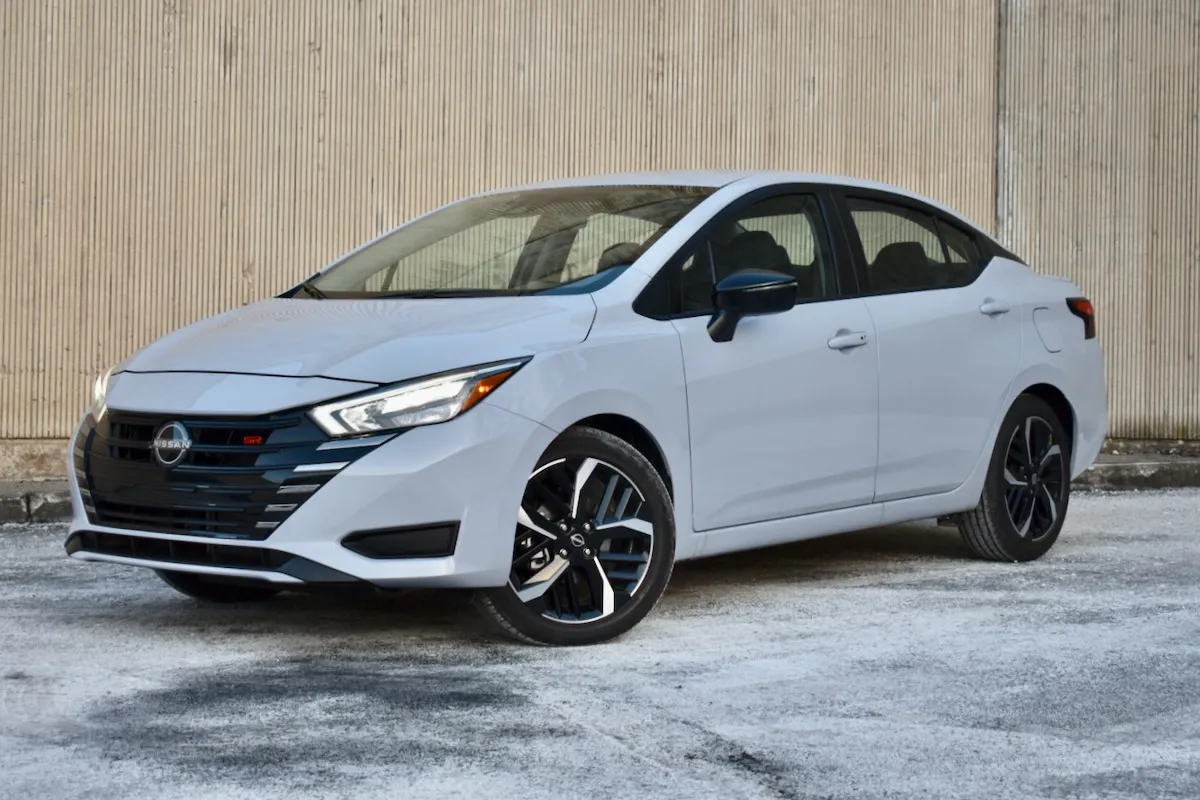
The Nissan Versa has emerged as one of the most compelling cases for buying new rather than used in today’s automotive world. With manufacturer incentives frequently reaching $3,000 to $4,000, combined with low APR financing offers, the subcompact sedan presents an exceptional value proposition that used models simply cannot match.
New Versa models are regularly advertised with transaction prices around $17,000 to $18,000 after incentives, while two-to-three-year-old used versions with 30,000-50,000 miles are selling for $16,000 to $18,500.
This narrow price gap, sometimes even a price inversion makes purchasing used versions financially illogical. When you factor in that a new Versa comes with a complete three-year/36,000-mile bumper-to-bumper warranty and a five-year/60,000-mile powertrain warranty, the decision becomes even clearer.
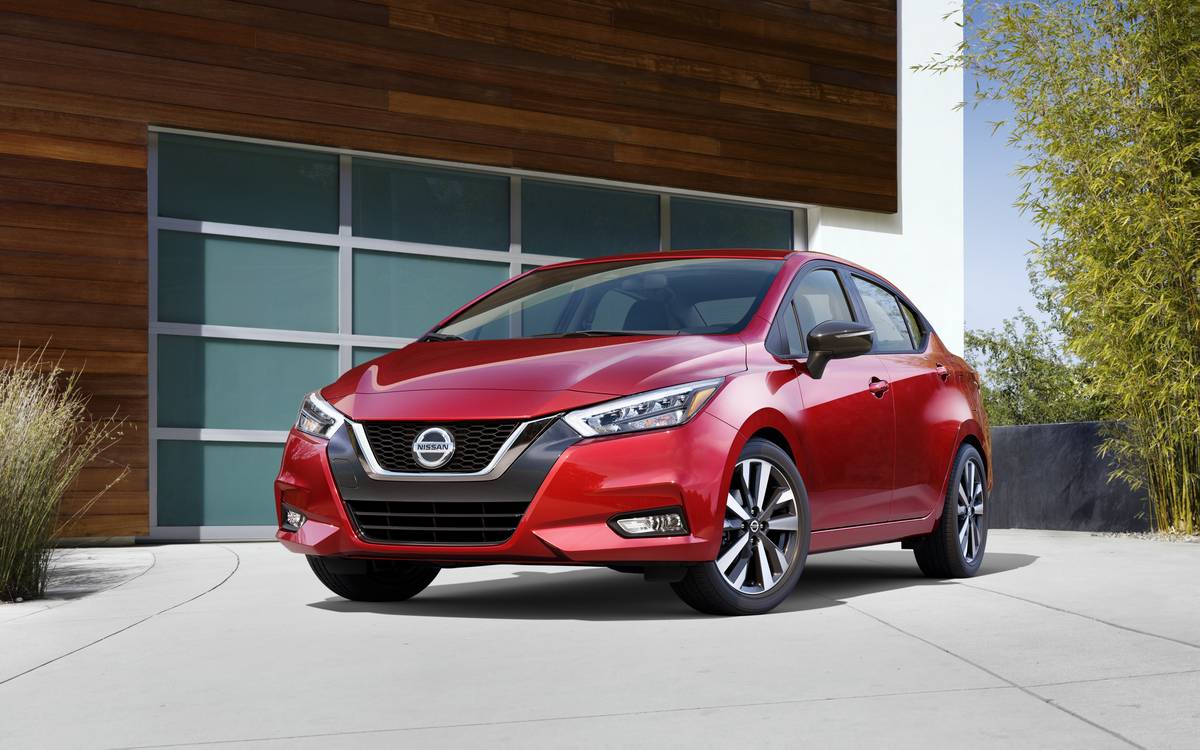
The current-generation Versa, introduced in 2020, offers surprisingly refined driving dynamics for its class, respectable fuel economy averaging 32 mpg combined, and modern standard features including automatic emergency braking, smartphone integration, and a touchscreen infotainment system.
Used examples from 2020-2022 have minimal technological differences from 2024-2025 models, yet command prices that don’t reflect their mileage or reduced warranty coverage.
For budget-conscious buyers who might typically gravitate toward used options, the Versa demonstrates how manufacturer support can completely alter the value equation.
The combination of cash rebates, subsidized financing rates as low as 0.9% APR, and potential loyalty bonuses creates a pricing structure that used private sellers and dealerships cannot compete with.
Additionally, buying new eliminates concerns about previous owner maintenance habits, accident history, or hidden mechanical issues that can plague used car purchases.
2. Hyundai Venue
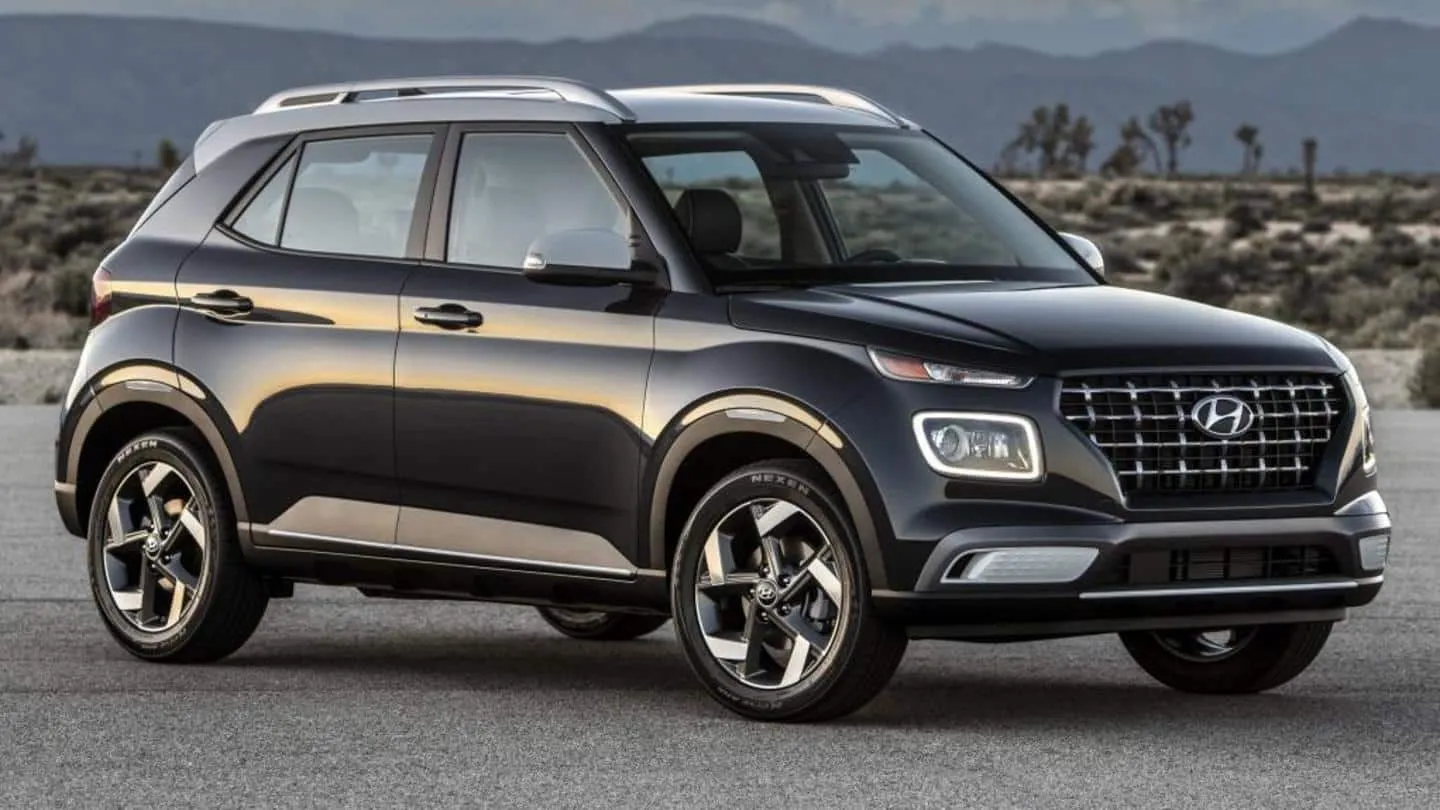
Hyundai’s smallest SUV, the Venue, represents another excellent example where new purchases triumph over used alternatives. The Korean automaker’s aggressive incentive programs, combined with their industry-leading warranty coverage, create a compelling argument for choosing a brand-new vehicle over a pre-owned model in this subcompact crossover segment.
New Hyundai Venue models are frequently available with combined incentives totaling $2,500 to $3,500, bringing effective prices down to the $19,000-$20,000 range for well-equipped SE trims.
Meanwhile, used 2021-2023 Venues with moderate mileage are listed between $18,500 and $21,000, creating minimal savings or sometimes even costing more than their new counterparts.
This pricing overlap exists because the Venue was introduced in 2020 as a 2020 model, meaning even “used” examples are relatively recent and haven’t experienced normal depreciation curves.
What makes the new Venue particularly attractive is Hyundai’s comprehensive warranty package: a five-year/60,000-mile new vehicle limited warranty and an exceptional ten-year/100,000-mile powertrain warranty.
These warranties are partially transferable to second owners but lose some coverage duration, meaning used Venue buyers forfeit years of protection. For a vehicle in the budget segment where owners tend to keep vehicles longer, this warranty coverage difference is substantial.
The Venue fills a unique niche as an urban-friendly SUV with a small footprint but raised seating position and cargo versatility. Its 1.6-liter four-cylinder engine delivers modest but adequate performance while achieving approximately 30 mpg combined.
Standard safety features include forward collision avoidance, lane-keeping assist, and driver attention warning features that weren’t universal in the subcompact segment until recently.
Used Venue pricing remains inflated partly because of sustained demand for affordable, fuel-efficient SUVs and partly because many examples on the market were sold during 2021-2022 when dealer markups were common and MSRPs were artificially raised.
Current owners seeking to recoup their investment price vehicles accordingly, not accounting for today’s incentive-rich new car environment.
Hyundai dealerships are particularly motivated to move Venue inventory as the brand expands its electric and hybrid offerings. This shifting focus means traditional gas-powered models like the Venue receive enhanced incentive support.
Regional promotions sometimes include additional savings for recent college graduates, military members, or first-time buyers, potentially pushing total savings beyond $4,000.
For urban dwellers, first-time car buyers, or anyone seeking an affordable entry point into SUV ownership, the new Venue presents an opportunity that used market pricing cannot match. The peace of mind accompanying a factory-fresh vehicle with full warranty coverage, combined with actual cost savings, makes this decision straightforward.
3. Mitsubishi Mirage
The Mitsubishi Mirage, while often overlooked in automotive reviews, presents perhaps the most dramatic example of new vehicles being cheaper than used counterparts.
Mitsubishi’s position as a smaller-volume manufacturer with aggressive sales goals leads to extraordinary incentive packages that fundamentally alter this subcompact car’s value proposition.
New Mirage models regularly feature combined incentives reaching $4,000 to $5,000, including cash rebates, loyalty bonuses, and conquest incentives for switching from competing brands.
These aggressive discounts bring new Mirage transaction prices to as low as $13,000 to $15,000, while used 2020-2023 examples with 20,000-40,000 miles sell for $14,000 to $16,500. In many markets, a brand-new Mirage actually costs less than a three-year-old used one a remarkable inversion of normal automotive economics.
The Mirage’s appeal centers on extreme fuel efficiency, achieving approximately 39 mpg combined with the CVT transmission, making it one of the most economical non-hybrid vehicles available.
Its simple, proven 1.2-liter three-cylinder engine prioritizes reliability and economy over performance, appealing to commuters, budget-conscious families, and those seeking minimal ownership costs.
Mitsubishi’s ten-year/100,000-mile powertrain warranty matches Hyundai’s industry-leading coverage, providing extraordinary peace of mind for new buyers.
This warranty alone justifies choosing new over used, as it shields owners from potentially expensive repairs during the vehicle’s highest-use years. Used Mirages retain some warranty coverage, but buyers forfeit years of protection and the comprehensive bumper-to-bumper coverage that new purchases include.
The used Mirage market suffers from pricing rigidity because sellers remember the vehicle’s popularity during the pandemic when any affordable, fuel-efficient car commanded premium prices.
Additionally, many used Mirages were purchased by budget-conscious buyers who financed close to or above MSRP during the shortage, and these owners need to sell at prices that cover their remaining loans, creating an artificial price floor.
Mitsubishi dealerships face inventory turnover pressures as the brand repositions itself and updates its lineup. The Mirage, as the brand’s entry-level offering, receives disproportionate incentive support to drive showroom traffic and hit sales quotas. This corporate strategy benefits consumers who can leverage these programs for exceptional deals.
Critics often dismiss the Mirage for its basic interior materials, modest power output, and simplistic feature set, but these observations miss the point for its target demographic.
Buyers seeking affordable, reliable transportation with minimal fuel and maintenance costs find the Mirage delivers exactly what’s needed. When a new example costs the same or less than a used alternative while offering full warranty protection and zero miles, the decision requires no deliberation.
4. Kia Soul
The distinctive Kia Soul, with its boxy styling and cult following, demonstrates how strong manufacturer support can make new purchases more sensible than used alternatives.
Kia’s competitive incentive programs, combined with exceptional warranty coverage and the Soul’s unique market position, create pricing dynamics favoring new buyers.
New Kia Soul models benefit from incentives typically ranging from $2,000 to $3,500, depending on trim level and region. These rebates, often paired with attractive financing rates around 1.9-2.9% APR, bring well-equipped LX and S trims into the $20,000-$22,000 range.
Meanwhile, used 2021-2023 Souls with 25,000-45,000 miles command prices between $19,500 and $23,000, offering minimal savings while sacrificing warranty coverage and the certainty of ownership history.
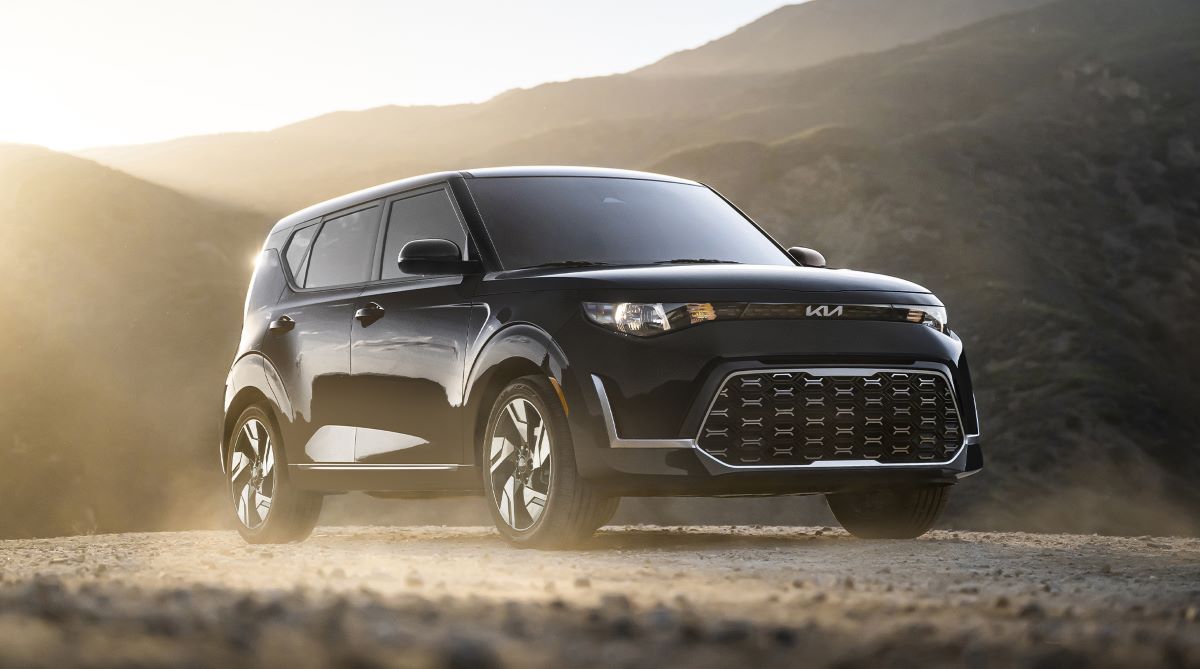
The Soul’s appeal transcends conventional classifications, it’s not quite an SUV, not quite a hatchback, but something uniquely its own. This individuality attracts loyal buyers who appreciate the spacious interior, upright seating position, generous cargo capacity, and funky styling that stands apart from automotive uniformity.
The current third-generation Soul, introduced in 2020, modernized the design while retaining the character that made previous generations successful.
Kia’s warranty package mirrors Hyundai’s (as sister companies under the same corporate umbrella), offering five-year/60,000-mile new vehicle coverage and ten-year/100,000-mile powertrain protection.
This extensive warranty significantly reduces ownership anxiety and potential repair costs, especially valuable in a vehicle known for reliability but occasionally plagued by recalled components in earlier generations.
Used Soul pricing remains raised because the vehicle enjoys strong residual values driven by consistent demand. The Soul attracts diverse buyers urban millennials appreciating its style, retirees valuing easy entry/exit, and practical families needing interior space without SUV bulk.
This broad appeal maintains used market demand, preventing prices from falling to levels that would make used purchases obviously advantageous.
Kia dealerships actively push Soul inventory as the brand shifts focus toward electrification and larger SUVs like the Sportage and Telluride.
The Soul recently lost its available electric variant in the U.S. market, making conventional gasoline versions the sole option. This consolidation leads to increased incentive support for remaining Soul inventory.
The Soul’s reliability reputation, established across multiple generations, means used examples hold value exceptionally well sometimes too well for budget-conscious shoppers.
New buyers benefit from Kia’s desire to maintain sales momentum while used buyers pay prices reflecting the Soul’s enduring popularity without receiving corresponding warranty protection or incentive benefits that new purchases include.
Also Read: 5 Cars Owners Are Happy With Long-Term vs 5 They Aren’t
5. Volkswagen Jetta
The Volkswagen Jetta, a compact sedan with German engineering at a mainstream price point, currently offers compelling reasons to buy new rather than used.
Volkswagen’s aggressive incentive strategies, particularly in the sedan segment that’s lost favor to SUVs, create pricing opportunities that savvy buyers can exploit.
New Jetta models frequently feature combined incentives reaching $3,000 to $4,500, including cash rebates, loyalty programs, and competitive financing offers.
These discounts bring new Jetta S and SE trims to approximately $21,000-$24,000, while used 2020-2023 examples with 30,000-50,000 miles sell for $20,000-$25,000. This narrow price gap eliminates traditional used-car savings while new purchases include full warranty coverage and zero accumulated wear.
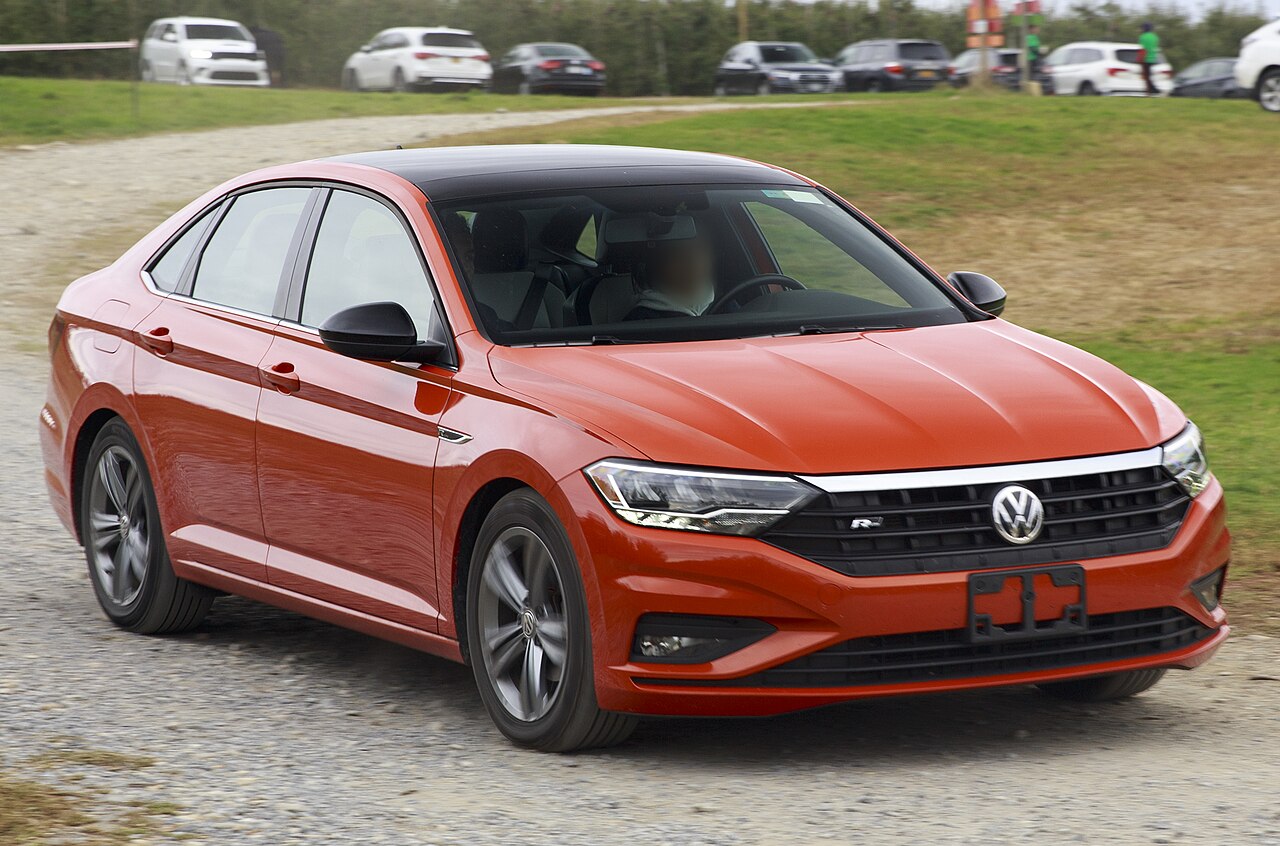
The current-generation Jetta, introduced in 2019, represents a significant improvement over predecessors, offering a refined driving experience, upscale interior materials, and contemporary technology.
The standard 1.5-liter turbocharged engine provides adequate power with respectable fuel economy around 30 mpg combined. Higher trims add features like digital instrument clusters, premium audio, and advanced driver assistance systems.
Volkswagen’s six-year/72,000-mile bumper-to-bumper warranty is among the industry’s most comprehensive, surpassing most competitors and providing exceptional peace of mind.
This warranty alone justifies new purchases over used alternatives, as it covers virtually all mechanical and electrical components during typical ownership periods. Used Jettas retain remaining warranty coverage, but buying used forfeits years of protection.
The compact sedan segment faces sustained market pressure as consumers migrate to SUVs and crossovers, forcing manufacturers like Volkswagen to sweeten incentives to maintain volume.
This market reality benefits Jetta shoppers who can secure significant discounts on well-engineered vehicles that simply aren’t in vogue. The Jetta’s practicality, efficiency, and driving dynamics remain unchanged regardless of segment popularity.
Used Jetta pricing reflects the model’s reputation for quality and the inflated used market conditions from recent years. Many used examples were sold during the pandemic at raised prices, and current owners seeking to sell haven’t fully adjusted to new market realities where heavily incentivized new cars compete directly on price.
Volkswagen dealerships are particularly motivated to move Jetta inventory as the brand prioritizes SUV models and electric vehicles in its product strategy.
The Jetta, while still important, receives less marketing emphasis than Taos, Tiguan, or ID.4 models, translating to enhanced incentive support. Regional dealerships facing quarterly sales targets often stack additional dealer cash on top of manufacturer rebates, creating even more favorable pricing.
6. Subaru Impreza
The Subaru Impreza, with its standard all-wheel drive and reputation for reliability, presents an interesting case where new purchases currently make more financial sense than used alternatives.
While Subaru typically offers smaller incentives than domestic brands, the used market’s pricing dynamics have created opportunities for new car buyers.
New Impreza models are available with moderate incentives around $1,500 to $2,500, combined with low APR financing options that bring effective transaction prices to approximately $23,000-$26,000 for base and Premium trims.
Used 2020-2023 Imprezas with 25,000-50,000 miles command prices between $22,000 and $27,000, offering minimal savings despite accumulated mileage and reduced warranty coverage.
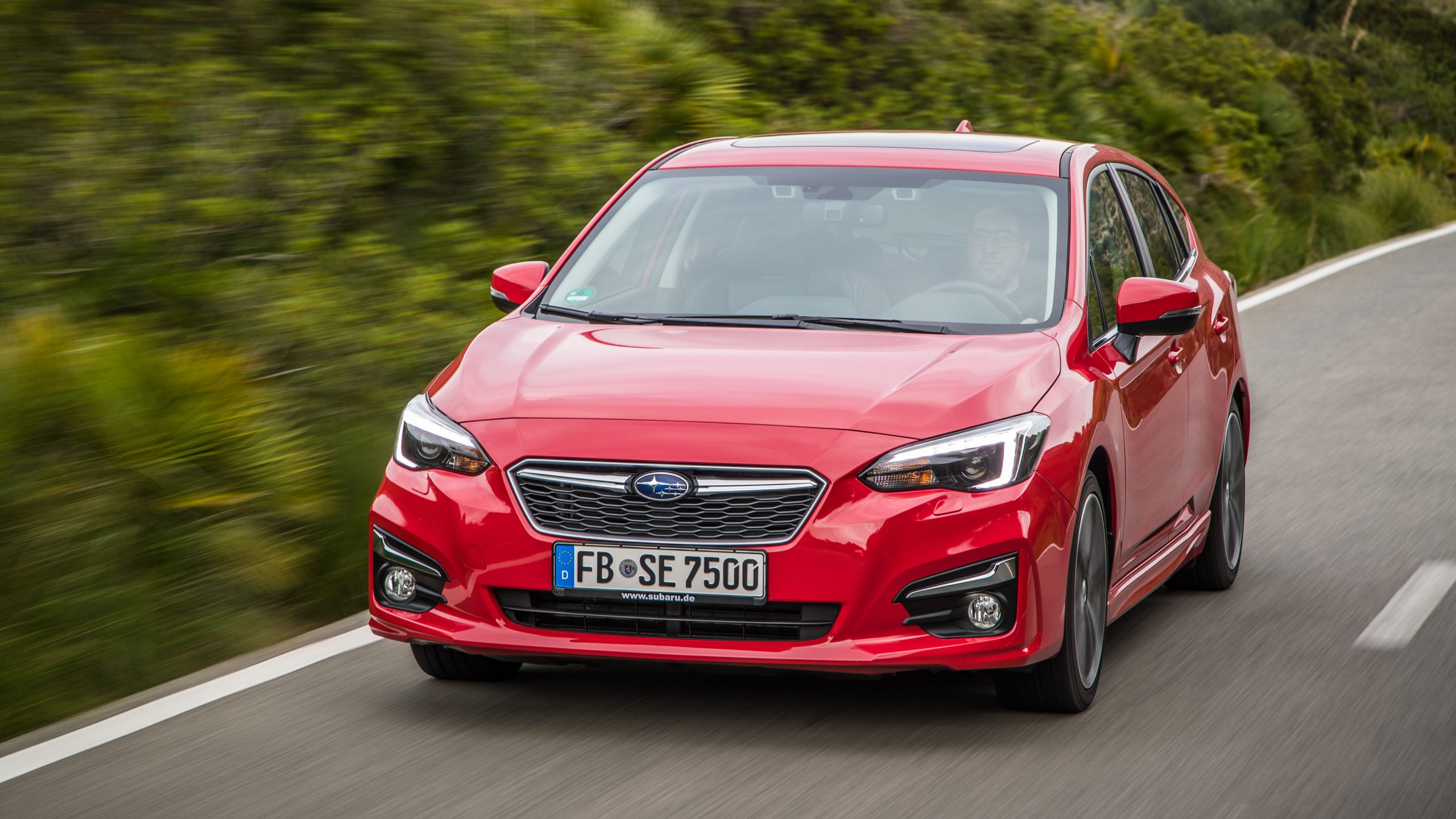
The Impreza’s standard all-wheel-drive system distinguishes it from competitors like the Honda Civic or Toyota Corolla, providing enhanced traction and confidence in adverse weather conditions.
This feature particularly appeals to buyers in snow-prone regions where AWD isn’t a luxury but a practical necessity. The current-generation Impreza, introduced in 2017 with updates in 2024, offers competent handling, respectable fuel economy around 28 mpg combined, and Subaru’s renowned build quality.
Subaru’s warranty coverage includes three-year/36,000-mile bumper-to-bumper protection and five-year/60,000-mile powertrain coverage—industry-standard but still valuable.
What sets Subaru apart is the brand’s exceptional reliability ratings and owner loyalty, factors that contribute to strong used market values that sometimes work against used car shoppers.
Used Impreza pricing remains raised because Subaru vehicles generally experience slower depreciation than competitors. The brand’s cult-like following, particularly among outdoor enthusiasts and residents of mountainous or snowy regions, maintains consistent demand that props up used prices.
Additionally, many used Imprezas were sold during the peak shortage period when Subaru dealers commanded full MSRP or above, and these vehicles’ resale prices reflect their original transaction amounts rather than current market conditions.
Subaru dealerships face less inventory pressure than some competitors, as the brand maintains relatively disciplined production levels. However, the Impreza competes internally with the Crosstrek, a slightly taller variant that commands premium pricing and stronger consumer interest.
This internal competition sometimes leads to enhanced Impreza incentives as dealers attempt to balance inventory mix and meet brand sales goals.
The Impreza appeals to practical buyers who value functionality over flash, appreciate standard AWD, and intend to keep vehicles long-term. For these owners, buying new with full warranty coverage and no previous ownership history aligns perfectly with planned long-term ownership, making the minimal price difference between new and used vehicles inconsequential compared to the benefits of purchasing new.
7. Mazda3
The Mazda3, consistently praised for its upscale interior, engaging driving dynamics, and attractive styling, currently offers compelling value when purchased new rather than used.
Mazda’s positioning as a premium mainstream brand typically means modest incentives, but current market conditions have pushed the company to offer more aggressive programs that benefit new car shoppers.
New Mazda3 models are available with combined incentives reaching $2,000 to $3,000, bringing base and Select trim sedans to approximately $23,000-$25,000.
Used 2020-2023 Mazda3 sedans with 20,000-40,000 miles sell for $21,500-$26,000, creating a narrow price gap that doesn’t justify the compromises of used vehicle ownership. The hatchback variant commands slightly higher prices in both new and used markets but follows similar patterns.
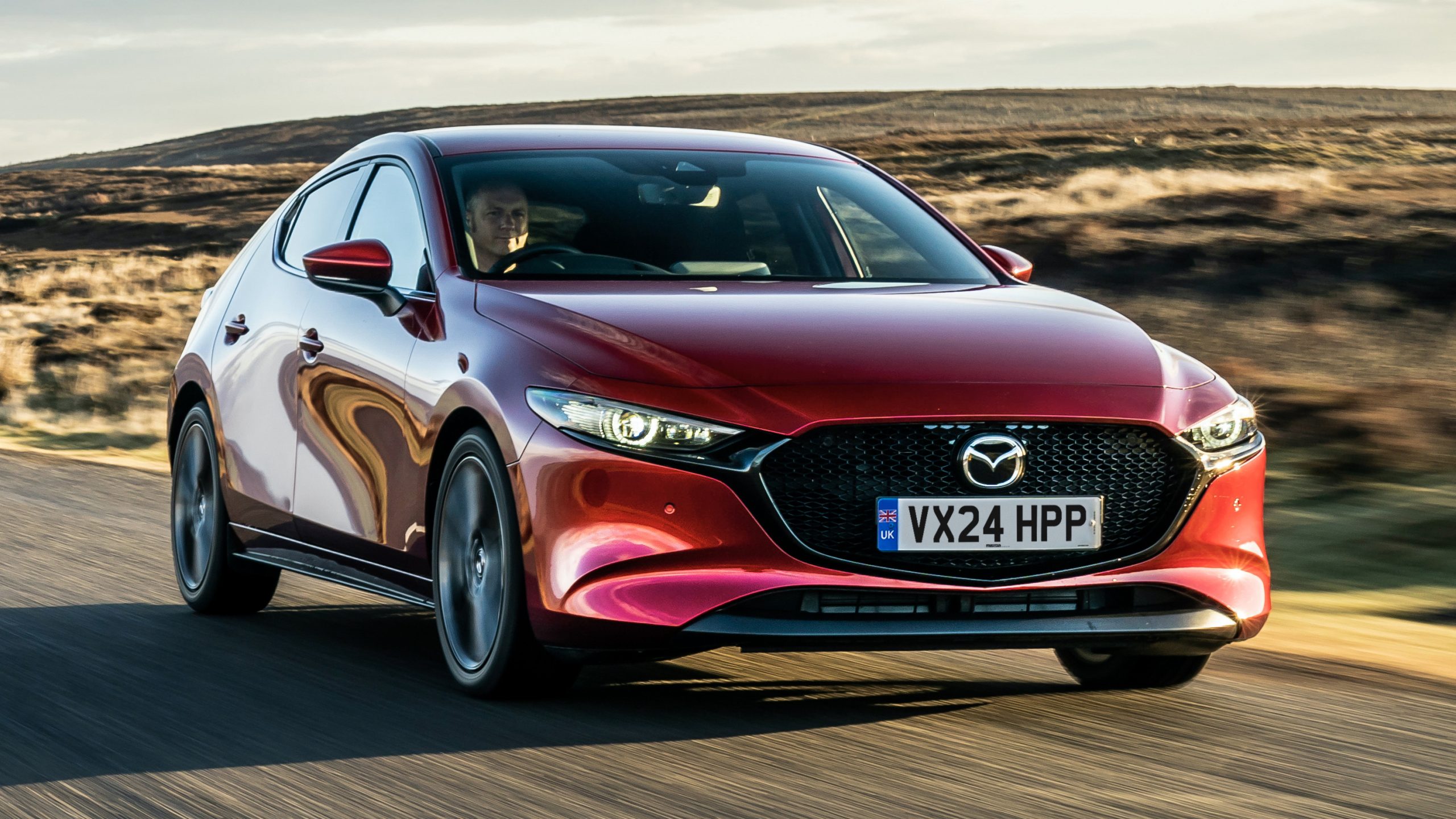
The current fourth-generation Mazda3, introduced in 2019, represents a significant leap in refinement, featuring premium interior materials, sophisticated exterior design, and a driver-focused philosophy that enthusiasts appreciate.
Available engines include a standard 2.5-liter four-cylinder and an optional turbocharged variant in higher trims, with the base engine delivering approximately 28 mpg combined. The Mazda3’s interior rivals luxury competitors in material quality and design execution, a remarkable achievement at its price point.
Mazda’s warranty coverage three-year/36,000-mile bumper-to-bumper and five-year/60,000-mile powertrain matches industry standards but takes on increased value when considering the Mazda3’s premium positioning.
The brand’s reliability has improved significantly in recent years, and new models benefit from the latest refinements and engineering updates that address any issues discovered in earlier production vehicles.
Used Mazda3 pricing remains stubborn because the vehicle attracts enthusiast buyers who appreciate driving dynamics and build quality, creating consistent demand.
The Mazda3’s reputation as the “driver’s car” in the compact segment means used examples hold value well, particularly manual transmission variants that are increasingly rare. Many used Mazda3s were purchased by discerning buyers who maintain vehicles meticulously, but this doesn’t translate to discounted pricing if anything, well-maintained examples command premiums.
Mazda dealerships face pressure to move sedan inventory as consumer preferences shift toward SUVs and crossovers. The Mazda3 sedan competes internally with the CX-30 crossover, which shares the same platform but attracts more buyer interest. This internal competition leads to enhanced sedan incentives as dealers balance inventory and attempt to maintain Mazda brand sales volumes.
The Mazda3 appeals to buyers who prioritize driving experience and interior quality over pure utility or brand prestige. For these customers, the minimal price difference between new and used vehicles becomes irrelevant when considering the benefits of factory-fresh condition, full warranty coverage, and the latest safety and technology features.
The Mazda3’s refined nature means even small degradations from previous ownership interior wear, minor scratches, accumulated odors detract disproportionately from the premium experience the vehicle promises.
8. Honda Civic
The Honda Civic, America’s best-selling compact car for decades and a benchmark for the segment, currently presents surprising value when purchased new rather than used.
While Honda’s legendary reliability typically ensures strong used market prices, aggressive new car incentives and market dynamics have created opportunities for savvy new car shoppers.
New Honda Civic sedans benefit from incentives ranging from $1,500 to $2,500, combined with favorable financing rates that bring LX and Sport trims to approximately $25,000-$27,000.
Used 2022-2023 Civics (the current generation launched for 2022) with 15,000-35,000 miles sell for $24,000-$28,000, offering minimal savings while sacrificing warranty coverage and introducing uncertainty about previous ownership and maintenance.
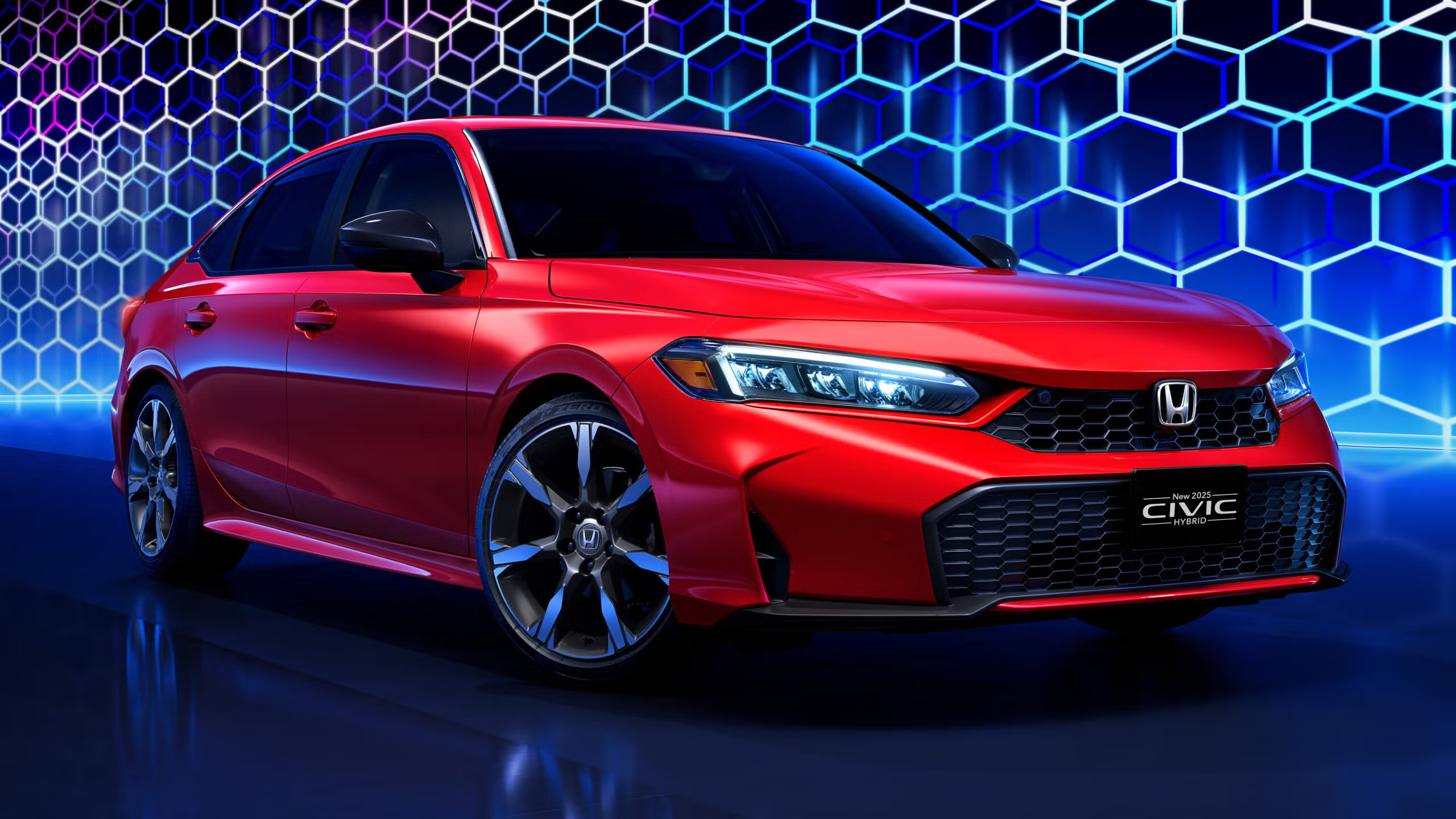
The current eleventh-generation Civic represents Honda’s vision for a mature, refined compact car, abandoning some of the previous generation’s aggressive styling for cleaner lines and a more sophisticated aesthetic. The interior received particular praise for its uncluttered design, quality materials, and excellent ergonomics.
Standard and available engines include a 2.0-liter naturally aspirated four-cylinder and a 1.5-liter turbocharged variant, with the base engine achieving approximately 33 mpg combined.
Honda’s warranty coverage three-year/36,000-mile bumper-to-bumper and five-year/60,000-mile powertrain meets industry standards, but Honda’s exceptional reliability record means warranty claims are statistically less likely than with many competitors.
Nevertheless, having full coverage on a new vehicle provides peace of mind and protects against unexpected issues, particularly with the turbocharged engine that requires more careful maintenance than naturally aspirated alternatives.
Used Civic pricing remains raised for multiple reasons: the model’s reputation for longevity and reliability, strong demand from first-time buyers and practical families, and the fact that the current generation is relatively new (launched in 2022), meaning even “used” examples are recent.
Additionally, the Civic’s reputation as a smart financial choice creates self-fulfilling demand that props up resale values. Honda dealerships have adjusted incentive strategies in response to inventory normalization and increased competition.
While Honda traditionally offered minimal rebates, relying instead on strong brand reputation and residual values, current market conditions require more aggressive pricing to maintain volume. The sedan’s declining popularity relative to SUVs means Civic sedans receive more incentive support than CR-V or HR-V crossovers.
The Civic appeals to sensible buyers who prioritize reliability, fuel efficiency, and low ownership costs, characteristics that don’t change whether the vehicle is new or used.
However, the minimal price difference in today’s market makes buying new the obviously superior choice when weighing the benefits of zero miles, full warranty coverage, and no history of previous ownership against the negligible savings of used alternatives.
9. Toyota Corolla
The Toyota Corolla, the world’s best-selling car nameplate and synonymous with reliable transportation, currently defies conventional wisdom by offering similar or better value when purchased new rather than used.
Toyota’s legendary reputation typically ensures strong used prices, but manufacturer incentives and market dynamics have created an unusual window where new purchases make exceptional sense.
New Toyota Corolla models are available with combined incentives of around $1,500 to $2,500, bringing LE and SE trims to approximately $22,000-$24,000.
Used 2021-2023 Corollas with 20,000-40,000 miles command prices between $21,000 and $25,000, creating minimal financial incentive to purchase used while accepting mileage, potential wear, and reduced warranty coverage.
The current-generation Corolla, introduced in 2020, brought significant improvements in driving dynamics, interior quality, and technology compared to predecessors. While the Corolla will never be mistaken for a sports sedan, it offers competent handling, a comfortable ride, and exceptional fuel economy around 32 mpg combined with the standard CVT transmission.
Available features include Toyota Safety Sense (a comprehensive suite of driver assistance technologies), smartphone integration, and modern infotainment systems.
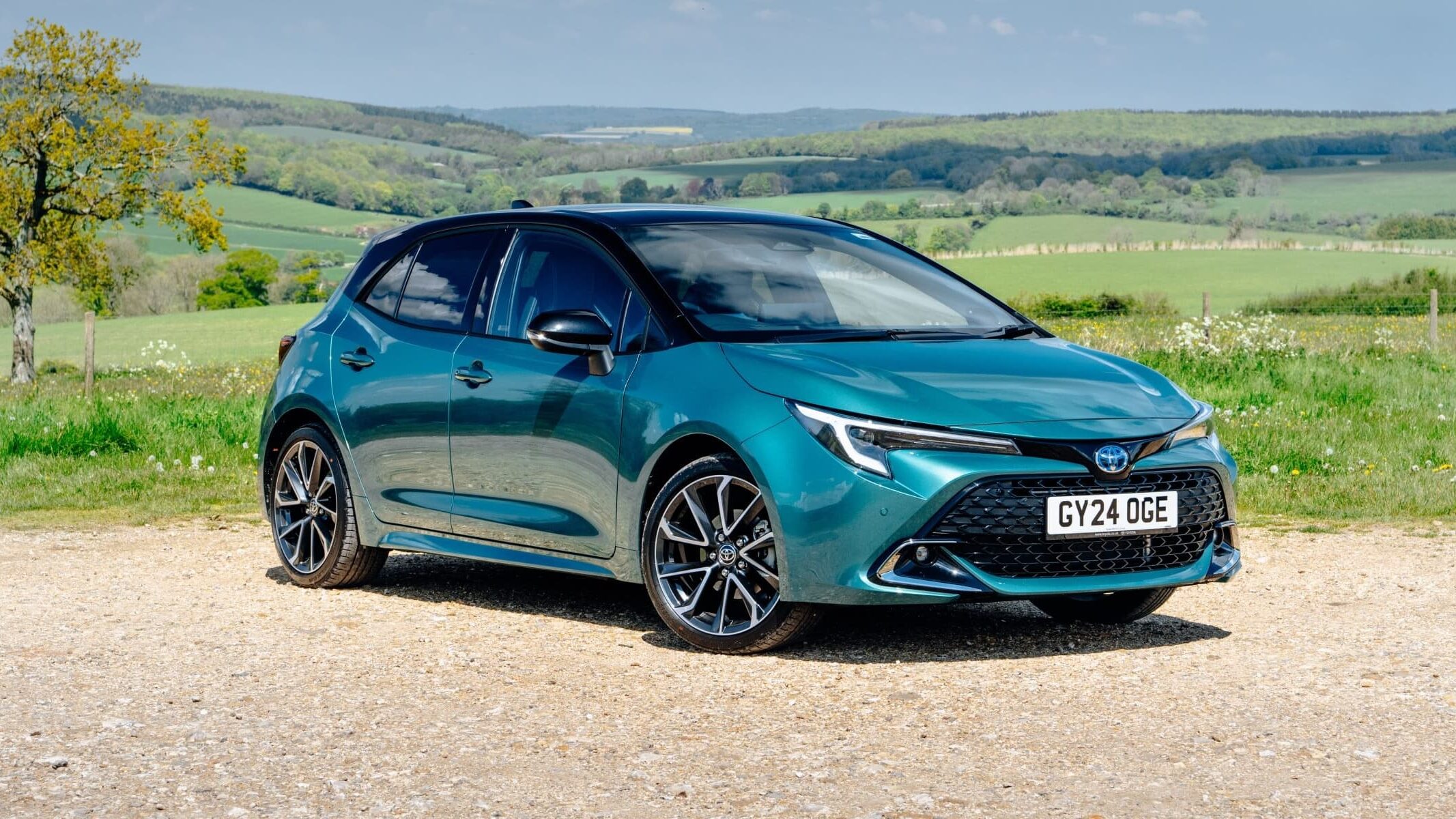
Toyota’s warranty coverage three-year/36,000-mile basic and five-year/60,000-mile powertrain matches industry standards, but Toyota’s unmatched reliability reputation means this coverage is particularly valuable.
While warranty claims on Toyotas are statistically rare, having full coverage on a new vehicle eliminates concerns about inheriting problems from previous owners or dealing with issues that might arise from improper maintenance.
Used Corolla pricing remains remarkably resilient because the nameplate’s reputation for longevity and reliability creates consistent demand. Many buyers specifically seek Corollas believing they’re making the “smart” financial choice, and this demand prevents prices from falling to levels where used purchases offer obvious advantages.
Additionally, many used Corollas were sold during 2021-2022 when Toyota dealers commanded full MSRP or higher, and current resale prices reflect these inflated original transaction amounts.
Toyota dealerships face pressure to maintain sales volume in the sedan segment as the company’s SUV and truck offerings dominate buyer interest.
The Corolla, while still important for fleet sales and value-conscious consumers, competes internally with RAV4, Corolla Cross, and other SUV models that command higher transaction prices and margins. This internal competition leads to enhanced sedan incentives as dealers attempt to balance inventory and hit manufacturer sales targets.
The Corolla’s appeal centers on its reputation as a safe, rational choice a vehicle that will reliably transport occupants with minimal drama or expense.
For buyers with this mindset, the minimal price difference between new and used vehicles becomes irrelevant when considering the peace of mind that comes with factory-fresh condition, complete warranty coverage, and the certainty of proper break-in and maintenance from day one.
The Corolla’s value proposition has always been long-term ownership, and starting that journey with a new vehicle makes more sense when pricing is nearly identical to used alternatives.
10. Chevrolet Trax
The redesigned Chevrolet Trax, reintroduced for the 2024 model year after a brief hiatus, represents perhaps the most compelling case for buying new in the small SUV segment.
General Motors’ aggressive incentive programs, combined with the Trax’s competitive pricing and surprisingly refined execution, create exceptional value that used alternatives cannot match.
New Chevrolet Trax models feature combined incentives frequently reaching $3,500 to $5,000, including cash rebates, conquest bonuses, and favorable financing rates.
These substantial discounts bring well-equipped LS and LT trims to approximately $18,000-$21,000, while the redesigned Trax has limited used availability (being so new), and previous-generation used Trax models from 2020-2022 sell for $17,000-$20,000 despite being inferior products with accumulated mileage.
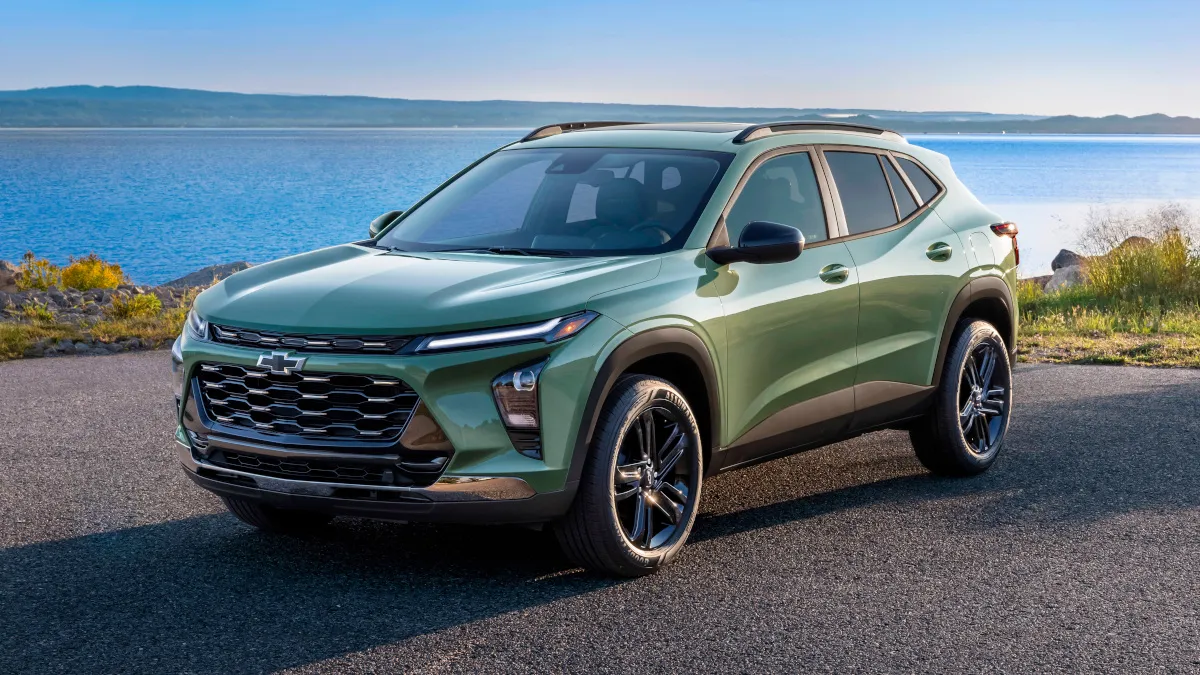
The new Trax deserves recognition for exceeding expectations in the budget SUV segment. The redesign brought substantial improvements in interior quality, technology, driving dynamics, and efficiency compared to the previous generation.
The standard 1.2-liter turbocharged three-cylinder engine delivers adequate power while achieving approximately 29 mpg combined, and the interior features a clean design with a standard 11-inch touchscreen, wireless smartphone integration, and available Wi-Fi hotspot.
The Trax appeals to budget-conscious buyers seeking SUV versatility without premium pricing, urban dwellers needing maneuverability with raised seating positions, and first-time new car buyers who previously could only afford used vehicles.
For all these demographics, the new Trax’s aggressive incentives create an opportunity to purchase a factory-fresh vehicle with full warranty coverage for prices comparable to or less than inferior used alternatives. In this unique market moment, choosing the new Trax over used competition requires no financial justification the new vehicle simply represents the better deal in every measurable way.
Also Read: Top 10 Cars That Hit the Depreciation Sweet Spot at 5 Years Old
