
Track days are supposed to be fun. But anyone who has spent real time lapping a road course knows that fun quickly turns into mechanical stress: repeated high-RPM pulls, heat-soaked brakes, cooked fluids, and suspension components taking curb hits lap after lap.
Many cars feel fast for a few sessions, then start throwing warning lights or warping rotors.
These are budget-friendly platforms that enthusiasts across the US consistently rely on for track duty. They may not all be exotic or headline-grabbing, but they share something more important: they tolerate abuse.
Parts are available, communities are strong, and the engineering underneath is tough enough to handle repeated punishment with basic maintenance.
“Budget” here means attainable on the used market (generally under $25,000), with reasonable running costs and proven durability when driven hard.
1. Mazda MX‑5 Miata (NA–ND)
No budget track list is complete without the Miata. It’s light, simple, rear-wheel drive, and mechanically honest. That combination makes it both forgiving for beginners and rewarding for experienced drivers.
What makes the Miata survive abuse isn’t brute strength, it’s efficiency. Low weight means brakes last longer, tires stay cooler, and drivetrain components experience less stress.
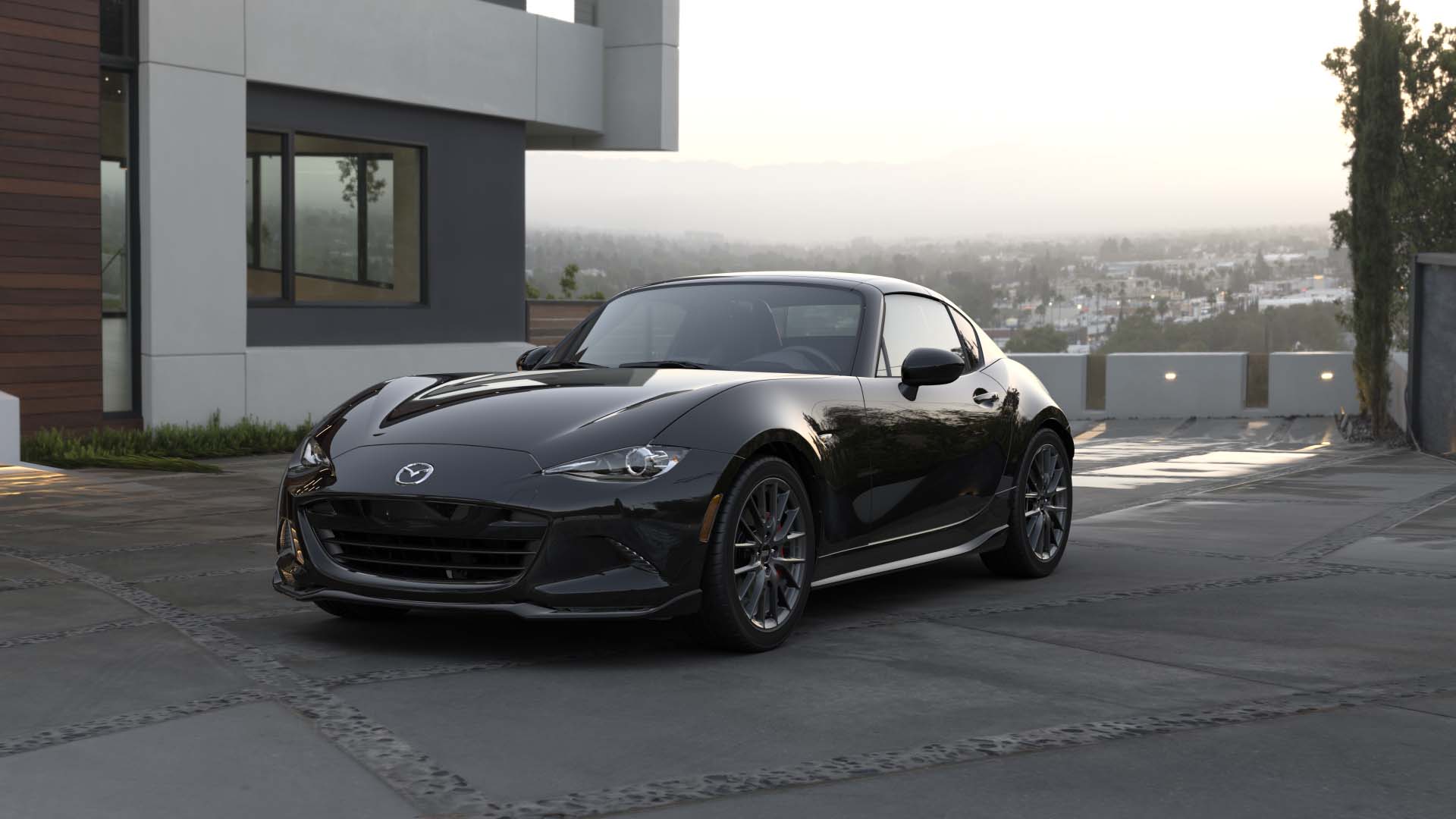
The engines, especially the 1.8L and Skyactiv units, tolerate sustained high RPM surprisingly well with regular oil changes.
Aftermarket support is massive in the US, and junkyard parts are plentiful. Many owners run full seasons on stock drivetrains. If something does fail, it’s usually cheap and quick to fix.
The Miata teaches momentum driving while quietly absorbing punishment.
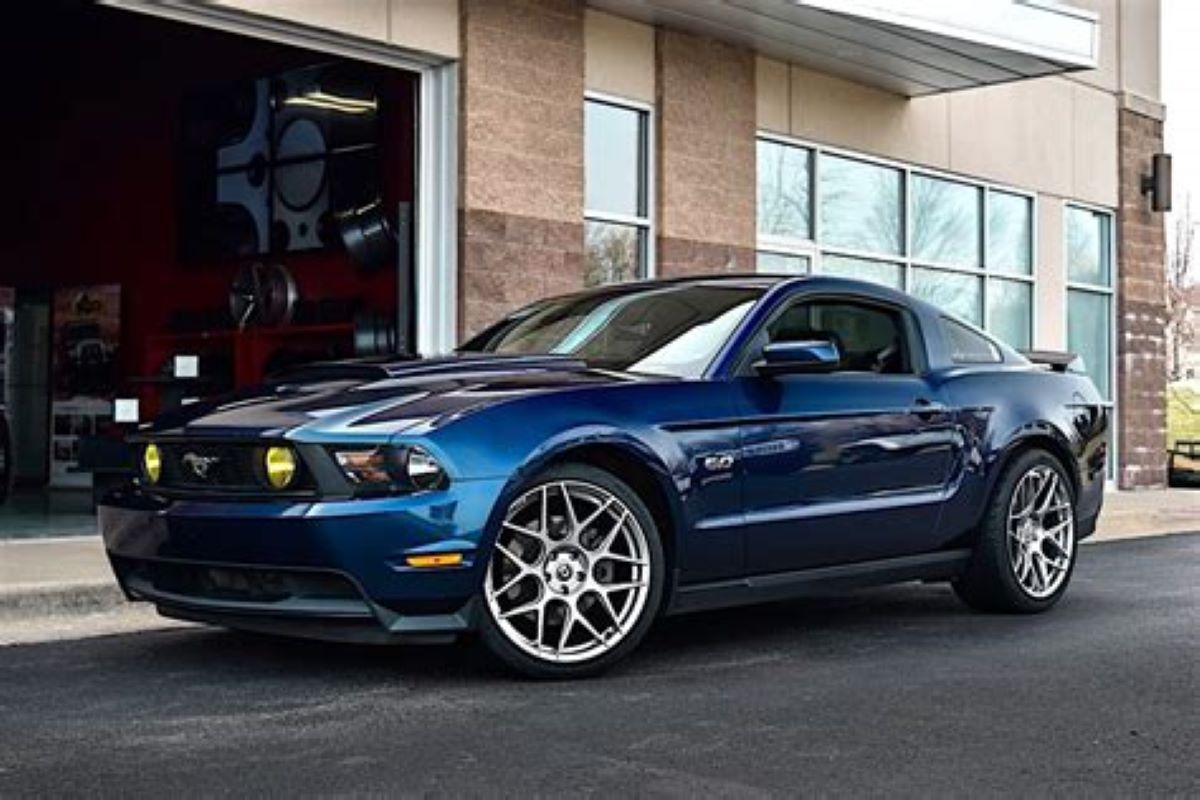
2. Ford Mustang GT (S197 / S550)
Modern Mustangs are far removed from their straight-line-only reputation. The S197 and S550 generations brought real chassis tuning, independent rear suspension (on S550), and robust cooling packages, especially in Performance Pack trims.
The Coyote V8 is a standout here. It handles sustained high-speed running with minimal complaints, and the Tremec manual transmissions are known for taking serious torque without falling apart.
Yes, brake upgrades are mandatory for heavy track use. But once addressed, these cars can lap all day. Replacement parts are cheap in America, and there’s an enormous knowledge base around track prepping Mustangs.
For drivers who want V8 power without exotic maintenance bills, this is one of the toughest options available.
Ignore the modest cylinder count, the turbocharged EcoBoost four-cylinder delivers enough force to humble V-8 Mustangs from previous generations.
Opting for the High-Performance package brings a more tuneful and sharper-responding version of the EcoBoost engine, one that traces its roots to the discontinued Ford Focus RS. For those seeking additional capability, the available EcoBoost Handling package equips the four-cylinder coupe with hardware suited for track duty.
Meanwhile, GT variants draw power from a 450-hp V-8, which can be paired with an optional active exhaust system that unleashes a booming soundtrack. Both engine choices come standard with a six-speed manual transmission, though a 10-speed automatic is available and contributes to quicker acceleration than earlier models achieved.
With the track-focused Performance Pack Level 2 (PPL2) and the impressive Bullitt edition no longer in the lineup, the revived Mach 1 stands as the performance benchmark. It features an upgraded 470-hp V-8 and incorporates chassis components borrowed from Shelby Mustangs, making it equally at home attacking a circuit or handling everyday errands.
However, the Mach 1 we tested exhibited a pronounced tendency to tramline, which could become fatiguing over time. Even so, across the range—including models with less output, the Mustang’s updated chassis provides a composed and comfortable ride.
The electrically assisted steering remains light in Comfort mode and gains satisfying heft in the other settings. As for braking, the pedal offers a firm response that can feel somewhat abrupt in heavy traffic, though modulation becomes more natural and progressive at higher speeds.
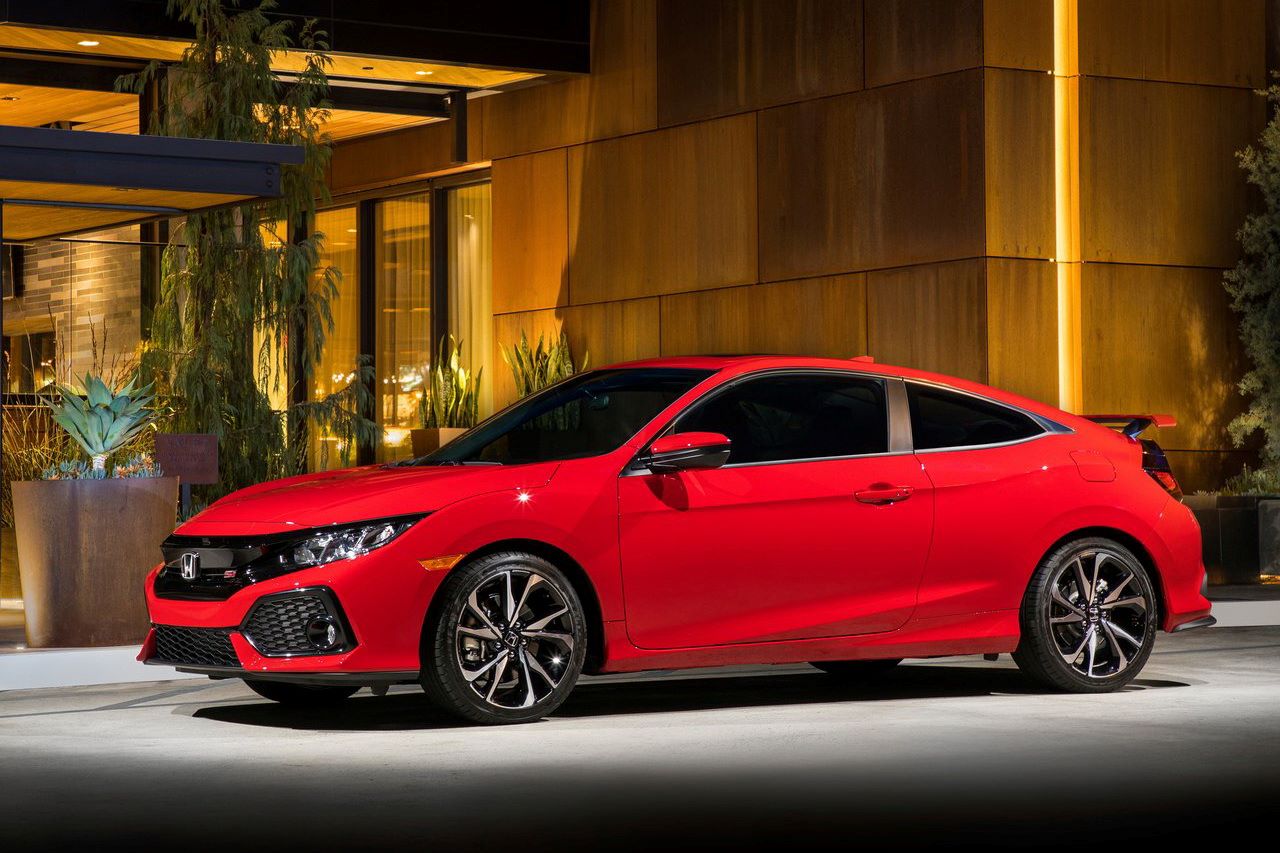
3. Honda Civic Si
The Civic Si represents Honda’s long tradition of reliable performance. It’s front-wheel drive, turbocharged, and engineered with track-minded cooling from the factory.
The 1.5T engine isn’t about massive horsepower, it’s about consistency. With proper oil and conservative tuning, it survives extended sessions surprisingly well. The real strength is the chassis balance and gearbox durability.
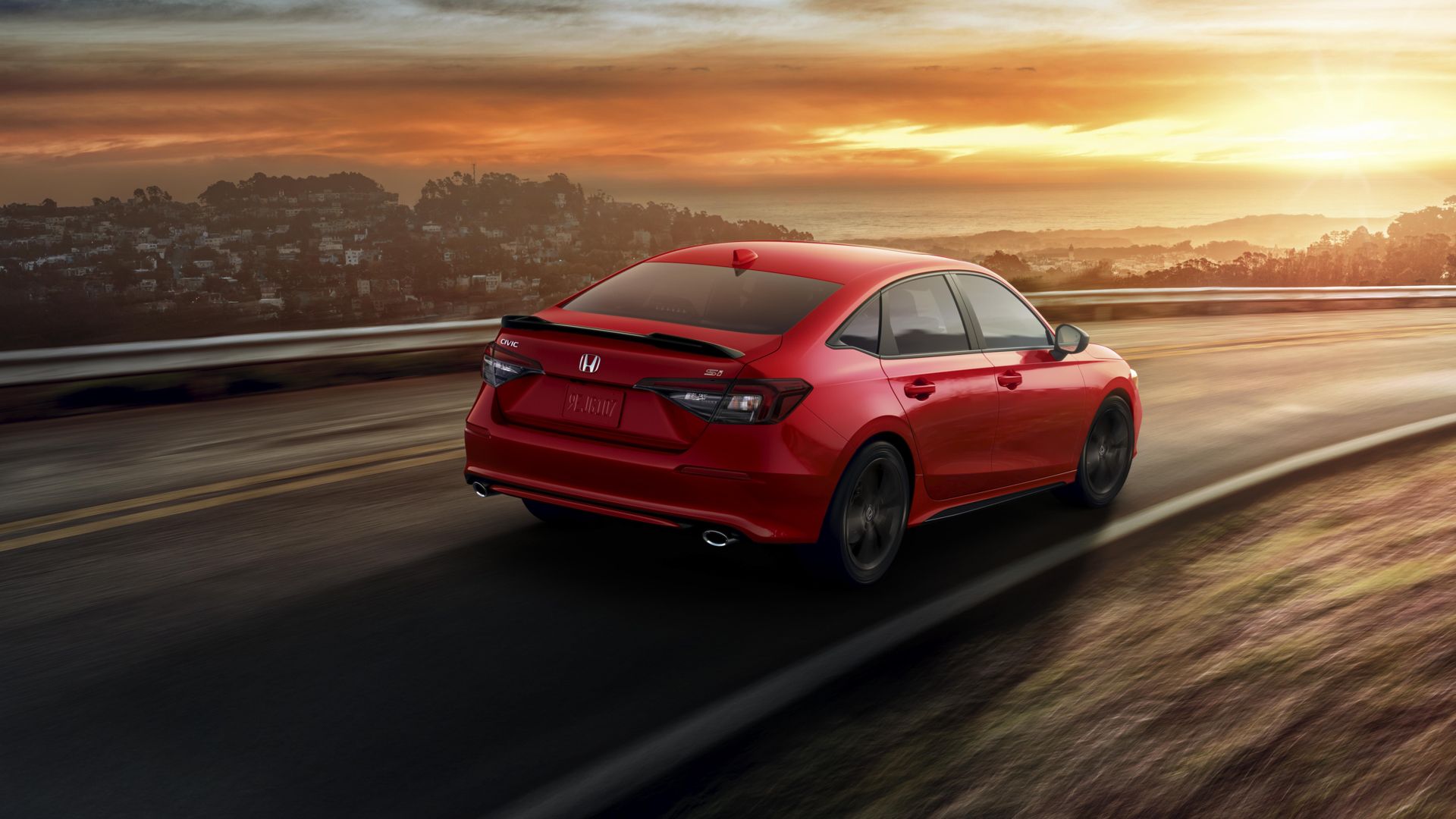
Consumables are cheap. Suspension upgrades are straightforward. And Honda reliability still matters when you’re doing back-to-back sessions in summer heat.
For drivers who prefer precision over power, the Si delivers repeatable lap times with minimal drama.
4. Chevrolet Corvette C4
The C4 Corvette is one of the biggest performance bargains in America.
You get a lightweight fiberglass body, a torquey small-block V8, and a chassis originally designed for endurance racing. These cars were built during GM’s overengineering era, and it shows.
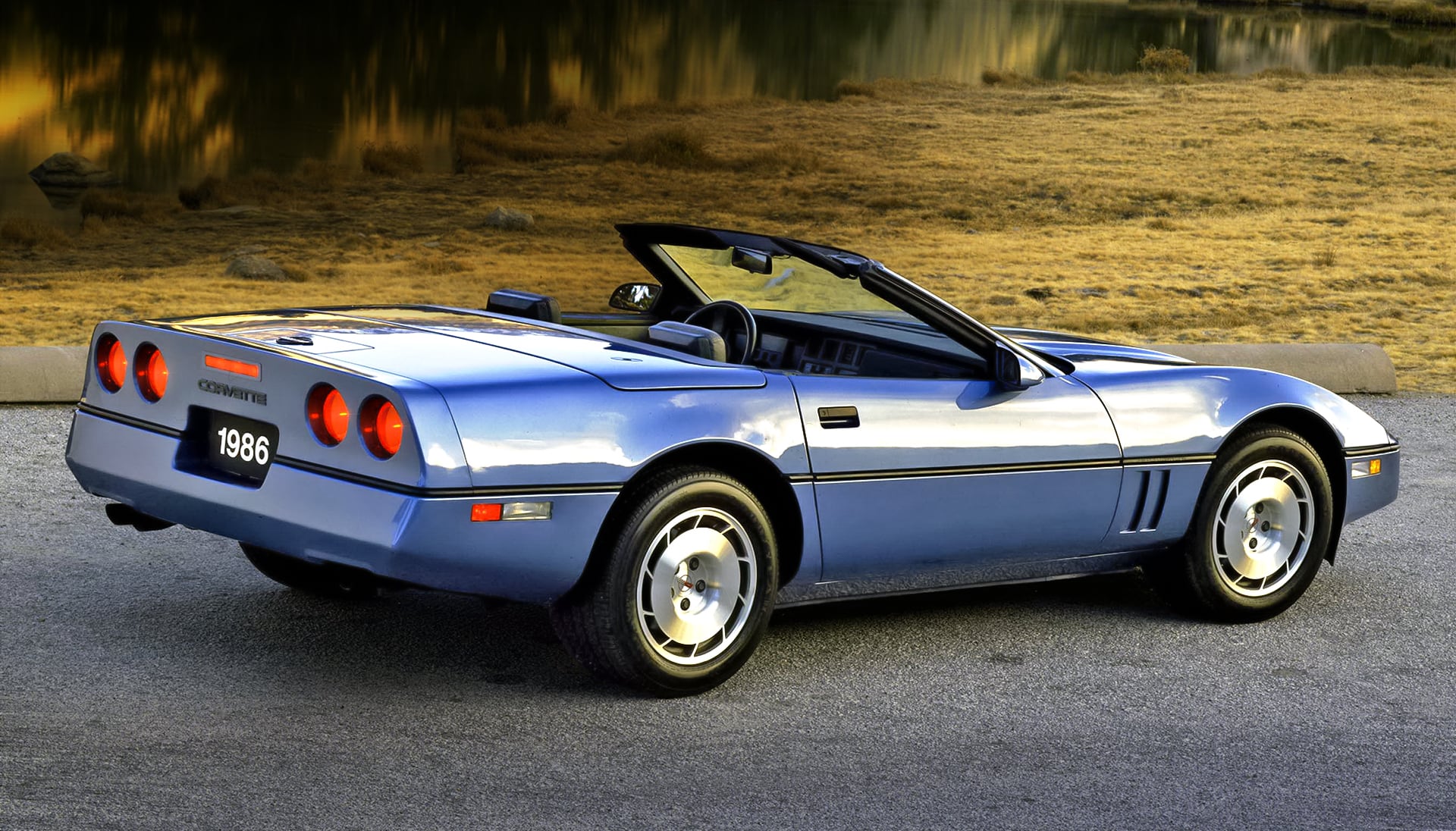
Cooling systems are robust, drivetrains are simple, and suspension geometry is track-capable right out of the box. Parts availability is outstanding, and LS swaps are common if the original engine eventually gives up.
It may look dated, but on track, a sorted C4 is brutally effective, and far tougher than its price suggests.
Across its first three generations, the Corvette evolved gradually rather than radically. While exterior styling shifted over time, the underlying mechanical philosophy and core engineering approach remained largely intact. By the early 1980s, however, that formula was beginning to feel dated.
The C3, which enjoyed a lengthy 14-year production run, was fundamentally an updated version of the C2 beneath its revised skin. Change was no longer optional, it was necessary, and General Motors recognized that reality. At one point, plans were floated to discontinue the C3 in favor of the futuristic Aerovette concept, but those ambitions were ultimately shelved.
Performance enthusiasts may focus exclusively on speed, but in the competitive landscape of the era, aesthetics mattered as much as acceleration. The Corvette was contending with visually striking rivals such as the Lotus Esprit, Ferrari 308, and Porsche 944, machines that looked every bit as quick as they were.
Palmer’s design group set out to modernize the Corvette’s appearance without abandoning its unmistakable identity. The sculpted fender flares and flowing hood profile remained, but the doors were pushed outward to create additional cabin space and a cleaner body surface.
Nearly nine inches were trimmed from the length, primarily from the rear section. The one-piece removable roof panel concept from early C3 development, abandoned in favor of T-Tops, made a return with the C4. This was made possible by the introduction of a reinforced steel unibody structure, marking a first for the Corvette.
The C4’s smooth, cohesive appearance was enhanced by a continuous rub strip encircling the car, concealing the front clam-shell hood gap and fiberglass body seams. GM also subjected the new Corvette to wind tunnel testing to optimize aerodynamics, another first in the model’s history.
Also Read: 10 Best Retro-Styled Modern Cars That Gained Popularity
5. Subaru BRZ / Toyota 86
These twins are modern classics. Lightweight, rear-wheel drive, and perfectly balanced, they reward smooth driving and punish sloppy inputs.
The FA20 engine gets criticism for oiling issues under extreme lateral Gs, but baffled oil pans and proper maintenance largely solve that. Once addressed, these cars happily run session after session.
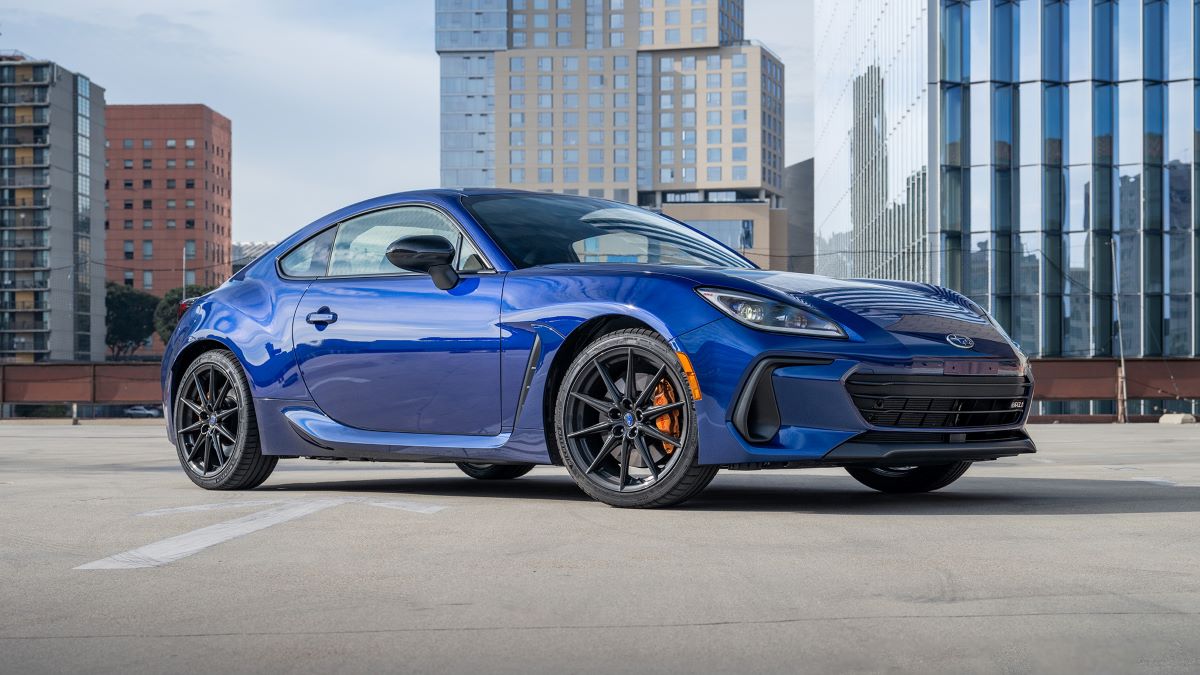
What really makes them survive abuse is chassis rigidity and predictable handling. Drivers spin less, crash less, and overheat components less often. That matters.
They’re also some of the cheapest ways to access modern safety systems while maintaining pure driving dynamics.
6. BMW 330i
The E46 330i is the thinking person’s track BMW. Skip the fragile M3 tax and take the naturally aspirated inline-six instead.
These engines routinely surpass 200,000 miles while still seeing track duty. Cooling system upgrades are essential, but once sorted, the car becomes remarkably dependable.
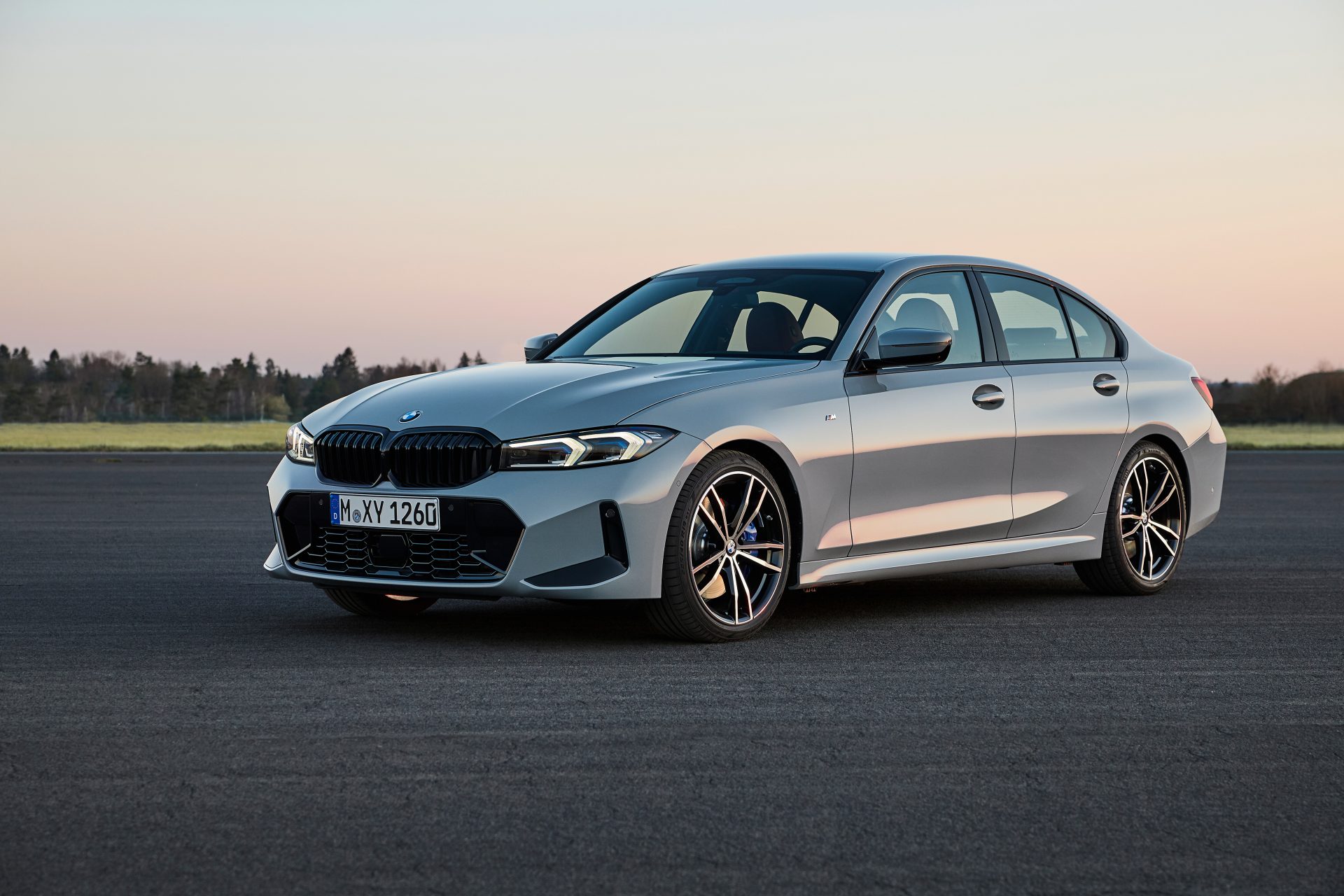
The chassis communicates clearly, the steering feel is excellent, and replacement parts are everywhere in the US. It’s also one of the easiest platforms to learn advanced car control.
When properly maintained, E46s take punishment in stride.
The seventh-generation BMW 3 Series has been on the market for several years, making a mid-cycle update necessary to keep it competitive, particularly against the recently redesigned Mercedes-Benz C-Class.
A styling refresh for the 2023 BMW 3 Series was expected, and there was concern that the oversized “beaver-tooth” grille seen on the 4 Series and M3/M4 might migrate to this more restrained luxury sedan.
Fortunately, BMW exercised restraint. Exterior revisions are subtle: the grille is slightly wider, the headlight units lose their previous center notch, and both the front and rear bumpers receive sharper detailing that lends the car a more contemporary appearance.
The cabin, however, undergoes more substantial changes. A new curved display integrates a 12.3-inch digital instrument cluster and a central touchscreen running BMW’s latest iDrive 8 software.
The updated system enhances the BMW Intelligent Personal Assistant with improved natural-language voice recognition and expanded functionality, including the ability to control the windows and sunroof through voice commands. The central display now measures 14.9 inches, nearly doubling the previous 8.8-inch standard screen, and retains touch capability.
BMW has also simplified the center stack layout. Dedicated physical climate controls have largely been eliminated, with most functions relocated to a touchscreen climate menu, though temperature readouts for driver and passenger remain constantly visible.
While reliance on touch controls can add complexity, the voice command system provides an alternative method for adjustments. The familiar row of eight programmable preset buttons has been removed, and the traditional shift lever is replaced with a compact toggle switch.
These updates position the 3 Series as a strong contender in the compact luxury sedan segment, though it faces capable rivals in the Mercedes-Benz C-Class, Audi A4, and Genesis G70.
Testing focused on an all-wheel-drive 330i model. Its turbocharged four-cylinder engine delivers responsive and robust acceleration without requiring high revs. The test vehicle reached 60 mph in 5.6 seconds, an impressive result for a base-engine luxury sedan.
The transmission shifts swiftly and works seamlessly with the engine’s broad power delivery. Braking performance stands out as a highlight, with a pedal that is smooth and manageable in everyday driving yet firm and reassuring under aggressive use.
In corners, the 330i feels agile, especially when equipped with the M Sport package, which keeps body movements well controlled. While seasoned enthusiasts may wish for slightly more playfulness, the sedan remains composed and confidently quick.
Also Read: Top 10 Greatest Japanese Drift Cars Ever Built
7. Ford Fiesta ST
Tiny, turbocharged, and absurdly fun, the Fiesta ST proves that track durability doesn’t require size.
Its lightweight platform means brakes and tires last longer, while the turbo four-cylinder handles boost reliably with stock internals. Cooling is decent for short sessions, and aftermarket support fills any gaps.
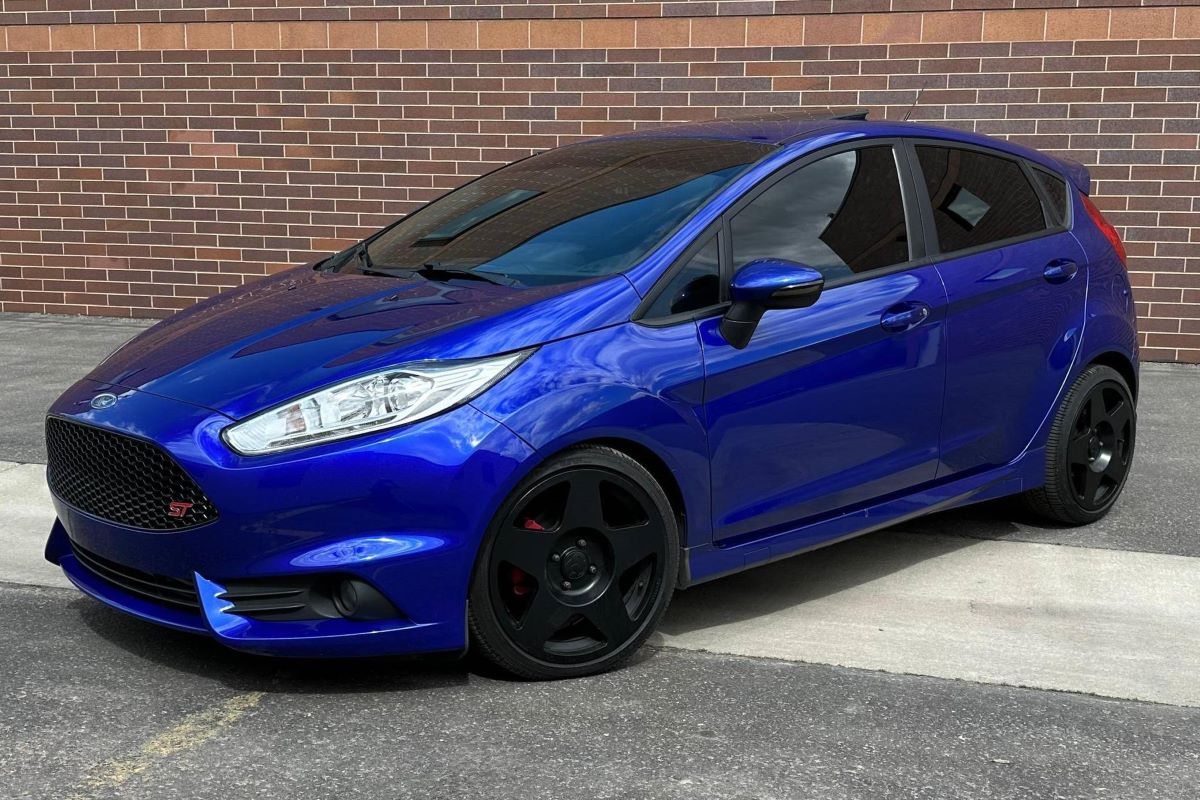
It’s also one of the cheapest modern cars you can buy that feels genuinely alive on track. The Fiesta ST survives abuse because it doesn’t carry unnecessary mass, and because Ford accidentally built a gem.
The Fiesta ST may not project the same hard-edged intensity as the Ford Focus RS, but that relative restraint is part of its appeal. It is accessible, engaging, and genuinely entertaining to drive.
The manual-only transmission is easy to live with, the suspension strikes a balance between liveliness and daily usability, and fuel economy is respectable for a performance-oriented hatchback.
Power comes from a 197-hp turbocharged 1.6-liter four-cylinder engine that drives the front wheels through a six-speed manual gearbox.
While the Fiesta ST delivers serious value as an affordable driver’s car, it inherits a low-rent interior and tight rear seating from the standard Fiesta. Even so, this compact hot hatch embraces a back-to-basics formula that rewards drivers across the skill spectrum.
For 2019, Ford kept the Fiesta ST in production for one final model year before discontinuing the entire Fiesta lineup after May 2019. The car carries over unchanged from the previous year.
With a starting price of $22,315, the Fiesta ST undercuts rivals such as the Honda Civic Si coupe and Volkswagen Golf GTI, reinforcing its reputation as a performance bargain.
A six-speed manual is the sole transmission choice, paired with the eager turbocharged 1.6-liter engine producing 197 horsepower and 202 lb-ft of torque.
In testing, the Fiesta ST accelerated from 0 to 60 mph in 6.9 seconds. While not the quickest in its class, it feels energetic in everyday driving. The clutch is light with a forgiving engagement range, and the shifter action complements spirited driving. The exhaust note is modest but distinctive enough to signal its sporting intent.
The Fiesta ST’s true strength lies in its chassis. Its forgiving yet responsive dynamics allow novice drivers to build confidence while offering experienced drivers meaningful engagement.
Steering is direct and communicative, body control is well managed, and the suspension maintains comfort despite its firmness. Braking performance is predictable, with a light yet responsive pedal that avoids abruptness. On winding roads, the Fiesta ST delivers sustained driving enjoyment that outweighs its modest straight-line performance.
8. Chevrolet Camaro SS
Like the Mustang, the Camaro SS benefits from modern chassis tuning and strong V8 reliability.
The LS engines are legendary for taking abuse, and the Alpha platform (late 5th gen onward) delivers serious grip. These cars are heavy, but their cooling systems and drivetrains are engineered for performance driving.
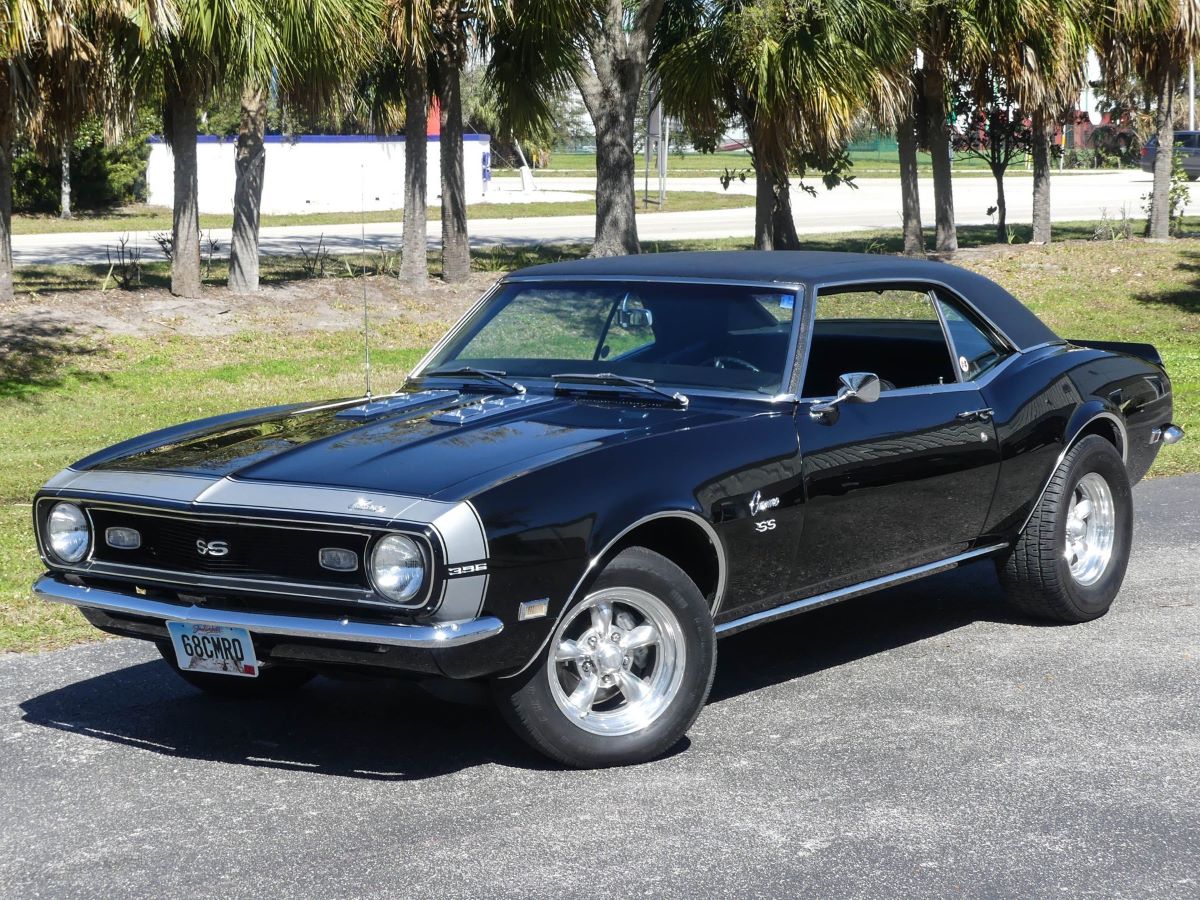
Brake upgrades transform them into track weapons. With that handled, Camaros can run long sessions without overheating or power fade. They’re muscle cars that learned road manners, and kept their toughness.
The 2024 model year marks the end of the road for the Chevrolet Camaro Coupe, and Chevrolet is commemorating the occasion with a special edition while making a few notable lineup adjustments. Most significantly, the entry-level turbocharged four-cylinder engine has been discontinued.
As a result, the 3.6-liter V6 producing 335 horsepower now serves as the base engine. For buyers seeking more performance, the 6.2-liter V8 delivering 455 horsepower remains available in LT1 and SS trims, paired with either a six-speed manual or a 10-speed automatic transmission.
Even after nine years on the market, the rear-wheel-drive Camaro continues to impress with sharp handling and strong performance, particularly in V8 form. For those who demand even more power, the supercharged 650-hp ZL1 remains in the lineup, though it is reviewed separately.
Drawbacks persist, including limited cargo capacity, tight interior space, and compromised outward visibility. With the Dodge Challenger discontinued and only the Ford Mustang remaining as a direct rival, the Camaro’s departure leaves the affordable pony car segment nearly extinct. Alternatives such as the Nissan Z and Lexus RC now start well above the $40,000 mark.
For 2024, Chevrolet introduces a Collector Edition package available on LT, LT1, and SS trims to celebrate the Camaro’s final production year.
The 1LS trim and its 275-hp turbocharged four-cylinder engine have been eliminated, leaving only V6 and V8 options. Two new exterior colors, Riptide Blue Metallic and Nitro Yellow, join the palette. Production has concluded, making remaining inventory limited.
Pricing for the 2024 Camaro Coupe begins at $30,900 for the 1LT with the V6. The 2LT starts at $32,900, and the 3LT at $36,900. V8-powered models begin with the LT1 at $38,800, followed by the 1SS at $42,300 and the 2SS at $47,300. Collector Edition pricing starts at $37,845 for the LT, $45,790 for the LT1, and $48,295 for the SS, excluding the $1,595 destination charge.
9. Acura RSX Type‑S
Honda’s K20 engine is one of the most track-friendly four-cylinders ever built. High revving, naturally aspirated, and nearly unkillable with basic care.
The RSX Type-S pairs that engine with a close-ratio gearbox and lightweight chassis. It’s front-wheel drive, but extremely predictable.
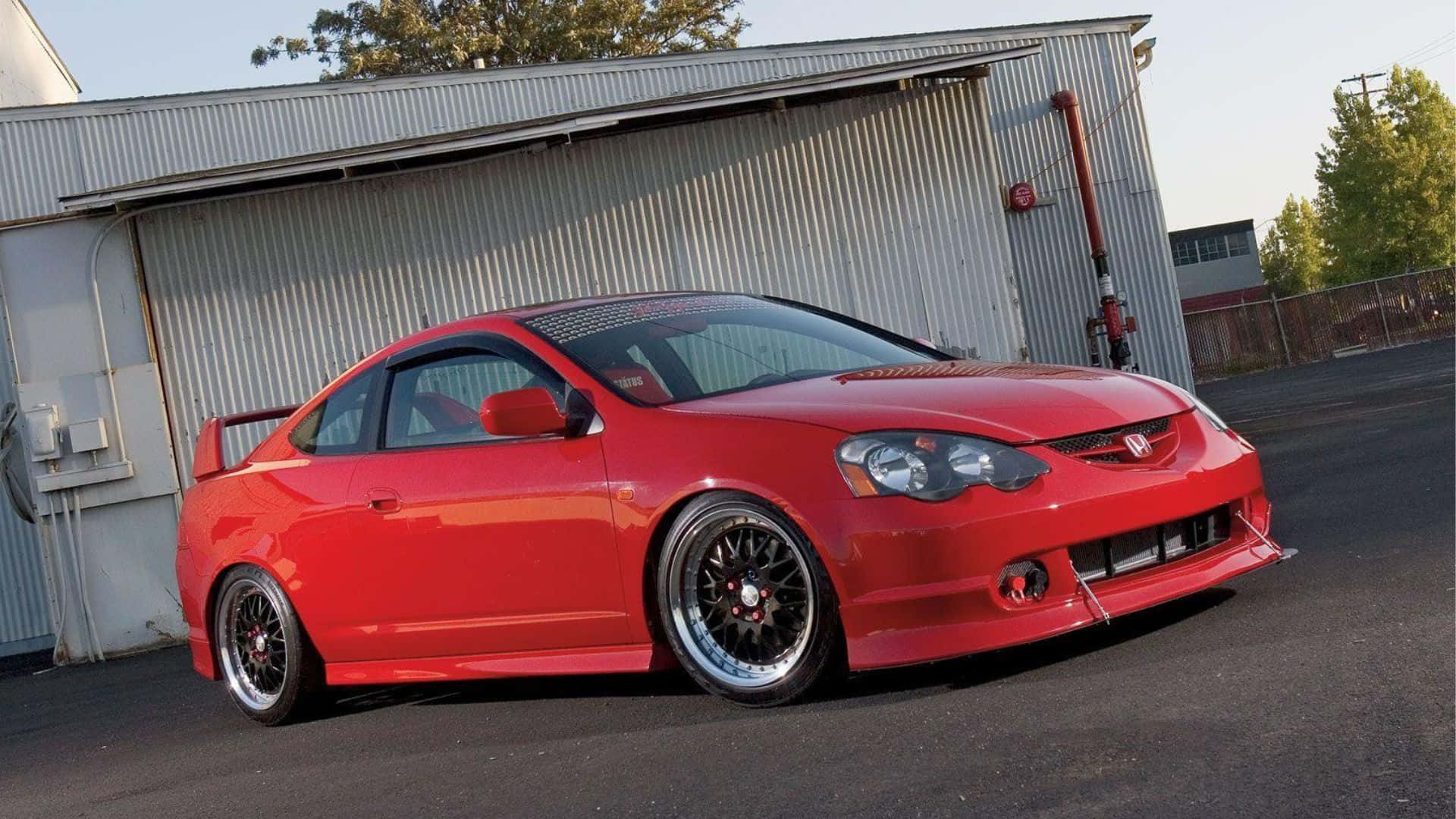
Drivers regularly run these cars hard for years with minimal mechanical drama. They’re getting rarer, but still affordable, and they remain one of the most durable Japanese track platforms ever sold in the US.
The Acura RSX Type-S was Acura’s early-2000s answer to the affordable sport compact formula: light weight, high-revving naturally aspirated power, and a precise manual gearbox. Sold in the U.S. from 2002 to 2006, it replaced the Integra and quietly became one of the defining front-wheel-drive performance coupes of its era.
Under the hood sat the 2.0-liter K-series inline-four (K20A2 for 2002–2004, K20Z1 for 2005–2006). Early cars produced 200 horsepower at a lofty 7,400 rpm, while the refreshed 2005–2006 models bumped output to 210 horsepower.
Torque peaked around 142 lb-ft, but the headline feature was the engine’s willingness to spin past 8,000 rpm, engaging Honda’s i-VTEC system for a distinct surge in the upper rev range.
A close-ratio six-speed manual transmission was standard and is widely regarded as one of the best shifters in the segment. Curb weight hovered around 2,800 pounds, enabling 0–60 mph times in the mid-6-second range.
The chassis featured a fully independent suspension and front-wheel drive; while torque steer was present under hard acceleration, the car rewarded smooth inputs and momentum driving.
The 2005 facelift sharpened the front and rear styling, revised suspension tuning, and added a standard limited-slip differential to the Type-S, improving corner exit traction. Braking performance was strong for the class, and steering feel was direct if somewhat light.
Inside, the RSX Type-S was straightforward and driver-focused: deeply bolstered seats, aluminum pedals, and a high redline tachometer dominating the cluster. Rear seating was usable but tight, and the hatchback layout provided practical cargo space.
Today, the RSX Type-S holds a strong reputation among enthusiasts. Clean, unmodified examples are increasingly difficult to find, and values have been firming as appreciation grows for naturally aspirated, high-revving performance cars with manual transmissions.
10. Porsche Boxster 986
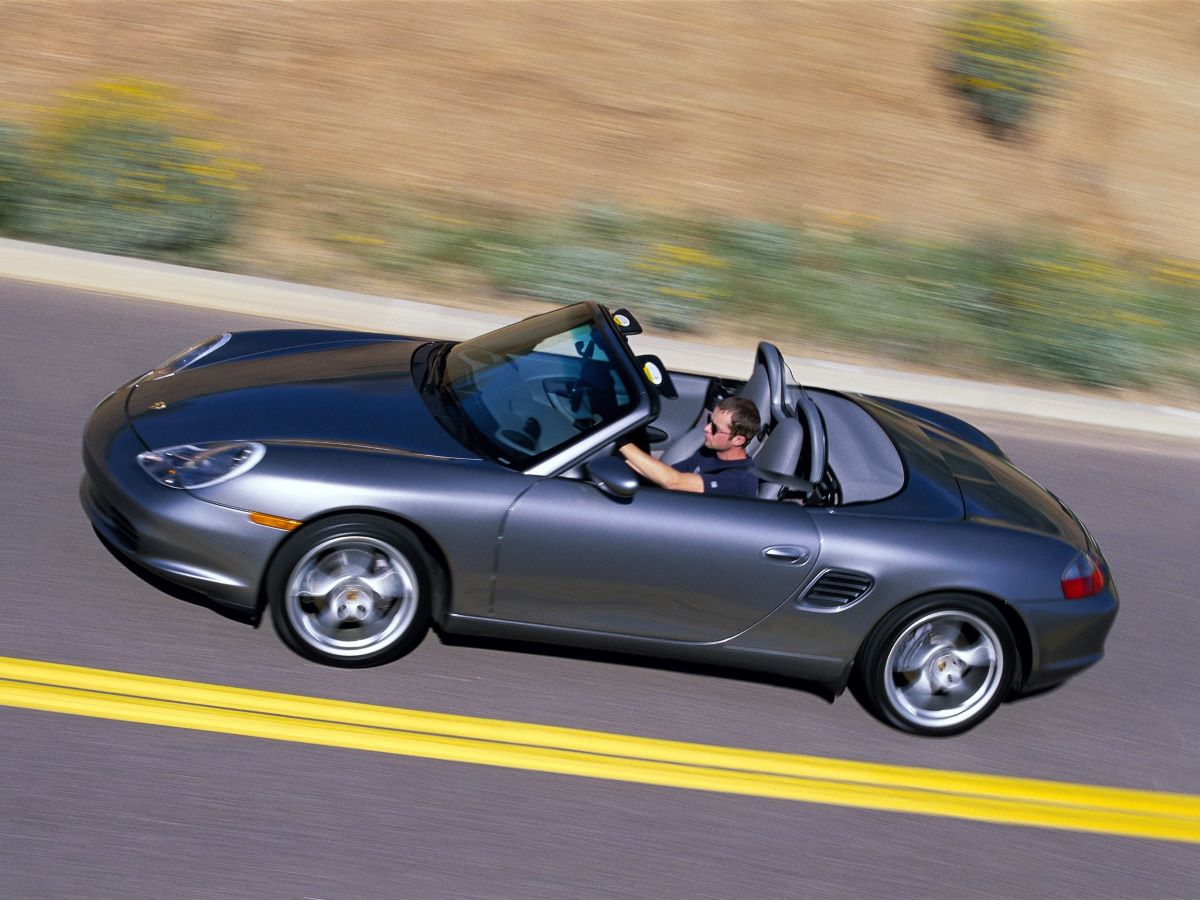
This might surprise some readers, but early Boxsters are now firmly in budget territory, and they’re phenomenal on track.
Mid-engine balance gives incredible turn-in, and Porsche’s factory cooling and braking systems were built for sustained performance. IMS bearing concerns are real, but well-documented and manageable.
Once sorted, these cars deliver professional-level handling at used-economy prices. They’re also tougher than many expect, regularly completing full track seasons with little more than fluid changes and pads.
It’s one of the most refined ways to go fast cheaply.
A true budget track car isn’t just cheap to buy, it’s cheap to keep alive. The vehicles above have proven they can handle heat, stress, and repeated abuse without turning every track weekend into a repair project.
Whether you prefer lightweight momentum cars or V8 bruisers, each platform offers durability, community knowledge, and parts availability in the US market. That combination matters far more than peak horsepower.
