Modern vehicles are packed with advanced safety technology designed to reduce accidents, protect occupants, and compensate for human error. In theory, more technology should mean safer roads. In practice, the experience varies widely.
Some manufacturers focus on creating systems that work quietly in the background, stepping in only when truly needed. These vehicles deliver safety features that feel intuitive, supportive, and confidence boosting. Drivers remain in control, while technology acts as a calm second set of eyes.
Others take a different approach. In the race for top safety ratings and regulatory compliance, some vehicles rely on hyper-sensitive sensors, constant alerts, and aggressive interventions.
While impressive on paper, these systems can feel intrusive, distracting, or even stressful in daily driving. Excessive warnings, unexpected braking, and forced steering corrections can lead to alert fatigue, causing drivers to disable features meant to protect them.
This contrast highlights an important question in modern car design. When does safety technology genuinely help, and when does it cross the line into overdoing it? The vehicles below illustrate both sides of that divide.
5 Vehicles With Helpful Safety Tech
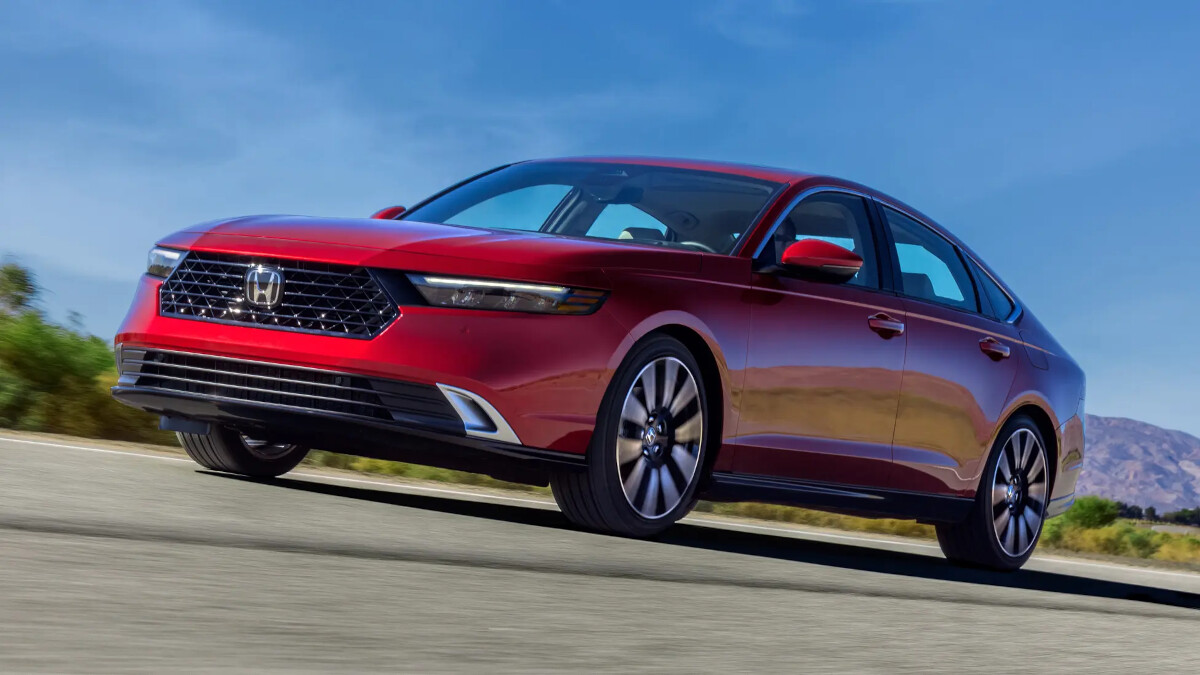
1. Honda Accord: Advanced Safety and Refined Performance
The Honda Accord combines refined driving dynamics with a comprehensive suite of standard safety features, making it a strong choice in the midsize sedan segment. At the core of its safety package is the Honda Sensing® suite, which acts as a second pair of eyes to detect, warn, and mitigate potential collisions.
Key components include the Collision Mitigation Braking System™ (CMBS™) to prevent frontal impacts, Road Departure Mitigation (RDM) to keep the car on the road, Adaptive Cruise Control with Low-Speed Follow, and Traffic Sign Recognition. Additional driver-support systems such as Lane Keeping Assist, Traffic Jam Assist, and Blind Spot Information (BSI) reduce fatigue and enhance situational awareness.
The Advanced Compatibility Engineering (ACE™) body structure distributes crash energy efficiently in frontal collisions, while automatic high-beam headlights and pedestrian detection improve safety in varied conditions.
The Accord offers two main powertrains. LX and SE trims feature a 192-horsepower turbocharged 1.5-liter four-cylinder engine with a continuously variable transmission (CVT) and front-wheel drive. Higher trims use a hybrid powertrain combining a 2.0-liter four-cylinder engine with two electric motors for a combined 204 horsepower.
Both configurations deliver smooth, quiet, and composed performance. In testing, the nonhybrid model reaches 60 miles per hour in 7.3 seconds, while the hybrid completes the sprint in 6.7 seconds, placing it slightly behind rivals such as the Toyota Camry and Hyundai Sonata N-Line.
Fuel efficiency is strong, with the hybrid rated up to 51 mpg city, 44 mpg highway, and 48 mpg combined, while the nonhybrid achieves 29 mpg city and 37 mpg highway.
Inside, the cabin combines sleek design, high-quality materials, and thoughtful ergonomics. The front seats are comfortable and supportive, while the rear offers ample legroom for adults, though headroom is slightly reduced due to the sloping roofline.
The trunk measures 16.7 cubic feet, expandable by folding the rear seats, allowing seven carry-on suitcases or 20 with seats down. Technology includes a 9.0-inch touchscreen standard, with an optional 12.3-inch display, and a 10.2-inch digital gauge cluster.
Wireless Apple CarPlay, Android Auto, Bluetooth, and a wireless charging pad are included. Audio options range from a four-speaker stereo to a 12-speaker Bose system on Touring trims.
Safety remains central, with automated emergency braking, lane-keeping assist, and adaptive cruise control standard on all trims. Honda provides a three-year/36,000-mile limited warranty, a five-year/60,000-mile powertrain warranty, and one year or 12,000 miles of complimentary maintenance.
With precise handling, advanced safety systems, and efficient performance, the Accord delivers a confident and practical midsize sedan experience.
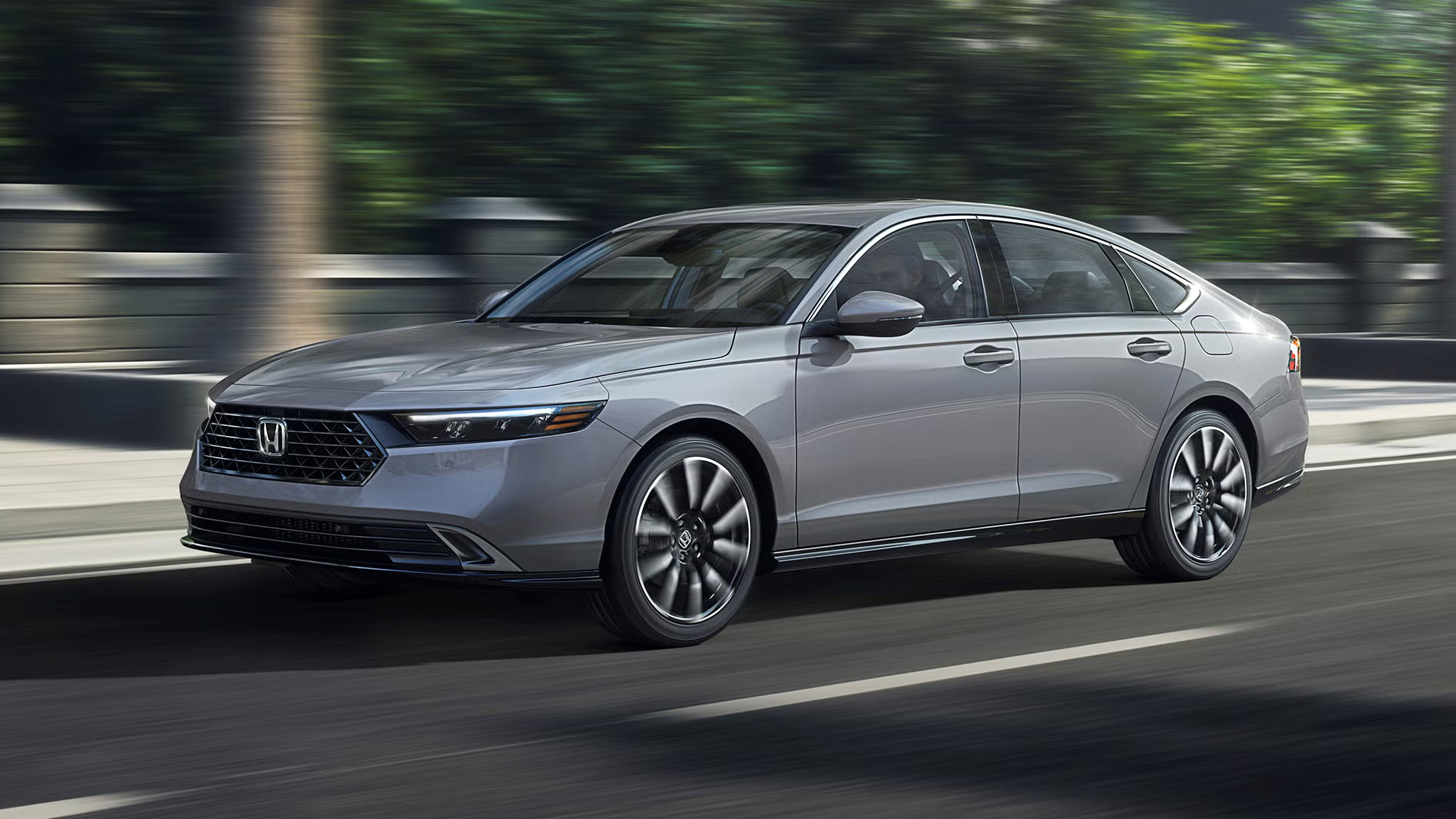
2. Subaru Forester: Safety, Performance, and Comfort
The Subaru Forester is designed with a strong emphasis on safety, featuring the standard EyeSight® Driver Assist Technology. This system uses dual cameras to mimic human vision, offering natural-feeling braking and lane-keep assistance that works seamlessly with the driver.
Complementing EyeSight, the DriverFocus® Distraction Mitigation System monitors driver attention through facial recognition, while active handling technologies like Active Torque Vectoring and Vehicle Dynamics Control enhance stability.
Structurally, the Forester is built on the high-strength Subaru Global Platform with a ring-shaped reinforcement frame, supported by a seven-airbag system for comprehensive occupant protection.
Additional safety features include rear-cross traffic alert, blind-spot detection, reverse automatic braking, and a rear-vision camera. These features, combined with a low center of gravity, help the Forester consistently achieve high safety ratings from organizations such as IIHS.
Under the hood, the Forester is powered by a 2.5-liter flat-four engine paired with a continuously variable transmission (CVT) and all-wheel drive, producing 180 horsepower and 178 lb-ft of torque. Acceleration to 60 mph takes around 8.3–8.4 seconds, which is adequate for everyday driving but modest compared to sportier rivals.
The suspension is tuned for comfort rather than sporty handling, providing a smooth ride on- and off-road, especially in the Forester Wilderness trim. The Wilderness model also offers a towing capacity of 3,500 pounds, while other trims are rated at 1,500 pounds. Fuel economy ranges from 26–33 mpg in most trims, with the Wilderness slightly lower due to its off-road enhancements.
Inside, the Forester prioritizes space and comfort. Its upright cabin, panoramic sunroof, and tall windows create a bright, airy interior. Seating is supportive and comes in cloth, leather, or water-repellent leatherette, depending on trim.
Rear-seat passengers enjoy generous headroom, legroom, and hip room, while cargo capacity spans 30 cubic feet with seats up and 75 cubic feet with seats folded. The infotainment system features an 11.6-inch touchscreen with wireless Apple CarPlay and Android Auto on most trims, while base models offer dual 7-inch displays.
On the ownership side, the Forester provides a basic warranty of three years/36,000 miles and a powertrain warranty of five years/60,000 miles, which is more limited than some competitors. The Subaru Forester balances safety, interior space, and everyday practicality, making it a solid choice for drivers seeking reliability and comfort in a compact SUV.
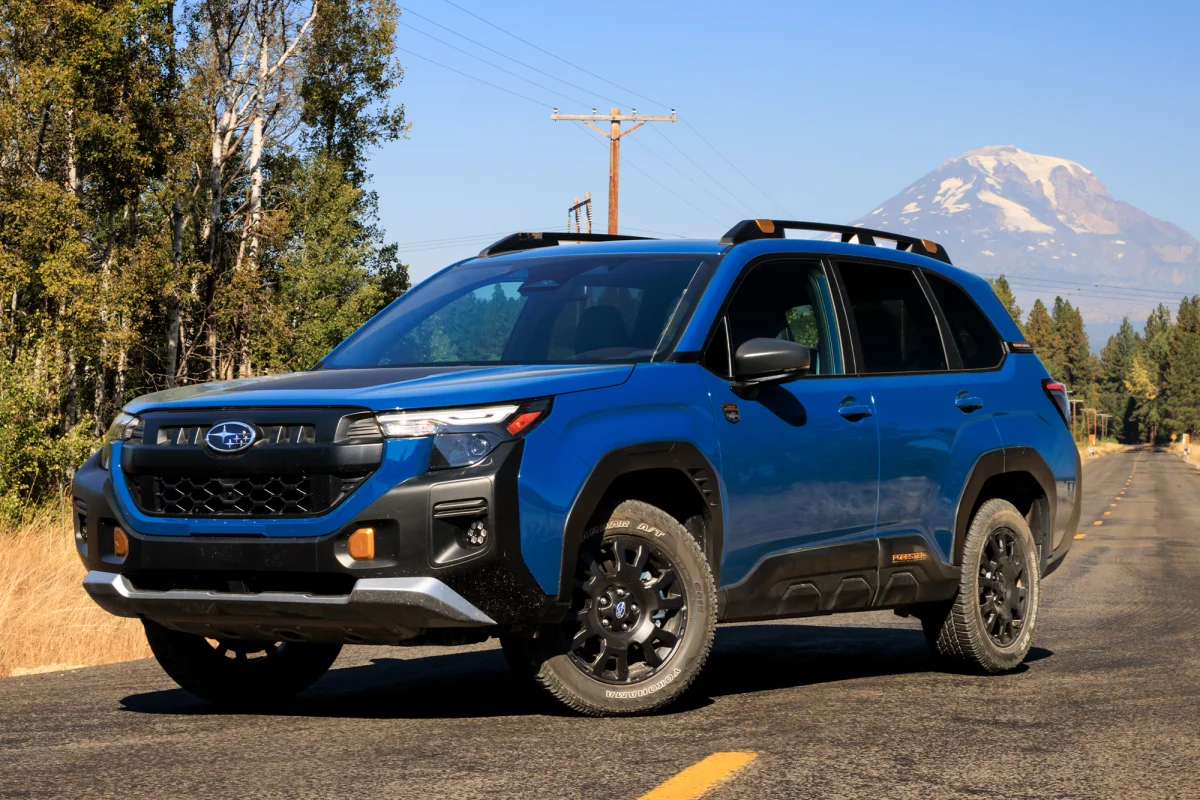
3. Mercedes-Benz E-Class: Luxury, Safety, and Refined Performance
The Mercedes-Benz E-Class sets a high standard in luxury and safety technology, blending proactive accident prevention with sophisticated driver-assistance systems. Its PRE-SAFE® system can prepare the cabin for an impact, including emitting “pink noise” to protect hearing.
Standard safety features include Active Brake Assist, lane-keeping assistance, and drowsiness detection, while optional enhancements provide 360-degree environmental monitoring, evasive steering, and automated parking.
The Driving Assistance Package Plus adds adaptive cruise control with Active Distance Assist DISTRONIC, Active Lane Change Assist, and Active Emergency Stop Assist to safely manage the vehicle if the driver is unresponsive.
Additional systems such as Evasive Steering Assist, Attention Assist for fatigue, Active Parking Assist with 360° cameras, and Digital Light technology further enhance situational awareness, acting as a “second set of eyes” to reduce the likelihood of accidents.
The E-Class offers two main powertrains: a 255-hp turbocharged 2.0-liter four-cylinder (E350) and a 375-hp turbocharged 3.0-liter inline-six (E450), both paired with a 9-speed automatic transmission. The E350 features an optional hybrid motor and all-wheel drive, while the E450 uses a similar hybrid system to reduce turbo lag and smooth auto start/stop operations.
Acceleration tests show the E450 reaches 0–60 mph in 4.4 seconds, with the E350 at 5.8 seconds, providing smooth, quiet, and confident performance. Optional air suspension enhances ride comfort, and available rear-wheel steering improves maneuverability in tight spaces.
Inside, the E-Class cabin focuses on comfort and refinement. High-quality materials, including leather upholstery, metal trim, and optional premium finishes, create an upscale environment. Rear passengers benefit from generous legroom and headroom, while cargo capacity is limited to 12.7 cubic feet, with more space in the All-Terrain wagon variant.
The infotainment system includes a 14.4-inch touchscreen, wireless Apple CarPlay and Android Auto, Bluetooth, Wi-Fi, and an optional 17-speaker Burmester audio system. Advanced features include in-dash navigation with augmented reality overlays, a digital display for driver information, and optional third-party apps.
Standard safety technology includes automated emergency braking, blind-spot monitoring, and driver-attention monitoring, while lane-centering adaptive cruise control and lane-keeping assist are optional.
Mercedes-Benz provides a limited and powertrain warranty of four years/50,000 miles, but no complimentary maintenance. The combination of cutting-edge safety, luxurious interior appointments, and refined powertrain options makes the E-Class a compelling choice for drivers seeking a high-tech, comfortable, and capable luxury sedan.
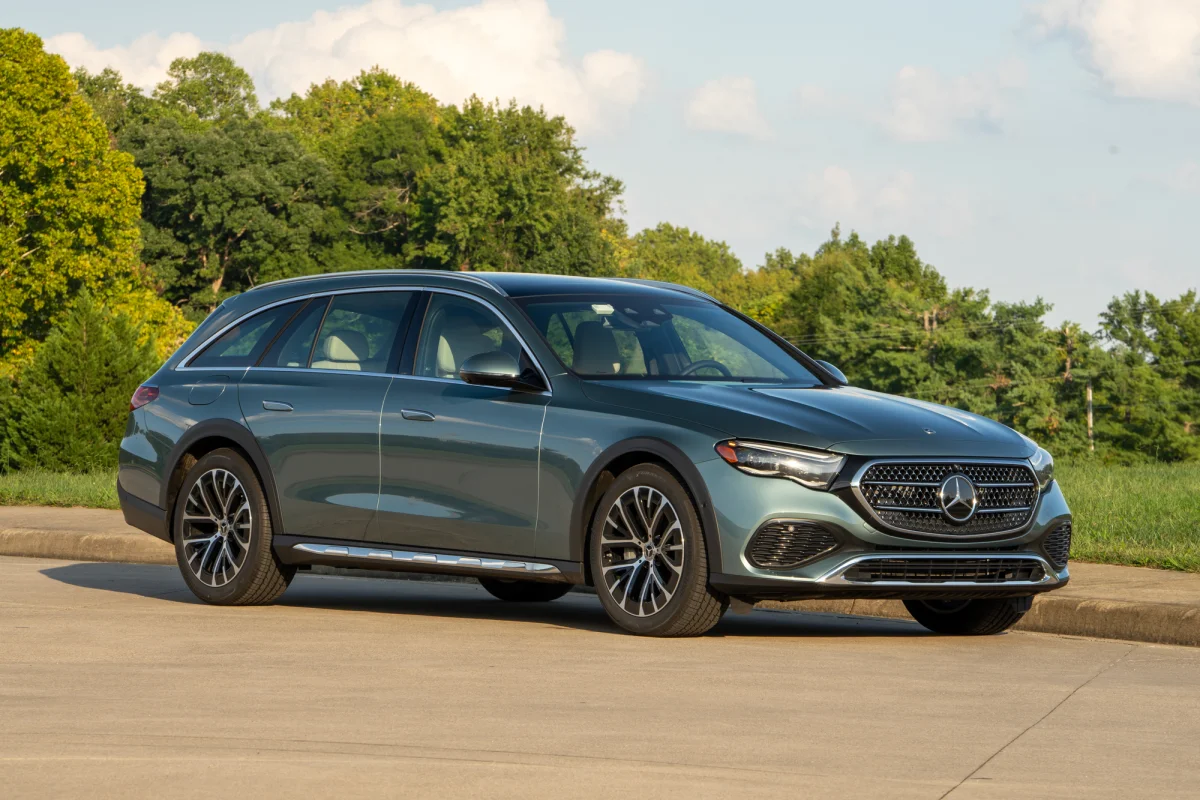
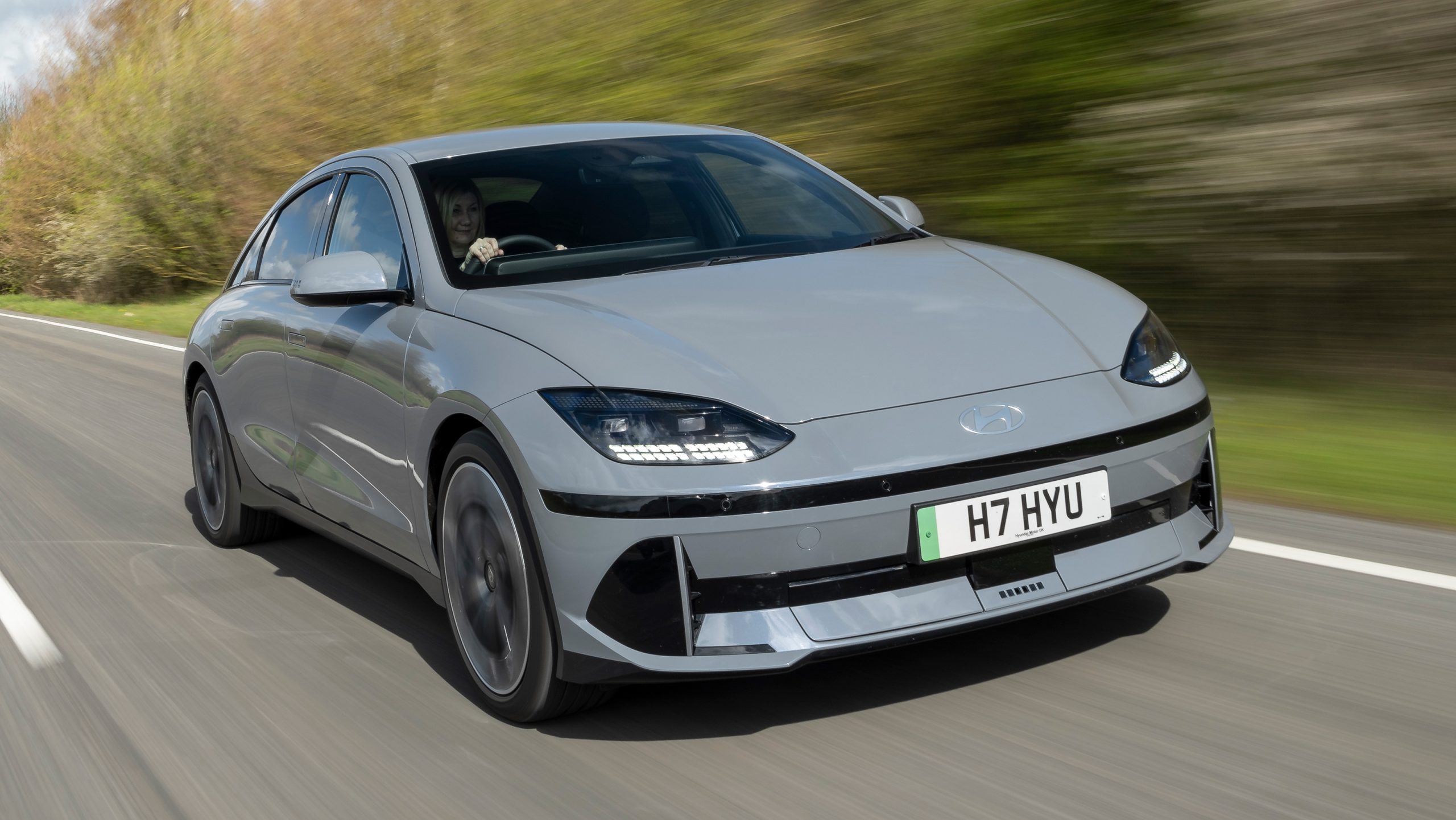
4. Hyundai Ioniq 6: Efficient, Safe, and Comfortable Electric Touring
The Hyundai Ioniq 6 is a long-range electric sedan designed for efficiency, comfort, and advanced safety. Its Hyundai SmartSense suite combines automated steering, braking, and driver-assistance technologies to protect occupants, pedestrians, and cyclists.
Key safety features include Forward Collision-Avoidance Assist 2 (FCA 2), Highway Driving Assist 2 (HDA 2) for Level 2 autonomous driving, Blind-Spot Collision-Avoidance Assist (BCA), Surround View and Parking Collision-Avoidance (PCA), and Lane Following and Lane Keeping Assist (LFA and LKA). An in-cabin camera with Driver Attention Warning monitors fatigue, and seven airbags, including a driver seat center-side airbag, enhance passive safety.
These systems provide a strong safety net by correcting human errors and anticipating potential hazards.
The Ioniq 6 is built to maximize range and efficiency, offering a 338-mile WLTP range, 4.3 miles per kilowatt-hour efficiency, and a drag coefficient of 0.21. It rides on the E-GMP platform, which is also used by the Ioniq 5, and weighs around 2,000 kilograms.
Buyers can choose a rear-drive single motor with 226 horsepower and 258 pound-feet of torque for maximum range, or an all-wheel-drive twin motor with 320 horsepower and 446 pound-feet of torque for more performance but slightly reduced range of 322 miles WLTP.
The single-motor version accelerates from zero to 62 miles per hour in 5.1 seconds. Both versions use a 77.4 kWh battery and 20-inch wheels. The car supports 800-volt fast charging at up to 350 kilowatts, replenishing 10 to 80 percent in about 18 minutes under ideal conditions.
The design of the Ioniq 6 focuses on aerodynamics and efficiency rather than traditional brand styling. It has a low, elongated profile, pixel LED lighting, transparent plastics, and vertical rear elements. The interior is refined with high-quality materials, spacious rear legroom, and a quiet, well-damped ride.
Cargo space is adequate but slightly smaller than some competitors. Driving modes include Eco, Normal, and Sport, which adjust throttle response, steering weight, and regenerative braking. The vehicle glides smoothly on highways with minimal wind and suspension noise, making long-distance travel comfortable.
Rivals such as the Tesla Model 3, Polestar 2, and BMW i4 offer different strengths, but the Ioniq 6 balances range, efficiency, safety, and comfort. Its smooth performance, intelligent safety systems, and quiet, refined cabin make it an appealing choice for drivers seeking a capable and confident long-distance electric sedan.
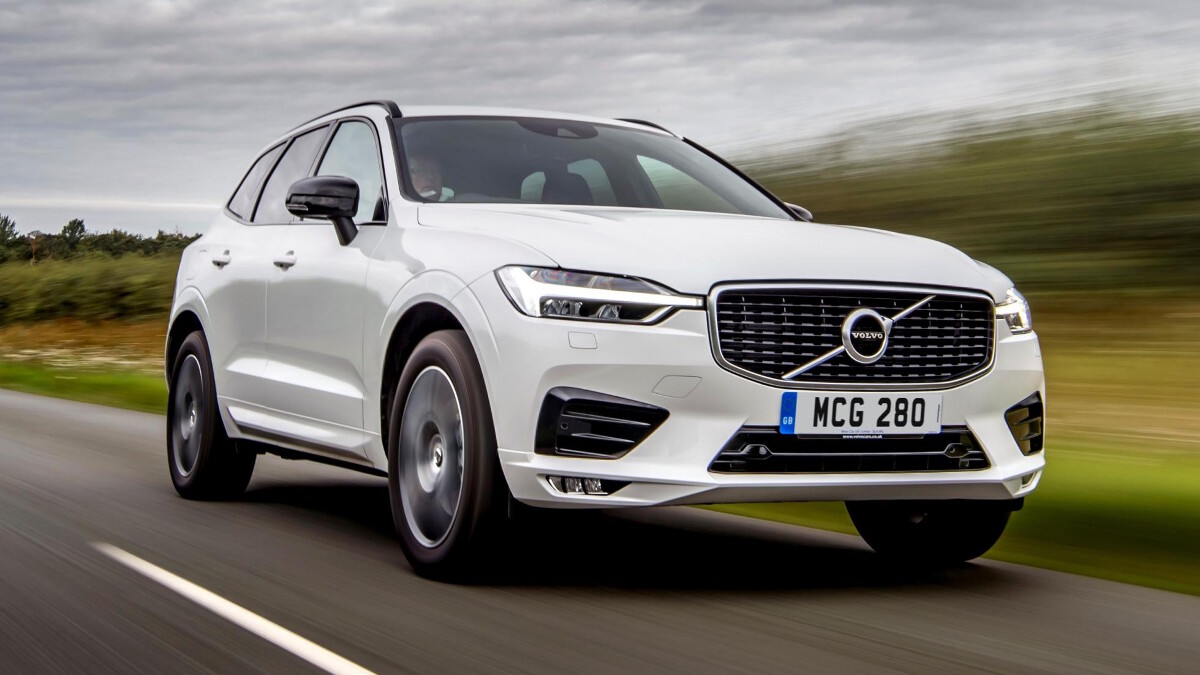
5. Volvo XC60: Safety-Focused Luxury and Comfortable Driving
The Volvo XC60 continues Volvo’s legacy as a benchmark for safety, combining proactive driver-assistance technologies with a refined, comfortable driving experience. At the heart of its safety systems is Pilot Assist, which provides gentle steering support and adaptive cruise control that feels smooth and intuitive.
Standard features like City Safety, Intersection Collision Avoidance, Lane Keeping Aid, and Oncoming Lane Mitigation actively intervene to help prevent collisions with vehicles, pedestrians, cyclists, and large animals.
Additional systems, such as a 360-degree camera and Blind Spot Information System (BLIS) with Steer Assist, enhance visibility and guide the vehicle away from potential hazards. Volvo develops these technologies using real-world accident data to ensure practical effectiveness in everyday driving scenarios.
The XC60 is powered by a 247-hp turbocharged 2.0-liter four-cylinder engine paired with a 48-volt mild hybrid system. Power is delivered through an eight-speed automatic transmission and standard all-wheel drive, producing 266 pound-feet of torque.
The XC60 accelerates from zero to 60 miles per hour in about 6.5 seconds, offering confident handling and precise cornering. While the chassis emphasizes comfort over sporty dynamics, harsh road imperfections can transmit into the cabin. The vehicle is designed to inspire confidence rather than aggressive driving, making it well-suited for relaxed and composed journeys.
Inside, the XC60 cabin features clean Scandinavian styling, high-quality materials, and a quiet, comfortable environment. The second-row seating comfortably accommodates adults, and cargo space is adequate for its class, fitting up to 20 carry-on suitcases with the rear seats folded. Interior storage is limited, with a small cargo-area bin.
Technology includes an 11.2-inch touchscreen with improved pixel density and faster operating speeds, along with standard Apple CarPlay, Android Auto, Bluetooth, and a 4G LTE Wi-Fi hotspot. Audio options range from a 10-speaker High Performance system to optional 14- and 15-speaker premium systems.
Safety remains a central focus, with standard automated emergency braking and lane-keeping assist, and optional adaptive cruise control with semi-autonomous driving mode. Volvo provides a limited and powertrain warranty of four years or 50,000 miles and includes three years or 36,000 miles of complimentary scheduled maintenance, offering added value to buyers.
The Volvo XC60 blends advanced safety, comfortable driving dynamics, and Scandinavian interior refinement, making it an appealing choice for drivers who prioritize protection, practicality, and calm, composed performance in a luxury compact SUV.
Also Read: 5 Cars With Simple Dash Layouts vs 5 With Confusing Ones
5 That Overdo It
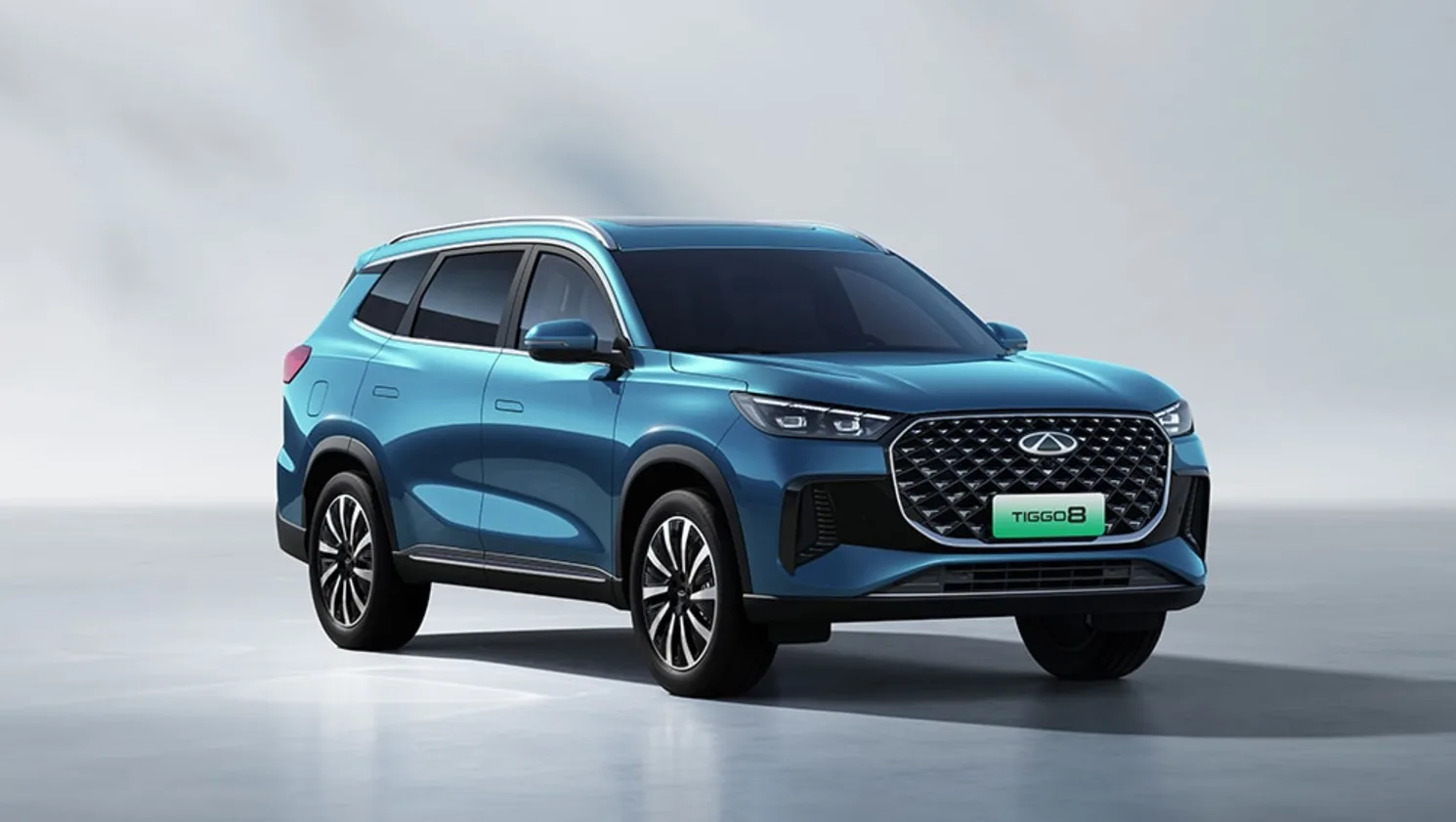
1. Chery’s Modern Safety Strategy: Aggressive Tech with Growing Pains
Chery has adopted an aggressive, technology-driven approach to safety in its modern lineup, aiming to rebuild its global reputation after years of poor crash ratings. This “over-correction” strategy is evident in models like the Omoda 5 and Tiggo 7 Pro, which feature highly sensitive Advanced Driver Assistance Systems (ADAS).
While these systems achieve top-tier ANCAP and Euro NCAP ratings on paper, they have drawn criticism from drivers for being intrusive. Constant audible alerts for minor lane deviations and other minor actions often prompt drivers to disable safety functions, undermining their purpose.
Chery’s “chasing five stars” mentality emphasizes extreme sensitivity to meet modern safety protocols. Driver monitoring cameras trigger warnings for simple glances or blinks, while Lane Keep Assist (LKA) can tug the steering wheel forcefully on narrow roads. These interventions ensure vehicles perform flawlessly in regulatory tests, but they can feel overbearing in real-world driving.
Another challenge comes from local road conditions. ADAS algorithms were initially calibrated for Chinese roads and driving behaviors. When deployed in international markets, systems often misinterpret narrow lanes, gravel edges, or minor pavement changes as imminent collision threats, leading to unnecessary Emergency Lane Keeping (ELK) corrections. The persistent chimes designed to meet Safety Assist protocols can become a source of frustration rather than reassurance.
Chery is addressing these issues through local tuning and software updates. Newer models, such as the Tiggo 7 Super Hybrid, feature upgraded front cameras and software that widen the safety window before intervention occurs. Dealership recalibrations in some regions allow owners to reduce false positive alerts and soften steering corrections.
While the brand’s safety technology may currently feel excessive, these measures represent a transitional phase. Chery is working to balance the strict requirements of global safety regulators with real-world driver comfort, signaling a path toward more intuitive and user-friendly ADAS in its future models.
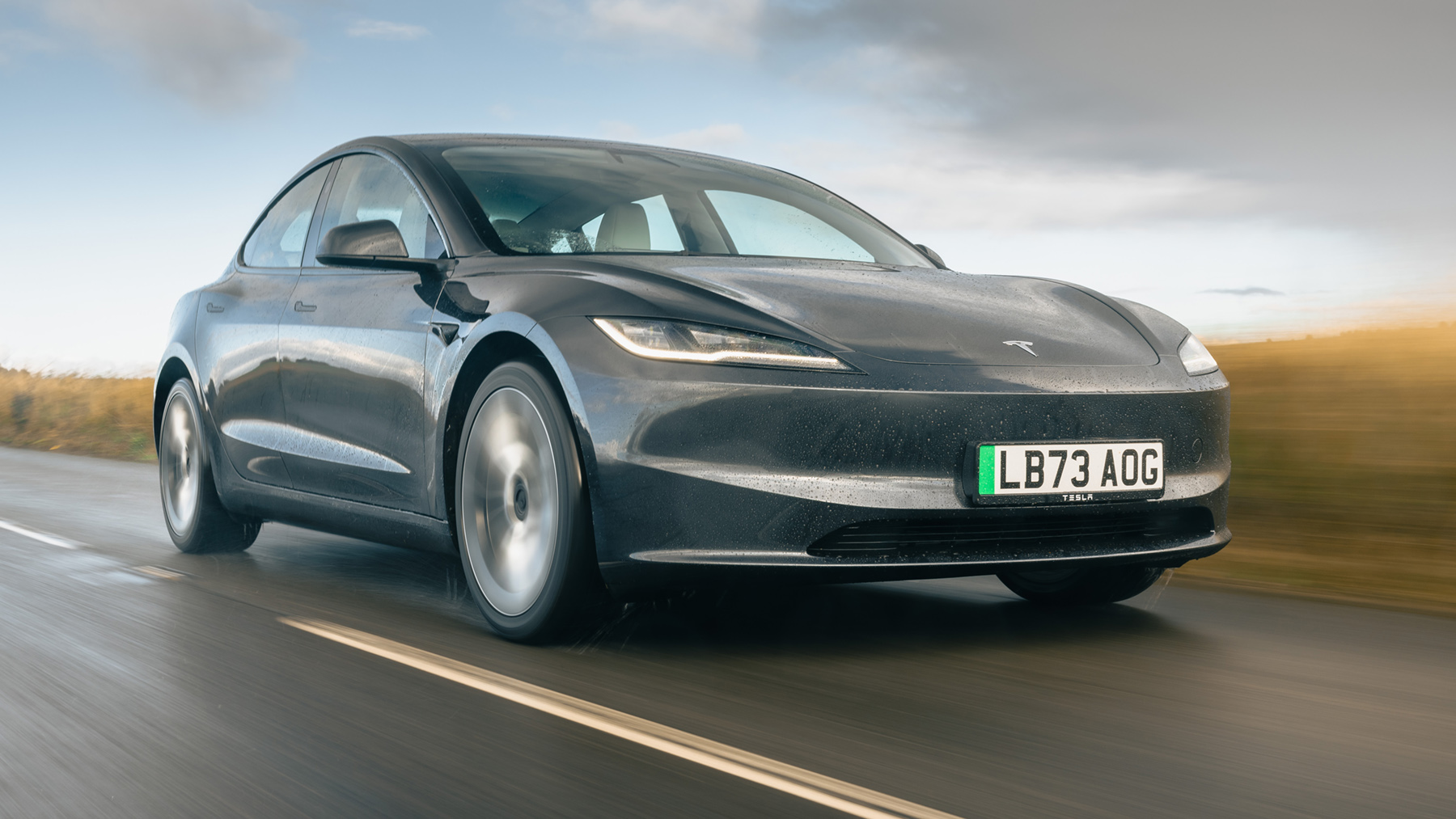
2. Tesla Model 3: Advanced Safety with Cautious Technology
The Tesla Model 3 is known for its strong structural design, consistently earning 5-star safety ratings globally. Its active safety systems rely entirely on Tesla Vision cameras, which emphasize caution and computational precision. While this approach enhances crash prevention, many drivers report that the technology can feel intrusive in daily driving.
A major issue is phantom braking. The Model 3 interprets the environment visually, and shadows, heat haze, overpasses, or reflections can trigger emergency braking. When the system cannot identify an object with full certainty, it assumes the worst. These interventions are intended to avoid collisions but can cause sudden deceleration in normal traffic, surprising drivers, and creating potentially unsafe situations.
The Safety Score system adds further pressure. It tracks metrics such as Forward Collision Warnings and hard braking to determine insurance rates and Full Self-Driving eligibility.
The system can overreact to safe driving actions, including parked cars on curves or vehicles entering driveways. Drivers can be penalized for cautious maneuvers, creating a stressful experience where human judgment conflicts with software assessments.
Active Driver Monitoring uses a cabin camera to ensure attention, but even minor actions like glancing at the infotainment screen or wearing sunglasses can trigger warnings. Repeated alerts may result in Autopilot suspension, temporarily blocking access to advanced features.
Certain hardware elements reflect the same over-engineered philosophy. Electronic door latches are sleek but can be unintuitive in emergencies, requiring passengers to locate manual releases under stress.
The Model 3 offers excellent crash protection and innovative technology. Its hyper-vigilant systems prioritize computational caution over human instinct, resulting in a car that reacts strongly to minor or phantom hazards. Drivers benefit from exceptional safety on paper but must exercise patience and adapt to the car’s highly sensitive behavior in real-world traffic conditions.
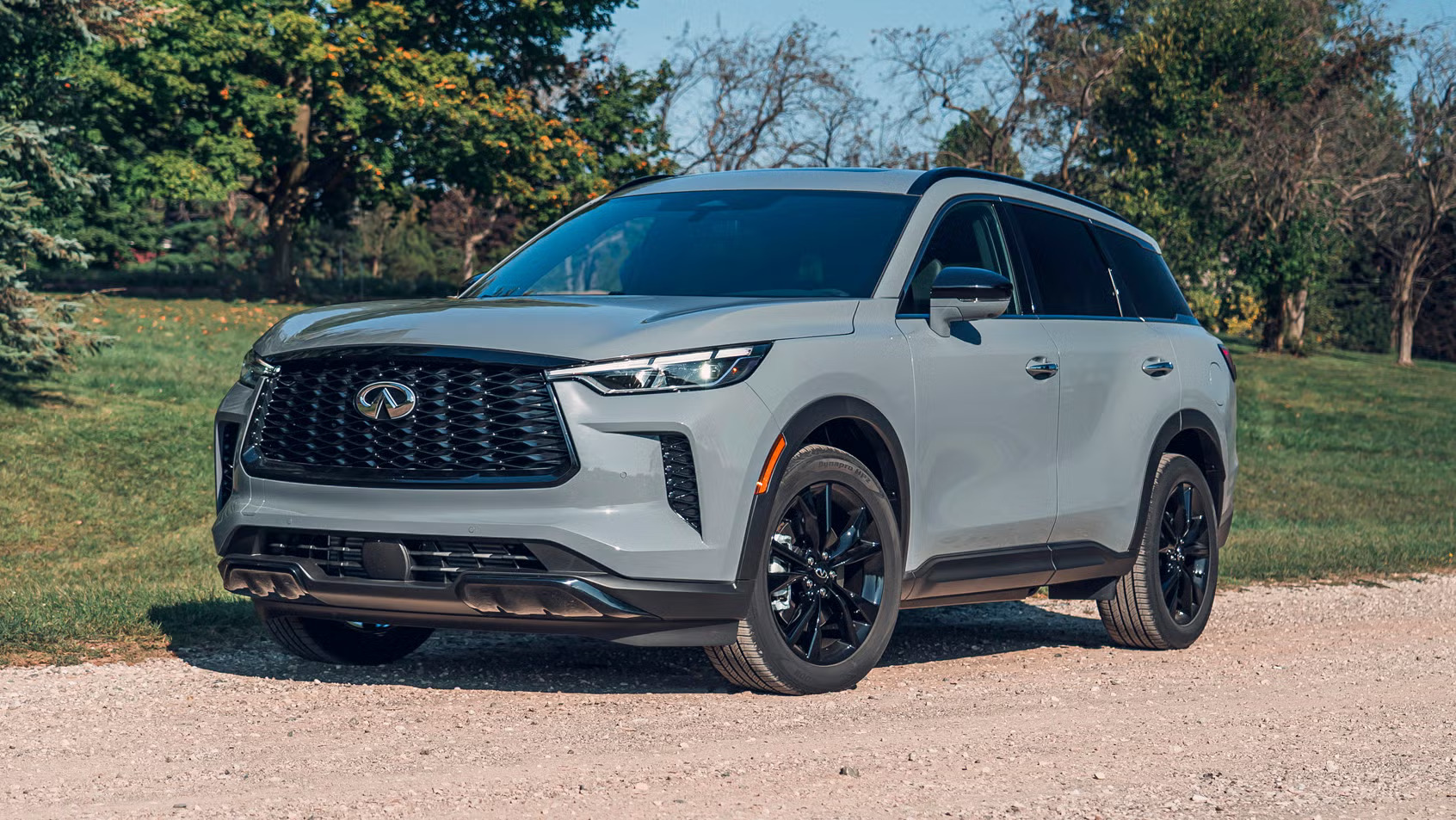
3. Infiniti QX60: Proactive Safety That Can Feel Overbearing
The Infiniti QX60 earns strong safety ratings and praise for its comprehensive driver-assistance technology, yet many reviewers and owners describe its systems as intrusive. Infiniti’s ProPILOT Assist reflects a philosophy that prioritizes proactive intervention over subtle correction. While this approach is designed to compensate for human distraction, it can make the vehicle feel overly controlling in everyday driving.
One reason is Infiniti’s Predictive Forward Collision Warning, which monitors not only the car ahead but also the vehicle two positions in front.
This added foresight improves safety in theory, but in practice it often triggers audible alerts for braking events that the driver has not yet perceived. These early warnings can feel like false alarms, creating the impression that the system is reacting to hazards that do not seem immediate or relevant.
The QX60’s Lane Departure Prevention is another frequent source of frustration. Instead of relying solely on steering wheel vibrations or visual alerts, the system uses active brake control to pull the vehicle back into its lane.
This physical intervention through the brakes can feel abrupt, especially when a driver changes lanes without a turn signal on an empty road. The sensation of the vehicle correcting itself can be jarring rather than reassuring.
Backing up can also be stressful due to Rear Automatic Braking (RAB). Although designed to prevent collisions with pedestrians or obstacles, the system is highly sensitive and often misreads environmental cues. Steep driveways, tall grass, or even exhaust vapor can trigger sudden braking, turning simple maneuvers into tense experiences.
Newer QX60 models also integrate Navi-link, which uses GPS data to slow the vehicle for upcoming curves or exit ramps. When the system misjudges a bend, it can reduce speed more than necessary, leading attentive drivers to feel unnecessarily constrained.
These technologies aim to reduce risk, but their intensity can lead to alert fatigue, prompting some drivers to mute warnings or disable features. The challenge for Infiniti lies in balancing strong safety intentions with a driving experience that feels supportive rather than supervisory.
4. Ford Explorer: High Safety Scores with Overassertive Driver Assistance
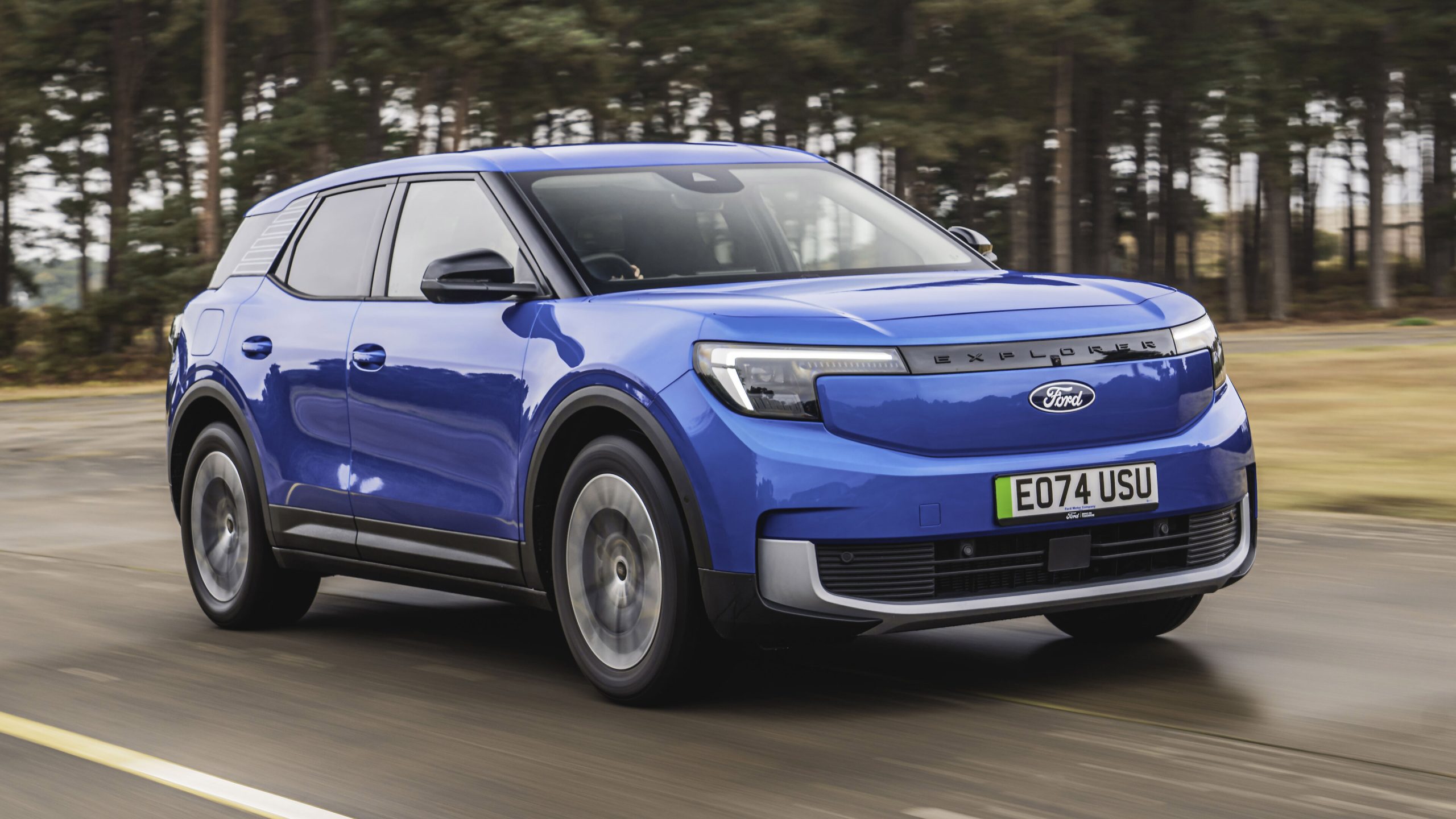
The Ford Explorer consistently earns strong safety credentials, including a 5-star NHTSA rating, but many owners report that its driver-assistance technology can feel excessive in daily use. Ford’s shift toward highly automated safety systems reflects a philosophy rooted in extreme caution and liability reduction. While well intentioned, this approach can clash with natural driving behavior and real-world road conditions.
A frequent concern is the Pre-Collision Assist with Automatic Emergency Braking. Designed to prevent serious accidents, the system can be overly sensitive. Drivers have reported sudden braking triggered by harmless factors such as road shadows, metal plates, or vehicles turning safely into distant driveways. These false positives can startle the driver and increase the risk of being struck from behind, especially in dense traffic.
The Lane-Keeping System is another source of frustration. Rather than offering subtle guidance, it can apply strong steering corrections that feel like the vehicle is fighting the driver. This becomes particularly problematic in construction zones with altered lane markings or when a driver intentionally shifts position to give cyclists more space. The system’s insistence on lane centering can feel rigid rather than supportive.
Drivers also cite alert fatigue inside the cabin. Bright red collision warnings, loud sirens, double honks when exiting with the key, and persistent seatbelt chimes can overwhelm the driver. When minor issues generate constant warnings, drivers may begin to ignore alerts altogether, which undermines the purpose of the safety systems.
Complex software further complicates the experience. Advanced features such as BlueCruise rely on enormous data processing, increasing the likelihood of glitches. Owners have reported camera errors, disabled cruise control, and sensor failures. Physical vulnerabilities, including damage to wiring from rodents, can also disrupt critical systems and lead to costly repairs.
In the end, the Explorer’s safety technology delivers impressive results on paper, but its lack of subtlety in real-world driving leads some owners to disable features that were meant to protect them.
5. Volkswagen ID.4: Strong Safety Ratings, Frustrating Digital Overload
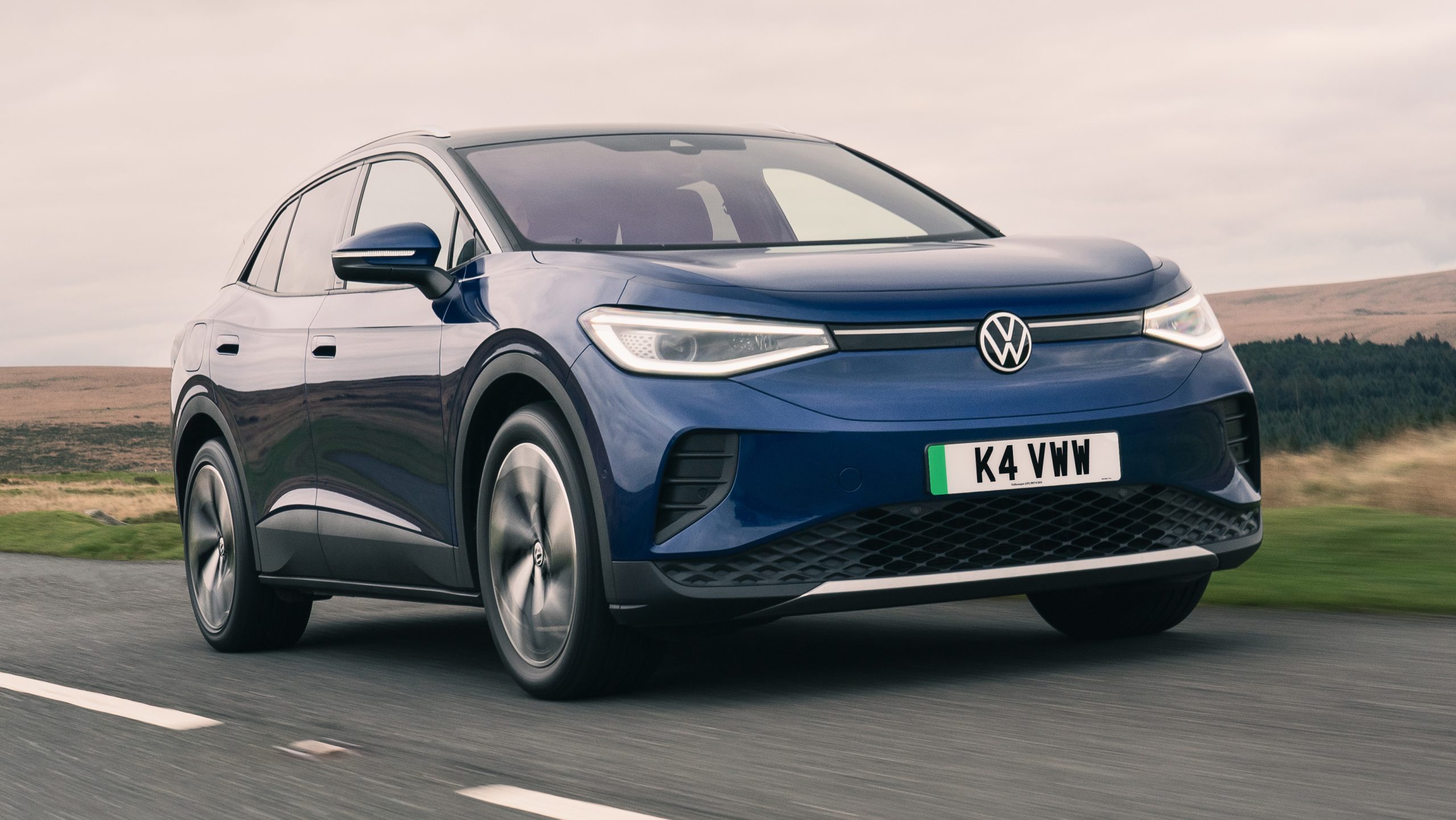
The Volkswagen ID.4 earns high marks for crash protection, including an IIHS Top Safety Pick+ designation, yet many drivers find its safety technology intrusive and overly digitized. The SUV’s challenges stem from sensitive driver-assistance calibration and a touchscreen-heavy interface that places essential controls inside layered menus rather than on physical buttons.
One major complaint involves Lane Assist. Owners frequently describe aggressive steering corrections when the vehicle approaches lane markings. Instead of offering a subtle nudge, the system can tug firmly at the wheel. Adding to the frustration, the feature resets to “on” every time the vehicle is restarted. Drivers who prefer it off must navigate touchscreen menus before nearly every trip, diverting attention from the road.
The ID.4’s parking and proximity sensors are also known for being overly reactive. In tight spaces such as garages or drive-thru lanes, the system may issue urgent warnings or even trigger automatic braking for objects that pose no real danger. These abrupt interventions can startle drivers and nearby vehicles, especially at low speeds.
Another concern is the use of capacitive touch controls on the steering wheel. Because these buttons lack tactile feedback, drivers can unintentionally activate Travel Assist or adjust cruise control while simply resting their hands on the wheel. This may cause unexpected acceleration or deceleration if the vehicle reacts to a detected speed limit.
Software reliability further complicates the experience. Since safety settings and climate controls are housed within the infotainment system, screen freezes or blackouts can temporarily lock drivers out of important features, including the rearview camera. Past recalls related to battery management software have also raised questions about digital system oversight.
Although the ID.4’s technology is designed to maximize protection, its sensitive alerts and menu-dependent controls can distract drivers and encourage them to tune out warnings meant to enhance safety.
The difference between helpful safety technology and overbearing systems comes down to balance. Vehicles like the Honda Accord, Subaru Forester, Mercedes-Benz E-Class, Hyundai Ioniq 6, and Volvo XC60 show how advanced driver assistance can feel natural and reassuring. Their systems are designed to support the driver without demanding constant attention, allowing technology and human judgment to work together.
On the other side, models such as those from Chery, Tesla, Infiniti, Ford, and Volkswagen demonstrate how good intentions can sometimes backfire. Overly sensitive alerts, aggressive interventions, and complex digital controls may satisfy testing standards, but they can erode driver confidence and enjoyment. When safety systems become frustrating or unpredictable, drivers are more likely to ignore warnings or switch features off entirely.
As vehicles continue to evolve, the goal should not be more technology for its own sake, but smarter technology that understands real-world driving. The safest cars are not the loudest or most controlling, but the ones that know when to step in and when to stay quietly in the background.
Also read: 10 Cars That Feel Faster Than Their Horsepower Numbers