
Sports cars have always represented more than just speed and style. For many enthusiasts, they are mechanical playgrounds that invite hands on involvement, weekend repairs, and the satisfaction of solving problems with a socket set and a service manual. Yet not all sports cars are created equal when it comes to ownership experience.
Some affordable performance cars are wonderfully straightforward. They have roomy engine bays, simple naturally aspirated engines, widely available parts, and decades of enthusiast knowledge behind them. These cars reward owners who enjoy turning their own wrenches and learning how machines truly work.
Others, however, can quickly turn ownership into frustration. Tight packaging, complicated electronics, turbocharged systems buried under layers of components, and expensive specialty parts can make even basic maintenance feel overwhelming. A simple repair can spiral into hours of labor and a stack of costly replacement parts.
This contrast is especially important in the affordable sports car segment. Buyers are often drawn in by low purchase prices, but they may not anticipate the difference in long term ownership costs and mechanical accessibility.
What looks like a bargain can become a financial and emotional burden if routine maintenance demands professional level tools and deep pockets.
In this article, we explore both sides of the equation. First, we highlight five affordable sports cars that are genuinely easy to work on. These models are friendly to beginners and satisfying for experienced hobbyists alike. Then we examine five that may look tempting but are known for turning even simple jobs into complicated, expensive ordeals.
The goal is not to shame any particular car, but to help buyers understand what they are signing up for. A sports car should bring joy, not constant stress. Knowing which ones welcome your toolbox and which ones resist it can make all the difference in the ownership journey.
Also Read: 5 Soft Roaders That Can Handle Mud vs 5 That Get Stuck on Wet Grass
5 Affordable Sports Cars That Are Easy to Wrench On
There is something uniquely rewarding about owning a sports car you can maintain yourself. The connection deepens when you change your own oil, swap your own brakes, or replace worn suspension components in your own garage. It transforms the car from a product into a project and from a possession into a partnership.
Affordable sports cars that are easy to wrench on tend to share a few key traits. They often feature simple engine layouts, minimal electronic complexity, and strong aftermarket support. Their parts are plentiful and reasonably priced, and online forums are full of step by step guides from fellow owners.
Another important factor is physical accessibility. A roomy engine bay can mean the difference between a one hour repair and an entire weekend lost to frustration. Cars that were designed with serviceability in mind allow components to be reached without removing half the vehicle just to access a small part.
These models are also popular among enthusiasts, which creates a virtuous cycle. High production numbers lead to strong parts availability, which leads to lower costs and more shared knowledge. Over time, these cars develop reputations as dependable platforms for learning and modification.
I am writing about these cars because affordability alone does not guarantee an enjoyable ownership experience. For many buyers, especially first time sports car owners, the ability to perform routine maintenance themselves is part of the appeal. It keeps costs manageable and builds confidence.
The five cars that follow have earned reputations as approachable machines. They may not be the fastest or the most exotic, but they offer something equally valuable: transparency. What you see under the hood is generally what you get. That simplicity can make all the difference between loving your sports car and feeling trapped by it.
1. Mazda MX-5 Miata NA
The Mazda MX-5 Miata NA is often considered the gold standard for affordable, easy to maintain sports cars. Built with simplicity and balance in mind, the first generation Miata offers a mechanical layout that feels almost educational.
Everything under the hood is visible and accessible, which immediately reduces intimidation for first time wrenchers.
Its naturally aspirated four cylinder engine is compact and uncomplicated. There are no turbochargers crammed against the firewall and no maze of vacuum lines that require a diagram the size of a poster.
Basic maintenance tasks such as oil changes, spark plug replacement, and belt service are straightforward and well documented by decades of enthusiast support.
Another reason I am writing about the Miata NA is the extraordinary parts availability. Because so many were produced and because they have been beloved for decades, both OEM and aftermarket parts are affordable and easy to source. From suspension bushings to full engine rebuild kits, everything is readily available at reasonable prices.
The car’s rear wheel drive layout is also mechanically honest. Differential service, clutch replacement, and suspension upgrades are approachable jobs for someone with moderate mechanical experience. The chassis design leaves enough room to work without removing unnecessary components just to gain access.
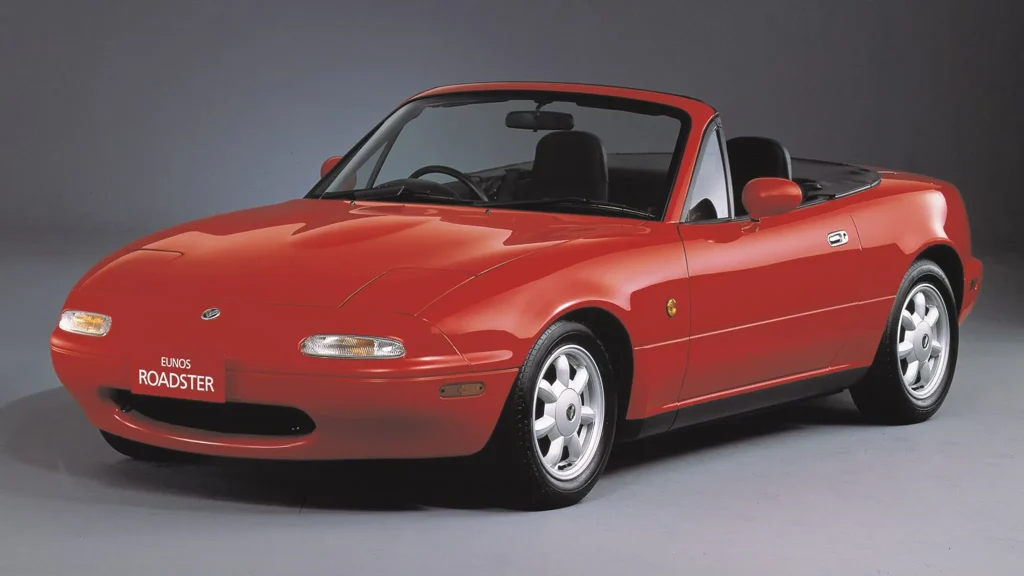
Beyond the mechanical side, the Miata community plays a huge role in its wrench friendly reputation. Forums, video tutorials, and detailed guides cover nearly every possible repair scenario. If you run into trouble, chances are someone else has documented the solution step by step.
The Miata NA is not powerful by modern standards, but that is part of its charm. The simplicity that keeps horsepower modest also keeps ownership costs down and repairs manageable. For anyone looking to learn how cars truly work while still enjoying a genuine sports car experience, it remains one of the best platforms available.
2. Honda Civic Si 1999 to 2000
While technically more of a sporty compact than a traditional two seat sports car, the Honda Civic Si from the late 1990s deserves a place on this list. Its high revving B series engine and lightweight chassis deliver genuine driving excitement, yet the car remains remarkably accessible to work on.
The B16 engine is known for its durability and straightforward design. It is naturally aspirated, relatively compact, and free from excessive electronic complexity. Basic maintenance such as timing belt replacement, valve adjustments, and cooling system service can be handled with common tools and patience.
I am including the Civic Si because it represents a gateway performance car for many enthusiasts. The engine bay layout is logical and uncluttered, allowing owners to reach major components without dismantling half the vehicle. Even clutch jobs and transmission swaps are well documented and achievable for skilled hobbyists.
Another major advantage is the enormous aftermarket ecosystem. Over the years, countless Civic models have been modified, raced, and restored. This means replacement parts are not only abundant but often cheaper than expected. From performance upgrades to stock components, availability is rarely an issue.
The Civic’s front wheel drive configuration also simplifies certain repairs. There is no rear differential to service and no complex all wheel drive system to maintain. Suspension components are accessible, and brake service is straightforward even for beginners.
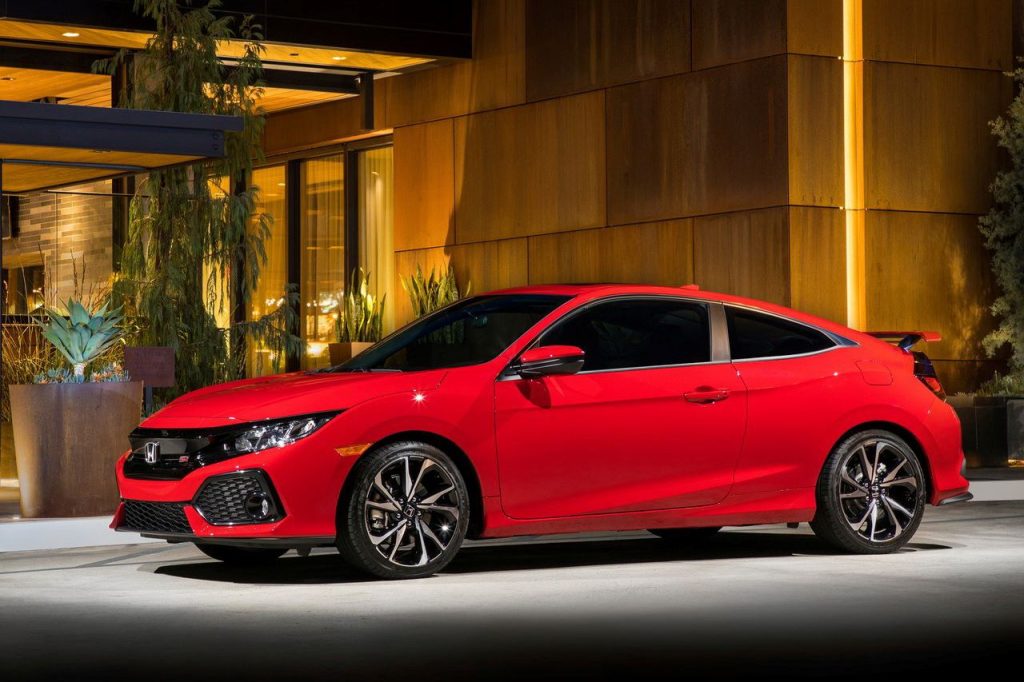
Reliability further strengthens its appeal. A car that does not constantly break down is inherently easier to live with. The Civic Si’s reputation for longevity means owners spend more time upgrading and maintaining rather than constantly troubleshooting.
For those who want an affordable, engaging car that doubles as a mechanical learning platform, the late 1990s Civic Si offers an ideal balance. It may not be exotic, but its practicality and serviceability make it a rewarding long term companion.
3. Ford Mustang GT 1999 to 2004
The Ford Mustang GT from the New Edge era combines classic American V8 performance with a surprisingly approachable mechanical layout. Its 4.6 liter modular V8 may sound intimidating, but in practice it is relatively straightforward to service compared to many modern performance engines.
One of the key reasons I am writing about this Mustang is its spacious engine bay. Unlike many compact sports cars, the Mustang’s larger body allows for better access to components. Spark plugs, coils, belts, and even larger jobs such as intake manifold replacement are manageable without contorting your hands into impossible angles.
The rear wheel drive layout and traditional body on frame construction philosophy also contribute to its wrench friendliness. Suspension components are accessible, and the solid rear axle simplifies maintenance compared to independent rear suspension systems with multiple control arms and complex geometry.
Parts availability is another strong point. The Mustang has been one of the best selling sports cars in America for decades. As a result, parts are widely available and competitively priced. Whether you are sourcing factory replacements or performance upgrades, options are plentiful.
The 4.6 liter engine is also known for its durability when properly maintained. Routine services such as oil changes, coolant flushes, and brake jobs are straightforward and well supported by detailed service manuals and enthusiast guides.

While it may not match the precision of lighter sports cars, the Mustang GT offers something equally valuable: mechanical transparency. The car’s systems are largely analog and easy to understand. There are fewer layers of electronic intervention compared to many newer performance models.
For enthusiasts who want V8 power without exotic car maintenance headaches, the New Edge Mustang GT stands out as a practical and satisfying choice. It delivers classic performance while remaining approachable enough for weekend wrenching sessions in a home garage.
4. Nissan 350Z
The Nissan 350Z represents a slightly more modern take on the affordable sports car formula, yet it still manages to remain relatively approachable for home mechanics. Powered by the VQ35 V6 engine, it delivers strong performance without diving too deeply into overwhelming mechanical complexity.
I am writing about the 350Z because it strikes an interesting balance between modern refinement and old school serviceability. The engine bay is tighter than older cars like the Mustang or Miata, but it is not impossibly cramped.
Routine maintenance tasks such as spark plug replacement, oil changes, and brake service remain manageable with basic tools and patience.
The VQ35 engine itself is widely used across multiple Nissan and Infiniti models. That widespread application means parts are easy to source and reasonably priced. Whether you need sensors, gaskets, or suspension components, availability is rarely a problem. This is a huge advantage for anyone trying to control ownership costs.
The rear wheel drive layout adds to its appeal for enthusiasts. Clutch replacements and differential service are realistic projects for experienced hobbyists. The aftermarket community is also strong, providing detailed guides for everything from basic maintenance to forced induction builds.
While some components are packed tightly, the overall mechanical architecture is logical and understandable. You are not dealing with complex hybrid systems or deeply integrated electronic networks. The 350Z feels like a performance car that still respects the owner’s ability to work on it.
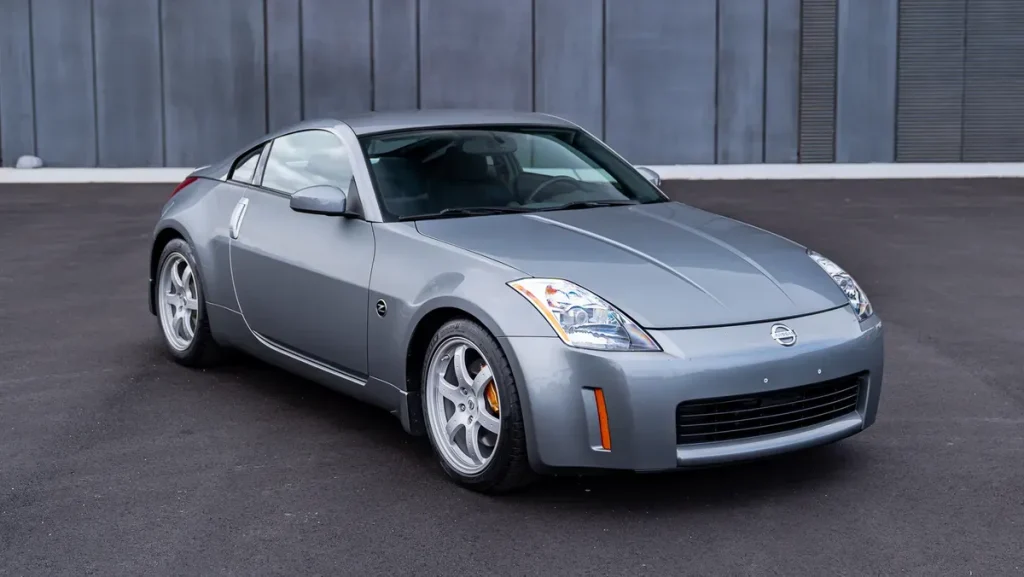
It offers meaningful power and engaging driving dynamics while remaining within reach of a dedicated do it yourself owner. For buyers who want something more powerful than a Miata but still mechanically approachable, the 350Z fits the bill well.
5. Chevrolet Corvette C5
The Chevrolet Corvette C5 delivers serious performance for surprisingly accessible ownership. With its LS1 V8 engine and rear transaxle layout, it offers sports car credentials that rival far more expensive machines, yet it remains remarkably service friendly.
One of the main reasons I am including the C5 is the legendary LS engine platform. The LS1 is known for its simplicity, durability, and immense aftermarket support. Spark plug changes, coil replacements, and accessory service are straightforward thanks to a relatively uncluttered engine bay.
Despite its performance image, the C5 was engineered with practicality in mind. Many components are modular and logically arranged. Basic maintenance such as brake jobs, fluid changes, and suspension work can be completed by a competent home mechanic without specialized dealer equipment.
Parts availability is another significant strength. The LS platform has been used in countless General Motors vehicles, which keeps replacement parts affordable. From sensors to performance upgrades, the market is saturated with options at competitive prices.
I am writing about the C5 because it demonstrates that high performance does not automatically equal high maintenance complexity. While certain repairs such as transaxle service require planning and care, the overall ownership experience remains approachable compared to many European sports cars with similar performance figures.
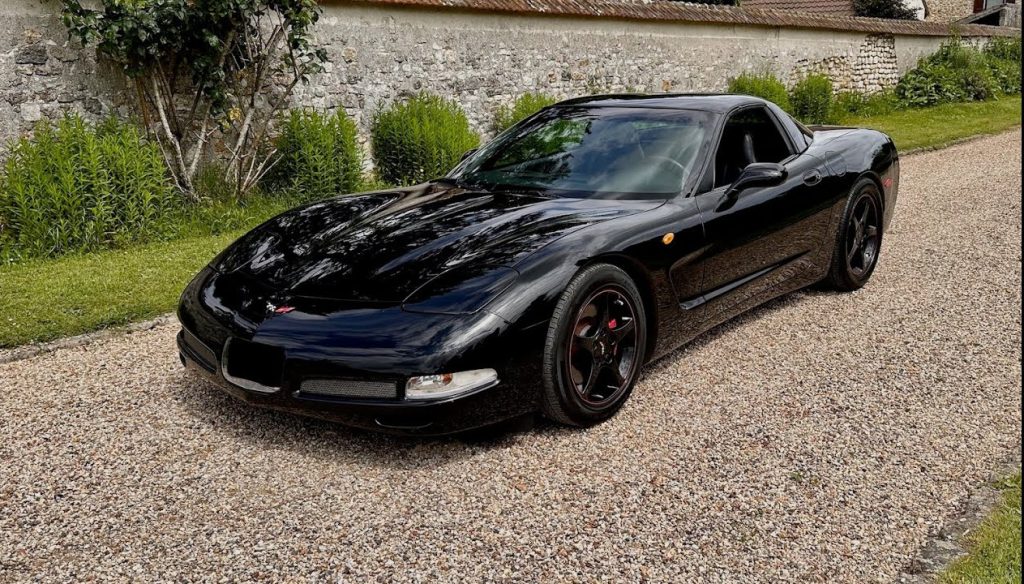
The Corvette C5 offers genuine sports car speed, balanced handling, and a supportive enthusiast network. For buyers seeking a fast car that still allows for hands on involvement without excessive frustration, it stands as one of the best performance bargains available.
5 That Are Nightmares
Not all affordable sports cars are friendly to do it yourself ownership. Some look like incredible bargains on the used market, only to reveal complicated engineering decisions that make routine maintenance unnecessarily difficult. Tight packaging, advanced forced induction systems, and complex electronics can transform simple repairs into major undertakings.
I am writing this section because purchase price alone can be misleading. A car that seems affordable upfront may demand professional labor for tasks that would be simple on more straightforward platforms. Labor costs quickly erase any savings from the initial purchase.
Many of these nightmare cars were designed with performance and packaging efficiency as priorities, not serviceability. Engineers often prioritize weight distribution, aerodynamics, and compactness over accessibility. As a result, reaching a simple component may require removing multiple layers of surrounding parts.
Another common issue is electronic complexity. Modern sports cars integrate advanced stability systems, adaptive suspensions, and tightly networked control modules. Diagnosing problems without specialized tools can become frustrating and expensive. Even experienced mechanics may hesitate before tackling certain repairs.
Parts availability can also be a problem, especially for lower volume or imported models. When components are rare or only available through dealerships, costs climb quickly. Combined with difficult labor procedures, ownership becomes stressful rather than enjoyable.
The following five cars are not necessarily bad to drive. In fact, many are thrilling behind the wheel. However, from a wrenching perspective, they are significantly more demanding. For enthusiasts who value hands on maintenance and manageable ownership costs, these models require careful consideration before taking the plunge.
1. Audi TT 2000 to 2006
The first generation Audi TT is undeniably stylish and engaging to drive, but from a wrenching standpoint, it can test even patient owners. Built on a tightly packaged front wheel drive platform with optional all wheel drive, the engine bay is crowded in a way that complicates even basic tasks.
I am writing about the Audi TT because it represents a common used market temptation. Prices are often attractive, and the turbocharged four cylinder engine promises strong performance. However, that same turbo system adds layers of plumbing, heat shielding, and vacuum lines that make simple maintenance more involved than expected.
Timing belt service is a prime example. While not impossible, it requires careful disassembly and precision. Access to certain components can feel cramped, and the complexity increases if you are dealing with the Quattro all wheel drive system. What might be a weekend job on another car can stretch longer here.
Electronics add another layer of challenge. Early 2000s Audi models feature increasingly integrated control modules. Diagnosing sensor issues or intermittent faults often requires specialized diagnostic tools. Without them, troubleshooting can become frustrating guesswork.
Parts availability is decent, but costs are typically higher than comparable Japanese or American sports cars. Turbo components, sensors, and certain trim pieces can quickly inflate repair budgets. When labor is added, ownership costs rise further.
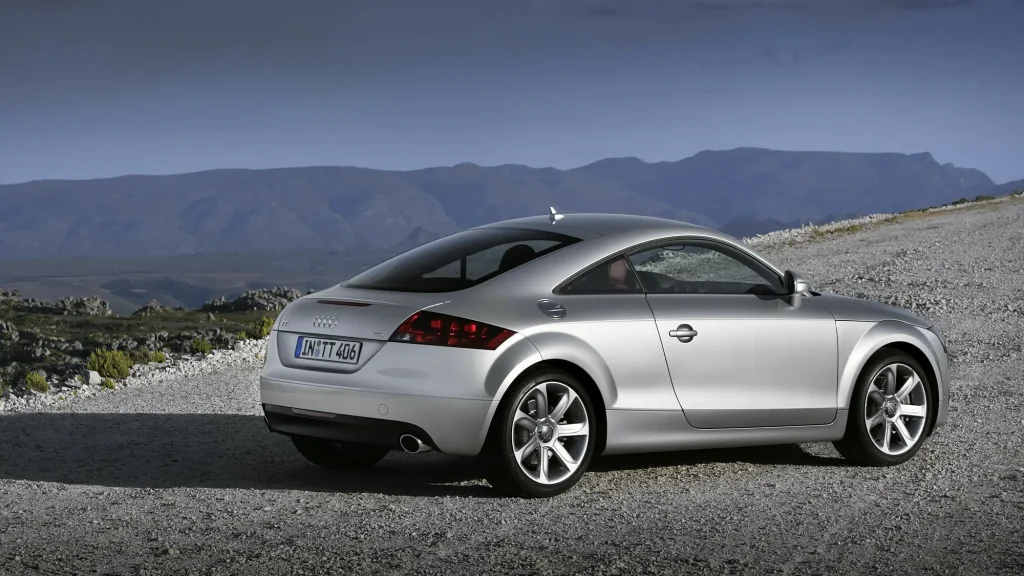
The Audi TT delivers character and style, but it demands a higher tolerance for complexity. For owners who prefer straightforward, accessible mechanical systems, this model can feel more burdensome than its affordable price suggests.
2. Porsche Boxster 986
The Porsche Boxster 986 offers genuine mid engine sports car dynamics at a surprisingly attainable price point. However, that mid engine layout, while excellent for balance, creates notable challenges for anyone who wants to work on it at home.
I am including the Boxster 986 because it highlights how engineering brilliance can conflict with service accessibility. The flat six engine sits low and centrally mounted, which improves handling but restricts access. Even reaching certain routine service points can require removing panels and interior components.
One of the most discussed issues is the intermediate shaft bearing. Addressing it proactively can be wise, but the repair involves significant labor. Clutch replacement and other major services often require substantial disassembly, making them daunting for inexperienced mechanics.
Cooling system components are spread throughout the chassis, adding to complexity. With radiators located at the front and long coolant lines running to the rear mounted engine, diagnosing leaks can be time consuming. The packaging that makes the car handle so well also complicates service procedures.
Parts quality is high, but they are rarely inexpensive. Porsche components often carry premium pricing, and specialized tools may be required for certain jobs. This increases the barrier to entry for do it yourself owners.
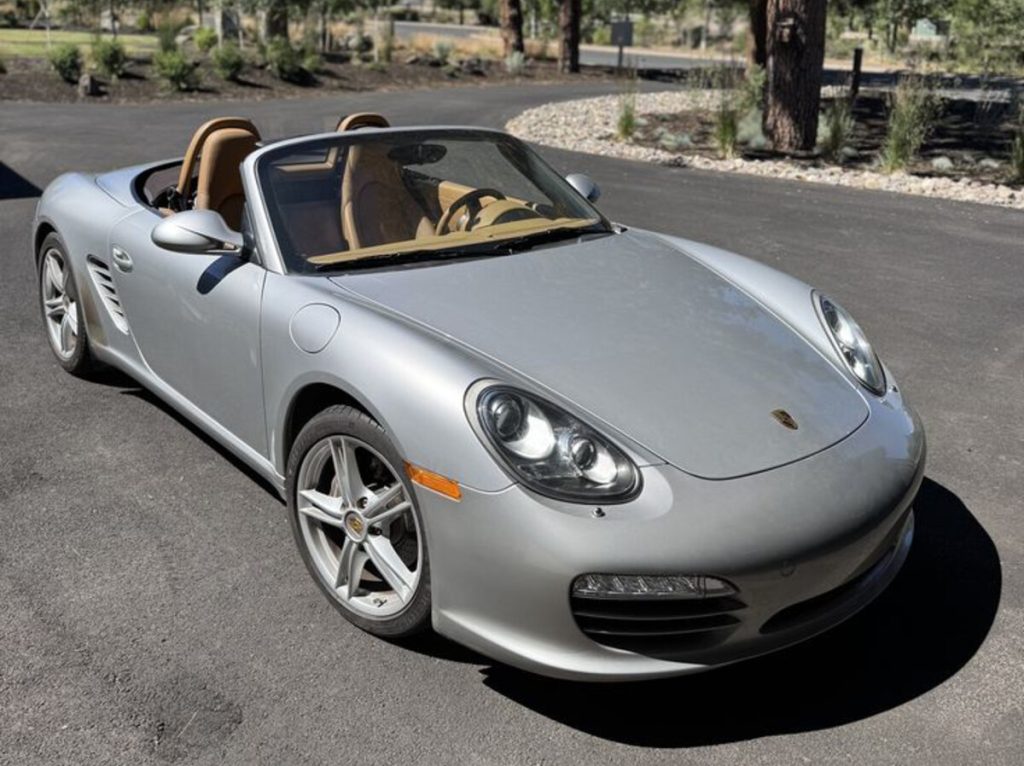
The Boxster 986 is a fantastic driver’s car, but it is not particularly forgiving in the garage. For enthusiasts who want hands on involvement without extensive disassembly, it can quickly feel overwhelming despite its relatively affordable purchase price.
3. BMW 335i E90
The BMW 335i from the E90 generation is celebrated for its turbocharged inline six engine and impressive performance potential. Yet beneath that thrilling power lies a web of complexity that can frustrate even experienced hobbyists.
I am writing about the 335i because it perfectly illustrates how modern performance engineering can complicate ownership. The twin turbocharged N54 engine, and later the single turbo N55, pack impressive output into a compact space. Unfortunately, that packaging results in limited access to critical components.
High pressure fuel pumps, injectors, turbochargers, and cooling system parts are known to require attention over time. Reaching these components often involves removing multiple surrounding parts. What seems like a minor issue can quickly escalate into a lengthy repair session.
Electronic systems add further intricacy. Advanced engine management, multiple control modules, and tightly integrated systems mean that diagnosing faults without proper scanning tools is difficult. Even basic troubleshooting may require software capable of reading BMW specific codes.

Parts and labor costs are also higher than many other cars in its price range. Turbo related repairs can be expensive, and cooling system failures are not uncommon. While the car offers tremendous tuning potential, that potential often comes with added maintenance demands.
The E90 335i is an exceptional performance sedan with sports car credentials, but it is not especially forgiving for do it yourself mechanics. Buyers drawn in by its affordable used price should be prepared for a more involved ownership experience than simpler alternatives.
4. Mitsubishi 3000GT VR-4
The Mitsubishi 3000GT VR-4 is often admired for its technological ambition. With twin turbochargers, all wheel drive, active aerodynamics in some markets, and even four wheel steering, it represented a peak era of Japanese performance experimentation. Unfortunately, that same ambition makes it one of the most challenging affordable sports cars to maintain.
I am writing about the 3000GT VR-4 because it perfectly demonstrates how complexity can overshadow affordability. On the used market, these cars sometimes appear to be bargains considering their performance figures. However, the tightly packed engine bay and extensive systems integration can quickly turn routine service into a major undertaking.
The transverse mounted twin turbo V6 leaves very little room to work. Accessing rear bank components is especially frustrating, and certain maintenance jobs require significant disassembly. Even something as basic as spark plug replacement can feel unnecessarily complicated due to cramped packaging.
The all wheel drive system adds another layer of mechanical demand. More differentials, more driveshaft components, and more potential failure points increase long term maintenance requirements. When repairs are needed, labor time can be substantial.
Parts availability has also become more challenging as these cars age. Certain specialized components are no longer as easy to source, which can drive up costs and delay repairs. Combined with the complexity of the platform, this can create extended downtime.
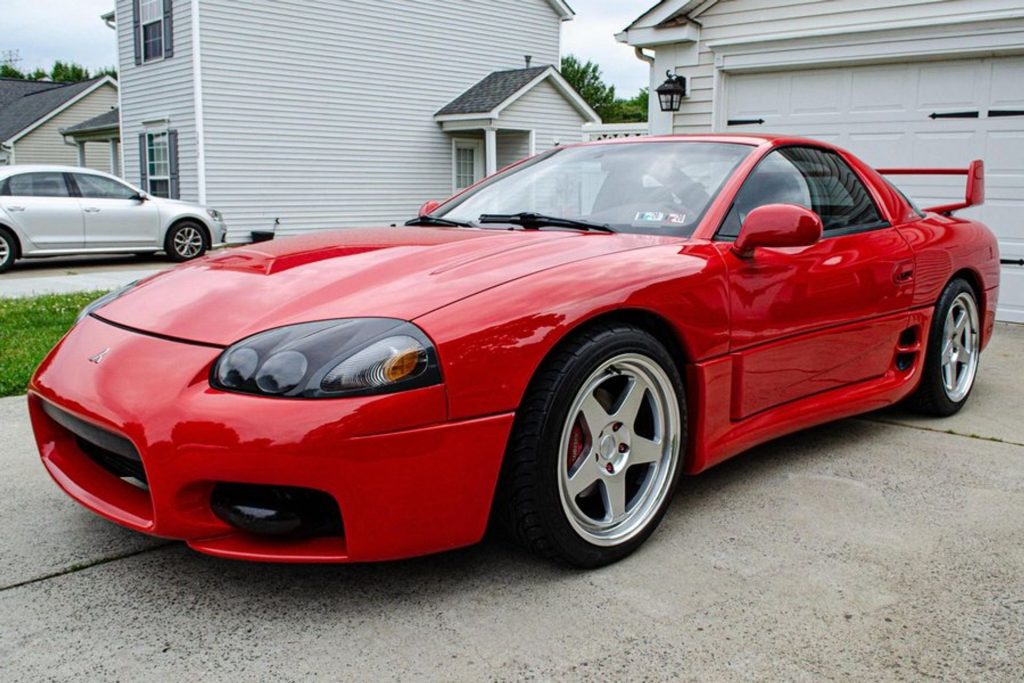
The 3000GT VR-4 remains an impressive performance machine, but it is not forgiving in the garage. Owners who enjoy mechanical simplicity may find its advanced systems more stressful than rewarding.
5. Jaguar XK8 1997 to 2006
The Jaguar XK8 offers classic grand touring style and V8 power at surprisingly accessible prices on the used market. However, beneath its elegant exterior lies a level of complexity that can frustrate even experienced home mechanics.
I am including the XK8 because it represents another common temptation. The combination of British luxury and performance at a low entry price is alluring. Yet luxury features and tightly integrated electronics often complicate ownership in ways that are not immediately obvious.
The V8 engine itself can be robust when properly maintained, but accessing certain components can be challenging. Cooling system issues, timing chain tensioner concerns in early models, and electrical gremlins have all been reported by owners. Diagnosing and repairing these problems often requires patience and specialized knowledge.
Electronic systems are a significant factor. Luxury oriented modules control everything from climate functions to security features. When faults arise, tracing them without proper diagnostic tools can be frustrating. Electrical issues in particular can consume hours without clear resolution.
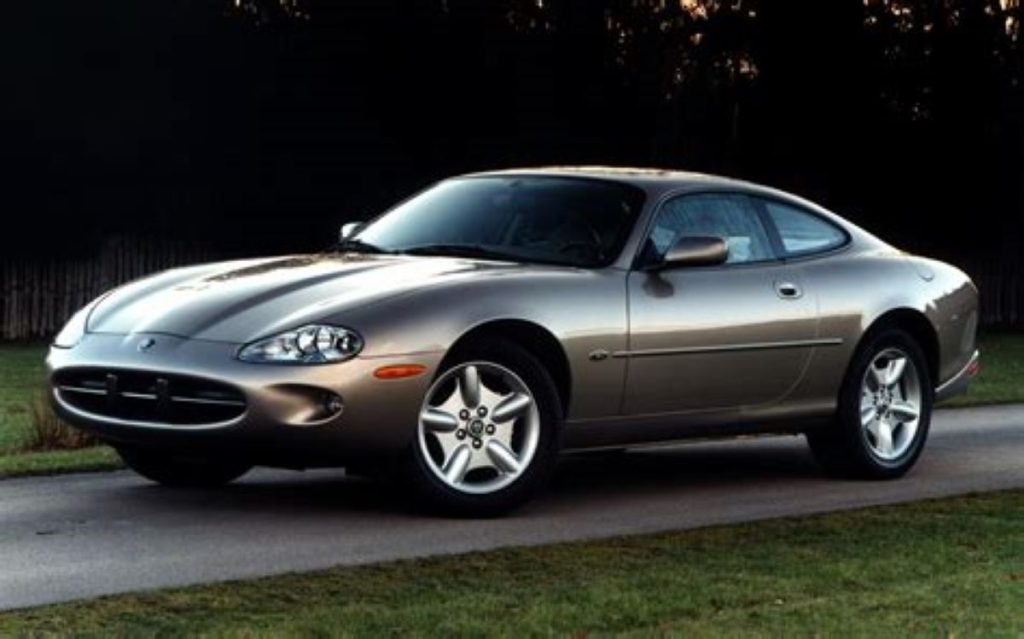
Parts and labor costs also tend to exceed those of more mainstream sports cars. While the purchase price may seem like a bargain, ongoing maintenance expenses can accumulate quickly. This gap between entry cost and long term ownership cost is precisely why I am highlighting the XK8 in this section.
The Jaguar XK8 delivers comfort and presence, but it demands commitment. For enthusiasts who want a sports car they can confidently maintain in their own garage, it may prove more demanding than expected.
This concludes the comparison of five affordable sports cars that welcome hands on maintenance and five that can challenge even determined owners. Choosing wisely can mean the difference between a rewarding hobby and an exhausting obligation.
Also Read: 5 Crossovers With Excellent Blind Spot Visibility vs 5 With Poor Sightlines