
Hybrid vehicles have matured from niche environmental statements into mainstream transportation choices.
Over the past two decades, millions of drivers have embraced hybrid technology for its fuel efficiency, lower emissions, and smooth urban drivability. However, one question continues to shape buyer confidence more than any other: how long will the battery last?
Battery longevity is the single most expensive and emotionally charged aspect of hybrid ownership. While engines and transmissions have decades of proven reliability history, hybrid battery systems are comparatively newer and more complex.
Some manufacturers have refined their battery management systems to the point where packs regularly last fifteen years or more with minimal degradation. Others have struggled with premature failures, expensive replacements, or inconsistent durability across model years.
The difference often comes down to chemistry, cooling design, charge management strategy, and manufacturing experience. Brands that entered the hybrid market early had more time to refine their systems, while others rushed development in order to compete.
Environmental factors such as heat exposure, driving patterns, and maintenance habits also influence battery life significantly.
In this article, we explore both ends of the spectrum. First, we examine five hybrid vehicles known for batteries that consistently last fifteen years or longer under normal use. These models built reputations for durability and have strong track records in high mileage fleets and private ownership.
After that, we turn to five hybrids that have experienced earlier than expected battery replacement issues, whether due to design limitations, cooling problems, or high stress configurations.
The goal is not to praise or criticize blindly, but to highlight patterns in engineering and long term ownership experience.
Hybrid technology can be remarkably durable when executed correctly. Understanding which systems stand the test of time and which struggle can help buyers make informed decisions that extend well beyond the showroom floor.
Also Read: Top 10 Cars That Hit the Depreciation Sweet Spot at 5 Years Old
5 Hybrids With Batteries That Last 15 Years
Hybrid battery technology has improved dramatically since the early 2000s. Manufacturers that invested heavily in research, real world testing, and conservative charge management strategies have created systems that routinely exceed expectations.
In many cases, original battery packs have surpassed fifteen years and hundreds of thousands of kilometers without requiring replacement.
We are writing about the following five hybrids because they represent proven case studies in long term durability. These vehicles have built reputations among taxi fleets, ride share operators, and high mileage commuters who depend on reliability.
Their battery management systems prioritize longevity over maximum output, keeping charge levels within safe ranges and using effective cooling solutions.
A major factor behind extended battery life is conservative engineering. Some manufacturers deliberately avoid fully charging or fully discharging the pack, which reduces stress on individual cells. Others integrate robust air or liquid cooling systems to prevent heat buildup, a common cause of degradation.
Long warranties also indicate manufacturer confidence. When brands offer extended hybrid component coverage, it often reflects extensive internal testing and reliability data. Over time, independent repair shops and salvage markets have further confirmed which models rarely require battery replacement.
The five vehicles below were selected because of their consistent real world performance across diverse climates and usage conditions. They demonstrate that hybrid ownership does not automatically mean looming battery expense. In many cases, the battery outlasts other major components.
Below is the first of five hybrids widely recognized for battery systems capable of lasting fifteen years or more with proper maintenance and normal driving conditions.
1. Toyota Prius
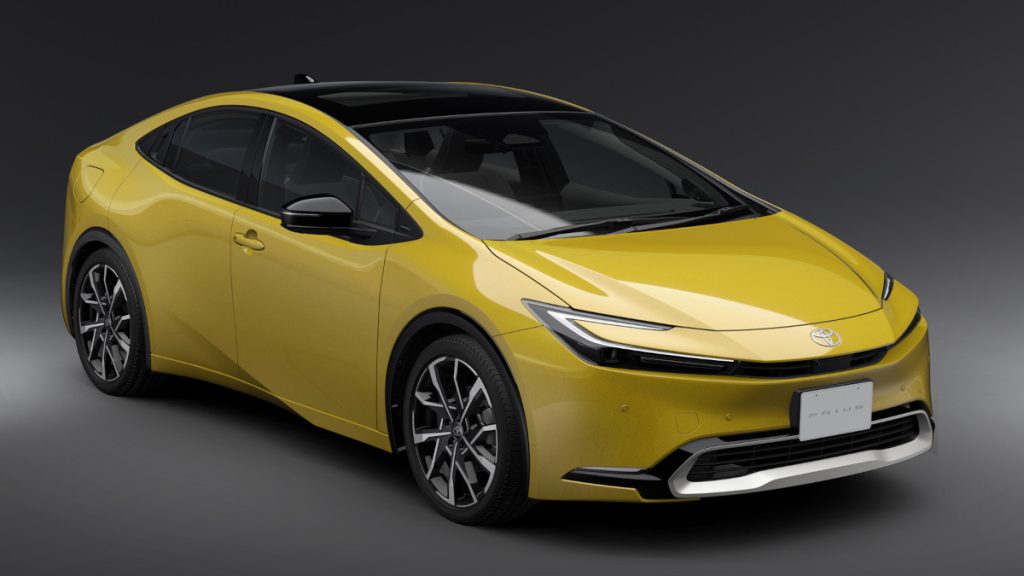
The Toyota Prius has become almost synonymous with hybrid longevity. Introduced globally in the late 1990s and gaining widespread popularity in the 2000s, it was among the first mass produced hybrids to prove that battery packs could survive well beyond initial expectations.
We are writing about the Prius because it serves as the benchmark for hybrid durability. Taxi fleets in major cities around the world have logged extraordinary mileage on original battery packs. Many examples have exceeded fifteen years of daily use without requiring replacement, even under demanding stop and go urban driving conditions.
Toyota engineered the Prius battery system with conservative charge cycling. The pack rarely operates at full charge or complete depletion, reducing stress on the nickel metal hydride cells used in earlier generations. This cautious approach sacrifices a small amount of theoretical efficiency in exchange for long term reliability.
Cooling design also plays a major role. The Prius uses an air cooling system that draws cabin air through dedicated vents to regulate temperature. While simple, this system has proven effective when maintained properly and kept free of debris. Thermal stability is one of the most critical factors in battery longevity.
Another reason the Prius battery lasts so long is Toyota’s extensive early investment in hybrid research and testing. By the time competitors entered the market, Toyota had already accumulated millions of real world miles in diverse climates. That experience translated into robust quality control and incremental improvements across generations.
Replacement costs have also decreased over time due to strong aftermarket support and availability of refurbished packs. However, the frequency of replacement remains relatively low compared to many early hybrid competitors.
The Prius demonstrates that hybrid batteries are not inherently short lived. With proper engineering, conservative management, and consistent manufacturing standards, they can match or exceed the lifespan of traditional drivetrain components.
Its track record over two decades solidifies its reputation as one of the most durable hybrid systems ever produced.
2. Toyota Camry Hybrid
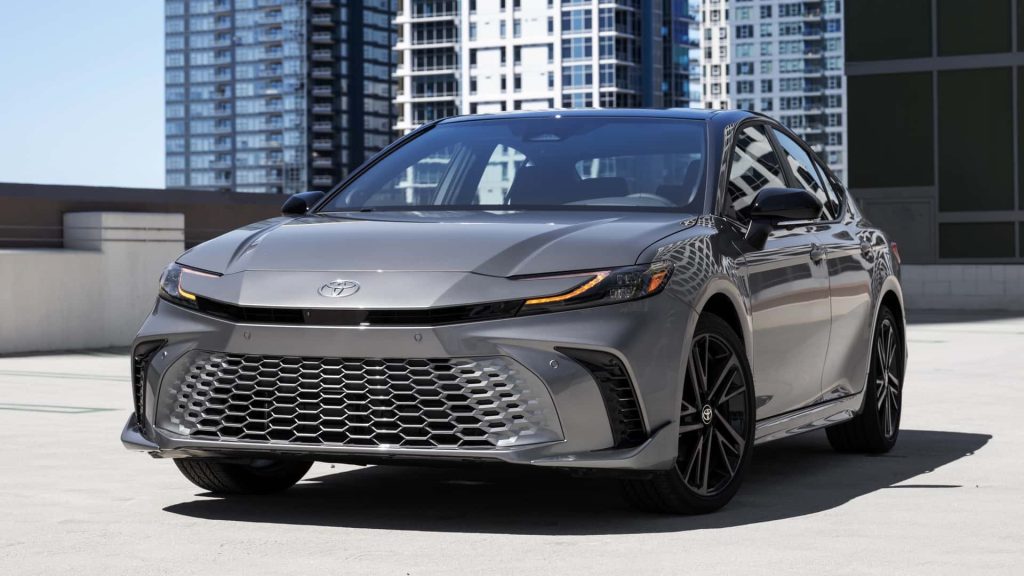
The Toyota Camry Hybrid benefits directly from the decades of experience Toyota gained through the Prius program. By the time the Camry Hybrid became widely available, the hybrid system had already undergone multiple refinements in chemistry, cooling, and software control.
We are writing about the Camry Hybrid because it demonstrates how hybrid durability can scale beyond compact cars into midsize family sedans without sacrificing battery longevity.
Many owners have reported original battery packs lasting fifteen years or more, even in regions with extreme temperatures. Taxi operators and high mileage commuters have further validated its long term reliability.
Like the Prius, earlier generations of the Camry Hybrid used nickel metal hydride battery chemistry with conservative charge cycling. The system avoids pushing the battery to its extremes, which reduces heat buildup and cell degradation.
Later versions adopted lithium ion chemistry in certain trims, but Toyota maintained the same philosophy of cautious energy management.
The cooling system plays a crucial role in preserving battery health. Air intake vents positioned strategically within the cabin allow the pack to draw relatively temperature controlled air, helping maintain stable operating conditions. Regular maintenance to keep these vents clear contributes significantly to longevity.
Toyota’s hybrid control software also balances electric and gasoline power in a way that minimizes strain. Rather than chasing maximum electric range or aggressive discharge cycles, the system prioritizes efficiency and durability. This balanced approach results in fewer deep cycles that can accelerate wear.
Another factor is warranty confidence. In many markets, Toyota extended hybrid component warranties significantly, reflecting trust in the system’s resilience. Extended coverage reassures buyers and reinforces the vehicle’s long term ownership appeal.
The Camry Hybrid shows that a well engineered battery pack can endure the demands of a heavier, more powerful vehicle without compromising lifespan. It stands as strong evidence that hybrid technology, when refined carefully, can rival the durability of traditional internal combustion drivetrains.
3. Lexus RX 400h
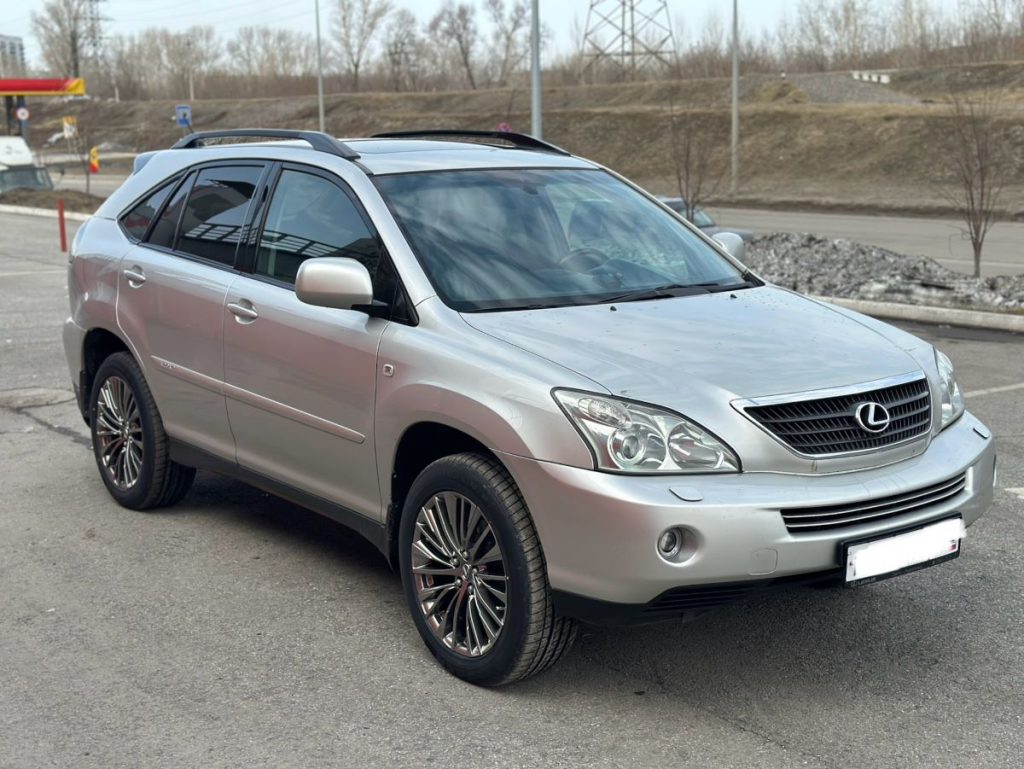
The Lexus RX 400h was one of the first luxury SUVs to adopt a full hybrid system, blending performance with efficiency at a time when large SUVs were rarely associated with fuel savings. Despite its size and weight, its battery system has demonstrated impressive longevity.
We are writing about the RX 400h because it highlights how hybrid durability can extend into premium segments without sacrificing reliability. Many early 2000s examples remain on the road today with original battery packs functioning well beyond the fifteen year mark.
This track record reinforces confidence in Toyota’s hybrid architecture across different vehicle classes.
The RX 400h shares much of its hybrid technology with Toyota models of the same era, including nickel metal hydride battery chemistry and conservative charge control. Lexus prioritized smoothness and refinement over aggressive electric only operation, which indirectly benefits battery lifespan by limiting stress cycles.
Cooling design again proves critical. The RX integrates an air cooling system with careful airflow management to regulate battery temperature. Because luxury buyers often maintain vehicles meticulously, proper maintenance of cooling components has helped extend real world durability.
The SUV’s hybrid system also spreads workload efficiently between the gasoline engine and electric motors. Rather than relying heavily on the battery for sustained high power output, it uses the electric motor to supplement acceleration and improve efficiency. This balanced usage reduces prolonged strain.
Lexus quality control standards further contribute to battery reliability. Tight manufacturing tolerances and extensive durability testing ensured that early hybrid luxury buyers would not face frequent failures. Protecting brand reputation was a priority, and that investment paid off in long term dependability.
The RX 400h demonstrates that hybrid battery longevity is not limited to smaller, lighter vehicles. Even in a heavier SUV application, careful engineering and conservative management can produce battery packs that last well over fifteen years with proper care.
4. Honda Accord Hybrid
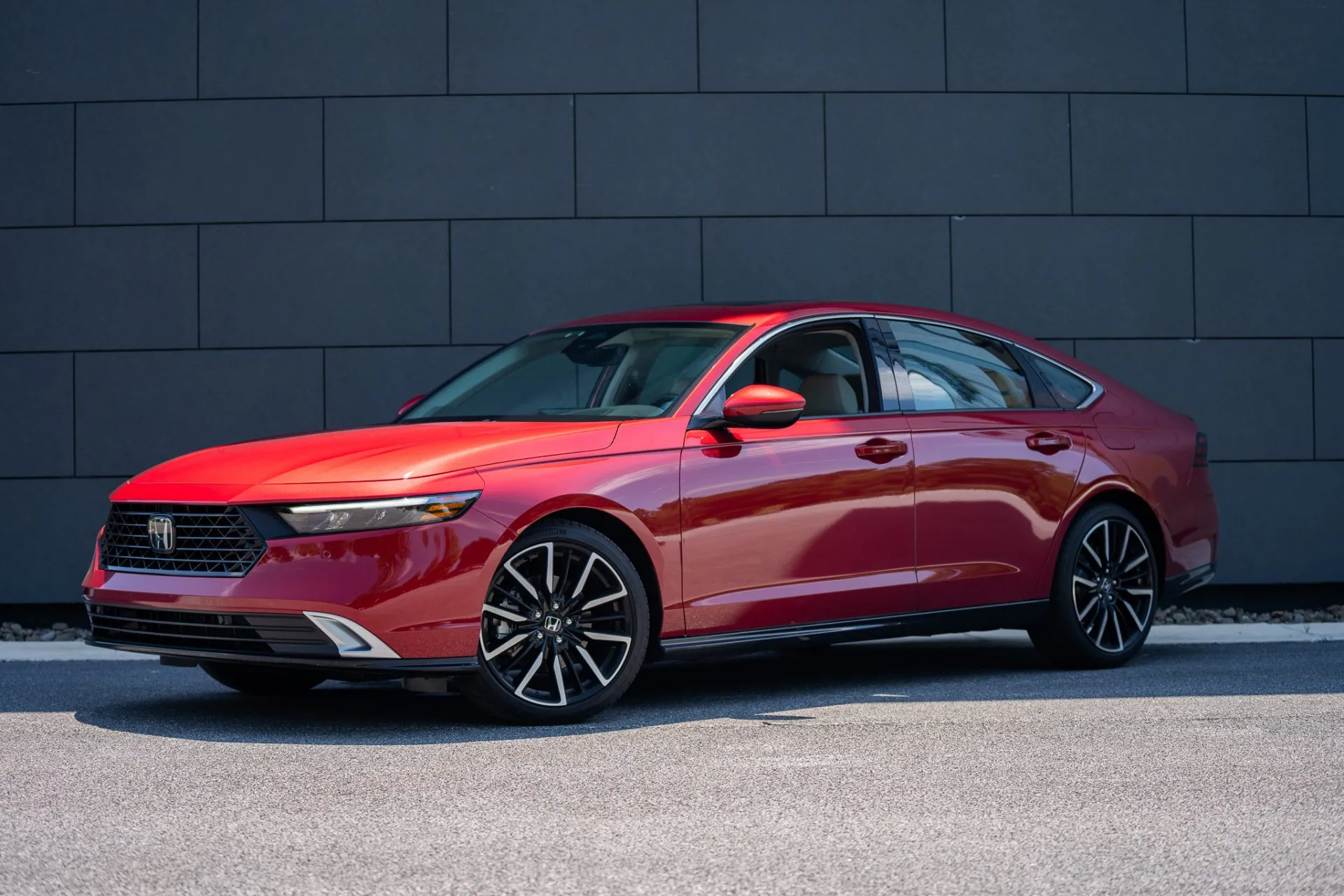
The Honda Accord Hybrid has evolved significantly since its early iterations. While the first generation experimented with performance oriented hybridization, later models shifted toward efficiency and durability. The modern system has built a solid reputation for long lasting battery packs.
We are writing about the Accord Hybrid because it shows how refinement over multiple generations can resolve early experimentation issues and create a reliable long term product. Recent generations have demonstrated strong durability, with many owners reporting minimal degradation even after a decade of use.
Honda’s hybrid system uses lithium ion battery chemistry in newer models, paired with sophisticated energy management software. The control system keeps the battery within safe charge ranges, similar to Toyota’s conservative approach. This prevents excessive stress and reduces thermal strain.
Cooling is handled effectively through well positioned ventilation channels and temperature monitoring systems. Heat remains one of the primary threats to battery health, and Honda’s focus on maintaining stable operating conditions has improved longevity significantly.
Unlike some plug in hybrids that rely heavily on deep discharge cycles, the Accord Hybrid operates primarily as a self charging system. The gasoline engine often acts as a generator, providing consistent power flow that avoids extreme battery depletion. This steady cycling pattern helps extend lifespan.
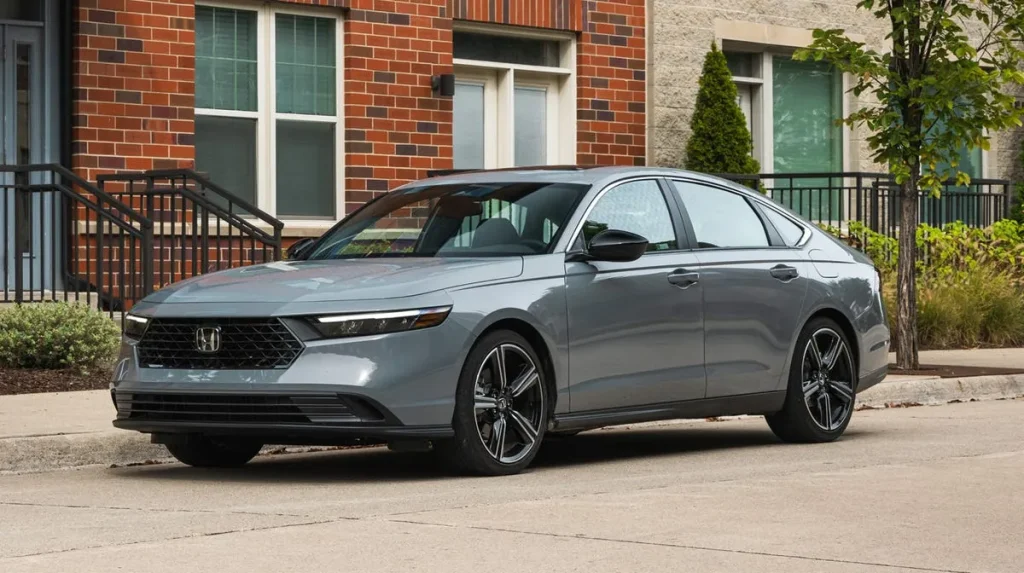
Honda also invested in improving battery module design and quality control after lessons learned from earlier hybrid models. Those improvements have contributed to more consistent reliability in recent production years.
The Accord Hybrid stands as evidence that hybrid battery systems can mature and become highly durable when manufacturers commit to iterative development. It reinforces the idea that careful energy management and thermal control are key ingredients in achieving fifteen years or more of dependable service.
5. Ford Escape Hybrid
The Ford Escape Hybrid deserves recognition as one of the earliest American hybrid success stories. First introduced in the mid 2000s, it demonstrated that domestic manufacturers could build battery systems capable of long term durability when supported by thoughtful engineering.
We are writing about the Escape Hybrid because it quietly built a strong track record in demanding environments, particularly in taxi and municipal fleets.
Many units accumulated high mileage over more than fifteen years while retaining their original battery packs. Fleet data often provides the clearest proof of durability, and the Escape Hybrid performed consistently under heavy daily use.
The vehicle used nickel metal hydride battery chemistry similar to early Toyota systems, and Ford adopted a conservative charge management strategy. By limiting the depth of discharge and preventing full charge extremes, the system reduced stress on individual cells. This careful balancing act helped extend pack longevity significantly.
Cooling design also played a central role. The Escape Hybrid utilized an air based cooling system with temperature monitoring that adjusted performance if excessive heat was detected. While simple compared to modern liquid cooled systems, it proved sufficient when properly maintained.
Another reason for its durability was collaboration. Ford licensed certain hybrid technologies early on, benefiting from existing research and avoiding some of the trial and error experienced by late market entrants. This partnership approach helped accelerate reliability development.
Importantly, the Escape Hybrid was not tuned to prioritize aggressive electric only driving. The system blended gasoline and electric power in a steady manner that minimized deep cycling. This moderate usage pattern reduced wear over time.
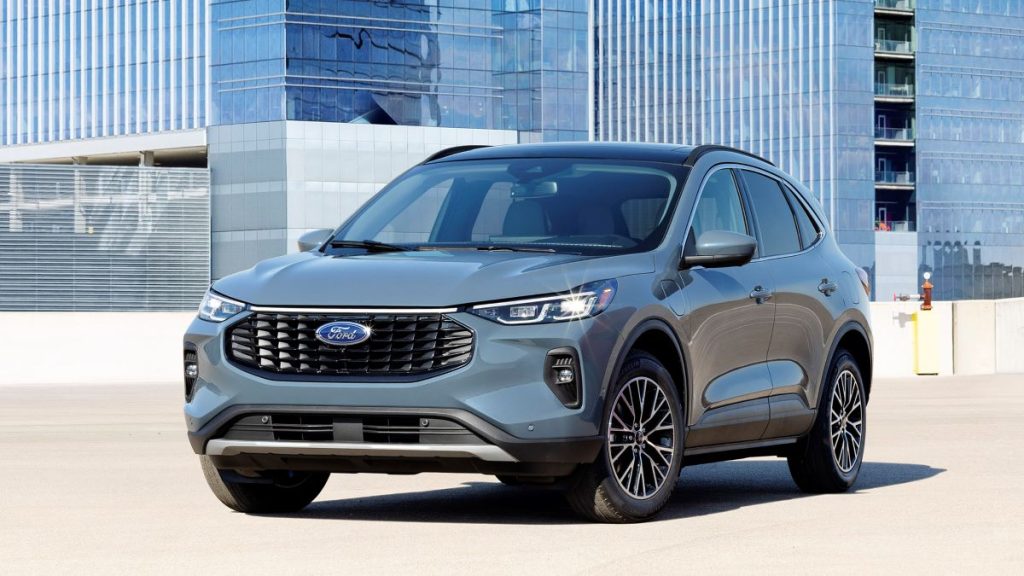
The Escape Hybrid demonstrates that long lasting hybrid batteries are not exclusive to one manufacturer or market. With conservative management, appropriate cooling, and rigorous testing, even early hybrid SUVs could achieve fifteen years or more of dependable service.
It completes our list of five hybrids known for battery systems that consistently exceed expectations.
5 Hybrids That Need Replacement Early
While many hybrid batteries last well over a decade, not all systems have delivered the same reliability. Early failures often stem from inadequate cooling, aggressive charge strategies, limited testing, or complex configurations that place extra strain on battery packs.
We are writing about the following five hybrids because they illustrate patterns that can shorten battery lifespan. In some cases, early generation technology lacked refinement. In others, packaging constraints led to poor thermal management. High stress plug in configurations have also contributed to accelerated degradation in certain models.
Battery chemistry alone does not determine durability. Software calibration, environmental exposure, and vehicle weight all influence how hard the pack must work. Systems that frequently push batteries toward full charge or deep discharge cycles increase the likelihood of premature wear.
It is important to note that not every unit of these vehicles will experience early battery replacement. However, higher than average reports of degradation or failure compared to segment benchmarks justify closer examination. Understanding these examples helps highlight the engineering decisions that impact longevity.
Below are the first three hybrids that have developed reputations for earlier than expected battery replacement in certain model years or usage conditions.
1. Nissan Pathfinder Hybrid
The Nissan Pathfinder Hybrid attempted to blend SUV practicality with improved fuel efficiency, but its battery system faced challenges in real world durability. Reports of battery degradation and costly replacements surfaced relatively early in its lifecycle.
We are writing about the Pathfinder Hybrid because it illustrates how packaging constraints in larger vehicles can strain battery systems. The hybrid configuration added complexity to an already heavy SUV platform. In some cases, heat buildup and sustained load demands contributed to earlier than expected degradation.
The system relied on lithium ion battery technology integrated within a tight space. Limited airflow and the challenges of cooling in a midsize SUV environment may have influenced long term durability. Thermal management remains one of the most critical factors in battery health.
Additionally, production volume for the Pathfinder Hybrid was relatively limited. Lower production can mean less extensive long term field data before widespread release. When issues emerge in smaller populations, they can appear more concentrated and impact reputation quickly.
Repair costs also played a role in shaping perception. When battery replacement expenses approach a significant percentage of vehicle value, owners may opt to sell rather than repair, reinforcing the narrative of premature failure.
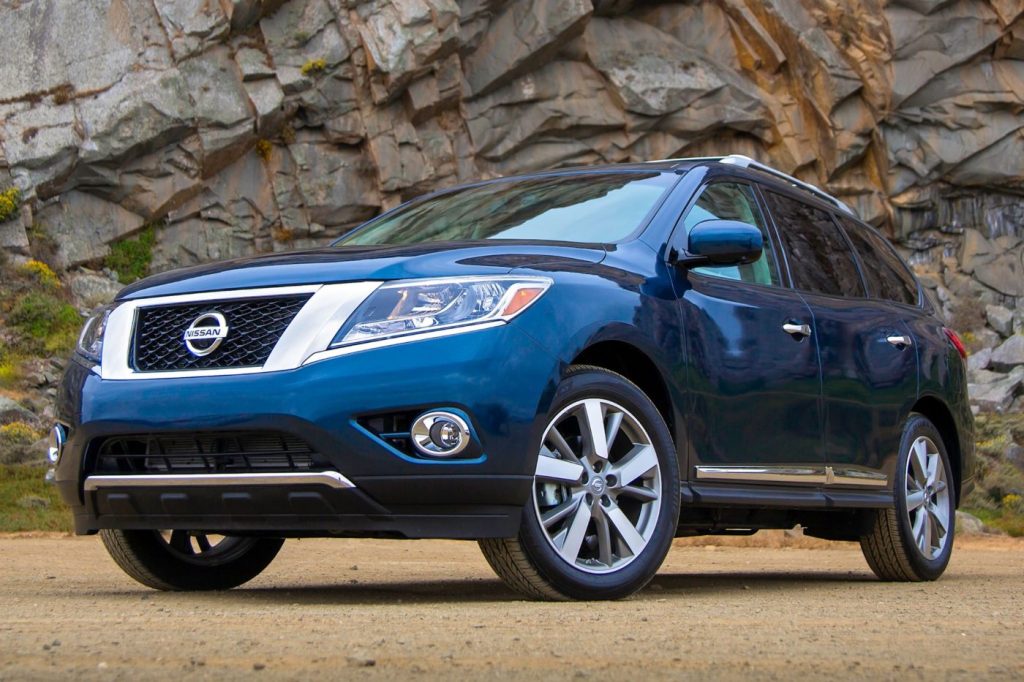
While not universally problematic, the Pathfinder Hybrid serves as an example of how hybridizing larger vehicles requires careful balancing of weight, cooling, and battery stress. Without meticulous optimization, longevity can suffer compared to benchmark systems.
2. Hyundai Sonata Hybrid Early Generation
Early generations of the Hyundai Sonata Hybrid introduced competitive pricing and efficiency, but some model years experienced battery related concerns sooner than expected. These early challenges highlight the steep learning curve associated with hybrid development.
We are writing about the Sonata Hybrid’s earlier versions because they demonstrate how rapid expansion into hybrid markets can expose weaknesses in long term durability testing. Some owners reported battery performance decline within a decade, particularly in hotter climates.
Thermal management and battery calibration were key factors. High ambient temperatures accelerate degradation, and insufficient cooling efficiency can compound the effect. As Hyundai refined later generations, reliability improved significantly, but early adopters faced greater risk.
Another consideration was system integration. The hybrid drivetrain combined electric assistance with traditional transmission components, adding complexity. Balancing performance expectations with battery preservation requires careful software tuning, and early calibration may not have been as conservative as industry leaders.
Warranty coverage mitigated financial impact for some owners, but resale values were affected by concerns about potential replacement costs. Perception plays a powerful role in long term reputation, even if actual failure rates are moderate.
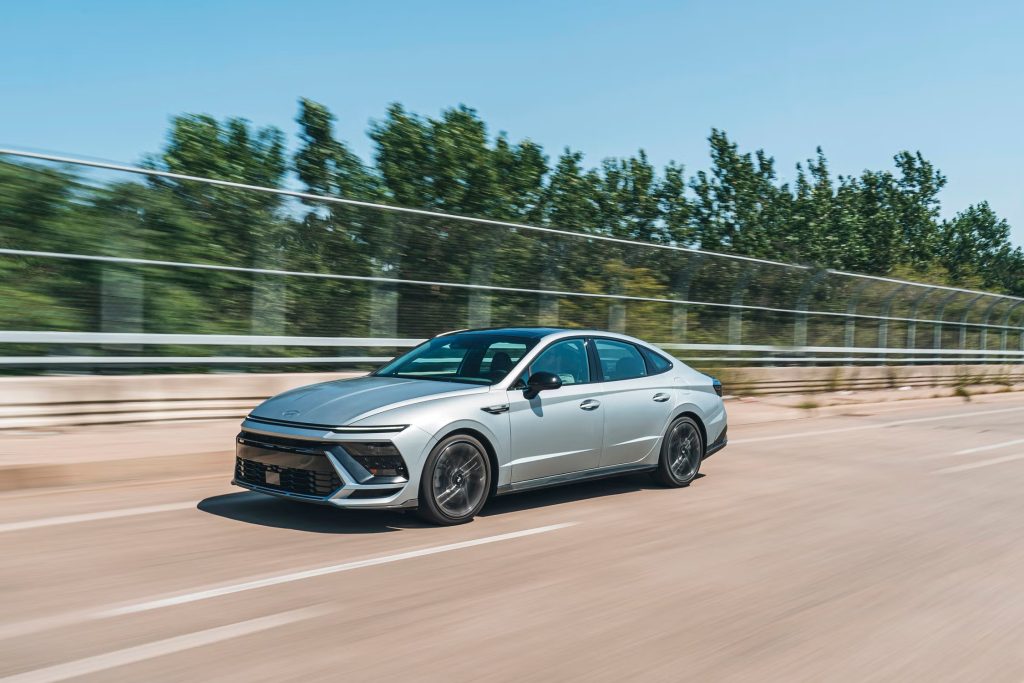
The early Sonata Hybrid underscores the importance of iterative development and real world validation. Manufacturers that invest heavily in extended durability testing tend to avoid these issues. Those that move quickly may encounter growing pains before achieving long term reliability.
3. Chevrolet Malibu Hybrid First Iteration
The first iteration of the Chevrolet Malibu Hybrid was introduced during a period when many manufacturers were experimenting with mild hybrid systems. Unlike full hybrids with substantial electric drive capability, this system offered limited electric assistance and faced mixed reliability feedback.
We are writing about the early Malibu Hybrid because it shows how transitional technologies sometimes struggle to deliver both efficiency and durability. The battery system was smaller and designed primarily for supplemental power rather than sustained electric driving. However, integration challenges affected long term consistency.
Some owners experienced battery related issues earlier than anticipated, and because production numbers were not extremely high, parts availability and repair familiarity varied by region. Limited scale can influence support infrastructure, which in turn affects ownership experience.
Heat management and calibration complexity were again critical factors. Early hybrid systems often lacked the decades of refinement that later models benefited from. As a result, degradation patterns were less predictable.
Although later Chevrolet hybrid systems improved substantially, the initial Malibu Hybrid serves as a reminder that early generation technology often carries higher risk. Hybrid systems require precise balancing of chemistry, cooling, and software to achieve fifteen year durability.
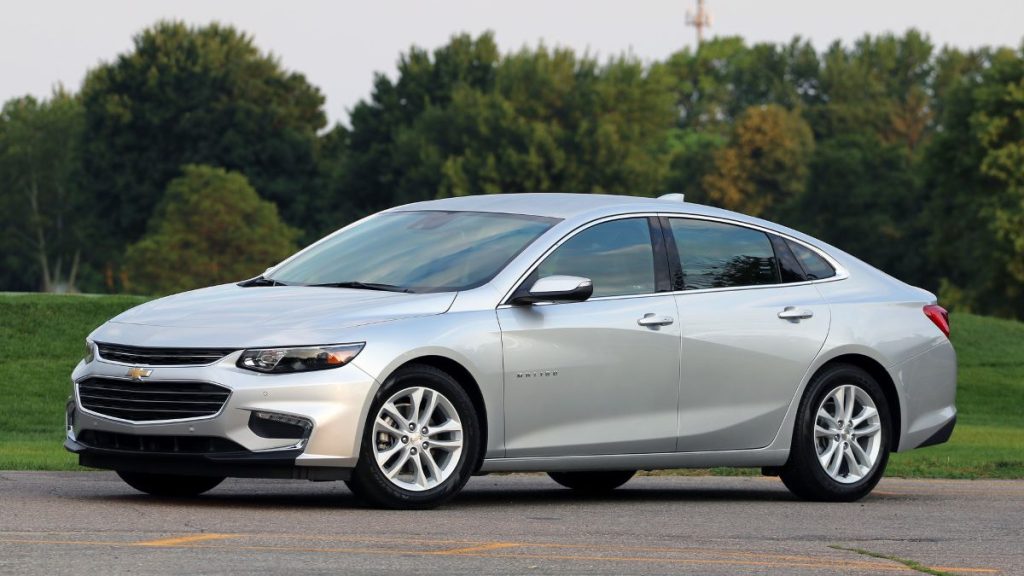
These three vehicles illustrate how battery longevity can vary widely depending on engineering decisions and development maturity. In the next section, we complete the list with two additional hybrids known for higher rates of early replacement in certain conditions.
4. BMW ActiveHybrid 7
The BMW ActiveHybrid 7 was an ambitious attempt to combine luxury, performance, and hybrid efficiency in a large flagship sedan. While technologically impressive on paper, its hybrid battery system did not always deliver the long term durability expected at its price point.
We are writing about the ActiveHybrid 7 because it illustrates how complexity and performance oriented calibration can accelerate battery wear.
Unlike conservative efficiency focused hybrids, this system was designed to supplement a powerful turbocharged engine in a heavy luxury vehicle. The battery was often tasked with delivering bursts of performance rather than gentle efficiency support.
High performance demands can create repeated stress cycles. In a vehicle weighing well over two tons, the hybrid system works harder during acceleration and regenerative braking. That increased workload, combined with luxury features drawing electrical power, can place additional strain on the battery pack over time.
Thermal management was sophisticated, but packaging constraints within a large luxury sedan added complexity.
When hybrid systems are integrated into vehicles originally designed around conventional drivetrains, compromises in cooling layout or airflow can occur. Over years of use, heat buildup contributes to degradation.
Repair costs further amplified concerns. Replacement battery packs for a high end luxury sedan are significantly more expensive than those in mainstream hybrids. When battery health declined, owners faced substantial financial decisions.
As the vehicle depreciated, repair costs sometimes exceeded market value, reinforcing the perception of premature failure.
Another issue was limited production scale. The ActiveHybrid 7 was never a high volume model. Fewer units in circulation meant fewer real world data points before full market release, and parts availability sometimes lagged behind demand.
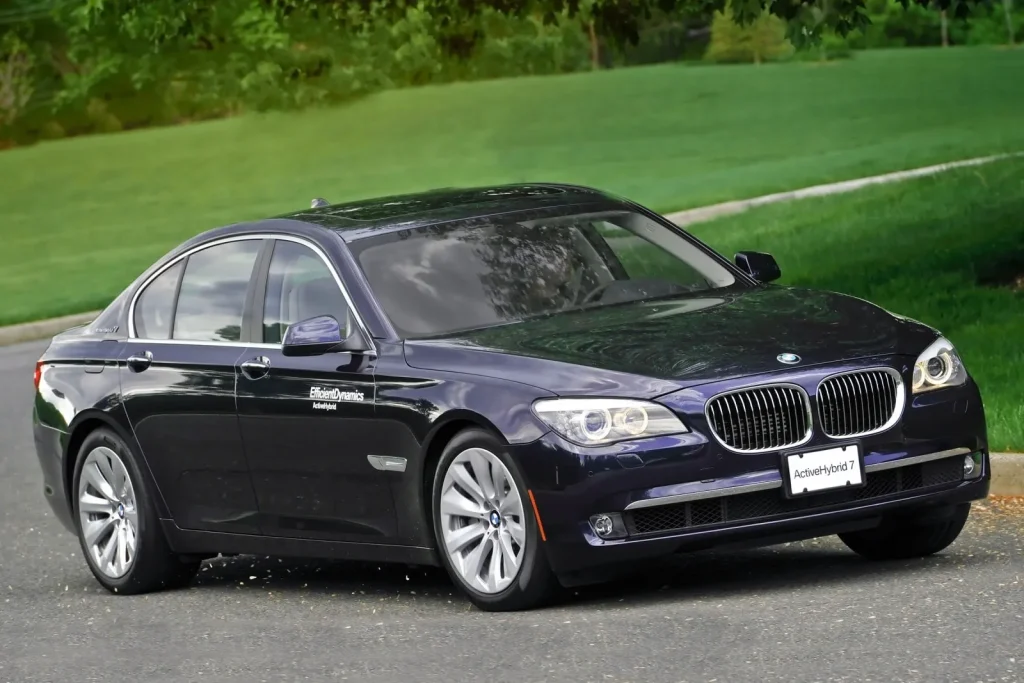
The ActiveHybrid 7 demonstrates that hybrid technology must be carefully aligned with vehicle mission. When performance expectations outweigh durability priorities, long term battery life can suffer. It serves as a reminder that complexity alone does not guarantee longevity.
5. Ford C-Max Hybrid Early Production
The Ford C-Max Hybrid entered the market with strong fuel economy claims and competitive pricing. However, certain early production years faced concerns related to battery calibration, software updates, and real world efficiency discrepancies.
We are writing about the early C-Max Hybrid because it highlights how aggressive efficiency targets can sometimes strain battery systems. In pursuit of competitive fuel economy ratings, calibration strategies may push batteries closer to their operational limits. While this can improve short term performance metrics, it may influence long term degradation patterns.
Some owners reported noticeable battery performance decline within a shorter timeframe than benchmark competitors. In many cases, software updates were issued to improve system management. This indicates that initial calibration may not have been fully optimized for durability under diverse driving conditions.
Thermal management again plays a central role. Compact vehicle packaging can limit airflow around battery components. If cooling systems struggle to maintain consistent temperature in hotter climates, accelerated wear becomes more likely.
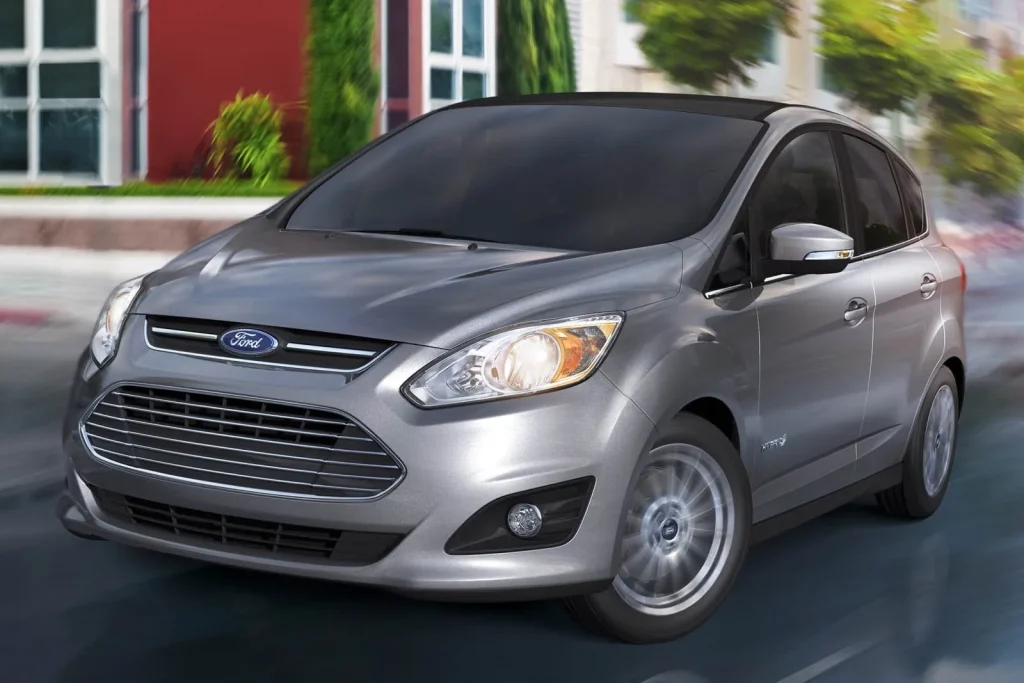
Production ramp up speed can also affect consistency. When demand rises quickly, manufacturing processes must scale efficiently. Early production variability sometimes leads to uneven long term reliability across units.
It is important to note that many C-Max Hybrids have performed reliably for years. However, compared to segment leaders known for routinely exceeding fifteen years, early reports created caution among buyers. Perception of risk can influence resale values even when failure rates are moderate.
The C-Max Hybrid underscores the importance of gradual refinement and conservative calibration. Hybrid battery systems are delicate balances of chemistry, temperature control, and software management. Small differences in design philosophy can lead to significant differences in lifespan.
Also Read: 5 Budget Cars With Premium Interiors vs 5 That Feel Excessively Cheap
