
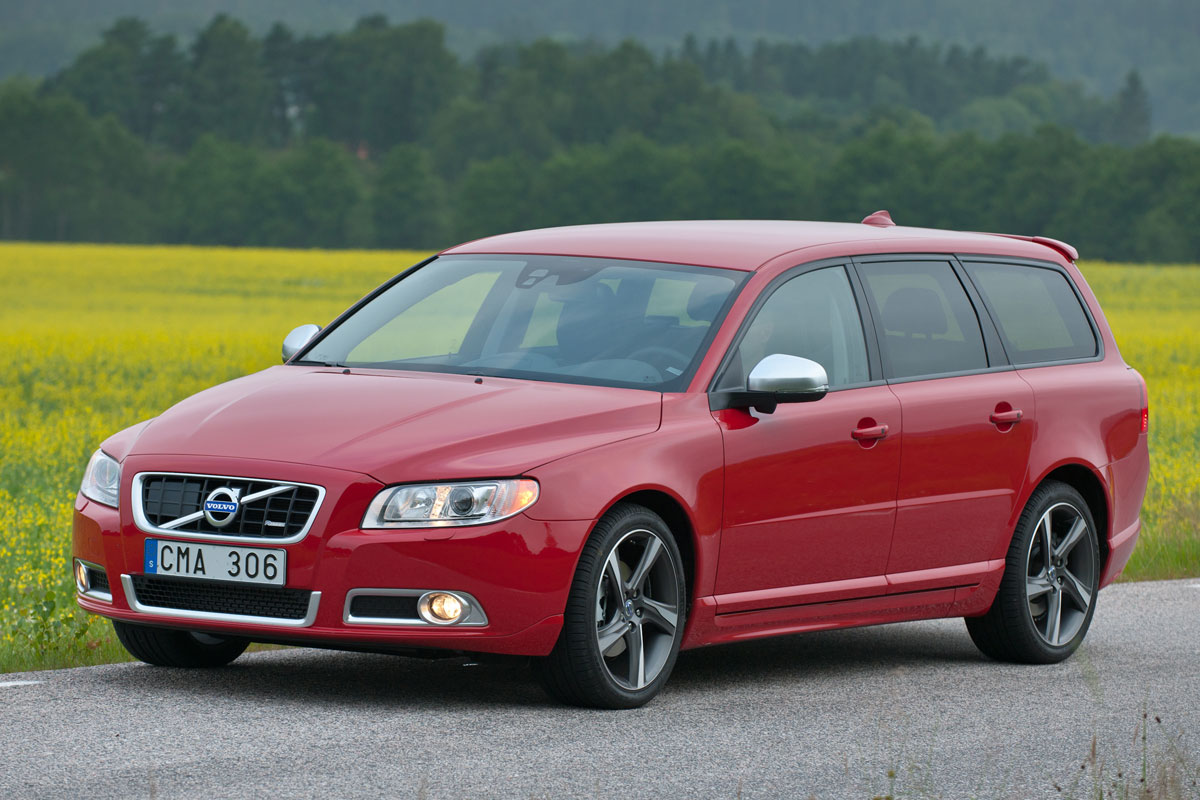
The station wagon has always occupied a strange space in the automotive world. It promises the practicality of an SUV with the driving manners of a sedan, yet for years it was overshadowed by crossovers and trucks.
Now that the used market is full of aging SUVs with questionable reliability and inflated prices, many buyers are rediscovering the quiet brilliance of the wagon.
A good used wagon offers generous cargo space, composed handling, better fuel efficiency than most utility vehicles, and a lower center of gravity that makes everyday driving more enjoyable.
However, not every wagon deserves a second chance. Some models look appealing on the surface but hide costly mechanical issues, fragile electronics, or long term ownership headaches that quickly erase any savings from a low purchase price.
Others suffer from poor resale value because of well known reliability flaws that make them risky propositions once the factory warranty has expired. In the used market, reputation and engineering integrity matter more than badge prestige.
This article looks at both sides of the spectrum. First, we focus on five used station wagons that are genuinely worth hunting for.
These vehicles combine durability, practicality, driving satisfaction, and strong owner feedback. They represent smart buys for enthusiasts and families alike who want versatility without stepping into an SUV.
Then we turn to five wagons you should run away from. These are models that may tempt buyers with luxury features or aggressive pricing, but often carry hidden repair costs, unreliable powertrains, or complicated systems that age poorly. The goal is not to criticize for the sake of it, but to help buyers avoid expensive mistakes.
By the end, you will have a clear picture of which used wagons deliver real long term value and which ones are best admired from a distance.
Also Read: 5 Budget Cars With Premium Interiors vs 5 That Feel Excessively Cheap
5 Used Station Wagons Worth Hunting For
Before diving into specific models, it is important to understand what separates a great used wagon from an average one. The best examples combine proven engines, solid transmissions, straightforward engineering, and strong parts availability.
They are vehicles that owners consistently praise for reliability and usability even after crossing the 100,000 mile mark.
A truly worthwhile used wagon should also offer practical advantages over similarly priced SUVs. That includes better fuel economy, more stable handling at highway speeds, and cargo space that is long and usable rather than tall and awkward.
Wagons shine when it comes to loading bicycles, luggage, pets, and everyday gear without sacrificing driving comfort.
Another factor that makes certain wagons worth hunting for is brand philosophy. Some manufacturers engineered their wagons as core products rather than niche experiments.
Those vehicles often received better chassis tuning, stronger drivetrains, and more thoughtful interior design. In contrast, wagons built as low volume afterthoughts sometimes suffer from limited parts supply and weak long term support.
We are writing about the following five models because they represent different strengths within the wagon segment. Some are known for bulletproof reliability and low maintenance costs.
Others deliver performance that rivals sports sedans while still swallowing weekend cargo with ease. A few balance luxury and practicality in a way that makes them feel special even years after production ended.
What unites them is their ability to age gracefully. They continue to provide value well beyond their initial depreciation curve, and they reward careful owners with dependable service. In a market crowded with crossovers, these wagons stand out as intelligent alternatives.
In the next sections, we will examine each of the five recommended wagons in detail, explaining why they have earned their reputation and why they deserve serious consideration from used car buyers today.
1. Toyota Corolla Wagon
The Toyota Corolla name has long been associated with reliability, and the wagon variants built on the same dependable foundations are no exception. While not as common in some markets as the sedan, the Corolla wagon quietly built a reputation for being one of the most durable compact family haulers available.
I am including it here because for buyers who value low ownership costs above all else, few used wagons are as consistently dependable.
Under the hood, most Corolla wagons were fitted with naturally aspirated four cylinder engines that are known for longevity rather than excitement. These engines are simple in design, easy to service, and widely supported by aftermarket parts.
Automatic transmissions paired with them are generally smooth and long lasting if fluid changes are done on schedule. Manual versions are even more robust and appealing to enthusiasts who want maximum mechanical simplicity.
What makes the Corolla wagon especially worth hunting for is its practicality relative to its footprint. It is compact enough to maneuver easily in crowded cities, yet the extended roofline and squared cargo area make it far more versatile than the sedan.
Folding rear seats create a long, flat load floor that can accommodate furniture, camping equipment, or bicycles without complaint.
Another reason I am highlighting this model is long term affordability. Insurance rates tend to be low, fuel economy is excellent, and repair costs are predictable.
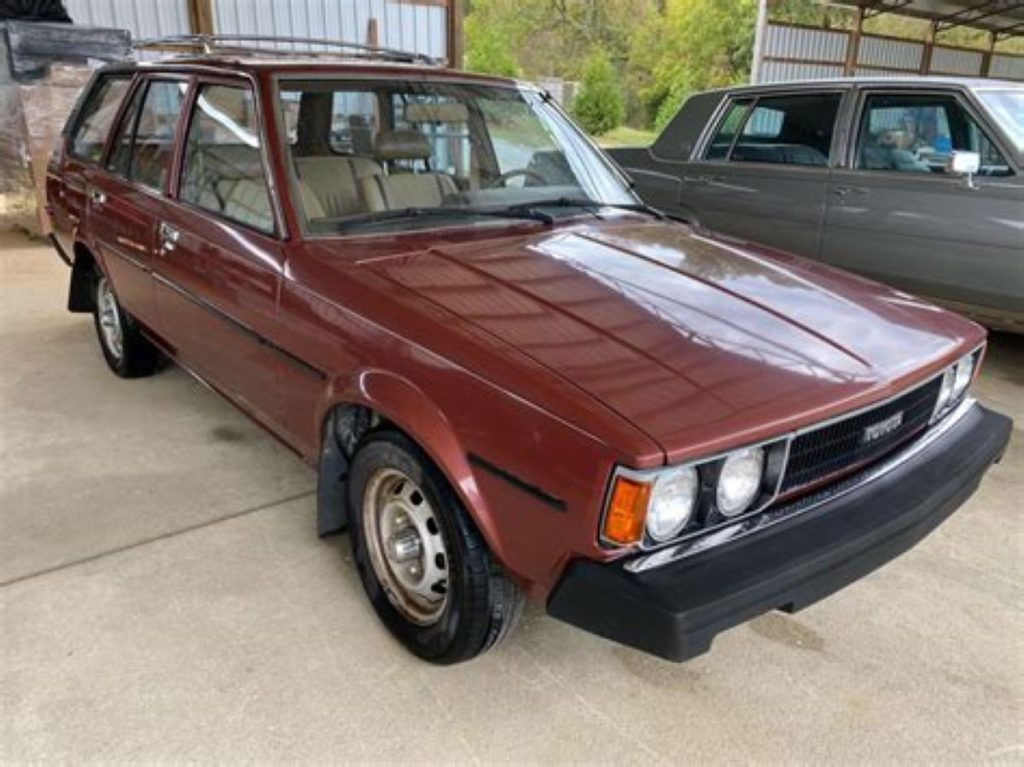
Unlike more complex European wagons, there are no complicated air suspension systems or turbocharged engines that demand expensive upkeep. For a buyer who simply wants a reliable daily driver with added cargo flexibility, the Corolla wagon checks every box.
In the used market, prices remain reasonable because wagons are often overlooked. That creates an opportunity for savvy buyers to secure a dependable vehicle that can realistically surpass 200,000 miles with proper maintenance. It may not be flashy, but it represents one of the safest bets in the wagon world.
2. Subaru Outback
The Subaru Outback has become almost synonymous with the modern wagon concept, blending car based handling with crossover like versatility. I am writing about the Outback because it has proven over multiple generations that a well engineered all wheel drive wagon can be both rugged and reliable when properly maintained.
One of the Outback’s greatest strengths is its symmetrical all wheel drive system. Unlike part time setups that only engage when slip is detected, Subaru’s system provides consistent traction in rain, snow, and rough terrain.
For buyers in colder climates or rural areas, this makes the Outback a practical year round companion without stepping up to a bulkier SUV.
Engine choice matters when shopping used. The naturally aspirated four cylinder engines in many generations are generally solid, though earlier models had known head gasket concerns. Later revisions improved durability significantly.
The flat six engines available in certain trims offer smoother performance and strong longevity when serviced regularly. The key is verifying maintenance records and ensuring cooling system health.
Interior space is another reason the Outback deserves attention. It offers generous rear legroom and a wide cargo area that easily accommodates outdoor gear, pets, or family luggage. The low load height compared to SUVs makes loading heavy items simpler, especially for daily errands.
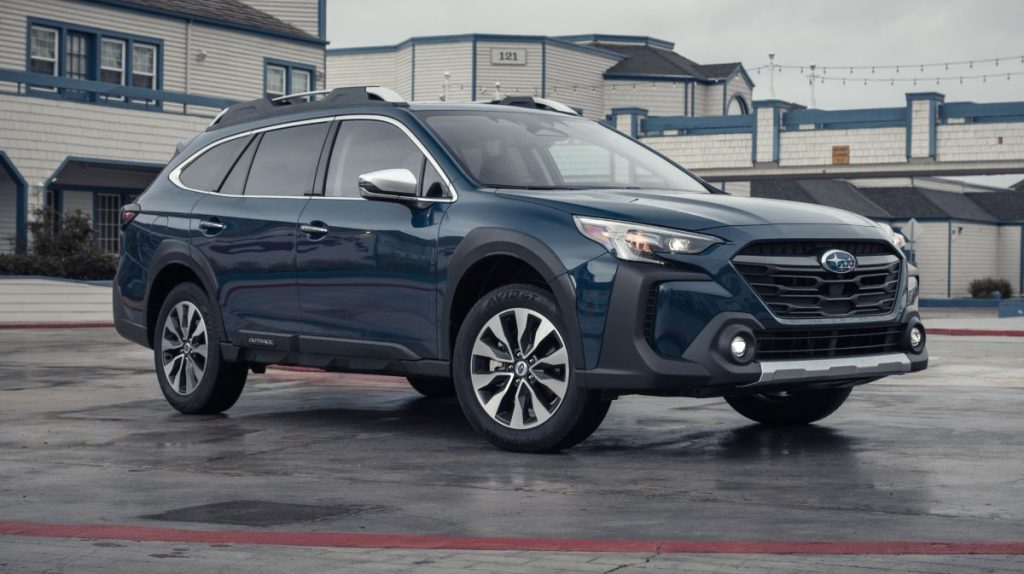
I include the Outback on this list because it balances practicality, comfort, and resale strength better than many competitors. It has a loyal owner base, strong aftermarket support, and widespread parts availability. While it is not immune to issues, well maintained examples routinely surpass high mileage benchmarks.
For buyers seeking a wagon that can handle commuting during the week and light adventure on the weekend, the Outback remains one of the smartest used choices available.
3. Volvo V70
The Volvo V70 represents the classic European wagon formula executed with safety and comfort as top priorities. I am highlighting this model because it blends Scandinavian design, practical cargo space, and strong highway composure in a way that few wagons can match.
One of the V70’s defining strengths is its solid build quality. The doors close with reassuring weight, the cabin materials age gracefully, and the seats are widely regarded as some of the most comfortable in the industry. For buyers who regularly take long road trips, this comfort advantage becomes a major selling point.
Mechanically, certain V70 generations equipped with naturally aspirated inline five cylinder engines are especially desirable. These engines are known for durability when maintained correctly, and they provide smooth, distinctive power delivery.
Turbocharged variants can also be reliable but require more attentive upkeep. Avoiding neglected examples is crucial, as deferred maintenance can turn even a strong platform into an expensive project.
Safety has always been central to Volvo’s philosophy, and the V70 is packed with structural reinforcements and advanced features for its era. That focus on occupant protection gives many buyers additional peace of mind when shopping used family vehicles.
Cargo capacity is generous, with a long, flat load floor and clever storage solutions. The wagon layout makes it easy to carry bulky items while maintaining stable highway handling that often surpasses similarly sized SUVs.
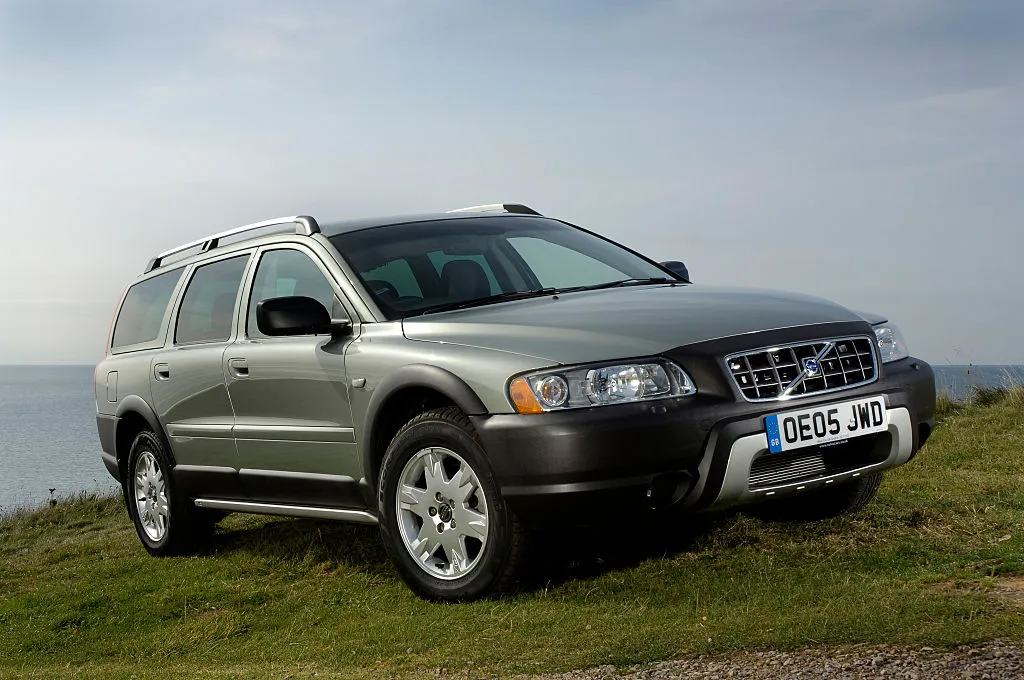
I am including the V70 because it offers a unique blend of European character and everyday usability without the extreme complexity found in some luxury rivals. When purchased carefully and maintained properly, it can provide years of comfortable, secure driving.
In the next part, we will continue with two more wagons that are truly worth hunting for before transitioning to the models buyers should approach with caution.
4. Acura TSX Sport Wagon
The Acura TSX Sport Wagon is one of those rare vehicles that slipped under the radar when new but has aged into a highly desirable used option. I am writing about it because it combines Honda engineered reliability with a refined driving experience that feels far more premium than its resale value suggests.
Under the hood, the TSX Sport Wagon typically carries a naturally aspirated four cylinder engine that is known for smooth operation and long term durability. It may not deliver neck snapping acceleration, but it provides consistent performance and respectable fuel efficiency.
The automatic transmission paired with it is generally dependable, especially when fluid services are performed at regular intervals. The absence of overly complicated forced induction systems keeps long term maintenance manageable.
One of the biggest strengths of the TSX Sport Wagon is its balance. It handles with composure, offering steering precision and chassis control that many SUVs cannot replicate.
At the same time, it delivers a quiet and comfortable cabin suitable for daily commuting or extended highway trips. This dual personality makes it appealing to drivers who want practicality without sacrificing engagement behind the wheel.
Interior quality is another reason it earns a place on this list. Materials hold up well over time, and the layout feels logical and driver focused. Rear seats fold down to create a long cargo area that can handle large items while maintaining a relatively compact exterior footprint.
I am including the TSX Sport Wagon because it represents a smart intersection of reliability, understated luxury, and driving enjoyment.
It did not sell in massive numbers, which means clean examples require patience to find. However, that exclusivity also adds to its appeal among enthusiasts who appreciate practical cars with character.
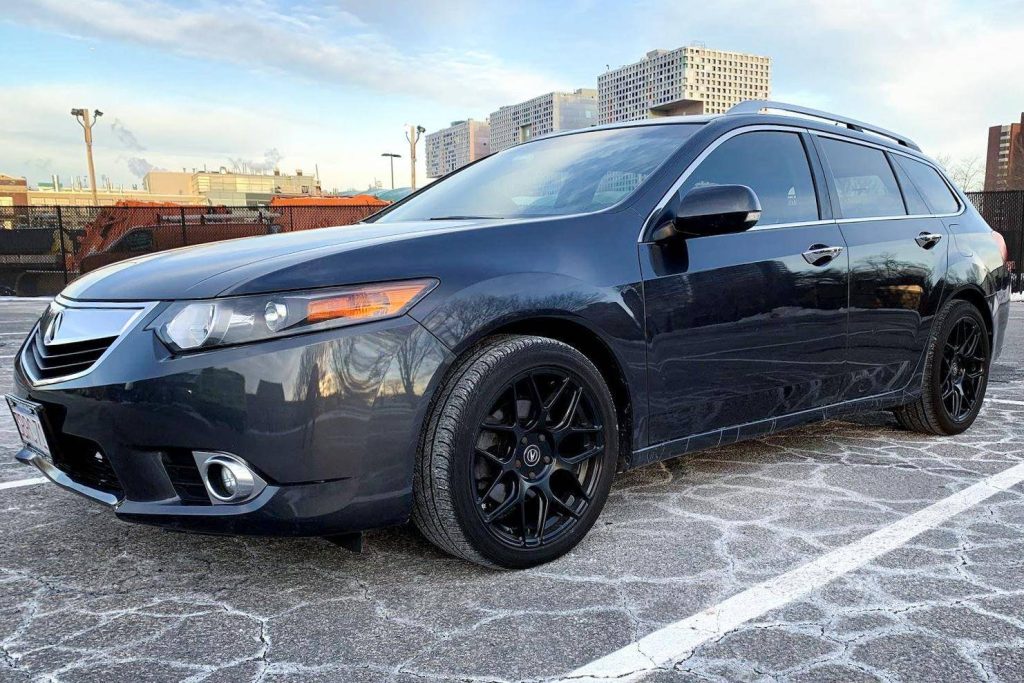
For buyers seeking a dependable wagon that feels upscale without the maintenance burden of many European rivals, the TSX Sport Wagon is a compelling choice worth serious consideration.
5. Mercedes-Benz E-Class Wagon W212
The W212 generation Mercedes Benz E Class Wagon stands as one of the most well rounded luxury wagons of its era. I am highlighting it because it proves that a premium badge does not automatically translate into unreliable ownership, especially when the underlying engineering is solid.
This generation of the E Class benefited from improved build quality compared to some earlier models. Many examples are equipped with naturally aspirated V6 engines that are generally robust when serviced correctly.
Later turbocharged variants can also be dependable if maintenance schedules are strictly followed. The key with any luxury vehicle is documented service history, and the W212 rewards attentive ownership.
What sets this wagon apart is refinement. Cabin insulation is excellent, ride quality is composed, and the interior materials convey a sense of durability that holds up over time.
The E Class Wagon also offers substantial cargo space, rivaling many midsize SUVs while maintaining sedan like handling. In certain configurations, it even includes a rear facing third row seat, adding a layer of practicality rarely found in modern wagons.
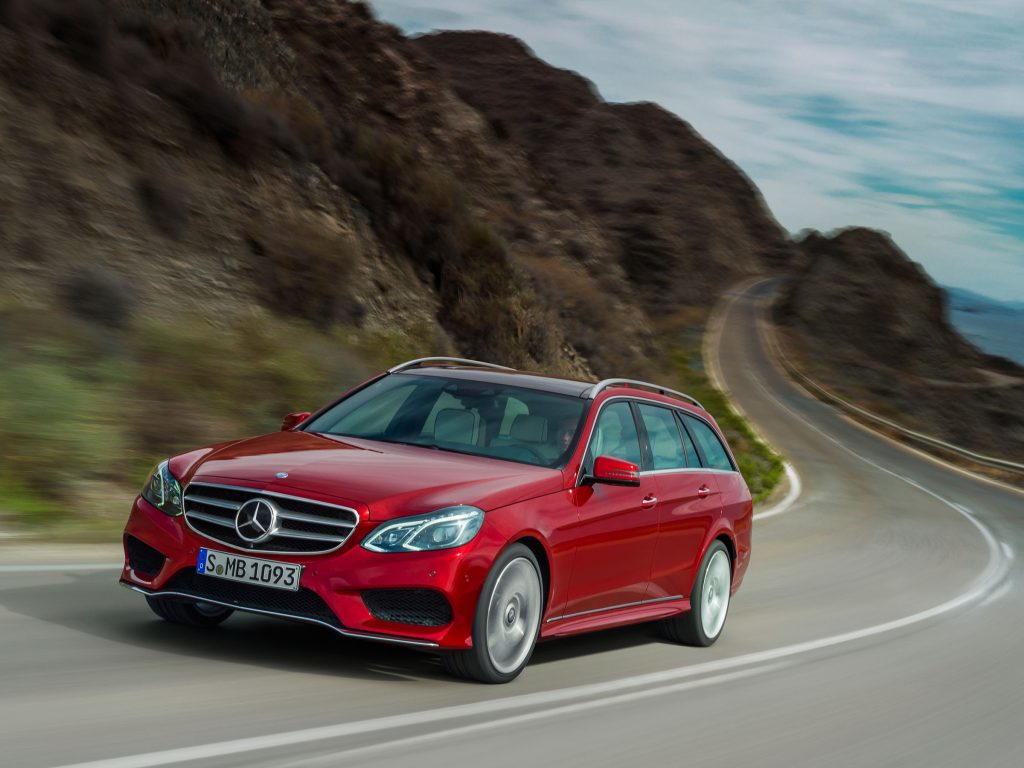
Advanced safety systems and driver assistance features were ahead of their time, making the W212 feel contemporary even years after production ended. For families wanting both space and prestige, this model strikes a convincing balance.
I am writing about the W212 E Class Wagon because it demonstrates that luxury and long term value can coexist.
Depreciation has made these vehicles attainable, yet they still deliver a driving experience that feels genuinely upscale. With careful inspection and a solid maintenance record, it can serve as a sophisticated and practical daily driver.
5 You Should Run Away From
Not all wagons age gracefully. Some were plagued by mechanical weaknesses from the start, while others suffer from complex electronics and costly components that become liabilities once warranties expire. A low purchase price can be misleading if ownership costs quickly spiral out of control.
In this section, I focus on five wagons that have developed reputations for expensive repairs, unreliable drivetrains, or chronic issues that frustrate owners. These vehicles may offer attractive styling, strong performance numbers, or luxury features on paper. However, the long term reality often tells a different story.
We are discussing them not to dismiss entire brands, but to highlight specific models or generations that consistently generate negative ownership feedback. Patterns of transmission failure, engine design flaws, fragile suspension components, or poorly aging electronics can turn what seems like a bargain into a financial burden.
A used wagon should provide versatility and value, not anxiety. Buyers should feel confident loading up for a road trip rather than worrying about warning lights or unexpected repair bills. The following models often struggle to deliver that peace of mind.
In the next part, we will begin detailing the first three wagons in this cautionary group, explaining exactly why they have earned their problematic reputations and why prospective buyers should think twice before signing the paperwork.
1. BMW 5 Series Touring E61
The BMW 5 Series Touring E61 is a wagon that tempts buyers with sleek styling, strong performance, and a prestigious badge. I am writing about it in this section because despite its dynamic strengths, it has developed a reputation for costly ownership headaches that many used buyers underestimate.
On paper, the E61 seems like a dream. It offers balanced handling, powerful engine options including inline six and V8 variants, and a luxurious interior packed with technology.
However, the complexity of these systems becomes a liability as the vehicle ages. Electronic modules, iDrive components, and sensors are known to fail, and repairs often require specialized diagnostics and expensive parts.
One of the most significant concerns involves the air suspension system found on many Touring models. While it delivers a smooth ride when functioning properly, it is prone to leaks and compressor failures over time.
Replacement components can be costly, and ignoring issues can lead to uneven ride height and additional strain on suspension parts.
Certain engine options, particularly turbocharged variants, have also been associated with high pressure fuel pump failures, oil leaks, and cooling system weaknesses. These are not minor inconveniences. Repairs can quickly climb into thousands, especially when labor costs are factored in.
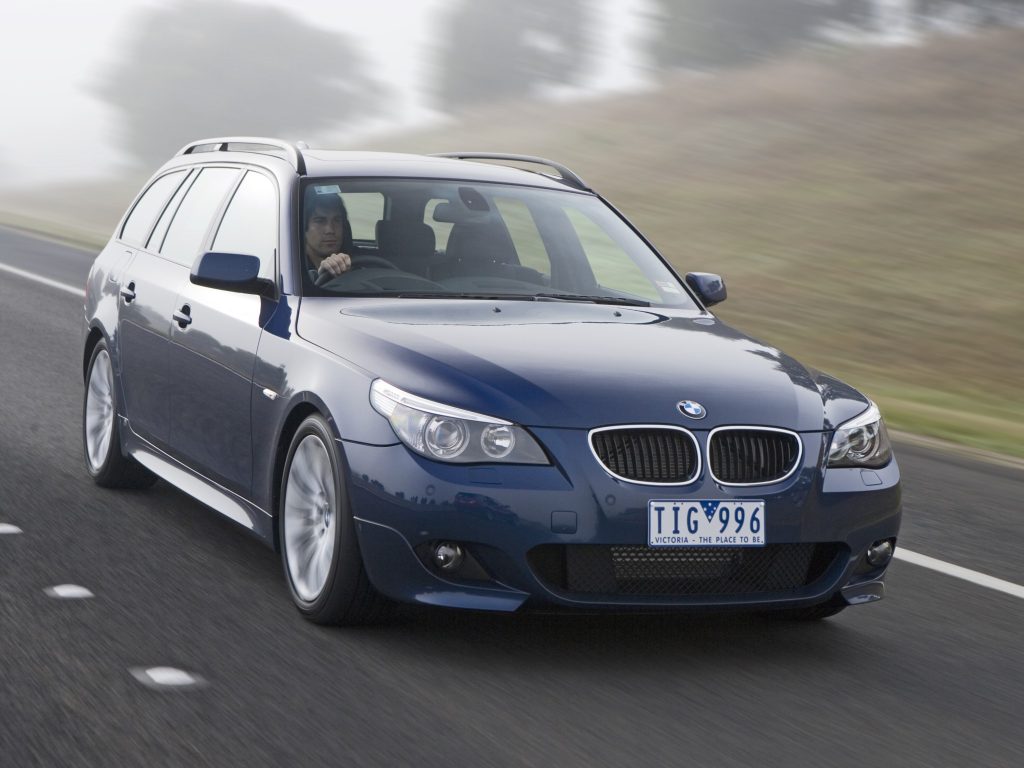
I am including the E61 because it represents a classic example of a vehicle that depreciates heavily for good reason. The initial purchase price may seem like a bargain for a luxury performance wagon, but long term maintenance demands can overwhelm unprepared owners.
For buyers who are not mechanically inclined or financially ready for premium repair bills, the E61 is a risky proposition. It may drive beautifully, but ownership often requires deep pockets and patience.
2. Dodge Magnum
The Dodge Magnum gained attention for its bold styling and muscular presence, offering wagon practicality with American performance flair. I am writing about it here because while it looks distinctive and powerful, long term reliability and build quality concerns make it a gamble in the used market.
Many Magnum models were equipped with V6 and V8 engines that delivered respectable power. However, certain powertrains were paired with automatic transmissions that developed shifting problems and premature wear.
Electrical issues also surfaced in aging examples, ranging from malfunctioning dashboard components to inconsistent sensor readings.
Interior materials are another weak point. Compared to competitors, the cabin often feels dated and prone to wear. Plastics can crack, trim pieces may loosen, and overall fit and finish does not always hold up well after years of use. While this may not affect drivability directly, it contributes to a sense of aging more quickly than rivals.
Suspension components on higher mileage models can also require attention, especially if the vehicle has been driven aggressively. Replacement parts are available, but cumulative repair costs can add up, particularly if multiple systems begin to fail simultaneously.
I am including the Magnum because it attracts buyers who want a powerful and affordable wagon alternative. The styling and engine options create strong initial appeal.
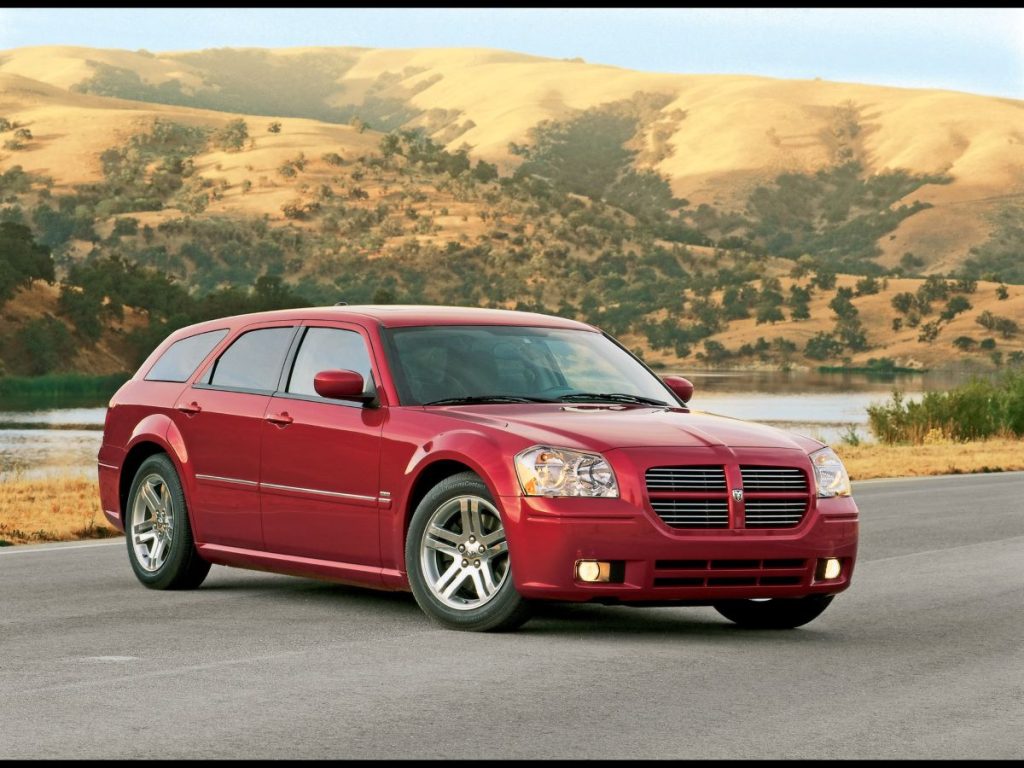
However, inconsistent reliability history and aging build quality mean careful inspection is critical. Many examples have been heavily modified or driven hard, further increasing risk.
While some well maintained Magnums exist, the model overall demands caution. Buyers seeking dependable long term transportation may find more peace of mind elsewhere.
3. Volkswagen Passat Wagon Early 2000s
The early 2000s Volkswagen Passat Wagon offers European styling, comfortable interiors, and refined road manners at tempting used prices. I am discussing it here because despite its attractive package, this generation has earned a reputation for mechanical and electrical complexity that can frustrate owners.
Engine options such as the turbocharged four cylinder and V6 delivered solid performance when new. However, turbo systems, coil packs, and timing belt maintenance requirements create potential pitfalls.
Neglecting scheduled services can lead to severe engine damage, and even well maintained examples can suffer from oil sludge issues if maintenance intervals were stretched.
Automatic transmissions in certain models have also shown vulnerability over time. Shifting irregularities and premature wear are not uncommon, and repairs can be expensive relative to the vehicle’s resale value. Electrical gremlins further complicate ownership, with issues affecting window regulators, instrument clusters, and central locking systems.
The Passat Wagon does offer a comfortable ride and practical cargo area, which explains its initial popularity. However, as these vehicles age, the cost of keeping them in top condition often exceeds what many buyers anticipate.
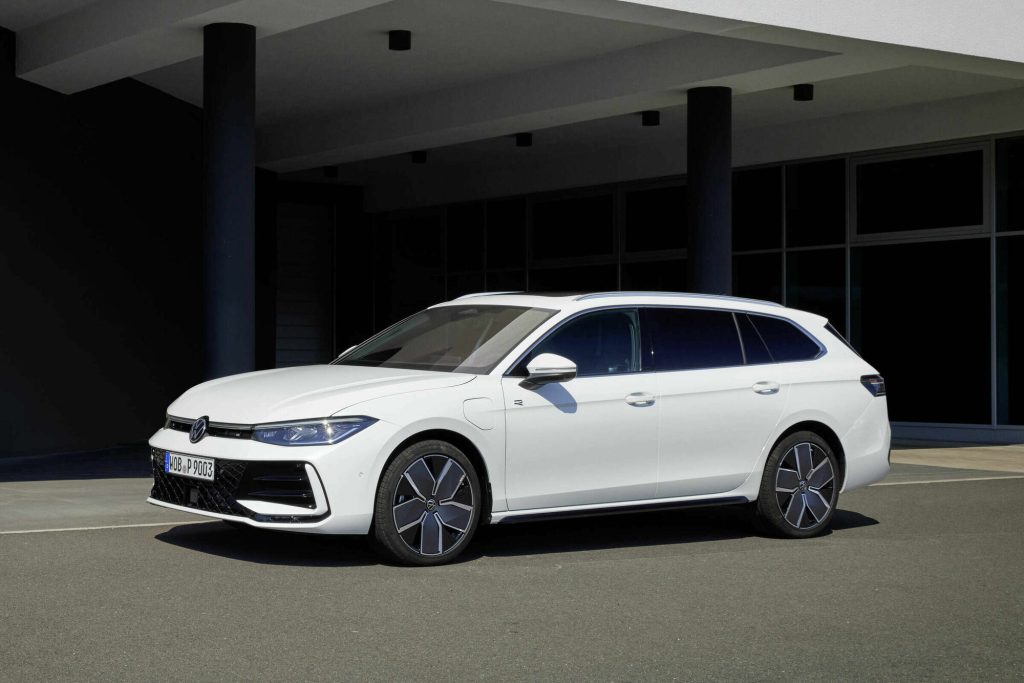
I am including this model because it perfectly illustrates the difference between initial appeal and long term viability. A low purchase price can be enticing, but cumulative maintenance and repair expenses frequently erase any upfront savings.
In the final part, we will cover the remaining two wagons in this cautionary list and conclude why they are best avoided by most used car shoppers.
4. Audi A4 Avant B8
The Audi A4 Avant B8 is a wagon that attracts buyers with sharp styling, a refined cabin, and confident road manners.
I am writing about it in this cautionary section because while it delivers an engaging driving experience, it carries well documented mechanical concerns that can become financially draining once the warranty period has long expired.
Many B8 generation A4 Avants are equipped with the 2.0 liter turbocharged four cylinder engine. While responsive and efficient when operating correctly, early versions of this engine became known for excessive oil consumption.
In some cases, owners reported needing to add oil frequently between service intervals. Addressing the underlying piston and ring issues can be expensive, and not every vehicle received corrective work.
Timing chain tensioner failures have also been a serious concern in certain model years. If neglected, this issue can lead to catastrophic engine damage.
Repairing or replacing timing components is labor intensive, and ignoring warning signs is not an option. For a used buyer, verifying complete service records is essential, yet even documented maintenance does not guarantee immunity from costly repairs.
The dual clutch automatic transmission found in some variants offers quick shifts but can develop hesitation or mechatronic unit problems as mileage climbs.
Repairs in this area are rarely cheap. Suspension components and electronic modules can also require attention as the vehicle ages, particularly in climates with harsh weather conditions.
I am including the A4 Avant B8 because it perfectly represents the risk of buying into premium performance at a discount.
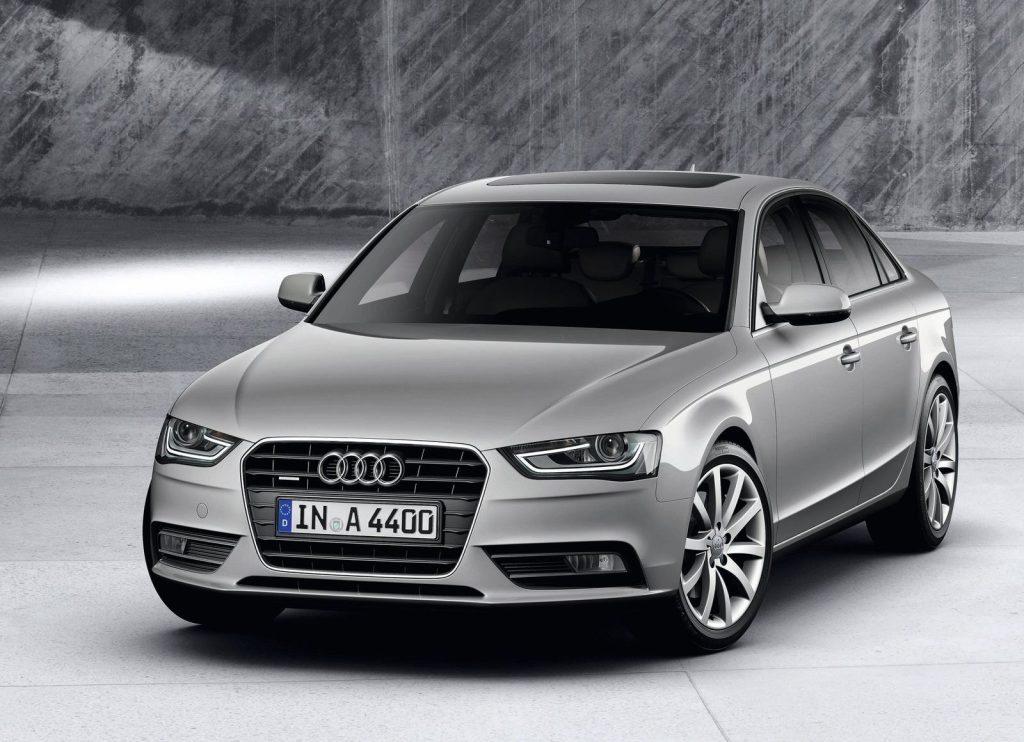
The initial purchase price may seem reasonable compared to when the car was new, but long term maintenance can quickly outpace expectations. Buyers who are not prepared for European repair costs may find themselves overwhelmed.
While a meticulously maintained example can still deliver satisfaction, the overall pattern of engine and drivetrain concerns makes this wagon one that most used shoppers should approach with extreme caution.
5. Jaguar XF Sportbrake First Generation
The first generation Jaguar XF Sportbrake combines elegant British styling with the rarity factor that many enthusiasts appreciate. I am writing about it here because although it stands out visually and offers impressive road presence, its long term reliability record raises serious questions for used buyers seeking dependable transportation.
Under the hood, various engine options were offered depending on market, including turbocharged four cylinders and V6 units. While performance is generally strong, complexity becomes the primary issue.
Turbocharging systems, cooling components, and electronic management modules can present problems as mileage accumulates. Parts availability and specialized labor requirements often mean higher repair bills compared to more mainstream brands.
Electrical reliability has been another area of concern. Luxury features that feel impressive during a test drive can become frustrating when infotainment systems glitch or sensors malfunction. Diagnosing these issues can require dealership level equipment, adding to ownership costs.
Air suspension systems in certain configurations provide a comfortable ride but introduce additional mechanical vulnerability.
As with many premium wagons, suspension repairs are not inexpensive, and neglect can compromise ride quality and safety. When multiple systems age simultaneously, the cumulative expense can outweigh the vehicle’s market value.
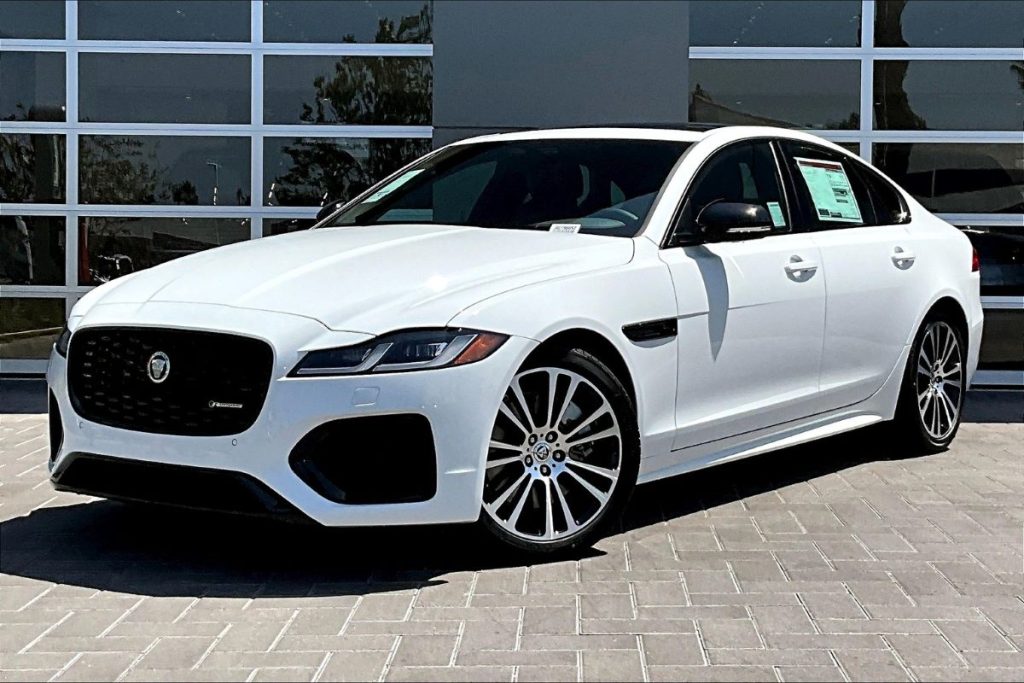
I am including the XF Sportbrake because it appeals to buyers who want something distinctive and upscale without paying new car prices. The design and driving dynamics genuinely impress. However, the long term financial commitment required to maintain it properly often surprises owners.
For individuals willing to accept higher risk and maintenance costs, it may still hold appeal. For most practical used car shoppers seeking worry free ownership, it is wiser to admire this wagon from afar rather than commit to the potential repair burden.
This concludes the full comparison of five used station wagons worth hunting for and five that are better avoided. By focusing on engineering integrity, maintenance history, and long term ownership patterns, buyers can make informed decisions and select a wagon that delivers value rather than unexpected expense.
Also Read: 5 Soft Roaders That Can Handle Mud vs 5 That Get Stuck on Wet Grass
