When buying a new car, most shoppers are drawn toward the highest trim level. Automakers advertise larger screens, premium audio systems, bigger wheels, and leather interiors as must have upgrades. The top spec often looks like the most complete version, and emotionally, it feels like the smartest choice.
However, value does not always sit at the top of the price ladder. In many cases, the base trim delivers the same engine, the same core platform, and nearly identical safety features for thousands less. The difference between trims can often be cosmetic rather than functional.
On the other hand, not all base trims are created equal. Some manufacturers intentionally strip them down to a point where comfort, convenience, and even essential tech feel outdated. Steel wheels, tiny infotainment screens, and missing safety features can make certain base versions feel like compromises rather than smart savings.
This article explores both sides of the equation. First, we look at five base trims that offer exceptional value compared to their top spec counterparts. These are cars where spending more often yields diminishing returns.
Then, we examine five base trims that are simply too stripped down. In those cases, upgrading is not about luxury, but about basic usability and long term satisfaction.
Understanding where the real value lies can save buyers thousands without sacrificing enjoyment. It can also prevent regret when a supposedly affordable base model turns out to be frustrating to live with.
Smart car buying is not about chasing the highest trim. It is about knowing when the base model is enough, and when it is not.
Also Read: 10 Sedans Under $15K That Feel Way More Premium Than They Cost
5 Base Trims That Are Better Deals Than the Top Spec
In today’s market, car prices have risen dramatically, and trim levels have multiplied. What used to be three simple variants has now become five or six, each adding incremental features at increasing cost. As a result, buyers often face a confusing choice between a sensible base trim and a fully loaded flagship version.
The key question is whether the added equipment genuinely improves the driving experience or simply enhances prestige. Larger alloy wheels may look better, but they can hurt ride comfort.
Panoramic sunroofs feel luxurious, but they add weight and long term maintenance risk. Premium audio systems are appealing, yet the standard setup is often more than adequate for daily commuting.
In many mainstream cars, the base trim includes the same engine, transmission, chassis tuning, and core safety systems as the top model. That means the driving dynamics remain unchanged. What differs are mostly cosmetic upgrades and technology features that may not justify the significant jump in price.
I am highlighting the following five cars because they represent rare examples where the base trim strikes a near perfect balance between cost and capability. They deliver strong engines, modern safety tech, and essential comfort features without forcing buyers to pay for unnecessary luxuries.
For practical buyers who care more about performance, reliability, and resale value than ambient lighting or ventilated seats, these base trims are often the smarter long term investment. Sometimes, less truly is more when it comes to maximizing value in the modern automotive landscape.
1. Toyota Camry LE
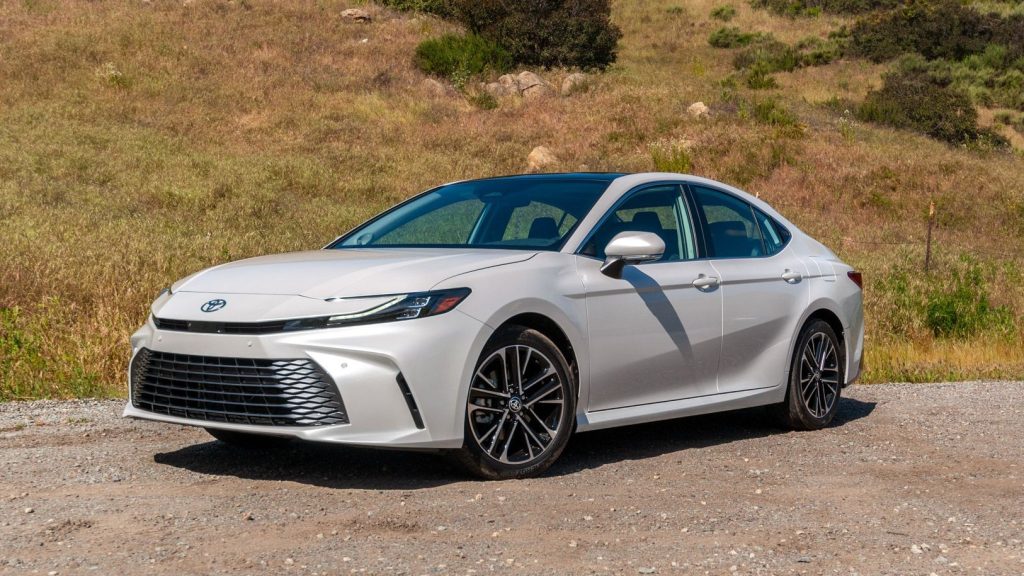
The Toyota Camry LE is one of the strongest examples of a base trim that makes more financial sense than its top spec sibling.
Toyota equips the LE with the same 2.5 liter four cylinder engine found in higher trims, delivering smooth power, strong reliability, and impressive fuel efficiency. From a mechanical standpoint, you are not sacrificing performance by choosing the entry level version.
I am including the Camry LE because the jump to higher trims such as the XLE or XSE often brings mostly cosmetic and comfort upgrades. Leather upholstery, larger wheels, a panoramic roof, and upgraded audio systems increase the price significantly. Yet the core driving experience remains nearly identical.
The LE already includes Toyota Safety Sense, adaptive cruise control, lane keeping assist, automatic emergency braking, and a modern infotainment system with smartphone integration. For daily commuting and family use, these features cover nearly everything most buyers truly need.
Another overlooked benefit is ride comfort. The base LE usually rides on smaller wheels with thicker sidewall tires, which results in a smoother ride compared to sportier trims. Larger wheels may look aggressive, but they often compromise comfort and increase replacement costs.
Resale value is another factor. The Camry’s reputation for durability remains strong across trims, and many used buyers prioritize condition and mileage over luxury features. Spending extra for a top spec trim rarely results in proportionally higher resale returns.
For buyers who want dependable transportation with modern safety and technology, the Camry LE delivers outstanding value. Paying thousands more for cosmetic enhancements does not fundamentally improve what is already a well engineered sedan.
2. Honda Accord LX
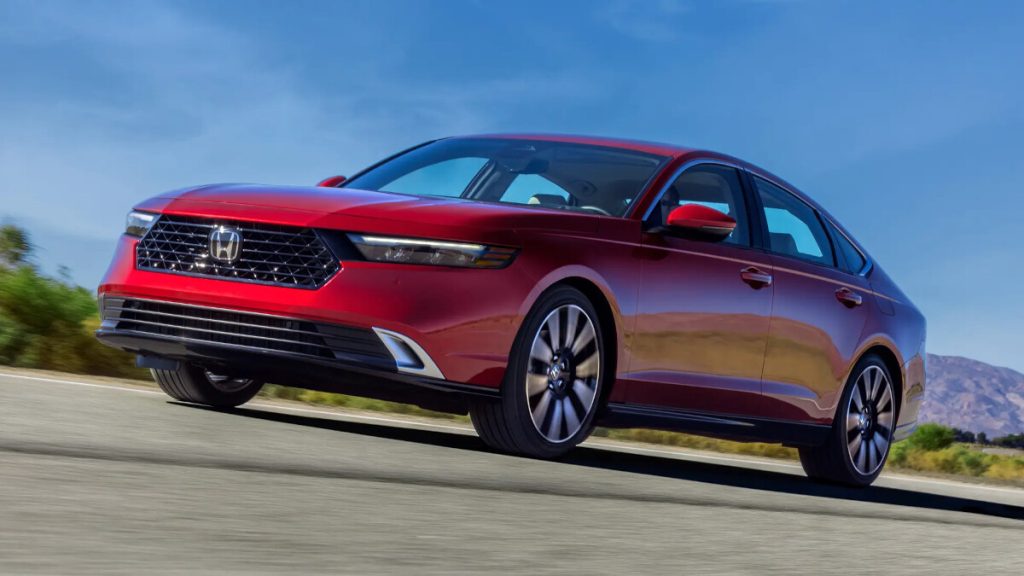
The Honda Accord LX follows a similar formula. It offers the same refined turbocharged engine and solid chassis tuning as higher trims, ensuring that the driving dynamics remain sharp and composed. Choosing the LX does not mean sacrificing performance or safety.
I am highlighting the Accord LX because Honda includes a generous list of standard features even at the entry level. A large touchscreen, smartphone compatibility, advanced driver assistance systems, and dual zone climate control often come standard. For many buyers, this is more than enough.
Higher trims add leather seating, premium audio, larger wheels, and additional cosmetic enhancements. While these upgrades are pleasant, they push the price significantly higher. The fundamental driving character of the Accord does not change dramatically between trims.
The base LX also benefits from simpler mechanical complexity. Fewer luxury features can mean fewer long term maintenance concerns. Sunroofs, ventilated seats, and advanced digital displays can be costly to repair outside warranty. A well equipped but simpler LX may age more gracefully.
Comfort is another advantage. Like many base trims, the LX rides on smaller wheels that improve ride quality over rough roads. In real world daily driving, comfort often matters more than appearance.
For buyers seeking a spacious, efficient, and reliable midsize sedan, the Accord LX provides a smart balance of affordability and functionality. Spending extra for top tier trims often becomes a matter of preference rather than necessity.
3. Mazda3 2.5 S
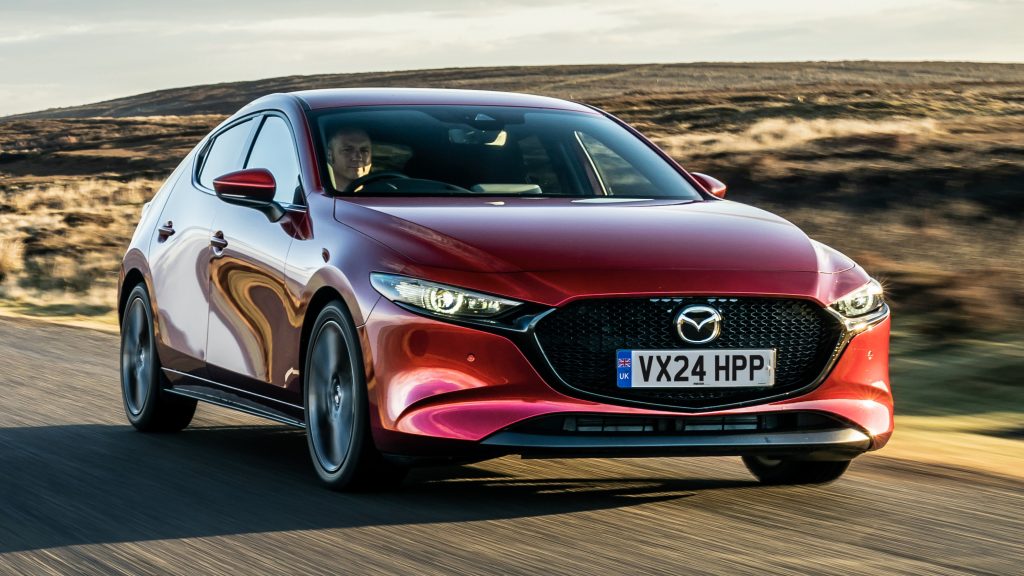
The Mazda3 2.5 S base trim stands out because Mazda emphasizes driving enjoyment across its lineup. Even in base form, the car feels refined, well built, and engaging behind the wheel. The same naturally aspirated engine found in higher trims provides smooth acceleration and respectable fuel economy.
I am including the Mazda3 2.5 S because the company does not heavily penalize buyers who choose the entry point. The interior already feels upscale, with quality materials and a clean design that rivals more expensive competitors.
Higher trims introduce features such as a turbocharged engine, larger wheels, and premium audio systems. While the turbo adds more power, many drivers do not require the extra performance for everyday commuting. The base engine remains responsive and efficient.
Mazda also equips the base trim with essential safety features, including adaptive cruise control and blind spot monitoring in many markets. These are features that used to require upgrading, but now come standard in the entry version.
Another important factor is value retention. The Mazda3 has built a reputation for reliability and style. Buyers in the used market often focus on condition rather than trim hierarchy. That means the base trim still holds its appeal.
For someone who values driving dynamics and elegant design without overspending, the Mazda3 2.5 S represents one of the best base trim deals available. It proves that entry level does not have to feel cheap or compromised.
4. Subaru Outback Base
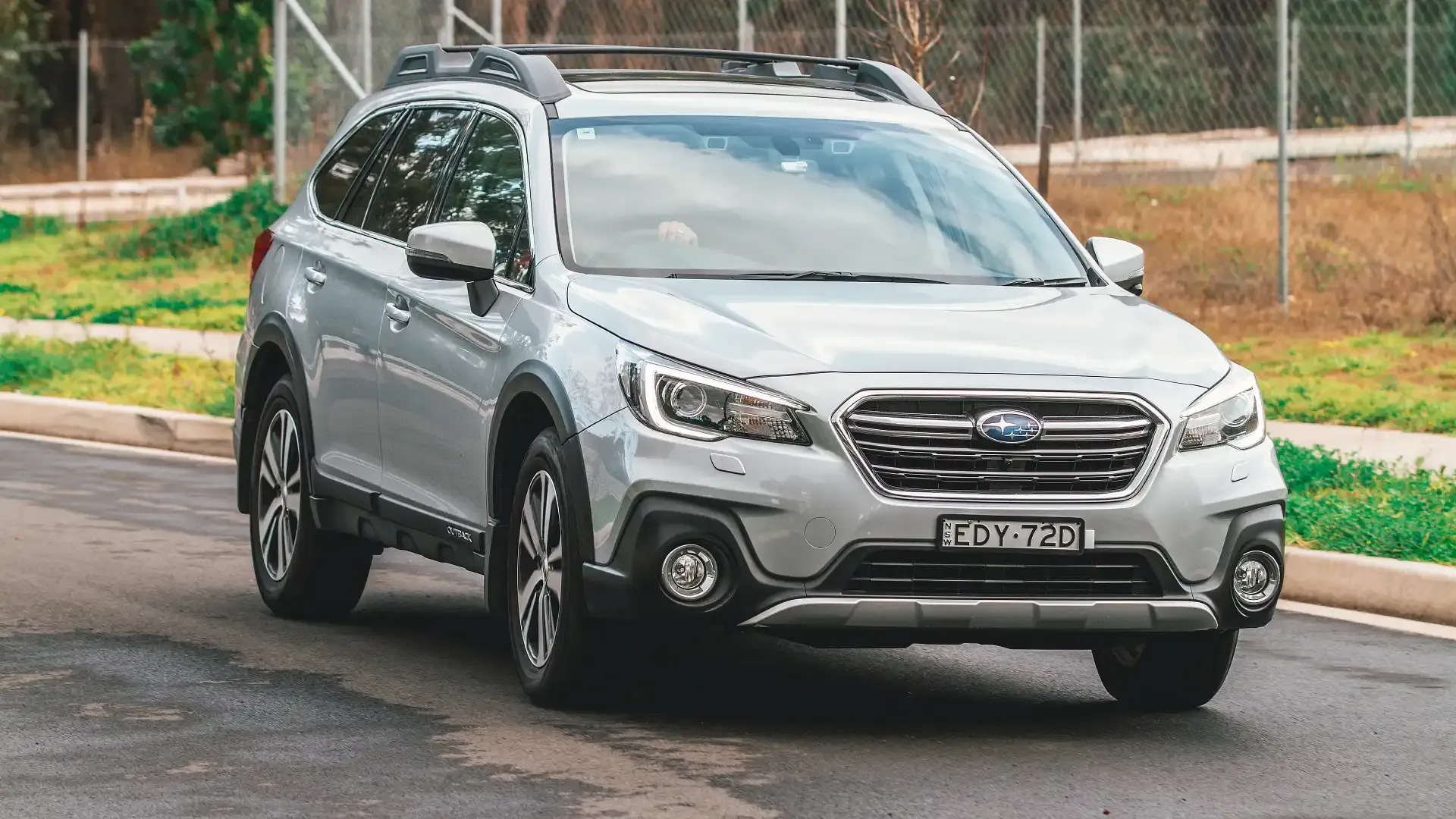
The Subaru Outback Base deserves recognition because it delivers the same core capability that defines the model, without forcing buyers into expensive upgrades. Every Outback, including the entry trim, comes standard with all wheel drive. That alone makes it more capable than many rivals, regardless of trim level.
I am highlighting the base Outback because the mechanical hardware remains consistent across much of the lineup. The same dependable 2.5 liter engine powers several trims, and the same rugged platform supports its confident road manners.
Paying significantly more for upper trims often brings aesthetic upgrades rather than transformative capability.
The base trim already includes Subaru EyeSight driver assistance technology. Adaptive cruise control, lane centering, and pre collision braking are standard, which means safety is not restricted to higher variants. For families and commuters, these features matter far more than leather upholstery or premium trim accents.
Another reason the base Outback makes sense is practicality. It provides generous cargo space, a comfortable cabin, and solid ground clearance without requiring additional packages. Higher trims may add turbocharged power or upscale materials, but for many drivers, the standard engine is more than adequate for daily use and weekend trips.
Cost of ownership is also worth considering. The simpler base trim may result in fewer expensive electronic components over time. When buyers prioritize longevity and reliability, avoiding unnecessary complexity can be a smart move.
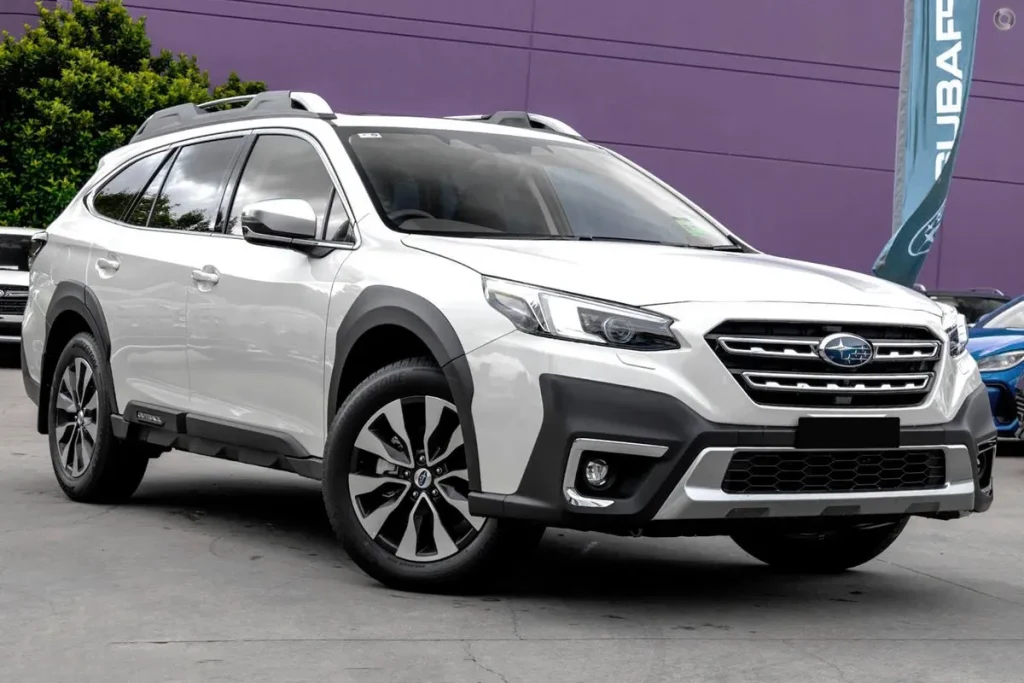
For outdoor oriented families who want dependable all weather performance, the Outback Base offers nearly everything that defines the model’s appeal. The higher trims may feel luxurious, but the foundation of capability remains intact in the entry version.
5. Ford F-150 XL
The Ford F 150 XL demonstrates that base does not always mean basic. Even in entry form, this full size pickup delivers the same tough frame, work ready suspension, and strong engine options available across much of the lineup. For buyers who actually use their trucks for work, this matters more than decorative upgrades.
I am including the F 150 XL because the jump to higher trims such as Lariat or Platinum can dramatically increase cost without improving core utility. Leather seats, large digital displays, and chrome accents may enhance comfort and status, but they do not necessarily make the truck better at hauling or towing.
The XL typically includes essential safety features and a durable interior designed to withstand heavy use. For contractors, fleet buyers, or anyone prioritizing function over form, the simplicity of the base trim can be a major advantage.
Another factor is durability. Cloth seats and simpler trim materials may hold up better under tough working conditions compared to premium finishes. Repairing or replacing upscale features can be costly, especially once warranties expire.
The F 150 XL also offers flexibility. Buyers can add targeted options without committing to a fully loaded trim. This approach allows customization based on actual needs rather than marketing driven packages.
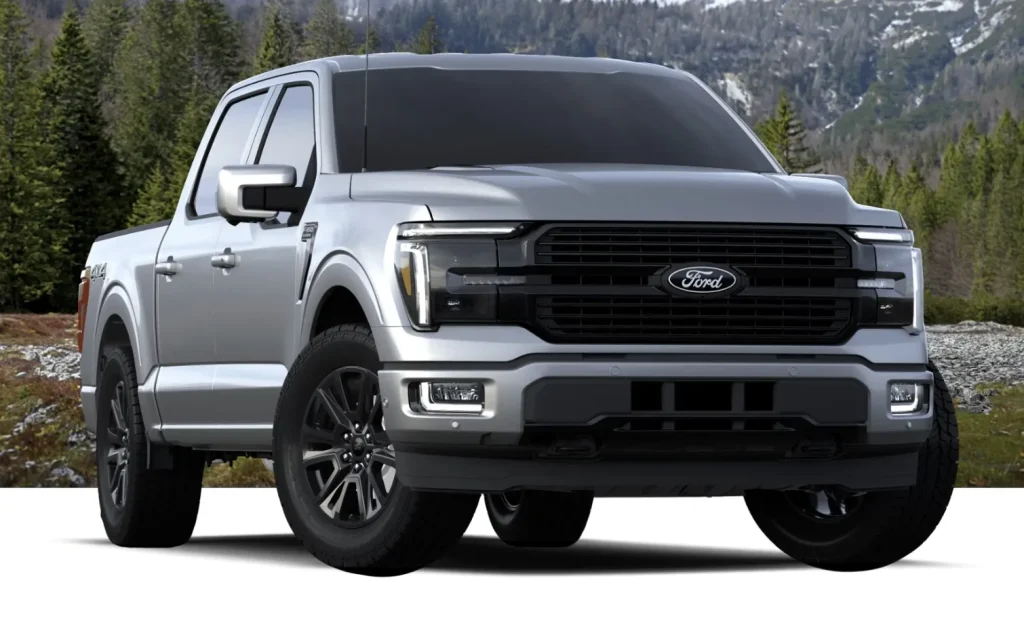
For those who view a truck as a tool rather than a luxury statement, the F 150 XL stands out as a smarter financial decision. The higher trims may impress, but the base version often delivers everything that truly matters.
5 That Are Too Stripped Down
While some base trims deliver excellent value, others feel intentionally limited. Automakers sometimes use entry models as price leaders to advertise an attractive starting figure, even though the version itself may lack essential convenience features.
In certain cases, base trims omit modern technology that many drivers now consider standard. Small infotainment screens, missing blind spot monitoring, manual climate controls, or basic interiors can make the driving experience feel outdated. Buyers drawn in by a low sticker price may later regret not upgrading.
I am highlighting the following five vehicles because their base trims remove features that significantly impact daily comfort, safety perception, or overall usability. In these examples, stepping up one or two trims can transform the ownership experience.
The difference here is not about luxury indulgence. It is about practicality. Features like advanced driver assistance systems, improved infotainment, and enhanced comfort elements are no longer mere extras. They shape how enjoyable and convenient a car feels over years of ownership.
Choosing the absolute cheapest version can sometimes lead to dissatisfaction. The goal of this section is to identify situations where saving upfront may not result in long term satisfaction.
The first example clearly illustrates how stripped down a base trim can feel in today’s competitive market.
1. Nissan Sentra S
The Nissan Sentra S represents a base trim that feels noticeably limited compared to slightly higher variants. While the core structure and engine remain competent for daily commuting, the entry level equipment list can leave buyers wanting more almost immediately after purchase.
I am including the Sentra S because it highlights how manufacturers sometimes hold back important comfort and technology features to create a larger gap between trims.
The base version often comes with a smaller infotainment screen, fewer connectivity options, and simplified interior materials that feel less refined than what competitors offer at similar price points.
Safety technology may also be more restricted in the base trim. While fundamental systems such as automatic emergency braking may be included, features like blind spot monitoring or upgraded driver assistance packages often require stepping up a trim. In today’s market, many buyers consider those features essential rather than optional.
Interior presentation plays a significant role in long term satisfaction. The Sentra improves dramatically in mid level trims with better upholstery and enhanced design details. The base trim can feel more basic than the car’s exterior styling suggests.
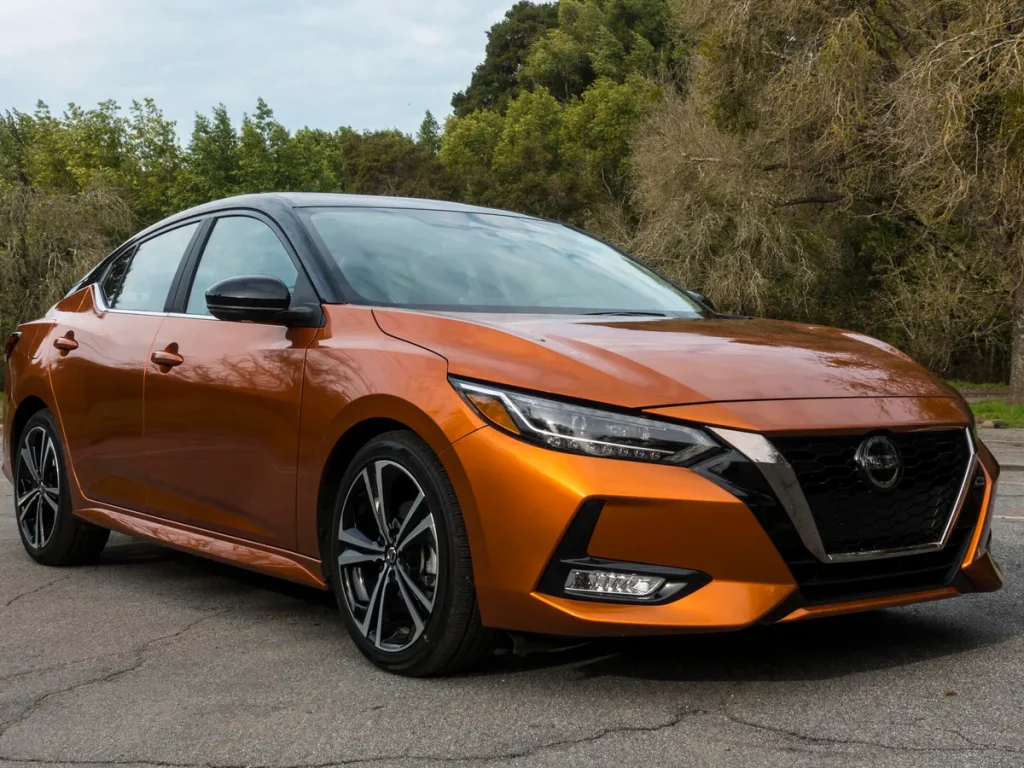
Another factor is resale appeal. When used buyers compare trims, they often gravitate toward versions with more comprehensive feature sets. The small price difference upfront may translate into stronger desirability later.
For budget conscious shoppers, the Sentra S might look appealing at first glance. However, spending slightly more for a higher trim can meaningfully improve daily usability, comfort, and overall value perception.
2. Jeep Wrangler Sport
The Jeep Wrangler Sport is an icon in base form, but that does not mean it is the most sensible choice for most buyers. While it delivers the same rugged platform and off road credibility as higher trims, its minimal equipment can feel harsh in everyday driving.
I am highlighting the Wrangler Sport because it shows how a purpose built vehicle can feel overly basic without key upgrades.
Manual windows and locks may still appear in certain configurations, and the interior materials prioritize durability over comfort. For weekend trail enthusiasts, that may be acceptable. For daily commuters, it can become tiring.
Higher trims add conveniences such as improved infotainment systems, enhanced insulation, and upgraded seating. These additions significantly affect comfort during long drives. The base trim, while authentic to the Wrangler’s roots, can feel dated in a modern market where competitors offer more refinement.
Ride comfort is another concern. While all Wranglers maintain a firm, truck like feel, higher trims often include features that soften the experience slightly. The base trim leaves little buffer between rugged capability and daily usability.
Resale value remains strong across the Wrangler lineup, but many used buyers prefer trims with more convenience features. That suggests that even in an enthusiast oriented vehicle, equipment levels matter.
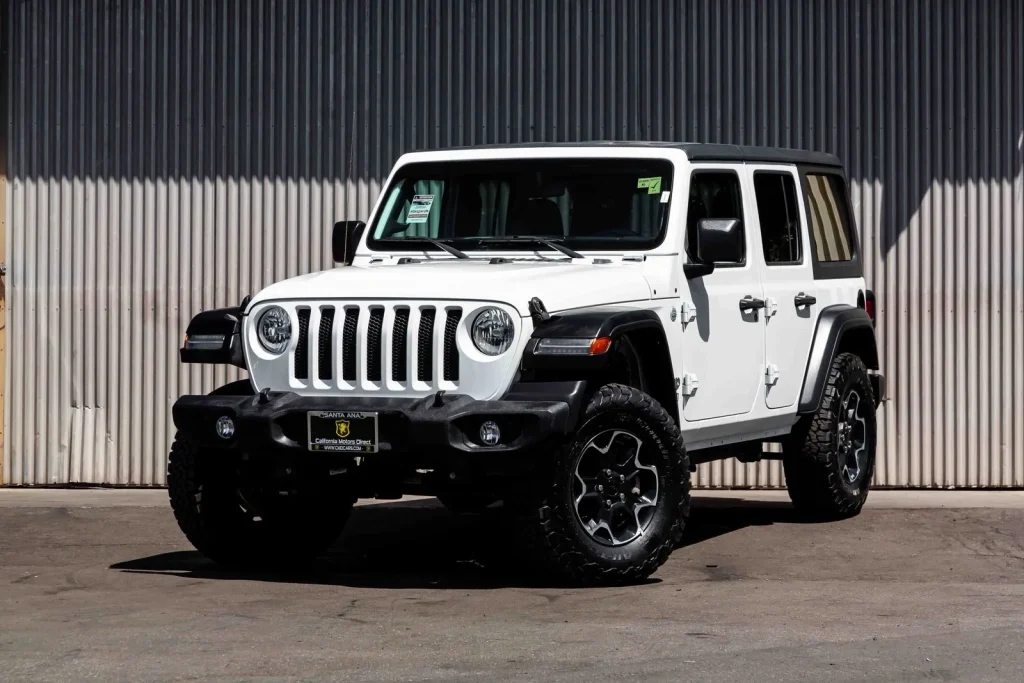
The Wrangler Sport works best for buyers who truly prioritize off road simplicity. For most drivers, stepping up from the base trim dramatically improves comfort without sacrificing capability.
3. Chevrolet Spark LS
The Chevrolet Spark LS illustrates how an ultra affordable base trim can feel noticeably stripped down. Designed to hit a low starting price, the LS often omits features that many drivers now consider standard in even entry level vehicles.
I am including the Spark LS because it demonstrates the trade off between affordability and comfort. Basic interior materials, limited sound insulation, and minimal infotainment capability can make the cabin feel more budget oriented than competitive alternatives.
While the small engine is efficient for city driving, the base trim may lack upgraded connectivity features or enhanced safety technologies available in higher trims. In a segment where buyers often rely on their cars for daily urban commuting, convenience features matter.
Another concern is perceived quality. Higher trims of the Spark improve cabin presentation with better upholstery and added technology. The base LS can feel more like a rental specification rather than a long term ownership choice.
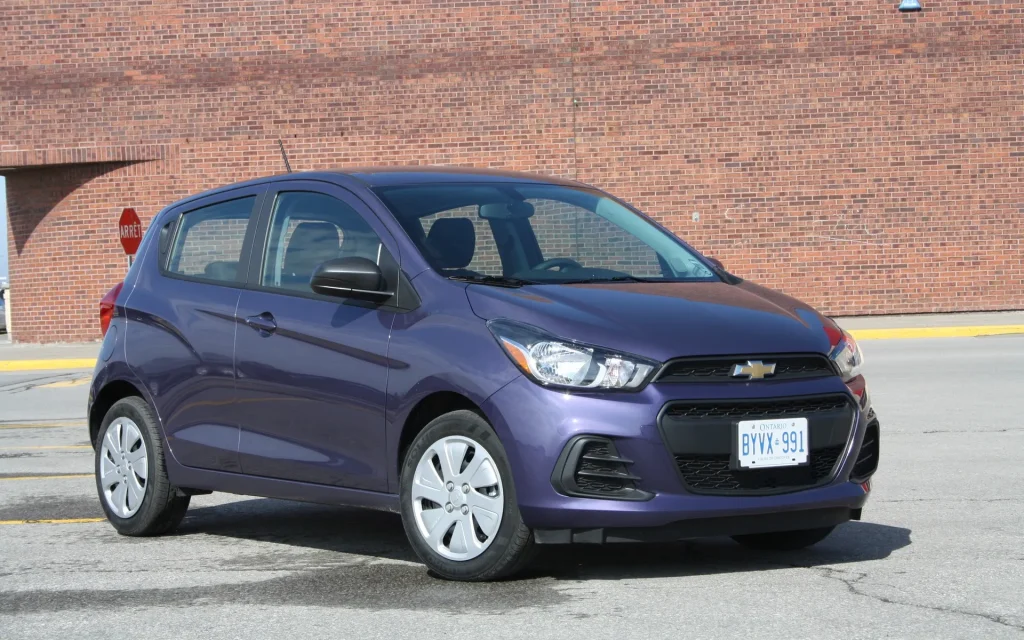
When price is the only priority, the Spark LS fulfills its purpose. However, even modest upgrades to higher trims can substantially improve the overall experience. In this case, the base trim’s low cost may not fully compensate for what it leaves out.
For buyers seeking genuine long term satisfaction, investing slightly more often proves worthwhile.
4. Hyundai Elantra SE
The Hyundai Elantra SE appears attractive because of its competitive starting price, but the base trim can feel more limited than many shoppers expect. While the core platform and engine provide solid efficiency and respectable performance for daily commuting, the equipment list is noticeably pared back compared to mid level trims.
I am including the Elantra SE because it represents a case where stepping up even one trim significantly enhances comfort and technology.
The base version often comes with a smaller infotainment display and fewer connectivity enhancements. In a market where digital integration shapes much of the driving experience, that limitation can become frustrating over time.
Interior materials also differ meaningfully. Higher trims introduce upgraded upholstery, additional soft touch surfaces, and more refined cabin details. The SE, while functional, may feel basic once buyers compare it directly to slightly more expensive variants.
Driver assistance technology can also vary by trim. While essential safety systems are usually present, additional convenience features such as blind spot monitoring or enhanced driver alerts may require upgrading. For many modern buyers, those features are increasingly viewed as necessities rather than luxuries.
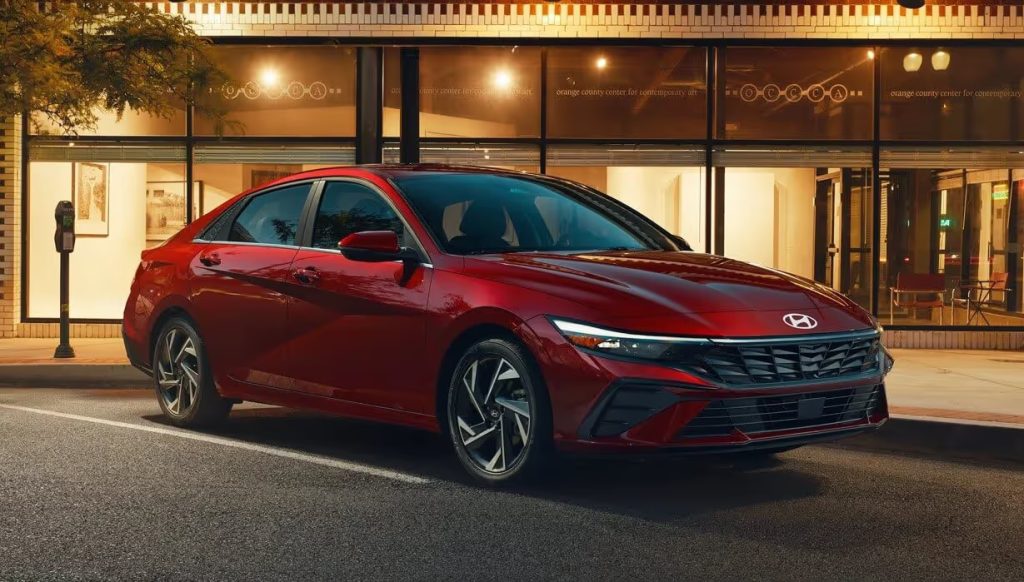
Resale appeal is another factor worth considering. Used car shoppers frequently prioritize trims that include more comprehensive tech packages. Spending a modest amount more at purchase could improve desirability and value retention later.
The Elantra SE is not a poor vehicle, but its base trim feels deliberately positioned to encourage buyers toward higher versions. In this case, saving upfront may come at the cost of daily enjoyment and long term satisfaction.
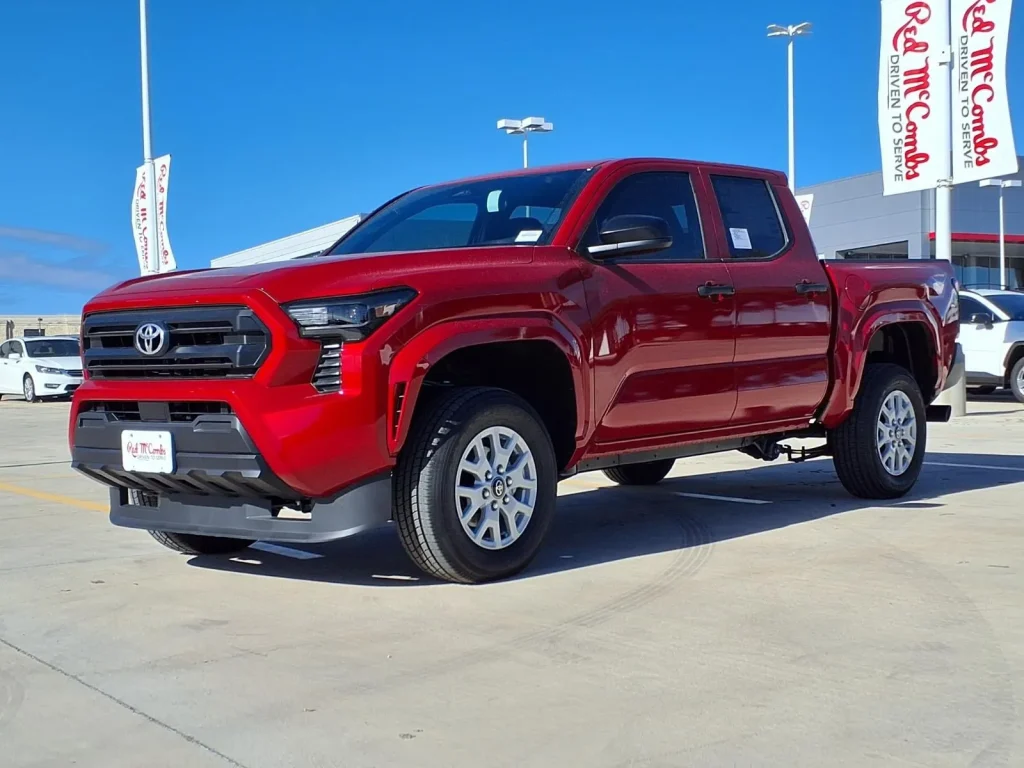
5. Toyota Tacoma SR
The Toyota Tacoma SR showcases how a respected and capable truck can feel noticeably sparse in its base configuration. The underlying durability and reputation for reliability remain strong, but the entry trim lacks several features that improve daily usability.
I am highlighting the Tacoma SR because it demonstrates how manufacturers sometimes separate core capability from everyday convenience.
The base trim often includes a simplified infotainment system, limited comfort enhancements, and a more utilitarian interior finish. For a truck that many buyers use as both a work vehicle and personal transport, this can feel restrictive.
Higher trims of the Tacoma introduce upgraded technology, improved seating materials, and enhanced driver assistance features. These additions significantly improve long distance comfort and overall practicality. The base SR, while dependable, can feel closer to a fleet specification than a well rounded personal vehicle.
Ride quality and refinement also improve slightly in better equipped trims through additional features and cabin enhancements. For drivers who spend considerable time behind the wheel, these differences matter more than initial purchase savings.
Another consideration is long term satisfaction. Many Tacoma owners keep their trucks for years. Choosing a trim that feels too basic may lead to regret, especially when resale markets often reward well equipped versions.
The Tacoma SR remains tough and capable, but its stripped down configuration makes it less appealing for buyers seeking a balance between utility and comfort. In this case, upgrading is less about luxury and more about creating a truck that feels complete for everyday life.
Choosing between a base trim and a top spec model is rarely as simple as picking the cheapest or the most luxurious option. The real value often depends on how much meaningful difference exists between trims.
In many vehicles, the base model delivers the same engine, platform, safety structure, and core driving experience as the highest version. When that happens, spending significantly more may offer diminishing returns.
Models such as the Toyota Camry LE, Honda Accord LX, Mazda3 2.5 S, Subaru Outback Base, and Ford F 150 XL show how a well designed base trim can provide exceptional value.
These versions retain strong performance, modern safety systems, and practical comfort features without forcing buyers to pay for cosmetic upgrades or luxury additions that do not fundamentally improve usability. For practical shoppers, these trims often represent the smartest financial decision.
On the other hand, some base trims feel intentionally limited. Vehicles like the Nissan Sentra S, Jeep Wrangler Sport, Chevrolet Spark LS, Hyundai Elantra SE, and Toyota Tacoma SR illustrate how entry level models can lack important convenience features, upgraded infotainment systems, or desirable driver assistance technologies.
In these cases, stepping up even one trim level can significantly improve comfort, daily usability, and long term satisfaction.
Ultimately, the smartest buying strategy is not automatically choosing the top spec or the cheapest version. It is understanding where the core value lies. Some base trims are hidden gems, while others are compromises designed to meet a price point.
Careful comparison can prevent overspending and also avoid future regret, ensuring that buyers get the right balance of affordability, features, and long term ownership satisfaction.
Also Read: Top 10 Four Cylinder Cars That Sound Better Than Some V6s