Electric vehicles have transformed the automotive market faster than most experts predicted. With rapid advancements in battery technology, charging infrastructure, and software integration, EVs are no longer niche products.
They now compete directly with traditional gasoline vehicles in performance, practicality, and long term ownership costs.
However, one area where electric vehicles have shown dramatic variation is depreciation. Some EVs retain their value remarkably well, benefiting from strong brand reputation, high demand, and proven battery durability.
Others lose value at an alarming rate, often due to oversupply, outdated technology, limited range, or aggressive new car pricing incentives.
Depreciation matters more than many buyers realize. The purchase price is only part of the equation. Resale value determines the true cost of ownership, especially for drivers who plan to sell or trade their vehicle within five years.
A model that holds its value can significantly offset higher upfront costs. On the other hand, an EV that depreciates rapidly can make even an affordable purchase feel expensive in hindsight.
This article explores both sides of the EV resale spectrum. First, we will examine five electric vehicles that consistently demonstrate strong value retention. These models combine brand trust, real world usability, and sustained demand in the used market.
Then we will look at five EVs that experience steep depreciation. In these cases, rapid technological change, market shifts, or weak demand have caused resale prices to fall sharply.
Understanding which electric vehicles maintain value and which ones drop quickly can help buyers make smarter long term decisions in a fast evolving market.
Also Read: 10 Turbocharged Engines Known for Premature Head Gasket Failures
5 EVs That Retain Their Value Well
The electric vehicle market changes rapidly, but some models manage to stand out as dependable long term investments. Strong resale value is rarely accidental. It typically results from a combination of consistent demand, reliable battery performance, brand prestige, and competitive real world range.
I am focusing on the following five EVs because they demonstrate resilience in the used market. Even as newer technology enters the scene, these vehicles continue to attract buyers. Their reputation for performance, durability, and charging compatibility helps stabilize resale prices.
Another key factor is brand perception. Manufacturers with strong EV ecosystems and established charging networks tend to inspire confidence among second owners. Buyers in the used market want assurance that software updates, battery longevity, and service support will remain accessible.
Range and efficiency also play crucial roles. EVs with competitive real world driving range remain desirable longer. Models that avoid major early generation limitations tend to age more gracefully.
While all vehicles depreciate to some degree, these five electric models show that thoughtful engineering and strong market positioning can protect long term value. They serve as examples of how certain EVs evolve from early adopters’ choices into trusted mainstream options.
The first vehicle on this list sets the benchmark for electric resale strength and continues to influence the entire segment.
1. Tesla Model 3
The Tesla Model 3 has consistently demonstrated strong resale performance compared to many other electric vehicles. I am including it because it represents one of the clearest examples of how brand strength, charging infrastructure, and sustained demand can protect long term value.
One of the biggest advantages of the Model 3 is Tesla’s extensive charging network. Access to a reliable and widely distributed fast charging ecosystem increases buyer confidence, especially in the used market.
Second owners know they are purchasing into an established system rather than relying solely on third party infrastructure. That confidence translates directly into stronger demand and better resale pricing.
Another factor is performance and software support. The Model 3 remains competitive in acceleration, handling, and range even years after its introduction. Over the air software updates continue to improve functionality, which helps older vehicles feel current. When used cars still receive feature enhancements, they do not feel outdated as quickly.
Battery longevity perception also plays a major role. Tesla has built a reputation for durable battery packs with relatively modest degradation. Buyers researching used EVs often prioritize battery health, and the Model 3 benefits from positive real world data.
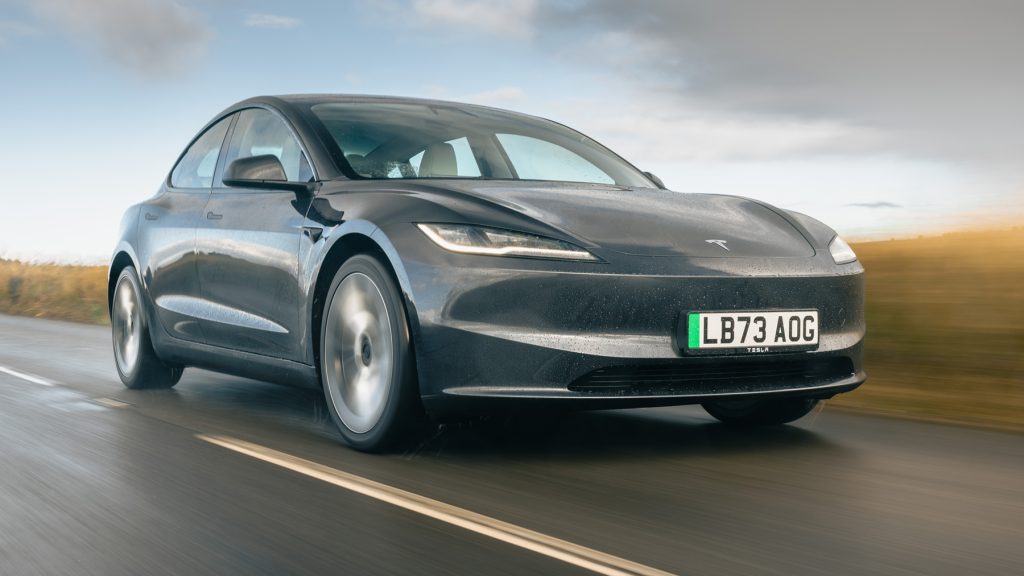
Interior design and technology presentation also help maintain appeal. The minimalist cabin and large central display still feel modern compared to many early generation EV interiors. As a result, the car does not look or feel obsolete after a few years.
Although Tesla has adjusted new vehicle pricing multiple times, the Model 3 continues to retain value better than many competitors because of strong brand recognition and sustained demand. For buyers concerned about long term ownership costs, it remains one of the safest electric bets.
2. Ford F 150 Lightning
The Ford F 150 Lightning retains value well because it combines electric innovation with the long standing credibility of the F 150 name. I am highlighting it because it shows how blending a proven platform with new technology can stabilize resale prices.
Pickup trucks traditionally hold value strongly in the used market. By electrifying the F 150 while maintaining its utility, Ford tapped into an already loyal customer base. Used buyers are not just purchasing an EV. They are buying into decades of truck heritage and capability.
The Lightning’s practical features strengthen its appeal. Strong towing capability, a spacious cabin, and innovative elements such as front trunk storage increase versatility. This broad functionality keeps demand steady beyond early adopters.
Battery range and performance remain competitive within the electric truck segment. The Lightning does not feel like a compromised adaptation. Instead, it feels purpose built. When an EV feels engineered rather than experimental, resale confidence improves.
Another advantage is familiarity. Buyers who may hesitate to purchase a smaller electric car often feel comfortable with a truck platform they already understand. That familiarity widens the potential resale audience.
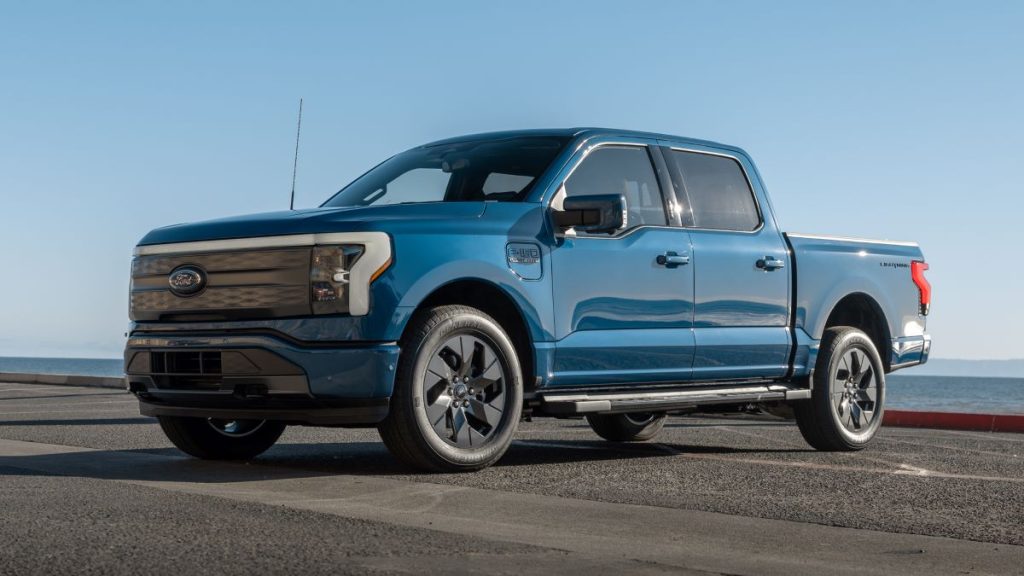
While electric trucks are still evolving, the F 150 Lightning benefits from its established nameplate and balanced capability. These factors help it avoid the steep depreciation seen in less recognized electric models.
3. Chevrolet Bolt EUV
The Chevrolet Bolt EUV stands out as a value retention success story despite being positioned as an affordable EV. I am including it because it demonstrates how practicality and accessibility can stabilize depreciation.
The Bolt EUV offers a usable real world range at a relatively attainable price point. In the used market, affordability combined with electric capability creates strong demand. Many buyers entering the EV space for the first time look specifically for models like this.
Chevrolet’s widespread dealer network also contributes to confidence. Service availability remains a critical concern for used EV shoppers. Knowing that support exists across many regions reassures buyers and supports resale values.
The Bolt EUV’s compact yet practical size makes it suitable for urban environments. As cities continue encouraging electric adoption, smaller EVs with manageable dimensions remain desirable.
Battery recall concerns earlier in the model’s life were addressed through replacements and warranty extensions, which ultimately strengthened buyer trust. Once resolved, the model gained a reputation for reliability relative to its cost.
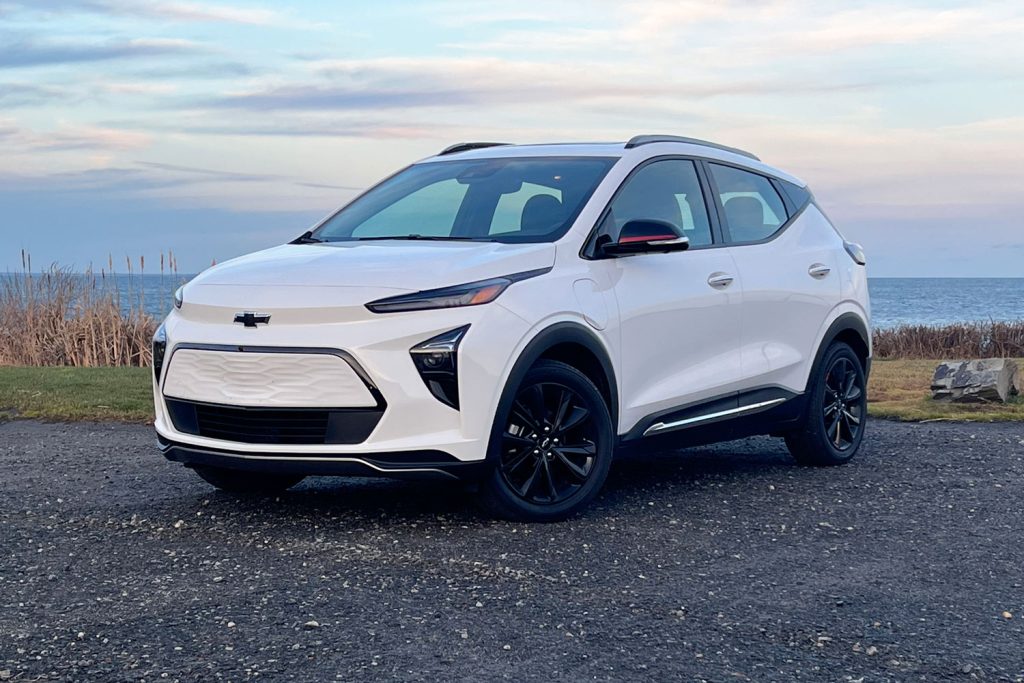
Although it does not carry luxury branding, the Bolt EUV retains value because it fills a practical niche. Affordable electric transportation with credible range remains in demand, particularly as fuel prices fluctuate.
Its consistent usability and accessible pricing help protect it from the steep depreciation seen in some higher priced EVs.
4. Hyundai Ioniq 5
The Hyundai Ioniq 5 has emerged as one of the strongest value retainers in the modern electric market. I am including it because it combines forward thinking design, competitive range, and advanced charging capability in a way that keeps demand strong even as new competitors enter the space.
One of the biggest reasons the Ioniq 5 holds value well is its ultra fast charging architecture. Built on a modern dedicated EV platform, it supports high speed charging that significantly reduces downtime during long trips.
In the used market, charging speed matters almost as much as range. Buyers want vehicles that feel future ready rather than technologically outdated. The Ioniq 5’s ability to charge quickly keeps it competitive for years after purchase.
Design also plays a major role in depreciation. The Ioniq 5 features distinctive styling that stands apart from conventional crossovers.
Instead of looking like a transitional experiment, it presents a cohesive identity. Vehicles with strong visual presence often age better because they feel intentional rather than dated.
Interior space and practicality further strengthen resale value. Despite a compact footprint, the cabin offers generous legroom and flexible seating configurations.
A flat floor and modern digital interface make it feel advanced without being overwhelming. When a vehicle offers both comfort and innovation, it attracts a broader range of second owners.
Hyundai’s warranty coverage also influences resale stability. A strong battery warranty reassures used buyers who may worry about long term degradation. Confidence in battery durability reduces hesitation, which supports pricing in the secondary market.
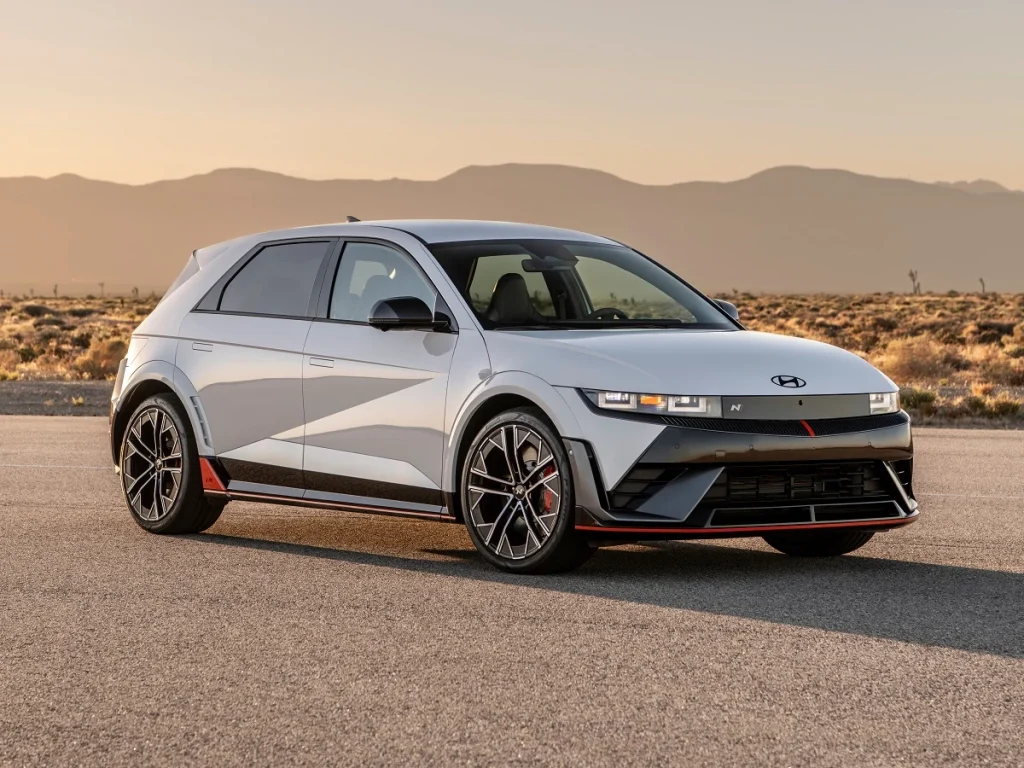
Performance remains competitive as well. Acceleration is responsive, and handling is stable for a crossover. The Ioniq 5 does not feel like an early generation compromise. It feels mature and well engineered.
Because it blends strong range, rapid charging, modern design, and reassuring warranty coverage, the Ioniq 5 continues to command healthy resale values.
It demonstrates that when an EV platform is thoughtfully developed from the ground up, it can resist the rapid depreciation often associated with evolving technology.
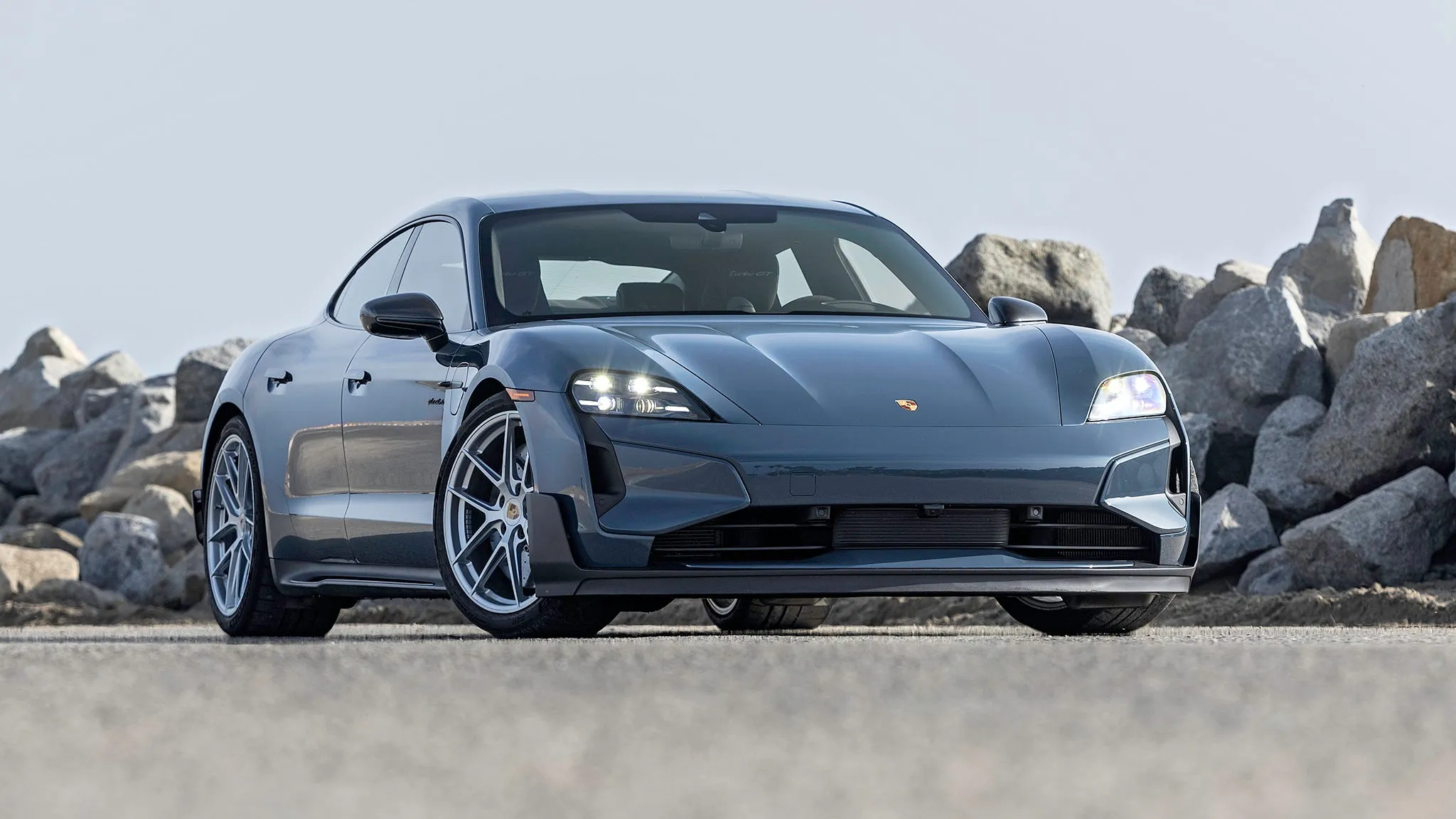
5. Porsche Taycan
The Porsche Taycan occupies a very different segment from many mainstream EVs, yet it retains value impressively within the luxury electric category. I am including it because it proves that brand prestige combined with genuine performance engineering can protect resale strength even in a rapidly evolving market.
Luxury vehicles typically depreciate quickly, but Porsche models often defy that trend. The Taycan benefits from the brand’s reputation for engineering precision and driving dynamics.
Unlike some electric luxury sedans that emphasize straight line speed alone, the Taycan delivers balanced handling, refined steering feedback, and consistent performance under repeated use. That authentic sports sedan character helps maintain demand.
Build quality also contributes to value retention. Interior materials, fit and finish, and overall craftsmanship align with Porsche’s established standards. Used buyers in the premium segment prioritize these qualities heavily. When a vehicle feels solid and meticulously assembled, it holds appeal beyond initial novelty.
Battery performance and charging capability remain competitive as well. The Taycan supports high voltage charging architecture that enables rapid energy replenishment. As charging infrastructure improves globally, vehicles capable of maximizing that infrastructure remain relevant longer.
Another factor is limited oversupply. Porsche has managed production carefully compared to some mass market EV manufacturers. Controlled supply helps prevent steep price drops in the used market.
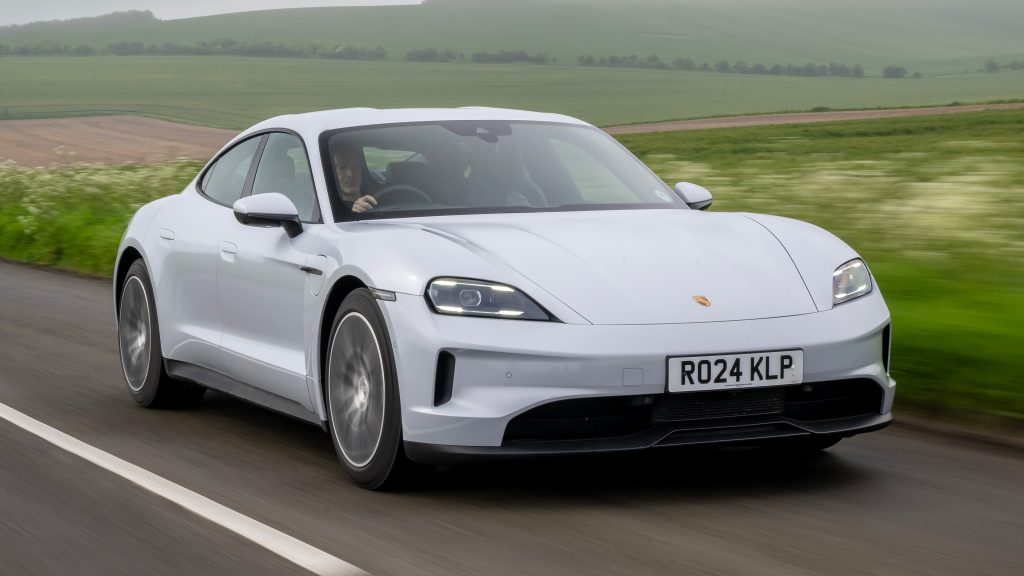
Brand loyalty plays a powerful role. Porsche buyers often return to the brand repeatedly, creating consistent demand for pre owned examples. This loyalty stabilizes resale values even as new electric competitors emerge.
The Taycan shows that in the luxury EV space, strong engineering identity and brand trust can significantly slow depreciation.
It stands as proof that electric performance cars can maintain desirability well beyond their initial release, protecting long term investment for owners who value both driving engagement and financial prudence.
5 That Drop Like a Rock
While some electric vehicles manage to retain value impressively, others experience steep and sometimes shocking depreciation. I am focusing on the following five models because they highlight how rapidly shifting technology, aggressive new car incentives, oversupply, or limited brand strength can accelerate value loss.
Electric vehicles evolve faster than traditional gasoline models. Improvements in battery chemistry, range, charging speed, and software features can quickly make older EVs feel outdated.
When a newer version offers significantly better range or faster charging at a similar price, the used market often reacts harshly. Buyers naturally gravitate toward the most advanced option available.
Another major factor is pricing volatility. Some manufacturers have reduced new car prices dramatically or offered substantial incentives to boost sales. While this may stimulate short term demand, it can severely impact resale values. Used vehicles must adjust downward to remain competitive with discounted new inventory.
Brand perception also matters deeply. If a manufacturer struggles with reliability concerns, limited dealer support, or inconsistent software updates, second hand buyers become cautious. In a market where battery health and technological support are crucial, uncertainty quickly translates into lower resale prices.
The five electric vehicles below demonstrate how these dynamics play out in real terms. Each offers strengths, but all have faced depreciation challenges that make them riskier long term financial propositions.
1. Nissan Leaf
The Nissan Leaf played a pioneering role in the early days of mainstream electric mobility, but it has also become one of the clearest examples of rapid EV depreciation. I am including it because its early generation limitations and intense market competition have significantly affected resale performance.
One of the primary issues has been battery technology in earlier models. The Leaf originally relied on passive air cooling for its battery pack, which in hot climates led to noticeable degradation over time.
As awareness of battery health increased, used buyers became cautious. Even though later versions improved range and durability, the reputation impact lingered.
Range evolution has also contributed to depreciation. Early Leafs offered modest driving range compared to modern EV standards.
As newer electric vehicles entered the market with significantly extended range and faster charging capability, older Leafs felt outdated. Buyers comparing specifications often choose more recent technology, which pushes resale prices downward.
Charging speed and compatibility further affect desirability. As fast charging networks expand and standards evolve, vehicles with limited charging capability or slower peak speeds become less attractive. The Leaf’s charging profile does not always match the convenience offered by newer competitors.
Pricing strategy also plays a role. Historically, the Leaf has been offered with competitive incentives and discounts when new. While this improves affordability upfront, it can compress used market pricing, especially when new examples remain aggressively priced.
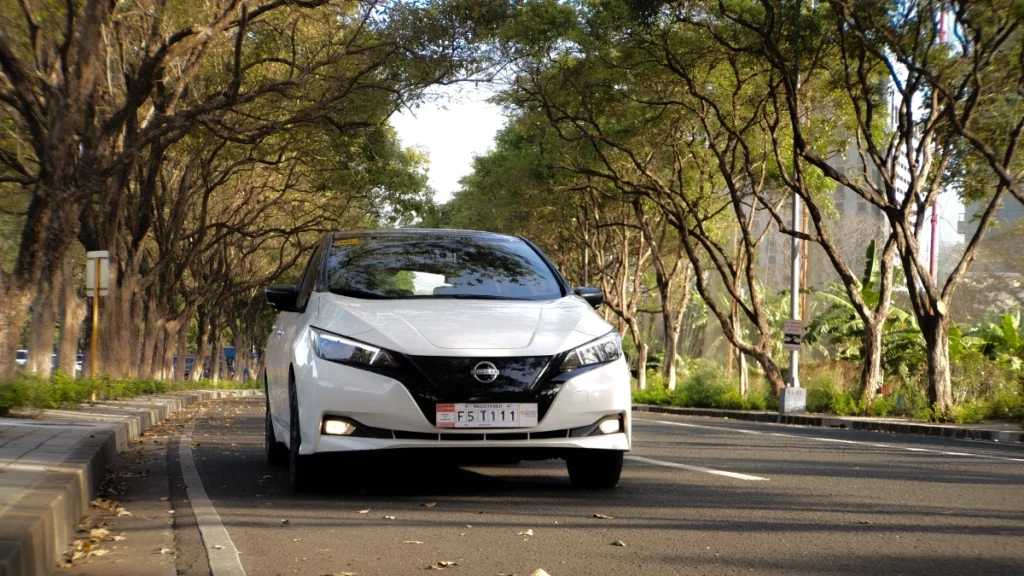
Despite its pioneering status and overall practicality, the Nissan Leaf demonstrates how quickly technology driven vehicles can lose value when innovation moves forward at a rapid pace.
2. Jaguar I Pace
The Jaguar I Pace entered the electric market with bold styling and impressive performance credentials, but it has struggled with steep depreciation. I am including it because it demonstrates how luxury positioning alone cannot guarantee strong resale value in the EV space.
When the I Pace debuted, it was praised for its sleek design and dynamic handling. However, the rapid expansion of the premium EV segment introduced newer competitors with longer range, faster charging speeds, and more advanced software ecosystems.
As these alternatives emerged, the I Pace began to feel technologically behind despite its strong driving character.
Another factor influencing depreciation is brand perception in the electric category. While Jaguar has a rich performance heritage, it did not establish the same EV focused identity or charging infrastructure presence as certain rivals.
Used buyers often seek reassurance about long term battery support and software updates, and uncertainty can suppress resale prices.
Pricing strategy also played a role. The I Pace entered the market at a relatively high price point, and heavy incentives were later introduced to stimulate sales. When new vehicles are discounted aggressively, used values tend to fall quickly to maintain competitiveness.
Interior technology and infotainment systems, though premium at launch, aged faster than anticipated. In the EV world, digital interfaces and software responsiveness matter greatly. Vehicles that do not receive meaningful updates can feel outdated within a few years.
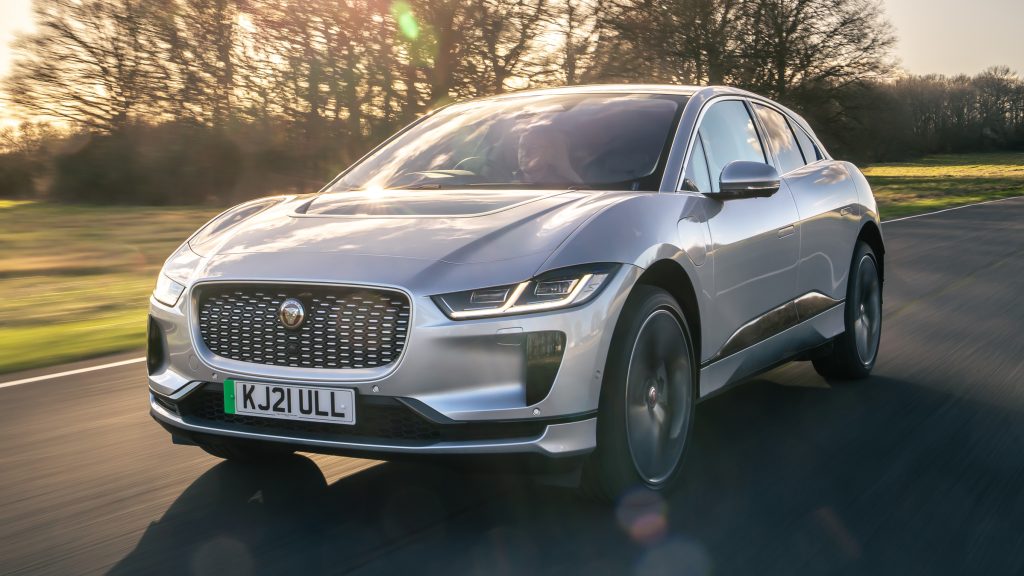
Although the I Pace remains enjoyable to drive and offers refined comfort, its rapid value decline highlights how quickly luxury EVs can depreciate when technology and market positioning do not evolve at the same pace as competitors.
3. BMW i3
The BMW i3 was innovative and distinctive when introduced, but it has experienced substantial depreciation over time. I am including it because it illustrates how niche design and limited range can influence long term value in the used EV market.
The i3 featured a unique carbon fiber reinforced structure and futuristic styling. While these elements set it apart, they also narrowed its audience. Not all buyers embraced its unconventional appearance or compact proportions. A smaller pool of interested used buyers often translates into lower resale prices.
Early versions of the i3 offered modest range compared to modern electric vehicles. Even though BMW introduced larger battery packs in later updates, the perception of limited range lingered. As newer EVs surpassed 250 or 300 miles of range, the i3’s capabilities seemed modest by comparison.
Charging speed and practicality also influenced depreciation. Although suitable for urban commuting, the i3 was not positioned as a long distance travel solution. Used buyers seeking versatility often gravitate toward models with broader capability.
Production numbers were relatively controlled, yet the vehicle’s niche appeal limited demand. Additionally, BMW eventually discontinued the model, which can sometimes affect buyer confidence in long term support.
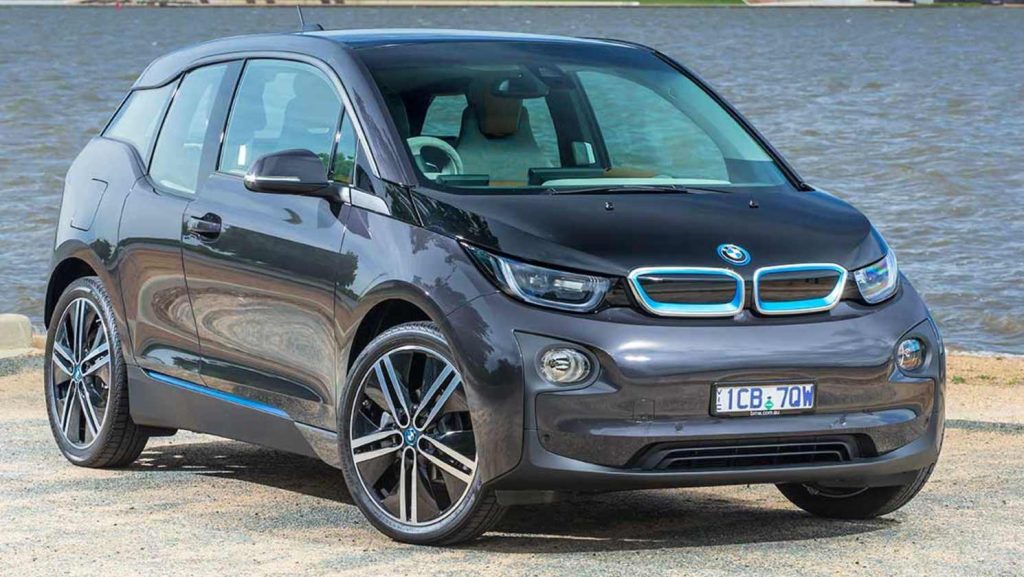
The i3 remains an interesting and well engineered city EV, but its specialized character and earlier technological constraints contributed to a sharp drop in resale value compared to more mainstream electric vehicles.
4. Audi e tron
The Audi e tron entered the market as a premium electric SUV with refined comfort and strong build quality. However, it has experienced notable depreciation in the used market. I am highlighting it because it demonstrates how competitive pressure and pricing strategy can quickly erode value.
The e tron offered a smooth and quiet ride, along with a high quality interior that aligned with Audi’s luxury standards. However, its range figures were less competitive compared to similarly priced rivals. As range became a primary decision factor for EV buyers, this disadvantage affected long term desirability.
Charging capability, while solid, did not consistently outshine competitors. In a market where charging speed improvements occur rapidly, vehicles that are merely adequate can fall behind quickly.
Significant new vehicle incentives and lease programs also impacted resale performance. When manufacturers offer aggressive lease deals, the used market often becomes saturated with off lease vehicles. Increased supply combined with competitive pricing pressures residual values.
Although the e tron remains comfortable and refined, the fast pace of EV development has made early versions feel less cutting edge. Buyers comparing specifications often prioritize maximum range and efficiency, which places downward pressure on resale pricing.
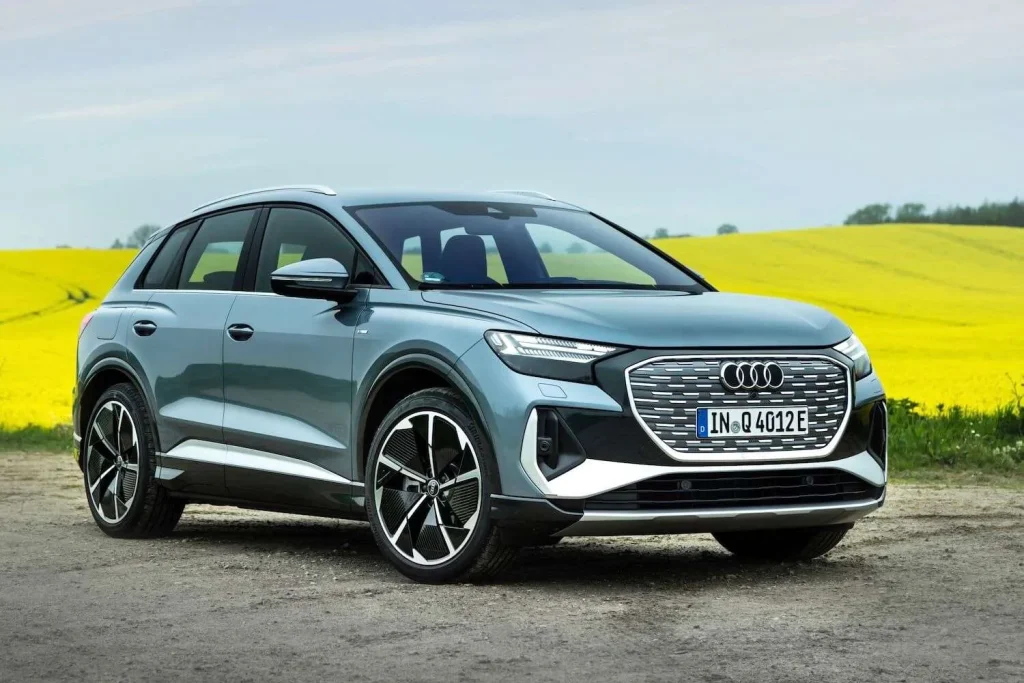
The Audi e tron shows how even well executed luxury EVs can depreciate rapidly when technological advancement and pricing strategies shift market expectations.
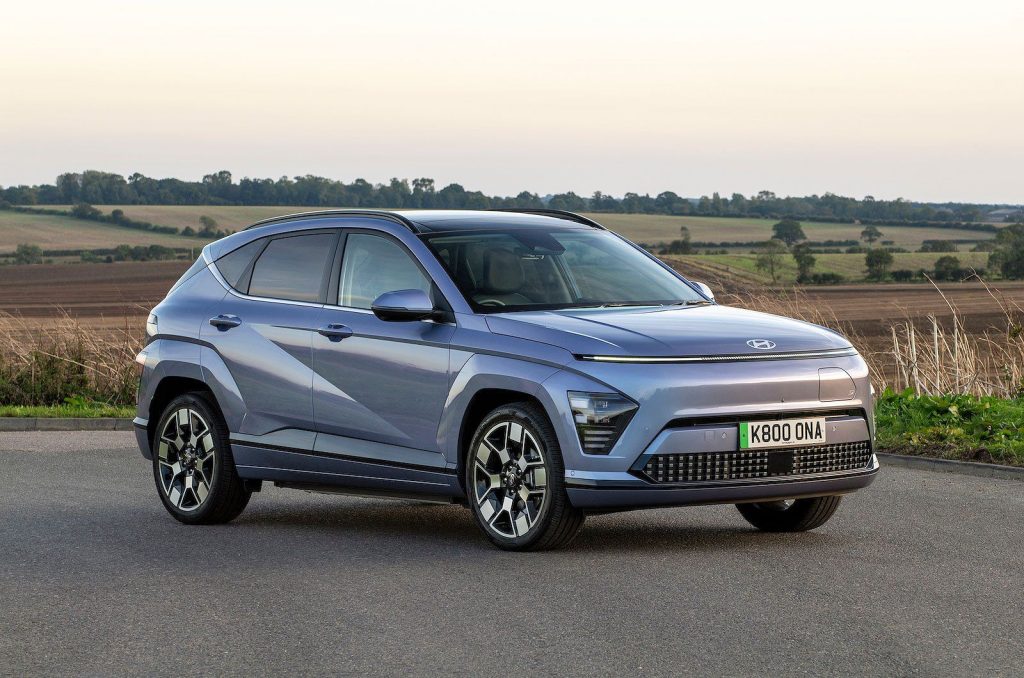
5. Hyundai Kona Electric
The Hyundai Kona Electric initially impressed buyers with strong range in a compact format, yet it has experienced meaningful depreciation in certain markets. I am including it because it reflects how market positioning and supply dynamics can influence long term value.
The Kona Electric offered competitive efficiency and practical size, making it appealing to urban drivers. However, as Hyundai introduced newer dedicated EV models with advanced platforms and faster charging capability, the Kona Electric began to feel transitional rather than purpose built.
Battery recall campaigns earlier in its lifecycle also influenced buyer perception. Even though corrective actions were taken, concerns surrounding battery replacement programs affected confidence among used shoppers. In the EV segment, battery reliability perception carries enormous weight.
Interior technology and infotainment features, while functional, did not stand out as class leading. As digital interfaces become more central to the EV ownership experience, vehicles that lack distinctive software ecosystems can struggle to maintain value.
Pricing adjustments and incentives in various regions further impacted resale stability. When new examples are heavily discounted, used pricing must adjust accordingly.
The Kona Electric remains a practical and efficient choice for many drivers, but its transitional role in Hyundai’s EV strategy and evolving competition have contributed to depreciation patterns that are steeper than those of stronger long term value retainers.
Electric vehicle depreciation varies dramatically depending on brand strength, technology, market demand, and pricing strategy. Some EVs manage to retain their value impressively because they combine strong real world range, reliable battery performance, and consistent consumer demand.
Others lose value quickly due to outdated technology, aggressive incentives, oversupply, or weaker brand confidence in the electric space.
Among the stronger performers are models like the Tesla Model 3, Ford F 150 Lightning, Chevrolet Bolt EUV, Hyundai Ioniq 5, and Porsche Taycan. These vehicles benefit from a combination of competitive range, solid charging capability, recognizable branding, and continued relevance in the used market.
Strong charging networks, over the air updates, established truck heritage, practical affordability, or premium performance credibility all contribute to sustained demand. When buyers feel confident about long term battery durability and software support, resale values tend to remain healthier.
On the other side, EVs such as the Nissan Leaf, Jaguar I Pace, BMW i3, Audi e tron, and Hyundai Kona Electric have experienced steeper depreciation. Limited early range, battery concerns, niche design appeal, heavy new car incentives, and rapid technological improvements have all played a role.
In a fast evolving segment, vehicles can feel outdated within a few years if range, charging speed, or software lags behind competitors.
Ultimately, EV buyers must consider more than just upfront cost and features. Long term value depends on brand trust, technological staying power, and market positioning in an industry that continues to evolve at remarkable speed.
Also Read: 10 Best Daily Drivers To Get in 2026 That Age Gracefully