Transmission reliability is one of the most important factors when choosing an affordable car. Some models, such as the Toyota Corolla and Honda Civic, are known for durable gearboxes that can last well over 200,000 miles with proper maintenance. These cars feature thoughtfully engineered transmissions that reduce stress, manage heat, and provide smooth, fuel-efficient performance.
In contrast, vehicles like the Ford Focus, Nissan Versa, and Chevrolet Traverse have shown how design flaws or early adoption of complex technologies can lead to costly transmission failures. Problems such as dual-clutch malfunctions, CVT overheating, or mechanical breakage often occur much sooner than expected.
Being aware of which cars have reliable transmissions and which are prone to failure can save buyers significant money and frustration. Transmission performance should be a key consideration for anyone looking for dependable daily transportation.
5 Affordable Cars With Durable Transmissions
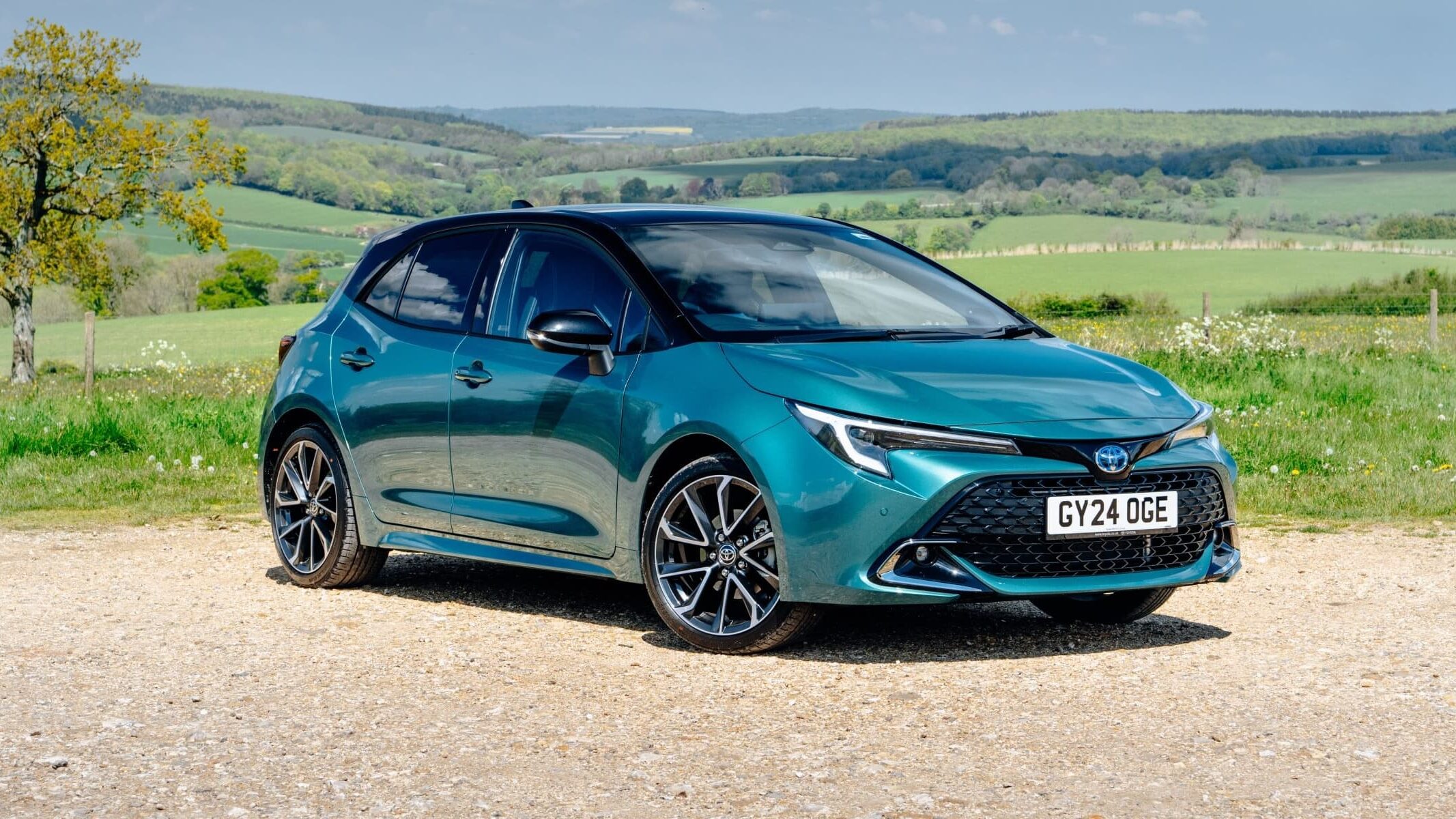
1. Toyota Corolla (2014–Present): Reliable, Practical, and Enjoyable
The 2014–present Toyota Corolla has earned a reputation for reliability, practical design, and enjoyable daily driving. One of the standout features is its durable transmission. Earlier models used a traditional 4-speed automatic, but the modern Corolla primarily employs the K313 and K120 “Direct Shift” Continuously Variable Transmissions (CVTs).
Unlike many rival CVTs, Toyota’s system incorporates a physical “launch gear” that handles low-speed acceleration, reducing stress on the belt and pulley system during stop-and-go driving.
Internal data shows a median CVT lifespan of 224,000 miles, with more than 18% of vehicles exceeding 300,000 miles without major gearbox replacements. Paired with the dependable 1.8L engine, the CVT provides smooth, fuel-efficient performance, particularly when serviced with Toyota’s specific CVT fluid every 60,000–100,000 miles.
Beyond engineering, the 2014 Corolla marks a shift toward a more expressive design. Sweeping windshields, sharper body lines, and metallic paint options like the Ascent Sport’s “Inferno” give the hatch a bold, modern presence.
The interior is equally refined, offering a 6.1-inch touchscreen for audio, phone, and reversing camera functions, along with comfortable, adjustable seats for all occupants. The rear cabin is spacious enough to accommodate passengers, child seats, or a mix of gear, making it well-suited for families.
Performance balances efficiency and engagement. The 1.8L engine delivers confident acceleration, responsive overtaking, and smooth city driving, with real-world fuel consumption averaging 7.9 L/100 km in stop-start conditions.
Eco mode encourages economical driving, while Sports mode unleashes a livelier character. Handling is precise, and the CVT ensures seamless power delivery, creating a surprisingly engaging drive for a compact hatch.
Practicality and safety are key strengths. Ample storage compartments, a clear dashboard, and user-friendly controls enhance day-to-day usability. Safety features include seven airbags, stability and traction control, Bluetooth hands-free connectivity, and integrated steering wheel controls.
Pricing ranges from $19,990 for the base Ascent to $30,740 for the top-end Levin ZR, with the Ascent Sport reviewed at around $23,990. Toyota’s Service Advantage program ensures capped-price servicing, providing peace of mind and predictable maintenance costs.
The MY14 Corolla proves that reliability and practicality can coexist with modern design and driving enjoyment. With a responsive engine, smooth transmission, family-friendly cabin, and affordable ownership, it continues Toyota’s legacy while appealing to drivers who want a compact hatch that’s both dependable and fun.
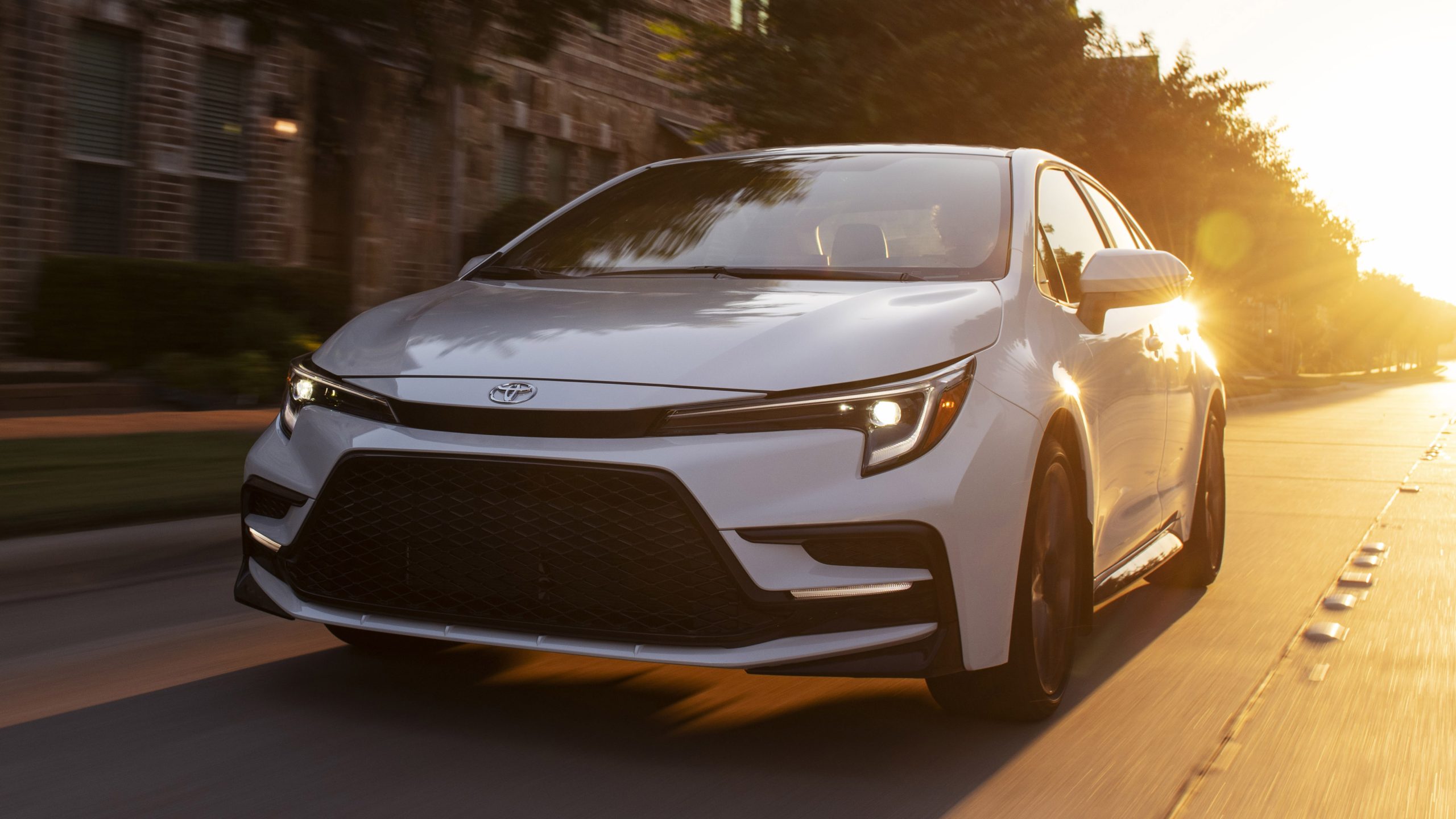
2. Honda Civic (2016–Present): Reliable, Efficient, and Practical
The 2016–present Honda Civic has solidified its reputation as a reliable, efficient, and practical compact car, available in both sedan and hatchback forms. One of the standout features is its durable transmission lineup. Most Civics use Honda’s refined CVT, while manual options remain for enthusiasts.
The CVT employs a sophisticated belt-and-pulley system with G-Design shift logic and a turbine twin-damper torque converter, providing smooth, efficient acceleration and reducing stress on mechanical components. With regular fluid changes every 25,000–40,000 miles, these transmissions can easily surpass 200,000 miles.
The 6-speed manual is equally robust, featuring a rigid aluminum case, stronger gear shafts, and high-capacity bearings for enhanced longevity. Both systems are designed to integrate seamlessly with Honda’s “Earth Dreams” engine technology for optimal performance and durability.
The Civic’s 2026 iteration combines practicality with contemporary style. A refreshed exterior and updated interior offer a more upscale cabin, with comfortable seats, intuitive controls, and modern tech. The LX and Sport trims feature a 2.0-liter four-cylinder engine producing 150 horsepower paired with a CVT, while the Civic Si boasts a 200-horsepower turbocharged 1.5-liter engine with a six-speed manual.
Handling is agile, with responsive steering and a well-tuned suspension that balances comfort and stability. While not the fastest compact on the market, the Civic’s engine performance is sufficient for daily commuting, highway cruising, and light spirited driving.
Fuel economy is impressive, with the base CVT models achieving around 34 mpg combined and the Si manual around 31 mpg, making it an efficient choice for long-term ownership.
Interior comfort and practicality are key strengths. The Civic seats five comfortably, with ample front and rear legroom and supportive seats, though heated seats are absent on lower trims. Cargo space is generous, especially in the hatchback, offering up to 46.2 cubic feet with rear seats folded.
Technology includes a standard 7-inch touchscreen, Apple CarPlay, Android Auto, dual USB-C ports, and available upgrades on higher trims like the Si, which adds a 9-inch display and 10.2-inch digital cluster.
Safety is comprehensive, with the Honda Sensing suite providing adaptive cruise control, lane-keep assist, forward collision mitigation, blind-spot monitoring, and rear cross-traffic alert, earning five-star crash ratings and Top Safety Pick+ recognition.
Pricing ranges from $24,595 for the LX sedan to $30,995 for the Si, with the Sport hatchback around $27,795. The Civic blends long-standing Honda reliability with efficient performance, modern comfort, and advanced safety, making it a top choice in the compact car segment.
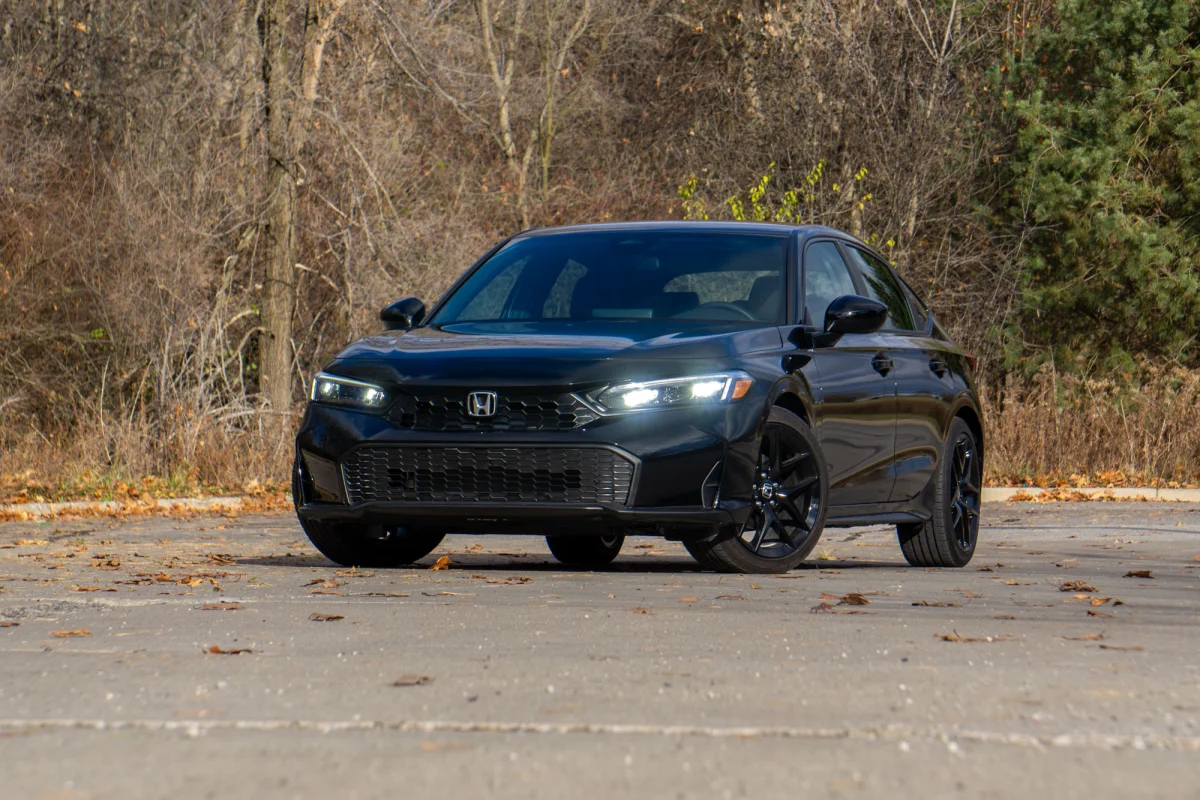
3. Mazda3 (2019–Present): Durable, Fun, and Efficient Compact
The 2019–present Mazda3 is a standout in the compact car segment, known for its durable transmissions, engaging driving dynamics, and refined interior. Unlike many competitors that rely on Continuously Variable Transmissions (CVTs), Mazda has deliberately avoided them, offering a robust 6-speed Skyactiv-Drive automatic or a 6-speed Skyactiv-MT manual.
The Skyactiv-Drive combines a conventional automatic’s smooth torque converter with a multi-plate clutch for direct-feel shifts, delivering reliability and low-wear operation. Verified owners report easily surpassing 200,000 miles, with maintenance costs averaging around $5,800 over ten years.
The manual transmission option adds further durability, with a precise, rigid design that enhances longevity. While minor hesitation at abrupt starts is sometimes noted, the system is widely praised for long-term reliability.
Performance is a strong suit for the Mazda3. Most trims feature a naturally aspirated 186-horsepower 2.5-liter four-cylinder engine driving the front wheels via the automatic transmission. All-wheel drive is available on select trims, and the top turbocharged 2.5-liter engine produces 250 horsepower, standard with AWD and an automatic transmission.
Testing shows brisk acceleration for the turbo model, reaching 60 mph in 5.6 seconds, while the base automatic and manual non-turbo models manage 7.0–7.5 seconds. Handling is composed on both straightaways and twisty roads, with taut body control, responsive steering, and a refined ride that balances firmness and comfort, preserving the Mazda3’s signature fun-to-drive character.
Fuel efficiency is competitive, with EPA estimates of 27–36 mpg for city and highway driving, depending on drivetrain and engine choice. Real-world testing often meets or slightly exceeds these figures, making the Mazda3 an efficient option for daily commuting and longer trips.
Inside, the cabin combines style, comfort, and practicality. Front seats are supportive, the dashboard is intuitive, and quality materials create a premium feel. Rear legroom is acceptable for a compact car, though visibility can be limited in the hatchback due to its sloping design.
Cargo space ranges from 16 bags with folded rear seats to a smaller load in the hatchback with seats up, while the sedan surprisingly offers more usable space. Infotainment includes an 8.8-inch touchscreen with Apple CarPlay and Android Auto (wired or optional wireless), with turbo models offering a larger 10.3-inch display. Audio options range from an 8-speaker stereo to a 12-speaker Bose system.
Safety is comprehensive, with adaptive cruise control, automated emergency braking, and blind-spot monitoring standard. Optional features include a 360-degree camera system and front/rear parking sensors. Warranty coverage is typical for the class: three years/36,000 miles limited, and five years/60,000 miles powertrain.
The Mazda3 blends durable engineering, spirited driving, modern technology, and solid efficiency, making it a reliable and enjoyable compact car for daily use and spirited drives alike.
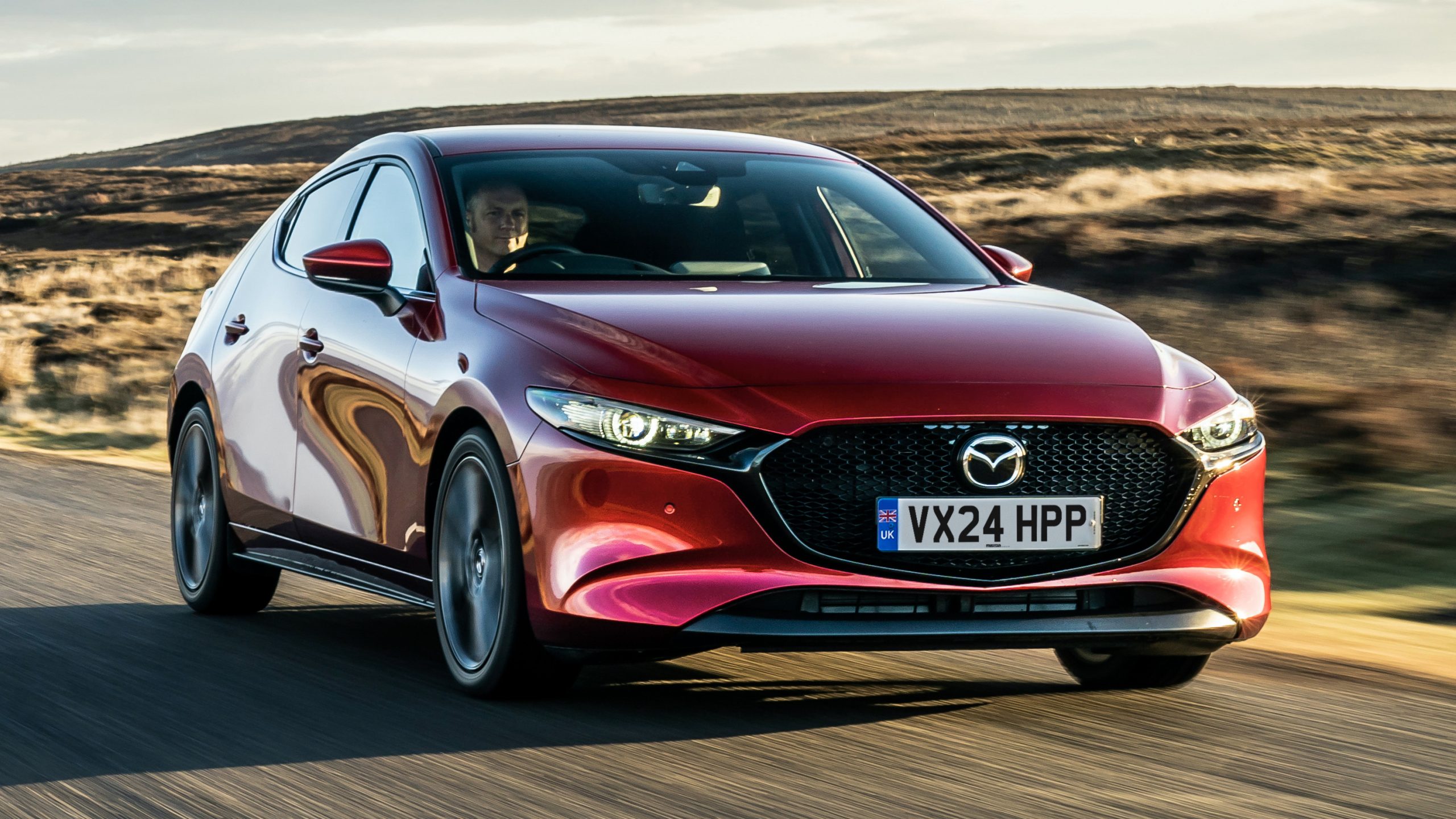
4. Toyota Camry (2012–2017): Reliable, Comfortable, and Efficient
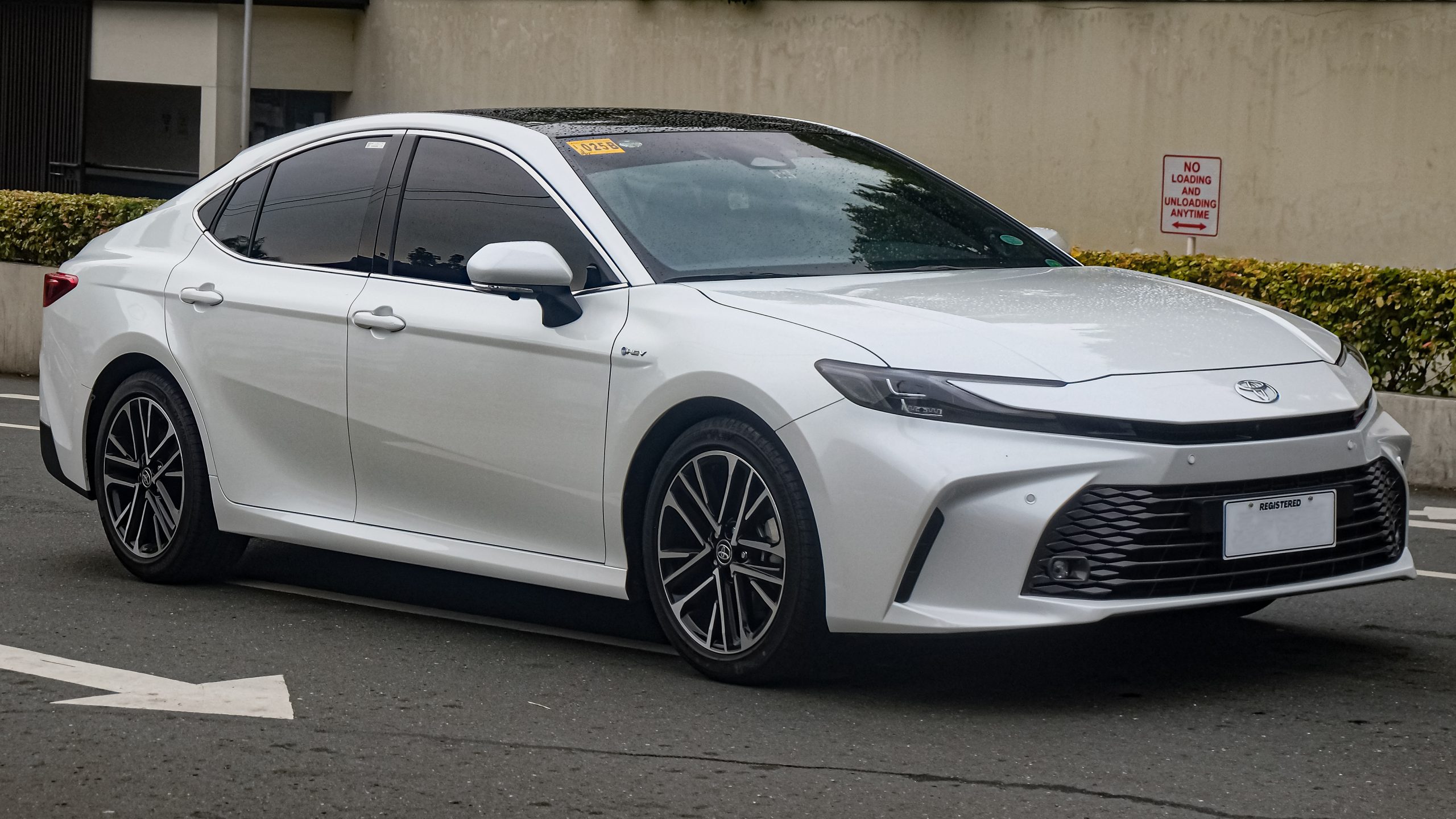
The seventh-generation Toyota Camry (2012–2017) is widely regarded as one of the most reliable mainstream sedans ever produced, combining proven engineering, durable transmissions, and practical comfort.
Central to its longevity is the refined 6-speed automatic transmission (U660E/U760E/U761E series) used in non-hybrid models, which avoids the early issues sometimes seen in newer 8-speed or CVT systems.
This conventional automatic provides smooth, low-RPM cruising, optimal thermal management with an automatic transmission fluid warmer, and reduced wear during cold starts, contributing to an expected lifespan of 20 to 25 years and mileage often exceeding 300,000 miles with proper maintenance. Some early 2012–2014 models may experience torque converter issues, emphasizing the importance of regular fluid service.
The Camry’s powertrain pairs the 6-speed automatic with either a 2.5-liter four-cylinder or a 3.5-liter V6 engine. Both engines were tuned for improved fuel efficiency without sacrificing smooth performance. The base four-cylinder delivers 25 mpg city and 35 mpg highway, while the V6 achieves 21/30 mpg.
The hybrid model pushes efficiency further, achieving 43/39 mpg, thanks to an Atkinson-cycle engine, enhanced regenerative braking, electric water pump, and improved battery management. Total hybrid power increased from 187 to 200 horsepower, trimming 0–60 mph times by about half a second.
While the Camry’s styling is understated, it gained smoother, more modern lines compared to its predecessor. Interior upgrades focused on comfort and quality, including a layered dashboard with genuine stitching, larger ergonomic controls, and improved materials without sacrificing the spacious cabin.
Trunk space ranges from 13 cubic feet in hybrid models to 15 cubic feet in standard variants, and the SE trim adds firmer suspension, better steering feedback, and sportier aesthetics. Wind and road noise were reduced, and ride quality remains smooth without being floaty, making the Camry ideal for daily commuting and long trips.
Toyota also simplified the model lineup to reduce costs, with trims including L, LE, SE, XLE, and hybrid variants. The SE strikes a balance between sporty handling and comfort, while the hybrid combines utility with exceptional fuel efficiency.
The combination of proven powertrains, improved materials, enhanced fuel economy, and thoughtful pricing ensured that the seventh-generation Camry maintained its status as America’s bestselling sedan, offering a reliable, comfortable, and efficient package for nearly every type of driver.
5. Subaru Impreza (2018–Present): Reliable, Practical, and AWD-Ready
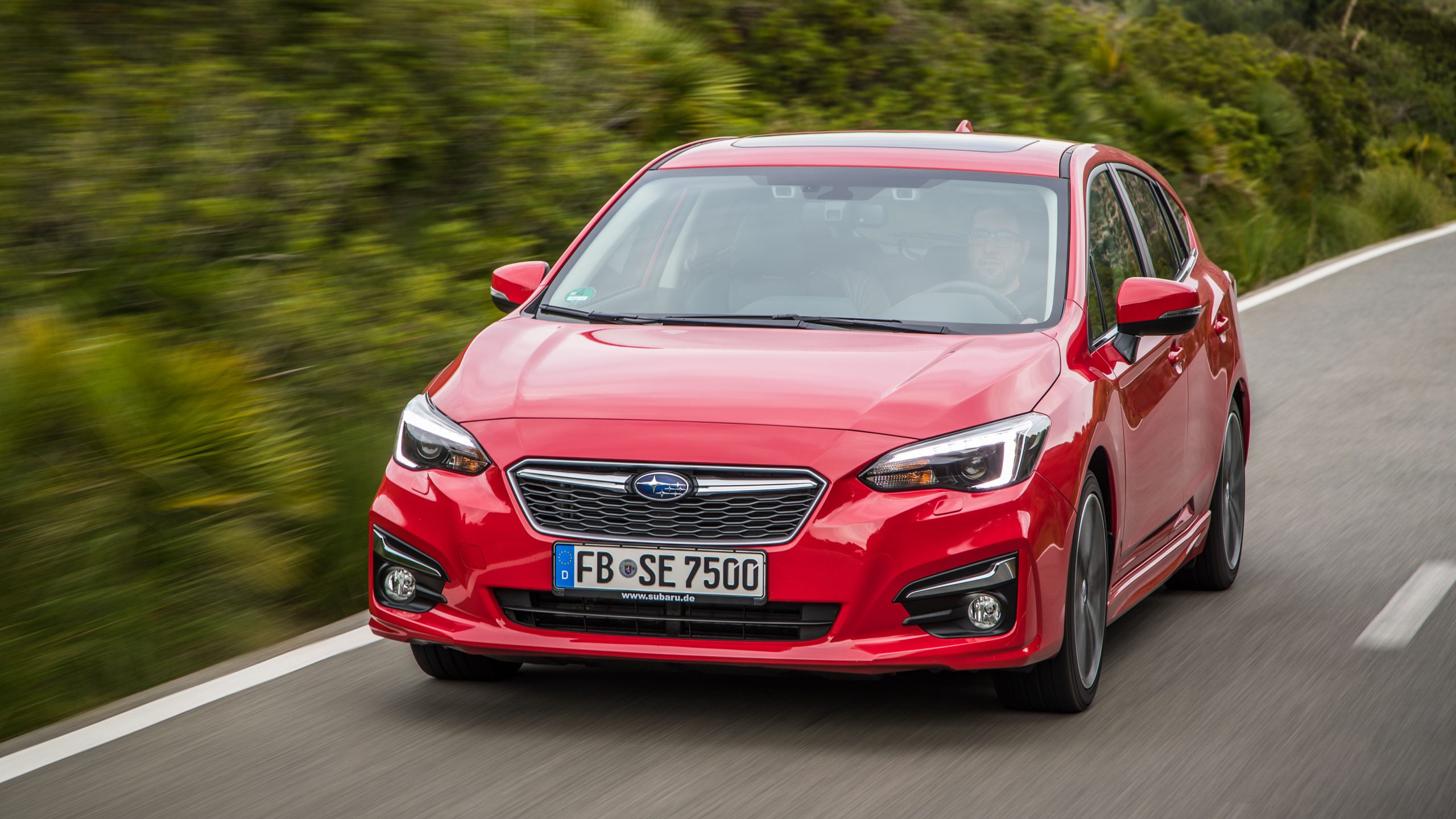
The 2018–present Subaru Impreza combines all-wheel-drive capability, durability, and practicality, making it a dependable choice for daily driving. Central to its reliability is the Lineartronic Continuously Variable Transmission (CVT), which underwent significant refinements compared to earlier 2012–2015 models.
Unlike traditional belt-driven CVTs, the Impreza’s system uses a chain-driven design, reinforced transmission casing, and an advanced torque converter, all of which increase strength, improve load tolerance, and extend the life of the transmission.
Proper maintenance, particularly changing Subaru High Torque CVTF fluid every 30,000 miles, is key to preventing overheating and wear. The relatively lightweight nature of the Impreza and its typical commuter use further reduces stress on the drivetrain, contributing to long-term durability.
The Impreza is powered by a 2.0-liter flat-four engine producing 152 horsepower and 145 lb-ft of torque. While low-end acceleration is modest and requires keeping the engine in its optimal powerband, the CVT or available five-speed manual provides smooth operation once underway.
On the road, the Impreza impresses with balanced handling, flat cornering, and responsive rack-and-pinion steering that adds agility to its daily-driving demeanor. Fuel economy is competitive for its class, particularly for an all-wheel-drive vehicle, though official EPA figures vary depending on drivetrain and body style.
Inside, the Impreza prioritizes ergonomics and comfort over flashiness. Clear gauges, simple controls, and intuitive climate systems make it easy to operate, while soft-touch plastics, cushioned armrests, and quality fit-and-finish enhance the cabin’s appeal.
Upper trims add heated leather-trimmed power seats, automatic climate control, and driver-assist features. Cargo space is modest but functional, with a 60/40 split-folding rear seat providing flexibility for larger items, though storage cubbies are limited.
Infotainment varies by trim, with base and Premium models featuring a 6.5-inch touchscreen and Sport/Limited trims offering an 8-inch display.
Apple CarPlay and Android Auto are standard, while top-level Limited trims add navigation, premium audio, and a sunroof. Safety is comprehensive, with NHTSA and IIHS ratings reflecting strong crash protection, and Subaru’s suite of driver-assistance technologies provides added peace of mind.
The Subaru Impreza (2018–present) offers a practical, all-weather compact package. Its refined chain-driven CVT, balanced driving dynamics, functional interior, and comprehensive safety features make it a reliable and versatile choice for commuters, small families, or anyone seeking dependable all-wheel-drive performance.
Also read: 5 Cars With Simple Dash Layouts vs 5 With Confusing Ones
5 Known for Gearbox Failure
1. Ford Focus (2012–2017): Notorious PowerShift Transmission Failures
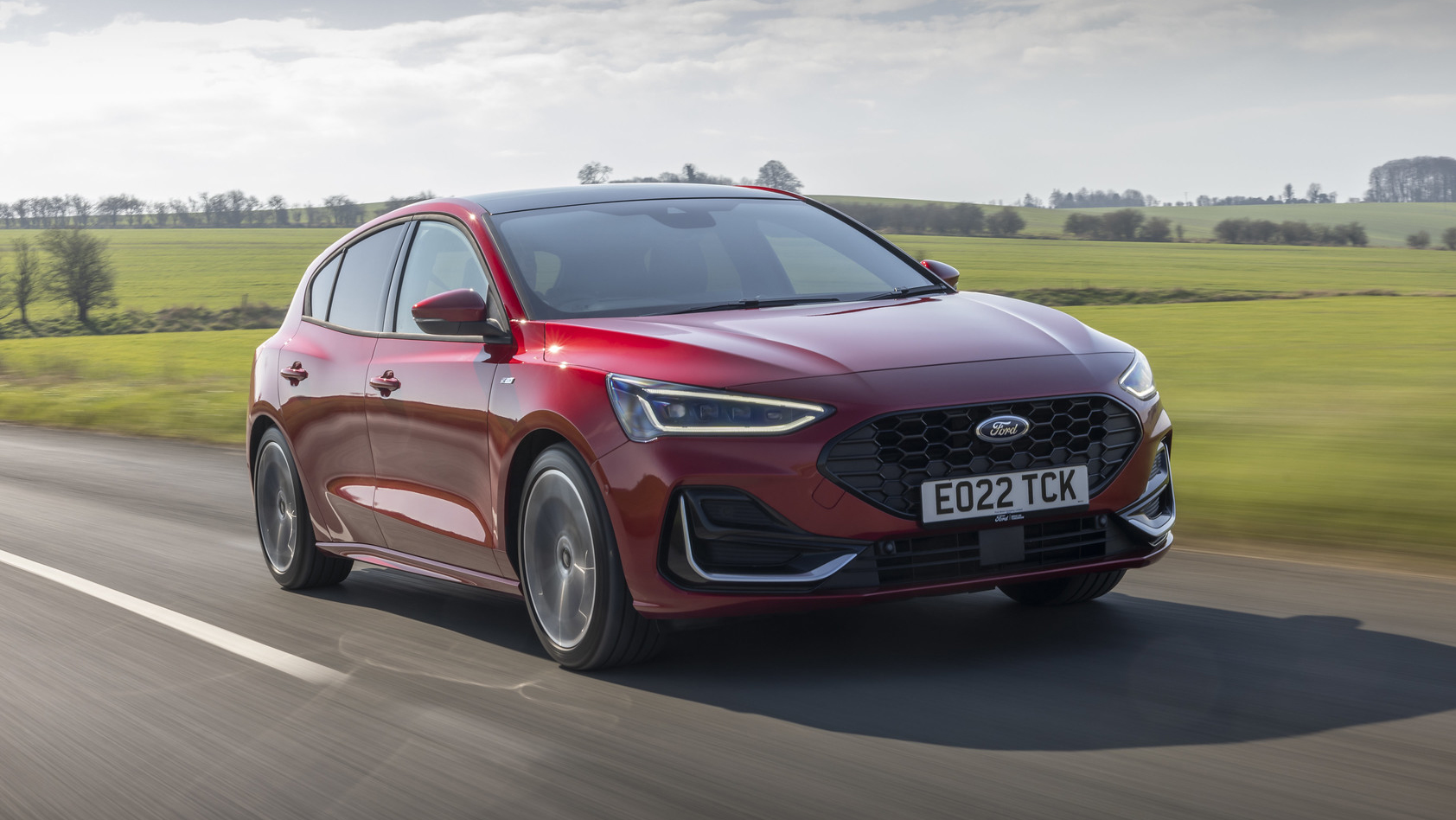
The 2012–2017 Ford Focus is widely known for reliability issues caused by its PowerShift 6-speed dual-clutch transmission (DPS6). Unlike conventional automatics, the PowerShift uses a dry dual-clutch system designed to mimic manual shifts.
This setup, however, suffered from fundamental design flaws that led to widespread failures, especially in stop-and-go city driving. Many units experienced severe shuddering, slipping, and sudden loss of power, often failing before 62,000 miles, resulting in a major class-action settlement and significant consumer distrust.
The DPS6 transmission’s primary flaw lies in its dry clutch design. Without the cooling benefits of a wet clutch, heat builds quickly in traffic, causing premature wear, chatter, and first-gear shudder.
Early 2012–2015 models included “green” clutches that were prone to rattling and further accelerated wear. Transmission fluid leaks from faulty input shaft seals could contaminate the clutch, compounding the problem and making repairs repeatedly fail.
Electronic and software issues worsened the situation. The Transmission Control Module (TCM) was prone to failure, often preventing gear changes or causing stalls. Poor early software calibration failed to adapt to driving conditions, aggravating mechanical faults. Additionally, Ford’s “lifetime” transmission fluid claim misled owners; degraded fluid clogged valve bodies and solenoids, further reducing reliability.
Ford attempted fixes through software updates and extended warranties for 2012–2016 models, but many repairs proved temporary. The highest-risk years are 2012–2015, though problems persisted in 2016–2017. Importantly, manual transmission variants from this era remain generally reliable and are unaffected by these issues.
The 2012–2017 Focus serves as a cautionary tale: while the car’s design and features were competitive, the PowerShift dual-clutch system’s design and maintenance shortcomings significantly tarnished its reputation, highlighting the risks of early-adopted dual-clutch technology in mainstream vehicles.
2. Nissan Versa (2012–2017): CVT Reliability Challenges
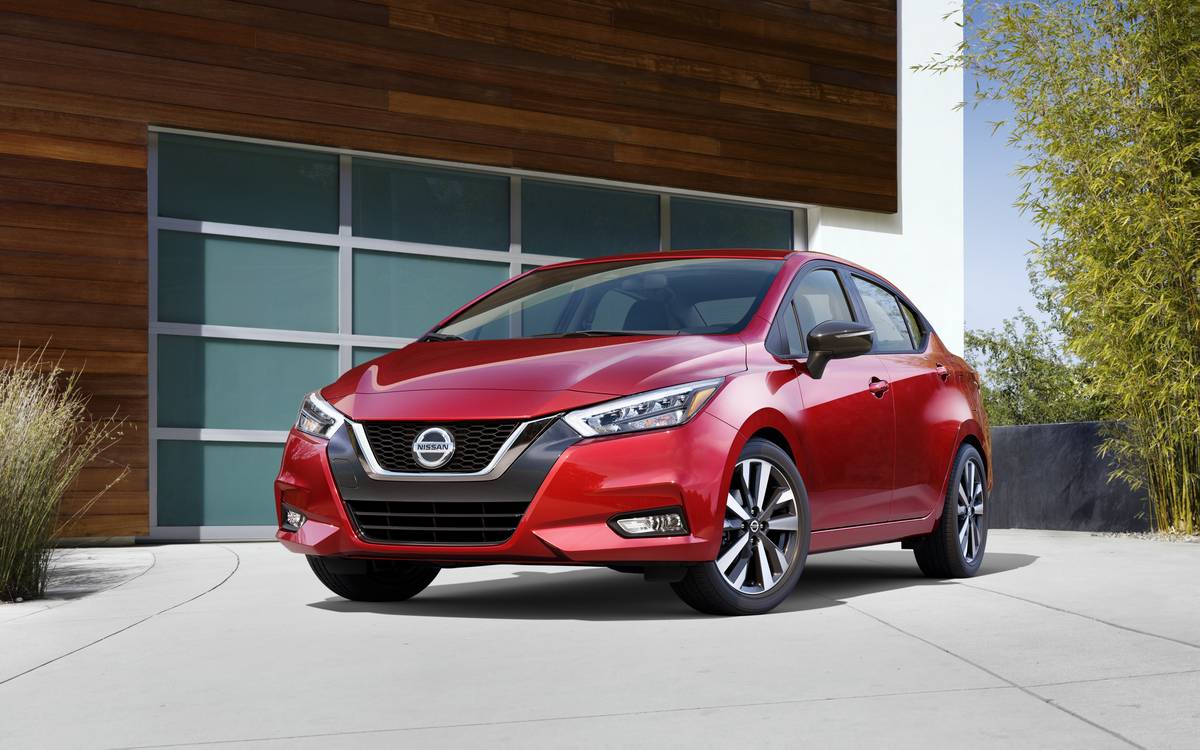
The 2012–2017 Nissan Versa is notorious for transmission issues, largely due to its early-generation Jatco Xtronic Continuously Variable Transmission (CVT). Unlike traditional automatic gearboxes, this CVT uses a steel belt and variable pulleys to provide a seamless range of gear ratios, aiming to improve fuel efficiency.
However, design and engineering flaws caused a high rate of premature failures, often occurring around 70,000 miles, shortly after the warranty expired.
The primary causes of Versa CVT failures include overheating, fluid degradation, mechanical stress on the steel belt, and software or sensor errors. Excessive heat from friction between the belt and pulleys can overwhelm the factory cooling system, causing the specialized CVT fluid to lose viscosity and lubrication properties.
This leads to rapid internal wear and metallic debris, further damaging the transmission. Over time, the steel belt can stretch or slip, scoring the pulleys and causing power loss or complete mechanical failure. Faulty Transmission Control Module (TCM) software may trigger erratic shifting or limp mode, further impacting drivability.
Common symptoms reported by owners include violent juddering or shuddering during acceleration, high-pitched whining noises, and transmission slipping, where engine RPM rises without a corresponding increase in speed. These warning signs often precede total transmission failure.
The widespread issues prompted multiple class-action lawsuits against Nissan, resulting in extended warranties for affected models up to 84 months or 84,000 miles. Replacement costs can range from $3,500 to $4,500.
Preventive measures can help extend the lifespan of a Versa CVT. Regular CVT fluid changes every 30,000 miles, and the installation of an aftermarket transmission cooler is recommended to manage heat and reduce wear.
Despite these precautions, the 2012–2017 Nissan Versa CVT remains a cautionary example of early-generation CVT technology, highlighting the importance of thermal management, maintenance, and software reliability in modern transmissions.
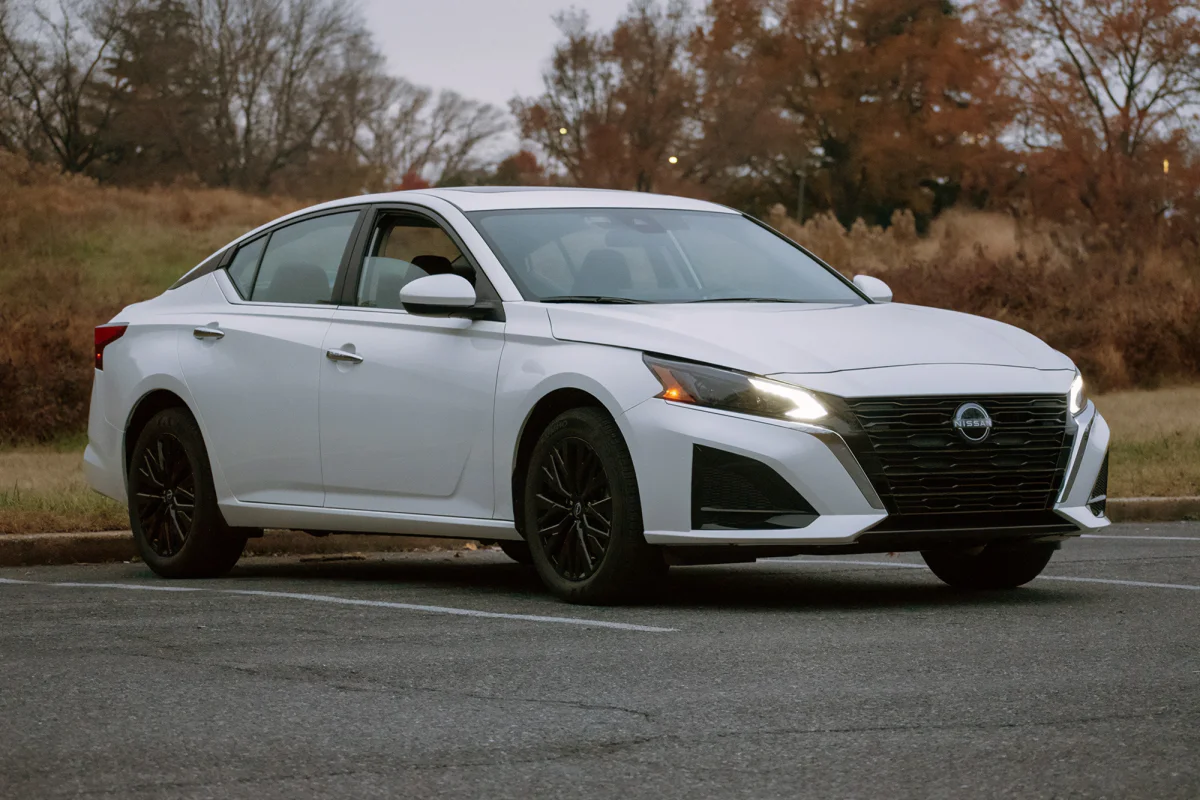
3. Nissan Altima (2007–2015): CVT Reliability Issues
The 2007–2015 Nissan Altima is notorious for transmission failures, primarily caused by its Jatco Continuously Variable Transmission (CVT). Designed to improve fuel efficiency through a steel belt and pulley system instead of traditional gears, these CVTs suffered from critical design and engineering flaws that made them prone to overheating and premature wear, especially in hot climates or under heavy driving loads.
The most significant cause of failure is inadequate cooling. Many Altima CVTs lacked sufficient mechanisms to maintain proper transmission fluid temperature, leading to degraded fluid viscosity, reduced lubrication, and accelerated internal wear.
Mechanical fragility compounds the issue: the steel belt is prone to stretching and slipping, creating metal debris that contaminates the system and damages pulleys and bearings. Early generations of these CVTs also struggled to handle engine torque, and faulty valve bodies and sensors frequently triggered “limp mode,” severely restricting speed to prevent complete failure.
Owners commonly report warning signs before a total breakdown, including violent shuddering or juddering during acceleration, high-pitched whining noises, and delayed response when shifting from Park to Drive or merging onto highways.
The widespread issues prompted a significant corporate response. Nissan extended powertrain warranties for affected models, offering 10 years or 120,000 miles for 2007–2010 vehicles and up to 84 months or 84,000 miles for 2013–2015 units.
Numerous class-action lawsuits provided reimbursements or vouchers toward new vehicles. Despite these measures, CVT failures are generally not repairable through conventional means, making full transmission replacements necessary, with costs typically ranging from $3,500 to $5,000.
The 2007–2015 Nissan Altima CVT highlights the risks of early-generation CVT technology, particularly regarding thermal management, mechanical durability, and maintenance. While fuel-efficient in theory, the transmission’s shortcomings led to widespread reliability issues and significant financial and legal repercussions for Nissan.
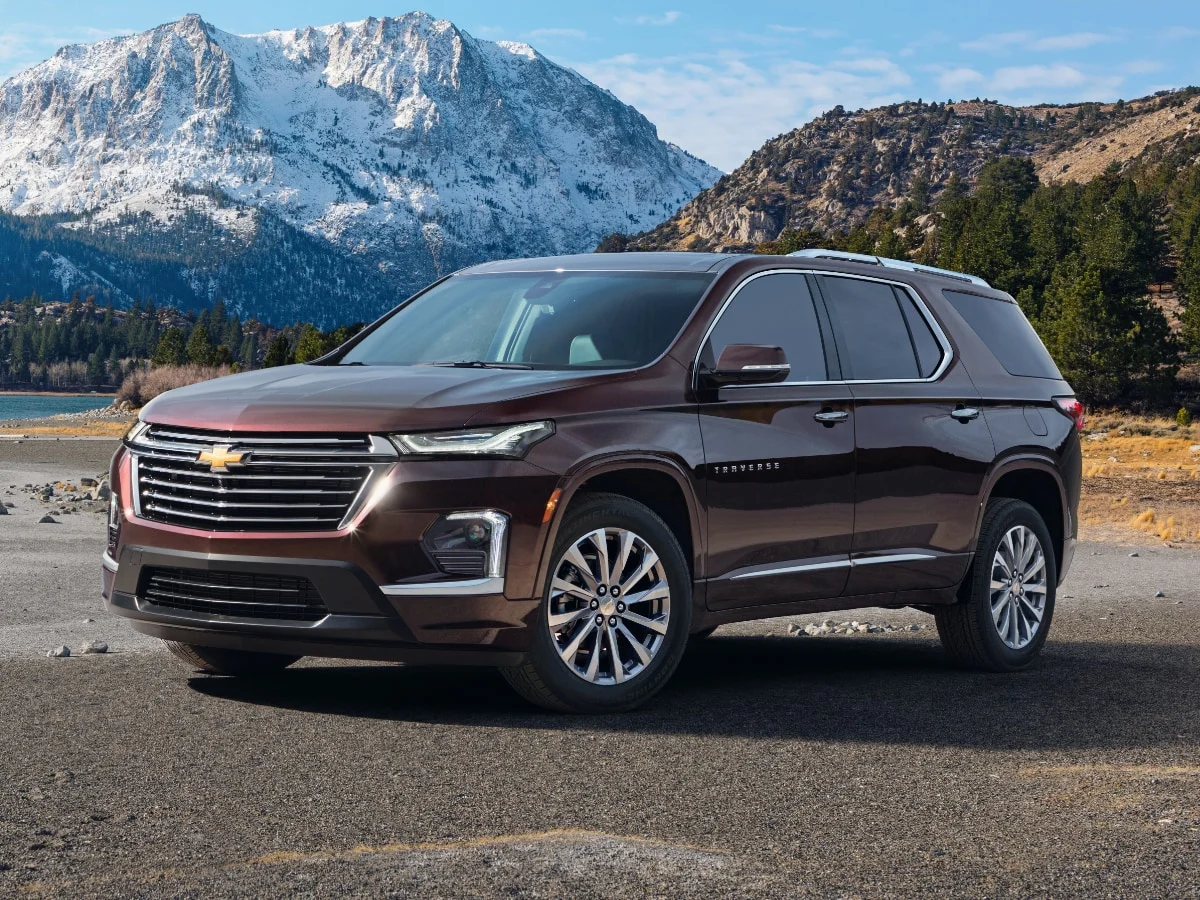
4. Chevrolet Traverse (2009, 2013–2014): 6T75 Transmission Failures
The 2009 and 2013–2014 Chevrolet Traverse models are notorious for severe transmission problems, primarily linked to the GM 6T75 6-speed automatic. The most critical mechanical failure involves the 3-5-Reverse (35R) wave plate, a thin spring-steel disc designed to cushion gear engagement. Due to a design or manufacturing flaw, this plate is prone to stress fractures.
When it shatters, metal shards circulate throughout the transmission, damaging drums, solenoids, and other internal components. The result is often a sudden inability to shift into 3rd or 5th gear, or a complete loss of reverse, typically occurring between 80,000 and 135,000 miles.
Electronic components exacerbate the problem. The Transmission Control Module (TCM) frequently fails, causing “Limp Mode,” which locks the vehicle into a single gear to prevent further damage. Solenoids controlling fluid flow can short out or be contaminated by metal debris from the broken wave plate.
Torque converter and clutch-pack issues further compromise performance, producing shuddering, delayed engagement, and rough shifts when moving from Park to Drive.
Consumer Reports highlighted the 2013 Traverse as particularly prone to full transmission replacements, often costing $3,000 to $4,000. While GM did not issue a recall for the wave plate, a Special Coverage Adjustment extended the warranty to 10 years or 120,000 miles for affected vehicles.
However, many failures occurred shortly after this limit. Separately, the 2009 and 2014 models received a recall for a faulty shift cable that could misalign the gear lever, creating a potential rollaway risk.
The 2009 and 2013–2014 Chevrolet Traverse suffers from a combination of mechanical fragility and electronic vulnerabilities in the 6T75 transmission.
Catastrophic wave-plate failure, coupled with TCM and solenoid issues, makes these model years high-risk for expensive transmission replacements. Proper maintenance offers limited mitigation, and most failures require full rebuilds or replacements, emphasizing caution for prospective buyers or current owners.
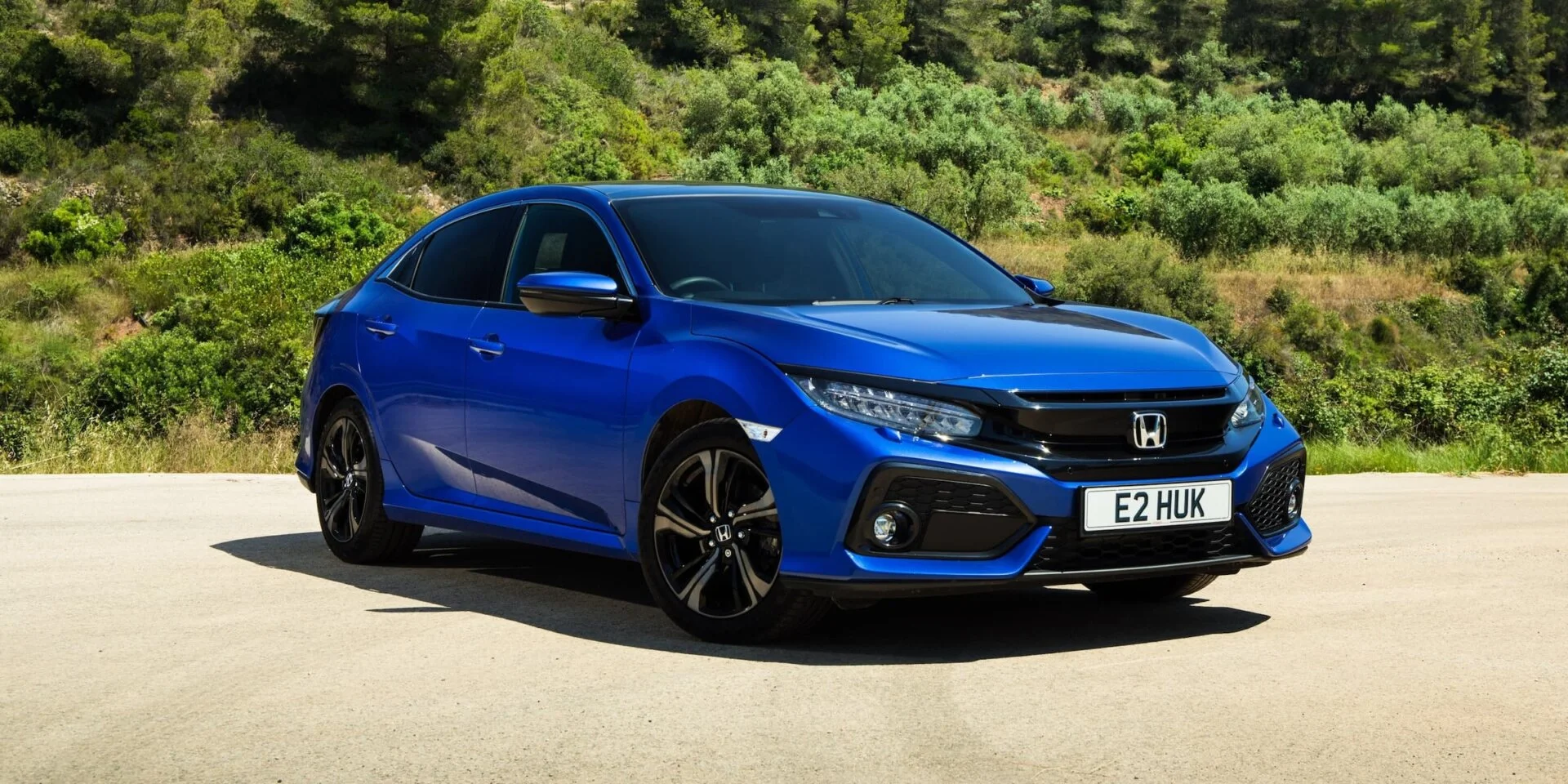
5. Honda Civic (2001, 2006–2009): Transmission Issues and Failures
While Honda Civics are generally known for reliability, the 2001 and 2006–2009 models are exceptions, with widespread automatic transmission problems that often required costly repairs between $3,000 and $4,000.
The 2001 Civic is infamous for a fundamental design defect in its automatic transmission. The primary failure point is the torque converter, which can produce debris that clogs the non-serviceable internal transmission filter.
Defective clutch materials often overheat, burning the transmission fluid and causing gears to slip or fail to engage, often before 90,000 miles. These issues were severe enough to prompt a safety recall (04V-176) for 2001–2004 models, as the transmission could lock up while driving, creating a serious crash risk.
The 8th-generation Civics faced issues primarily with electronic and specialized systems. Common problems include failure of the Dual Linear Shift Solenoid or the 3rd clutch pressure switch, leading to harsh or erratic shifting and “limp-home” mode, often triggering diagnostic codes such as P0752.
In markets with the semi-automatic i-Shift transmission, the clutch actuator frequently failed, causing dashboard warnings and total inability to select gears. Manual transmissions also had vulnerabilities, with the clutch master cylinder diaphragm sometimes binding or leaking, resulting in sticky pedals and accelerated wear on the internal synchronizers.
Prospective buyers and current owners should watch for key indicators of transmission problems: slipping, where the engine revs but the car doesn’t accelerate; delayed engagement from Park to Drive; and discolored fluid that is dark or burnt, signaling internal component failure.
While most Civics are reliable, the 2001 and 2006–2009 models stand out for costly and sometimes dangerous transmission failures, emphasizing careful inspection and proactive maintenance for these model years.
Selecting a car with a durable transmission provides peace of mind and long-term savings. Vehicles like the Toyota Corolla, Honda Civic, Mazda3, Toyota Camry, and Subaru Impreza demonstrate that careful engineering and proper maintenance can result in many years of reliable service.
By contrast, the Ford Focus, Nissan Versa, Nissan Altima, Chevrolet Traverse, and early-generation Honda Civics show how design weaknesses or complex systems can create expensive repair challenges. Comparing these examples helps buyers make informed decisions and choose cars that are more likely to remain dependable and trouble-free for years of driving.
Also Read: 10 Cars That Feel Faster Than Their Horsepower Numbers