Towing is one of the clearest ways to separate a truly capable pickup from one that only looks tough on paper. While many trucks advertise impressive tow ratings, real-world performance under load depends on far more than a single number.
Engine torque delivery, transmission tuning, frame strength, suspension design, cooling systems, and even software calibration all play a role in how confidently a truck handles heavy trailers. Some pickups are engineered from the ground up for sustained hauling, maintaining stability, control, and reliability mile after mile.
Others prioritize comfort, efficiency, or everyday drivability, which can cause noticeable strain when pushed near their limits. In this comparison, we break down five pickup trucks that handle heavy towing exceptionally well and five that tend to struggle under load. The goal is not to label any truck as “bad,” but to clarify which models excel at demanding towing tasks and which are better suited for lighter duty or occasional use.
5 Pickup Trucks That Handle Heavy Towing Well
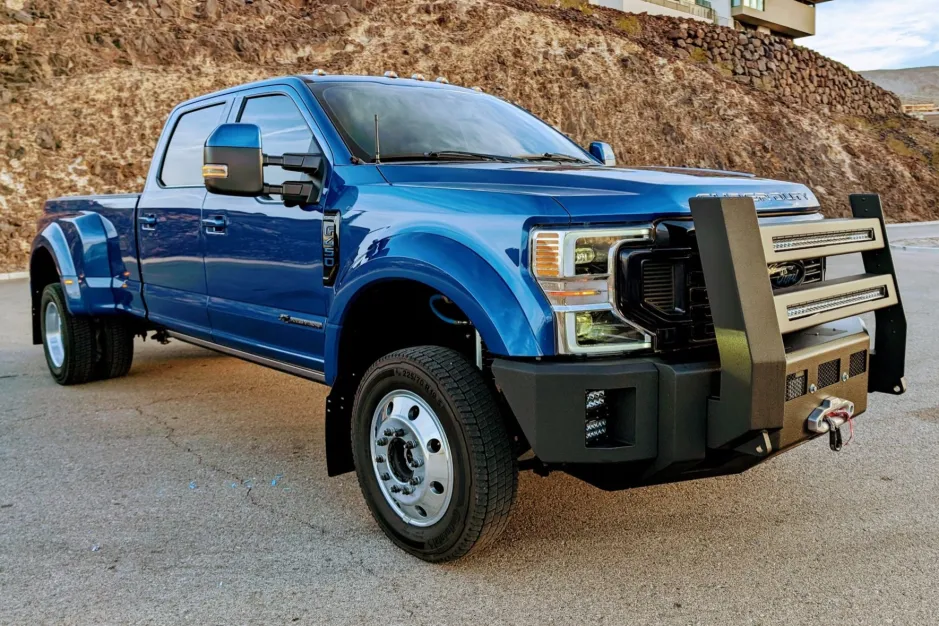
1. Ford F-450 Super Duty High-Output Diesel
The Ford F-450 Super Duty equipped with the High-Output 6.7L Power Stroke diesel engine is widely regarded as the ultimate consumer towing truck. Producing 500 horsepower and 1,200 lb-ft of torque, it delivers best-in-class towing performance, making it ideal for professional haulers, large RV owners, and heavy-duty work.
Its reinforced high-strength steel frame, dual rear wheels, and heavy-duty suspension enable it to tow up to 40,000 pounds using gooseneck or fifth-wheel setups while handling payloads of up to 8,000 pounds.
The High-Output diesel engine is the heart of the F-450’s towing capability. Its massive torque allows the truck to pull heavy trailers uphill, accelerate under load, and maintain speed with ease. The TorqueShift 10-speed automatic transmission operates efficiently under sustained heavy loads, while the wide-track front axle improves maneuverability, giving the truck a tighter turning radius than many smaller Super Duty models.
Dual rear wheels provide superior stability and load distribution, and the fully boxed steel frame minimizes flexing under extreme stress. Large brakes and an advanced cooling system, including a third radiator and a high-power fan, ensure safe and efficient operation during continuous towing.
The F-450 also features advanced towing technology, such as Pro Trailer Backup Assist, Pro Trailer Hitch Assist, and integrated onboard scales for load balancing. Optional features like 360-degree cameras and a 12-inch SYNC 4 touchscreen improve visibility and control for complex towing tasks.
Inside, the F-450 offers a range of interiors from basic utilitarian designs to luxurious Platinum and Limited trims. High-end models include leather-trimmed seats with heating, cooling, and massaging functions, as well as a quiet and comfortable cabin that contrasts with its rugged exterior.
The truck’s strengths include unmatched towing power, advanced technology to simplify towing, and a premium cabin experience in higher trims. Drawbacks include a stiff ride when unloaded, limited maneuverability in tight spaces, low fuel efficiency, and high cost, particularly for the High-Output diesel version.
The Ford F-450 Super Duty with the High-Output 6.7L Power Stroke diesel is a premier heavy-duty truck that delivers nearly limitless torque and best-in-class towing capacity. It is ideal for those who tow frequently or haul large loads, offering exceptional performance while requiring compromises in fuel economy, daily drivability, and cost.
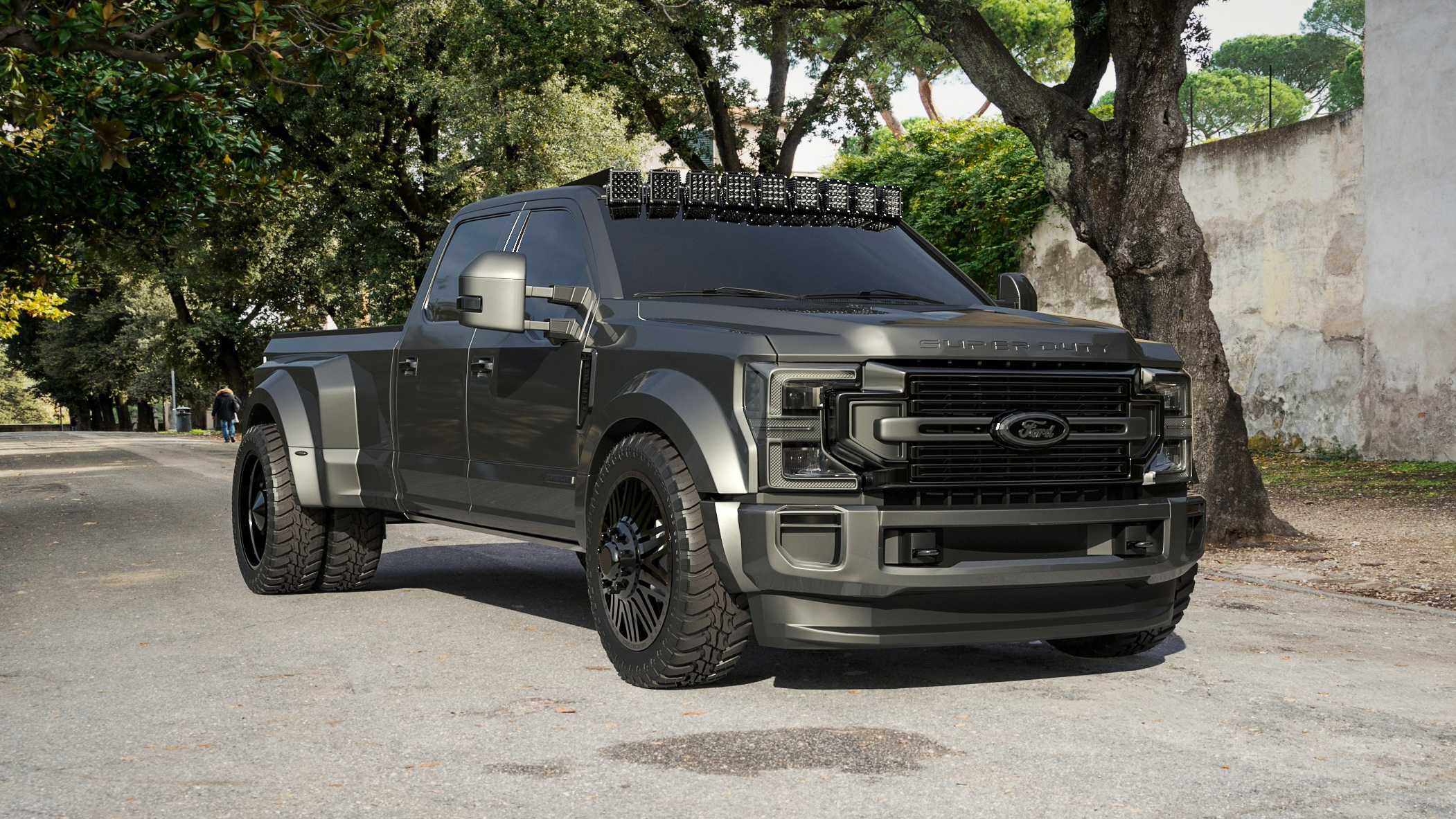
2. Ram 3500 High-Output Cummins
The Ram 3500 with the High-Output 6.7L Cummins Turbo Diesel is a powerhouse in the heavy-duty truck segment, known for its extraordinary towing capabilities and refined performance. Producing 430 horsepower and 1,075 lb-ft of torque in the 2025-2026 models, it can tow up to 37,090 pounds in a dual-rear-wheel (dually) configuration, making it ideal for commercial haulers, large RVs, and heavy payloads.
Its combination of raw diesel power, reinforced high-strength steel frame, and advanced towing technology ensures stability, durability, and confidence under extreme loads.
The 3500’s engine is paired with a ZF eight-speed automatic transmission, replacing the previous six-speed unit. This upgrade provides smoother shifting, improved fuel efficiency, and better power delivery under heavy towing conditions.
For users who prefer gasoline, the 6.4-liter HEMI V8 delivers 405–410 horsepower and 429 lb-ft of torque, with higher payload capacity in some configurations, though it is less suited for maximum towing than the Cummins diesel.
Towing capability is enhanced by features such as dual rear wheels, a rear five-link coil suspension, and auto-leveling air suspension, which keep the truck level and stable under heavy loads.
Additional towing aids include an integrated trailer brake controller, 360-degree cameras with trailer guidance, trailer sway control, and Trailer Reverse Steering Control, allowing precise maneuvering with large trailers. Conventional towing with a rear receiver is rated at 23,000 pounds, while gooseneck or fifth-wheel setups maximize towing potential.
Inside, the Ram 3500 continues to lead the segment in luxury and practicality. High-end trims such as the Limited Longhorn and Limited offer premium leather, real wood accents, and a massive 14.5-inch touchscreen, while a first-of-its-kind 10.25-inch passenger screen allows independent control for navigation and media.
The Mega Cab option provides unmatched rear legroom, reclining seats, and innovative storage solutions like the RamBox cargo management system.
While the Ram 3500 excels at towing and comfort, it has drawbacks. The ride can be stiff or bouncy when the bed is empty due to heavy-duty rear leaf springs, and maintenance costs can be higher than average. Despite this, the 2026 models offer a 10-year/100,000-mile powertrain warranty, reinforcing confidence in long-term ownership.
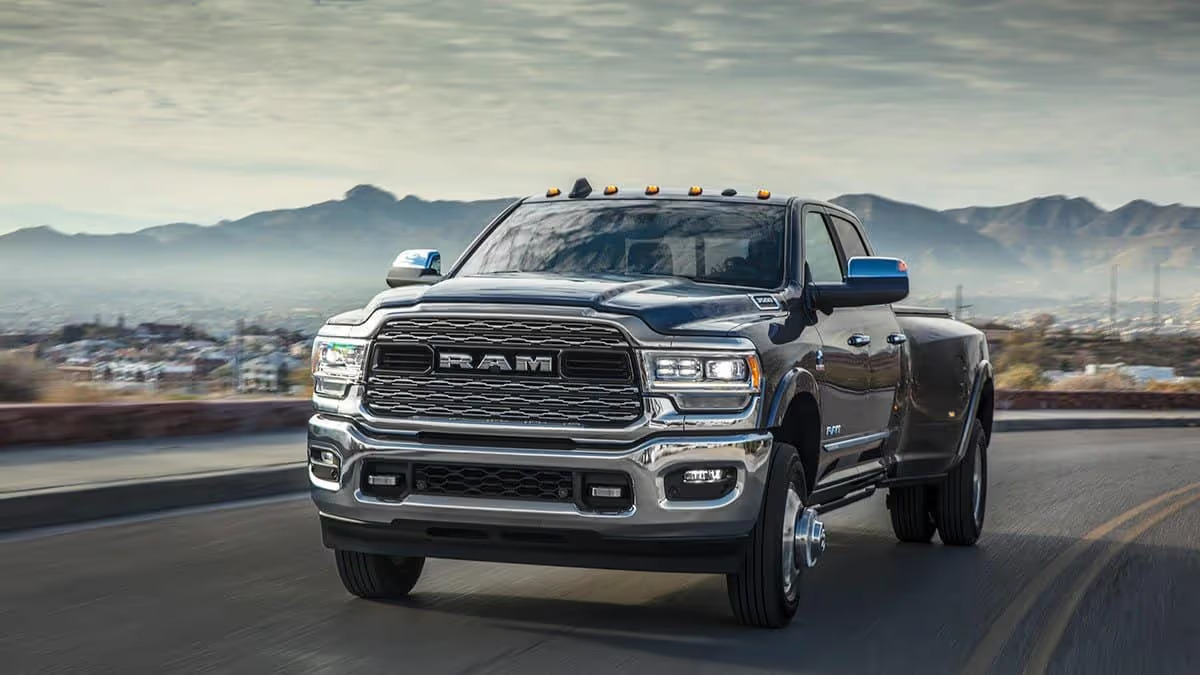
3. GMC Sierra 3500HD Heavy-Duty
The GMC Sierra 3500HD stands as one of the most capable and technologically advanced heavy-duty trucks in the market, blending serious towing power with premium design and class-leading visibility.
For the 2024 through 2026 model years, the Sierra 3500HD offers a maximum gooseneck or fifth-wheel towing capacity of up to 36,000 pounds, making it a strong choice for commercial work, large RV towing, and heavy recreational hauling. Its performance is anchored by a robust high-strength steel chassis, optional dual-rear-wheel configuration, and GMC’s acclaimed ProGrade Trailering Technology.
The centerpiece of the Sierra 3500HD lineup is the available 6.6-liter Duramax Turbo-Diesel V8, which produces 470 horsepower and 975 lb-ft of torque. This engine delivers strong low-end torque for confident acceleration, climbing, and sustained towing under heavy loads.
It is paired exclusively with a 10-speed Allison automatic transmission, designed for heavy-duty operation, smooth shifting, and effective engine braking on steep grades. A standard 6.6-liter gasoline V8 is also offered, producing 401 horsepower and 464 lb-ft of torque, though the diesel is the preferred choice for frequent or maximum towing.
Structural strength plays a major role in the Sierra 3500HD’s capability. Compared to lighter-duty models, it features a reinforced frame and suspension system built specifically for higher payload and towing demands.
The available dual-rear-wheel configuration increases stability, traction, and load control, especially when towing tall or heavy trailers. When properly equipped, the truck can also tow up to 20,000 pounds conventionally using a rear hitch.
One of the Sierra 3500HD’s biggest advantages is its ProGrade Trailering System, which offers up to 14 camera views, including the innovative Transparent Trailer View that allows drivers to see behind their trailer while driving. Additional trailering tools include trailer profiles, an in-vehicle trailering app, trailer brake control, and adaptive cruise control that functions while towing, enhancing safety and ease of use.
Inside, the Sierra 3500HD distinguishes itself with upscale interiors, especially in Denali and Denali Ultimate trims. These models feature premium leather, real wood accents, massaging seats, and a large 13.4-inch infotainment touchscreen paired with a 12.3-inch digital gauge cluster. Practical features such as the MultiPro Tailgate further enhance daily usability.
While the Sierra 3500HD delivers exceptional technology and luxury, it does have trade-offs. Top trims can exceed $100,000, the unloaded ride can feel stiff, and its maximum torque trails slightly behind class leaders from Ford. Even so, the GMC Sierra 3500HD remains a top-tier heavy-duty truck for buyers who want strong towing capability, unmatched visibility, and premium refinement in one package.
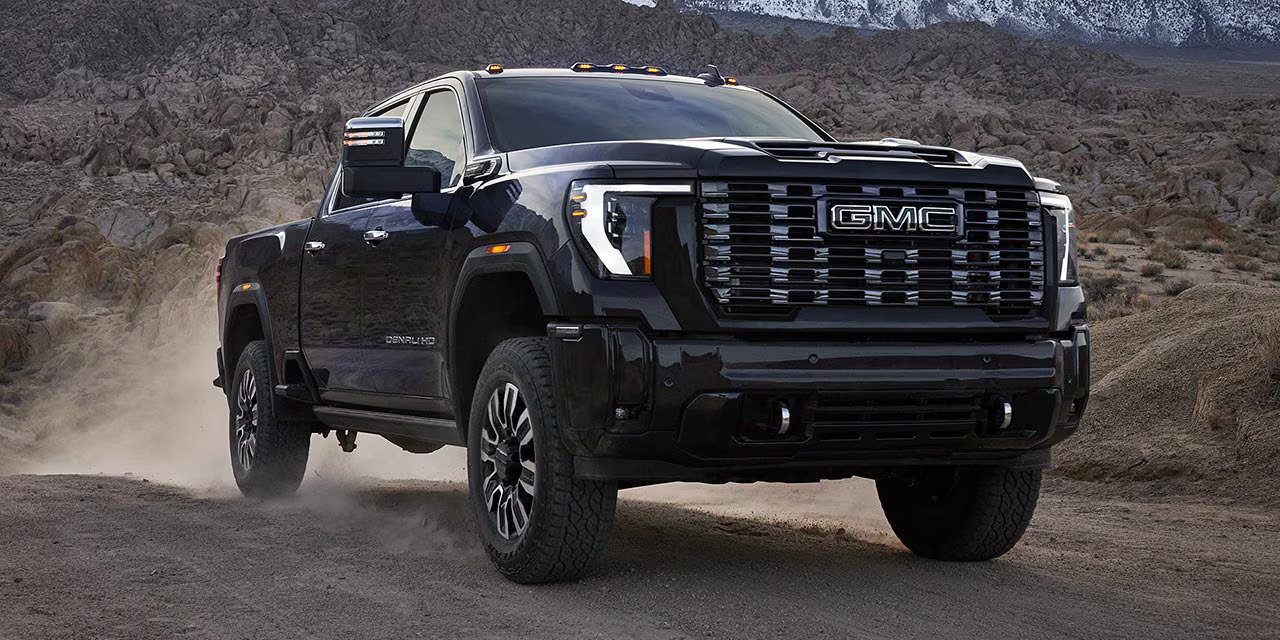
4. Ford F-150 3.5L EcoBoost with Max Trailer Tow Package
The Ford F-150 equipped with the 3.5L EcoBoost V6 and Max Trailer Tow Package stands as the benchmark for light-duty towing, offering serious capability without stepping into heavy-duty truck territory.
Properly configured, this setup delivers a maximum towing capacity of up to 13,500 pounds and a payload rating of up to 2,455 pounds, making it an ideal choice for boat owners, car haulers, campers, and contractors who want strong towing performance with everyday drivability.
At the heart of this capability is the 3.5-liter twin-turbocharged EcoBoost V6, producing 400 horsepower and 500 lb-ft of torque. The twin-turbo design provides strong low-end torque, allowing the F-150 to accelerate confidently, climb grades efficiently, and maintain highway speeds while towing.
The engine is paired with a 10-speed automatic transmission, which keeps the engine in its optimal power range and reduces strain under heavy loads.
The Max Trailer Tow Package is essential for unlocking the F-150’s highest towing ratings. It includes a 3.55 or 3.73 electronic-locking rear axle, enhanced engine and transmission oil coolers, a heavy-duty radiator, upgraded braking components, and a larger 36-gallon fuel tank for extended towing range. These upgrades allow the truck to manage heat, braking, and stability more effectively during sustained towing.
Ford also equips the F-150 with advanced towing and control technologies. Features such as Pro Trailer Backup Assist, an integrated trailer brake controller, and trailer sway control simplify maneuvering and improve safety.
Continuous Controlled Damping automatically adjusts suspension behavior based on load and road conditions, helping the truck remain stable when tongue weight is applied. A stronger frame and rear axle further enhance structural confidence, especially in crosswinds or uneven terrain.
Beyond towing, the F-150 remains one of the most versatile trucks on the market. Buyers can choose from multiple cab and bed configurations, rear- or four-wheel drive, and a range of engines, including hybrid and V8 options.
Interior comfort ranges from functional work-truck layouts to near-luxury trims, with features such as a fold-flat work surface, spacious rear seating, and a standard 12-inch touchscreen running Sync 4 infotainment.
While the ride can feel jittery when unloaded due to rear leaf springs, the Ford F-150 3.5L EcoBoost with Max Trailer Tow Package delivers unmatched balance in the light-duty segment. It combines strong towing performance, advanced technology, and daily usability, making it the go-to choice for drivers who need serious capability without the size, cost, or compromises of a heavy-duty truck.
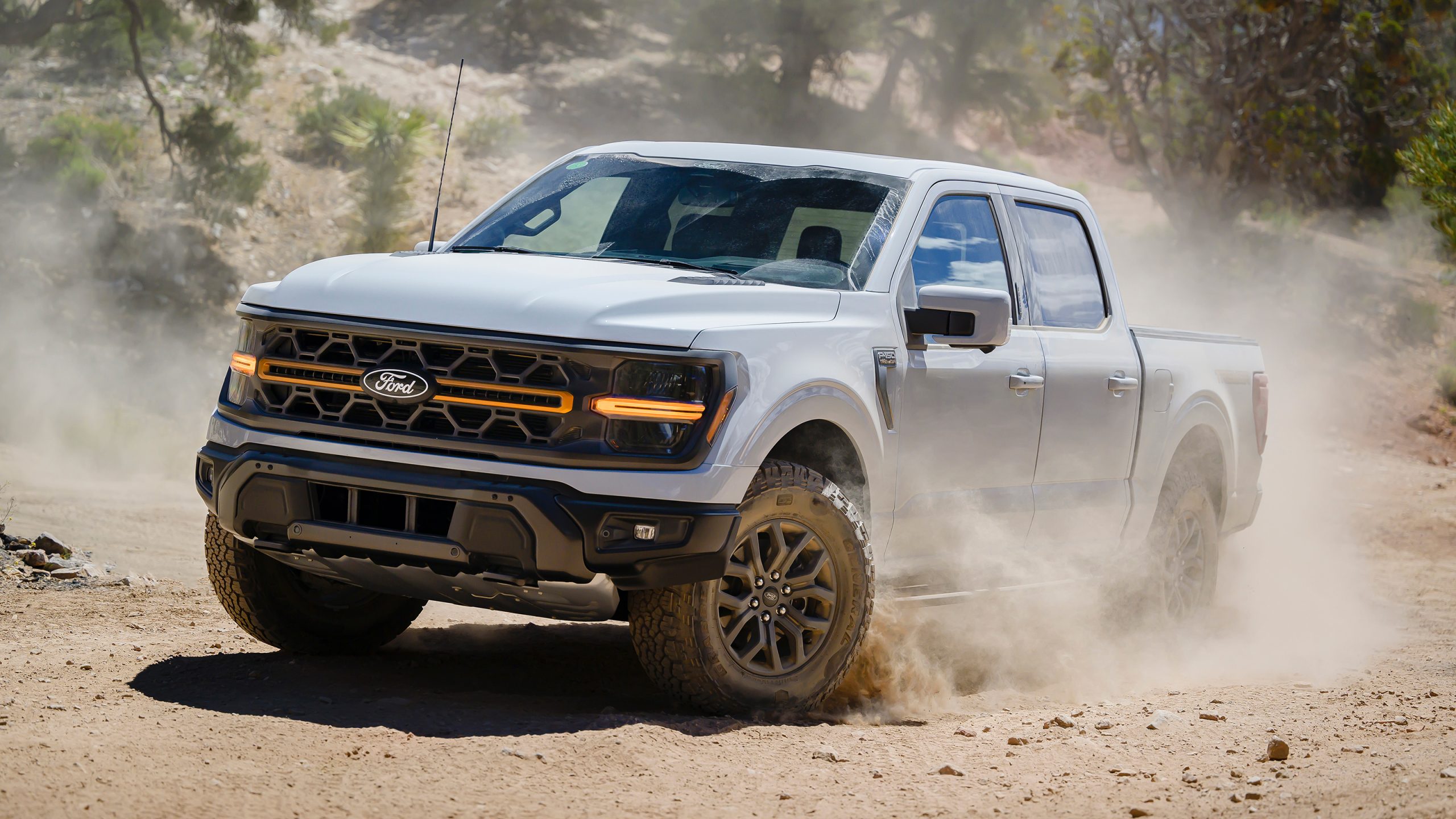
5. GMC Sierra 2500HD Denali Ultimate
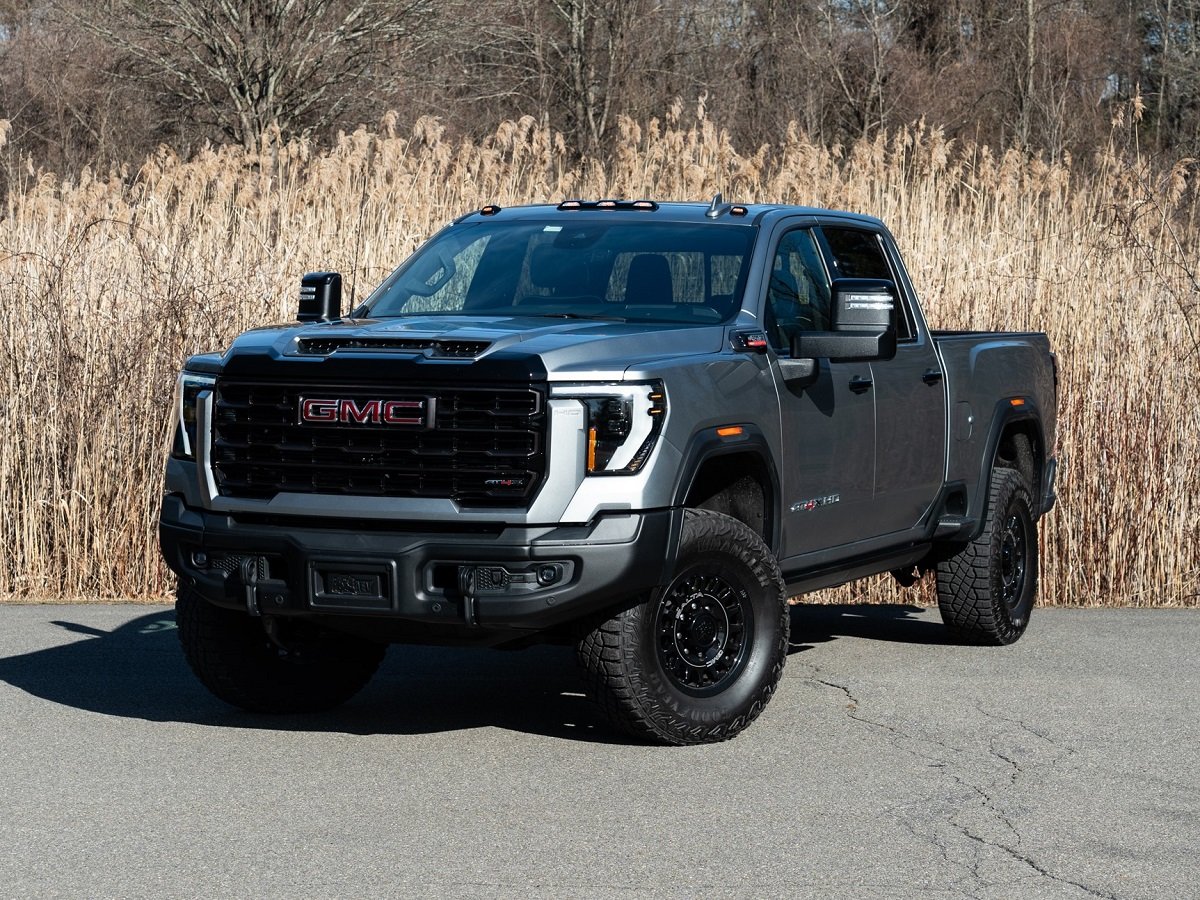
The GMC Sierra 2500HD Denali Ultimate occupies a highly appealing middle ground in the heavy-duty truck segment, often described as the “sweet spot” for buyers who want serious towing capability without sacrificing comfort or luxury.
Designed to blend work-ready strength with premium refinement, the Sierra 2500HD Denali Ultimate delivers the feel of a high-end SUV while remaining fully capable of demanding towing and hauling tasks. Depending on configuration, the truck can tow up to 22,500 pounds, making it well-suited for large trailers, boats, and fifth-wheel or gooseneck setups.
At the core of its capability is the available 6.6-liter Duramax turbo-diesel V8, producing 470 horsepower and 975 lb-ft of torque. This engine provides immense low-end pulling power, allowing the truck to accelerate confidently, climb grades with ease, and maintain stability under heavy loads. It is paired with a 10-speed Allison automatic transmission, known for its durability and smooth power delivery under sustained towing.
The transmission also plays a key role in effective engine braking, giving drivers greater control and confidence when descending steep grades with a trailer attached. A 6.6-liter gasoline V8 is also available, offering solid performance for buyers who tow less frequently or prefer a lower upfront cost.
The Sierra 2500HD’s towing strength is supported by a reinforced heavy-duty chassis and a suspension tuned to balance load stability with ride comfort. Unlike many heavy-duty trucks that feel harsh when fully loaded, the Sierra remains composed and controlled, even under significant weight.
GMC’s ProGrade Trailering System further enhances towing confidence by offering up to 14 camera views, including hitch guidance and surround perspectives. The system also includes an in-vehicle trailer app that monitors trailer tire pressure, mileage, and security features such as trailer theft alerts.
Inside, the Denali Ultimate trim elevates the Sierra 2500HD into true luxury territory. The cabin features premium leather upholstery, real wood accents, massaging front seats, and refined design details that set it apart from more utilitarian competitors.
Crew Cab models provide generous space for passengers, while multiple bed lengths allow buyers to tailor the truck for daily use or greater job-site demands. Technology is well integrated, with large digital displays, advanced connectivity, and driver-assistance features that make long trips and towing less stressful.
Despite its strengths, the Sierra 2500HD Denali Ultimate does have trade-offs. Its large size can make maneuvering challenging in tight spaces, and pricing climbs quickly in top trims, with the Denali Ultimate approaching six figures when fully equipped. Fuel economy ratings are not published due to its weight class, and steering feel can be less precise at highway speeds.
The 2025 GMC Sierra 2500HD Denali Ultimate excels as a premium heavy-duty truck that delivers robust towing performance, advanced trailering technology, and exceptional interior comfort. For buyers who want heavy-duty capability paired with luxury and refinement, it remains one of the most compelling options in the segment.
Also Read: 5 Cars With Simple Dash Layouts vs 5 With Confusing Ones
5 That Struggle Under Load
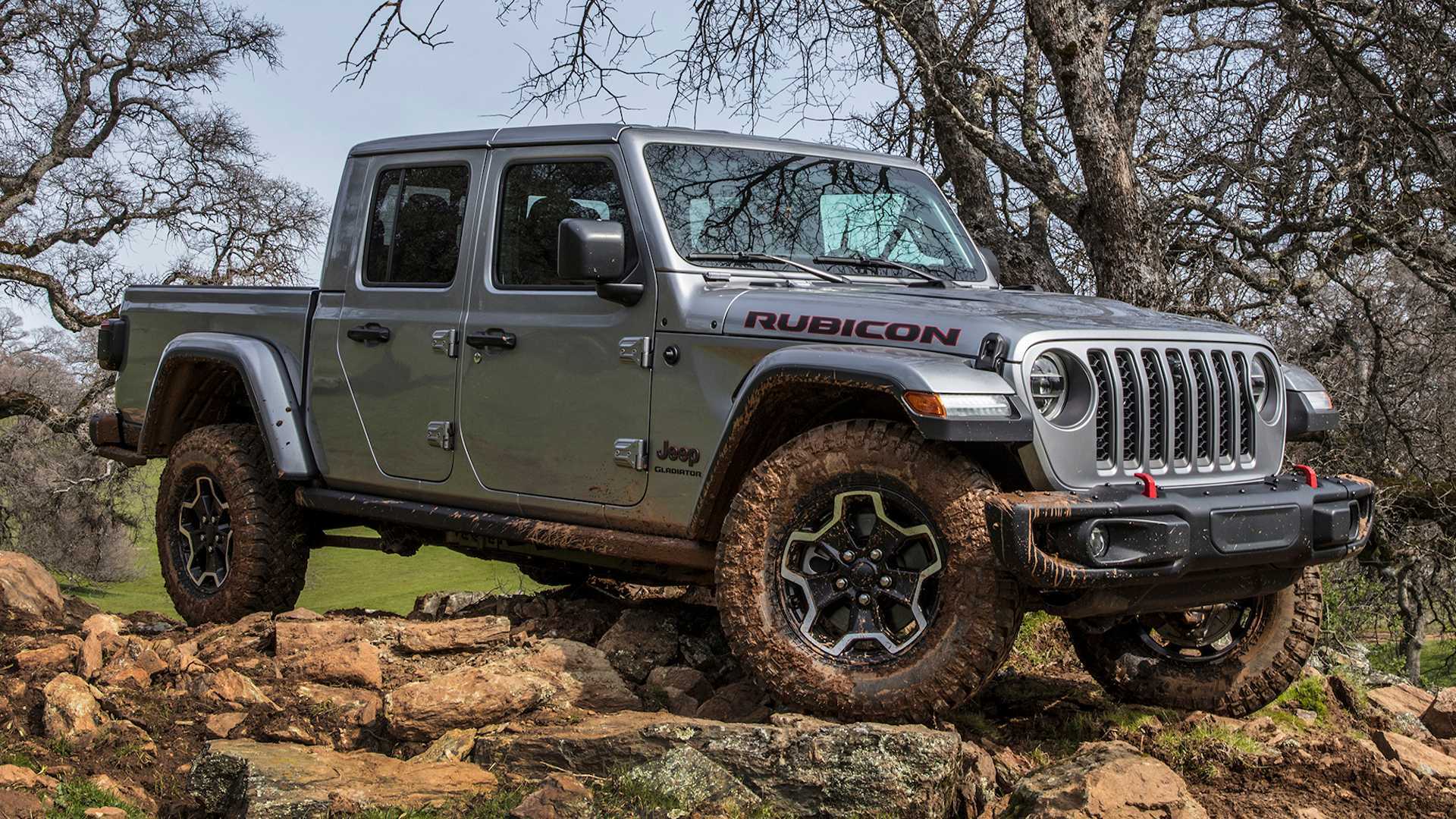
1. Jeep Gladiator 3.6L Pentastar V6
The Jeep Gladiator equipped with the 3.6L Pentastar V6 occupies a unique niche as a midsize pickup with serious off-road credentials, but its towing performance reveals clear limitations when pushed near its 7,700-pound maximum rating. While capable for light trailers and recreational use, the Gladiator’s Wrangler-based design and naturally aspirated powertrain can make heavy towing feel strained, especially at highway speeds.
A major factor is the Pentastar V6’s high-RPM torque delivery. The engine produces 260 lb-ft of torque at 4,400 rpm, meaning it must rev aggressively to generate pulling power.
Unlike turbocharged or diesel engines that deliver strong low-end torque, the Gladiator frequently downshifts and holds high engine speeds when climbing grades or accelerating with a trailer. This behavior often creates the impression that the engine is working beyond its comfort zone.
Mechanical durability is another concern under sustained towing. The Pentastar has a known issue commonly referred to as the “Pentastar tick,” caused by premature wear in rocker arm needle bearings. When these components degrade, valve lift is reduced, limiting airflow and power output. Under load, this can lead to misfires, rough running, and eventual camshaft damage if not addressed.
Thermal management also plays a role in the Gladiator’s towing challenges. Extended towing places heavy stress on the cooling system, and failures such as oil cooler leaks and inefficient heat dissipation have been reported. Excessive heat buildup can contribute to oil and coolant mixing, warped components, or cylinder head damage during extreme use.
While the 8-speed automatic transmission is generally smooth and responsive, it can become hesitant during prolonged heavy towing, especially in trucks without the Max Tow Package. Without the shorter 4.10 axle ratio and additional cooling upgrades, the transmission may hunt for gears on inclines, amplifying the feeling of instability and power loss.
Finally, the Gladiator’s solid front axle and short wheelbase can create a “tail wagging the dog” sensation with heavier trailers, resulting in a bouncy ride and reduced confidence at highway speeds. The Jeep Gladiator 3.6L Pentastar V6 is best suited for light towing and off-road adventures, not sustained heavy hauling near its maximum rating.
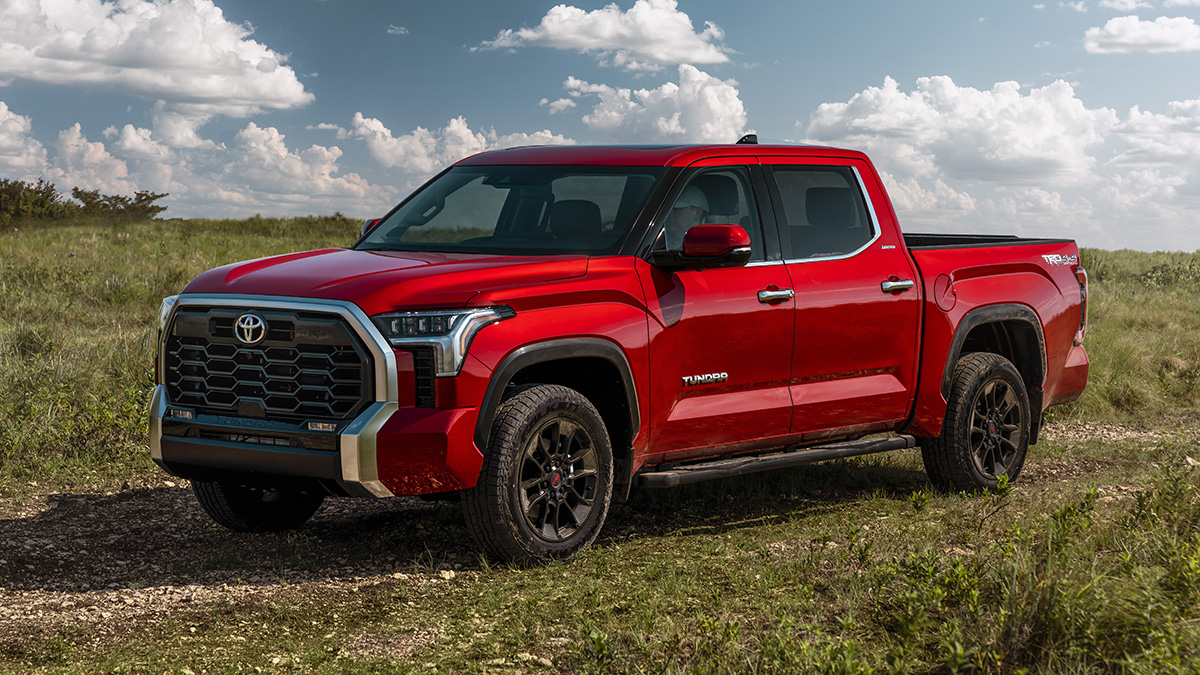
2. Toyota Tundra i-FORCE Twin-Turbo V6
The Toyota Tundra equipped with the standard i-FORCE twin-turbo V6 presents a mixed picture when it comes to towing performance. While the truck carries an impressive maximum tow rating of up to 12,000 pounds, real-world feedback suggests that it can feel less confident under heavy loads compared to its American rivals.
Reports of soft rear suspension, noticeable squat, and lower payload ratings contribute to this perception, especially when the truck is pushed near its limits.
A significant contributor to concerns about the Tundra’s performance under load is a manufacturing defect, not a fundamental design flaw in the engine itself. Toyota has confirmed that during production at its Alabama and Tahara plants, machining debris, often referred to as metal shavings or swarf, was not fully removed from some engine blocks.
Over time, this debris can contaminate the crankshaft main bearings. When the engine is subjected to heavy loads such as towing, hauling, or sustained high-speed driving, increased pressure on these bearings accelerates friction and wear. This can result in serious symptoms, including engine knocking, rough operation, sudden loss of power, or complete engine shutdown while driving.
Beyond the manufacturing issue, some drivers report that the power delivery characteristics of the non-hybrid twin-turbo V6 contribute to the feeling of strain. Turbo lag can be noticeable when pulling away with a heavy trailer, creating a delay before full boost is available.
This contrasts with Toyota’s i-FORCE MAX hybrid, which uses an electric motor to provide instant torque and smooth out low-speed acceleration. As a result, the standard V6 can feel less responsive under load, even though its peak output is competitive on paper.
In response to the defect, Toyota has issued large-scale recalls affecting 2022–2024 Tundra models, along with certain Lexus vehicles using the same engine architecture. Rather than performing partial repairs, Toyota has opted for full engine replacements in many cases due to the risk of internal damage.
Owners are strongly advised to check their vehicle identification number through Toyota or NHTSA recall tools and to stop driving immediately if they notice metallic ticking or power loss while towing.
While the Toyota Tundra i-FORCE V6 offers strong ratings and modern engineering, reliability concerns and suspension softness make it less reassuring for sustained heavy towing than some competitors.
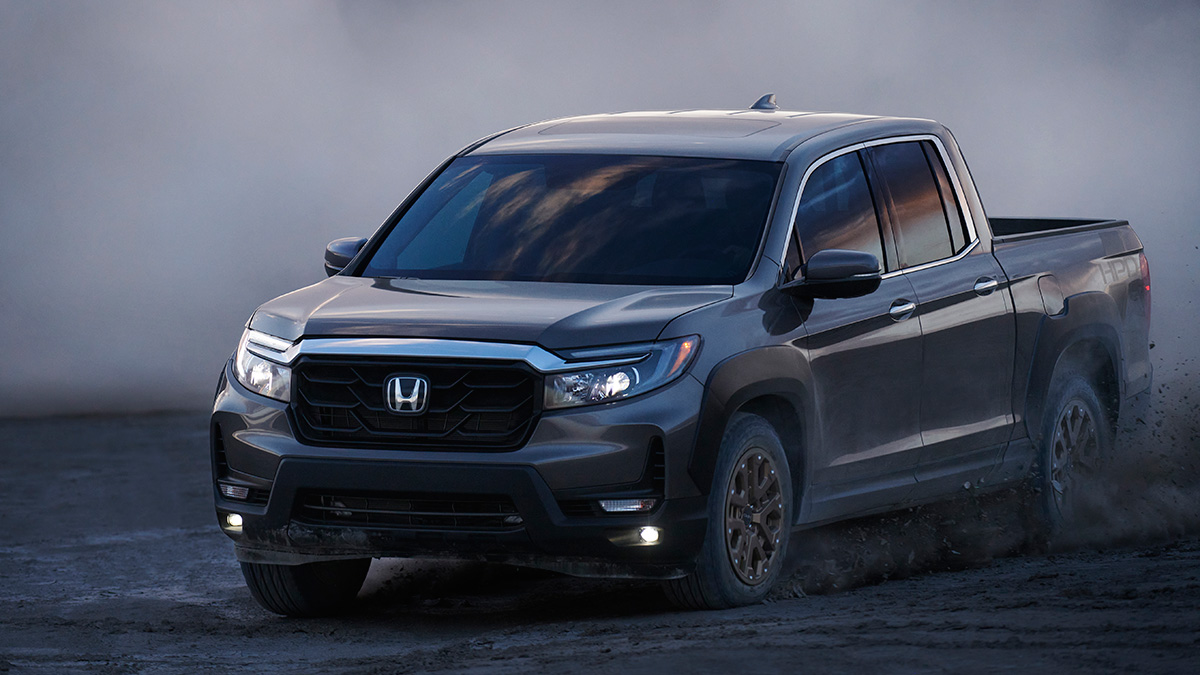
3. Honda Ridgeline
The Honda Ridgeline is widely praised for its smooth ride, comfort, and everyday practicality, but it can struggle when pushed near its towing or payload limits.
Unlike traditional body-on-frame trucks such as the Toyota Tacoma, the Ridgeline uses a unibody construction, meaning the body and frame are integrated into a single structure. This design improves ride quality and handling but prioritizes comfort over heavy-duty hauling strength, which can become noticeable under load.
A primary source of performance complaints involves the transmission. Pre 2020 models equipped with a 6-speed automatic are known for experiencing shuddering or hesitation during heavy acceleration or towing. This issue is often linked to transmission fluid breakdown, which can occur more quickly when the truck is regularly worked hard.
Newer models use a 9-speed automatic designed for fuel efficiency, but it may feel sluggish or indecisive on inclines. The transmission can hunt for gears because higher ratios are tuned for economy rather than sustained torque delivery.
Another factor is Honda’s ECON mode, which softens throttle response and encourages early upshifts to maximize fuel savings. When activated during towing or hill climbs, it can significantly limit access to the engine’s power band, making the truck feel underpowered. Disabling ECON mode improves responsiveness in demanding conditions.
The Ridgeline’s 3.5-liter V6 is reliable but lacks the low-end torque of turbocharged or V8 engines found in larger trucks. Its maximum payload of about 1,500 pounds must account for passengers and trailer tongue weight, making it easy to approach suspension and stability limits before reaching its 5,000-pound towing capacity.
Mechanical wear can also contribute to reduced performance. Variable Cylinder Management may cause hesitation when reactivating cylinders under load, and carbon buildup in the intake system can restrict airflow. Owners who tow frequently are advised to service transmission and differential fluids more often than standard intervals to maintain reliability and prevent long-term damage.
4. Nissan Titan
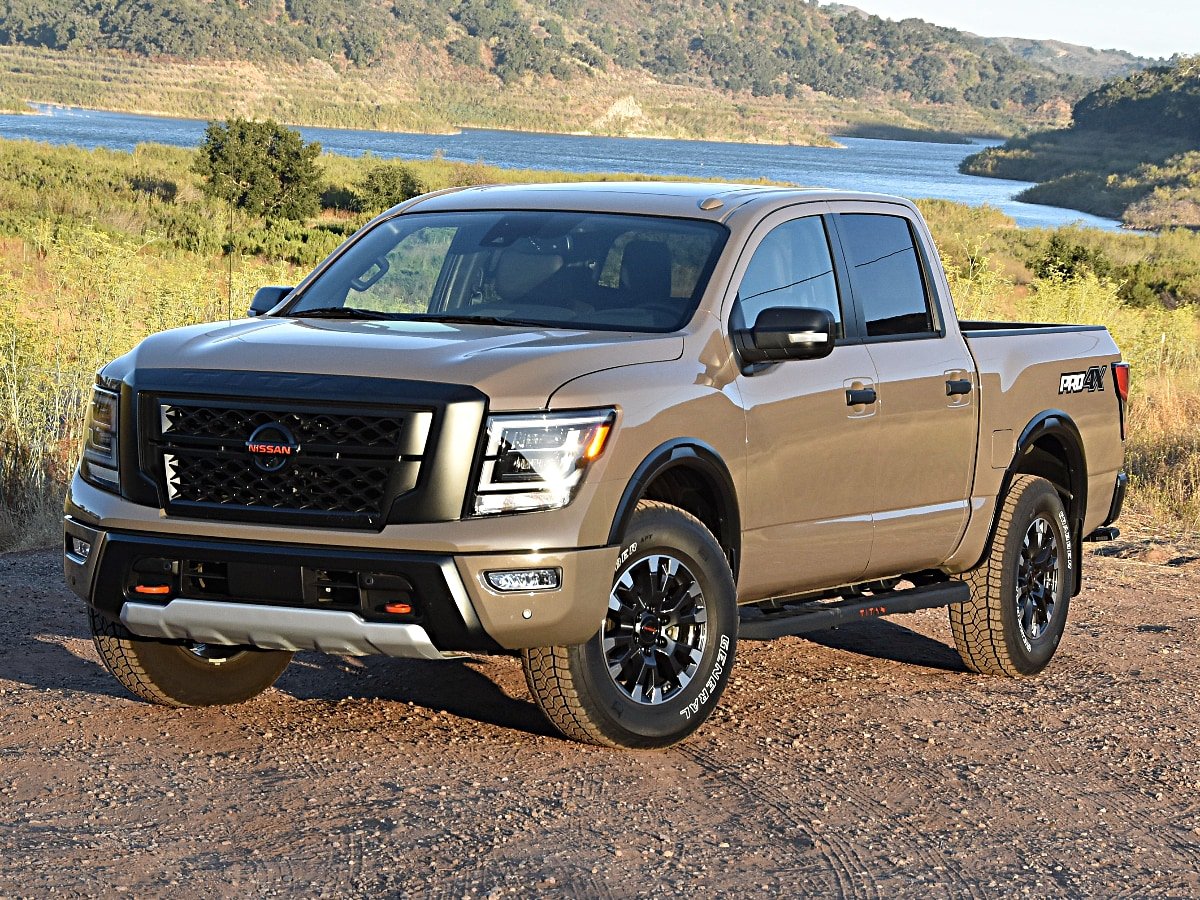
The Nissan Titan ranks at the bottom of the full-size pickup segment in terms of maximum towing capacity, and many drivers report that it feels less confident under load compared to newer competitors.
With a lower tow rating than rivals from Ford, Chevrolet, GMC, and Ram, the Titan also lacks some of the advanced cooling systems and reinforced frame designs that have become common in the segment. As a result, when towing or climbing steep grades, the truck can feel dated and strained.
One of the most common reasons Titans struggle under load involves fuel delivery problems. A weak or failing fuel pump may allow the engine to idle normally but fail to supply adequate fuel during heavy acceleration or uphill driving.
This often becomes noticeable around 2,500 rpm or between 20 and 40 mph, where drivers may experience hesitation or a power drop. Clogged fuel filters or faulty fuel pressure regulators can produce similar symptoms by restricting fuel flow when demand increases.
Sensor-related issues are another frequent cause of performance complaints. A malfunctioning Mass Airflow (MAF) sensor or Throttle Position Sensor (TPS) can disrupt the air-fuel mixture, leading to sluggish acceleration, bogging, or a “choked” feeling when pressing the throttle. In some cases, throttle body replacement may be required to restore proper responsiveness.
Older, first-generation Titans from 2004 to 2015 are especially prone to a serious transmission issue caused by radiator failure. Internal cracks can allow coolant to mix with automatic transmission fluid, resulting in contamination, slipping, major power loss, and eventual transmission failure if not addressed promptly.
Electrical problems can also contribute to inconsistent performance. A failing fuel pump relay may cause intermittent power loss, while rare Engine Control Unit faults can lead to difficult-to-diagnose drivability concerns.
Common warning signs include fluctuating rpm, hesitation at highway speeds, sluggish acceleration, and reduced towing confidence.
To diagnose issues, owners should test fuel pressure under load, inspect and clean the MAF sensor, check the fuel pump relay, and verify that transmission fluid is uncontaminated. While the Titan can serve adequately for light-duty use, reliability concerns and lower capability make it less competitive for heavy towing tasks.
5. Ram 1500
The Ram 1500 stands out in the half-ton truck segment for its exceptionally smooth ride, but that comfort is the direct result of a major engineering trade-off. When Ram switched from traditional leaf springs to a standard rear coil spring suspension, it prioritized everyday ride quality over maximum load-carrying stiffness.
As a result, the Ram 1500 can feel less confident under heavy tongue weight or payload compared to Ford and GM rivals that retain leaf spring designs.
The core issue lies in the physics of coil springs versus leaf springs. Leaf springs are made from stacked steel plates that progressively stiffen as weight increases, allowing them to better resist sag when heavily loaded. Coil springs, by contrast, compress at a more linear rate.
On the Ram, this means the suspension offers the same resistance early in its travel as it does near the limit, leading to the well-known “Ram squat” when towing or hauling. Even moderate trailer tongue weight can cause the rear to sink more noticeably than on competitors.
Weight distribution further compounds the problem. Leaf springs spread load across widely spaced mounting points on the frame, while the Ram’s coils focus that weight on smaller contact areas at the axle and frame.
This concentration can cause rear-end sag and front-end lift, reducing steering grip and making the truck feel less planted at highway speeds.
Stability under lateral forces is another challenge. Towing introduces side loads from wind, passing traffic, and cornering. Leaf springs naturally resist side-to-side axle movement due to their width and rigidity. The Ram’s five-link coil setup relies heavily on a track bar and rubber bushings, which can flex under load. This may create a vague or “wagging” sensation where the trailer feels like it is influencing the truck’s direction.
The suspension also lacks progressive load support. Many trucks include overload leafs that only engage under heavy weight. Standard Ram coils have no secondary stage, so once compressed beyond their comfort range, the suspension quickly approaches the bump stops. At that point, ride quality deteriorates, and stress is transferred directly to the frame and hitch.
Ram engineered the 1500 around the reality that most owners drive unloaded most of the time. The result is unmatched comfort with an empty bed, but reduced confidence when pushed near towing or payload limits. Owners who tow frequently often improve performance with air bags, heavy-duty variable-rate coils, or weight distribution hitches to restore balance and stability.
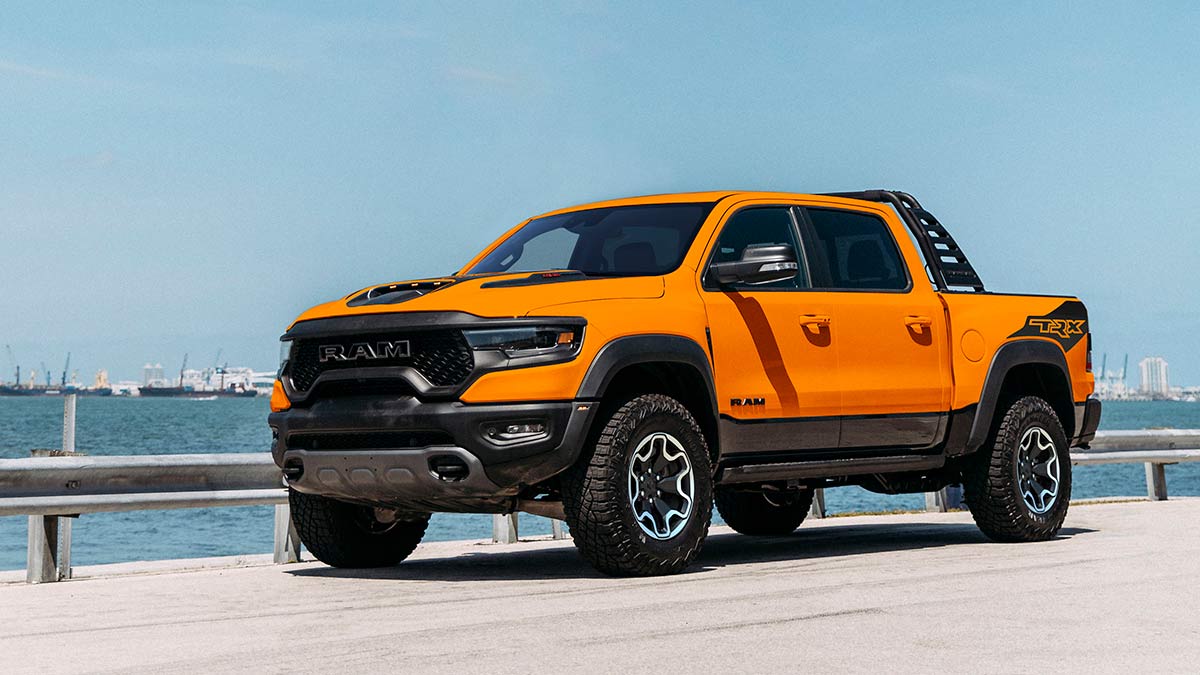
Choosing the right pickup for towing ultimately comes down to understanding how you plan to use it. Trucks like the Ford F-450, Ram 3500, and GMC Sierra HD models are built with reinforced frames, high-output diesel engines, and purpose-designed suspensions that thrive under extreme loads.
They deliver confidence, stability, and durability when towing large trailers regularly. On the other end of the spectrum, trucks such as the Honda Ridgeline, Jeep Gladiator, and Ram 1500 shine in comfort, versatility, or off-road capability but reveal clear limitations when pushed near their towing or payload limits.
Even models with strong advertised ratings can struggle due to suspension design, torque delivery, or reliability concerns. Understanding these strengths and weaknesses helps buyers avoid mismatched expectations and costly compromises. Whether you tow daily or only a few times a year, matching the truck to the job ensures safer towing, better performance, and long-term satisfaction behind the wheel.
Also Read: 10 Cars That Feel Faster Than Their Horsepower Numbers