Hybrid vehicles have transformed the way drivers approach efficiency, performance, and reduced emissions. Yet, not all hybrid systems deliver the same reliability, especially regarding battery longevity. Some models, such as the Toyota Prius, Lexus RX 450h, and Ford Maverick Hybrid, showcase engineering focused on durability.
Through careful thermal management, conservative state-of-charge ranges, and advanced battery management systems, these vehicles can often surpass 150,000 miles with minimal issues, making them dependable choices for long-term ownership.
In contrast, certain early-generation or poorly integrated hybrids, including the Honda Civic Hybrid (2006–2011), BMW 330e iPerformance, and Chrysler Pacifica Hybrid, have earned a reputation for frequent cell failures, voltage imbalances, and thermal stress, often resulting in expensive repairs or reduced vehicle usability.
Comparing these examples demonstrates how design, cooling systems, software calibration, and maintenance determine whether a hybrid battery performs reliably over time or becomes a recurring problem.
5 Hybrids With Long-Lasting Batteries
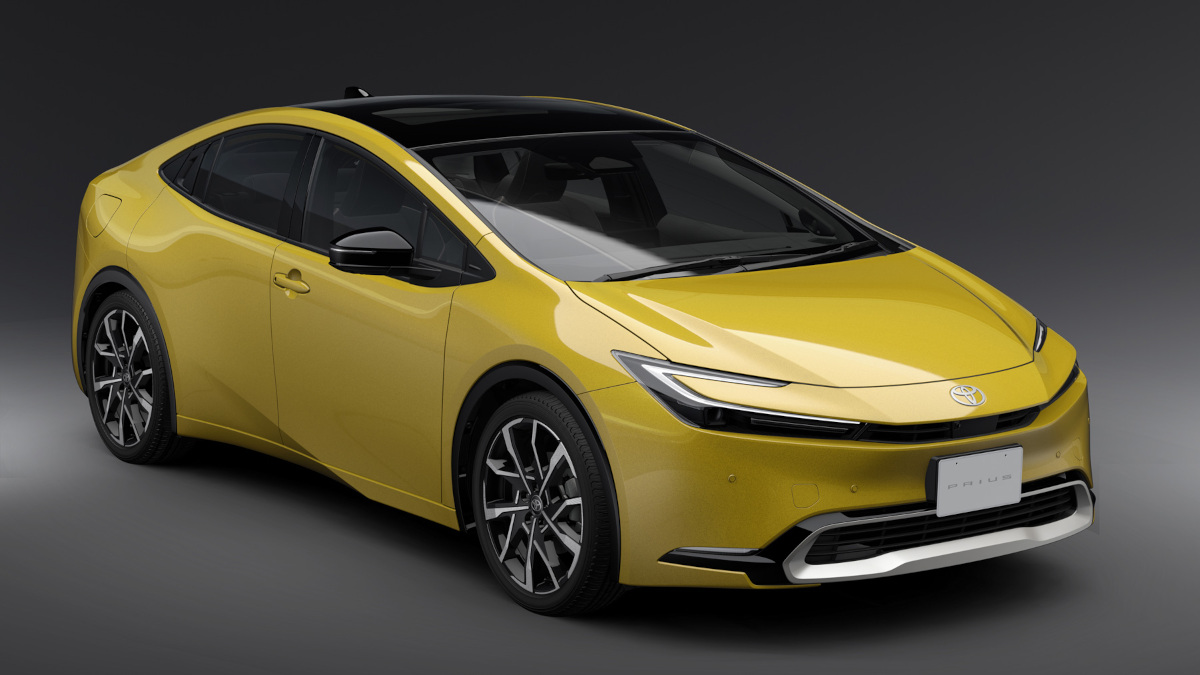
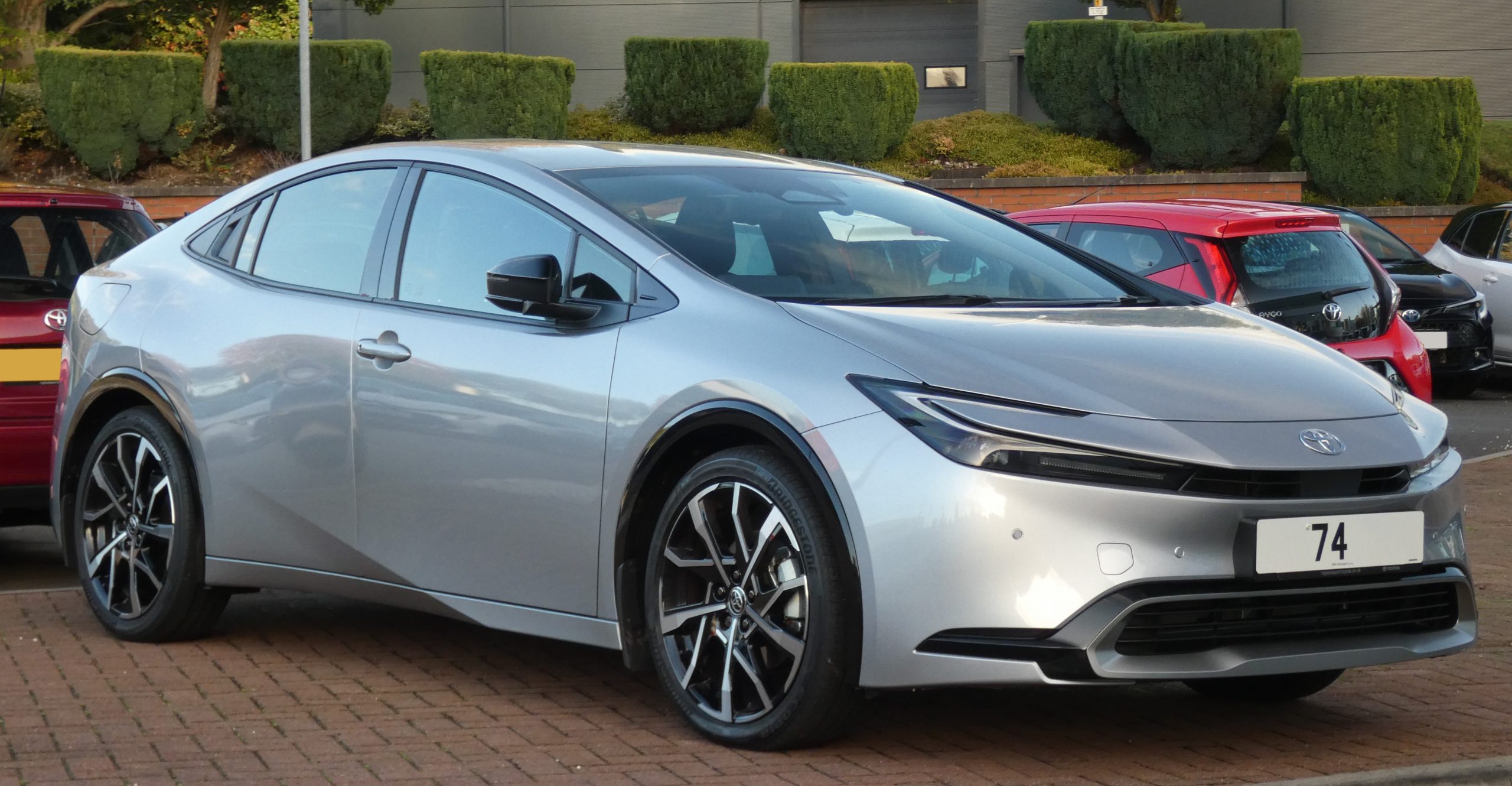
1. Toyota Prius (Gen 4: 2016–2022)
The fourth-generation Toyota Prius marks a significant step forward in the development of Toyota’s Hybrid Synergy Drive system. Built between 2016 and 2022, this version strengthened the Prius reputation for efficiency and long-term reliability, particularly in battery durability and hybrid system performance.
One of the most important upgrades was the introduction of lithium-ion battery packs in many trims, replacing the nickel-metal hydride units used in earlier models. Lithium-ion technology is lighter, more energy-dense, and typically more durable.
Combined with improved thermal management and upgraded air-cooling intake filters that reduce dust-related overheating, these batteries are known to last well beyond 200,000 miles in many cases. Individual cell failures before 15 years of use are uncommon. The cooling system draws air from the cabin to regulate battery temperature, addressing heat, which is the primary cause of battery degradation.
A refined battery management system constantly monitors charge levels and ensures the pack operates within a controlled range that minimizes stress. This careful regulation reduces wear and extends service life.
Toyota also engineered new battery modules and structural improvements aimed at strengthening long-term durability. Warranty coverage in many markets reached up to 10 years or 150,000 miles, reflecting confidence in the hybrid system.
The Prius is powered by a 1.8-litre four-cylinder petrol engine paired with an electric motor. The system delivers smooth and predictable performance suited to daily driving.
Claimed fuel consumption sits at 3.4L per 100 kilometres, while real-world figures often hover around 4.4L per 100 kilometres depending on driving style and traffic conditions. Many drivers actively attempt to lower consumption figures, reinforcing the car’s identity as a benchmark for fuel efficiency.
In terms of features, the base model is competitively equipped at a starting price of $34,990 plus on-road costs. Standard equipment includes LED headlights with automatic high beam, adaptive cruise control, a colour head-up display, Qi wireless phone charging, a leather-trimmed steering wheel, and a 7.0-inch touchscreen infotainment system with Bluetooth and a 10-speaker JBL sound system.
Safety equipment includes a reversing camera with dynamic guidelines, pre-collision warning, lane departure warning, and seven airbags.
While rivals such as the Hyundai Elantra and Honda Civic may offer additional luxury features at a lower purchase price, the Prius stands out for its hybrid efficiency, proven battery longevity, and strong reputation for dependable long-term ownership.
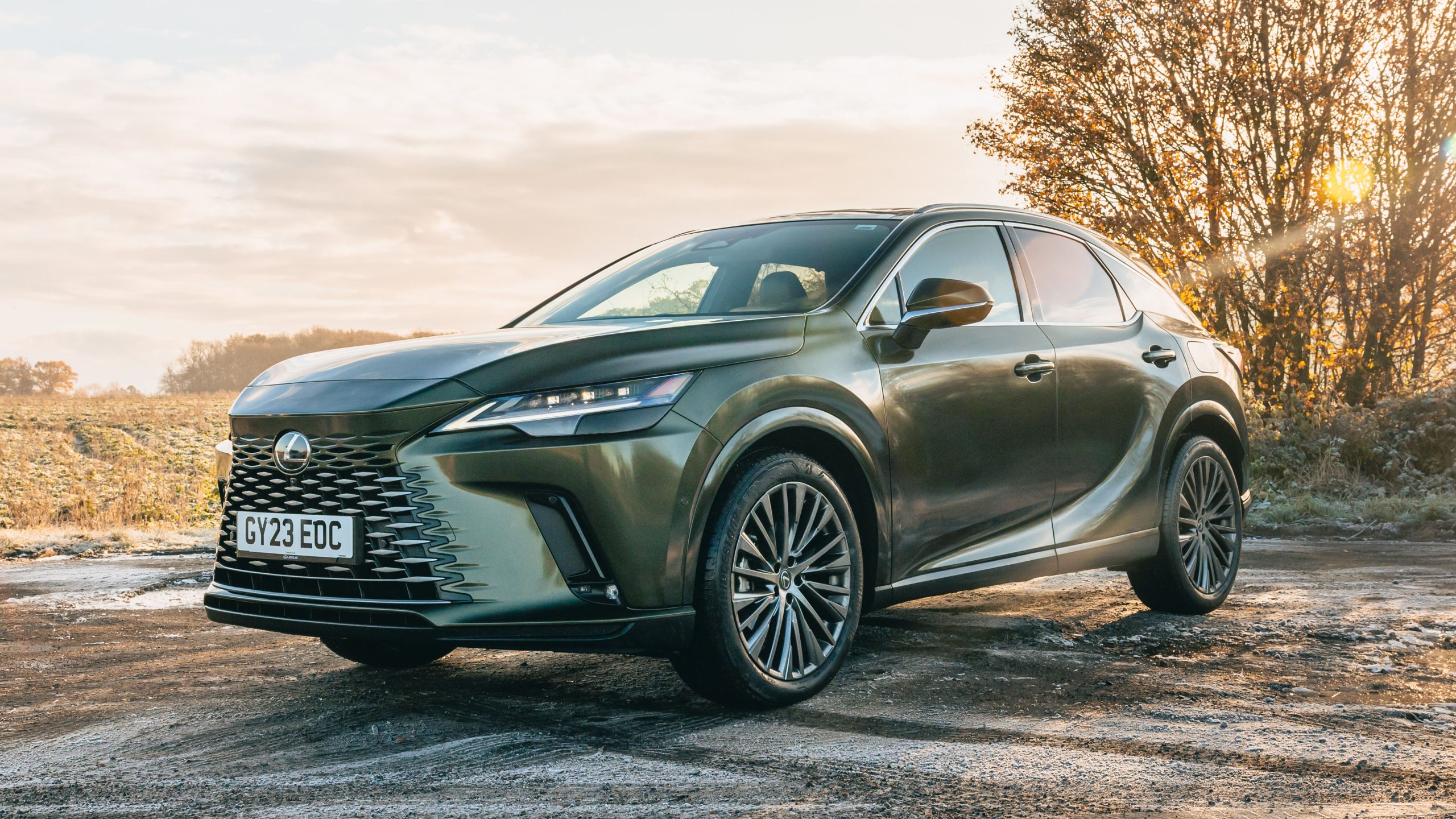
2. Lexus RX 450h (2016–2022)
The 2016 to 2022 Lexus RX 450h combines hybrid durability with premium SUV comfort, making it a strong choice for long-term ownership. A key strength lies in its conservative hybrid battery strategy, which is engineered to maximize lifespan.
Lexus avoids allowing the battery to fully charge or fully drain, instead maintaining it within a narrow 20 to 80 percent state-of-charge range. This “sweet spot” minimizes chemical stress inside the cells, reducing the risk of swelling and long-term degradation.
Advanced battery management software constantly monitors charge and discharge cycles to ensure the system operates within safe limits. By preventing deep discharges and overcharging, the system significantly extends battery life. Many RX 450h models exceed 150,000 to 200,000 miles or remain reliable for 10 to 15 years.
Depending on specification, the SUV uses either lithium-ion or updated nickel-metal hydride battery technology, both sourced from proven suppliers such as Panasonic. Active cooling systems further protect the battery.
Keeping cooling fans and intake filters clean is essential, as heat remains one of the primary causes of hybrid battery wear. Regular use also benefits the system, since long periods of inactivity can negatively affect battery health. Owners should note that while the high-voltage hybrid battery is robust, the smaller 12-volt auxiliary battery can drain if the vehicle sits unused for weeks.
Beyond reliability, the RX 450h delivers a refined and comfortable driving experience. The V6 hybrid powertrain allows the SUV to move away in near silence, particularly in urban conditions where electric-only driving is possible for short distances.
Around town, efficiency is impressive, though real-world fuel economy can drop on longer motorway journeys. While Lexus claims more than 50mpg, mixed driving often returns figures closer to 29mpg. Even so, lower CO2 emissions can benefit company car drivers through reduced tax rates compared with diesel alternatives like the BMW X5 xDrive30d.
Inside, the RX takes a clear step up in luxury compared with its predecessor. The cabin features high-quality leather, a distinctive analogue clock, and a widescreen navigation display. Seat comfort is a highlight, with extensive electric adjustment and strong support.
Although the infotainment system’s mouse-style controller can be fiddly, the build quality is impressive. The interior may not quite match the design polish of the Volvo XC90, yet it remains competitive. With generous equipment, strong hybrid longevity, and exceptional comfort, the RX 450h appeals to buyers prioritizing refinement and reliability over sharp driving dynamics.
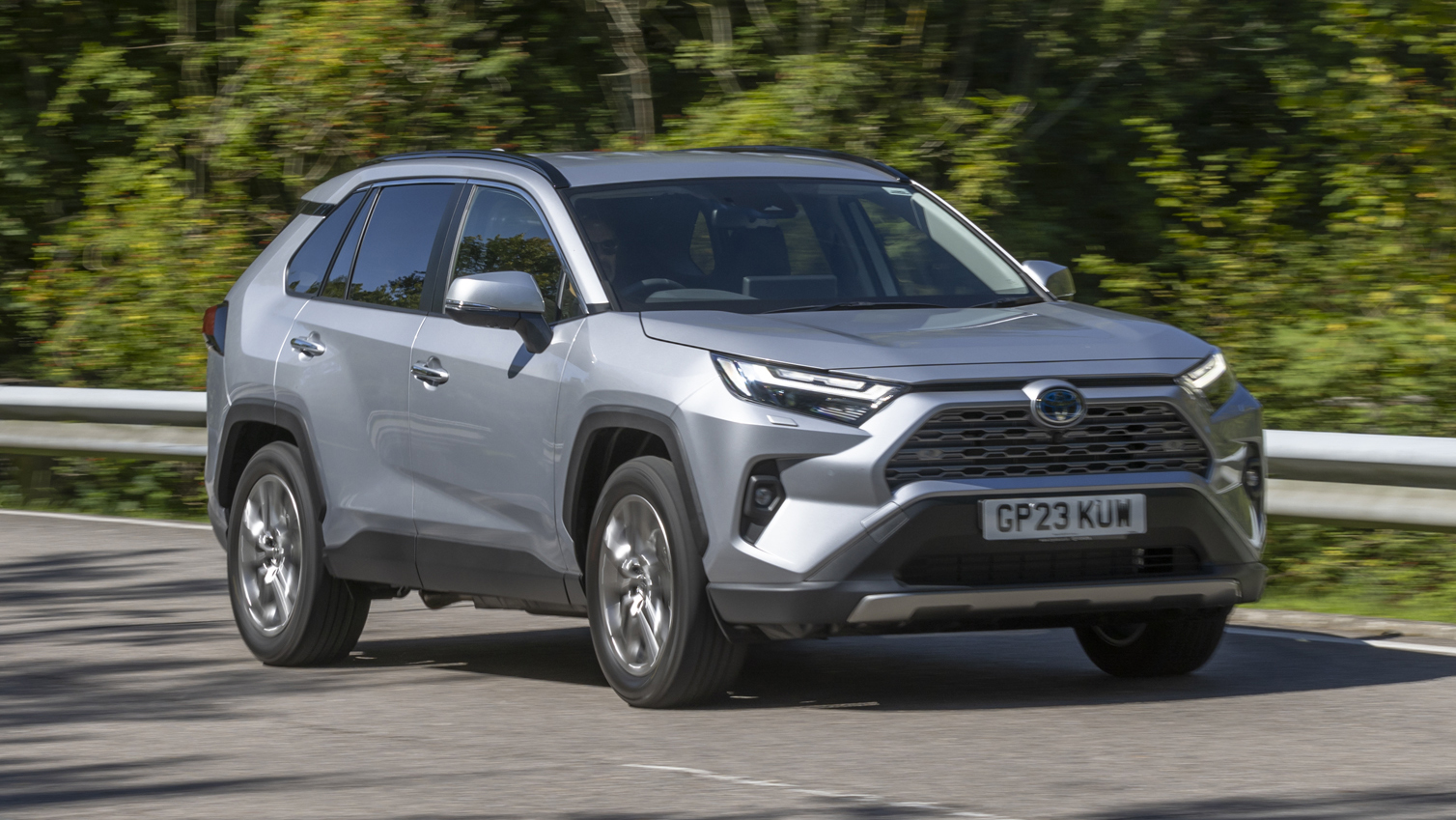
3. Toyota RAV4 Hybrid (2019–Present)
The current Toyota RAV4 Hybrid builds on more than 25 years of hybrid development, delivering strong fuel efficiency and impressive long-term battery durability. Introduced for 2019, this generation uses advanced engineering to reduce stress on battery cells through conservative charging strategies and sophisticated thermal management.
Real-world data from high-mileage drivers shows that even under demanding use, many battery packs retain more than 90 percent of their original capacity well beyond 150,000 miles. Many systems are projected to last 200,000 to 300,000 miles with proper maintenance.
A key factor in longevity is Toyota’s battery management system, which ensures the pack rarely reaches full charge or full depletion. By operating within a controlled mid-range state of charge, the system maximizes lifecycle durability. Advanced cooling technology further protects the pack by targeting potential hot spots between cells, reducing the heat-related degradation that commonly affects hybrid batteries.
Depending on the trim and market, the RAV4 Hybrid uses either Nickel-Metal Hydride or Lithium-ion chemistry, both benefiting from proven reliability and a hybrid failure rate of less than 1 percent in newer Toyota models. The vehicle also employs a separate 12-volt battery to power accessories, preventing unnecessary drain on the high-voltage system.
Power comes from a 2.5-litre four-cylinder petrol engine paired with front and rear electric motors, producing a combined 219 horsepower. A continuously variable transmission channels power to an all-wheel-drive system.
Acceleration feels responsive enough for daily driving and freeway merging, though it is not positioned as a performance-focused crossover. Fuel economy remains a major selling point, with ratings of 41 mpg city, 37 mpg highway, and 39 mpg combined, making it an appealing option for commuters.
Beyond efficiency, the RAV4 Hybrid emphasizes practicality and comfort. The boxier exterior styling gives it a tougher presence compared with earlier generations, while the cabin features large, user-friendly controls and a functional layout.
Standard equipment includes Toyota Safety Sense 2.0, offering driver assistance features such as pre-collision warning, radar cruise control, lane-keeping aids, and automatic high beams. Higher trims add features like heated and ventilated seats, a 360-degree camera, wireless charging, and premium audio.
Pricing can approach $40,000 when fully equipped, placing it near competitors such as the Honda CR-V Hybrid. Even so, the RAV4 Hybrid combines strong efficiency, proven battery durability, generous features, and everyday usability, reinforcing its status as one of the most well-rounded hybrid crossovers on the market.
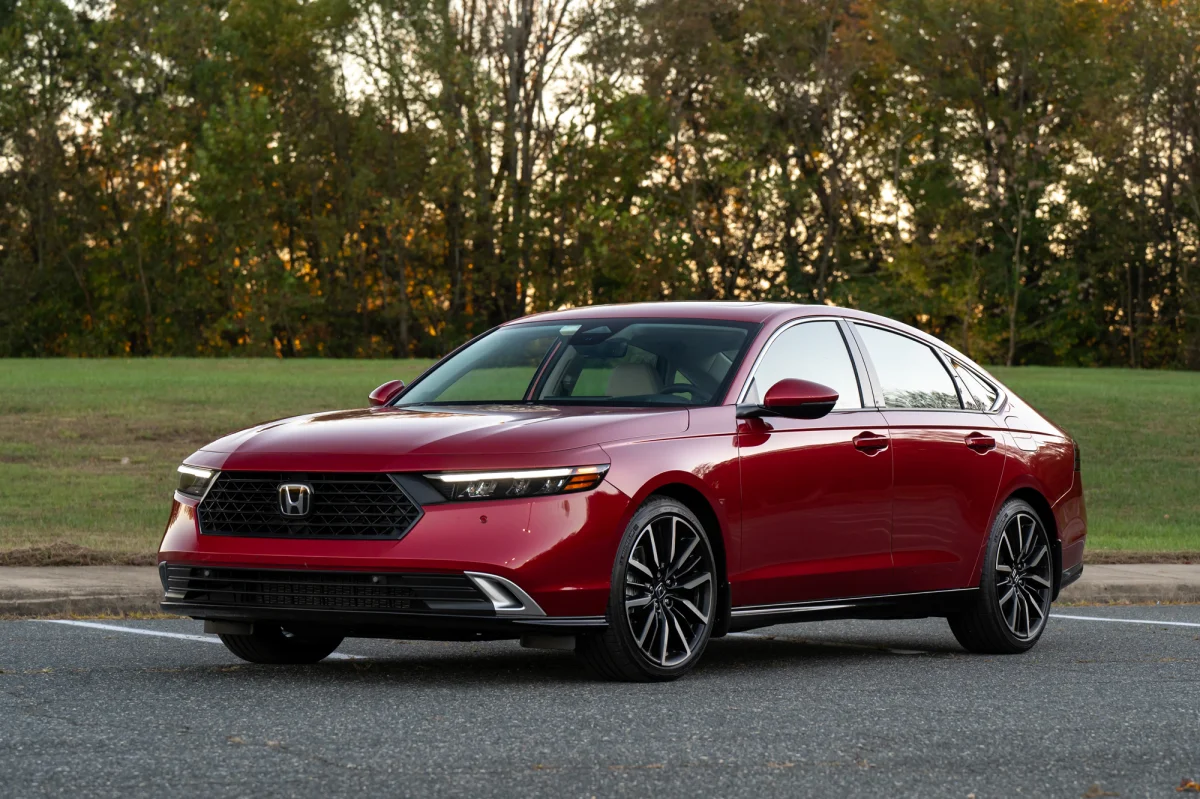
4. Honda Accord Hybrid (2018–Present)
The current Honda Accord Hybrid pairs strong fuel efficiency with a thoughtfully engineered battery system designed for long service life. Introduced for 2018, this generation uses a lithium-ion battery pack supported by intelligent charge management, active cooling, and a mechanically simpler two-motor hybrid layout.
Most systems are expected to last 6 to 10 years or more than 100,000 to 150,000 miles, with many examples comfortably exceeding those figures when properly maintained.
A defining feature of Honda’s approach is its two-motor hybrid system, in which the petrol engine frequently acts as a generator rather than directly driving the wheels.
This design creates smoother and more consistent load cycles for the battery, reducing the pulsing stress that can accelerate cell degradation. The lithium-ion pack offers higher energy density and lower weight than older nickel-metal hydride designs, while also providing improved charge retention.
Thermal management is another key factor in longevity. The battery is cooled through an air intake vent located near the rear seat area, helping regulate temperature and prevent overheating, one of the primary causes of hybrid battery wear. The system also avoids allowing the battery to become fully depleted or remain at maximum charge for extended periods.
By operating within a controlled mid-range state of charge, the Accord Hybrid extends battery lifespan. Routine driving and keeping the cooling vent clean further support durability. While the high-voltage traction battery is robust, the smaller 12-volt battery may experience issues if the vehicle sits unused for long stretches.
Performance is competitive within the midsize hybrid segment. The powertrain combines a 2.0-litre Atkinson-cycle four-cylinder engine with two electric motors for a total output of 212 horsepower. The system enables three operating modes: electric-only driving, hybrid drive with the engine powering a generator, and engine drive under certain steady conditions.
Acceleration to 60 mph takes about 7.1 seconds, making it slightly quicker than some conventional Accord variants and faster than competitors such as the Toyota Camry XLE Hybrid in similar testing.
Ride comfort remains a highlight. The added battery weight under the rear seat contributes to a stable, planted feel, while cabin noise at highway speeds is impressively low. Although low-rolling-resistance tires limit ultimate grip, the steering is responsive and composed for everyday driving.
Fuel economy is the core appeal. EPA ratings of 47 mpg in city, highway, and combined driving underscore the Accord Hybrid’s efficiency. With multiple trim levels available, it offers a compelling blend of technology, refinement, and long-term hybrid durability in the midsize sedan class.
5. Ford Maverick Hybrid (2022–Present)
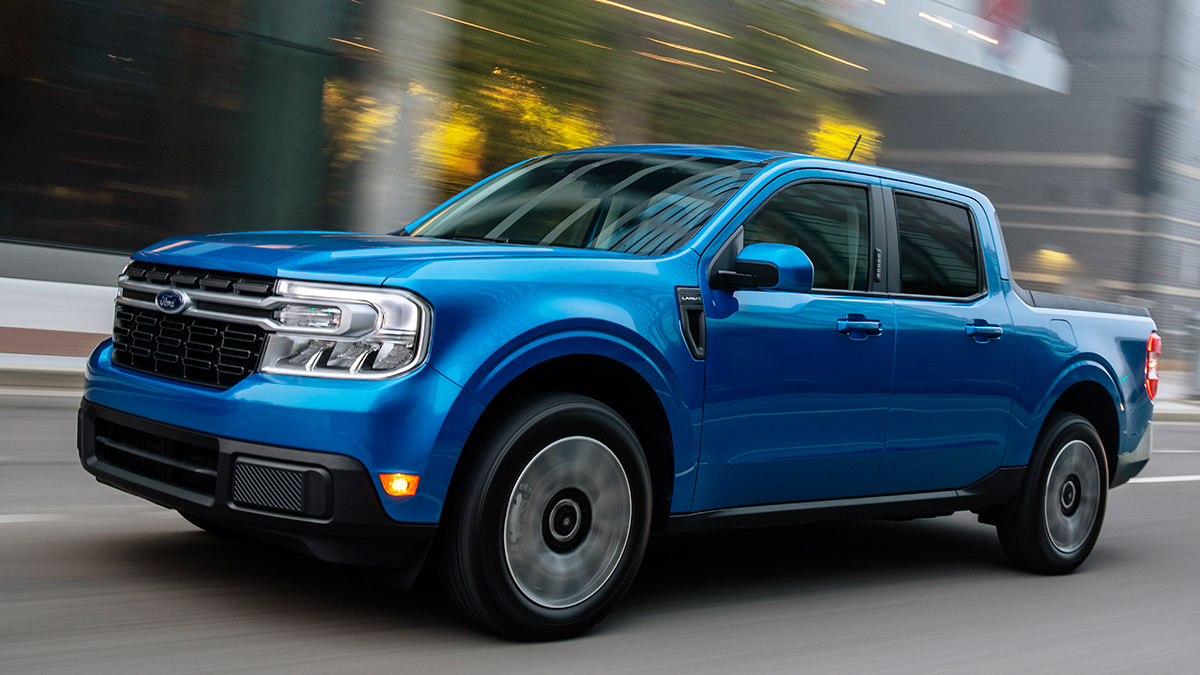
The Ford Maverick Hybrid brings electrified efficiency to the compact pickup segment while emphasizing battery durability and affordability. Introduced for 2022, it uses Ford’s fourth-generation hybrid system, influenced in part by long-standing hybrid engineering principles adopted across the industry.
Early fleet data suggests its liquid-cooled lithium-ion battery performs exceptionally well in varying climates, showing strong resistance to temperature swings compared with traditional air-cooled systems.
A major contributor to longevity is the Maverick’s conservative battery management system. The high-voltage battery typically operates within a 30 to 70 percent state-of-charge window, avoiding the stress associated with full charging or deep depletion.
This gentle strategy reduces long-term cell wear and supports consistent performance over time. The system draws from proven technology used in the Ford Escape Hybrid, benefiting from years of prior development.
Ford backs the battery with an 8-year or 100,000-mile warranty, and many owners expect service life beyond 150,000 miles with minimal issues. Regenerative braking also plays a key role, continuously replenishing the battery during deceleration and reducing reliance on the petrol engine.
Power comes from a 2.5-litre four-cylinder engine paired with an electric motor, producing a combined 191 horsepower and 155 lb-ft of torque. An electronically controlled continuously variable transmission sends power to the front wheels. While acceleration can feel strained under hard throttle and the drivetrain can be noisy, the Maverick Hybrid excels in efficiency.
EPA estimates of 42 mpg city, 33 mpg highway, and 37 mpg combined make it the most fuel-efficient pickup currently available in the United States. Real-world testing typically returns mid-30s combined mpg, still impressive for a utility vehicle. Compared with alternatives such as the Toyota Tacoma, the Maverick Hybrid offers significantly better fuel economy.
Beyond efficiency, the Maverick stands out for value. Starting under $20,000 at launch, it became the most affordable hybrid pickup on the market. Available in XL, XLT, and Lariat trims, it offers features such as an 8-inch touchscreen with Apple CarPlay and Android Auto, FordPass connectivity with Wi-Fi capability, and practical innovations like the Flexbed cargo system. Higher trims add premium touches, including dual-zone climate control, heated seats, adaptive cruise control, and upgraded audio.
Although ride quality can be bouncy and some advanced safety features cost extra, the Maverick Hybrid delivers a compelling mix of practicality, low operating costs, and proven hybrid durability in a compact truck format.
Also read: 5 Cars Owners Are Happy With Long-Term vs 5 They Aren’t
5 With Frequent Cell Issues
1. Honda Civic Hybrid (2006–2011)
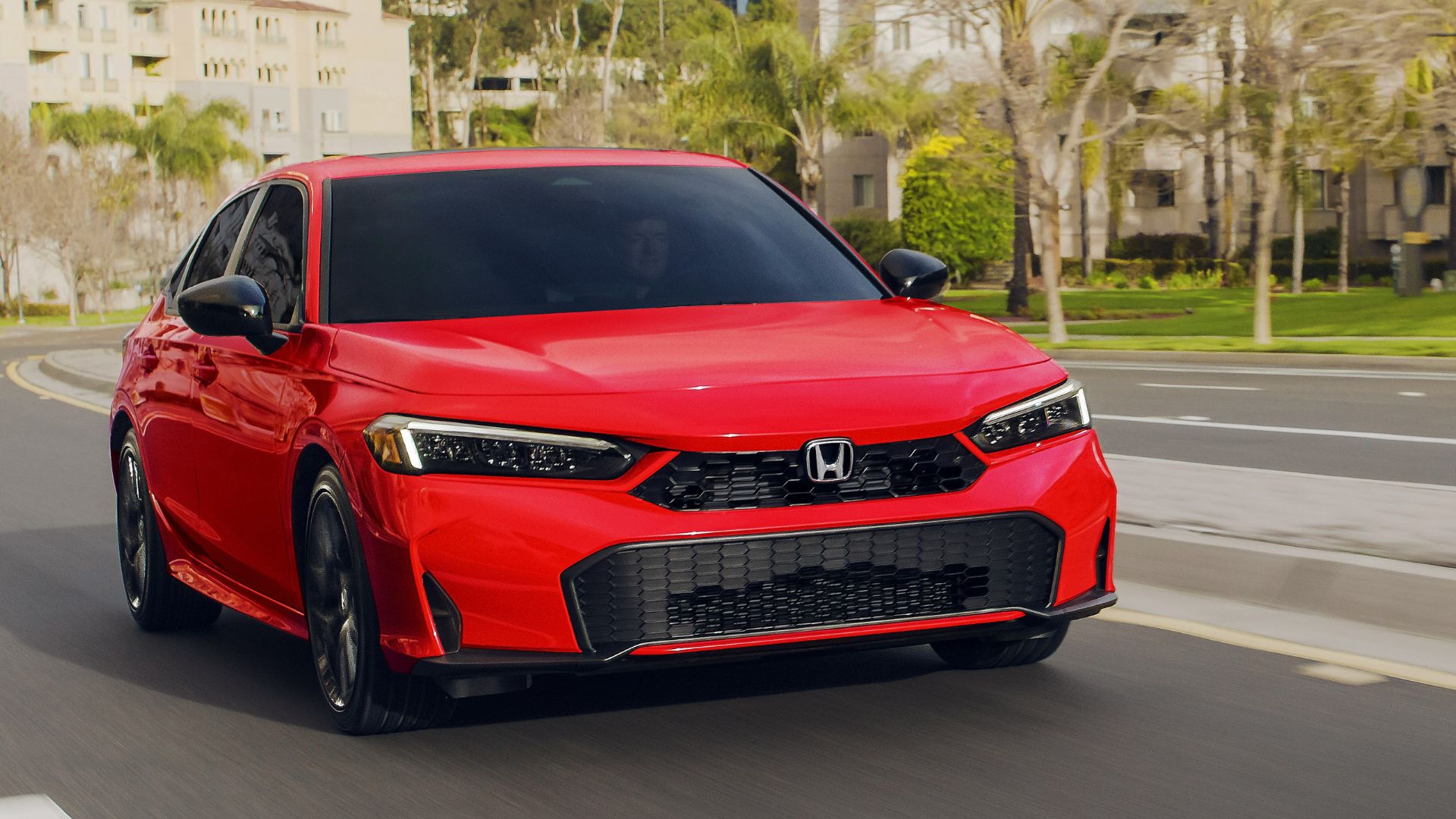
The second-generation Honda Civic Hybrid is often cited as one of the most problematic modern hybrid vehicles due to widespread failures of its Integrated Motor Assist battery system. Produced from 2006 to 2011, this model developed a reputation for premature nickel-metal hydride battery degradation, with some owners experiencing complete pack failure in as little as 60,000 miles.
A primary weakness lay in the battery management system. Instead of monitoring each of the 132 individual cells, the system grouped them into sub-packs. This limited visibility meant that when a single cell began to weaken, the system could not isolate it.
Stronger cells were frequently overcharged while weaker ones were over-discharged, creating voltage imbalances that gradually compromised the entire pack. Even if most cells remained functional, one deteriorating unit could trigger widespread failure.
Software strategy further compounded the issue. Early calibration prioritized fuel economy and relied heavily on electric assist to compensate for the small petrol engine. This resulted in frequent deep charge and discharge cycles, which are particularly stressful for NiMH chemistry.
Honda later issued software updates intended to reduce strain on the battery. While these updates extended battery life in some cases, they effectively reduced electric assist, leading to complaints of slower acceleration and lower fuel economy.
Thermal stress also played a significant role. The battery system was sensitive to heat, and the cooling design struggled in hotter climates. Stop-and-go driving in high temperatures, especially with air conditioning running, often leaves the battery in a low state of charge.
Ideally, these batteries should operate within a moderate range around mid-capacity. Prolonged operation at low charge levels accelerated chemical breakdown, particularly in regions such as California and Florida.
Inactivity presented another risk. Extended periods without driving allowed the NiMH cells to self-discharge deeply, sometimes beyond recovery. Replacement costs commonly ranged from $2,000 to $4,000. Although Honda later extended warranty coverage for some vehicles, the battery reliability issues remain a defining characteristic of this Civic Hybrid generation.
2. BMW 330e iPerformance (2016–2018)
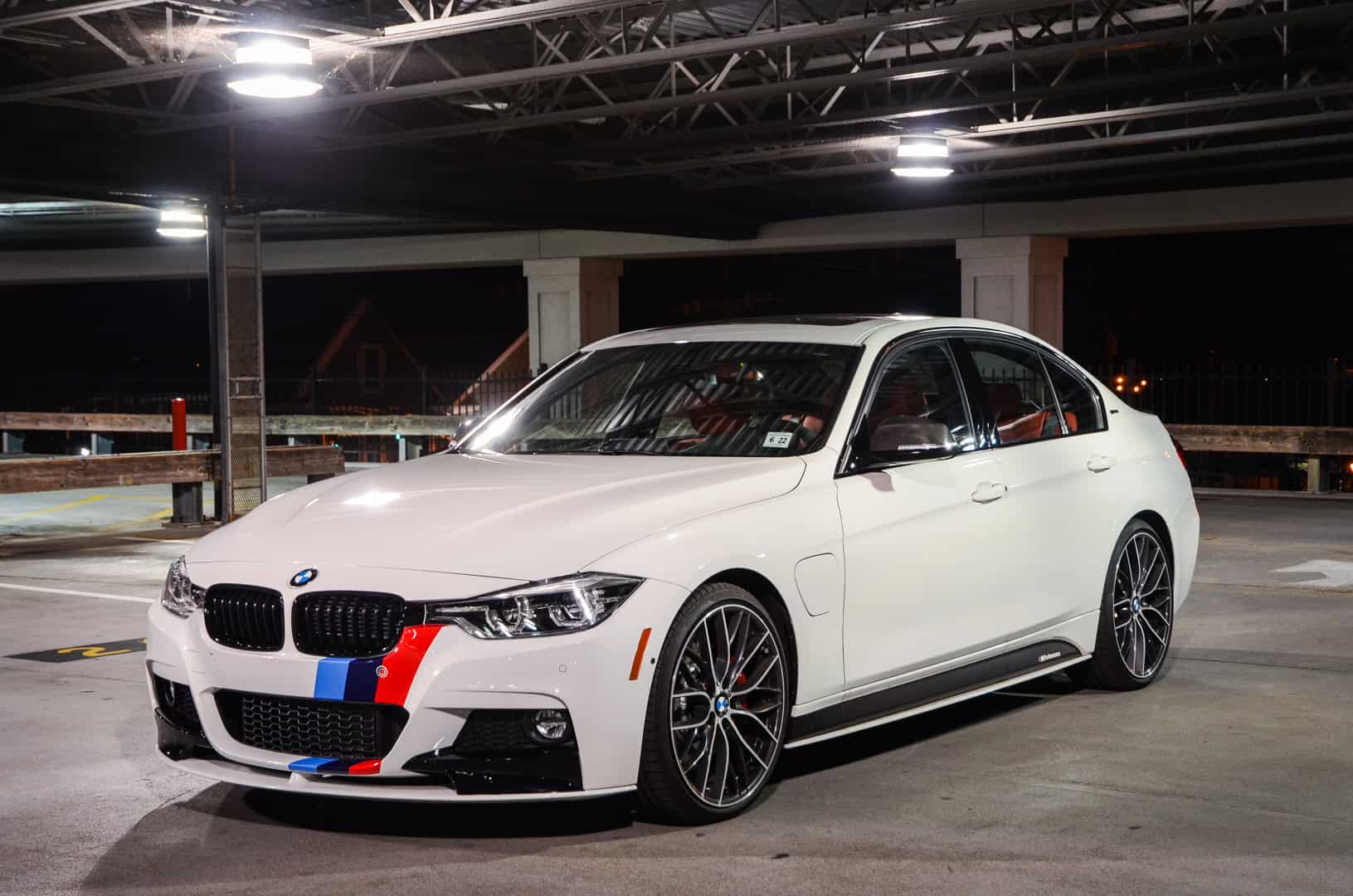
The BMW 330e iPerformance represents one of BMW’s early plug-in hybrid efforts in the compact executive segment. While it delivered strong performance and the appeal of short electric-only driving, the F30-generation 330e developed a reputation for high-voltage battery issues, particularly when compared with newer plug-in systems.
A central challenge was the relatively small 7.6 kWh battery pack tasked with powering a heavy vehicle and a strong electric motor. Because of its limited capacity, the battery is frequently operated under high load conditions.
Rapid charging and discharging cycles placed significant stress on the lithium-ion cells, accelerating wear. Some owners reported noticeable reductions in electric driving range within three to four years, occasionally requiring costly module replacements.
Cell balancing also proved problematic. The battery management system sometimes struggled to maintain uniform voltage across all cells. In certain cases, communication faults within the CAN Bus system triggered false readings or “maximum cell deviation” errors during diagnostics.
When one cell became imbalanced, whether overcharged or undercharged relative to the others, the system could issue drivetrain malfunction warnings or restrict performance. Owners frequently reported abrupt losses in electric range, charging interruptions, or the vehicle entering a reduced-power mode.
Thermal stress further contributed to degradation. Although the 330e employed active cooling, the compact battery was often pushed hard during urban electric driving. Repeated exposure to elevated temperatures accelerated chemical aging and, in some instances, led to swelling or premature module failure.
The complexity of the high-voltage system added another layer of vulnerability. Faults within the safety box or internal current sensors could trigger shutdowns that appeared to mimic cell failures. As a result, diagnosing the root cause could be difficult and expensive.
While some issues stemmed from normal aging under demanding use, others reflected early-generation plug-in hybrid limitations. For many owners, the 330e delivered engaging performance but required careful maintenance and monitoring to avoid costly battery-related repairs.
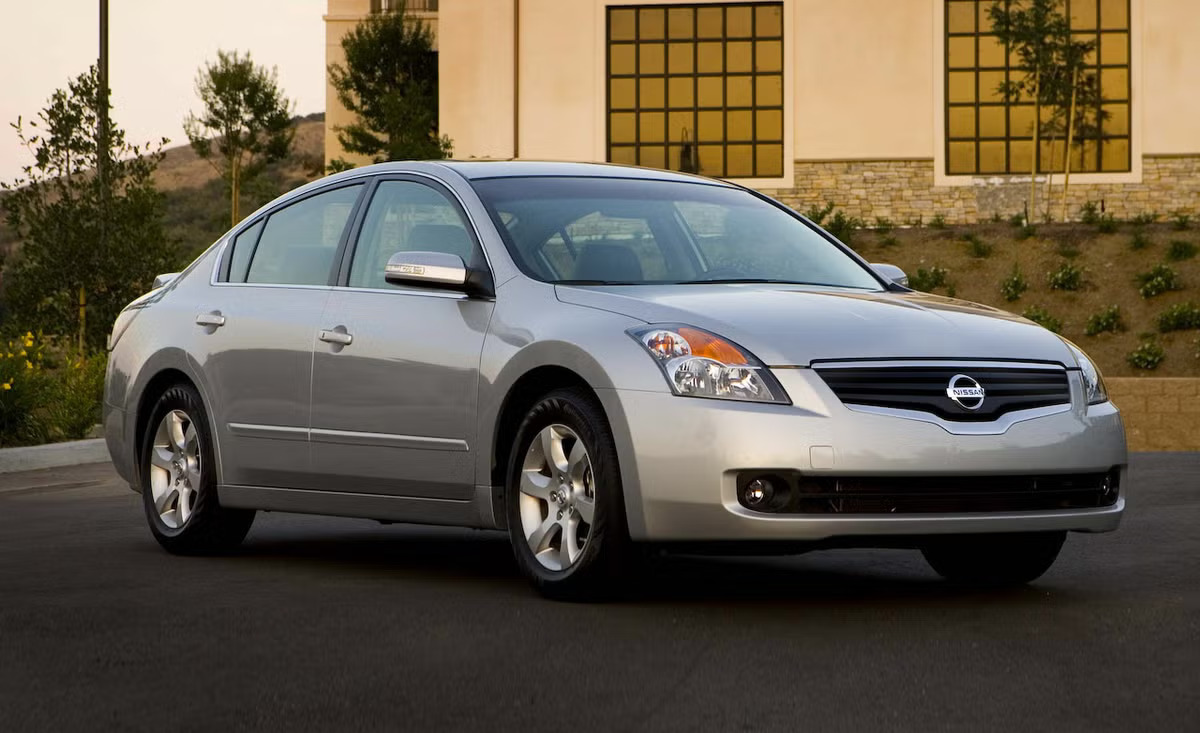
3. Nissan Altima Hybrid (2007–2011)
The Nissan Altima Hybrid combined Nissan engineering with licensed Toyota Hybrid Synergy Drive technology, yet it developed a reputation for premature battery problems. Produced from 2007 to 2011, this midsize sedan relied on a nickel-metal hydride battery pack composed of 34 modules.
While the underlying hybrid system was proven elsewhere, its integration into the Altima platform introduced reliability concerns, particularly related to heat management and module imbalance.
A primary issue was voltage imbalance among the battery modules. Over time, individual modules degraded at different rates. When one or two modules lost capacity faster than others, the battery management system attempted to compensate by placing greater demand on the remaining healthy modules.
This often created a cascading effect, where stressed modules overheated and deteriorated more rapidly. Eventually, even a single weak module could trigger a hybrid system malfunction warning and disable the vehicle.
Thermal management shortcomings amplified the problem. The Altima Hybrid used an air-cooling system that pulled cabin air through vents near the rear seats. These vents were prone to clogging from dust, debris, or pet hair, restricting airflow to the battery pack.
Inadequate cooling allowed heat to build up during frequent charge and discharge cycles, particularly in stop-and-go city driving. Elevated temperatures accelerate the chemical breakdown of NiMH cells, permanently reducing capacity and shortening service life.
Inactivity posed another risk. Hybrid batteries naturally self-discharge when left unused. If the vehicle sat for weeks, uneven discharge among modules could worsen voltage imbalance beyond what the system could correct.
Additionally, a weak 12-volt auxiliary battery sometimes caused misleading hybrid system errors. Because the 12-volt unit powers the control electronics, unstable voltage could result in improper charging commands that stress the high-voltage pack.
Common warning signs included declining fuel economy, rapid swings in the battery charge gauge, and entry into limp mode. Regular weekly driving and periodic cleaning of the cooling vents were essential steps in prolonging battery life.
4. Volkswagen Jetta Hybrid (2013–2015)
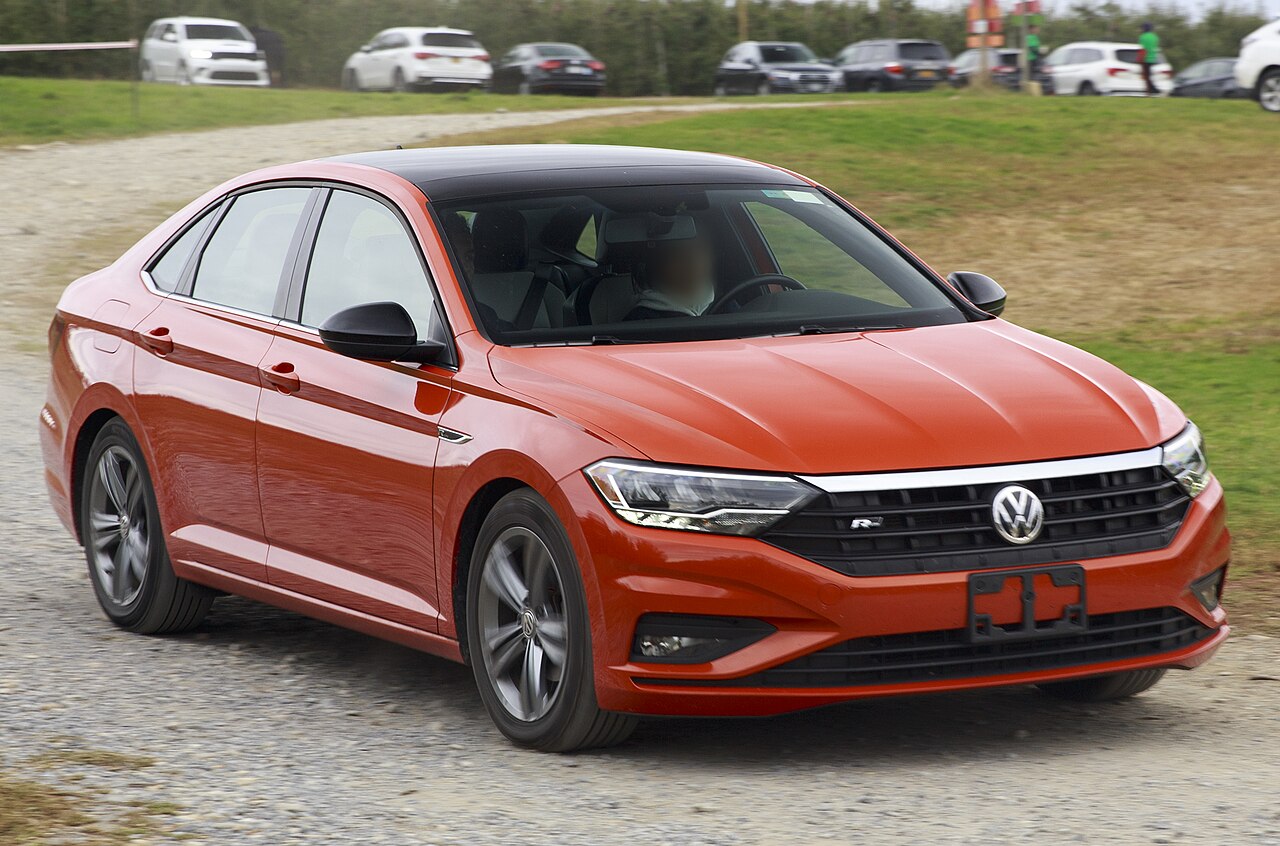
The 2013–2015 Volkswagen Jetta Hybrid was VW’s first attempt to introduce a high-voltage hybrid in North America. While it offered a dynamic, performance-oriented driving experience, it experienced frequent reliability issues, particularly with the lithium-ion battery.
These problems were primarily caused by thermal management shortcomings, software glitches, and integration with auxiliary systems and the dual-clutch transmission.
Heat management was a major vulnerability. The battery cooling fan, located in the trunk, often became clogged with dust or debris, restricting airflow. Limited cooling caused the cells to heat excessively, accelerating chemical degradation and creating voltage imbalances. These unbalanced cells frequently triggered system shutdowns to prevent potential fire hazards, while reducing electric driving capacity.
Software and battery management contributed to failures as well. The Battery Management System (BMS) and Battery Energy Control Module (BECM) struggled to keep all cells balanced. Voltage drift in individual cell groups often generated “Hybrid System Failure” alerts.
Unlike more modern systems with active reconditioning, the Jetta Hybrid’s software was unable to restore proper cell balance during normal driving, leading to recommendations for premature pack replacement.
The 12-volt auxiliary battery also influenced battery health. A minor weakness in this small battery could prevent high-voltage contactors from engaging properly, creating false fault codes. Many owners replaced expensive high-voltage packs when the root cause was a weak 12-volt battery or a malfunctioning DC-DC converter.
Integration with the DQ200 7-speed DSG transmission added another layer of complexity. Failures in the transmission’s Mechatronic controller or internal leaks were often misdiagnosed as battery problems, since the electric motor is positioned between the engine and gearbox. These combined issues could result in reduced fuel efficiency, limp mode activation, or complete hybrid system shutdown.
The Jetta Hybrid highlights the challenges of first-generation plug-in systems when performance and engineering complexity are prioritized ahead of battery durability. Regular maintenance of cooling components and monitoring the auxiliary battery can help mitigate some of these failures.
5. Chrysler Pacifica Hybrid (2017–2020) Battery Challenges
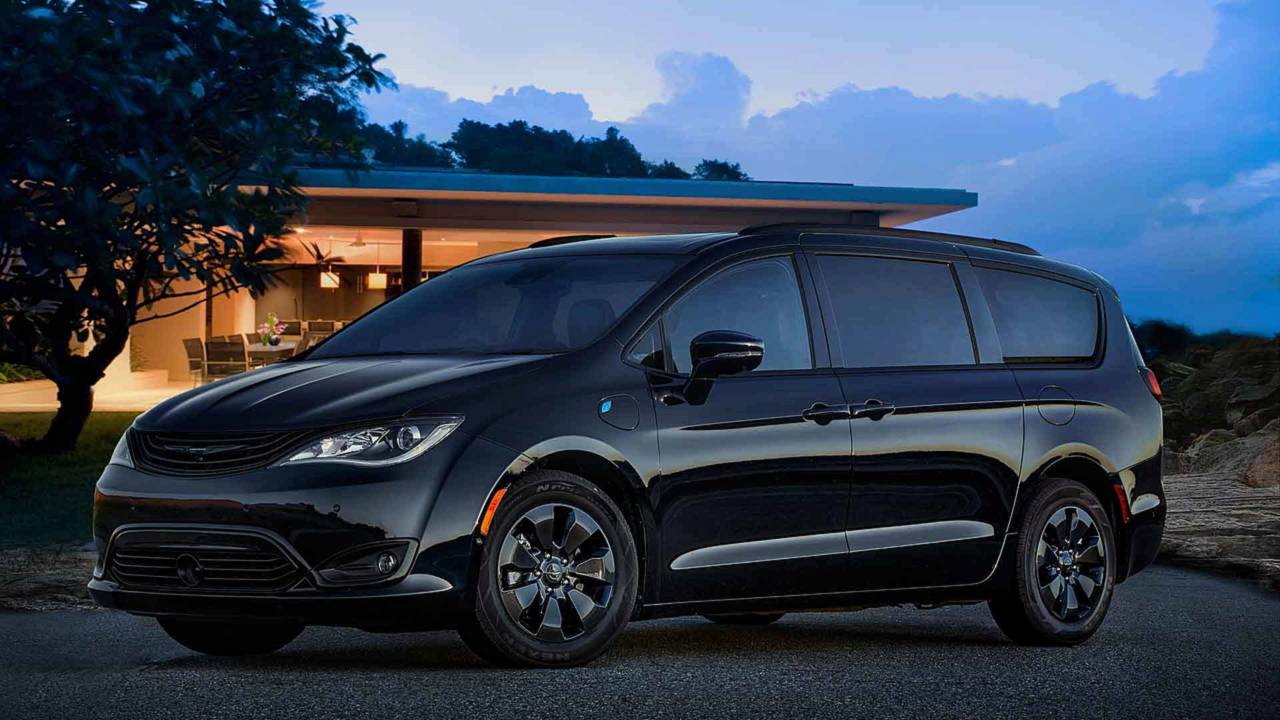
The 2017–2020 Chrysler Pacifica Hybrid, the first plug-in hybrid minivan from Chrysler, has faced significant battery-related issues affecting both safety and drivability.
Owners have reported frequent “propulsion power reduced” warnings, often triggered by individual high-voltage cell anomalies that the Battery Management System (BMS) cannot correct. These problems stem from a combination of manufacturing defects, early-generation software limitations, and electrical system vulnerabilities.
High-voltage lithium-ion battery failures have been the most critical concern. Investigations revealed that some LG Energy Solution-supplied battery cells contained defects that could cause internal short circuits. These shorts can trigger thermal runaway, where cells overheat and potentially catch fire.
Additionally, damaged anode tabs during manufacturing increased resistance and heat within certain cells, accelerating degradation and raising fire risk. Chrysler issued multiple recalls to address these high-voltage battery abnormalities, most recently in mid-2024.
The 12-volt auxiliary system also contributed to apparent battery problems. A vulnerable connection, known as the 12-volt isolator post located behind the driver’s seat, could develop high resistance due to corrosion or debris.
This resistance generates heat that can melt surrounding plastic and even ignite fires. Because the 12-volt system activates the high-voltage battery, failures at this connection often trigger cryptic “Service Hybrid Electric System” warnings, misleading owners about which battery is malfunctioning.
Software and parasitic drain issues compounded the problems. Certain modules, including the Uconnect infotainment system and Power Inverter Module (PIM), could remain active after the vehicle was turned off, draining the 12-volt battery. A depleted 12-volt battery prevents proper engagement of the high-voltage contactors, leaving the vehicle inoperable.
Thermal management also posed challenges. Early versions of the Pacifica Hybrid’s cooling system were not fully optimized for extreme temperature fluctuations. Repeated expansion and contraction of battery cells under high-speed charging or heavy acceleration worsened physical defects, such as anode tab damage, accelerating cell degradation.
Chrysler has addressed these issues through software updates that monitor the high-voltage battery for “pre-fire” signatures. If abnormalities are detected, the software limits battery capacity and alerts the driver.
In many cases, confirmed cell defects require full battery pack replacement to restore safety and functionality. These challenges highlight the difficulties of pioneering a plug-in hybrid minivan with early-generation lithium-ion systems.
The contrast between hybrids with long-lasting batteries and those prone to frequent cell issues highlights the critical role of engineering in battery durability. Models like the Toyota Prius, Honda Accord Hybrid, and Ford Maverick Hybrid succeed by controlling charge cycles, managing heat, and using proven battery technologies.
On the other hand, vehicles such as the Honda Civic Hybrid, Volkswagen Jetta Hybrid, and Chrysler Pacifica Hybrid reveal the risks of aggressive software, poor thermal management, or manufacturing defects.
For buyers, understanding these factors supports smarter decisions and emphasizes the importance of proper maintenance. Selecting a hybrid with a carefully designed battery system ensures consistent performance, reliability, and lower long-term ownership costs.
Also Read: 10 Cars With Lane-Assist Tech That Creates More Problems Than It Solves