Winter driving separates vehicles that excel from those that struggle. Some are built to tackle snow, ice, and slush with confidence, while others face traction and stability challenges. This guide examines 5 AWD Vehicles That Dominate in Snow vs 5 That Slip on Ice, showing the clear difference between all-weather specialists and performance-oriented machines.
All-wheel-drive vehicles like the Subaru Outback Wilderness, Toyota LandCruiser 300 Series, Audi A4 Allroad, Volvo V90 Cross Country, and Jeep Wrangler Rubicon use high ground clearance, advanced traction systems, and winter-ready tires to move through snow and icy terrain effectively.
In contrast, rear-wheel-drive sports cars and sedans such as the Chevrolet Corvette C8, BMW M3, Tesla Model 3 RWD, Mazda MX-5 Miata, and Ford Mustang reveal the limits of low clearance, lightweight designs, and summer tires in slippery conditions. Comparing these extremes helps drivers understand how drivetrain, weight distribution, and tire selection affect winter performance and safety.
5 AWD Vehicles That Dominate in Snow
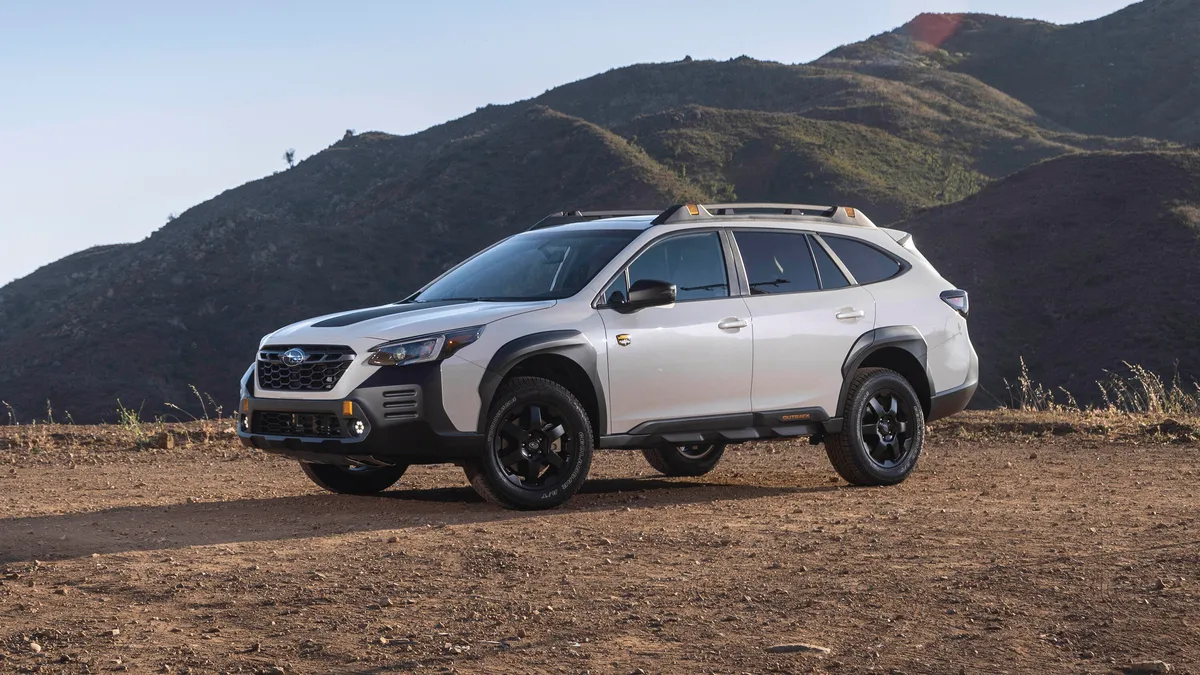
1. Subaru Outback Wilderness: The Ultimate All-Weather Adventure Wagon
The Subaru Outback Wilderness builds on the Outback’s reputation for all-weather capability, enhancing it with off-road-ready features that excel in snow, mud, and rough terrain. Its 9.5-inch ground clearance allows it to traverse deep snow and uneven trails without high-centering, while the Symmetrical All-Wheel Drive system continuously distributes power to all four wheels for optimal traction.
Dual-function X-MODE software further optimizes engine, transmission, and traction control settings specifically for deep snow or mud. Specialized Yokohama Geolandar all-terrain tires, aggressive final drive ratios, and reinforced suspension improve low-speed climbing, traction, and stability in challenging conditions.
Hill Descent Control adds a layer of safety by managing speed on icy or steep descents, making the Wilderness trim a true all-weather performer.
Practicality is a major strength. The Outback’s rear seats fold smoothly with oversized latches, and wide-opening doors and hatch allow for easy loading of bulky gear, from road bikes to ski bags. Its cargo area accommodates weekend trips, beach outings, or extended adventures, making it a versatile family or outdoor vehicle.
On the road, the 2.4-liter turbocharged boxer engine produces 260 horsepower and 277 lb-ft of torque, delivering strong low-end power that the CVT transmits efficiently. Despite the lifted suspension and all-terrain tires, the Wilderness tracks straight with minimal effort on highways, offering a surprisingly comfortable ride.
Interior touches include copper-accented stitching, anodized trim, and Wilderness branding, adding visual flair without compromising functionality. While infotainment controls and the stereo system could benefit from more intuitive design and better audio quality, the vehicle’s handling, comfort, and utility outweigh these drawbacks.
The Wilderness trim also improves exterior capability with redesigned bumpers, skid plates, black fender cladding, and roof rails, enhancing approach, departure, and breakover angles for rugged terrain. Priced at around $38,695, it slots near the top of the Outback range, offering added off-road performance without sacrificing the base model’s versatility.
The Subaru Outback Wilderness successfully combines Subaru’s legendary AWD system with increased ground clearance, reinforced suspension, and off-road-specific features, making it a capable and practical vehicle for snow, mud, and long trips.
Its spacious cargo hold, comfortable cabin, and robust engine make it ideal for families and outdoor enthusiasts, while its unique blend of utility and capability ensures it remains a standout in its class. For drivers seeking a crossover with serious all-weather and off-road credentials, the Wilderness trim is the ultimate Outback choice.
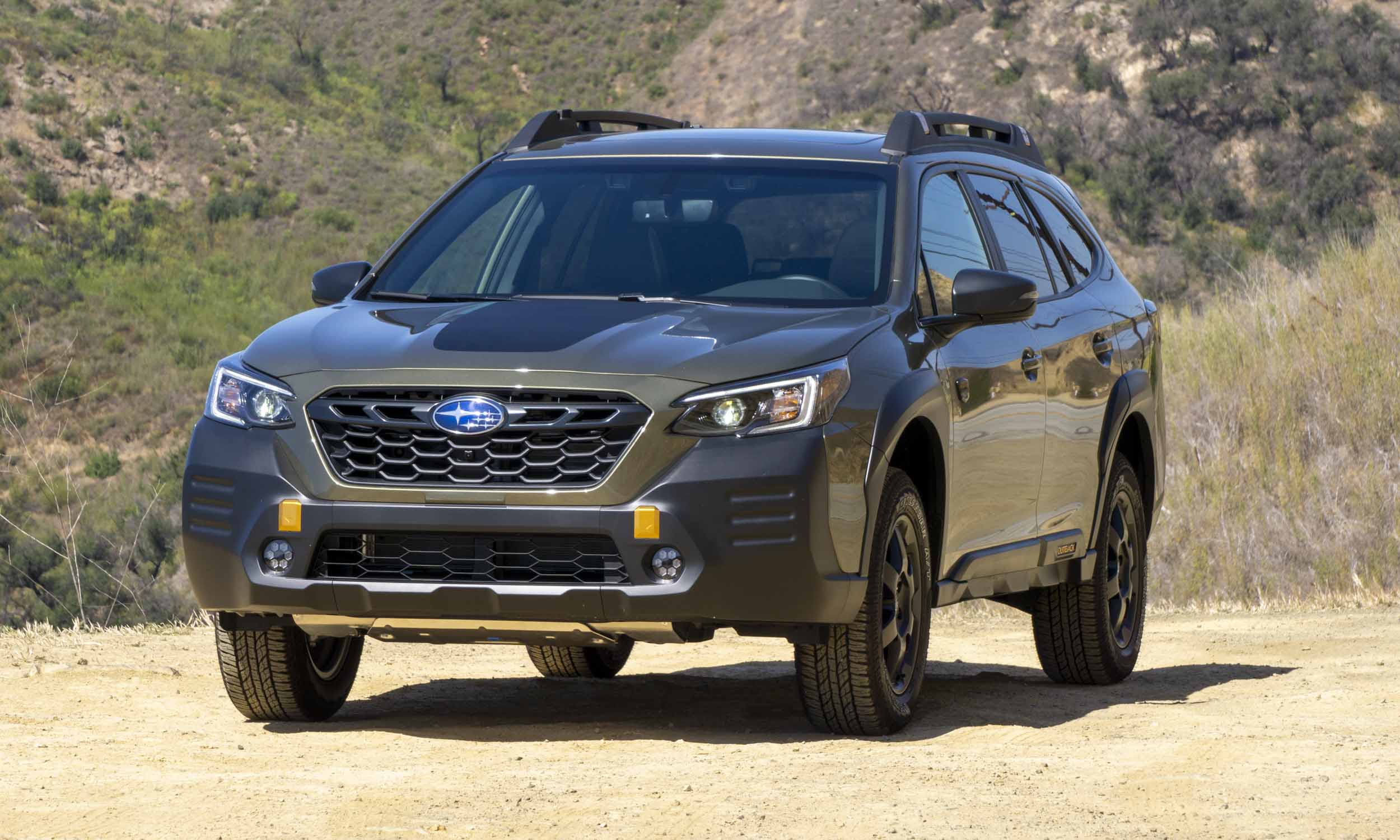
2. 2024 Toyota LandCruiser 300 Series: Modern Off-Road Excellence
The 2024 Toyota LandCruiser 300 Series continues the legacy of a true off-road icon, combining legendary capability with modern refinements. Its full-time 4WD system, featuring a Torsen limited-slip center differential, distributes power with a 40/60 default split and can instantly lock to 50/50, ensuring traction in even the deepest snow or mud.
Multi-Terrain Select (MTS) optimizes throttle, braking, and traction for various surfaces, while Crawl Control manages speeds on steep or slippery descents. Superior suspension, with a double-wishbone front and trailing-link rigid-axle rear, enhances wheel articulation and keeps tires planted, even on uneven terrain.
The GA-F platform provides rigidity that boosts stability, and twin-turbo V6 engines deliver strong low-end torque, enabling smooth progress through challenging conditions without revving high.
The interior balances ruggedness with comfort. The GR Sport trim seats five in well-cushioned leather, with good support for long drives. The second row provides USB-C charging, air vents, and a fold-down armrest, though high floors and a center hump slightly compromise legroom.
Cargo space is generous, from 1,153 liters behind the second row to 2,502 liters with seats folded. The cabin blends tactile buttons for off-road functions with a 12.3-inch touchscreen for infotainment, though graphics and responsiveness feel dated for a near-$150,000 vehicle.
On the road, the LC300 surprises with composure. The twin-turbo V6 provides linear power delivery, making it easy to manage in traffic and precise on trails. The 10-speed automatic transmission keeps the engine in its torque band, and the electronic Kinetic Dynamic Suspension System (e-KDSS) balances mogul-crushing articulation with car-like handling.
On highways, the LandCruiser remains quiet, with minimal road and wind noise, and adaptive cruise and lane-keeping systems provide useful, if not groundbreaking, driver assistance.
Capability extends to towing and off-road performance. The LC300 confidently pulls trailers, manages steep descents, and traverses rough terrain with hill-descent control. Ground clearance of 245 mm, approach and departure angles of 32° and 25°, and a wading depth of 700 mm make it versatile in diverse conditions.
Safety is comprehensive, with a five-star ANCAP rating, 10 airbags, AEB with pedestrian and cyclist detection, and advanced driver aids.
Available in six trims, from GX to GR Sport, the LandCruiser offers increasing levels of luxury, off-road hardware, and tech features. While interior tech may lag behind expectations at this price point, the vehicle’s unmatched all-terrain capability, towing prowess, and refined V6 engines make it a formidable all-rounder.
The 300 Series remains a confident choice for buyers seeking a blend of rugged performance and modern comfort, solidifying its position as one of the world’s most capable and iconic SUVs.
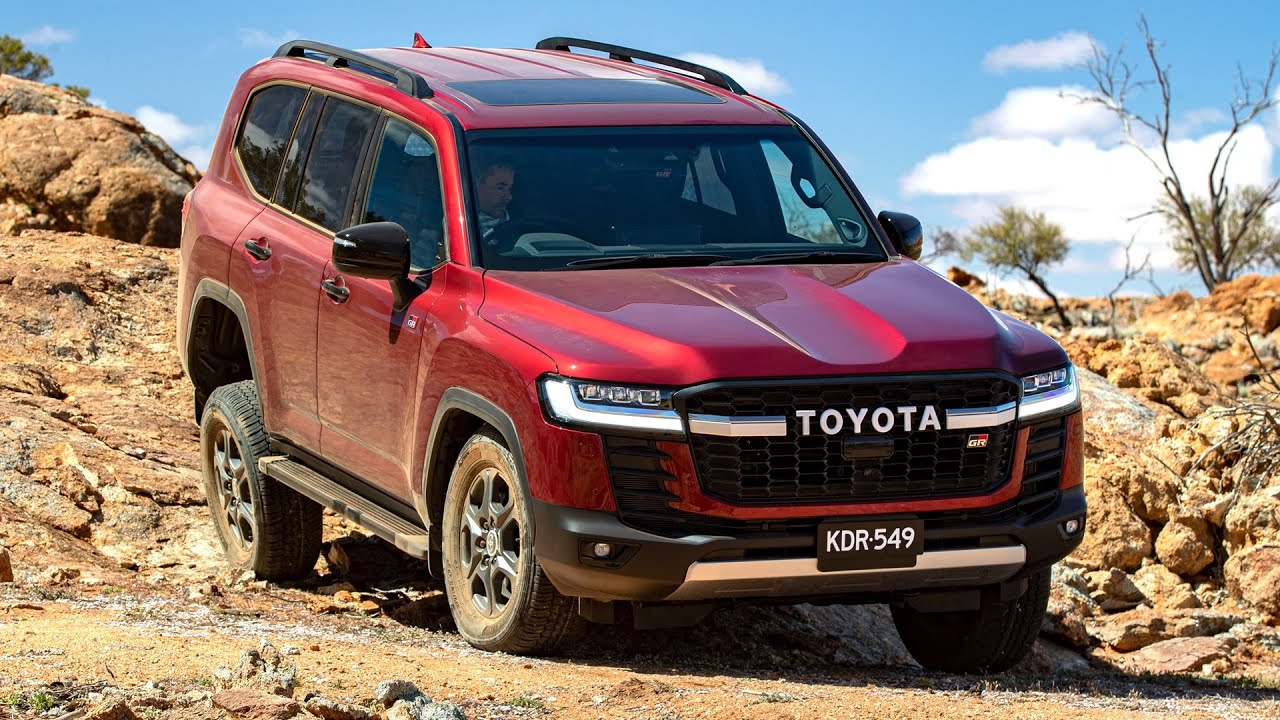
3. Audi A4 Allroad: A Car-Like Contender in Winter Conditions
The Audi A4 Allroad combines car-like handling with impressive all-weather capability, making it ideal for drivers who prefer sedans over taller SUVs. Its Quattro all-wheel-drive system with Ultra technology predicts traction needs before wheel slip occurs, instantly sending power to the wheels with the most grip.
With approximately 6.5 inches of ground clearance, the Allroad handles deep snow, icy roads, and rutted paths while maintaining a low center of gravity, which reduces body roll and improves stability on slippery corners. Additional protective features include underbody skid plates and rugged body cladding, which help prevent damage when the vehicle moves through snow or slush.
The vehicle is powered by a 261-hp turbocharged 2.0-liter inline-four engine paired with a seven-speed dual-clutch transmission. This setup delivers smooth, responsive shifts and predictable power delivery. While the lateral handling is not quite as sharp as the standard A4 sedan, the ride remains comfortable and composed for everyday driving.
Previous versions of this powertrain achieved 0–60 mph times of around 5.2 seconds, and the 2025 model is expected to meet or slightly improve this performance. EPA fuel economy ratings are 23 mpg in the city and 30 mpg on the highway.
The interior balances functionality and comfort with leather seats, a panoramic sunroof, and three-zone climate control. The cabin is practical rather than luxurious.
Cargo capacity is limited for this type of vehicle, accommodating only six carry-on suitcases behind the rear seats, which is only slightly more than the standard A4 sedan. This makes the Allroad less suitable for larger trips compared to competitors such as the Subaru Outback.
Technology includes a 10.1-inch touchscreen infotainment system, with higher trims featuring a 12.3-inch digital gauge cluster. Wireless Apple CarPlay and Android Auto are standard, although the interface can feel slightly cumbersome.
Safety and driver-assistance features are extensive, including automated emergency braking, adaptive cruise control, and optional blind-spot monitoring, keeping the Allroad competitive in its segment. Warranty coverage includes four years or 50,000 miles for both limited and powertrain components.
The Audi A4 Allroad performs exceptionally in winter conditions thanks to its predictive Quattro system, elevated ground clearance, and stable low center of gravity. While cargo space and interior technology could be improved, it provides a secure, confident drive in snow and icy conditions without sacrificing comfort or handling.
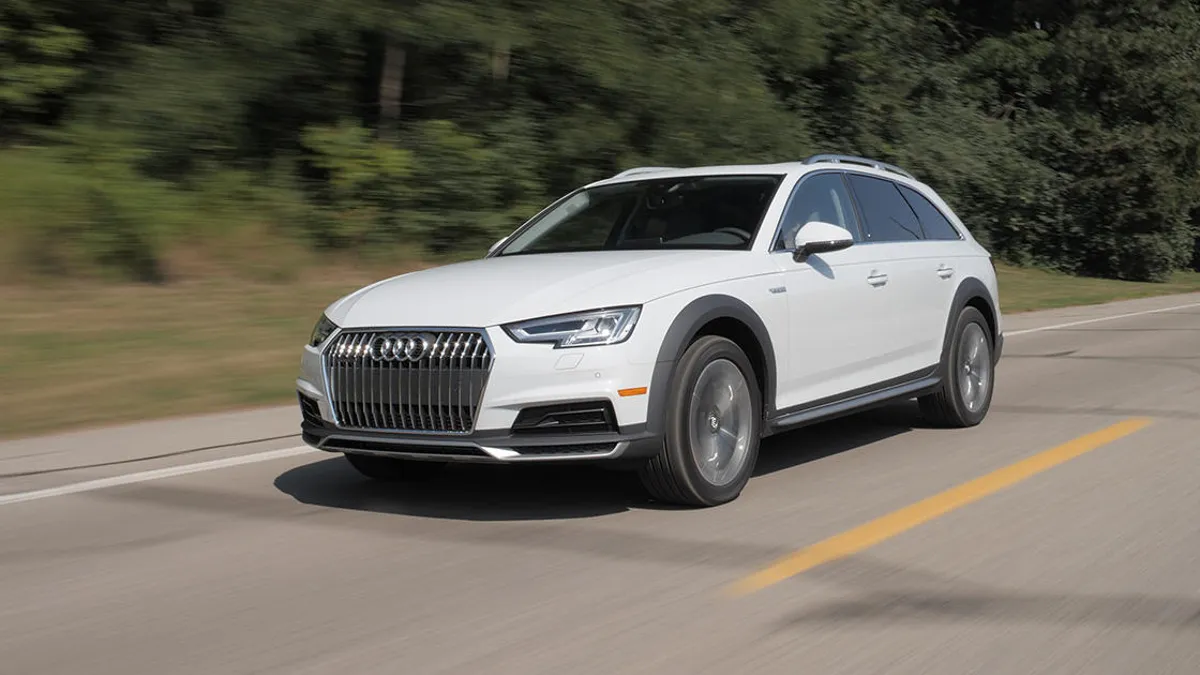
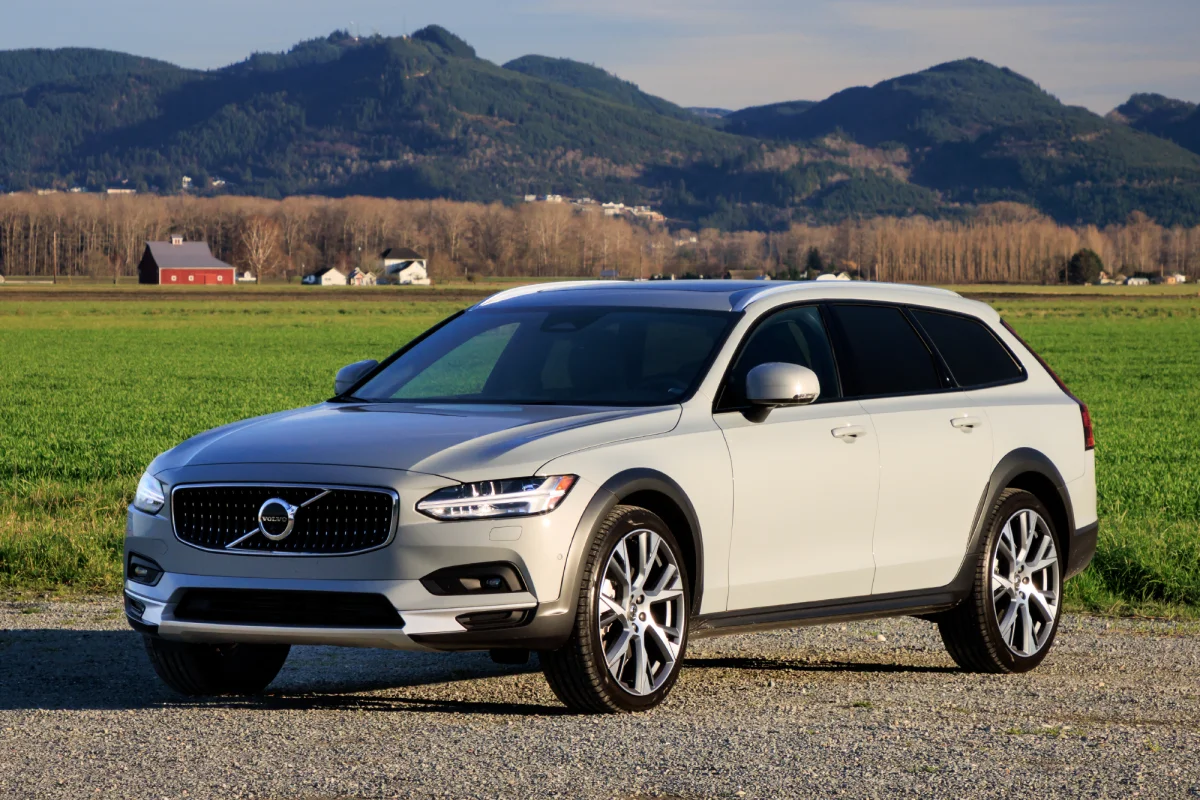
4. Volvo V90 Cross Country: Luxury Meets Winter Confidence
The Volvo V90 Cross Country blends Scandinavian refinement with all-weather capability, making it a strong contender for severe winter conditions. Its BorgWarner all-wheel-drive system works in harmony with a sophisticated stability control setup that allows controlled wheel slip, helping maintain momentum in slush without cutting engine power entirely.
Ground clearance is increased to 210 millimeters, or about 8.3 inches, which helps the wagon clear deep snow and icy ruts. Dedicated off-road driving modes and hill descent control further enhance its winter performance by adjusting the powertrain and traction management for slow, controlled travel on slippery slopes. The chassis is engineered for stability, providing confident handling and a secure driving experience in challenging conditions.
The V90 Cross Country is powered by Volvo’s B6 engine, a 295-hp turbo and supercharged 2.0-liter four-cylinder paired with a smooth-shifting eight-speed automatic transmission. The engine integrates a 48-volt mild-hybrid system, boosting low-end responsiveness and improving efficiency.
Acceleration from 0 to 60 mph takes 6.4 seconds, which is adequate for daily driving but less aggressive than rivals like the Audi A6 Allroad. The wagon is nimble for its size, and cornering competence is commendable, though the ride is firmer than expected due to 20-inch wheels and Pirelli tires.
Interior quality emphasizes luxury and functionality. The front seats feature Nappa leather, generous bolstering, and open-pore wood trim. The rear seats are comfortable, although legroom is adequate rather than generous. Cargo space allows for ten carry-on suitcases with the rear seats in place and expands to twenty-one when folded, providing ample but not class-leading capacity. T
echnology includes a 12.3-inch digital gauge cluster and a 9.0-inch vertically oriented touchscreen with wired Apple CarPlay and Android Auto. A 14-speaker Harman/Kardon stereo is standard, with an optional 19-speaker Bowers & Wilkins system. Four USB-C ports and built-in navigation enhance convenience.
Fuel economy is efficient for a luxury wagon with AWD, earning 22 mpg city and 29 mpg highway. Real-world highway testing produced 28 mpg at 75 mph. The V90 Cross Country also tows up to 3,500 pounds, making it versatile for recreational use.
Safety features are extensive, including lane-departure warning, lane-keeping assist, and adaptive cruise control. Warranty coverage includes four years or 50,000 miles, with complimentary maintenance for two years or 20,000 miles.
The Volvo V90 Cross Country combines elegance, intelligent traction, and capable winter handling. It delivers a secure and balanced driving experience in snow and ice, while maintaining the comfort, technology, and luxury expected from a premium Swedish wagon.
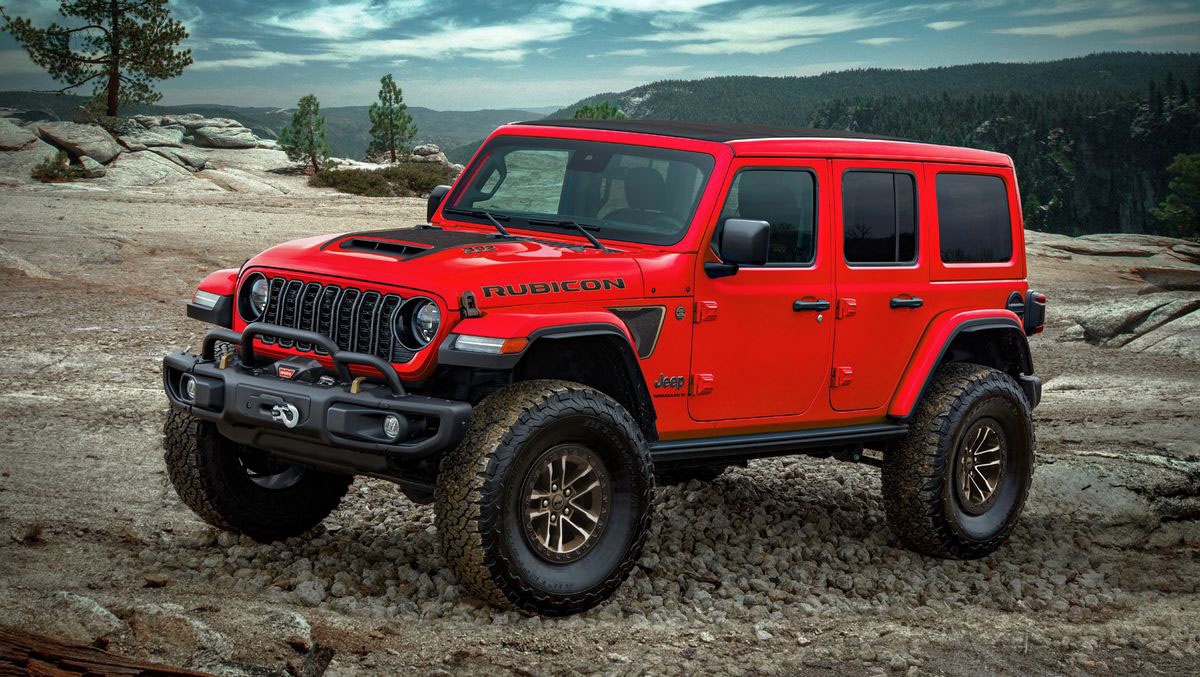
5. Jeep Wrangler Rubicon: Uncompromising Snow Performance
The Jeep Wrangler Rubicon is engineered for extreme winter conditions, delivering exceptional traction and control in deep snow and icy terrain. Its Rock-Trac 4×4 system, combined with electronic locking Tru-Lok differentials, ensures consistent power reaches all four wheels, even when some tires lose contact with the surface.
Ground clearance ranges from 10.8 to 12.9 inches, allowing the Wrangler to clear snowbanks with ease, while solid axles maintain tire contact on uneven terrain for maximum grip. Features such as electronic sway bar disconnects, off-road cruise control, and specialized mud-terrain tires enhance its low-speed maneuverability in challenging winter conditions, making it one of the most capable 4x4s for snow.
The Wrangler Rubicon carries the DNA of the original 1941 Willys Jeep. Its design retains the iconic set-square shape, round headlights, and removable doors and roof, blending modern updates with classic ruggedness.
The current generation, introduced in 2017 and updated in 2021, continues to emphasize off-road performance rather than on-road refinement. This focus makes it feel different from typical SUVs, with noticeable body roll and soft suspension travel that absorbs rough terrain but demands more steering input at higher speeds.
Under the hood, the Rubicon is powered by a 2.0-liter turbocharged petrol engine producing 272 hp and 400 Nm of torque, paired with an 8-speed automatic transmission.
Acceleration is adequate, and the transmission makes good use of the engine’s midrange, providing sufficient pull for both snow and highway driving. Despite the engine’s performance, fuel economy is modest, averaging around 23.7 mpg, with real-world figures dropping in demanding conditions.
Interior comfort balances ruggedness with practical amenities. The cabin includes leather seats, an 8.4-inch Uconnect touchscreen, a 9-speaker Alpine audio system, adaptive cruise control, and heated front seats and steering wheel.
Rear seating is functional, but not spacious, and cargo capacity totals 548 liters, expanding to 1,059 liters with the rear seats folded. Some design choices, such as side-hinged rear doors, can make access in tight spaces awkward.
The Wrangler Rubicon excels where it matters most: off-road and winter performance. Its 4×4 systems, high ground clearance, and solid axles give it unmatched traction and confidence in snow.
Towing capacity of up to 2.5 tonnes adds versatility, while off-road technologies ensure controlled movement in extreme conditions. Trade-offs include wind noise, firm seating, and lower fuel efficiency, but the Rubicon rewards drivers with a unique driving experience that few other SUVs can match.
Also Read: 5 Cars With Simple Dash Layouts vs 5 With Confusing Ones
5 That Slip on Ice
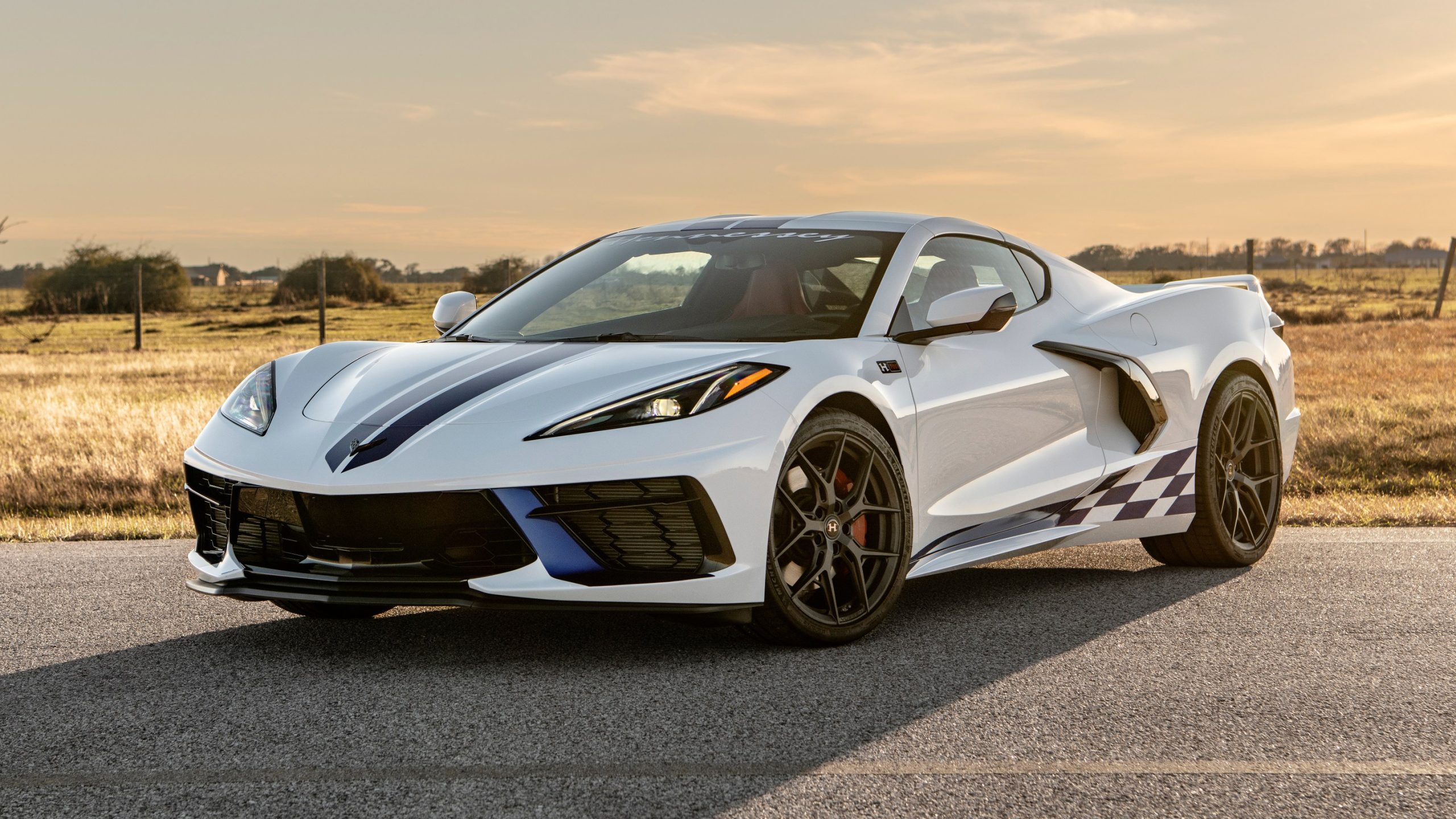
1. Chevrolet Corvette C8: Unsuitable for Snow
The Chevrolet Corvette C8 is a high-performance sports car that struggles in snow and icy conditions due to its design. With only about 5 inches of ground clearance, the low body acts like a snowplow in even light snow, causing the car to become high-centered. The wide rear tires and mid-engine layout provide rear-wheel traction, but in slippery conditions, they tend to float over snow rather than dig in.
Standard summer tires further reduce grip, as their compounds harden below 45°F, turning the car into a slick, hard-to-control machine. The Corvette’s 495-horsepower engine can easily induce wheelspin, and the 40:60 weight distribution leaves the front tires light, reducing steering grip on icy corners.
Winter performance can be slightly improved by switching to winter tires, activating the Corvette’s Weather Mode, and driving cautiously. However, the car is not intended as a dedicated winter vehicle.
The C8 is powered by a 6.2-liter V8 producing 490–495 horsepower, paired with an eight-speed dual-clutch automatic. It achieves 0–60 mph in 2.8 seconds and a quarter-mile in 11.2 seconds, with stopping distances of 149 feet from 70 mph and cornering up to 1.03 g. The mid-engine layout and high power-to-weight ratio deliver exceptional performance on dry roads, but these same traits make snow driving challenging.
Inside, the Corvette is a two-seater with a driver-focused cockpit. It features a 14-inch configurable digital gauge cluster, a 12.7-inch touchscreen infotainment system, wireless Apple CarPlay and Android Auto, and up to 13 cubic feet of storage across front and rear trunks. Premium materials include leather, metal trim, and optional carbon-fiber accents in higher trims.
Safety features include automated emergency braking with pedestrian and cyclist detection, lane-departure warning with lane-keeping assist, and optional blind-spot monitoring and rear cross-traffic alert. Warranty coverage is average, with three years or 36,000 miles for the limited warranty and five years or 60,000 miles for the powertrain, while the first maintenance service is complimentary.
The Corvette C8 excels as a performance sports car but is not designed to handle winter conditions, making it impractical for snowy or icy environments.
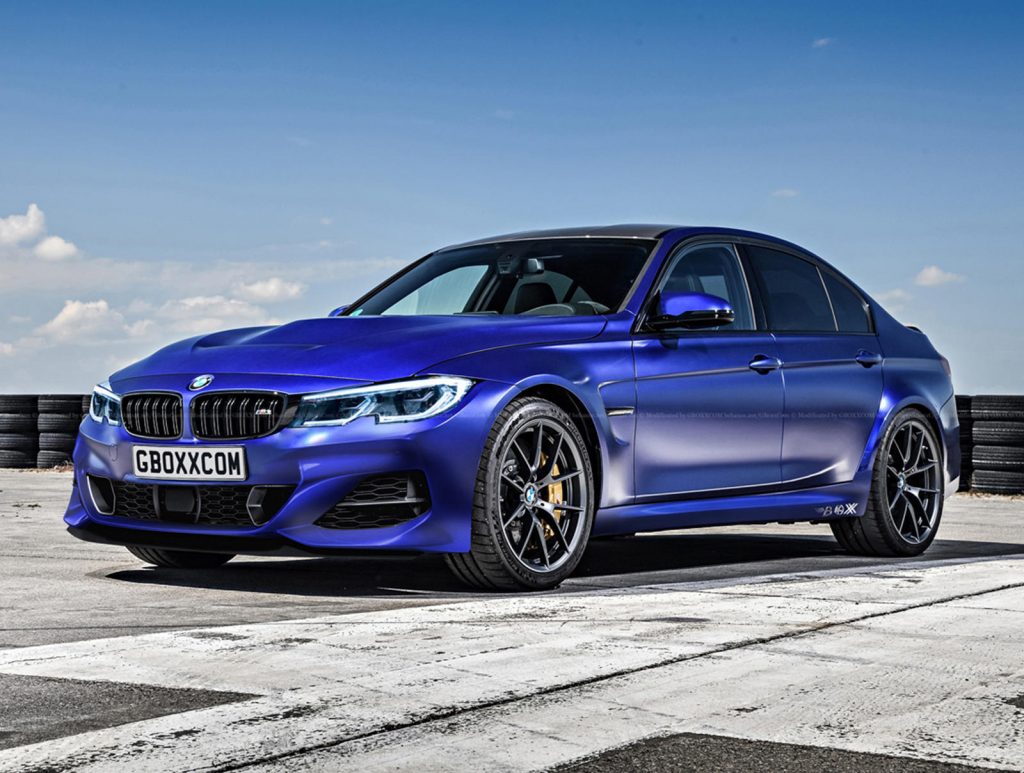
2. BMW M3 Rear-Wheel Drive: Challenging in Snow
The BMW M3 RWD excels on the track but struggles in winter conditions due to its engineering. Rear-wheel drive means the rear tires “push” the car forward, which is inherently unstable on ice or snow.
Even a minor loss of traction can cause the rear end to swing out, producing fishtailing or oversteer. This is compounded by the car’s 50/50 weight distribution. While ideal for neutral cornering, it leaves insufficient downward force on the rear wheels in slippery conditions, causing them to spin atop the snow rather than bite in.
The M3’s low ground clearance further hinders winter performance. In snow deeper than about five inches, the underbody can lift, reducing tire contact with the road. High low-end torque adds to the difficulty, as even gentle accelerator inputs can break traction instantly.
Factory-fitted Ultra-High Performance summer tires exacerbate the problem. Their rubber hardens below 45°F, delivering almost no grip in cold or icy conditions. This “glass tire” effect makes the car extremely sensitive to throttle and steering inputs.
BMW’s Dynamic Stability Control provides some assistance by selectively braking or reducing power to slipping wheels. However, in deep snow or ice, the system can overcompensate, preventing the car from maintaining momentum. Without the right tires, even advanced electronic aids cannot save the M3 from sliding or getting stuck.
The single effective solution for winter driving is dedicated winter tires. These use softer compounds and micro-sipes to maintain traction on cold, icy, or snowy surfaces. With winter tires, the M3 becomes more manageable, though the driver must still exercise caution, especially when cornering or accelerating.
The M3’s high torque, balanced weight, rear-wheel drive layout, low clearance, and summer tires make it a challenging winter vehicle. It remains a precision sports sedan for dry conditions, but without proper tires and careful driving, it is unsafe and unpredictable on snow and ice.
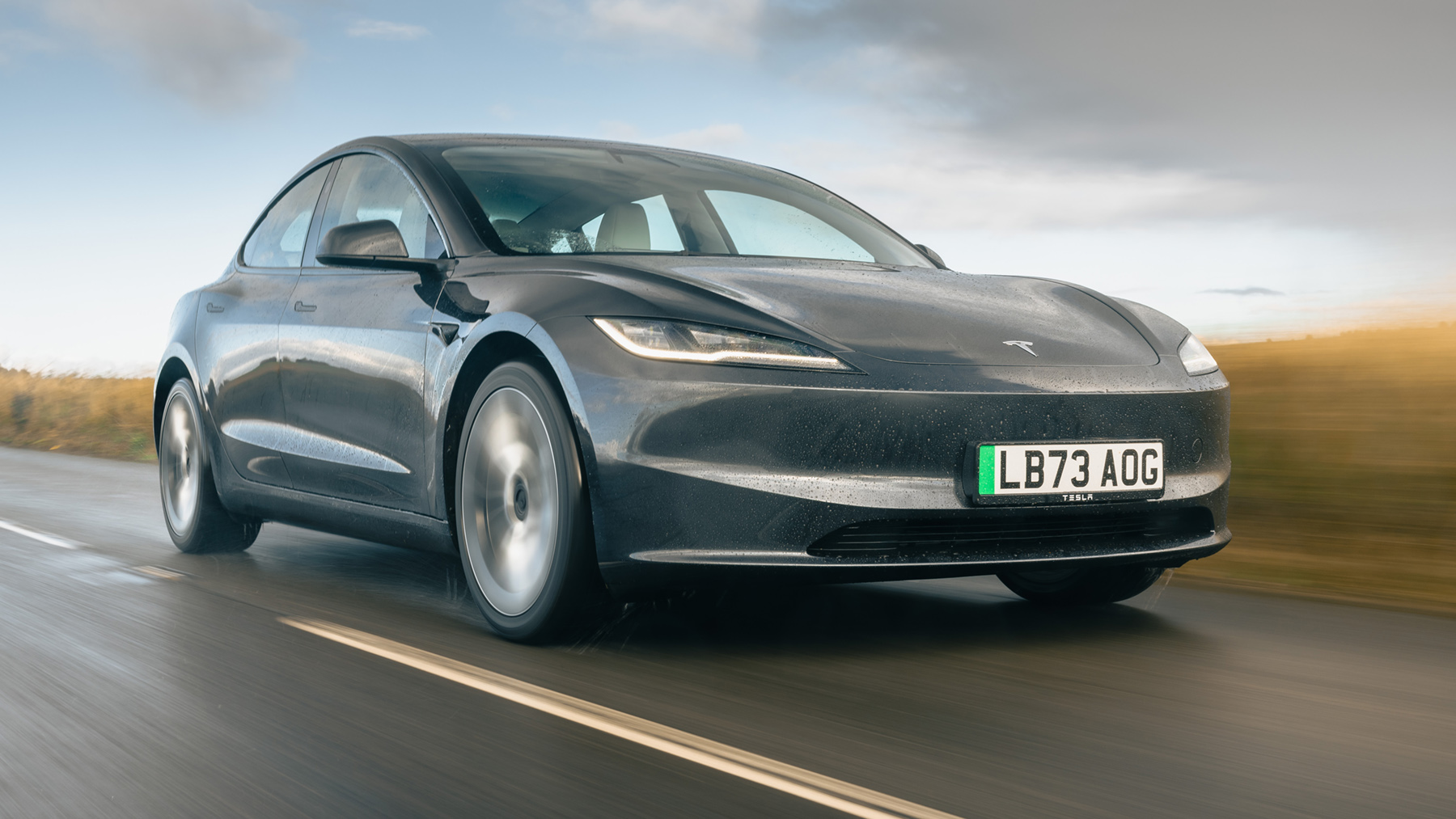
3. Tesla Model 3 Standard Range RWD: Winter Challenges
The Tesla Model 3 Standard Range RWD faces unique difficulties in snow and ice despite its heavy battery, which provides some traction advantage. Its rear-wheel-drive layout pushes the car from the back rather than pulling it forward, making it prone to wheel spin on icy surfaces.
Tesla’s fast traction control helps, but it cannot fully compensate when only the rear wheels provide grip. On inclines, this limitation can result in loss of momentum or fishtailing, particularly in slippery conditions.
Battery chemistry also impacts winter performance. Standard Range Model 3s often use Lithium Iron Phosphate (LFP) batteries, which are slower to charge and discharge in cold weather. In freezing temperatures, the battery may limit power output to protect itself, reducing acceleration and responsiveness.
Additionally, the single motor in the RWD model provides less waste heat for battery preconditioning, slowing charging times and limiting range during cold conditions compared to dual-motor versions.
Regenerative braking, a hallmark of Tesla’s one-pedal driving, can be a liability on ice. Lifting off the accelerator activates strong rear-wheel braking, which may trigger skidding or fishtailing.
Drivers must often reduce regen strength or use Chill Mode to maintain stability. Low ground clearance adds to the challenge, increasing the risk of high-centering on packed snow, while frameless windows and flush door handles can freeze shut, requiring preheating via the Tesla App.
Most winter performance issues can be mitigated with proper tires. Standard all-season tires harden below 45°F and lose traction, but high-quality winter tires significantly improve grip and stability.
When equipped with these tires, even a rear-wheel-drive Model 3 can outperform some AWD vehicles on all-season setups in snow and ice. Drivers must also adopt careful throttle control, smooth braking, and preconditioning routines to safely operate the RWD Model 3 in harsh winter conditions.
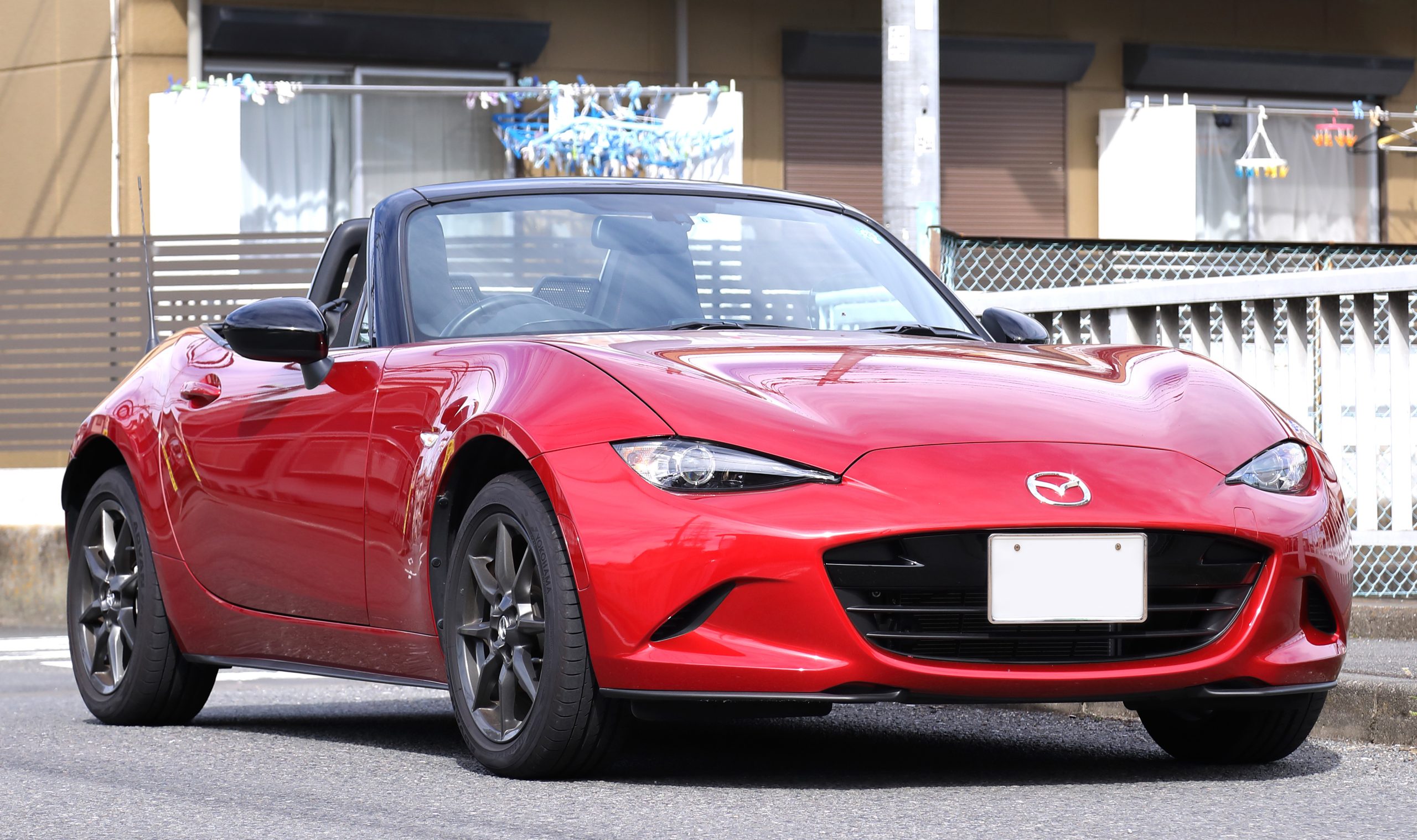
4. Mazda MX-5 Miata: Winter Limitations
The Mazda MX-5 Miata excels on dry, winding roads, but its lightweight design and rear-wheel-drive layout make it exceptionally challenging in snow and ice.
Weighing around 2,400 lbs (1,060 kg) with a low stance of 4.9 to 5.3 inches, the Miata lacks the mass needed for tires to bite into slippery surfaces. Its short wheelbase amplifies oversteer, causing the rear to kick out with minimal throttle input, making black ice particularly hazardous.
The rear-wheel-drive configuration is the primary factor in winter instability. While the front wheels steer, the rear wheels provide power. On slick roads, the rear tires often slide ahead of the front, leading to fishtailing. Combined with the car’s light weight, even minor throttle changes can break traction, leaving the vehicle highly unpredictable.
Ground clearance compounds the problem. The Miata’s low front end acts like a snowplow, pushing snow beneath the chassis. Packed snow can lift the tires off the road in a phenomenon known as high-centering, preventing forward movement despite traction control systems. The car’s balanced 50/50 weight distribution, advantageous in dry handling, reduces downward pressure over the rear axle, further limiting grip.
Tire choice is critical for winter performance. Most Miatas come with high-performance summer tires, which harden below 45°F (7°C) and provide almost no traction on snow or ice. All-season tires offer only marginal improvement. Dedicated winter tires such as the Bridgestone Blizzak or Michelin X-Ice are essential, as they use softer compounds and sipes to improve grip on frozen surfaces.
The short wheelbase also reduces reaction time during slides. A longer vehicle provides more room for correction, but the Miata rotates rapidly when traction is lost, making it a highly sensitive and demanding car to drive in snow. While exhilarating in fair weather, the Miata’s lightweight, RWD dynamics, and low clearance make it ill-suited for winter conditions without significant modifications.
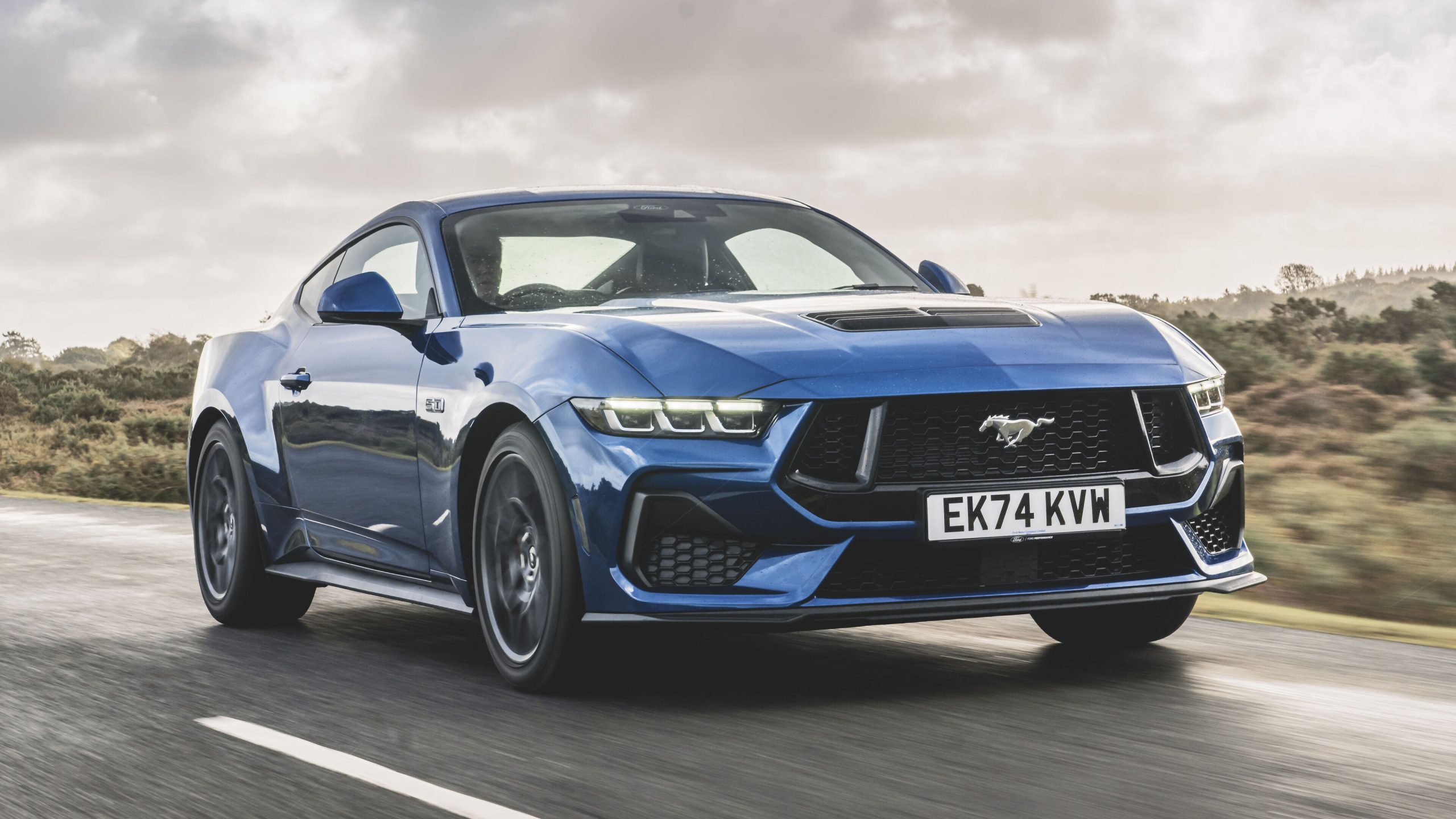
5. Ford Mustang: Winter Challenges
The Ford Mustang, whether EcoBoost or GT, is a performance-focused rear-wheel-drive vehicle that struggles in snowy and icy conditions. Its front-heavy engine and relatively light rear end create a lack of weight over the drive wheels, making it prone to wheelspin and oversteer on slippery surfaces.
Even gentle acceleration can cause the rear tires to break traction, leaving the car stuck while front-wheel-drive vehicles pass with ease.
Rear-wheel drive is the primary factor in the Mustang’s winter instability. Unlike front-wheel-drive or all-wheel-drive vehicles, which press the engine’s weight directly onto the driven wheels, the Mustang’s rear tires have little downward force, reducing grip. On ice, this often results in fishtailing or sudden loss of control, particularly during acceleration.
Excessive power compounds the issue. The Mustang GT’s 5.0-liter V8 produces over 450 horsepower, overwhelming traction in low-friction conditions. The EcoBoost 2.3-liter turbo, while less powerful, can still break the rear wheels loose due to sudden torque surges from the turbocharger.
Tire choice and design worsen performance. Many Mustangs are equipped with summer performance tires that harden in temperatures below 40°F, offering almost no traction on snow and ice.
Wide tires, typical of Mustangs, also tend to float on top of snow rather than cutting through it, further reducing grip. The low 5.1-inch ground clearance causes the vehicle to act like a snowplow in deeper snow, potentially high-centering the car and lifting the rear tires off the ground.
Additional factors include a stiff performance suspension, which prevents consistent tire contact on uneven surfaces, and a misconception that all-season tires are sufficient for winter.
To improve winter drivability, dedicated winter tires are essential. Adding weight in the trunk over the rear axle enhances rear-wheel traction, and using the Mustang’s Snow/Wet driving mode reduces throttle sensitivity and manages torque for safer handling. With these measures, a Mustang can be made more manageable in winter, but it remains inherently less suited to icy and snowy conditions than AWD or FWD vehicles.
The contrast between winter-ready AWD vehicles and cars that slip on ice highlights the importance of design and traction. Vehicles such as the Outback Wilderness, LandCruiser 300, and Wrangler Rubicon show that high ground clearance, all-wheel-drive systems, and winter-focused technology provide confidence on snow-covered roads and icy trails.
In contrast, high-powered rear-wheel-drive vehicles, including the Corvette C8, BMW M3, and Mustang, demonstrate that strong engines and handling alone cannot compensate for low clearance, light rear weight, or inappropriate tires.
Drivers facing winter conditions should prioritize AWD capability or equip performance vehicles with winter tires and adopt cautious driving. Understanding how weight distribution, drivetrain layout, and tire performance affect traction allows safer and more controlled driving in snow and ice.
Also Read: 10 Cars With Lane-Assist Tech That Create More Problems Than It Solves