Concept cars are where car brands stop playing safe. No sales targets. No regulations breathing down their necks. Just ideas, attitude, and a clear message: this is what we’re capable of.
For Ford, concept cars have always been more than flashy showpieces. They’ve been testing grounds for design language, performance ideas, and sometimes pure ego and honestly, that’s what makes them great.
Ford has used concept cars to reset its image multiple times. Sometimes to prove it could still build performance monsters.
Sometimes to show it understood the future of mobility. And sometimes just to remind everyone that it still had serious creative firepower. Some of these concepts directly shaped production models. Others were too wild to ever hit the road but they still changed how people saw the brand.
What makes a Ford concept car truly great isn’t just how futuristic it looks. It’s whether it sparked conversation, influenced real cars, or pushed design thinking forward. A great concept car makes you stop scrolling.
It makes you imagine what driving could feel like. And in Ford’s case, many of these concepts ended up shaping decades of muscle cars, supercars, and even electric vehicles.
From mid-engine supercars that never saw mass production to retro-futuristic muscle cars that revived entire nameplates, Ford’s concept history is stacked. Some were bold bets that paid off. Others were beautiful risks that stayed locked in auto show halls but still earned legendary status.
In this list, we’re breaking down the 10 greatest Ford concept cars of all time not based on hype alone, but on impact, design, innovation, and the legacy they left behind. These are the concepts that mattered. The ones that still get talked about years later. The ones that proved Ford could think big when it wanted to.
Why Ford Concept Cars Matter So Much
Ford concept cars have always worked like public brainstorming sessions. They let the brand float risky ideas without commitment, and watch how people react.
If the response is strong, pieces of that concept usually make their way into real cars. That’s how Ford tests styling, powertrain layouts, interior tech, and even brand direction.
Another reason Ford concepts stand out is balance. Ford rarely goes abstract just for shock value. Even its wildest designs usually hint at something realistic underneath. That’s why so many Ford concept cars end up influencing production vehicles more directly than concepts from some other brands.
These concepts also help Ford stay relevant. When the brand leans too heavily into safe designs, a bold concept car is often what pulls attention back. It’s a reminder that Ford isn’t just about trucks and fleet sales it can still build emotional cars that people care about.
From performance-focused concept cars to futuristic electric concepts, Ford has consistently used these vehicles to test where the market and culture is headed next. That’s exactly why the best Ford concept cars still matter long after the auto show lights go off.
ALSO READ: Top 10 Diesel Trucks That Hold Value Better Than Gold
1. Ford GT90 Concept (1995)
The Ford GT90 concept was Ford at its most aggressive and unapologetic. Unveiled in the mid-90s, this car wasn’t subtle, clean, or restrained and that was the whole point. The GT90 looked like it came straight out of a science fiction movie, with sharp angles, massive intakes, and a stance that screamed speed even when standing still.
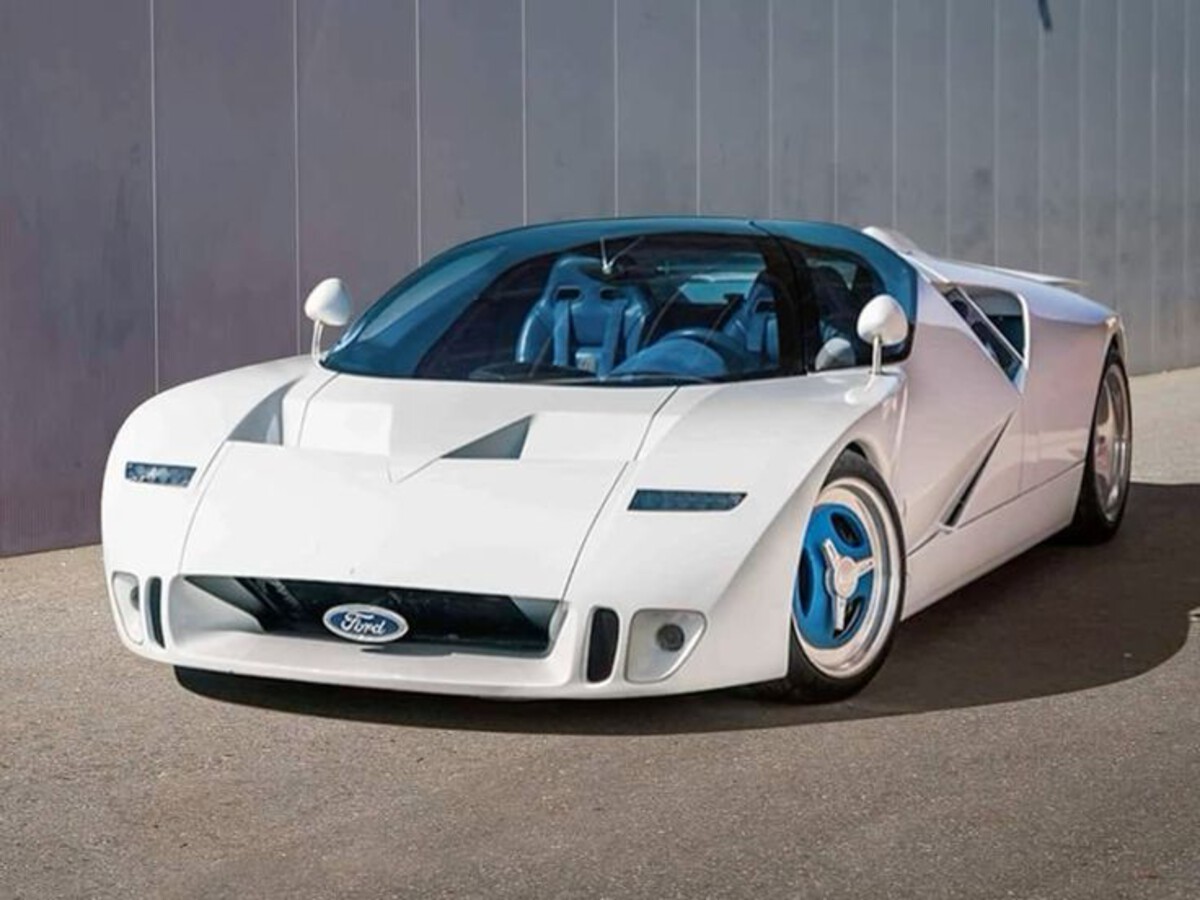
Under the skin, the GT90 concept was just as outrageous. It featured a quad-turbocharged V12 engine, producing insane power figures for its time. Ford wasn’t trying to build a practical supercar here. It was flexing. Hard. The message was clear: Ford could compete with the world’s elite if it wanted to.
Design-wise, the GT90 introduced Ford’s “New Edge” styling language. That sharp, geometric design later showed up across Ford’s lineup in the late 1990s and early 2000s. While toned down for production cars, the DNA came straight from this concept.
The interior followed the same philosophy futuristic, bold, and experimental. Nothing about the GT90 felt safe. Even today, it still looks extreme, which says a lot considering how fast car design evolves.
Although the GT90 never reached production, its influence was massive. It helped reset Ford’s performance image and proved the company wasn’t afraid to go wild when given creative freedom. For many enthusiasts, the GT90 remains one of the most unforgettable Ford concept cars ever built.
2. Ford Shelby GR-1 Concept (2005)
The Shelby GR-1 concept was a perfect mix of heritage and modern muscle. Ford took inspiration from classic Shelby race cars and reimagined them through a futuristic lens. The result was a concept that looked timeless and advanced at the same time.
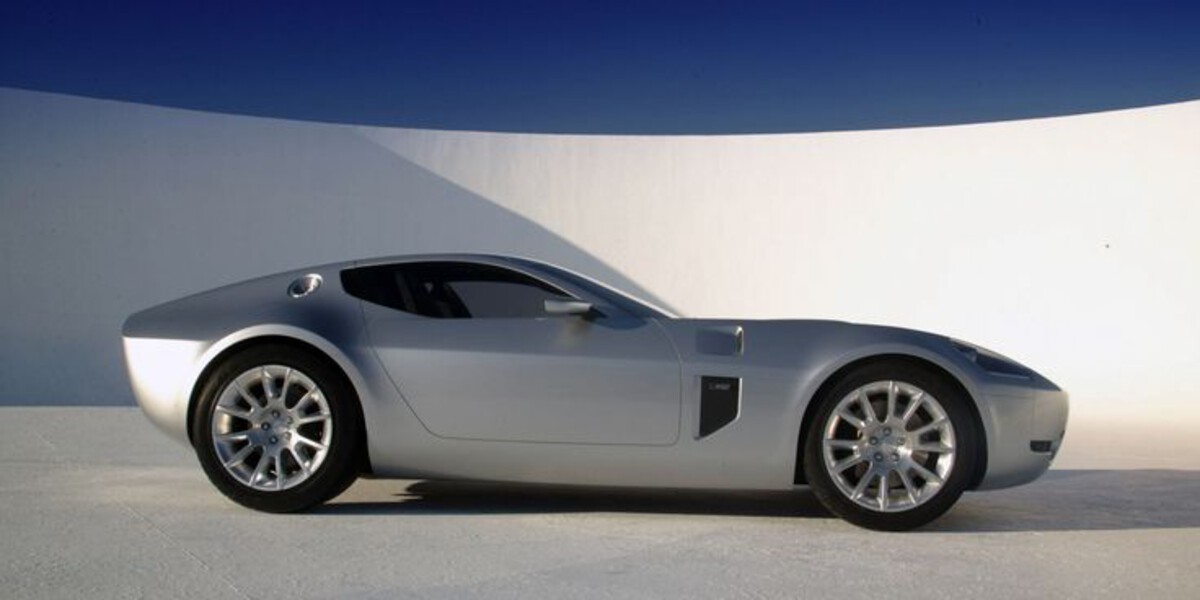
Long hood. Short rear deck. Low, wide stance. The GR-1 nailed classic proportions while still feeling fresh. Its aluminum bodywork and smooth curves gave it a premium, almost hand-built feel. Unlike some over-styled concepts, the GR-1 felt believable like it could roll into production with minimal changes.
Power came from a V10 engine derived from Ford’s performance lineup, reinforcing that this wasn’t just a styling exercise. Ford wanted people to take this car seriously. And they did. Enthusiasts immediately started asking the same question: Why isn’t this being built?
Inside, the GR-1 kept things focused and driver-centric. No gimmicks. No distractions. Just performance-oriented design with a nod to classic racing interiors.
The biggest tragedy of the Shelby GR-1 concept is that it never made it to production. It had all the ingredients design appeal, performance credibility, and brand heritage. Even years later, it’s still cited as one of Ford’s biggest missed opportunities.
3. Ford Mustang I Concept (1962)
Before the Mustang became a global icon, it started as a radical idea and the Mustang I concept was that spark. This mid-engine, two-seat roadster looked nothing like the Mustangs people know today, but its role in automotive history is undeniable.
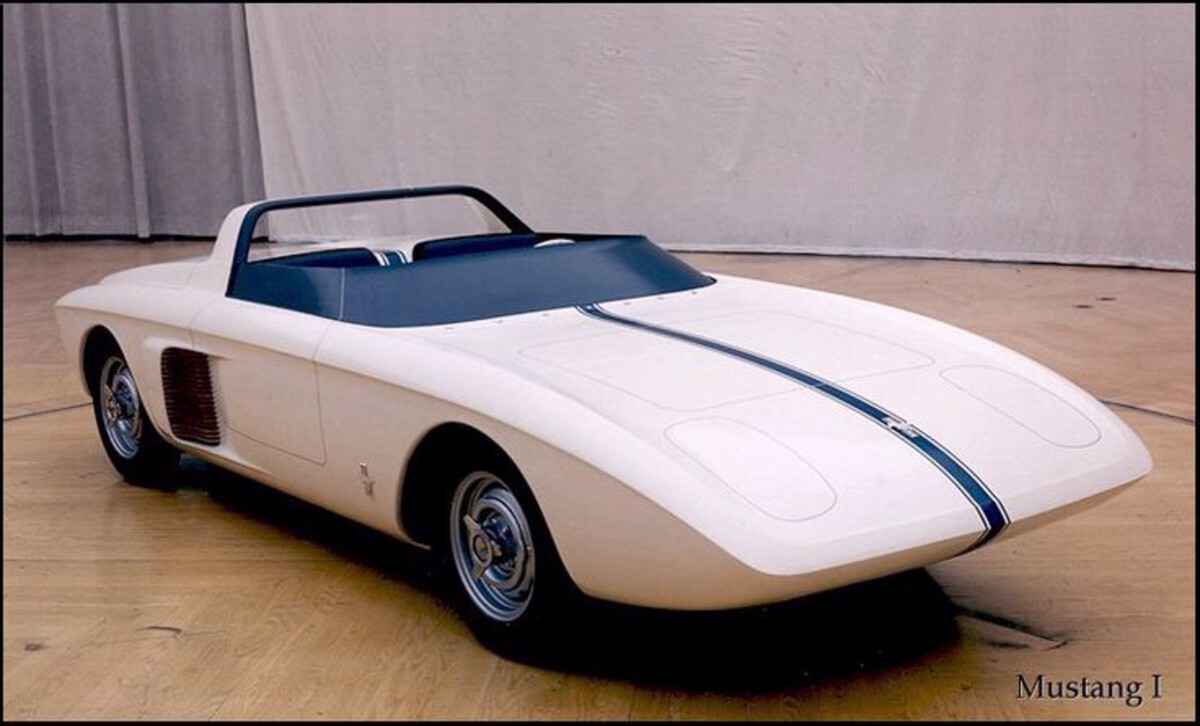
The Mustang I was compact, lightweight, and focused on driving fun. It was designed to be affordable and sporty, targeting younger buyers who wanted something exciting without breaking the bank. That philosophy carried directly into the production Mustang, even if the layout changed.
Styling-wise, the Mustang I was clean and purposeful. No excess. No unnecessary decoration. It felt honest. That simplicity helped Ford gauge interest in a sporty car aimed at a new generation of drivers.
Public reaction to the Mustang I concept was overwhelmingly positive. That response gave Ford the confidence to push forward with a production model one that would go on to define an entire segment.
Without this concept, the Mustang as we know it probably wouldn’t exist. That alone earns the Mustang I a permanent spot among the greatest Ford concept cars of all time.
4. Ford 021C Concept (1999)
The Ford 021C concept was weird in the best way. It didn’t chase speed or muscle. Instead, it focused on creativity, simplicity, and urban usability. Designed with younger buyers in mind, the 021C looked like a concept straight out of a design studio experiment.
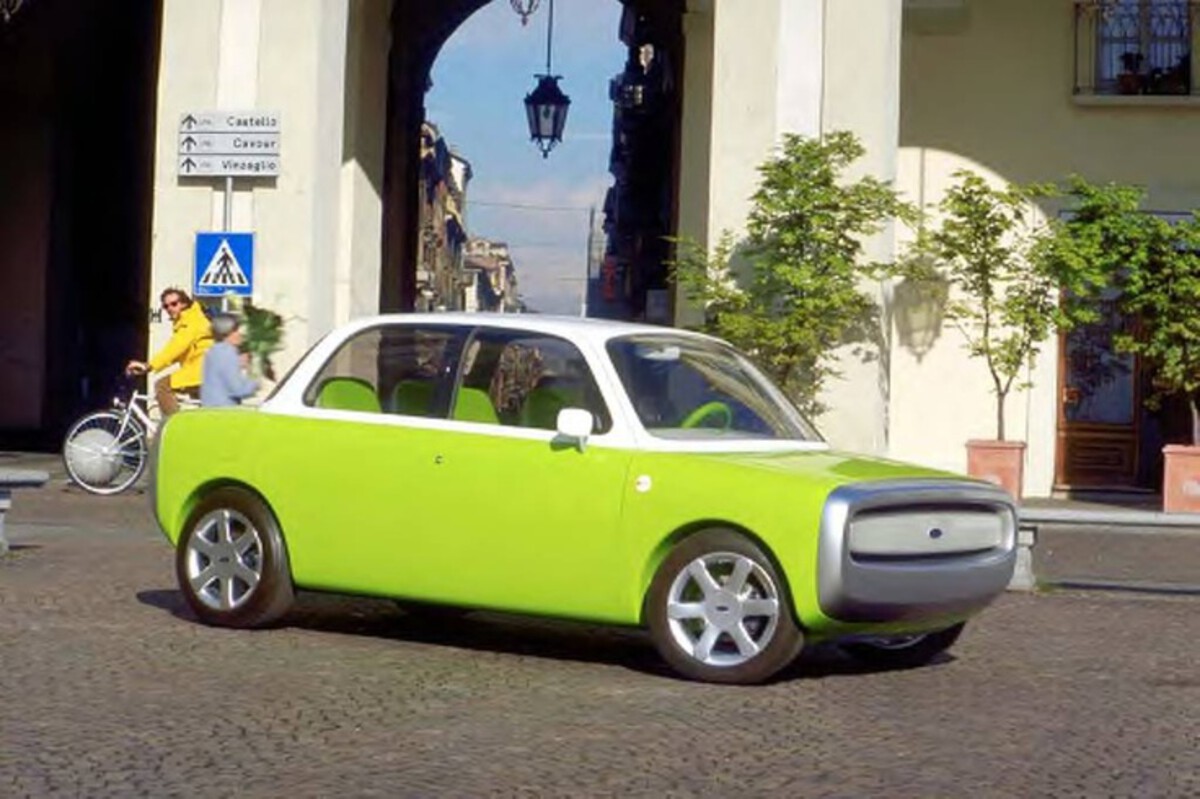
The boxy shape, flat surfaces, and bold colors made it instantly recognizable. Inside, the interior felt more like a modern living space than a traditional car cabin. Removable seats, easy-clean materials, and a flexible layout showed Ford was thinking about lifestyle, not just driving.
What made the 021C special was its honesty. It didn’t pretend to be something it wasn’t. It embraced practicality and personality over performance and prestige.
While the 021C never entered production, its influence showed up later in Ford’s small car designs. It also proved that concept cars don’t need massive engines or extreme styling to be memorable.
5. Ford GT Concept (2002)
The 2002 Ford GT concept changed everything. This was Ford going back to its roots and doing it right. Inspired by the legendary GT40, the concept blended retro design cues with modern engineering and performance expectations.
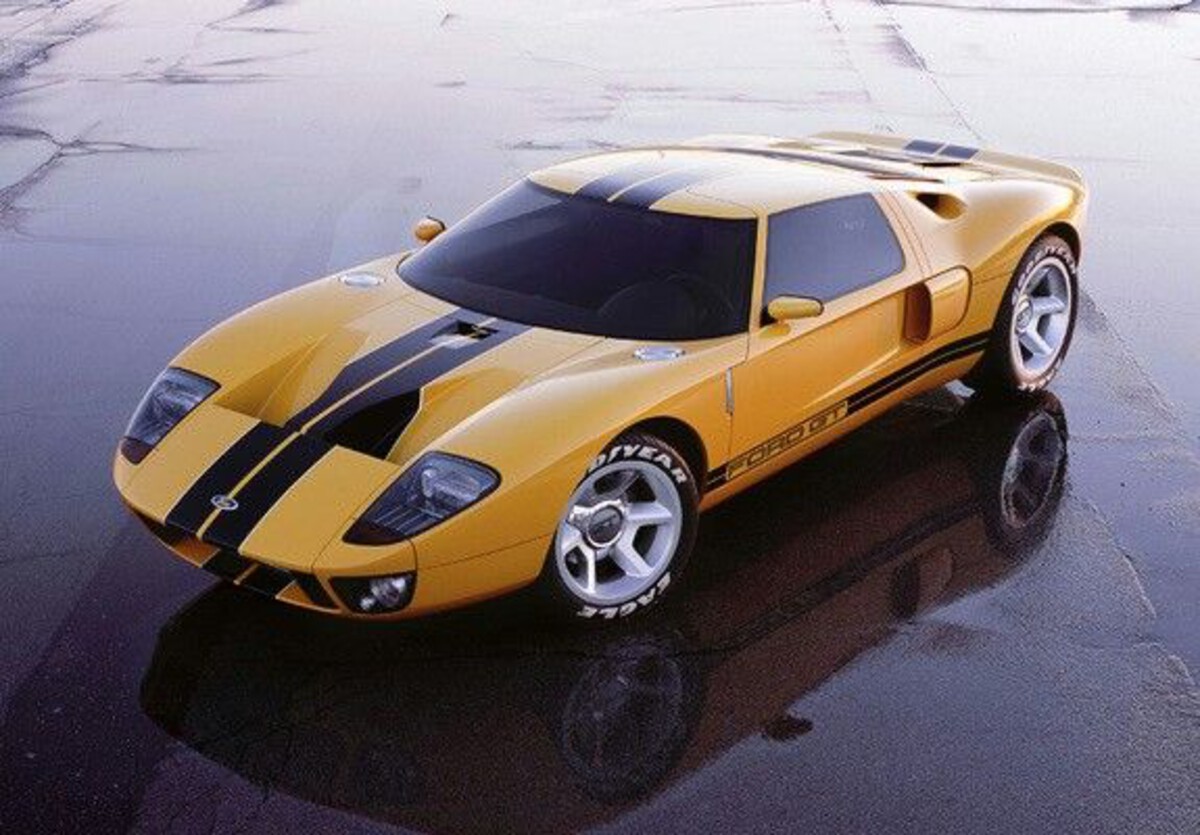
From the moment it debuted, the reaction was instant and overwhelming. People didn’t just like it they demanded it. Ford listened. Unlike many concepts on this list, the GT concept actually made it to production with minimal compromises.
The mid-engine layout, aggressive proportions, and unmistakable silhouette honored Ford’s racing legacy while still feeling modern. It wasn’t nostalgia for nostalgia’s sake. It was purposeful.
This concept didn’t just lead to a production car it redefined Ford’s performance identity for the modern era. Few concept cars can claim that level of success.
ALSO READ: 10 Pickup Trucks With the Smoothest Highway Ride
6. Ford Evos Concept (2011)
The Ford Evos concept was Ford thinking ahead and not just a little. This wasn’t about speed or nostalgia. It was about how cars would live with people in the future. When the Evos debuted, it felt like a shift in mindset rather than just another flashy show car.
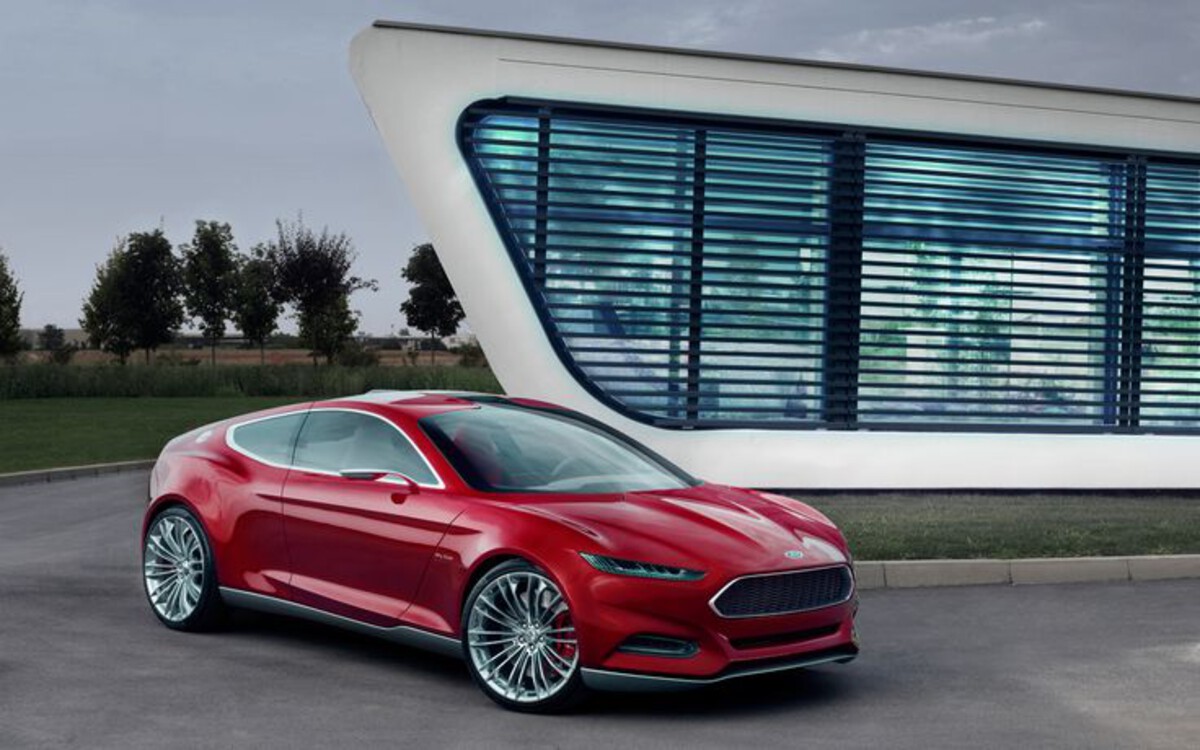
Visually, the Evos looked sharp and aggressive, but not unrealistic. The four-door coupe layout, sleek roofline, and muscular proportions hinted at a future where performance and practicality could coexist. This wasn’t a car screaming for attention it was confident and controlled.
What really made the Evos concept stand out was its technology-driven approach. Ford positioned it as a car that could adapt to its driver. The interior concept focused heavily on connectivity, personalization, and intelligent systems that adjusted to driving habits and conditions. At the time, this felt futuristic. Today, many of those ideas feel normal which says a lot about how forward-thinking the Evos really was.
Under the hood, the Evos was designed as a plug-in hybrid, reinforcing Ford’s intent to explore performance without ignoring efficiency. It wasn’t about brute force. It was about smart performance.
The Evos concept ended up influencing Ford’s global design language, especially in sedans and performance-oriented four-door models. You can see traces of it in later production vehicles, even if the name itself never returned.
This concept mattered because it proved Ford wasn’t stuck in the past. It showed the brand could think long-term, blending design, technology, and usability into one cohesive vision.
7. Ford Bronco Concept (2004)
The 2004 Ford Bronco concept was a clear signal: Ford knew people missed the Bronco. Big time. Instead of reinventing the idea, Ford leaned heavily into nostalgia and that was exactly the right move.
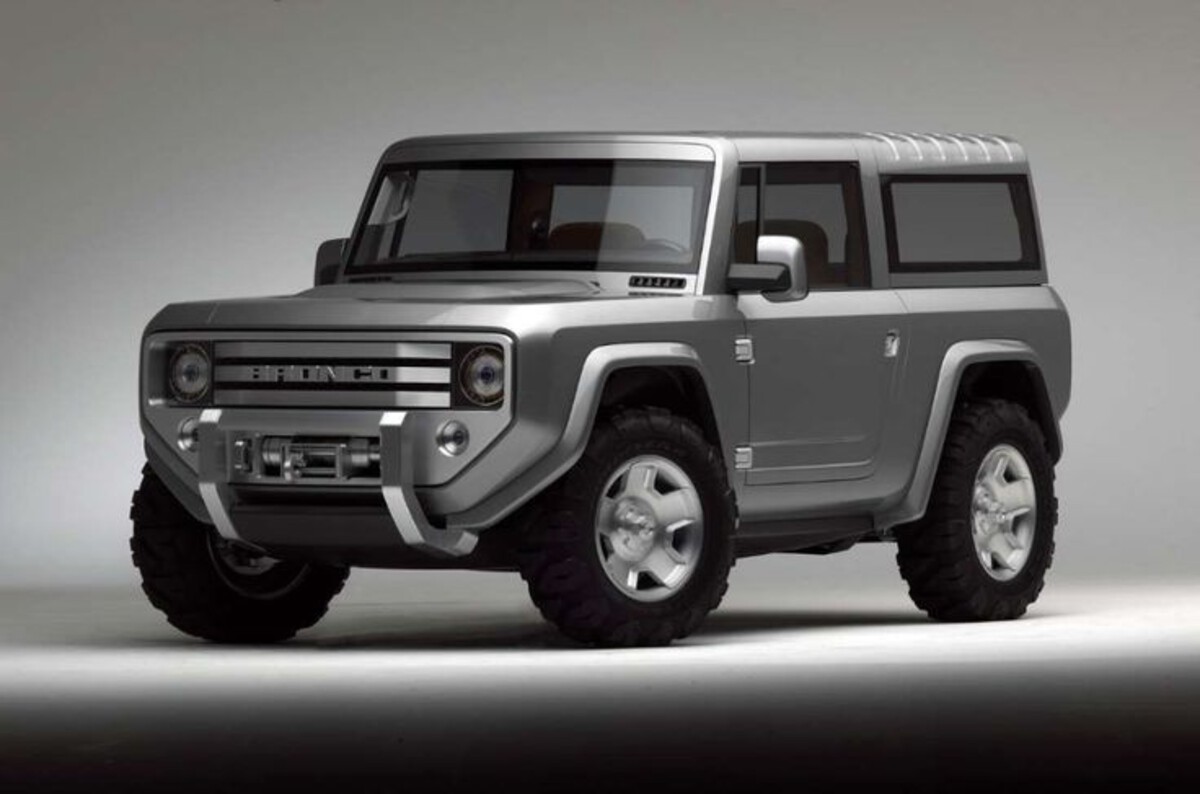
This concept stayed true to the original Bronco’s boxy proportions, upright stance, and rugged attitude. It looked tough without trying too hard. Short overhangs, chunky tires, and simple lines made it instantly recognizable.
Inside, the Bronco concept kept things functional and honest. The focus was durability, off-road usability, and simplicity not luxury fluff. It felt like a vehicle meant to get dirty, not sit under showroom lights.
What made this concept so important is what happened next or rather, what didn’t happen immediately. Despite massive enthusiasm, Ford waited years before bringing the Bronco back. But when it finally did, the modern production Bronco borrowed heavily from this concept’s philosophy.
The 2004 Bronco concept helped lock in the design direction long before the production model arrived. It reminded Ford and the public what made the Bronco special in the first place.
This is a perfect example of a concept car doing its job: listening to fans, testing demand, and shaping a future product without rushing it.
8. Ford Interceptor Concept (2007)
The Ford Interceptor concept was all about reclaiming authority. Ford wanted to redefine what a full-size performance sedan could be and they did it with confidence.
Long, low, and wide, the Interceptor had serious presence. It wasn’t flashy, but it was intimidating in a quiet, controlled way. The fastback-style roofline gave it a sleek profile, while the wide stance made it feel planted and powerful.
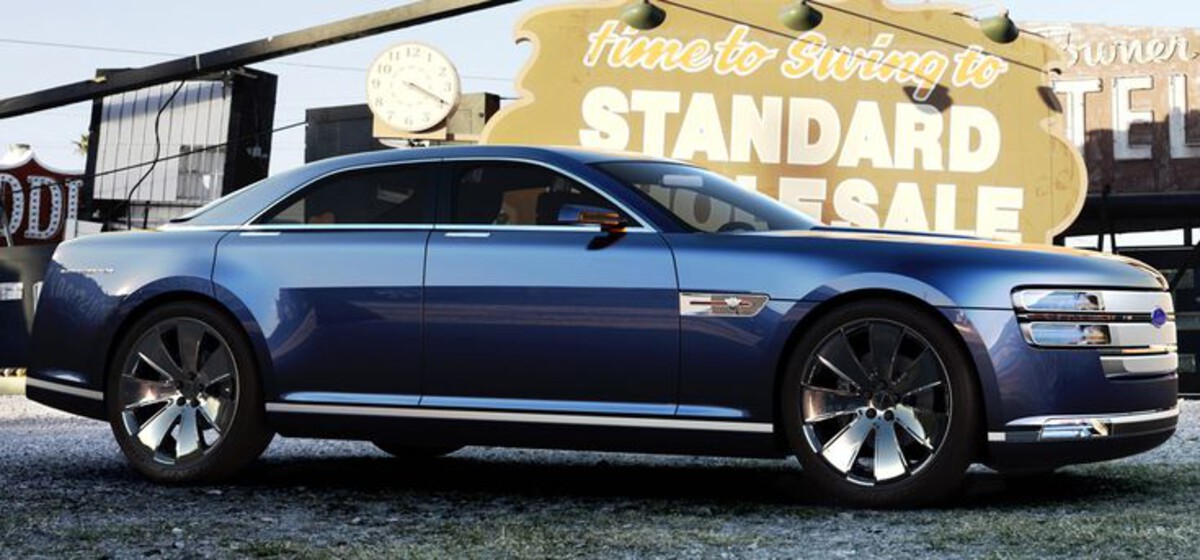
Performance was central to the Interceptor’s identity. Designed with a powerful V8 engine and all-wheel drive, this concept aimed to blend muscle car energy with executive-level refinement. It was meant to handle speed without sacrificing comfort.
Inside, the cabin balanced luxury and performance. The materials, layout, and design suggested a premium sedan that still respected driving enthusiasts.
While the Interceptor concept didn’t go into direct production, its influence showed up in later Ford performance sedans and design cues. It also reinforced Ford’s ability to build serious four-door performance machines, not just coupes and trucks.
The Interceptor wasn’t trying to be revolutionary; it was trying to be authoritative. And it nailed that goal.
9. Ford Atlas Concept (2013)
The Ford Atlas concept was Ford saying, “This is where trucks are going.” Big, bold, and unapologetically American, the Atlas wasn’t subtle, but it wasn’t empty either.
This concept focused heavily on utility and innovation. The exterior design emphasized strength and capability, with a massive grille, squared-off lines, and a commanding stance. It looked like a truck that meant business.
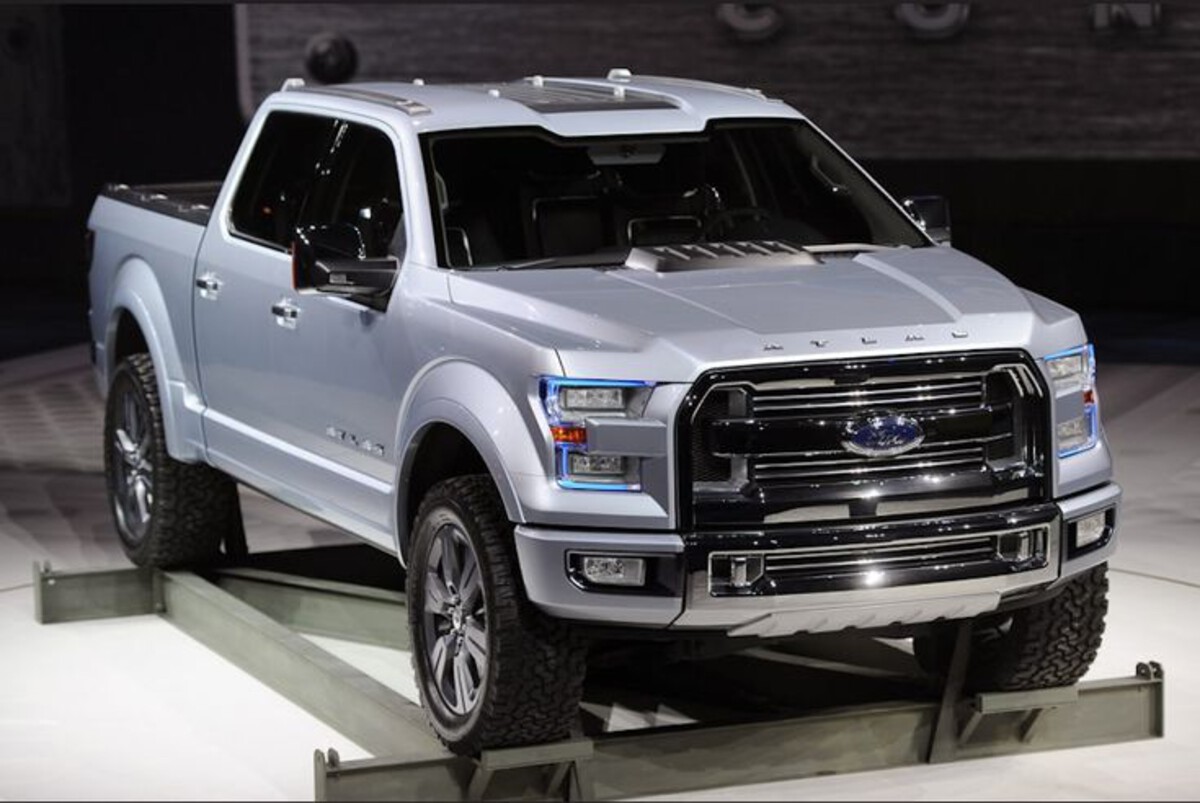
What made the Atlas concept stand out was its focus on practical innovation. Ford used this vehicle to showcase new storage solutions, trailer technology, and usability features aimed directly at truck owners. This wasn’t a fantasy vehicle it was a working concept.
Inside, the Atlas balanced ruggedness with modern comfort. It showed how trucks could evolve without losing their core identity.
Many of the features introduced on the Atlas concept later appeared in production Ford trucks. That makes it one of the most influential Ford concept cars of the modern era.
This concept mattered because it wasn’t about dreams it was about real-world needs, tested publicly before hitting the market.
10. Ford SYNus Concept (2005)
The Ford SYNus concept was one of Ford’s most unconventional ideas and that’s exactly why it deserves recognition.
At first glance, the SYNus looked like a compact urban vehicle. But its design told a deeper story. Thick doors, narrow windows, and a fortress-like shape gave it a sense of security that was unusual for its size.
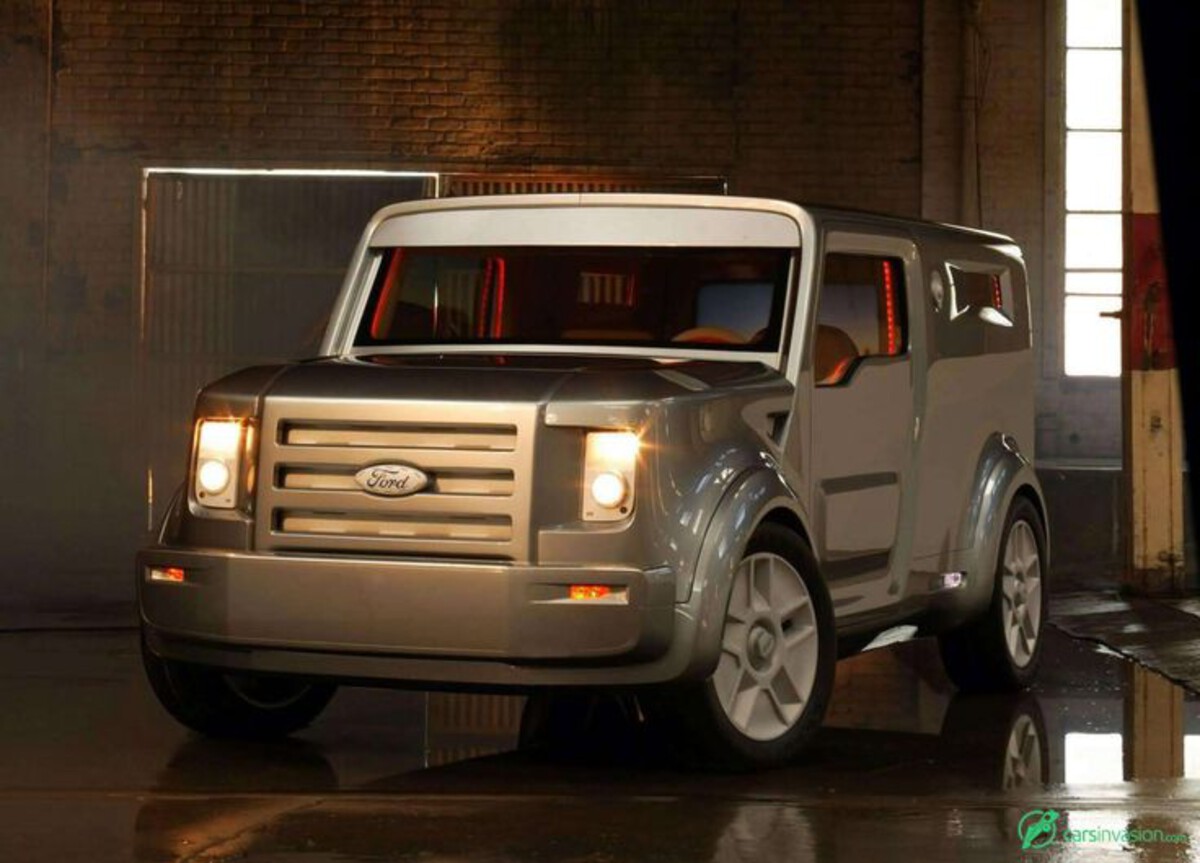
Ford designed the SYNus with city living in mind, focusing on safety, efficiency, and adaptability. Inside, the cabin was modular, tech-focused, and surprisingly spacious. It felt more like a mobile living space than a traditional car.
The SYNus concept explored how vehicles could respond to urban challenges rather than fight them. It wasn’t about speed or style, it was about protection and practicality.
Although the SYNus never reached production, its ideas influenced future compact and urban-focused designs. It also proved that Ford was willing to experiment far outside its comfort zone.
Sometimes, the most memorable concept cars are the ones that don’t fit neatly into any category. The SYNus is a perfect example of that.
Ford’s concept cars aren’t just design exercises they’re long-term conversations with the future. Each concept on this list represents a moment when Ford stopped playing it safe and asked, what if?
Some of these vehicles directly shaped production models. Others influenced design language, technology, or brand direction. Even the concepts that never reached showrooms still did their job, they pushed thinking forward.
What separates Ford from many brands is how often it listens to its own concepts. The Mustang, GT, Bronco, and modern trucks all trace their roots back to bold concept decisions. That’s not accidental.
Concept cars also keep Ford emotionally relevant. They remind people that the brand can still surprise, still innovate, and still take risks when it chooses to. In an industry driven by regulations and spreadsheets, that matters.
Looking back at the 10 greatest Ford concept cars of all time, one thing is clear: these vehicles weren’t created just to look good on a stage. They were statements. Some loud. Some quiet. But all meaningful.
And if history tells us anything, the next great Ford production car probably already exists somewhere under bright lights, wearing a concept badge, waiting for the world to react.