
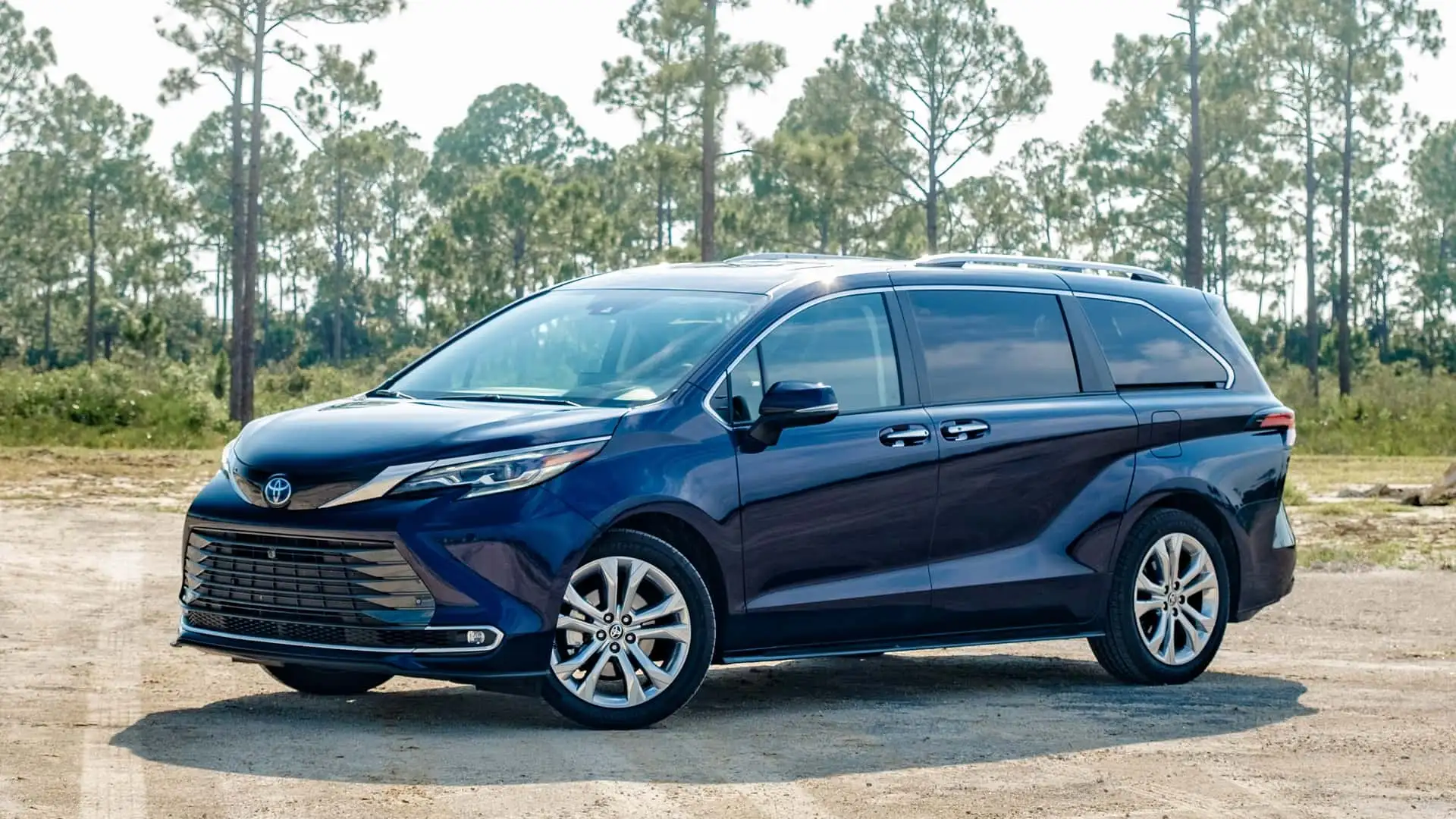
Minivans remain the backbone of practical family transportation, yet not all models earn a decade of loyalty. Some vans, like the Toyota Sienna and Honda Odyssey, are engineered to endure years of daily use, combining reliability, versatile seating, and strong resale value that make them a dependable household fixture.
Others, despite promising features or appealing styling, fail to meet the demands of modern families, resulting in early trade-ins. Factors such as safety performance, mechanical reliability, interior flexibility, and cost of ownership heavily influence whether a minivan becomes a long-term companion or a short-lived experiment.
This comparison examines five minivans that families often keep for ten years, offering enduring practicality and comfort, alongside five models frequently replaced sooner due to limitations like high maintenance, safety concerns, or real-world inefficiencies. By exploring the key differences, families can better understand which vehicles truly deliver long-term value versus those that fall short of expectations.
5 Minivans Families Keep for a Decade
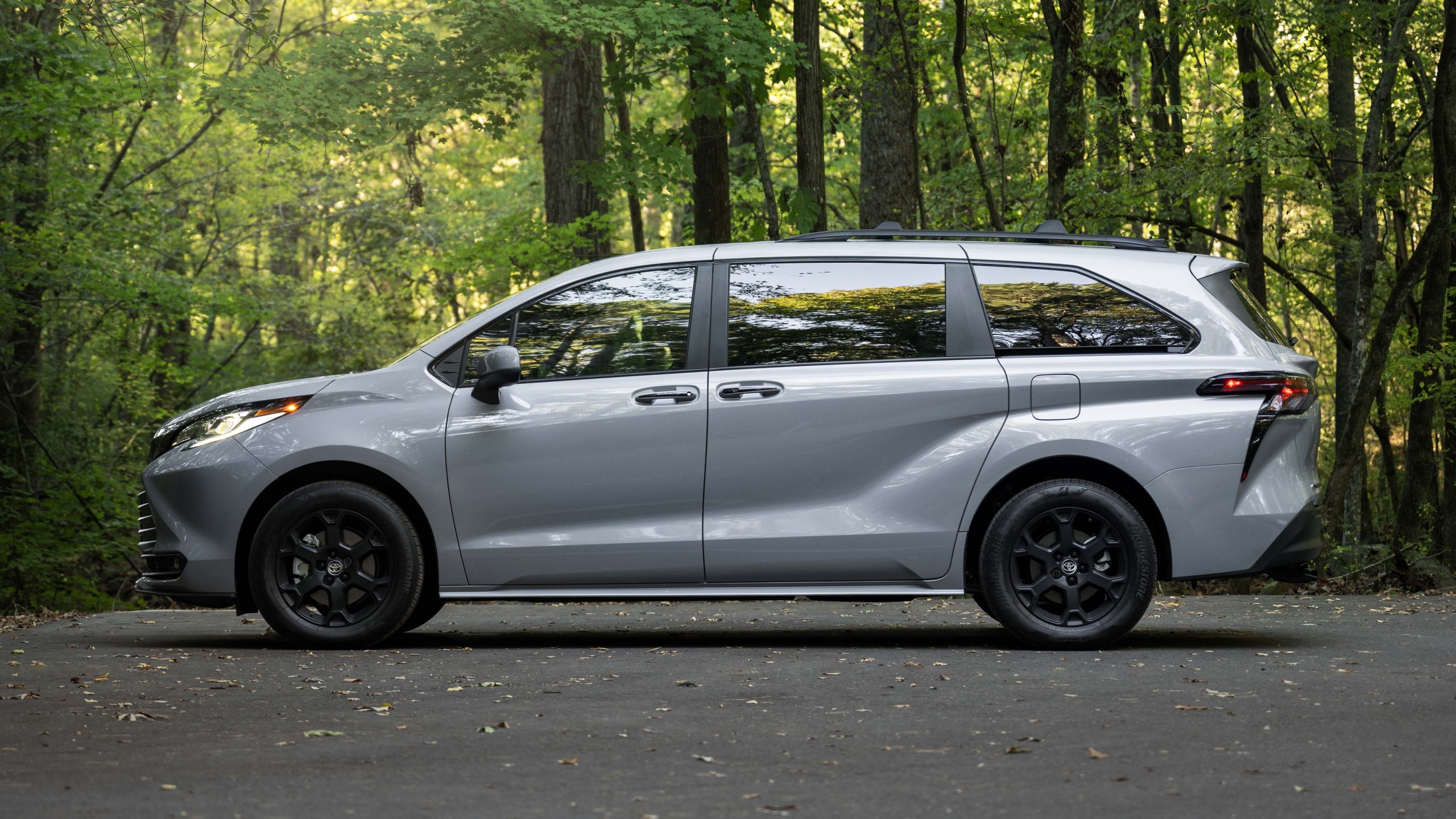
1. Toyota Sienna: Long-Lasting Family Practicality with Few Surprises
The Toyota Sienna has built a reputation as one of the longest-lasting minivans on the road. Frequently ranked at the top of its segment for longevity and value retention, many Siennas surpass 200,000 miles, with well-maintained models reportedly reaching 300,000 to 500,000 miles.
According to iSeeCars, the Sienna leads its class in value retention, keeping approximately 57.7% of its value after five years. This combination of durability and resale strength makes it a compelling long-term investment for families.
One of the primary reasons owners keep a Sienna for a decade or more is Toyota’s renowned engineering. Earlier models equipped with V6 engines and conventional automatic transmissions are known for their resilience, while newer models continue the brand’s reliability tradition.
Since 2021, the Sienna has come exclusively with a hybrid powertrain, pairing a 2.5-liter four-cylinder engine with electric motors to produce 245 horsepower through a CVT transmission. Available in both front-wheel drive and all-wheel drive configurations, the hybrid system delivers an impressive 35 mpg without sacrificing the utility expected from a minivan.
Inside, the Sienna is designed to evolve with growing families. With seating for up to eight passengers, generous cargo capacity, and flexible configurations, it easily transitions from hauling toddlers to transporting teenagers and college gear.
Durable, easy-to-clean materials and practical features like power-sliding doors make everyday life more manageable. Higher trims even offer family-friendly additions such as a built-in vacuum and mini-fridge, while USB-C ports and upgraded touchscreens enhance modern convenience.
Safety remains a strong point. Toyota’s Star Safety System, along with advanced driver-assist technologies such as lane departure alerts and pre-collision systems, comes standard or is widely available across trims. A radar-based rear seat reminder has also been added as standard equipment, reinforcing the Sienna’s family-first focus.
On the road, the Sienna prioritizes comfort over excitement. While not particularly engaging to drive, it offers a smooth, unobtrusive ride suitable for long trips. Competitors like the Chrysler Pacifica and Honda Odyssey may offer more upscale interiors or sharper driving dynamics. However, the Sienna distinguishes itself with its hybrid-only efficiency and the rare availability of all-wheel drive in the segment.
The Toyota Sienna “hits its marks” by delivering reliability, practicality, efficiency, and strong resale value. It may not redefine the minivan formula, but it faithfully fulfills it, making it a dependable, long-term choice for families seeking lasting utility over flash.
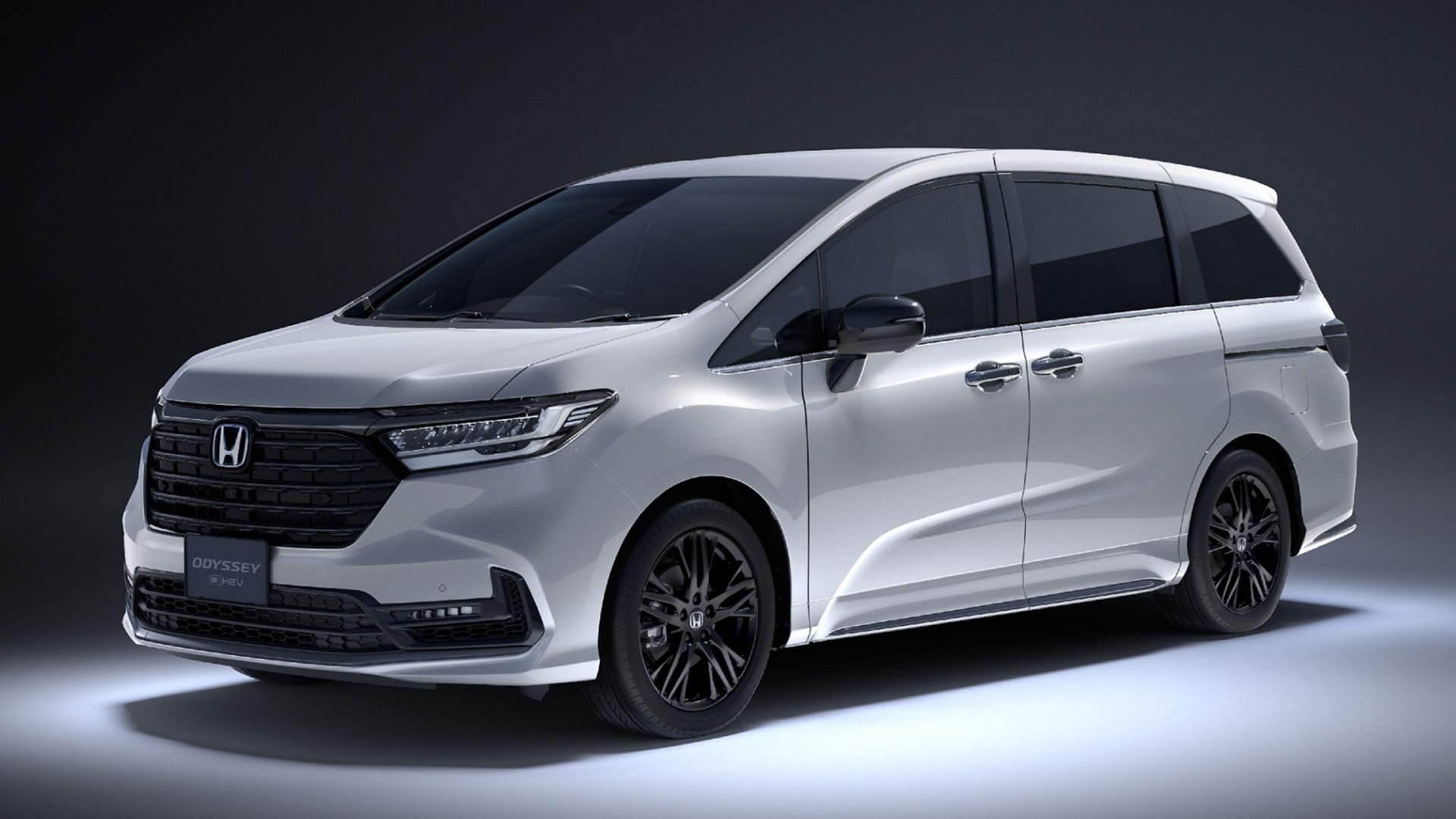
2. Honda Odyssey: A Long-Term Family Workhorse with Practical Performance
The Honda Odyssey remains one of the most trusted minivans for families planning to keep their vehicle for the long haul. Many owners hold onto their Odyssey for eight years or more, drawn by its reliability, versatile seating, and strong resale performance. With a J.D. Power resale score of 86/100, the Odyssey stands out as a financially sound investment in a segment where durability and retained value matter most.
A key reason for long-term ownership is the Odyssey’s proven mechanical longevity. Powered by a 280-horsepower 3.5-liter V6 engine paired with a 10-speed automatic transmission and front-wheel drive, it delivers confident acceleration and smooth highway cruising.
In testing by Car and Driver, the Odyssey reached 60 mph in just 6.4 seconds, making it one of the quickest gasoline-powered minivans available. Its stiff body structure and responsive steering lend it a composed, slightly athletic feel, while maintaining a comfortable ride over rough pavement. With proper maintenance, many Odysseys surpass 200,000 miles, reinforcing their reputation for durability.
Cost of ownership also contributes to its appeal. Average annual maintenance costs hover around $547, lower than the industry average, and widely available replacement parts help keep long-term expenses manageable. Fuel economy is competitive for a V6-powered minivan, rated at 19 mpg city and 28 mpg highway, with real-world testing matching those estimates.
Inside, the Odyssey is purpose-built for family life. Seating for up to eight passengers is standard, highlighted by Honda’s Magic Slide® second-row seats. This system allows lateral seat movement for easier third-row access or the creation of captain’s chairs. Though the removable seats are heavy, the flexibility they provide is unmatched.
The third row is among the roomiest in its class and folds flat to expand cargo capacity. With seats removed and stowed, the Odyssey can accommodate up to 144.9 cubic feet of cargo space, enough for large family trips or major hauling needs.
Family-friendly features abound, including power-sliding doors, sunshades, CabinWatch® and CabinTalk® systems, wireless Apple CarPlay and Android Auto, and available rear-seat entertainment. Safety technology is comprehensive, with standard blind-spot monitoring, lane-keeping assist, adaptive cruise control, and forward-collision warning with automatic emergency braking.
While competitors may offer flashier styling or extended warranties, the Odyssey excels by focusing on reliability, practicality, and everyday usability. Designed to evolve with a family’s needs, it remains a dependable, comfortable, and financially smart companion for years of daily drives and cross-country adventures alike.
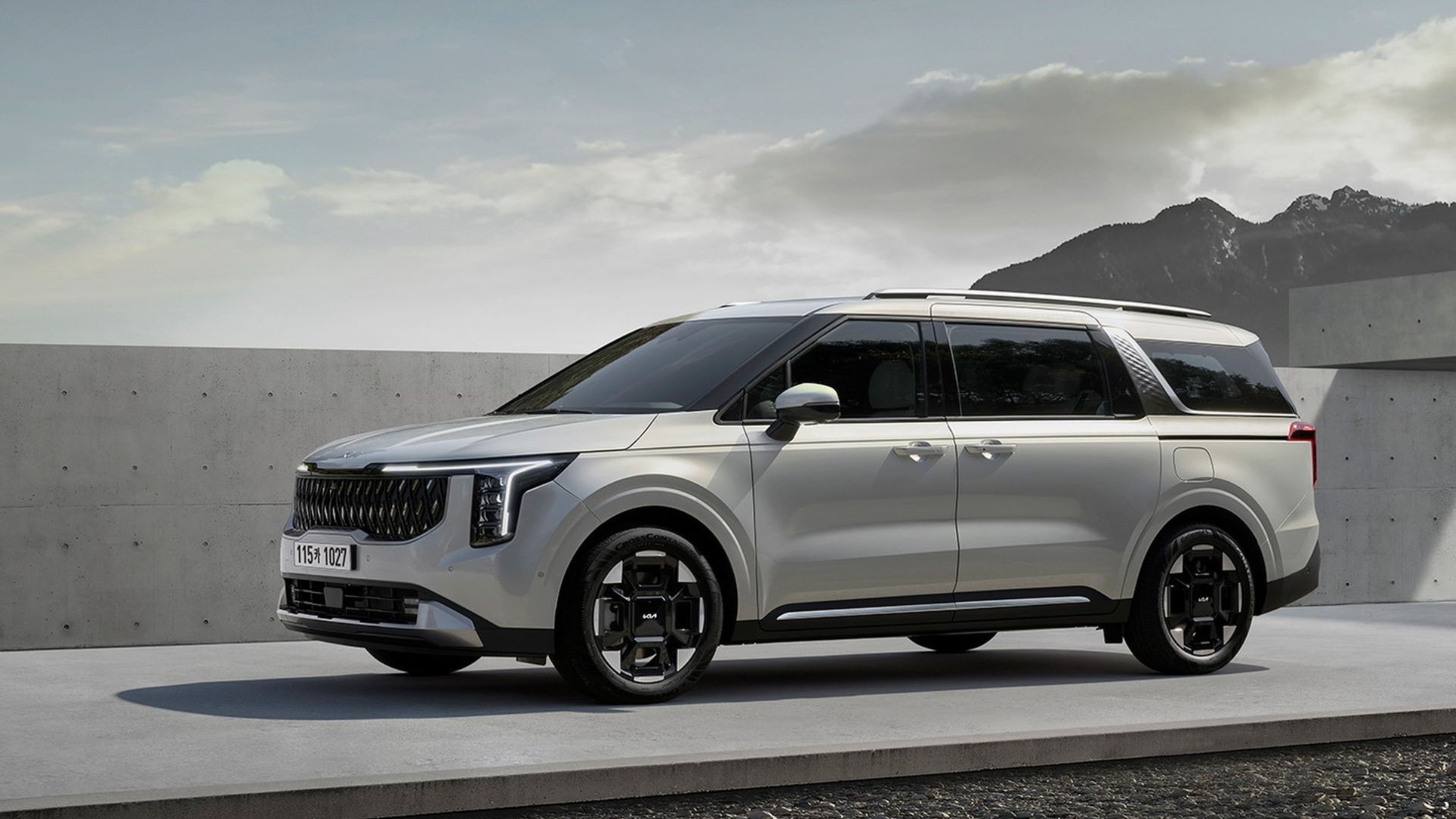
3. Kia Carnival: Long-Term Family Versatility with Industry-Leading Warranty
The Kia Carnival has become a strong long-term choice for families who want space, safety, and modern styling in a practical package. Many owners keep the Carnival for ten years or longer, largely because of Kia’s industry-leading 10-year or 100,000-mile powertrain warranty.
This coverage provides extended peace of mind and helps lower long-term ownership risk compared to many rivals. Its predecessor, the Sedona, earned a reputation for solid build quality that often held up well beyond 100,000 miles, and the Carnival continues that durable foundation.
One of the biggest reasons families hold onto the Carnival is its interior flexibility. It seats up to eight passengers and adapts easily as children grow. The second-row seats can be removed, and the third row folds into the floor to create a large cargo area. Behind the second row, the Carnival offers up to 86.9 cubic feet of cargo space.
In testing, it accommodated 14 carry-on suitcases behind the third row and up to 48 with all seats folded. That level of capacity makes it ideal for carpools, road trips, and even moving large household items.
Performance is another strength. The standard 3.5-liter V6 produces 287 horsepower and pairs with an eight-speed automatic transmission. The Carnival is front-wheel drive only. Acceleration is strong for the class, reaching 60 mph in about 7.0 seconds.
The ride quality is smooth and composed, offering comfort on long highway drives while remaining stable in corners. When properly equipped, the Carnival can tow up to 3,500 pounds. Kia also offers a separate hybrid model with a 242-horsepower turbocharged hybrid powertrain for buyers who prioritize fuel efficiency.
Fuel economy for the V6 is rated at 18 mpg city and 25 mpg highway, with real-world highway testing reaching 28 mpg. Inside, the Carnival features a modern cabin with a standard 12.0-inch touchscreen and available dual 12.3-inch displays that stretch across much of the dashboard.
Higher trims offer leather upholstery, Bose audio, a panoramic sunroof, and optional VIP Lounge second-row seats with heating and ventilation. However, those VIP seats cannot be removed, which limits maximum cargo flexibility.
Safety remains central to Carnival’s appeal. It offers top safety ratings and a full suite of driver-assistance features, including forward collision avoidance, blind-spot monitoring, lane-keeping assist, and available adaptive cruise control.
With SUV-inspired styling, generous space, advanced technology, and exceptional warranty coverage, the Kia Carnival delivers lasting value and versatility for families planning to keep their vehicle for many years.
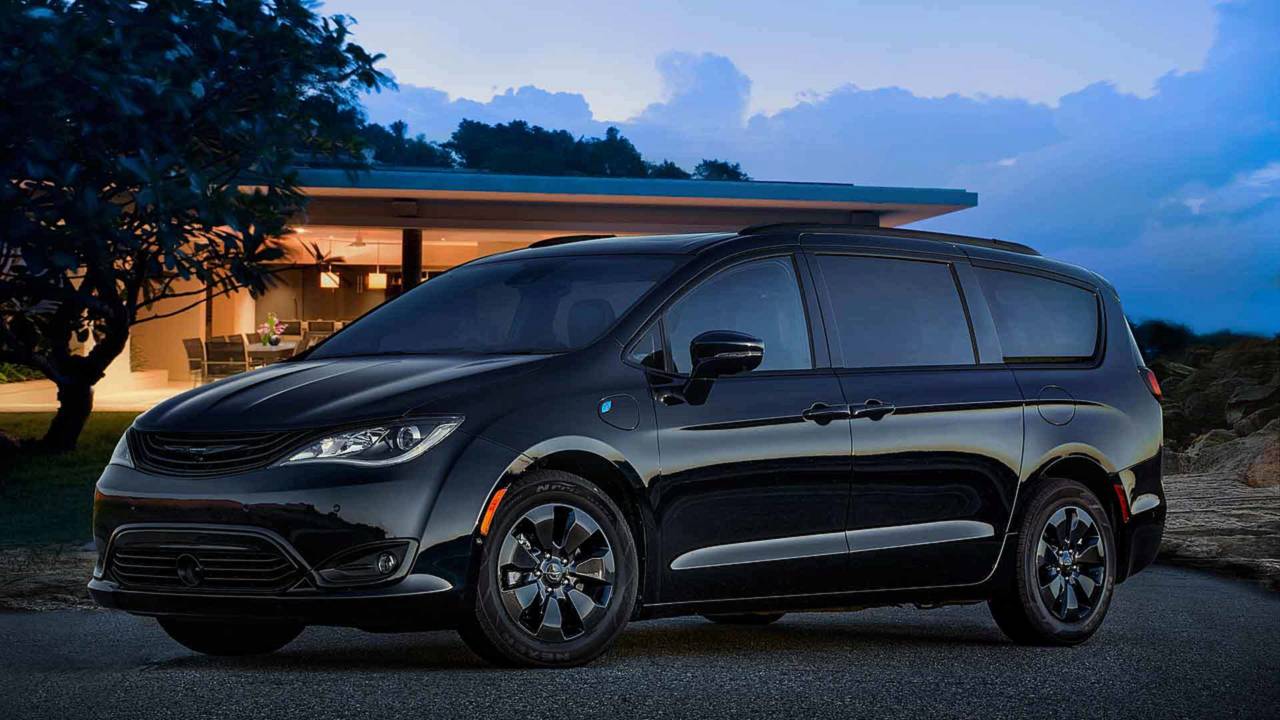
4. Chrysler Pacifica Hybrid: Plug-In Efficiency Meets Family Flexibility
The Chrysler Pacifica Hybrid stands out as a long-term family vehicle thanks to its plug-in hybrid efficiency, versatile interior, and extended battery warranty coverage. While standard gasoline Pacifica models may see more turnover, families often keep the Hybrid version for a decade or longer because of its fuel savings and specialized hybrid component warranty.
The high-voltage battery is backed by a 10-year or 100,000-mile warranty in the United States, and up to 10 years or 160,000 kilometers in some markets, reinforcing confidence in long-term ownership.
A major advantage of the Pacifica Hybrid is its 32 miles of all-electric driving range. For many families, that is enough to complete daily school runs, errands, and commutes without using gasoline. When the battery is depleted, the vehicle seamlessly operates as a conventional hybrid, delivering a combined 82 MPGe and better everyday efficiency than the gas-only Pacifica with its 3.6-liter V6 engine.
Charging is straightforward. A Level 2 home charger can replenish the battery in just over two hours, while a standard household outlet takes roughly 14 hours. This flexibility allows owners to enjoy quiet electric driving in city traffic while maintaining the convenience of a gasoline backup for longer road trips.
Inside, the Pacifica Hybrid offers seating for seven passengers with second-row captain’s chairs. Unlike the gas-powered version, the hybrid model does not feature second-row Stow ‘n Go seating because of battery packaging, but the removable captain’s chairs are well-padded and comfortable.
The third row folds flat into the floor, and the cabin supports up to 243 seating and cargo configurations, making it adaptable for carpools, vacations, and major hauling needs. Upscale trims such as the Pinnacle add premium materials, quilted leather accents, and advanced rear-seat entertainment systems.
Safety and technology remain central to its appeal. The Pacifica Hybrid includes forward collision warning, adaptive cruise control, blind-spot monitoring, and available 360-degree cameras. Parking assist technology and a user-friendly driver display further enhance everyday usability. Crash ratings are strong, though some newer competitors have recently performed better in the most demanding tests.
There are areas for improvement. The infotainment system could respond more quickly, insurance premiums tend to be higher than key rivals, and resale values trail leaders such as the Toyota Sienna and Honda Odyssey. However, federal tax incentives and attractive financing often offset the higher purchase price.
In the end, the Chrysler Pacifica Hybrid remains a compelling choice for families seeking meaningful fuel savings, practical three-row flexibility, and long-term plug-in confidence without committing to a fully electric vehicle.
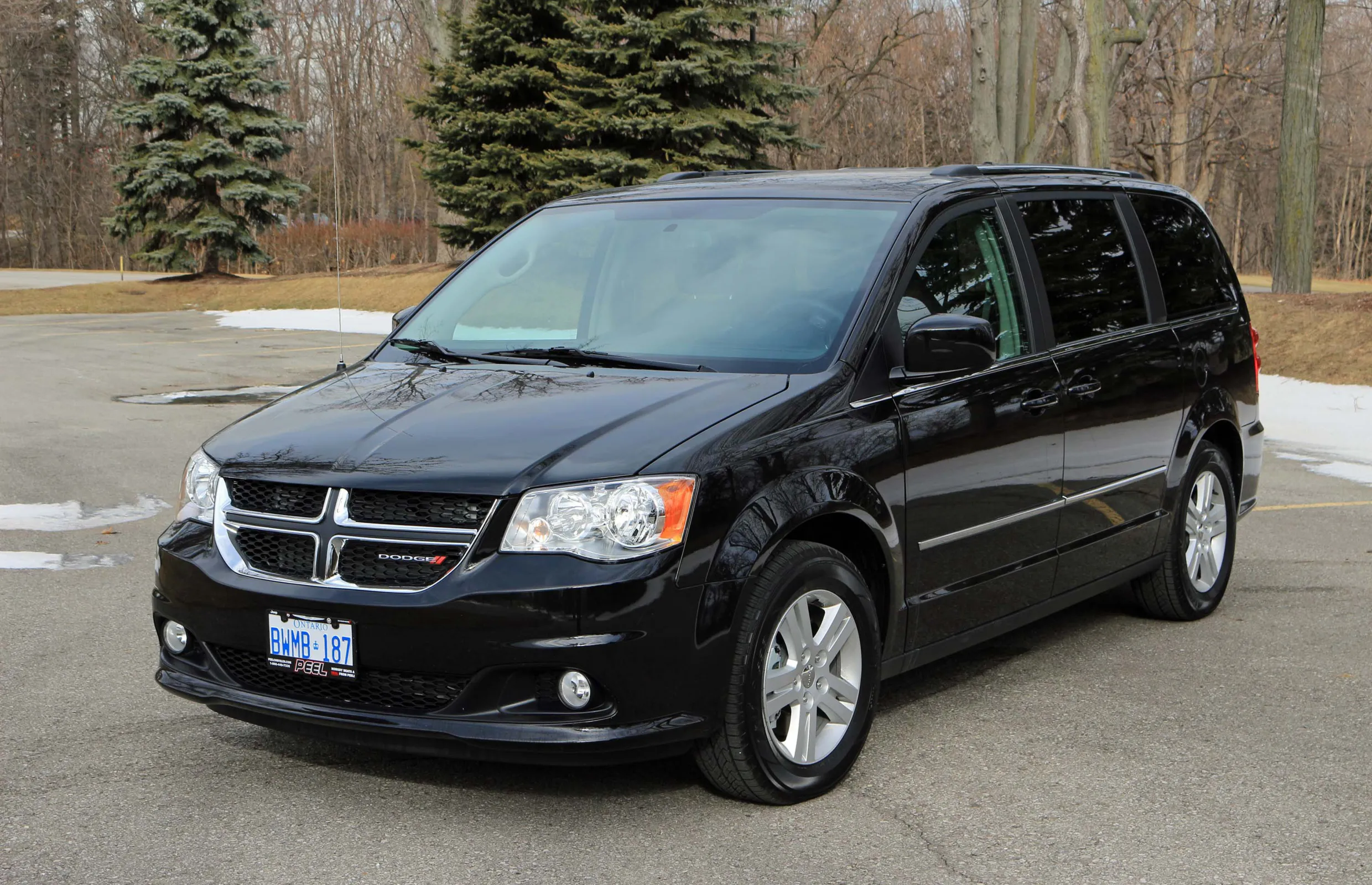
5. Dodge Grand Caravan: Affordable Simplicity and Practical Longevity
Although discontinued, the Dodge Grand Caravan remains a familiar fixture in driveways across North America. Often labeled a traditional “soccer mom car,” it continues to serve as a dependable long-term family vehicle. Many households keep their Grand Caravan for a decade or more because of its affordability, mechanical durability, and unmatched practicality, especially its innovative Stow ‘n Go seating system.
One of the van’s defining strengths is versatility. The Stow ‘n Go system allows both the second- and third-row seats to fold directly into underfloor storage compartments, transforming the cabin from a seven-passenger people mover into a flat-floored cargo van within minutes.
Unlike some competitors, there is no need to remove and store heavy seats in a garage. This flexibility enables the Grand Caravan to adapt to evolving family needs, from transporting sports equipment and strollers to hauling furniture or home improvement supplies.
Powering most later models is the well-known 3.6-liter Pentastar V6 engine, producing 283 horsepower and paired with a six-speed automatic transmission. While not the quickest minivan in its class, the powertrain is proven and durable. With regular maintenance, many examples surpass 200,000 miles, and some reach 300,000 miles.
The engine delivers adequate acceleration for daily driving, and although the transmission lacks the additional gears found in newer rivals, it operates smoothly in most situations. Ride quality is generally comfortable, with manageable body roll and stable highway cruising, though larger bumps can occasionally unsettle the chassis.
Affordability has always been central to the Grand Caravan’s appeal. It was consistently priced lower than competitors, giving families access to practical features at a reduced cost. Replacement parts are widely available and reasonably priced, contributing to a low total cost of ownership over many years. This value-driven approach makes it especially attractive for budget-conscious households seeking long-term reliability.
Inside, the cabin prioritizes function over flash. Durable materials, ample storage compartments, dual power sliding doors, and an available power liftgate support everyday convenience. Comfort features such as tri-zone climate control help keep passengers comfortable during long trips. However, the infotainment system is dated and lacks modern smartphone integration like Apple CarPlay and Android Auto.
Safety features are modest compared to modern expectations. The Grand Caravan received a four-star rating from the National Highway Traffic Safety Administration and comes equipped with standard airbags, traction control, and stability control. It does not include the advanced driver-assistance systems commonly found in newer minivans.
The Dodge Grand Caravan endures as a practical, no-frills family workhorse. Its straightforward design, dependable V6 engine, and transformative seating system make it a long-lasting and budget-friendly solution for busy households.
Also Read: 5 Cars for Littleton Mountain Commuting and 5 Winter-Ready Models
5 They Trade in Quickly
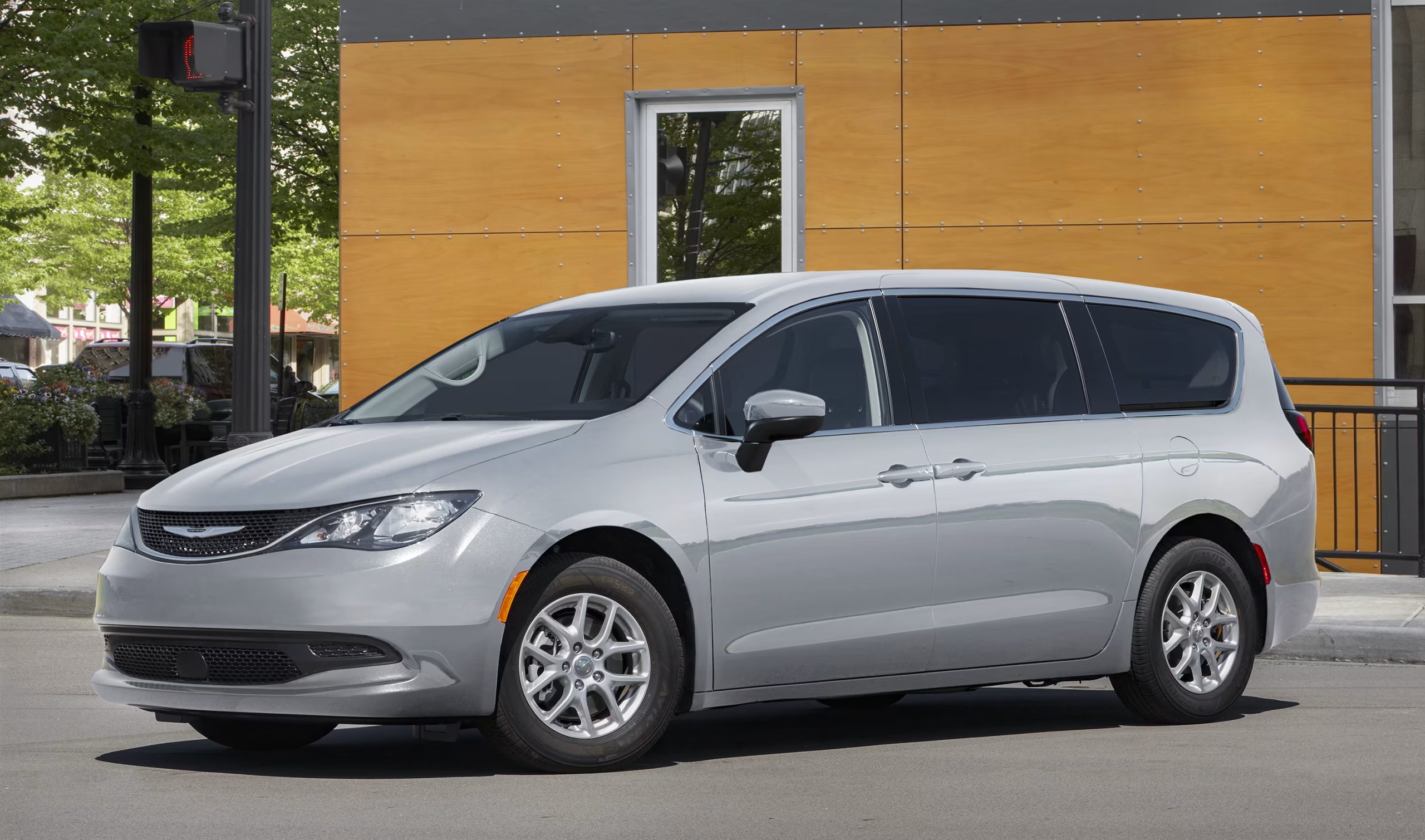
1. Chrysler Voyager: Budget-Friendly Practicality with Proven Underpinnings
The Chrysler Voyager occupies a unique space in the minivan market. Frequently used as a fleet vehicle for corporate and rental customers, it often experiences high turnover after several years of heavy service.
However, for private buyers seeking value and long-term practicality, the Voyager can serve as a dependable family vehicle for a decade or more. Its appeal lies in its durable construction, proven powertrain, and flexible interior design.
Mechanically, the Voyager shares its foundation with the Chrysler Pacifica. It is powered by a 287-horsepower 3.6-liter Pentastar V6 engine paired with a nine-speed automatic transmission and front-wheel drive. This well-established powertrain delivers steady acceleration and smooth shifting.
In similar Pacifica testing, the setup achieved a 0 to 60 mph time of 7.3 seconds, indicating solid performance for a family-focused vehicle. The Voyager also offers a towing capacity of up to 3,600 pounds, making it suitable for small trailers or recreational equipment. Fuel economy is rated at 19 mpg city and 28 mpg highway, competitive within the non-hybrid minivan segment.
A defining strength of the Voyager is its Stow ‘n Go seating system. Both the second- and third-row seats fold flat into underfloor compartments, transforming the van from a seven-passenger transporter into a spacious cargo hauler.
With up to 140.5 cubic feet of maximum cargo space and 32 cubic feet available behind the third row, the Voyager adapts easily to changing family needs. Whether hauling sports gear, luggage, or home improvement supplies, the flat load floor enhances usability without requiring seat removal.
Inside, the Voyager emphasizes durability and comfort over luxury. While it lacks some of the premium amenities found in higher trims of the Pacifica, it offers heated front seats, a heated steering wheel, and quality materials designed to withstand years of daily use. The cabin remains roomy and functional, with a commanding driving position and ample storage throughout.
Technology and safety features are modern and straightforward. A 10.1-inch touchscreen with wireless Apple CarPlay and Android Auto integration comes standard, along with a 7.0-inch digital driver display.
Standard safety equipment includes blind-spot monitoring, automated emergency braking, and adaptive cruise control. Although it does not offer the extensive driver-assistance suites of some rivals, it provides essential protective technologies.
Chrysler’s warranty coverage is typical for the class, with a three-year or 36,000-mile limited warranty and a five-year or 60,000-mile powertrain warranty.
The Chrysler Voyager delivers core minivan strengths at a lower price point. Its proven V6 engine, transformative seating system, and practical technology make it a sensible long-term option for families prioritizing function and value over premium features.
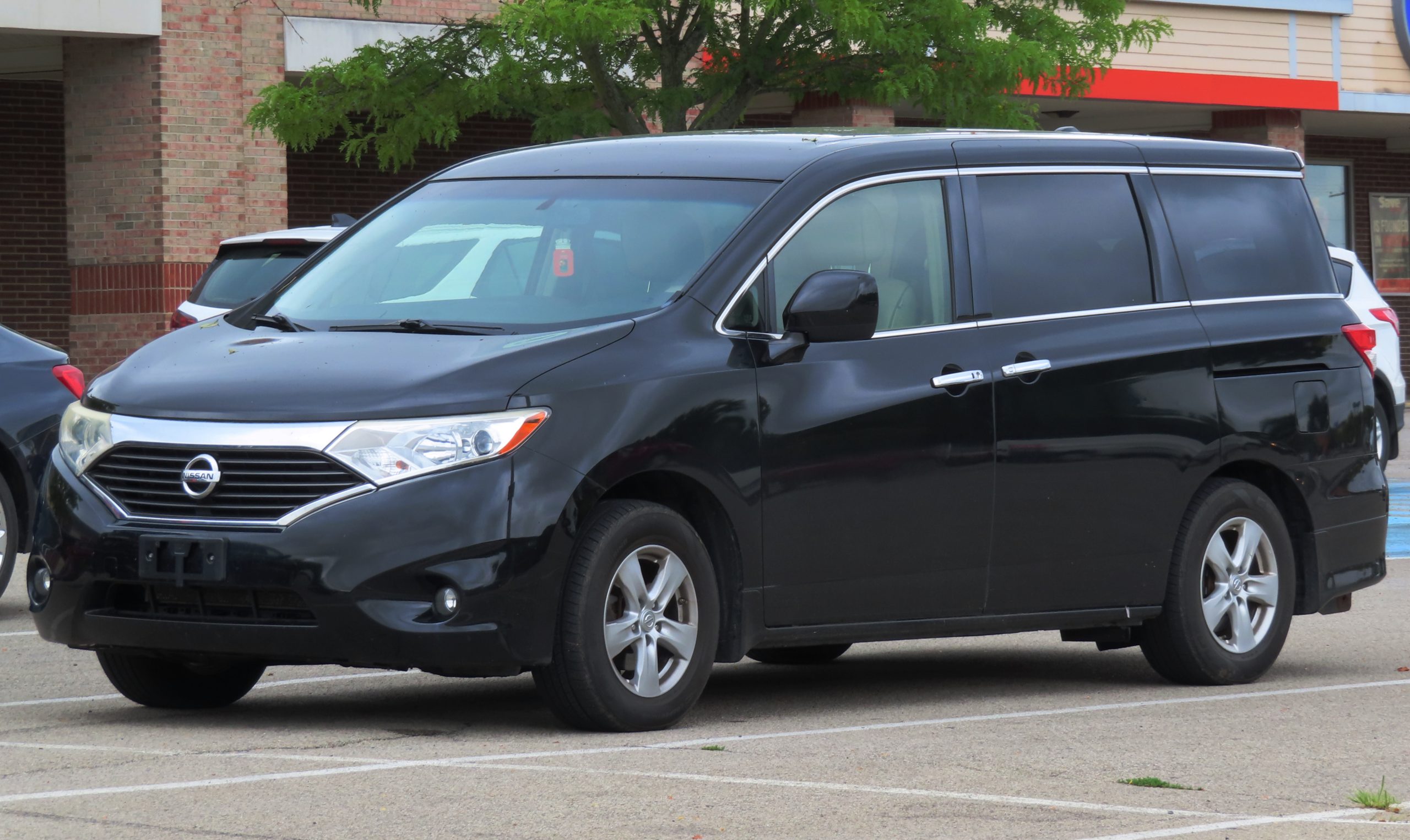
2. Nissan Quest: Safety Concerns and Limited Versatility Lead to Early Trade-Ins
The Nissan Quest is often traded in sooner than competing minivans due to safety concerns, mechanical issues, and reduced practicality. While it was designed as a family vehicle, several shortcomings have pushed buyers toward more competitive options such as the Toyota Sienna and Honda Odyssey.
One of the most significant concerns involves safety performance. The fourth-generation Quest earned a “Poor” rating from the Insurance Institute for Highway Safety in the driver-side small overlap front crash test.
During this evaluation, the vehicle’s structure allowed severe intrusion into the cabin, compromising the driver’s survival space. For families prioritizing crash protection, this result raised serious red flags and contributed to quicker trade-ins.
Mechanical reliability has also been a persistent issue. The Quest uses a continuously variable transmission that has generated widespread owner complaints. Reports frequently cite shuddering, jerking, slipping during acceleration, and overheating.
In some cases, the transmission can enter a reduced-power “limp mode,” even at highway speeds. According to RepairPal, transmission repairs can exceed $4,400, and failures sometimes occur before 100,000 miles. Additional problems, including worn engine mounts and occasional stalling linked to the fuel system, further diminish long-term confidence.
Utility limitations compound these concerns. Unlike many rivals that offer seating for eight, the Quest is strictly a seven-passenger vehicle with fixed second-row captain’s chairs.
Although the rear seats fold flat, they do not stow into the floor, resulting in a higher load surface and less maximum cargo capacity. Total cargo volume measures 108.4 cubic feet, significantly less than leading competitors. The inability to remove second-row seats also limits its usefulness for hauling bulky items.
Finally, Nissan discontinued retail sales of the Quest after the 2016 model year, continuing briefly for fleet use. As newer minivans introduced advanced driver-assistance features such as automatic emergency braking, the aging Quest struggled to remain competitive.
Together, safety shortcomings, transmission troubles, and limited flexibility explain why many families opt to replace the Nissan Quest earlier than expected.
3. Chrysler Pacifica (2017–2019 Gas Models): Early Promise, Early Trade-Ins
The early gas-powered Chrysler Pacifica models, particularly from 2017 to 2019, introduced bold styling and family-friendly innovation to the minivan segment. However, many owners chose to trade them in sooner than expected. A mix of reliability concerns, rapid depreciation, and the arrival of improved later versions contributed to shorter ownership cycles compared to rivals.
Reliability has been the most significant factor. Early models developed a reputation for mechanical and electronic issues. Owners reported rough shifting, hesitation, and in some cases complete failure of the nine-speed automatic transmission.
Some transmission replacements have cost thousands of dollars once outside warranty coverage. Engine stalling problems linked to components such as the crankshaft position sensor also led to recalls.
Electrical concerns added to frustration, including glitches with the UConnect infotainment system and occasional malfunctions involving the power sliding doors. These issues often surfaced after the initial ownership period, diminishing long-term confidence.
Because of these risks, many families strategically traded in their Pacificas before the factory warranty expired at three years or 36,000 miles. Keeping the vehicle under warranty made it more attractive on the used market and protected owners from potentially high out-of-pocket repair costs. This approach helped limit financial exposure tied to major mechanical components.
Depreciation has also been steep. According to Kelley Blue Book, the gas Pacifica loses value quickly compared to other minivans, with some models dropping more than 40 percent within three years. Rapid value loss encouraged owners to sell before negative equity became a concern.
Finally, newer updates made early versions feel outdated. All-wheel drive became available for gas models in 2020, appealing to families in colder climates. At the same time, the Chrysler Pacifica Hybrid offered 32 miles of electric driving range and federal tax incentives, prompting many early gas owners to upgrade.
Together, reliability hurdles, financial depreciation, and improved later alternatives explain why early gas-powered Pacificas were often traded in ahead of schedule.
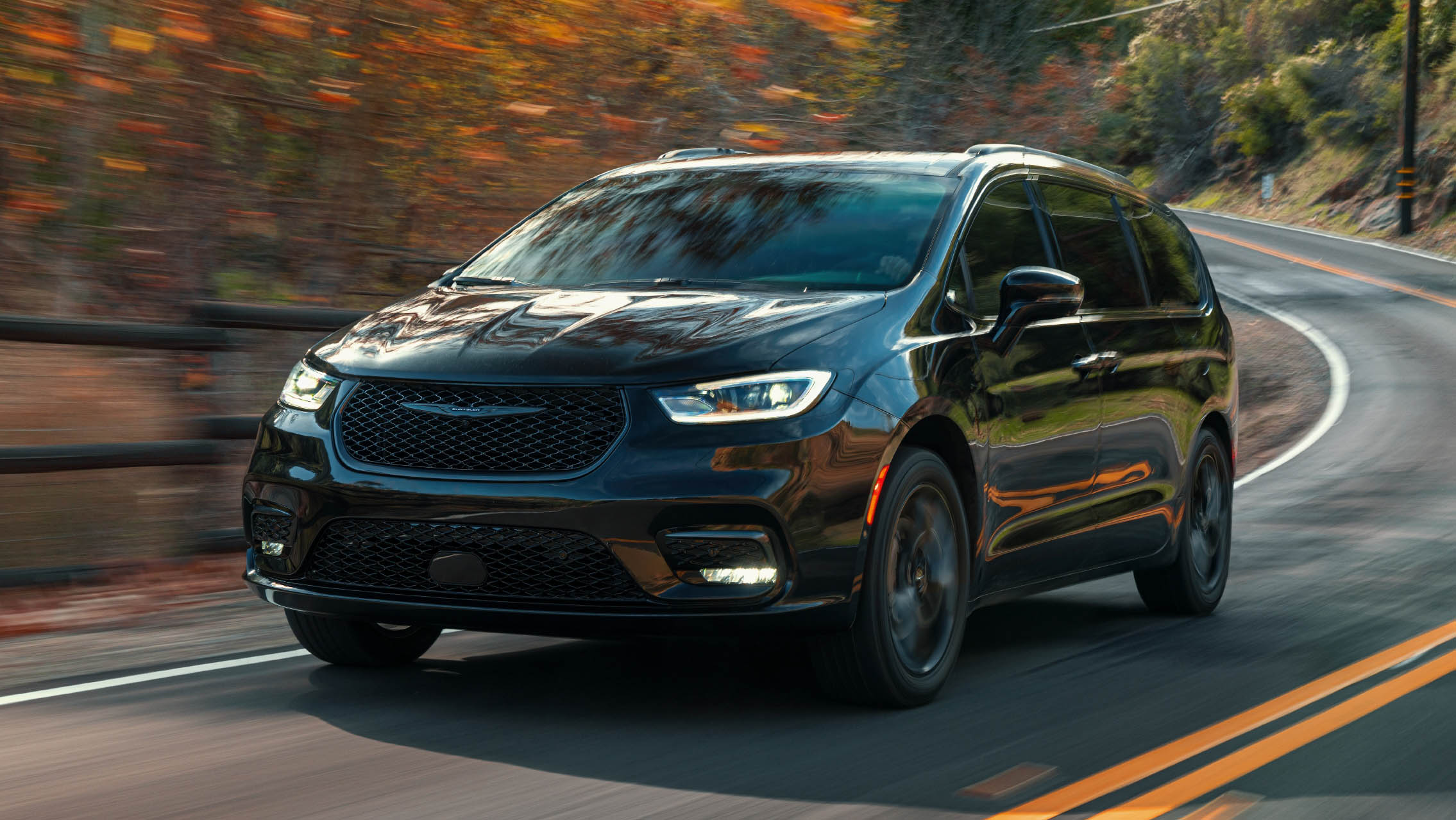
4. Volkswagen ID. Buzz: Style Icon Meets Real-World Trade-Offs
The Volkswagen ID. Buzz has drawn widespread attention for its retro design inspired by the classic Microbus, but many families are trading it in sooner than expected. High pricing, real-world range limitations, and practical compromises have shortened the ownership “honeymoon phase” for some early adopters.
Pricing is a major factor. In the United States, well-equipped versions can exceed $70,000, placing the ID. Buzz firmly in premium territory rather than the mainstream family market. Early resale data suggests notable depreciation, with some models reportedly losing around 25 percent of their value within the first year.
Heavy dealer discounts on new inventory have further pressured used values, prompting some owners to sell before depreciation deepens.
Range expectations have also proven challenging. While official ratings approach 293 miles under WLTP testing, highway driving tells a different story. The van’s boxy shape reduces aerodynamic efficiency at higher speeds, and some owners report needing to recharge roughly every 150 miles during long road trips.
Cold weather can shrink the usable range even further. In addition, inconsistent fast-charging performance and occasional software glitches have extended charging stops beyond advertised times, adding frustration for families traveling long distances.
Interior design choices create additional concerns. The reliance on touch-sensitive controls instead of physical buttons has been widely criticized for being distracting and less intuitive. Despite its premium price, some rear cabin materials feel less upscale than expected. The vehicle also lacks certain practical features, such as vehicle-to-load capability, which allows EVs to power external devices.
Growing competition intensifies these pressures. The Kia EV9 offers greater range and competitive pricing, while the upcoming Kia PV5 is expected to target a lower price point. As EV technology rapidly evolves, some families choose to trade in the ID. Buzz early in pursuit of improved efficiency, features, and value.
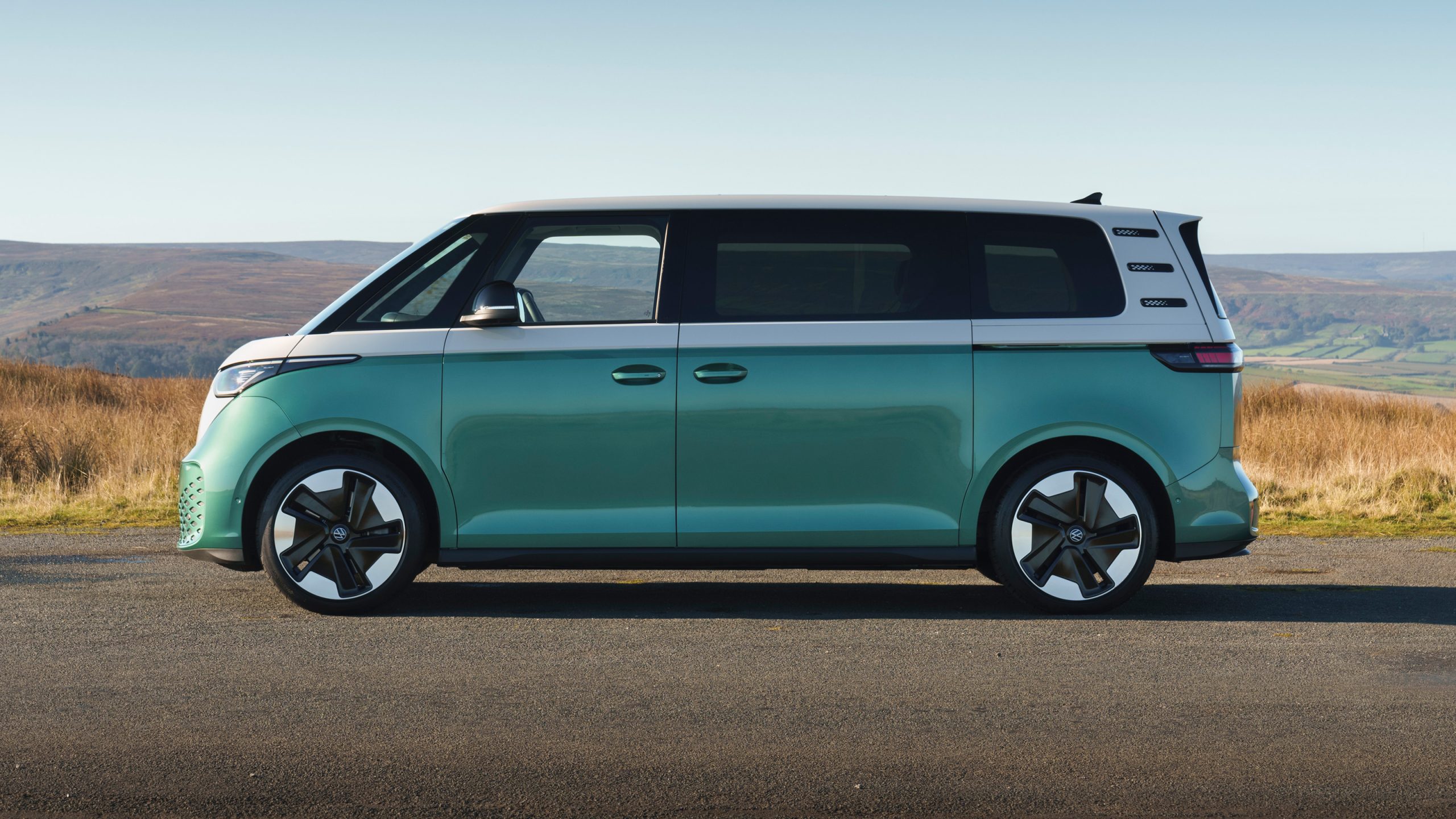
5. Mercedes-Benz Metris: Luxury Badge with Practical Limits
The Mercedes-Benz Metris, while durable and carrying a premium brand, often experiences early trade-ins among families due to its commercial-focused design, high maintenance costs, and limited passenger-friendly features. Though marketed under the Mercedes-Benz name, the Metris is essentially a rebadged European Mercedes-Benz Vito, built for delivery and fleet use rather than family comfort.
Families are often disappointed by the Spartan interior. Hard plastics dominate the cabin, and features commonly found in minivans, such as rear entertainment systems and stowable seating, are missing.
Insulation is minimal, resulting in noticeable road and tire noise. Early infotainment systems lack modern conveniences, and some models do not include Apple CarPlay or other standard connectivity options that competitors provide.
Maintenance and repairs are expensive compared with mainstream minivans. Service at Mercedes-Benz dealerships comes at a premium, with some non-warranty repairs, including engine or door work, exceeding $5,000 per visit. Routine upkeep, such as tire replacement or alignment, also carries high costs, making long-term ownership less attractive for families.
Passenger comfort is limited in the Metris. Rear seating is described as utilitarian, with minimal adjustability and a third row that does not fold flat. Sliding doors and the liftgate are heavy and require manual operation, which can be difficult for children and parents. Families accustomed to vehicles with power-assisted features, such as the Toyota Sienna or Honda Odyssey, may find daily use challenging.
Depreciation and market factors also encourage early trade-ins. The Metris loses value quickly, with Kelley Blue Book reporting a 46 percent drop in three years. Its discontinuation in the U.S. in 2023 raises concerns about long-term parts availability and support.
The Metris offers durability and a prestigious badge, but it does not meet the comfort and convenience expectations of many families. Vehicles like the Toyota Sienna provide superior passenger amenities, safety features, and practicality for a similar price, making them a more appealing choice for family ownership.
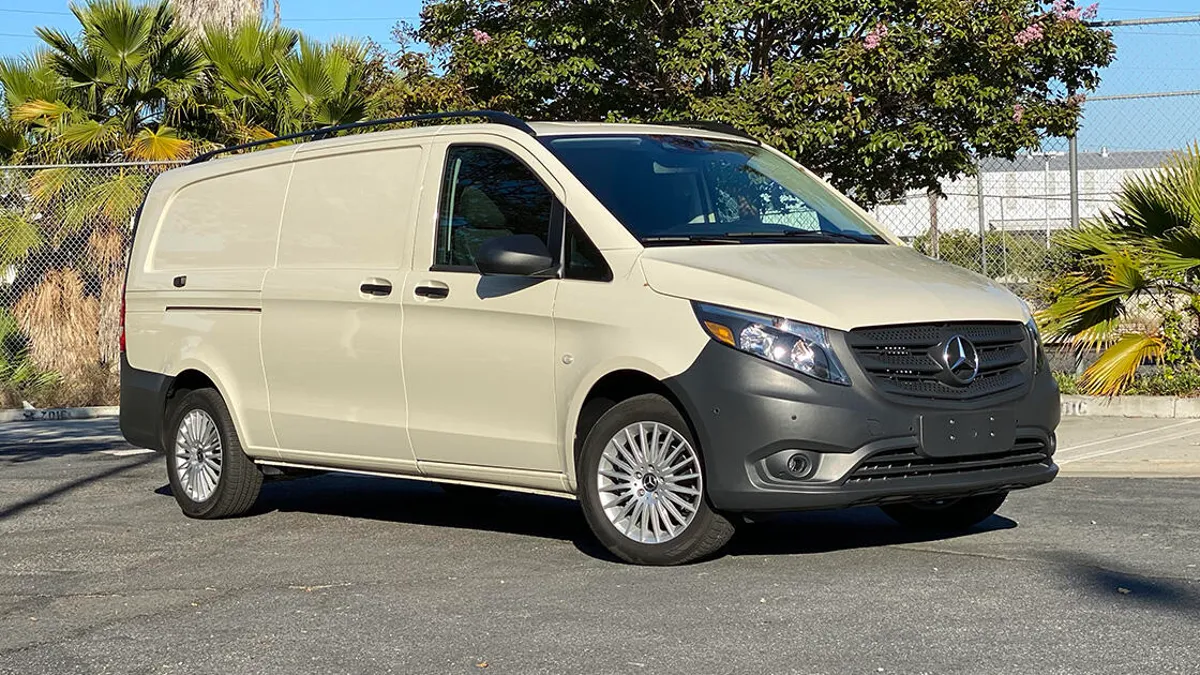
Choosing the right minivan is about balancing durability, practicality, and peace of mind. Models such as the Toyota Sienna, Honda Odyssey, Kia Carnival, Chrysler Pacifica Hybrid, and Dodge Grand Caravan demonstrate that strong engineering, flexible interiors, and consistent reliability encourage families to hold onto a vehicle for a decade or more.
In contrast, vehicles like the Chrysler Voyager, Nissan Quest, early gas Pacifica, and Volkswagen ID. Buzz and Mercedes-Benz Metris highlight the pitfalls of high maintenance costs, limited cargo versatility, safety concerns, and real-world compromises that prompt families to trade in sooner.
Understanding these patterns helps prospective buyers anticipate long-term satisfaction, avoid unexpected expenses, and select a minivan that aligns with both daily routines and evolving family needs. Ultimately, the vans that endure prioritize functional longevity over flash, rewarding families with years of dependable service and adaptable living space.
Also Read: Top 10 Cars That Changed Automotive Engineering Forever
