
The automotive market operates in cycles, much like any other collectible or investment asset. Sports cars, in particular, experience dramatic value fluctuations based on factors including desirability, rarity, condition, and cultural relevance.
Currently, several iconic sports cars have reached what many experts believe to be their price floor the lowest point in their depreciation curve before values begin climbing again.
These vehicles represent a unique opportunity for enthusiasts and collectors. After years of steady depreciation, certain models have become surprisingly affordable, trading hands for fractions of their original MSRPs.
However, market indicators suggest this window of opportunity may be closing. As younger generations develop nostalgia for the cars of their youth, as certain models become increasingly rare due to accidents and deterioration, and as automotive trends shift toward electrification making gasoline-powered sports cars more special, these six vehicles are positioned for appreciation.
The cars on this list share common characteristics: they were either under-appreciated when new, produced in limited numbers, or have recently completed their steepest depreciation period.
Each offers genuine performance credentials, distinctive styling, and the kind of driving experience that’s becoming increasingly rare in today’s automotive world.
Whether you’re a driving enthusiast looking for an affordable entry into sports car ownership or a collector seeking the next appreciating classic, these six models deserve serious consideration before their values inevitably rise. The question isn’t if these cars will appreciate it’s whether you’ll act before the market does.
1. Porsche 997 Carrera (2005-2012)
The Porsche 997-generation 911 represents one of the most compelling opportunities in the current sports car market. This model bridged the gap between the beloved air-cooled 993 and the more modern, tech-laden 991 generation that followed.
For years, the 997 existed in a depreciation valley, overshadowed by the collectibility of earlier air-cooled models and the advanced capabilities of newer iterations. However, that narrative is rapidly changing.
The 997 debuted in 2005 as the successor to the polarizing 996, addressing many of the criticisms leveled at its predecessor. Most notably, Porsche abandoned the controversial “fried egg” headlights in favor of a design that paid homage to classic 911 styling while maintaining modern aesthetics.
Under the skin, the 997 featured improved chassis dynamics, more powerful engines, and a refinement that reminded enthusiasts why the 911 had remained relevant for over four decades.
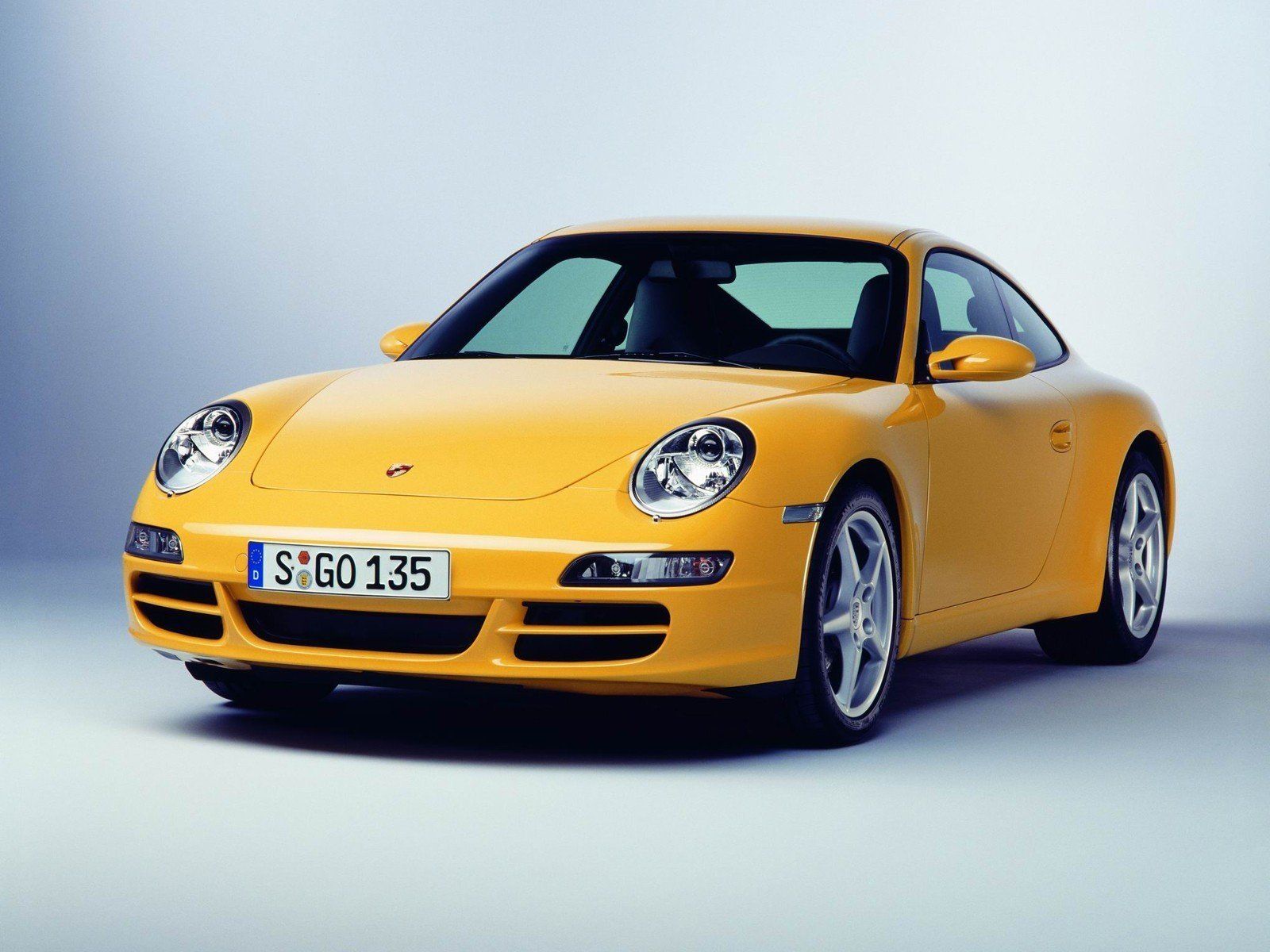
Base Carrera models from the early production years now trade in the $35,000-$50,000 range, depending on condition and mileage remarkable considering these cars originally stickered for over $70,000.
This represents exceptional value for a genuine Porsche 911 experience. The 3.6-liter flat-six engine produces 325 horsepower in early models, increasing to 345 horsepower in the 997.2 refresh that arrived in 2009. Both manual and PDK dual-clutch transmissions are available, though manual examples typically command slight premiums.
Several factors point toward appreciation. First, the 997 represents the last generation before Porsche’s extensive use of turbocharged engines across the lineup. The naturally aspirated flat-six delivers immediate throttle response and a distinctive soundtrack that turbocharged engines simply cannot replicate.
Second, build quality proves exceptional these cars were engineered during Porsche’s quality renaissance and lack the intermediate shaft bearing issues that plagued some 996 models. Third, the enthusiast community increasingly recognizes the 997 as the sweet spot between analog driving feel and modern reliability.
Particular variants show even stronger appreciation potential. The 997.1 Carrera S, with its more powerful 3.8-liter engine and wider body, offers performance approaching GT3 levels for significantly less money.
Limited editions like the Sport Classic and Speedster have already begun appreciating significantly. Even standard Carreras with desirable options like Sport Chrono, ceramic brakes, and manual transmissions are becoming harder to find at bargain prices.
Smart buyers are recognizing that the 997’s combination of usability, performance, and classic 911 character won’t remain affordable forever.
2. Nissan 370Z (2009-2020)
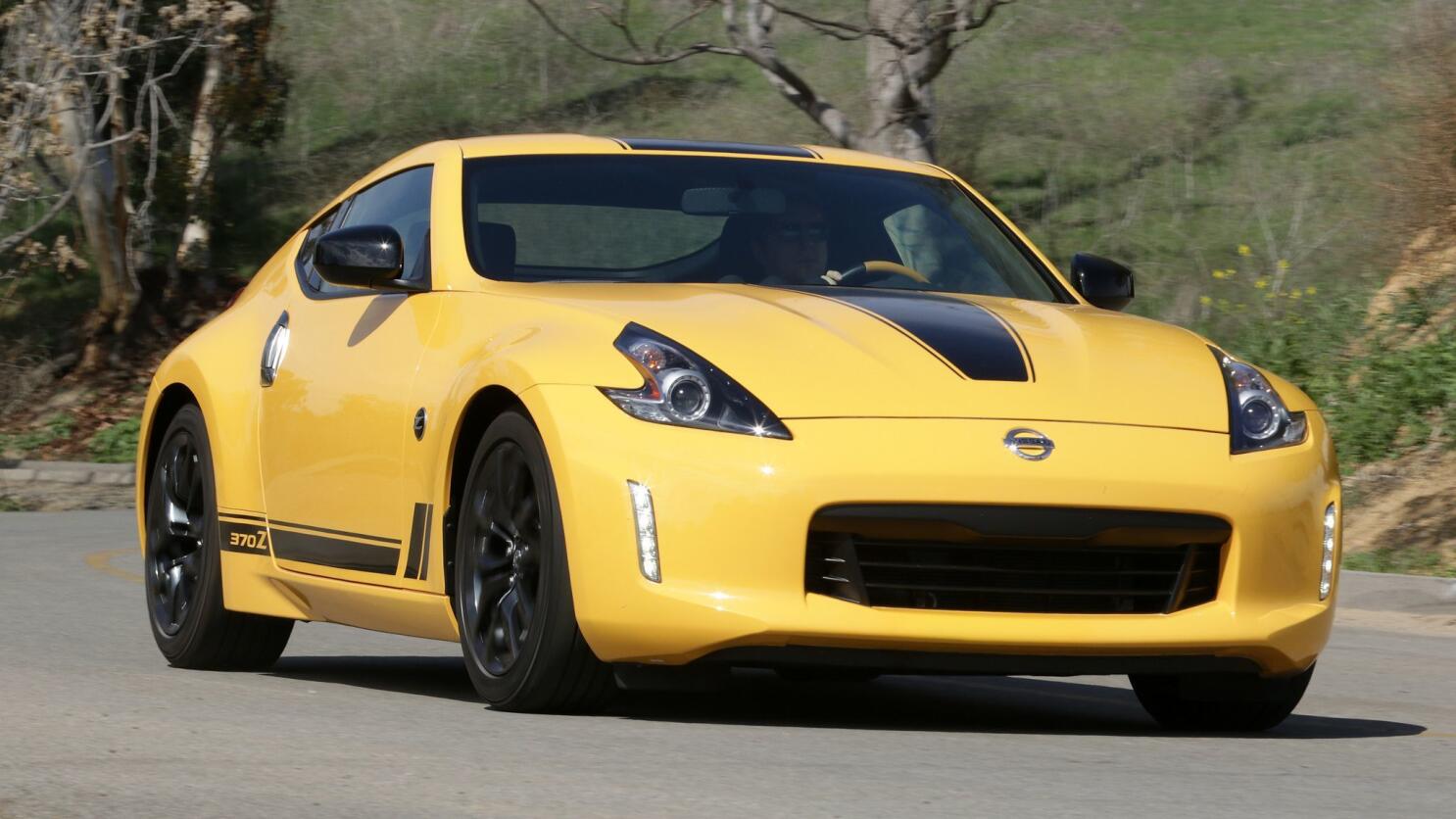
The Nissan 370Z has been unfairly dismissed by many enthusiasts, relegated to the background while its predecessor, the 350Z, and competitors like the Supra garnered more attention.
This oversight has created a remarkable opportunity. Clean, well-maintained 370Z models currently sell for $18,000-$28,000, representing extraordinary value for a sports car delivering legitimate performance and Japanese reliability.
When Nissan introduced the 370Z in 2009, it represented a significant evolution over the 350Z. The wheelbase shortened by 4 inches, weight decreased by approximately 100 pounds, and the new 3.7-liter VQ37VHR V6 engine produced 332 horsepower a substantial increase over the outgoing model.
The chassis received comprehensive updates including a new double-wishbone front suspension, refined steering, and improved weight distribution. The result was a sharper, more engaging driving experience that critics praised but buyers initially overlooked.

Performance credentials remain genuinely impressive. The VQ37VHR engine delivers power linearly across the rev range, the six-speed manual transmission offers precise, mechanical shifts, and the chassis provides balanced handling that rewards skilled drivers.
Track capabilities are legitimate properly equipped 370Zs can run competitive lap times against cars costing twice as much. The aftermarket support is extensive, with proven turbo kits, suspension upgrades, and aesthetic modifications available from countless vendors.
Cultural relevance is building. The Z-car heritage carries significant weight in automotive history, from the legendary 240Z through the “Godzilla” era of the 1990s.
The 370Z represents the final evolution of this lineage before the new Z’s turbocharged departure. Enthusiasts are recognizing that naturally aspirated engines are disappearing the 370Z’s rev-happy V6 offers an increasingly rare experience. Social media has amplified appreciation for the platform, with younger enthusiasts discovering that these cars offer sports car thrills at attainable prices.
Market indicators suggest appreciation is beginning. Clean, low-mileage examples with desirable specifications particularly Sport models with 19-inch wheels, Akebono brakes, and viscous limited-slip differential are becoming harder to find.
NISMO variants, with their enhanced aerodynamics, suspension, and power output, have already begun commanding premiums. Heritage Yellow and other limited-edition colors are particularly sought-after. The 370Z won’t become a million-dollar collectible, but it represents the kind of accessible, driver-focused sports car that future enthusiasts will wish they had purchased when prices were depressed.
3. Audi R8 V8 (2008-2012)
The first-generation Audi R8 V8 represents one of the most unexpected bargains in the exotic car segment. Current market prices range from $65,000 to $85,000 for well-maintained examples less than half their original $109,000 starting price and comparable to well-equipped pickup trucks.
This pricing anomaly exists because the R8 V8 has been overshadowed by its V10 sibling and faced steep depreciation as an exotic daily driver. However, multiple factors suggest this model is poised for significant appreciation.
When Audi revealed the R8 in 2007, it shocked the automotive world. The brand known for practical quattro sedans had created a legitimate mid-engine supercar that could challenge Ferrari and Lamborghini.
The R8 shared its platform and aluminum space-frame construction with the Lamborghini Gallardo but wrapped it in restrained, purposeful styling that emphasized sophistication over flamboyance. Critics praised its approachability here was an exotic car that could go through the daily traffic as easily as it carved canyon roads.
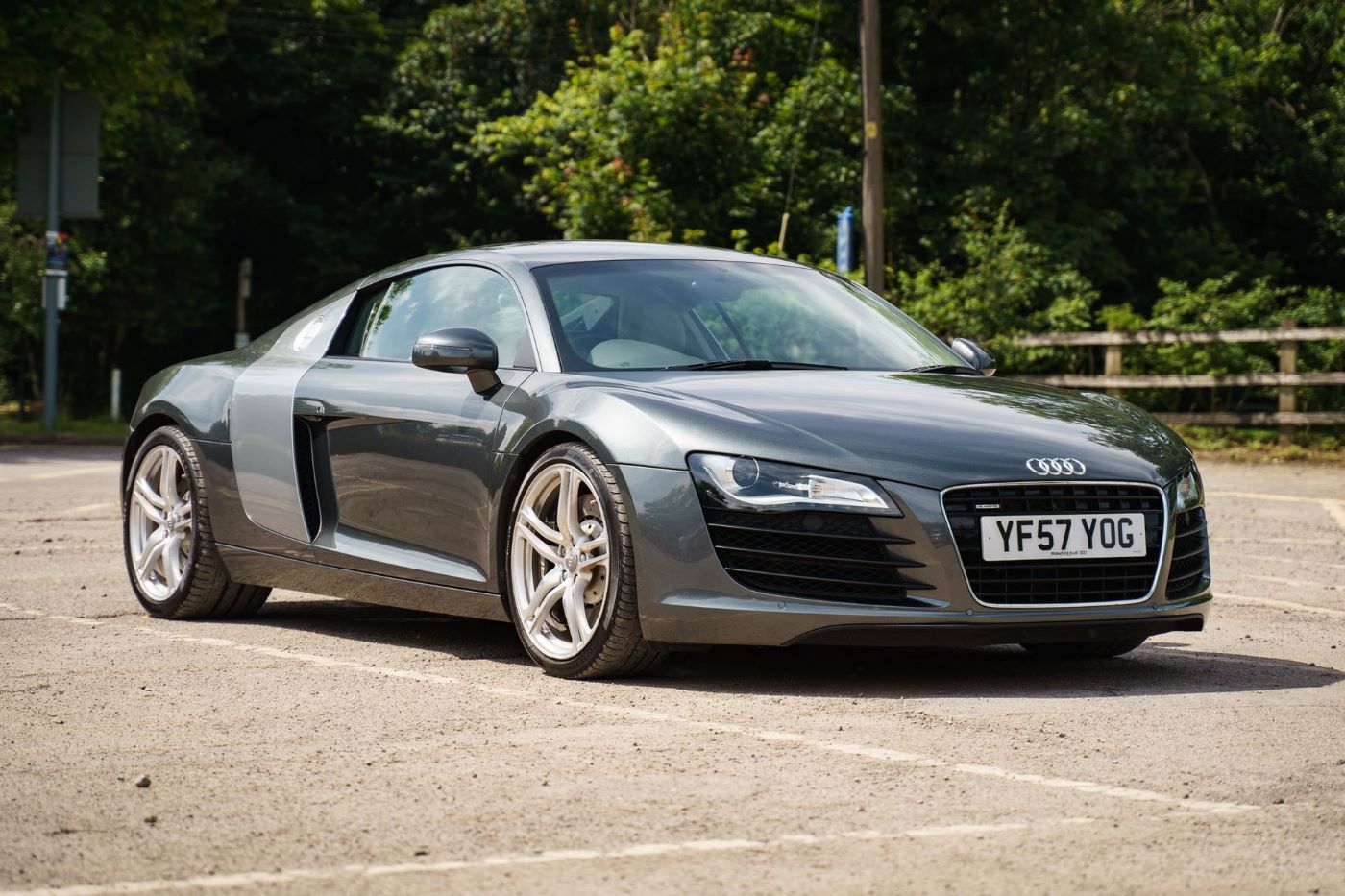
The 4.2-liter V8 engine, borrowed from the RS4, produces 420 horsepower and revs to 8,250 rpm. While not as dramatic as the V10’s 525 horsepower, the V8 delivers a different character lighter weight over the rear axle creates more neutral handling, fuel economy improves notably, and maintenance costs remain more reasonable.
The R-tronic automated manual transmission received criticism for clunky shifts, but six-speed manual examples offer a pure, engaging driving experience increasingly rare in exotic cars.
Build quality sets the R8 apart from competitors. Audi’s construction methods and attention to detail mean these cars can accumulate higher mileage without the catastrophic failures plaguing some Italian exotics.
The aluminum spaceframe resists corrosion, the interior materials age gracefully, and mechanical components prove durable with proper maintenance. Finding R8s with over 60,000 miles isn’t uncommon unthinkable for many supercars of this era.
Appreciation drivers are already evident. First, the R8 V8 represents the last naturally aspirated V8 mid-engine exotic car a combination that will never be repeated in our turbocharged, electrified future. Second, the manual transmission variant is becoming highly sought after, with values already separating from R-tronic models.
Third, the first-generation R8’s styling has aged remarkably well, appearing fresh and modern despite being over a decade old. Fourth, ownership costs remain manageable compared to other exotics, making the R8 accessible to enthusiasts who couldn’t afford Ferrari maintenance.
Collectors are beginning to recognize what the market overlooked the R8 V8 delivers 90% of the supercar experience for a fraction of the cost. As values of 360 Modenas, Gallardos, and even later R8 V10s continue climbing, savvy buyers are discovering that the V8 offers comparable performance, better reliability, and significantly more value. The window for sub-$70,000 R8s is closing rapidly.
4. Chevrolet Corvette C6 Z06 (2006-2013)
The C6 Z06 Corvette represents American sports car engineering at its finest, yet market prices remain surprisingly accessible. Clean examples trade between $40,000 and $55,000 a bargain considering the performance on offer. This model delivered supercar-level capabilities in a package that undercut European rivals by $100,000 or more.
As the market increasingly values analog driving experiences and naturally aspirated engines, the C6 Z06 is positioned for substantial appreciation.
General Motors introduced the C6 Z06 in 2006 as a track-focused variant of the base Corvette. The 7.0-liter LS7 V8 engine produces 505 horsepower and 470 lb-ft of torque staggering figures for a naturally aspirated engine.
This hand-assembled powerplant features titanium connecting rods, lightweight pistons, and a dry-sump lubrication system enabling sustained high-G cornering. Weight reduction measures included fixed roof construction, magnesium chassis components, balsa wood floor panels, and thinner glass. The result: a curb weight under 3,200 pounds.
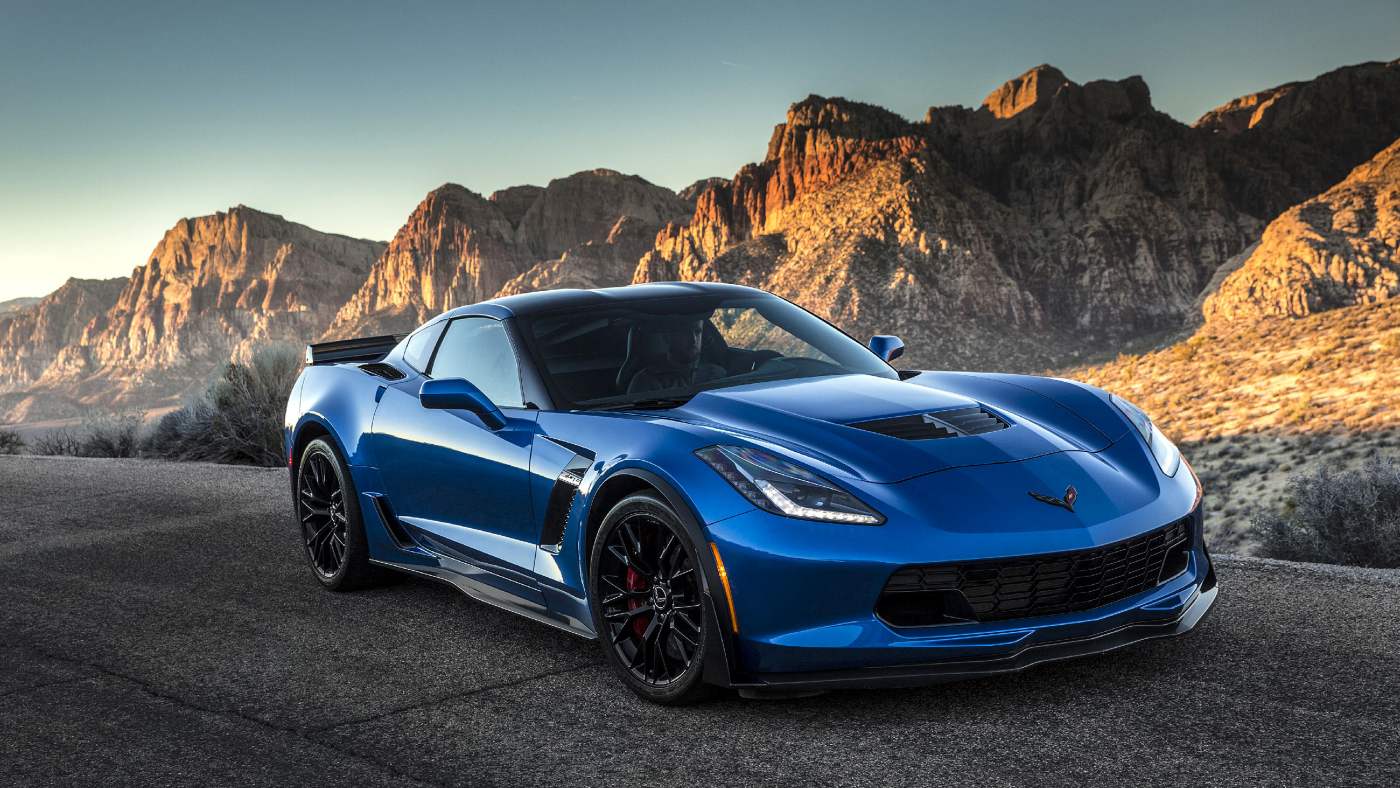
Performance numbers validate the engineering. The C6 Z06 accelerates to 60 mph in 3.6 seconds and completes the quarter-mile in 11.7 seconds. Top speed exceeds 190 mph.
More impressively, track performance rivals or exceeds contemporary supercars. The Nürburgring lap time of 7:42 placed the Z06 among elite company, besting cars costing twice as much.
The chassis balance, with its near 51/49 weight distribution, delivers neutral handling that rewards skilled drivers while remaining approachable for enthusiasts developing their abilities.
Depreciation has been severe but appears to have bottomed. For years, new Corvette generations cannibalized used market values why buy a used C6 when a new C7 offered more performance for slightly more money? However, the C8’s mid-engine transformation fundamentally changed this dynamic.
The C6 Z06 now represents something different: the ultimate expression of front-engine, rear-drive Corvette performance. It’s the last of a bloodline stretching back to 1953.
Several factors point toward appreciation. First, the LS7 engine is legendary hand-built, naturally aspirated, and capable of reliable operation at power levels approaching 600 horsepower with minimal modifications.
As manufacturers abandon large-displacement naturally aspirated engines, the LS7’s character becomes irreplaceable. Second, the manual transmission is standard equipment no paddle-shift options existed, ensuring every C6 Z06 delivers a pure driving experience. Third, production numbers were limited compared to base Corvettes, with approximately 34,000 units built across seven model years.
Enthusiasts are recognizing the C6 Z06’s significance. Online communities dedicated to the platform have grown substantially, aftermarket support remains robust, and clean examples are harder to find.
Particular variants command premiums the 2011-2013 models received the LS7’s final updates, the Z07 package added carbon-ceramic brakes and improved aerodynamics, and special editions like the 427 Limited Edition and Carbon Limited Edition have already begun appreciating. The C6 Z06 won’t become unobtainable, but the days of $35,000 examples are ending.
Also Read: 10 Cars That Cost Less Than 20000 But Last 15 Years
5. BMW E92 M3 (2008-2013)
The E92 M3 stands as one of BMW’s greatest achievements, yet values remain surprisingly depressed. Well-maintained examples currently sell for $30,000-$45,000, representing exceptional value for a car that delivered supercar performance with sedan practicality.
This model represented the pinnacle of naturally aspirated M car development before BMW’s shift to turbocharged engines. Market trends strongly suggest the E92 M3 is positioned for significant appreciation.
BMW’s decision to install a 4.0-liter V8 in the E92 M3 was unexpected and glorious. The S65 engine produces 414 horsepower at a stratospheric 8,300 rpm, with the redline extending to 8,400 rpm.
This powerplant shares its basic architecture with BMW’s V10-powered M5 and M6, scaled down but retaining individual throttle bodies, lightweight internals, and exotic engineering. The sound is intoxicating a high-pitched wail that builds with intensity as the tachometer sweeps toward redline. No turbocharged engine can replicate this experience.
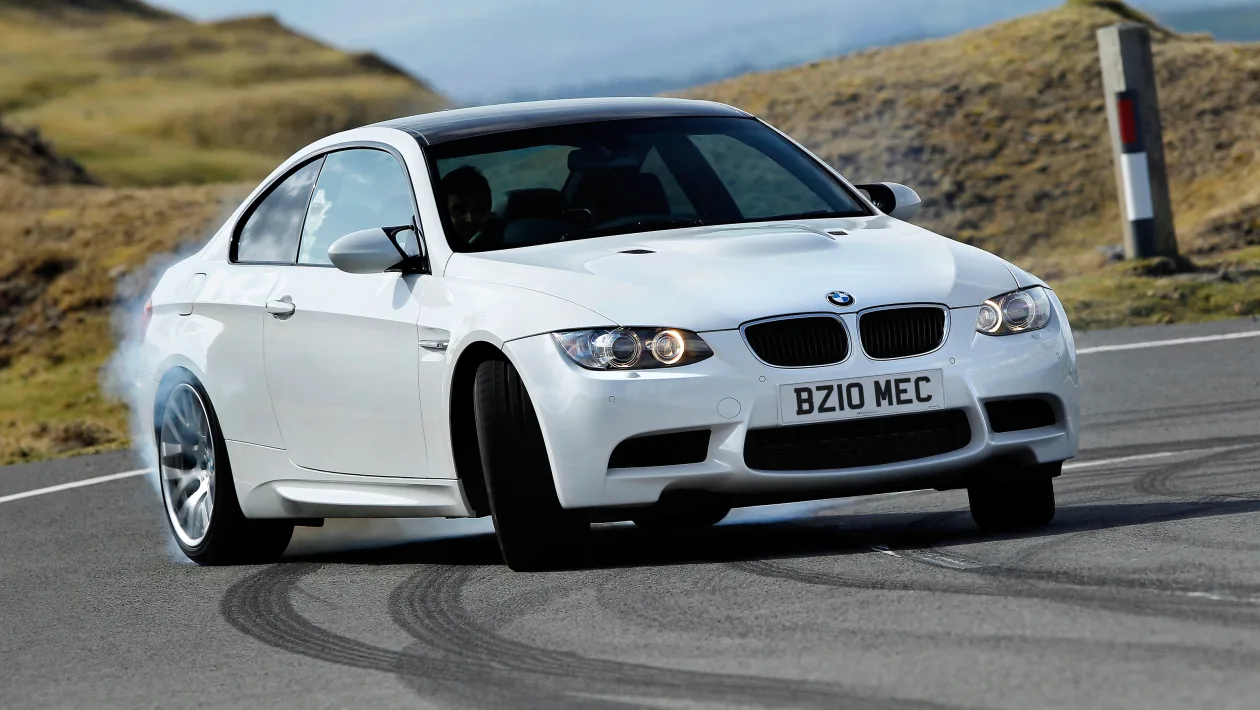
Performance validates the engineering excellence. The E92 M3 accelerates to 60 mph in 4.1 seconds, covers the quarter-mile in 12.4 seconds, and delivers handling that balances precision with driver engagement.
The chassis communicates constantly, providing feedback through the steering, seats, and pedals that modern cars often filter away in pursuit of comfort. Track capabilities are legitimate the E92 M3 was developed at the Nürburgring and featured numerous racing homologation requirements.
Depreciation has been brutal, driven by concerns about maintenance costs and reliability. The S65 engine requires careful attention rod bearing failures have occurred in neglected examples, throttle actuators can fail, and general maintenance costs exceed typical BMW ownership. However, these issues are well-documented and manageable with proper care.
Knowledgeable owners perform preventive maintenance, particularly rod bearing replacement at recommended intervals, effectively eliminating major failure risks.
The market is shifting in the E92 M3’s favor. First, enthusiasts increasingly recognize this represents the final naturally aspirated M3 subsequent generations adopted turbocharged engines that deliver more torque and better fuel economy but lack the S65’s character.
Second, the manual transmission variant is becoming highly sought after, with values already separating substantially from DCT-equipped cars. Third, the coupe body style offers timeless proportions that have aged beautifully.
Cultural significance is building. The E92 M3 arrived during an era when BMW still prioritized driver engagement over luxury and technology. It represents a philosophy that has largely disappeared from the automotive world.
Particular specifications command premiums. Individual option cars (those painted in BMW Individual colors) are increasingly collectible, as are examples with the Competition Package, which added improved suspension tuning and lightweight wheels.
Low-mileage examples with documented service histories are becoming notably more expensive. The E92 M3 won’t reach air-cooled Porsche valuations, but savvy buyers recognize that $35,000 examples represent fleeting opportunities.
6. Dodge Viper (2003-2010)
The Dodge Viper represents American automotive excess at its finest a 500+ horsepower roadster with minimal electronic aids, aggressive styling, and performance that intimidated even experienced drivers.
Current market values for third and fourth-generation Vipers range from $45,000 to $75,000, depending on condition and specification.
This pricing seems incongruous for a car that once symbolized automotive extremism and still delivers performance rivaling modern supercars. Multiple indicators suggest substantial appreciation is imminent.
Chrysler introduced the third-generation Viper in 2003 with significant updates. The 8.3-liter V10 engine produced 500 horsepower and 525 lb-ft of torque numbers that seemed almost absurd for a naturally aspirated engine.
The chassis received comprehensive updates, including improved suspension geometry, better weight distribution, and enhanced torsional rigidity.
Convertible and coupe variants offered different driving experiences, with the SRT-10 Roadster emphasizing visceral top-down thrills while the Coupe focused on track performance.
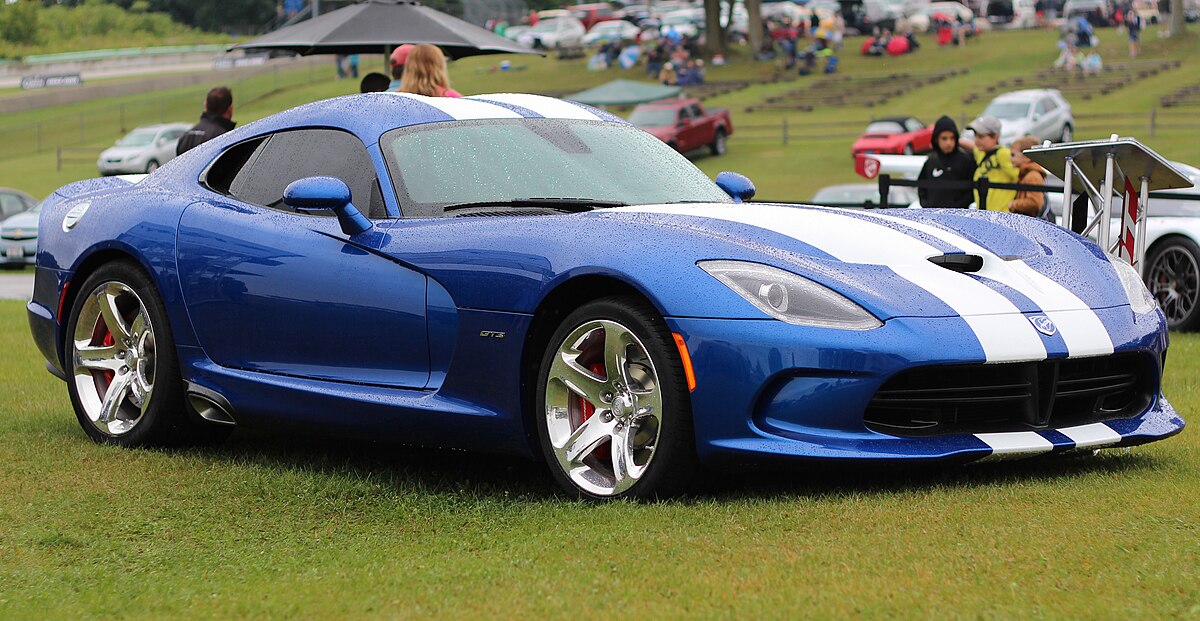
The driving experience is unlike anything else. The Viper makes no concessions to comfort or convenience it’s loud, hot, uncompromising, and absolutely thrilling.
The V10 engine delivers power with crushing force, acceleration feels violent, and the chassis demands respect. This wasn’t a car you simply pointed down a road; it required attention, skill, and confidence. Modern sports cars offer more performance, better refinement, and superior technology, but they can’t replicate the Viper’s raw, unfiltered character.
Depreciation has been severe, driven by limited practicality and high running costs. Insurance is expensive, fuel economy is abysmal (typically 12-15 mpg combined), and the lack of advanced safety features makes modern buyers nervous. However, these same characteristics now drive desirability.
The Viper represents everything modern automotive regulations and consumer preferences are eliminating huge displacement, minimal electronic intervention, and unapologetic performance focus.
Market dynamics are shifting favorably. First, Viper production ended in 2017, meaning the model has joined completed production runs a critical factor in collectibility.
Second, cultural significance is undeniable the Viper appeared in countless video games, movies, and television shows, creating nostalgia among younger enthusiasts now entering the buying age.
Third, American muscle car appreciation has extended beyond traditional muscle to include modern performance cars, with the Viper positioned as the ultimate expression of American sports car philosophy.
Particular variants show strong appreciation potential. The 2008-2010 ACR (American Club Racer) models, with their extreme aerodynamics and track-focused suspension, have already begun appreciating significantly.
These cars set production car lap records at numerous circuits worldwide, cementing their performance credentials. Limited editions like the First Edition, Final Edition, and special paint schemes command premiums. Even standard SRT-10 models with low mileage and proper maintenance are becoming harder to find at bargain prices.
The Viper won’t suit everyone it’s impractical, expensive to run, and uncompromising. However, for enthusiasts who appreciate automotive extremism, who value character over convenience, and who recognize that cars like this will never be built again, the current market represents an opportunity.
As electric vehicles dominate new car sales and naturally aspirated engines disappear, the Viper’s 8.3-liter V10 becomes increasingly special. Smart collectors are recognizing that these cars bottomed out in value and are beginning their inevitable climb toward collectible status.
Also Read: Top 8 Fast Cars That Are Gentle on Your Wallet at the Gas Pump
