Turbocharged engines have redefined automotive performance, offering smaller-displacement motors the ability to produce extraordinary power. However, not all turbo engines are created equal. While some blend cutting-edge engineering with long-term durability, others struggle with chronic reliability issues, often resulting in costly repairs.
In this guide, we explore “5 Turbocharged Engines That Are Reliable vs 5 That Have Frequent Issues”, highlighting models that have stood the test of time versus those prone to recurring mechanical failures.
From Japanese legends like the Toyota Supra A80’s 2JZ-GTE and Honda Civic Type R’s K20C1, known for their over-engineered internals, to modern gems like the BMW M240i’s B58 and the practical Volkswagen Golf GTI’s EA888, these engines demonstrate that turbocharging can be both powerful and dependable.
Conversely, engines such as the BMW 550i’s N63, Ford Escape’s 1.6L EcoBoost, and Subaru WRX STI’s EJ257 illustrate how heat, design flaws, and maintenance sensitivity can make turbos a double-edged sword.
5 Turbocharged Engines That Are Reliable
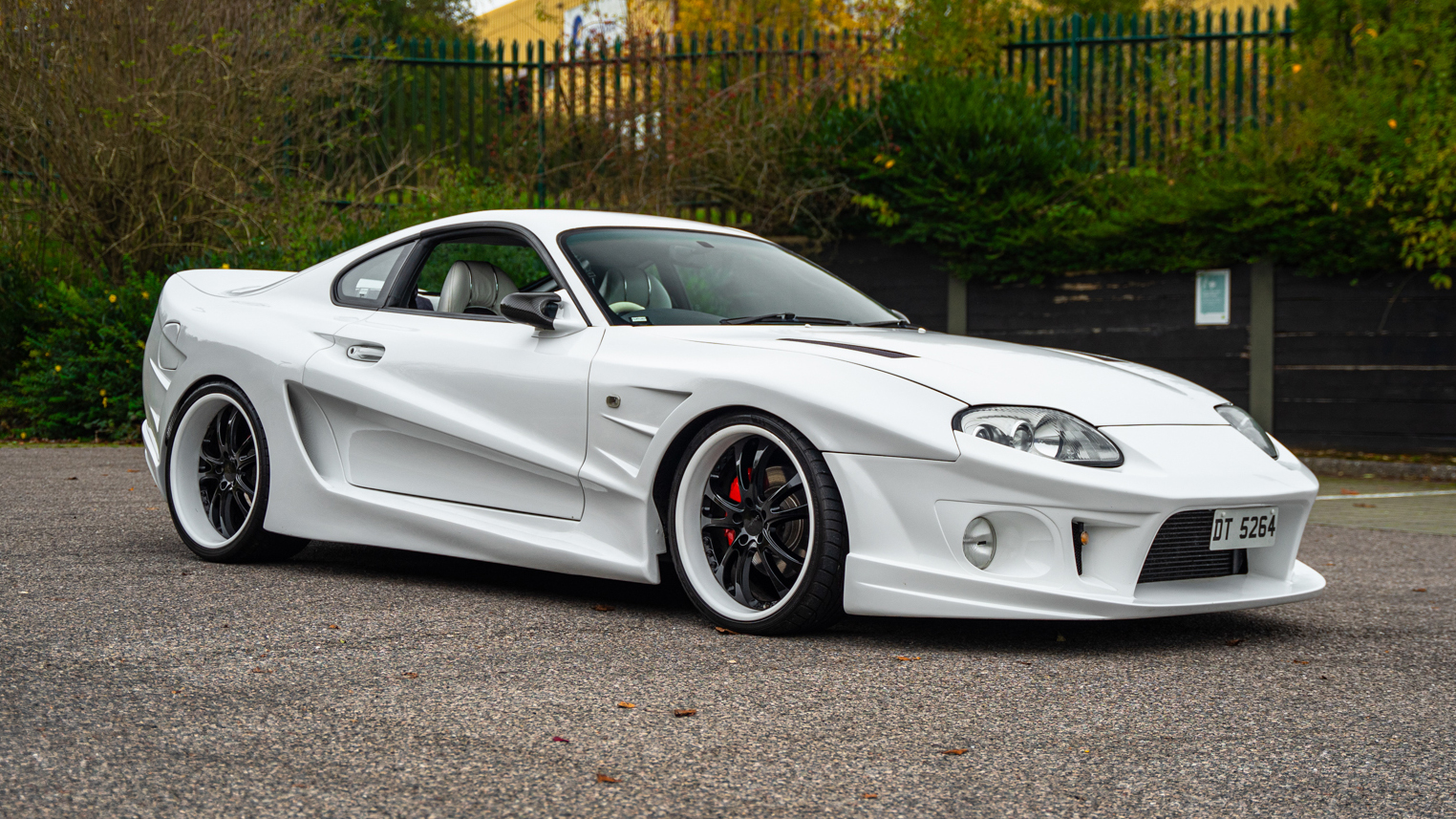
1. Toyota Supra (A80 / Mk IV): The Over-Engineered Japanese Legend
The Toyota Supra A80 (Mk IV), produced from 1993 to 2002, is one of the most celebrated sports cars in history. It is known for its combination of performance, reliability, and tuning potential. At the heart of the Mk IV is the 3.0-liter 2JZ-GTE inline-six turbocharged engine, widely regarded as one of the strongest engines ever made.
Although officially rated at 320 horsepower in North America to comply with the Gentlemen’s Agreement among Japanese manufacturers, the 2JZ-GTE was built with a cast-iron block and forged internal components, allowing it to handle 700 to 1,000 plus horsepower without major internal modifications.
Its sequential twin-turbo setup used a smaller turbo for low-end response and a larger turbo for high-RPM power, resulting in a 0 to 60 miles per hour time of 4.6 seconds, which outperformed many contemporary Ferraris and Porsches. The engine’s over-engineered construction, combined with the durable 6-speed Getrag V160 manual transmission, ensures exceptional reliability even under extreme tuning.
Performance extended beyond straight-line speed. Toyota employed aluminum components for the hood, suspension arms, and bumper supports to offset the weight of the advanced drivetrain.
The car had a near 50/50 weight distribution and four-wheel independent double-wishbone suspension, providing excellent balance and stability. Its braking system, inspired by Formula 1 technology and equipped with lateral-G sensors, set records for the shortest stopping distances among production cars at the time.
The interior was designed to be highly driver-focused. The dashboard wrapped around the driver in a style reminiscent of a fighter jet cockpit, placing every dial and the gear shifter within easy reach during high-speed driving.
While the car is technically a 2+2, the rear seats were largely symbolic and better suited for extra storage. High-quality materials and supportive sport seats in cloth or leather completed a cabin that felt purposeful and durable.
The Supra’s legend grew in the aftermarket. Its 2JZ-GTE engine is famously strong, allowing tuners to achieve over 1,000 horsepower on mostly stock internals. The car also gained global recognition through appearances in the Fast & Furious franchise and Gran Turismo video games.
Today, pristine manual Turbo models are highly sought after by collectors and often command six-figure prices on platforms such as the DuPont Registry and Carwow. The A80 Supra is more than a car; it is a symbol of 1990s Japanese engineering that combined durability, performance, and cultural impact in a single iconic package.
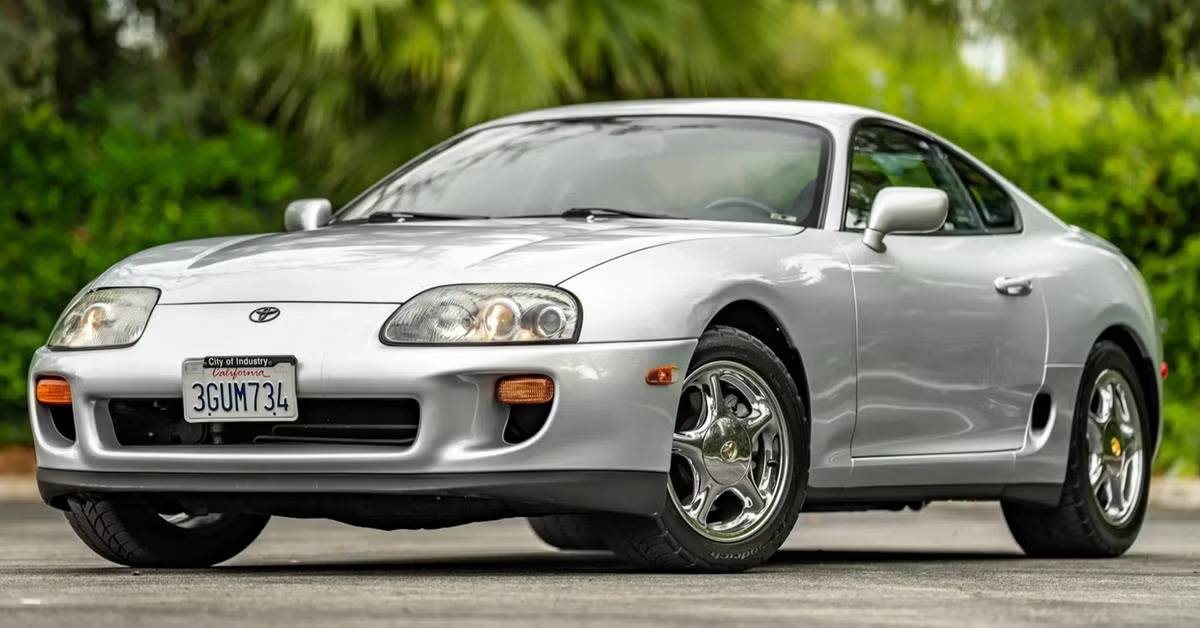
2. BMW M240i (G42): A Modern Performance All-Rounder
The BMW M240i (G42) has established itself as one of the most well-rounded performance coupes in the current market. At its core is the 3.0-liter B58 turbocharged inline-six engine, a powerplant that has strengthened BMW’s reputation for reliability.
Unlike older BMW turbo engines, the B58 uses a simplified cooling system, a closed-deck block design, and an integrated exhaust manifold, making it capable of exceeding 100,000 miles without major issues.
Officially rated at 382 horsepower and 369 lb-ft of torque, the engine is slightly underrated from the factory, yet it can safely handle 500+ horsepower with minor modifications. Its linear and smooth power delivery contributes to stress-free operation, allowing the car to accelerate from 0 to 62 mph in approximately 4.3 seconds.
The B58’s engineering excellence extends to its supporting systems. Thermal management is highly efficient, and the engine is paired with a reliable 8-speed ZF automatic transmission that handles high torque effortlessly. This combination not only enhances performance but also ensures long-term durability.
The M240i’s drivetrain is complemented by a rear-biased xDrive all-wheel-drive system, offering excellent grip in all conditions while still allowing playful, tail-happy dynamics when pushed in Sport modes.
The chassis and Adaptive M Suspension provide a dual personality: the car is refined and comfortable over daily roads, yet precise and composed when driven aggressively. Steering is accurate and direct, though some critics note it lacks the analog feel of older BMW models.
Inside, the G42 adopts a modern, digitized cockpit. Newer models feature the BMW Curved Display with iDrive 8.5, including a 12.3-inch digital cluster and a 14.9-inch touchscreen. Front seats are premium and supportive, while rear seating is limited and better suited for storage or children.
Exterior styling has been divisive; the aggressive flared arches and long hood are appreciated by some, while others critique the geometric lines and pixelated lights as over-styled.
The M240i offers significant value compared to the full BMW M2. It delivers nearly identical straight-line performance, better comfort for daily driving, improved fuel efficiency at around 26 mpg combined, and superior traction in wet conditions thanks to xDrive.
With a price of $13,000 to $15,000 lower than the M2, the M240i represents a compelling package for buyers seeking a sporty, reliable, and practical performance coupe. Its combination of robust engineering, smooth power delivery, versatile handling, and modern technology positions it as a standout in the premium compact coupe segment.
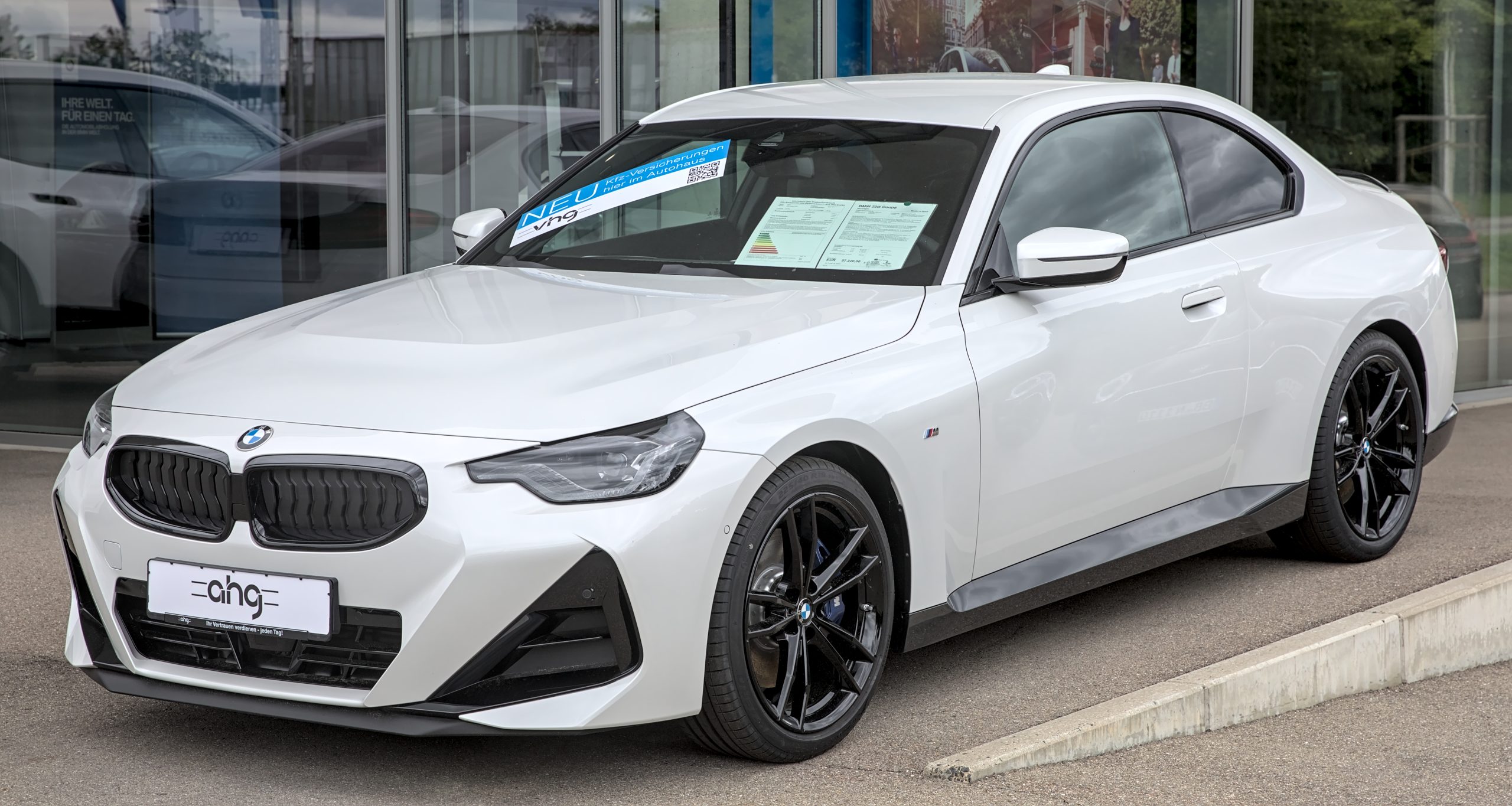
3. Honda Civic Type R (FK8/FL5): Front-Wheel-Drive Benchmark with Track-Proven Reliability
The Honda Civic Type R, spanning the FK8 (2017–2021) and FL5 (2023–Present) generations, demonstrates that high-performance and reliability can coexist in a turbocharged front-wheel-drive car. At its heart is the 2.0-liter K20C1 turbocharged VTEC engine, which combines over-engineered internals, advanced cooling, and low-friction components to handle both daily driving and track abuse.
The FK8 produced roughly 306–320 horsepower, while the FL5 improves on this with 315–330 horsepower, thanks to a more efficient turbocharger, lighter flywheel, and optimized thermal management. Honda designed the engine with reinforced crankshafts, robust oil pans, and sodium-filled valves, resulting in a durable powerplant capable of consistent performance and long-term reliability.
Thermal management is a key factor in the Type R’s longevity. Both generations feature high-flow cooling channels, improved airflow, and water-cooled dual ball-bearing turbochargers, reducing heat soak during aggressive driving. The FL5 addresses prior FK8 overheating issues with a 48 percent larger front grille opening and a more capable radiator.
Low-friction engine components further minimize wear, making the K20C1 one of the most durable turbo engines in Honda’s history. This engineering has allowed both models to set front-wheel-drive lap records at circuits like Suzuka and the Nürburgring Nordschleife, with the FL5 achieving a 7:44.881 lap on the current 20.8 km layout.
Handling and driving dynamics are a highlight. Both generations use a dual-axis front strut suspension to virtually eliminate torque steer, while the FL5 adds a 15 percent increase in torsional rigidity and a wider track for sharper turn-in and improved mid-corner stability.
Power is delivered through a 6-speed manual transmission, praised for precision, rev-matching, and engagement. The FL5 also introduces Individual Mode, allowing drivers to mix engine, suspension, and steering settings for adaptable performance in daily driving or track conditions.
Interior and practicality have evolved. The FK8 features a bold, red-heavy cabin, while the FL5 opts for a minimalist, premium design with a 9-inch touchscreen, wireless Apple CarPlay and Android Auto, and a fully digital instrument cluster. Both cars are 4-seaters with ample rear legroom and a large boot of 410–470 liters, making them practical for everyday use.
Ownership choice depends on priorities. The FK8 appeals to enthusiasts seeking a raw, aggressive driving experience at a lower price point of $28,000–$35,000, while the FL5 targets buyers wanting refined technology and comfort, often priced above $45,000. Both generations combine track-capable performance with Honda’s legendary reliability, solidifying the Civic Type R as the benchmark for front-wheel-drive performance.
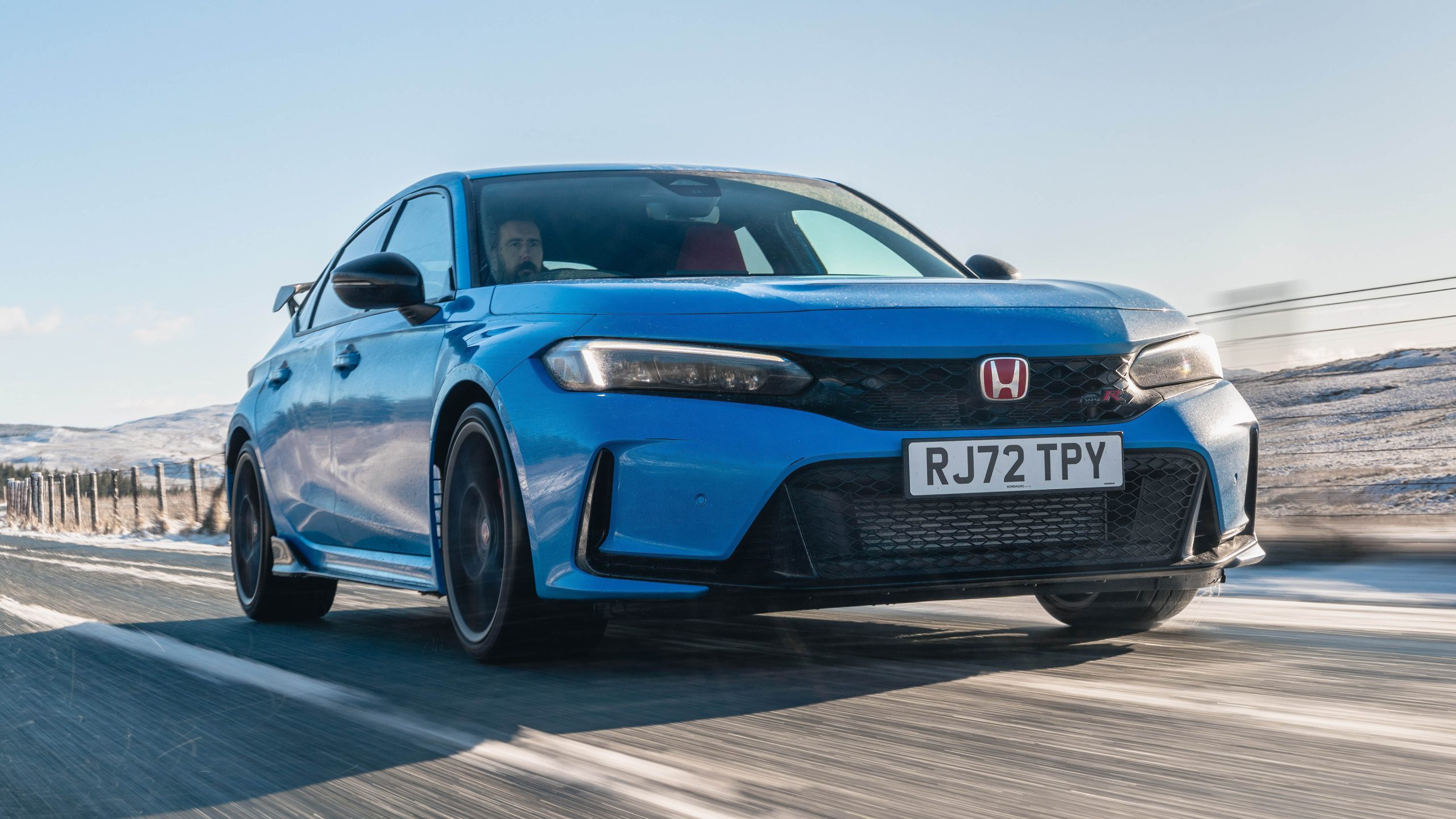
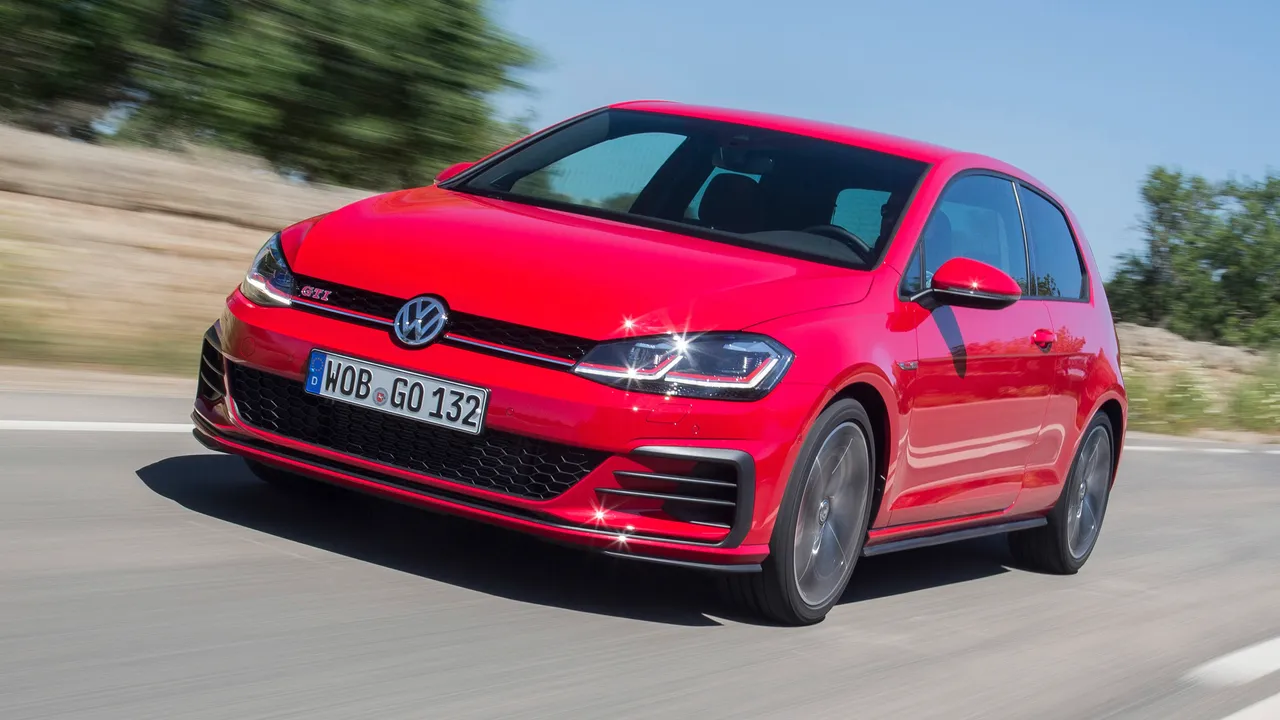
4. Volkswagen Golf GTI (Mk7/7.5): The Practical and Reliable Hot Hatch
The Volkswagen Golf GTI Mk7 and Mk7.5 are widely regarded as the benchmark for practical and reliable turbocharged hot hatches. At the heart of these models is the 2.0-liter EA888 Gen 3 turbocharged engine, which corrected many issues seen in earlier TSI generations.
Improvements such as stronger engine blocks, refined internal components, upgraded turbochargers, and better timing chain tensioners make this engine capable of comfortably exceeding 150,000 miles when properly maintained. Thermal management enhancements and robust construction ensure that the engine can handle spirited driving without sacrificing long-term reliability.
Power delivery is one of the GTI’s strengths. The 2.0-liter turbo provides ample torque from as low as 1,600 RPM, reducing stress on components during daily driving.
Output ranges from 220 hp in the Mk7 to 230 hp in the Mk7.5, with the optional Performance Pack adding roughly 10 hp and a mechanical limited-slip differential (VAQ) to significantly improve cornering and reduce typical front-wheel-drive understeer. Transmission choice further enhances versatility.
The 6-speed manual offers a tactile, engaging experience, while the DSG dual-clutch automatic, upgraded to a 7-speed in the Mk7.5, provides rapid shifts, better fuel efficiency, and effortless performance for daily use.
Optional Dynamic Chassis Control (DCC) allows the suspension to switch between a compliant Comfort mode and a taut Sport setting, giving the GTI a dual personality suitable for both motorways and winding back roads.
The interior blends practicality with premium touches. The Mk7.5 brought a major digital overhaul, including the Active Info Display, larger infotainment screens, and gesture controls, while retaining classic GTI elements like the iconic Clark Plaid tartan seats and the golf-ball gear shifter. Cabin space is ample for four adults, and the 380-liter boot ensures everyday usability.
Despite its reliability, the Mk7/7.5 has some common service considerations. The water pump and thermostat housing can develop leaks, oil consumption between services is not uncommon, and panoramic sunroof models may suffer from blocked drains, causing minor water ingress. Regular oil changes, DSG servicing, and occasional carbon cleaning for the direct-injection engine are recommended to maintain longevity.
The Golf GTI Mk7 and Mk7.5 strike a rare balance between performance, reliability, and daily practicality. With strong power delivery, refined handling, a versatile transmission range, modern technology, and iconic styling, these generations are often regarded as the peak Golf, offering spirited driving without the compromises typical of older or less well-engineered hot hatches.
5. Dodge Ram 2500 (1989–1998): The Diesel Legend Built to Last
The 1989–1998 Dodge Ram 2500 is widely regarded as a benchmark for durability and reliability in heavy-duty pickups, largely due to its 5.9L 12-valve Cummins turbo diesel engine. This engine has earned a reputation for “million-mile” longevity, with many trucks surpassing 500,000 miles on their original turbo and internals.
Its mechanical simplicity, overbuilt components, and robust inline-six design make it a favorite among diesel enthusiasts and those seeking a truck that can handle both work and long-term ownership with minimal electronic complexity.
The 12-valve Cummins engine features a mechanically controlled fuel injection system, meaning it can operate with little to no electrical power once started. The engine’s overbuilt internals, including a cast-iron block, forged-steel crankshaft, and I-beam connecting rods, were originally designed for industrial and agricultural use, allowing it to handle far more stress than factory horsepower demands.
From 1994 to 1998, Dodge introduced the Bosch P7100 inline injection pump, known for near-eternal service life and easy tunability for increased power with basic tools. The inline-six configuration reduces internal vibration and provides ample space in the engine bay, making maintenance straightforward.
Durable Holset turbochargers were matched to handle more boost than stock settings, further enhancing the engine’s reputation for toughness. The only significant engine concern is the “Killer Dowel Pin” issue, which can be mitigated with a simple retainer kit.
The 1989–1998 Ram 2500 also marked a turning point in truck design. The 1994 redesign introduced the “Big Rig” styling, a more aggressive grille, and improved interior space. By 1998, the Quad Cab added rear-opening doors for practical rear seating, transforming the Ram from a utilitarian workhorse into a family-capable pickup.
While the Cummins diesel dominates in reliability, the trucks’ supporting systems have weaknesses. Automatic transmissions like the 47RE often slip or overheat under heavy towing. Second-generation dashboards are prone to cracking, and the heavy engine places stress on front suspension components, leading to steering “slop” over time.
Despite these issues, the 1989–1998 Dodge Ram 2500 remains a favorite among enthusiasts who value mechanical simplicity, towing capability, and the legendary durability of the 12-valve Cummins diesel.
Whether in the First-Gen (1989–1993) or Second-Gen (1994–1998) form, the Ram 2500 represents an era when trucks were built to endure, offering a “lifetime” vehicle for owners willing to maintain the cosmetic and suspension elements over time. Its combination of reliability, overbuilt engineering, and towing grunt cements its status as a classic in American truck history.

Also Read: 5 Cars Owners Rarely Regret Buying vs 5 They Often Do
5 That Have Frequent Issues
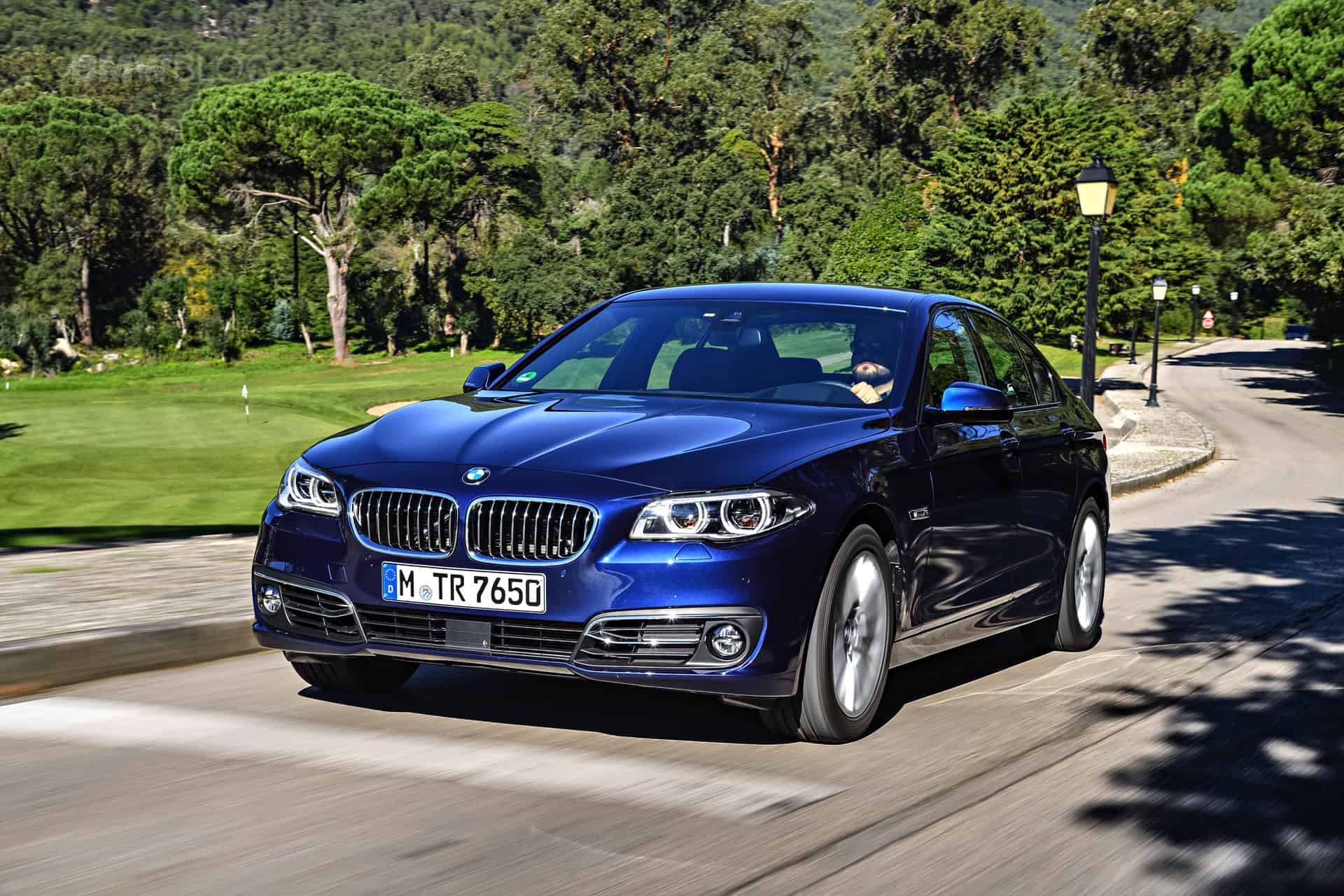
1. BMW 550i (F10): The N63 “Hot-V” V8 and Its Reliability Challenges
The BMW 550i (F10, 2011–2016) is powered by the 4.4L N63 twin-turbo V8, an engine known for frequent and costly reliability problems. Central to these issues is BMW’s “Hot-V” design, which places the turbochargers inside the engine’s V-bank.
While this layout reduces turbo lag, it traps extreme heat, accelerating the degradation of rubber and plastic components, gaskets, hoses, and seals. The high temperatures also contribute to premature turbocharger failures, wastegate issues, and cooling system problems such as broken plastic connectors, water pump failure, and radiator leaks, often resulting in engine overheating.
The N63 suffers from significant oil consumption. Valve stem seal failures are common, causing heavy oil burning and visible smoke. External leaks from the valve cover and oil pan gaskets further reduce oil pressure and increase maintenance demands.
Internally, the engine experiences timing chain stretch, which can lead to severe engine damage, and cases of cylinder wall scoring have been reported, sometimes necessitating full engine replacement.
The fuel system is another weak point. High-pressure fuel pumps (HPFP) and fuel injectors frequently fail, producing rough idle, misfires, and triggering “drivetrain malfunction” limp modes. Carbon buildup on intake valves, a common problem in direct-injection engines, further reduces performance and contributes to misfires. Heat-related battery drain is also common, requiring more frequent replacements.
BMW attempted to address these issues with the N63 Technical Update (N63TU) in 2014, which strengthened timing chains and improved heat management. While these updates reduced some failures, the N63TU still requires high maintenance and remains less reliable than BMW’s inline-six N55 engine.
The F10 550i delivers strong performance and the appeal of a twin-turbo V8, but owners should expect frequent maintenance and costly repairs due to the engine’s inherent design and heat management challenges. Even with the 2014 update, the N63 is considered high-maintenance compared to other BMW engines.
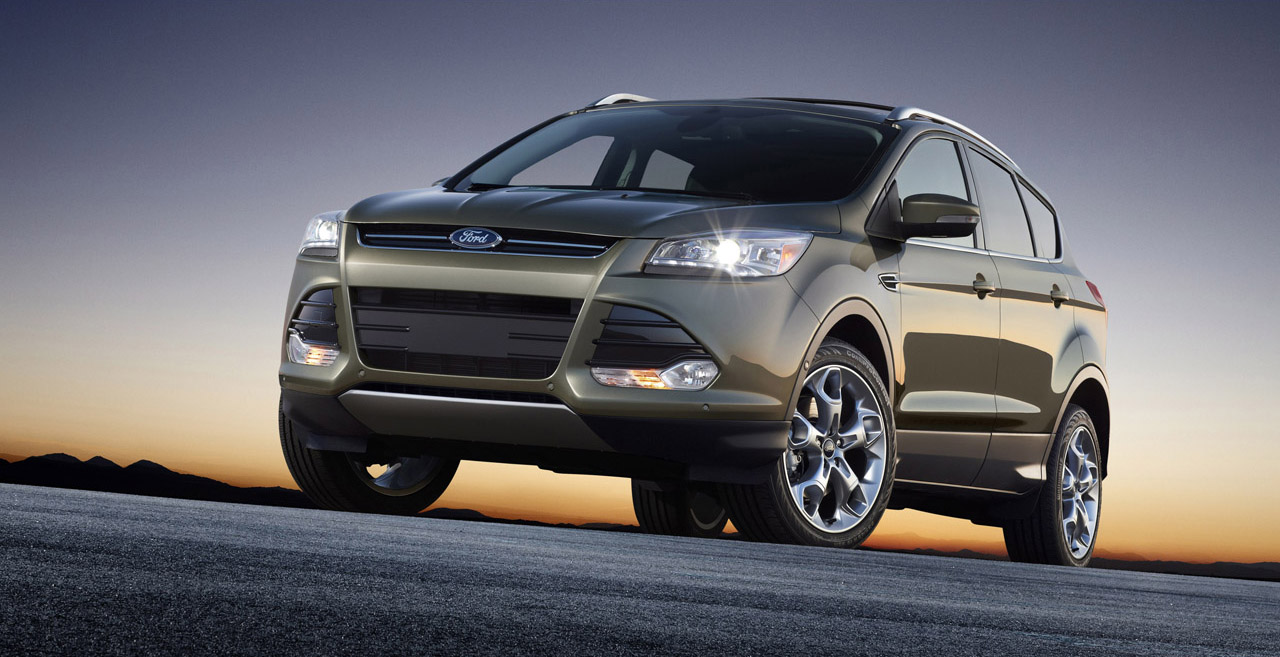
2. Ford Escape (2013–2016): EcoBoost Engines and Critical Reliability Issues
The 2013–2016 Ford Escape, particularly models equipped with the 1.6L and 2.0L EcoBoost engines, are infamous for severe reliability problems. These turbocharged engines suffer from fundamental design flaws and extreme thermal stress, often leading to catastrophic failures or even engine fires.
The 2013 Escape earned a “Avoid Like the Plague” rating from CarComplaints.com due to the frequency and severity of these issues.
A primary concern is coolant intrusion and the open-deck engine design. The thin walls of the cylinder block lack sufficient support, making them prone to warping or cracking under heat and load. This allows coolant to seep into the combustion chambers, triggering misfires, white exhaust smoke, and ultimately engine seizure.
For affected 2013–2016 models, the only permanent solution is often a full engine replacement, which can exceed $8,000. Later designs corrected this with a more robust closed-deck block, but early models remain vulnerable.
The 1.6L EcoBoost is particularly prone to overheating and fire risks. Localized cylinder head cracks can cause pressurized oil leaks onto hot components, while dislodged freeze plugs or compromised fuel lines may result in rapid coolant loss and engine fires. These defects prompted multiple safety recalls, though the risks persisted in many vehicles prior to remediation.
Turbocharger and carbon buildup issues further complicate ownership. Turbo failures can occur due to inadequate lubrication or oil contamination, while carbon deposits from direct-injection engines reduce efficiency, cause rough idling, and often require walnut blasting every 60,000 miles. Additionally, the 6F35 automatic transmission is prone to premature failure, producing jerking, hesitating shifts, or complete loss of power.
The 2013–2016 Ford Escape EcoBoost engines are high-risk for severe engine and turbocharger failures. Owners are strongly advised to monitor recalls, address maintenance rigorously, and consider potential class-action settlements for powertrain defects. These vehicles, while offering small-displacement turbo efficiency, carry significant long-term reliability concerns.
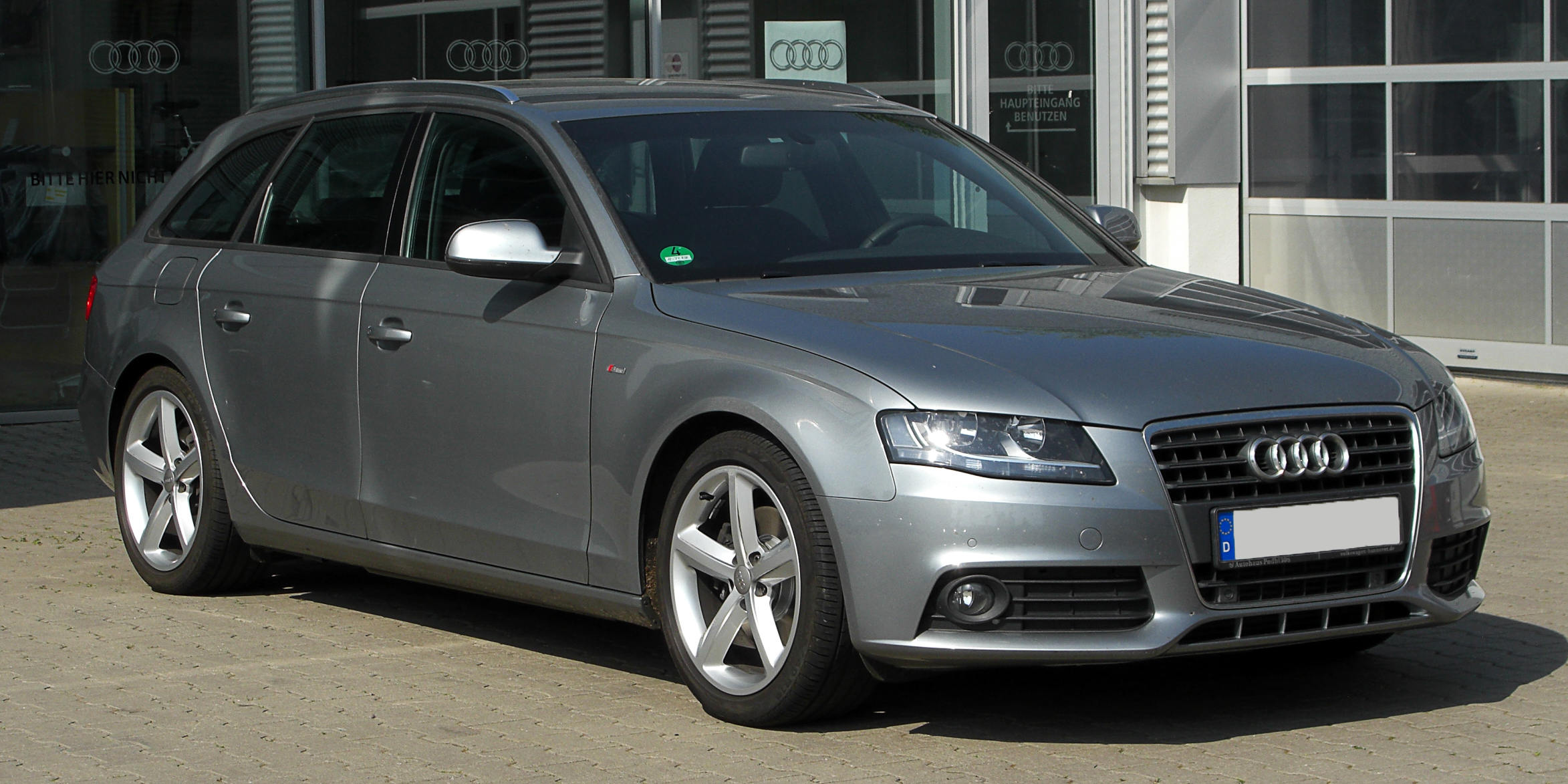
3. Audi A4 (B8): 2.0L TFSI Engine Reliability Concerns
The Audi A4 B8 (2009–2012), equipped with the 2.0L TFSI (EA888 Gen 2 / CAEB) turbocharged engine, is widely known for recurring reliability issues. Early direct-injection engineering, combined with high-stress operation, led to severe oil consumption, timing chain failures, and carbon buildup, making maintenance critical for longevity.
A primary concern is excessive oil consumption in early 2.0L engines. Poorly designed piston rings allowed oil to enter the combustion chamber, causing engines to burn roughly a quart every 500 miles.
Resolving this issue often requires replacing the pistons and rings, a costly repair. Contributing factors include high operating temperatures, poor oil management, and a faulty PCV system, which can cause incorrect crankcase pressure and exacerbate oil loss.
The timing chain tensioner is another major weak point. Failure can lead to the chain skipping teeth, resulting in valves striking pistons and catastrophic engine damage. Early warning signs, such as rattling at startup, should never be ignored.
Carbon buildup on the intake valves is also common due to the direct-injection design keeping fuel out of the intake manifold. This reduces airflow, causing misfires, rough idling, and decreased engine power over time.
Additional reliability concerns include plastic water pump housings prone to failure, coolant leaks, ignition coil malfunctions, and high-pressure fuel pump (HPFP) issues. Turbocharging, combined with these design flaws, increases stress on engine components, making proactive maintenance essential.
To minimize problems, owners should use high-quality synthetic oil with shorter service intervals, perform carbon cleaning (such as walnut blasting) every 60,000–80,000 miles, and proactively replace the timing chain tensioner, PCV valve, and water pump.
While the B8 A4 offers strong performance and refinement, its 2.0L TFSI engine requires careful maintenance and vigilance to avoid catastrophic failures and ensure long-term reliability.
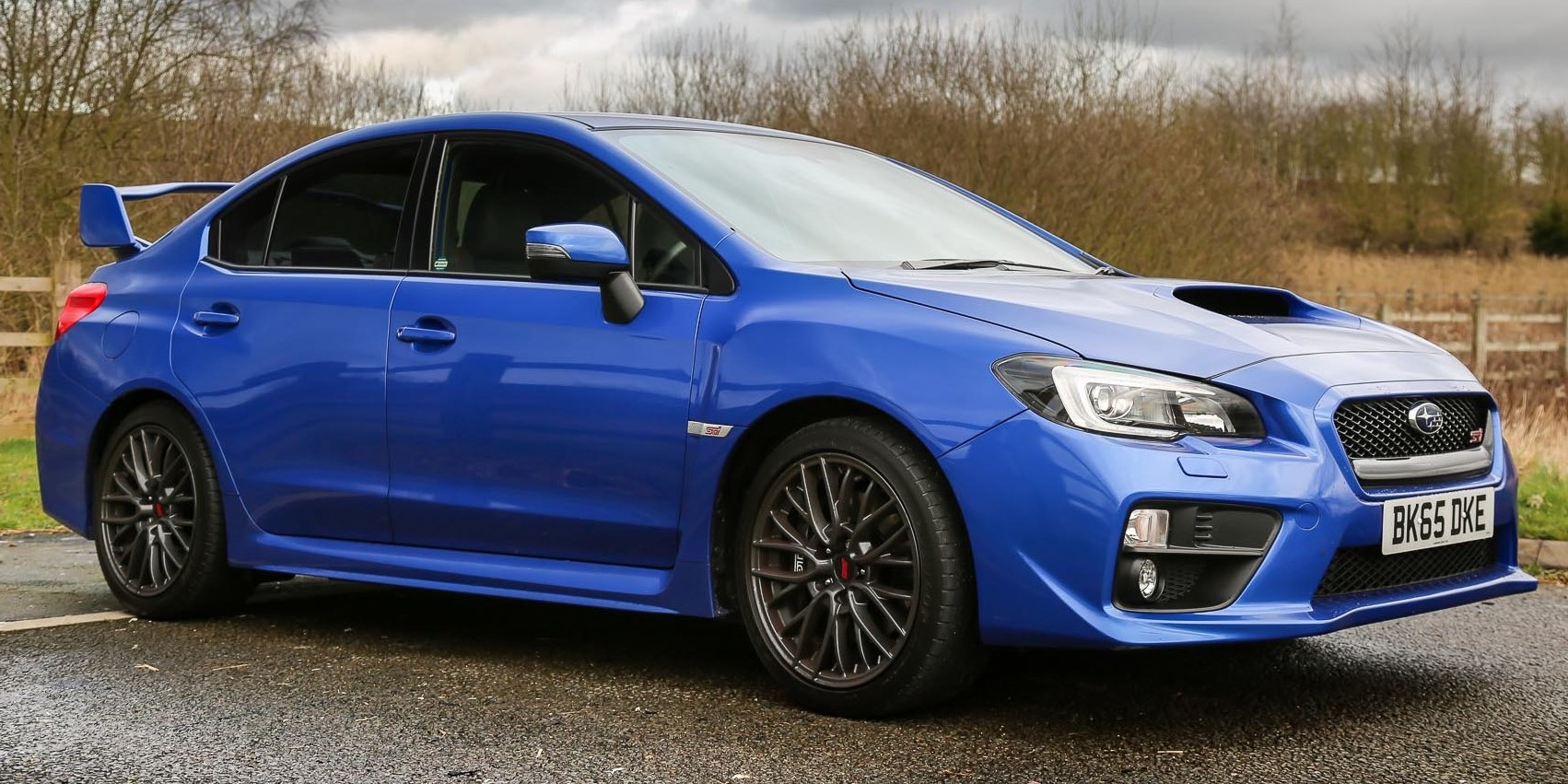
4. Subaru WRX STI (VA): The Fragile 2.5L EJ257 Engine
The Subaru WRX STI VA generation (2015–2021) is powered by the 2.5L EJ257 turbocharged Boxer engine, a platform celebrated for performance but notorious for fragility.
While capable of impressive power and handling, the EJ257 suffers from inherent design limitations, high operating temperatures, and sensitivity to maintenance and modifications. Common engine failures include piston ringland cracks, rod bearing damage, oil starvation, head gasket leaks, and turbocharger issues.
One of the most frequent problems is piston ringland failure. The grooves that hold the piston rings are thin, and high cylinder pressures or heat, particularly under aggressive driving or improper tuning, can cause them to crack. This leads to compression loss, power reduction, and excessive smoke from the exhaust.
Similarly, rod bearing failure is a critical concern. The EJ257 is highly sensitive to oil levels, and high-RPM performance driving or neglected oil maintenance can cause bearings to spin, resulting in catastrophic engine knock and potential engine destruction.
Heat management is another weak point. The turbocharged EJ257 runs hot, often leading to premature gasket and seal failures, including valve cover gaskets and oil pans. Head gasket leaks are also persistent, even in later model years, due to the engine’s Boxer layout and thermal stress.
The EJ257 is also highly sensitive to aftermarket modifications. Changes to intakes, exhausts, or fuel systems without proper ECU tuning can create dangerously lean air/fuel conditions, immediately risking engine failure. High-stress usage accelerates wear further, as the platform is based on older turbocharged technology compared to modern engines.
To preserve engine longevity, owners must prioritize strict maintenance, including regular oil checks, proper cooling system care, and cautious tuning practices.
Addressing unusual engine noises promptly and avoiding untested performance modifications are essential for preventing costly repairs. While the VA WRX STI offers thrilling performance, the EJ257 remains a high-maintenance engine requiring diligence to avoid catastrophic failures.
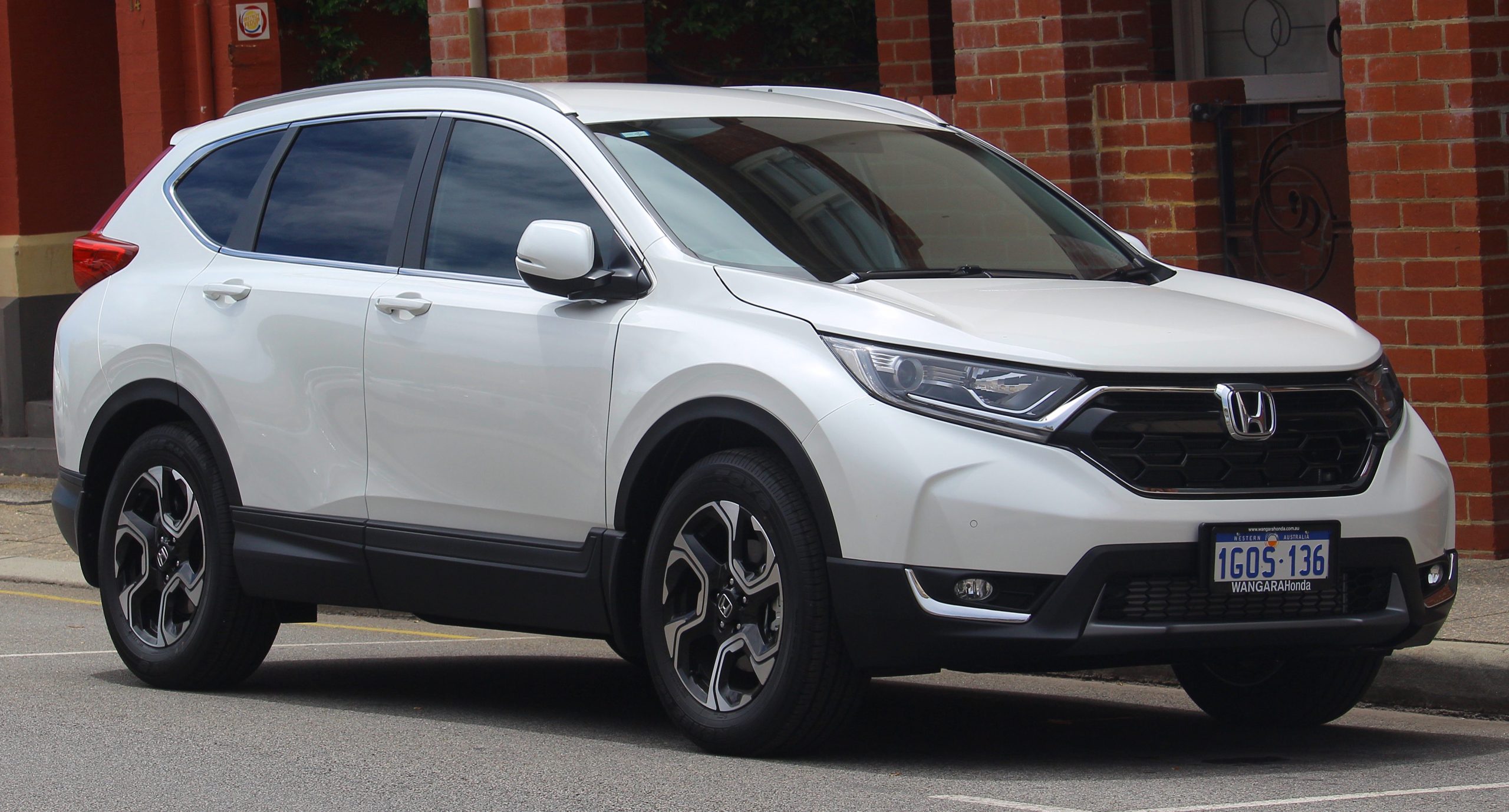
5. Honda CR-V (2017–2018): 1.5L Turbo Oil Dilution and Engine Concerns
The 2017–2018 Honda CR-V, equipped with the 1.5L Earth Dreams turbocharged engine, is known for persistent mechanical issues, most notably oil dilution. This problem occurs when unburned gasoline seeps past the piston rings into the oil pan, thinning the engine oil and reducing its ability to lubricate.
Cold climates and frequent short trips exacerbate the issue, as the engine does not reach sufficient operating temperatures to fully vaporize fuel. Symptoms include a rising oil level on the dipstick and a noticeable gasoline odor inside the cabin, which can lead to premature engine wear or catastrophic failure if left unaddressed.
Other common engine concerns stem from the direct-injection design. Carbon buildup on intake valves reduces airflow, causing rough idling, hesitation under acceleration, and decreased fuel efficiency.
Premature head gasket failures have also been reported, sometimes before 100,000 miles, resulting in coolant leaks, overheating, and power loss. Additionally, failing or clogged fuel injectors can trigger warning lights and force the vehicle into “limp mode.”
Secondary failures are often linked to oil dilution. Turbochargers suffer from inadequate lubrication due to thin oil, which can result in early component failure. Excess fuel in the oil can also cause engine stalling and unpredictable power loss. Electrical systems may react to these conditions, triggering multiple warning lights simultaneously.
Honda addressed these issues with Technical Service Bulletins (TSBs) and a product update in 21 cold-weather states, adjusting the ECU and transmission software to help engines reach proper temperatures faster. The manufacturer also extended the powertrain warranty for affected models to six years with unlimited mileage.
Owners are advised to use high-quality full-synthetic 0W-20 oil and regularly drive the vehicle on highways for at least 20 minutes weekly to burn off excess fuel. While the CR-V remains a popular compact SUV, the 2017–2018 1.5L turbo engines require vigilance to prevent costly oil dilution-related damage.
Examining these ten turbocharged engines underscores a key lesson: reliability is as much about thoughtful engineering as it is about maintenance and usage. The reliable engines on our list prove that with robust internals, advanced thermal management, and smart design choices, turbocharged motors can deliver decades of high performance with minimal issues.
On the other hand, engines prone to frequent failures, like the Honda CR-V 1.5L turbo or Audi A4 B8’s 2.0 TFSI, demonstrate how high stress, poor heat control, or sensitive components can quickly turn a thrilling ride into a maintenance nightmare.
Prospective buyers and enthusiasts should weigh not only horsepower and performance figures but also the long-term durability of turbo engines, ensuring that the thrill of forced induction does not come at the cost of reliability or unexpected repair bills.
Also Read: 10 Cars With Windshields That Rarely Crack From Rock Chips