
For most drivers, an oil change is the simplest form of car maintenance. You pull into a quick-lube shop, wait 20 minutes, and drive away with fresh oil and a sticker on your windshield. That’s the ideal scenario.
In reality, not every vehicle plays nice with this routine. Over the past decade especially, automakers have packed engine bays tighter, added aerodynamic undertrays, moved oil filters to baffling locations, and introduced electronic service resets that turn a basic oil change into a mini engineering project.
Some of these design choices are made for performance, emissions, or packaging efficiency. If you like working on your own car, or simply want to understand why your mechanic sighs when your model rolls in, these are ten vehicles that make a basic oil change far more complicated than it needs to be.
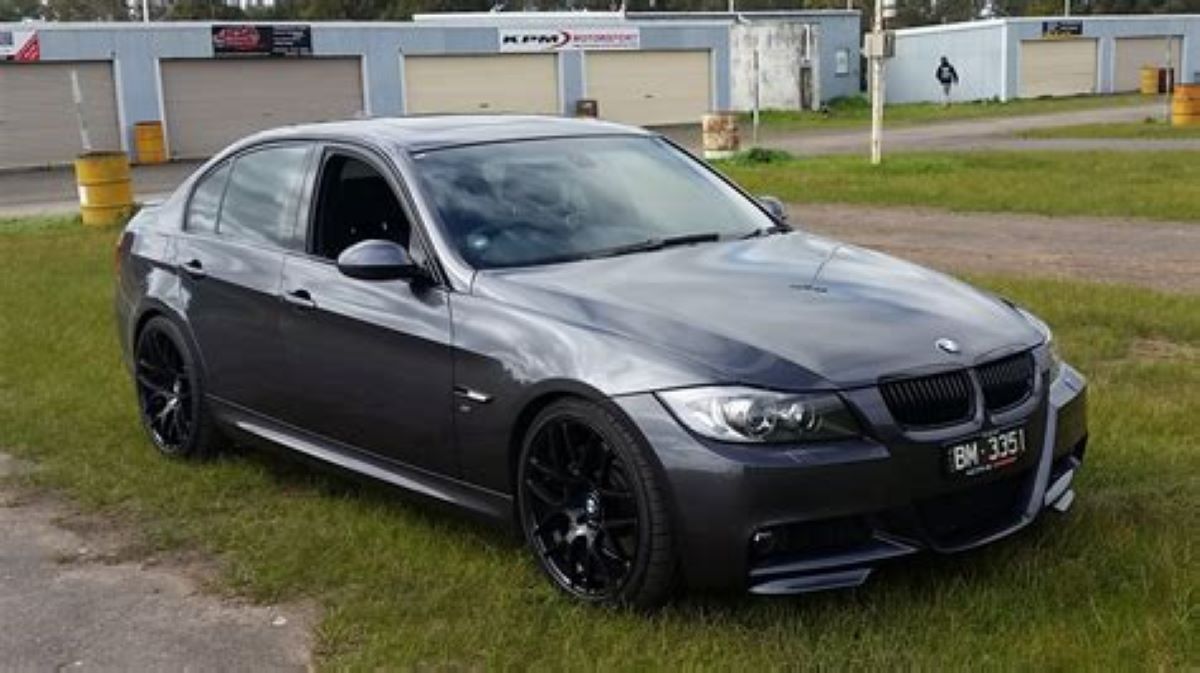
1. BMW 335i (E90/E92)
The turbocharged 335i from BMW looks sporty and refined, but its oil change process is anything but.
The oil filter sits in a canister at the top of the engine, which sounds convenient, until you realize oil spills directly onto surrounding components if you’re not extremely careful. Underneath, a large plastic aerodynamic shield must be removed just to access the drain plug.
To make matters worse, resetting the service reminder requires a specific ignition sequence or diagnostic tool. Many owners also discover that the aluminum drain plug threads are surprisingly easy to strip.
It’s not impossible, but for a luxury sedan, it feels unnecessarily fiddly.
For shoppers considering an entry-level luxury vehicle, the 2007 BMW 3 Series stands out as the benchmark in the segment. Whether the priority is dynamic capability, interior sophistication, or brand cachet, the 3 Series presents a comprehensive package that exceeds most rivals.
The sedan and wagon underwent a full redesign for 2006, and for 2007 the coupe and convertible received the same comprehensive overhaul. The updated coupe is both longer and lower than its predecessor, and its revised rear styling gives it a cleaner, arguably more attractive profile than the sedan.
The convertible, introduced later in the model cycle, adopts a retractable hardtop design that closely mirrors the coupe’s silhouette when raised. With the roof stowed, the convertible maintains smooth, uninterrupted body lines. The hardtop system consists of three folding steel panels and associated mechanisms, which add approximately 450 pounds compared with the coupe.
To preserve balanced front-to-rear weight distribution in the heavier convertible, BMW employs plastic front quarter panels. The company states these panels are 50 percent lighter than comparable steel components and offer improved dent resistance.
A major powertrain development for 2007 is the introduction of a twin-turbocharged inline-six engine, the first turbocharged gasoline BMW engine in several decades.
This 3.0-liter unit powers the new 335i convertible, coupe, and sedan, effectively replacing the previous 330 models. Unlike the naturally aspirated version, which uses an aluminum-magnesium block, the turbocharged engine utilizes an all-aluminum block and incorporates direct fuel injection.
This system enhances efficiency and performance by cooling the intake charge, allowing a relatively high 10.2:1 compression ratio. Turbo lag is virtually absent, delivering responsiveness comparable to a larger naturally aspirated engine.
Meanwhile, the former 325 models are replaced by the 328i and 328xi, which retain a 3.0-liter inline-six rated at 230 horsepower and 200 pound-feet of torque. All-wheel drive becomes newly available on the coupe, and buyers can once again specify rear-wheel drive on the wagon.
The breadth of body styles and drivetrain combinations ensures the 3 Series can accommodate a wide range of preferences. Buyers seeking a performance-oriented configuration can select the twin-turbo engine, manual transmission, and optional sport suspension. Those favoring comfort can opt for the Premium Package and automatic transmission. With all-wheel drive, the 3 Series also becomes well suited for colder climates.
All 328i and 328xi variants are equipped with a 3.0-liter inline-six producing 230 horsepower and 200 lb-ft of torque. The 335i and 335xi feature a substantially revised version of this engine with twin turbochargers and direct injection, increasing output to 300 horsepower and 300 lb-ft of torque.
A six-speed manual transmission is standard across the lineup, with a six-speed automatic featuring a manual shift mode available as an option. Fuel economy is competitive for the class, with rear-wheel-drive models returning approximately 20 mpg in city driving and close to 30 mpg on the highway.
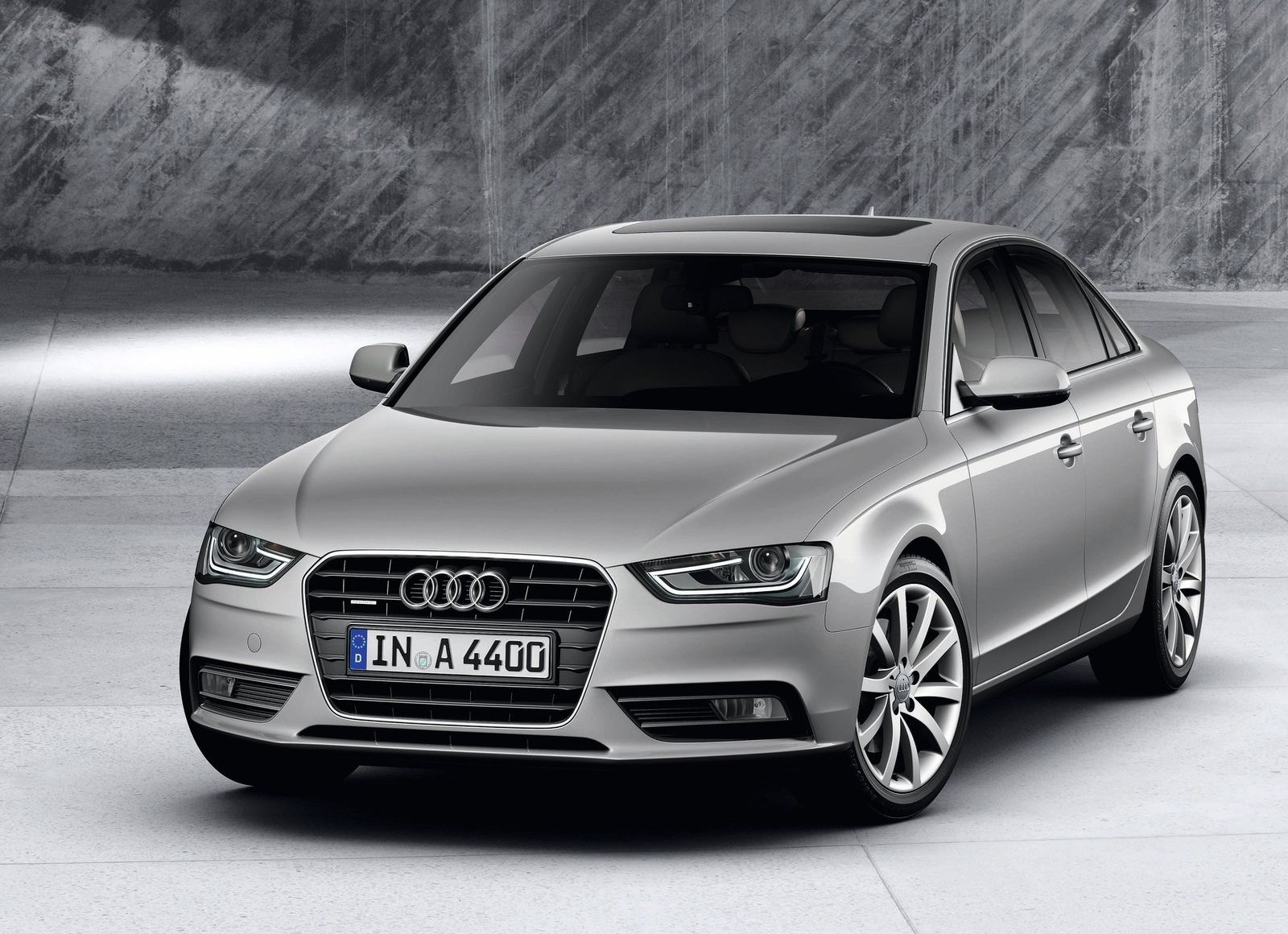
2. Audi A4 (B8 Generation)
The B8 A4 from Audi hides its oil filter deep within the engine bay, often requiring special tools and awkward arm angles.
Like many modern Audis, it also uses a full belly pan that must be removed before draining the oil. On some trims, access points don’t line up with the drain plug, meaning the entire undertray has to come off.
Then there’s the electronic oil level system, no traditional dipstick on many models. You’ll need to rely on the dashboard readout, which only works under specific conditions.
Globally, the Audi A4 B8 was offered with a broad selection of powertrains, but the North American market received only two engine options, one of which was short-lived.
The turbocharged four-cylinder engine, an established component of every A4 generation since the model’s introduction, remained available throughout the B8’s production run. In contrast, the 3.2-liter V6, carried over from the preceding B7 generation, was offered solely for the 2009 model year before being discontinued.
Transmission availability varied by drivetrain configuration. Entry-level front-wheel-drive models were equipped with Audi’s Multitronic continuously variable transmission (CVT).
Vehicles fitted with quattro all-wheel drive were paired with either a six-speed manual or a six-speed automatic transmission. The Avant wagon variant was exclusively offered with the 2.0-liter turbocharged four-cylinder engine, combined with quattro and the six-speed automatic; no front-wheel-drive Avant or manual-equipped FWD sedan configurations were made available.
For the 2011 model year, Audi replaced the six-speed automatic transmission with a new eight-speed unit. This update enhanced both performance and fuel efficiency, providing smoother gear changes and improved overall drivability.
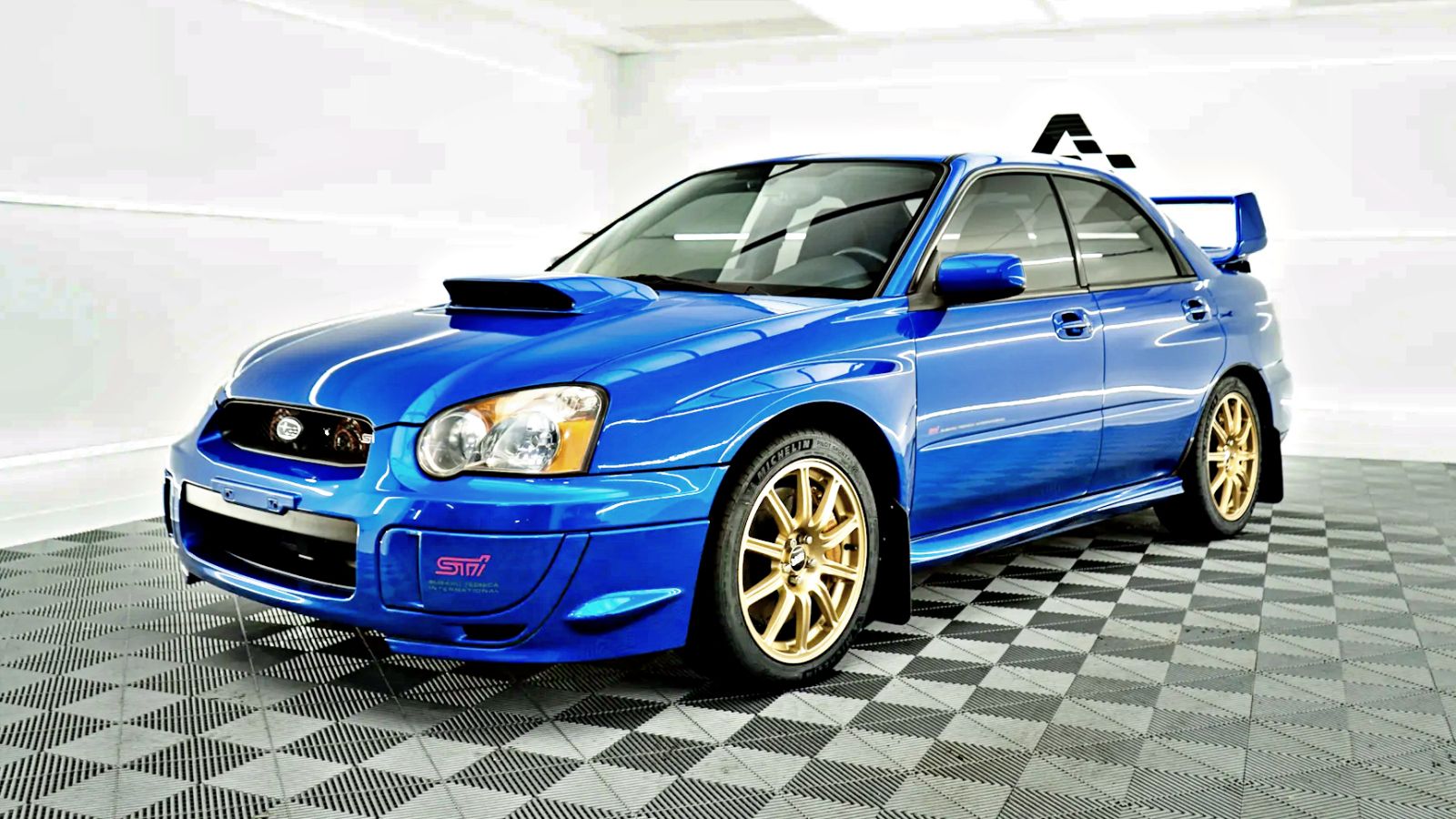
3. Subaru WRX
The rally-inspired WRX from Subaru uses a horizontally opposed boxer engine, which creates unique packaging challenges.
On many WRX models, the oil filter is positioned directly above hot exhaust components. Remove it carelessly, and oil drips straight onto pipes and heat shields, producing that unmistakable burning smell afterward.
Add in a splash guard underneath and tight clearance around the drain plug, and you’ve got a car that demands patience and gloves. It’s a performance sedan with economy-car service ergonomics.
Beneath the hood of the WRX sits a turbocharged 2.4-liter flat-four engine producing 271 horsepower and 258 pound-feet of torque. Power is delivered through either a standard six-speed manual transmission or an available continuously variable automatic transmission (CVT).
As has long been the case, every WRX comes equipped with all-wheel drive. Models fitted with the CVT, which includes steering-wheel-mounted paddle shifters for manual control, also offer three selectable drive modes.
The CVT-exclusive GT trim adds adaptive dampers as standard equipment. Depending on specification, the WRX can be outfitted with 17- or 18-inch wheels wrapped in summer performance tires.
In driving evaluations, the latest WRX demonstrates improved ride quality and greater overall refinement compared with its predecessor, while retaining the engaging character expected of the model.
At our test track, a WRX equipped with the six-speed manual accelerated from 0 to 60 mph in 5.5 seconds and completed the quarter-mile in 13.9 seconds at 101 mph. The GT model, using the standard CVT, recorded a slightly quicker 5.4-second sprint to 60 mph but posted a marginally slower quarter-mile result of 14.1 seconds, also at 101 mph.
4. Mini Cooper S
Compact on the outside, painfully cramped on the inside.
The Cooper S, built under Mini ownership, packs its engine bay so tightly that reaching the oil filter feels like playing automotive Twister.
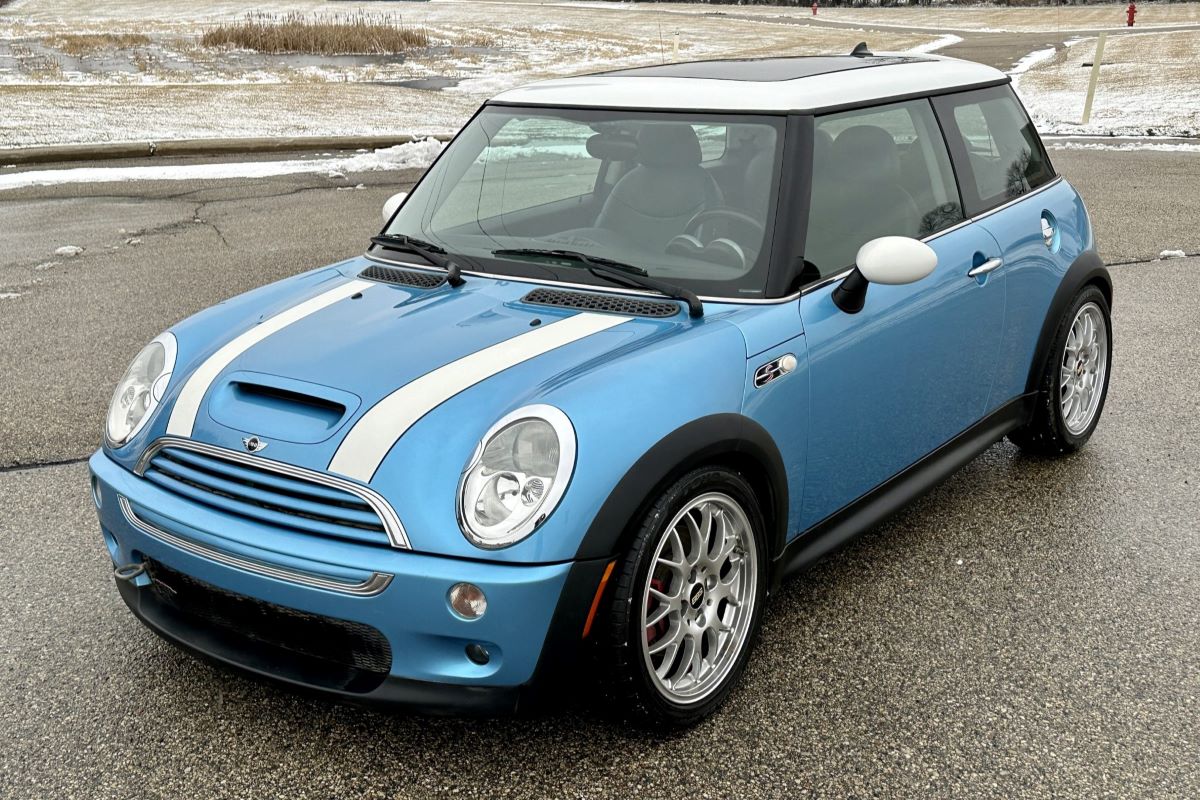
Most models require removal of underbody panels, and the filter housing is often buried beneath intake components. Even experienced mechanics admit these cars are more annoying than they should be.
For something marketed as fun and approachable, routine maintenance feels oddly hostile.
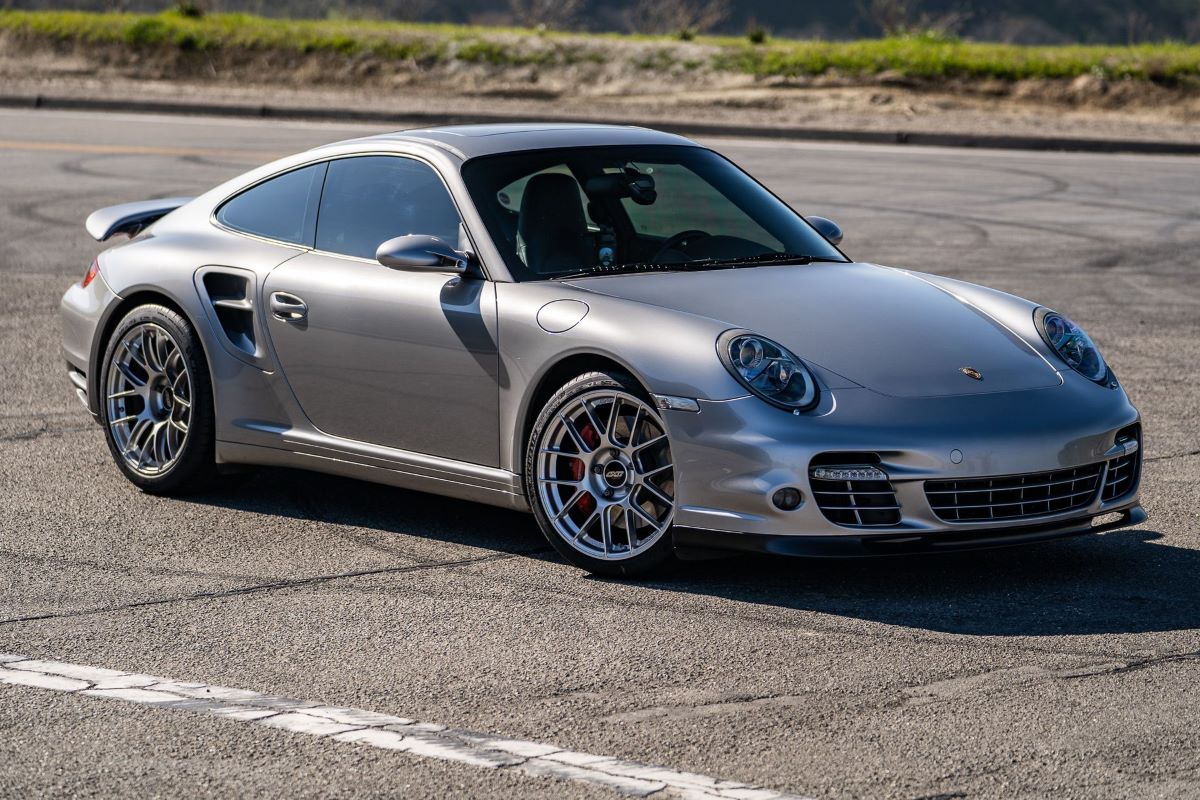
5. Porsche 911 (997 / 991)
Yes, it’s a supercar. But even by exotic standards, the oil change process on the 911 is elaborate.
On many generations from Porsche, you’re dealing with multiple drain plugs and a remote oil tank thanks to the dry-sump-style lubrication system.
The oil filter is accessed from underneath, and proper servicing often requires the car to be perfectly level on a lift. Overfill it, and you’ll be chasing oil level warnings for days. This is one job where professional equipment genuinely matters.
If your priority is dedicated circuit performance, the GT3 or GT2 variants are the logical choices. For high-speed cross-continental capability, the Turbo is more appropriate. For overall balance, composure, and delicacy, however, the standard Carrera remains the most cohesive recommendation.
Regardless of specification, every 997-generation 911 arrived with a substantial degree of advanced technology for its era. It marked the debut of Porsche’s PDK dual-clutch transmission, replacing the slower-reacting Tiptronic torque-converter automatic.
The 997 was also the first 911 to incorporate direct fuel injection, torque vectoring, and, on Turbo models, variable-geometry turbochargers. Additionally, it introduced the Sport Classic variant, which sold out within 48 hours of release.
Although its visual evolution from the preceding 996 generation appeared subtle, only the roof panel was retained. Significant aerodynamic refinement reduced the Carrera’s drag coefficient from 0.30 to 0.28, decreasing lift and improving airflow efficiency. The curvier, 993-inspired bodywork contributed both aesthetic and functional gains.
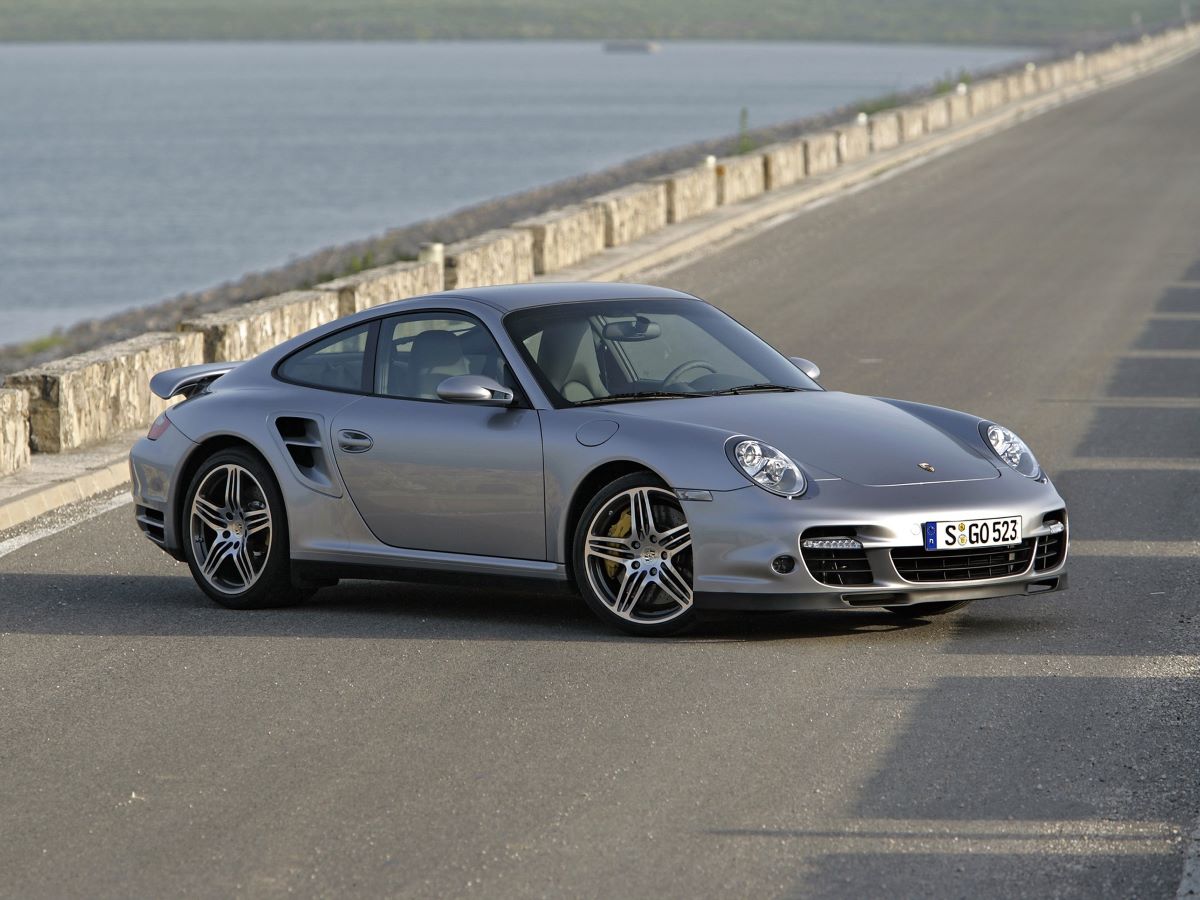
The 997’s defining attribute, however, was its dynamic character. On a challenging road, the car’s composure quickly inspires trust. Initial skepticism about its rear-biased weight distribution fades as the chassis demonstrates remarkable balance and stability.
Steering precision, front-end grip, and controlled power delivery combine to produce a car that feels both secure and highly responsive. Its capabilities were recognized at launch, earning a five-star road test rating in 2004.
This generation exhibited a level of drivability that bordered on exceptional, even before considering its engine range. Options extended from the 3.6-liter flat-six in the standard Carrera to the 4.0-liter engine fitted to the GT3 RS.
S variants and above utilized a 3.8-liter flat-six, with outputs spanning from 350 bhp in the Carrera S to 522 bhp in the Turbo S. The latter represented a highly refined application of forced induction.
Power was delivered through a five-speed automatic, a six-speed manual, or, on later models, a seven-speed PDK dual-clutch transmission, offering buyers a range of configurations to match their preferred driving style.
6. Ford F-150 EcoBoost
America’s best-selling truck isn’t immune to awkward design.
On EcoBoost models from Ford, the oil filter sits in a position that practically guarantees a mess during removal. Some trims also include skid plates that must be taken off before you can reach the drain plug.
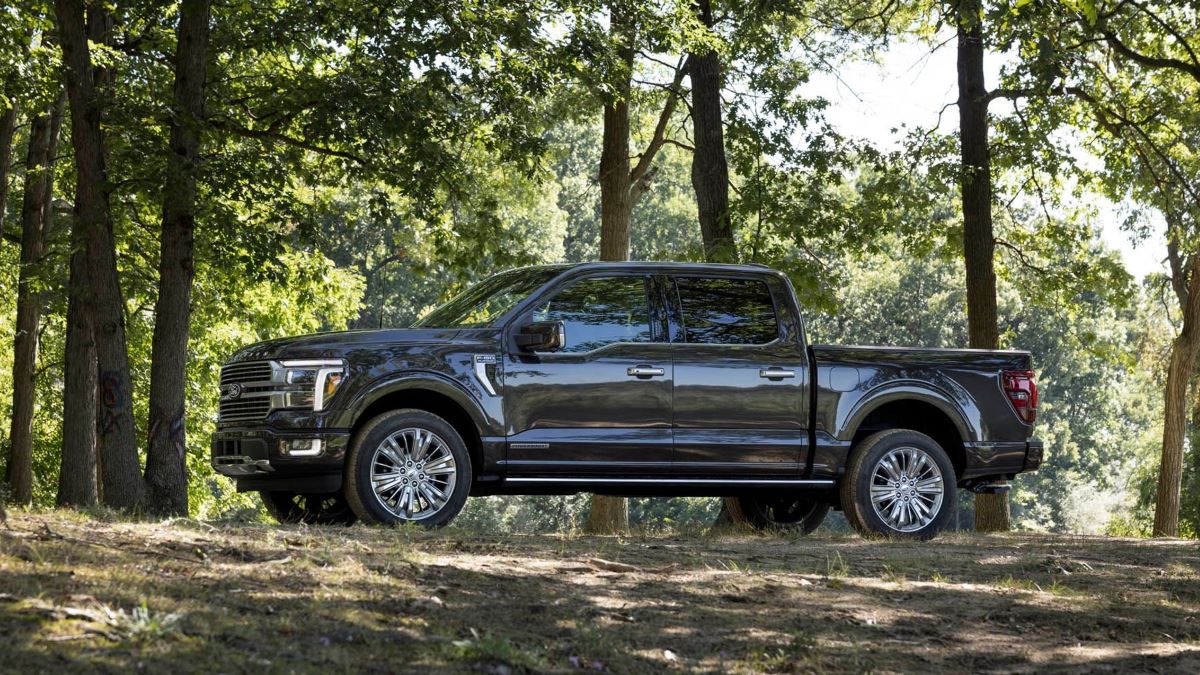
While ground clearance is generous, the splash guards and heat shielding complicate what should be a straightforward process. For a vehicle built around utility, this feels like a missed opportunity.
7. Chevrolet Corvette C7
Low ride height alone makes oil changes tricky on the C7 Corvette.
But Chevrolet also added extensive underbody paneling for aerodynamics, much of which must be removed to access the drain plugs.
Like the Porsche, some versions use multiple drains. Combine that with limited clearance and you’re often looking at ramps, low-profile jacks, or a lift just to get started. Fast on the track, slow in the driveway.
This serves as context for our evaluation of a 2017 Corvette Grand Sport equipped with the eight-speed automatic transmission. For completeness, we also tested a manual-transmission Grand Sport variant.
Conceptually, the Grand Sport occupies a position within the Corvette lineup similar to that of a GTS model in Porsche’s range. Using the 911 GTS as a parallel, the formula combines many of the desirable performance features from the Carrera S with the wider bodywork of the Turbo, packaged at a price point that would be difficult to replicate through aftermarket modifications.
The Grand Sport follows the same philosophy. It begins with the C7 Stingray fitted with the Z51 performance package. The Z51 specification includes the 6.2-liter V-8 producing 460 horsepower and 465 lb-ft of torque, along with a dry-sump oiling system that enhances durability and lubrication under sustained lateral loads, particularly beneficial during aggressive cornering.
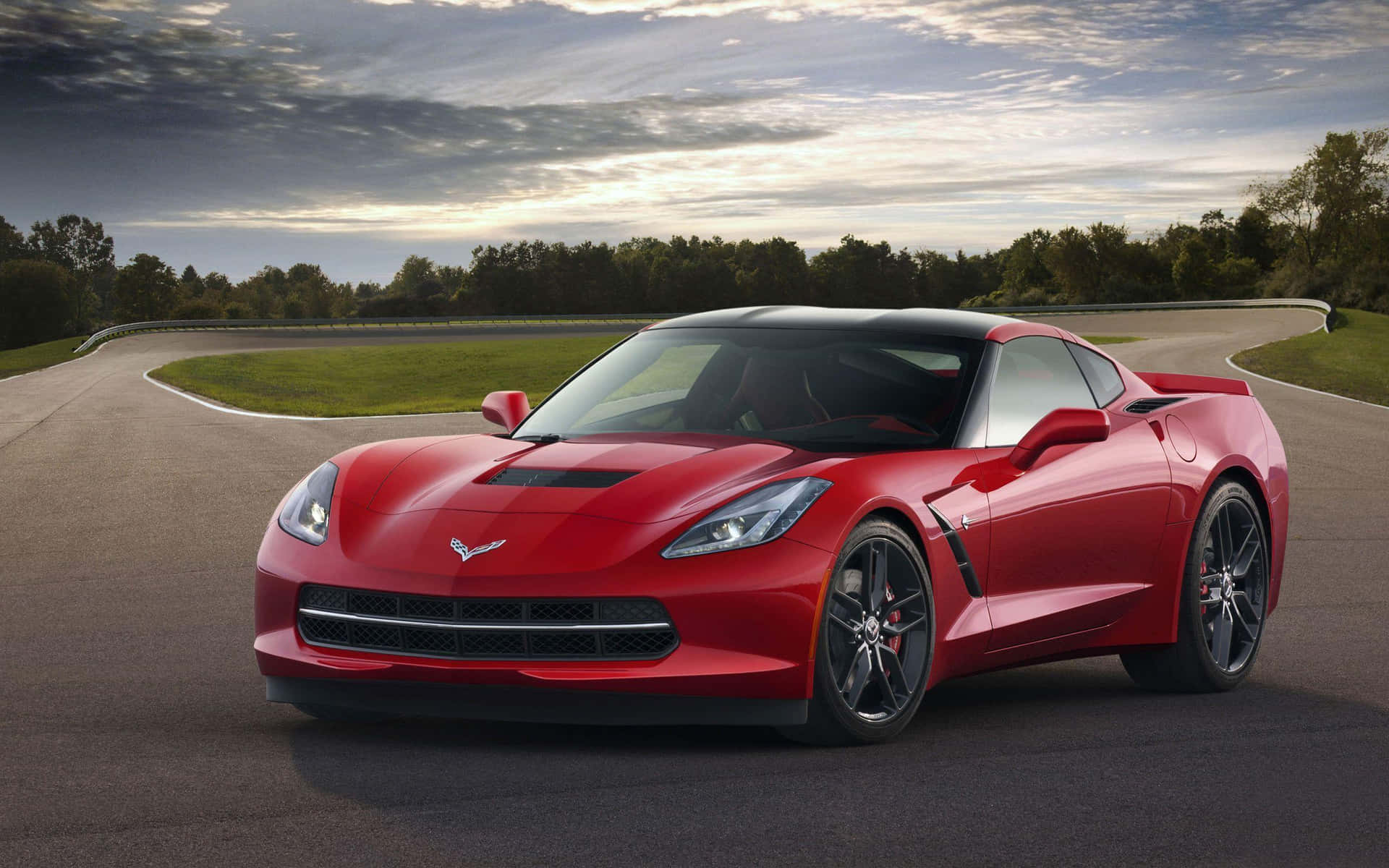
In straight-line testing, the Grand Sport with the seven-speed manual transmission, featuring the Z51’s shorter gearing, accelerated from 0 to 60 mph in 3.9 seconds and completed the quarter mile in 12.2 seconds at 116.1 mph.
For context, the slightly less powerful 455-hp Camaro SS 1LE reaches 60 mph in 4.0 seconds and runs the quarter mile in 12.4 seconds at 114.2 mph. The Grand Sport manual weighs 3,464 pounds, compared with the Camaro’s 3,735-pound curb weight.
However, the Grand Sport’s defining capability emerges in lateral performance. In our testing, it generated 1.18 g of maximum lateral acceleration, the highest figure we have recorded from a production vehicle.
By comparison, the Camaro SS 1LE achieved 1.09 g, an impressive result in its own right. Even so, the Grand Sport’s grip levels place it at the forefront of production-car cornering performance.
8. Land Rover Range Rover
Luxury SUVs aren’t known for DIY friendliness, and the Range Rover lives up to that reputation.
Models from Land Rover typically require removal of heavy undertrays, careful access to cartridge-style oil filters, and electronic oil level checks instead of a dipstick.
Add in tight packaging and sensitive plastic fasteners, and you’ve got a vehicle that strongly encourages dealership servicing.
The Range Rover is offered with four distinct powertrains. The lineup begins with the P400, a turbocharged inline-six paired with a 48-volt mild-hybrid system, producing 395 horsepower. In initial driving impressions, this configuration delivered smooth and refined performance, providing sufficient power to move the substantial SUV without strain.
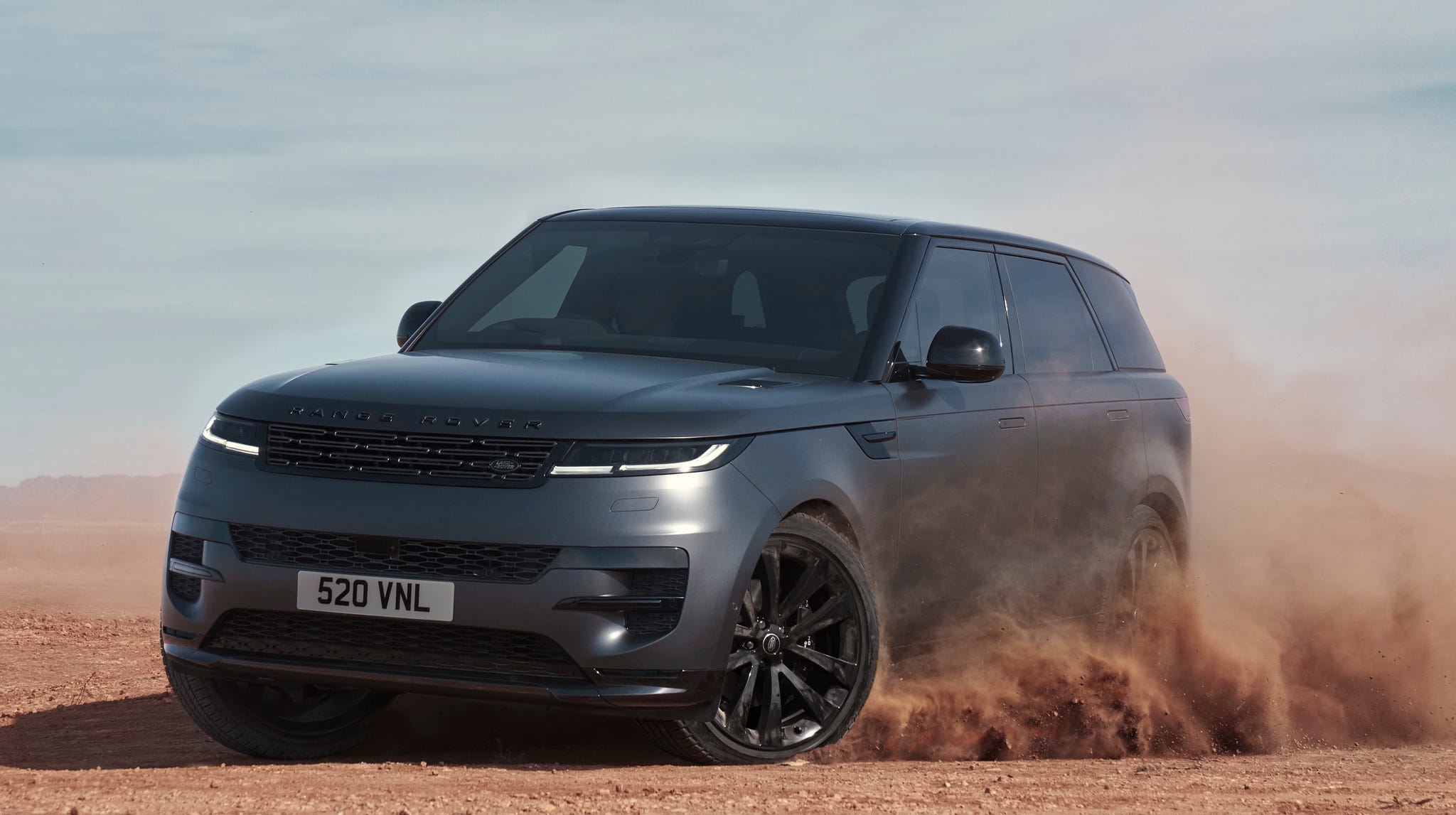
For those seeking greater output, the P530 features a 523-horsepower twin-turbocharged 4.4-liter V-8. Beyond delivering noticeably stronger acceleration, this engine increases maximum towing capacity to 8,200 pounds.
A plug-in hybrid variant, the 542-hp P550e, is also available, though it is limited to short-wheelbase models. At the top of the range sits the SV trim, equipped with a 606-horsepower V-8 designated P615.
Ride quality aligns with the vehicle’s luxury positioning. With the adjustable air suspension set to Comfort mode, the Range Rover isolates occupants from road imperfections and maintains a composed, floating character.
9. Volkswagen Passat (Modern Generations)
The Passat looks like a practical family sedan, but newer versions from Volkswagen often ditch the traditional dipstick and rely on electronic oil measurement.
Underneath, a full belly pan blocks access to the drain plug. Up top, the oil filter housing is tucked into a tight corner. It’s not mechanically complex, but it’s layered with small inconveniences that add up.
For the 2020 model year, Volkswagen updated the North American Passat, blending its traditionally composed driving dynamics with refreshed styling, enhanced in-car technology, and expanded safety features.
When introducing the revised 2020 Passat, Volkswagen sought to modernize its midsize sedan while retaining the core attributes that resonated with American families.
The updated model continued to ride on the existing PQ46 platform shared with its predecessor, but it adopted revised exterior and interior design elements intended to elevate perceived quality. Production for the North American market remained at Volkswagen’s Chattanooga, Tennessee facility.
At the front, the 2020 Passat featured a more assertive grille design with horizontal chrome bars extending into the LED headlights, visually linking the front fascia.
The hood gained sharper character lines, contributing to a more dynamic appearance. The lower bumper was reworked with larger air intakes and a more sculpted central section, giving the sedan a broader, more planted stance. The overall aesthetic emphasized restraint and refinement rather than overt sportiness.
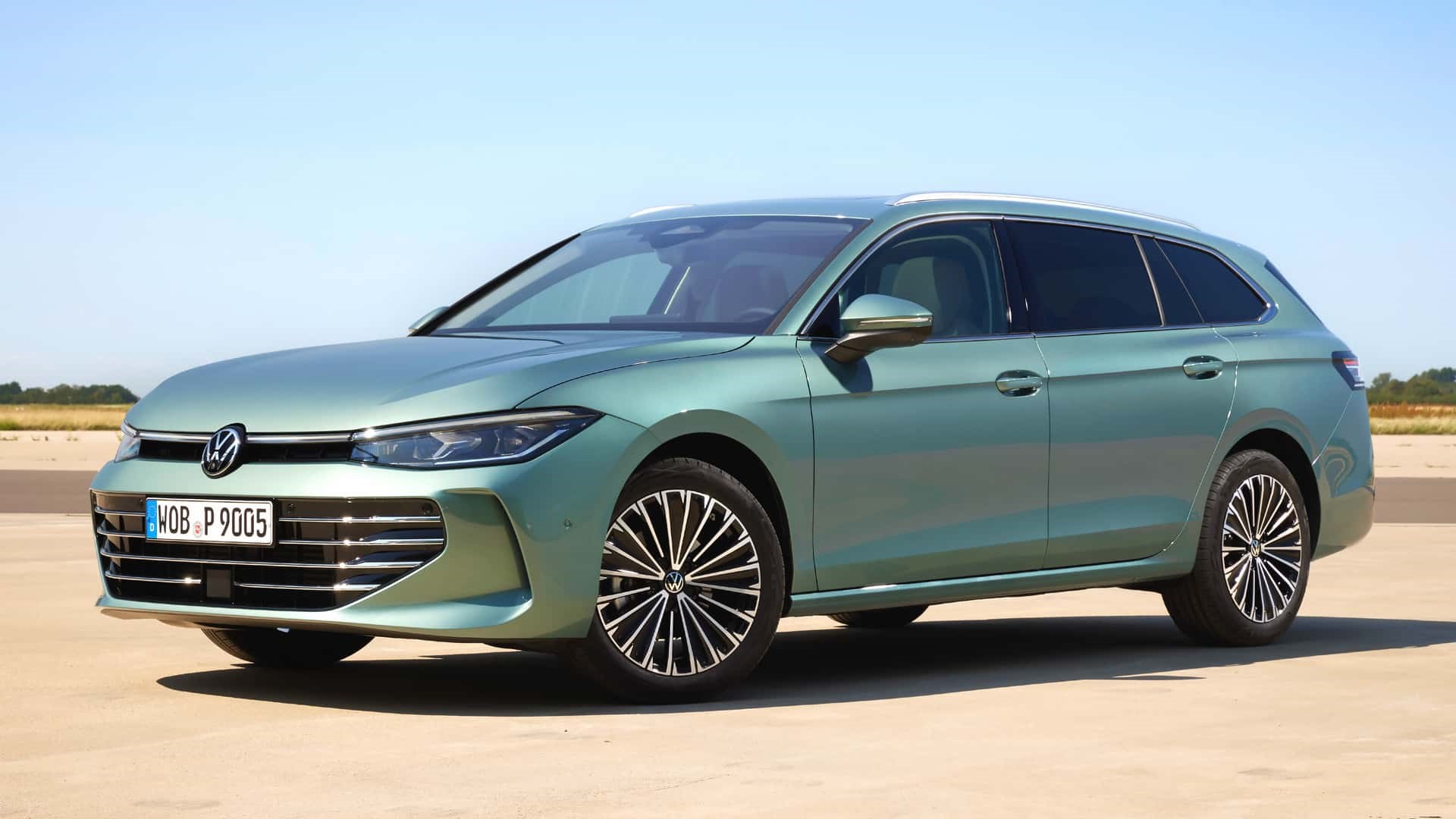
In profile, the redesigned body incorporated a prominent character line running from the front fender through to the taillights. The gently arched roofline suggested ample interior headroom and tapered into a subtly sloping rear deck. Depending on trim level, buyers could choose from 17-, 18-, or 19-inch alloy wheels.
At the rear, Volkswagen introduced new LED taillights connected by a slim light strip spanning the trunk lid, accentuating the car’s width. A notable styling change was the addition of the “Passat” badge spelled out in chrome lettering across the trunk. The rear bumper was also revised, adopting a cleaner design with integrated reflectors to enhance visual cohesion.
Inside, the 2020 Passat received a redesigned dashboard incorporating a continuous air-vent theme derived from higher-end Volkswagen models.
The infotainment display was positioned beneath a single pane of glass, creating a more integrated and contemporary look. Material quality was upgraded throughout the cabin. Interior space remained a key advantage, with generous headroom and legroom, particularly for rear passengers.
Front seats could be specified with heating, power adjustment, and memory functions. Higher trims offered rear-seat heating and dual-zone Climatronic automatic climate control. As before, the split-folding rear bench allowed for expanded cargo capacity. Additional comfort-oriented amenities included a heated steering wheel, auto-dimming mirrors, and remote start capability.
Mechanically, the 2020 Passat retained the 2.0-liter turbocharged inline-four engine from the pre-facelift model, recalibrated for a modest increase in torque.
Power was delivered to the front wheels through a six-speed Tiptronic automatic transmission. While not positioned as a performance-focused sedan, the Passat preserved Volkswagen’s characteristic steering accuracy and balanced ride quality, delivering stable and composed behavior in both highway and urban driving conditions.
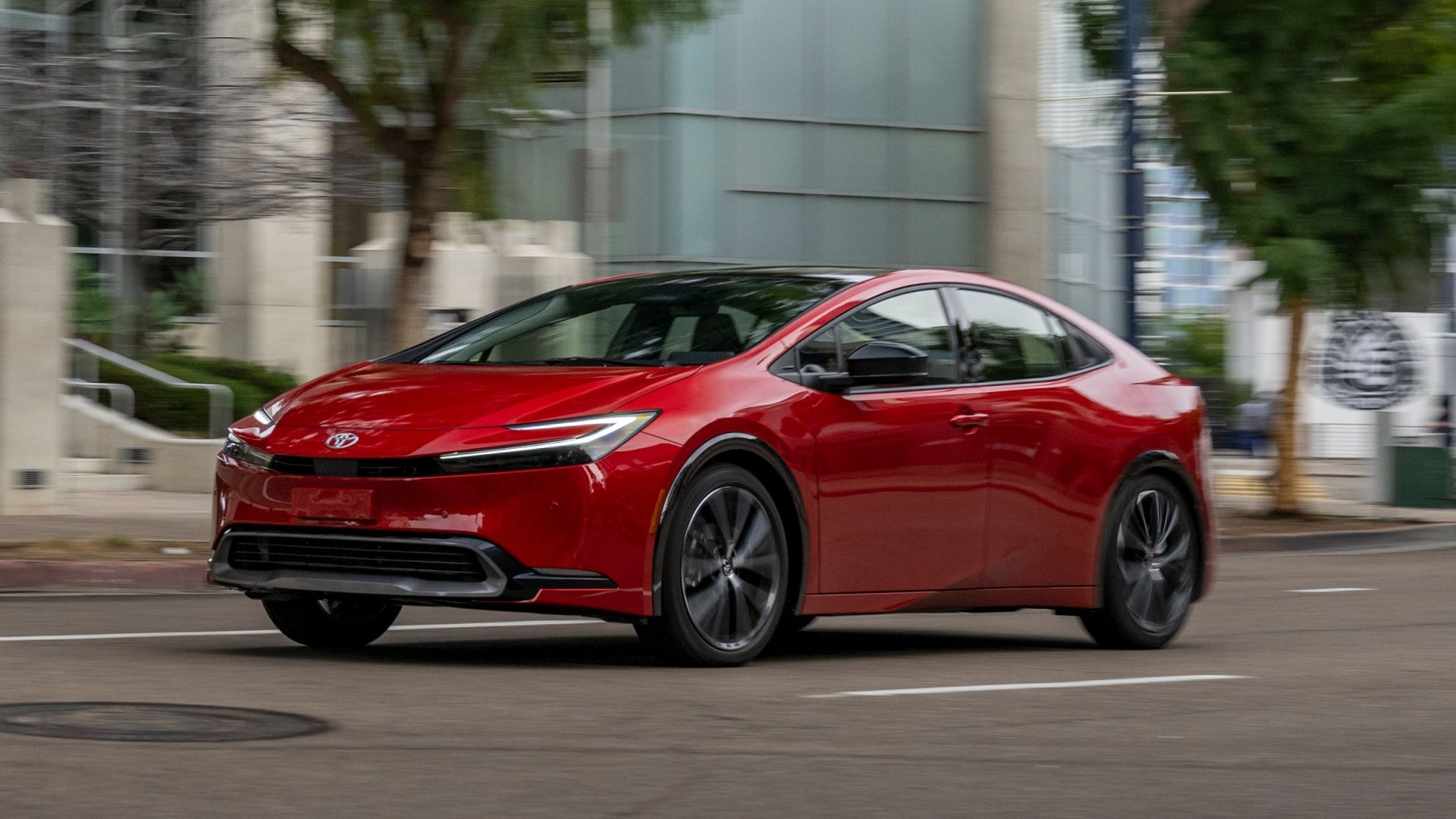
10. Toyota Prius
The Prius is famous for reliability, but oil changes on many models from Toyota involve removing a large plastic undertray held in place by fragile clips.
Later generations use a cartridge-style oil filter that requires a special wrench, and improper installation can lead to leaks.
It’s not difficult in theory, but the extra steps surprise many owners who expected hybrid simplicity.
None of these cars are bad vehicles. Many are excellent in their respective categories. But they highlight a growing trend: basic maintenance is no longer being treated as a design priority.
If you’re shopping for your next car and plan to do your own servicing, it’s worth researching oil filter placement, underbody access, and reset procedures ahead of time. That small detail can save you years of frustration, or hundreds in labor costs.
Sometimes, the most important feature isn’t horsepower or infotainment. It’s how easily you can change the oil.
